
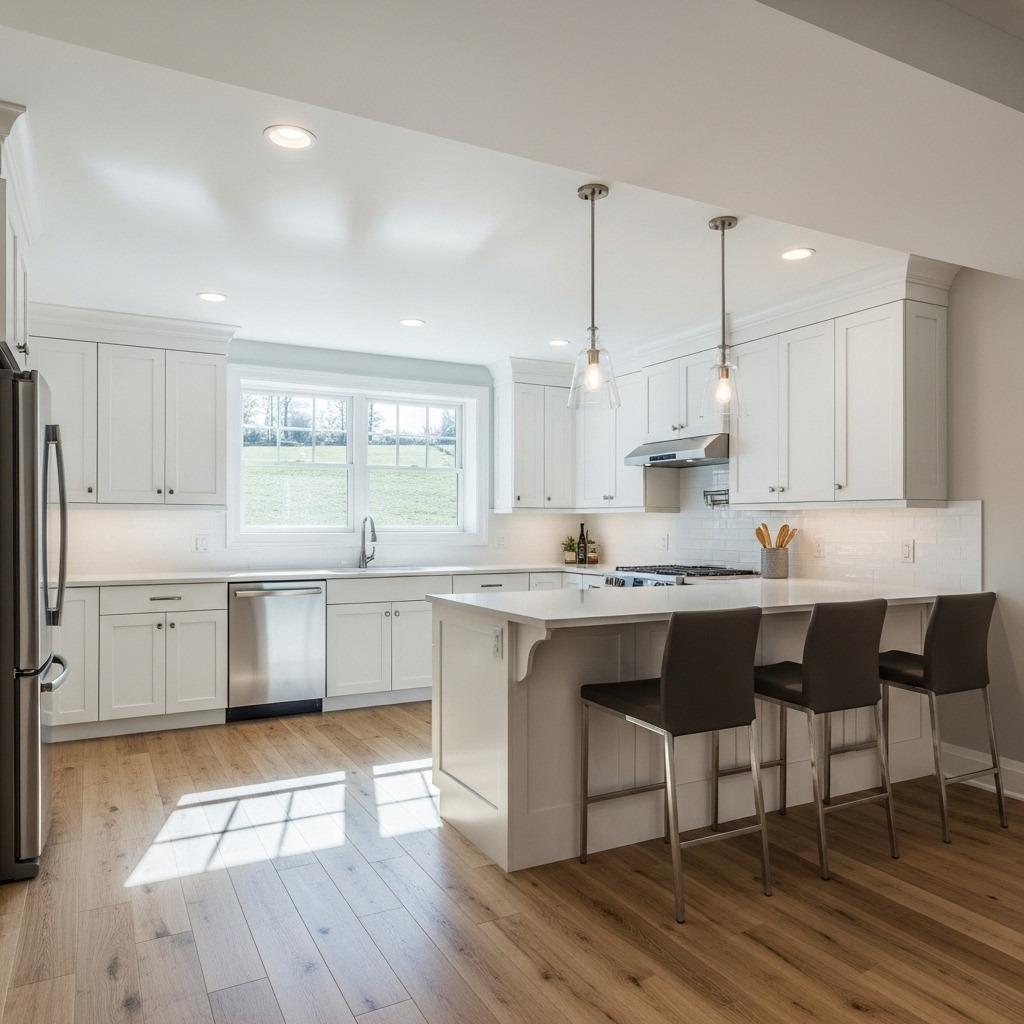
Ever watched your utility bill climb month after month and wondered where all that water goes? You’re not alone. The average household uses about 300 gallons of water daily, and much of it flows down the drain without us even noticing. But here’s the thing – cutting back doesn’t mean sacrificing comfort or constantly thinking about every drop.
Creating a water-saving home is one of those rare wins where you help both your wallet and the planet simultaneously. Whether you’re refreshing your bathroom ideas or rethinking your garden and nursery ideas, small changes add up to significant savings. Some of these tweaks take five minutes to implement, while others might become part of your next home improvement ideas project.
What makes these strategies work is their practicality. You don’t need to become an environmental warrior or invest thousands upfront. Most of these ideas pay for themselves within months, and you’ll barely notice the difference in your daily routine. Ready to see how simple it can be?
1. Install Low-Flow Showerheads and Faucet Aerators
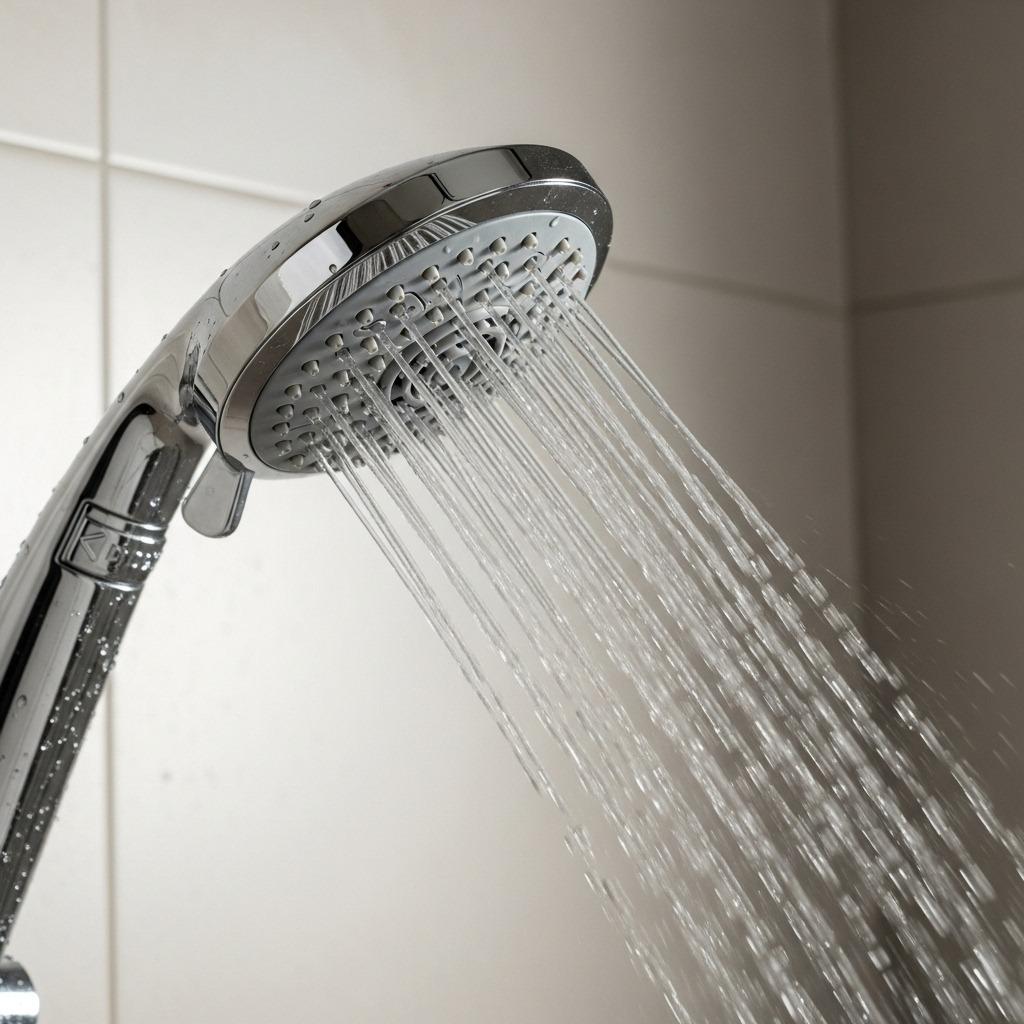
Swapping out your old showerhead for a low-flow version might be the easiest money-saver you’ll ever make. Modern low-flow showerheads use about 2 gallons per minute compared to older models that blast through 5 gallons or more. That’s a 60% reduction without making your shower feel like a drizzle.
Faucet aerators work similarly by mixing air into the water stream, maintaining pressure while using less water. You can pick these up at any hardware store for under $10, and installation takes about two minutes – no plumber needed. Just unscrew your current aerator and screw on the new one.
The beauty of these fixtures is that most people can’t tell the difference once they’re installed. Your spa-inspired bathroom can still feel luxurious while secretly saving gallons every day. Plus, using less hot water means your energy bills drop too, creating a double win for your budget.
2. Fix Leaks Immediately (They’re Expensive)
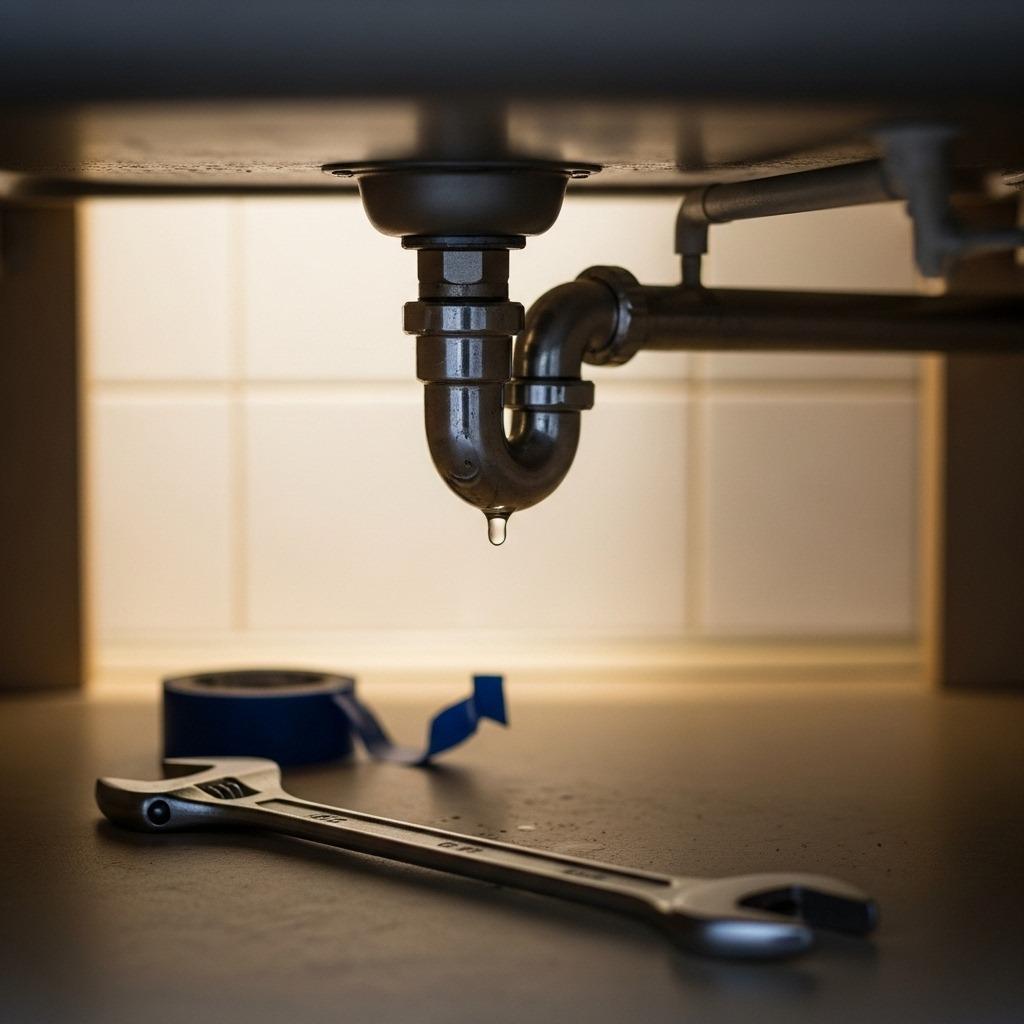
That slow drip from your kitchen faucet? It’s costing you more than you think. A faucet leaking one drip per second wastes over 3,000 gallons annually. That’s enough water for 180 showers, literally going down the drain while you sleep.
Most leaks have simple fixes. A worn washer or loose connection is usually the culprit, and replacing these parts costs just a few dollars. Check under sinks, around toilet bases, and behind appliances regularly. Sometimes you’ll spot water damage before you notice the drip itself.
Toilet leaks are sneakier but waste even more water. Drop some food coloring in your tank and wait 15 minutes without flushing. If color appears in the bowl, you’ve got a leak. According to the EPA, fixing easily corrected household water leaks can save homeowners about 10% on their water bills. For ideas on upgrading your kitchen and dining ideas while staying water-conscious, preventive maintenance makes a real difference.
3. Upgrade to Dual-Flush Toilets
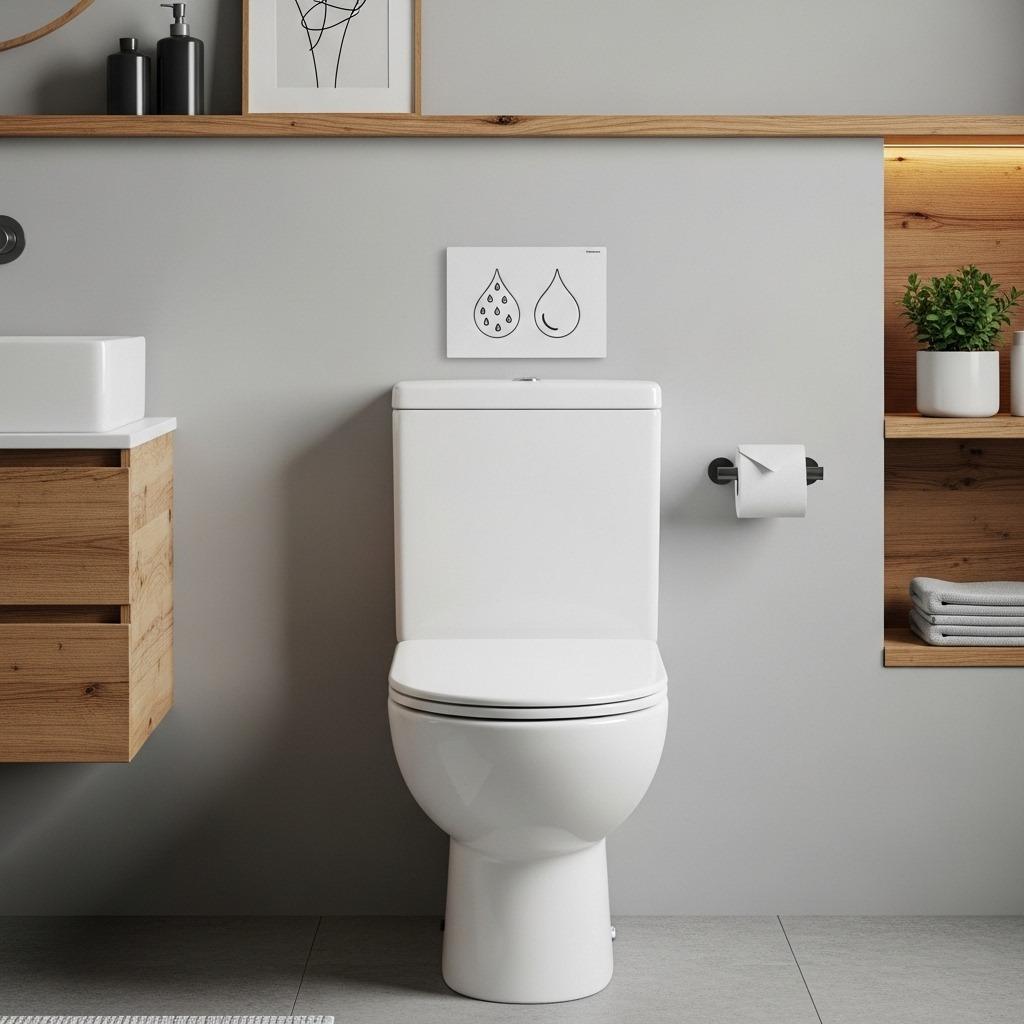
Toilets account for nearly 30% of household water use, making them prime targets for efficiency improvements. Dual-flush toilets give you two flushing options – a light flush for liquid waste using about 0.8 gallons, and a full flush for solid waste using 1.6 gallons. Compare that to older toilets that use 3.5 to 7 gallons per flush regardless of what you’re flushing.
The math gets impressive quickly. A family of four could save nearly 13,000 gallons per year by upgrading. Yes, the upfront cost runs higher than a faucet aerator, but water savings typically offset the investment within a few years.
If replacing your toilet isn’t in the budget yet, consider a toilet bank or displacement device in the tank. These simple additions reduce the water used per flush by displacing tank volume. Many small bathroom renovation projects now include dual-flush toilets as standard because the long-term savings make sense.
4. Collect and Reuse Greywater
Greywater – the relatively clean wastewater from showers, baths, and washing machines – doesn’t need to disappear into the sewer. With some simple rerouting, this water can irrigate your garden, flush toilets, or wash outdoor surfaces. We’re not talking about toilet water here; that’s blackwater and requires different treatment.
Setting up a basic greywater system can be as simple as collecting shower water in a bucket while it warms up, then using it to water plants. More involved systems divert water from your washing machine directly to landscaping. Check local regulations first, as some areas have specific requirements for greywater systems.
Your garden will appreciate the extra moisture, especially during dry months. Plants generally tolerate greywater well, though you’ll want to use biodegradable, plant-friendly soaps. Incorporating greywater collection into your vertical gardening ideas can make watering those elevated planters much easier too.
5. Choose Native and Drought-Resistant Landscaping
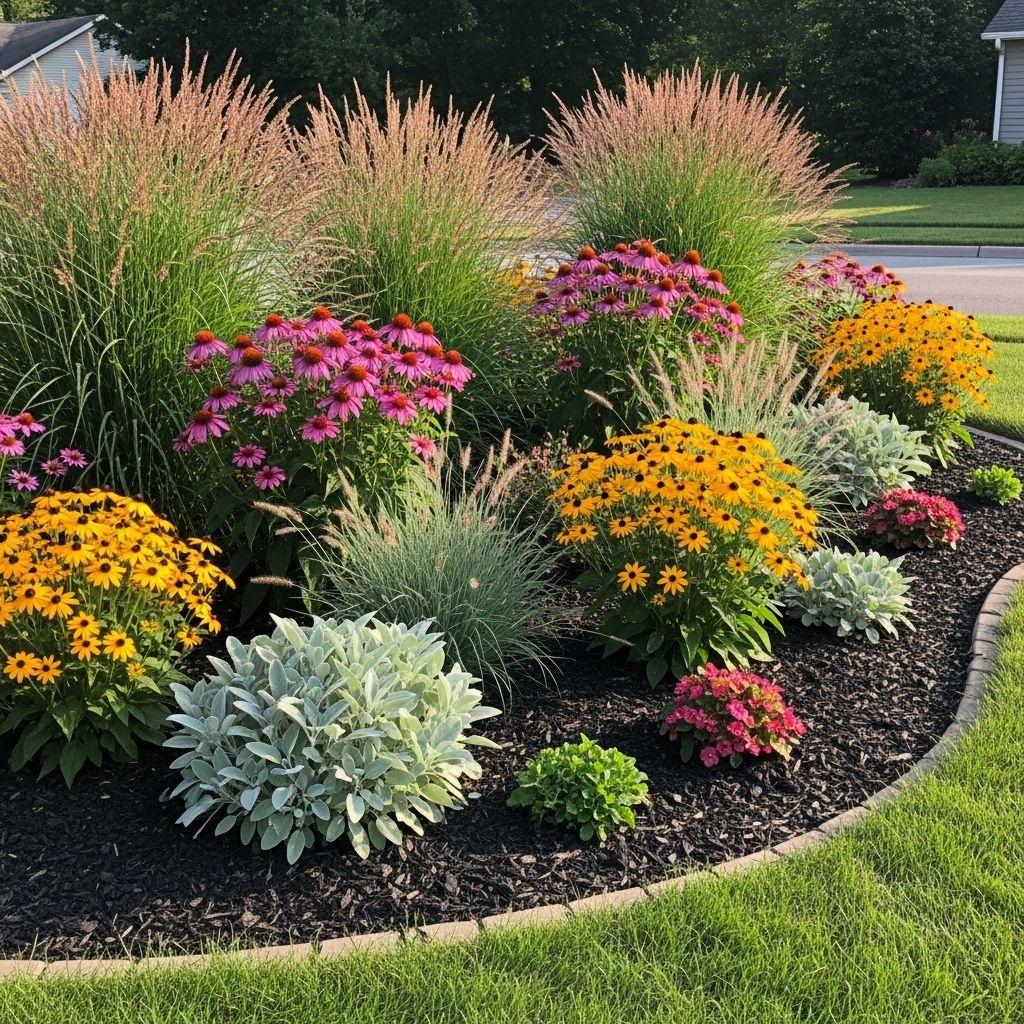
Rethinking your landscape choices might be the most impactful water-saving move you make. Traditional lawns are water guzzlers, requiring an inch or more of water weekly during growing season. Native plants, adapted to your local climate, thrive with minimal irrigation once established.
Drought-resistant landscaping doesn’t mean a desert of rocks and cacti (unless that’s your style). Native wildflowers, ornamental grasses, and flowering shrubs create gorgeous displays while asking little in return. These plants developed over thousands of years to handle your region’s rainfall patterns, meaning Mother Nature does most of the watering.
The transition saves more than water. You’ll spend less time dragging hoses around, and many native plants attract pollinators, creating a more vibrant ecosystem. Resources like your local extension office can recommend specific plants for your area. Combining these choices with low-maintenance landscaping front yard strategies creates an outdoor space that practically takes care of itself.
6. Install Smart Irrigation Controllers
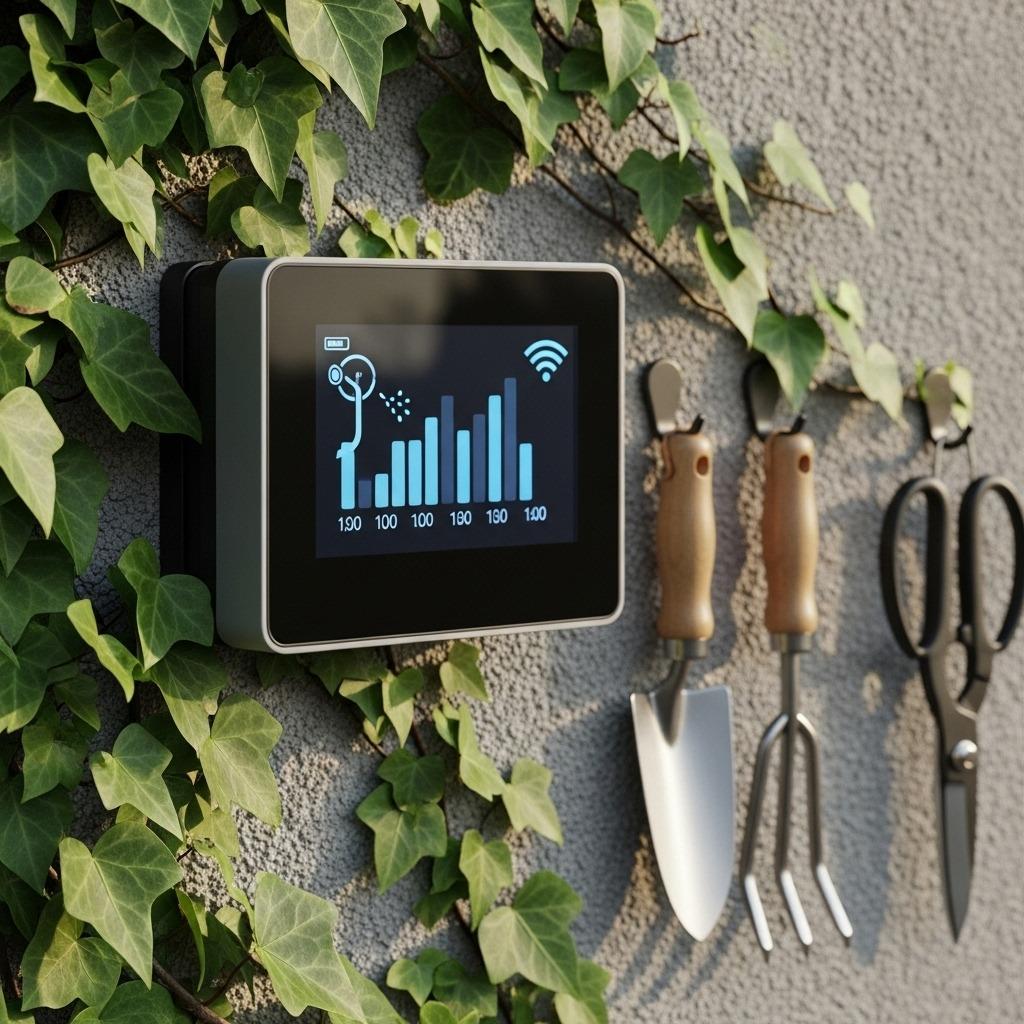
Traditional sprinkler timers run on a set schedule regardless of weather conditions. It rains all night? Your sprinklers still come on in the morning. Smart irrigation controllers use local weather data, soil moisture levels, and plant types to adjust watering automatically.
These devices connect to your WiFi and pull real-time weather information. If rain is forecast or has recently fallen, the system skips that watering cycle. Some models include soil moisture sensors that measure actual ground conditions rather than guessing based on time elapsed.
The EPA estimates smart irrigation controllers can save the average household nearly 8,800 gallons of water annually. They also prevent overwatering, which causes as many plant problems as underwatering. Setup typically takes an hour or less, and many models work with existing sprinkler systems. For those interested in smart garden irrigation tips, these controllers represent a practical first step into home automation.
7. Use Mulch in Garden Beds
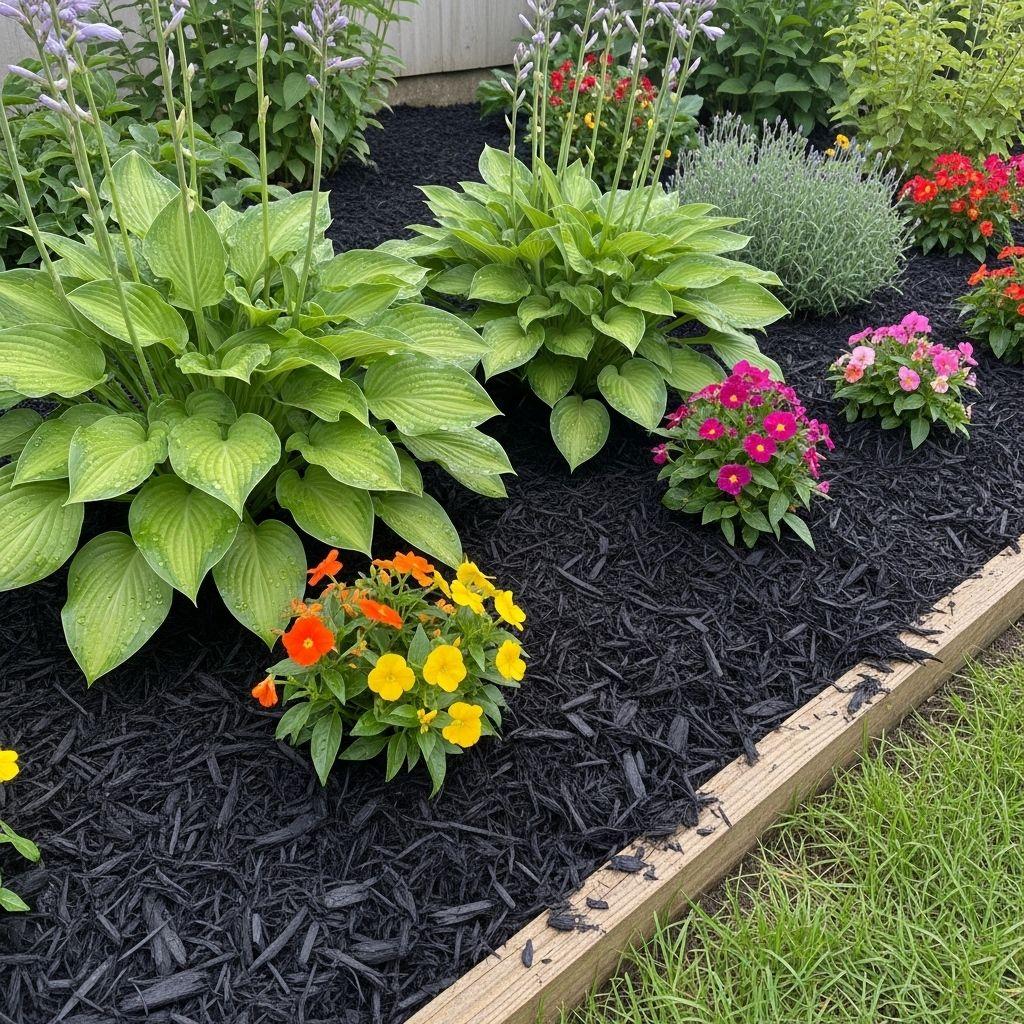
Mulch does more than make your garden beds look tidy. A 2-3 inch layer of organic mulch acts like a blanket over the soil, slowing evaporation and keeping moisture where plant roots can use it. During hot summer months, mulched soil can retain up to 25% more moisture than bare ground.
Wood chips, shredded bark, straw, or compost all work well as mulch. As organic mulches break down, they improve soil structure and add nutrients – a bonus beyond water conservation. Apply mulch in spring after the soil warms, or in fall to protect plants through winter.
Keep mulch a few inches away from plant stems and tree trunks to prevent rot. Too much mulch can actually harm plants by preventing water penetration, so don’t pile it on. The right amount creates a protective layer that reduces watering frequency significantly. This approach pairs perfectly with container gardening strategies where water retention matters even more.
8. Harvest Rainwater with Rain Barrels
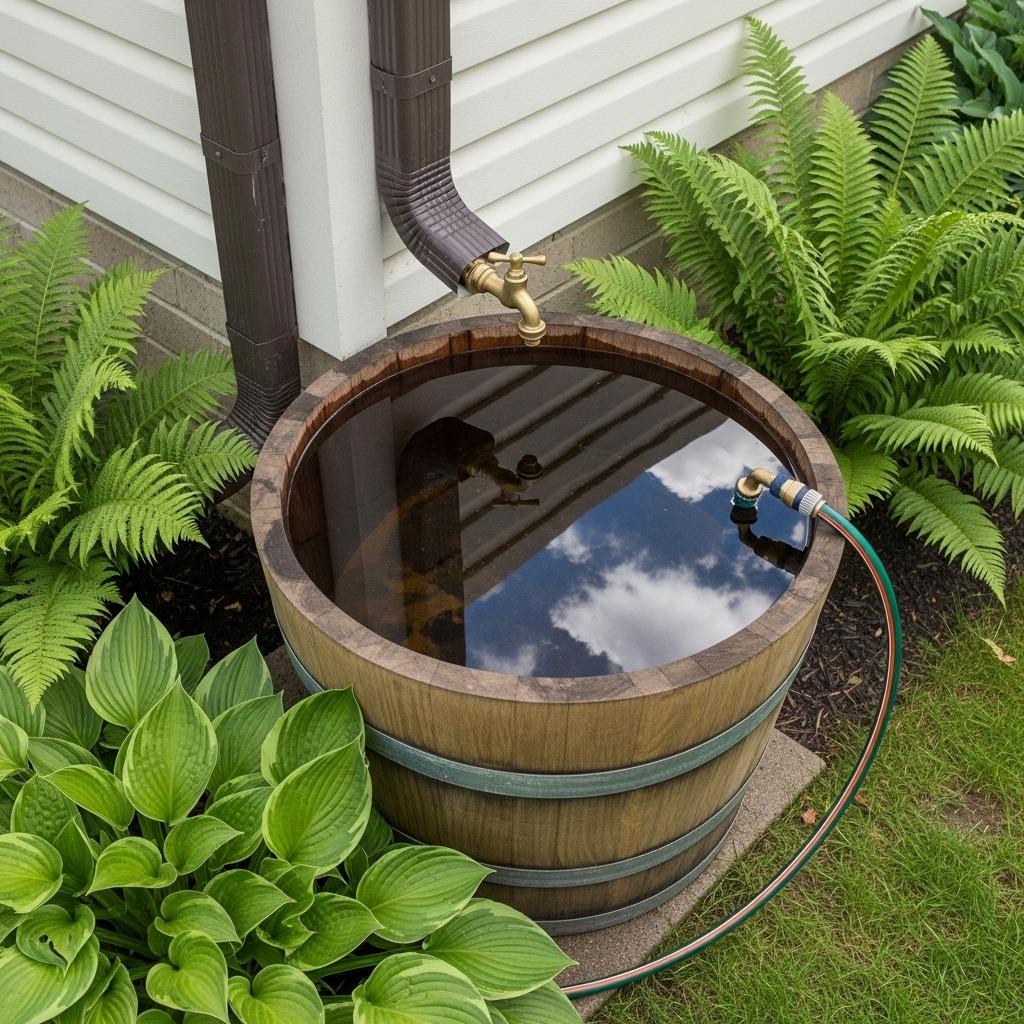
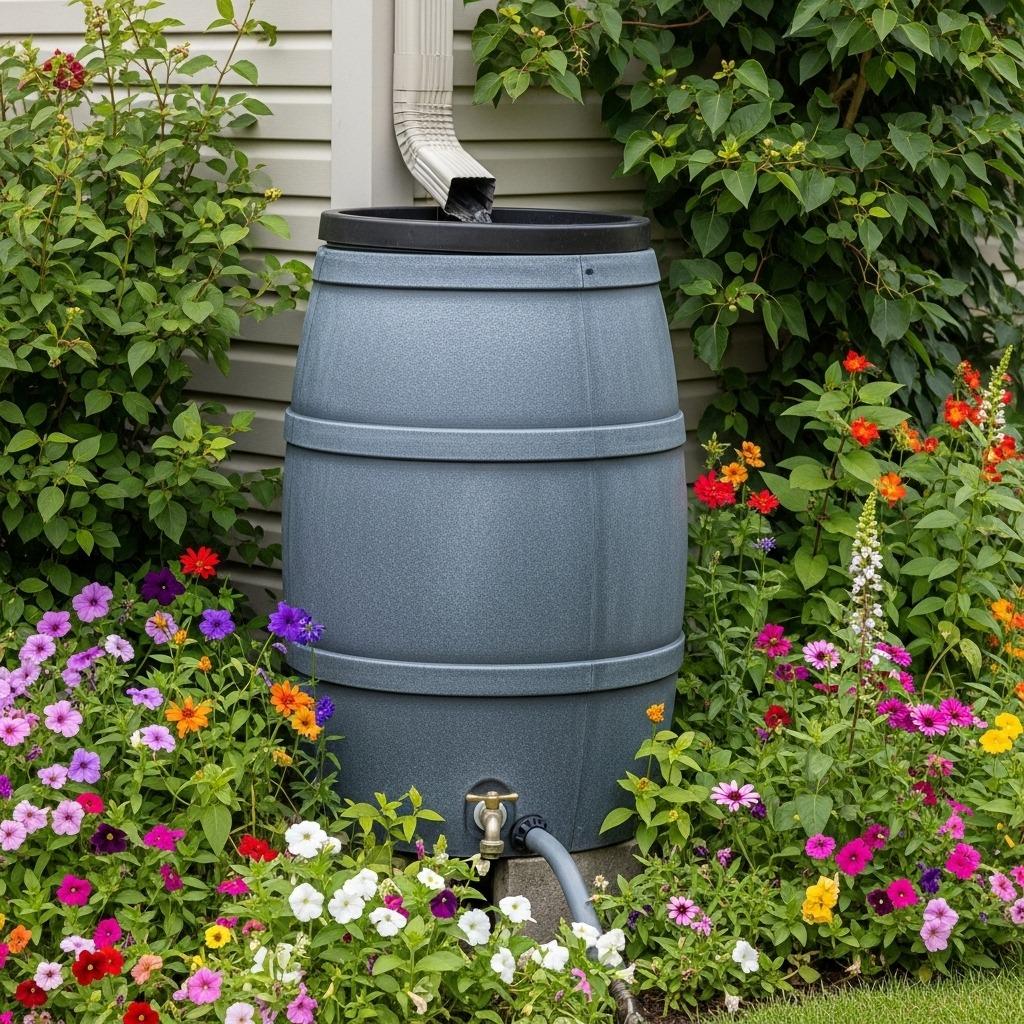
Rain barrels capture free water falling on your roof, storing it for later use in the garden. A single inch of rain on a 1,000 square foot roof yields about 600 gallons of water. That’s enough to water your garden for weeks, depending on its size.
Basic rain barrel systems cost under $100, or you can DIY one from a large food-grade container. Position the barrel under a downspout, add a spigot near the bottom for easy access, and include an overflow valve for heavy rains. Some homeowners connect multiple barrels for greater storage capacity.
The water you collect is chlorine-free, making it actually better for plants than treated tap water. Use stored rainwater during dry spells, for container plants, or to fill bird baths. Most regions experience rainfall unevenly throughout the year, so rainwater harvesting helps smooth out those wet and dry periods. If you’re exploring sustainable house design concepts, rain barrels represent an easy entry point that delivers immediate results.
9. Run Full Loads Only in Dishwashers and Washing Machines
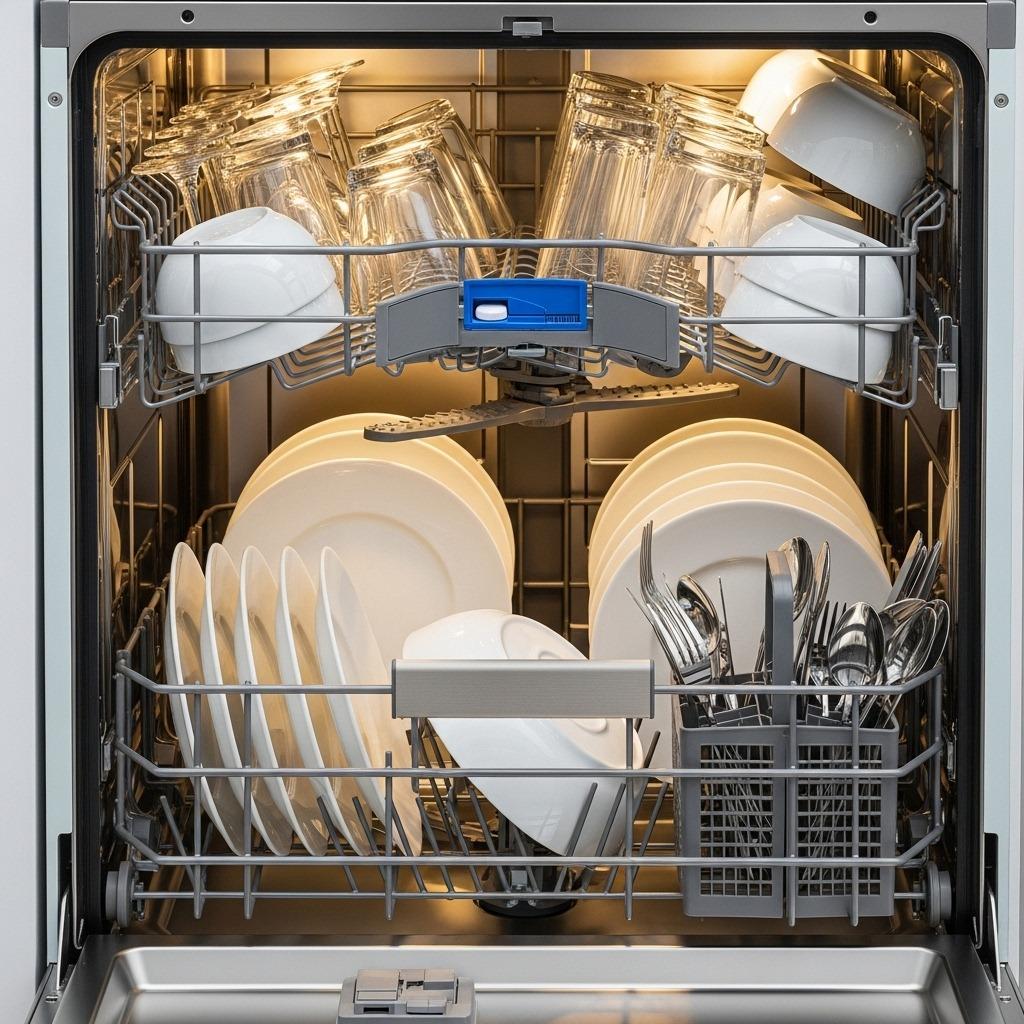
Your dishwasher and washing machine use roughly the same amount of water whether they’re half-full or packed. Running partial loads means you’ll run twice as many cycles to clean the same amount of dishes or clothes, doubling your water use unnecessarily.
Modern dishwashers use surprisingly little water – about 3-5 gallons per cycle compared to 27 gallons for handwashing the same load. But only if you run full loads. Wait until you have a full rack before starting a cycle. The same applies to laundry; save up clothes for fewer, fuller loads.
When you do run these appliances, skip the extra rinse cycles unless actually needed. Most modern detergents work fine without pre-rinsing dishes or extra wash cycles. These habits become second nature quickly and can save thousands of gallons yearly. For more efficiency strategies, check out ideas for eco-conscious planter setups that align with water-wise thinking throughout your home.
10. Take Shorter Showers (or Install a Shower Timer)
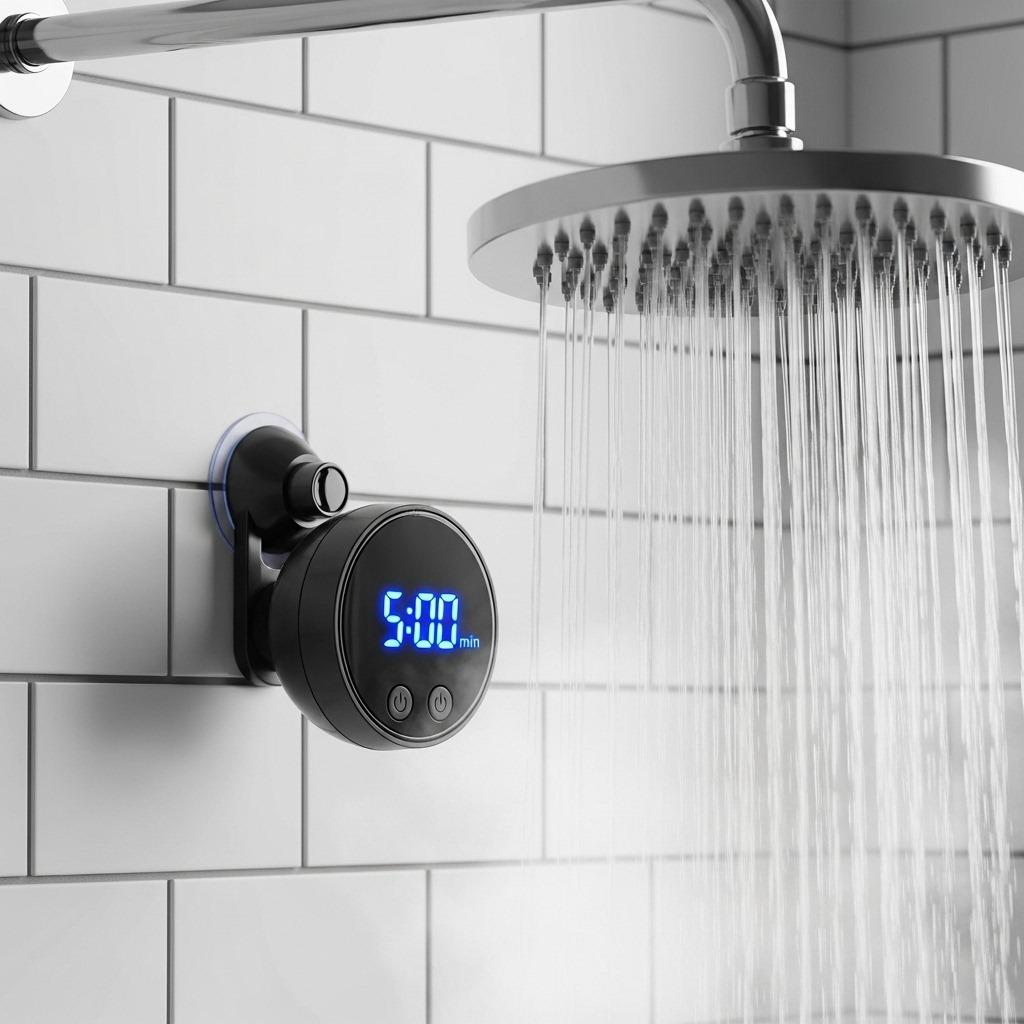
Showers account for nearly 17% of residential indoor water use. Cutting your shower time by just two minutes saves up to 10 gallons per shower. Over a year, that’s nearly 4,000 gallons for one person, and savings multiply across household members.
If tracking time feels tedious, shower timers provide gentle reminders. These waterproof devices attach to your shower wall and count down from your target time, usually with a visual or audio alert. Some people use their favorite four-song playlist as a natural timer – when the music stops, so does the shower.
The hot water savings add another layer of benefits since heating water consumes significant energy. Shorter showers mean lower gas or electric bills alongside water savings. Making this habit stick is easier if everyone in the household participates. Consider it part of creating an eco house lifestyle that works for your family’s routine.
11. Install Water-Efficient Appliances
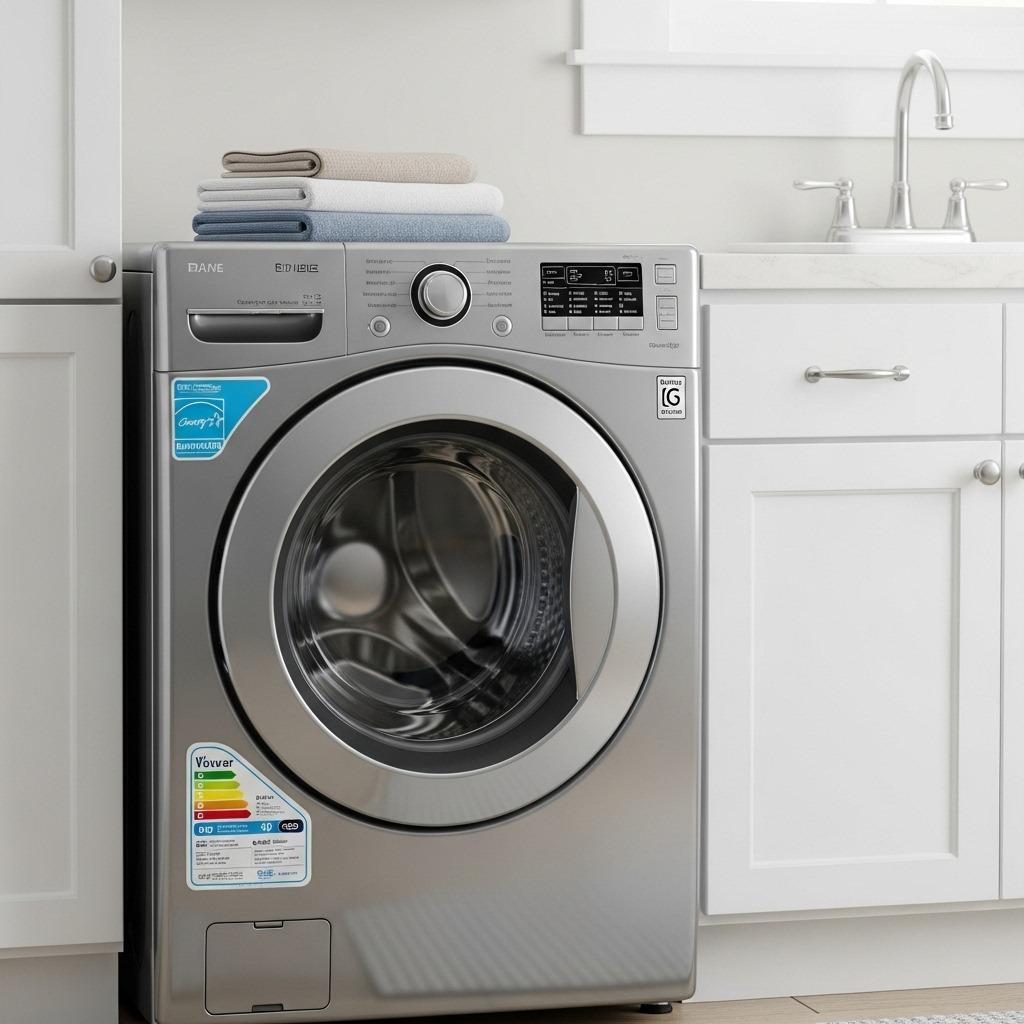
When it’s time to replace major appliances, water efficiency ratings should factor into your decision. Energy Star certified washing machines use about 13 gallons per load versus 23 gallons for standard models. Dishwashers with the same certification use less than 4 gallons per cycle.
These efficiency gains don’t come with trade-offs in cleaning power. Modern high-efficiency appliances actually clean better than older models while using fewer resources. Look for the Water Factor (WF) rating on washing machines – lower numbers mean less water per cubic foot of laundry.
The upfront cost runs higher than standard models, but utility savings accumulate over the appliance’s lifetime. Many utility companies offer rebates for purchasing water-efficient models, reducing the price gap. When planning affordable home upgrades, replacing an aging appliance with an efficient model makes both environmental and financial sense.
12. Use a Broom Instead of a Hose for Outdoor Cleaning
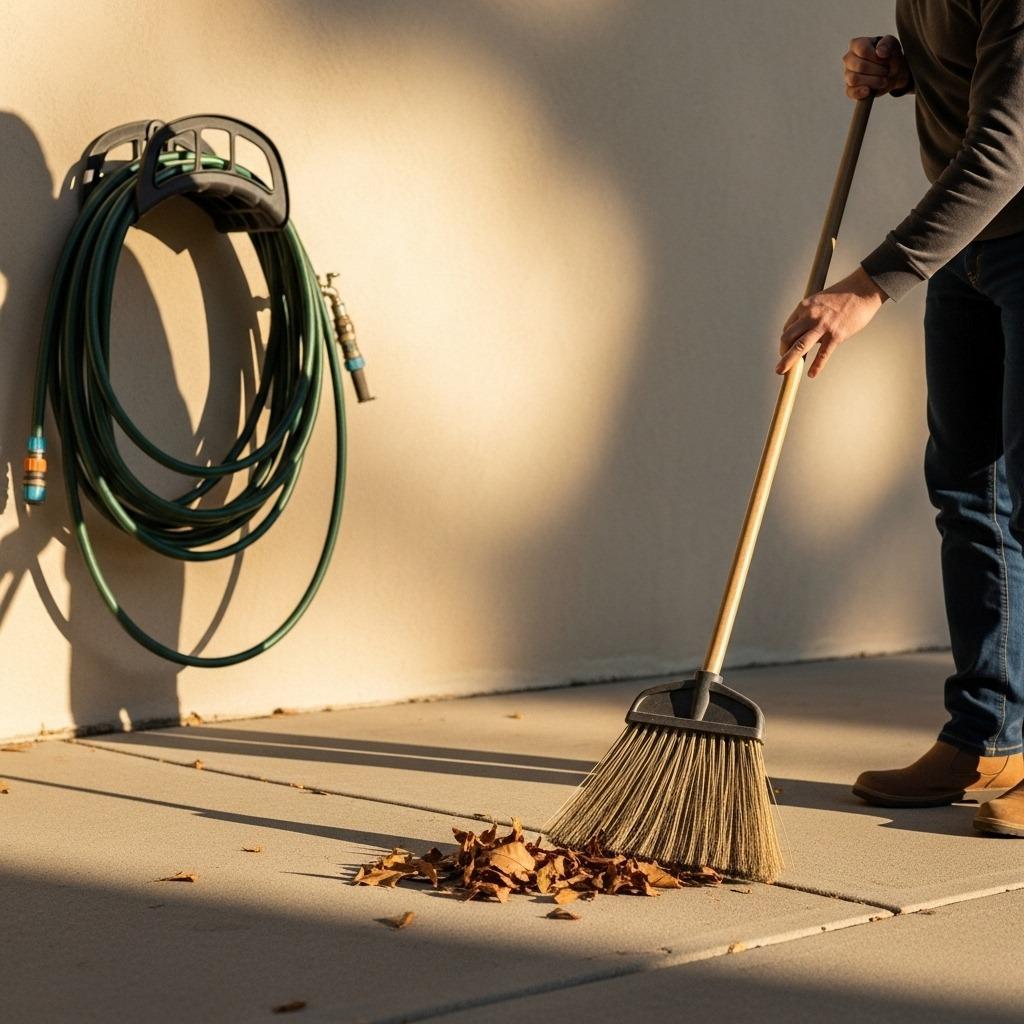
It’s tempting to blast away leaves, dirt, and debris from driveways and patios with a hose. But a garden hose flowing for 10 minutes uses about 50 gallons of water. For most outdoor cleaning tasks, a good broom works just as well and uses zero water.
Sweep patios, decks, driveways, and walkways regularly to prevent buildup. When you do need water – say, for stubborn stains – spot clean only the affected area rather than hosing down the entire surface. A bucket of soapy water and a scrub brush handles most tough spots with a fraction of the water.
This mindset shift applies to washing cars too. Commercial car washes recycle water and use less overall than home washing with a running hose. If you wash at home, use a bucket and sponge method, and only turn on the hose for final rinsing. These eco home hacks don’t require any purchases or installations, just a bit of awareness about water use patterns you might not have questioned before.
Making It All Work Together
Creating a water-saving home isn’t about implementing every single idea at once. Start with the quick wins – fixing leaks, installing aerators, taking shorter showers. These changes require minimal effort and investment while delivering immediate results on your next water bill.
As you replace appliances or plan renovations, factor water efficiency into those decisions. A new toilet or washing machine represents years of daily use, so choosing efficient models pays dividends for a long time. Outdoor water use offers huge savings potential, especially in warmer climates where landscaping irrigation dominates water bills.
The combination of water efficiency tips and sustainable practices creates a home that costs less to run while treading more lightly on local water resources. You might be surprised how quickly these changes become invisible parts of your routine. Within a few weeks, you won’t think twice about shorter showers or full dishwasher loads – they’ll just be how things are done.
Most people see noticeable drops in their water bills within the first month of implementing several of these strategies. The exact savings depend on your starting point and which ideas you adopt, but it’s not uncommon to cut water use by 20-30% without feeling deprived. That’s real money staying in your pocket month after month, year after year.
Water conservation isn’t really about sacrifice. It’s about eliminating waste you probably didn’t know existed. Every gallon you save reduces demand on municipal water systems, preserves local water sources, and lowers the energy needed to treat and pump water to your home. Your reduced usage makes a small but real difference in your community’s overall water picture.
Plus, there’s something satisfying about watching those utility bills trend downward while knowing you’re doing your part. These strategies work in any climate, any home size, and any budget. Whether you’re refreshing a single room or planning a whole-house renovation, keeping water efficiency in mind creates lasting value.
Start with one or two ideas that fit your situation, and build from there. Before long, you’ll wonder why you didn’t make these changes sooner. The water you save, and the money you keep, make every small effort worthwhile.

