
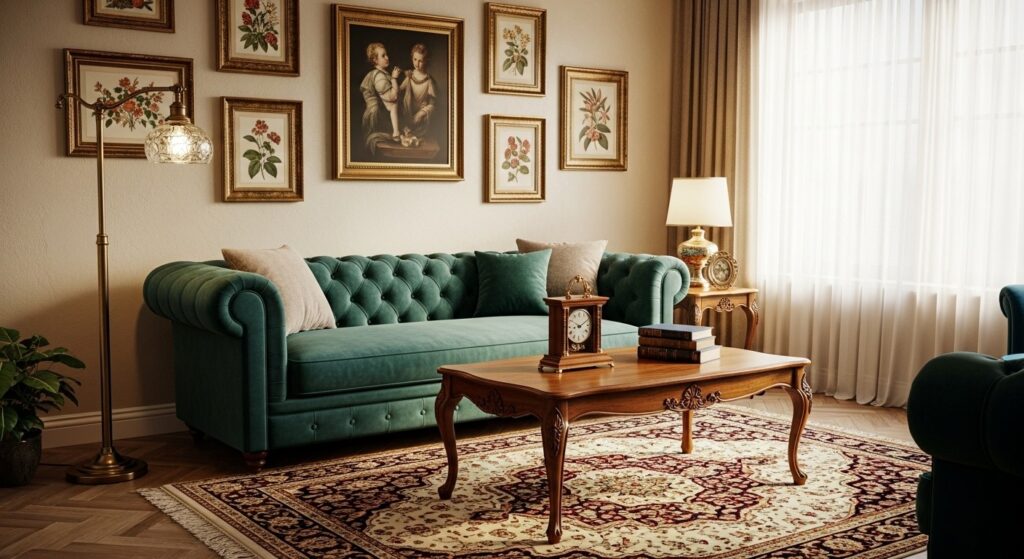
There’s something magnetic about stepping into a space that feels like it has a story to tell. A vintage living room doesn’t just look beautiful – it creates an atmosphere that modern minimalism sometimes misses. That warm, lived-in feeling where every piece seems to whisper tales from another era.
Maybe you’ve inherited your grandmother’s coffee table, or you can’t resist browsing antique shops on lazy Sunday afternoons. Creating a space with genuine character doesn’t mean turning your home into a museum. It’s about blending old-school charm with the comfort and functionality you need today.
Whether you’re drawn to the glamorous curves of mid-century pieces or the ornate details of Victorian-era design, vintage styling offers endless ways to make your space uniquely yours. These ideas will help you capture that nostalgic magic while keeping your living room practical for everyday life.
Why Vintage Style Never Goes Out of Fashion
The beauty of vintage decor lies in its authenticity. Unlike mass-produced furniture that everyone on your block might own, retro pieces carry character that can’t be replicated. Each scratch, patina mark, or faded spot tells part of a larger story.
I’ve noticed how much more conversation vintage pieces spark compared to new items. Guests actually ask about that art deco mirror or where you found those mid-century chairs. There’s an emotional connection to older pieces that fresh-from-the-store furniture rarely creates.
Beyond aesthetics, choosing vintage is surprisingly practical. Quality craftsmanship from decades past often outlasts modern alternatives. That solid wood dresser from the 1950s? It’ll probably survive another fifty years while particleboard options fall apart.
The sustainability angle matters too. Giving furniture a second life keeps it out of landfills while reducing demand for new production. Your home improvement choices can look gorgeous and align with eco-conscious values at the same time.
1. Start with a Statement Sofa

Your sofa sets the tone for everything else. Look for pieces with distinctive shapes – rolled arms, carved wooden legs, or that signature tufted back that screams classic elegance. Velvet upholstery in jewel tones brings instant vintage glamour.
Don’t worry if the cushions have seen better days. Reupholstering a quality vintage frame costs less than buying a well-made new sofa. Plus, you get to choose fabric that perfectly matches your vision while keeping the original bones and character.
Mixing a vintage sofa with modern elements actually makes both shine brighter. That ornate Victorian settee looks even more special next to sleek contemporary side tables. The contrast creates visual interest without feeling stuffy or dated.
2. Layer Vintage Rugs for Texture
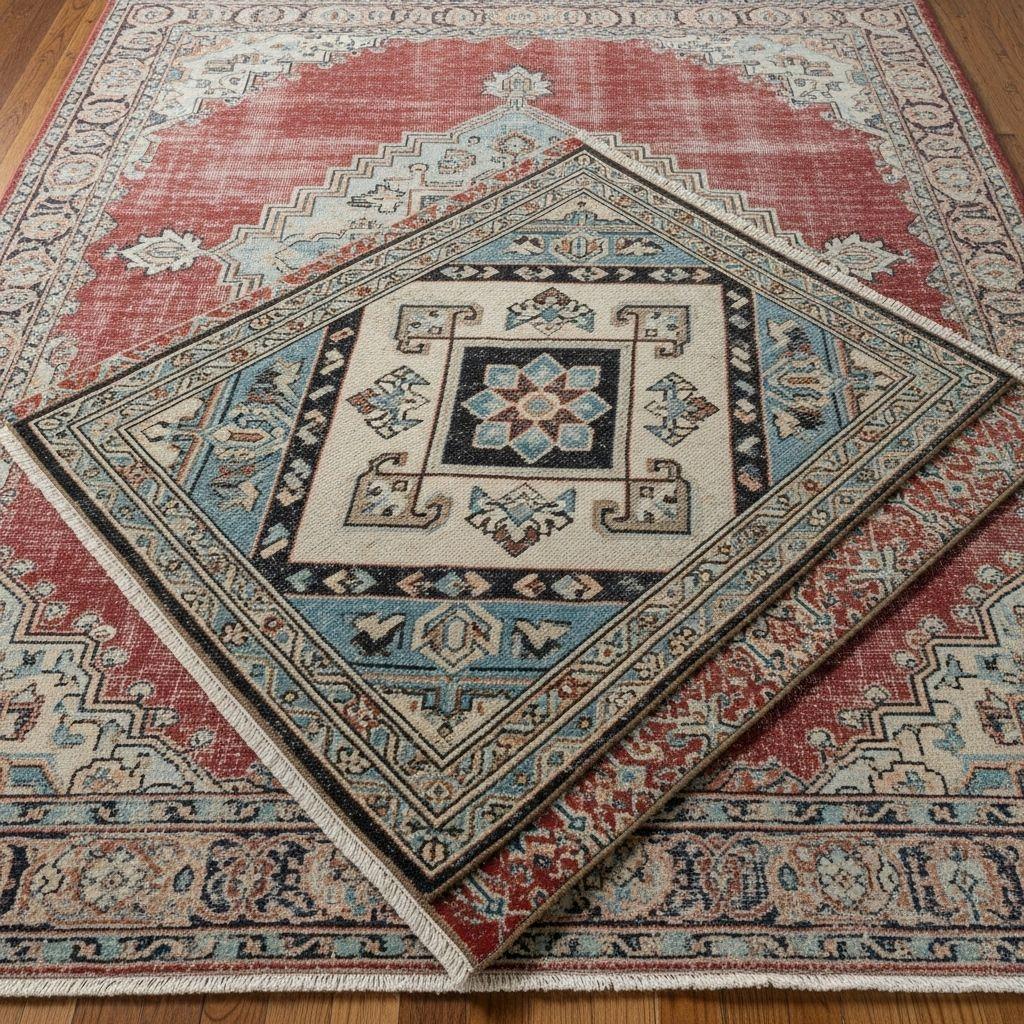
One rug is nice. Two or three layered together? That’s where the magic happens. Start with a larger, more neutral vintage piece as your foundation, then add smaller rugs with bolder patterns on top. This technique instantly adds depth and that collected-over-time feeling.
Persian, Turkish, or traditional Oriental rugs are vintage staples for good reason. Their intricate patterns and rich colors anchor a room beautifully. Even worn or faded examples work perfectly – that gentle patina adds authenticity you can’t fake.
Don’t stress about matching everything perfectly. Vintage styling embraces the slightly mismatched, collected aesthetic. As long as colors complement each other loosely, different patterns and textures actually enhance the nostalgic charm rather than fighting against it.
3. Hunt for Retro Furniture with Character
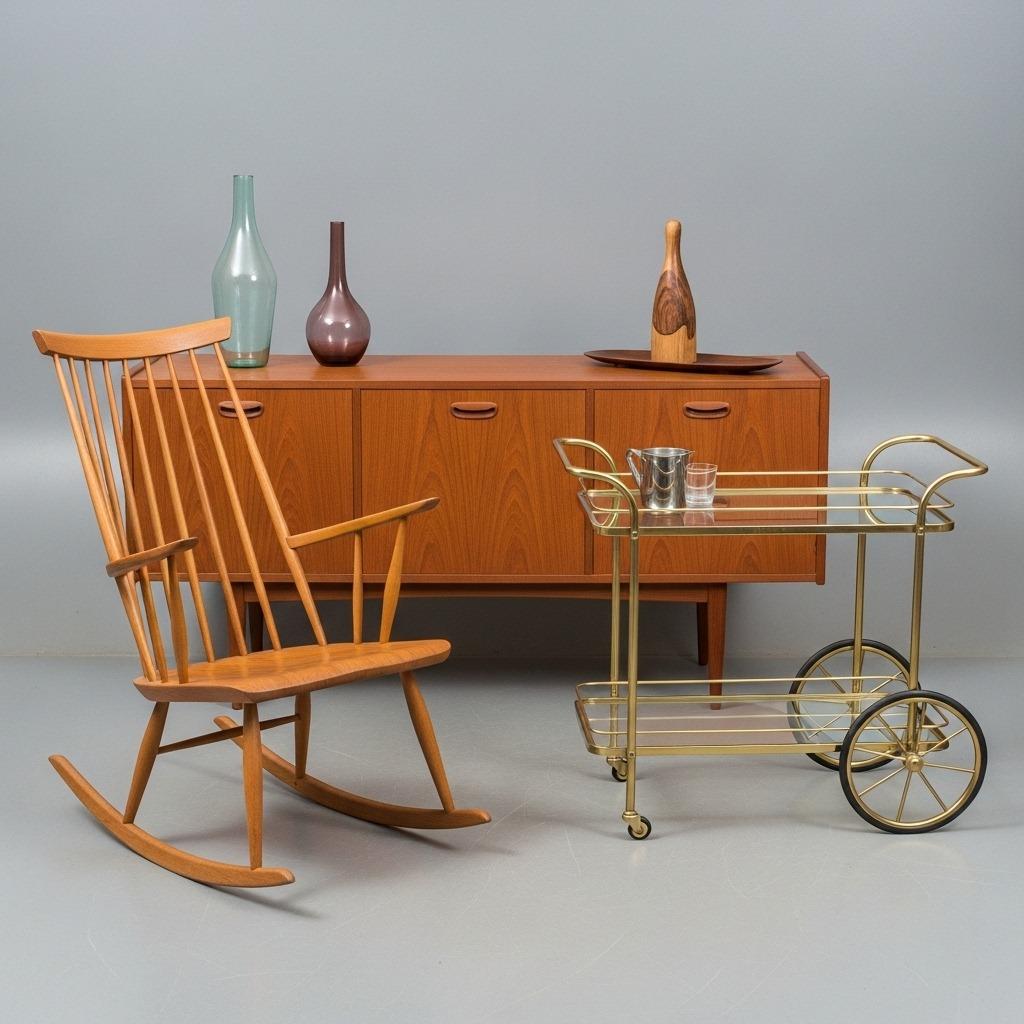
The thrill of finding that perfect vintage piece is half the fun. Estate sales, antique markets, and online marketplaces hide treasures waiting for someone to see their potential. That beaten-up credenza might just need new hardware and some furniture oil to become your room’s showstopper.
Mid-century modern pieces blend especially well with contemporary spaces. Clean lines, tapered legs, and warm wood tones feel both retro and current. A teak sideboard or walnut credenza provides storage while serving as functional art.
Don’t overlook smaller accent pieces. A vintage bar cart, telephone table, or magazine rack fills gaps in your space while reinforcing the nostalgic theme. These conversation starters cost less than major furniture but deliver outsized impact on your room’s overall vibe.
4. Embrace Old-School Decor Elements
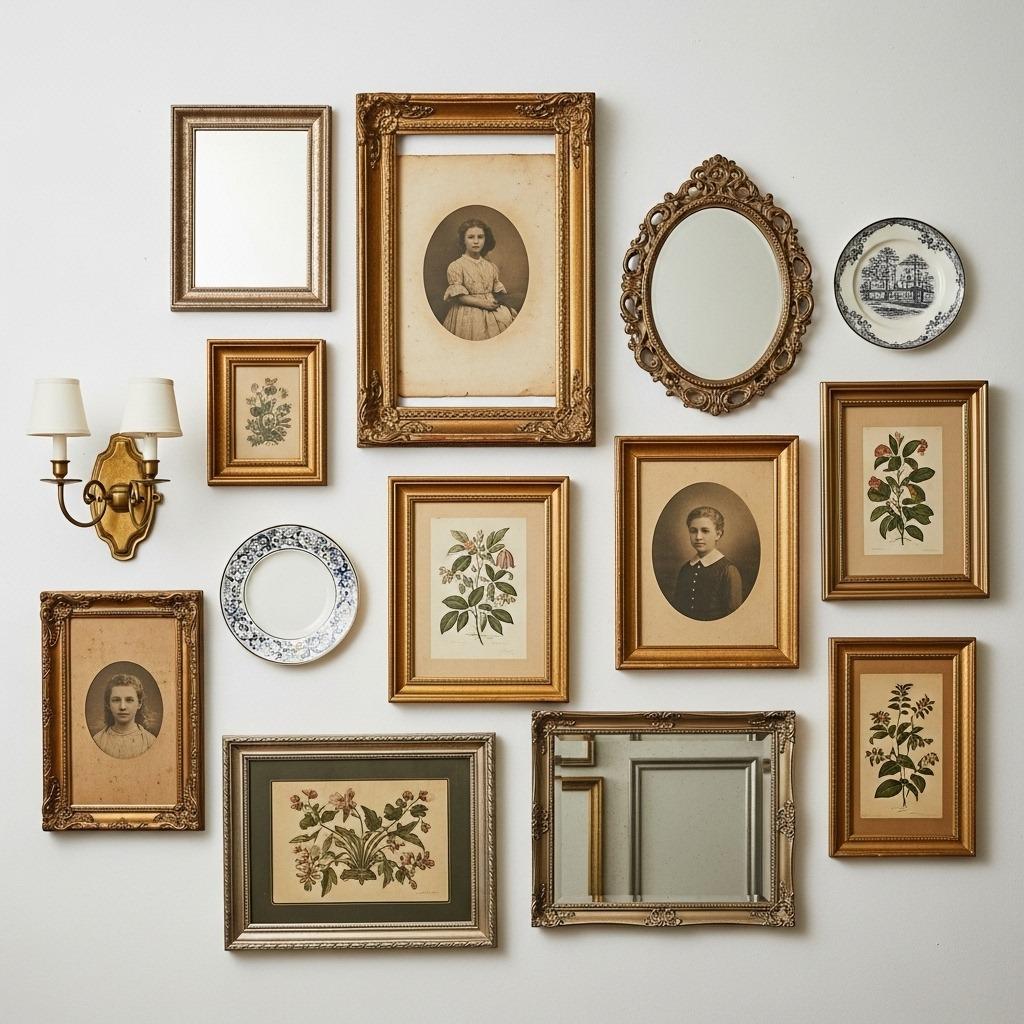
Walls offer prime real estate for vintage personality. Ornate frames holding botanical prints, family portraits, or even empty frames clustered together create that curated-over-generations look. Mix metals – brass, copper, silver – for added visual richness.
Decorative plates mounted on walls used to be everywhere for a reason. They add pattern and color without overwhelming a space. Hunt for sets at thrift stores, or mix and match patterns that share a color palette for an eclectic gallery wall alternative.
Vintage mirrors multiply both light and charm. An oversized gilt mirror above your sofa becomes an instant focal point. Smaller antique mirrors scattered throughout the room bounce light around while adding layers of visual interest to otherwise plain walls.
5. Choose Lighting That Sets the Mood
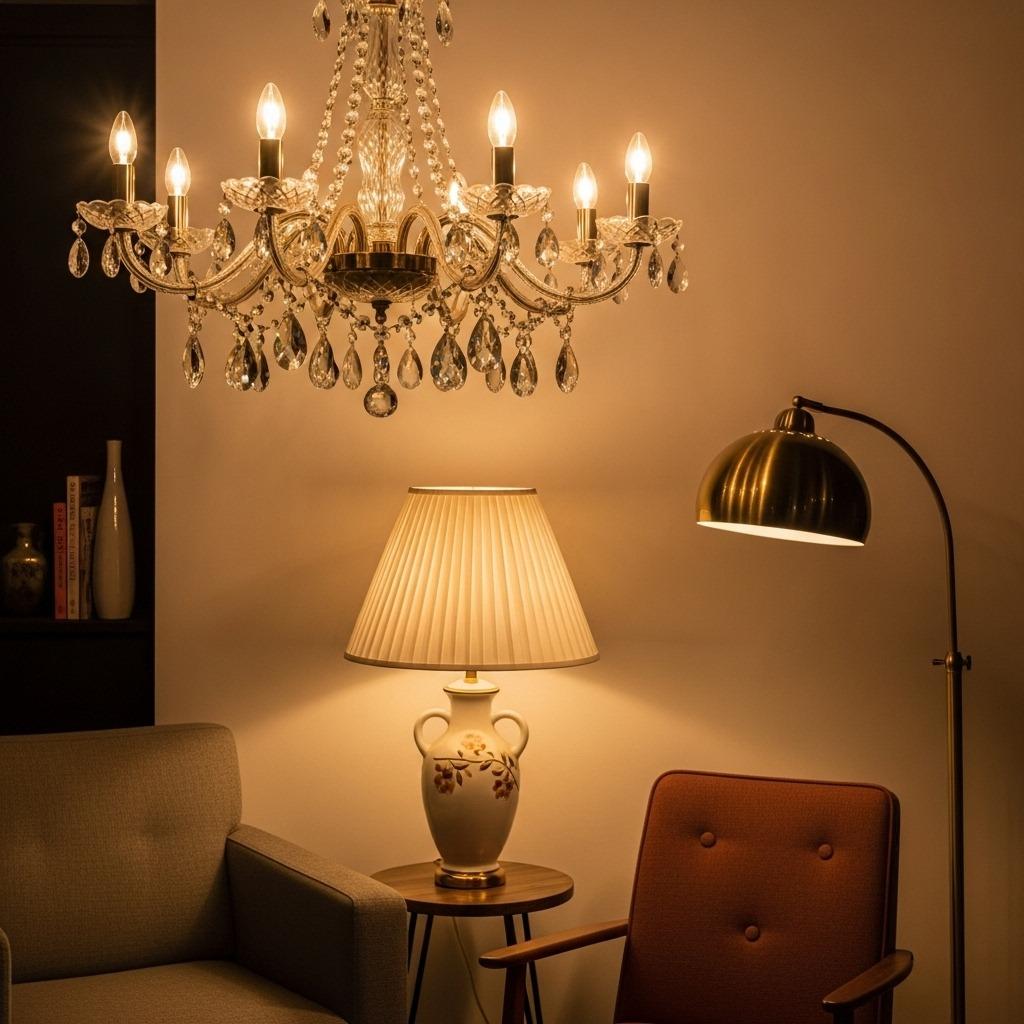
Lighting transforms atmosphere more than almost anything else. Vintage chandeliers, whether crystal-dripping glamour or rustic wrought iron, become instant conversation pieces. Even reproduction fixtures inspired by vintage designs work if authentic pieces stretch your budget.
Table and floor lamps from past decades offer endless style options. Ceramic bases with hourglass shapes, brass pharmacy lamps, or those distinctive mid-century tripod stands – each era brought distinct lighting aesthetics worth exploring for your space.
Don’t forget the bulbs themselves. Warm Edison-style bulbs or amber-tinted options cast that golden glow that makes vintage spaces feel so inviting. Modern LED versions offer the same aesthetic with better energy efficiency and cooler operation. Your stylish home lighting choices matter more than you might think.
6. Incorporate Antique Accessories

Accessories bring vintage styling together. Brass candlesticks, vintage books with beautiful spines, antique wooden boxes – these smaller elements layer in personality without major commitment. You can swap them seasonally or whenever inspiration strikes.
Old suitcases stacked as side tables or storage solutions perfectly embody vintage aesthetic plus function. Display them with worn leather showing, or paint them to coordinate with your color scheme. Either way, they add nostalgic charm while solving storage challenges.
Glassware and ceramics from past decades deserve display space. Colored glass bottles on windowsills catch light beautifully. Vintage vases hold fresh flowers while adding their own decorative appeal. Even mismatched teacups clustered on open shelving create visual interest.
7. Select a Vintage-Inspired Color Palette
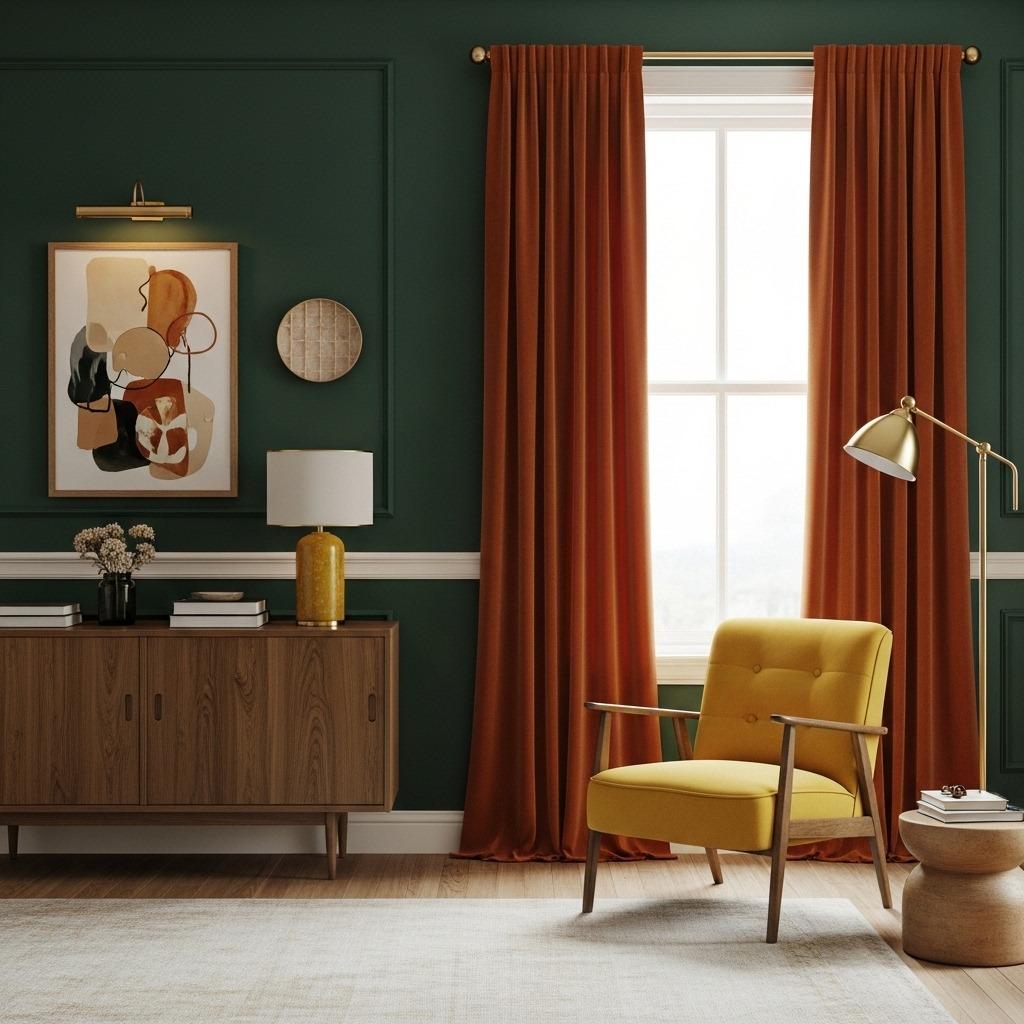
Color choices dramatically impact how vintage your space feels. Deep, saturated hues – emerald green, navy blue, burgundy, mustard yellow – dominated past eras for good reason. These rich colors create warmth and sophistication that lighter modern palettes sometimes lack.
Don’t fear wallpaper with actual pattern. Florals, damasks, or geometric prints add instant vintage credibility. If committing to all four walls feels too bold, try one accent wall or even just wallpapering inside a bookshelf for a taste of the trend.
Neutrals work in vintage spaces too, but choose warmer versions. Cream over stark white, warm gray over cool, beige with golden undertones instead of flat tan. These subtle shifts make newer furniture and modern conveniences feel more cohesive with vintage pieces. The right paint color schemes tie everything together beautifully.
8. Display Collections with Purpose
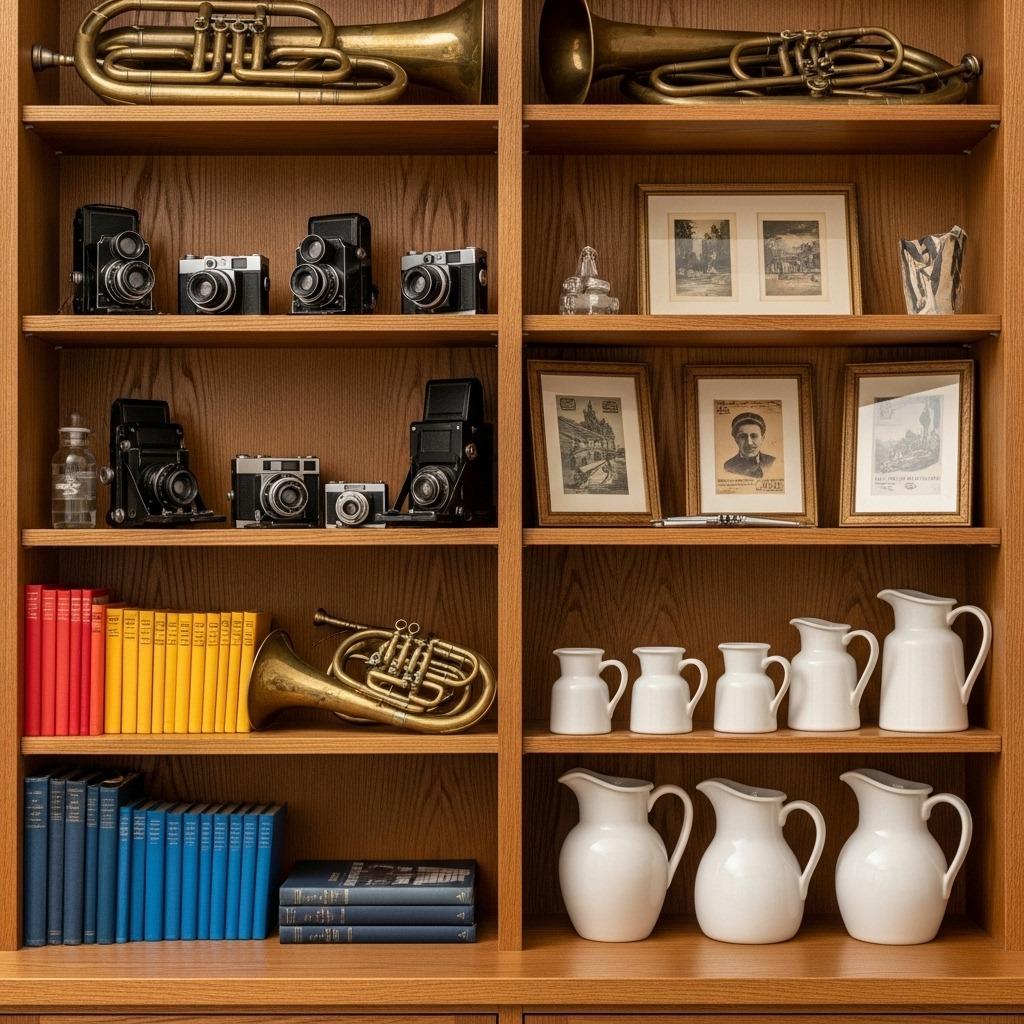
Collections transform from clutter to decor when displayed thoughtfully. Vintage cameras lined up on a shelf, antique bottles grouped by color, old record covers propped up – these personal touches make your space distinctly yours rather than copied from a magazine.
Group similar items in odd numbers (three, five, seven) for visual appeal that feels natural rather than forced. Vary heights and depths so the eye travels across the display instead of stopping dead. This creates depth even on flat shelving.
Don’t hide your vintage treasures. Use open shelving, glass-front cabinets, or display cases that let you enjoy these pieces daily. After all, you hunted them down and brought them home – they deserve to be seen and appreciated, not buried in storage.
9. Mix Textures Like You Mean It
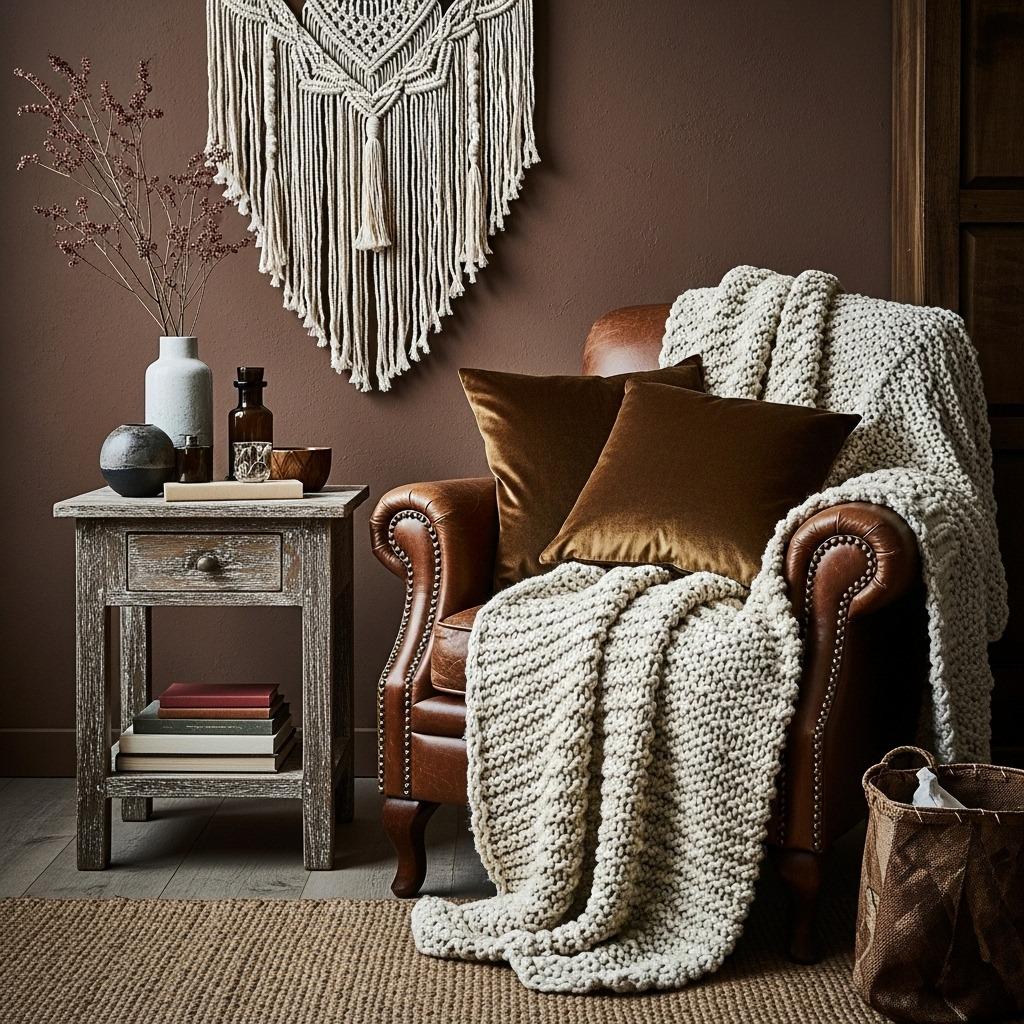
Texture prevents vintage rooms from feeling flat or costume-like. Layer velvet upholstery with nubby wool throws. Place smooth leather chairs near rough-woven baskets. Contrast polished wood surfaces with matte ceramic pieces. Each material brings its own visual and tactile interest.
Natural fibers ruled vintage design – think wool, cotton, linen, leather, wood. These materials age beautifully, developing patina that adds to their appeal rather than making them look worn out. Synthetic materials from vintage eras can work too, but natural materials typically age more gracefully.
Don’t forget about wall textures. Wood paneling, whether original or added, instantly ages a space in the best way. Exposed brick or plaster walls add architectural interest that reinforces vintage vibes. Even textured wallpaper contributes to the layered, collected feeling successful vintage rooms achieve.
10. Bring in Vintage Textiles
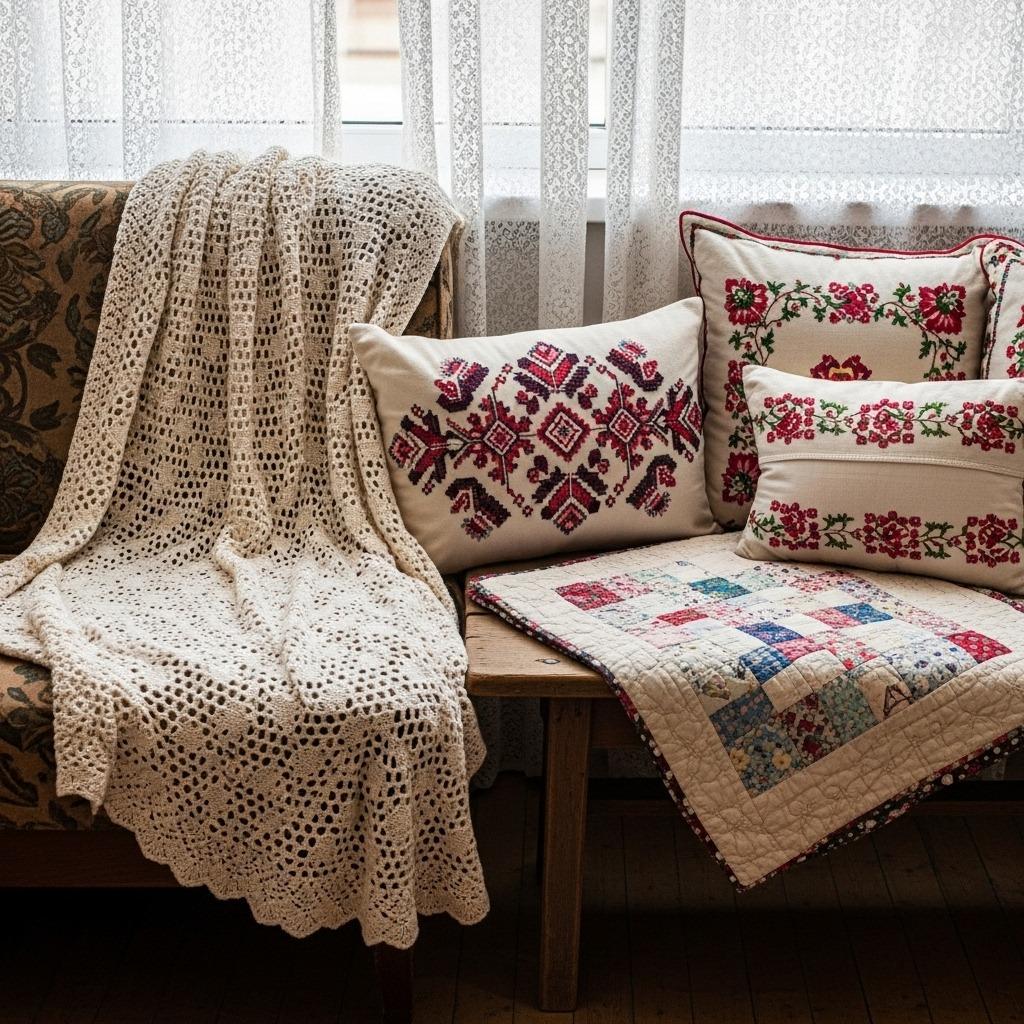
Textiles soften hard surfaces while injecting pattern and color. Vintage quilts, whether hanging as wall art or draped over furniture, showcase incredible craftsmanship. Each stitch represents hours of handiwork that modern manufacturing can’t replicate.
Embroidered pillows, crocheted throws, and needlepoint cushions add handmade charm. Hunt for these at estate sales where they’re often undervalued. Even pieces with minor damage can be repaired or incorporated into your decor in ways that hide imperfections.
Curtains dramatically impact a room’s vibe. Heavy velvet drapes pooling on the floor scream vintage luxury. Lace panels filtering light through windows create that romantic, old-world atmosphere. Even vintage-inspired reproductions work if authentic pieces prove too delicate or expensive for your needs.
11. Style with Vintage Books
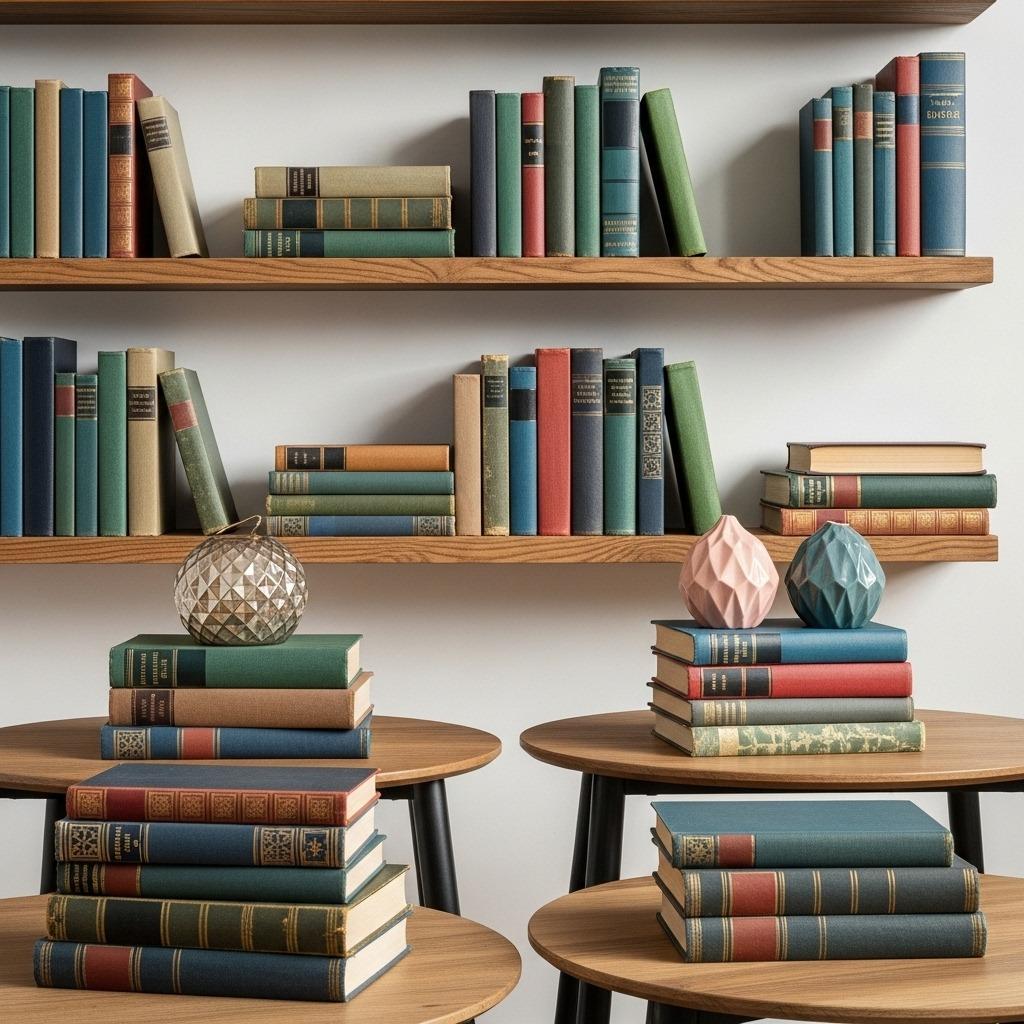
Books aren’t just for reading – vintage volumes double as decor. Arrange them by color for rainbow shelves, or by size for a more traditional library feel. Remove dust jackets to reveal beautiful cloth covers underneath, or leave them on for that authentic vintage bookstore aesthetic.
Stacks of books work as impromptu side tables or platforms to elevate decorative objects. This adds height variation while keeping the vintage theme strong. Old encyclopedias, classic literature, even outdated textbooks – if the spine looks good, it belongs on your shelves.
Coffee table books from past decades offer window into different eras. Travel books, art books, even old catalogs become conversation pieces that guests actually flip through. The slightly musty smell? That’s just bonus authenticity for your vintage space.
12. Add Vintage Architectural Elements
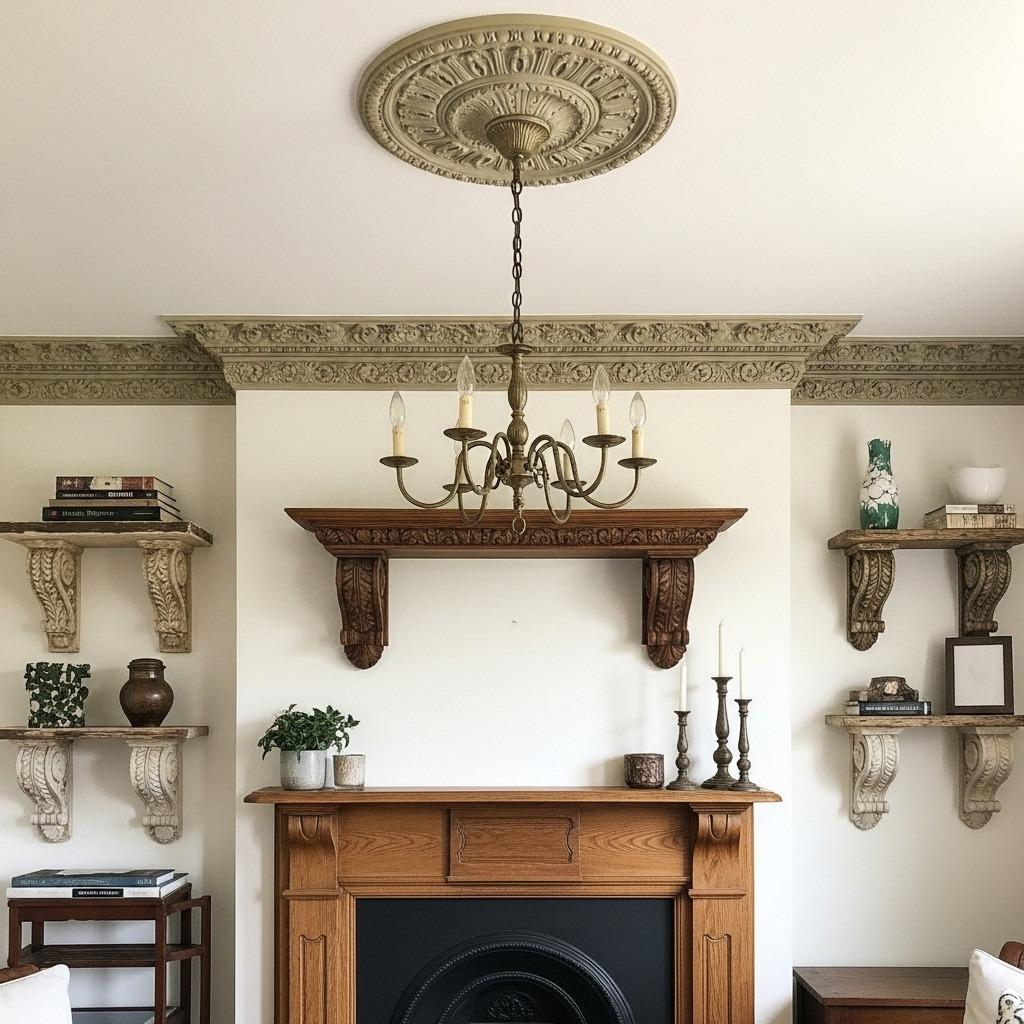
Architectural salvage yards hide treasures that transform ordinary rooms. Vintage corbels become unique floating shelves. Old fireplace mantels add focal points even without functioning fireplaces behind them. Ceiling medallions draw eyes upward while adding ornate detail modern construction rarely includes.
Original features deserve highlighting. If your home has vintage woodwork, don’t paint over it. Strip away layers of paint to reveal beautiful grain underneath. Even in newer homes, you can add vintage molding or trim to create architectural interest that supports your nostalgic decor.
Window treatments benefit from architectural thinking too. Vintage curtain rods with decorative finials or old shutters repurposed as wall art add character. Sometimes the frame matters as much as what it holds.
13. Create Cozy Conversation Areas
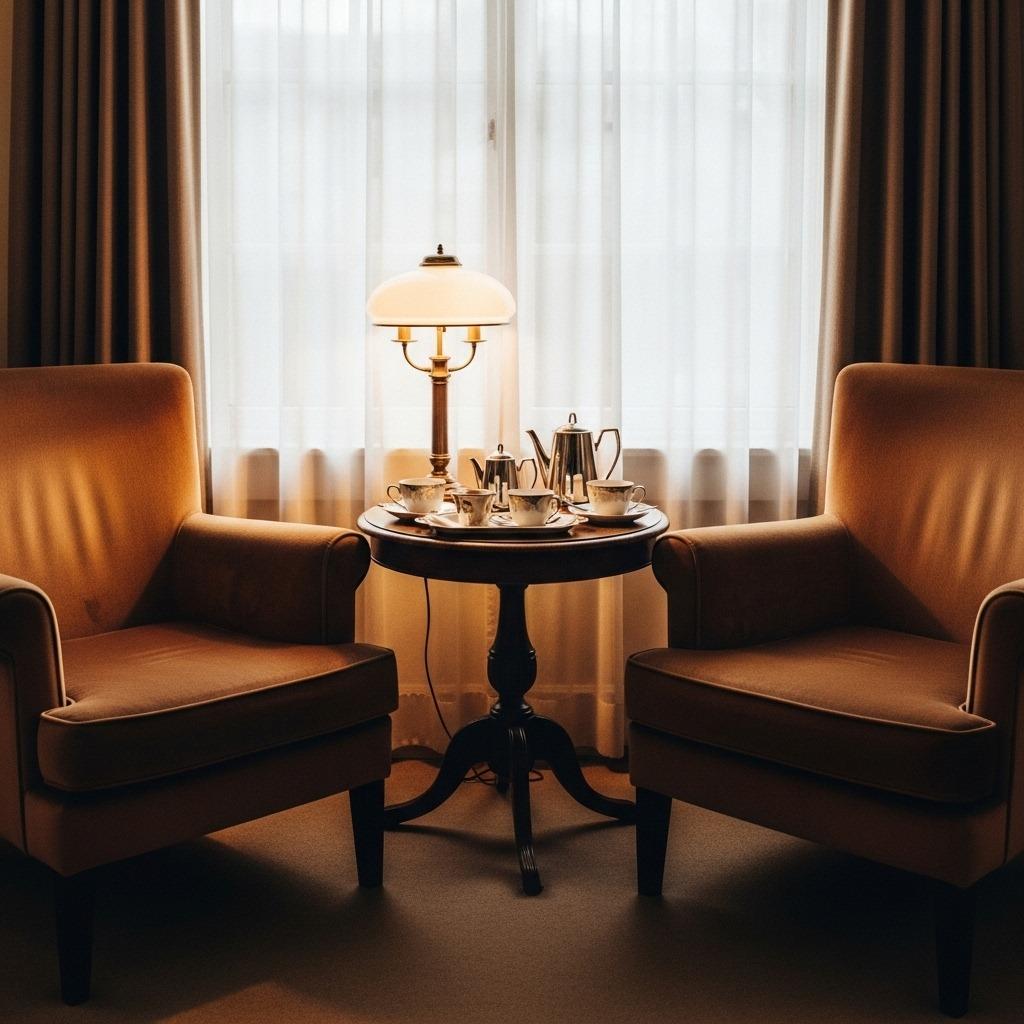
Modern open-concept living sometimes lacks intimacy. Vintage design favored distinct conversation areas where people actually talked to each other. Arrange seating in circles or face-to-face configurations rather than all facing a TV. This encourages interaction while feeling more authentic to vintage room layouts.
Smaller seating pieces – armchairs, settees, ottomans – create flexibility that oversized sectionals can’t match. You can rearrange them easily for gatherings or pull them apart for cozier everyday layouts. This adaptability aligns with how vintage homes actually functioned.
Coffee tables or side tables between seating pieces complete the setup. Keep surfaces within easy reach so drinks, books, and conversation props have landing spots. This practical consideration also reinforces the vintage living room’s role as the heart of home life. If you want similar warmth in other rooms, check out these cozy small living room tips.
14. Incorporate Plants in Vintage Planters
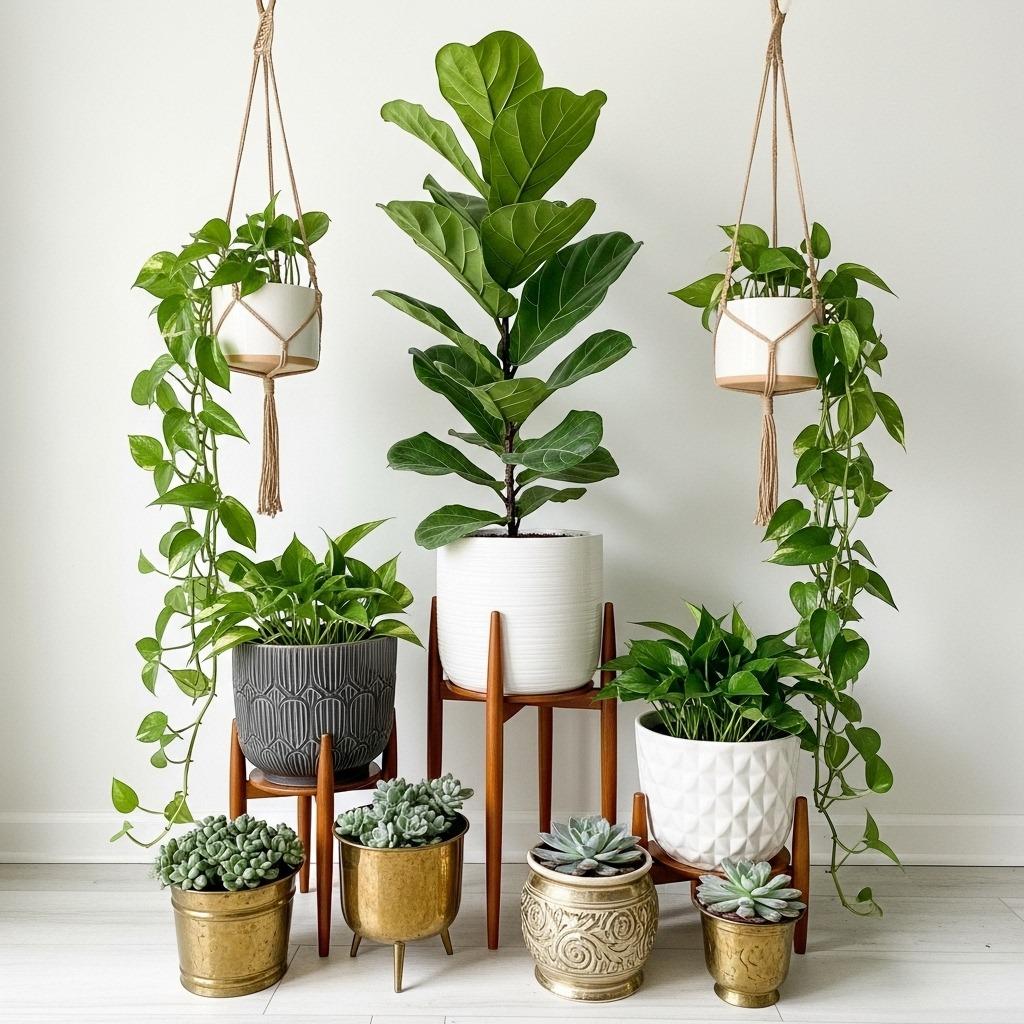
Houseplants appeared in vintage homes differently than today’s jungalow trend. Look for ceramic planters with mid-century patterns, brass vessels with patina, or ornate cachepots that hide plain nursery pots. Even basic terracotta pots develop vintage character over time as they age and accumulate mineral deposits.
Plant stands deserve revival. Those tiered metal stands or wooden tripod holders elevated plants both literally and as decorative elements. They work especially well in corners that need vertical interest or near windows where plants get optimal light.
Hanging planters in macramé holders or vintage ceramic vessels add dimension. They fill empty ceiling space while maintaining floor space – perfect for smaller rooms where every square foot counts. Just make sure ceiling attachments are secure before loading them with soil and water.
15. Don’t Forget the Details
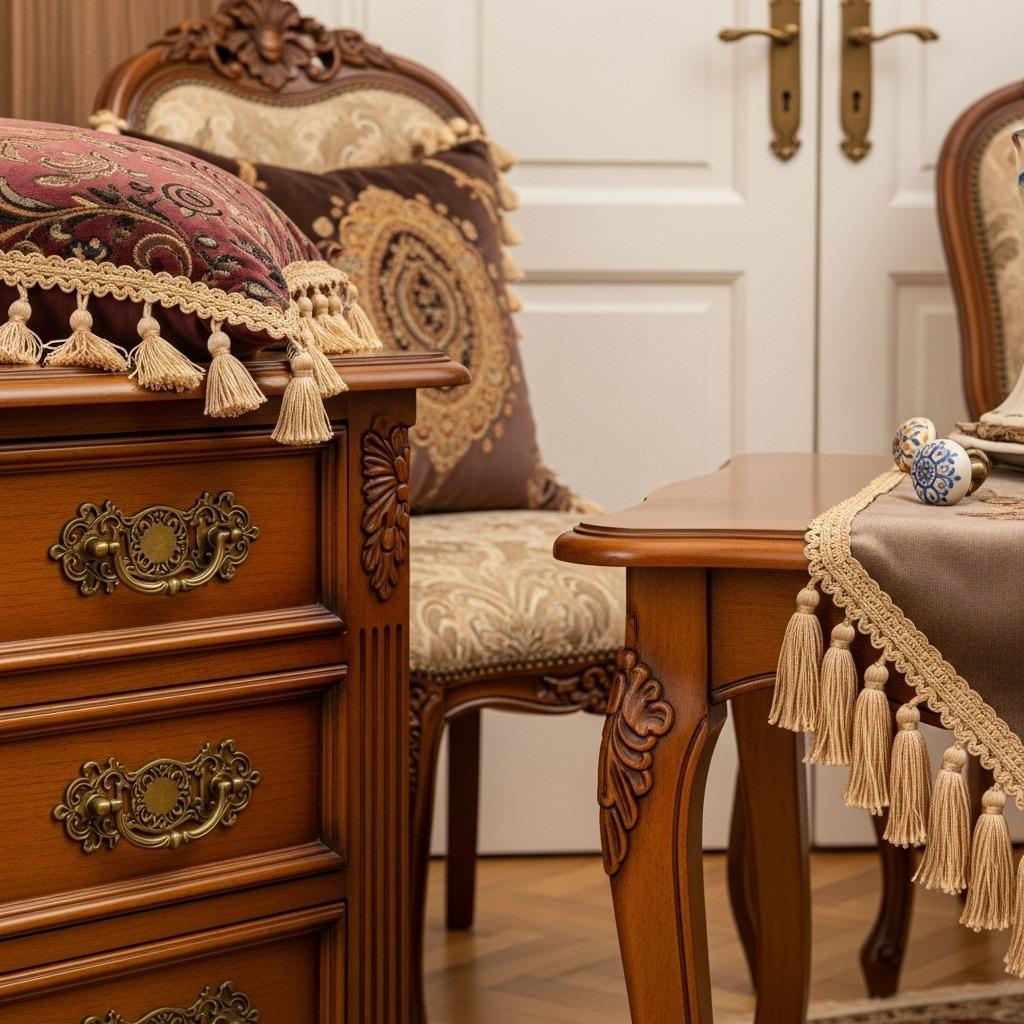
Hardware makes or breaks vintage authenticity. Swap out modern handles for brass or glass knobs on furniture and cabinets. These small upgrades cost little but deliver outsized impact on how genuine your vintage pieces feel.
Trim and edging add finishing touches modern decor often skips. Tassels on pillows, fringe on throws, braided cord edging on upholstery – these details separate true vintage styling from rooms that just happen to include old furniture.
Don’t overlook practical elements like switch plates and outlet covers. Antique brass versions blend into vintage spaces where white plastic stands out awkwardly. Small details like this demonstrate commitment to your aesthetic vision.
Making Vintage Work for Modern Life
Successfully styling a vintage living room means respecting the past while serving present needs. That gorgeous Victorian settee isn’t comfortable for Netflix binges? Add plush cushions without apologizing. Your mid-century credenza needs to hide router equipment? That’s exactly what those cabinets are for.
The beauty of vintage styling is its flexibility. You’re not recreating a museum – you’re building a home that happens to draw inspiration from earlier eras. Mix in modern technology, contemporary art, or whatever else makes your space actually livable for you.
Start with one or two anchor pieces you genuinely love, then build around them gradually. Rushing to fill every corner leads to cluttered spaces that miss the mark. Patience pays off when hunting vintage – the right pieces will find you eventually.
Your vintage living room should feel personal, not prescribed. If you prefer lighter colors over rich jewel tones, embrace that. If traditional floral patterns aren’t your style, geometric retro prints might be. The goal is capturing nostalgic charm that resonates with you specifically.
Creating a space with genuine vintage character takes time, but that’s part of its appeal. Each piece you find and incorporate becomes part of your home’s story. Unlike buying a matching furniture set that looks exactly like your neighbor’s, building a vintage aesthetic results in a truly one-of-a-kind space.
So start browsing those estate sales with fresh eyes. That wooden coffee table with water rings? It’s not damaged – it’s got character. The slightly faded velvet armchair? Its best years might still be ahead in your home. Happy hunting.

