
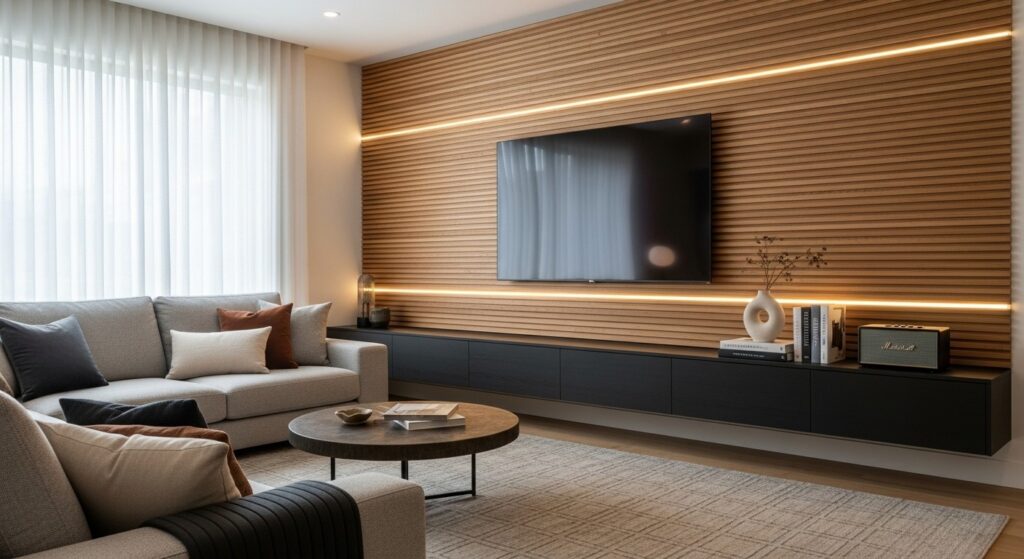
Your TV wall doesn’t have to be boring. In fact, it’s probably the most-watched wall in your home, so why not make it something special?
Whether you’re working with a cozy small living room or a spacious lounge, the right accent wall can completely transform how your space feels. We’re talking about turning that basic TV setup into a focal point that actually makes you excited to walk into the room.
From textured wood treatments to bold paint choices, these ideas work with different budgets and skill levels. Some you can tackle in a weekend, others might need a professional touch. But all of them? They’ll give your living room that designer-level finish without the designer price tag.
1. Vertical Wood Slat Wall
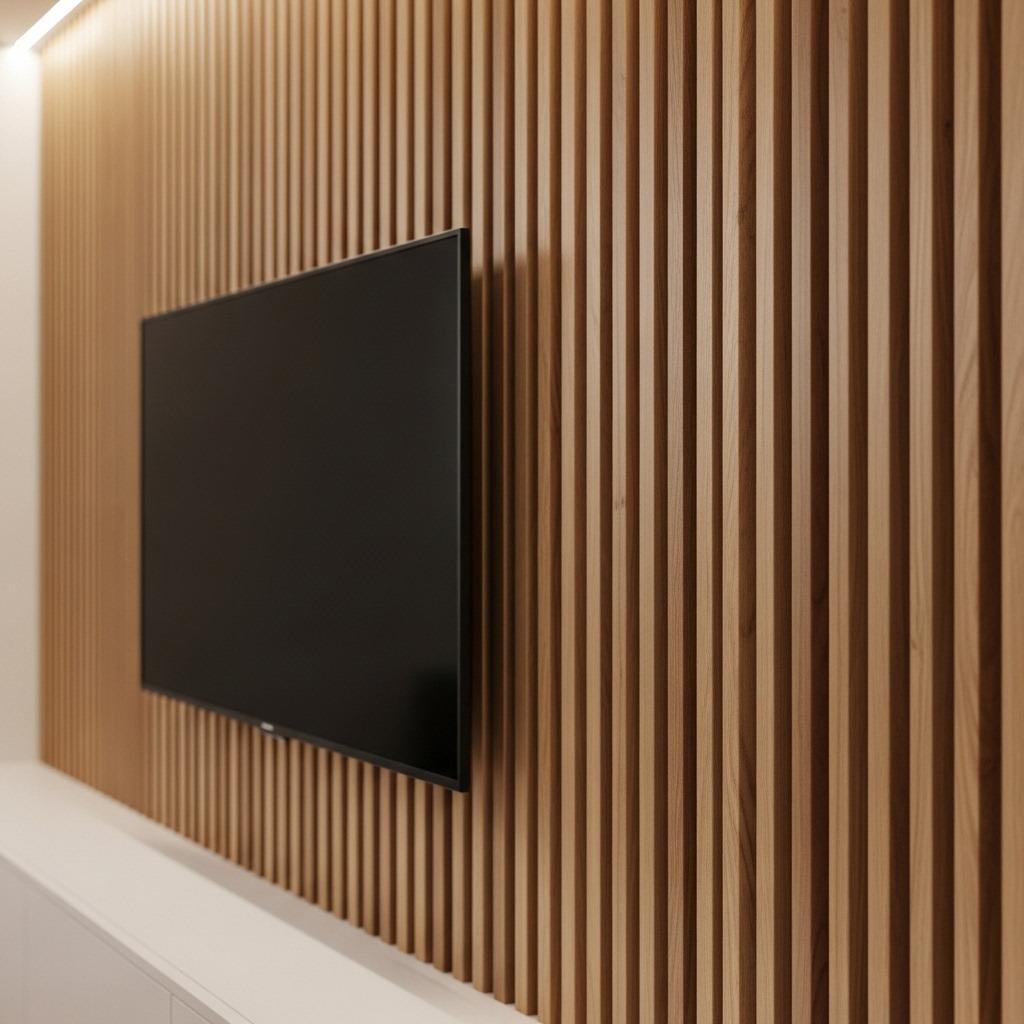
There’s something about vertical wood slats that just works. They add dimension without overwhelming the space, and the shadow lines they create give your wall this really sophisticated depth that flat walls simply can’t match.
The best part? You can customize the spacing and wood tone to fit your style. Go tight and modern with dark walnut slats, or space them out with lighter oak for that airy Scandinavian vibe. Either way, they make cable management a breeze since you can run wires behind the slats.
Installation isn’t as scary as it looks. Most hardware stores sell pre-made slat panels now, or you can DIY it with furring strips and your chosen wood. Just make sure your wall can handle the weight of both the slats and your TV.
2. Stone Veneer Feature Wall
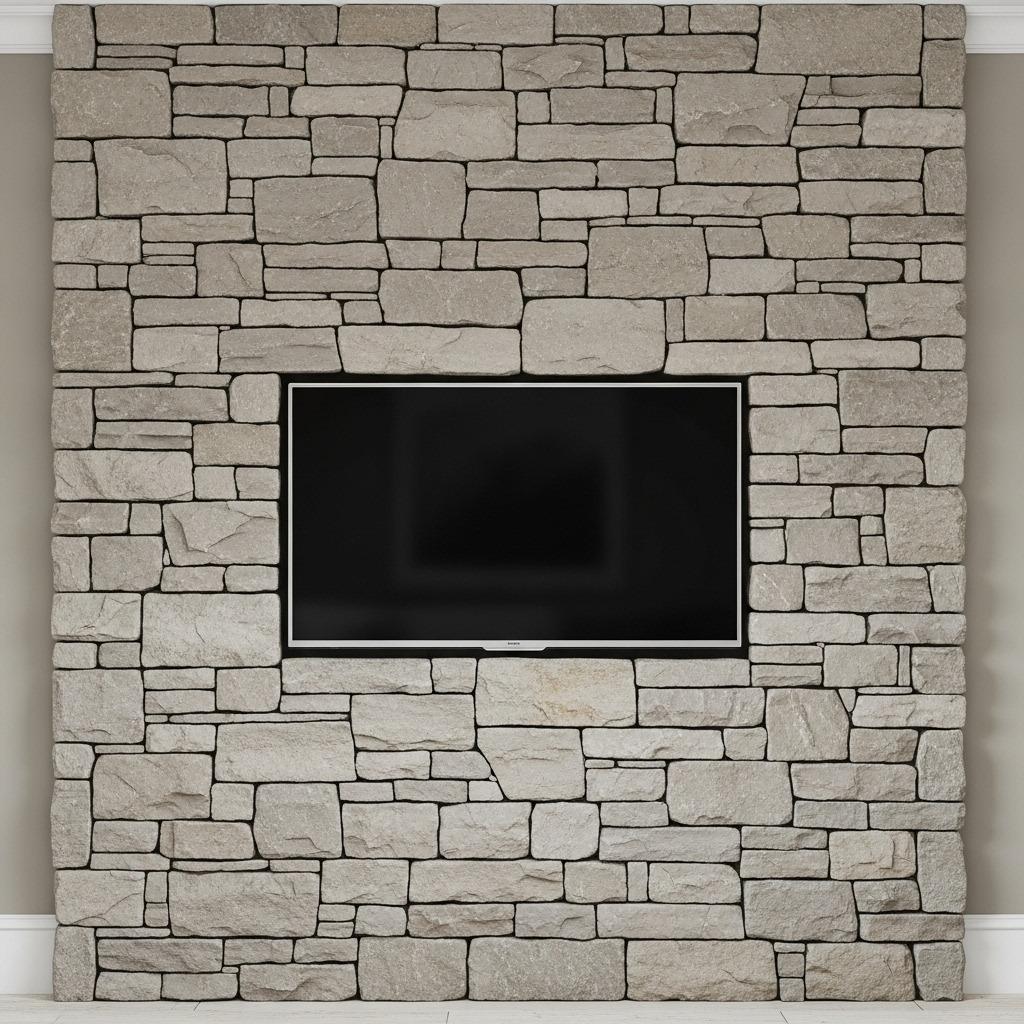
Stone veneer brings that organic, earthy quality indoors. It’s lighter than real stone but gives you the same visual impact, and it works surprisingly well in modern minimalist living room settings when you choose sleek, uniform pieces.
The texture catches light throughout the day, which means your wall literally changes appearance from morning to evening. Pair it with warm lighting and you’ve got instant coziness. Plus, it’s durable enough that you won’t worry about marks or scratches.
Consider the color palette carefully. Grey stones lean modern, while warmer earth tones create a rustic feel. You can even mix stone with wood elements for a more dynamic look.
3. Dark Moody Paint with Gold Accents
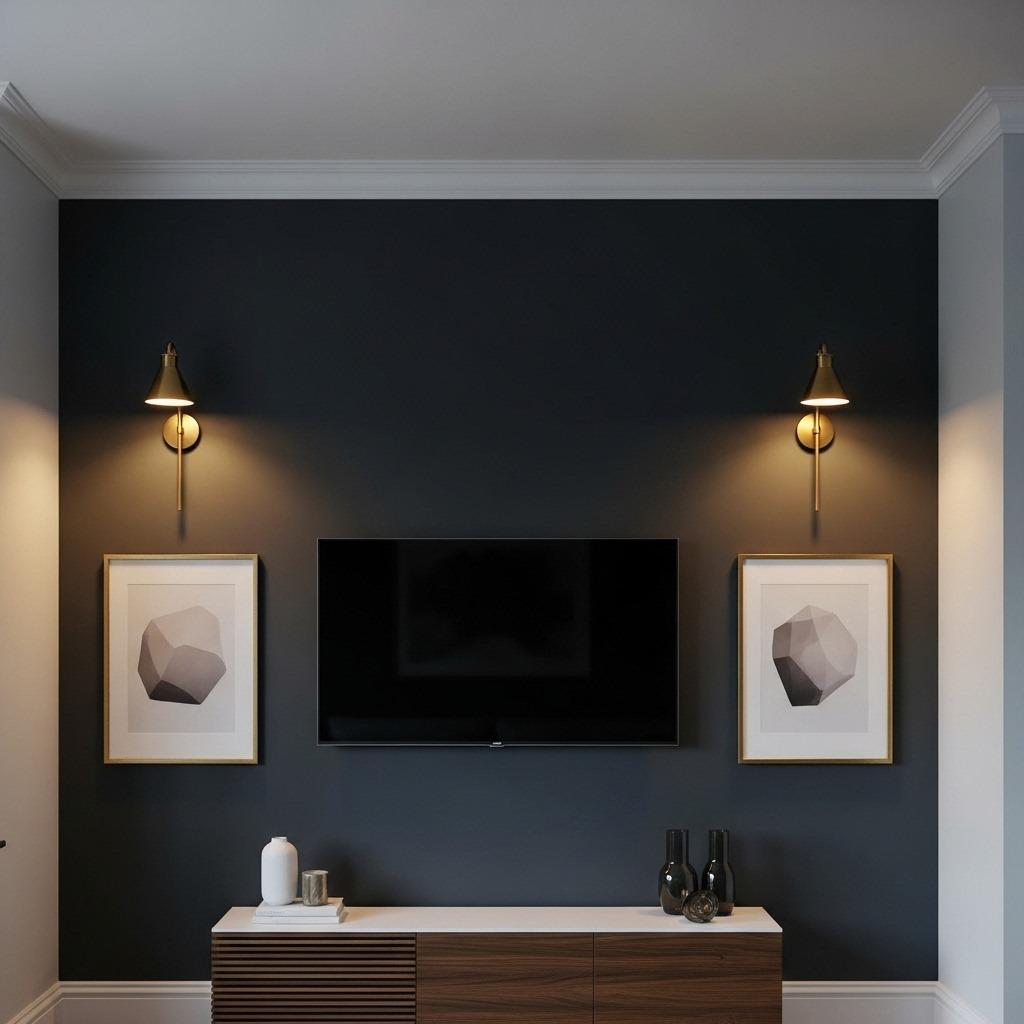
Sometimes the simplest solutions hit the hardest. A deep, moody paint color creates instant drama and makes your TV screen practically disappear when it’s off. Navy, charcoal, or even a rich forest green can work wonders.
The trick is balancing the darkness with metallic accents. Gold or brass picture frames, light fixtures, or decorative objects add just enough shine to keep things from feeling too heavy. This approach works especially well in luxury living room designs.
Don’t forget about the sheen. A matte or eggshell finish absorbs light for that velvety look, while a slight satin sheen can add subtle dimension. Test your color in different lighting before committing to the whole wall.
4. Built-In Floating Shelves
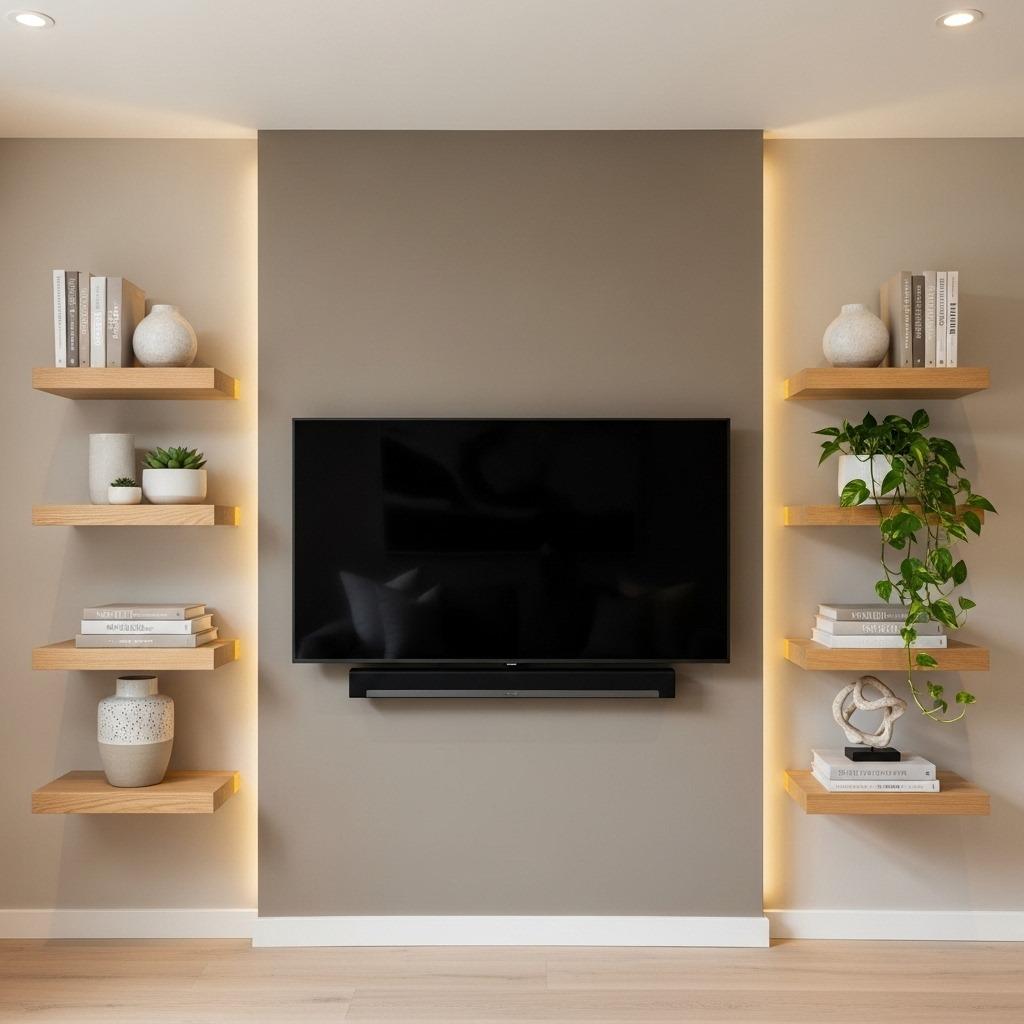
Built-in shelves turn your TV wall into a full media display that actually looks intentional. The key is keeping them relatively minimal so the TV remains the focus, but styled enough that the wall doesn’t feel empty.
Asymmetrical arrangements work better than perfectly matched shelving. Try one large shelf on the bottom for media equipment and a couple smaller ones above for decor. This gives you storage without the “entertainment center” vibe that can look dated.
Paint the back of the shelves in a contrasting color for extra depth. Or better yet, add LED strip lighting to the underside of each shelf for that boutique hotel feel.
5. Geometric Paneling Design
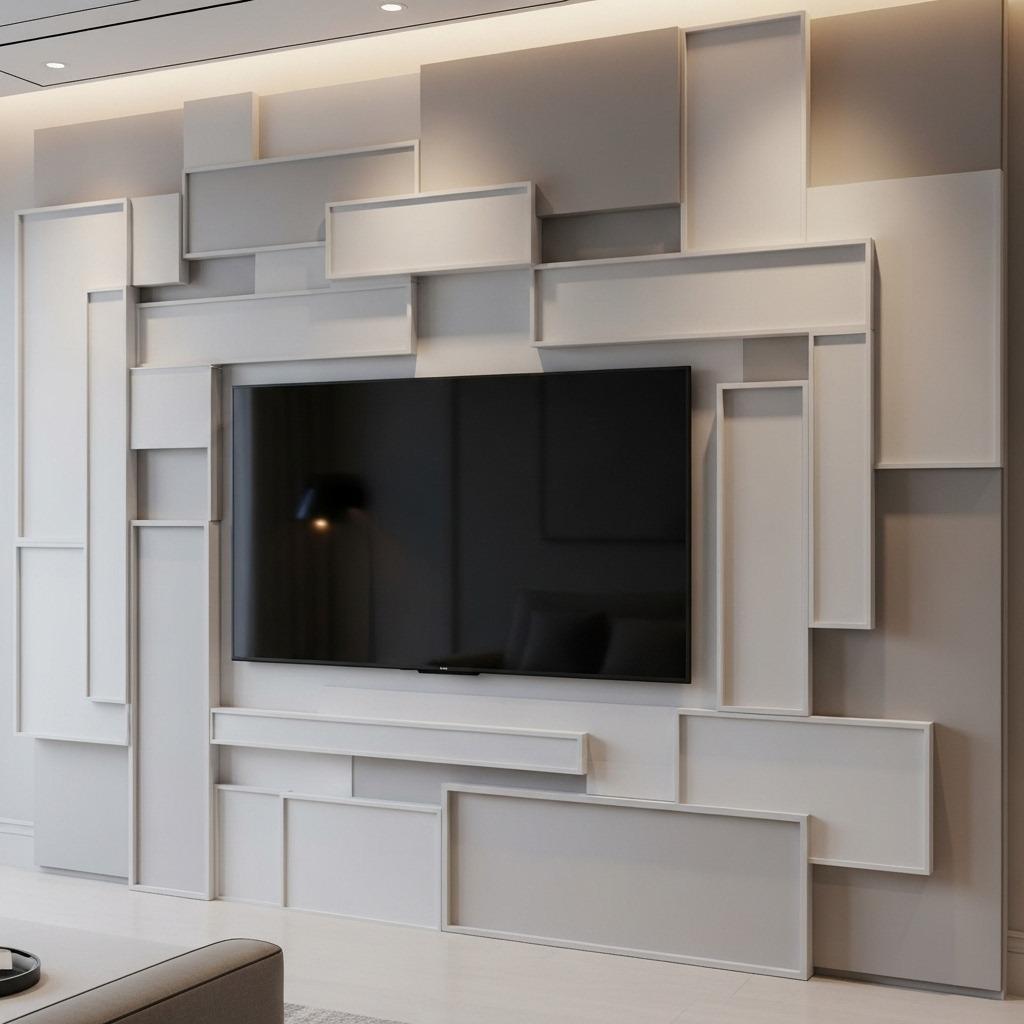
Geometric paneling adds architectural interest without competing with your TV. Think raised rectangles, hexagons, or diamond patterns that create shadows and depth. It’s like wall paneling DIY meets modern art.
White or neutral paneling works beautifully because the interest comes from the shapes and shadows, not color. But if you want more impact, try painting the recessed areas a different shade than the raised sections. The two-tone effect is subtle but effective.
This is one of those TV unit design choices that looks custom and expensive but can actually be achieved with MDF and some patience. Just plan your layout carefully so the TV sits centered within the pattern.
6. Textured Wallpaper Statement
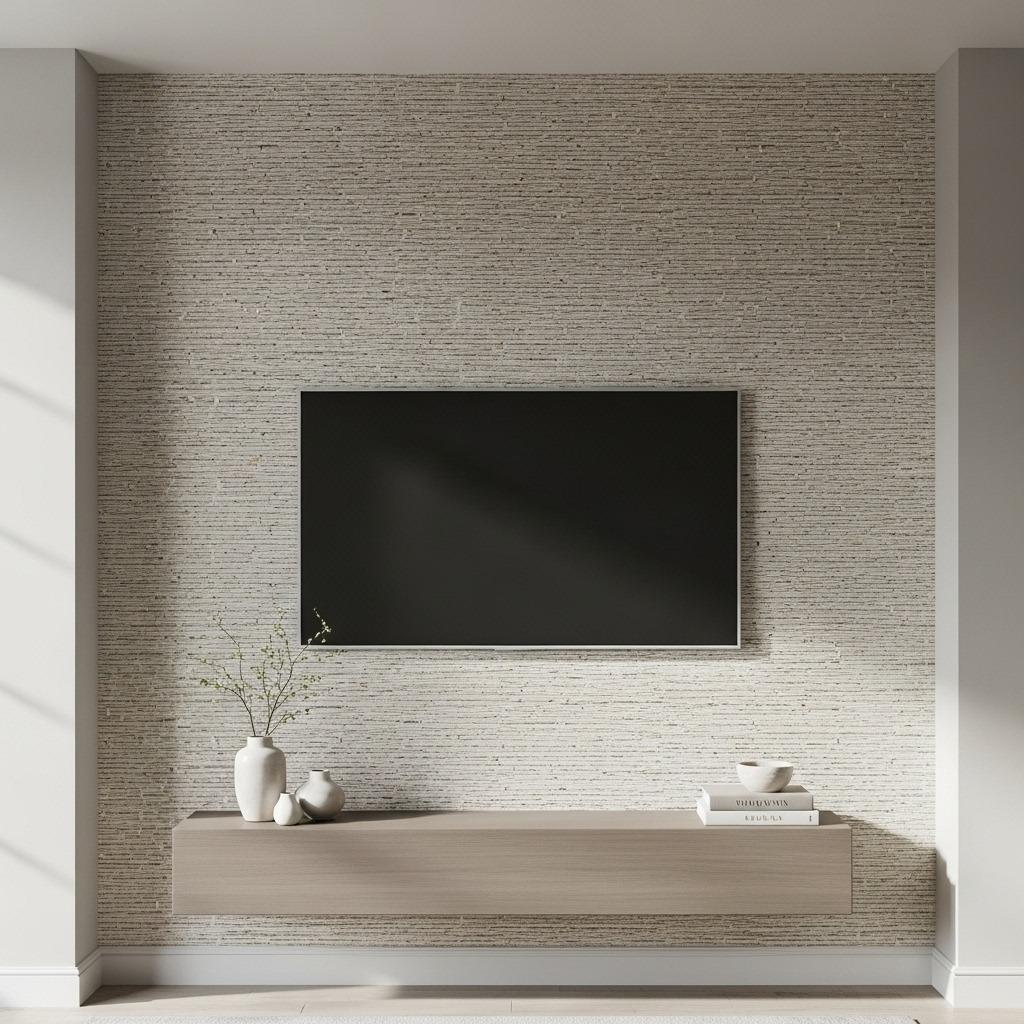
Wallpaper isn’t just for grandma’s house anymore. Modern textured wallpapers, especially grasscloth or linen-look varieties, add incredible richness to a TV wall without screaming for attention.
The texture is what makes this work. It catches light differently than paint, creating visual interest that doesn’t clash with your screen. Plus, it hides minor wall imperfections better than flat paint ever could.
Stick with subtle patterns and neutral tones for longevity. You want something you’ll still love in five years, not a trendy print that’ll feel dated by next season. And yes, you can mount a TV on wallpapered walls, just use proper anchors.
7. Horizontal Wood Planks
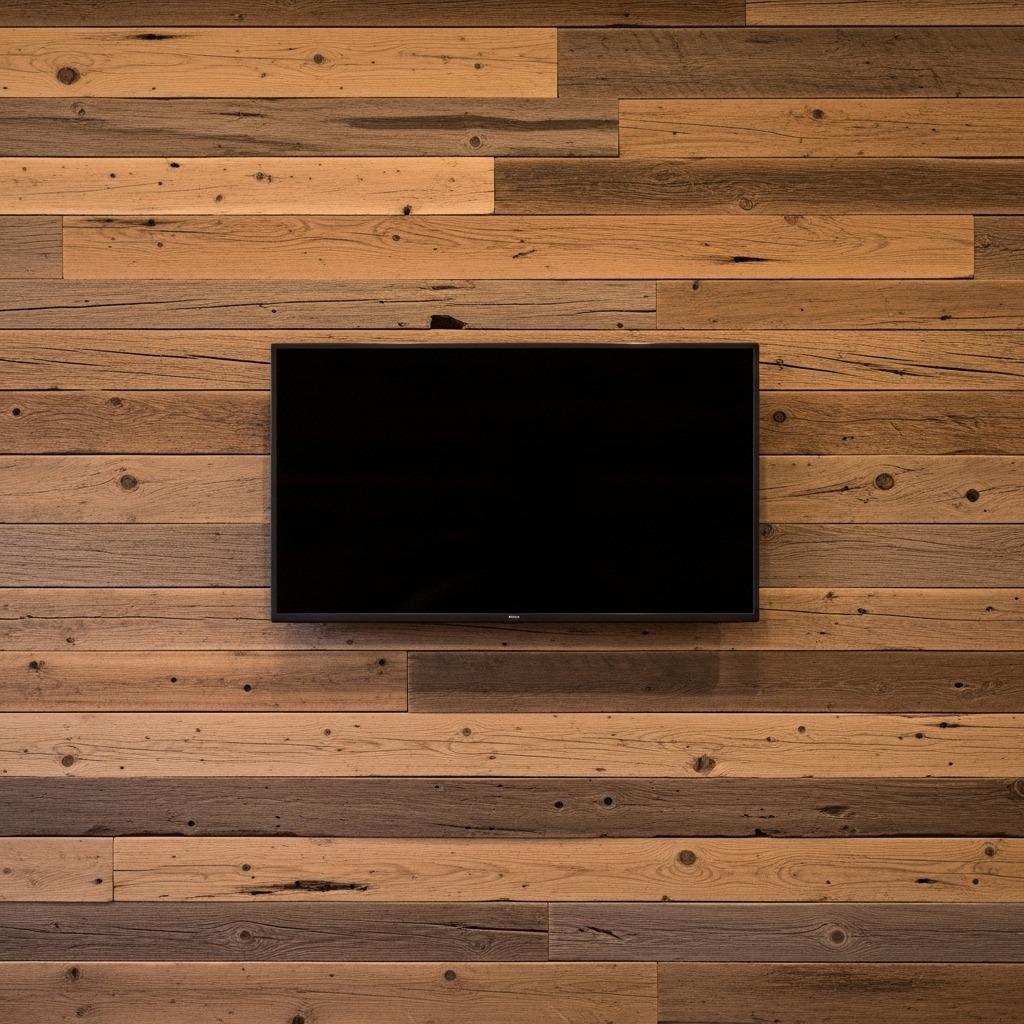
If vertical slats feel too contemporary for your taste, go horizontal. Horizontal planks make your wall feel wider and work beautifully in farmhouse style living room settings or rustic spaces.
The variation in wood tones is what makes this interesting. Mix different shades or go with reclaimed wood for authentic character. Each plank’s natural grain and color differences create an organic pattern that’s never boring.
Installation is straightforward but time-consuming. You’ll want to stagger the seams like flooring and use a level constantly. The effort pays off though, this look has serious staying power.
8. Marble or Faux Marble Panels
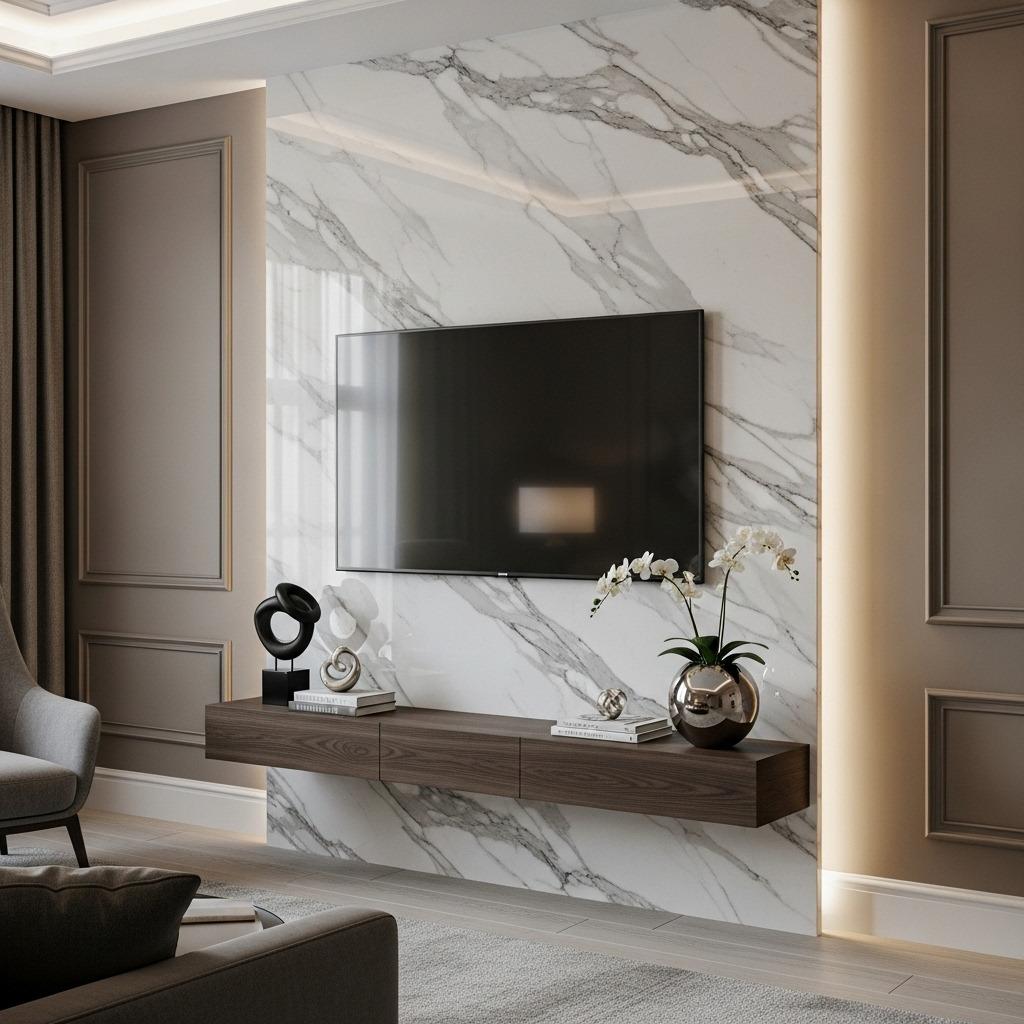
Marble screams luxury, but real marble screams expensive. Thankfully, porcelain tiles and faux panels have gotten so good that most people can’t tell the difference from across the room.
The veining in marble naturally draws the eye, which is why this works so well as a TV backdrop. It’s interesting enough to be beautiful but subtle enough that it doesn’t compete with what’s on screen. This modern lounge wall treatment works in contemporary and traditional spaces alike.
Consider the size of the veining. Large, dramatic veins make a statement, while delicate veining feels more refined. Both can work, it just depends on whether you want the wall to whisper elegance or shout luxury.
9. Gallery Wall Around TV
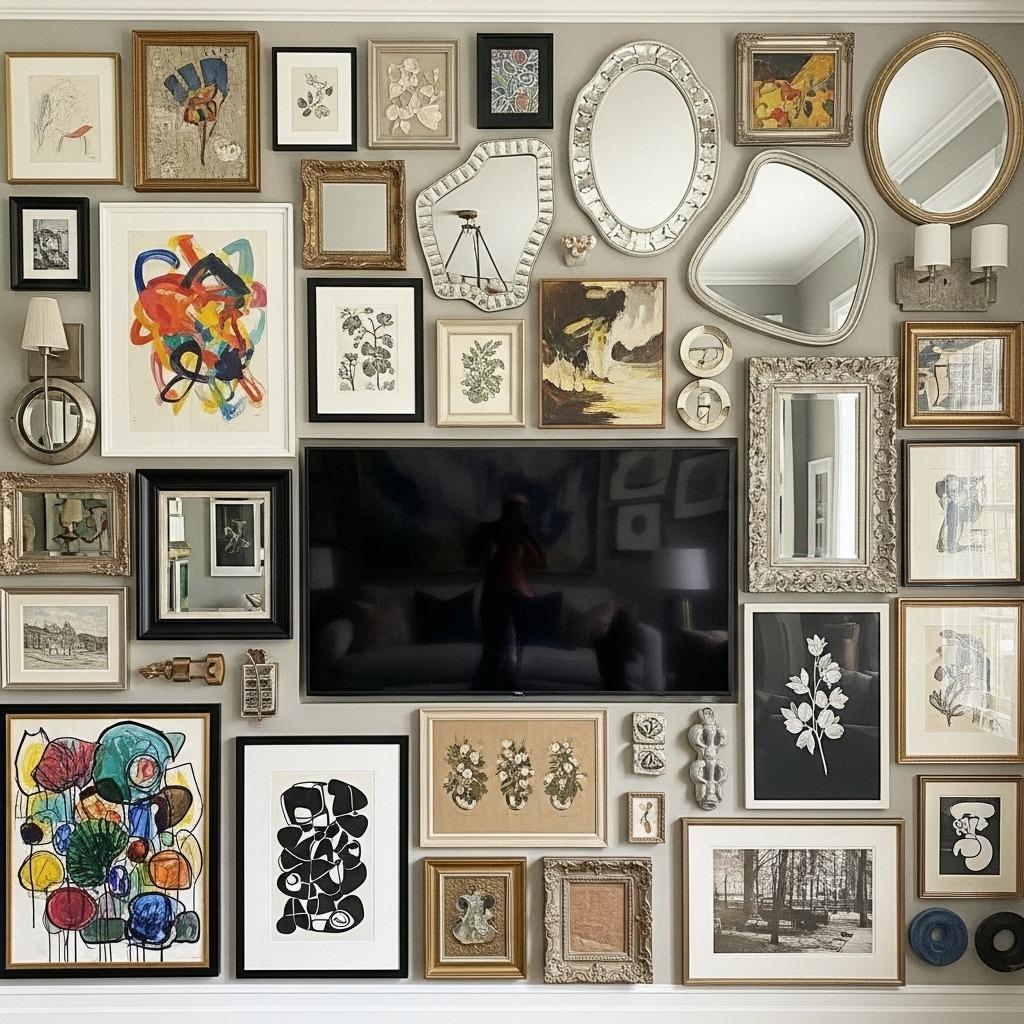
Turning your TV into part of a living room gallery wall ideas setup is bold but effective. The trick is treating the TV as the largest “frame” in your arrangement and building around it symmetrically or asymmetrically.
Keep your frames consistent in color even if the sizes vary. All black, all wood, or all white frames create cohesion. The art itself can be more eclectic, mixing family photos, prints, and maybe a mirror or two.
Leave breathing room around the TV. You don’t want frames so close that they distract from viewing. A good rule of thumb is at least 6-8 inches of space on all sides before the gallery begins.
10. Backlit Panel System
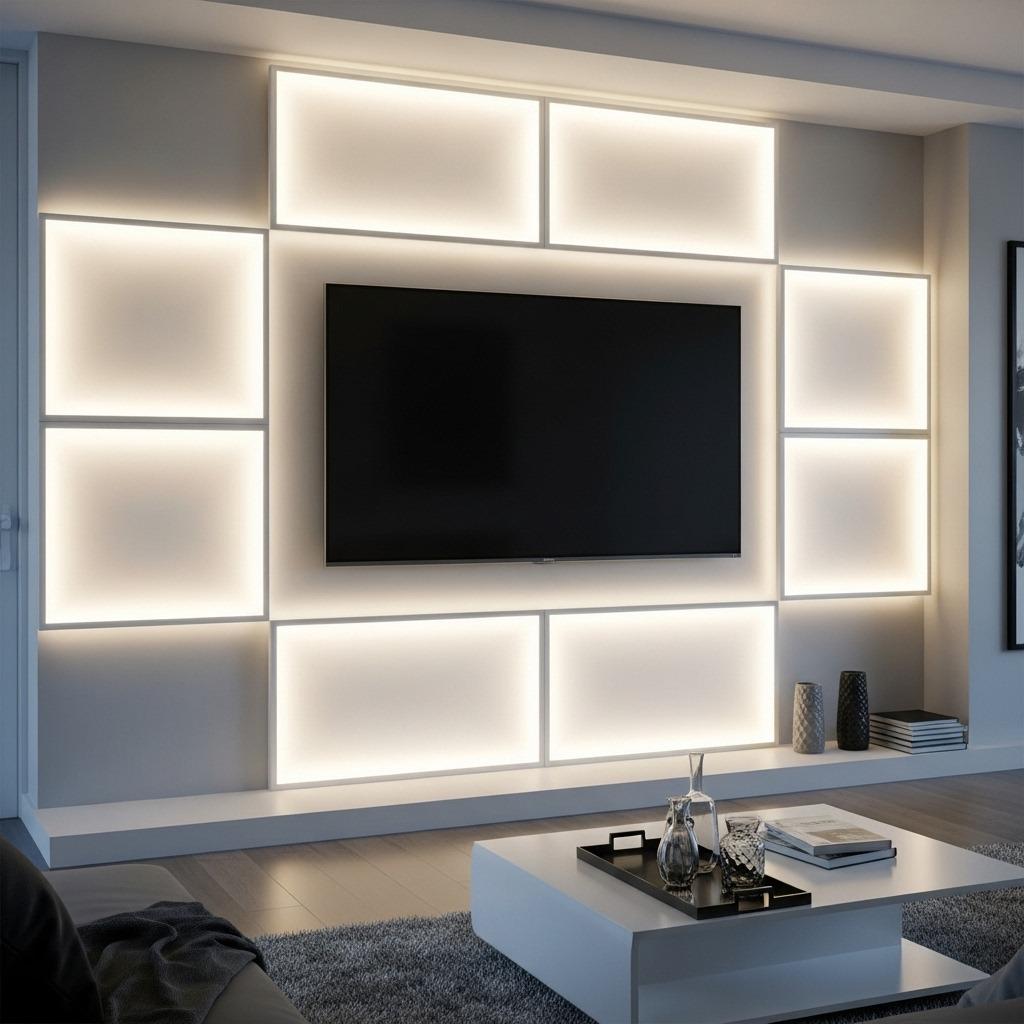
Backlit panels create atmosphere like nothing else. The soft glow behind your TV reduces eye strain during movie nights and makes the whole setup feel high-end and intentional.
You can go with frosted acrylic panels, translucent stone, or even fabric stretched over a frame. The magic happens when you add LED strips behind them. Dimmable LEDs let you adjust the mood from bright and energetic to soft and cozy.
This works especially well in modern accent wall ideas where clean lines and subtle lighting effects reign supreme. Just plan your electrical before installation, you’ll need outlets in the right spots.
11. Concrete or Cement Finish
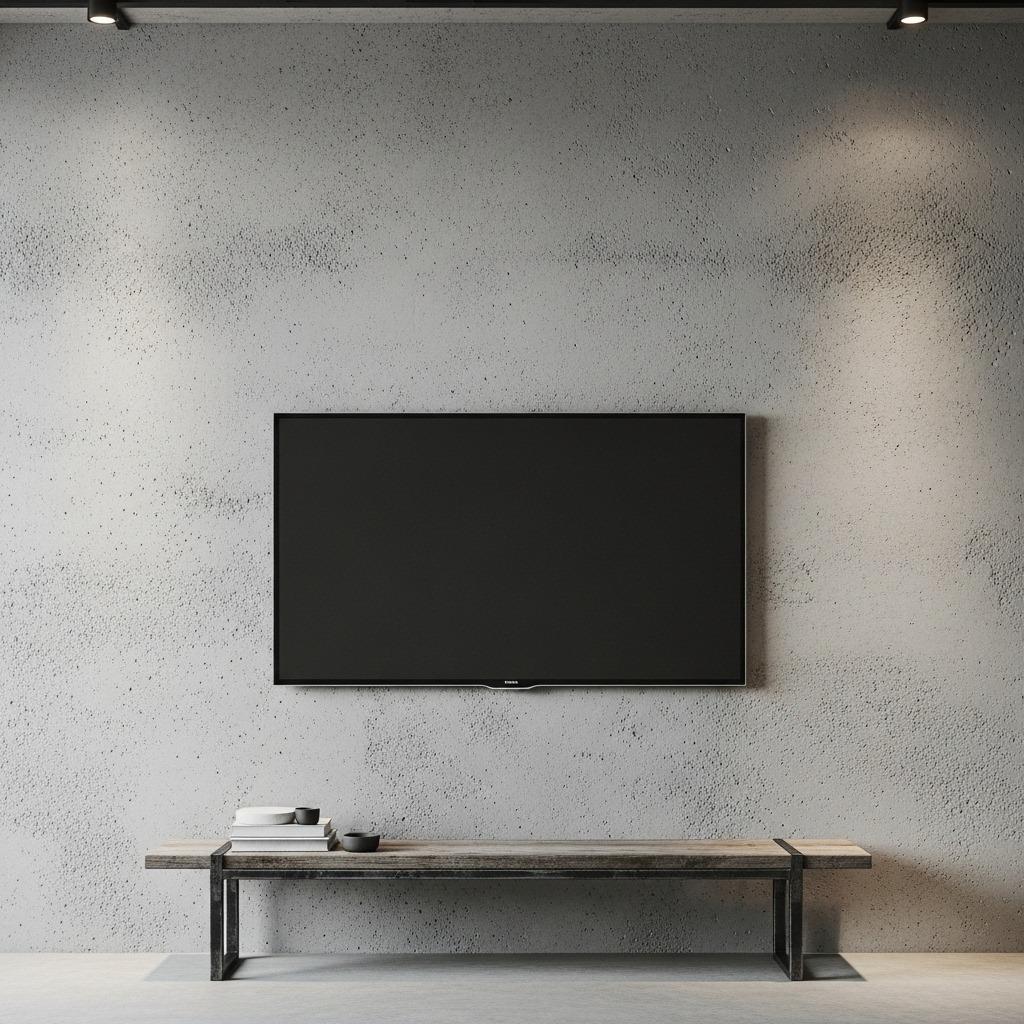
Concrete brings that industrial edge without going full warehouse. The raw, unfinished look pairs surprisingly well with modern furniture, and it’s basically indestructible.
You don’t need actual concrete, thank goodness. Micro-cement products and specialty paints can give you the look without the weight or cost. The texture should be subtly varied with some darker and lighter patches, just like real poured concrete.
Balance is crucial here. Concrete feels cold, so warm it up with wood elements, soft textiles, and plenty of warm lighting. This creates that perfect industrial-meets-cozy vibe that makes rustic living room spaces feel collected rather than sparse.
12. Shiplap Wall Treatment
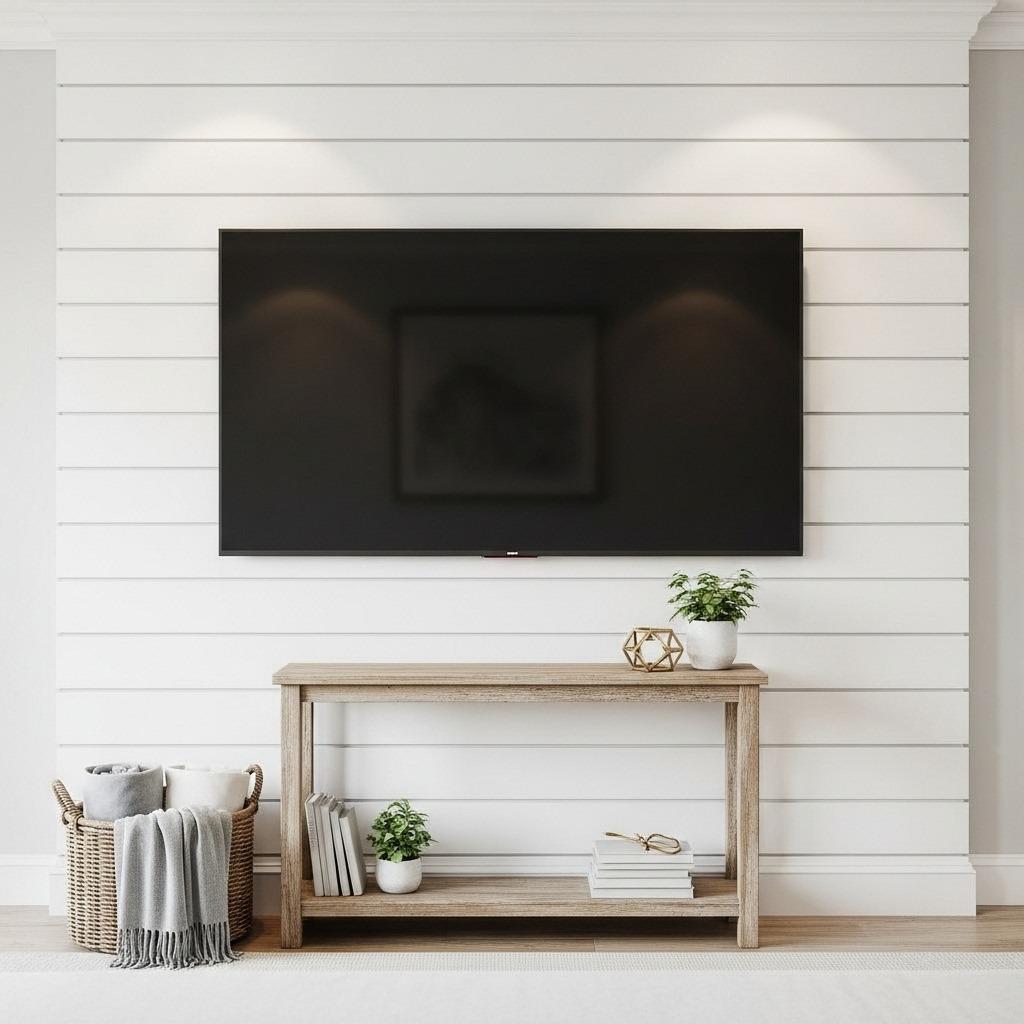
Shiplap might be everywhere, but there’s a reason it’s popular. The horizontal lines add subtle texture without being busy, and it works with almost any style from farmhouse to coastal to modern.
Paint it white for that classic Joanna Gaines look, or go with a soft grey or even black for something more unexpected. The shadow lines between boards create just enough visual interest to keep the wall from feeling flat.
Real wood shiplap is pricier but worth it for the quality. If you’re on a budget, MDF or even pine boards work fine, you’ll just want to fill any knots and prime well before painting.
13. Mixed Material Combination
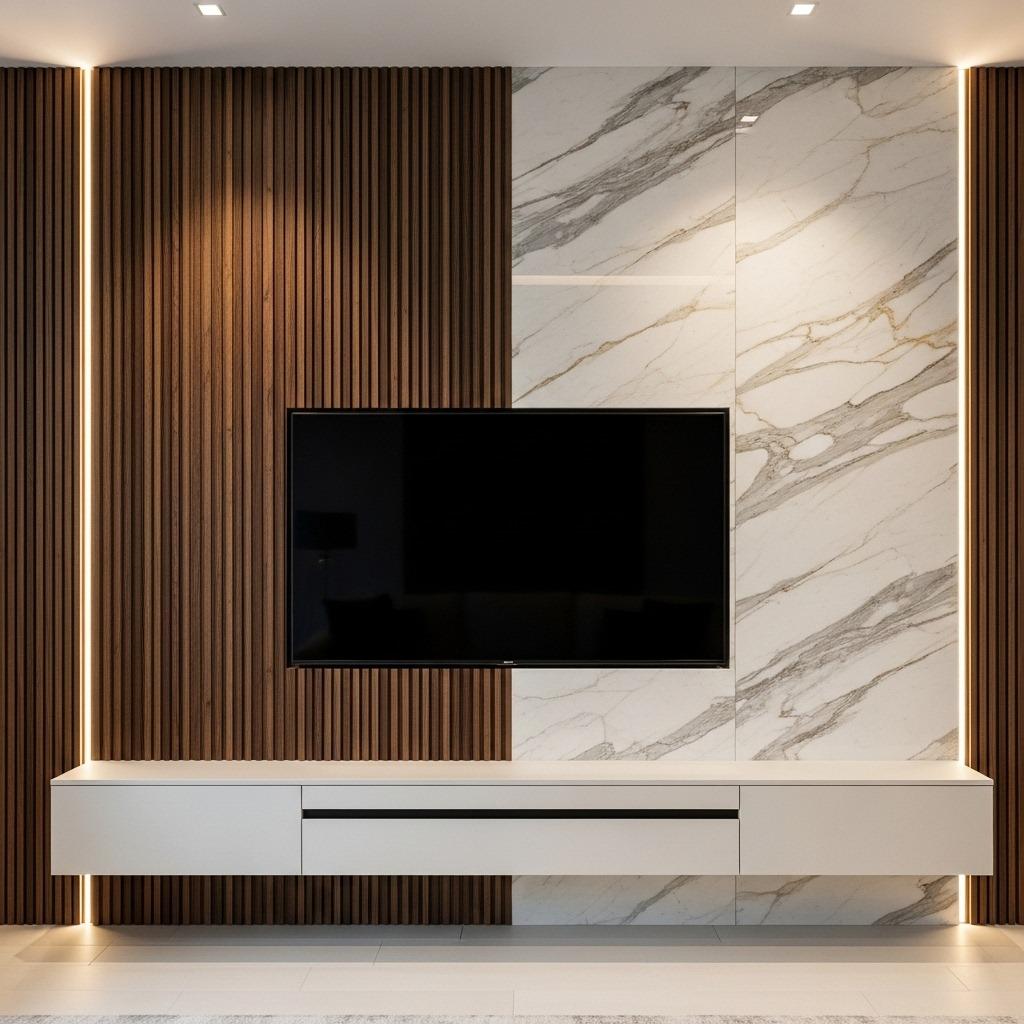
Why choose one material when you can use two? Combining materials creates visual zones that add serious design cred to your space. Think wood meeting metal, or stone paired with painted drywall.
The key is choosing materials that complement rather than compete. Wood and stone are natural partners. Metal and concrete work well together. Keep your color palette cohesive even when materials vary.
This approach lets you define different zones on your TV wall. Maybe marble behind the TV with wood extending to one side where you’ve added floating shelves.
14. Floor-to-Ceiling Color Block
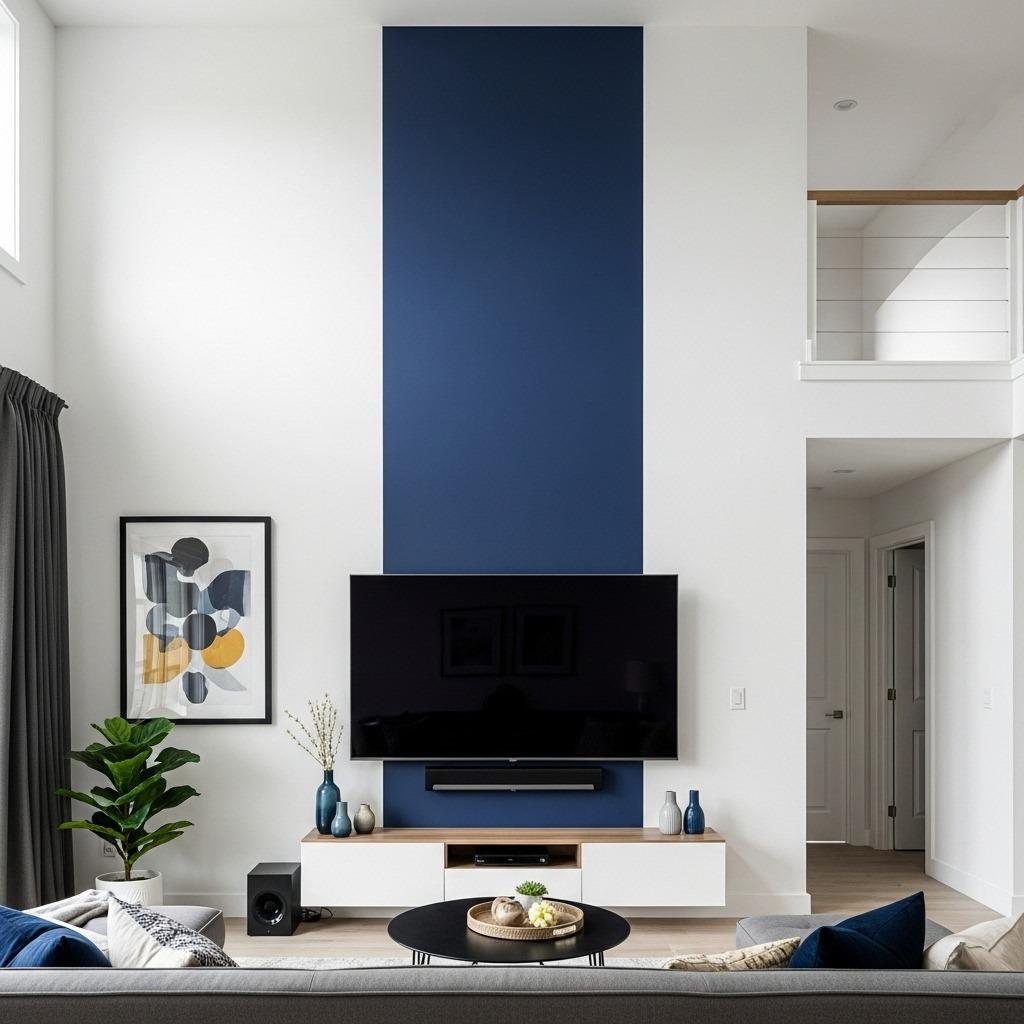
A floor-to-ceiling color block creates a defined zone for your TV without adding physical texture. It’s especially effective in open-concept spaces where you want to anchor the TV area visually.
Choose a color that’s bold enough to create impact but not so bright it distracts from viewing. Deep blues, greens, or even a warm terracotta can work depending on your existing palette. This is a great way to incorporate ideas from paint color schemes into your media wall decor.
The width matters. Go too narrow and it looks like an afterthought. Too wide and it overwhelms the space. Aim for the block to extend about 12-18 inches beyond your TV on each side.
15. Recessed Wall Niche
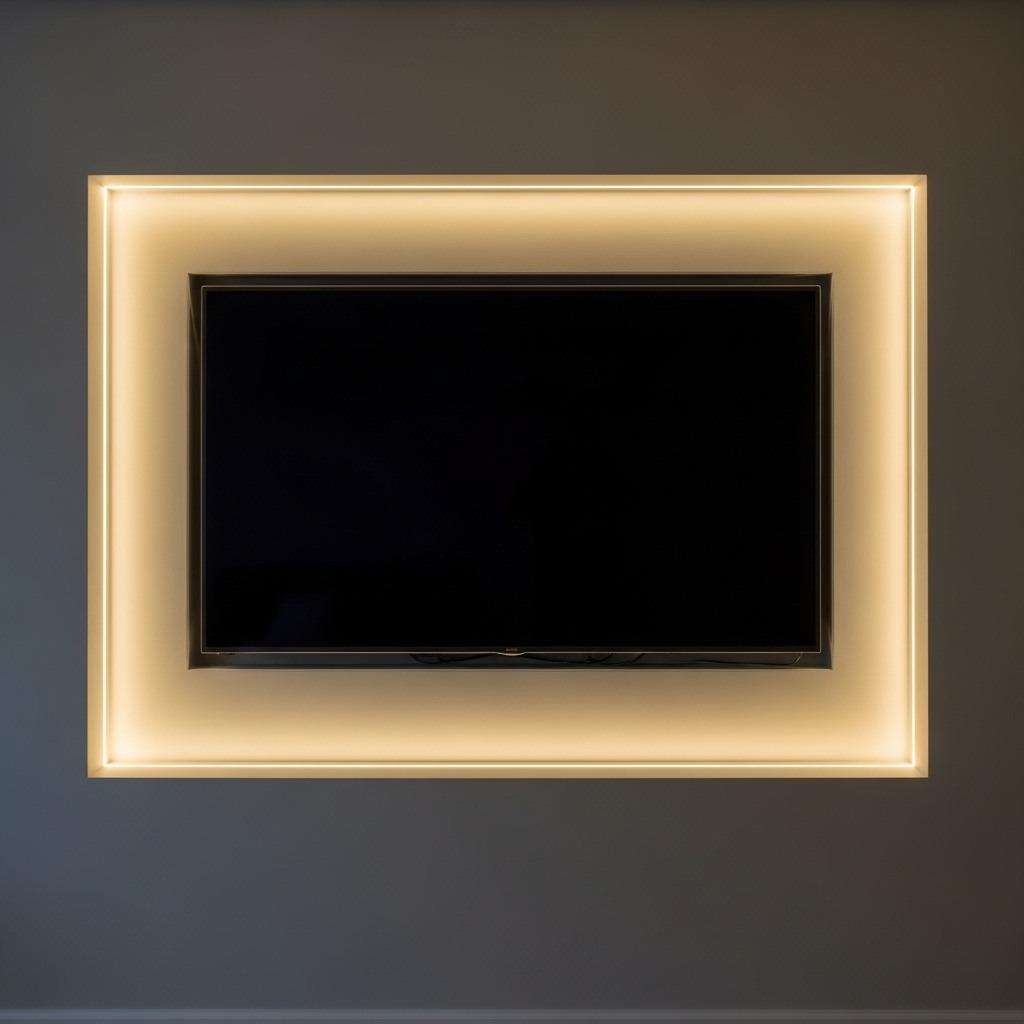
A recessed niche makes your TV look built-in without the built-in cost. You’re essentially creating a shallow alcove in your wall specifically sized for your television and maybe some accompanying shelves.
This requires more construction than surface treatments, you’ll need to frame it out and finish the interior. But the result is incredibly clean and custom-looking. Paint the inside a different color than your walls or add LED strips along the edges for extra impact.
Plan for ventilation and cable access before you build. Your TV needs airflow, and you don’t want cords visible. Many people add a small vent at the top and access holes at the bottom during construction.
16. Metallic Tile or Panel Accent
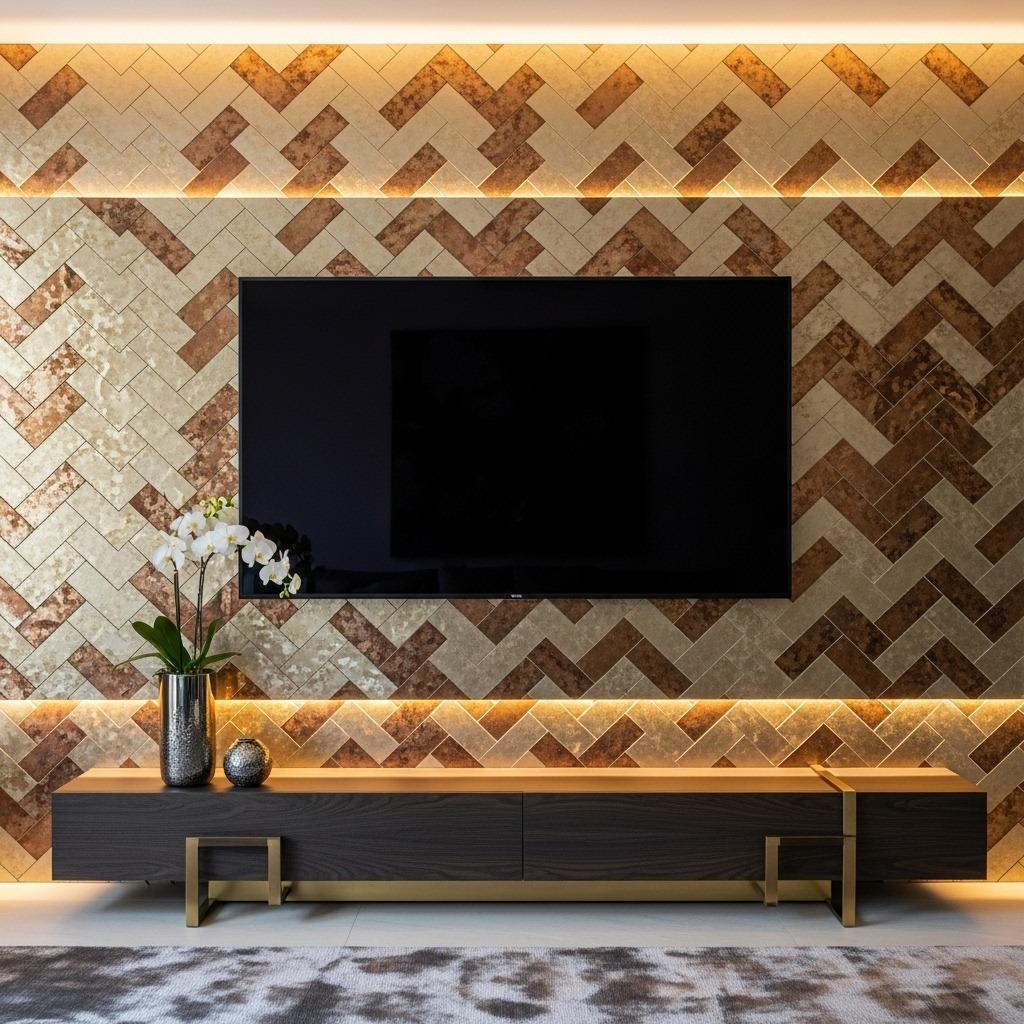
Metallic accents bring that glamorous vibe without going full disco ball. Brushed gold, copper, or even gunmetal grey tiles catch light beautifully and add a sense of luxury to your space.
The finish matters more than you’d think. High-shine metallics can feel too intense and create glare issues with your TV. Brushed or matte metallics give you that shimmer without the mirror effect.
Use this sparingly. A full wall of metallic tiles might be overwhelming, but a section behind the TV or alternating metallic tiles with matte ones creates balance. This works especially well in glam living room designs where a little shine goes a long way.
Planning Your TV Accent Wall Project
Before you start demolishing walls or ordering materials, measure everything twice. Know your TV’s exact dimensions, mounting height, and where your electrical outlets are currently located. You’d be surprised how many people design the perfect wall only to realize their TV doesn’t actually fit the way they planned.
Consider your viewing habits too. If you watch TV with the lights off, skip ultra-textured or shiny finishes that might create glare. If your TV wall gets direct sunlight, dark colors might absorb too much heat. These practical details matter as much as aesthetics.
Budget for more than just materials. Don’t forget mounting hardware, proper anchors for heavy installations, paint, primer, and tools you might need to buy or rent. And maybe budget for a professional if you’re tackling electrical work or heavy construction. Some home improvement ideas are perfect for DIY, others benefit from expert help.
Making It Work with Your Style
The beauty of TV accent wall ideas is that they’re adaptable. Love boho chic living room style? Try the textured wallpaper or mixed materials with natural elements. More of a mid-century modern living room person? Geometric paneling or wood slats will feel right at home.
Your existing furniture and decor should guide your choice. If you’ve got a lot going on in your space already, keep the TV wall simpler. If your room feels bland, that’s your permission to go bold with stone, color, or dramatic lighting.
Think long-term. Trends come and go, but you probably won’t redo this wall every couple years. Choose something you genuinely love, not just what’s popular right now. Classic materials like wood and stone have staying power. Super trendy colors or patterns might look dated faster than you’d like.
Your TV wall has potential you might not have seen yet. Whether you go full custom with built-ins and lighting or keep it simple with paint and texture, the right treatment turns that electronic rectangle into something that actually adds to your space instead of just sitting there.
Start with what speaks to you, factor in your budget and DIY skill level, and don’t be afraid to put your own spin on these ideas. Your living room should feel like yours, not like it walked out of a catalog. Which of these looks are you leaning toward trying first?

