
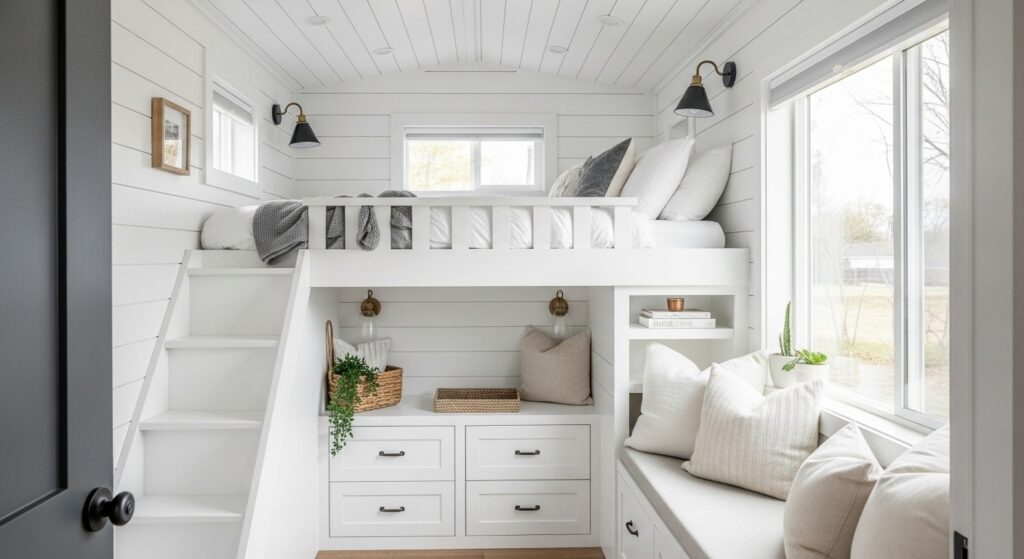
Living in a tiny house doesn’t mean compromising on comfort or style in your sleeping space. The bedroom might be one of the trickiest areas to get right when you’re working with limited square footage, but it’s also where the magic of small space design really shines.
I’ve spent years helping people transform cramped quarters into dreamy retreats, and honestly? Some of the most creative solutions I’ve seen have come from tiny house owners who refuse to settle for “less than.” The key is thinking vertically, maximizing every inch, and choosing furniture that works overtime.
Whether you’re building a tiny house from scratch or trying to reimagine your compact sleeping area, these ideas will help you create a bedroom that feels like a true sanctuary. No more feeling like you’re sleeping in a closet. Let’s explore how to make your tiny house bedroom work harder and look better.
1. Murphy Bed With Built-In Desk Combo
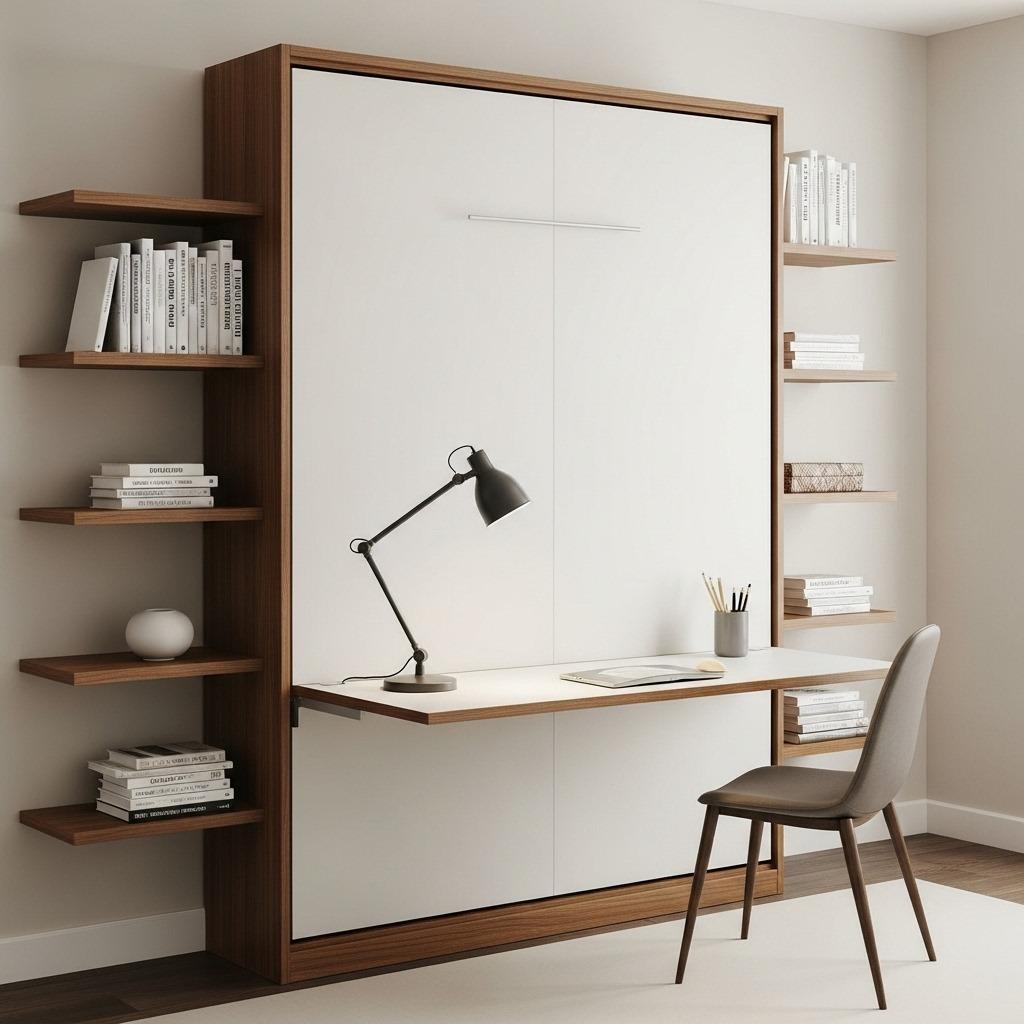
Murphy beds have come so far from those clunky contraptions your grandparents had. Today’s versions are sleek, surprisingly affordable, and can transform your bedroom into a multi-use space during daylight hours.
The real genius happens when you combine a murphy bed with a desk or workspace. During the day, your bedroom becomes a productive home office. At night, you simply fold down the bed and you’ve got a proper sleeping area. Some models even include built-in shelving or storage compartments that remain accessible whether the bed is up or down.
When shopping for a murphy bed, look for quality hardware that can handle daily use. Cheaper models tend to be difficult to operate after a few months. Also consider the mattress thickness – you want comfortable sleep, but an overly thick mattress can make the bed harder to fold and may protrude too much from the wall when stored.
2. Loft Bed With Storage Stairs
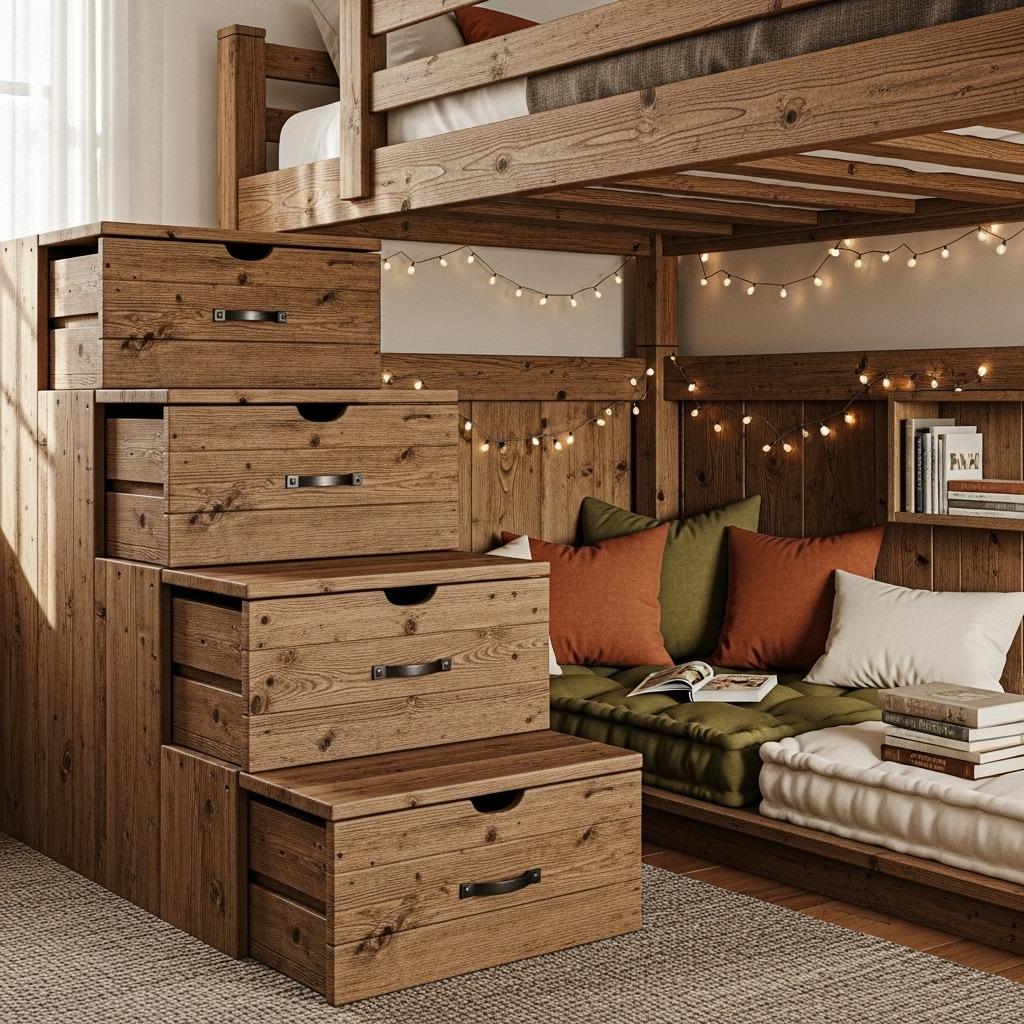
Climbing a ladder every night gets old fast, especially if you’re not a teenager anymore. That’s why storage stairs leading to a loft bed are such a brilliant solution for tiny house bedrooms. Each step becomes a drawer or cubby, giving you substantial storage without taking up any additional floor space.
Underneath the loft, you gain an entirely new functional area. I’ve seen people create reading nooks, compact workspaces, and even mini closets in this valuable real estate. The beauty is that this space feels private and intentional rather than just “under the bed.”
The height of your loft matters tremendously. You need enough clearance both above and below to sit up comfortably. Standard ceiling heights in tiny houses typically range from 7 to 8 feet, so aim for a loft platform around 4 feet high to maximize both areas without creating cramped spaces.
3. Platform Bed With Drawers Underneath
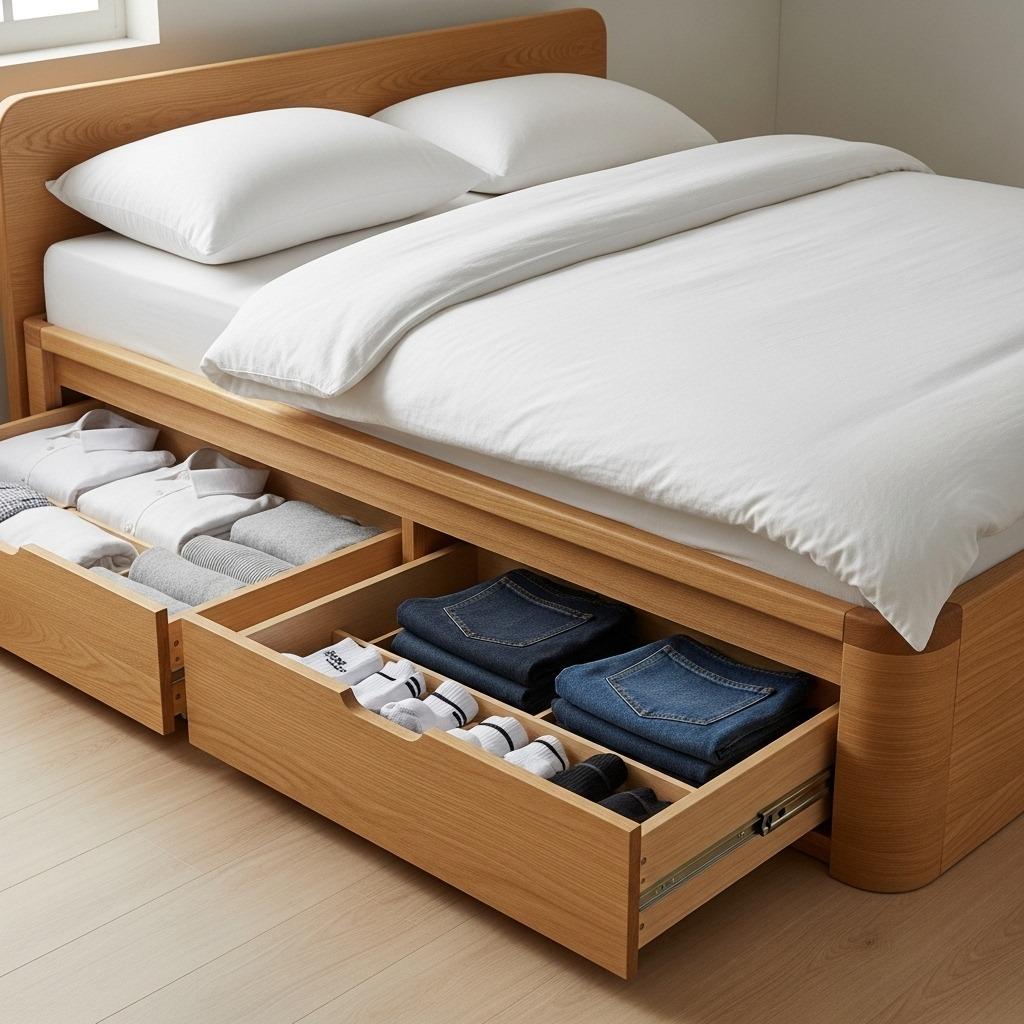
Not everyone wants to climb up to bed, and that’s completely fine. A platform bed with integrated drawers offers substantial storage while keeping your sleeping surface at a traditional height. This bedroom storage solution works particularly well for those who want easy access to their belongings.
The drawer configuration matters more than you might think. Deeper drawers work great for bulky items like sweaters and blankets, while shallow drawers are perfect for organizing smaller items like accessories or workout gear. Consider mixing drawer sizes based on what you actually own rather than going with a uniform design.
Quality drawer slides make all the difference here. Soft-close mechanisms prevent slamming and extend the life of your furniture. Look for full-extension slides so you can access items at the very back of each drawer without awkward reaching.
4. Corner Floating Nightstands
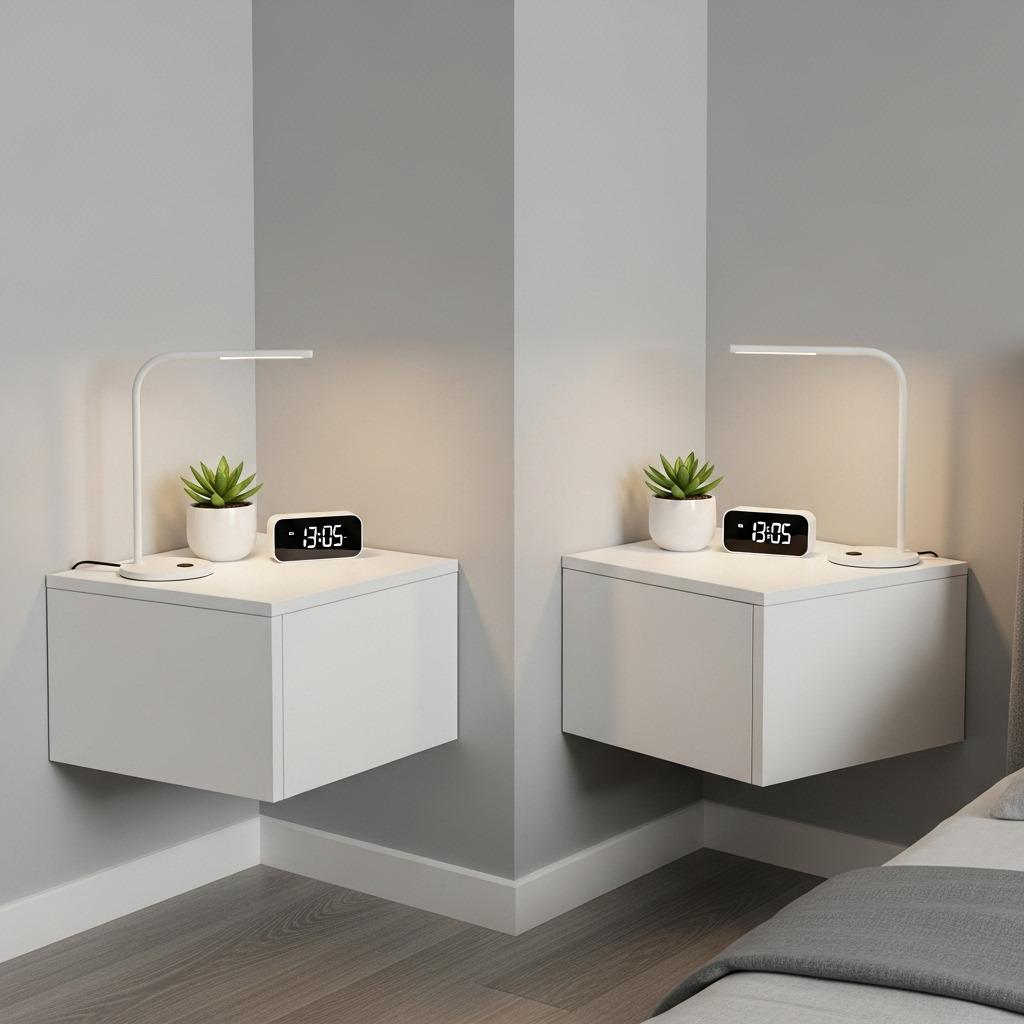
Traditional nightstands eat up precious floor space that tiny house bedrooms simply don’t have. Corner-mounted floating shelves give you a spot for your phone, reading glasses, and that cup of tea without sacrificing walkway space or making the room feel cluttered.
These floating options can be as simple as a single shelf or as elaborate as a small cabinet system. The triangular shape specifically designed for corners maximizes surface area while the floating mount keeps the floor clear. This visual trick makes rooms feel larger because you can see more continuous floor space.
Installation is straightforward, but finding studs in tiny house walls can be tricky since the framing is often closer together than traditional homes. Use proper anchors rated for the weight you’ll be placing on these shelves, and don’t forget to factor in the dynamic weight of reaching for items or accidentally bumping into them at night.
5. Sliding Barn Door Closet System
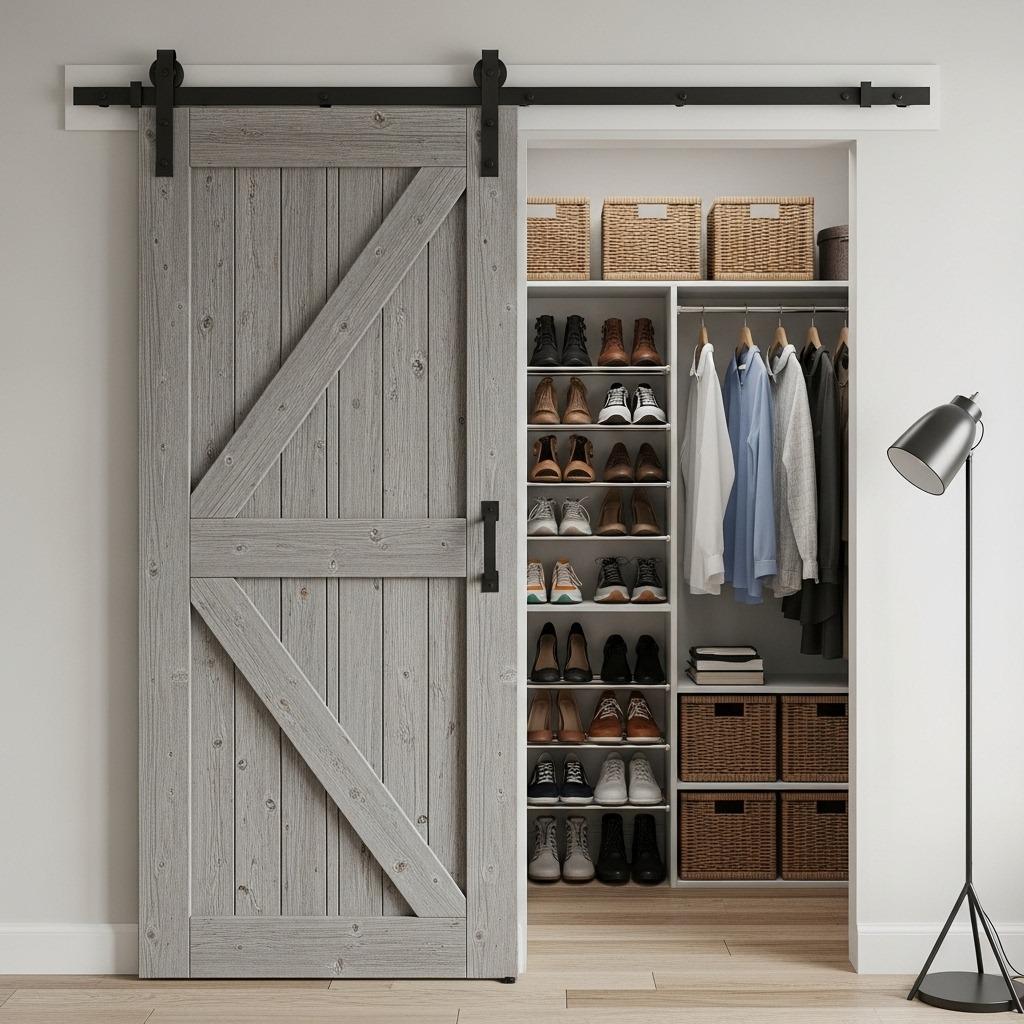
Swinging closet doors require clearance space that tiny house bedrooms can’t spare. Sliding barn doors solve this problem beautifully while adding a rustic, design-forward element to your space. The track system mounts to the wall above the closet opening, allowing the door to slide parallel to the wall rather than swinging out into the room.
Behind that barn door, you’ll want to maximize every inch of closet space. Consider a double-hang rod system to store shirts above and pants below. Add hooks on the back of the door itself for robes or bags. Small organizers and dividers keep drawers and shelves from becoming jumbled messes.
The door itself becomes a design element. You can go rustic with reclaimed wood, modern with a frosted glass panel, or even mirror-faced to help your tiny bedroom feel more spacious. Just make sure the door is wide enough to cover the entire closet opening when closed, with a little overlap on each side.
6. Wall-Mounted Folding Table As Vanity
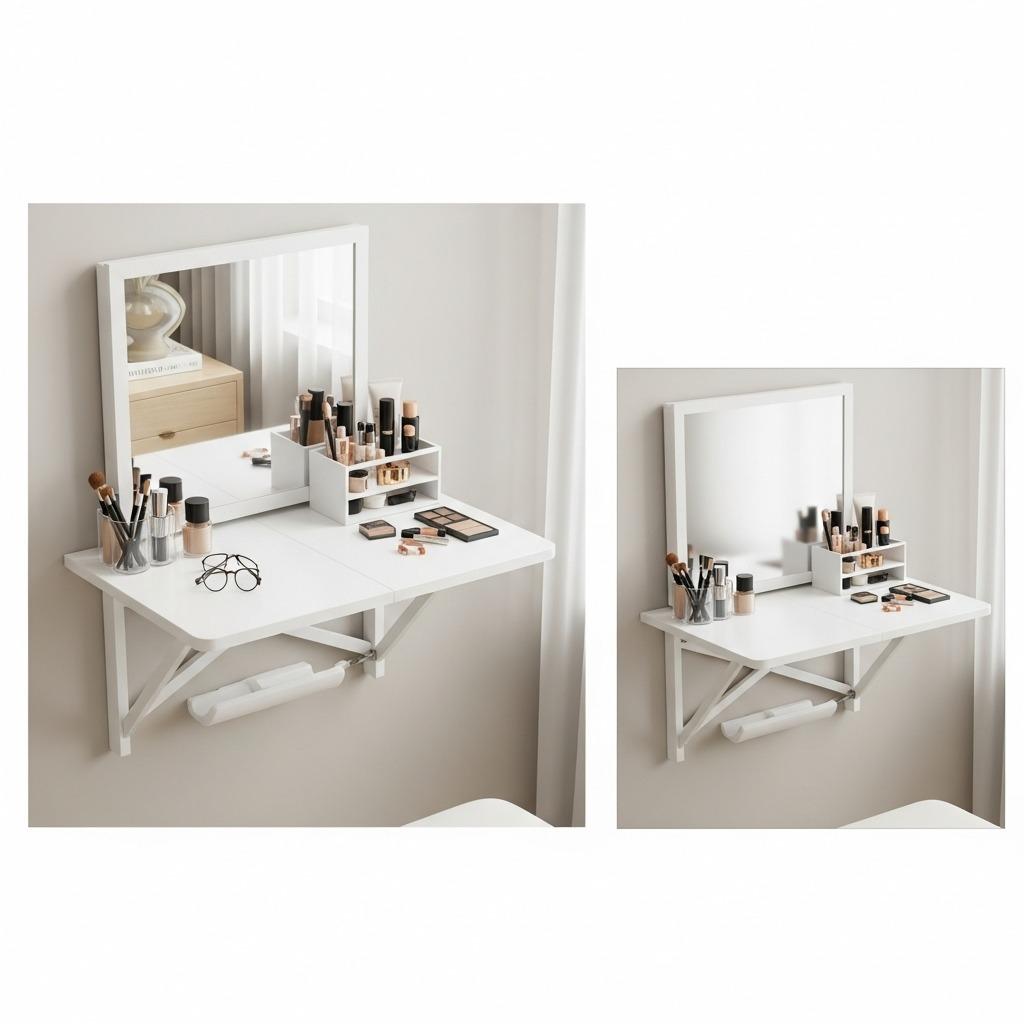
A dedicated vanity feels like a luxury in a tiny house bedroom, but a wall-mounted folding table makes it possible. When you need to get ready, you fold down the table to create a proper surface for makeup, hair styling, or just getting dressed. When you’re done, it folds flat against the wall and essentially disappears.
Mount a mirror directly above this folding table, and suddenly you have a legitimate vanity station. Add a small wall-mounted organizer or magnetic board beside it to keep your daily essentials within reach. Some people even install a small shelf above the table for frequently used items that can stay put whether the table is up or down.
The folding mechanism needs to be robust enough for daily use. Look for tables with sturdy brackets and a secure locking system when the table is in the down position. You don’t want it collapsing while you’re mid-mascara application.
7. Ceiling-Mounted Pendant Reading Lights
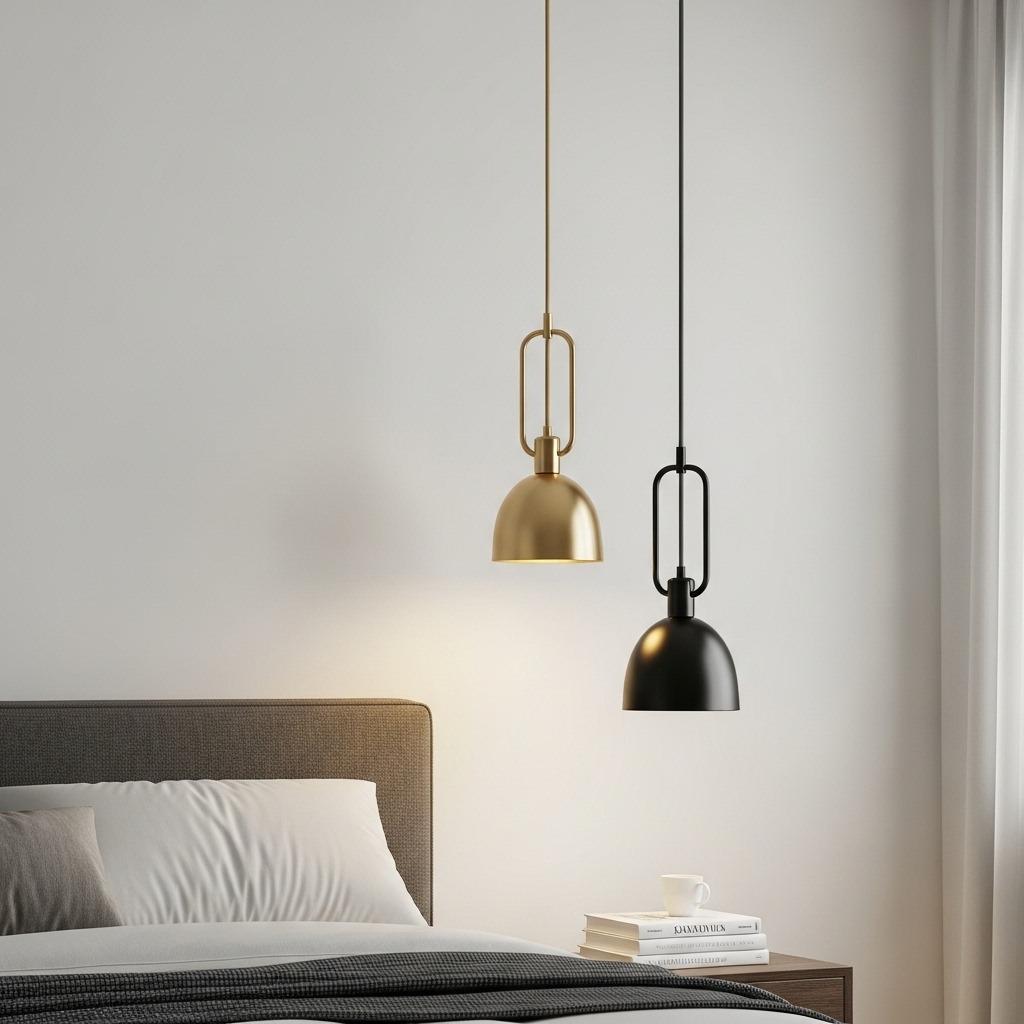
Table lamps require, well, tables – which means nightstands that consume valuable space. Ceiling-mounted pendant lights eliminate this need entirely. They hang down beside your bed at the perfect height for reading, but the base is mounted to the ceiling where you have plenty of unused real estate.
Look for pendants with adjustable cord lengths so you can position them exactly where you need the light. Dimmers are essential for creating the right ambiance. You might want bright task lighting for reading but softer illumination when you’re winding down for sleep.
The installation does require some electrical work, but it’s worth it for the floor space you’ll gain. Plus, pendant lights become a sculptural design element that draws the eye upward, which actually makes your tiny bedroom ceiling feel higher. Choose styles that complement your overall aesthetic, whether that’s industrial Edison bulbs or sleek modern globes.
8. Under-Bed Rolling Storage Bins
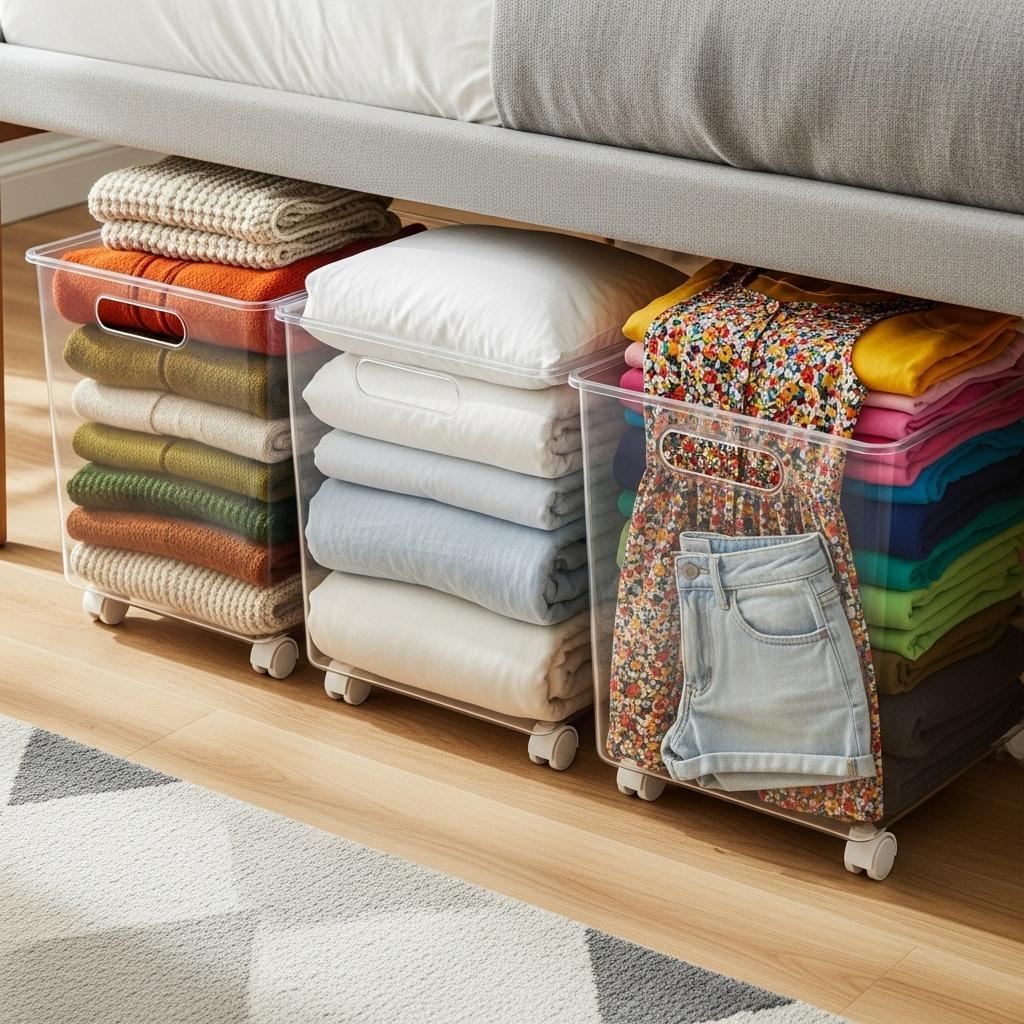
Even if your bed isn’t a platform style with built-in drawers, the space underneath is prime storage territory. Rolling bins on wheels make this area easily accessible without requiring you to get on your hands and knees to retrieve items. This works particularly well for small space storage of seasonal items you don’t need daily access to.
Transparent bins let you see contents at a glance, which saves time and prevents you from buying duplicates of things you already own but forgot about. Alternatively, matching opaque bins create a cleaner, more cohesive look if they’re visible from certain angles in your room.
Measure your under-bed clearance carefully before buying bins. Many beds sit lower than you think, and there’s nothing more frustrating than bins that are too tall to slide underneath. Factor in the height of the wheels too, and leave a little wiggle room for easy maneuvering.
9. Vertical Clothing Rail Instead Of Dresser
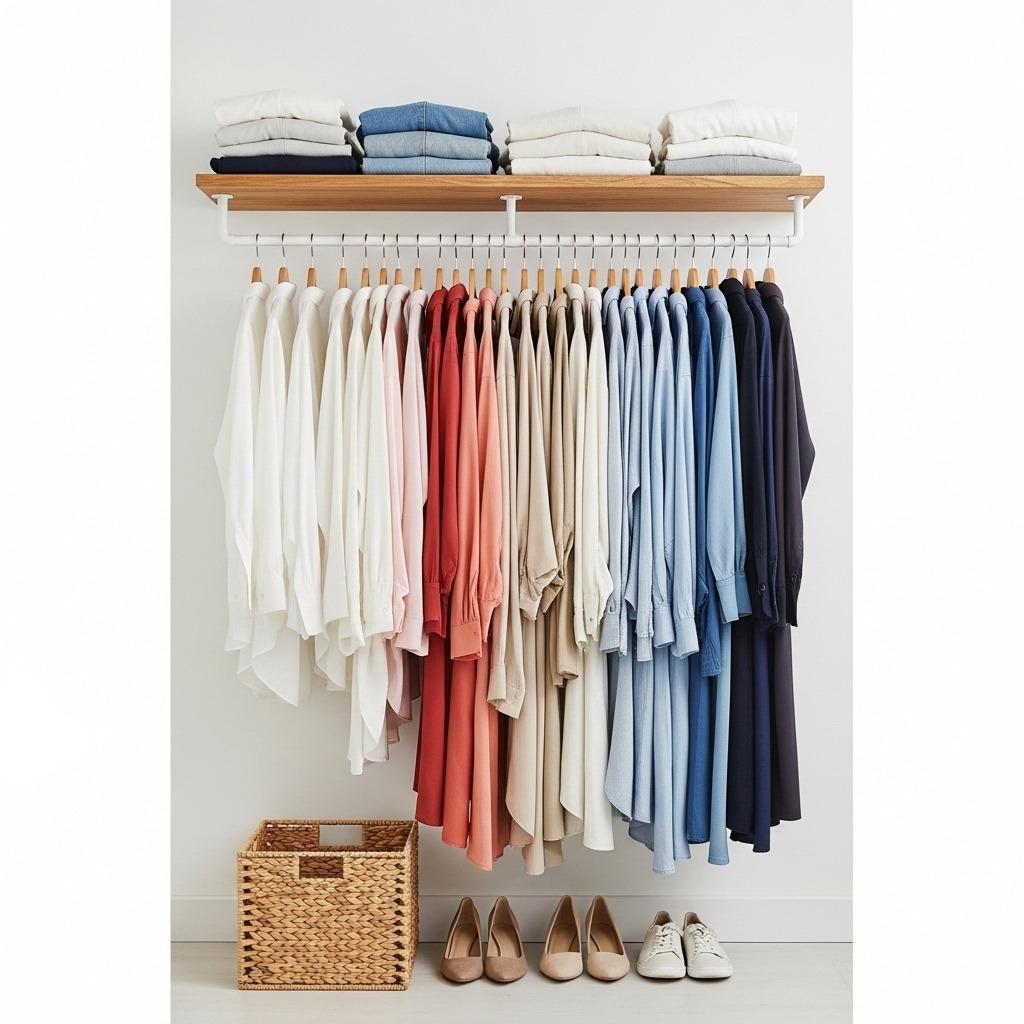
Dressers are bulky and inefficient for tiny spaces. A vertical clothing rail mounted directly to your wall creates an open closet system that actually makes getting dressed easier. You can see everything you own at a glance, which tends to result in more thoughtful outfit choices and less clothing accumulation.
The key is being selective about what you hang. This system works best for people who have curated their wardrobes down to pieces they actually wear. If you’re drowning in clothes you never touch, this open storage will just look messy. Use this as motivation to edit your wardrobe down to items that fit, flatter, and make you feel great.
Add a narrow floating shelf above the rail for folded items like jeans and sweaters. Below the rail, slide in a stylish basket or two for shoes or accessories. This entire system takes up maybe six inches of depth compared to a traditional dresser that juts 18 inches or more into your tiny bedroom.
10. Headboard With Built-In Shelving
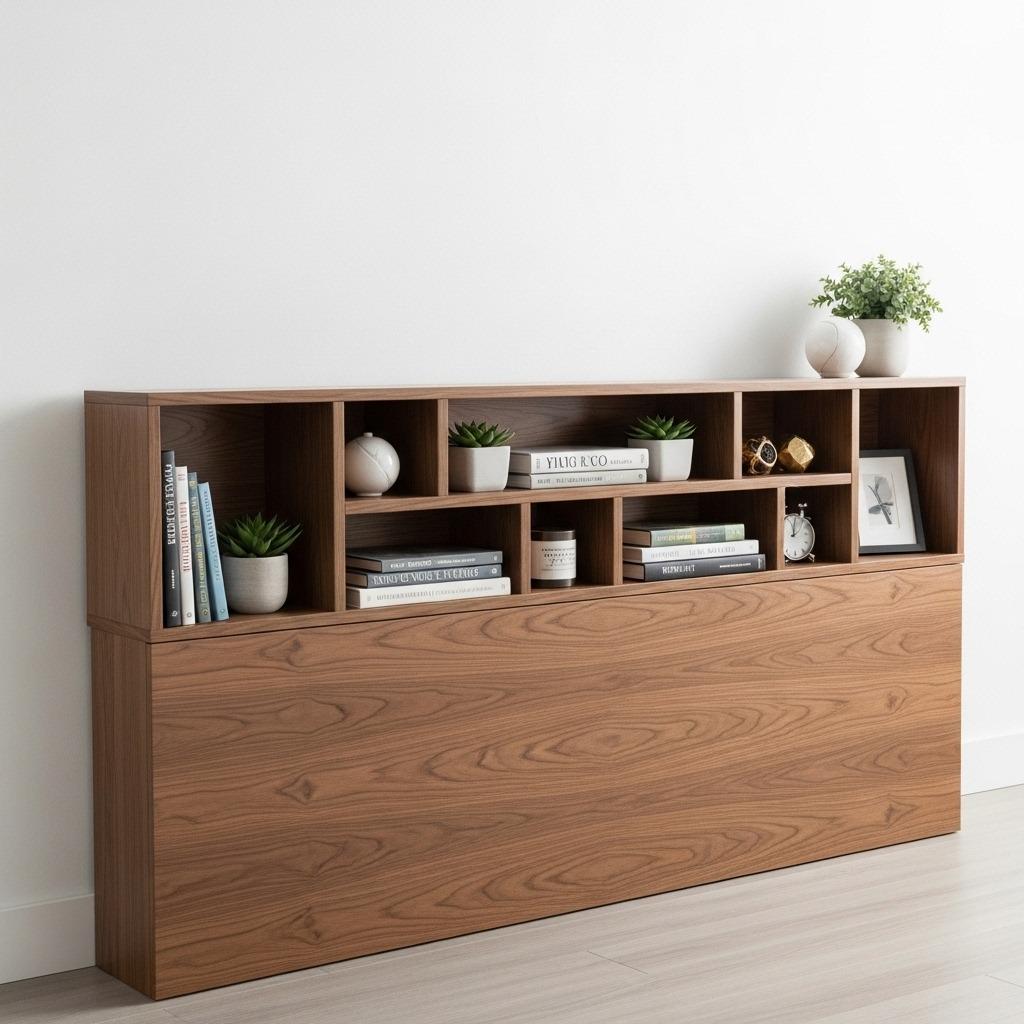
Your headboard doesn’t need to be just decorative. A headboard with built-in shelving creates storage exactly where you need it most – right beside where you sleep. This is perfect for books, a water glass, your phone, glasses, and all those little items that typically clutter nightstands.
Some headboards include deeper shelving units that extend toward the ceiling, giving you even more storage without consuming additional floor space. These taller designs work especially well in bedroom layouts where the bed is against a wall rather than in the center of the room.
When designing or selecting a headboard with storage, think about what you’ll actually keep there. If you want to display decorative objects, open shelving works great. If you need to hide charging cables and random clutter, consider designs with small doors or drawers integrated into the headboard structure.
11. Mirrored Sliding Closet Doors
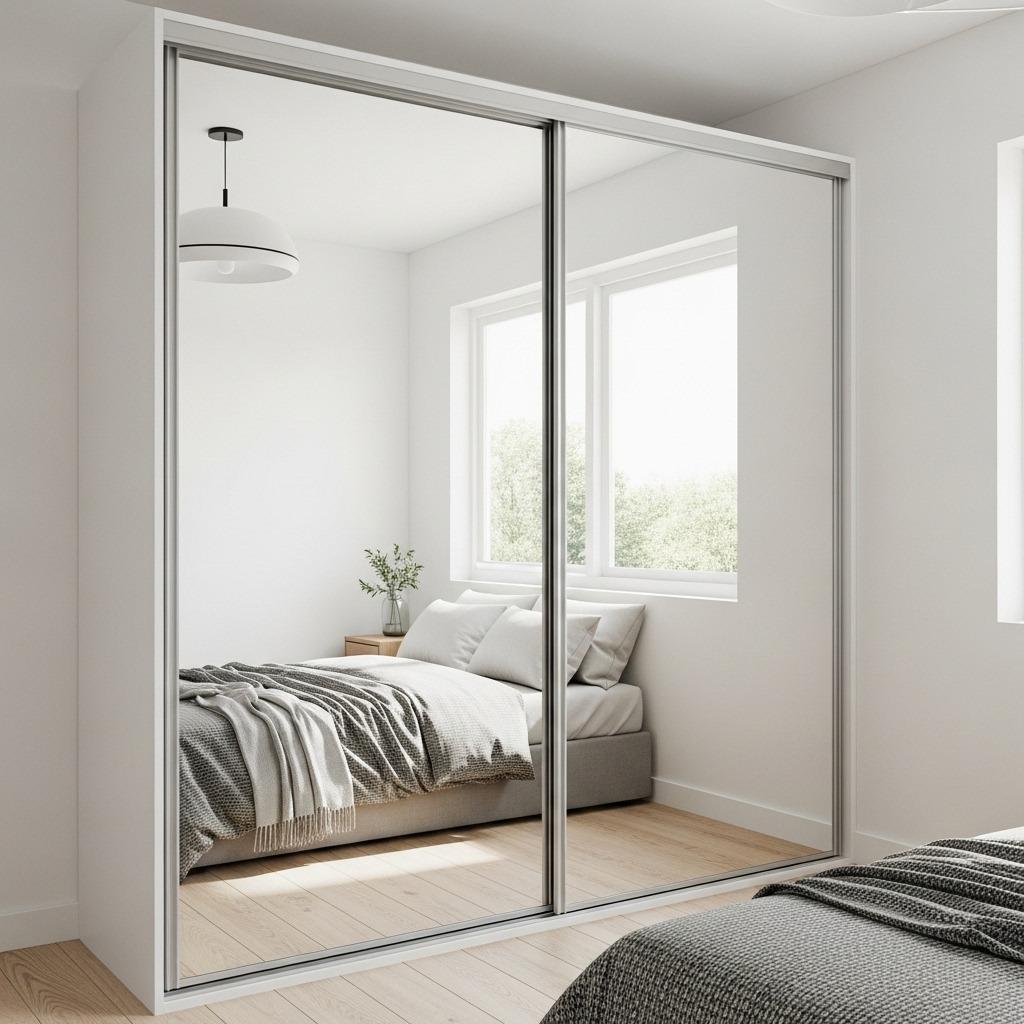
Mirrors are a tiny space dweller’s best friend, and nowhere is this more true than in the bedroom. Replacing standard closet doors with mirrored sliding versions serves multiple purposes. You get a full-length mirror for checking your outfit, the mirrors reflect light to brighten the space, and the room visually appears nearly twice as large.
The psychological impact shouldn’t be underestimated. When you wake up in a tiny bedroom and see your space reflected back at you, it genuinely feels more spacious and less claustrophobic. This is especially valuable if your bedroom has limited natural light or windows.
Keep the mirrors clean – smudges and fingerprints will detract from the effect. Consider installing the doors with a gentle soft-close mechanism to prevent slamming. Some systems even include bottom guides that keep the doors properly aligned and prevent them from swinging or sticking.
12. Corner Reading Nook With Storage Bench
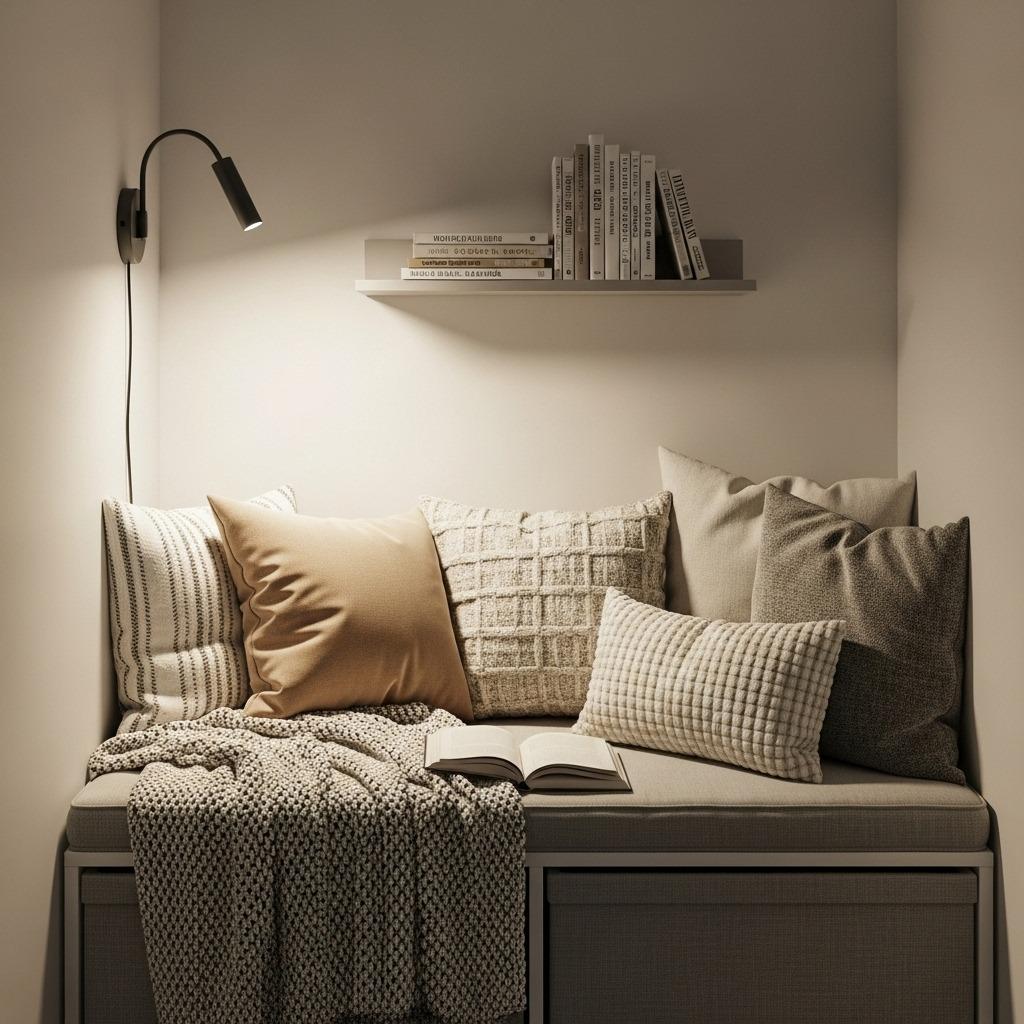
Every tiny bedroom should have one spot that’s purely about comfort and relaxation. A corner reading nook with a storage bench accomplishes this while staying practical. The bench lid lifts to reveal storage for extra blankets, out-of-season clothes, or those bulky items that don’t fit anywhere else.
Corners are often wasted space in tiny house bedrooms, but they’re actually perfect for creating these little retreat zones. Add some throw pillows and a cozy blanket, mount a small shelf on the wall above for your current reading stack, and install a dedicated reading light. Suddenly you have a space within your space that serves a completely different function than sleeping.
The storage bench should be comfortable enough to sit on for extended periods. Consider adding a foam cushion if the wood top is too hard. The bench height matters too – ideally around 18 inches so your feet rest comfortably on the floor when seated.
13. Accordion-Style Room Divider For Privacy
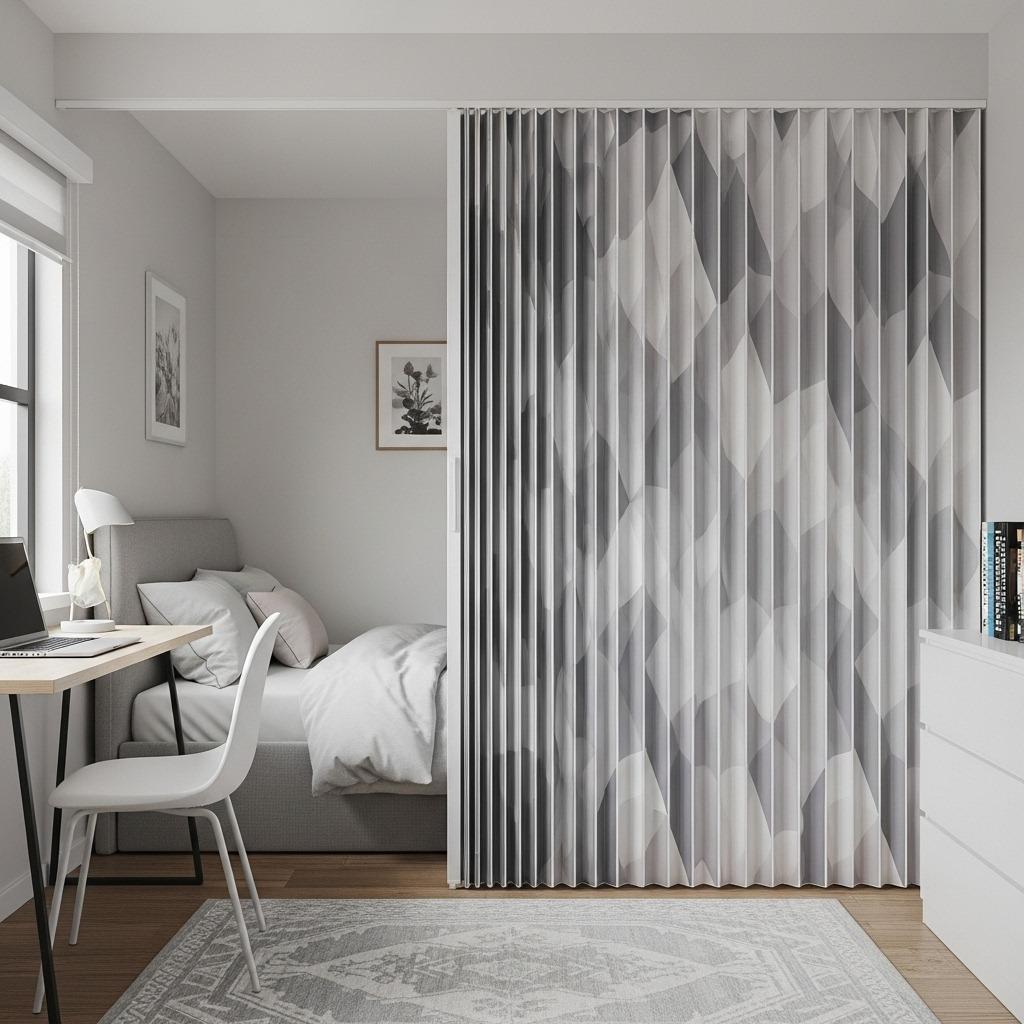
Sometimes tiny house bedrooms share space with other functions – a workspace, exercise area, or even part of the living space. An accordion-style room divider gives you privacy when you need it without permanently sectioning off areas or requiring the commitment of a solid wall.
These dividers fold completely flat against the wall when not in use, so they don’t consume space or make your room feel choppy. When extended, they create a psychological boundary that makes the sleeping area feel more private and bedroom-like, which can genuinely improve sleep quality.
Choose materials wisely. Lightweight fabric panels or paper screens are easy to move but might not muffle sound as effectively as wood or composite options. The trade-off is that heavier dividers are more challenging to maneuver. Consider your primary need – is it visual privacy or sound dampening?
14. Multi-Level Floating Shelves For Vertical Storage
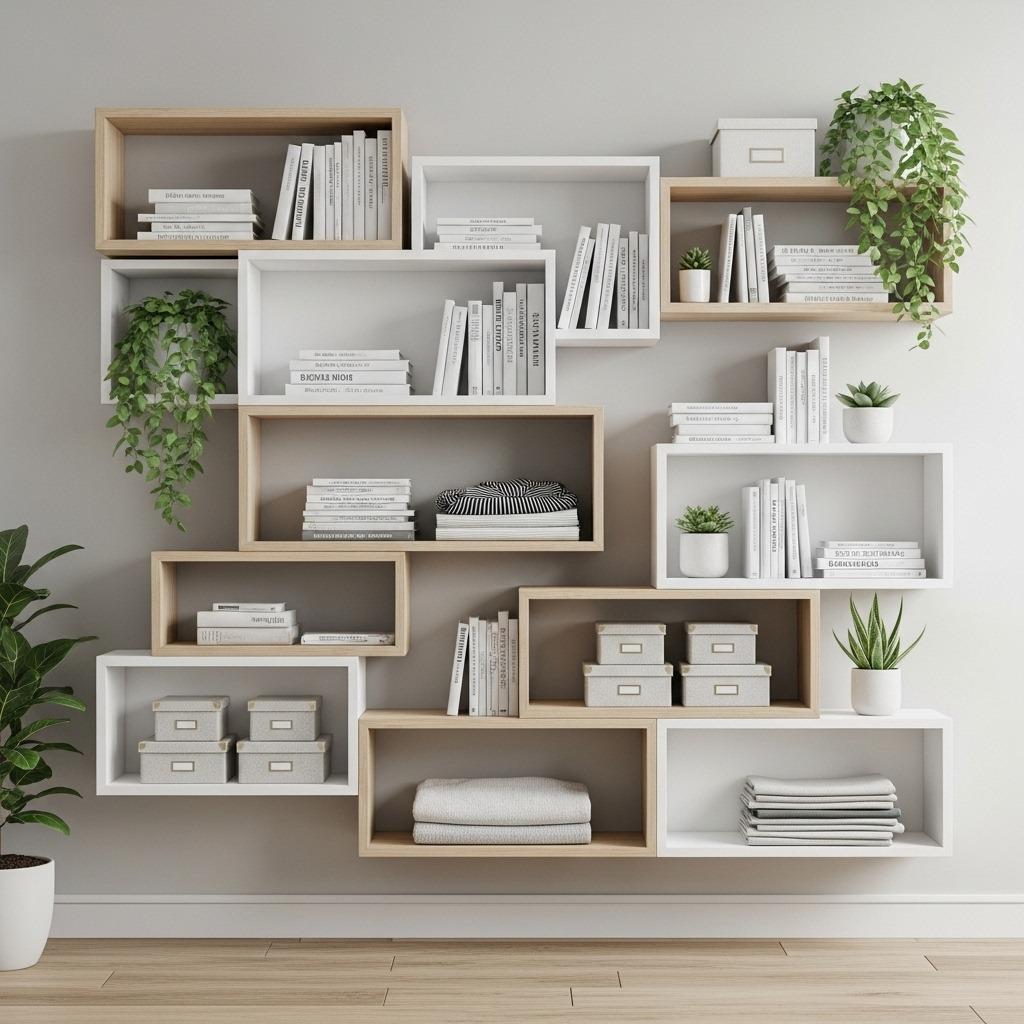
When floor space is limited, look up. A system of floating shelves arranged at different heights and depths creates enormous storage capacity without consuming any floor space. This works particularly well on the wall opposite your bed or flanking a window.
The arrangement should be both functional and aesthetically pleasing. Mix shelf sizes – use deeper shelves for folded clothes or storage boxes, and shallower shelves for displaying books or decorative items. Vary the heights to create visual interest and accommodate items of different sizes.
According to The Spruce, vertical storage solutions can increase usable storage space in small bedrooms by up to 40% compared to traditional furniture pieces. That’s a massive gain for a tiny house bedroom where every square inch matters. The key is planning your shelf configuration around what you actually need to store rather than just randomly mounting shelves and hoping things fit.
Install shelves securely into wall studs whenever possible. In tiny houses where stud spacing might be non-standard, use high-quality anchors rated for the weight you’ll be storing. Remember that the weight of items on shelves can accumulate quickly, especially if you’re storing books or other heavy objects.
Creating a comfortable, functional tiny house bedroom comes down to making smart choices about every element you include. Each piece of furniture, every storage solution, and all the design decisions should serve multiple purposes whenever possible. The ideas above aren’t just about saving space – they’re about creating a bedroom that feels intentional, peaceful, and truly yours.
The beauty of tiny house living is that limitations often spark creativity. When you can’t just throw a massive dresser against the wall, you start thinking about vertical clothing rails, built-in storage stairs, and murphy beds that disappear during the day. These solutions often end up being more elegant and functional than their conventional counterparts.
Your tiny house bedroom should never feel like a compromise. With thoughtful planning and the right compact bedroom solutions, even the smallest sleeping spaces can feel like proper retreats. Start with the ideas that address your biggest pain points, whether that’s lack of storage, cramped feeling, or difficulty accommodating both sleeping and other activities in one small area. You might be surprised how much comfort and functionality you can pack into a compact space.

