If you’ve ever killed a houseplant through overwatering or forgotten to water your garden for weeks, succulents might just become your new best friends. These hardy, sculptural plants have transformed from simple windowsill decorations into statement-making garden features that look intentional, not neglectful.
Water conservation isn’t just a trendy buzzword anymore. With droughts affecting many regions and water bills climbing, creating a succulent garden design makes practical sense. But here’s the best part – these drought-resistant plants don’t look like compromises. They bring texture, color, and architectural interest that traditional gardens can’t match.
Whether you have a sprawling backyard or just a sunny balcony, these 13 ideas will show you how to create stunning mini succulent gardens and stylish succulent arrangements that practically take care of themselves. No green thumb required.
Why Succulent Gardens Make Sense Right Now
Water scarcity is becoming a genuine concern in many areas, and traditional lawns can guzzle thousands of gallons annually. Succulents evolved in arid climates, storing water in their fleshy leaves and stems, which means they can go weeks without a drink.
Beyond the practical benefits, there’s something visually satisfying about succulent garden design. The geometric patterns of echeveria rosettes, the spiky drama of agave, the cascading tendrils of string of pearls – these plants offer variety that rivals any traditional garden. Plus, they’re having a serious moment in landscape design, appearing everywhere from high-end resorts to urban apartment kitchen hacks where people incorporate tiny succulent displays on windowsills.
The maintenance factor alone is worth considering. If you’re juggling work, family, and trying to keep your luxury living room looking decent, the last thing you need is a garden that demands daily attention. Succulents actually prefer neglect over fussing.
1. Tiered Container Garden with Mixed Textures
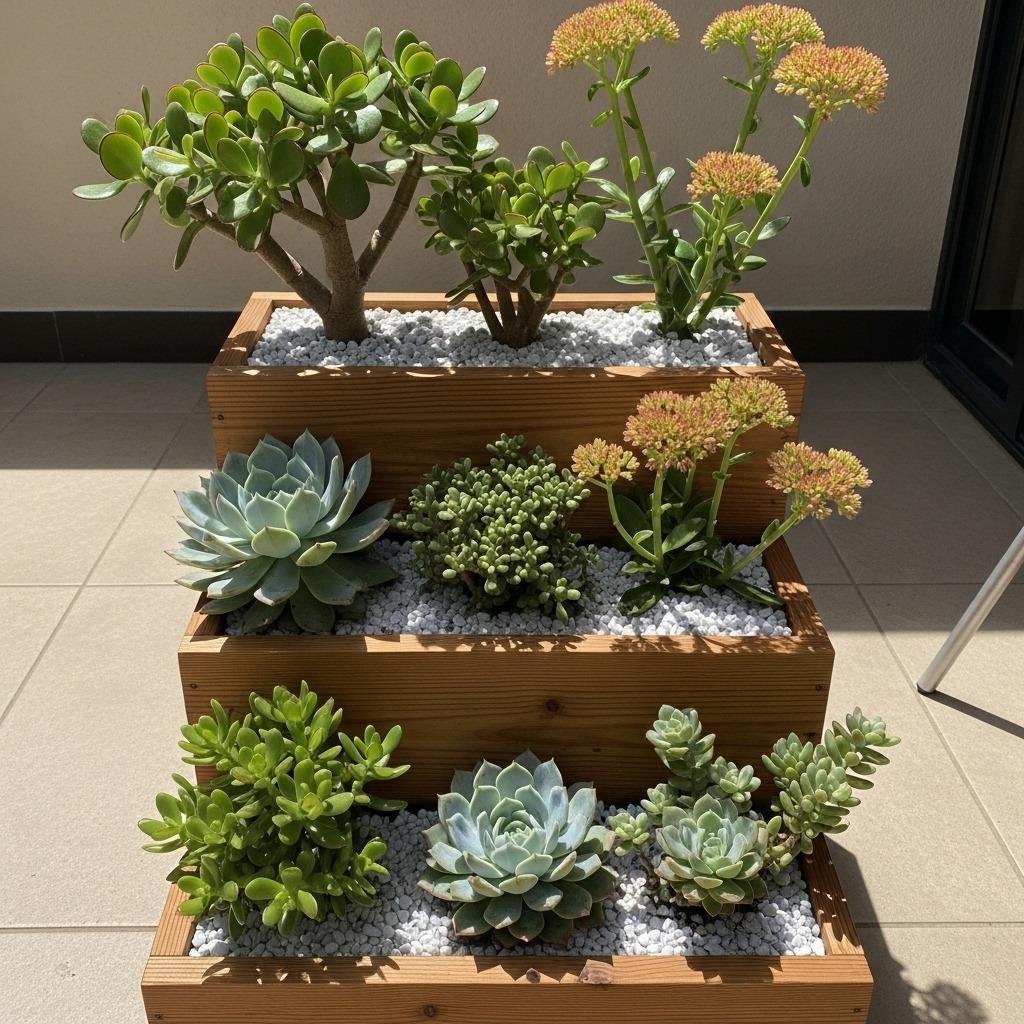
Creating height variation makes any space more interesting, and tiered planters let you showcase different succulent varieties without them competing for attention. Start with a tall aloe or agave in the back tier, medium-height echeveria or sempervivum in the middle, and low-growing sedum cascading over the front edge.
The key is mixing textures – pair smooth, glossy jade plant leaves with fuzzy panda plants or spiky haworthia. This creates visual depth similar to how you might layer bohemian pillows and throws in your living room. The plants don’t need to match; they just need to complement each other’s growth patterns.
Choose containers with drainage holes (this is non-negotiable for succulents), and use a gritty, fast-draining soil mix. Many gardening centers sell specific succulent soil, but you can also make your own by mixing regular potting soil with coarse sand and perlite.
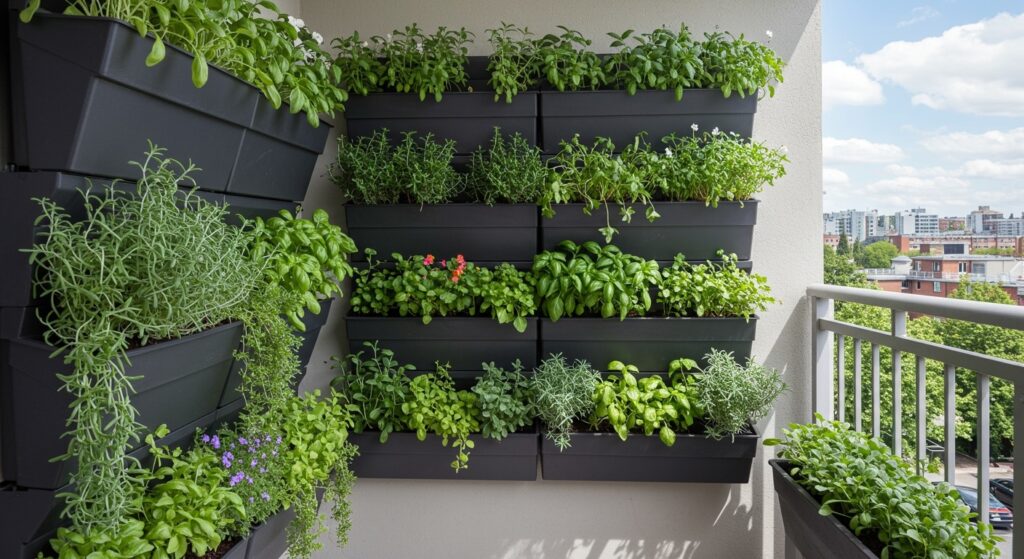
2. Vertical Living Wall Installation
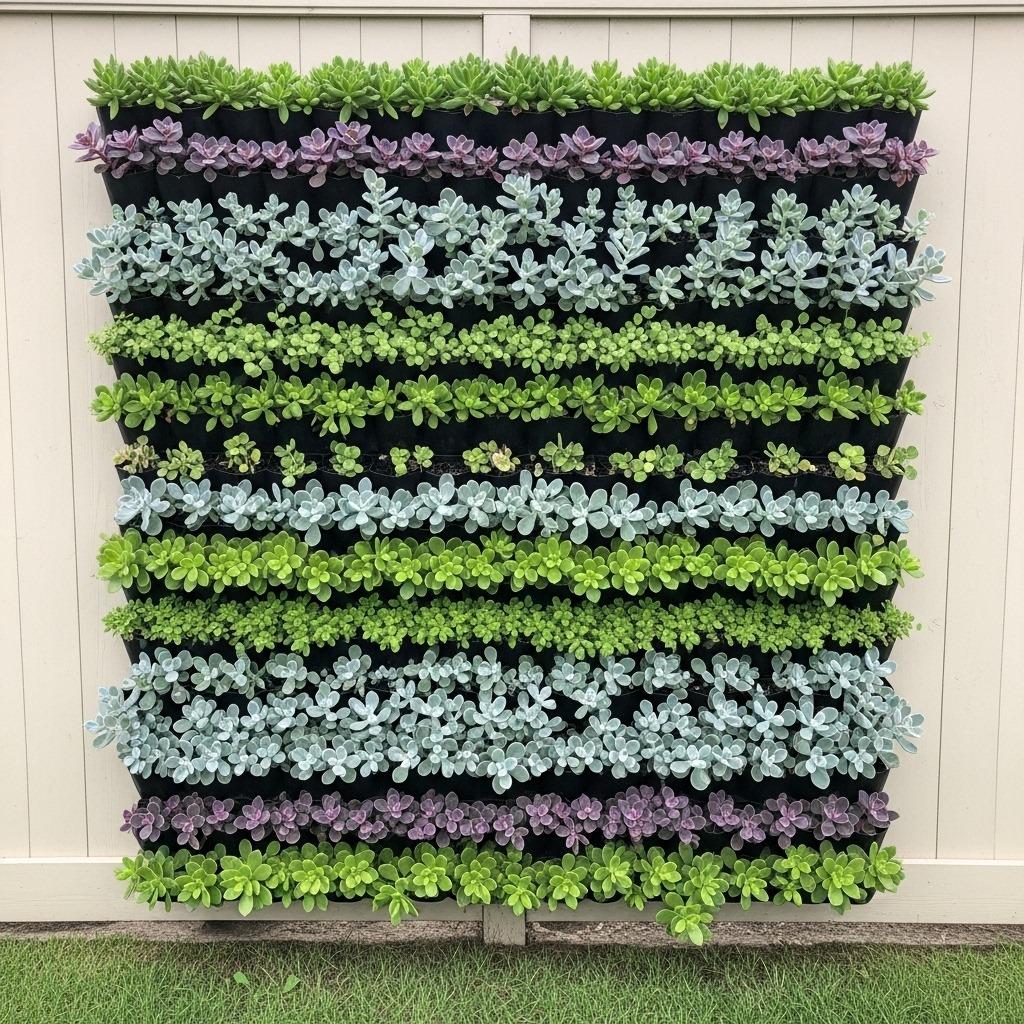
If you’re working with limited ground space, go vertical. Succulent walls transform boring fences or exterior walls into living art installations. They’re particularly effective in small yards where every square foot counts – much like small space renovation techniques maximize indoor areas.
Pre-made vertical planters with individual pockets work well for this application. Plant each pocket with compact varieties like hens-and-chicks, sedum, or small echeveria that won’t outgrow their space quickly. The installation needs at least 4-6 hours of sunlight daily, and you’ll want to ensure water can drain freely from the bottom.
One unexpected benefit? These walls provide mild insulation for the structure behind them, keeping things slightly cooler in summer.
3. Rock Garden Integration
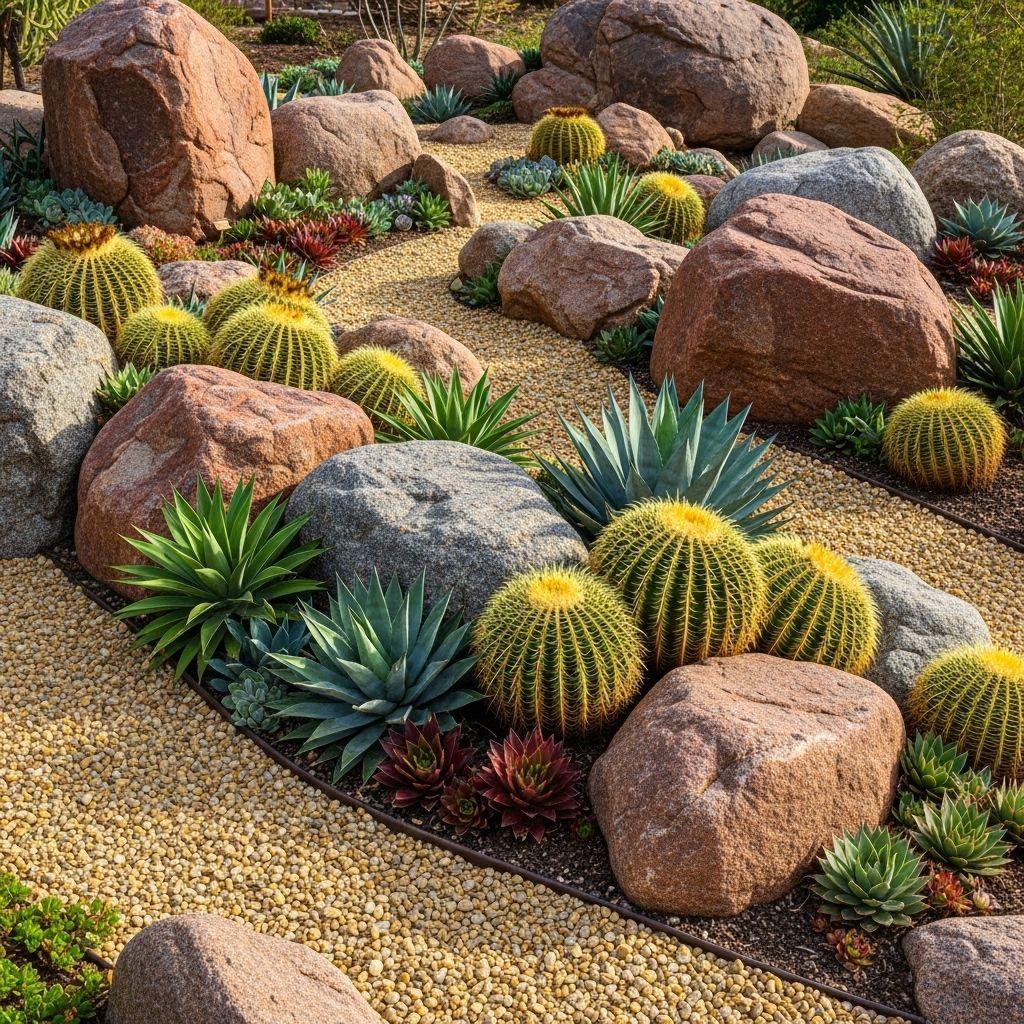
Combining succulents with decorative rocks creates a low-maintenance landscape that looks intentionally designed rather than sparse. Large boulders anchor the space visually, while smaller river rocks or decomposed granite fill gaps and prevent weed growth.
Position your larger succulents near big rocks to create natural-looking groupings. In nature, plants often grow in rock crevices where soil and moisture accumulate, so mimicking this pattern makes everything look organic. This approach works especially well if you’re interested in low-maintenance landscaping front yard transformations.
The rocks serve multiple purposes beyond aesthetics. They absorb heat during the day and radiate it at night, creating a microclimate that many succulents appreciate. They also help anchor loose soil and prevent erosion in areas with occasional heavy rain.
4. Fairy Garden Container Display
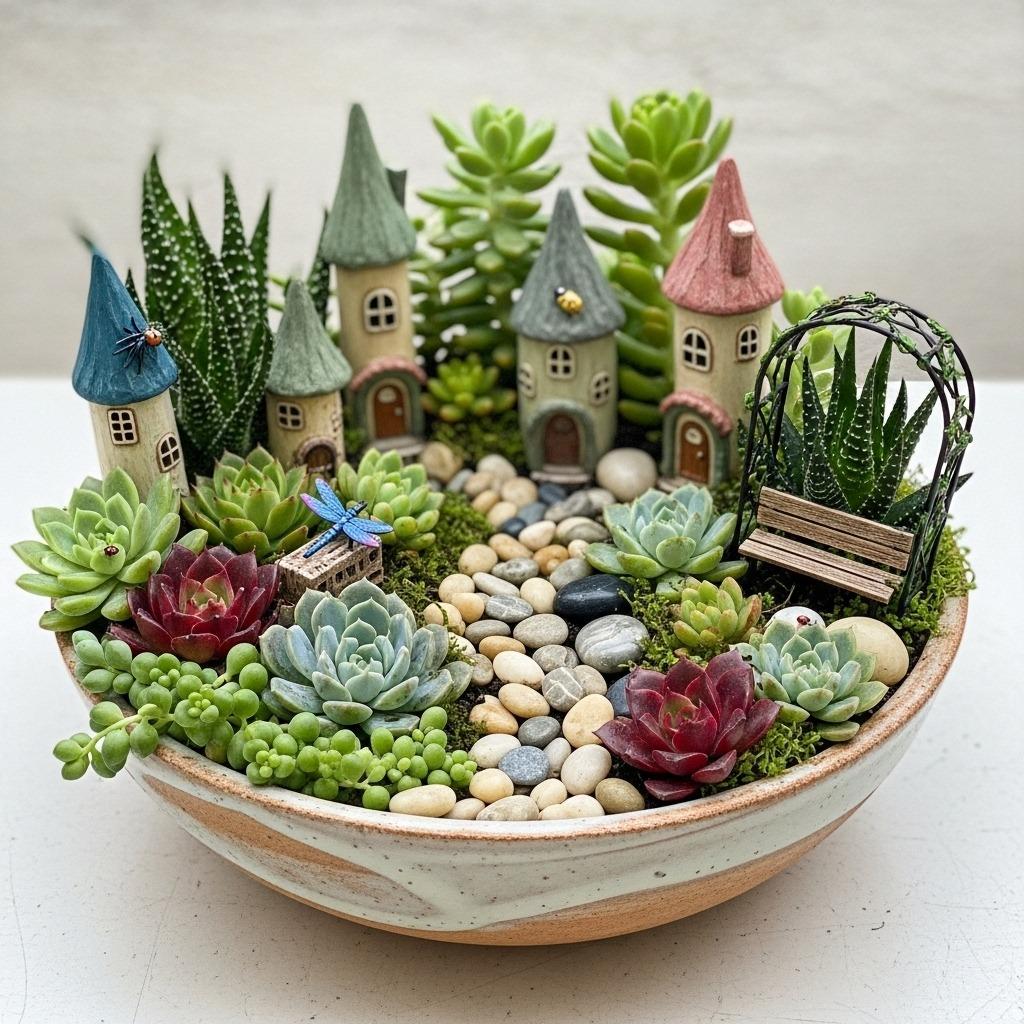
Miniature succulent gardens tap into that same creative energy that makes fairy garden ideas for kids so appealing. Start with a shallow, wide container – even a cracked ceramic serving bowl can work if you drill drainage holes.
Layer the bottom with drainage material (small rocks or broken pottery pieces), add succulent soil, then create “zones” for different elements. Plant tiny succulents like baby toes or lithops, which naturally stay small and resemble miniature versions of larger plants. Add small decorative elements sparingly so plants remain the focus.
These mini gardens work beautifully on patios, window ledges, or even indoors near bright windows. They’re conversation starters and surprisingly forgiving projects for beginners who want to experiment with design on a small scale before committing to larger installations.
5. Monochromatic Color Scheme Design
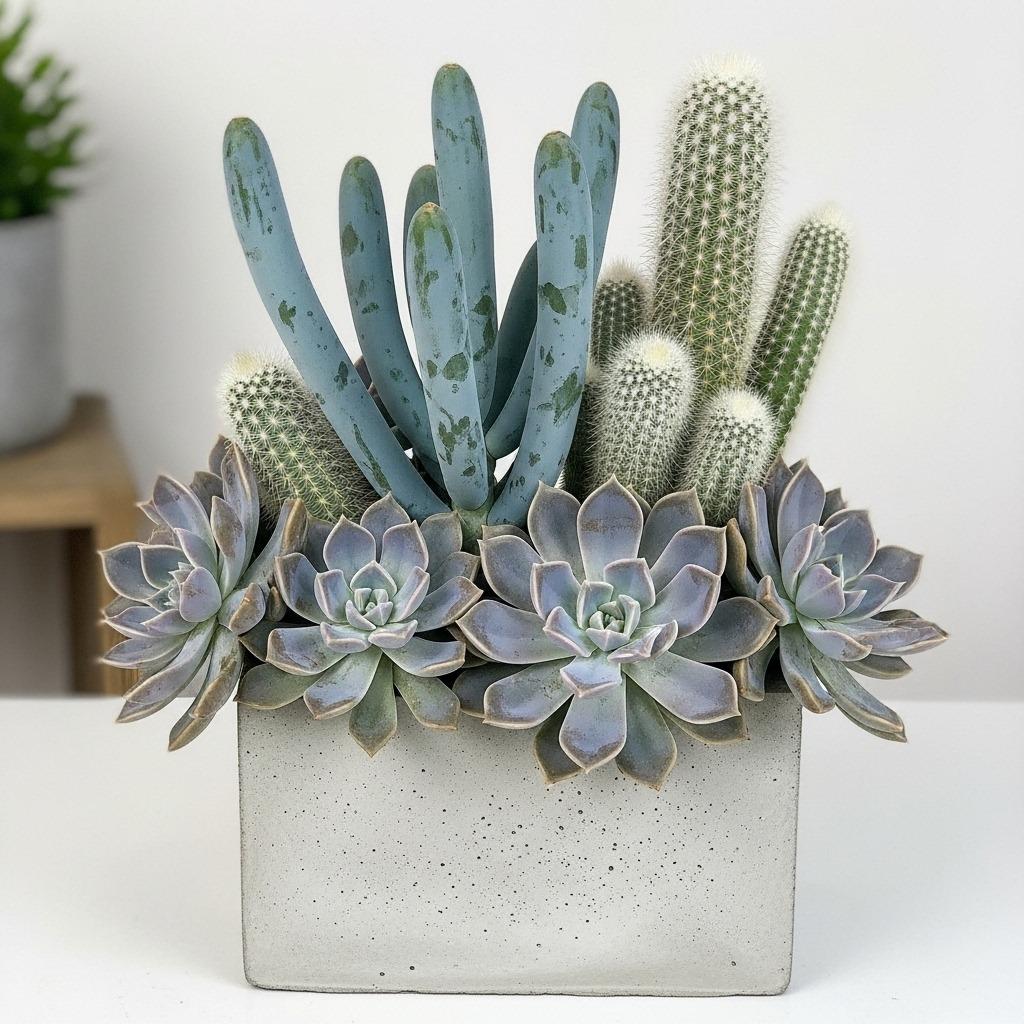
Sometimes limiting your color palette creates more impact than using every shade available. A monochromatic succulent garden using blues, silvers, and grays looks sophisticated and modern – similar to how monochrome living room designs create cohesive, calming spaces.
Blue chalk sticks, ghost plant (Graptopetalum paraguayense), blue agave, and dusty miller create stunning combinations in this color family. These plants naturally reflect light differently throughout the day, so even within one color range, you get texture and depth.
This approach works particularly well in contemporary landscapes or when you want your garden to complement specific exterior paint colors. The restrained palette lets the architectural qualities of each plant shine rather than competing for attention.
6. Border Garden Along Pathways
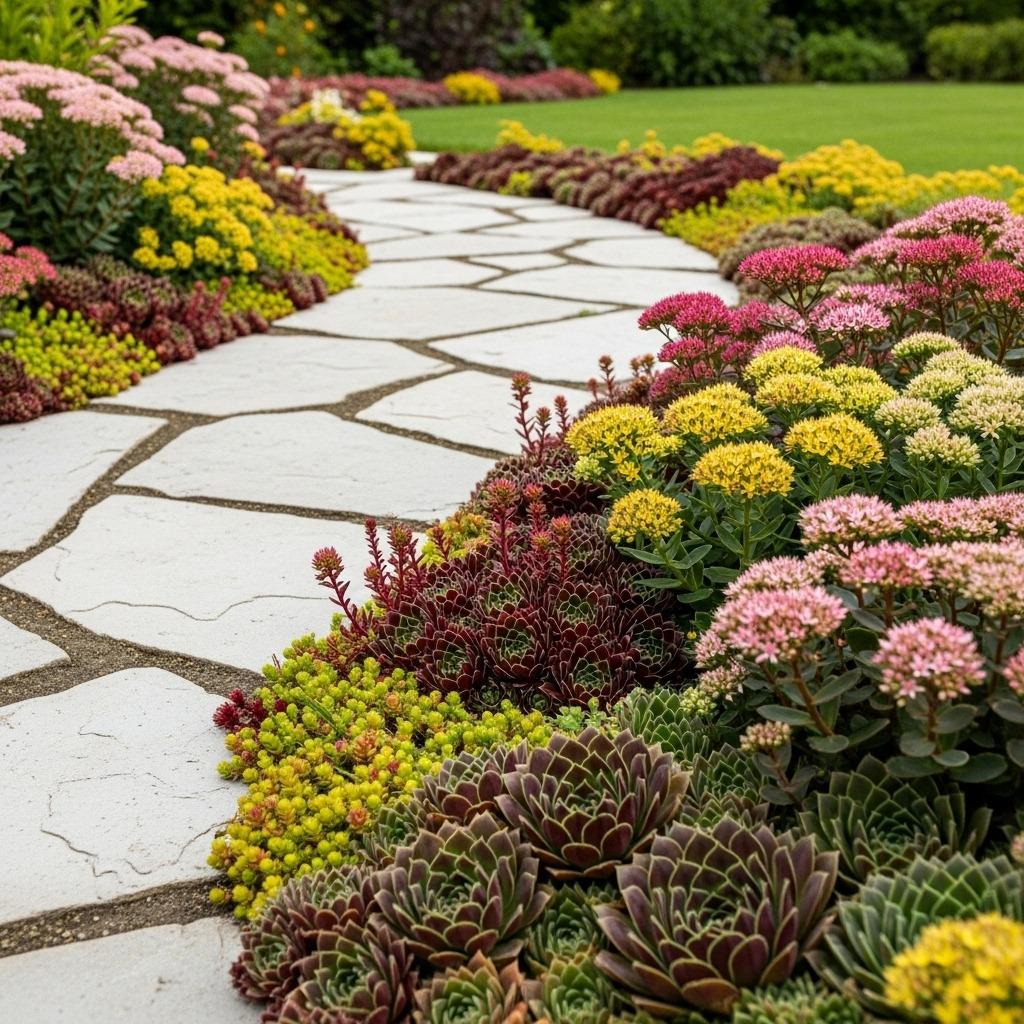
Replacing traditional border plants with drought-resistant succulents along walkways makes practical sense. Low-growing sedum varieties and sempervivum (hens and chicks) spread gradually to fill spaces while tolerating occasional foot traffic better than many plants.
This style of succulent garden design works well transitioning between different garden areas or defining the edges of patios and paths. The plants need minimal trimming compared to traditional border hedges, and many varieties change color with the seasons, providing visual interest year-round.
Space plants about 6-8 inches apart initially. They’ll fill in within one growing season, creating a living carpet. Choose varieties with similar water and sun requirements so you’re not trying to accommodate conflicting needs in the same bed.
7. Hanging Basket Arrangements
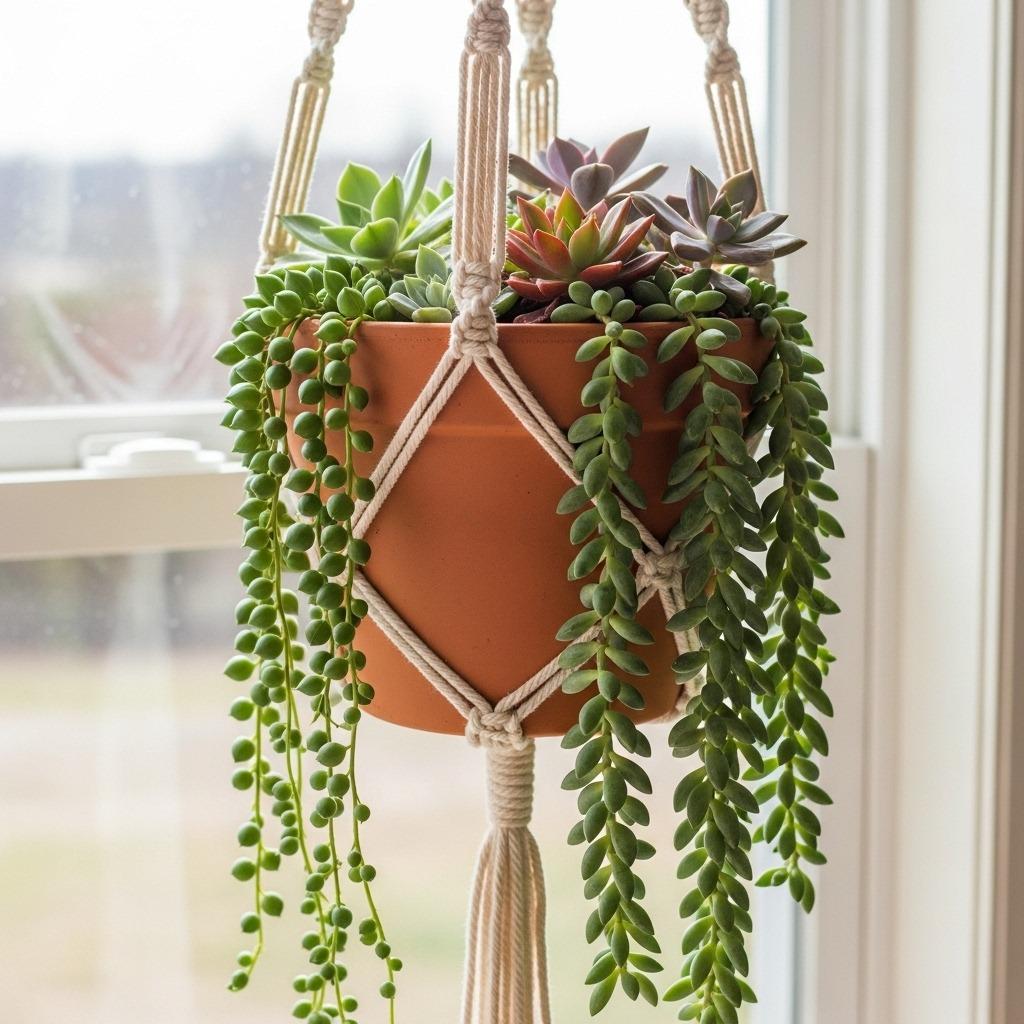
Trailing succulents like string of pearls, string of bananas, and burro’s tail (Sedum morganianum) transform ordinary hanging baskets into waterfall-like displays. These work beautifully on covered porches, in courtyards, or even indoors near bright windows.
The key is using lightweight, well-draining soil since hanging planters can become heavy when wet. Water less frequently than you think necessary – overwatering is the number one killer of hanging succulents. When the trailing strands start looking slightly shriveled, it’s time for a drink.
Position these where you can appreciate them at eye level or slightly above. The cascading effect adds dimension to vertical space, similar to how vertical gardening ideas maximize growing potential in limited areas.
8. Succulent Ground Cover Replacement
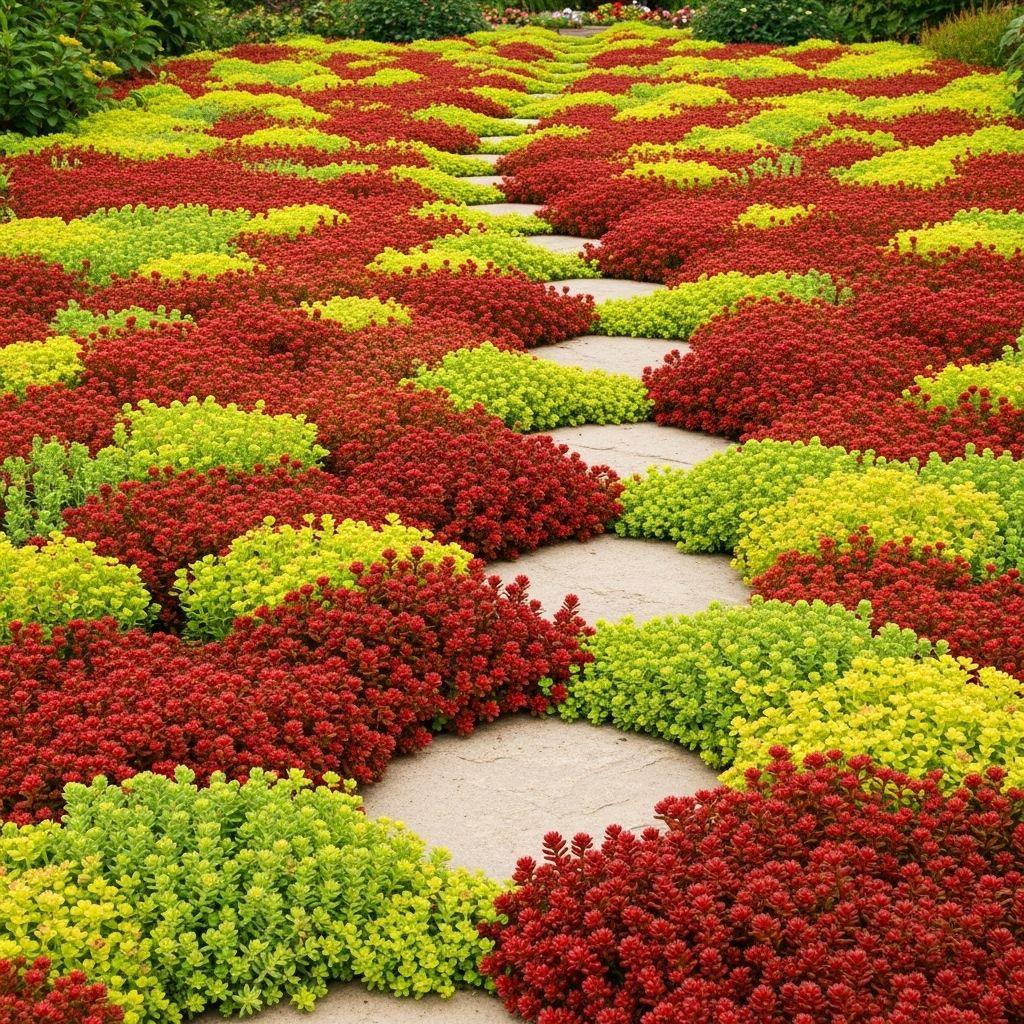
If you’re tired of mowing or dealing with brown patches, certain succulent varieties can replace traditional grass altogether. Sedum varieties, ice plant, and some sempervivum species spread to create dense, colorful ground covers that need a fraction of the water lawns demand.
This approach requires patience since full coverage takes time, but the payoff is significant. Once established, these plants choke out most weeds and need mowing perhaps once or twice per season just to keep them tidy. They can handle light foot traffic, though you’ll want stepping stones for frequently used paths.
The color variation is remarkable. Some sedums turn brilliant red or orange in cooler weather, while others maintain green tones year-round. Planting multiple varieties creates a tapestry effect that shifts with seasons.
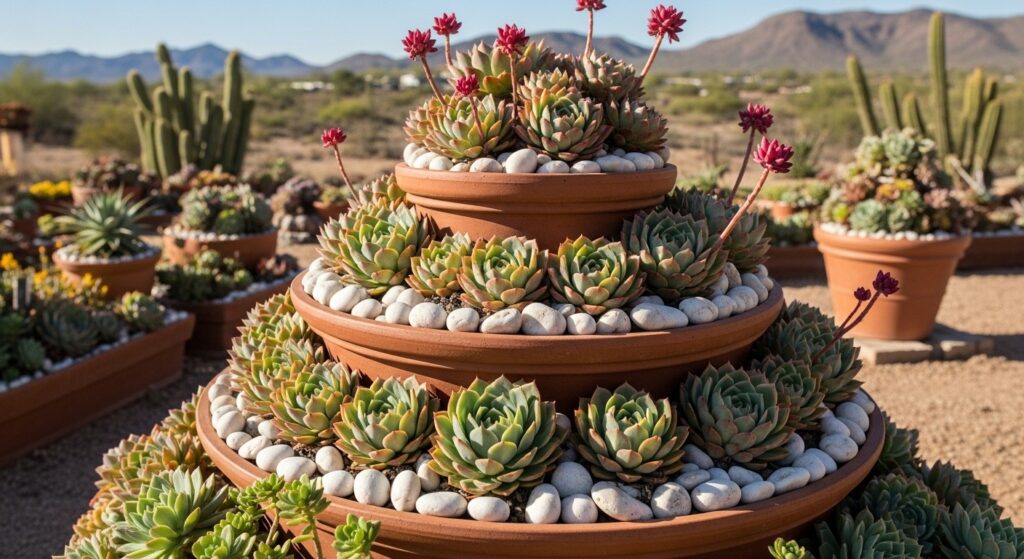
9. Container Garden with Sculptural Focus
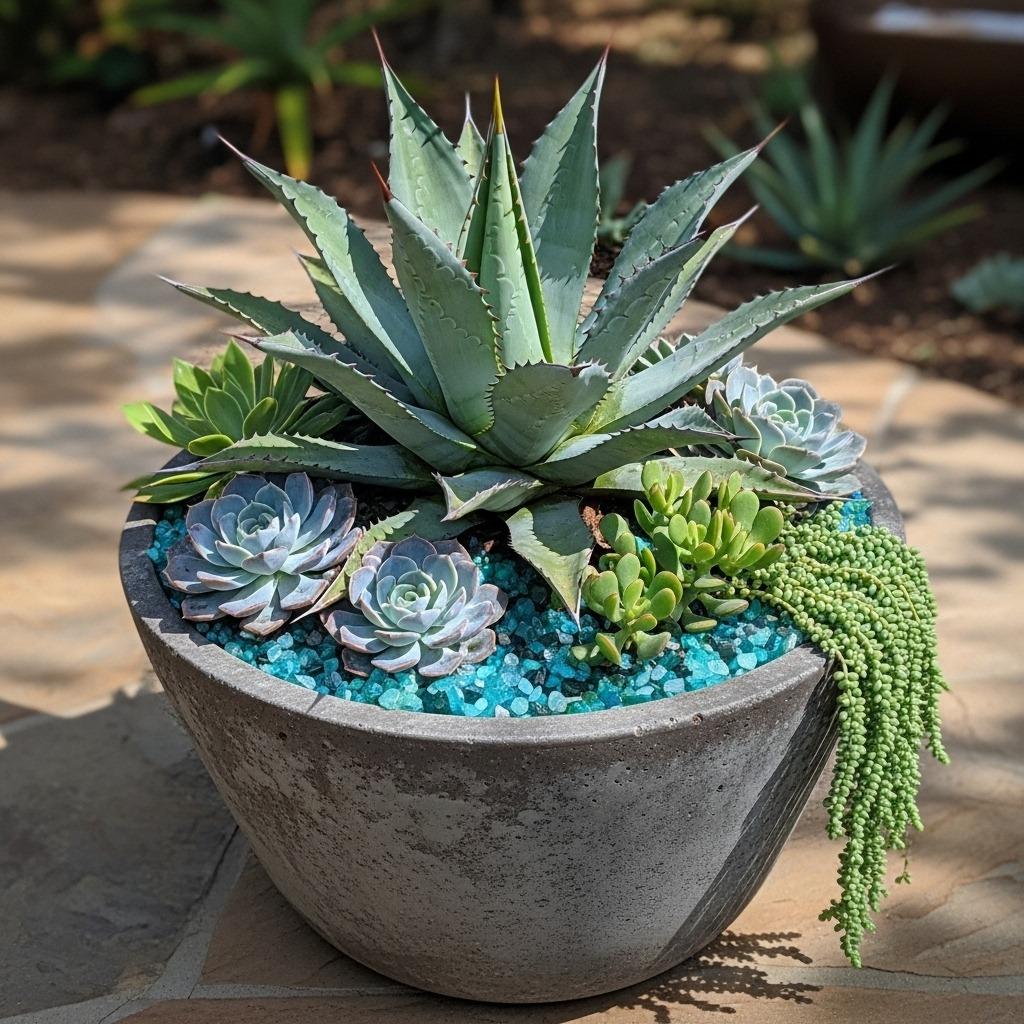
Sometimes one dramatic plant deserves to be the star. Large agave, aloe, or columnar cacti create architectural statements in container gardens, especially when surrounded by smaller, complementary succulents that don’t compete for attention.
Choose a substantial container that won’t tip over as the central plant grows. Terracotta, concrete, or glazed ceramic work well, each offering different aesthetic vibes. Position the focal plant off-center rather than dead middle for a more dynamic composition – the same principle that makes outdoor plant arrangement ideas visually interesting.
Underplant with low-growing varieties that spill over container edges. This creates visual weight at the base and makes the entire arrangement feel cohesive rather than top-heavy. The sculptural quality of these designs works beautifully on patios or flanking entryways.
10. Desert-Inspired Xeriscape Garden
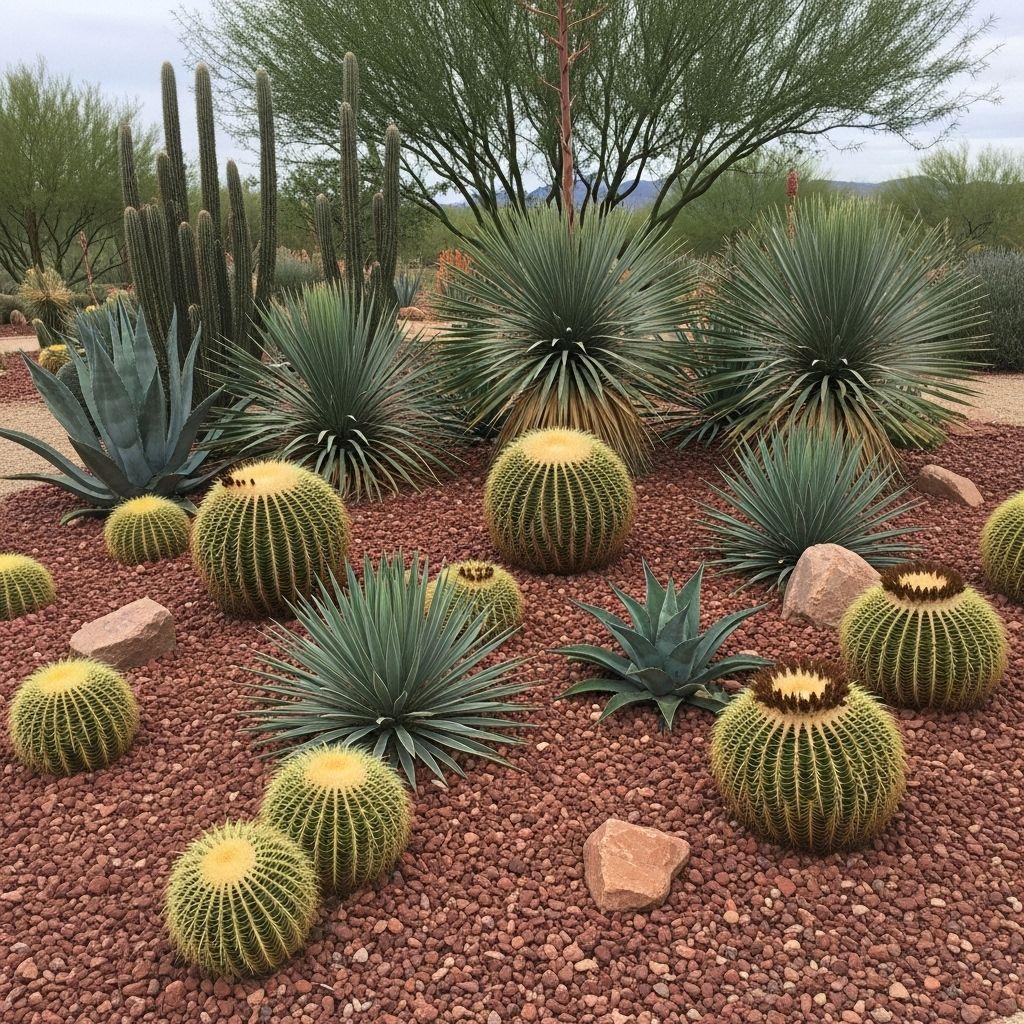
Xeriscaping isn’t just about using less water – it’s about creating cohesive, beautiful landscapes adapted to local climate conditions. A desert-inspired succulent garden combines drought-resistant plants with strategic hardscaping for a maintenance-free outdoor space.
Group plants with similar water needs together (a principle called hydrozoning). Put the most drought-tolerant varieties in the driest spots, and reserve slightly more water-demanding succulents for areas that might receive runoff from roofs or paving. This smart approach mirrors the efficiency of smart home improvement projects that optimize resource use.
Mulch heavily between plants using materials like decomposed granite, small river rocks, or even recycled glass. This suppresses weeds, retains soil moisture, and visually unifies the design. The initial setup requires some effort, but maintenance drops to nearly zero once everything is established.
11. Windowsill or Indoor Succulent Display
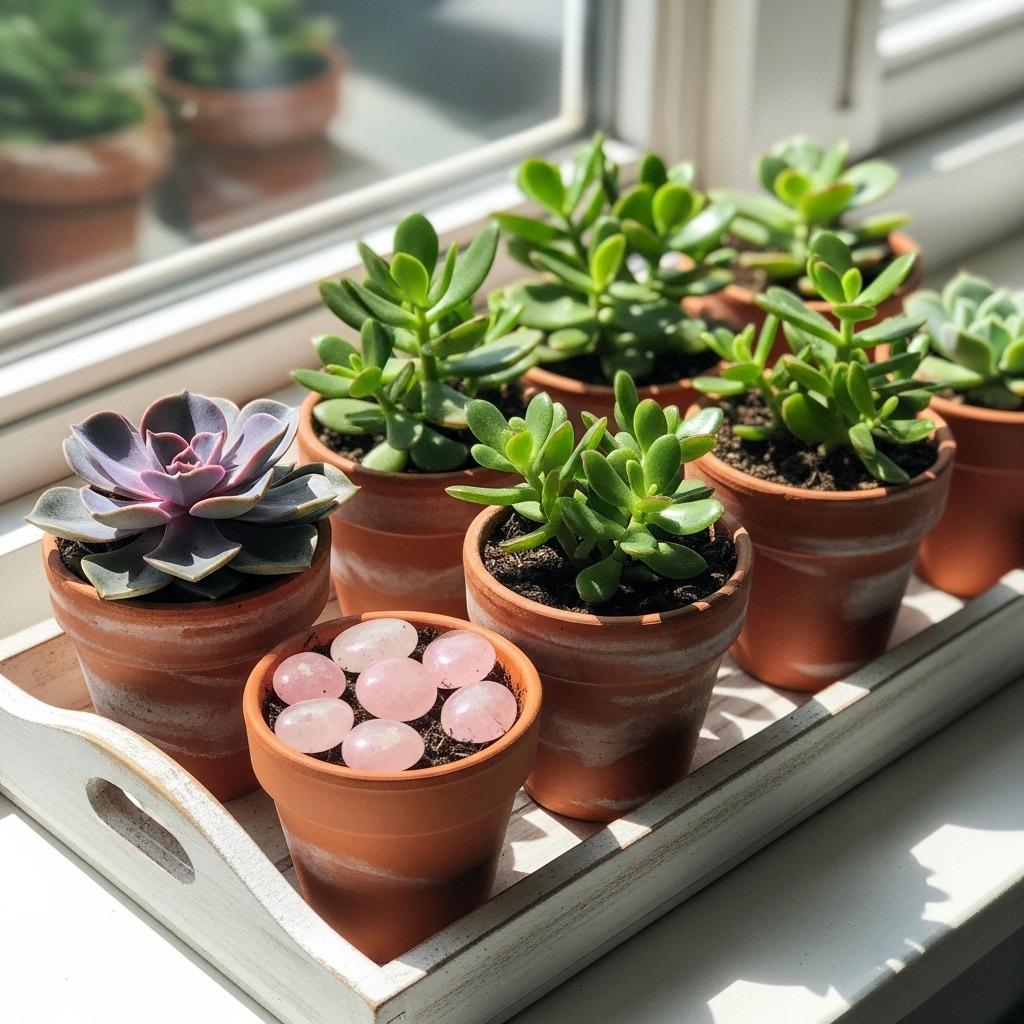
Not everyone has yard space, but a south-facing window provides enough light for many succulent varieties to thrive indoors. Grouping small pots on a tray creates a stylish succulent arrangement that brightens any room while requiring minimal care.
Choose compact varieties for indoor displays: haworthia, gasteria, small aloe, and echeveria all adapt well to container life. Terracotta pots help prevent overwatering since they’re porous and allow soil to dry more quickly than plastic or glazed ceramic.
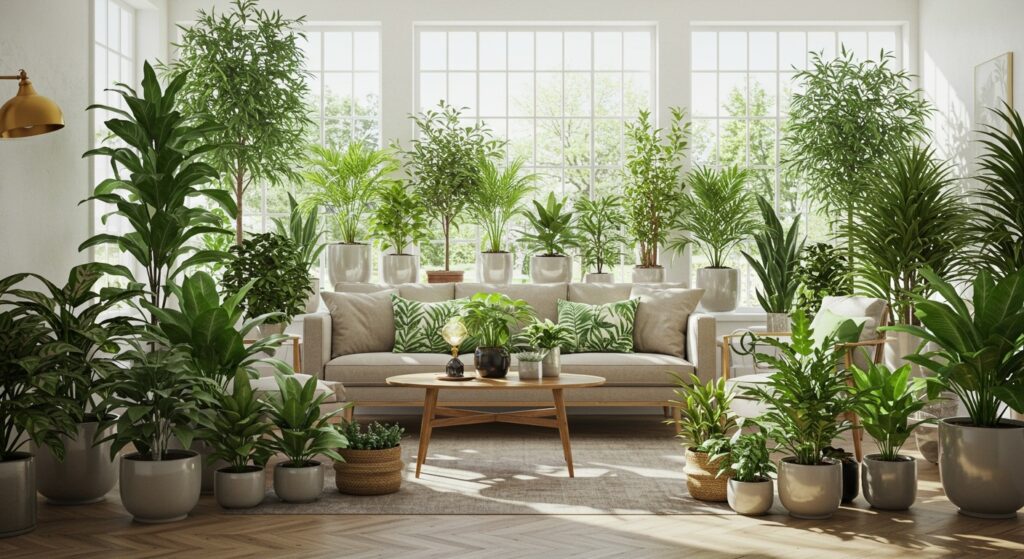
Indoor succulents often need less water than their outdoor cousins since evaporation is slower without wind and intense sun. Water deeply but infrequently – maybe every 2-3 weeks depending on your home’s humidity. If you’re also exploring indoor garden living room concepts, succulents integrate beautifully with other houseplants.
12. Raised Bed Succulent Garden
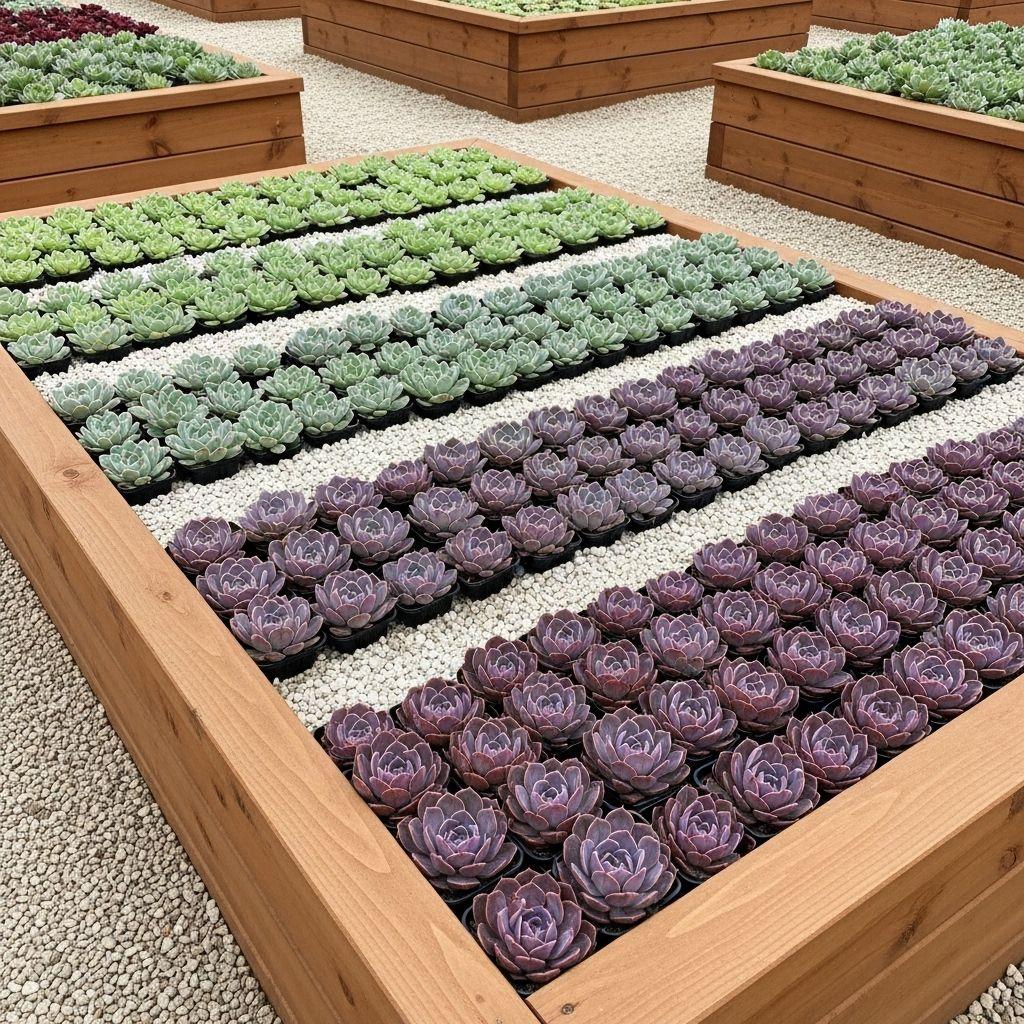
Raised beds offer excellent drainage (critical for succulents) and create defined garden spaces that look intentional and well-maintained. They’re also easier on your back when planting and weeding, making garden maintenance less of a chore.
Build beds at least 12 inches deep and fill the bottom few inches with gravel or broken pottery for drainage before adding soil. This prevents water from pooling at the root level, which would rot most succulent varieties. The elevated position also protects plants from ground-dwelling pests.
You can create patterns or color gradients within raised beds that would be harder to achieve in ground-level gardens. Try planting succulents in geometric arrangements or creating an ombre effect by grouping varieties by color. This organized approach works especially well in small yards where every element needs to pull its visual weight.
13. Mixed Border with Native Plants
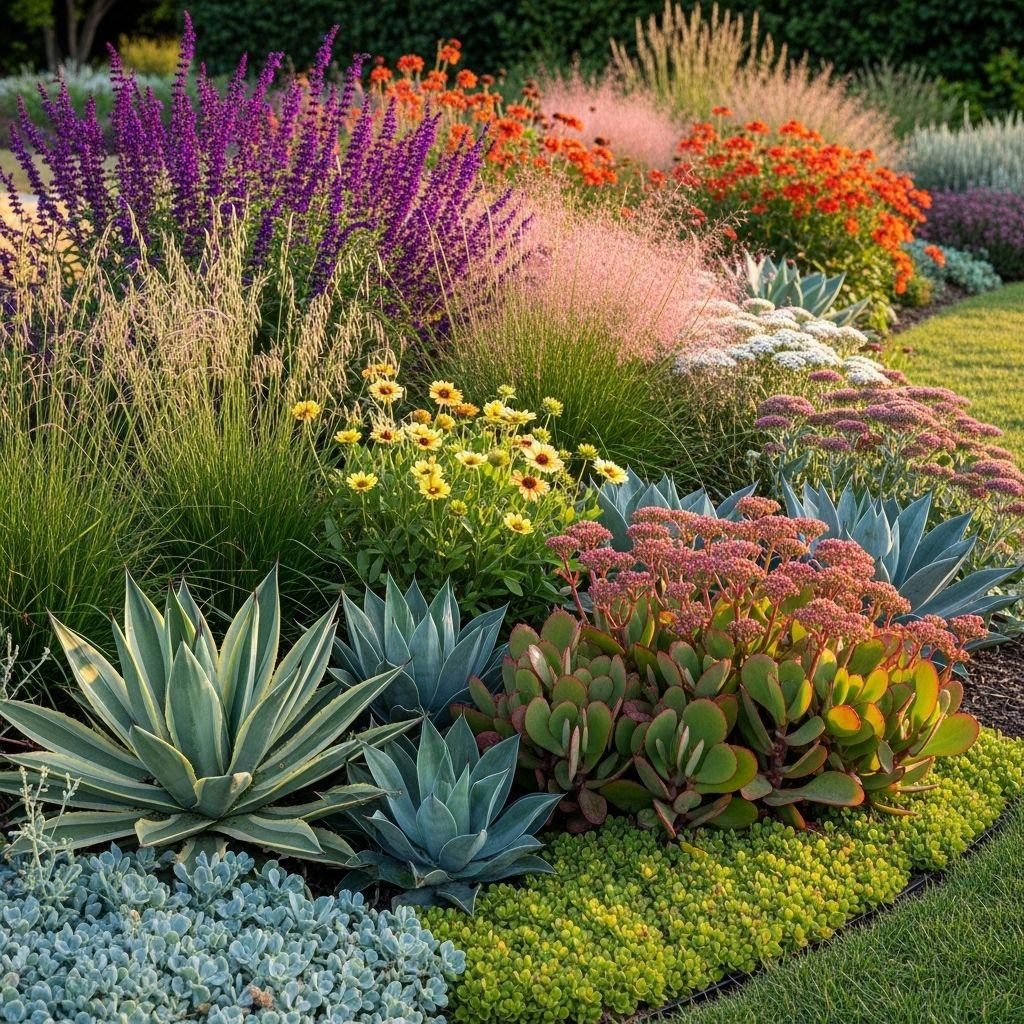
Combining succulents with other drought-resistant plants creates gardens with varied heights, textures, and seasonal interest. Native ornamental grasses, lavender, Russian sage, and other low-water perennials complement succulent forms beautifully.
This mixed approach looks less “designed” and more naturally evolved, similar to how English cottage garden styles embrace slightly wild abundance. The taller companion plants provide afternoon shade for some succulents in very hot climates while adding movement when breezes blow through.
Plant succulents in the foreground where their interesting forms are visible, using taller plants as backdrop. This layering creates depth and keeps your eye moving through the space. The contrast between succulent solidity and grass movement adds dynamic interest throughout the season.
Getting Started with Your Succulent Garden
The beauty of these plants is their forgiving nature. Start small if you’re uncertain – maybe a single container garden or a small border section. Pay attention to which varieties thrive in your specific conditions, then expand gradually.
Most succulent failures come from too much water, not too little. When in doubt, wait another few days before watering. The soil should dry completely between waterings, and many varieties show you when they’re thirsty by slightly wrinkling or softening their leaves.
Your local climate matters more than you might think. While succulents are drought-tolerant, not all varieties handle freezing temperatures. Research which species are cold-hardy in your zone if you experience frost, or plan to bring container plants indoors during winter months.
Maintenance Tips That Actually Matter
Forget everything you know about traditional gardening schedules. Succulents thrive on benign neglect. Water deeply but rarely – most outdoor succulent gardens need watering only every 2-3 weeks in summer, and even less frequently in cooler months.
Remove dead leaves and spent flower stalks to keep things tidy, but resist the urge to fertilize heavily. These plants evolved in poor soil conditions and too much fertilizer creates weak, leggy growth. A light application of balanced fertilizer once in spring is plenty for most varieties.
Watch for pests like mealybugs or aphids, which occasionally attack succulents despite their tough reputation. A strong spray from the hose usually dislodges them, or you can use insecticidal soap for persistent problems. The good news? Pest issues are rare compared to what traditional gardens deal with.
Creating a succulent garden design isn’t about following rules perfectly. It’s about combining plants that fascinate you, positioning them where they’ll thrive, and then mostly leaving them alone. In a world where everything demands constant attention, gardens that reward neglect are refreshingly different.
These drought-resistant plants offer something rare – beauty that requires less rather than more. Whether you’re converting a water-hungry lawn, filling containers on a balcony, or creating mini succulent gardens as gifts, the possibilities are more varied than you might expect. Start with one idea that speaks to you, and see where it leads.