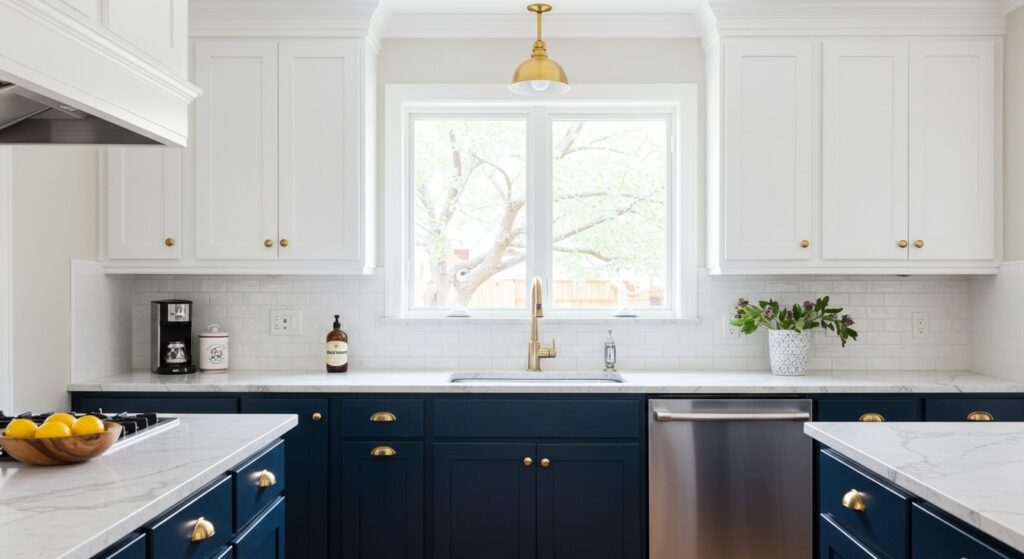
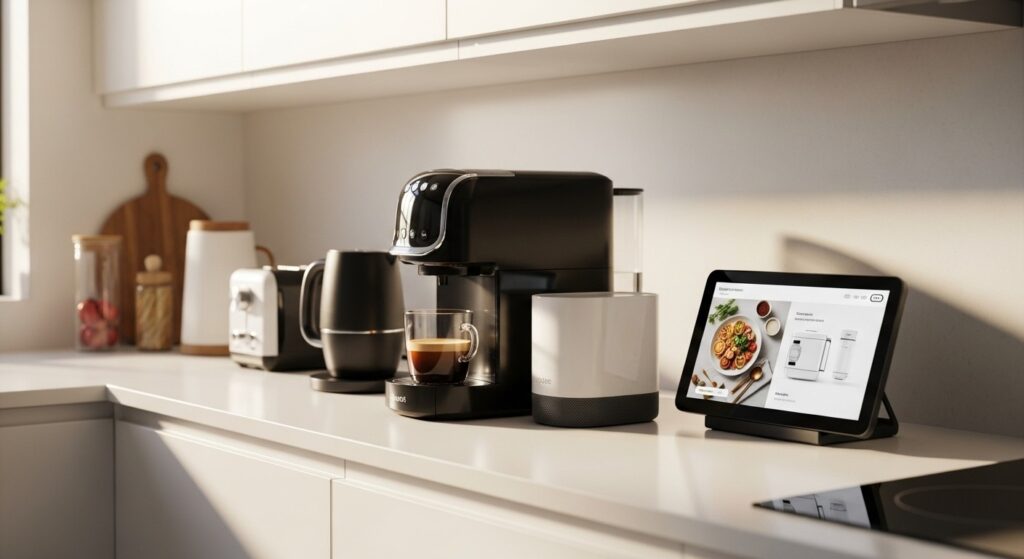
Remember when kitchens had just a stove, a fridge, and maybe a toaster if you were lucky? Those days feel almost quaint now. Kitchen technology has evolved so quickly that your phone can now preheat your oven before you even leave work, or your coffee maker can have your morning brew ready the second your alarm goes off.
Smart kitchen appliances aren’t just about showing off the latest tech. They’re about reclaiming time, reducing stress, and making cooking feel less like a chore and more like something you might actually enjoy. Whether you’re a busy parent juggling work calls and dinner prep, or someone who just wants their kitchen to work a little harder for them, connected cooking devices can genuinely change your daily routine.
This guide walks you through the smartest additions you can make to your kitchen right now. We’re talking about appliances that learn your habits, communicate with each other, and yes, sometimes even do the thinking for you. No fluff, just the tools that actually deliver on their promises.
Why Smart Kitchen Appliances Are Worth Considering
The appeal isn’t just about convenience, though that’s certainly part of it. These connected devices can help you cook more consistently, waste less food, and even lower your energy bills. When your refrigerator can tell you that the milk is about to expire or your oven can adjust its temperature based on what you’re cooking, that’s useful information that saves money and reduces waste.
Energy-saving appliances have come a long way too. Many smart models monitor their own power consumption and can run during off-peak hours when electricity costs less. Some will even send you alerts if they’re using more energy than usual, which might indicate a maintenance issue before it becomes a bigger problem. For anyone trying to make smart home improvements without breaking the bank, these features add up over time.
There’s also something satisfying about a kitchen that just works with you. Voice commands, app controls, and automated schedules mean you can prep dinner while helping with homework, or start the coffee maker without getting out of bed on a cold morning. It’s the kind of small luxury that quickly becomes indispensable once you’ve experienced it.
1. Smart Refrigerators With Internal Cameras
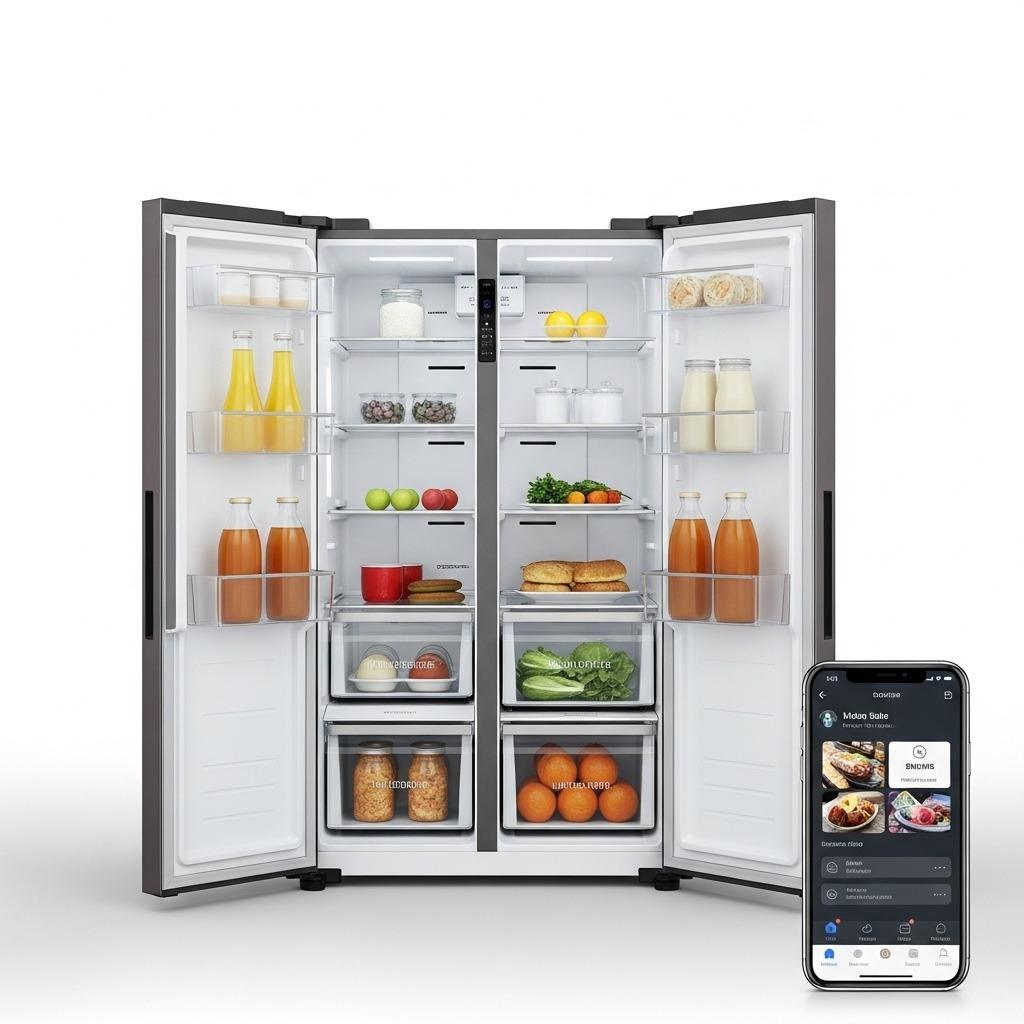
Forgetting what you need at the grocery store is frustrating. Smart refrigerators solve this by letting you peek inside via your phone’s app, no matter where you are. Internal cameras take photos every time you close the door, so you can check whether you need eggs or if there’s still leftover pasta from Tuesday without calling home.
Beyond the cameras, many models track expiration dates and suggest recipes based on what’s inside. Some can even create shopping lists automatically. If you’ve got kids who leave the door open too long, you’ll get alerts about that too. The temperature monitoring is surprisingly useful for anyone who’s lost a freezer full of food after a power outage they didn’t know about.
These fridges integrate with other kitchen technology beautifully. They can display your calendar, play music, or show you the recipe you’re following while you cook. The touch screens are responsive and large enough to actually be useful, not just a gimmick. Yes, they’re an investment, but if you’re already planning a kitchen renovation, this is one upgrade that pays dividends in daily convenience.
2. Voice-Controlled Smart Ovens
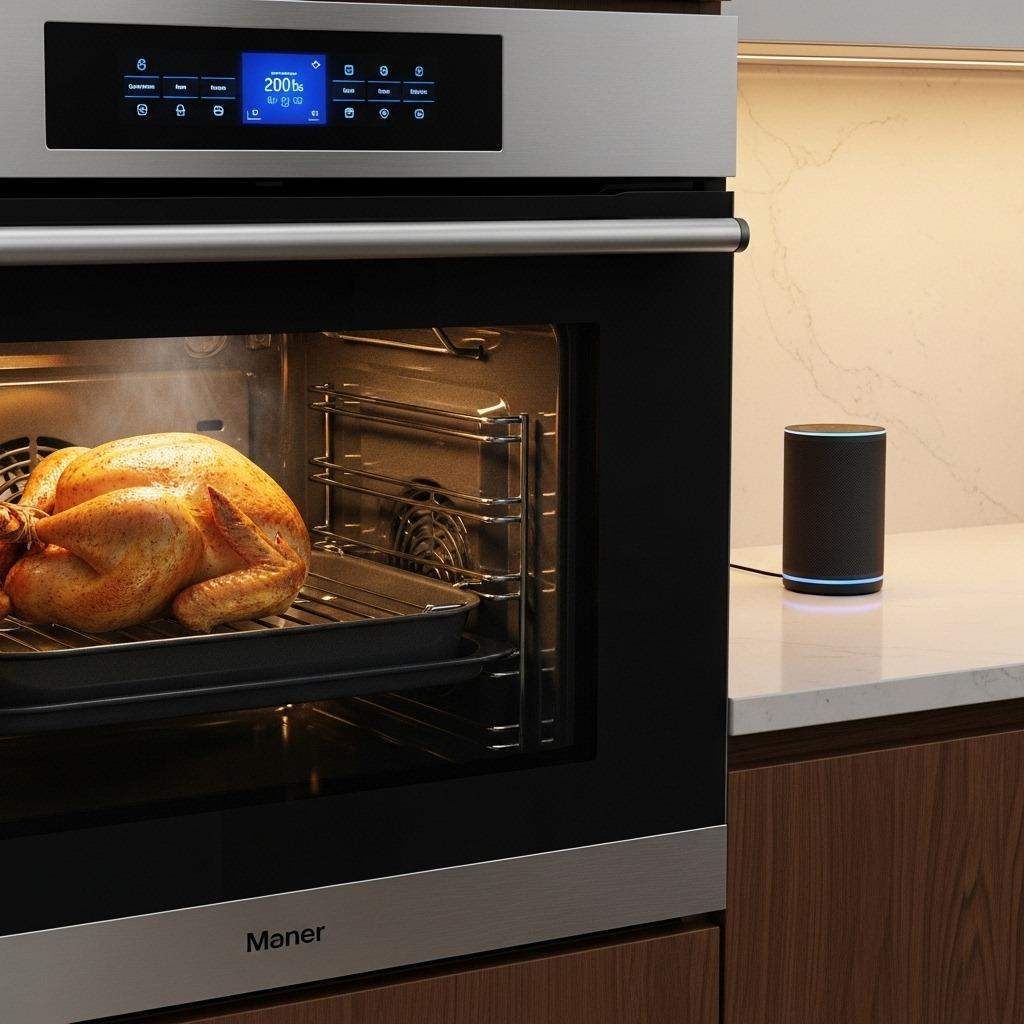
Preheating your oven by voice while you’re still chopping vegetables might sound unnecessary until you actually do it. Voice-controlled smart ovens respond to commands through Alexa, Google Assistant, or their own apps, letting you adjust temperature, set timers, or switch cooking modes without touching anything with flour-covered hands.
What really sets these apart is precision cooking. Many models include temperature probes that monitor your food and adjust heat automatically to prevent overcooking. You can program specific recipes, and the oven will cycle through different temperatures and modes as needed. For anyone who’s ever wondered if the chicken is done yet, this removes all the guesswork.
Remote monitoring is another standout feature. Get a notification when your dish is ready, or check on that casserole from your living room. Some models even have interior cameras so you can watch your bread rise or your roast brown without opening the door and losing heat.
3. Programmable Smart Coffee Makers
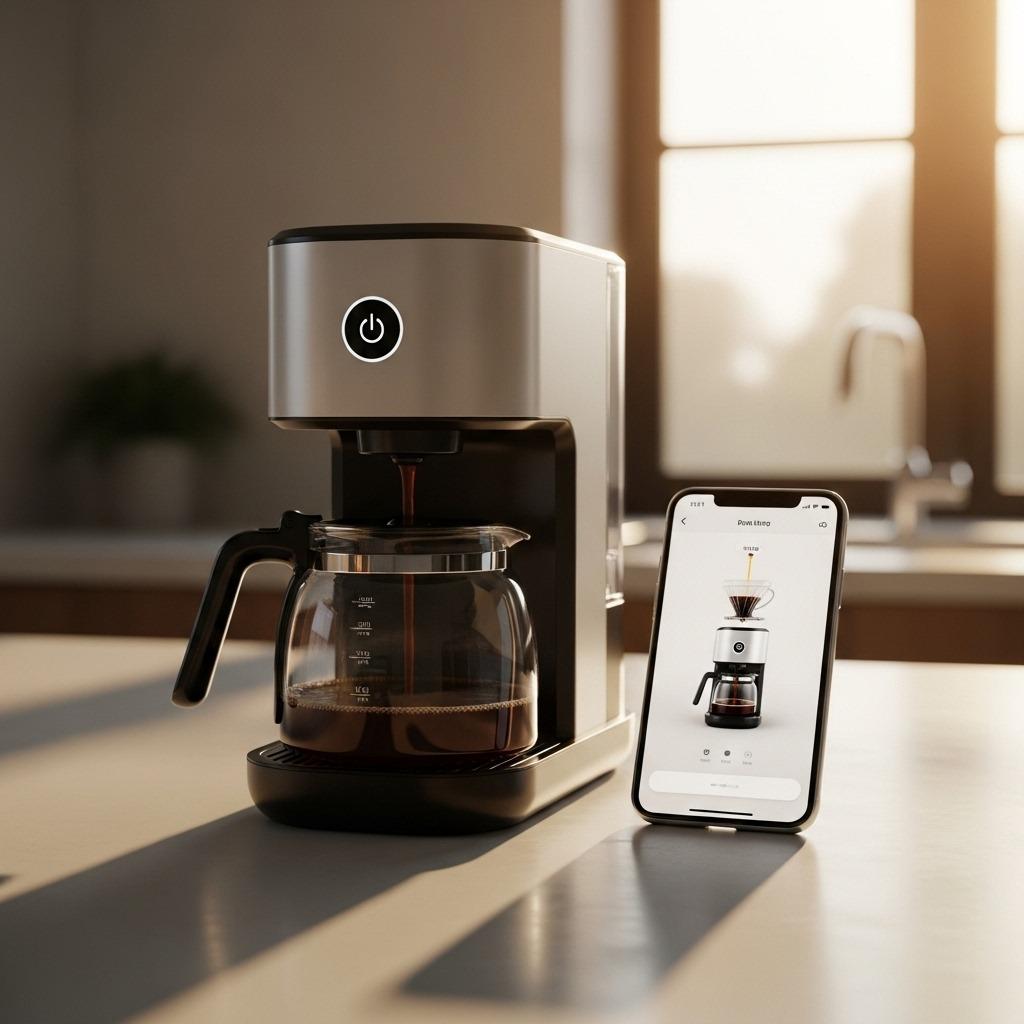
Coffee lovers, this one’s for you. Programmable smart coffee makers can be scheduled down to the minute, so your coffee is ready exactly when you want it. Some models let you adjust brew strength, temperature, and even the bloom time through an app. You can start a pot from bed or have it ready when you get home.
Beyond scheduling, these makers can be incredibly precise. Water temperature matters for different roasts, and smart models maintain exact temperatures throughout the brewing process. They’ll also alert you when it’s time to descale or when the water filter needs changing, which keeps your coffee tasting fresh and extends the machine’s life.
Integration with smart home systems means your coffee maker can be part of morning routines. Picture this: your alarm goes off, the lights gradually brighten, and the coffee starts brewing automatically. Some models even work with voice assistants, so you can request a cup without leaving your spot at the breakfast table. If you’re creating an efficient kitchen and dining space, a smart coffee maker fits seamlessly into that vision.
4. Connected Slow Cookers and Pressure Cookers

Slow cookers have always been set-it-and-forget-it appliances, but connected versions take that concept further. Start cooking from your office, adjust the temperature during your commute, or check if dinner is ready without lifting the lid. These devices sync with your phone and can be controlled remotely, which is perfect for those days when plans change unexpectedly.
Smart pressure cookers offer preset programs for different foods and can adjust cooking times based on altitude or quantity. Some learn your preferences over time and suggest modifications to recipes. The temperature precision means you’re less likely to overcook delicate proteins or undercook beans. Safety features like pressure monitoring and automatic shut-off provide peace of mind too.
Recipe integration is where these really shine. Many brands have extensive recipe libraries built into their apps, with automatic setting adjustments for each dish. Just select what you’re making, and the cooker configures itself. You can save your favorite settings and share them with other users. For anyone exploring home improvement ideas that actually improve daily life, this kind of appliance delivers measurable benefits.
5. Smart Dishwashers With WiFi Connectivity
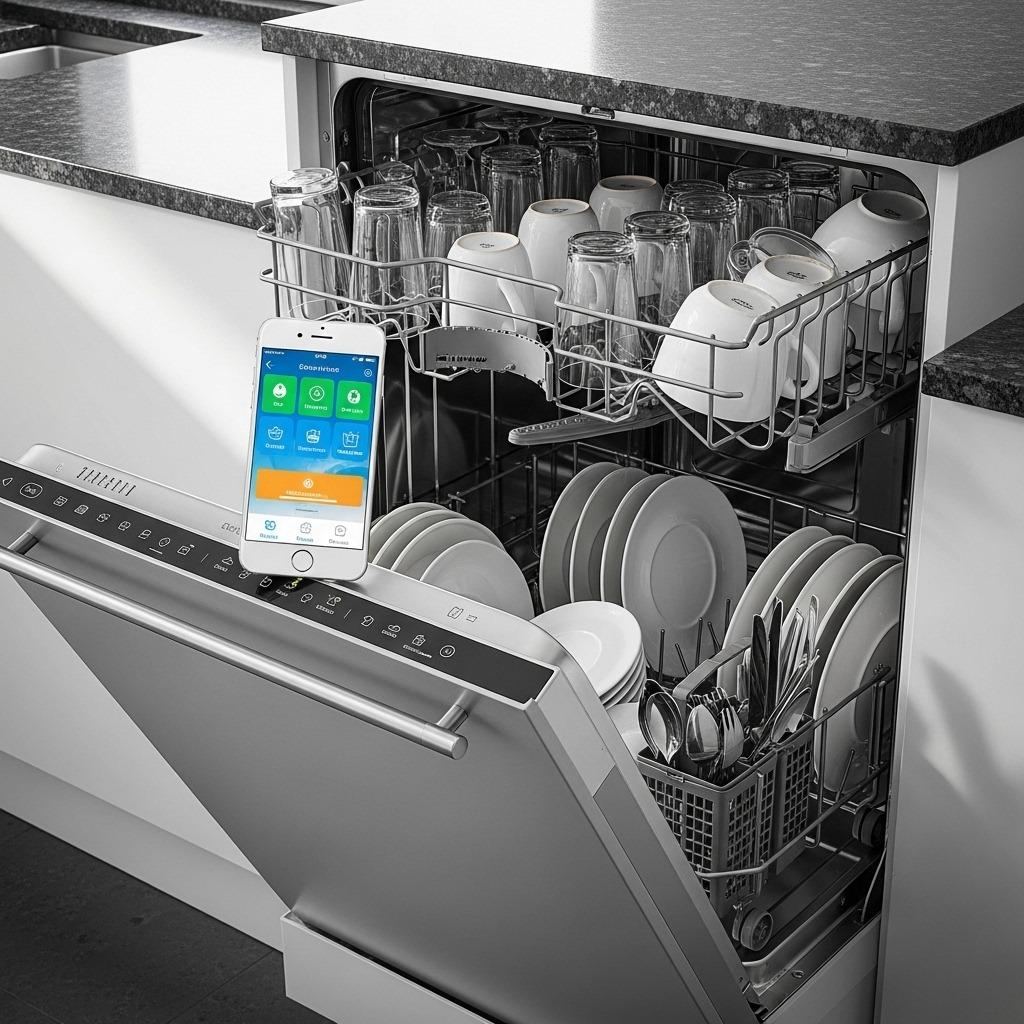
Dishwashers might seem like odd candidates for smart upgrades, but the connectivity features are genuinely useful. Get alerts when the cycle is complete, start or pause a wash remotely, or monitor detergent levels through an app. Some models can diagnose problems and even order their own maintenance parts when needed.
Energy-saving appliances like smart dishwashers can run during off-peak hours automatically, reducing your utility bills. They monitor water usage and adjust based on load size, which saves resources without you having to think about it. Leak detection is another valuable feature – if something goes wrong, you’ll know immediately, potentially preventing water damage.
The cycle customization available through apps means you can fine-tune washing for different dish types. Delicate glassware gets a gentler wash, while heavily soiled pots get more aggressive cleaning. Some models learn which cycles you use most and suggest programs based on your habits. This level of optimization wasn’t possible with traditional dishwashers, and it makes a noticeable difference in both cleaning results and resource efficiency.
6. Smart Toaster Ovens With Precision Cooking
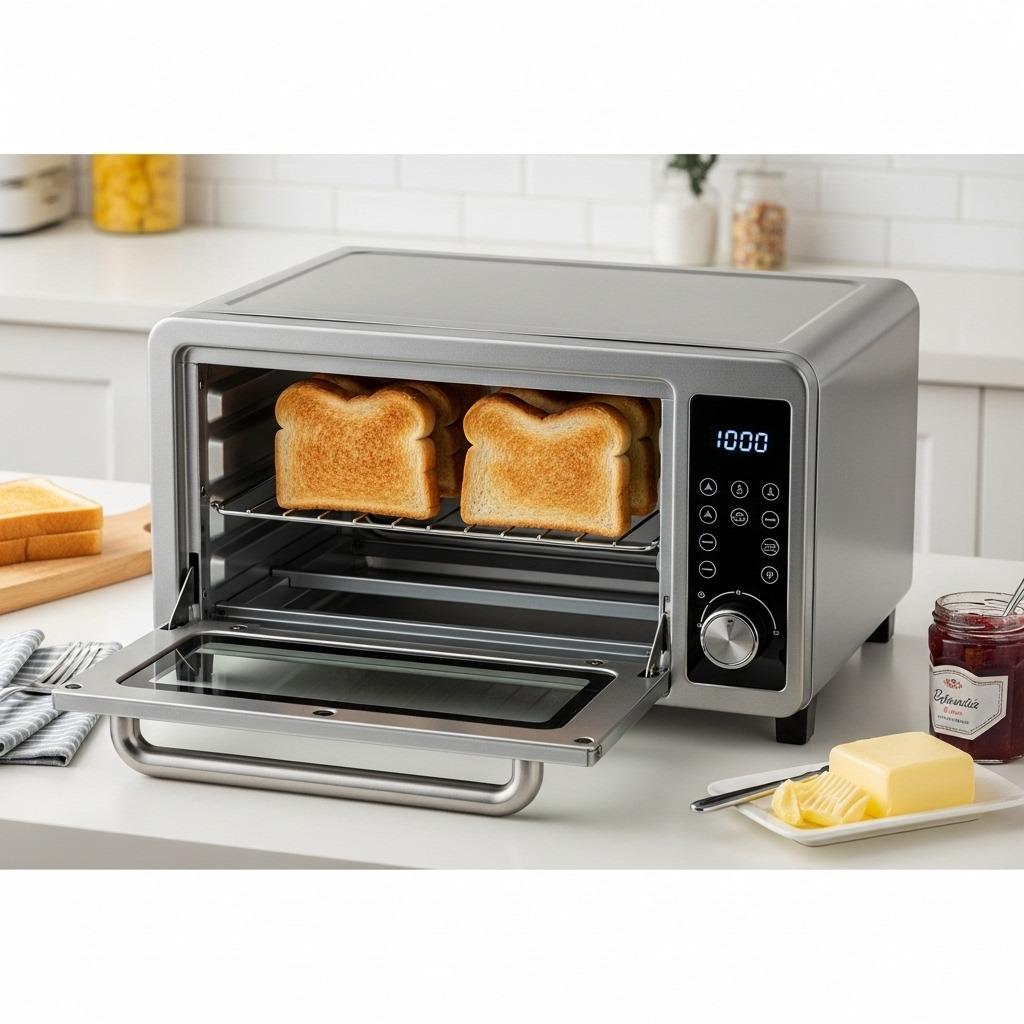
Don’t underestimate the humble toaster oven. Smart versions pack serious cooking power into a compact footprint, with features that rival full-size ovens. Precision temperature control, preset cooking programs, and smartphone connectivity make these incredibly versatile. You can bake, broil, toast, and even air fry with consistent results.
These devices are particularly valuable in smaller kitchens or for anyone who doesn’t want to heat up a full oven for quick meals. The apps often include libraries of recipes optimized for the specific model, taking guesswork out of cooking times and temperatures. Temperature probes in premium models ensure proteins are cooked perfectly every time.
Voice control integration means you can adjust settings while your hands are full or check cooking progress without walking over. Some models include cameras so you can watch your food cook in real-time. For those working on a small space renovation, a feature-rich smart toaster oven can actually replace several other appliances, saving valuable counter space.
7. Intelligent Air Fryers With App Control
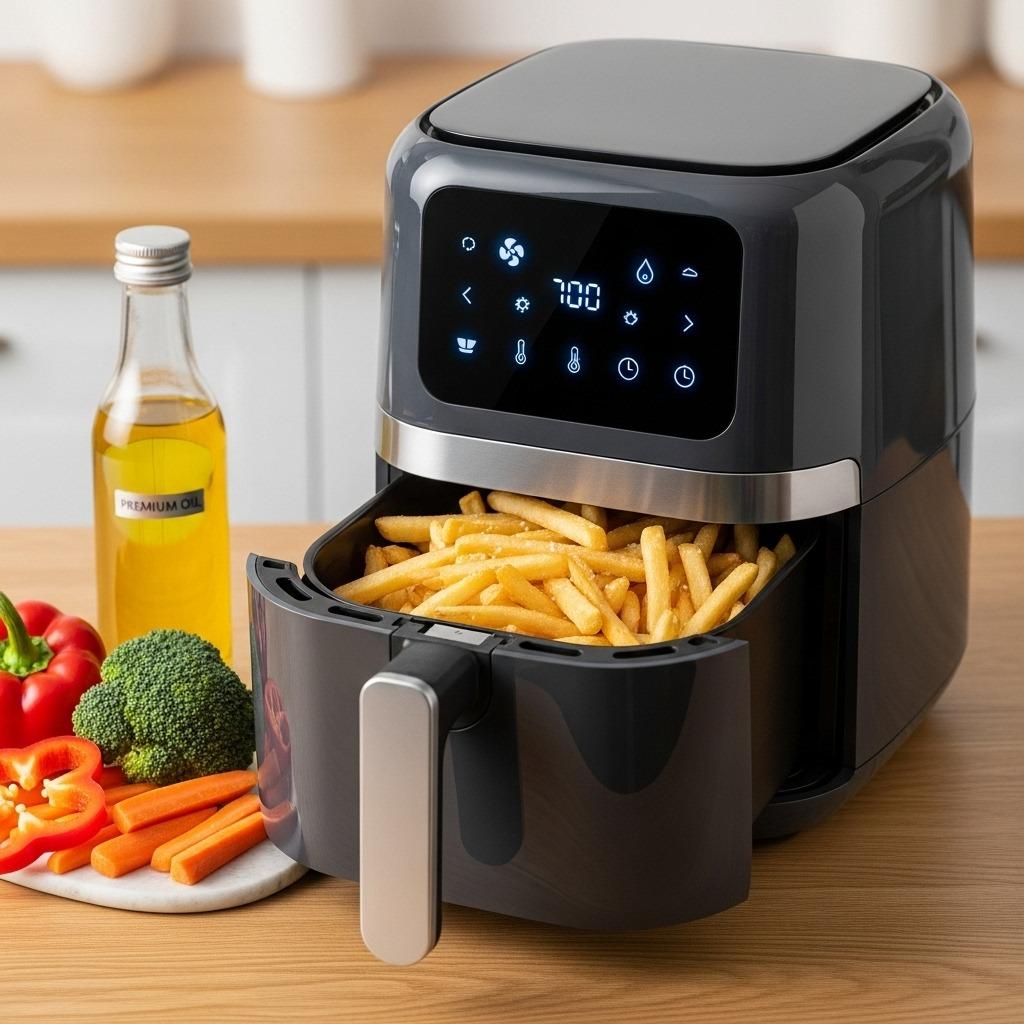
Air fryers have exploded in popularity, and smart versions elevate them even further. App-controlled models let you adjust cooking time and temperature remotely, which is handy when you’re multitasking. Many include extensive recipe collections with one-touch cooking programs that automatically set the right parameters for different foods.
The precision temperature control in smart air fryers produces more consistent results than manual models. No more checking and rechecking – the appliance monitors food temperature and adjusts as needed. Shake reminders appear on your phone at the optimal time for even cooking. Some models even remember your preferences for specific dishes and suggest timing adjustments.
Connected cooking with air fryers means you can coordinate meal timing with other smart appliances. Start the air fryer’s preheat cycle when your smart oven signals the main course is almost ready. Integration with meal planning apps can queue up recipes and send shopping lists to your phone. The efficiency and consistency make these worthwhile for anyone trying to eat healthier without spending hours in the kitchen.
8. Smart Scales With Nutritional Tracking
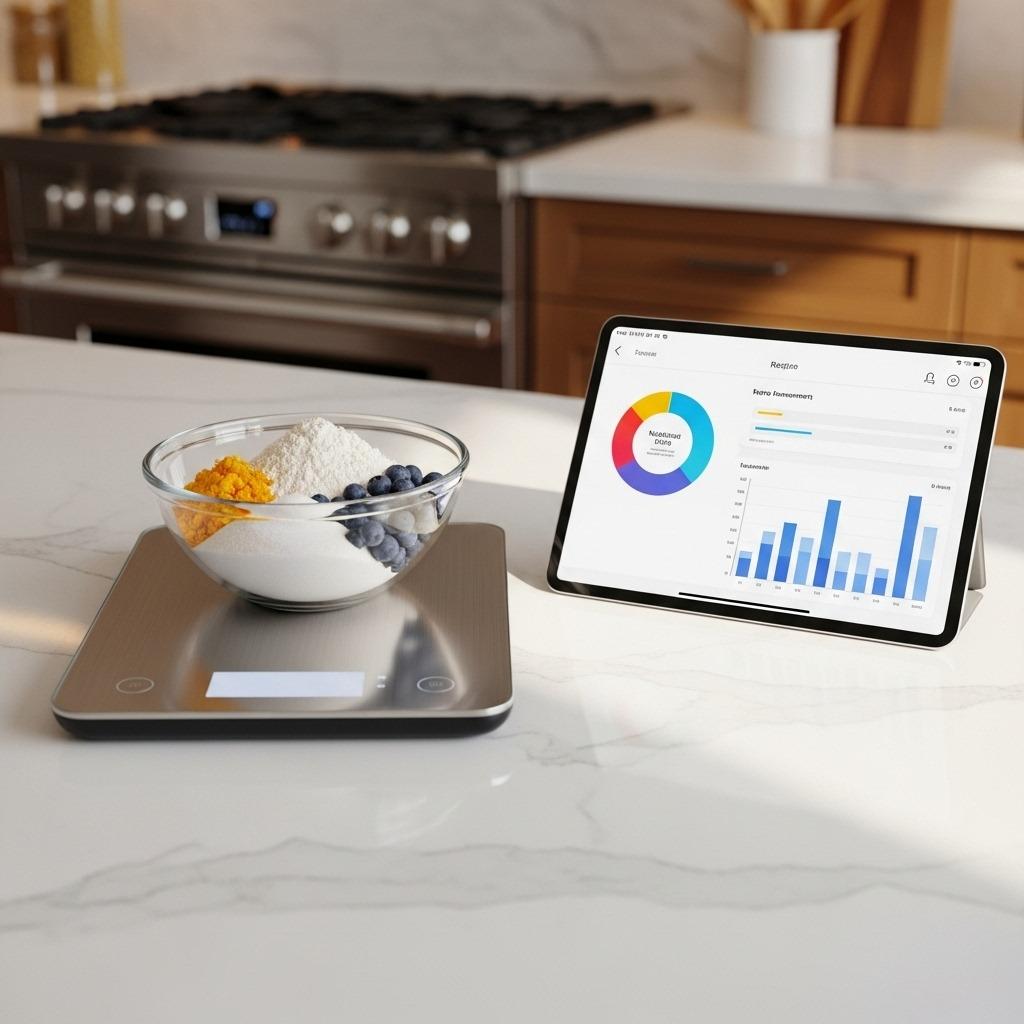
Kitchen scales have gotten seriously sophisticated. Smart scales don’t just weigh ingredients – they track nutritional information, suggest portion sizes, and sync with health apps. Place an apple on the scale, and your phone displays calories, sugar content, and vitamin information. They can even help with meal planning by calculating total nutrition for entire recipes.
For anyone following specific diets or managing health conditions, these scales remove the tedious calculations. Tracking macros becomes automatic, and you can save favorite recipes with precise measurements for consistent results. Many models work with popular meal planning services and fitness apps, creating a comprehensive picture of your nutrition.
Recipe scaling is another clever feature. Want to halve a recipe? The scale walks you through each ingredient adjustment in real-time. Some models include video tutorials and step-by-step guidance for complex techniques. While they might seem like overkill at first glance, smart scales genuinely make cooking and meal planning more precise and less stressful.
9. Connected Kitchen Hubs and Displays
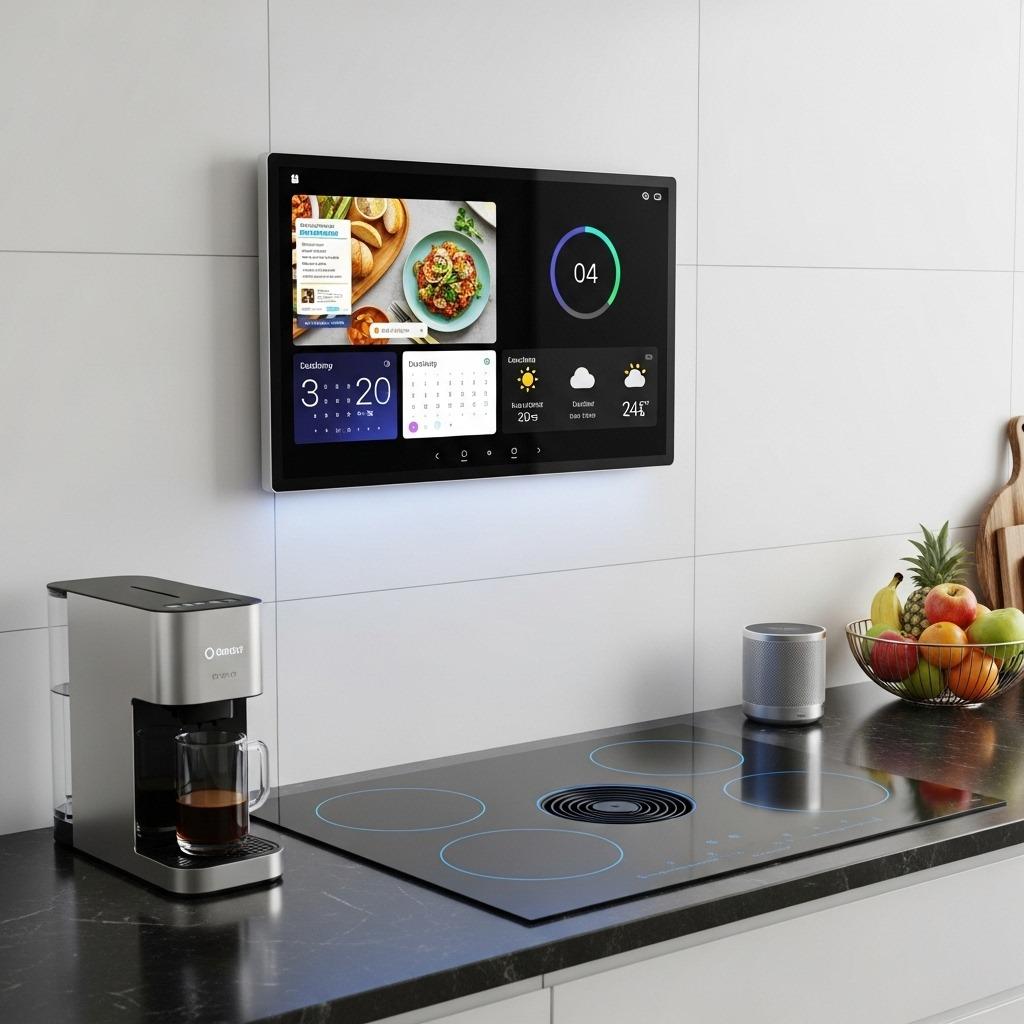
Kitchen hubs serve as command centers for all your smart kitchen appliances. These displays typically mount on the wall or countertop and provide a central interface for controlling multiple devices. You can monitor your oven, check the fridge contents, start the dishwasher, and browse recipes all from one screen.
The integration possibilities are extensive. Display your calendar while cooking, video chat with family, or follow along with recipe videos hands-free. Many hubs include voice assistants, so you can issue commands without touching the screen. They can also serve as entertainment centers, playing music or streaming shows while you cook.
For households with multiple connected devices, a hub simplifies the experience significantly. Instead of juggling several apps, everything lives in one interface. You can create cooking routines that coordinate multiple appliances, like starting the coffee maker when the oven timer goes off. If you’re committed to building a truly smart kitchen, a hub is the piece that ties everything together seamlessly.
10. Smart Faucets With Voice and Touch Activation
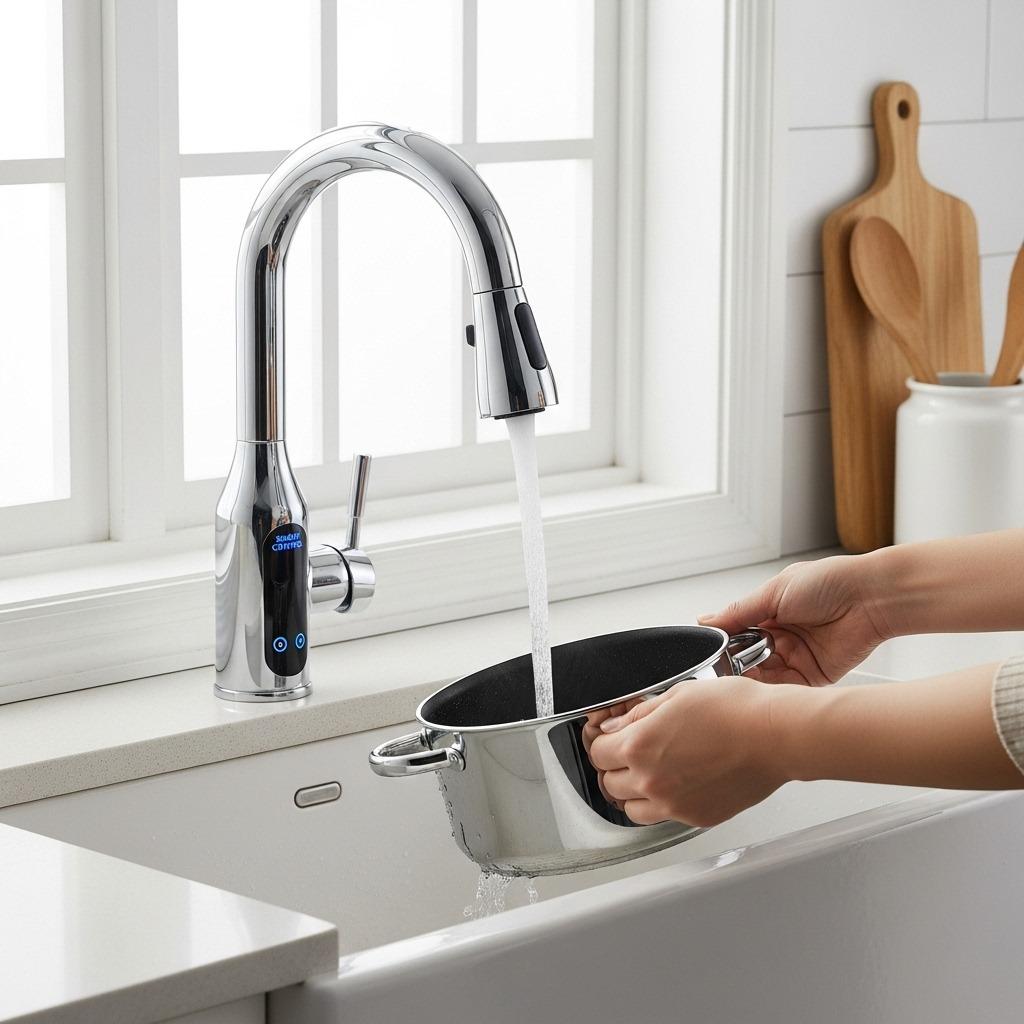
Smart faucets might not be the first appliance that comes to mind, but they’re surprisingly practical. Voice-activated models let you turn water on or off, adjust temperature, or dispense precise amounts – all without touching anything. This is particularly useful when your hands are covered in raw chicken or flour.
Touchless activation prevents the spread of germs and keeps your faucet cleaner. Wave your hand or place a pot under the spout, and water flows automatically. Measured dispensing is perfect for filling pots with exact amounts or for recipes requiring specific quantities. Some models even filter and track water usage, helping you conserve resources.
Temperature memory is a small feature that makes a big difference. Your faucet remembers your preferred setting for different tasks – hotter for washing dishes, cooler for filling water bottles. Safety features prevent scalding by capping maximum temperature. While they’re more investment than regular faucets, smart models blend practicality with the kind of kitchen technology that actually improves daily routines.
Making Smart Choices for Your Kitchen
Not every smart appliance suits every household, and that’s fine. The key is identifying which tasks in your cooking routine cause the most friction or take the most time. If mornings are chaotic, a smart coffee maker might be your priority. If dinner coordination stresses you out, connected cookers could be the answer.
Think about compatibility too. Most energy-saving appliances work with major smart home platforms, but it’s worth checking before buying. If you already use Alexa or Google Home, look for appliances that integrate smoothly. Some brands create ecosystems where their devices communicate with each other, which can simplify control and enable more sophisticated automation.
Budget is obviously a factor, but consider long-term savings. Appliances that reduce energy consumption or help prevent food waste can offset their higher initial costs over time. Start with one or two key upgrades rather than overhauling everything at once. You might find that a smart oven and a connected refrigerator cover 80% of your needs without requiring a complete kitchen overhaul.
The Future of Kitchen Technology
Where is all this heading? The trajectory points toward even more integration and automation. Imagine fridges that not only track inventory but also generate recipes based on what needs to be used soon and automatically preheat your oven at the right time. Voice assistants are getting better at understanding context and complex commands, which will make multi-step cooking processes smoother.
Sustainability features will likely become standard rather than premium additions. As climate awareness grows, manufacturers are focusing on appliances that minimize waste and energy use while maintaining performance. We’re already seeing refrigerators with improved insulation, dishwashers that recycle water, and ovens that use advanced heat distribution to cook faster with less power.
The learning capability of these devices will improve too. Right now, many smart appliances can recognize patterns and offer suggestions. Future versions will likely become more proactive, adjusting settings automatically based on your habits and even anticipating your needs. The line between tool and kitchen assistant will keep blurring, but hopefully in ways that genuinely make life easier rather than more complicated.
Smart kitchen appliances have moved well past the novelty phase into genuinely useful territory. They’re not perfect, and they’re certainly not necessary for everyone, but for the right household, they can transform cooking from a daily chore into something more manageable and maybe even enjoyable. The key is choosing tools that address your specific challenges rather than collecting gadgets for their own sake.
Whether you start with a voice-controlled oven or go all-in with a fully connected kitchen, these devices offer real benefits in time savings, energy efficiency, and cooking consistency. As the technology continues improving and prices gradually come down, smart kitchens will become more accessible to everyone. For now, even adding one or two connected cooking devices can make your daily routine noticeably smoother.
The kitchen has always been the heart of the home. Smart appliances just help it beat a little more efficiently.