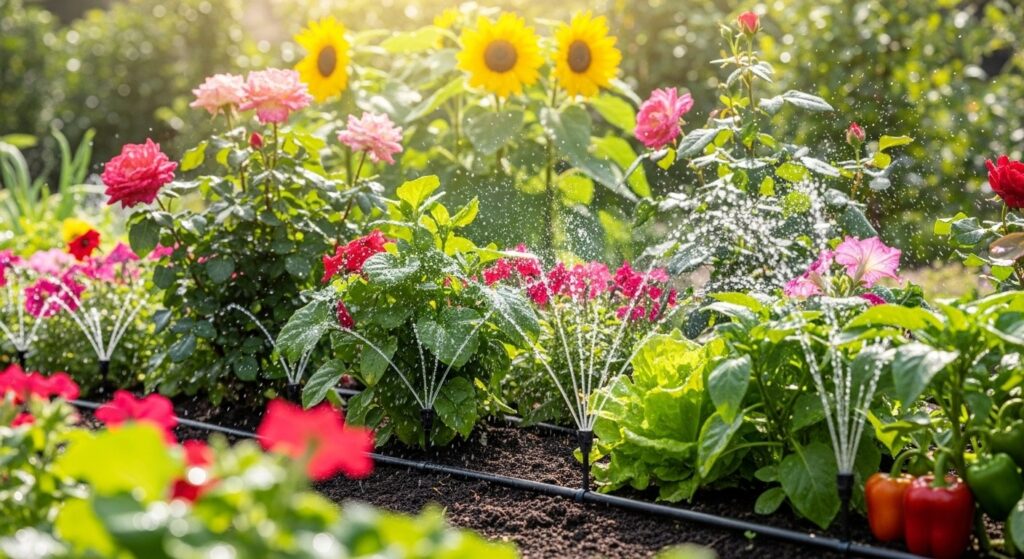
There’s something deeply satisfying about a thriving garden, but let’s be honest – the daily watering routine can feel overwhelming. I used to spend nearly an hour each evening dragging hoses around, wondering if I was giving my plants too much or too little water.
The truth is, watering doesn’t have to be a time-consuming chore. With a few clever strategies and the right setup, you can keep your garden flourishing while actually enjoying your outdoor space instead of constantly tending to it.
Whether you’re growing vegetables, maintaining flower beds, or nurturing a container garden, these smart garden irrigation tips will transform how you approach watering. You’ll save time, reduce water waste, and probably end up with healthier plants too.
1. Install a Drip Irrigation System for Consistent Moisture
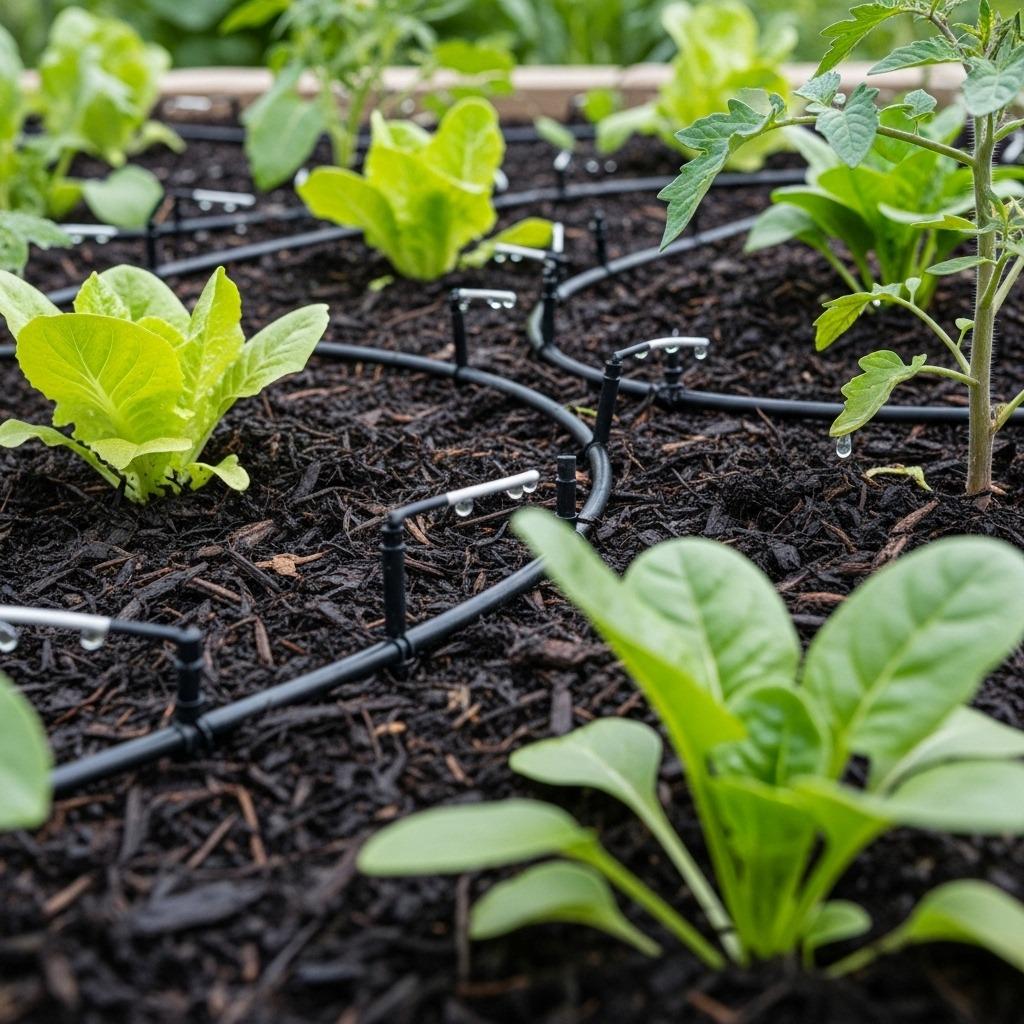
Drip irrigation changed everything for my garden. Instead of surface watering that evaporates quickly, water goes directly to the roots where plants actually need it.
The setup might seem intimidating at first, but most systems use simple connectors that snap together without tools. You can start with a basic kit for a single bed and expand as you get comfortable with the process.
What I appreciate most is the consistency. Plants get exactly what they need, when they need it, without any effort from you. Your tomatoes won’t experience the stress of alternating between drought and flood conditions.
2. Add Moisture Sensors to Prevent Overwatering
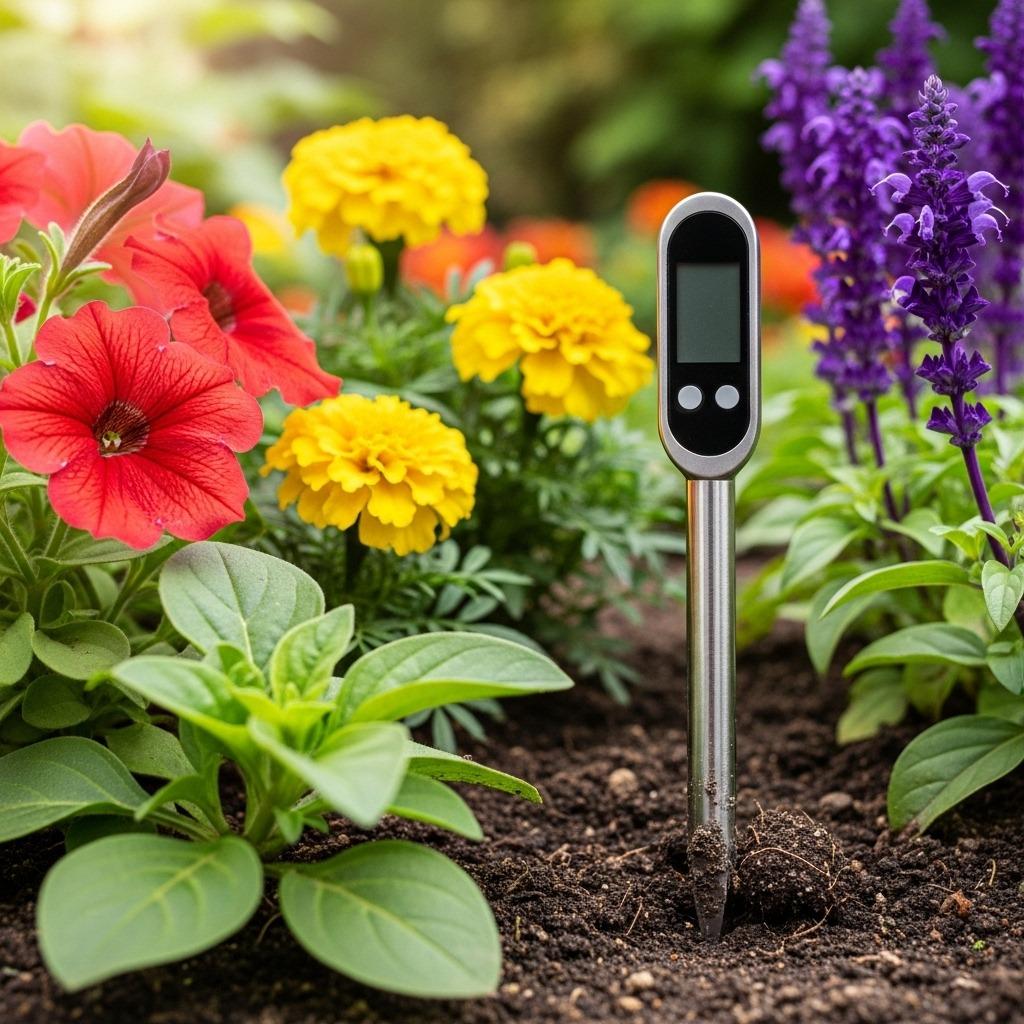
Here’s something I wish I’d known earlier – most of us water way more than necessary. A simple moisture sensor takes the guesswork out of the equation entirely.
These devices measure the actual water content in your soil and can connect to your irrigation system. Some even link to weather forecasts, skipping scheduled watering when rain is coming.
I stopped killing my herbs with kindness once I could see exactly when they needed water. Turns out, that slightly dry spell between waterings actually encourages stronger root growth.
3. Use Soaker Hoses for Flower Beds and Borders
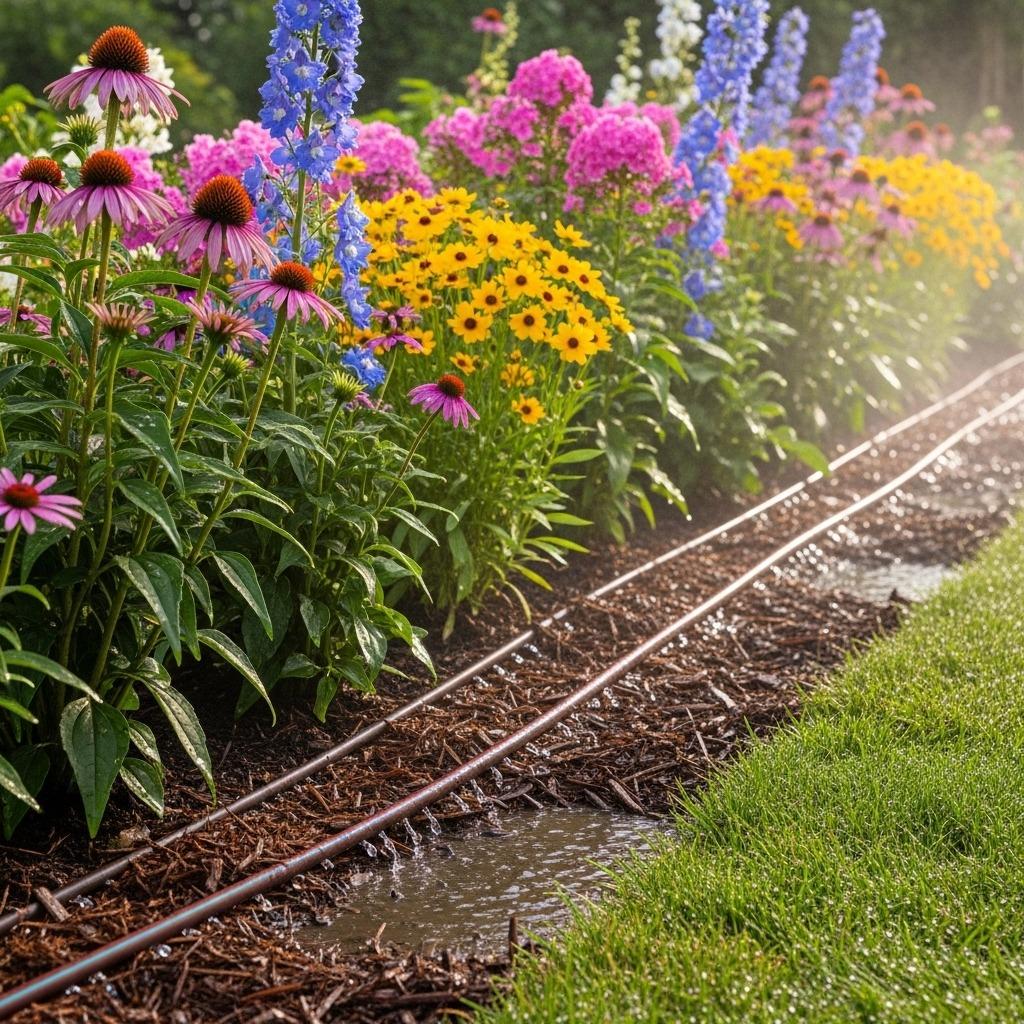
Soaker hoses are the understated heroes of efficient garden care. They look unassuming, but they deliver water slowly and evenly right where you want it.
I snake mine through my flower beds in early spring, then cover them with mulch. Once they’re hidden, you barely notice them, but your plants benefit from that steady, gentle watering all season long.
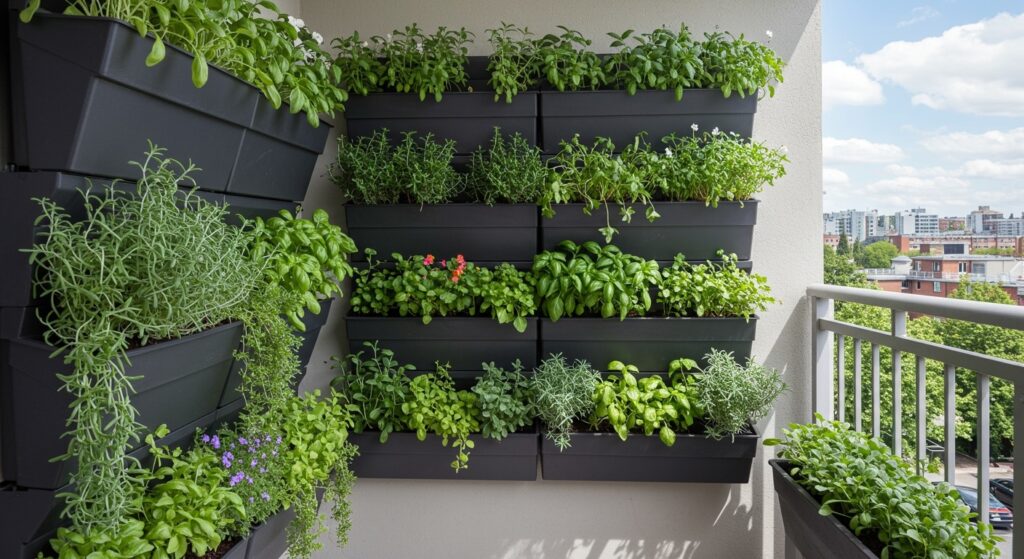
The porous material releases water gradually, giving soil time to absorb it properly. You won’t see runoff or puddles, just consistently moist soil that keeps perennials happy. For more ways to maximize your outdoor growing areas, check out these vertical gardening ideas that complement any irrigation setup.
4. Time Your Watering for Maximum Efficiency
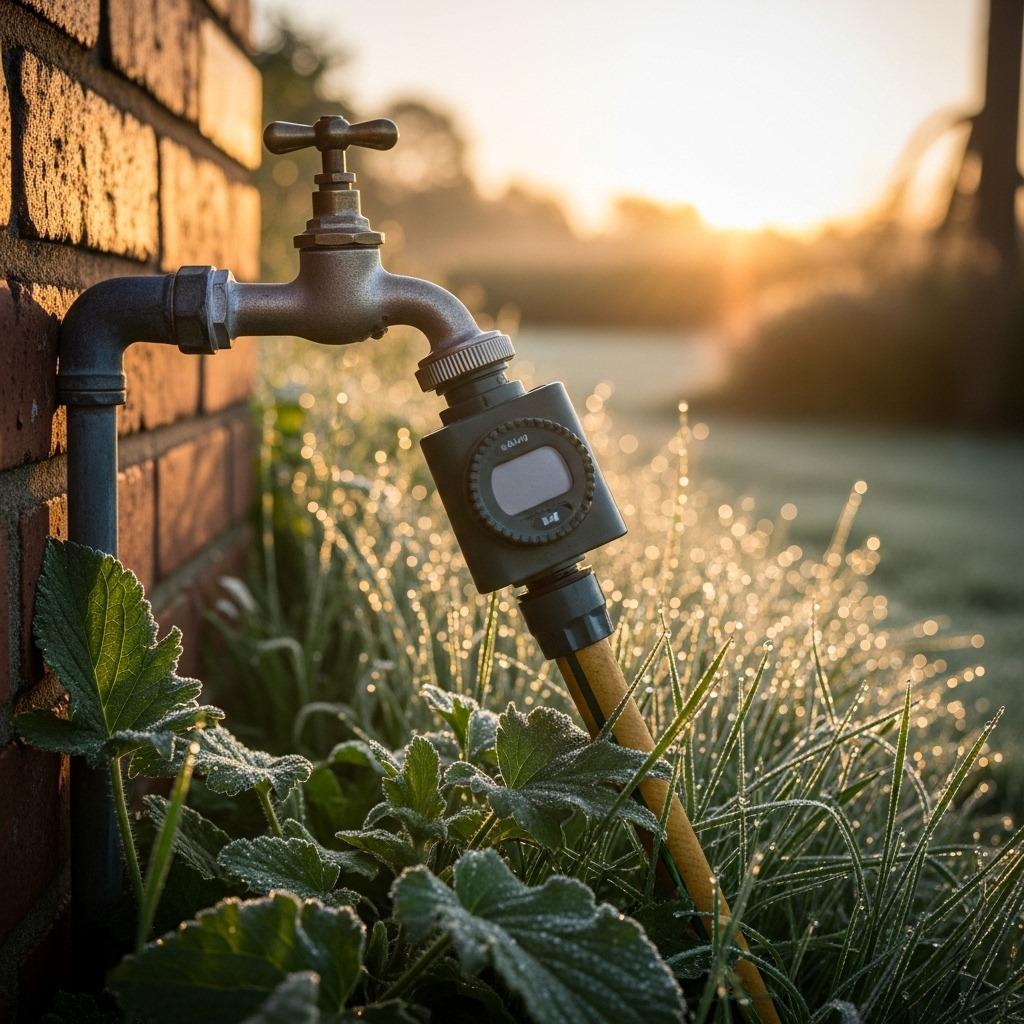
When you water matters almost as much as how you water. Early morning is ideal because plants have all day to dry off, reducing disease risk.
Evening watering works too, but those damp leaves sitting overnight can invite fungal problems. Midday watering is the least efficient since so much evaporates before reaching roots.
I set my timer for 5 AM and forget about it. The garden gets watered while I’m still sleeping, and everything’s had time to dry by afternoon. My plants are healthier, and I have more free time for actually enjoying the garden.
5. Group Plants by Water Needs
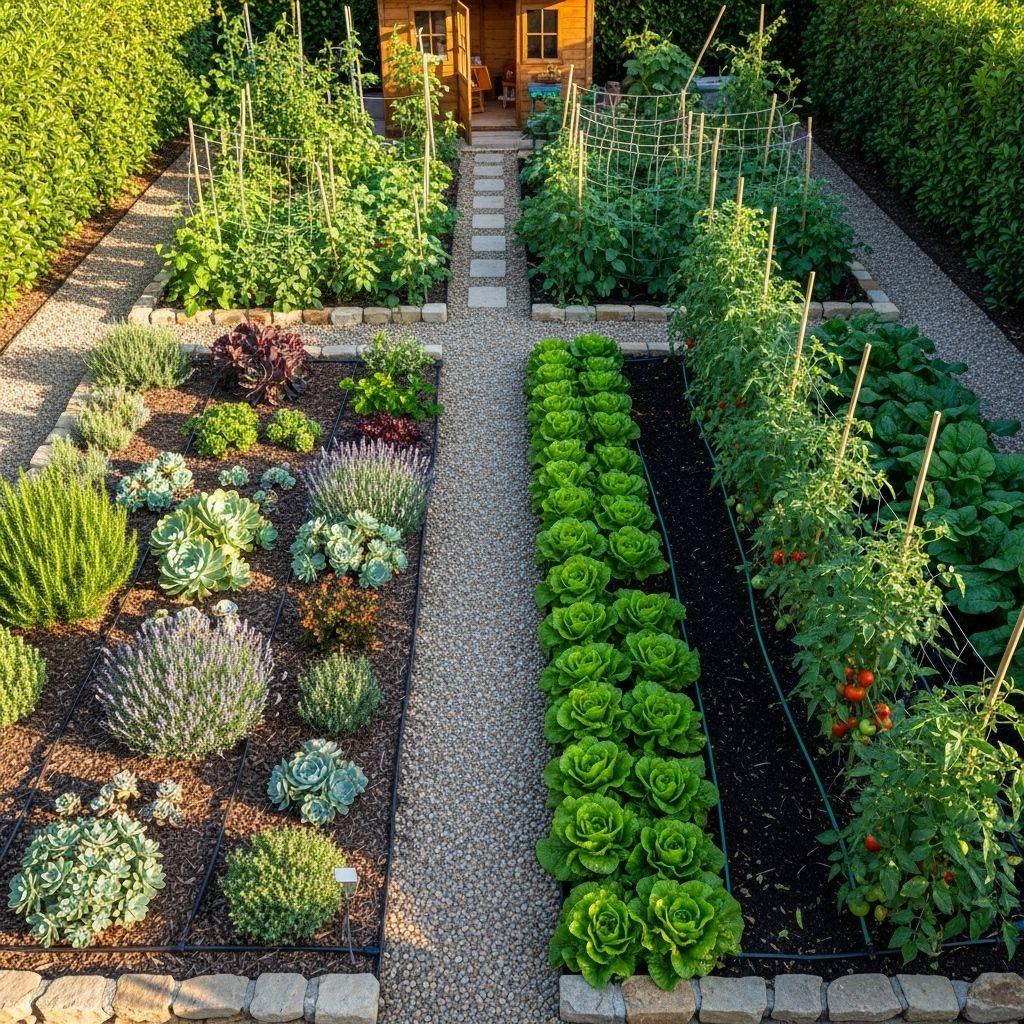
This feels obvious once you do it, but mixing thirsty tomatoes with drought-tolerant lavender creates watering headaches. When I reorganized my beds by water requirements, everything got simpler.
Vegetables and annual flowers that need consistent moisture go in one area with drip lines. Mediterranean herbs and native plants that prefer drier conditions get their own space with less frequent watering.
You’ll use less water overall and see better plant health. Plus, it makes garden planning more straightforward since you’re naturally grouping plants with similar care needs. If you’re just starting out, these gardening tips for beginners can help you create zones that make sense.
6. Mulch Generously to Retain Soil Moisture
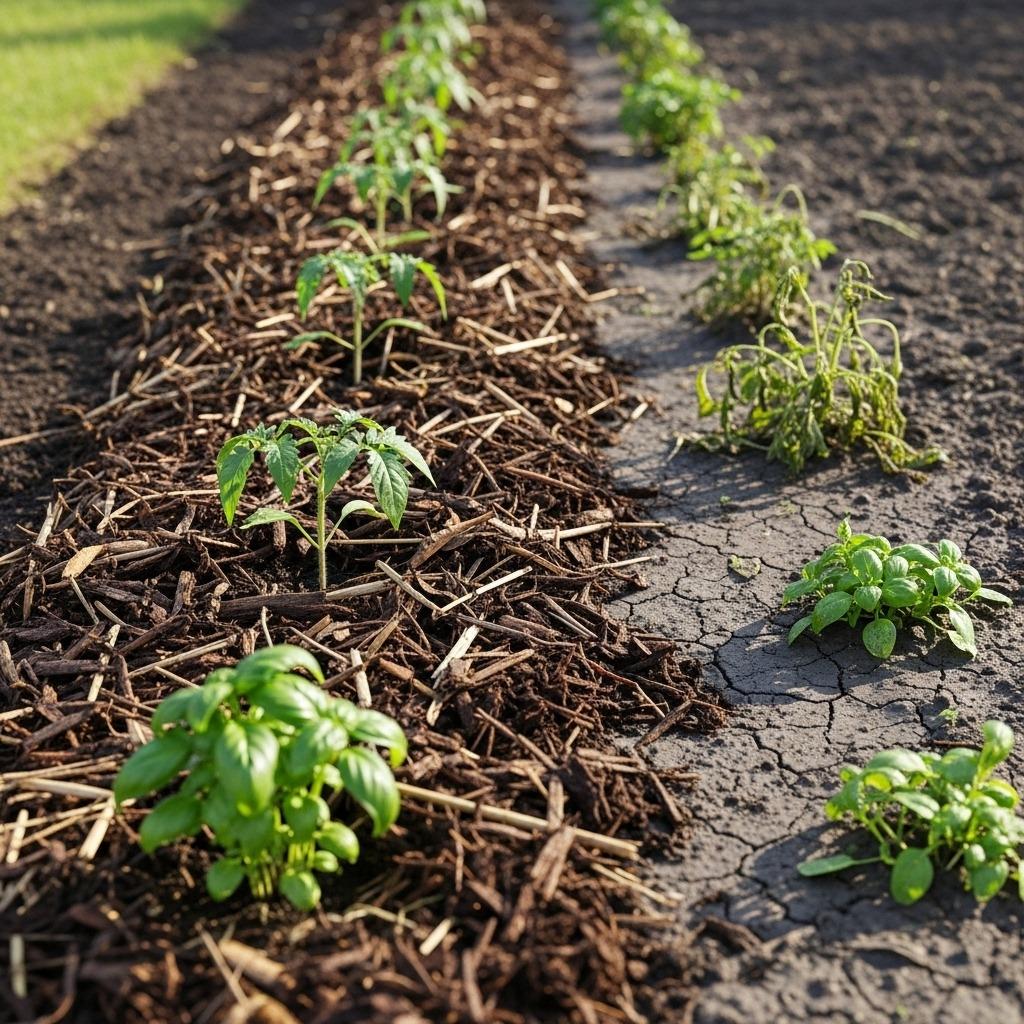
A good layer of mulch is like insurance for your watering efforts. It keeps soil cool, blocks evaporation, and means you can water less frequently without stressing plants.
I aim for 2-3 inches of organic mulch around everything except right at the plant stems. Wood chips, shredded leaves, or straw all work beautifully and break down to improve soil over time.
The difference is noticeable within weeks. Soil stays moist longer between waterings, and you’ll spend less time fighting weeds that compete for that precious water.
7. Capture Rainwater for Sustainable Irrigation
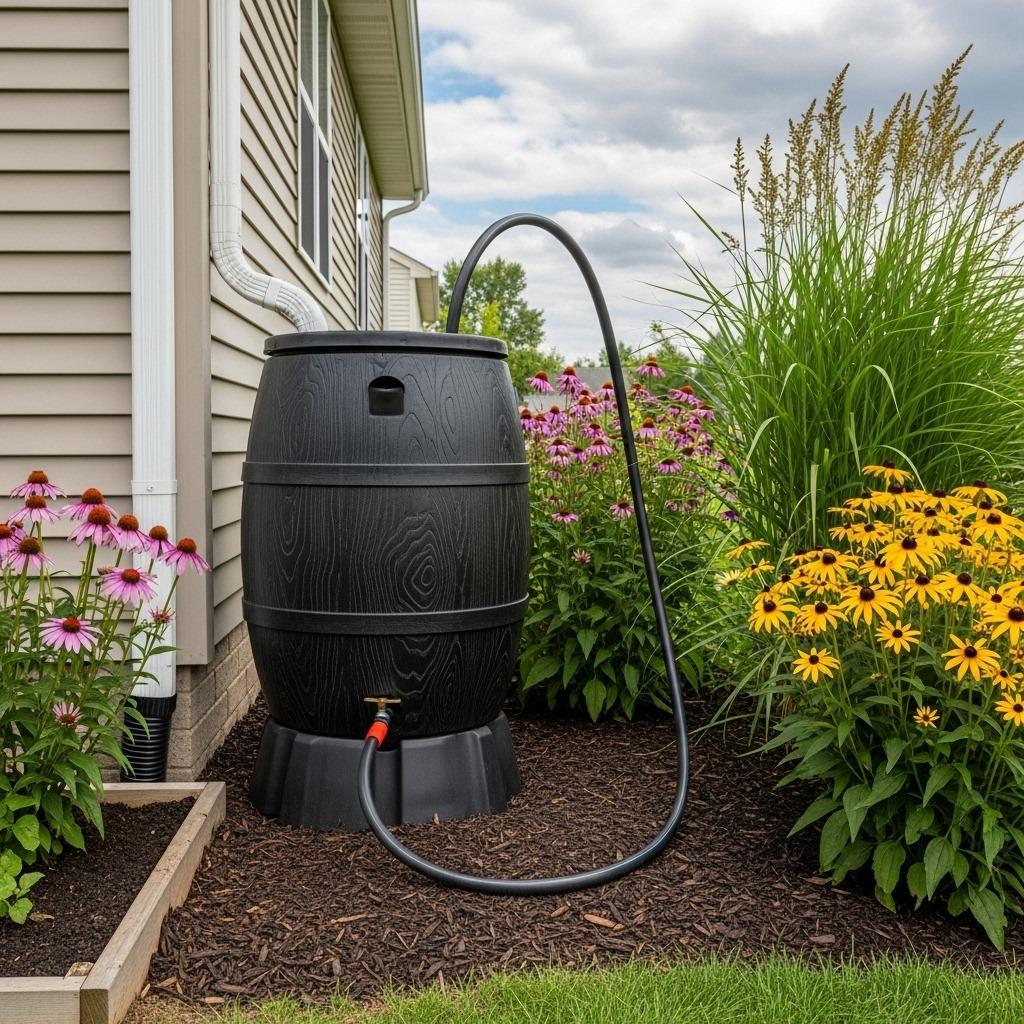
Rain barrels turned out to be one of my best home improvement ideas for the garden. A single inch of rain on a 1,000-square-foot roof yields over 600 gallons of water.
The setup is straightforward – position barrels under downspouts, add a screen to keep debris out, and connect a hose for easy distribution. Some municipalities even offer rebates for installing them.
Your plants actually prefer rainwater since it’s naturally soft and chemical-free. Plus, there’s something satisfying about using a free resource that would otherwise just run off your property.
8. Upgrade to a Smart Irrigation Controller
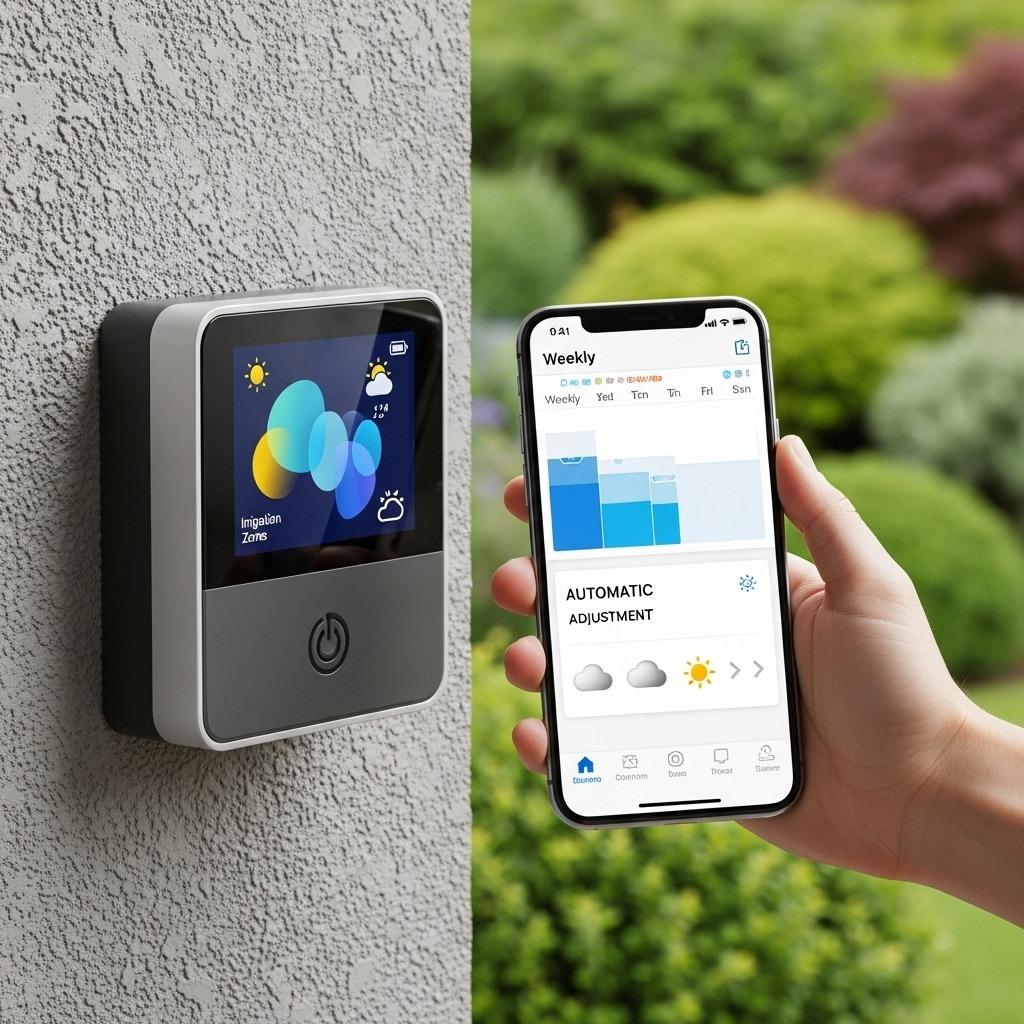
Smart controllers take automated irrigation to another level. They adjust watering based on weather, season, and even plant types in different zones.
I can check my garden’s watering status from anywhere and make adjustments through my phone. If I notice a zone isn’t getting enough water, I can tweak it immediately without walking outside.
The weather integration is brilliant. The system automatically skips watering when rain is forecast or has recently occurred. My water bill dropped noticeably after switching to a smart controller. For those interested in smart home improvement throughout their property, this is a perfect starting point.
9. Use Ollas for Deep Root Watering
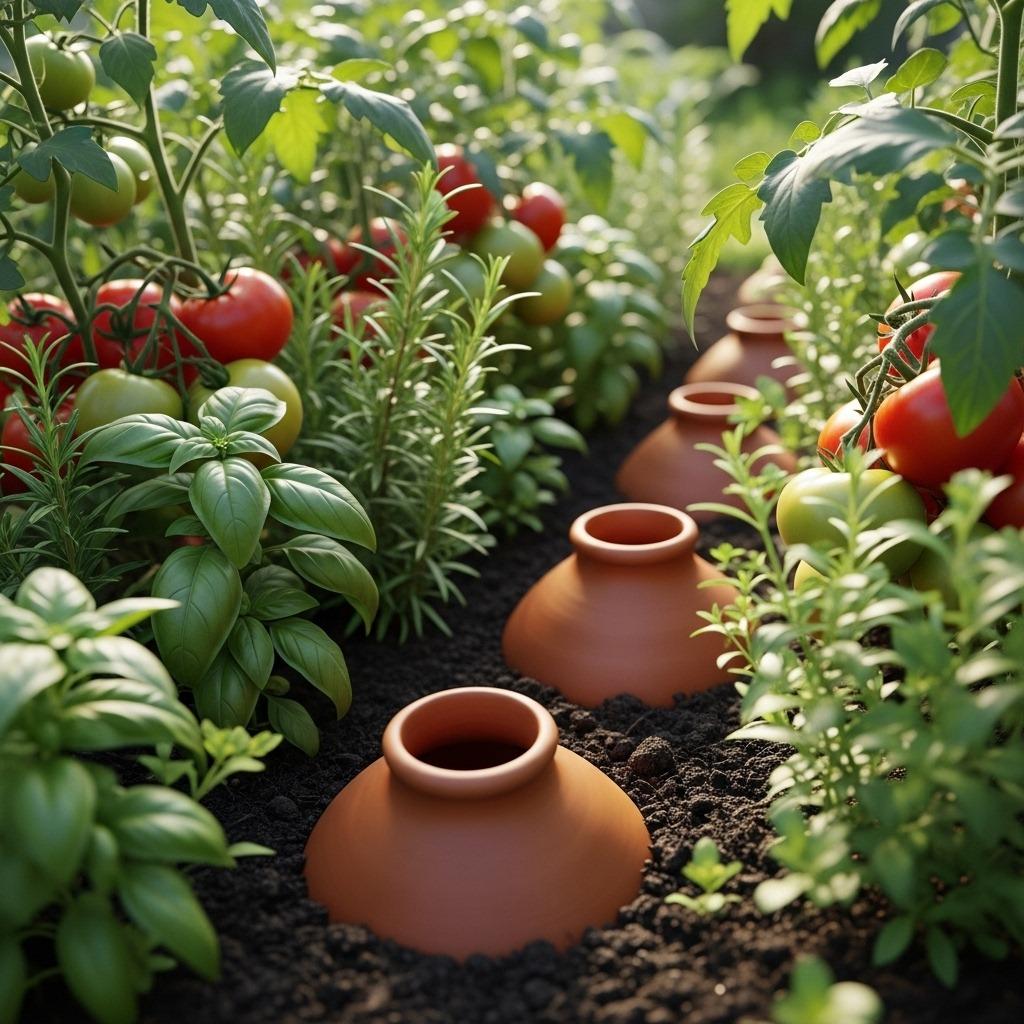
Ollas are unglazed clay pots that you bury in the soil, and they’re surprisingly effective. Fill them with water, and it slowly seeps through the porous clay directly to plant roots.
This ancient technique works beautifully for container gardening and raised beds. Plants develop stronger, deeper root systems as they grow toward the consistent moisture source.
I use them in my vegetable beds alongside drip lines. They’re especially helpful for plants that don’t like overhead watering, like tomatoes and squash. One filling lasts several days, even in hot weather.
10. Install Pressure Regulators for System Longevity
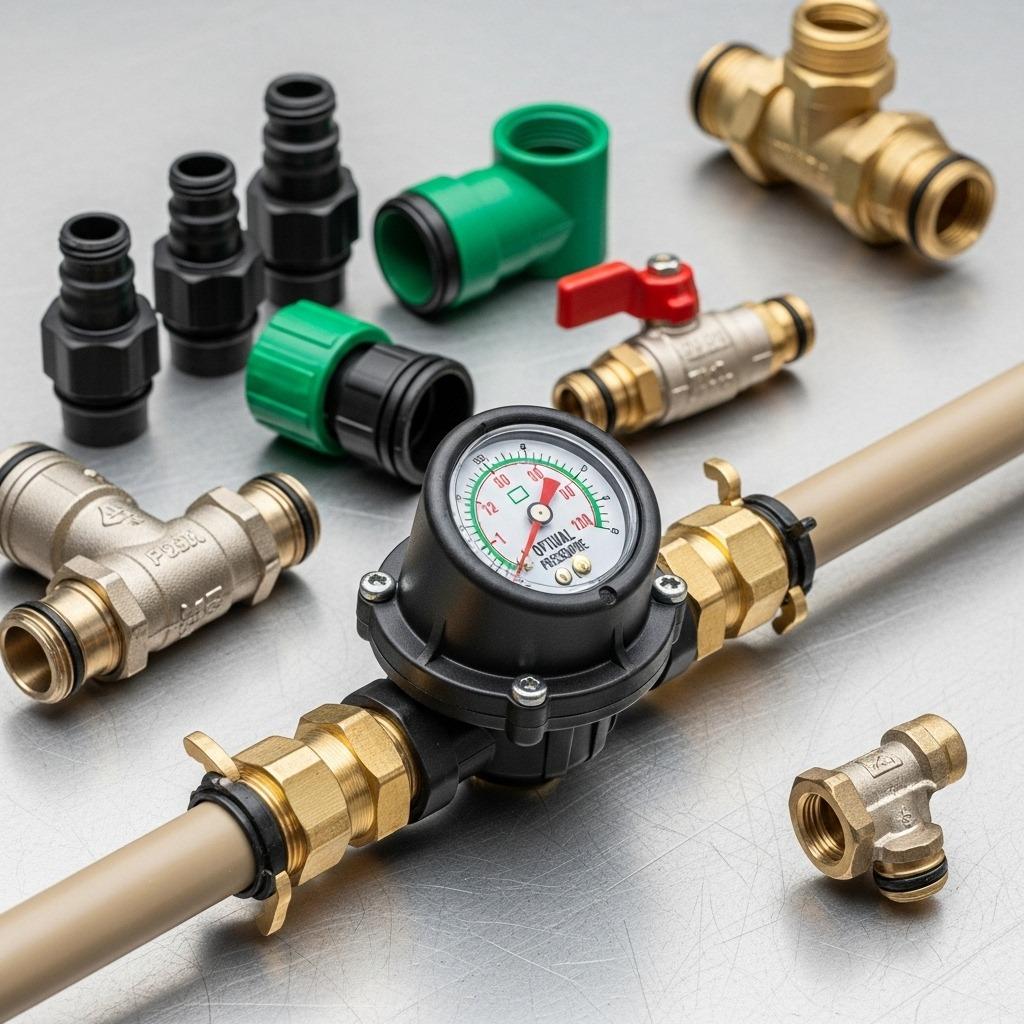
Here’s something that doesn’t sound exciting but saves money in the long run. Pressure regulators protect your irrigation system from damage and ensure even water distribution.
Too much pressure can burst drip lines or cause uneven watering. Too little means some plants won’t get adequate moisture. A regulator maintains consistent, optimal pressure throughout your system.
I learned this after replacing burst fittings a few times. Once I installed a regulator, those problems disappeared. It’s a small upfront cost that prevents bigger headaches later.
11. Create Irrigation Zones for Different Garden Areas
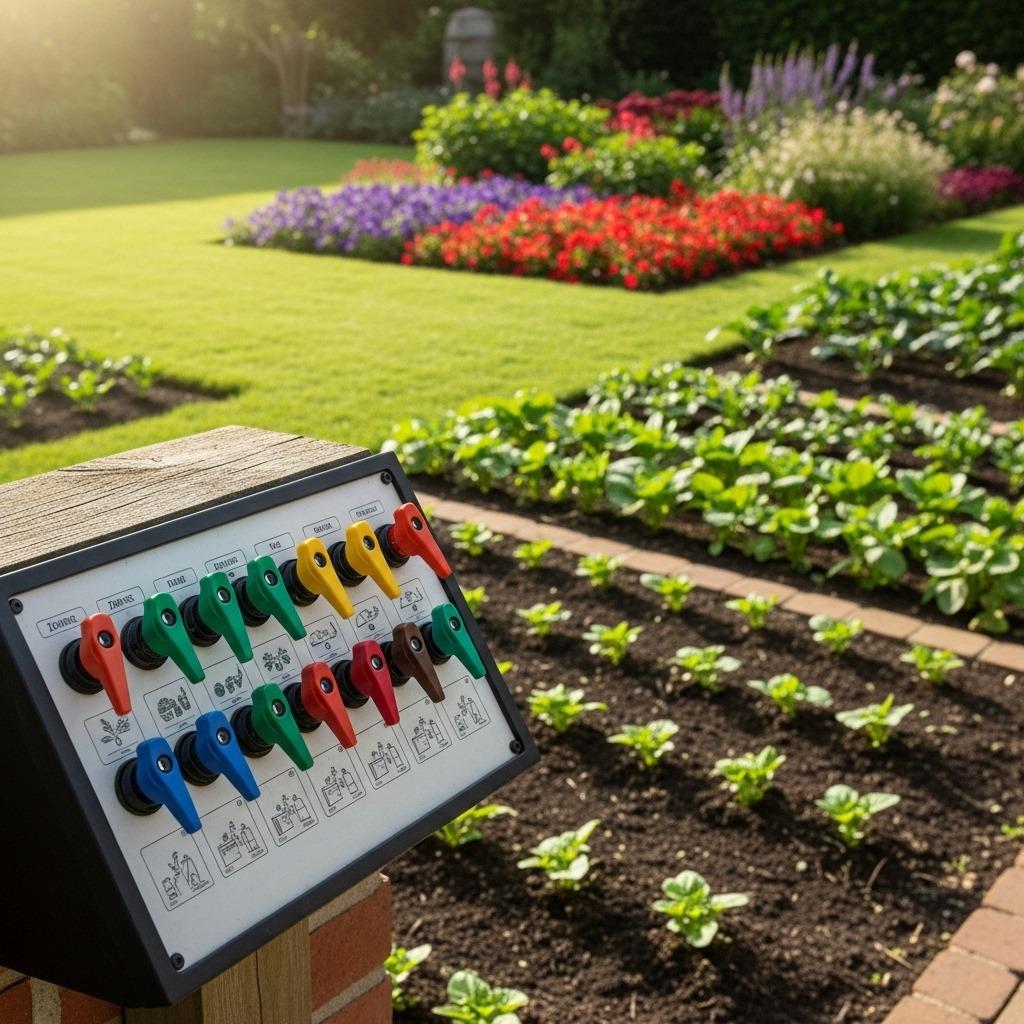
Treating your entire garden as one watering zone is like heating your whole house to warm one room. Different areas have completely different needs.
My lawn needs different watering than my vegetable garden, which needs different watering than my shade garden. Separate zones let you customize duration and frequency for each area.
Start by mapping your garden and identifying areas with similar sun exposure, soil type, and plant water needs. Even a basic system can be divided into two or three zones that make watering far more effective.
12. Perform Regular System Maintenance Checks
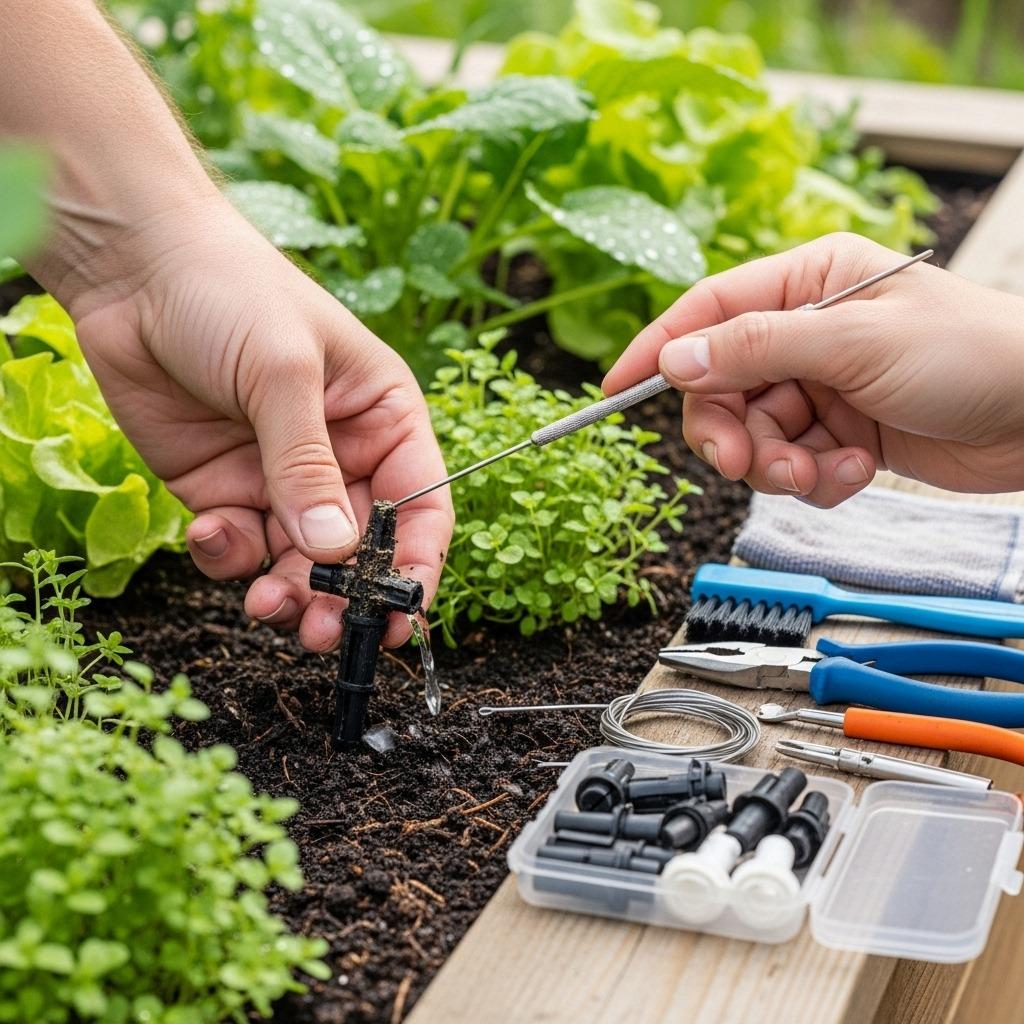
The best irrigation system won’t help if it’s not working properly. I schedule quick checks every few weeks during growing season to catch problems early.
Look for clogged emitters, kinked lines, or leaks. Test each zone briefly to ensure even coverage. Replace worn parts before they fail completely and leave plants stressed.
Spring is the time for a thorough inspection after winter. Flush your system, check all connections, and replace the battery in your timer if needed. These simple maintenance steps prevent mid-summer emergencies when plants are most vulnerable.
Implementing even a few of these smart garden irrigation tips can dramatically reduce the time and effort you spend watering. Start with what makes sense for your space – maybe that’s adding a simple timer to your existing setup or installing a soaker hose in your busiest bed.
The goal isn’t perfection from day one. It’s creating a system that works reliably so you can spend less time maintaining and more time enjoying your garden and nursery ideas come to life. Your plants will thank you with stronger growth, and you’ll wonder why you didn’t make the switch sooner.
What watering challenges are you dealing with in your garden right now? Sometimes the best solution is simpler than you think.