Watching a child’s face light up when they touch fuzzy lamb’s ear leaves for the first time or giggle at the sound of rustling ornamental grasses – that’s the magic of a sensory garden for kids. These aren’t just pretty outdoor spaces. They’re living classrooms where children learn through direct experience with nature.
I used to think sensory gardens were only for schools or therapy centers. Then I realized my own kids spent more time in the “boring” corner of our yard with the interesting rocks and crunchy gravel than on their expensive playset. They were naturally drawn to textures, sounds, and scents I hadn’t intentionally planned.
Creating a sensory play garden doesn’t require a huge budget or massive space. It’s about choosing plants and features that engage all five senses while giving kids room to explore safely. Whether you have a full backyard or just a small patch, these educational garden ideas will help you build something truly special.
Why Sensory Gardens Matter for Child Development
Children learn best when they can touch, smell, hear, see, and sometimes taste what they’re studying. A sensory garden provides all of that naturally. Research shows that outdoor sensory experiences improve focus, reduce stress, and boost cognitive development in kids of all ages.
These gardens also support children with sensory processing differences, autism, or ADHD by providing controlled sensory input in a calming natural environment. But honestly? Every child benefits from connecting with nature in hands-on ways.
The best part is that sensory gardens grow with your kids. A toddler might just enjoy splashing in a water feature, while an older child uses the same space to study water ecology. The garden evolves as their understanding deepens.
Think of it as creating an outdoor room dedicated to curiosity. Similar to how you’d design other functional spaces in your home with child-friendly landscaping principles, a sensory garden should be both safe and stimulating.
1. Touch Garden: Texture Exploration Zone

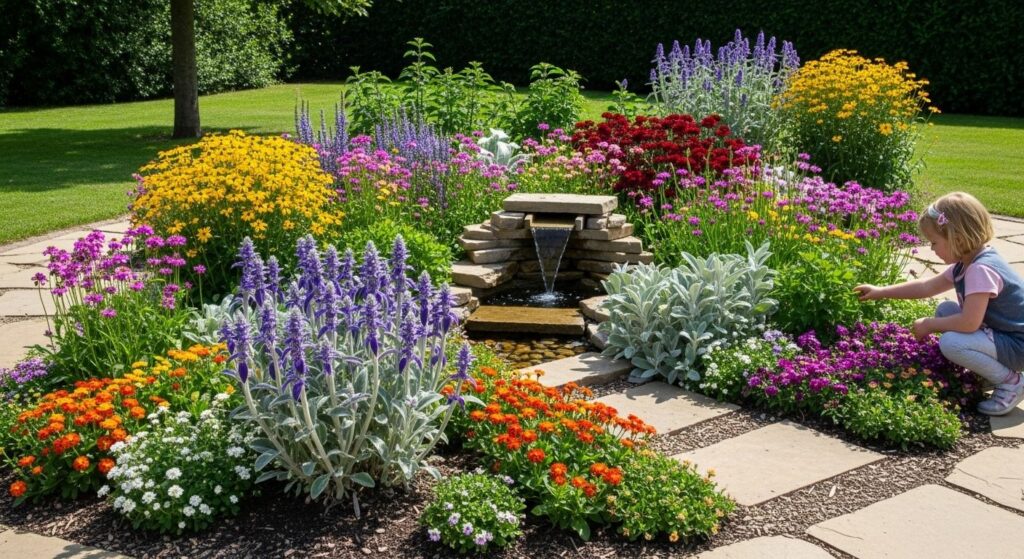
Start with a dedicated touch garden featuring plants with dramatically different textures. Lamb’s ear offers velvety softness that kids can’t resist stroking. Pair it with prickly ornamental grasses, smooth succulents, and fuzzy sage leaves. The variety teaches children about plant diversity while encouraging gentle interaction.
Create raised beds at child height so little ones don’t have to strain to reach. Use weather-resistant materials like cedar or composite lumber. Fill beds with a mix of textures – from smooth river rocks to rough bark mulch – that children can explore with their hands and feet.
Add a “touch me” sign near plants that are safe to handle frequently. This gives kids permission to interact while teaching them that not all plants should be touched. It’s a natural way to introduce boundaries and respect for living things.
Consider including tactile pathways with different materials. Stepping stones, pea gravel, smooth pavers, and soft moss create a walking experience that engages the sense of touch through their feet. Kids love jumping from texture to texture.
2. Scent Station: Aromatic Herb Corner
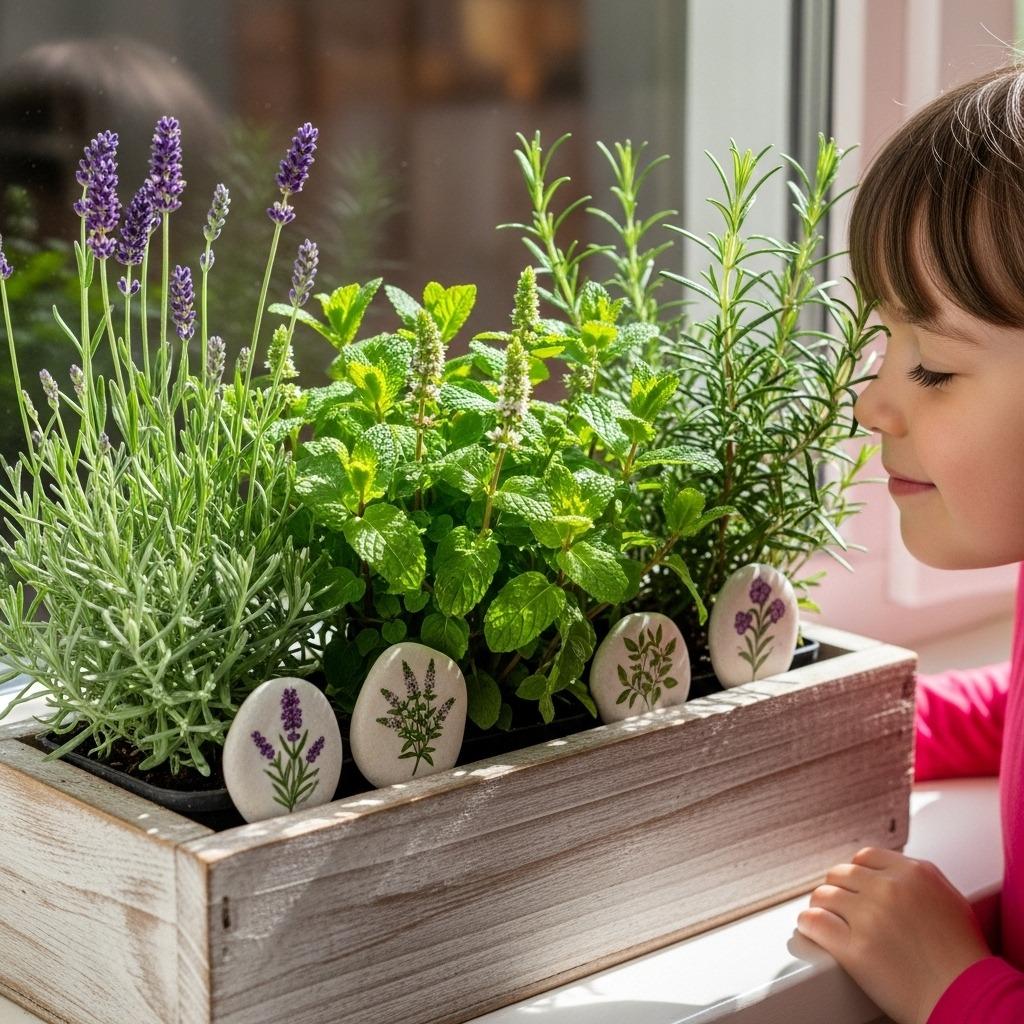
Dedicate one area to fragrant herbs that release scent when touched. Mint, lavender, rosemary, lemon balm, and basil are foolproof choices that thrive in most climates. Plant them where kids will naturally brush against them – along pathways or near seating areas.
Teach children to rub leaves gently between their fingers to release oils. This simple action connects them to the idea that plants contain compounds we use for cooking, medicine, and aromatherapy. It’s chemistry and botany rolled into one sensory experience.
Create a “guess the smell” game by having kids close their eyes while you hold different herbs near their nose. This activity builds vocabulary and memory while making garden time interactive. Plus, it’s hilarious watching them try to describe what lavender smells like.
Group herbs by scent family if space allows. Put all the mints together, citrus herbs in another spot, and savory herbs elsewhere. This organization helps kids start categorizing plants naturally while you’re working on your container gardening skills.
3. Sound Garden: Musical Plant Elements
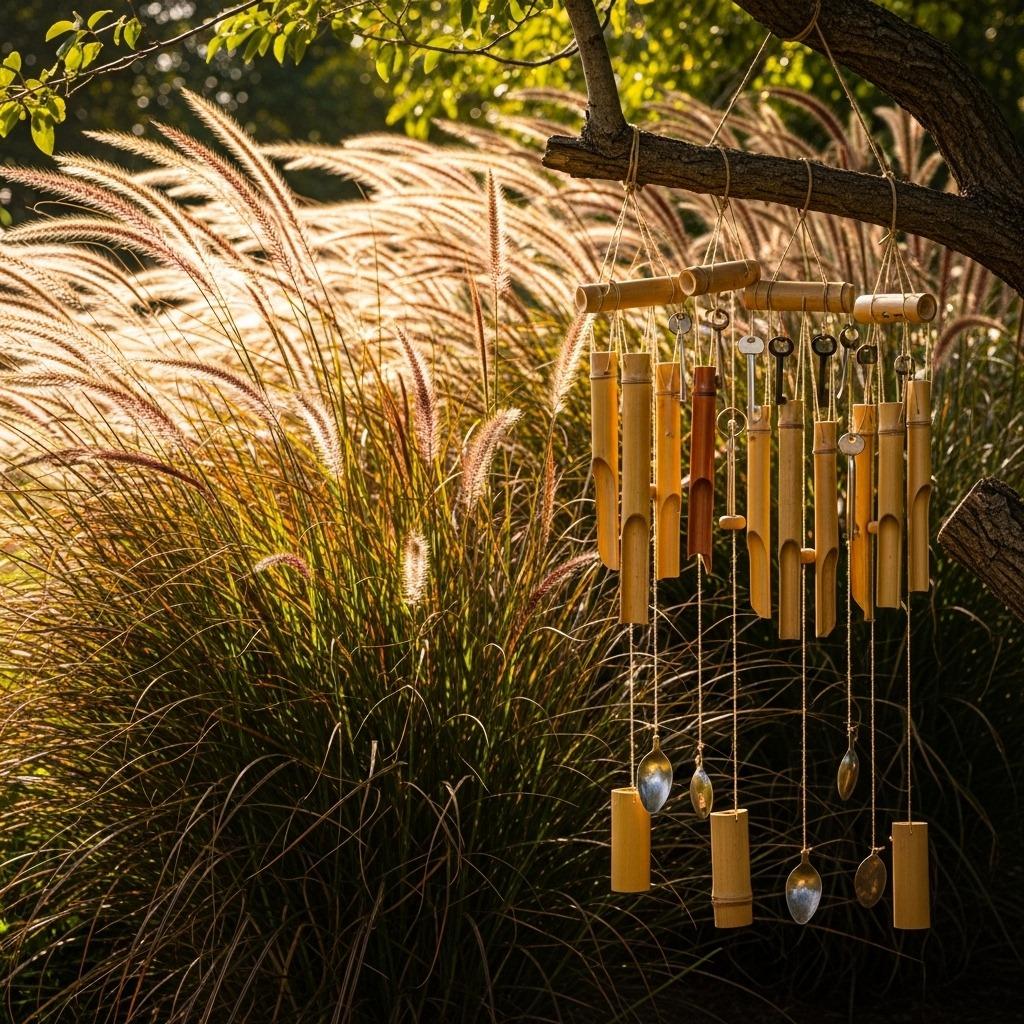
Wind chimes are the obvious choice, but you can do so much more. Plant ornamental grasses that rustle and whisper in the breeze. Bamboo creates hollow sounds when stems knock together. Add these living sound makers throughout the garden for constant auditory interest.
Include a small water feature with varying levels. Water trickling over rocks creates a soothing background sound that masks neighborhood noise. Kids can experiment with adjusting water flow or adding objects to change the sounds produced.
Hang pots, pans, or metal objects from tree branches at kid height. Provide soft mallets or wooden spoons for gentle percussion. This DIY music station lets children create their own sounds while learning about vibration and acoustics through play.
Consider plants with seed pods that rattle when shaken. Money plant, honesty, and some ornamental grasses produce natural percussion instruments. Harvest and dry these pods for indoor exploration when weather doesn’t cooperate, similar to bringing nature indoors like an indoor garden living room.
4. Visual Feast: Color Wheel Garden
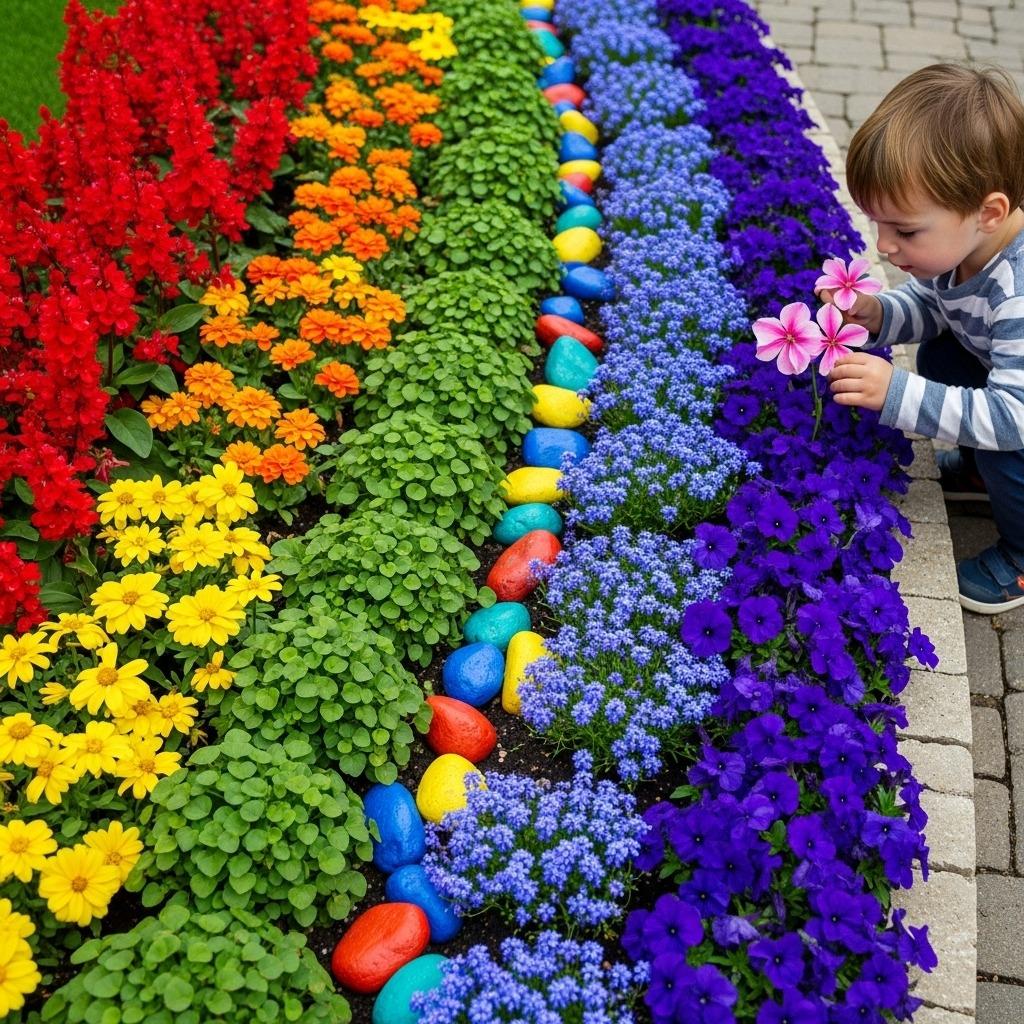
Design a rainbow garden that teaches color recognition and sequencing. Plant flowers and foliage in rainbow order around a circular or curved bed. Red tulips flow into orange marigolds, then yellow sunflowers, and so on. The visual progression makes color theory tangible.
Include plants with variegated leaves, not just flowers. Hostas, coleus, and caladiums provide year-round color even when blooms fade. This teaches kids that gardens offer visual interest beyond flowers and helps them observe seasonal changes.
Add garden art in primary colors scattered throughout. Painted rocks, colorful stakes, or bright containers become focal points that guide young eyes around the space. These elements also provide stability when flower colors change with seasons.
Create a “color hunt” activity where kids find and count items of each color. This simple game builds observation skills and keeps children engaged during garden time. It works whether you’re dealing with a sprawling yard or small space renovation challenges.
5. Edible Garden: Taste-Safe Plants
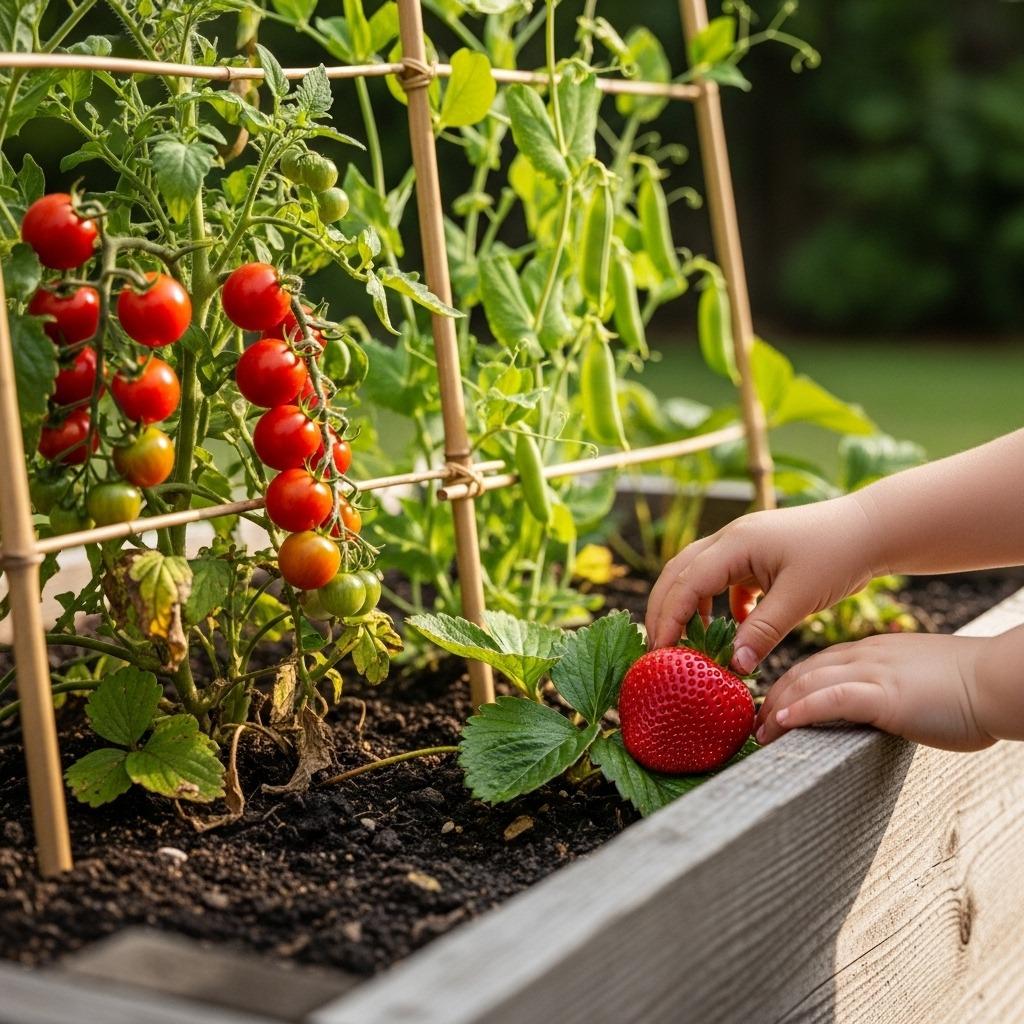
Nothing beats watching a child eat something they grew themselves. Start with easy, fast-growing options like cherry tomatoes, snap peas, strawberries, and herbs. These plants produce quickly enough to hold a child’s attention and taste delicious fresh off the plant.
Create clear boundaries between edible and ornamental areas. Use different colored containers or distinct bed edging to help kids understand which plants are food and which aren’t. This visual distinction reinforces safety while teaching categorization.
Include unusual edibles like purple carrots, white strawberries, or rainbow chard. These unexpected colors make harvesting feel like a treasure hunt while expanding kids’ understanding of food diversity. They’re more likely to try vegetables that look fun and interesting.
Plant seasonally appropriate crops so something’s always ready to harvest. Spring peas, summer tomatoes, fall carrots, and winter kale mean year-round engagement.
6. Bug Hotel: Wildlife Observation Post
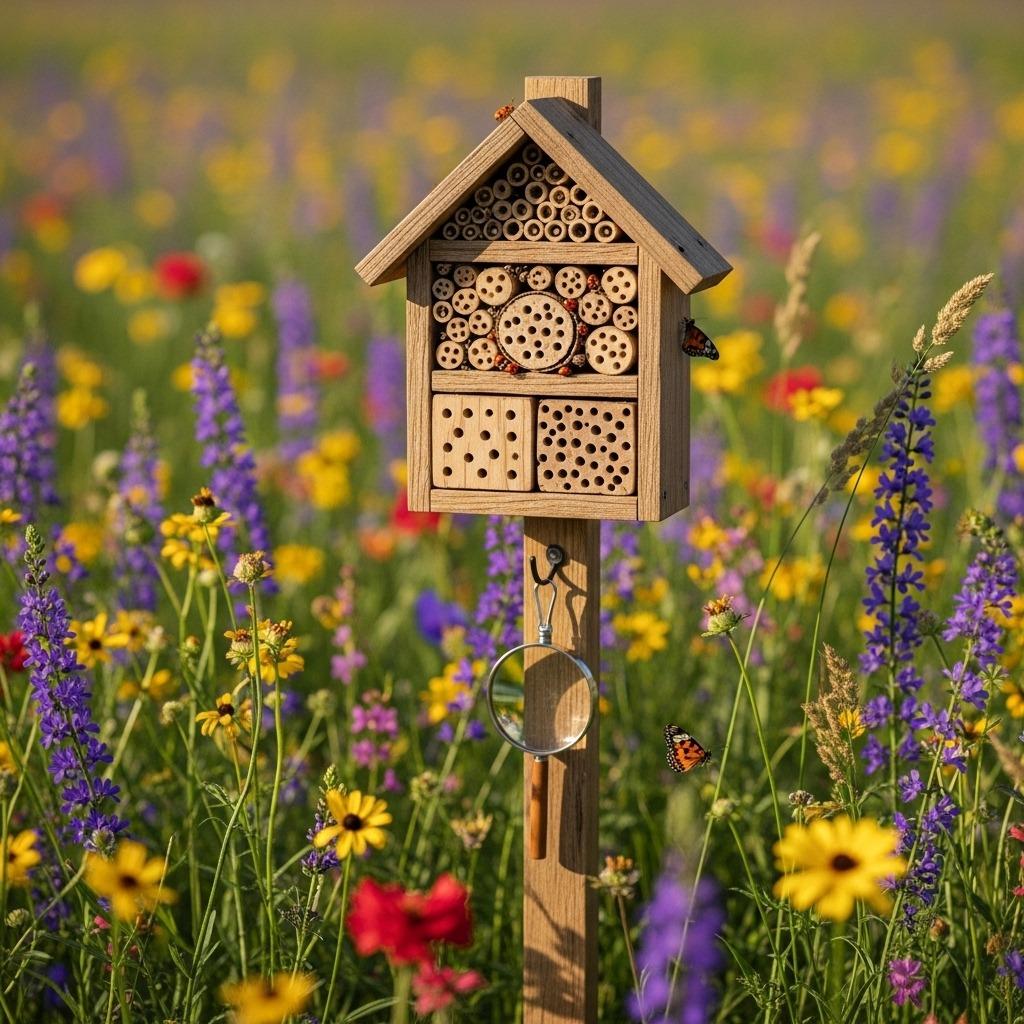
Build a simple insect hotel using hollow bamboo stalks, drilled wood blocks, and pine cones bundled together in a wooden frame. Place it in a quiet garden corner where kids can observe without disturbing beneficial insects. This structure teaches about habitats and the importance of biodiversity.
Surround the bug hotel with pollinator-friendly flowers like coneflowers, black-eyed Susans, and zinnias. Watching bees and butterflies visit flowers connects kids to pollination concepts in real-time. It’s one thing to read about it, quite another to witness it.
Add a magnifying glass station nearby with a small waterproof container for temporary bug collection and observation. Teach kids to look, learn, and release insects back where they found them. This builds respect for living creatures while satisfying natural curiosity.
Include identification charts at kid height showing common garden insects. Laminate simple drawings or photos so children can match what they see to pictures. This activity combines science, reading, and observation skills naturally, much like the thoughtful planning in fairy garden ideas for kids.
7. Water Play Zone: Splash and Learn
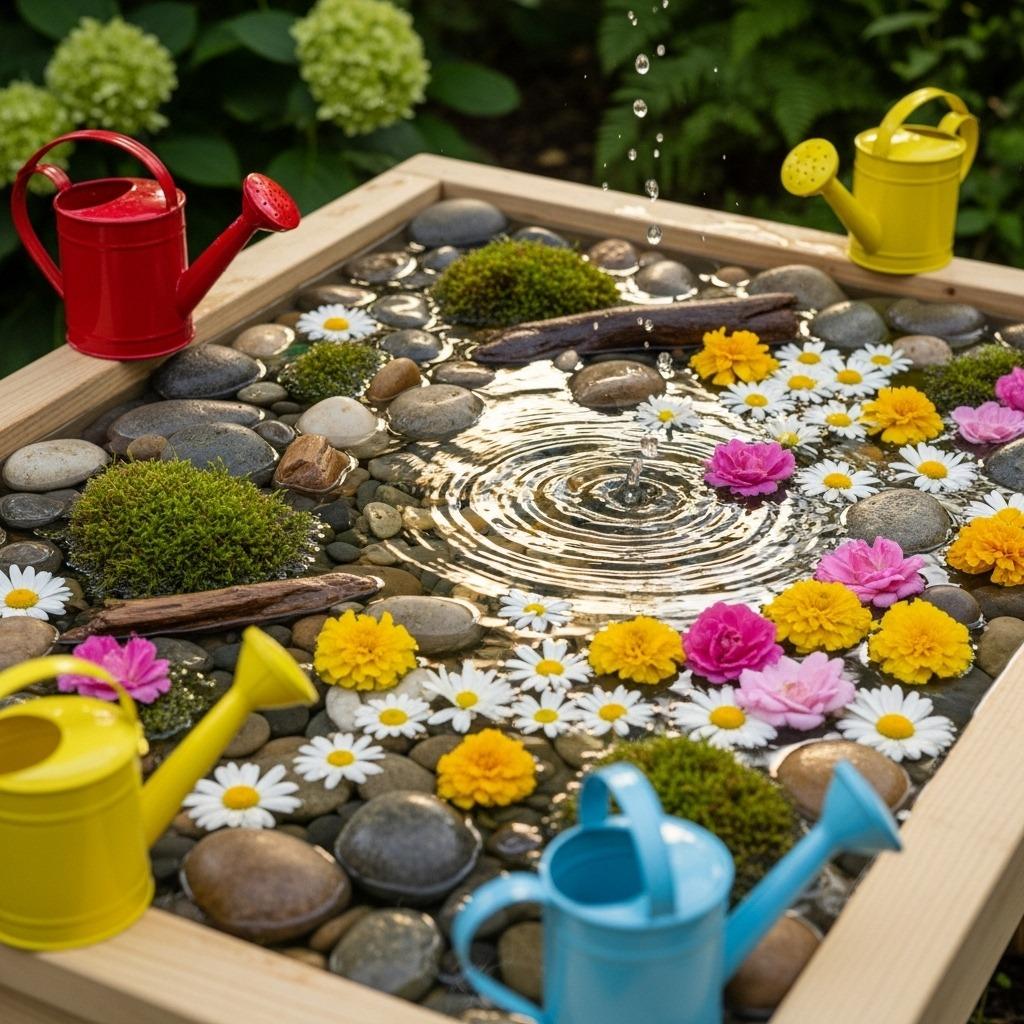
A shallow water table or basin lets kids explore water properties safely. Add cups, funnels, watering cans, and natural materials like leaves and flowers for open-ended play. Water play develops fine motor skills while teaching basic physics concepts like volume and flow.
If space allows, install a small recirculating fountain or bubbler. The constant water movement attracts birds and creates soothing sounds. Position it where kids can watch but understand it’s for observing, not playing in – teaching them to differentiate between different water features’ purposes.
Create a rain collection system with a decorative barrel connected to a downspout. Show kids how rainwater collects, then use it together to water plants. This simple system demonstrates water conservation and weather cycles in a hands-on way.
Consider a small, shallow pond if you have the space and proper safety measures. Even a kiddie pool partially buried and filled with aquatic plants and goldfish becomes a living ecosystem. Kids can watch plants grow, fish swim, and understand how water supports life.
8. Digging Pit: Excavation Station
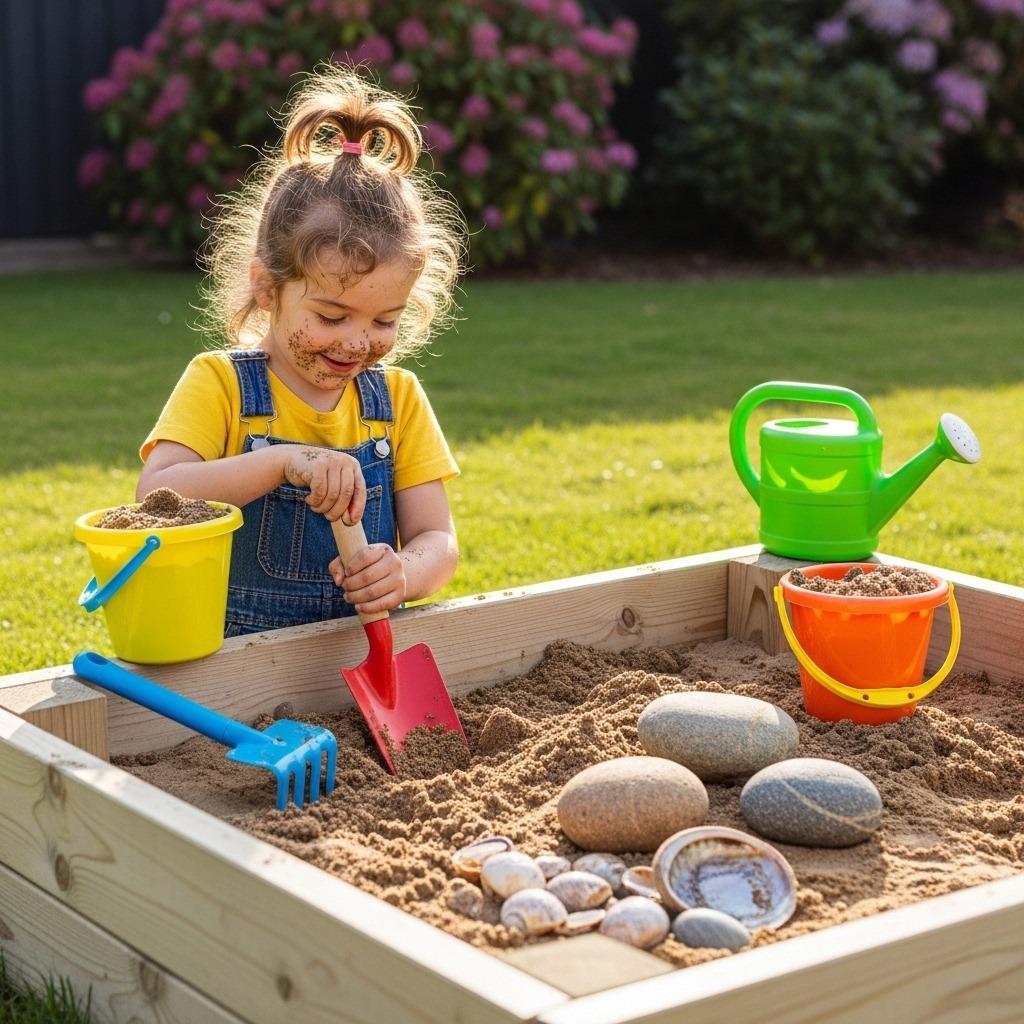
Designate a specific area where digging is not just allowed but encouraged. Fill a raised bed or bordered section with loose soil, sand, and small pebbles. Add child-sized garden tools, buckets, and a brush for “archaeological digs.” This contained mess zone saves your lawn while giving kids a place to explore freely.
Bury interesting objects like smooth stones, shells, or toy dinosaurs for kids to discover. Rotate these treasures regularly to keep the digging pit exciting. The anticipation of what they might find keeps children engaged and builds persistence.
Mix in materials with different textures – clay soil, sandy soil, peat moss, compost. Kids learn about soil composition through direct manipulation. They’ll start noticing that some soils clump while others crumble, introducing geology concepts without a textbook.
Position the digging area near a water source for mud play. Yes, it’s messy, but mud play is crucial for sensory development and immune system building. Just set clear expectations about when and where mud stays – similar to organizing other functional spaces with gardening for beginners principles.
9. Shade Structure: Outdoor Learning Room
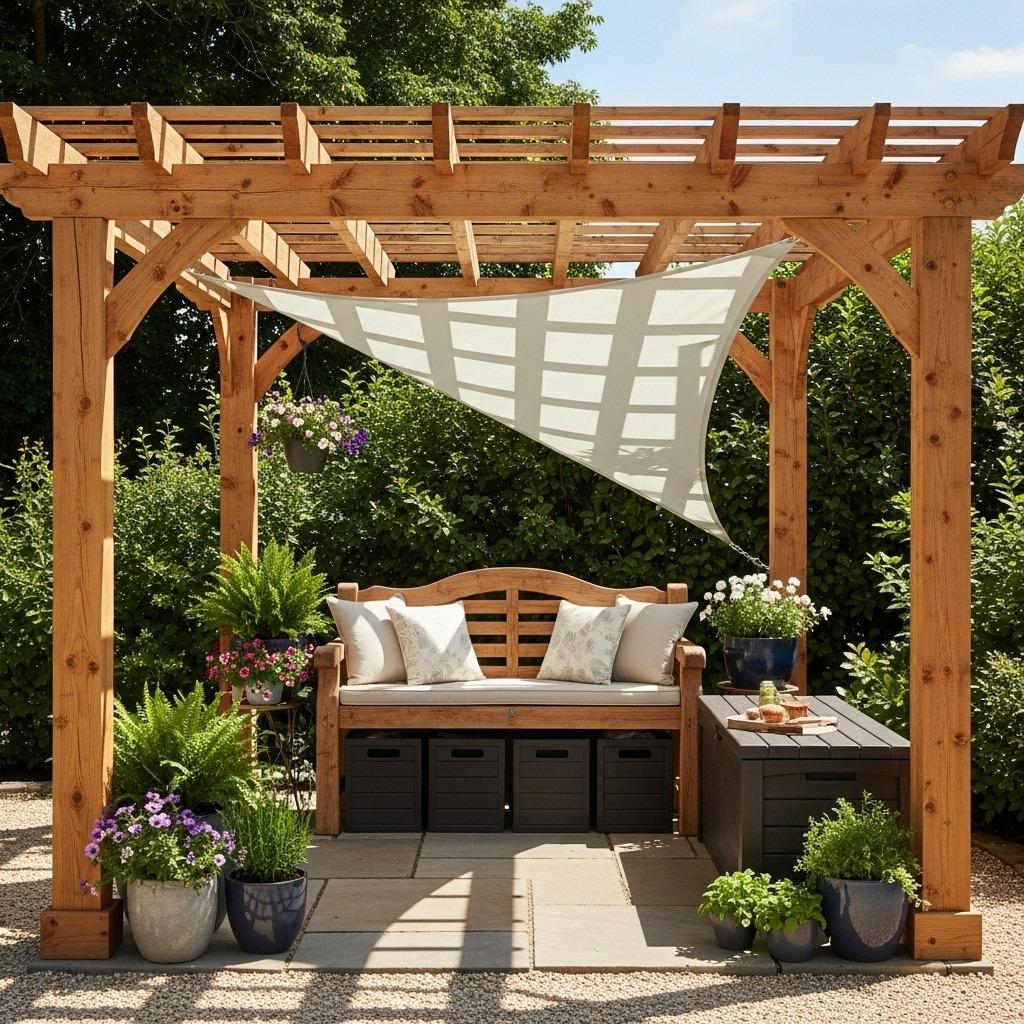
Install a simple pergola, shade sail, or even a large umbrella to create a comfortable outdoor classroom. This shaded spot protects kids from sun during peak hours while defining a space for reading, crafting, or quiet observation. Add weather-resistant cushions or a small bench for seating.
Hang educational posters about plant growth, butterfly life cycles, or seasonal changes from the structure. Laminate them so they withstand weather. This transforms the shade structure into an outdoor classroom where learning happens naturally during garden breaks.
Include storage for garden-themed books, magnifying glasses, and nature journals. A weatherproof box or small cabinet keeps materials accessible but protected. Kids can grab supplies spontaneously when curiosity strikes.
Plant climbing vines on the structure’s support posts. Morning glories, sweet peas, or passion vines add beauty while demonstrating how plants climb and seek sunlight. As vines grow, kids watch the shade structure become a living element of the garden.
10. Stepping Stone Path: Movement and Balance

Create a winding pathway using stepping stones in various sizes and shapes. Space them at different distances to encourage jumping, stretching, and balancing. This simple feature turns walking through the garden into an active game that develops gross motor skills.
Let kids help design and decorate some stones. Use outdoor paint or mosaic tiles to personalize stones with handprints, favorite colors, or simple patterns. This ownership increases their connection to the space and pride in showing it to visitors.
Vary the pathway materials throughout the garden. Smooth stones transition to rough bark mulch, then to soft grass, then to crunchy gravel. Each texture feels different underfoot and creates distinct sounds, reinforcing the multi-sensory experience.
Add small solar lights along the path for evening garden exploration. The gentle glow makes the garden feel magical at dusk while teaching kids about solar energy. Evening walks become special occasions that show gardens in different light – literally.
11. Butterfly Garden: Metamorphosis Station

Dedicate a sunny spot to plants that attract butterflies through all life stages. Include host plants like milkweed for monarchs, dill for swallowtails, and parsley for black swallowtails where butterflies lay eggs. Add nectar plants like zinnias, coneflowers, and butterfly bush for adult butterflies to feed.
Create an observation log where kids can draw or photograph butterflies they see. Note dates, colors, and behaviors. This running record teaches scientific documentation while building excitement about return visitors. You might spot the same butterfly species multiple times throughout the season.
Include flat stones or a shallow dish with sand and water – a butterfly puddling station. Male butterflies gather at these spots to drink and collect minerals. Watching this behavior teaches kids that insects need more than just nectar to survive.
Add a butterfly house or hibernation box where butterflies might overwinter. Even if butterflies don’t use it, the structure prompts conversations about insect life cycles and winter survival strategies. Position it near your container gardening flowers for maximum activity.
12. Sunflower House: Living Fort
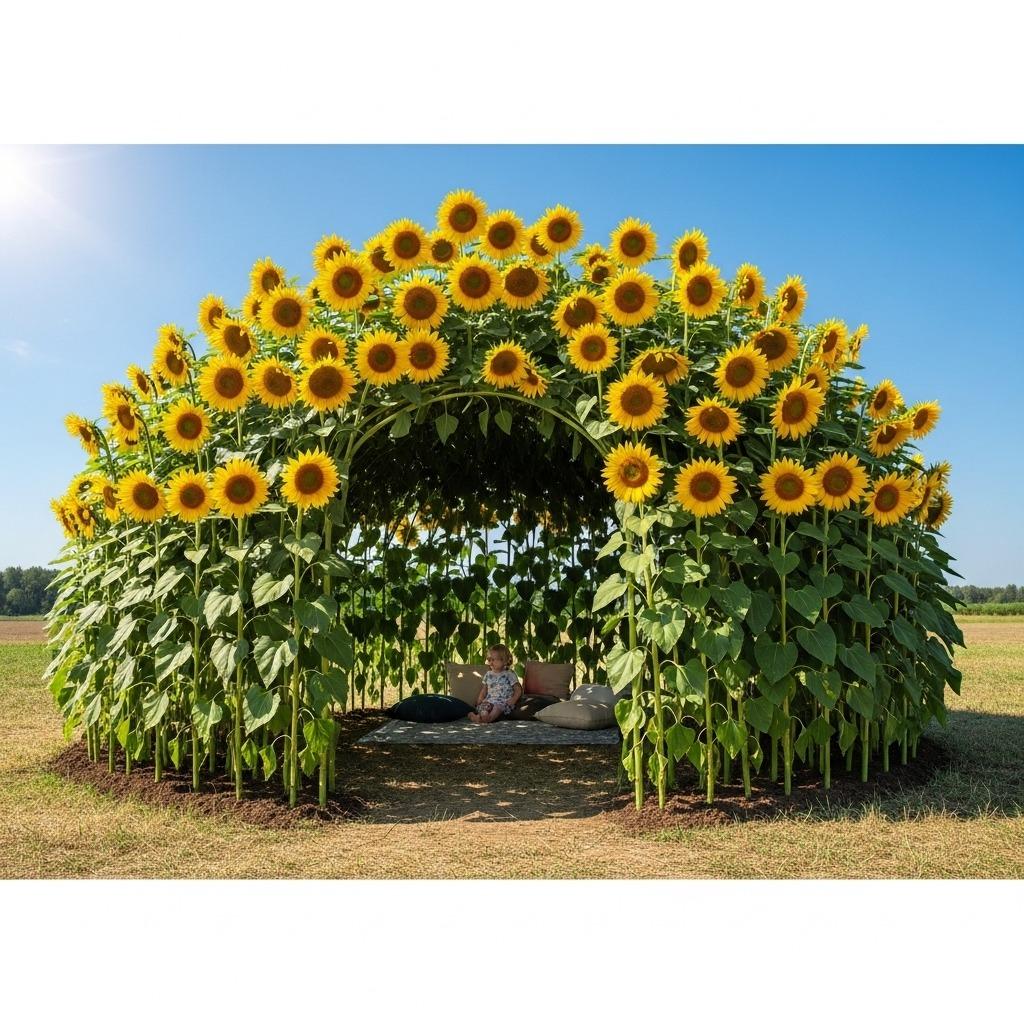
Plant sunflowers in a square or circular pattern, leaving an opening for a doorway. As they grow tall, kids have a living fort with walls that reach toward the sky. This project teaches patience – sunflowers take months to grow – while creating something genuinely exciting.
Choose giant sunflower varieties that grow 8-10 feet tall for maximum impact. Space them close enough that foliage creates walls but far enough that they don’t compete too intensely. Inside the sunflower house, plant shade-loving ground covers like clover for a soft floor.
Add a small stool or cushion inside once sunflowers establish. This private nook becomes a reading spot, thinking space, or secret meeting place. The sense of enclosure appeals to kids’ natural desire for cozy spaces they control.
Harvest sunflower heads together in fall. Kids can learn about seed collection, bird feeding, and even simple seed counting math activities. One sunflower produces hundreds of seeds – that’s a lot of educational opportunities from a single plant variety.
13. Fairy Garden Corner: Imagination Space
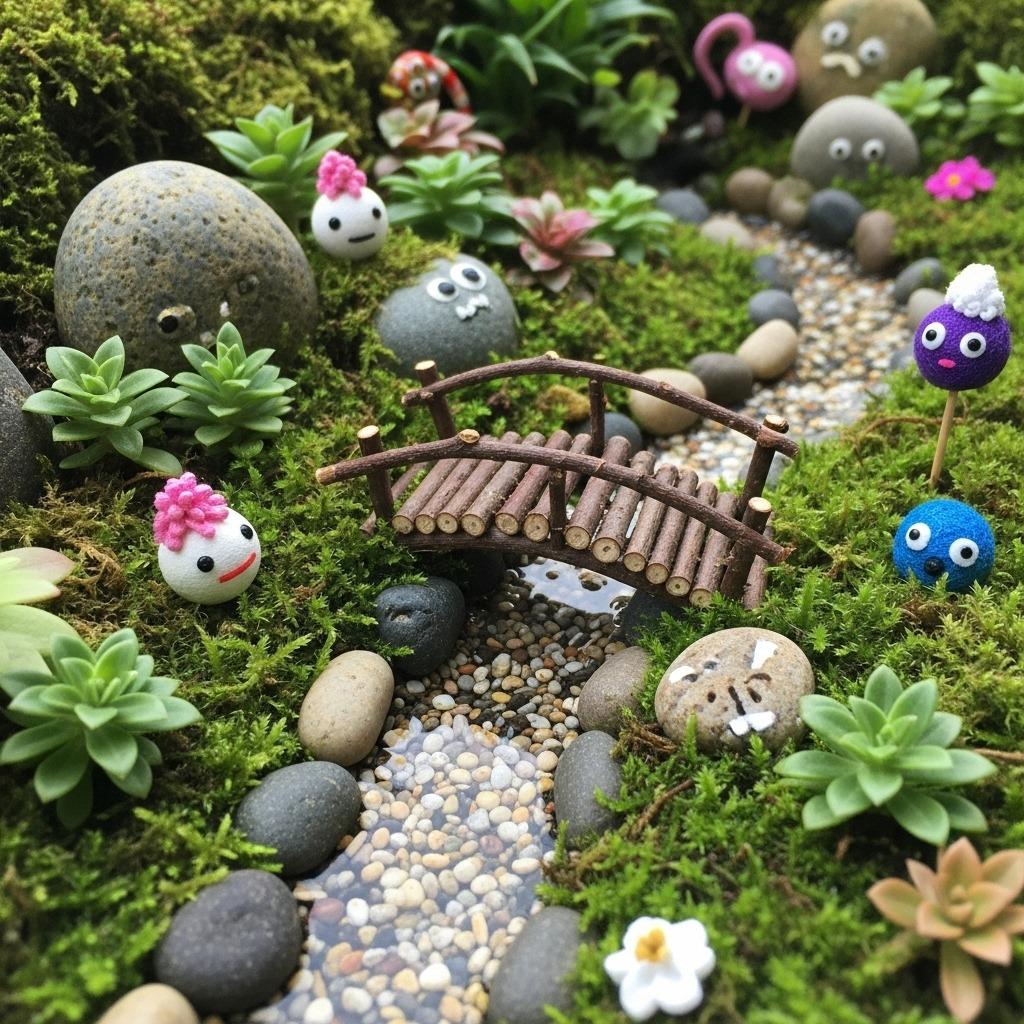
Set aside a small area for a miniature garden with tiny plants, small pathways, and child-added decorations. This isn’t about buying expensive miniatures – it’s about kids creating a small world using natural materials and imagination.
Provide materials like small pebbles, twigs, moss, and acorn caps. Kids can build tiny furniture, paths, and houses using these natural items. This activity develops fine motor skills and spatial planning while encouraging creative storytelling.
Plant miniature varieties of familiar plants. Tiny hostas, dwarf mondo grass, and small sedums work perfectly at this scale. As kids maintain this mini garden, they learn the same care skills they’d use in full-sized gardens – just in a more manageable space.
Encourage kids to create stories about who lives in their fairy garden. This narrative play builds language skills and imagination while keeping them engaged with garden maintenance. The garden becomes a backdrop for ongoing creative play.
14. Science Station: Experimentation Area

Set up a dedicated spot for garden experiments with a small potting table or bench at kid height. Stock it with pots, soil, seeds, and basic tools. This becomes the place for testing ideas like “Do seeds need light to sprout?” or “What happens if I water one plant with rainwater and one with tap water?”
Create simple experiment cards with pictures that non-readers can follow. Ideas like “Plant the same seeds in different soils” or “Grow plants with and without fertilizer” give structure to scientific exploration. Kids can compare results and draw conclusions based on what they observe.
Include a weather station with a rain gauge, thermometer, and wind sock. Kids can record daily observations and start connecting weather patterns to plant growth. This links meteorology to gardening in concrete ways.
Keep a garden journal station with pencils, paper, and a weatherproof box. Kids can sketch plants, record observations, press flowers, or write about garden discoveries. This documentation makes abstract concepts tangible, similar to how vertical gardening ideas maximize learning in limited space.
15. Sensory Pathway: Barefoot Walking Trail
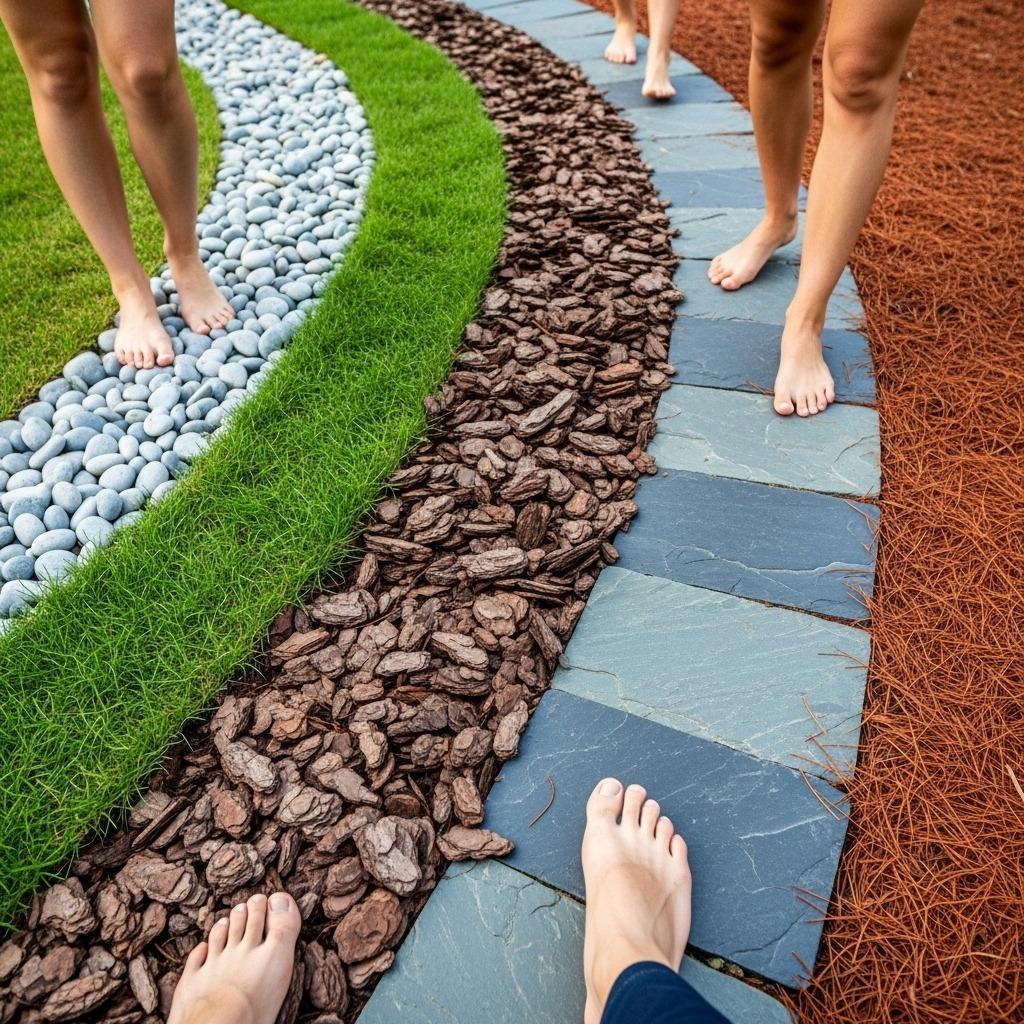
Design a pathway specifically for barefoot walking with distinct sections of different materials. Start with smooth river rocks, transition to soft grass, then to textured bark, cool slate tiles, and crunchy pine needles. The variety stimulates nerve endings in feet while being surprisingly calming.
Create this pathway in a loop so kids can go around multiple times, experiencing how materials feel different as weather changes. Wet grass feels different than dry grass. Warm stones differ from cool stones. These subtle variations teach observation and mindfulness.
Add a foot-washing station at the path’s end – a simple basin with water and a towel. This practical element teaches hygiene while being part of the sensory experience. Kids learn that getting dirty is okay as long as you clean up afterward.
Make the pathway wide enough for adults to walk alongside children, especially younger ones who might need hand-holding on unfamiliar textures. This shared experience creates opportunities for conversation about what they’re feeling and why textures differ.
16. Seasonal Interest: Year-Round Discovery

Plan your sensory garden to offer something special in each season. Spring bulbs, summer flowers, fall foliage, and winter berries mean there’s always something new to observe. This teaches kids about seasonal cycles and helps them understand that gardens change constantly.
Include evergreen plants that provide winter structure and interest. Holly, boxwood, and ornamental grasses maintain the garden’s presence when deciduous plants go dormant. Kids learn that “dormant” doesn’t mean “dead” – an important concept for understanding plant life cycles.
Create a seasonal observation calendar where kids note first blooms, last frost, when butterflies arrive, and when leaves change color. Over years, they’ll build a personal database of local seasonal patterns. This long-term project teaches patience and data collection.
Plant bulbs in fall as a family activity. The anticipation of waiting months to see results teaches delayed gratification. When those tulips or daffodils finally bloom in spring, kids feel the satisfaction of planning and patience paying off.
17. Parent-Child Work Zone: Shared Garden Space
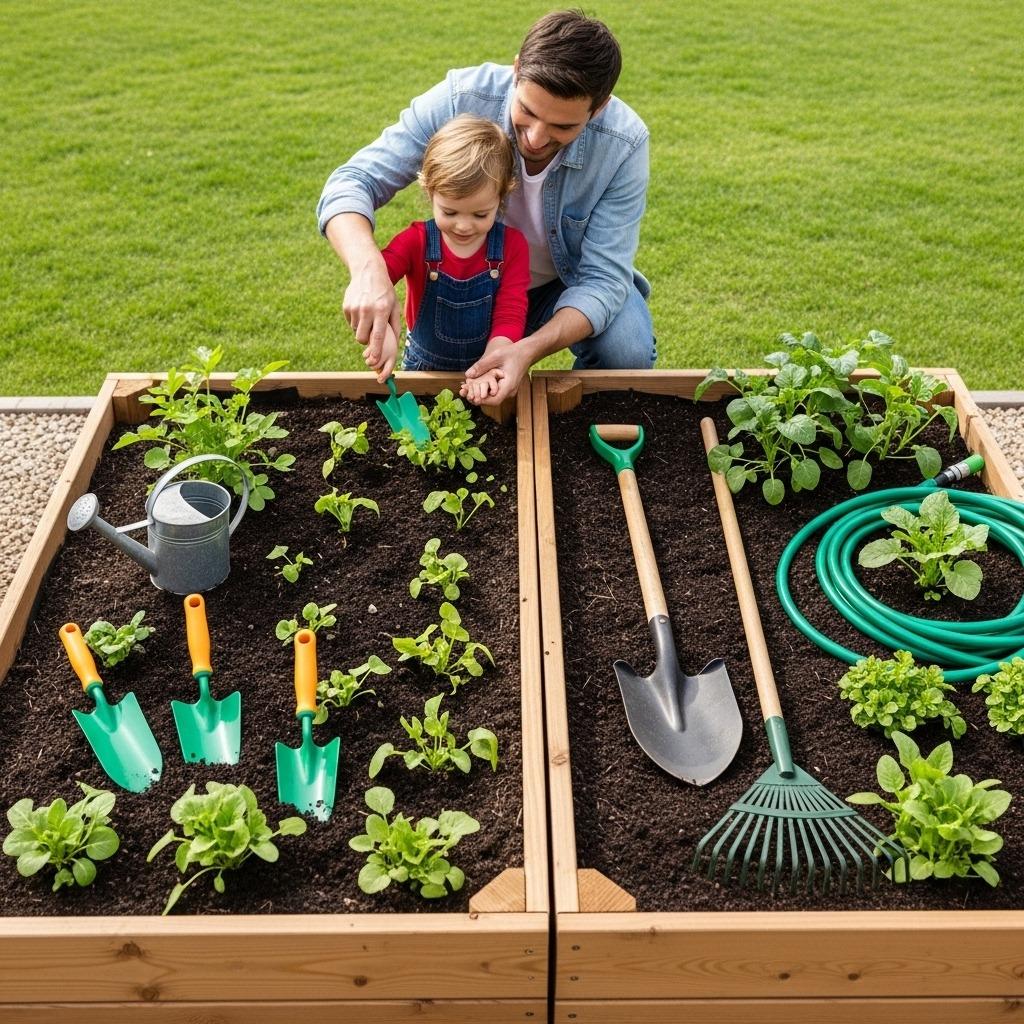
Designate an area where adults and kids garden side by side, each with their own small plot. This shared space allows children to observe and learn from adult techniques while having autonomy over their own plants. It balances independence with guidance beautifully.
Stock this area with appropriate tools for each age group. Real tools scaled to kid sizes work better than toy versions. When children use actual equipment that functions properly, they learn correct techniques and feel respected as real gardeners.
Set up a system for shared responsibilities. Maybe kids water their section daily while adults handle weekly fertilizing. This division of labor teaches that garden maintenance requires consistency and teamwork. Over time, kids take on more complex tasks as skills develop.
Create goals together at the season’s start. Kids might want to grow the tallest sunflower or harvest 20 cherry tomatoes. Having personal objectives keeps motivation high while teaching goal-setting and achievement tracking. Celebrate successes together at season’s end, similar to how you’d celebrate completing affordable home upgrades projects.
Making Your Sensory Garden Grow With Your Children
The beauty of a sensory garden for kids is that it never stops teaching. A three-year-old touches fuzzy leaves. A seven-year-old identifies plants by scent. A twelve-year-old propagates cuttings for friends. The same garden serves different developmental stages as children grow and their curiosity deepens.
Start small if you’re feeling overwhelmed. One raised bed with varied textures or a simple herb corner counts as a sensory garden. You can always expand as you see what captures your children’s interest and as their involvement grows.
Remember that perfect design matters less than creating space for exploration. A few carefully chosen elements that engage multiple senses will be more successful than an elaborate setup that feels off-limits. Kids need permission to touch, smell, and interact – not just look.
Your sensory garden will look different from mine because your kids have different interests and your space has unique characteristics. That’s exactly how it should be. The goal isn’t Instagram-perfect landscaping. It’s creating an outdoor classroom where your children build lasting connections with the natural world, one sensory experience at a time.