Your garden doesn’t have to look tired when the seasons shift. I’ve learned that the most beautiful outdoor spaces are the ones that embrace change rather than fight it.
Think about it – while your neighbors might let their gardens go dormant for half the year, you could have a space that constantly evolves and surprises. Each season brings its own palette, its own textures, and honestly, its own kind of magic if you know how to work with it.
This guide walks you through 15 practical ways to keep your garden vibrant no matter what the calendar says. Whether you’re dealing with spring’s unpredictable weather or winter’s bare branches, these ideas will help you create a garden that never stops giving you reasons to step outside.
1. Layer Your Planting for Non-Stop Color
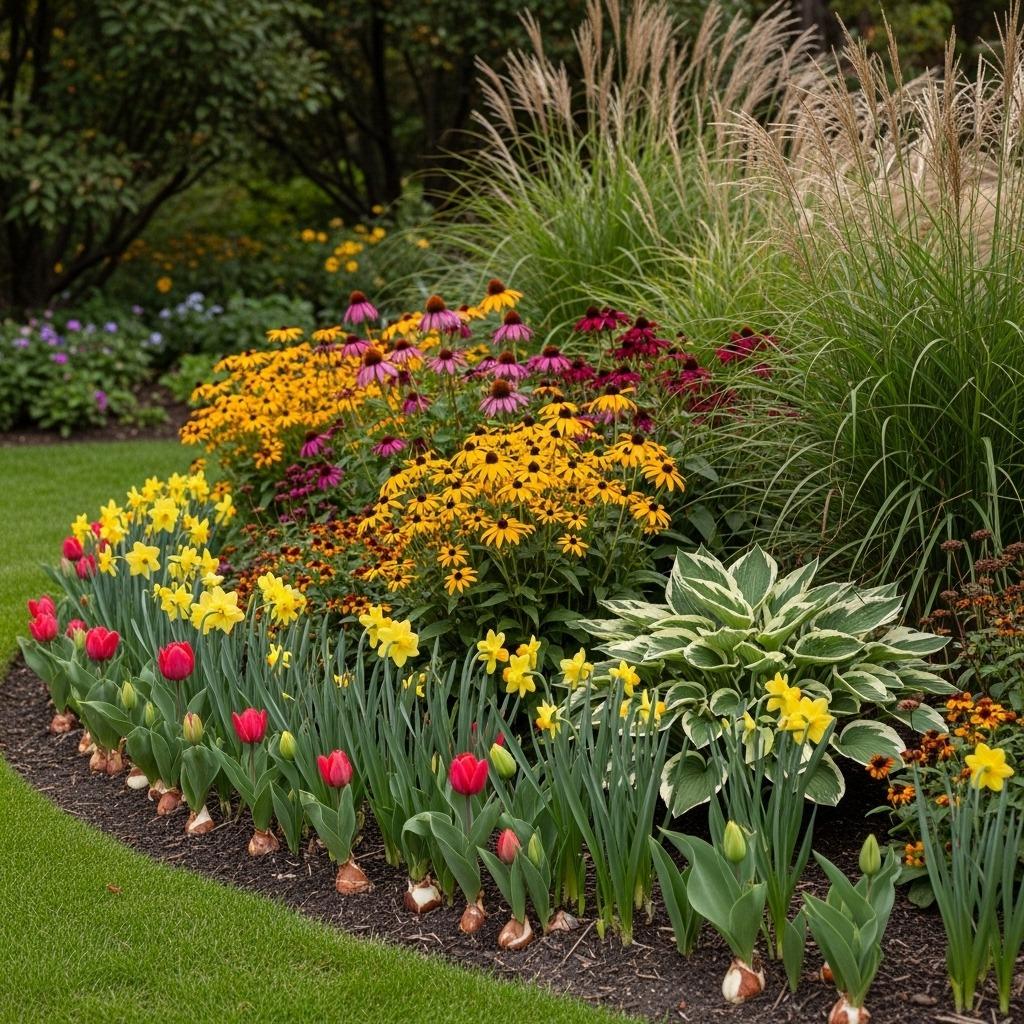
The secret to a garden that looks intentional year-round? Plant in layers like you’re creating a living lasagna. Spring bulbs go deepest, summer perennials in the middle, and autumn bloomers closer to the surface.
I always mix early crocuses with late-season asters in the same bed. When one finishes its show, the other is just getting started. It’s like having a relay race of color that never quite ends.
The trick is thinking vertically too. Climbing roses for summer, clematis for fall, and evergreen ivy for winter structure. Your eye travels up and down through the seasons, always finding something worth looking at.
2. Create Seasonal Focal Points That Rotate
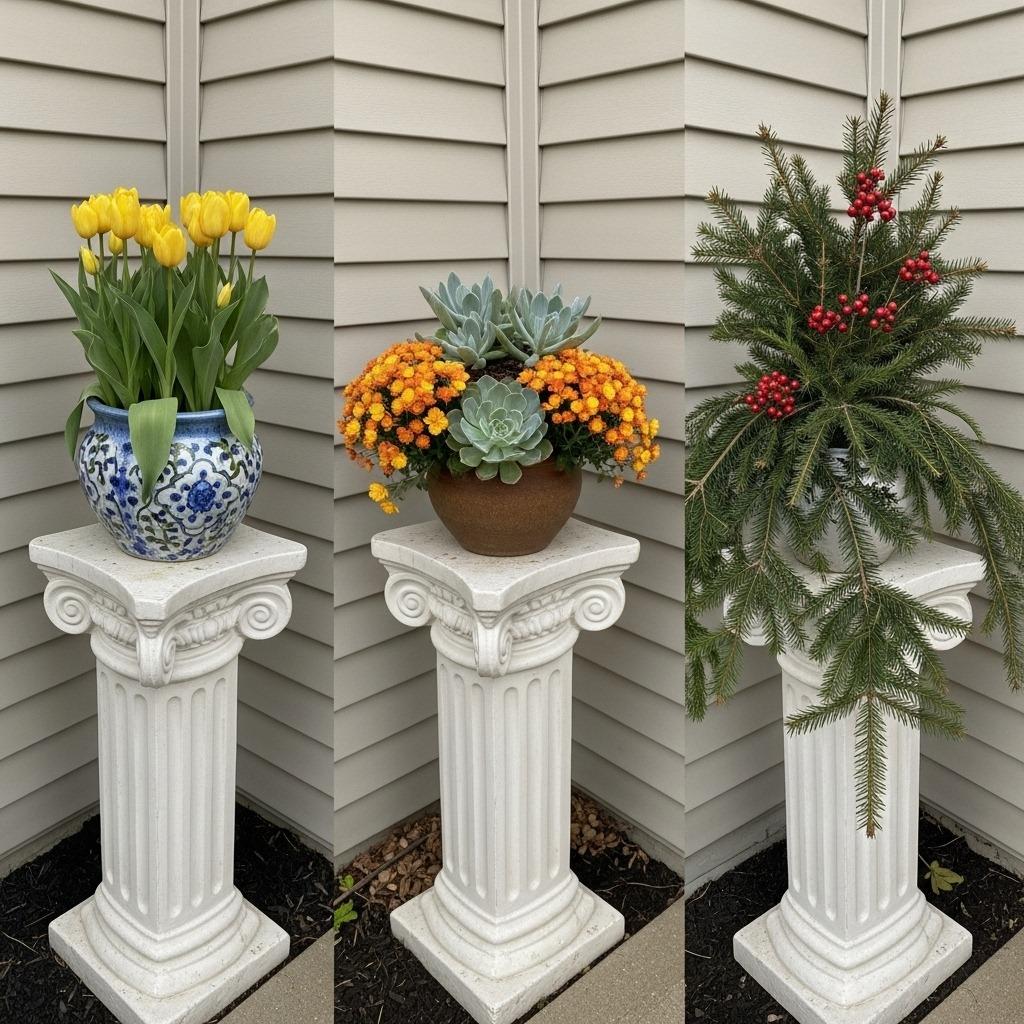
Don’t put all your design energy into one permanent feature. I’ve started using movable focal points that I swap out as the weather changes. A spring urn overflowing with pansies becomes a summer fountain, then an autumn display of ornamental cabbages.
Your eye naturally looks for something to land on when you step into a garden. By rotating what that “something” is, you keep the space feeling fresh without replanting everything. Container gardening makes this approach incredibly flexible.
Position these focal points at natural sight lines – the end of a path, the center of a bed, or framed by an archway. The structure stays the same, but what fills it evolves with the months.
3. Plant for Winter Structure First
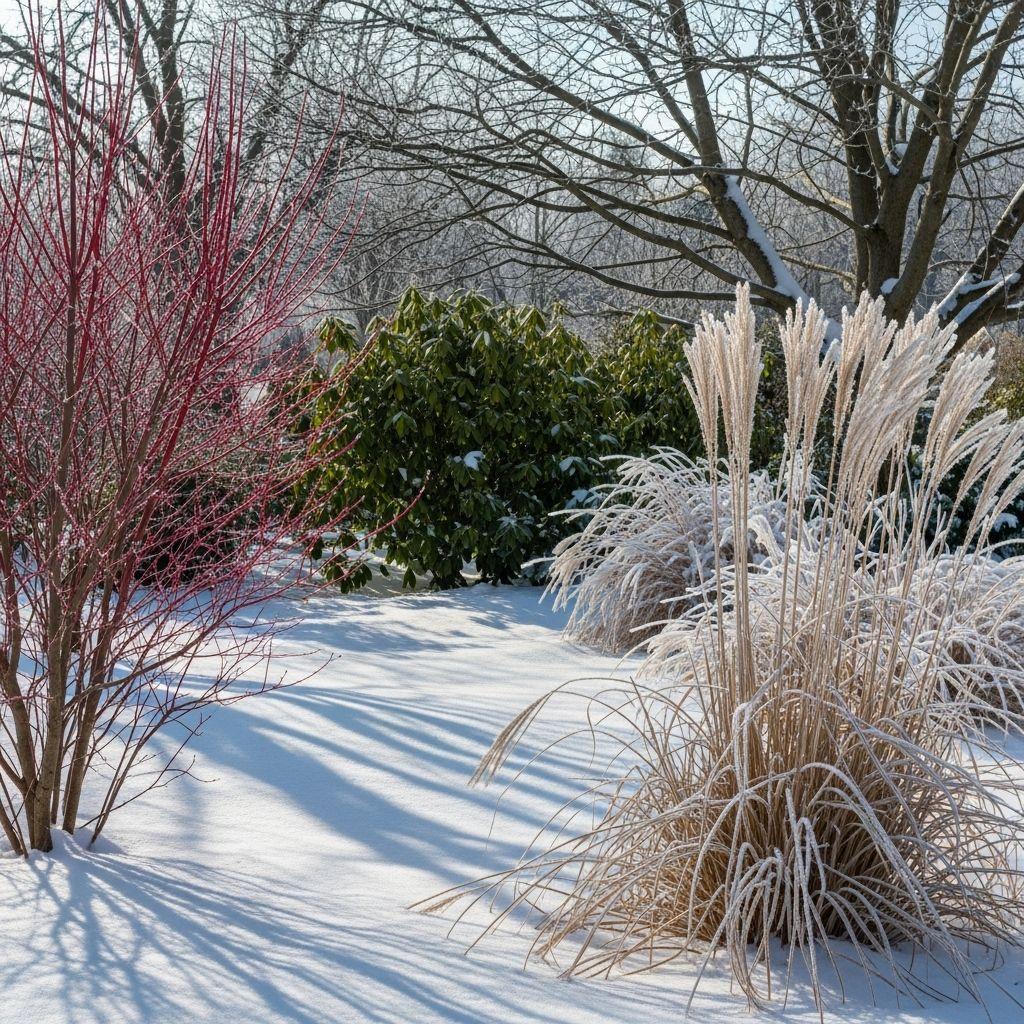
Here’s what I wish someone had told me years ago: design for winter, and everything else falls into place. When you choose plants with strong bones – interesting bark, persistent seed heads, architectural forms – your summer garden gets bonus structure too.
Dogwood stems glow red against snow. Ornamental grasses hold their seed heads like sculptures. Evergreens provide the backdrop that makes spring blooms pop even harder. Starting with low-maintenance landscaping principles means less work and more visual impact.
I walk through my garden in February to figure out what needs adding. If it looks boring in the coldest month, that’s where I plant something with winter interest for next year.
4. Use Containers as Seasonal Anchors
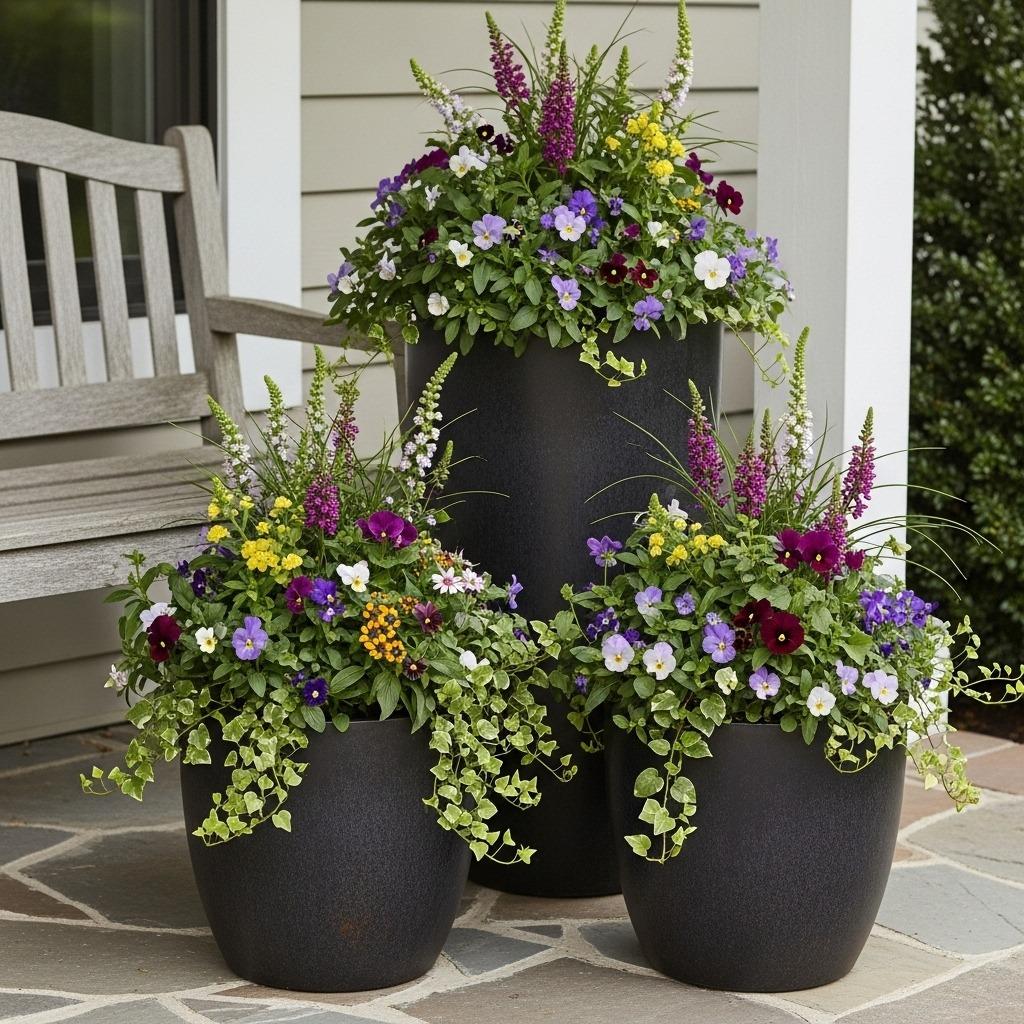
Pots and planters are your secret weapon for quick seasonal transformation. I keep a collection of different sizes that I replant four times a year, clustering them near doorways and along paths where they make the biggest impact.
Spring brings primroses and trailing ivy. Summer means herbs and flowering annuals. Autumn calls for container gardening flowers like chrysanthemums mixed with ornamental peppers. Winter gets evergreen boughs with holly berries tucked in.
The containers themselves don’t change – just what’s growing in them. It’s like changing throw pillows in your living room, but for your garden.
5. Incorporate Edibles Across All Seasons
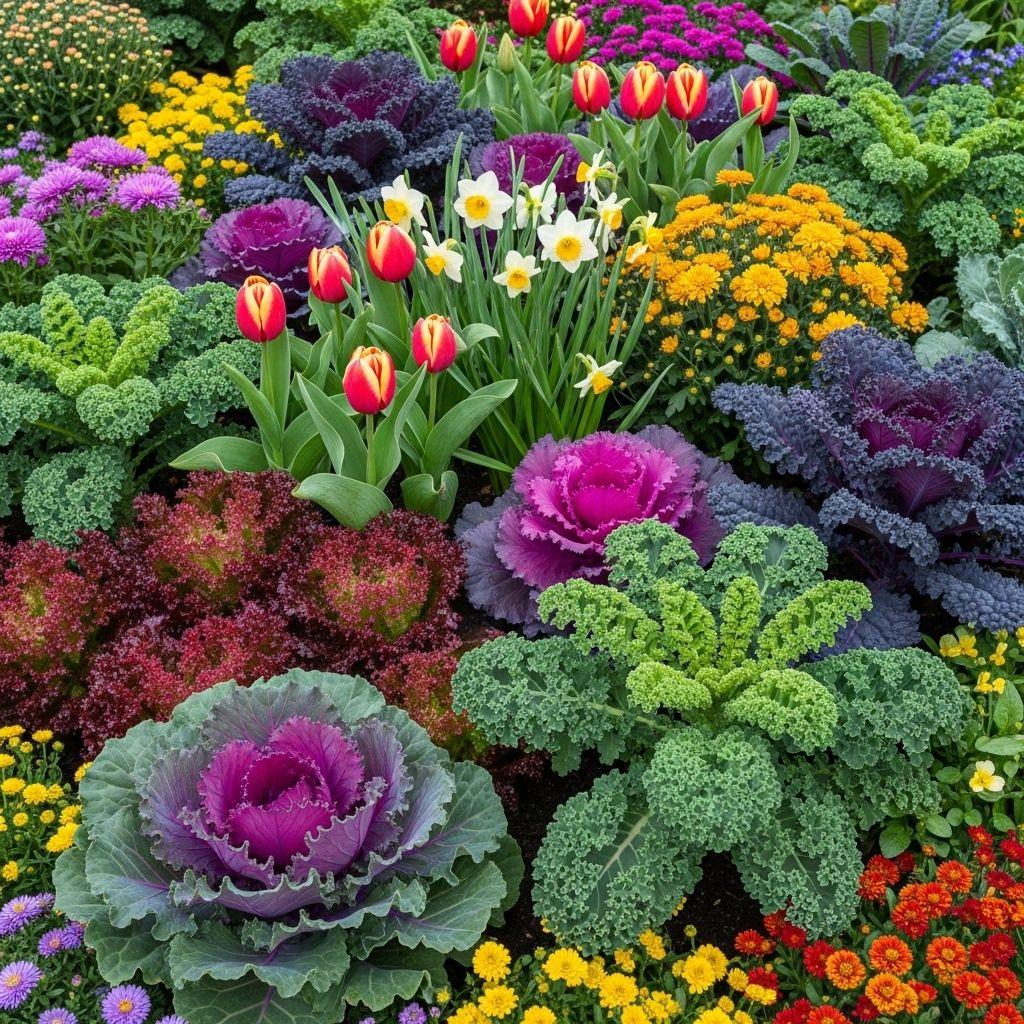
Why should vegetables be stuck in one sad corner? I’ve mixed edibles throughout my ornamental beds, and honestly, they’ve become some of the most interesting elements. Rainbow chard stems rival any flower for color.
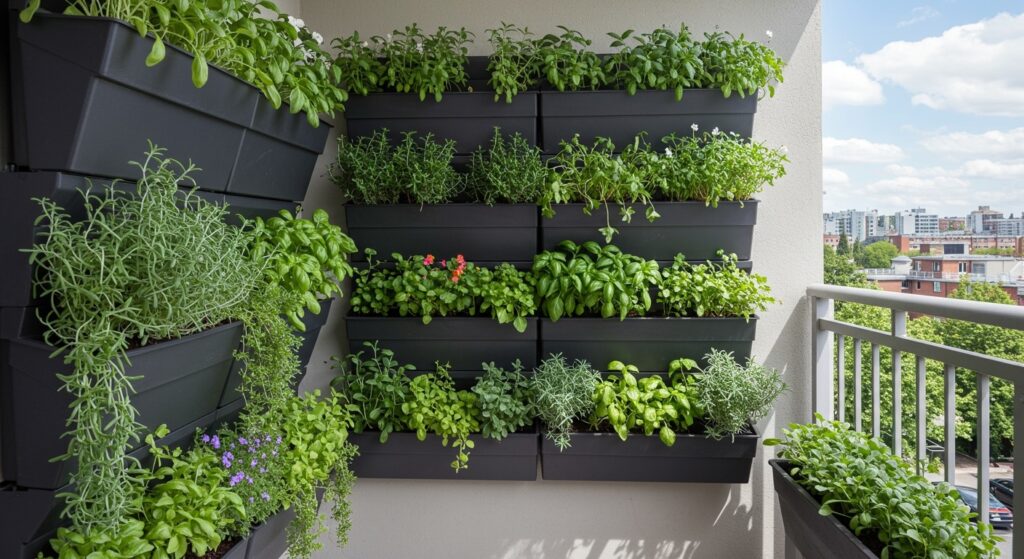
Spring means lettuces and peas climbing decorative trellises. Summer brings tomatoes with actual architectural presence. Autumn delivers purple cabbage that looks downright sculptural. Even winter can include hardy kale varieties that get sweeter with frost. For those just starting out, gardening for beginners offers great foundational tips.
The bonus? You’re not just looking at your garden – you’re eating from it. That connection to the seasons becomes visceral when dinner comes from the same beds you’re trying to keep beautiful.
6. Design Pathways That Highlight Seasonal Changes
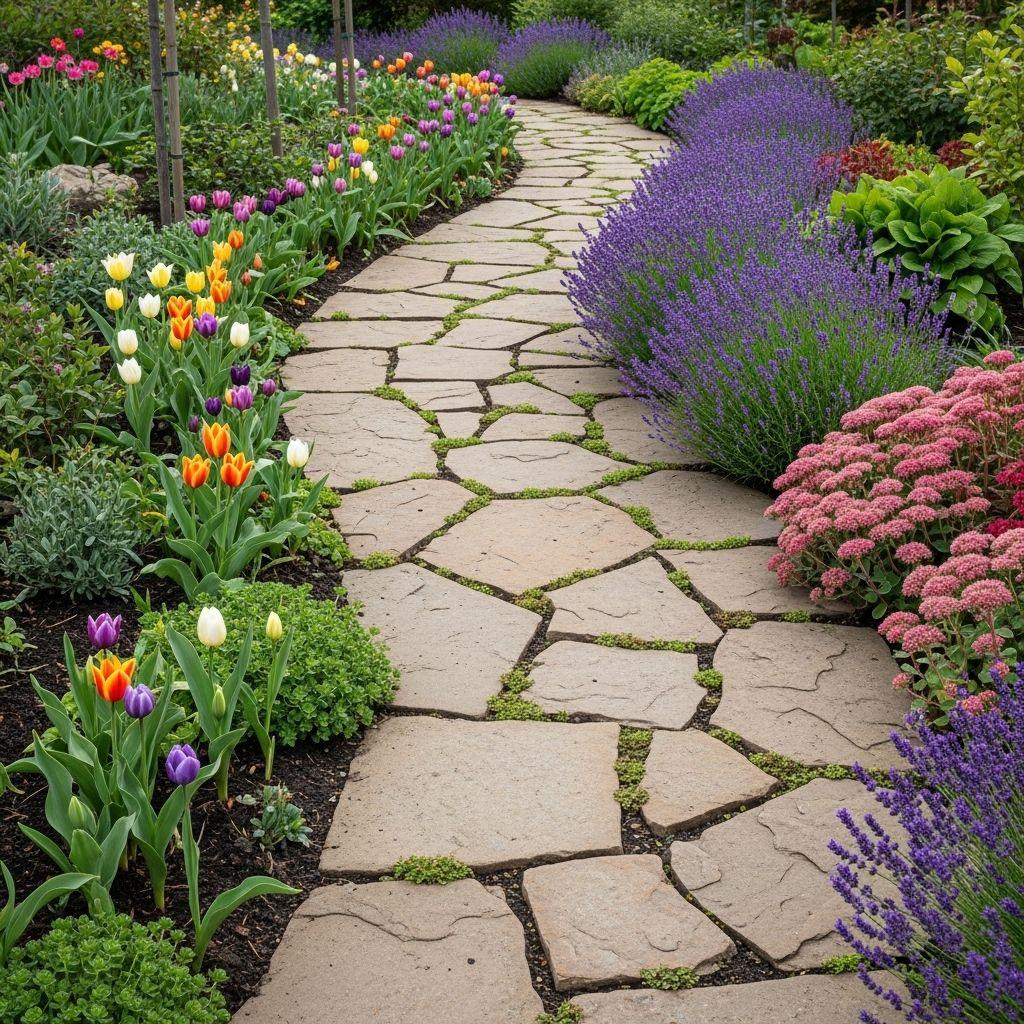
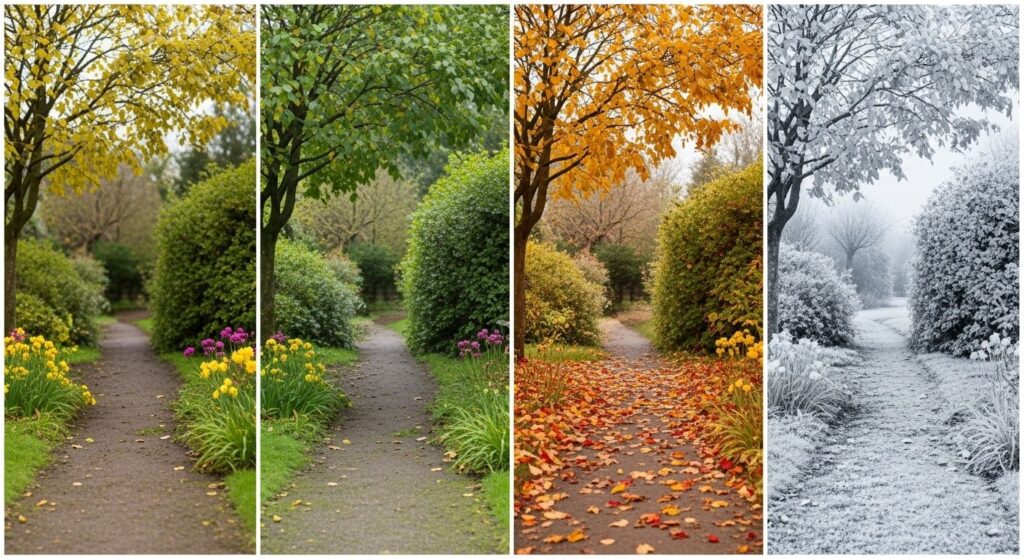
Your garden paths do more than get you from point A to point B. They’re like a gallery walk that guides people through your seasonal displays. I’ve learned to line paths with plants that peak at different times.
Spring bulbs hug the edges where they’re impossible to miss. Summer perennials lean over slightly, softening the hard edges. Autumn grasses brush against your legs as you pass. Winter reveals the path’s structure clearly, maybe with evergreen borders that weren’t as obvious in lusher seasons.
The path itself can change too. Gravel that crunches differently in summer heat versus winter frost. Stepping stones that appear and disappear depending on how enthusiastically the ground covers are growing.
7. Add Seasonal Lighting Layers
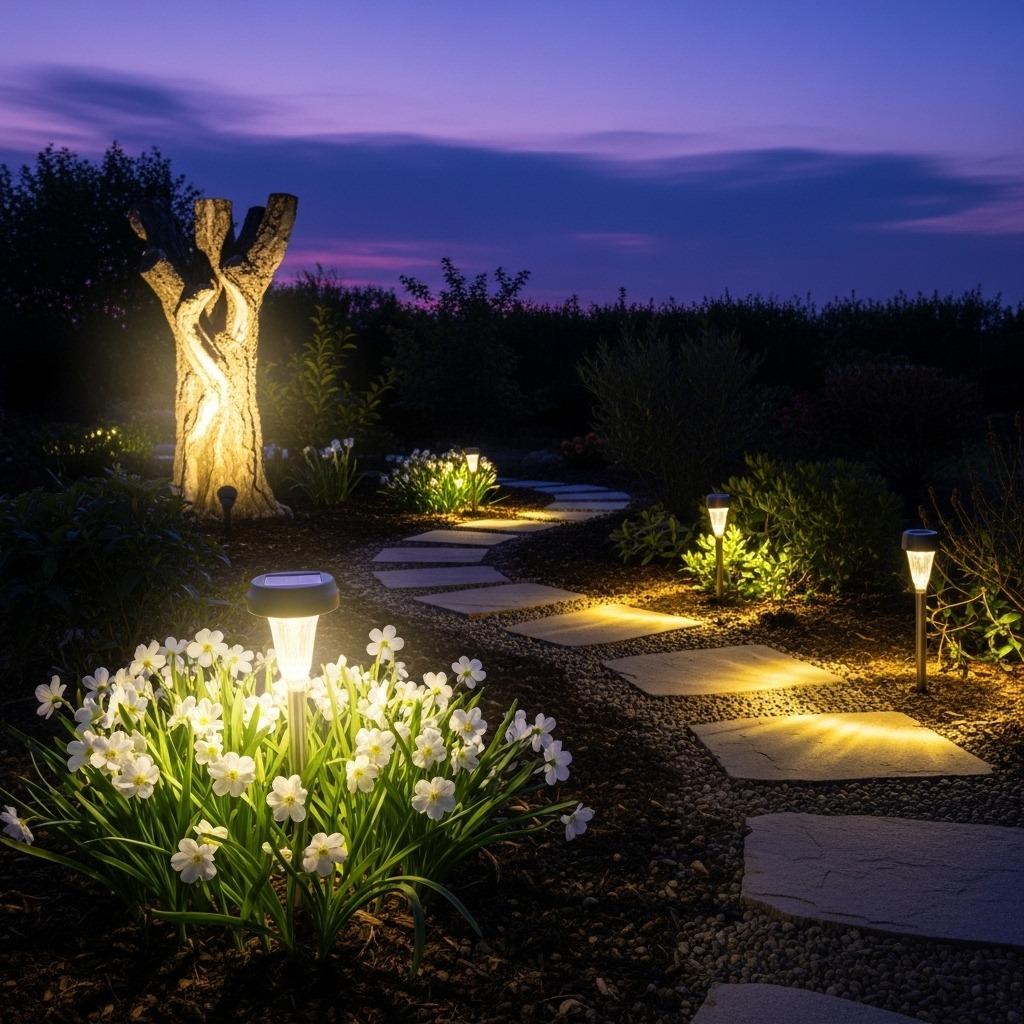
Gardens don’t stop being beautiful when the sun goes down. I’ve added lighting that I adjust seasonally – highlighting spring blossoms one month, throwing shadows through summer foliage the next, and illuminating evergreen structure in winter.
Solar stakes that move around easily work great for this. In spring, they spotlight emerging daffodils. By summer, they’re backlighting tall grasses. Autumn means pointing them at colorful foliage, and winter focuses them on architectural elements or snow-covered branches.
The same principle works with string lights. Summer calls for overhead canopies of light in gathering spaces. Winter might mean wrapping them around interesting bare branches. Just like stylish home lighting transforms interior spaces, the right outdoor lighting completely changes your garden’s evening presence.
8. Create Seasonal Sensory Experiences

Gardens should smell like the season they’re in. I plan for scent as carefully as I plan for color. Spring brings hyacinths with their almost overwhelming sweetness. Summer means roses and jasmine. Autumn delivers that earthy chrysanthemum scent mixed with fallen leaves.
But it’s not just about smell. Touch matters too – lamb’s ear stays soft year-round, while spring tulip petals feel completely different from autumn aster petals. Sound plays a role when ornamental grasses rustle differently in summer humidity versus crisp fall air.
Winter strips away the obvious sensory elements, which makes the subtle ones more noticeable. That’s when you appreciate the scent of evergreens or the particular quiet that comes with snow-covered paths.
9. Implement Smart Mulch Rotation
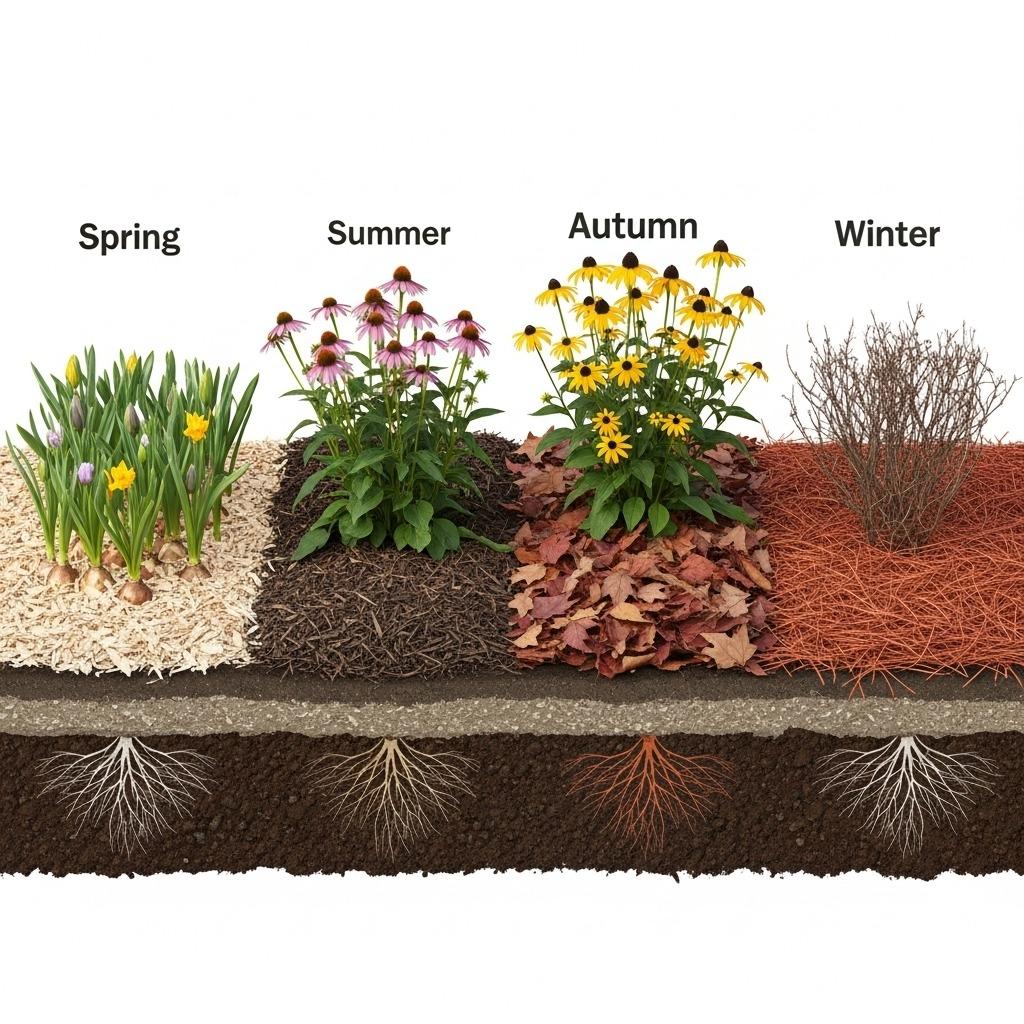
Mulch isn’t just practical – it’s a design element that changes with the seasons. I use lighter-colored mulch in spring and summer when I want contrast with green foliage. Darker mulch in autumn complements falling leaves. Winter might mean pine needle mulch that looks natural against evergreens.
The thickness changes too. Spring gets a thinner layer so the soil warms up faster for early bulbs. Summer needs more depth to retain moisture. Autumn mulch protects roots as temperatures drop, and by winter, it’s doing serious insulation work.
This isn’t about buying four different mulches – it’s about timing your mulch applications thoughtfully and maybe supplementing strategically in high-visibility areas. If you’re tackling broader home improvement ideas, think about how your garden improvements connect to the rest of your property.
10. Build Flexible Seating Areas
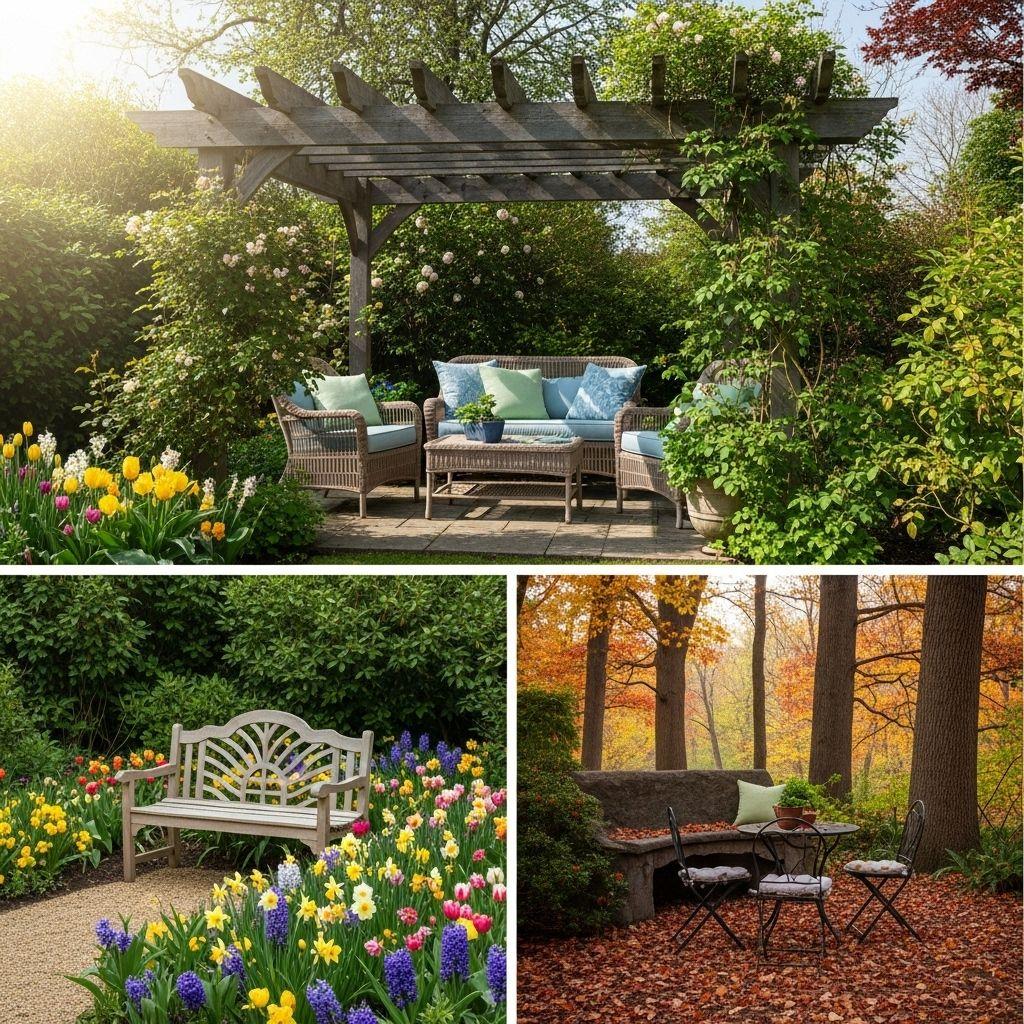
Your favorite spot to sit in May isn’t necessarily where you want to be in November. I’ve created multiple small seating areas that work better in different seasons rather than one large patio that tries to work year-round.
Spring seating catches morning sun and shelters from cool breezes. Summer spots prioritize shade and airflow. Autumn areas soak up afternoon warmth and frame views of changing foliage. Winter seating huddles near south-facing walls or within view of winter-interest plantings you can appreciate from indoors.
These don’t need to be elaborate. A compact dining table with weatherproof chairs, a simple bench, or even a decorative stone positioned perfectly can define a seasonal sitting spot.
11. Incorporate Seasonal Water Features
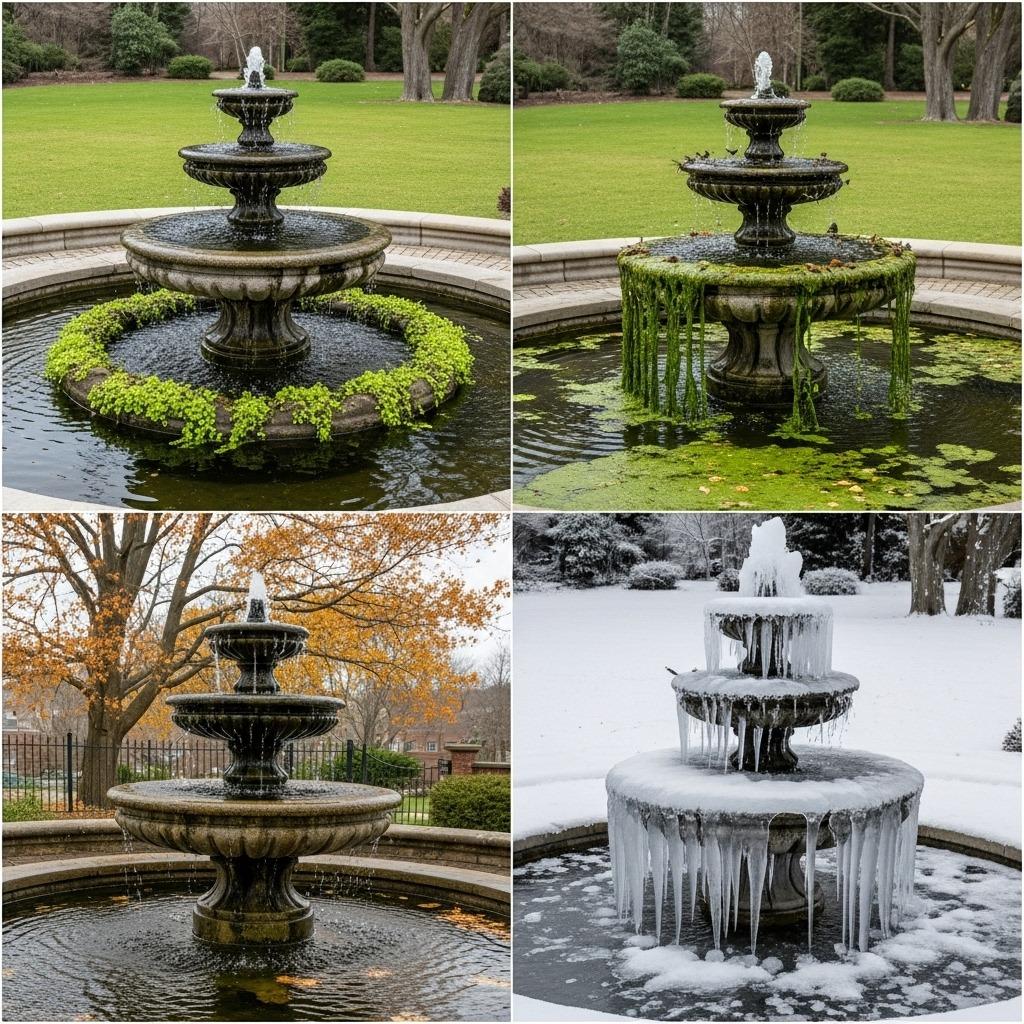
Water in your garden can be a different character in every season. I’ve learned to adjust my small fountain depending on the time of year – full flow in summer for sound and cooling effect, reduced to a trickle in autumn for a more contemplative feel.
Spring often means adding water features back after winter storage. The sound of moving water complements bird songs and seems to energize the whole space. Summer water features become focal points where both people and wildlife gather.
In autumn, I position reflective water elements to catch falling leaves and sunset colors. Winter? That’s when a heated birdbath becomes the garden’s gathering spot, or when I let a shallow dish freeze into an ice sculpture that changes daily. Some ambitious gardeners even create vertical gardening ideas that incorporate seasonal water elements.
12. Plan Seasonal Pruning as Design
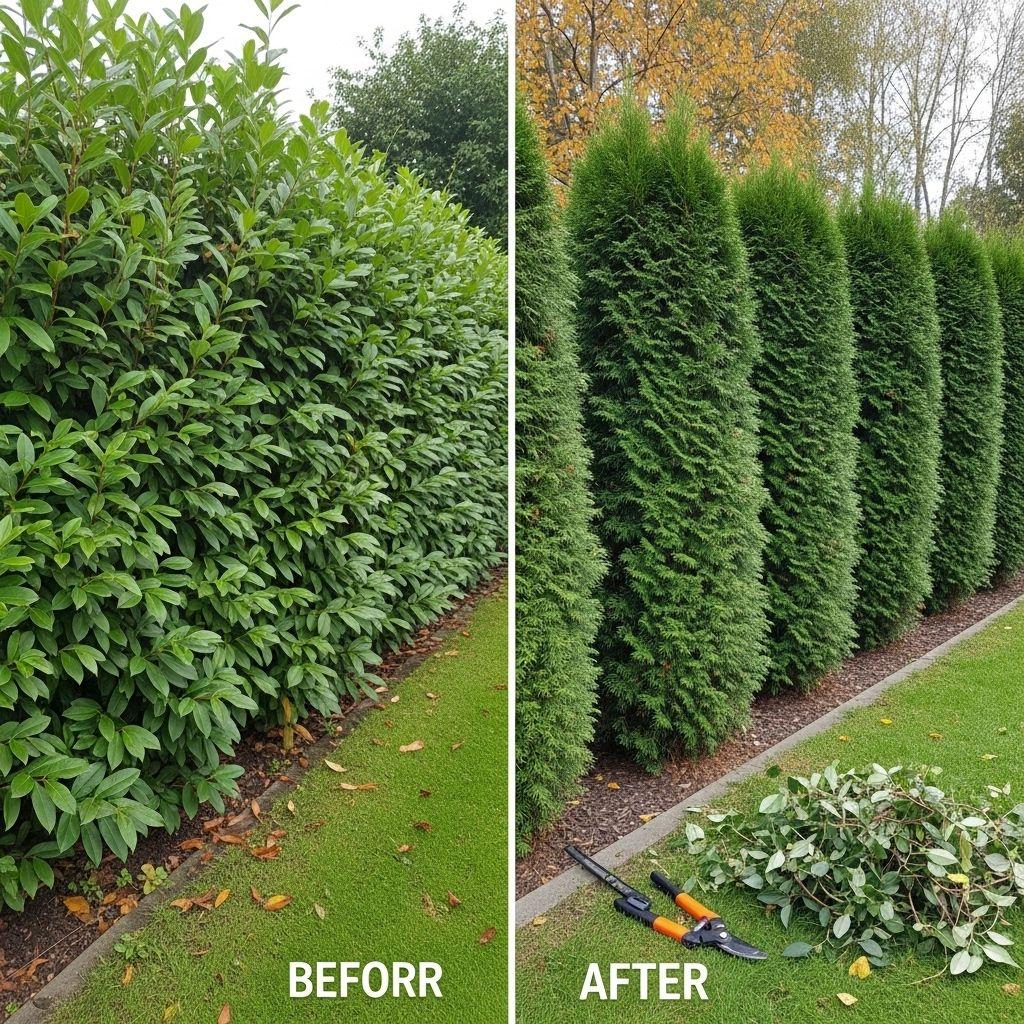
Pruning isn’t just maintenance – it’s sculpture. I approach seasonal pruning with an eye toward shaping the garden’s next phase. Spring pruning opens up space for summer growth. Summer pruning controls enthusiasm and redirects energy. Autumn pruning prepares for winter’s stark beauty.
Winter pruning reveals the bones of your garden. That’s when I stand back and really see the structure. Removing what’s cluttering the view, opening sight lines to winter focal points, and cutting back what needs a fresh start come spring.
The garden and nursery ideas that work best are the ones that recognize pruning as an ongoing design tool, not a twice-yearly chore.
13. Rotate Seasonal Hardscape Accessories
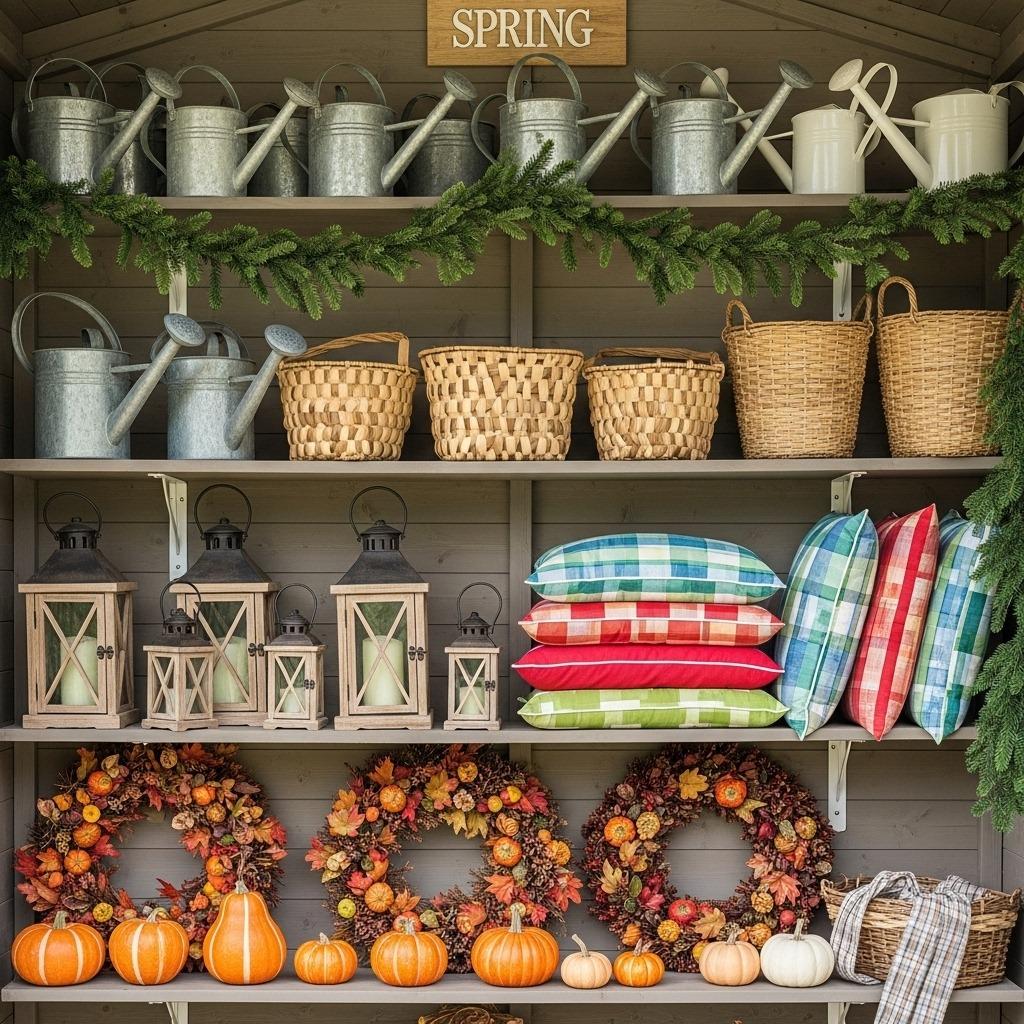
Your permanent hardscape stays put, but the accessories around it can completely change the vibe. I swap out cushions, outdoor rugs, and decorative elements seasonally, just like I would indoors. Similar to how room makeover bedroom projects transform interior spaces, outdoor accessories can reimagine your garden.
Spring brings lighter colors and weather-resistant fabrics. Summer means adding shade structures and cooling elements. Autumn calls for warmer tones and cozy textures. Winter strips things down to essentials or adds elements specifically designed to look beautiful with frost and snow.
Even small touches matter. A spring-green watering can positioned as garden art. Summer citronella candles in decorative holders. Autumn lanterns. Winter evergreen wreaths hung on garden gates. These details cost little but deliver substantial seasonal impact.
14. Design for Seasonal Wildlife Attraction
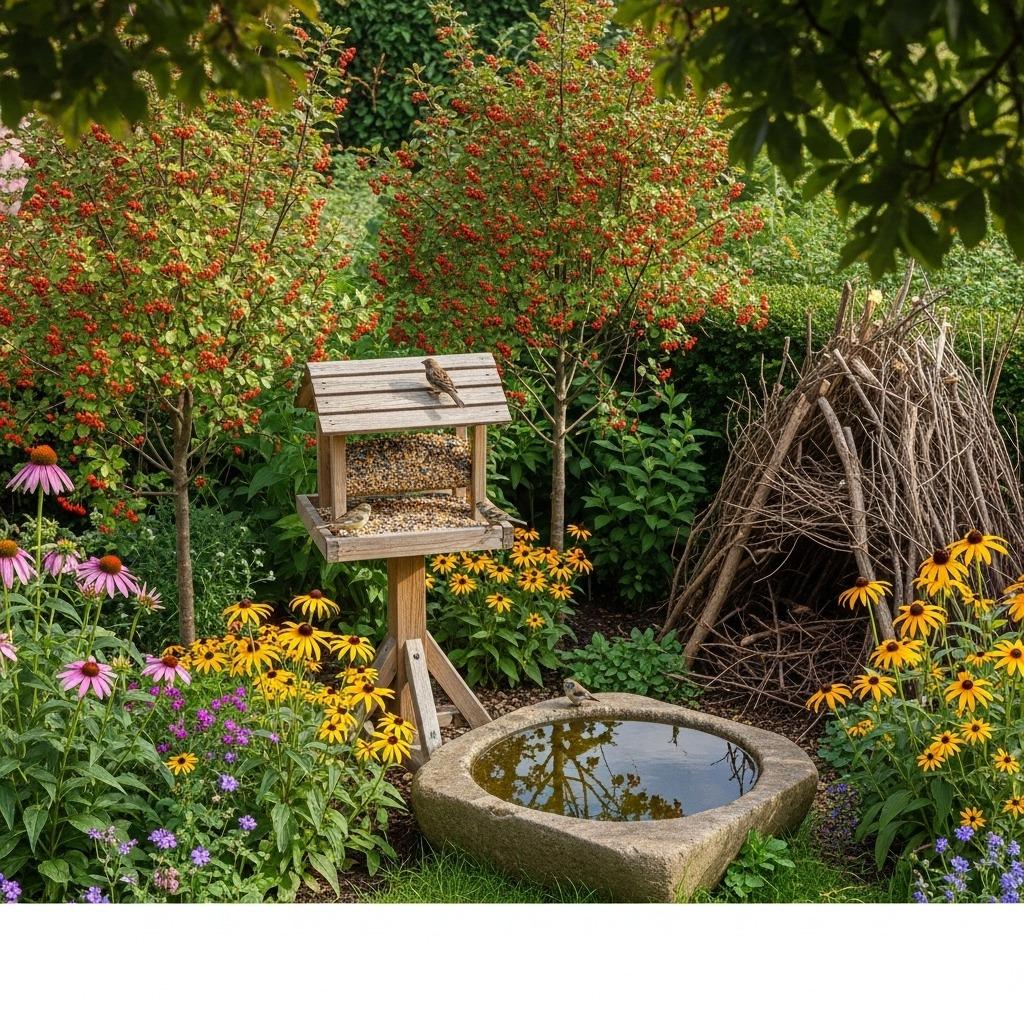
Different creatures visit at different times, and planning for them adds unexpected life to your garden. Spring brings nesting birds, so I make sure there are good sites available. Summer means butterflies need nectar sources. Autumn birds appreciate seed heads I’ve left standing.
Winter wildlife watching from a warm window becomes entertainment when you’ve planned for it. Berry-producing shrubs feed birds. Evergreen shelter protects them. A heated water source brings them close enough to observe clearly.
The garden becomes dynamic in ways you can’t entirely control – and that’s what makes it feel alive rather than static. Creating wildlife friendly garden spaces means accepting some messiness in exchange for movement and surprise.
15. Establish a Seasonal Succession Plan
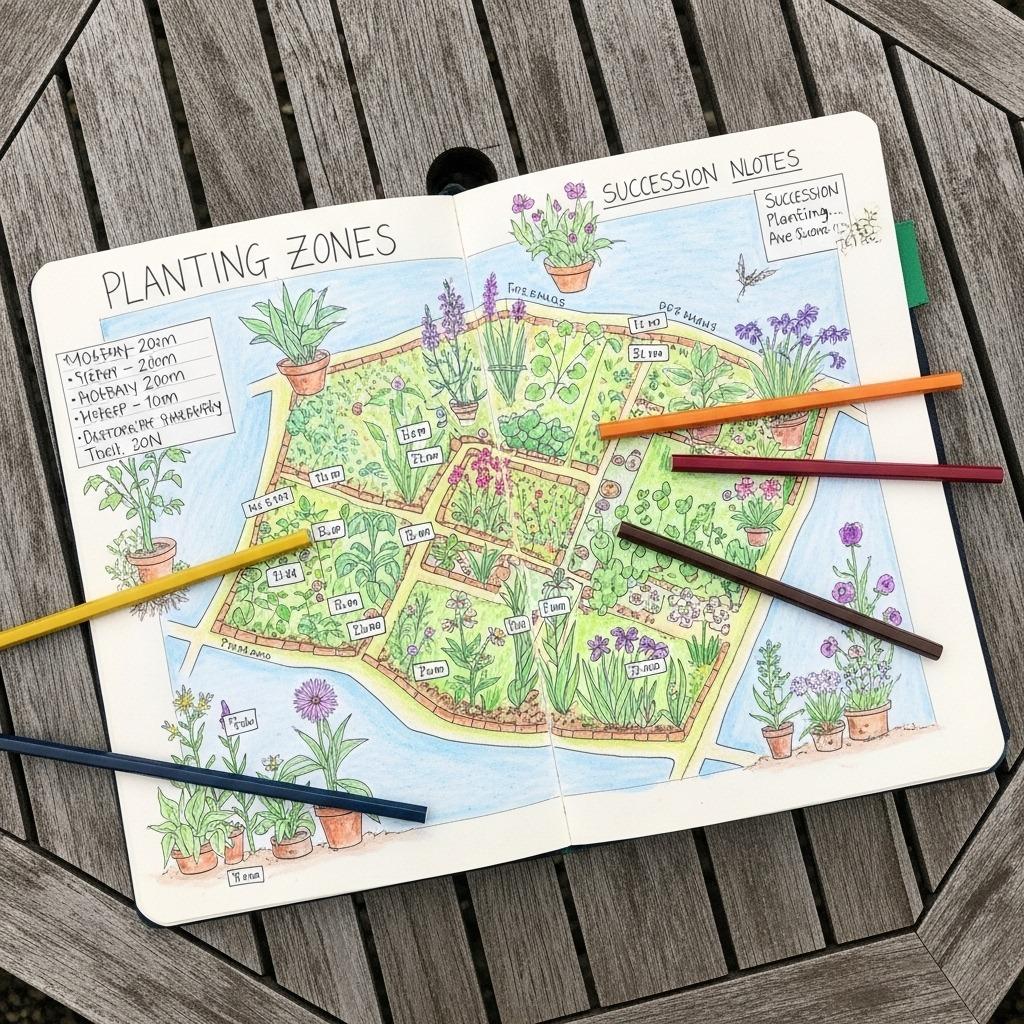
The gardens that look consistently beautiful have a succession plan where something is always coming into peak condition as something else is fading. I sketch this out on paper, mapping when each area of my garden will be at its best.
Early spring focuses on one bed. Late spring shifts attention to another area. Summer peaks in the backyard. Autumn glows near the entrance. Winter structure shows best along the main path. The eye moves around the garden with the calendar.
This doesn’t happen by accident. It takes noting what’s blooming when, what looks good together, and where gaps appear. Then filling those gaps thoughtfully over time. Similar to seasonal planting tips, this strategic approach builds a cohesive year-round vision.
Transforming your garden through the seasons isn’t about having four completely different spaces. It’s about building layers of interest that reveal themselves as the year progresses. Some years you’ll nail the spring display, and autumn will need work. That’s fine – gardens are always in progress.
The real shift happens when you stop fighting seasonal changes and start choreographing them instead. When you plant that weird-looking ornamental cabbage because you know it’ll be stunning in October. When you leave seed heads standing because winter birds need them more than you need tidy beds.
Start with one or two ideas from this list. Maybe it’s adding some winter structure plants this year. Or creating a single seasonal focal point that you can actually maintain. Small changes compound into gardens that surprise you throughout the year – and that’s when outdoor spaces become genuinely special.