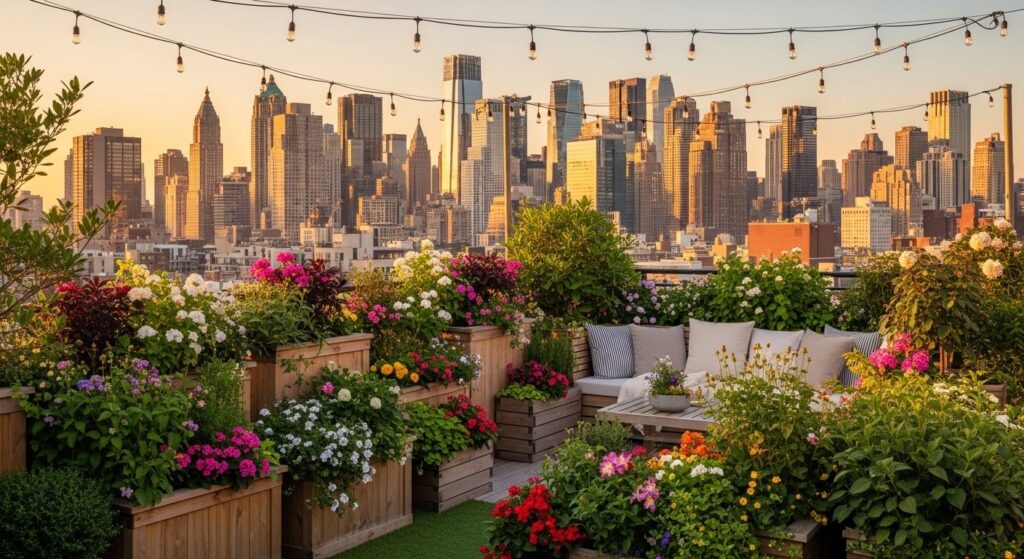
Living in the city doesn’t mean you have to give up on having a garden. If you’ve got access to a rooftop – even a small one – you’re sitting on potential that most urban dwellers would envy. A rooftop garden urban space can become your personal retreat, a place where concrete meets greenery in the most unexpected way.
The beauty of rooftop gardens isn’t just about adding plants to an empty space. It’s about reimagining how you use every square foot of your home, especially when ground-level yards aren’t an option. Whether you’re dreaming of growing fresh herbs, creating a cozy outdoor lounge, or simply adding some life to a barren rooftop, the possibilities are more accessible than you might think.
What makes rooftop gardening so appealing right now? Maybe it’s because we’re all craving more connection to nature, or perhaps it’s the realization that unused rooftops are wasted opportunities. Whatever the reason, transforming a flat, empty rooftop into a thriving garden is one of those home improvement ideas that genuinely changes how you experience your living space.
Why Rooftop Gardens Work So Well in Cities
Urban gardening tips often start with one simple truth: you’ve got to work with what you have. Rooftops offer something that’s surprisingly rare in cities – unobstructed sunlight. Most rooftops get at least six hours of direct sun, which is more than many ground-level balconies or patios ever see.
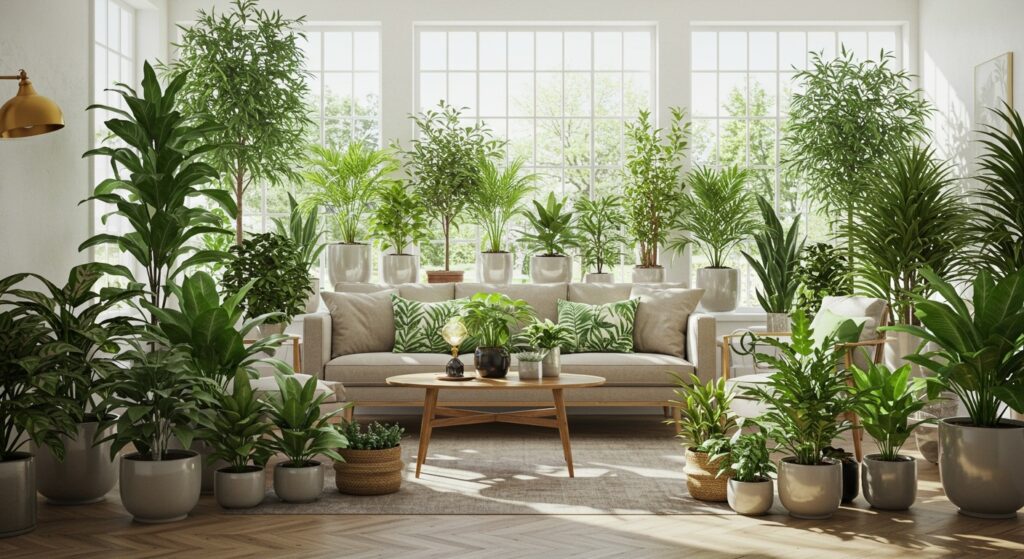
The elevation works in your favor too. You’re above most of the street-level pollution, dust, and noise. Plants actually thrive in these conditions, especially when you choose varieties suited to your climate and sun exposure. Plus, the breeze up there helps with air circulation, reducing the risk of fungal issues that plague some indoor garden living room setups.
There’s something else worth mentioning – rooftop gardens help insulate your building. They absorb heat in summer and provide an extra layer of protection in winter. Your energy bills might actually go down, which is a nice bonus when you’re already investing time and money into creating this space.
Planning Your Rooftop Garden Layout
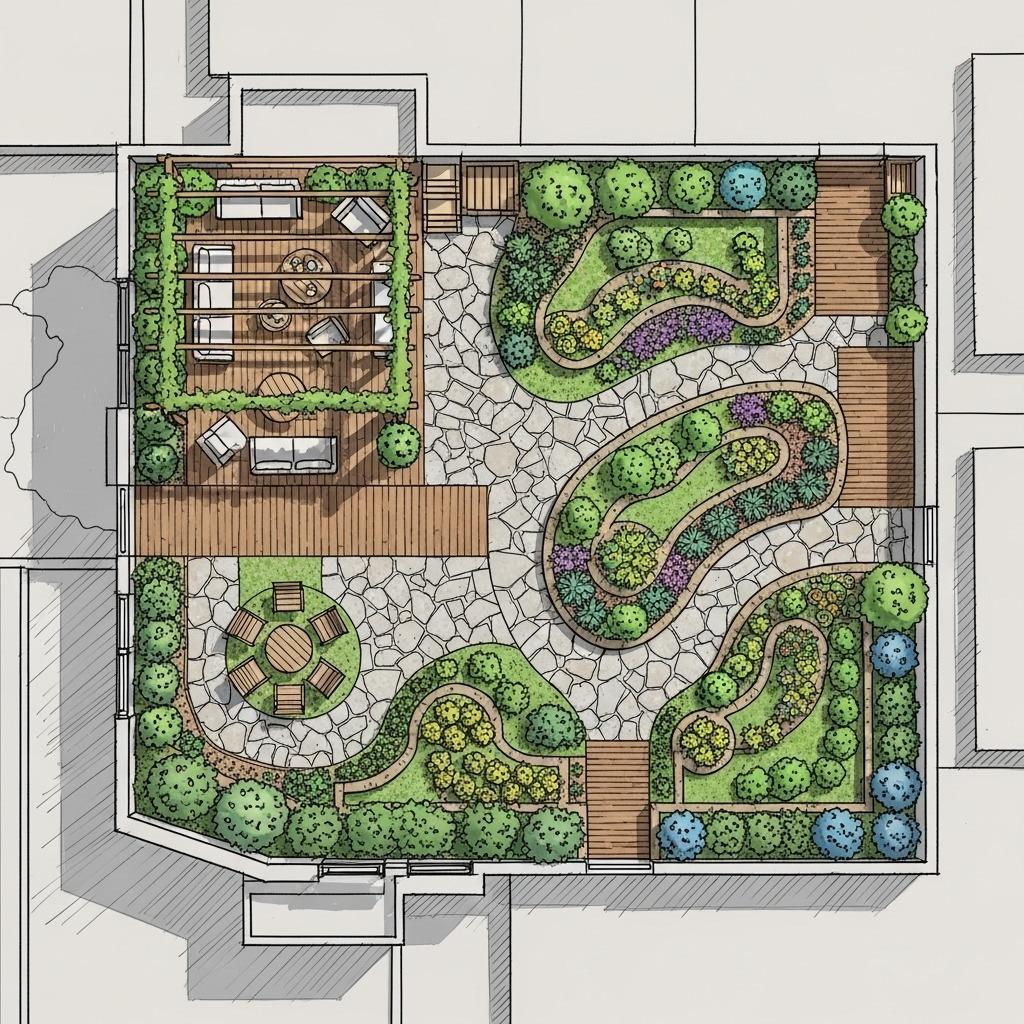
Before you start hauling soil and planters up to your roof, you need to think about weight limits. This isn’t the fun part of planning, but it matters. Most residential rooftops can handle 40-100 pounds per square foot, but you should verify with your building management or a structural engineer. The last thing you want is to create problems with water pooling or structural stress.
Once you know your weight limits, think about zones. Where will people sit versus where plants will grow? Creating distinct areas makes the space feel intentional rather than cluttered. You might dedicate one corner to vertical gardening ideas with climbing plants on trellises, another section to low-maintenance succulents in rooftop planters, and a third zone for seating.
Access to water is another practical consideration. If you don’t have a spigot on your roof, you’ll need to plan for hauling water up or installing a drip irrigation system. Some gardeners use rain barrels to collect water naturally, which works surprisingly well if you position them correctly. Think about how you’ll maintain this garden long-term, not just how it’ll look in Instagram photos.
1. Container Gardens for Maximum Flexibility
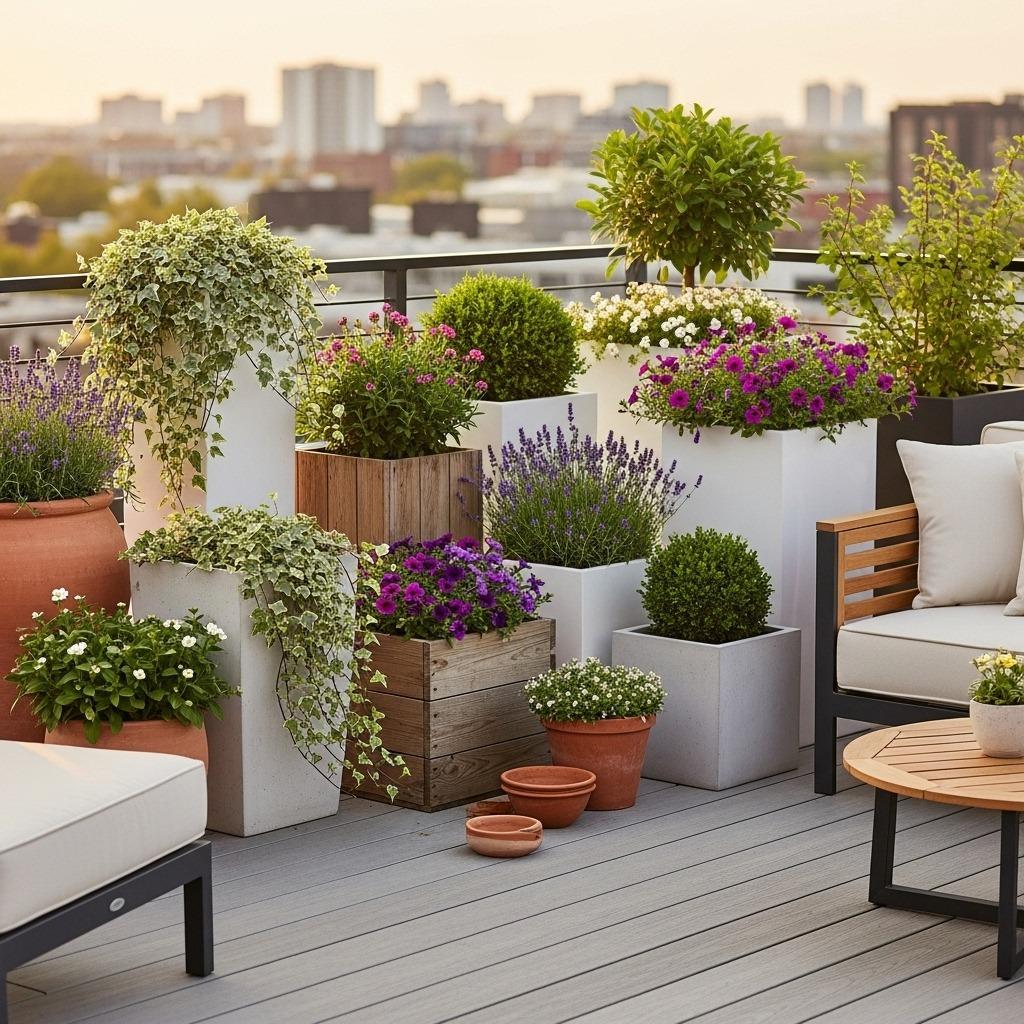
Container gardening is probably the most practical approach for rooftop spaces. You can move things around as needed, test different arrangements, and even bring sensitive plants inside during harsh weather. The variety of rooftop planters available now is honestly impressive – from lightweight resin options that look like stone to self-watering containers that reduce maintenance.
Choose containers with good drainage holes. Standing water will kill plants faster than almost anything else, especially on a rooftop where temperatures fluctuate dramatically. I’ve seen people drill extra holes in plastic containers or layer rocks at the bottom of pots to improve drainage. Whatever works for your setup.
Size matters more than you’d think. Larger containers hold moisture better and provide more stable temperatures for roots. Those tiny decorative pots might look cute, but they’ll dry out within hours on a hot rooftop. Go for containers that are at least 12-18 inches deep for most vegetables and flowers. You can learn more about container gardening techniques that work for various plant types.
2. Vertical Gardens That Save Space
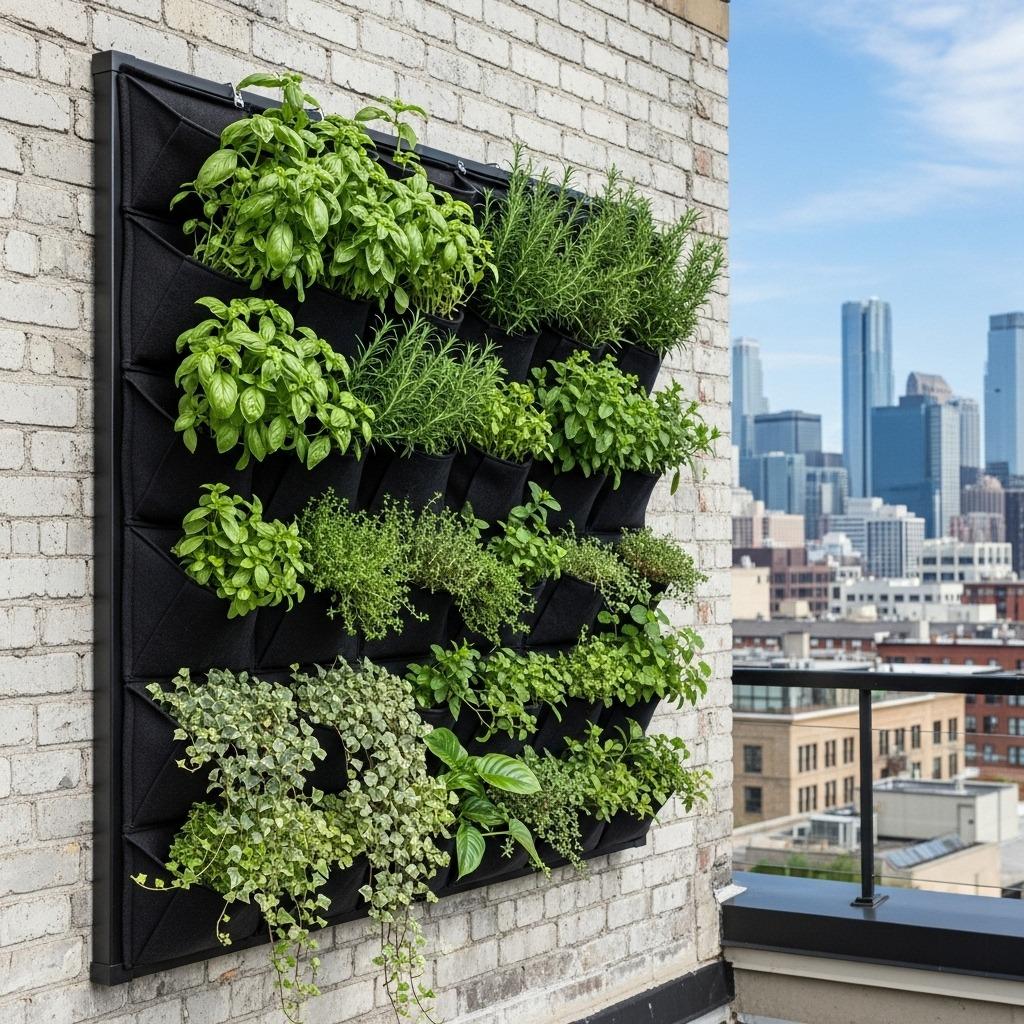
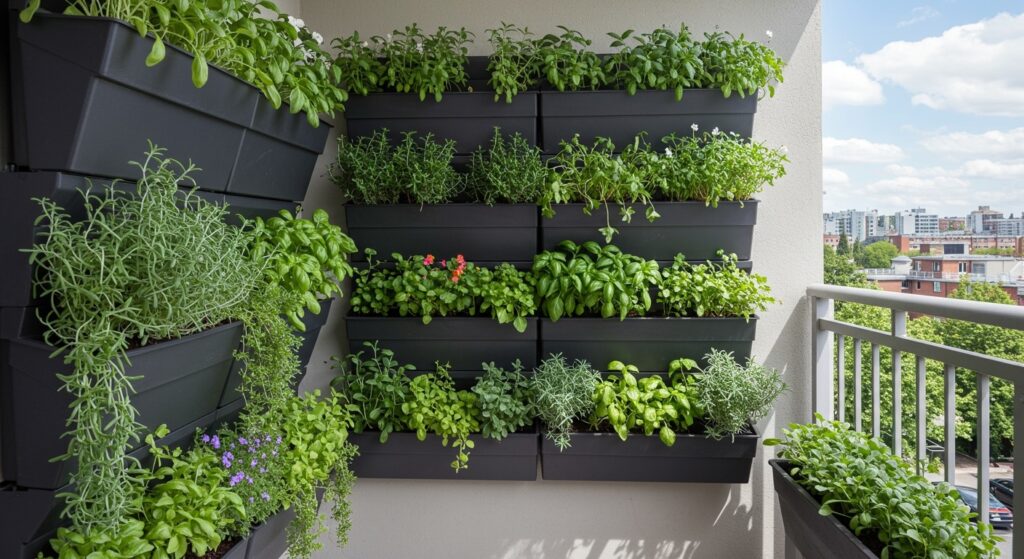
When floor space is limited, building up makes perfect sense. Vertical gardens maximize every inch of available wall or railing space. Wall-mounted planters, hanging pockets, or even repurposed pallets can become thriving gardens without eating into your walking area.
Trellises work beautifully for climbing vegetables like tomatoes, cucumbers, and beans. Position them along the edges of your rooftop where they won’t create too much shade for other plants. Some people use tension rods between existing structures to create support for vining plants without permanent installation.
Living walls – those modular systems with built-in irrigation – have come down in price recently. They’re not cheap, but they’re no longer exclusively for commercial installations. If you’re serious about creating a lush rooftop garden urban space, they’re worth considering. Just remember that vertical gardens dry out faster than ground-level containers, so plan your watering accordingly.
3. Raised Bed Gardens for Serious Growing
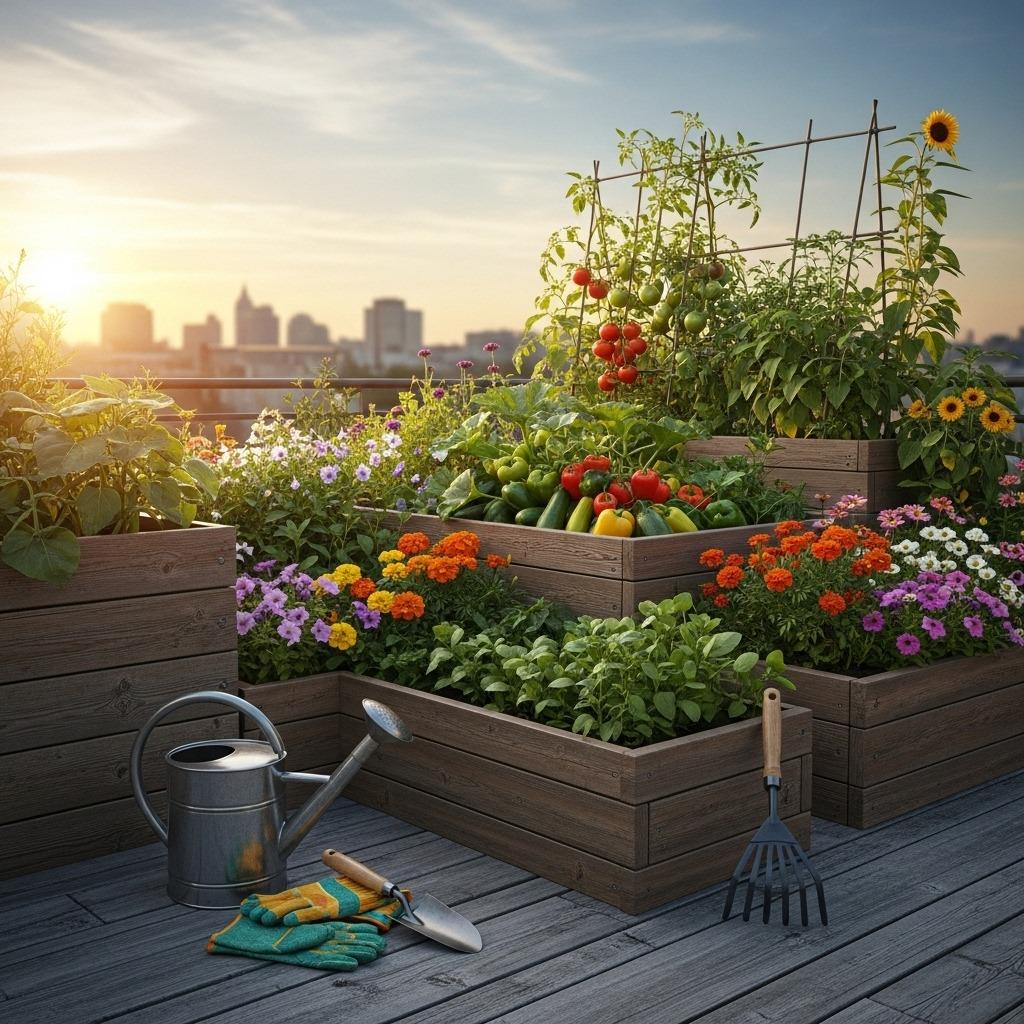
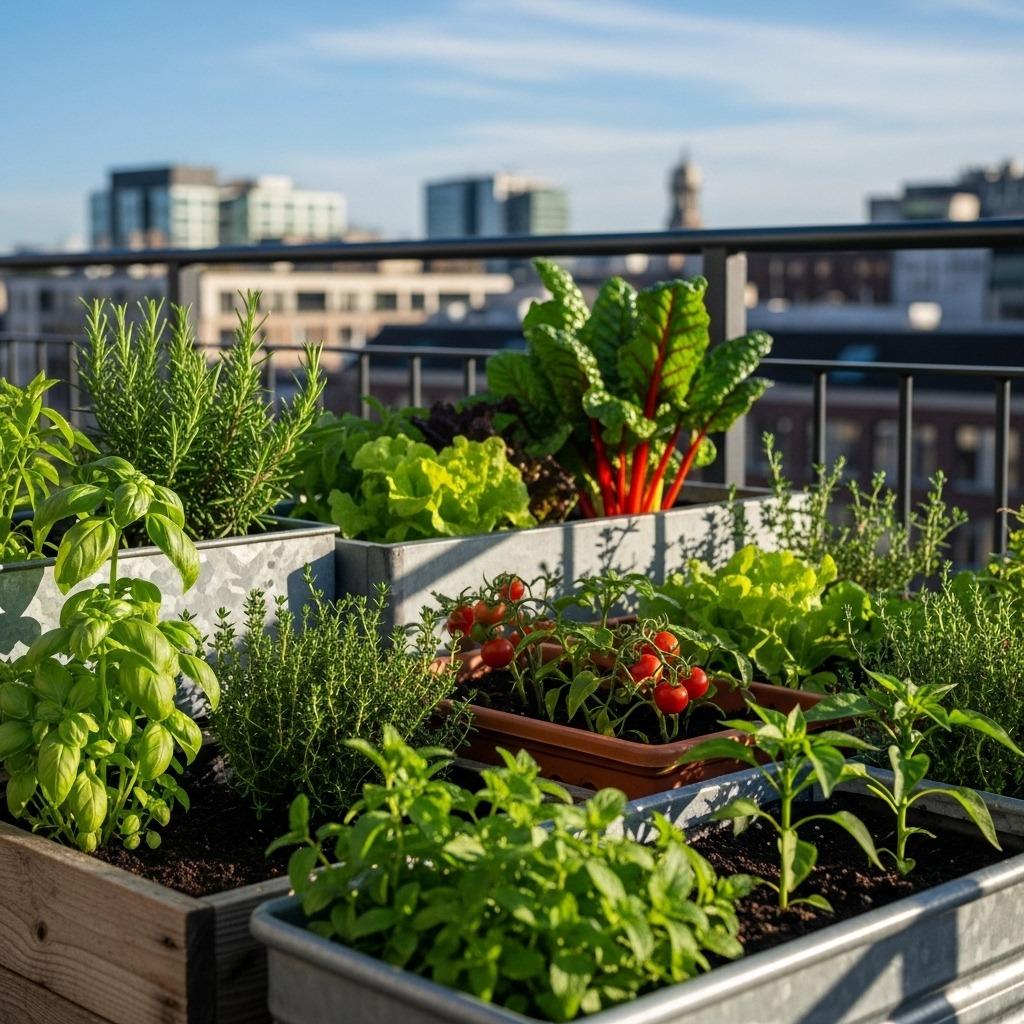
Raised beds give you more control over soil quality and drainage. They’re ideal if you want to grow vegetables or plants that need specific soil conditions. The elevation also makes gardening easier on your back – no bending down to ground level.
Building raised beds for a rooftop requires lightweight materials. Cedar or composite lumber works well because they’re durable without being excessively heavy. Keep the beds relatively shallow – 12-18 inches deep is usually sufficient for most plants and keeps the weight manageable.
Fill raised beds with a lightweight potting mix rather than garden soil. Traditional soil is too heavy and compacts over time. A mix designed for containers or raised beds will drain better and weigh significantly less. You can incorporate compost for nutrients without adding excessive weight. Many urban gardeners find this approach mirrors the same kind of thoughtful planning that goes into small space renovation projects.
4. Herb Gardens Within Arm’s Reach
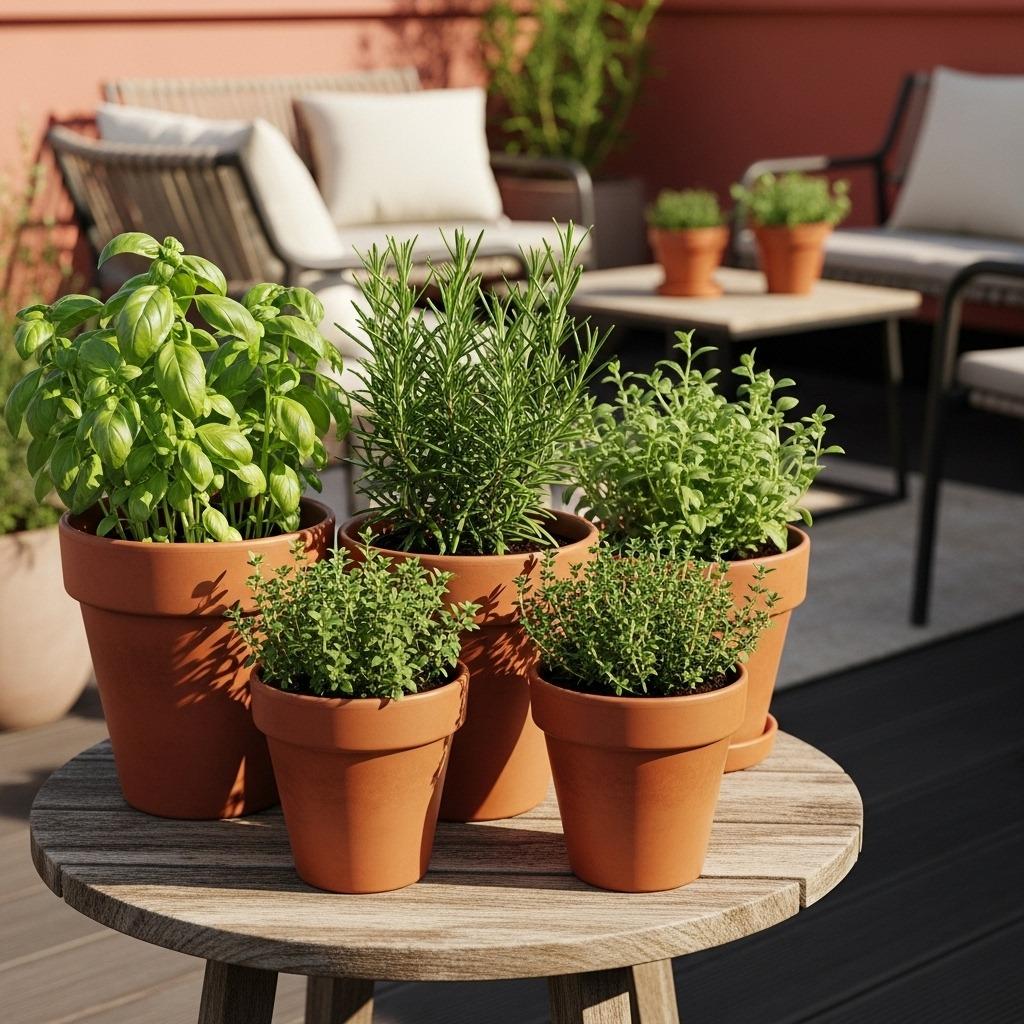
Fresh herbs are probably the most rewarding thing you can grow on a rooftop. They don’t need deep soil, they grow relatively quickly, and having them right outside your door means you’ll actually use them. Basil, cilantro, parsley, thyme, and mint all do well in containers with adequate sun.
Group your herbs by water needs. Mediterranean herbs like rosemary, oregano, and thyme prefer drier conditions, while basil and cilantro like consistent moisture. Keeping them in separate planters makes it easier to water appropriately without over or under-watering anything.
Position herb containers near your access point. If you have to walk across the entire roof to snip some basil, you probably won’t bother. Keeping them convenient ensures you’ll use them regularly. Some people create dedicated herb stations with small tables or shelving units right near the door.
5. Creating Privacy with Green Screens
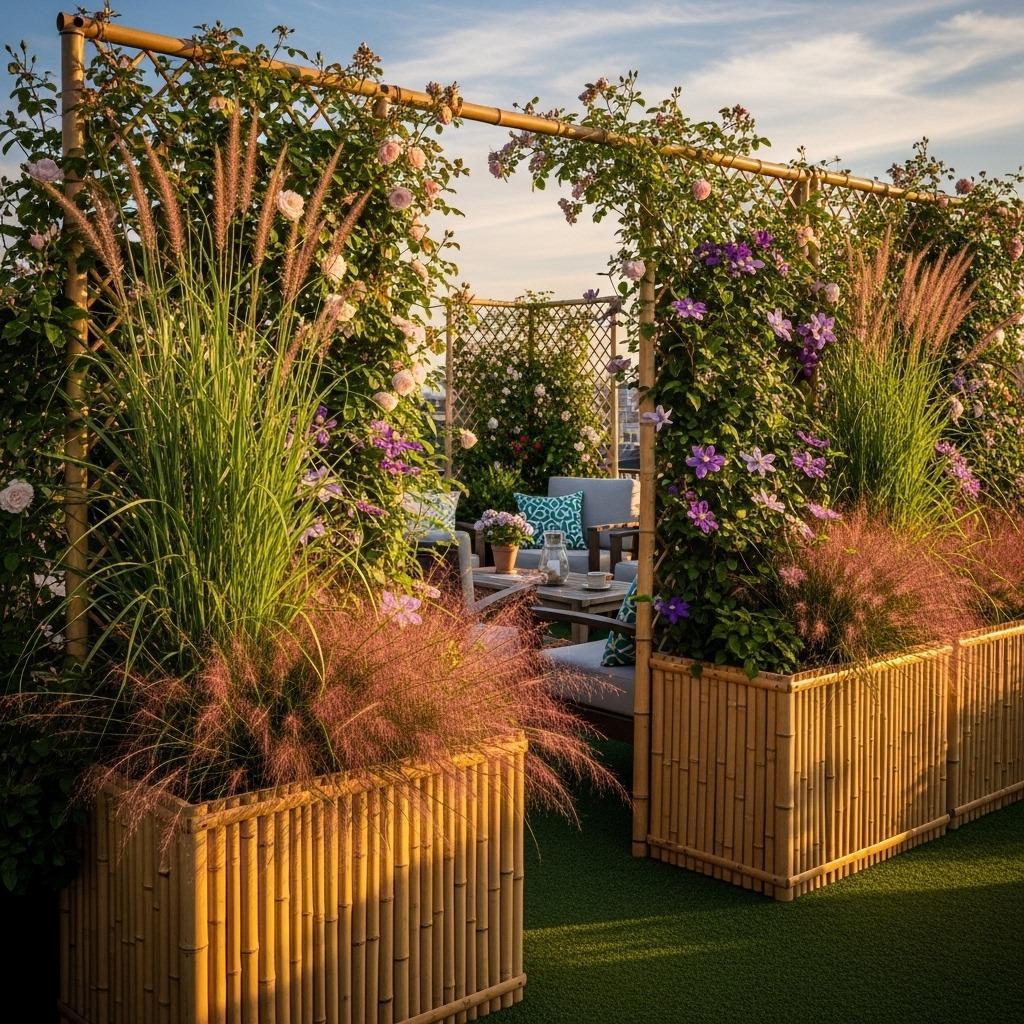
Rooftops often feel exposed, especially in dense urban areas where neighboring buildings overlook your space. Tall planters with bamboo, ornamental grasses, or climbing vines can create natural privacy screens. They soften the hard edges of city architecture while making your rooftop feel more secluded.
Bamboo grows quickly and creates a lush barrier, but choose clumping varieties rather than running types. Running bamboo can be invasive even in containers. Clumping bamboo stays contained and creates the same visual effect without the headache. You can explore similar concepts in balcony vegetable garden setups where privacy and function combine.
Trellises with climbing plants offer another privacy solution. Morning glories, jasmine, or climbing roses can transform a simple trellis into a living wall. The growth might be slower than bamboo, but the flowers add color and fragrance. Position these screens strategically to block sight lines from neighboring buildings while maintaining your views.
6. Seating Areas That Feel Like Outdoor Rooms
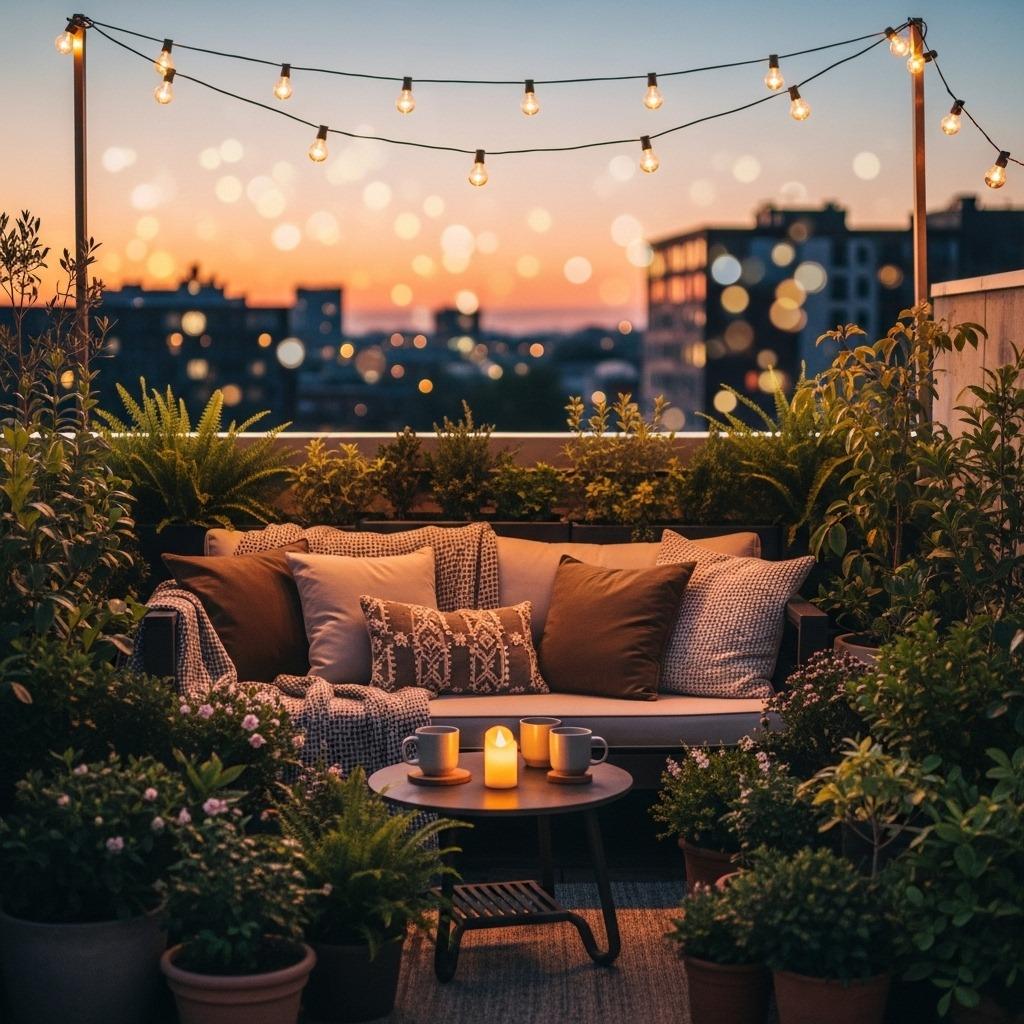
A rooftop garden isn’t just about plants. Creating comfortable seating makes the space usable for relaxation, entertaining, or just enjoying your morning coffee surrounded by greenery. Weather-resistant furniture is essential – metal and synthetic wicker hold up better than wood in most climates.
Define your seating area with an outdoor rug. It creates boundaries and makes the space feel more like an extension of your home. Choose something that can handle sun and moisture without fading or developing mildew. Many stylish options exist now that don’t look like typical “outdoor” rugs.
Shade matters on rooftops. A simple umbrella, retractable awning, or pergola with climbing plants can make hot afternoons bearable. Without some shade, your rooftop will be unusable during peak sun hours. Think about the sun’s path across your roof throughout the day when positioning seating areas. The approach to creating functional outdoor spaces shares similarities with garden and nursery ideas that prioritize both beauty and usability.
7. Lighting That Extends Your Hours
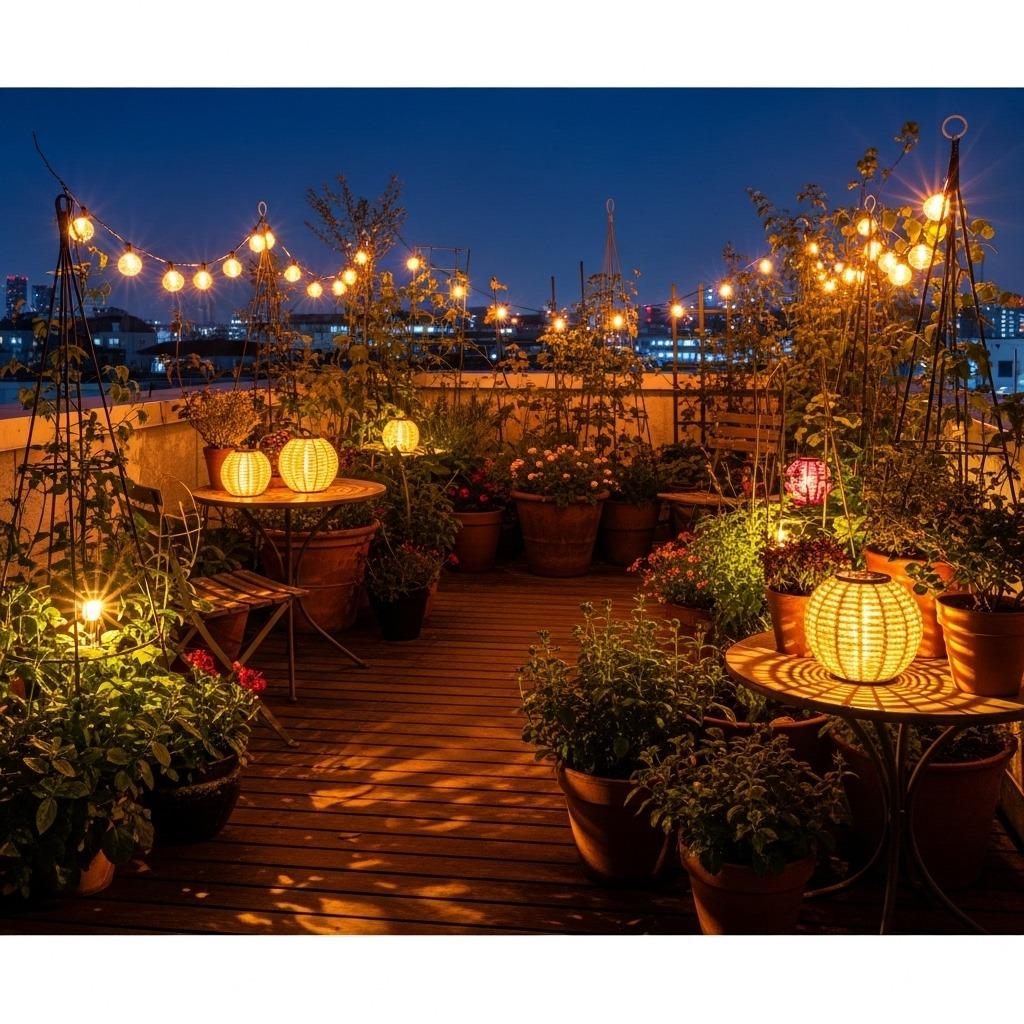
Rooftop gardens become magical at night with the right lighting. String lights create instant atmosphere without requiring electrical work. Solar-powered options have improved dramatically – they charge during the day and provide hours of light after sunset.
Uplighting larger plants creates drama and highlights your garden’s best features. Small solar spotlights positioned at the base of tall grasses or architectural plants add depth and dimension. Path lights along walkways improve safety while adding subtle illumination.
Consider task lighting near your seating area if you plan to spend evenings outside. A small table lamp designed for outdoor use or lanterns with LED candles provide enough light for reading or conversation without overwhelming the space. Dimmers or adjustable lighting let you control the mood based on how you’re using the space.
8. Weather-Resistant Plant Choices
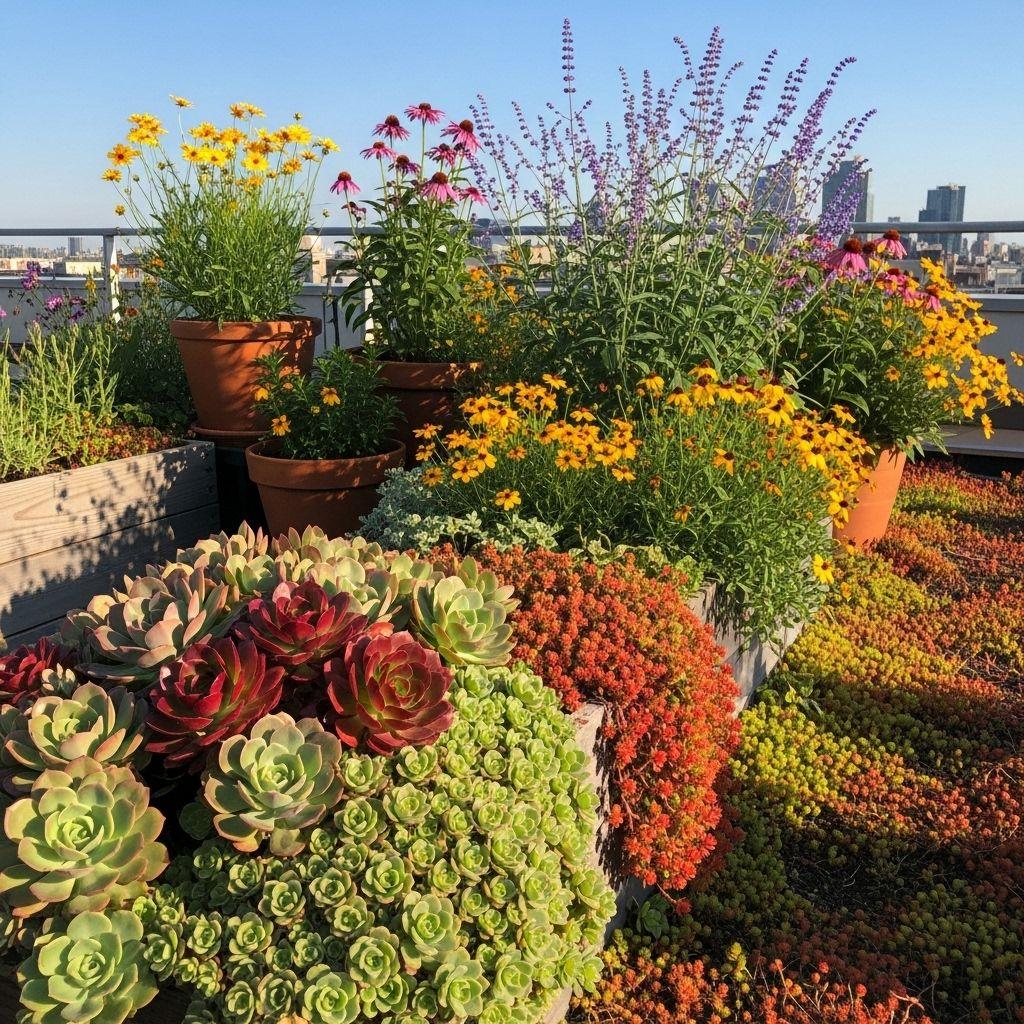
Not every plant will survive rooftop conditions. Wind, intense sun, and temperature swings eliminate some options right away. Focus on hardy varieties that can handle exposure. Succulents and sedums are nearly indestructible in sunny rooftops, requiring minimal water and thriving in neglect.
Ornamental grasses tolerate wind beautifully and add movement to your garden. Varieties like fountain grass, blue fescue, or switch grass bend with breezes rather than breaking. They also provide four-season interest, looking attractive even in winter when most plants have died back.
For color, choose tough annuals and perennials. Zinnias, marigolds, black-eyed Susans, and coneflowers all handle full sun and variable watering better than delicate options. Native plants adapted to your region’s climate will perform better than exotic varieties that need constant coddling.
9. Watering Systems That Work
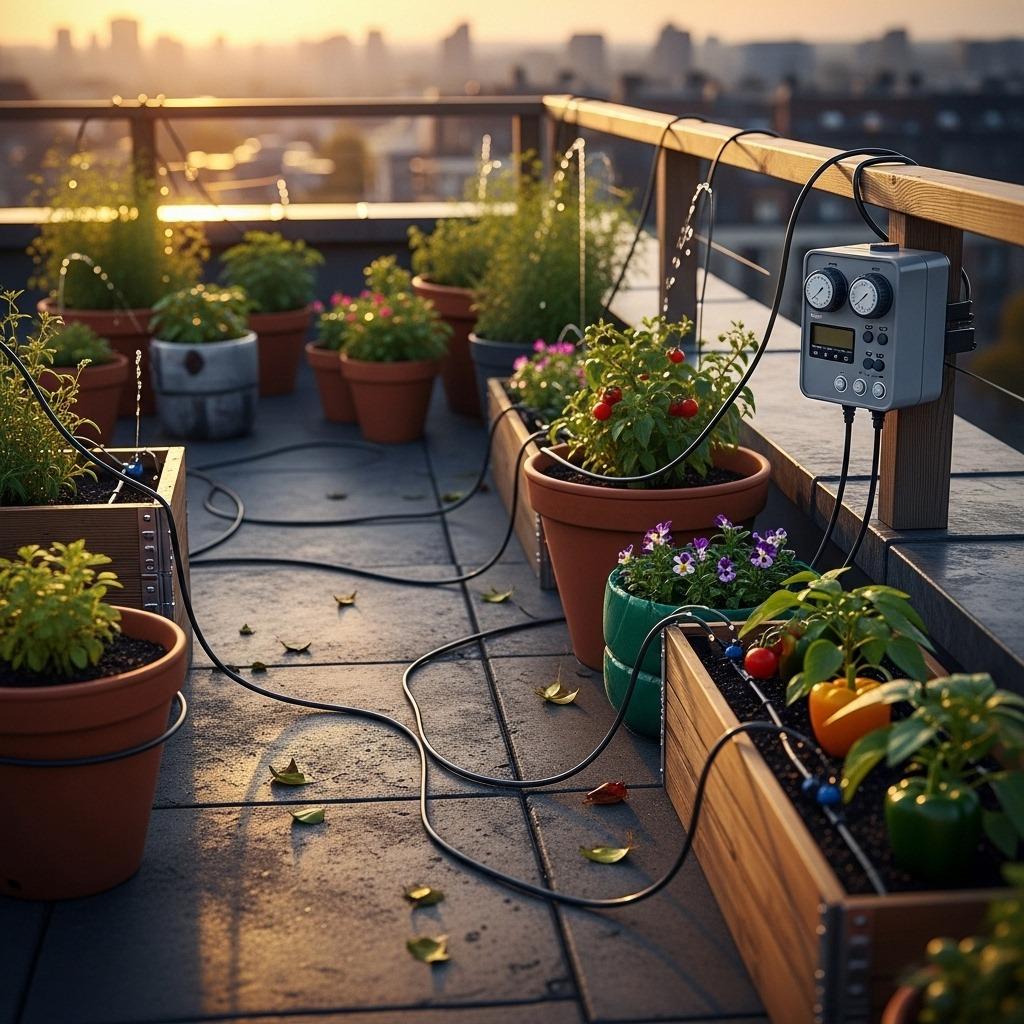
Hauling watering cans up flights of stairs gets old quickly. Installing a simple drip irrigation system or soaker hoses saves tremendous time and ensures consistent watering. Systems with timers mean your garden gets watered even when you’re away or too busy to do it manually.
Self-watering planters offer another solution, especially for containers that dry out quickly. They have built-in reservoirs that wick moisture to plant roots as needed. These work particularly well for vegetables and herbs that prefer consistent moisture levels.
Mulching containers helps retain moisture and reduces watering frequency. A layer of bark chips, straw, or cocoa hulls on top of the soil slows evaporation. In hot climates, this can be the difference between watering once or twice daily. According to the <a href=”https://www.extension.purdue.edu/extmedia/HO/HO-238-W.pdf”>Purdue University Extension guide on container gardening</a>, proper mulching can reduce water needs by up to 50% in outdoor containers.
10. Seasonal Rotation Strategies
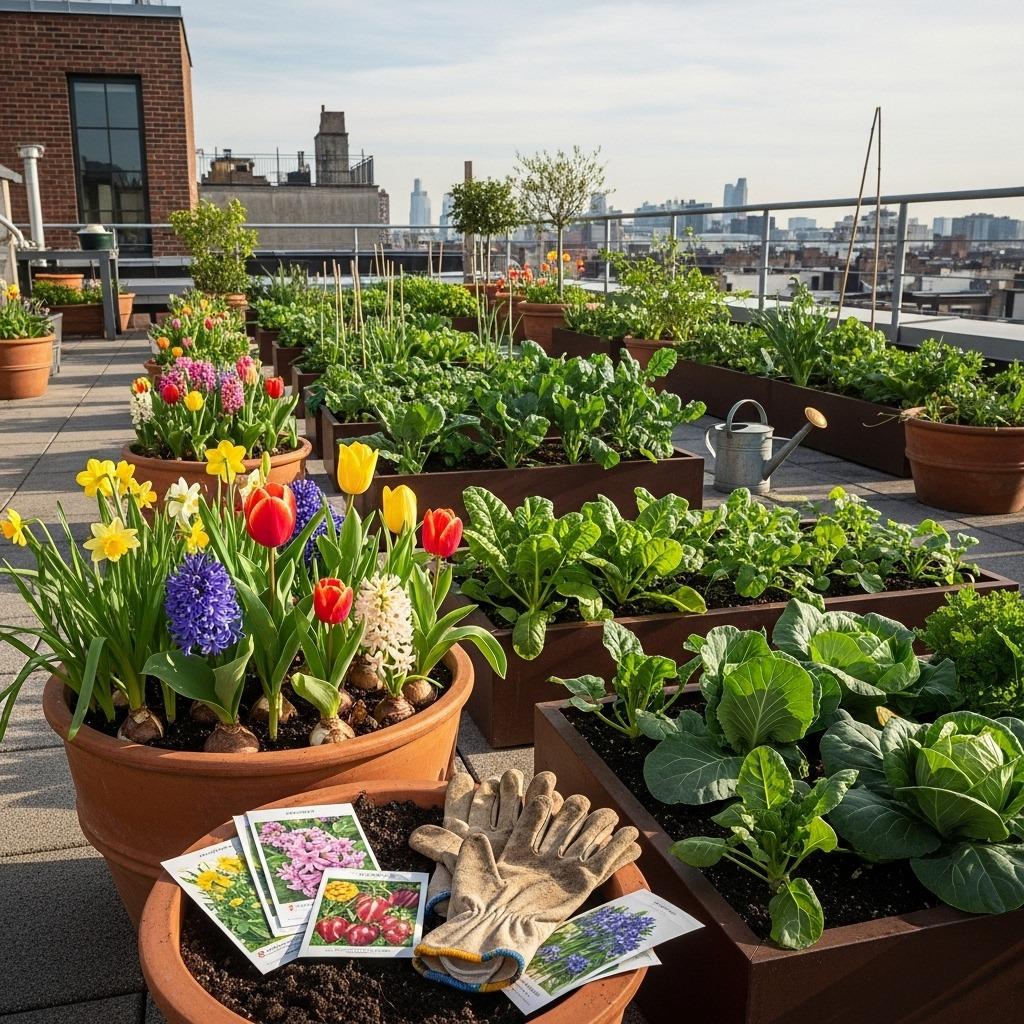
Stylish roof gardens evolve throughout the year. Planning seasonal rotations keeps your space interesting and productive. Spring might feature cool-season vegetables and early bulbs, while summer brings tomatoes, peppers, and heat-loving flowers. Fall can showcase ornamental kale, pansies, and late-season herbs.
Container gardening makes rotation simple. Swap out entire pots rather than replanting individual containers. Keep backup plants in less visible areas, ready to move into prime viewing spots as seasons change. This approach to maintaining fresh displays works similarly to strategies used in container gardening flowers arrangements.
Don’t abandon your rooftop in winter. Evergreen shrubs in containers, winter-blooming pansies, and ornamental grasses provide visual interest year-round. Some herbs like rosemary and thyme are surprisingly cold-hardy and can survive winter in many climates. Even dormant gardens have their own stark beauty when frost outlines plant structures.
Maintenance Tips That Actually Matter
Rooftop gardens require different maintenance than traditional gardens. Wind and sun dry things out faster, meaning more frequent watering even with efficient systems. Check moisture levels daily during hot weather until you understand your garden’s patterns.
Fertilize regularly since container plants can’t draw nutrients from surrounding soil. Liquid fertilizers applied every few weeks keep plants healthy and productive. Slow-release granules mixed into potting soil at planting time reduce the frequency of feeding.
Deadheading flowers and pruning overgrown plants isn’t just aesthetic. It prevents plants from getting too heavy or unbalanced, which matters when strong winds are common. Regular maintenance also lets you catch pest or disease problems early when they’re easier to address.
Creating a rooftop garden urban space is one of those projects that seems overwhelming until you break it down into manageable steps. Start with a few containers and plants you find appealing. Test your approach, figure out what works on your specific rooftop, and expand from there.
The mistakes you’ll make – and you will make them – are part of the learning process. Maybe you’ll discover certain plants fry in your intense afternoon sun, or that your watering schedule needs adjustment. Each season teaches you something new about your rooftop’s unique microclimate and what thrives there.
What makes rooftop gardening so satisfying is watching unused space transform into something genuinely beautiful and functional. It’s not about creating perfection or replicating magazine photos. It’s about claiming a small piece of nature in the middle of the city, on your own terms, in whatever way makes sense for your life and your rooftop.