
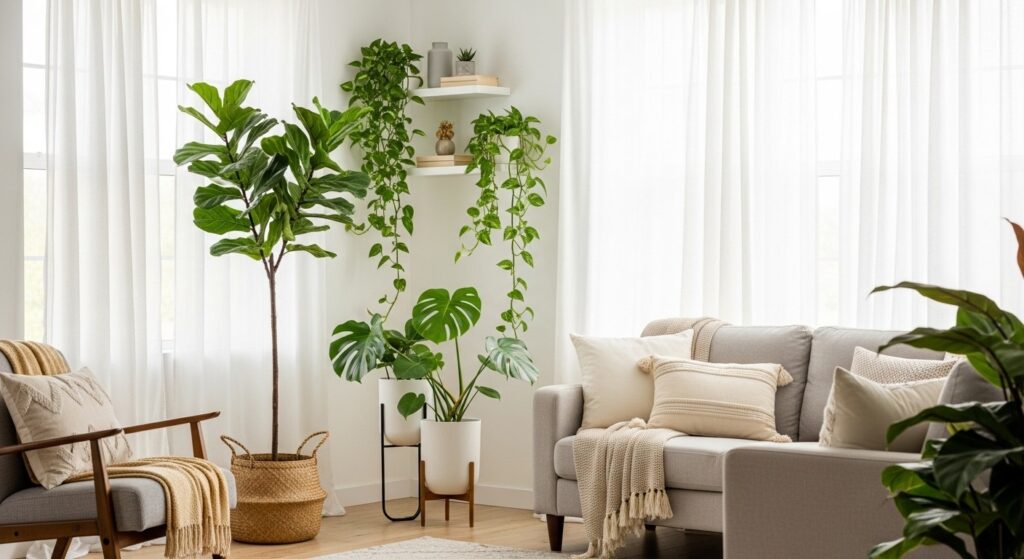
There’s something about walking into a room filled with plants that instantly makes you feel calmer. Maybe it’s the way the leaves catch the light, or how they soften hard edges and fill empty corners. Whatever it is, bringing living greenery into your space can completely change how it feels.
Plant styling living room spaces isn’t just about picking up a succulent at the grocery store and calling it a day. It’s about creating layers, choosing the right spots, and mixing different types of plants so your space feels intentional rather than cluttered. The good news? You don’t need a green thumb to make it work.
This guide will walk you through everything from picking the perfect indoor plants for your light conditions to arranging them in ways that actually enhance your decor. Whether you’re starting from scratch or looking to upgrade your current plant situation, these ideas will help you create that lush, Pinterest-worthy look you’ve been dreaming about.
Why Indoor Plants Transform Your Living Room
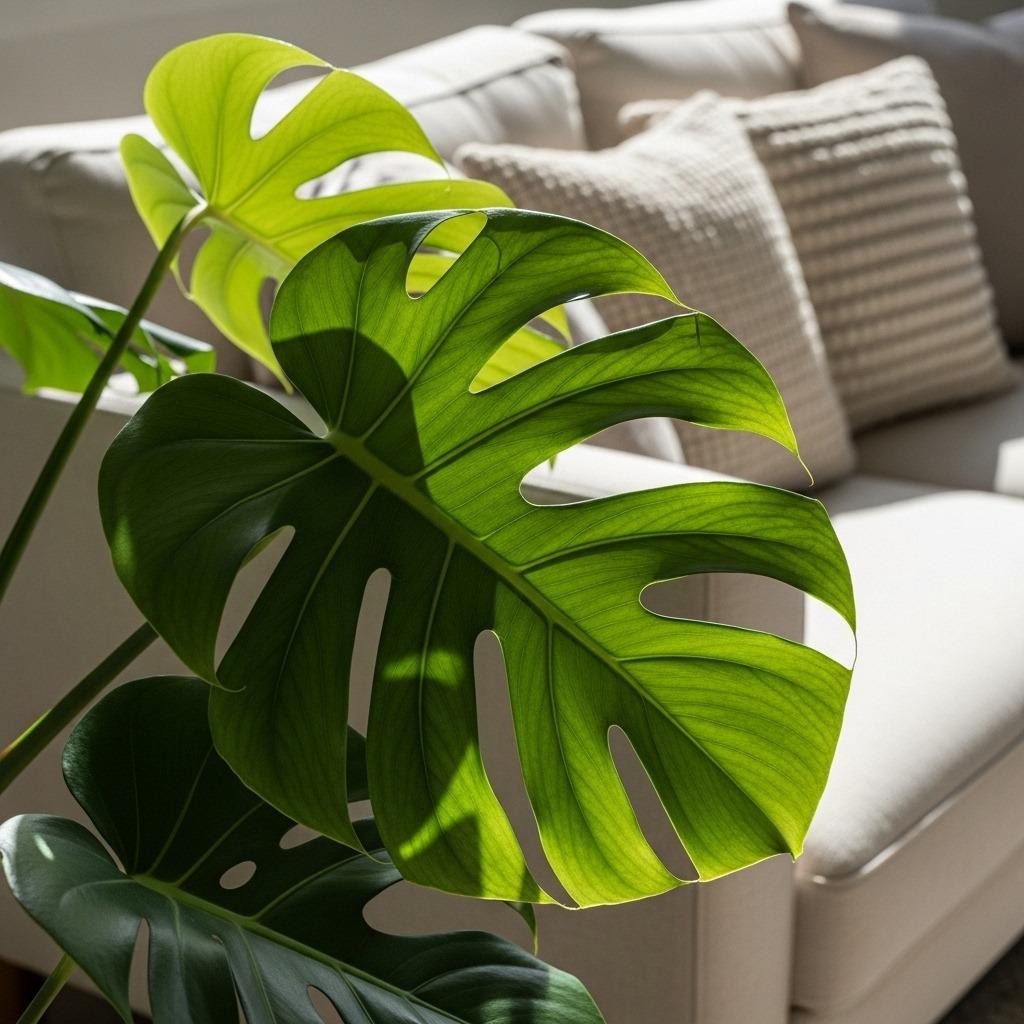
Plants do more than just look pretty sitting on your coffee table. They actually change the entire energy of a room in ways you might not expect. That empty corner that always felt a little off? A tall fiddle leaf fig can turn it into a focal point that anchors the whole space.
Beyond aesthetics, indoor plants have this sneaky way of making your home feel more alive (literally). They purify the air, add natural texture that soften the hard lines of furniture, and give your eyes something organic to rest on. In a world full of screens and straight edges, that matters more than you’d think.
There’s also something deeply satisfying about caring for living things in your home. Watching new leaves unfurl or a trailing vine grow longer gives you a connection to your space that a throw pillow just can’t match. Plus, guests always notice – and compliment – a well-styled living room filled with healthy plants.
Choosing the Right Plants for Your Light Conditions
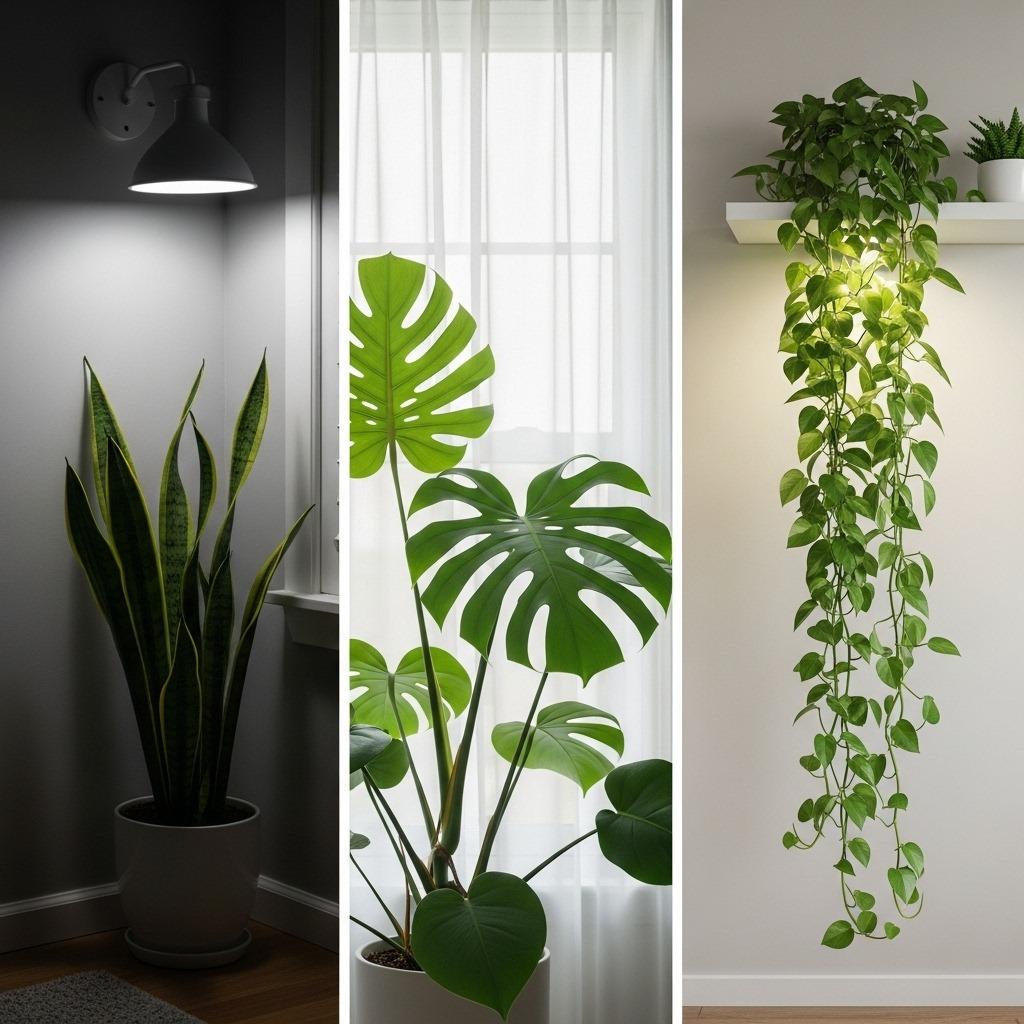
Before you fall in love with that trendy plant you saw on Instagram, you need to get real about your lighting situation. A south-facing window and a north-facing corner are two completely different worlds in the plant kingdom. Understanding what you’re working with will save you from watching expensive plants slowly die.
Low-light spaces aren’t plant death sentences, though. Snake plants, pothos, and ZZ plants actually thrive in dimmer corners where other plants would struggle. These are your workhorses – nearly indestructible and forgiving when you forget to water them for a week (or two).
If you’re blessed with bright, indirect light, your options open up significantly. Monsteras, rubber plants, and bird of paradise will flourish in these conditions. Just watch out for direct afternoon sun, which can actually scorch leaves even on sun-loving plants. Indoor garden living room setups work best when you match each plant to its ideal spot rather than trying to make your dream plant work in the wrong location.
Creating Height Variation with Floor Plants
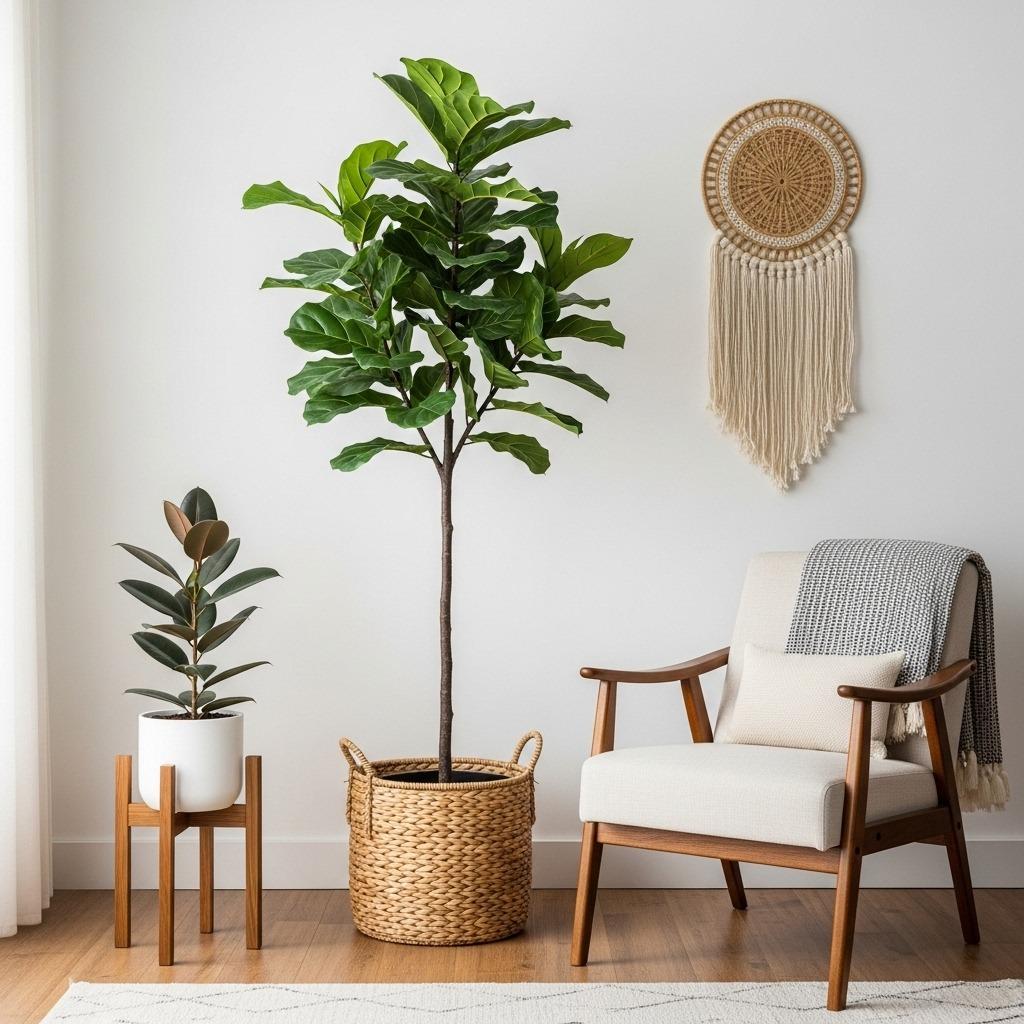
Floor plants are where you make your biggest visual impact in plant styling living room designs. These are your statement pieces – the ones that draw the eye up and make your ceilings feel taller. Think fiddle leaf figs, bird of paradise, or dracaenas that reach 5-6 feet tall.
The trick is placement. Don’t just shove a tall plant in whatever empty corner exists. Consider sightlines – where do your eyes naturally go when you walk into the room? That’s where your showstopper should live. Next to a sofa, flanking a fireplace, or filling that awkward space between two windows all work beautifully.
Varying the heights creates rhythm in your space. If all your plants sit at the same level, it feels flat and one-dimensional. Pair a tall floor plant with medium-sized options on plant stands and smaller varieties on tables. This layering technique is what separates a room with plants from a truly styled botanical decor moment.
Styling Plants on Shelves and Surfaces
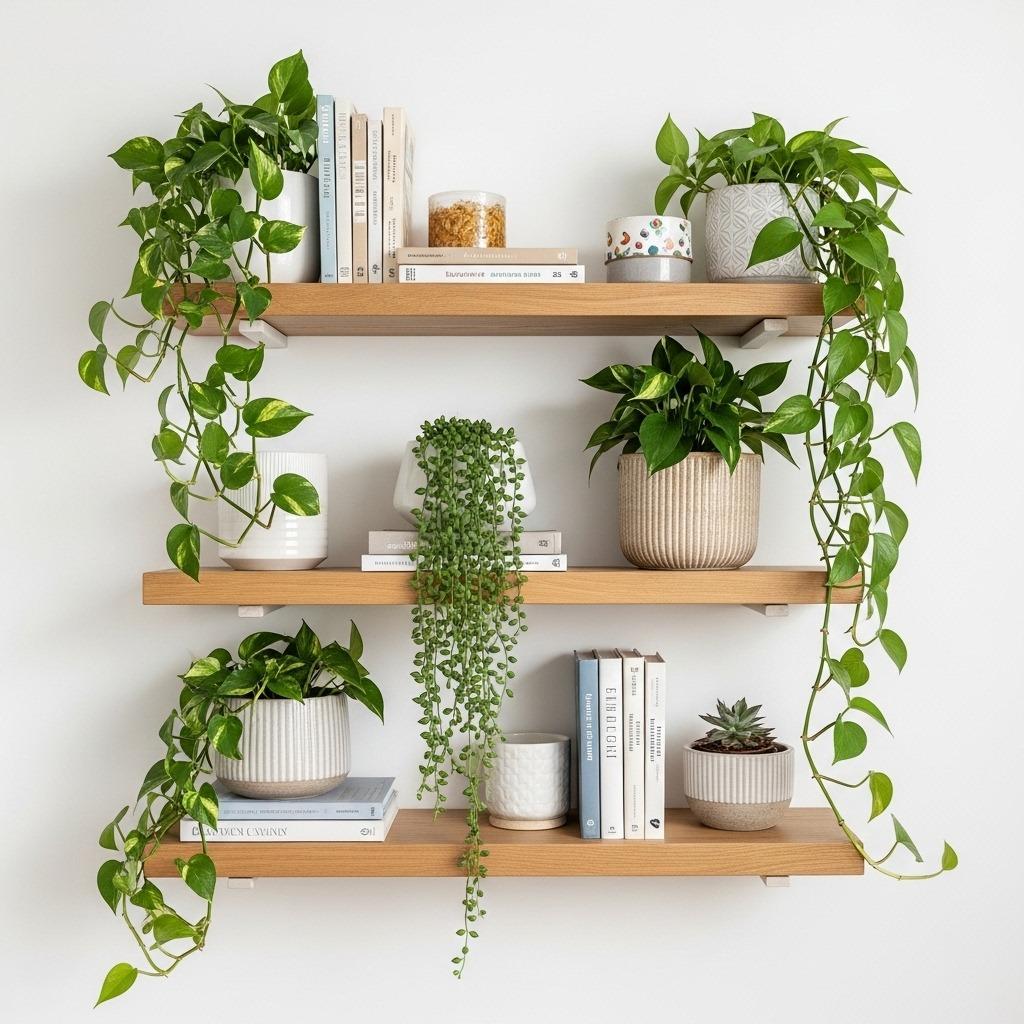
Shelves are prime real estate for trailing plants that can cascade down and create that coveted jungle vibe. Pothos, string of pearls, and philodendrons all love hanging out on high surfaces where their vines can do their thing. The movement they create adds life to static shelving.
When styling plants on coffee tables or side tables, scale matters more than you think. A tiny succulent on a large coffee table looks lost and forgettable. Group three small plants together, or choose one medium-sized plant that can hold its own. Odd numbers always look more natural and intentional.
Mix your plant vessels too. Not everything needs to be in a terracotta pot. Combine ceramic planters, woven baskets, and even interesting vintage finds. This variety in texture and material makes your plant styling living room approach feel collected over time rather than bought all at once. Just make sure drainage is handled properly, or you’ll be dealing with water damage on your beautiful furniture.
Using Plant Stands and Risers Strategically
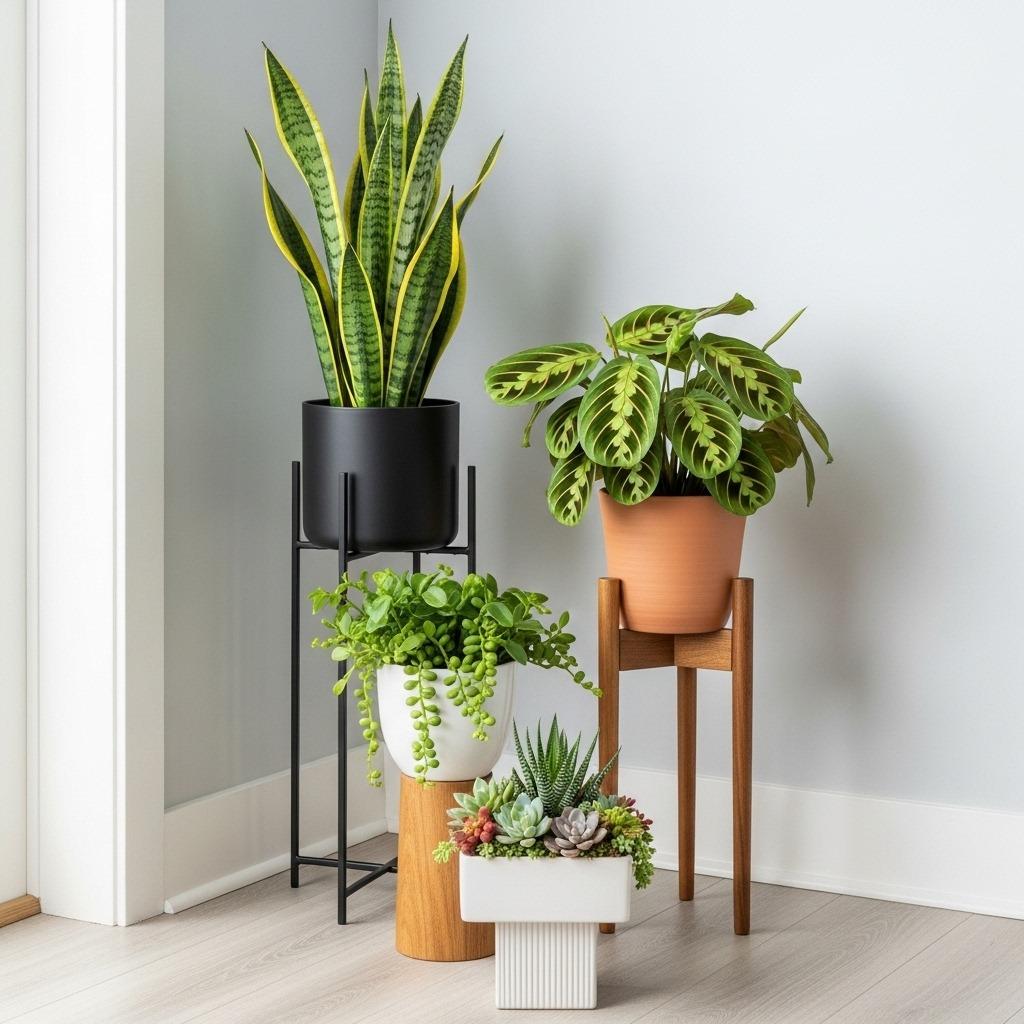
Plant stands are the unsung heroes of good plant styling. They lift plants off the floor just enough to create visual separation and make medium-sized plants feel more important. A 12-inch tall monstera suddenly becomes a focal point when it’s elevated on a 16-inch stand.
The style of your plant stand should complement your overall aesthetic. Mid-century homes pair beautifully with tapered wooden stands, while modern minimalist living rooms look sharp with metal geometric stands. Don’t be afraid to mix materials – a black metal stand can actually make greenery pop more than a wooden one in the right setting.
Cluster stands at different heights to create a mini plant corner that feels intentional. Three plants on stands of varying heights (think 10″, 16″, and 22″) creates more interest than three identical stands lined up. This staggered approach mimics how plants grow in nature and keeps your eye moving through the display.
Grouping Plants for Maximum Impact
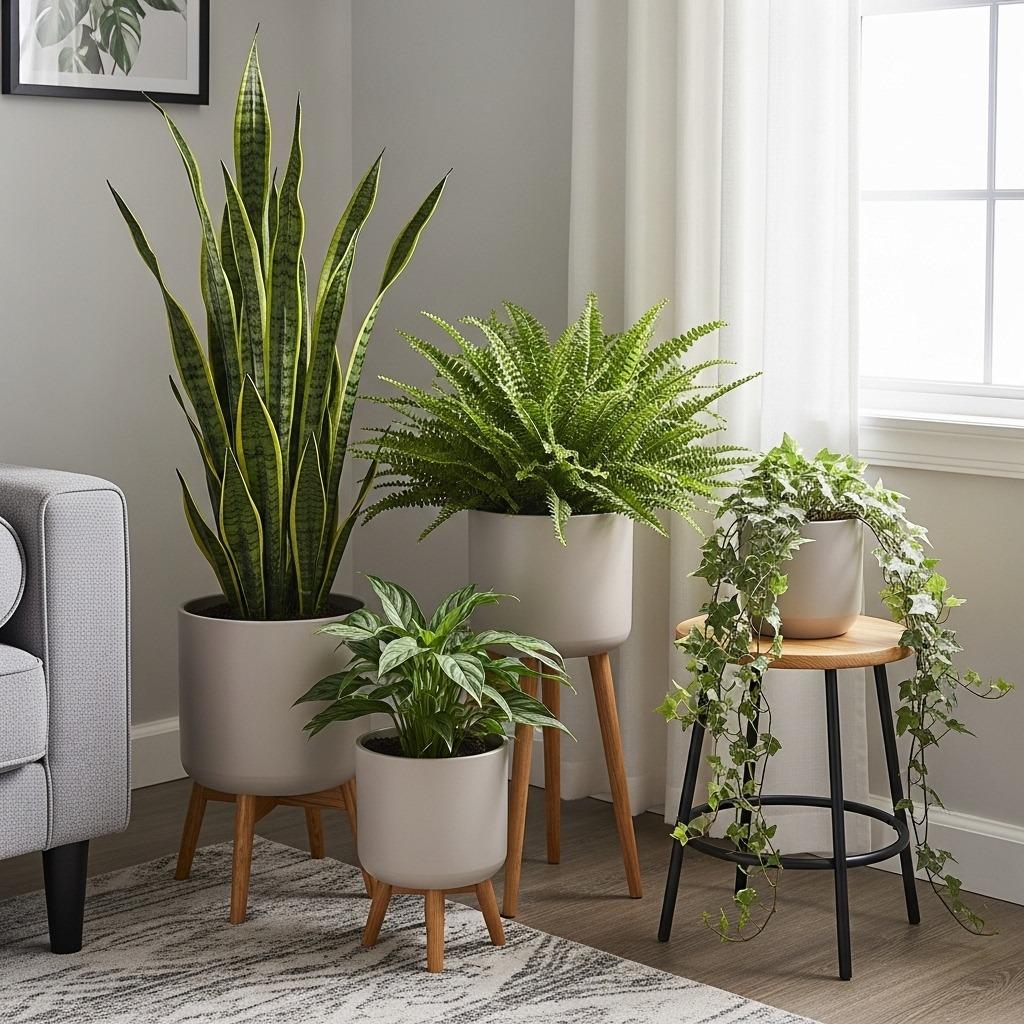
There’s power in numbers when it comes to living room greenery. A single plant can look lonely, but a grouping of three or five creates an intentional moment that feels curated. The key is mixing different leaf shapes and sizes so they complement rather than compete.
Try pairing a large-leafed plant like a monstera with something fine and delicate like a fern, then add a trailing variety for movement. This combination of textures makes each plant stand out more than if you grouped three of the same type together. It’s the botanical version of not wearing head-to-toe matching.
Consider creating a dedicated plant zone rather than scattering individual plants randomly throughout the room. A corner with multiple plants clustered together makes a much stronger statement than one plant here, another there. This approach also makes watering and care easier since everything is in one spot. Plus, plants actually grow better when grouped together because they create their own little humid microclimate.
Incorporating Hanging Plants and Macramé
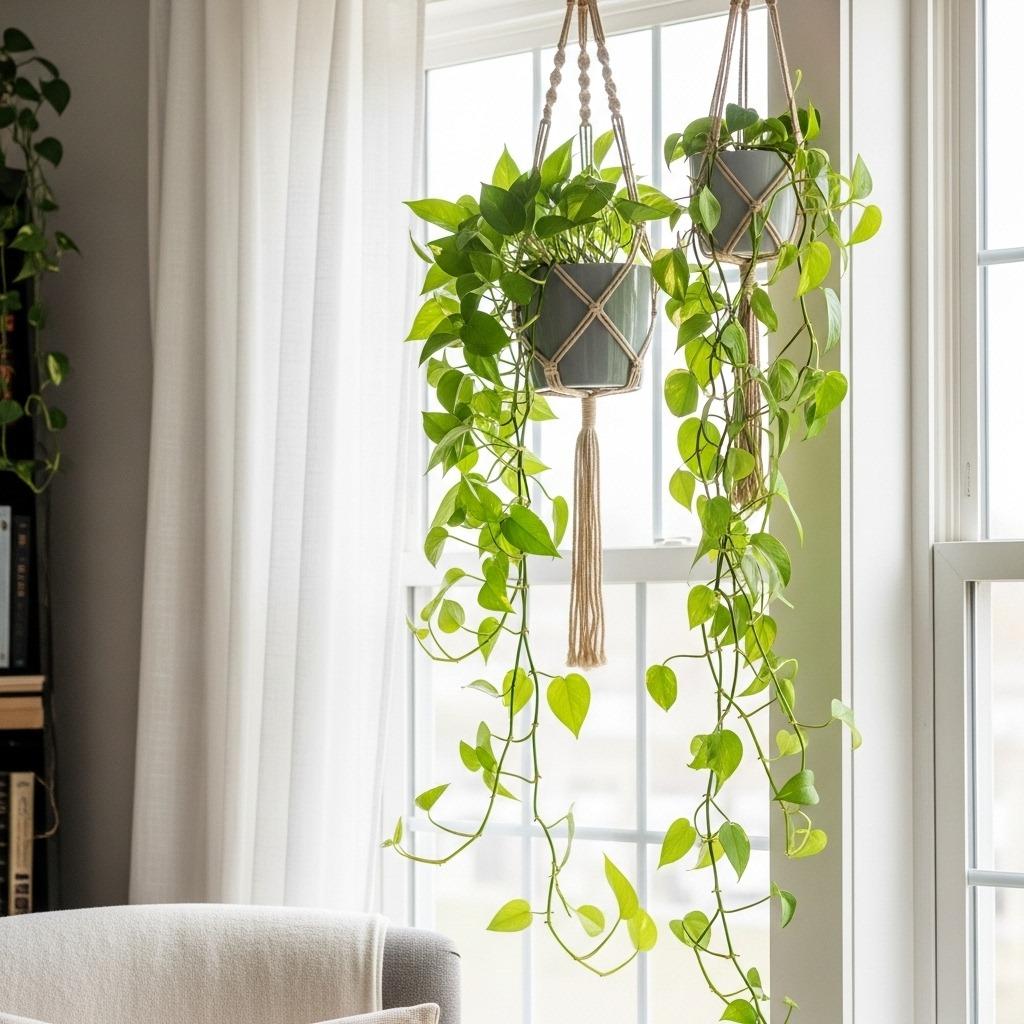
Hanging plants open up a whole new dimension for plant styling living room spaces – literally. They draw your eye upward and make use of vertical space that usually goes ignored. Plus, trailing plants like pothos or string of hearts look infinitely better when their vines can cascade freely.
Macramé hangers have made a massive comeback, and for good reason. They add texture and that slightly boho vibe that pairs well with plants. But don’t feel limited to macramé – simple rope hangers, modern metal hoops, or even leather straps can work depending on your style. The hanger becomes part of the decor, so choose intentionally.
Placement is everything with hanging plants. Near windows is obvious, but consider hanging them in corners at different heights to create layers, or above a reading nook where the trailing vines frame your space. Just make sure your ceiling can handle the weight and that you’re not creating a head-bonking hazard. Also, remember these plants will need water, so have a plan for how you’ll reach them without making a mess.
Choosing Planters That Complement Your Decor
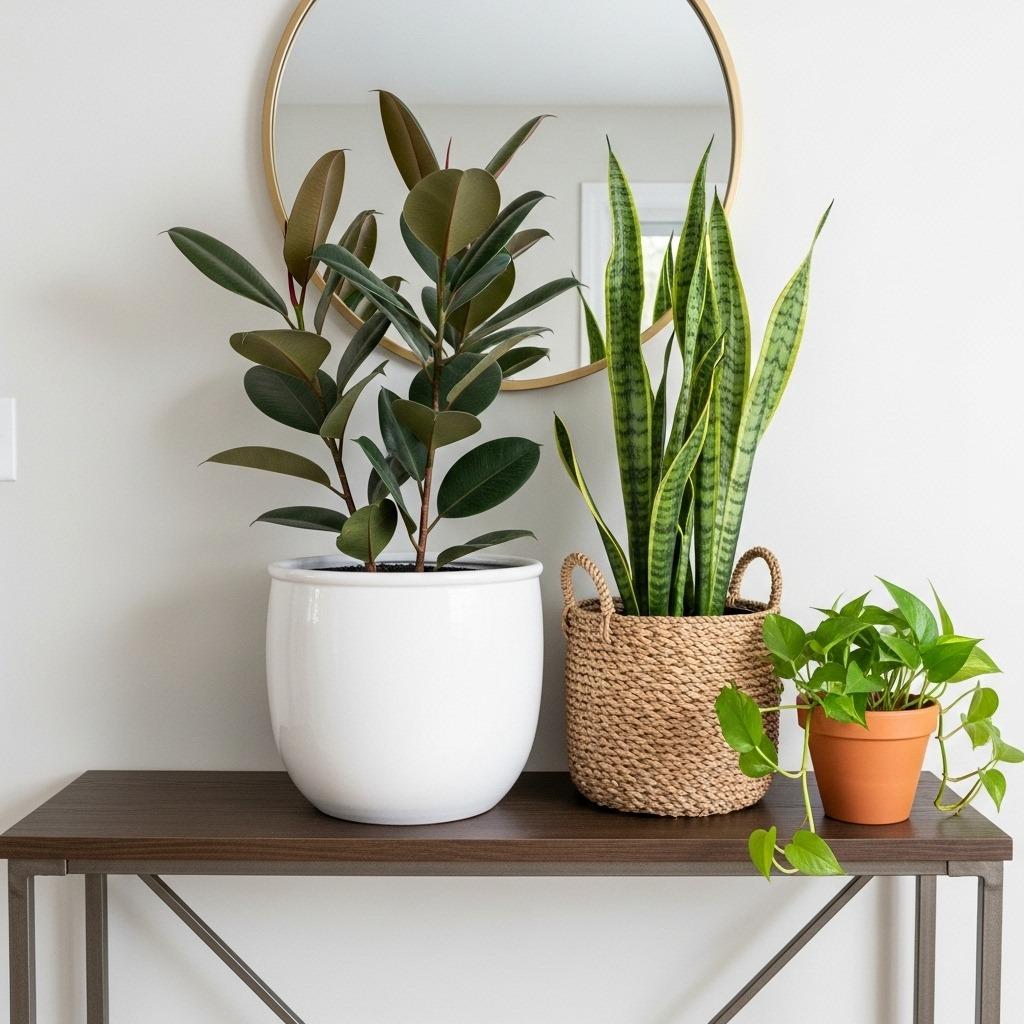
The container your plant lives in can make or break your whole styling effort. A gorgeous plant in an ugly pot is like wearing sneakers with a cocktail dress – the message gets confusing. Your planters should enhance both the plant and your overall home decor aesthetic.
Neutral planters in white, cream, terracotta, or natural woven materials work with virtually any style and let the plants be the stars. If your room already has lots of color and pattern, stick with simple containers. But if your space is fairly minimal, a few planters with interesting texture or pattern can add personality without overwhelming.
Size matters more than most people realize. Your planter should be proportional to your plant – not drowning it, but not strangling it either. As a general rule, leave about an inch of space between the plant’s root ball and the edge of the pot. And please, make sure there’s drainage. Even if you have to use a plastic nursery pot inside a decorative cachepot, proper drainage will save your plant’s life and your furniture from water damage.
Styling Plants Around Existing Furniture
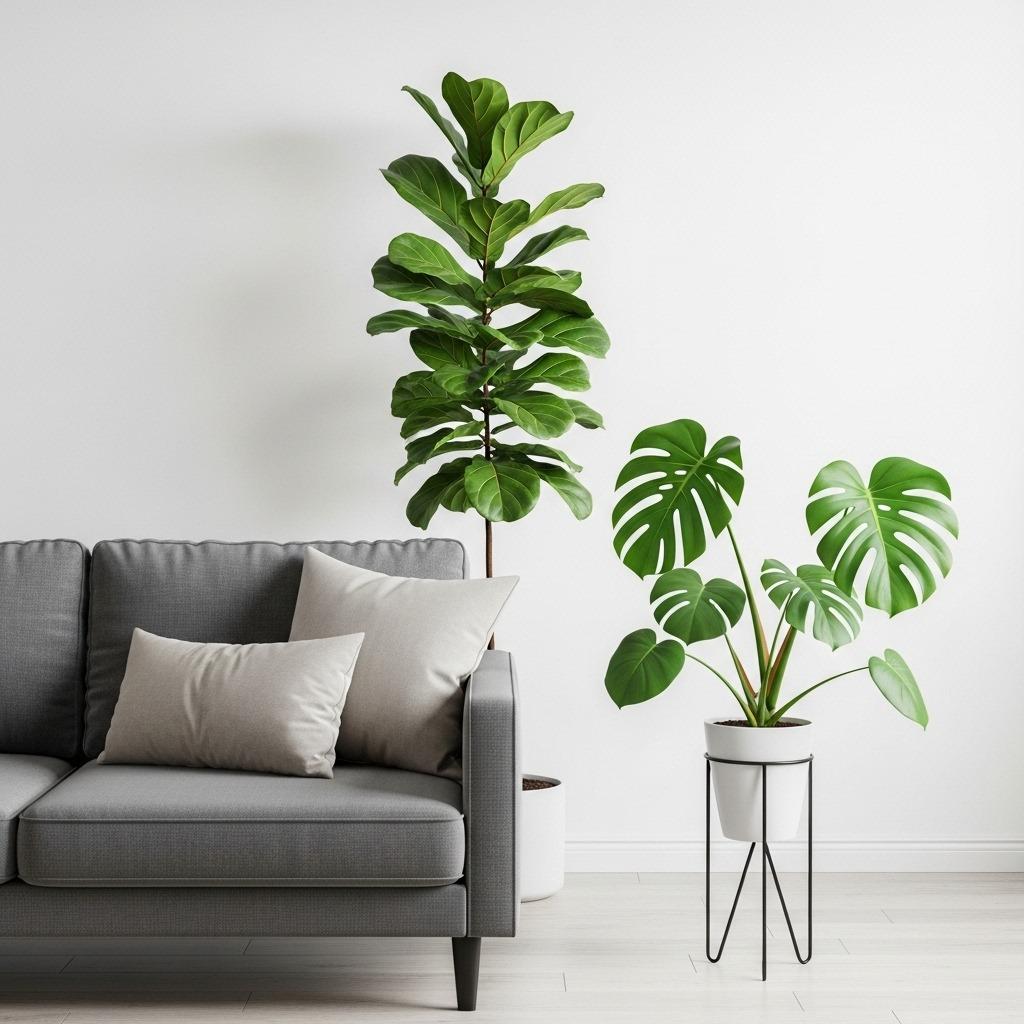
Your sofa doesn’t need to move to make room for plants – in fact, plants should work with your furniture, not against it. A large plant placed behind a sofa creates depth and fills that awkward gap between furniture and wall. It’s like adding a living headboard to your seating area.
Side tables practically beg for a small to medium plant. This is where you can try something with interesting foliage, like a prayer plant or calathea, that people will notice when they sit down. Just make sure the plant doesn’t crowd out functional space – you still need room for that coffee cup or book.
Scandinavian living room designs often use plants as the primary color and texture element against minimalist furniture. This approach works because the clean lines of simple furniture let the organic shapes of plants really shine. If your furniture is already busy with patterns or details, keep your plant selection simpler so the room doesn’t feel chaotic.
Adding Small Plants to Coffee Tables
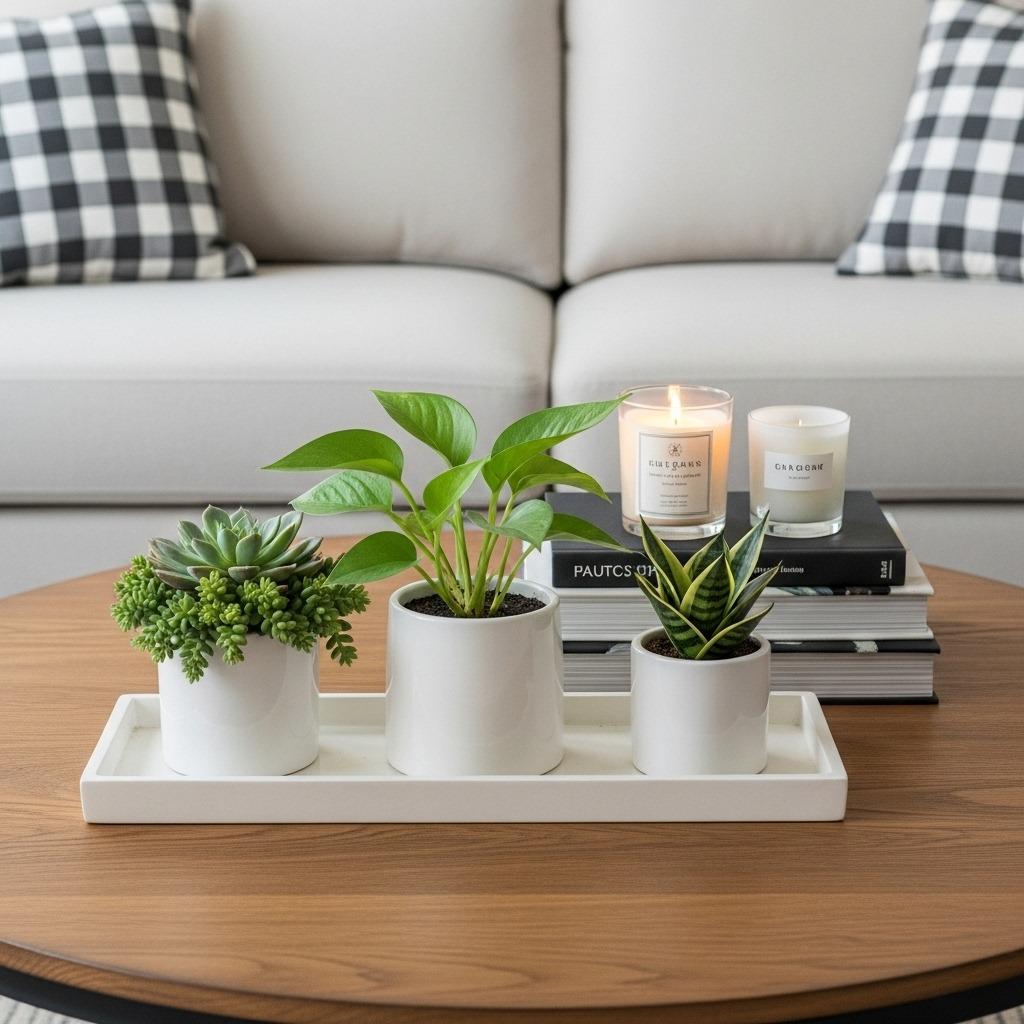
Coffee table plants need to earn their keep – they can’t block conversation or sight lines across the room. Small potted succulents, air plants in interesting holders, or a shallow dish garden work beautifully here. The key is keeping them low enough that they don’t interrupt the function of the table.
Grouping small plants on a tray creates a cohesive moment and contains the display so it feels intentional rather than scattered. A wooden tray with three small plants in varying heights looks infinitely more styled than three plants randomly placed on the table. Plus, trays make watering day easier since you can move the whole setup.
Don’t forget about the seasonal swap. Coffee tables are easy to refresh, so this is a great spot to rotate plants based on how they’re doing or to try new varieties. A string of hearts that’s thriving in summer might need to move to better light in winter, making room for a heartier snake plant or pothos cutting. This flexibility keeps your plant styling living room approach fresh without major overhauls.
Creating a Plant Corner Feature
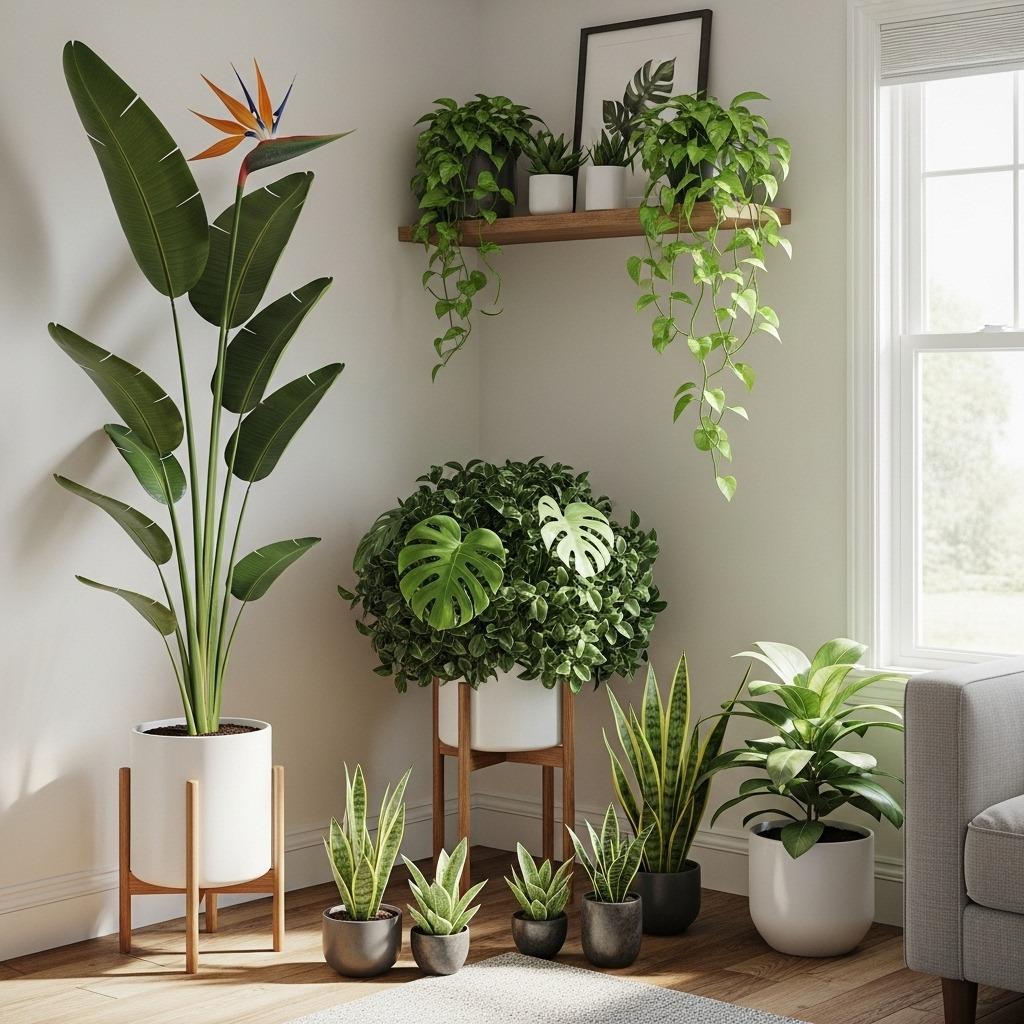
If you’re serious about indoor plants, dedicating an entire corner to them makes a dramatic statement. This is where you can go all in with multiple plants at varying heights creating that lush, jungle-like feel. Think of it as your own indoor garden moment within your living room.
Start with a large floor plant as your anchor, then build around it with medium and small plants on stands or shelves. Layer them so each plant is visible and gets adequate light. This isn’t just about cramming plants together – it’s about creating a composition where each one has room to shine while contributing to the overall effect.
A plant corner works especially well in rooms with good natural light, but you can pull it off in lower-light spaces by choosing shade-tolerant varieties. This dedicated zone becomes a focal point that guests will definitely Instagram, and it makes your watering routine more efficient too.
Mixing Real and Faux Plants Strategically
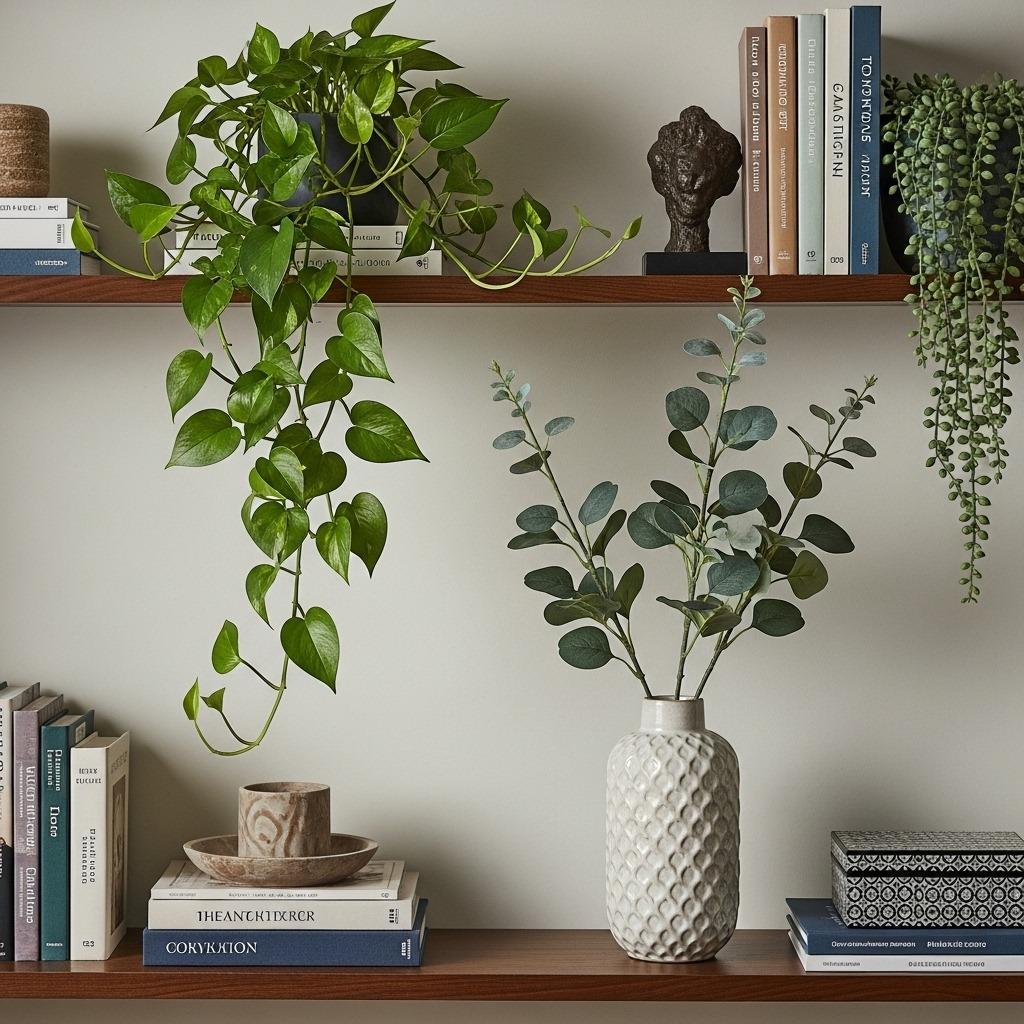
Let’s be honest – not everyone can keep plants alive, and some spots in your home just won’t support real plants no matter how hard you try. That’s where high-quality faux plants come in, and there’s zero shame in using them strategically.
The trick is mixing them with real plants so the faux ones blend in. Place faux plants in low-light areas or high-up spots that are hard to water, and keep your real plants where you can easily care for them. Good faux plants have realistic textures and natural color variations – cheap plastic-looking ones will always read as fake no matter where you put them.
Dust your faux plants regularly because nothing screams “not real” like dusty leaves. And consider this approach as a way to try out plant placement before investing in real ones. If you love how that faux fiddle leaf fig looks in your corner, you’ll know a real one is worth the investment. If it doesn’t work aesthetically, you haven’t killed anything in the process.
Seasonal Plant Styling Updates
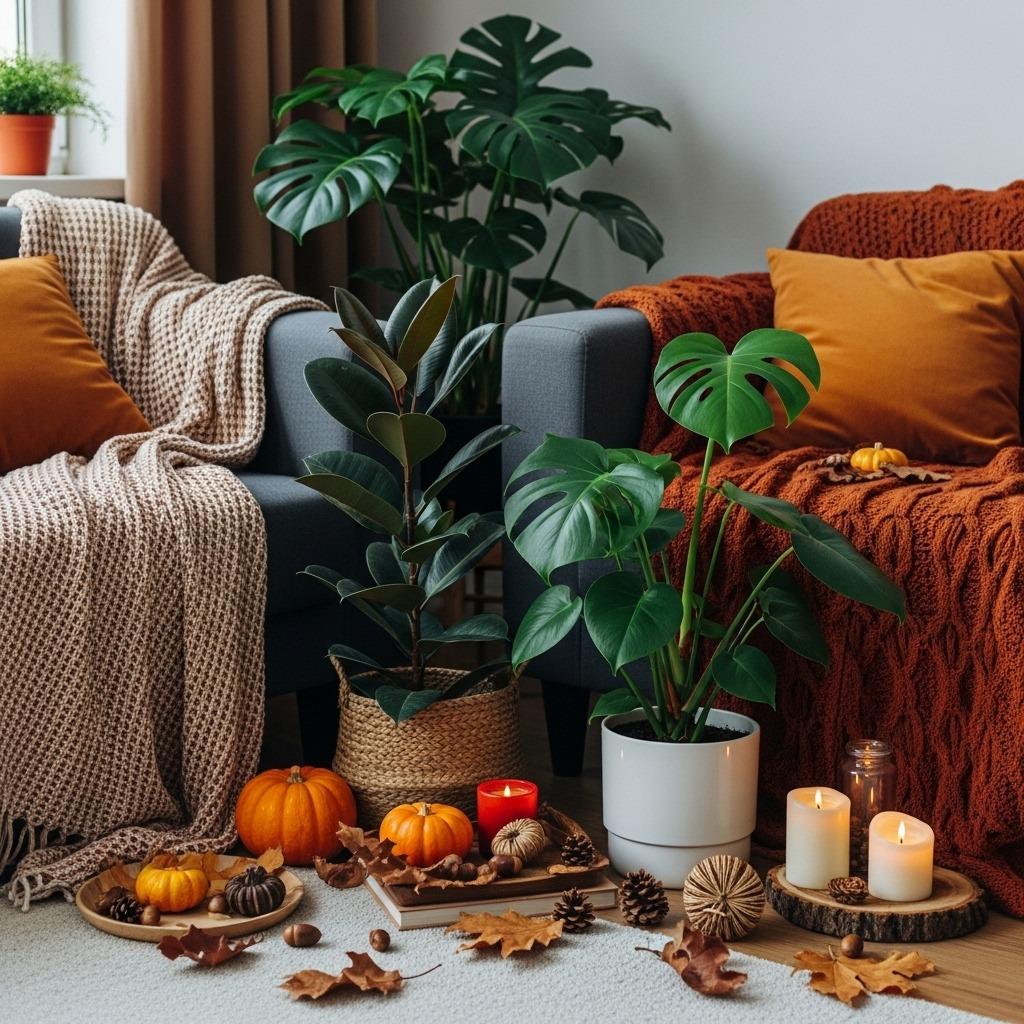
Your plant styling living room approach doesn’t have to stay static all year. Seasons change, and your plant display can too. Spring is perfect for adding flowering plants like orchids or African violets that bring color and celebrate the season’s energy.
Summer lets you move some indoor plants outdoors temporarily and bring in fresh herbs from your container garden as temporary decor. Basil, mint, or rosemary in pretty pots add function and fragrance to your living room while they transition between outdoor growing and your kitchen.
Fall and winter call for cozier plant styling. This is when those deep green, lush plants really shine against cozy blankets and warm lighting. Consider adding plants with burgundy or variegated leaves for subtle color changes that complement the season. As light decreases in winter, you might need to rotate plants to brighter spots or add supplemental lighting to keep everyone happy.
Plant Care Basics for Living Room Success
All the styling in the world won’t matter if your plants die within a month. The most common killer? Overwatering. Most indoor plants prefer to dry out slightly between waterings, so resist the urge to water on a strict schedule. Stick your finger in the soil – if it’s dry an inch down, water. If it’s still moist, wait.
Light requirements vary dramatically between species, so don’t assume all plants need the same care. That fiddle leaf fig needs much brighter light than your pothos. When you bring a new plant home, actually look up its care requirements instead of guessing. Five minutes of research can save you from watching an expensive plant slowly die.
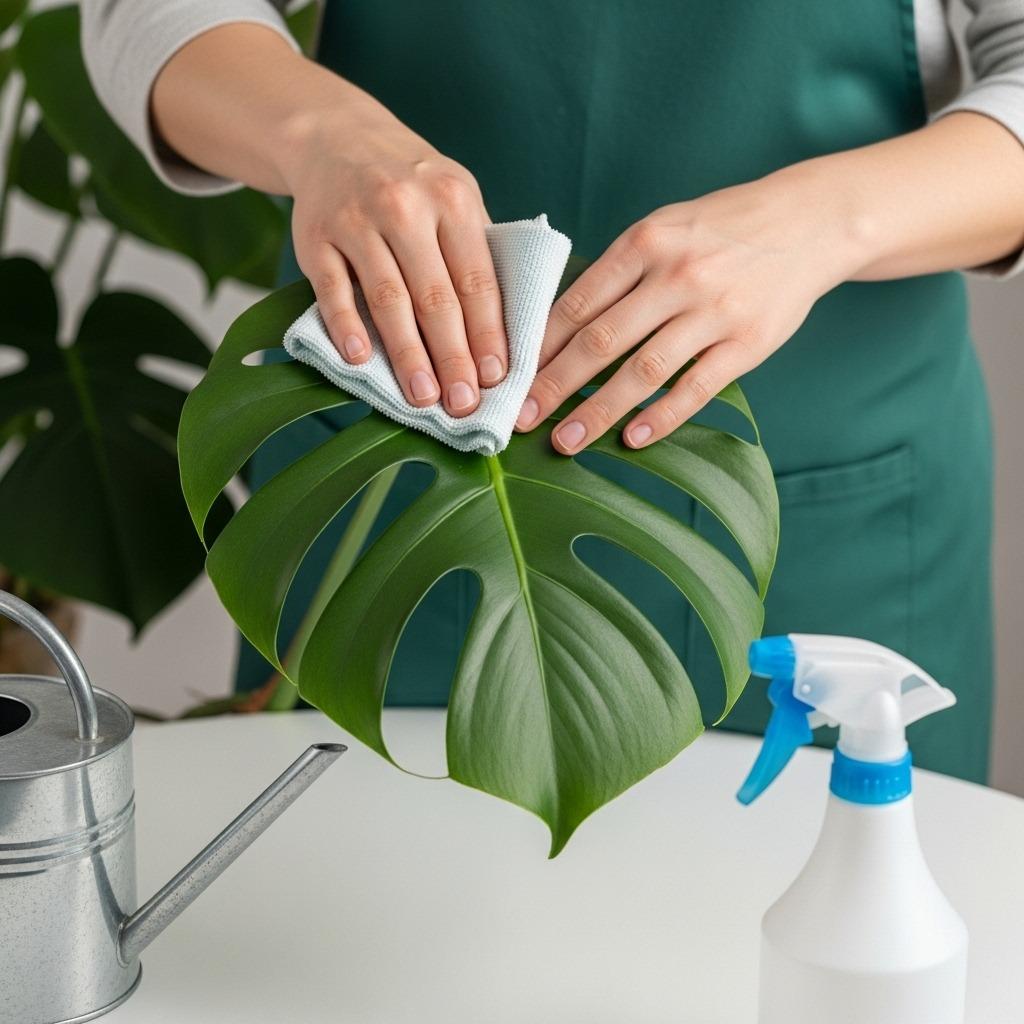
Rotate your plants every few weeks so all sides get equal light exposure. This prevents them from growing lopsided toward the window. Also, wipe down leaves occasionally with a damp cloth to remove dust – plants breathe through their leaves, and dust blocks that process. These small maintenance habits make the difference between struggling plants and thriving ones that actually enhance your cozy living room aesthetic.
Budget-Friendly Plant Styling Ideas
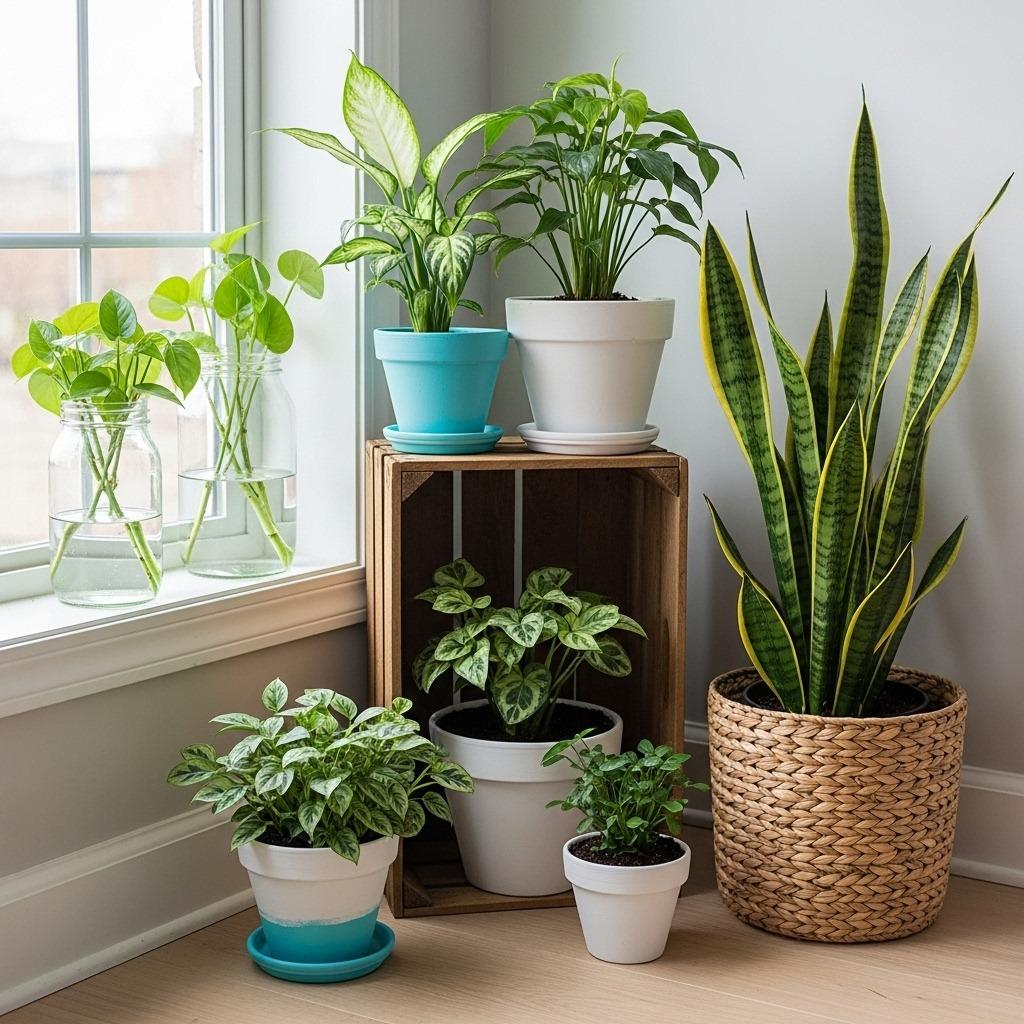
You don’t need to drop hundreds at a fancy plant boutique to create a lush living room. Start with easy, affordable plants like pothos, snake plants, or spider plants from your local nursery or even the grocery store. These workhorses cost $10-20 and will grow like crazy with minimal care.
Propagation is your secret weapon for filling space without spending money. Many plants grow easily from cuttings – pothos, philodendrons, and spider plants will root in water within weeks. Ask friends with established plants for cuttings, or take cuttings from your own plants as they grow. In six months, you can turn one plant into five without spending a dime.
Thrift stores and garage sales often have great planters and plant stands for a fraction of retail prices. You can also DIY plant stands from affordable materials like stacked books, wooden crates, or even painted cinder blocks. The plants are the stars – the containers and stands just need to be clean and functional. Check out affordable home upgrades for more budget-friendly decorating ideas that include plant styling.
Common Plant Styling Mistakes to Avoid
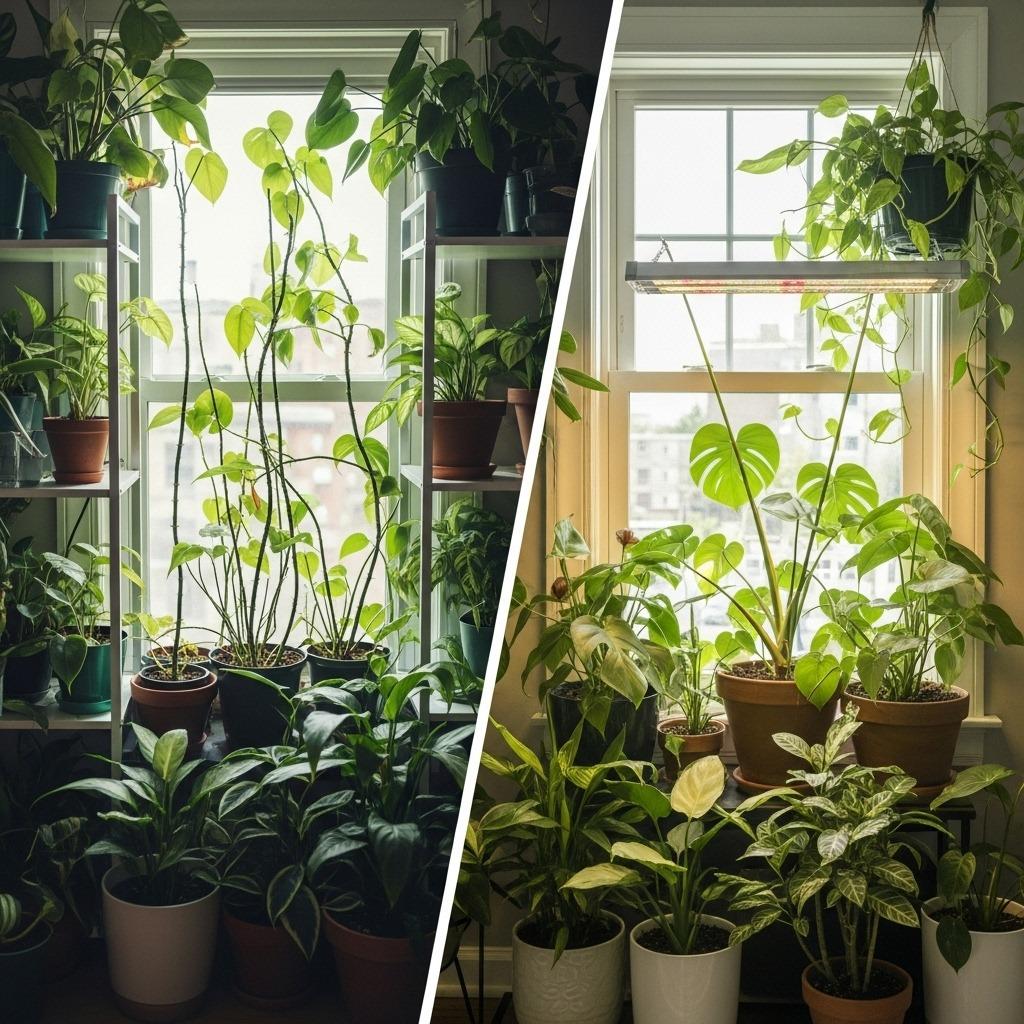
The biggest mistake? Choosing plants for how they look rather than whether they’ll survive in your space. That stunning fiddle leaf fig won’t stay stunning in a dark corner, no matter how perfect it looks there in your imagination. Match plants to your conditions first, aesthetics second.
Another common error is clustering plants too closely without considering their growth. Plants need air circulation and room to expand. What looks perfectly spaced now might be overcrowded in six months when those vines have tripled in length. Leave breathing room so plants can actually thrive instead of competing for light and space.
Don’t neglect the bottom of your planters. Drainage holes are non-negotiable for plant health, even if they’re not Instagram-worthy. Using decorative cachepots to hide plastic nursery pots with drainage is much smarter than planting directly in a beautiful pot with no drainage. You can have style and healthy plants – you just need to think about function first.
Styling Plants in Small Living Rooms
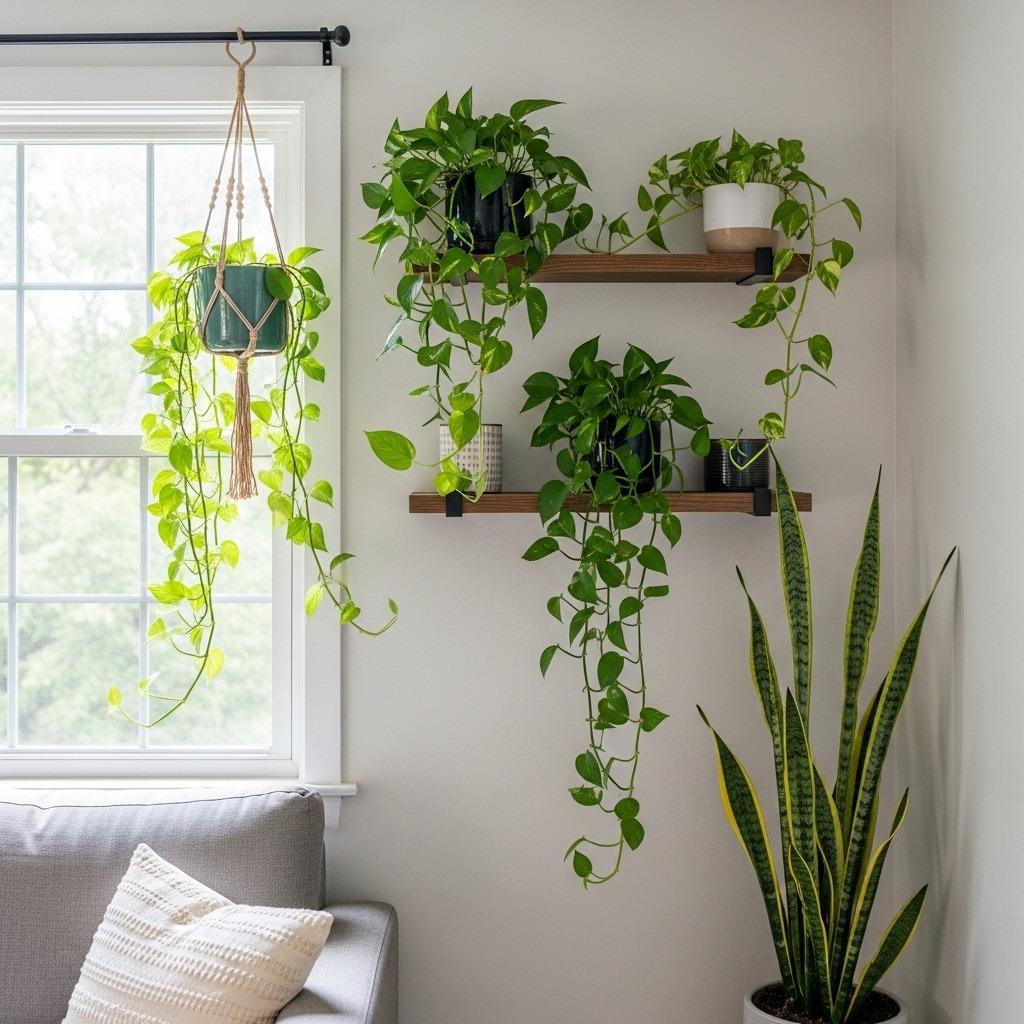
Limited square footage doesn’t mean limited plants – you just need to think vertically. Small space renovation ideas often focus on using walls and vertical surfaces, and the same applies to plant styling. Floating shelves, wall-mounted planters, and hanging plants make use of space you’re not using anyway.
Choose plants that earn their footprint in a small room. A large floor plant like a snake plant or fiddle leaf fig in one corner makes more impact than several small plants scattered around. This focused approach creates a statement without cluttering limited surfaces with tiny pots everywhere.
Mirrors and plants are best friends in small spaces. Positioning plants near mirrors amplifies the greenery effect and bounces light around, making both your plants and your room look better. A mirror behind a plant grouping essentially doubles your botanical impact without using extra floor space. This trick works especially well in apartment settings where space is tight.
Bringing It All Together for Your Best Plant-Filled Living Room
Plant styling living room spaces is less about following rigid rules and more about finding what works for your specific home, lifestyle, and aesthetic. Start with one or two easy-care plants and see how it feels. You’ll quickly figure out if you want more greenery or if you’re content with a minimal approach.
Pay attention to how plants change the feel of your room. You might discover that one large statement plant does more for your space than five small ones, or that you love the look of trailing plants more than upright varieties. This is a personal journey, and there’s no single right answer.
The best plant-styled living rooms feel natural and effortless, like the plants have always been there. They’re not perfectly symmetrical or overly styled – they’re living, breathing parts of your home that grow and change with you. Don’t stress about creating perfection. Start adding greenery, adjust as you learn, and enjoy the process of making your space feel more alive. Your living room – and your stress levels – will thank you for it.
Final Thoughts
Turning your living room into a green oasis doesn’t happen overnight, and honestly, that’s part of the fun. Each plant you add teaches you something – about care, about styling, about what works in your unique space. Some plants will thrive, others might struggle, and that’s completely normal.
What matters is that you’re creating a home filled with living things that make you happy every time you walk through the door. Whether you end up with two carefully chosen statement plants or twenty varieties creating an indoor jungle, the right amount is whatever brings you joy. So grab that first plant, find it a good spot, and watch how it transforms not just your living room, but how you feel in it.

