There’s something magical about stepping outside to a beautifully arranged outdoor space that feels perfectly in tune with the season. Whether it’s the fresh energy of spring blooms or the cozy charm of winter evergreens, seasonal plant arrangements can completely transform your porch, patio, or garden beds.
I’ve learned over the years that creating stunning outdoor displays isn’t about having a massive budget or expert gardening skills. It’s really about understanding which plants thrive in each season and how to arrange them in ways that feel natural and inviting. The best part? Your outdoor space becomes a living, breathing canvas that evolves throughout the year.
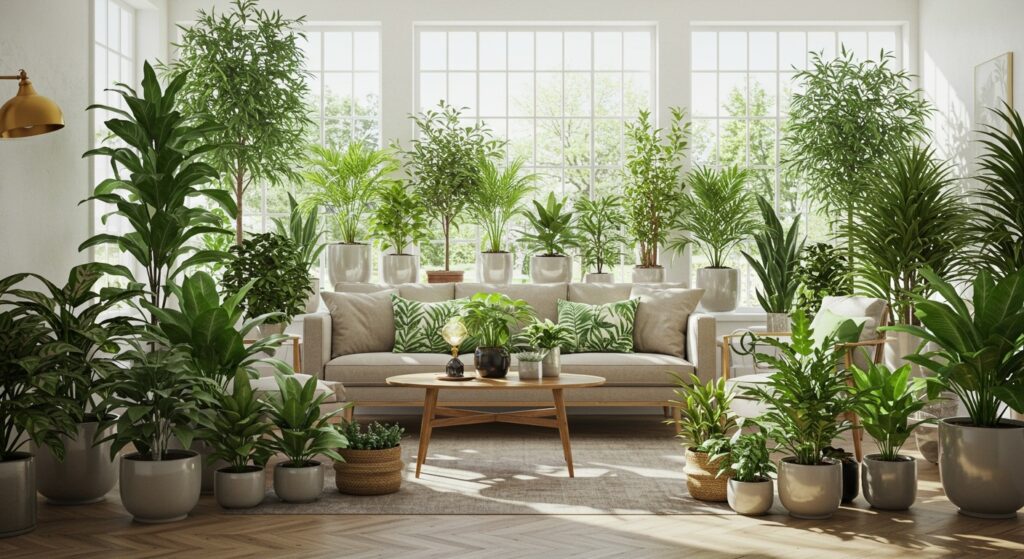
In this guide, I’ll walk you through practical outdoor plant arrangement ideas for spring, summer, fall, and winter. You’ll discover which plants work best for each season, how to combine colors and textures, and simple design principles that make your arrangements look professionally styled. If you’re passionate about bringing nature into your space, you might also enjoy exploring indoor garden living room ideas that complement your outdoor efforts.
Understanding the Basics of Seasonal Plant Arrangements
Before we jump into specific seasonal ideas, let’s talk about the foundational principles that make any outdoor plant arrangement successful. These concepts apply whether you’re working with container gardens, flower beds, or mixed displays.
The thriller, filler, spiller approach is something I come back to again and again. Your “thriller” is the tall, eye-catching centerpiece plant. The “filler” plants surround it with fullness and texture. The “spillers” cascade over the edges, softening the overall look. This simple formula works for containers of any size and helps create visual interest from top to bottom.
Color coordination matters more than you might think. You can go monochromatic for a sophisticated look, choose complementary colors for drama, or stick with analogous colors for harmony. I’ve found that limiting yourself to three main colors per arrangement keeps things cohesive without feeling boring. For more tips on creating balanced spaces, check out these garden and nursery ideas that apply similar design principles.
Scale and proportion can make or break your arrangements. Small plants get lost in large spaces, while oversized specimens can overwhelm intimate areas. Consider your viewing distance too. Plants near entryways should have more detailed interest, while those viewed from across the yard can be bolder and simpler.
Spring Plant Arrangement Ideas That Welcome Fresh Beginnings
Spring is when everything feels possible again in the garden. The air warms up, and suddenly you’re eager to get your hands dirty and create something beautiful. This is the season for bold colors and cheerful blooms that announce winter is officially over.
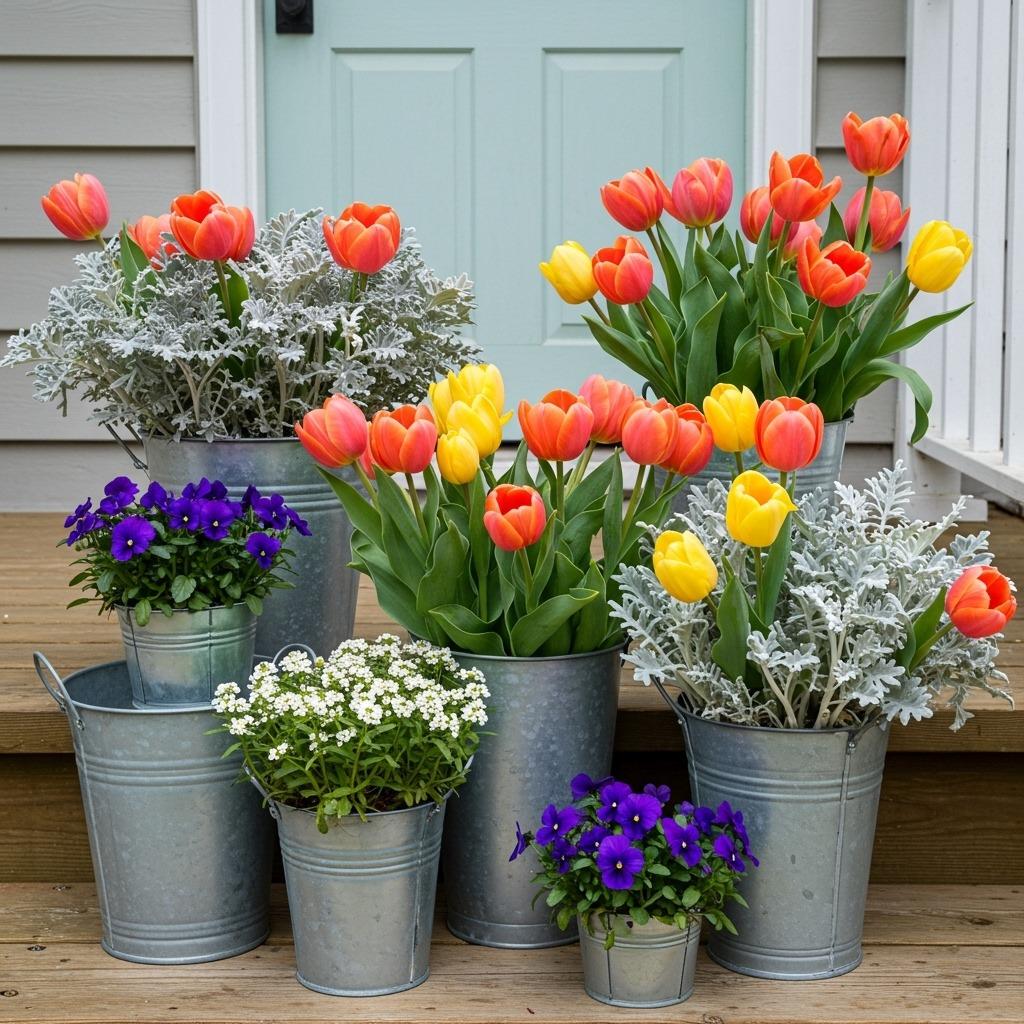
Tulips, daffodils, and hyacinths are your spring superstars. I love clustering tulips in odd numbers (groups of 5, 7, or 9) for maximum impact rather than spacing them evenly. Pair them with trailing pansies or violas that spill over container edges. The combination of upright spring bulbs with cascading cool-season flowers creates movement and dimension.
Don’t overlook spring foliage plants like ornamental kale, dusty miller, or early-season succulents. These add texture and fill in gaps between blooming plants. I’ve had great success mixing purple ornamental kale with yellow pansies and white alyssum for a cottage garden vibe that works on any porch or patio.
For a more modern spring look, try monochromatic arrangements. All-white displays with white tulips, white ranunculus, and silvery foliage feel incredibly sophisticated. Or go bold with all-yellow arrangements using daffodils, primroses, and golden creeping Jenny. Similar principles of thoughtful design work beautifully indoors too, as you can see in these vertical gardening ideas that maximize space and visual impact.
Incorporate unexpected elements like birch branches, decorative bird nests, or painted eggs tucked into the soil. These seasonal touches make your arrangements feel curated and intentional rather than generic. Just be careful not to overcrowd your containers – spring plants need room to grow as temperatures rise.
Summer Outdoor Flower Displays That Beat the Heat
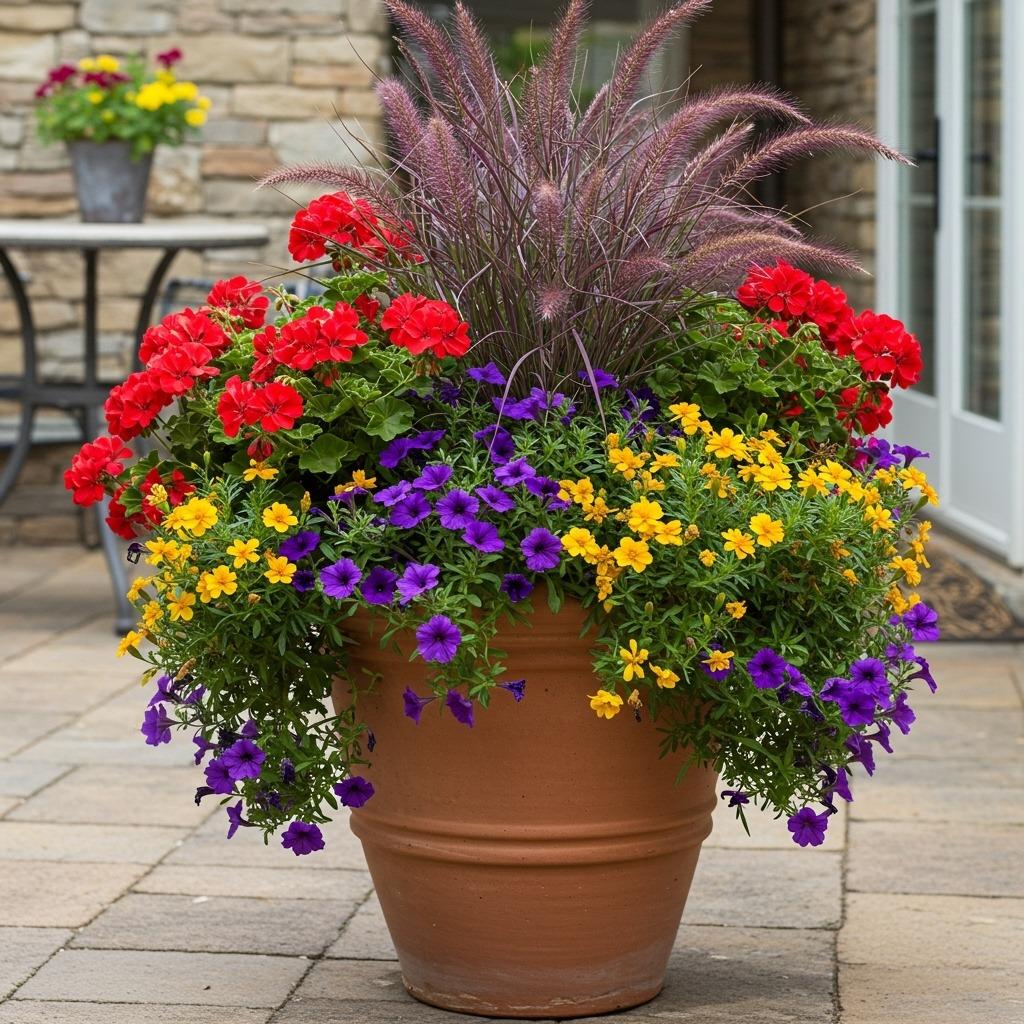
Summer is when your outdoor plant arrangements really need to work hard. The heat can be brutal, and not every plant is up for the challenge. The key is choosing heat-loving varieties that actually thrive in full sun and designing arrangements with proper drainage in mind.
Geraniums, petunias, and calibrachoa are summer workhorses that bloom relentlessly in the heat. I particularly love the trailing varieties of petunias that create cascades of color all season long. Pair them with upright geraniums and you’ve got an instantly classic combination that looks fresh in any container style.
For something less traditional, try mixing ornamental grasses with flowering plants. Purple fountain grass combined with bright orange marigolds and lime-colored sweet potato vine creates an unexpectedly beautiful trio. The grass adds movement and texture that makes the whole arrangement feel more dynamic.
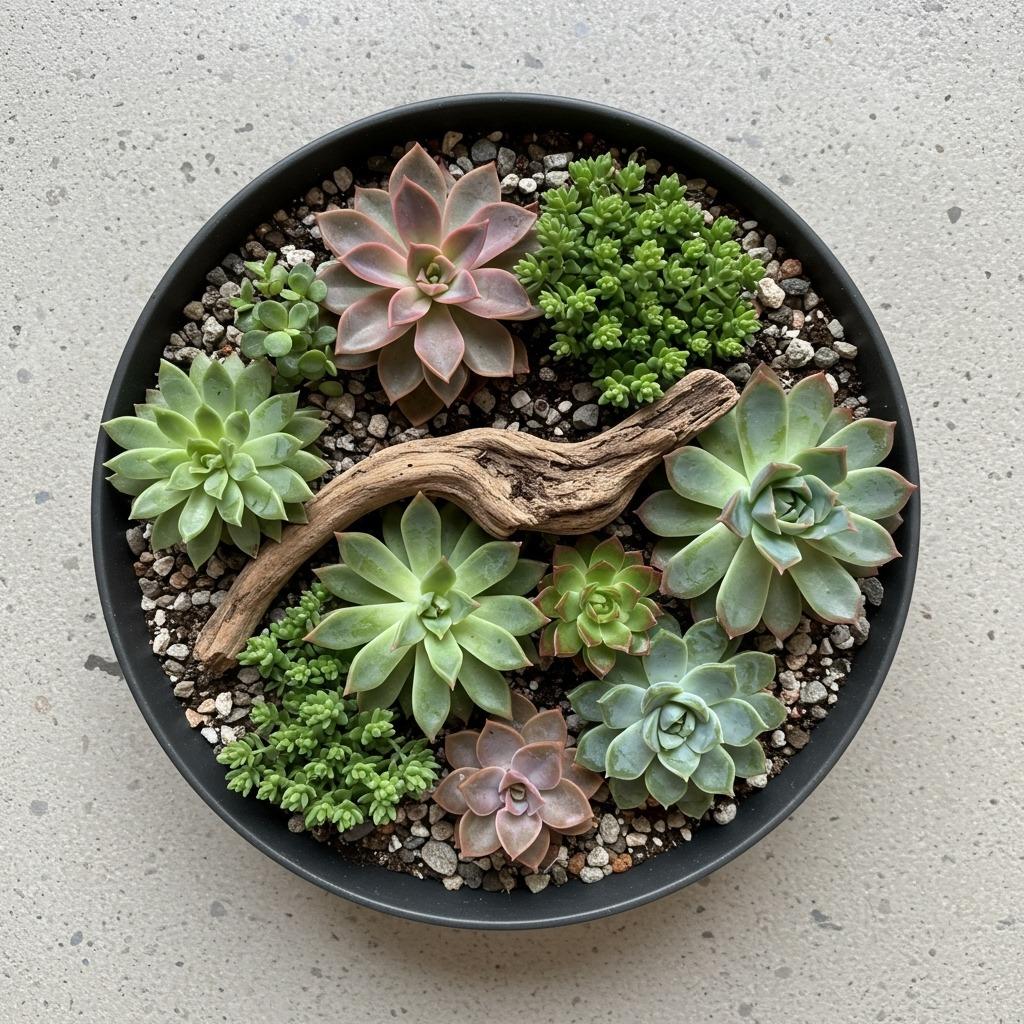
Succulents and drought-tolerant plants are game-changers for summer arrangements, especially if you travel or struggle to keep up with watering. Combine different sizes and colors of sedums, echeveria, and sempervivum in shallow containers for a low-maintenance display that actually looks better as summer progresses.
Don’t forget about herbs in your summer arrangements. Rosemary, lavender, and trailing oregano aren’t just functional – they’re genuinely beautiful and add wonderful fragrance to seating areas. Plus, you can snip them for cooking, which makes your outdoor arrangements both decorative and practical.
Water features integrated with plant arrangements can help cool down your outdoor space visually and literally. Even a simple fountain surrounded by moisture-loving plants like caladiums and coleus creates a refreshing focal point. If you’re working with a smaller outdoor area, container gardening techniques can help you maximize every inch.
Fall Garden Design Tips for Cozy Seasonal Transitions
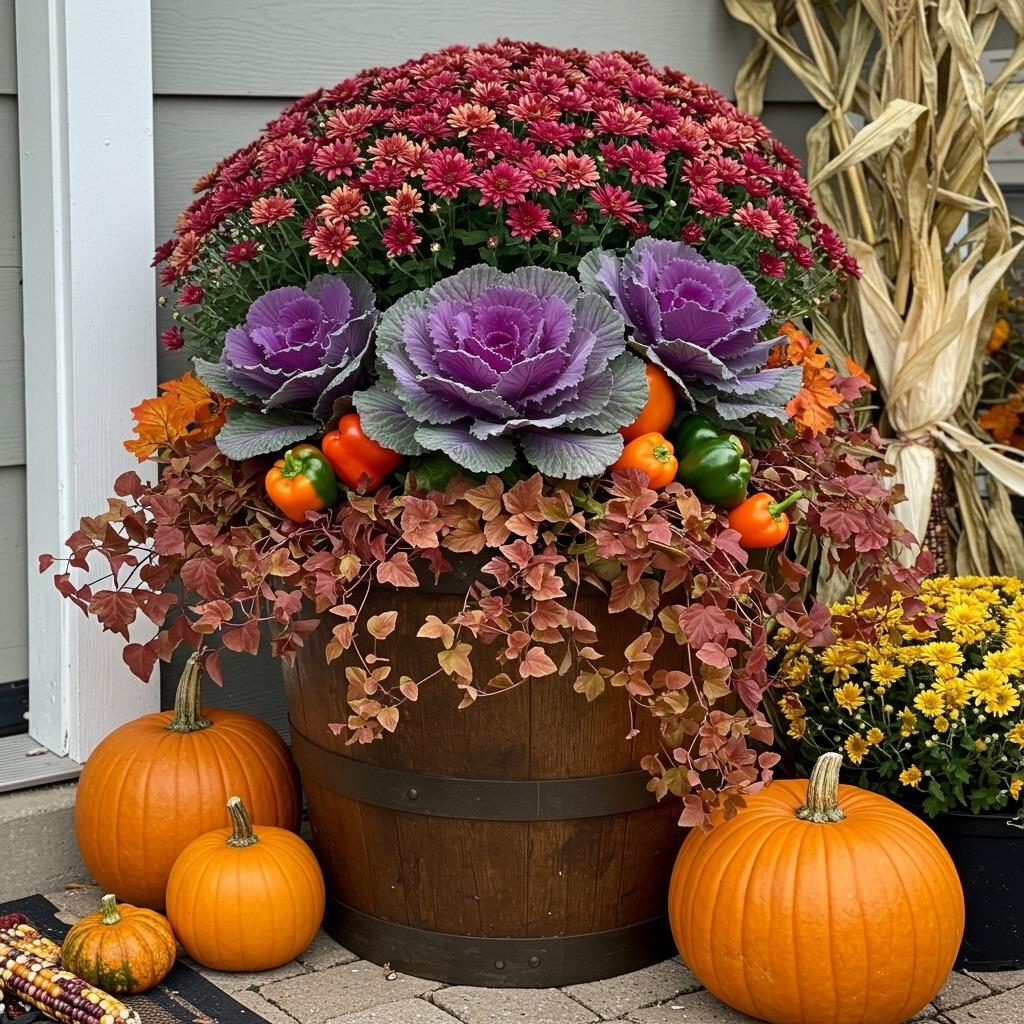
Fall arrangements have this warm, nostalgic quality that makes outdoor spaces feel incredibly inviting. The color palette shifts to oranges, burgundies, golds, and deep purples – all those rich hues that make you want to grab a sweater and a cup of something warm.
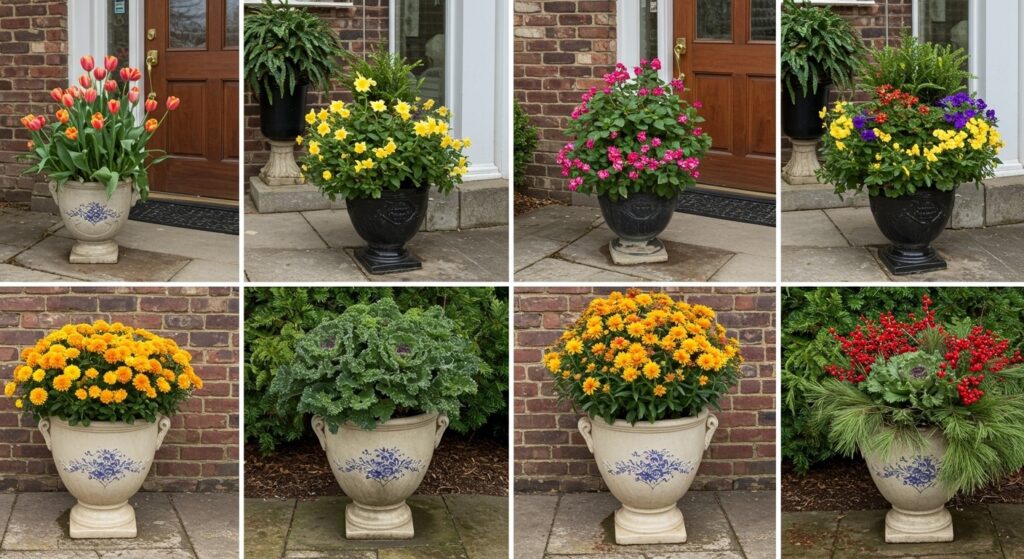
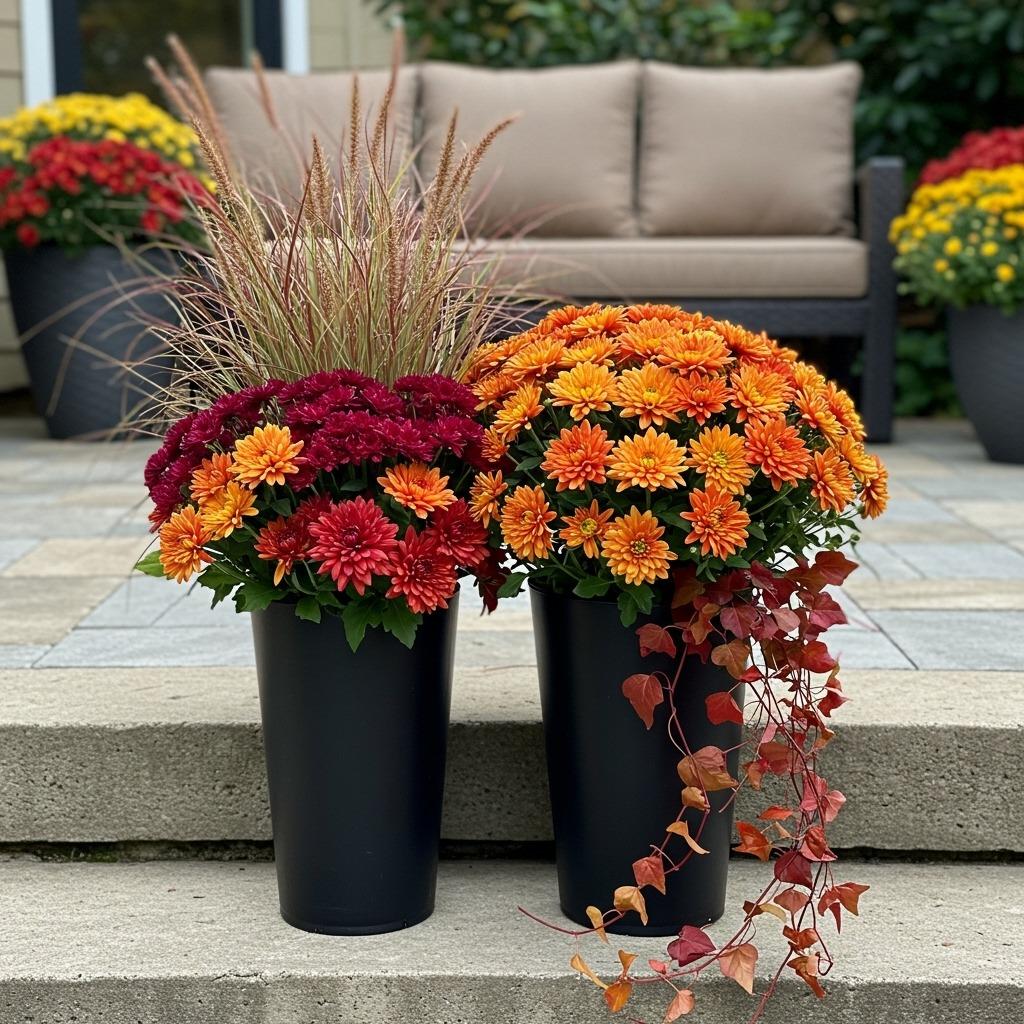
Chrysanthemums are the obvious fall choice, and honestly, they’re popular for good reason. But instead of just planting them solo, combine mums with ornamental peppers, purple fountain grass, and trailing sweet potato vine in autumnal shades. This adds layers of interest that go beyond the standard garden center display.
Ornamental cabbage and kale really shine in fall arrangements. Their rosette shapes provide architectural interest, and they actually get more colorful as temperatures drop. I’ve created beautiful arrangements mixing purple cabbage with rust-colored mums and chartreuse coleus that lasted well into November.
Incorporate fall harvest elements into your plant arrangements for that seasonal feel. Miniature pumpkins, gourds, and dried corn stalks nestled among your plants create instant autumn ambiance. Just make sure these decorative elements don’t completely overwhelm your actual plants – they should enhance, not dominate.
Grasses deserve special mention for fall displays. Varieties like Mexican feather grass, maiden grass, and blue fescue add movement and texture that complement fall bloomers beautifully. As they catch the low autumn light, they practically glow, creating magical moments in your outdoor space.
Don’t be afraid to add some unexpected elements. I’ve used bronze-toned dusty miller, burgundy coral bells, and even dark purple coleus in fall arrangements. These plants bridge the gap between traditional fall colors and something a bit more unique. For those who love seasonal decor throughout the home, these cozy winter bedroom ideas capture that same warm, transitional feeling indoors.
Winter Outdoor Plant Styling That Stays Beautiful
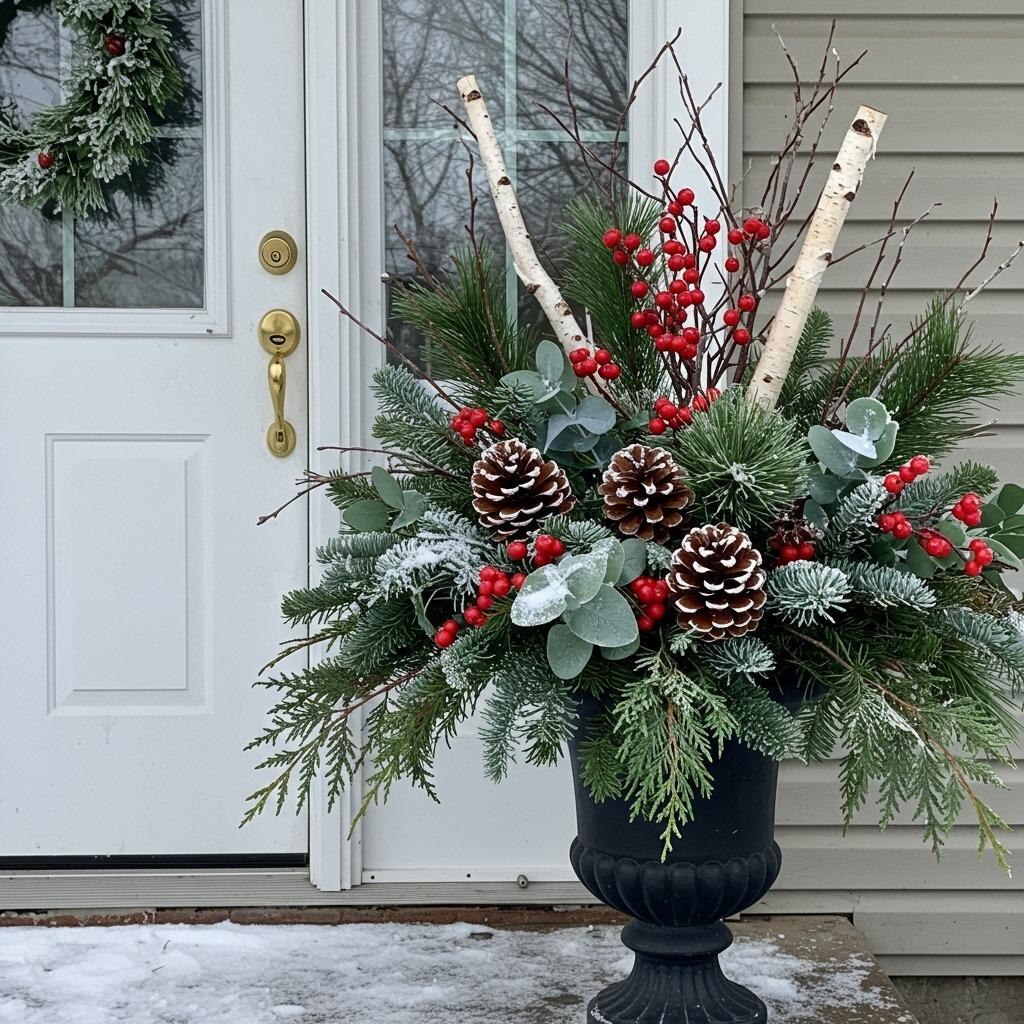
Winter outdoor arrangements might seem challenging, but they can be some of the most striking displays of the year. The key is thinking beyond flowers and embracing evergreens, berries, and structural elements that look stunning even in cold weather.
Evergreen branches form the backbone of winter arrangements. Mix different types – some with variegated foliage, others with blue-green tones – to create depth. I love combining traditional pine or spruce with more unexpected choices like eucalyptus or cedar. The variety in texture and color makes arrangements feel intentional rather than thrown together.
Holly, winterberry, and red-twig dogwood add pops of color that really stand out against snow and gray winter skies. These berry-producing plants and colorful stems create focal points in winter arrangements that require zero maintenance. Just cut branches and stick them into containers of soil or sand – they’ll last for months.
If you live in a milder climate, you have more options. Pansies and violas can bloom through mild winters, and ornamental cabbage stays gorgeous even with frost on its leaves. Combine these with evergreen accents for arrangements that feel alive even in the dormant season.
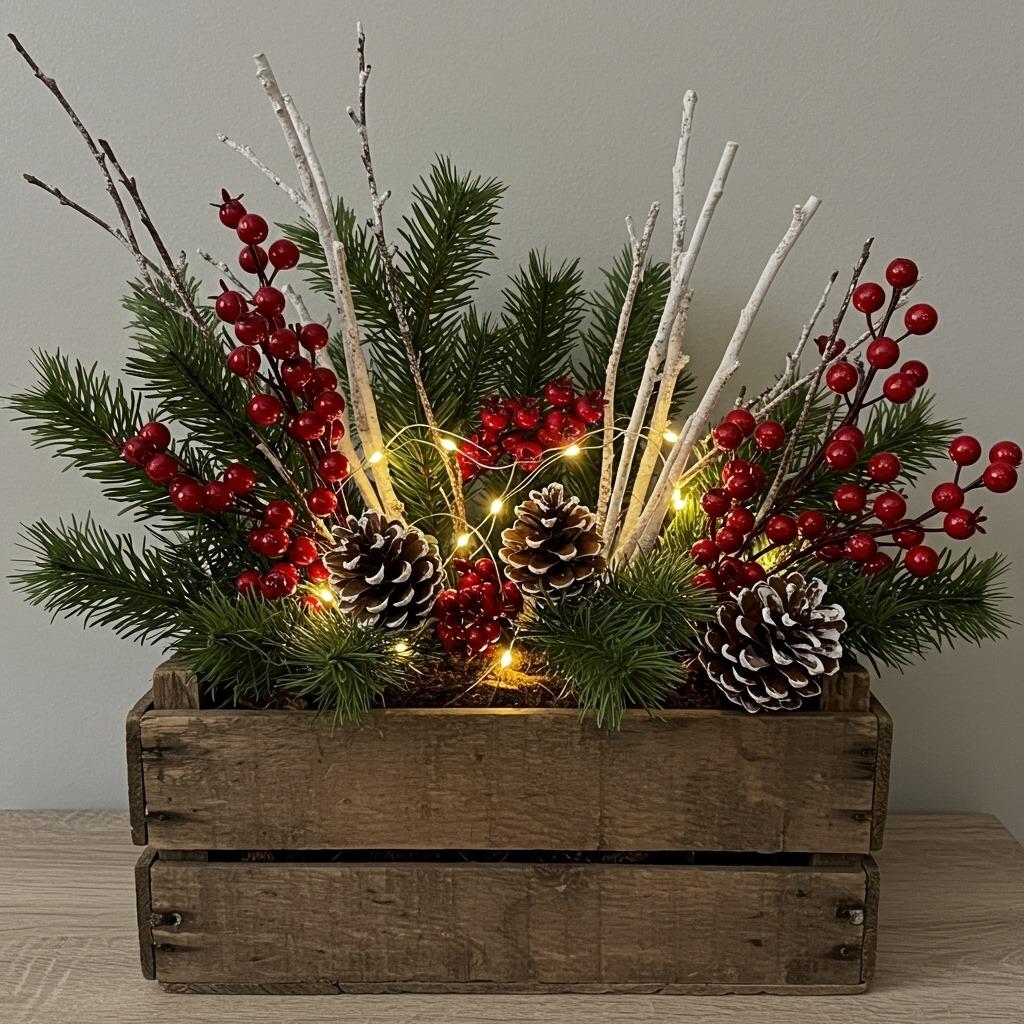
Decorative elements become more important in winter arrangements. Birch branches, curly willow, pinecones, and berries on stems can be arranged into containers to create beautiful displays. I often add battery-operated string lights woven through winter arrangements for evening appeal – it makes coming home on dark winter nights so much more welcoming.
Consider creating winter arrangements in unexpected containers. An old wooden crate, a galvanized bucket, or even a decorative wheelbarrow filled with evergreens and branches creates rustic charm. Line containers with plastic to protect them from moisture damage, then fill with floral foam or sand to anchor your cuttings. For more ideas on creating inviting spaces during colder months, these small space renovation tips can help you maximize your available areas.
Container Selection and Placement Strategies
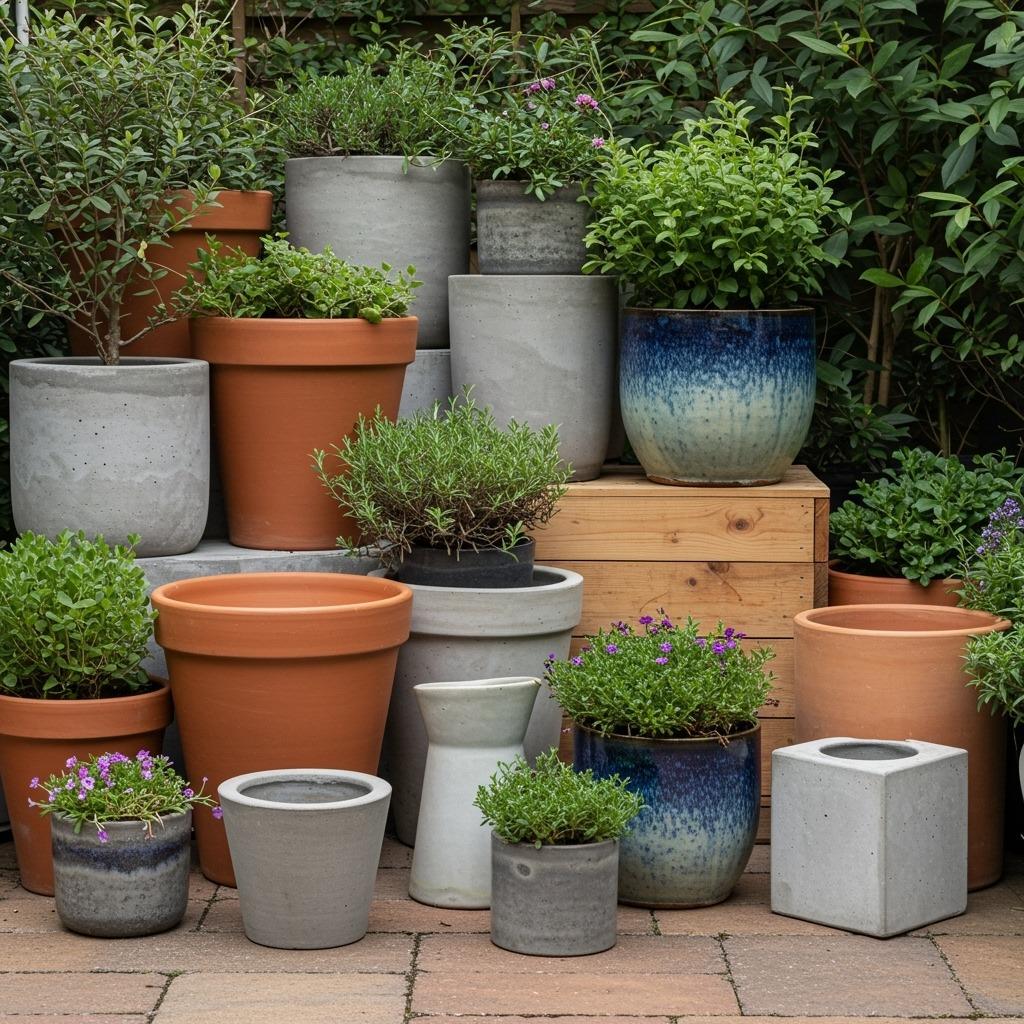
The containers you choose and where you place them matter just as much as the plants themselves. I’ve learned this lesson after too many arrangements that technically had beautiful plants but somehow still looked off. The vessel and location make all the difference.
Material choice affects both aesthetics and plant health. Terracotta breathes well but dries out quickly – perfect for Mediterranean plants but challenging for moisture-lovers. Plastic retains water longer and works great for shade plants or if you travel frequently. Glazed ceramic offers the best of both worlds but can be pricey. Consider your watering habits and climate when selecting containers.
Size matters more than you’d think. As a general rule, choose containers that are at least 12-14 inches in diameter for mixed arrangements. Anything smaller dries out too quickly and doesn’t give you enough room to create interesting combinations. For large spaces like porches or patios, go even bigger – 18-24 inch containers create real impact.
Grouping containers in odd numbers creates more visual interest than even numbers. Three or five containers of varying heights arranged together looks more intentional than two matching pots. I usually place the tallest container slightly off-center, with smaller ones flanking it at different depths. This creates dimension rather than a flat, symmetrical look.
Strategic placement transforms good arrangements into great ones. Flank doorways with matching containers for formal symmetry, or create an asymmetrical grouping on one side for a more relaxed feel. Corner spaces work beautifully for triangular groupings of three containers at different heights. And don’t forget about vertical space – hanging baskets or wall-mounted planters add another dimension entirely.
Lighting conditions dictate plant selection more than personal preference should. I’ve made the mistake of trying to force sun-loving plants into shady spots, and it never ends well. Observe your space at different times of day before choosing plants. That sunny spot at 9 AM might be completely shaded by 2 PM, which changes everything about what will thrive there.
Color Theory and Texture Combinations
Understanding how colors work together elevates your arrangements from pretty to professionally styled. You don’t need to be an expert, but knowing a few basic principles makes decision-making so much easier when you’re standing in the garden center surrounded by options.
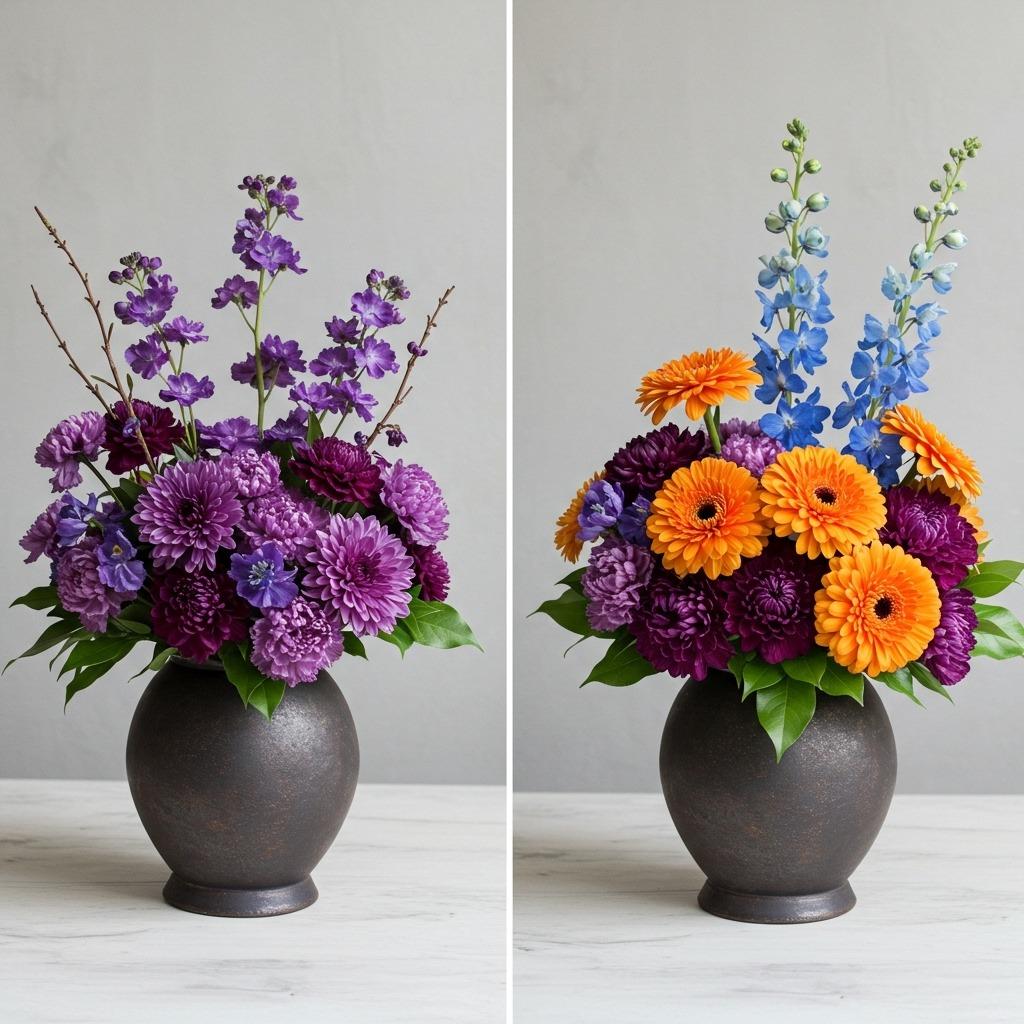
Monochromatic arrangements use different shades of one color. All-white arrangements feel elegant and sophisticated, perfect for formal spaces. All-purple displays create drama and work beautifully in contemporary settings. The trick with monochromatic arrangements is varying the textures significantly – otherwise, they can look flat despite the sophisticated color choice.
Complementary colors sit opposite each other on the color wheel and create vibrant, energetic combinations. Purple and yellow, orange and blue, red and green – these pairings naturally draw the eye and create excitement. They work especially well for containers you want to be focal points, like those flanking an entrance or anchoring a seating area.
Analogous color schemes use colors next to each other on the wheel – like yellow, orange, and red, or blue, purple, and pink. These combinations feel harmonious and restful. They’re perfect for creating cohesive looks when you have multiple containers in one area, or when your outdoor arrangement needs to complement your home’s exterior colors.
Texture might be even more important than color. Combining different leaf shapes, sizes, and surfaces creates interest that holds up even when flowers aren’t blooming. Mix spiky plants like grasses or cordyline with rounded leaves like geraniums, add trailing plants for movement, and include some fuzzy or glossy foliage for tactile variety. These principles work indoors too, as seen in these nature-inspired bathroom designs that bring natural textures inside.
Scale variation within arrangements prevents that “everything is the same size” problem. Include large statement leaves, medium-sized flowering plants, and delicate, airy fillers. This creates depth and makes arrangements more interesting from multiple viewing angles. Think about how your arrangement will look from different distances too.
Maintenance Tips for Long-Lasting Displays
Creating beautiful seasonal plant arrangements is one thing. Keeping them looking gorgeous throughout the season is another challenge entirely. But with the right maintenance routine, your displays can stay stunning with surprisingly little effort.
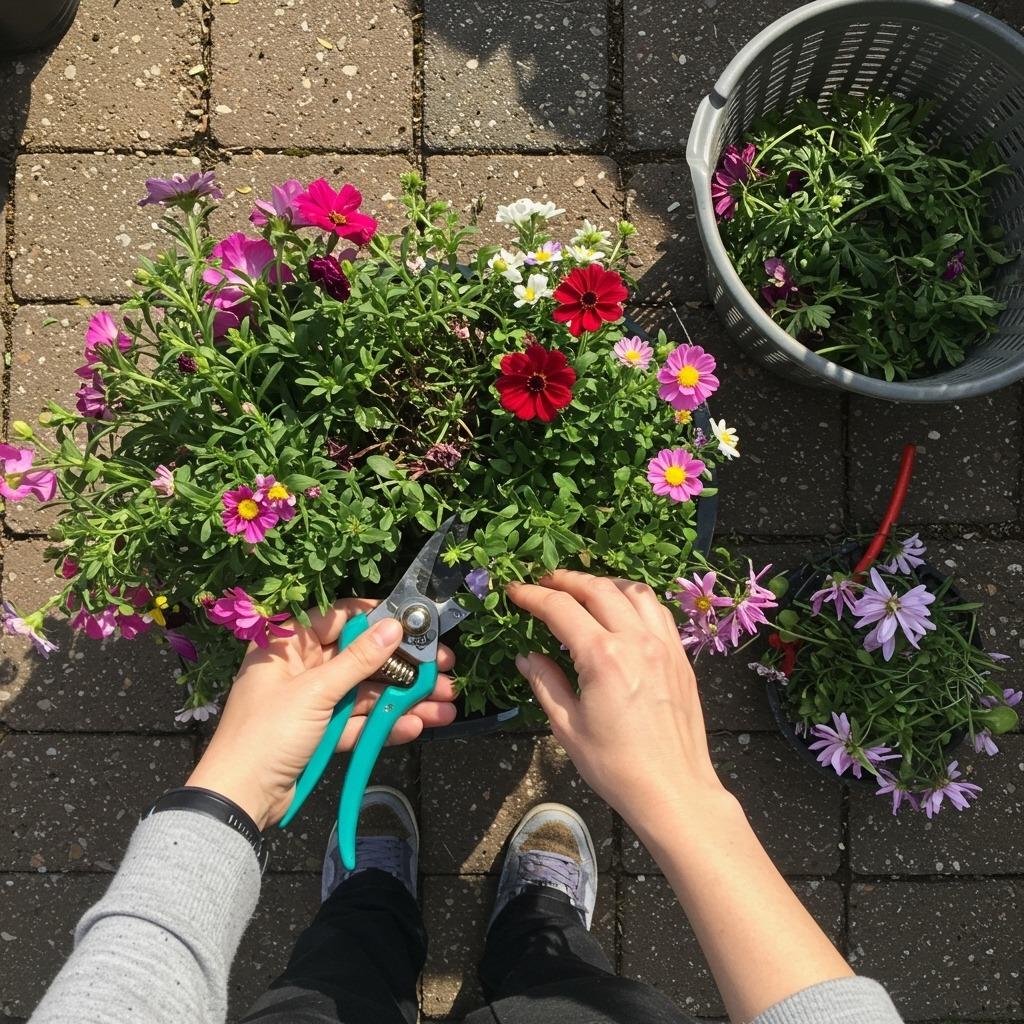
Deadheading makes an enormous difference with flowering plants. Spend five minutes every few days pinching off spent blooms, and your plants will produce exponentially more flowers. This simple task can extend the blooming period by weeks. I keep small pruning shears near my door so I can deadhead while having morning coffee – it becomes a relaxing ritual rather than a chore.
Fertilizing is non-negotiable for container plants. Unlike garden beds where roots can search for nutrients, container plants depend entirely on what you provide. Use a slow-release fertilizer at planting time, then supplement with liquid fertilizer every two weeks during active growing seasons. This consistent feeding keeps colors vibrant and growth vigorous.
Watering consistently matters more than how much you water. Containers dry out faster than you’d expect, especially in summer heat or windy locations. The finger test works perfectly – stick your finger two inches into the soil. If it feels dry, water deeply until it drains from the bottom. If it’s still moist, wait another day.
Refreshing arrangements mid-season keeps them looking intentional rather than tired. Replace plants that finish blooming early with fresh options. Fill in gaps where plants didn’t establish well. Add seasonal accents like decorative picks or changing out filler plants. These small updates make a huge difference without requiring complete replanting.
Watching for pests early prevents major problems. Check undersides of leaves regularly for aphids, inspect for spider mite webbing, and look for chewed leaves indicating caterpillar damage. Catching issues early means you can often fix them with a strong spray of water or insecticidal soap rather than harsh chemicals. If you’re managing plants indoors and outdoors, these gardening for beginners tips cover the essentials of plant care.

Budget-Friendly Approaches to Seasonal Styling
You don’t need to spend a fortune creating beautiful seasonal outdoor arrangements. I’ve learned plenty of tricks over the years that keep costs down while still delivering impressive results. It’s really about being strategic with your purchases and creative with your resources.
Invest in quality containers that last for years rather than buying new plants every season. One set of beautiful, durable pots can be replanted four times annually, making them far more cost-effective than cheap containers that crack or fade. Neutral colors like terracotta, gray, or black work with any seasonal palette, so you won’t feel locked into specific color schemes.
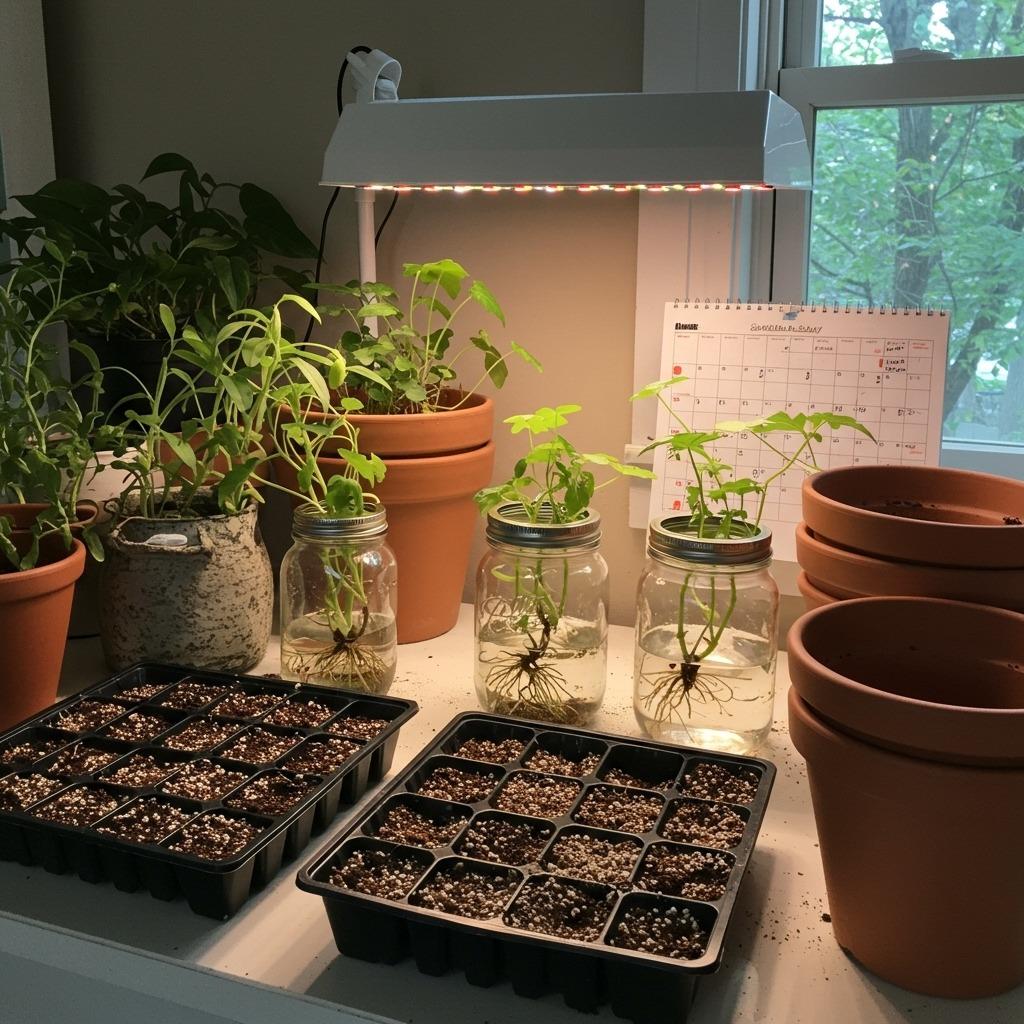
Start plants from seed or cuttings when possible. Many annual flowers are incredibly easy to grow from seed if you start them indoors 6-8 weeks before outdoor planting time. Trailing plants like sweet potato vine and begonias root easily from cuttings – ask friends to share. Perennial divisions from your garden or neighbors’ gardens cost nothing and fill containers beautifully.
Shop end-of-season sales aggressively. Garden centers drastically reduce prices when seasons change, and many of those plants will bounce back beautifully with proper care. I buy mums at 75% off in late October, plant them in the garden, and they return the following fall. Spring bulbs purchased after bloom time can be planted in containers for next year.
Mix in foliage plants that last multiple seasons. Ornamental grasses, small evergreen shrubs, and perennials like coral bells or hostas can stay in containers year-round in many climates. Build arrangements around these permanent plants and just swap out seasonal bloomers. This approach drastically reduces annual plant purchases.
Repurpose items from around your home as decorative accents rather than buying expensive garden decor. Vintage kitchen items, architectural salvage, interesting rocks or driftwood, and painted found objects add personality to arrangements without costing anything. Just ensure items are weatherproof or treated for outdoor use.
Adapting Arrangements for Different Outdoor Spaces
Not everyone has a sprawling porch or patio to work with, and that’s completely fine. Beautiful seasonal plant arrangements work in spaces of any size – you just need to adapt your approach to fit what you’ve got. The principles stay the same even if the scale changes.
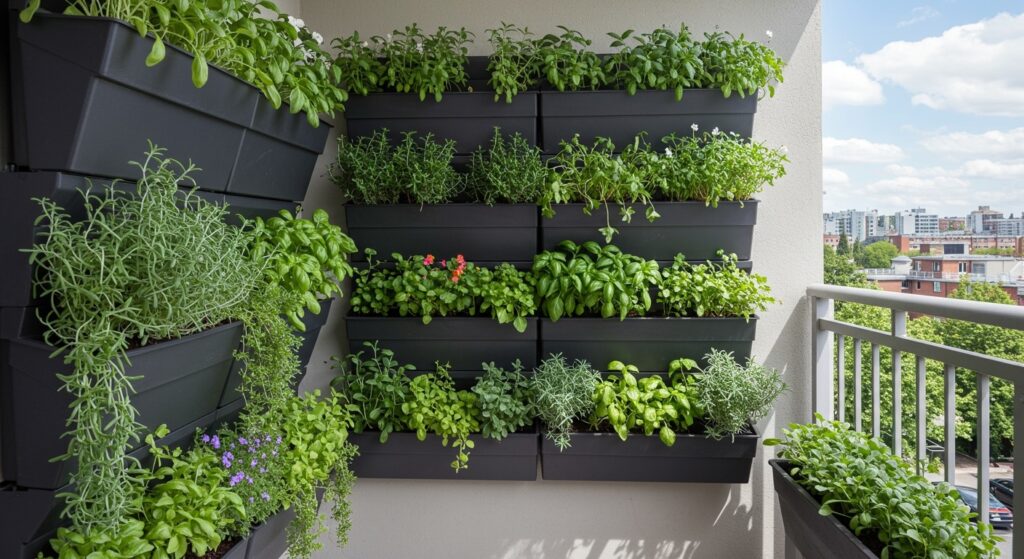
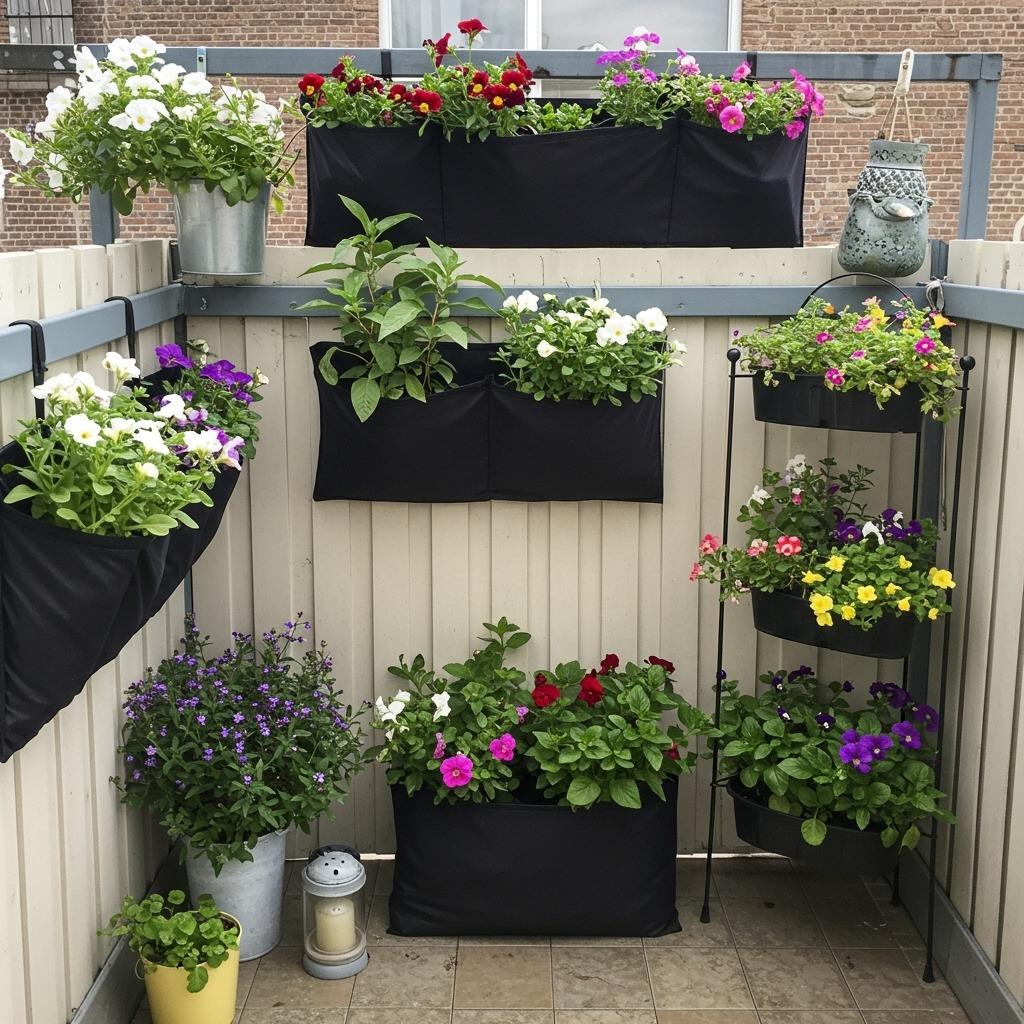
Small apartment balconies benefit from vertical arrangements. Install rail planters that sit on balcony edges without taking up floor space. Hang containers at different heights to create dimension without sacrificing precious square footage. Choose compact plant varieties specifically bred for containers rather than sprawling garden varieties. For more ideas on maximizing tight spaces, these balcony vegetable garden concepts show creative uses of limited areas.
Large porches or expansive patios can handle bigger, bolder statements. Create groupings of multiple large containers rather than scattering single pots around. Establish “zones” with plant arrangements – a seating area might have its own grouping, while the entrance has another. This creates intentional, designed spaces rather than random pot placement.
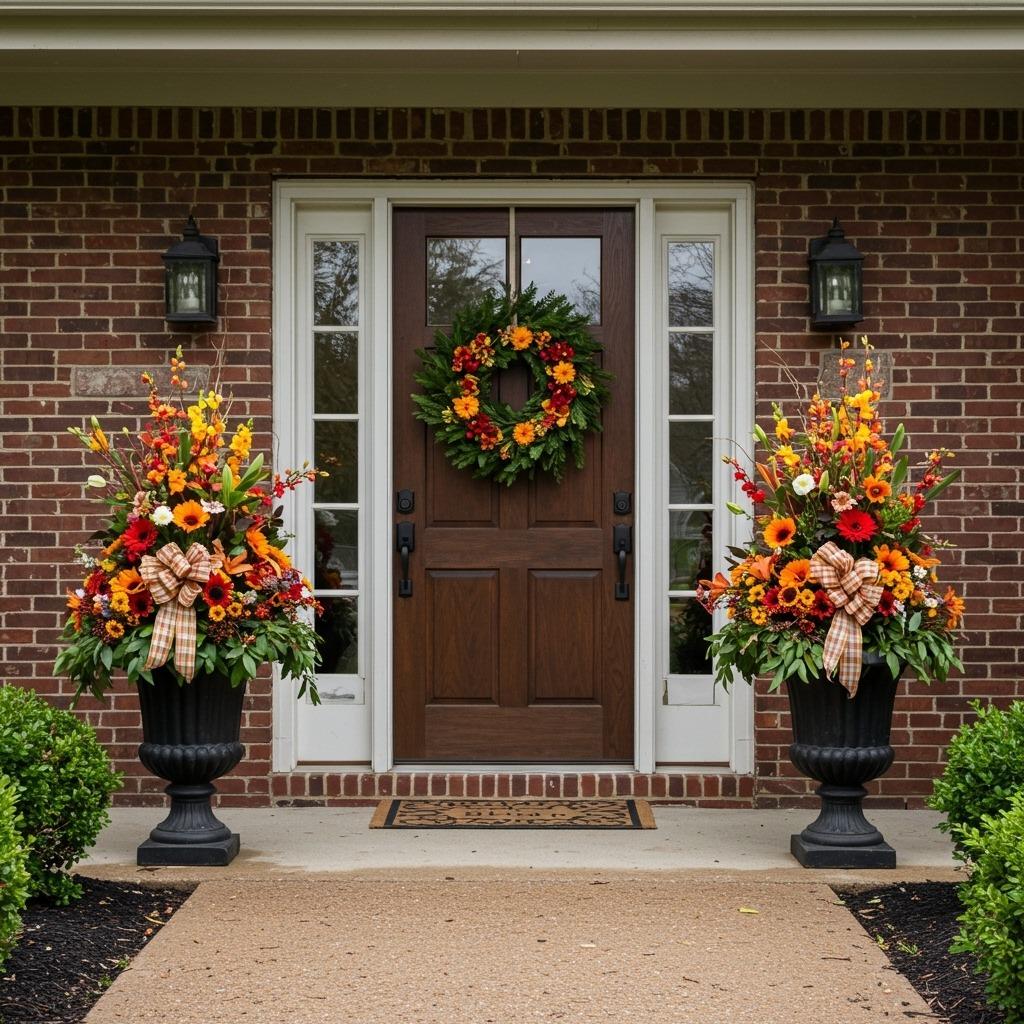
Entrances and doorways demand symmetry or intentional asymmetry. Flanking a door with matching containers creates formal, welcoming symmetry perfect for traditional homes. A single large container to one side with smaller companions creates asymmetrical balance that works for more casual or contemporary settings. Either approach works – the key is making it look deliberate.
Pathways and walkways benefit from repeated arrangements that create rhythm. If you have a longer walkway, place matching containers at regular intervals on alternating sides. This guides visitors visually and creates cohesion. Or line one side with a series of coordinated but not identical arrangements for a cottage garden feel.
Corner spaces often get neglected but offer prime opportunities for plant arrangements. A triangular grouping of three containers at varying heights fits naturally into corners and creates interest in otherwise dead space. Tall, narrow containers work especially well in tight corners where wider pots wouldn’t fit.
Your outdoor space has incredible potential to bring you joy every single day, and seasonal plant arrangements are one of the most rewarding ways to make that happen. There’s something deeply satisfying about watching your displays evolve through spring’s fresh beginnings, summer’s abundant blooms, fall’s warm transitions, and winter’s quiet beauty.
The real secret isn’t having a green thumb or unlimited budget. It’s about understanding which plants thrive in each season, arranging them with intention, and maintaining them with consistency. Start with one or two containers if you’re new to this. Experiment with color combinations that speak to you. Notice which arrangements make you smile when you come home.
What I love most about seasonal outdoor plant styling is that it connects you to the natural rhythms of the year in such a tangible way. You become more aware of subtle seasonal shifts, you anticipate the arrival of your favorite blooms, and you develop relationships with the plants that return year after year. Your outdoor arrangements become living markers of time’s passage – beautiful, ever-changing, and entirely yours.