
Your front yard shouldn’t feel like a part-time job. Yet somehow, many of us end up spending every Saturday morning mowing, weeding, and watering just to keep things looking presentable.
There’s a better way. Low maintenance landscaping front yard designs prove you can have stunning curb appeal without constant upkeep. The secret lies in choosing plants that thrive on neglect, using hardscaping strategically, and working with your climate instead of against it.
These 18 ideas range from complete yard overhauls to simple updates you can tackle in a weekend. Some focus on drought-tolerant plants that survive on rainfall alone, while others use ground covers that eliminate mowing altogether. What they all share is the promise of more free time and a front yard that actually improves with age rather than declining the moment you skip a maintenance weekend.
1. Replace Lawn with Native Ground Covers
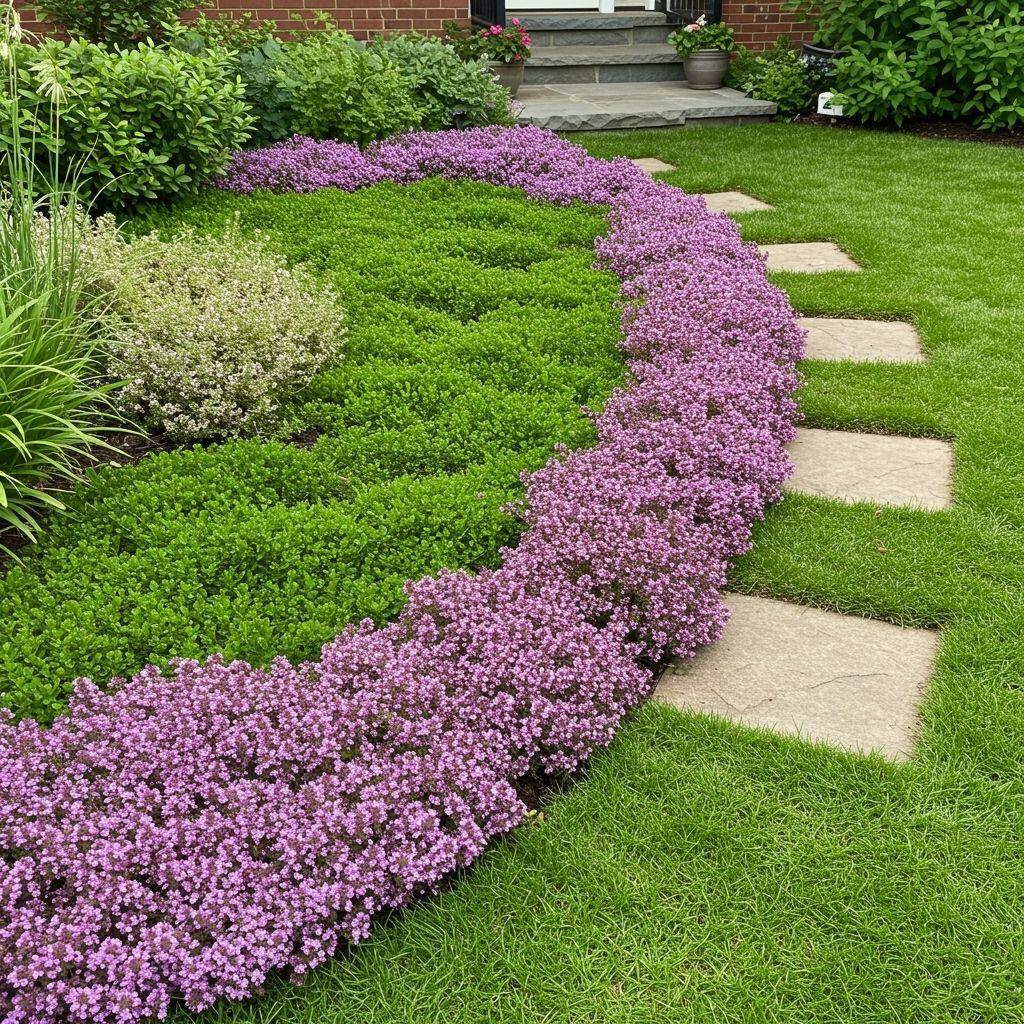
Grass lawns demand constant attention – mowing, edging, fertilizing, and endless watering. Native ground covers eliminate most of that work while creating a lush, green appearance.
Creeping thyme, for example, stays low (under 3 inches), tolerates foot traffic, and releases a pleasant scent when stepped on. Clover fixes nitrogen in the soil, stays green through drought, and requires mowing maybe twice a year if you want a manicured look. These alternatives work particularly well in areas where grass struggles anyway.
The transition doesn’t have to happen overnight. Start by replacing high-maintenance grass strips along walkways or in shady areas where lawn never thrives. Native ground covers suited to your region require less water, resist local pests naturally, and support beneficial insects. This approach aligns with sustainable practices you’d find in eco house design principles.
2. Create Mulched Beds with Perennial Groupings
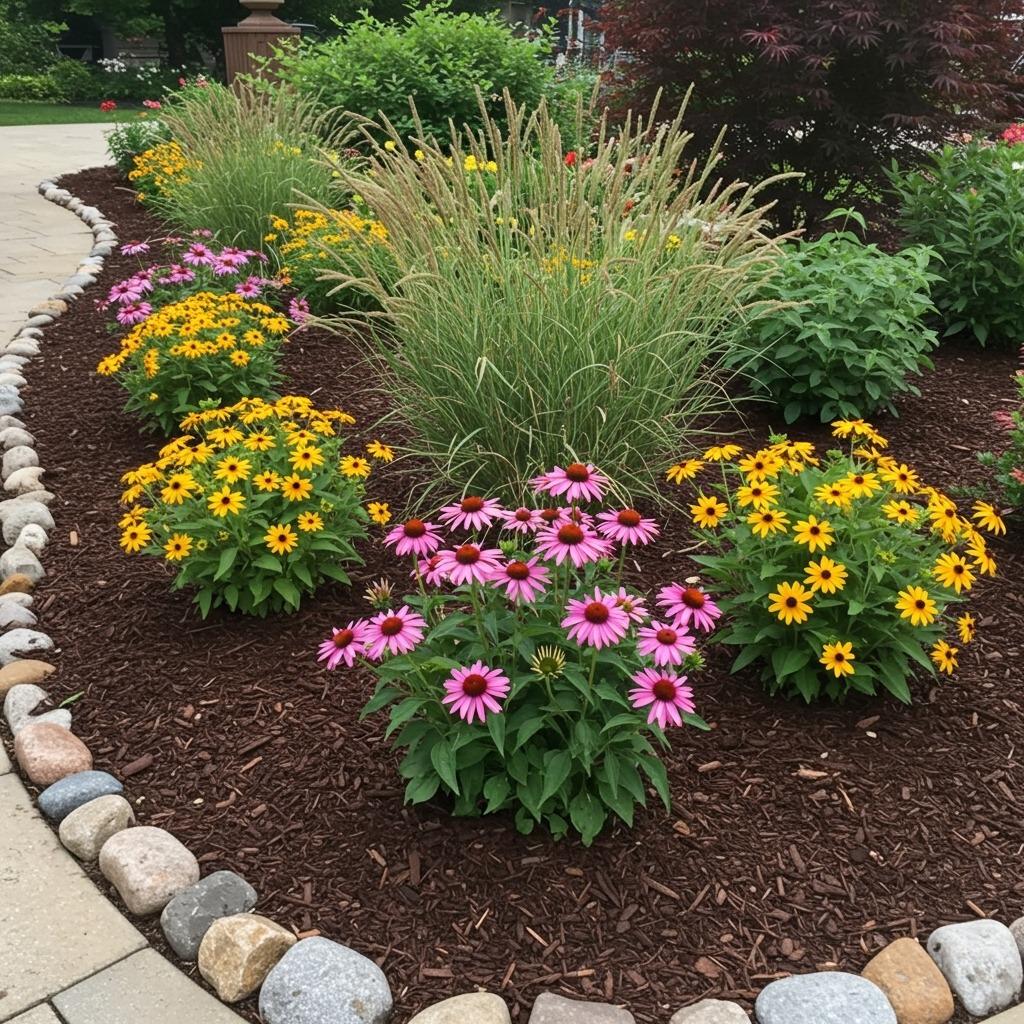
Mulch suppresses weeds, retains moisture, and gives your front yard a finished look with minimal effort. Layer it 3-4 inches deep around perennial plantings and you’ll cut maintenance time dramatically.
Choose perennials that come back year after year without replanting. Daylilies, black-eyed Susans, coneflowers, and ornamental grasses provide color and texture across multiple seasons. Group plants with similar water and sun needs together for easier care.
Refresh mulch annually or every other year to maintain its weed-suppressing properties. Organic mulches like shredded bark or wood chips break down over time, improving soil quality. This simple strategy creates the foundation for an easy-care front yard that looks intentional and polished.
3. Install Drip Irrigation for Automated Watering
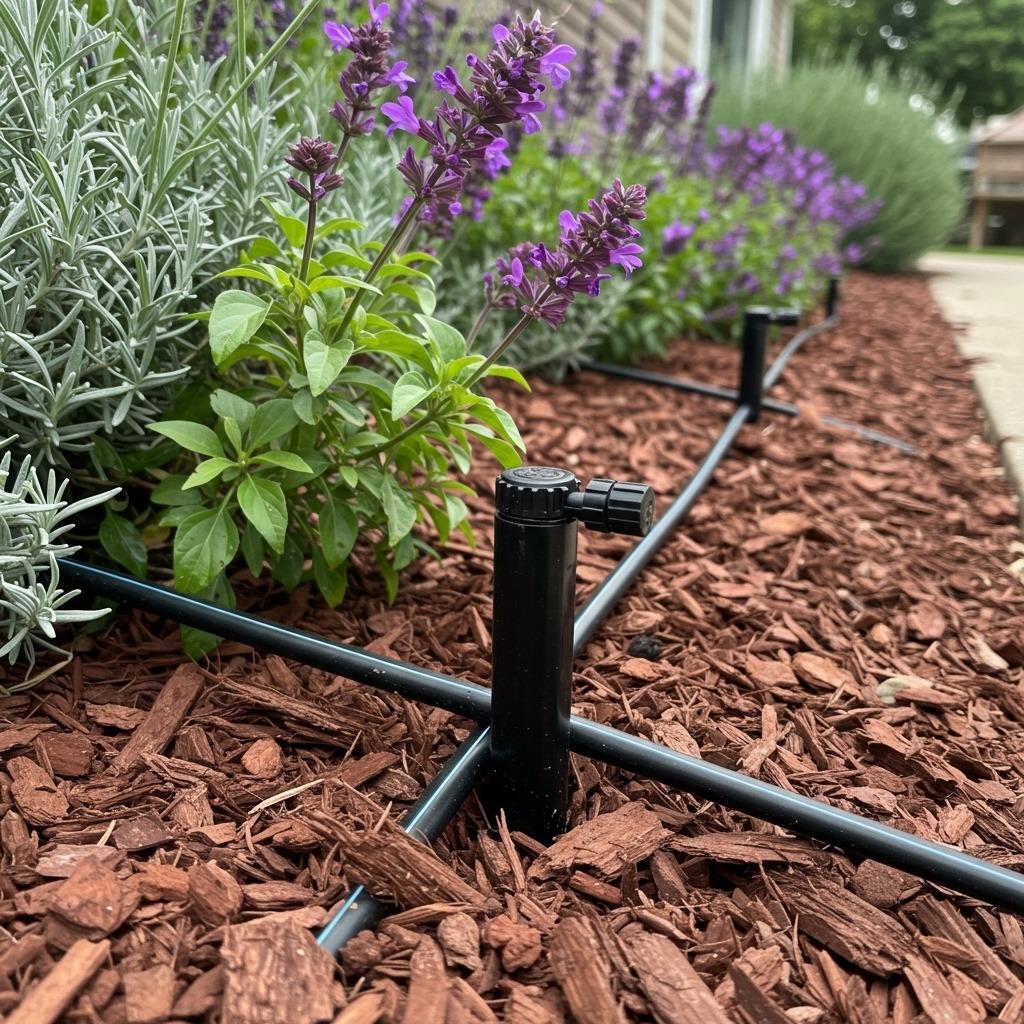
Hand-watering consumes time and often results in overwatering or underwatering. Drip irrigation systems deliver water directly to plant roots efficiently and can be automated completely.
These systems reduce water usage by up to 50% compared to sprinklers while keeping foliage dry, which prevents disease. Once installed, a timer handles all watering tasks. You can adjust zones for different plant needs – drought-tolerant areas get less water, while thirstier plantings receive more.
Installation isn’t as complicated as it sounds. Many homeowners tackle DIY drip systems in a weekend using kits from garden centers.
4. Use Large Decorative Rocks and Boulders
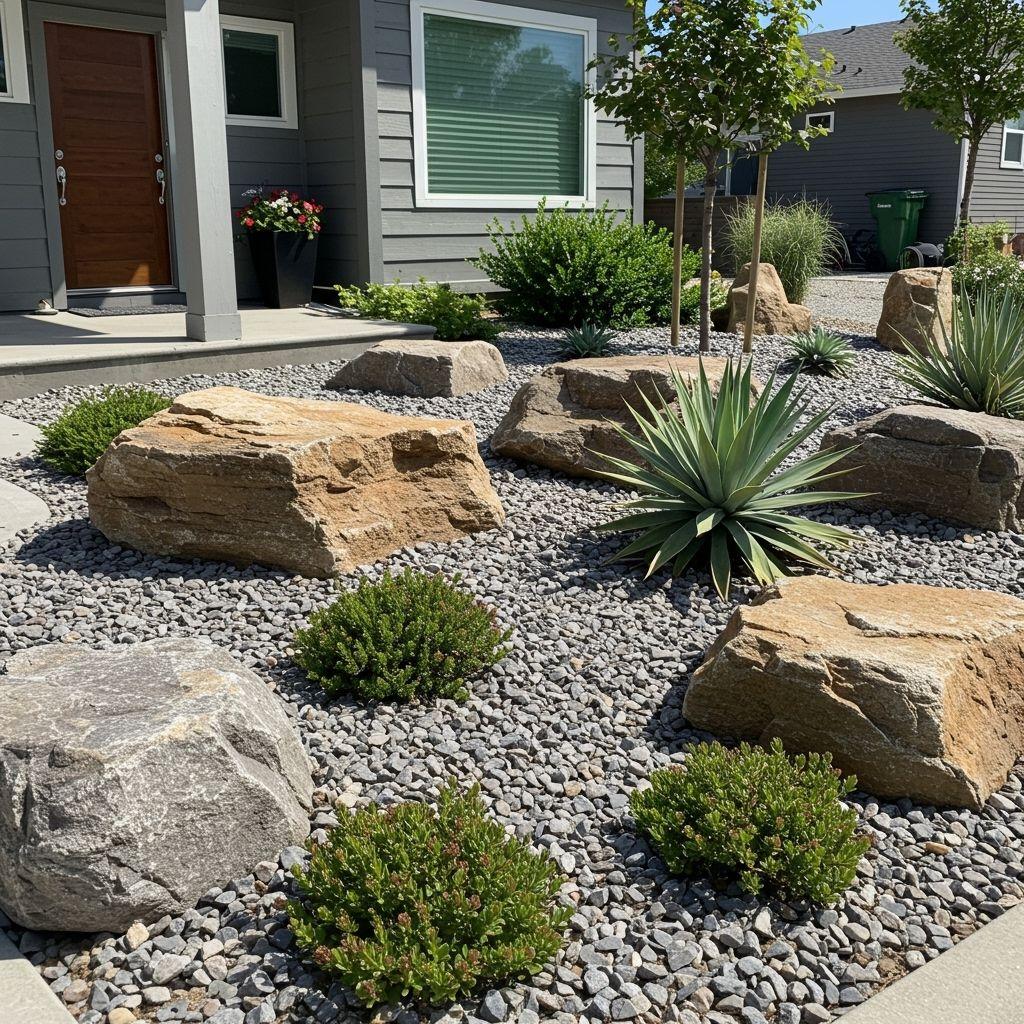
Hardscaping with rocks creates permanent, zero-maintenance focal points in your front yard. Large boulders add sculptural interest while reducing the area you need to plant or maintain.
Strategic rock placement can solve problem areas – slopes that erode, spots where nothing grows, or spaces that stay too wet or too dry. Combine different sizes for natural-looking arrangements. Surround boulders with low-growing plants or ground covers to soften the look.
River rock between plants also serves as attractive, long-lasting mulch that never needs refreshing. It works particularly well in desert climates or modern design schemes. This approach mirrors the minimal upkeep philosophy behind garden and nursery ideas focused on sustainability.
5. Plant Ornamental Grasses for Year-Round Interest
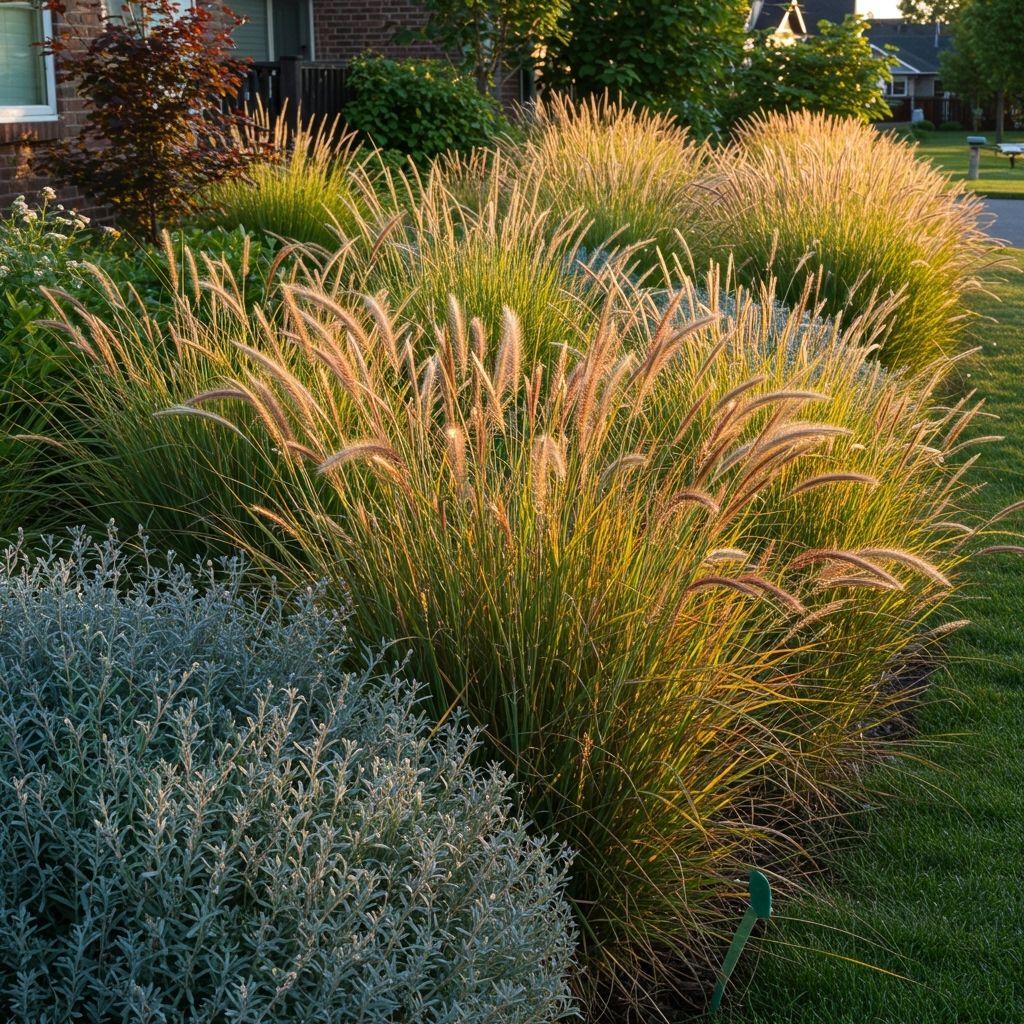
Ornamental grasses might be the ultimate low maintenance plant. They require no deadheading, rarely need dividing, resist pests and diseases, and look stunning through all four seasons.
Varieties like fountain grass, maiden grass, and blue fescue add movement, texture, and color with almost zero care. They tolerate drought once established, require no fertilizing, and need just one cut-back per year in late winter. Many develop gorgeous seed heads that provide winter interest and food for birds.
Group different grass varieties together for a modern, prairie-inspired look. Mix heights and colors – burgundy, blue, gold, and green – for visual depth. Grasses work equally well as specimen plants, borders, or mass plantings. They’re also excellent for filling awkward spaces where other plants struggle.
6. Create Defined Pathways with Pavers or Gravel

Hardscaped paths eliminate strips of grass that need constant edging while creating clear circulation through your front yard. They also prevent worn dirt paths from forming naturally where people walk.
Gravel paths offer the easiest DIY installation – excavate 2-3 inches, lay landscape fabric, add gravel. No mixing concrete or cutting pavers required. For a more formal look, stepping stones set in gravel or ground cover combine structure with softness.
Define path edges with steel or aluminum landscape edging to keep materials contained and create clean lines. This simple addition makes any front yard look more intentional and finished. The approach works beautifully whether your style leans toward English cottage garden charm or modern minimalism.
7. Install Raised Beds for Better Soil Control
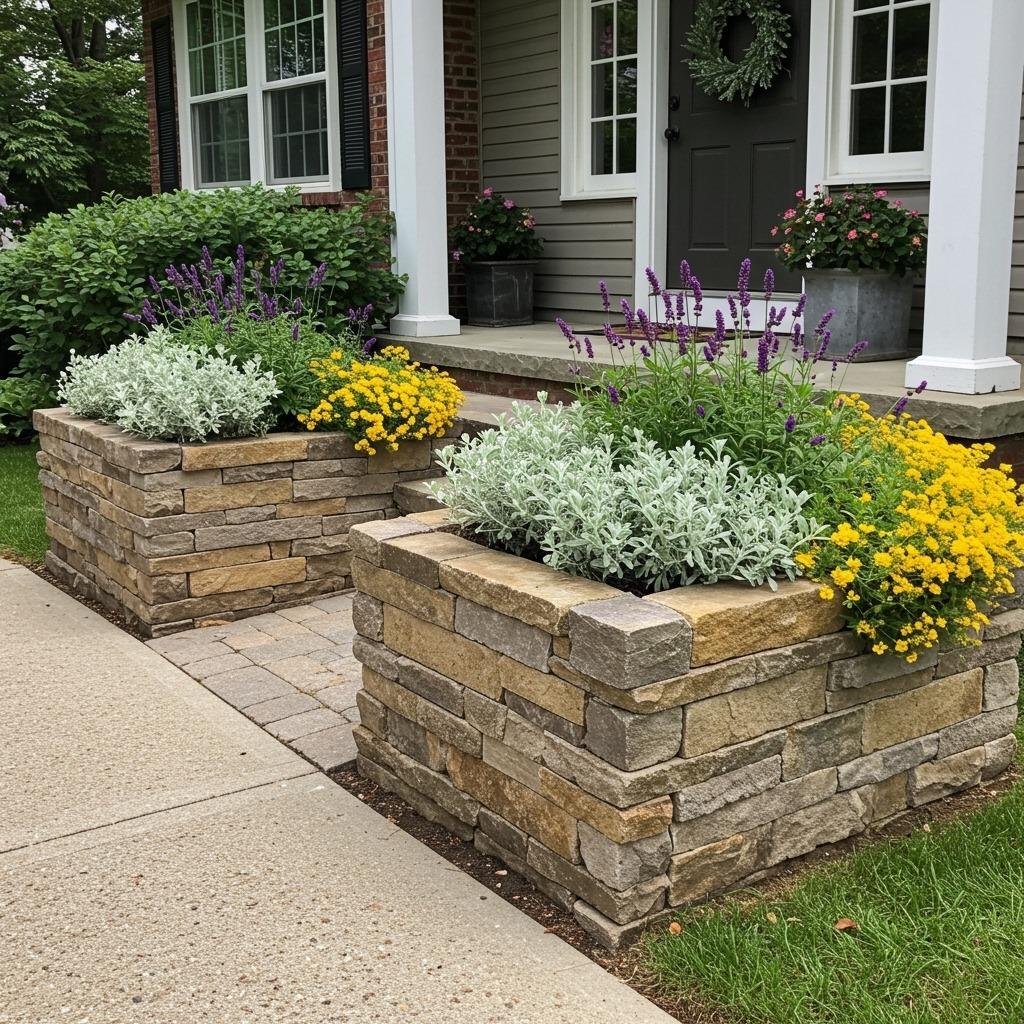
Raised beds give you complete control over soil quality while eliminating bending and reducing weed pressure. They create defined growing areas that look tidy even when plants aren’t in peak bloom.
Build beds 18-24 inches high using cedar, stone, or composite materials. Fill them with quality soil mix suited to your chosen plants. The elevation improves drainage, warms soil earlier in spring, and creates a physical barrier many pests can’t cross.
Use raised beds for drought-tolerant perennials, Mediterranean herbs, or succulents that prefer excellent drainage. The contained nature makes maintenance straightforward – you’re only caring for defined spaces rather than sprawling beds. This concept extends indoor growing principles found in container gardening to front yard landscapes.
8. Choose Evergreen Shrubs as Backbone Plants
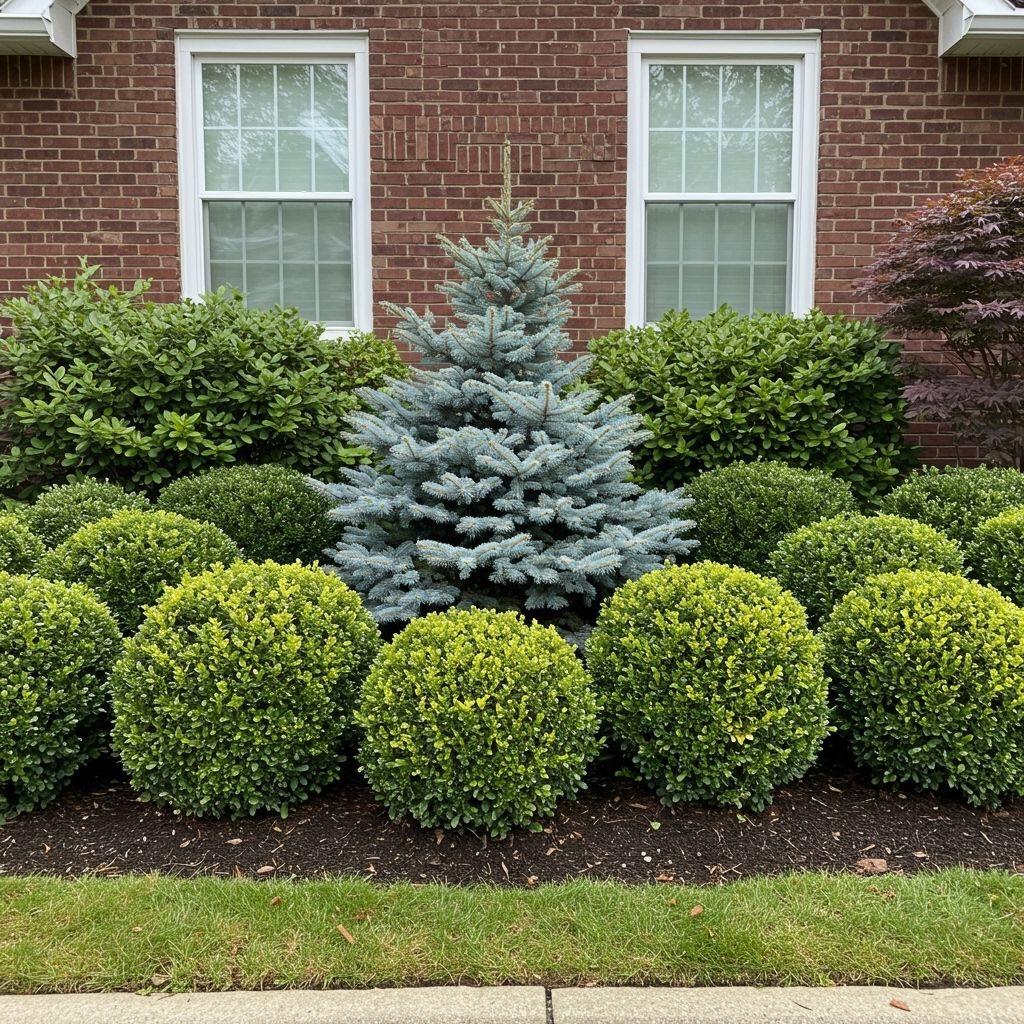
Evergreens provide structure and color 365 days a year with minimal intervention. Unlike deciduous plants, they don’t drop leaves requiring cleanup, and they maintain their shape with just occasional pruning.
Boxwoods, hollies, junipers, and dwarf conifers work well in various climates. Select varieties that naturally maintain the size and shape you want to minimize pruning. Many newer cultivars are bred specifically for compact growth and disease resistance.
Use evergreens to frame your home’s entrance, create privacy screens, or anchor garden beds. Their consistency makes them perfect backdrop plants that allow seasonal bloomers to shine without competing. Once established, most evergreens are remarkably drought-tolerant.
9. Implement Xeriscaping Principles
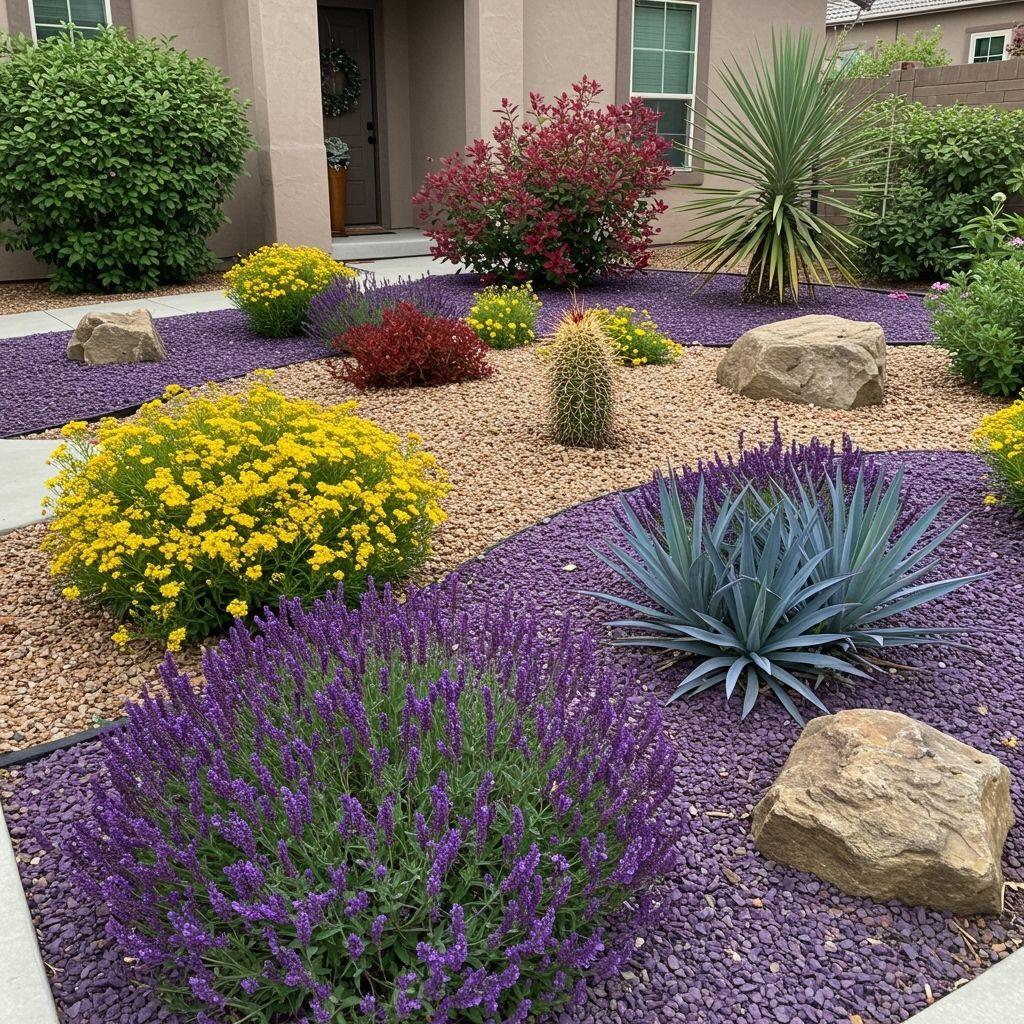
Xeriscaping isn’t just for desert climates. This water-wise approach to landscaping reduces maintenance while creating beautiful, regionally appropriate gardens.
The concept focuses on grouping plants by water needs, using efficient irrigation, mulching heavily, and choosing native or adapted plants. This doesn’t mean cacti everywhere – it means working with your climate rather than fighting it. In humid regions, that might mean rain gardens; in arid areas, succulents and native wildflowers.
Start by identifying your yard’s microclimates – sunny spots, shaded areas, wet zones, dry zones. Match plants to these conditions naturally rather than trying to modify the environment. This foundational approach makes everything easier longterm and connects to broader affordable home upgrades that reduce ongoing costs.
10. Add Synthetic Turf in High-Traffic Areas
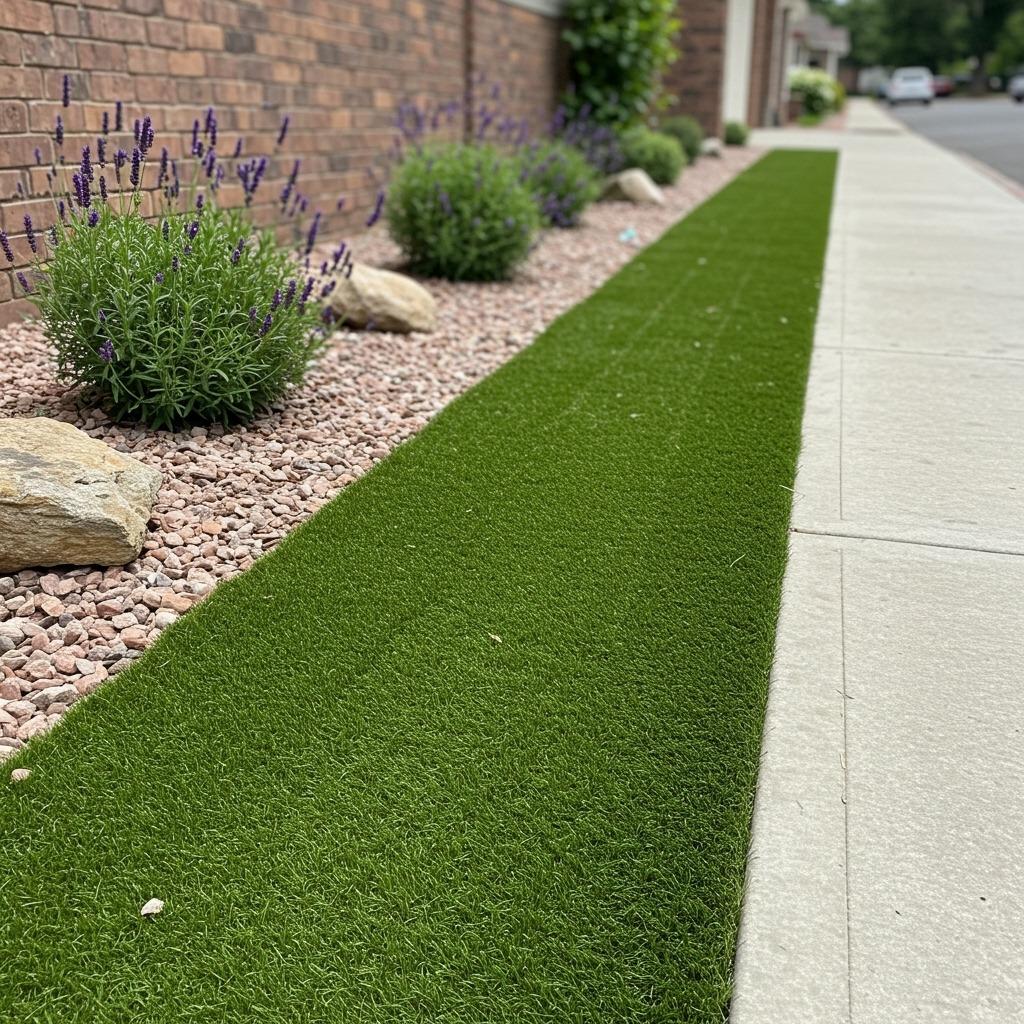
Modern synthetic turf looks remarkably realistic and eliminates mowing, watering, and fertilizing completely. While the upfront cost is higher, the time and water savings can justify the investment.
Use artificial turf strategically rather than replacing your entire yard. High-traffic areas near entryways, side yards where grass never thrives, or play areas for kids and pets are ideal candidates. Quality products now include drainage, realistic color variation, and soft texture.
Combine artificial turf with real plantings for the best of both worlds – the functionality of always-green “grass” with the softness and environmental benefits of real plants. This hybrid approach offers maximum versatility while minimizing weekly maintenance.
11. Plant a Pollinator Garden with Native Wildflowers
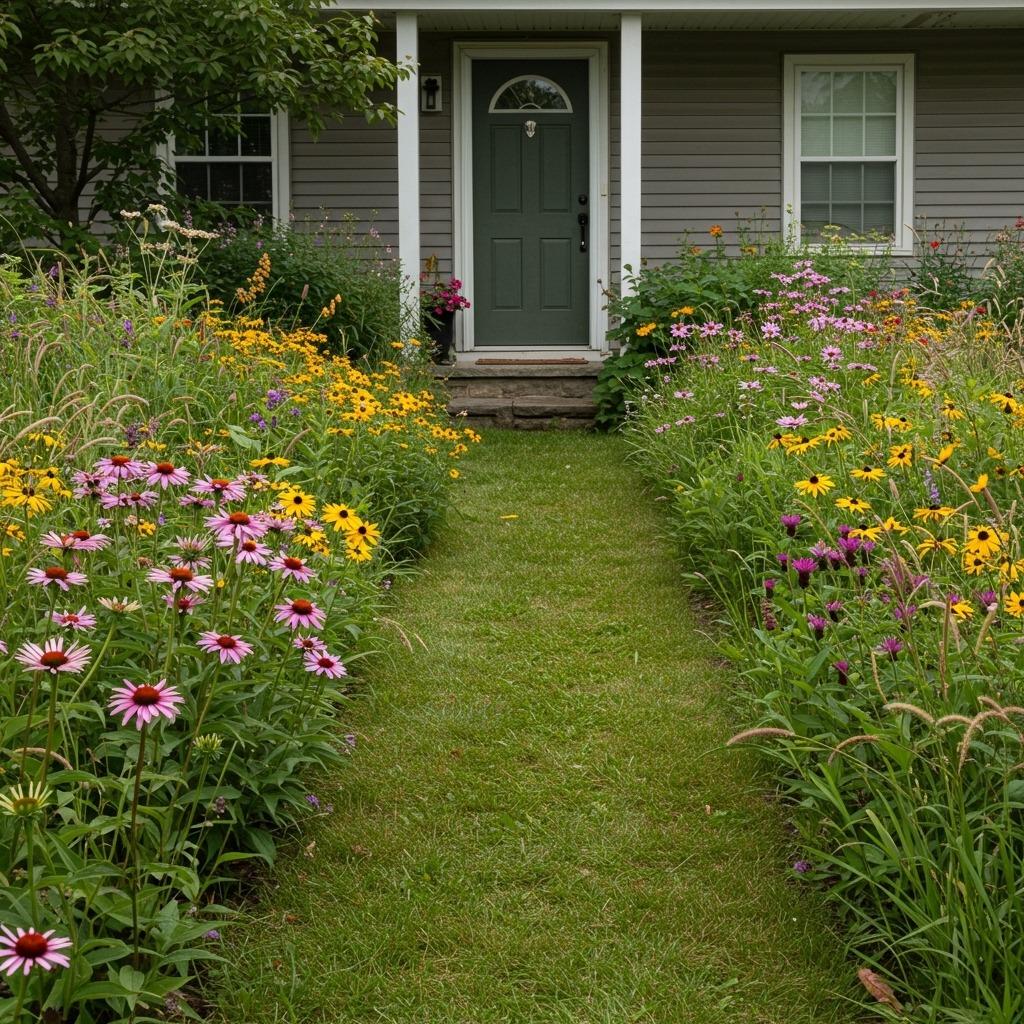
Native wildflower gardens practically care for themselves once established. These plants evolved in your region, making them naturally adapted to local rainfall, soil, and pests.
Create a meadow-like front yard by replacing grass with native wildflower mixes suited to your area. These gardens support butterflies, bees, and other beneficial insects while requiring little more than an annual mowing after plants go dormant. No watering, fertilizing, or constant deadheading needed.
The look is intentionally natural and slightly wild, which won’t suit every neighborhood or HOA. But where appropriate, native wildflower gardens offer maximum ecological benefit with minimal effort. Many communities are embracing this approach as water conservation becomes increasingly important. For those just starting with plants, explore gardening for beginners to build confidence.
12. Use Mass Plantings of Single Species
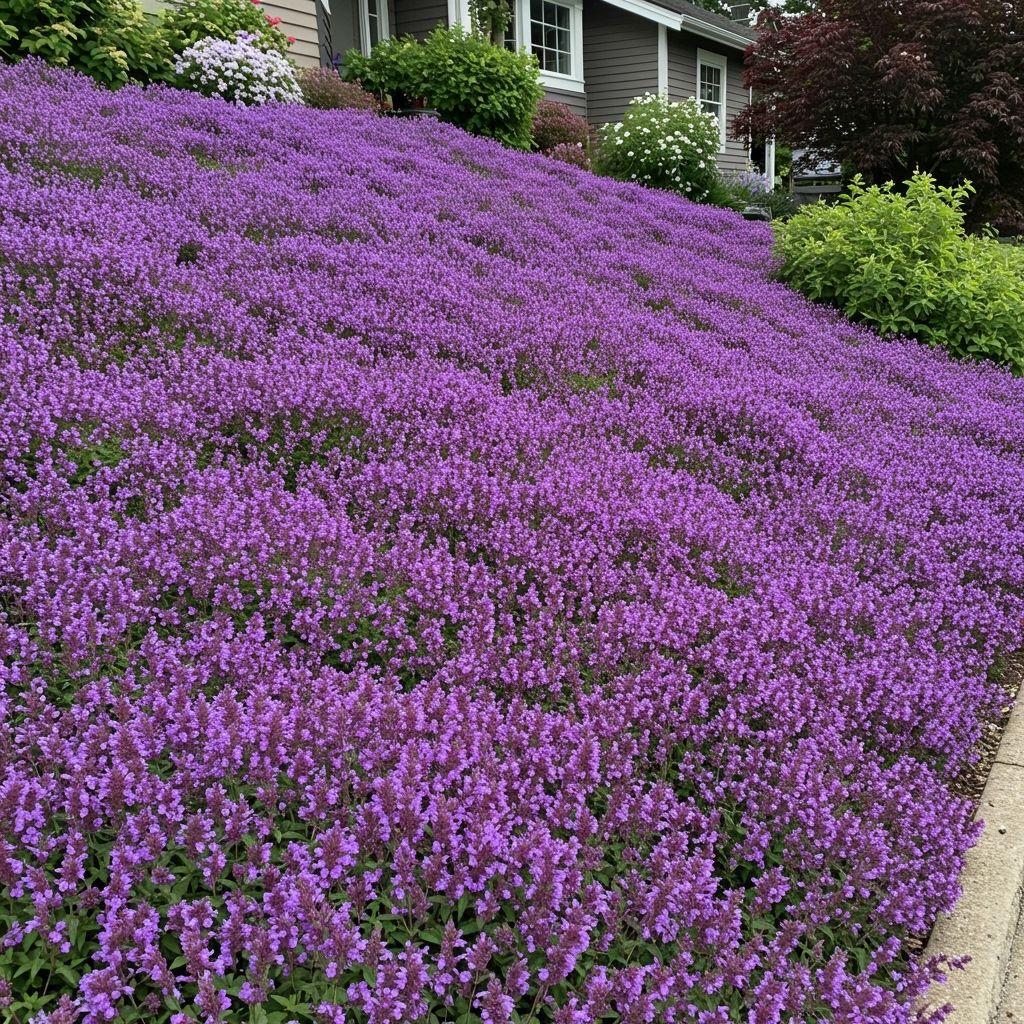
Repeating the same plant in large groupings creates impact while simplifying care. You learn exactly what one plant needs rather than managing dozens of different species with varying requirements.
Mass plantings work particularly well with tough, reliable performers. Daylilies along a driveway, a sweep of ornamental grasses, or a border of lavender all create drama through repetition. The unified look also makes your front yard appear more intentional and designed.
This approach reduces decision fatigue too. You’re not constantly evaluating individual plants – the group either needs attention or it doesn’t. Maintenance tasks like pruning or dividing happen all at once rather than spread throughout the growing season.
13. Install Metal or Composite Landscape Edging
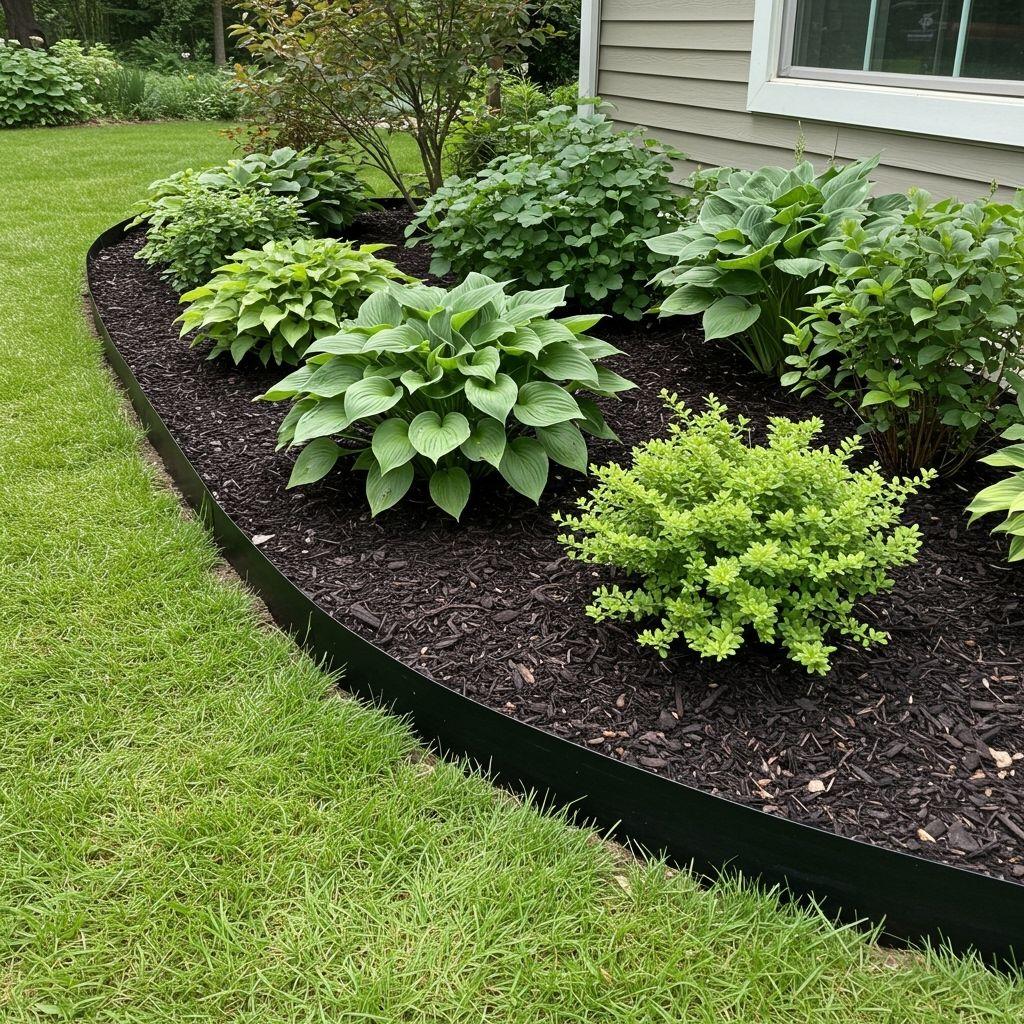
Clean edges make any landscape look maintained even when you’re not actively working on it. Permanent edging materials eliminate the constant battle of keeping mulch in beds and grass out.
Metal edging provides the crispest lines and lasts decades. Steel develops a rusty patina that many find attractive, while aluminum stays silver. Installation requires hammering stakes but creates a permanent solution to edge maintenance.
Composite edging offers similar longevity with more flexibility for curves. Whatever material you choose, proper edging transforms the appearance of your front yard by creating definition and order. It’s a one-time project that pays dividends in reduced weekly maintenance.
14. Create a Succulent and Cactus Garden
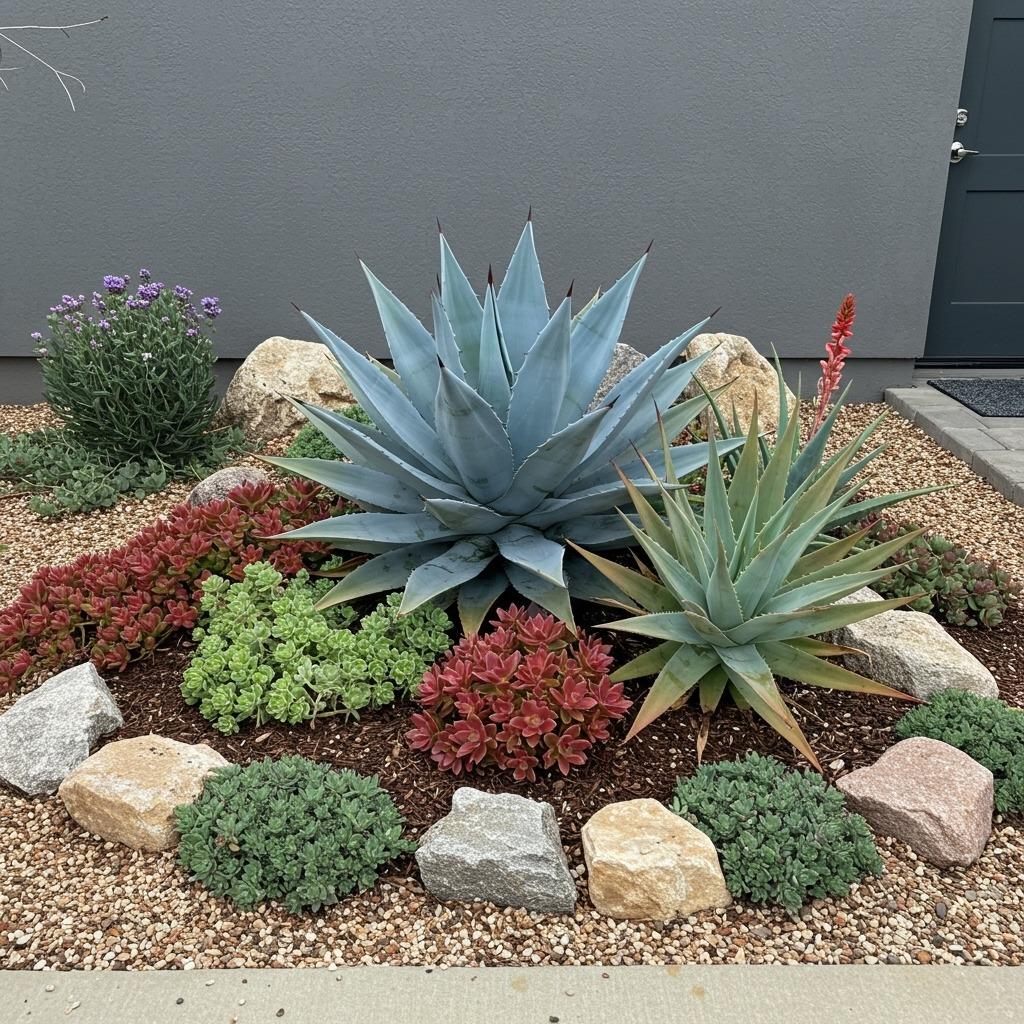
Succulents store water in their leaves, making them the ultimate drought-tolerant plants. In appropriate climates, they create stunning, sculptural front yards requiring almost no maintenance.
Hardy succulents like sedum, sempervivum, and agave survive freezing temperatures while tender varieties thrive in warm climates year-round. Their architectural forms add instant interest, and many bloom surprisingly beautifully. Group different colors and textures for visual appeal – blue-gray agave, burgundy aeonium, lime-green sedum.
Succulents need excellent drainage, so raised beds or sloped areas work perfectly. Once established, many survive on rainfall alone. The minimal watering requirements make this approach ideal for water-conscious homeowners. These principles extend well to vertical gardening ideas where space is limited.
15. Add Decorative Gravel or Stone Mulch
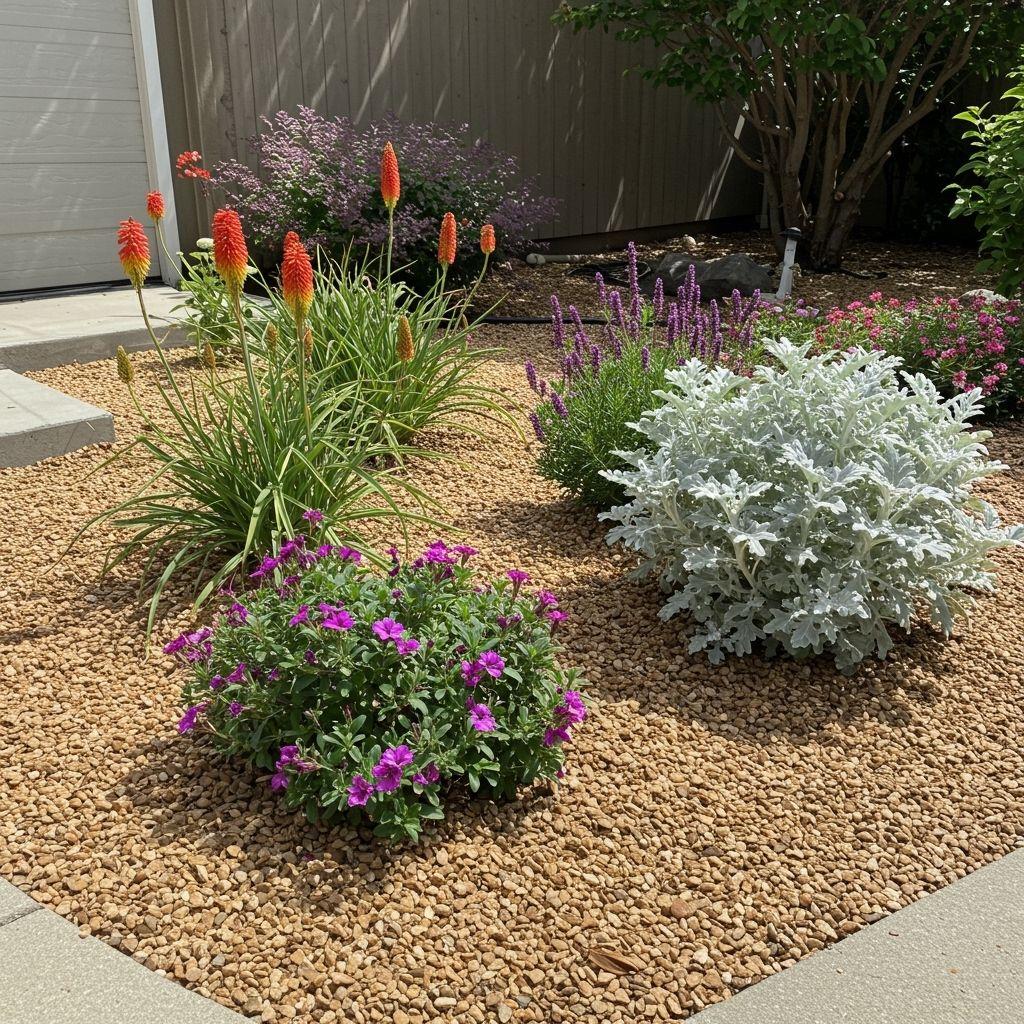
Inorganic mulches like gravel or decorative stone never decompose, meaning you spread them once and they last for years. They’re perfect for low maintenance landscaping front yard designs in arid climates.
River rock, pea gravel, crushed granite, or lava rock all offer different colors and textures. Choose sizes and colors that complement your home’s exterior. Larger stones (1-3 inches) work well as primary ground cover, while smaller gravel suits pathways.
Stone mulch does get hot in summer sun, so use it around heat-loving plants like lavender, rosemary, and succulents. It provides excellent drainage and reflects light, making it ideal for brightening shaded areas. The permanent nature means less yearly maintenance compared to organic mulches.
16. Install a Simple Water Feature
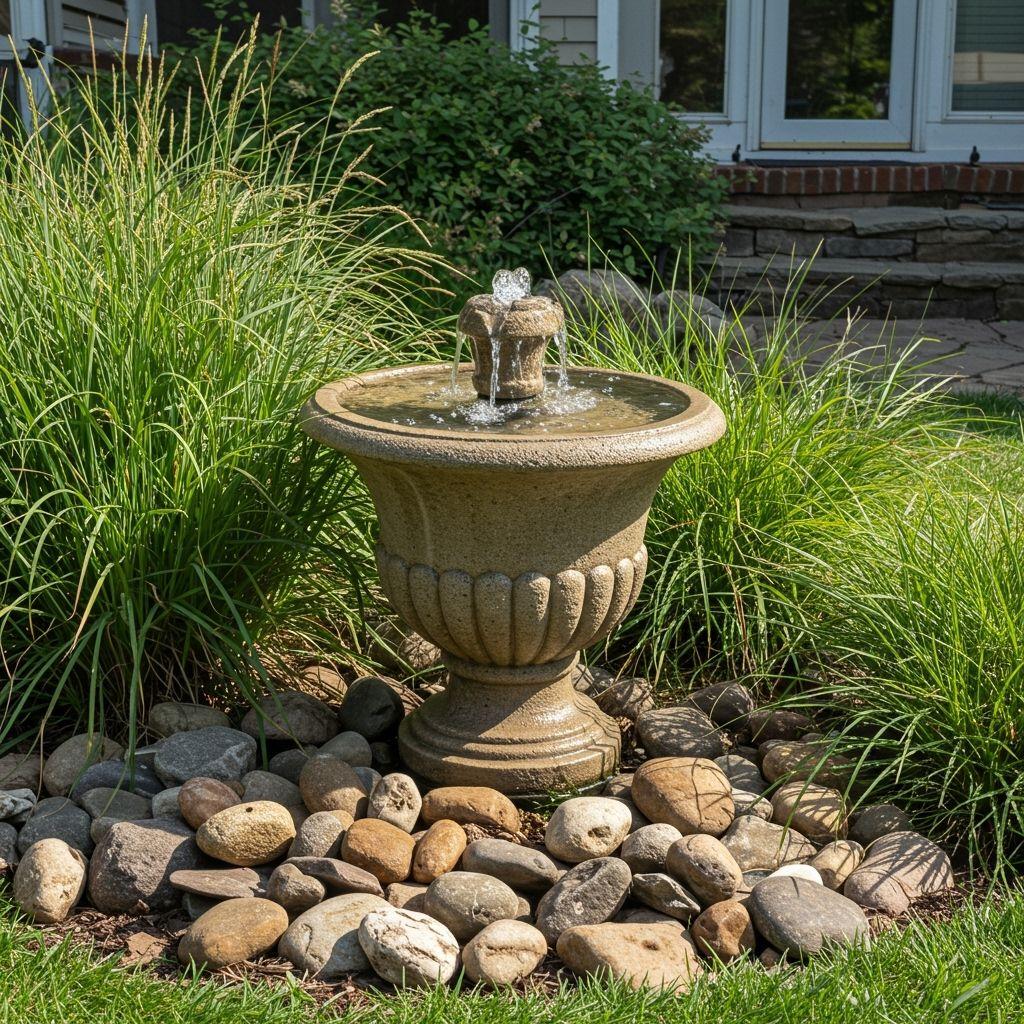
Water features might seem high-maintenance, but self-contained fountains require minimal care while adding soothing sound and visual interest to your front yard. Modern options circulate water with small pumps that use minimal electricity.
Choose urn fountains, bubbling rocks, or small pond-free waterfall systems that keep water contained. The key is selecting designs with built-in filtration and pump systems. Add water monthly to compensate for evaporation, clean the pump occasionally – that’s about it.
Water features create focal points that draw the eye, making less-manicured surrounding areas less noticeable. The gentle sound masks neighborhood noise, and moving water attracts birds. It’s a surprisingly low-effort addition that significantly increases front yard appeal.
17. Use Landscape Fabric Beneath Mulch
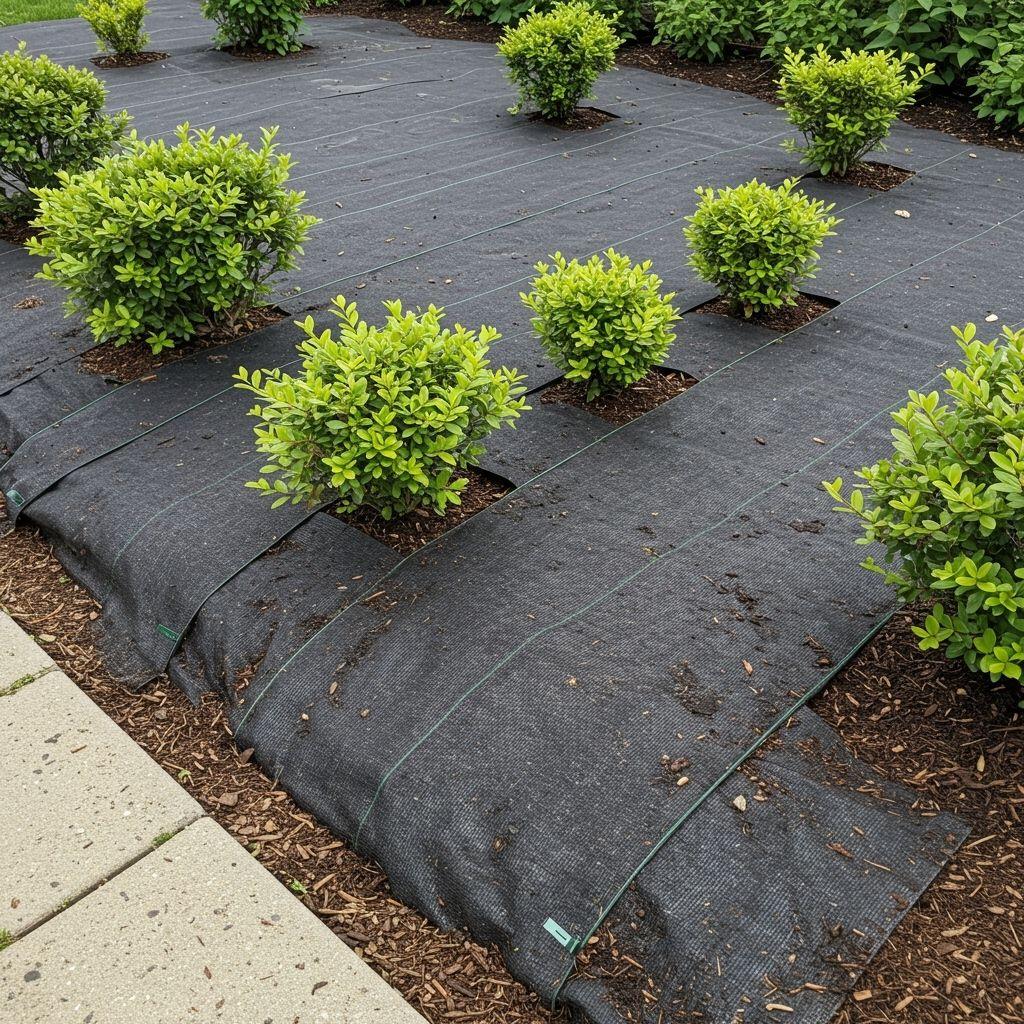
Landscape fabric suppresses weeds while allowing water and air to reach plant roots. Lay it beneath any mulched area to dramatically reduce weeding time throughout the growing season.
Choose commercial-grade fabric rather than thin plastic sheeting. Quality landscape fabric lasts years and actually improves growing conditions by moderating soil temperature. Cut X-shaped slits for plants, secure edges with landscape staples, then cover with 2-3 inches of mulch.
This extra step during initial installation saves countless hours of weeding later. It’s particularly valuable in new plantings where weed pressure is highest. Combined with proper edging, landscape fabric takes your front yard from constant work to occasional touch-ups.
18. Plant Hardy Ground Cover Roses
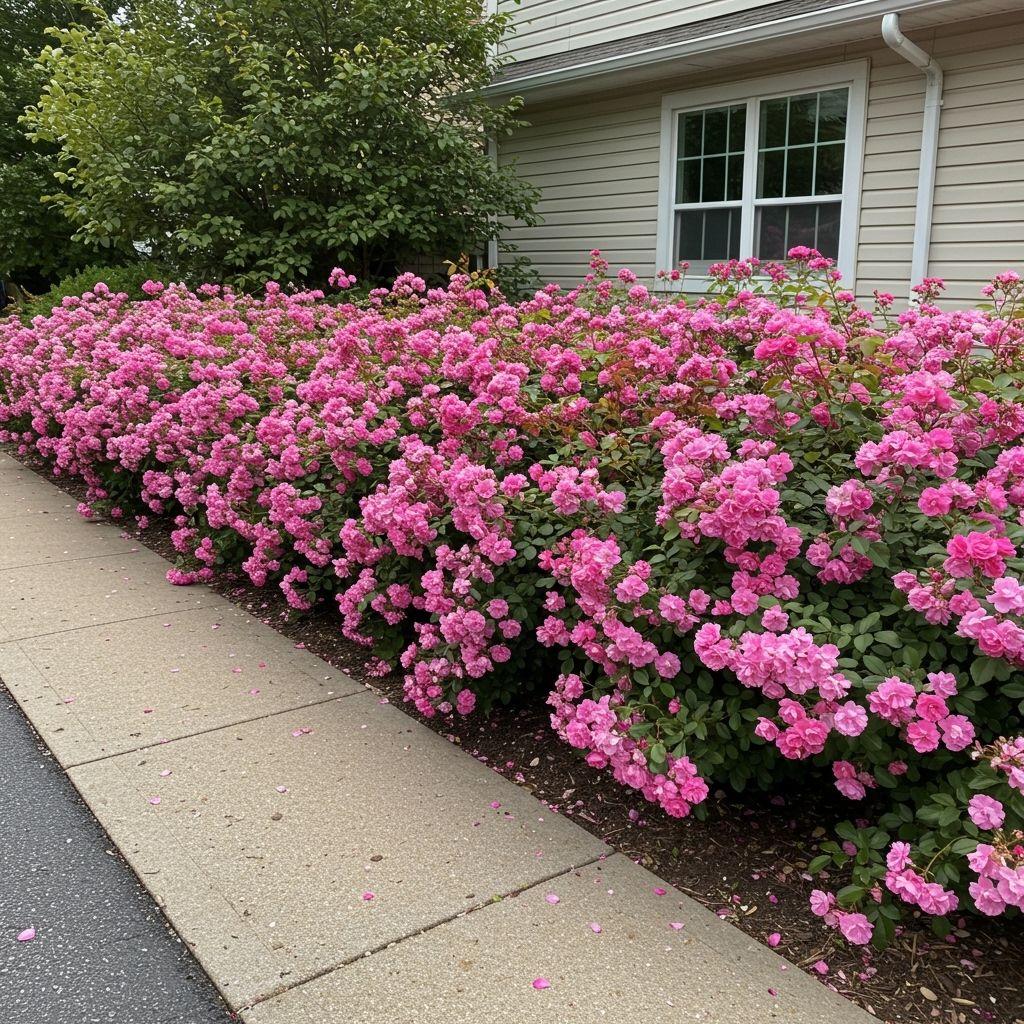
Modern ground cover roses bloom repeatedly throughout summer with almost no deadheading, pruning, or spraying required. They’re a far cry from high-maintenance hybrid tea roses.
Varieties like Knock Out roses, Drift roses, or Flower Carpet roses resist diseases, tolerate heat and cold, and spread to create colorful masses. They work beautifully as border plants, foundation plantings, or even to cover slopes. Once established, they’re remarkably drought-tolerant.
These roses self-clean, meaning spent blooms fall off without manual removal. A single hard pruning in early spring maintains their shape – that’s the extent of required maintenance. The continuous color they provide rivals any perennial while demanding less attention. Similar low-maintenance approaches work for container gardening flowers on patios and porches.
Creating Your Effortless Front Yard
Low maintenance landscaping doesn’t mean settling for boring or bare-bones design. These 18 ideas prove you can have stunning curb appeal that improves over time without constant intervention.
Start by assessing your current front yard honestly. Which areas demand the most time? What tasks do you dread most? Target those problem spots first with appropriate solutions from this list. Maybe you replace the grass strip along the driveway with ground cover, or install drip irrigation to eliminate hand-watering.
Remember that “low maintenance” is relative to your climate and conditions. Drought-tolerant plants thrive in arid regions but might require surprising amounts of care in humid climates where they’re prone to rot. Choose strategies and plants adapted to your specific situation rather than fighting your environment.
The best front yards balance beauty with practicality. By front-loading effort during design and installation, you create outdoor spaces that mature gracefully and actually require less attention as years pass. That’s the real secret – thoughtful planning now means more free weekends later, plus a front yard you’re genuinely proud to come home to every single day.