
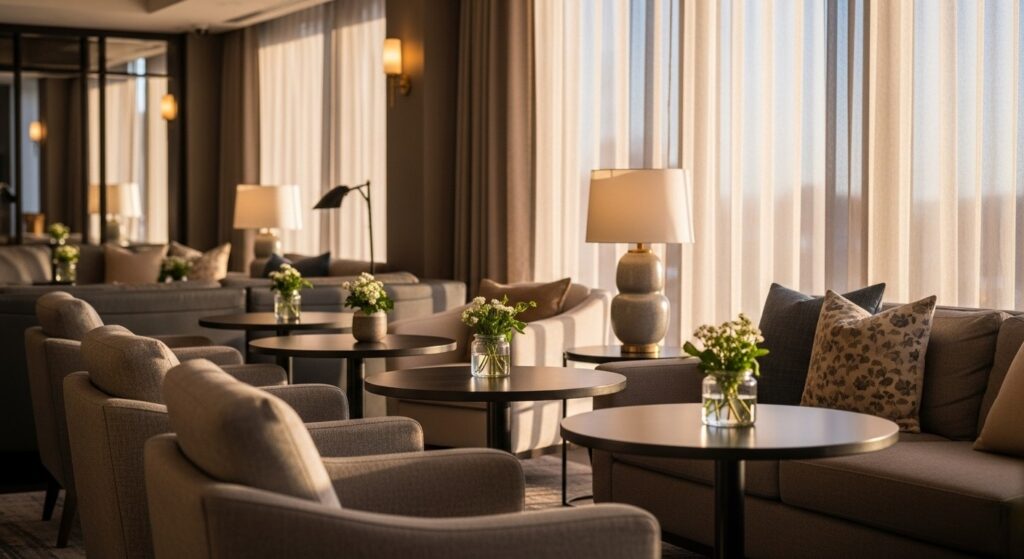
Your lounge room should be more than just another space in your home. It’s where you unwind after long days, curl up with a good book, or catch up with friends over coffee. Yet so many of us struggle to create that perfect balance between style and genuine comfort.
The difference between a lounge that looks good in photos and one you’ll actually use comes down to thoughtful design choices. Maybe your current setup feels too formal, or perhaps it’s comfortable but lacks personality. Either way, these lounge room ideas will help you craft a space that invites you in and makes you want to stay.
From clever layout tricks to cozy decor touches, we’re exploring practical ways to transform your lounge into the ultimate relaxation haven. Whether you’re working with a compact apartment corner or a spacious open-plan area, you’ll find inspiration that fits your space and lifestyle.
1. Layer Your Lighting for Instant Ambiance
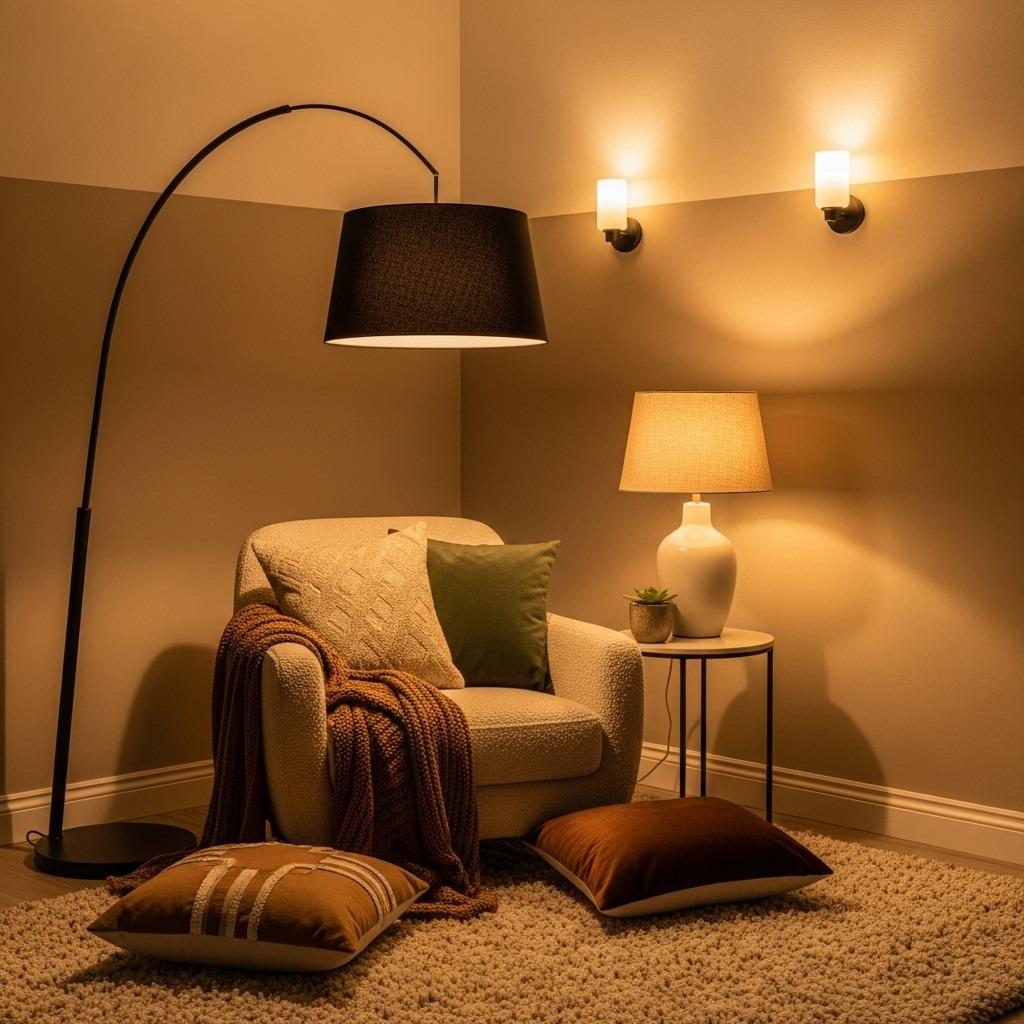
Overhead lighting alone won’t cut it if you’re serious about creating a lounge worth lounging in. The secret lies in layering different light sources at various heights throughout the room. Think floor lamps in corners, table lamps on side tables, and maybe even some LED strips behind floating shelves.
This approach gives you control over the mood. Bright task lighting for reading, soft ambient glow for movie nights, or dimmed accent lights for entertaining. Each layer serves a purpose while adding visual interest to your space.
The beauty of stylish home lighting is how it transforms the same room into different experiences throughout the day. Start with three light sources minimum, and you’ll immediately notice how much more inviting your lounge feels.
2. Embrace the Power of a Statement Sofa
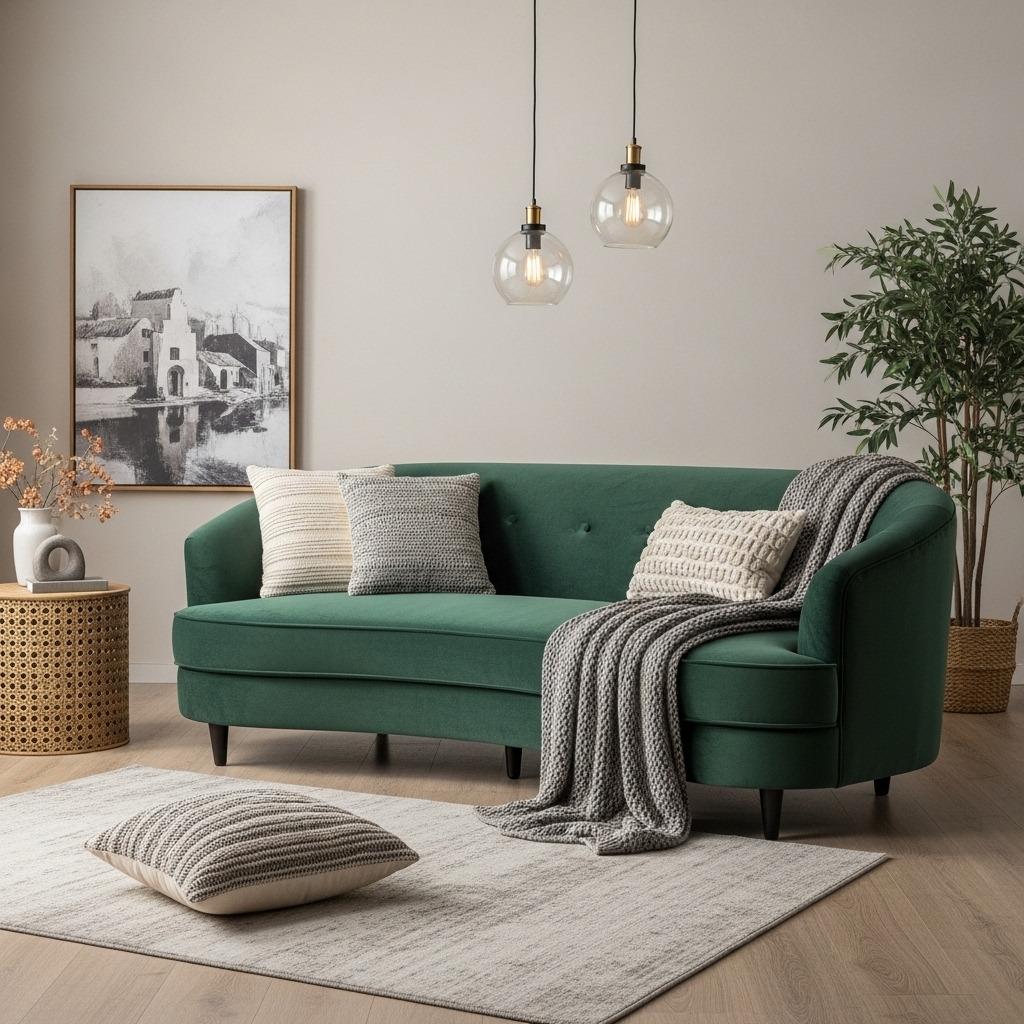
Your sofa anchors the entire lounge layout, so it deserves serious consideration. A well-chosen statement piece can define your style while providing the comfort you need for those Netflix marathons. Look for something that balances visual appeal with sink-in comfort.
Consider the scale carefully. A sectional might seem appealing, but in smaller spaces, it can overwhelm the room. Sometimes a stylish three-seater paired with accent chairs creates better flow and flexibility. The fabric matters too – velvet adds luxury, linen keeps things relaxed, and performance fabrics handle real life better.
Don’t be afraid of color here. While neutral sofas are safe, a rich jewel tone or warm terracotta can become the personality your lounge has been missing. Just make sure whatever you choose, you’ll actually want to sit on it for hours.
3. Create Conversation Zones
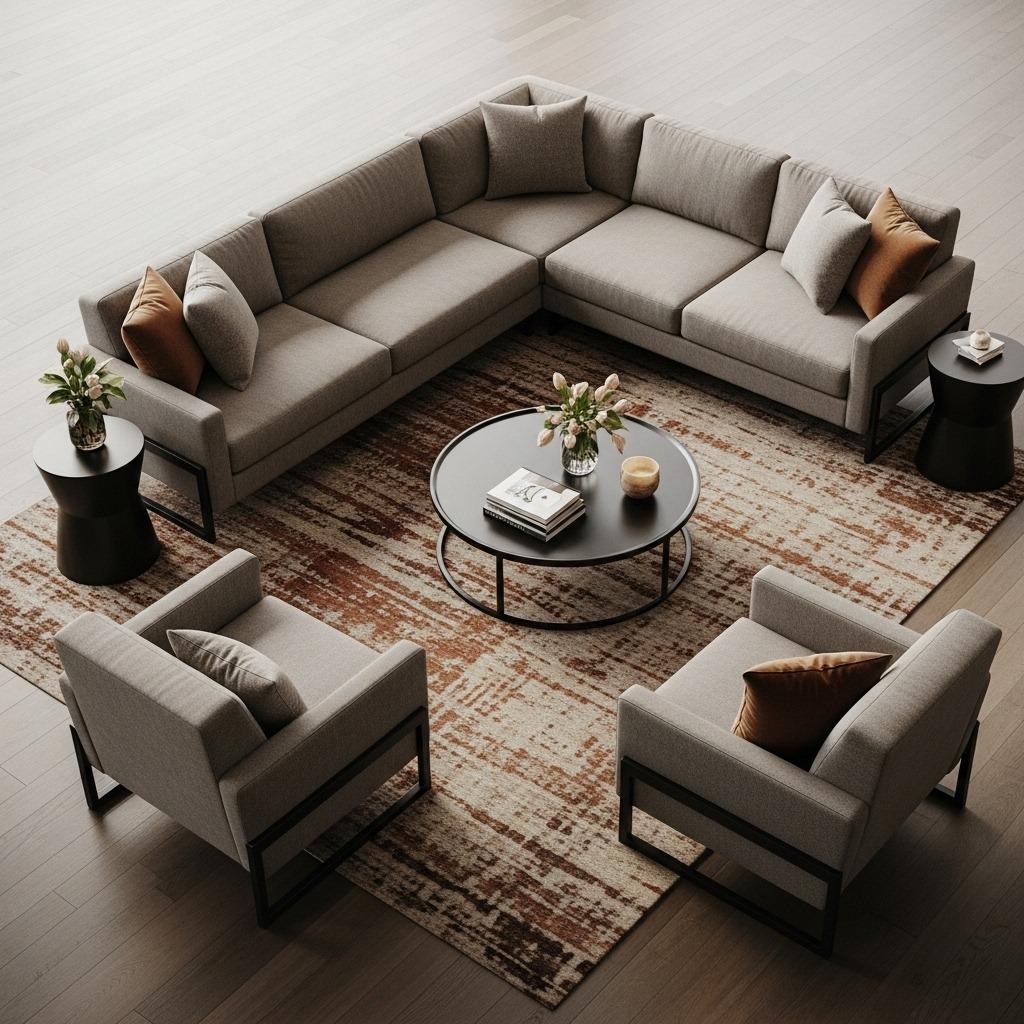
The best lounge room ideas prioritize how people actually interact in the space. Instead of lining furniture against walls like a waiting room, pull pieces closer together to create intimate conversation zones. This arrangement naturally encourages interaction and makes the space feel more intentional.
A good rule of thumb? Keep seating within eight feet of each other so people don’t have to shout across the room. Coffee tables or ottomans in the center give everyone a place to set drinks and create a natural gathering point. For inspiration on arranging furniture in connected spaces, check out these open concept kitchen living room layout ideas.
Even in smaller lounges, you can establish zones. A pair of chairs angled toward the sofa, a pouf tucked beside an armchair, or a window seat with cushions all create spots that invite people to settle in and stay awhile.
4. Texture is Your Secret Weapon
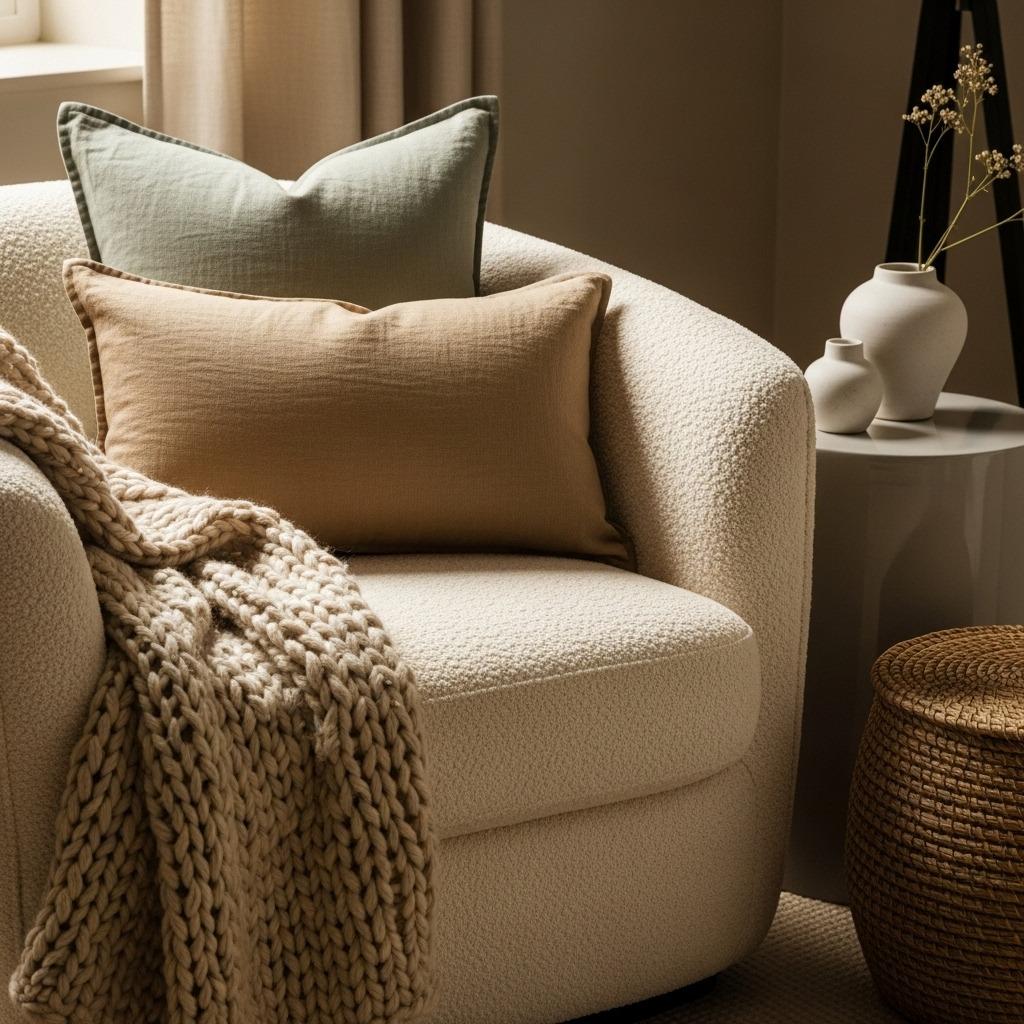
Flat, one-note rooms feel sterile no matter how expensive the furniture. The difference between a lounge that looks styled and one that feels lived-in comes down to texture. Mix smooth with rough, soft with structured, matte with shine.
Layer a chunky knit throw over linen cushions. Place a rough-hewn wooden bowl on a sleek marble side table. Add a jute rug under a velvet ottoman. These contrasts create visual interest that keeps your eye moving around the room naturally.
Even if you stick to a neutral color palette, varied textures prevent the space from feeling boring. It’s how designers achieve that “expensive” look without actually spending a fortune – the depth comes from thoughtful layering, not price tags.
5. Rethink Your Coffee Table
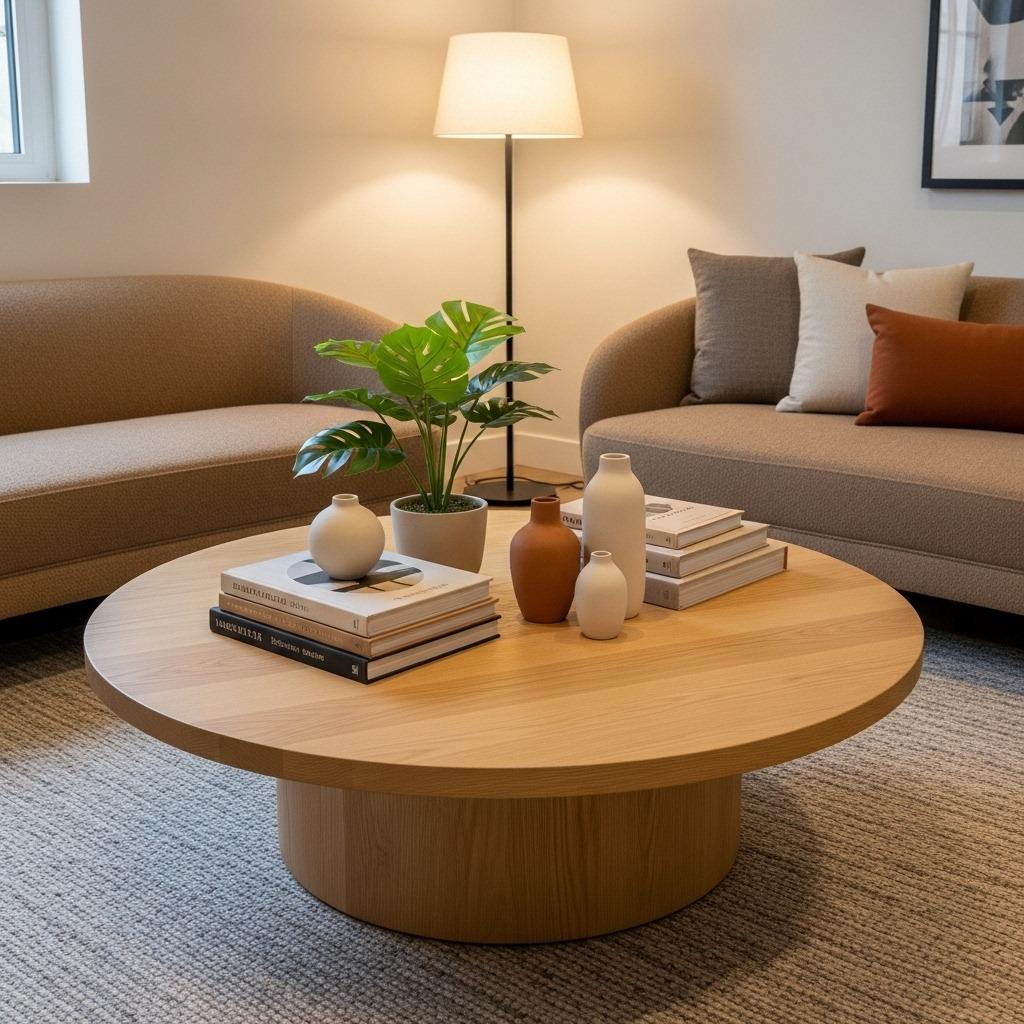
The traditional rectangular coffee table isn’t your only option, and sometimes it’s not even the best one. Round tables soften the space and work beautifully in lounges with curved or sectional sofas. Nesting tables offer flexibility when you need more surface area for entertaining but want to save space daily.
Or consider going rogue entirely with an upholstered ottoman. You get extra seating, a footrest, and a stable surface when you add a tray on top. Plus, no sharp corners to bump into during late-night snack runs.
The height matters more than most people realize. Your coffee table should sit about the same height as your sofa cushions or slightly lower. Too high feels awkward, too low has you hunching over constantly.
6. Bring Nature Inside
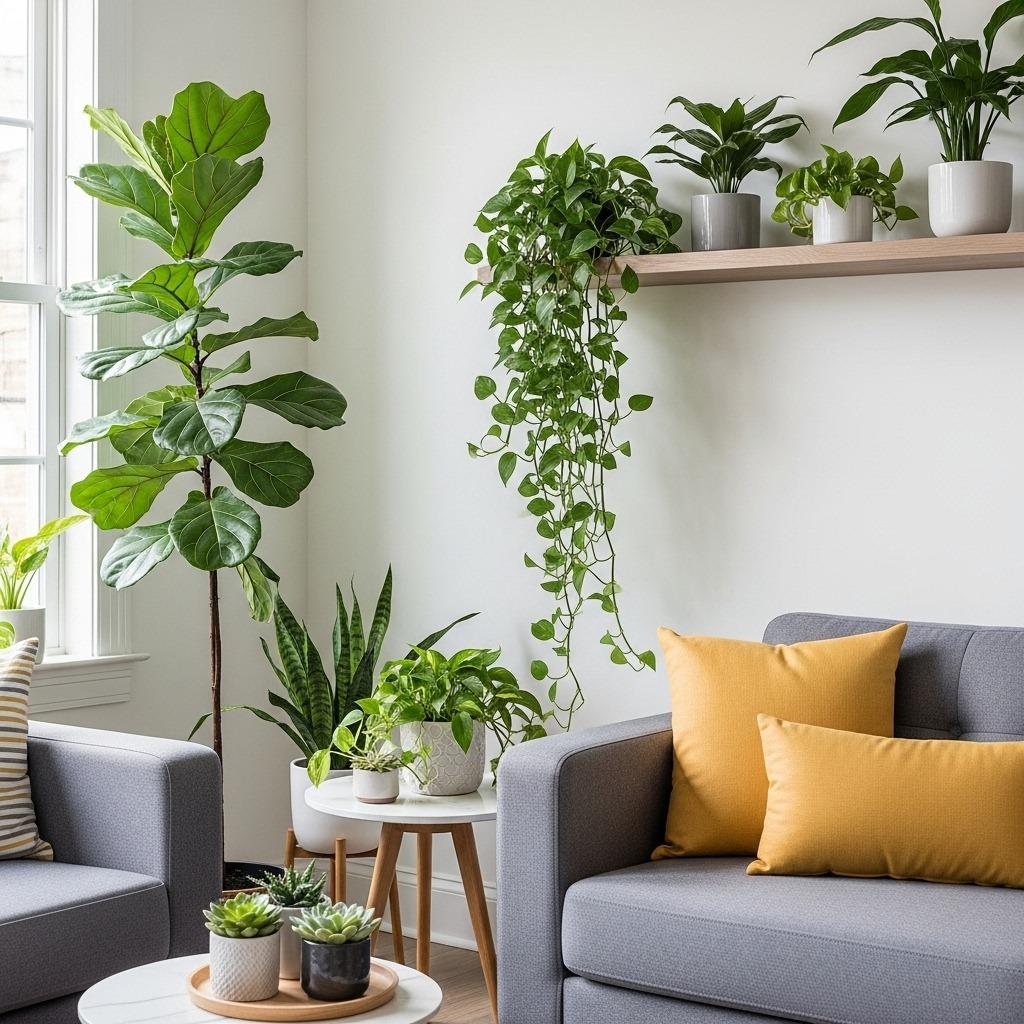
Plants aren’t just trendy Instagram props. They actually improve air quality, reduce stress, and make your lounge feel more alive. Even if you’ve killed every succulent you’ve ever owned, there are foolproof options that’ll thrive with minimal attention.
Start with a statement plant in a corner – a fiddle leaf fig or bird of paradise adds height and drama. Then layer in smaller plants on shelves, side tables, or hanging planters. The varied heights create depth and make the space feel more dynamic.
If natural light is limited, don’t stress. Snake plants, pothos, and ZZ plants tolerate low light remarkably well. For more ideas on incorporating greenery into your space, explore these indoor garden living room concepts that seamlessly blend nature with interior design.
7. Define Your Space with Area Rugs
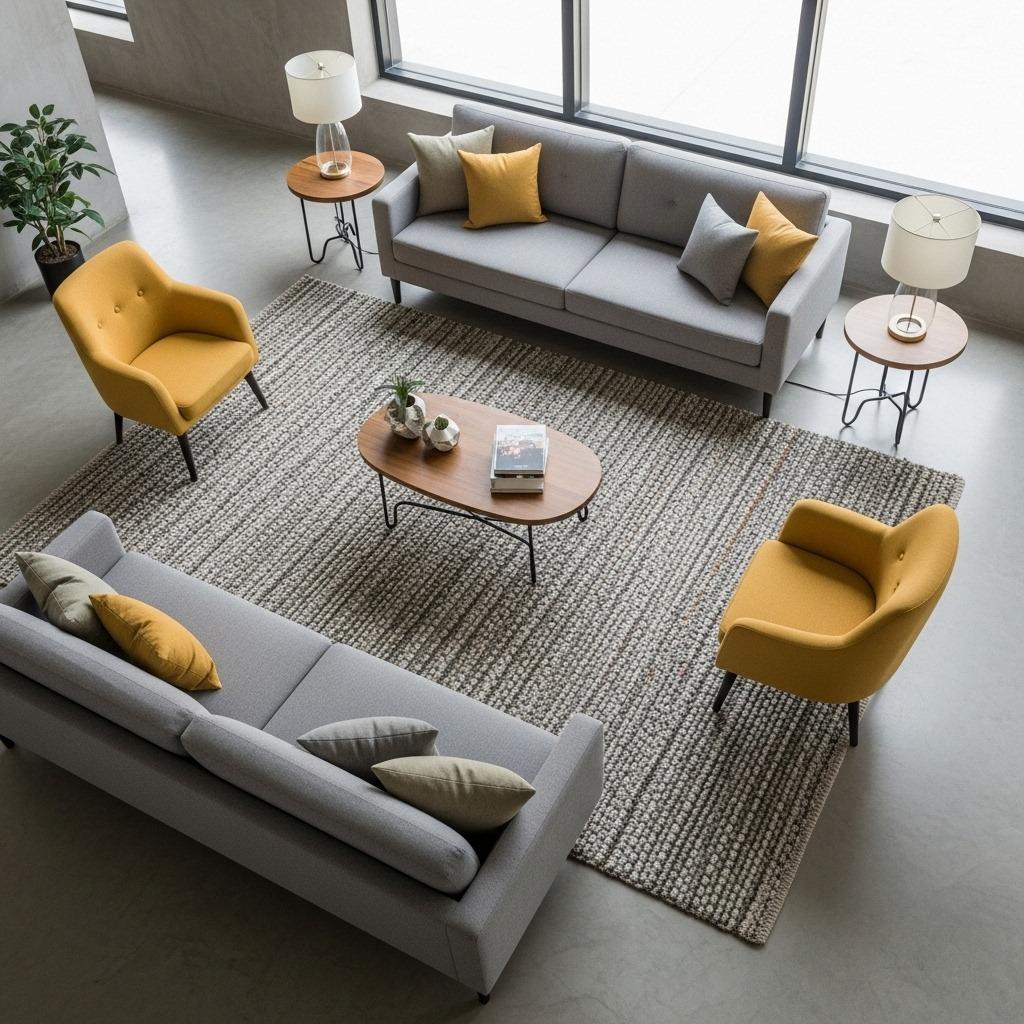
Area rugs do more than protect your floors. They visually anchor furniture groupings and define different zones within open-plan spaces. The right rug can make a lounge layout feel cohesive and intentional rather than like furniture randomly floating in a room.
Size matters enormously here. Too small and it looks like a bath mat lost in the wilderness. Your rug should be large enough that at least the front legs of all seating pieces rest on it. In smaller lounges, all furniture legs can sit on the rug to make the space feel larger.
Texture and pattern add personality without overwhelming. A jute or sisal rug brings organic warmth. A vintage-inspired pattern adds character. Solid neutrals ground bolder furniture choices. Just make sure it’s something you’ll actually want to walk on barefoot.
8. Window Treatments That Work Double Duty
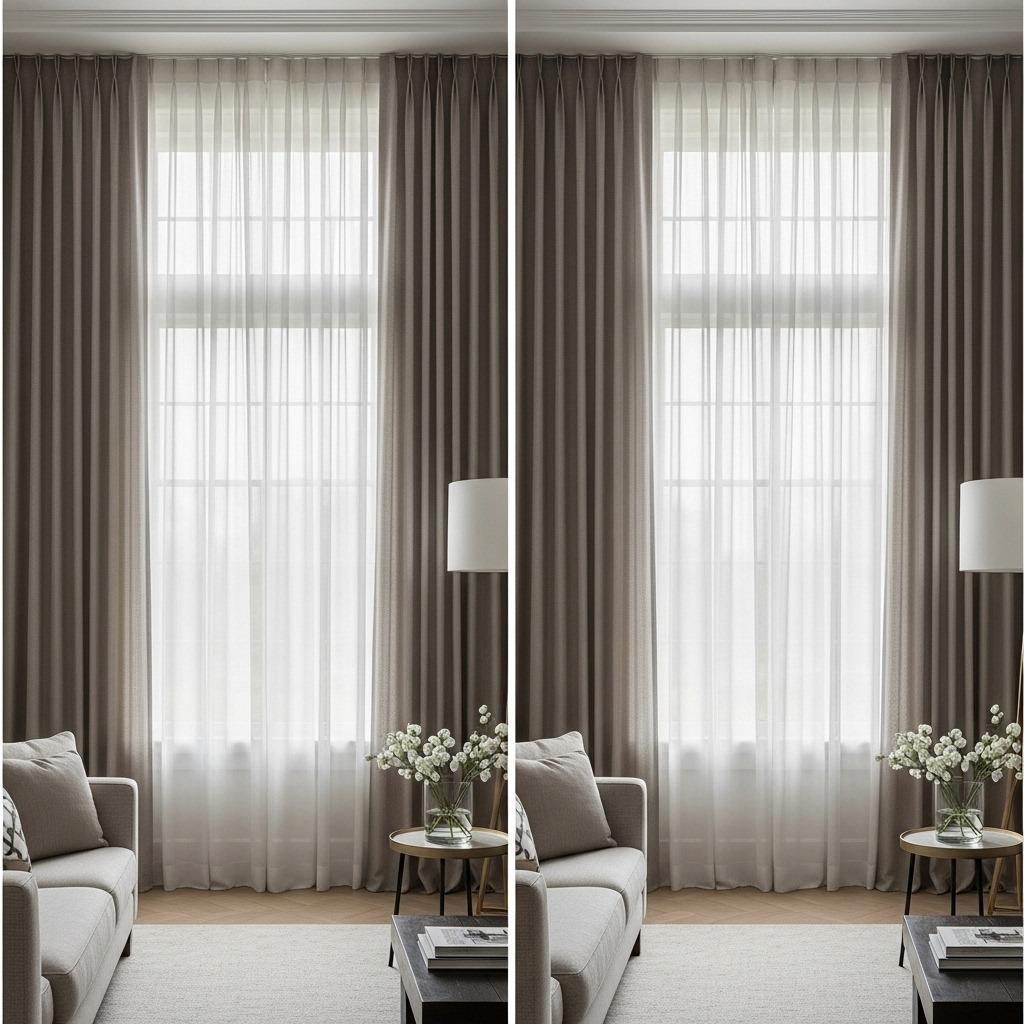
Your windows deserve more than basic blinds. Thoughtful window treatments control light, add softness, and contribute significantly to your lounge’s overall aesthetic. Layering sheers with heavier curtains gives you flexibility – diffused light during the day, privacy and darkness when needed.
Hanging curtains higher than the window frame and letting them just kiss the floor creates the illusion of taller ceilings. It’s an instant upgrade that costs nothing extra. Choose hardware and fabric that complement your lounge’s vibe – sleek metal rods for modern spaces, wooden poles for warmth, or decorative finials for traditional rooms.
Don’t underestimate the insulation factor either. Properly lined curtains help regulate temperature, keeping your lounge cooler in summer and warmer in winter. That’s comfort and energy savings rolled into one smart design choice.
9. Curate Personal Collections Thoughtfully
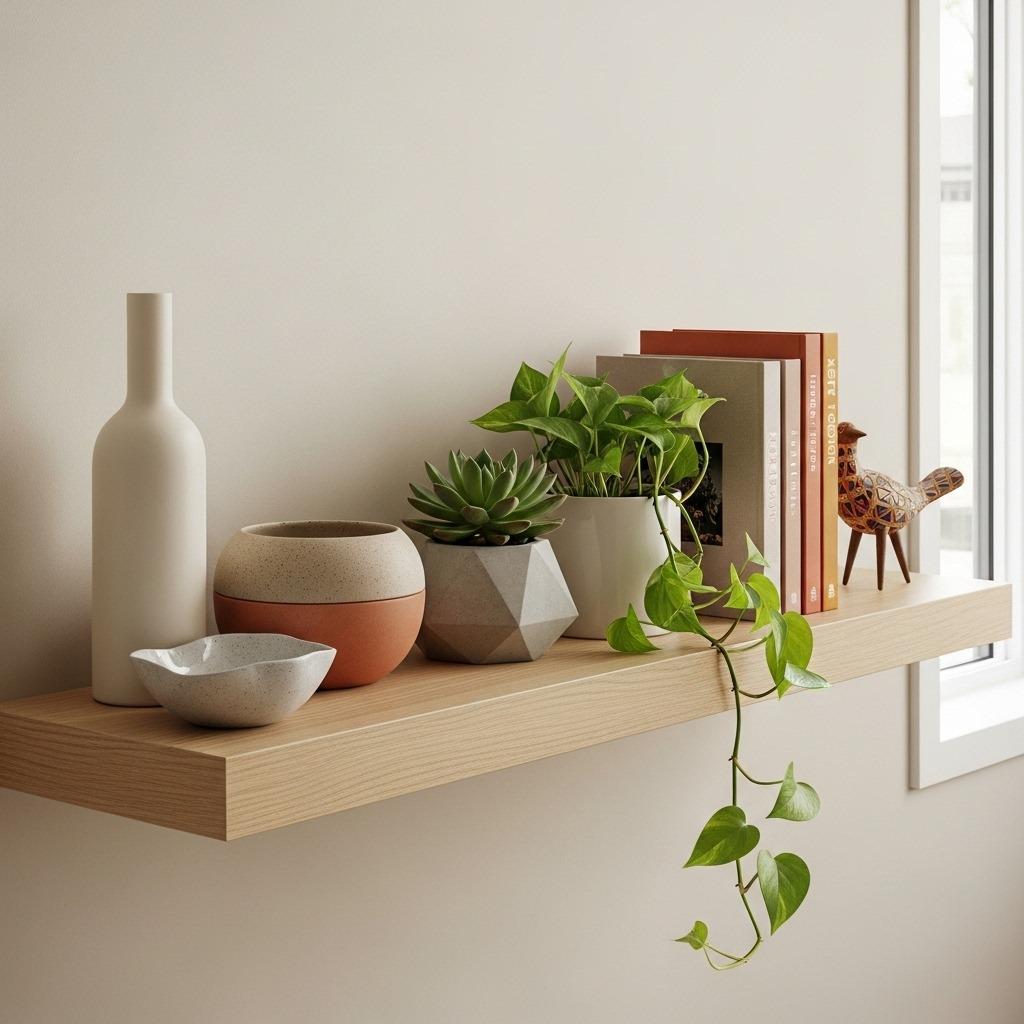
Your lounge should reflect who you are, but there’s a fine line between personal touches and cluttered chaos. The key is curation – displaying meaningful items in a way that feels intentional rather than overwhelming. Think quality over quantity.
Group similar items together on shelves or in cabinets. Books arranged by color create visual calm. Travel souvenirs clustered on one shelf tell a story. Family photos in matching frames feel cohesive rather than scattered. Leave breathing room between groupings so each collection gets its moment.
Rotate items seasonally to keep the space feeling fresh. You don’t need to display everything you own simultaneously. Some of your favorite pieces will have more impact if they’re not competing with dozens of other objects for attention.
10. Incorporate Multifunctional Furniture
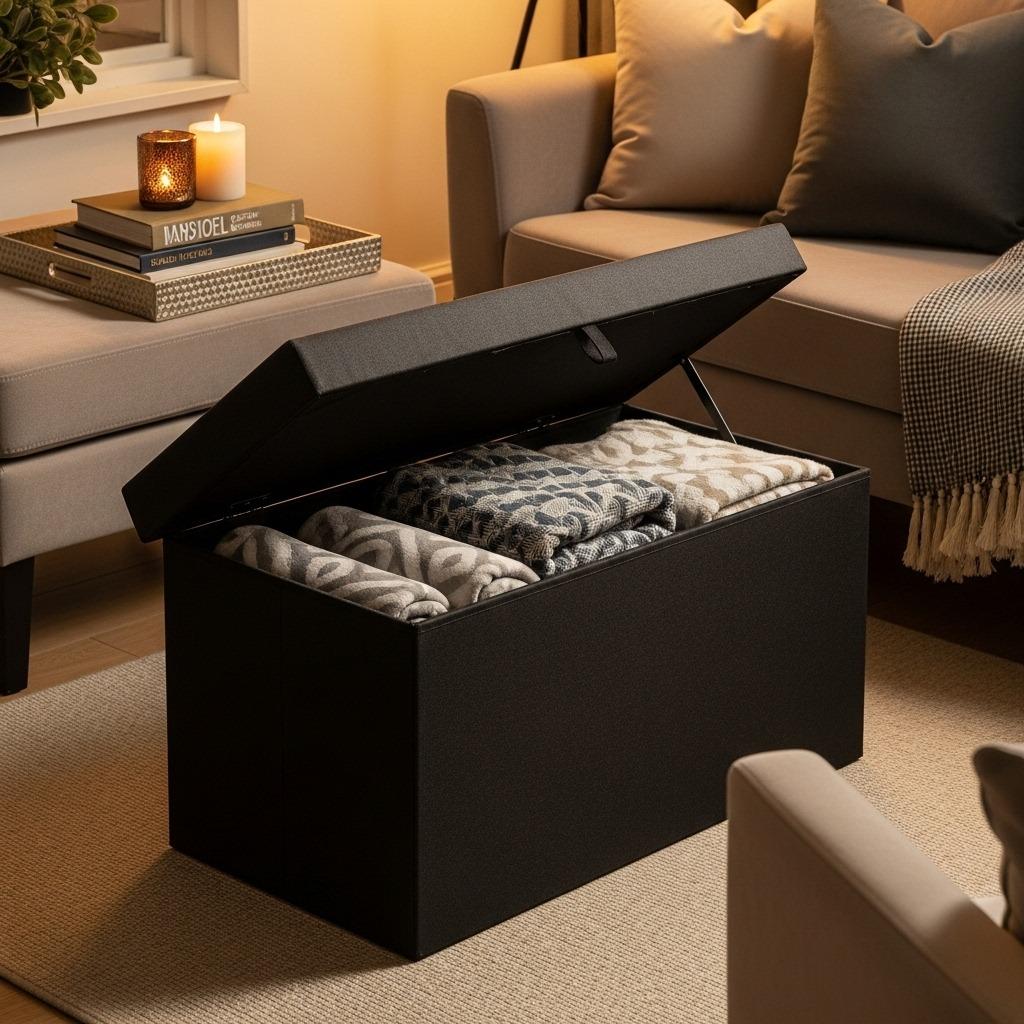
Smart lounge room ideas recognize that most of us need our spaces to work harder. Ottomans with hidden storage keep blankets accessible but out of sight. Side tables with drawers hold remotes and magazines. Console tables behind sofas add surface space without eating into the room.
This approach matters even more in smaller lounges where every piece needs to earn its place. A daybed can serve as seating during the day and accommodate overnight guests. Nesting tables tuck away when not needed. A bar cart holds drinks for entertaining but wheels into storage afterward.
The best part? Multifunctional pieces often cost the same as their single-purpose counterparts. You’re just being more strategic about what you bring into your space. For more space-saving inspiration, these small space renovation tips offer clever solutions for maximizing every inch.
11. Add Personality Through Art and Walls
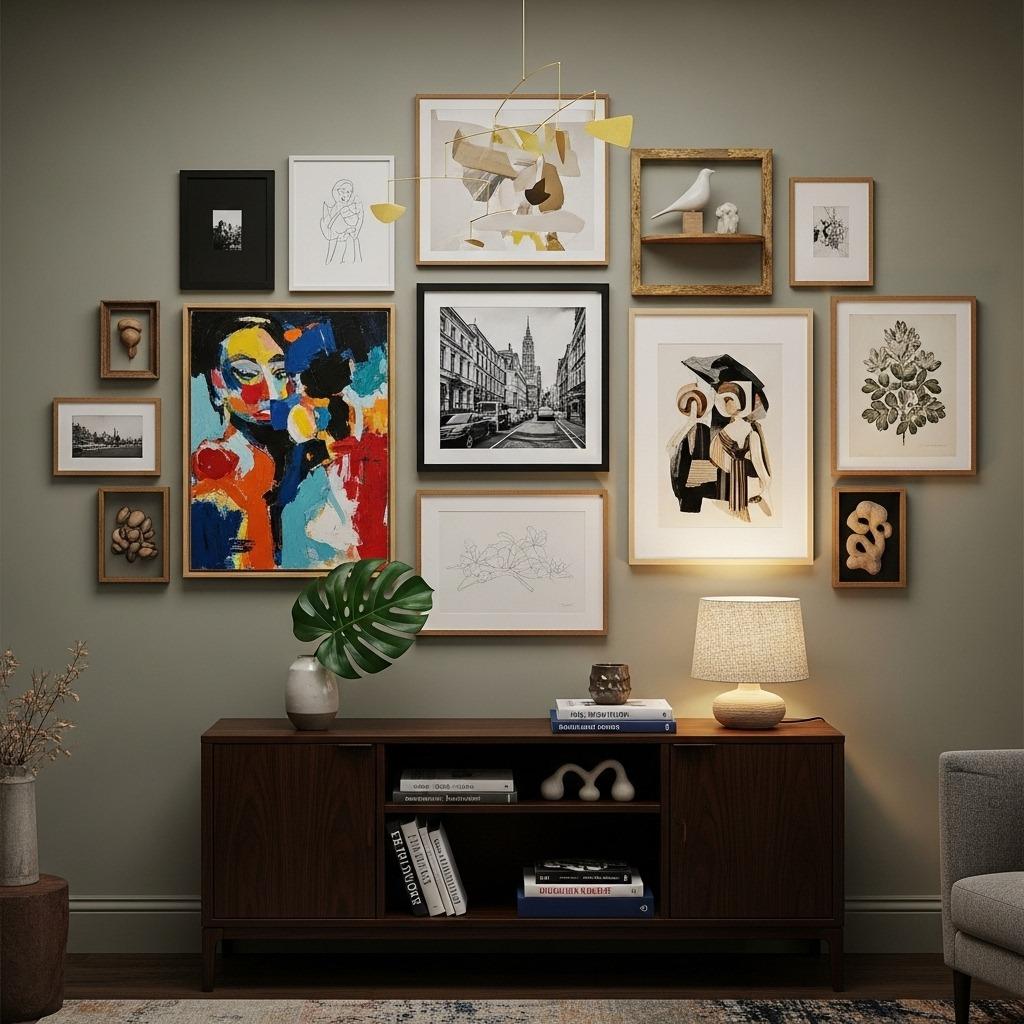
Blank walls make even the most beautifully furnished lounge feel unfinished. Art personalizes your space and gives visitors something interesting to look at beyond their phones. You don’t need expensive originals – prints, photography, or even textile wall hangings work beautifully when framed and hung thoughtfully.
Consider scale when choosing pieces. One large statement piece often has more impact than several small ones scattered around. Gallery walls work too, but they require planning to avoid looking haphazard. Start with the center piece and build outward, maintaining consistent spacing between frames.
Don’t forget about architectural interest. Modern accent wall ideas like board and batten, textured paint, or removable wallpaper add dimension without permanent commitment. These treatments create a focal point that elevates the entire room.
12. Prioritize Comfort in Seating Choices
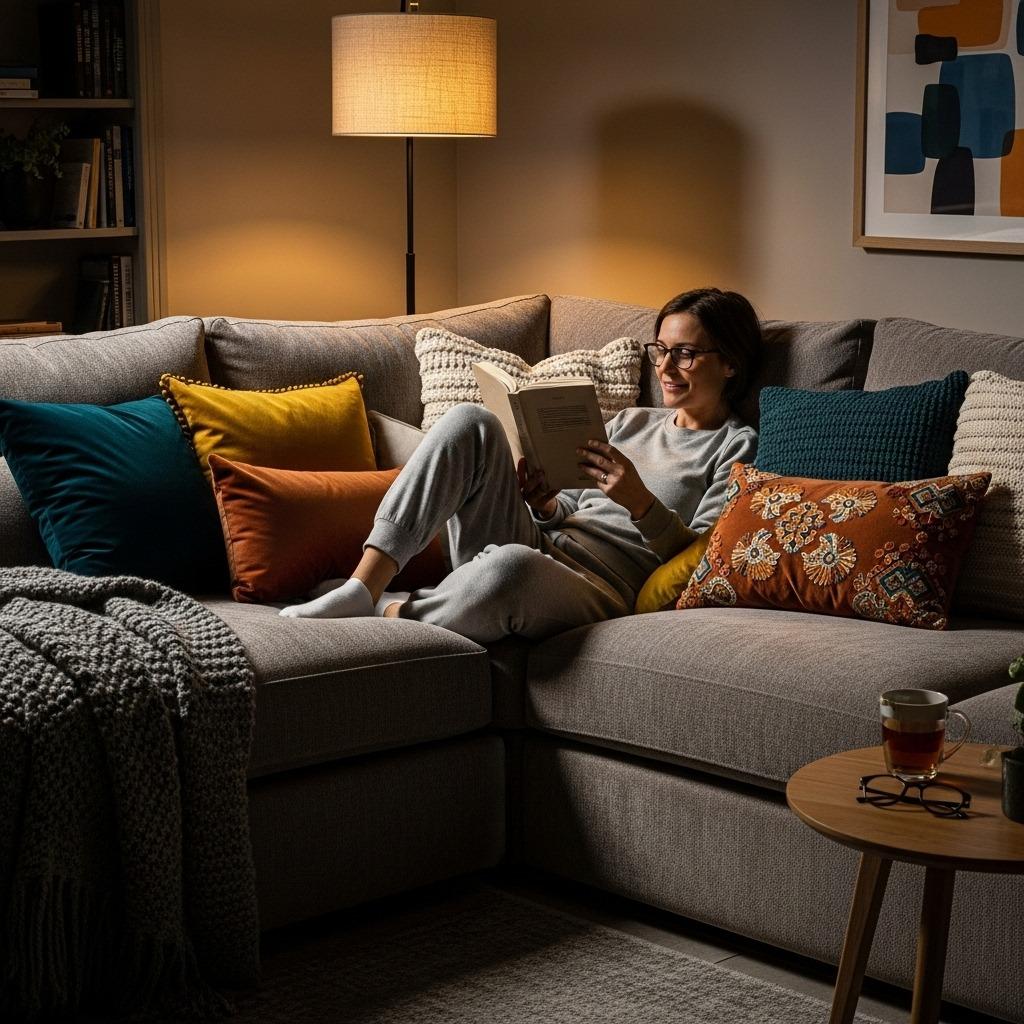
Beautiful furniture that’s uncomfortable to sit on defeats the entire purpose of a lounge. Test everything before buying. Sit in that chair for at least five minutes in the store. Lie down on the sofa. Check armrest height for reading comfort. Your back will thank you later.
Consider how you actually use your lounge. If you’re a sprawler, you need deep seating with sturdy cushions that don’t collapse. Movie watchers benefit from recliners or chaise sections. Book readers need good back support and proper lighting nearby. Match your furniture to your lifestyle, not just your aesthetic preferences.
Pay attention to cushion construction too. Foam wrapped in down offers the best of both worlds – structure for support, softness for comfort. Avoid cushions that are all foam (too firm) or all feathers (flatten too quickly). Quality seating is an investment in daily comfort.
13. Design for Your Actual Life
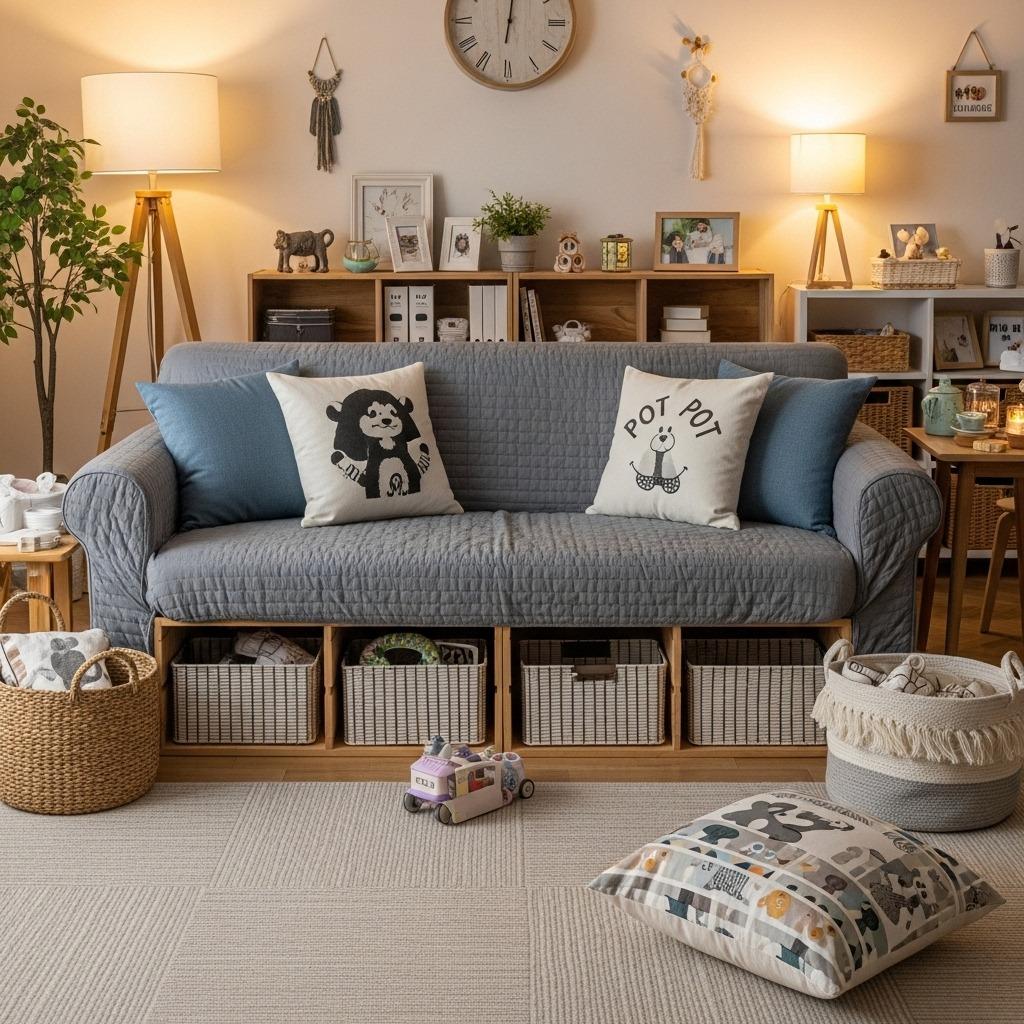
The most important of all lounge room ideas? Design for how you actually live, not for some idealized version of yourself. If you have kids and pets, white linen isn’t practical no matter how good it looks on Pinterest. If you’re not crafty, don’t dedicate a corner to a hobby station that’ll collect dust.
Be honest about your habits. Do you eat meals in front of the TV? Make sure there are sturdy surfaces for plates. Are you always cold? Prioritize warmth with layered textiles and a throw within arm’s reach. Do you host frequently? Ensure adequate seating without overcrowding the space.
Your lounge should work with your life, not against it. The most beautifully designed room means nothing if you’re constantly stressed about maintaining it or can’t use it comfortably. Function and beauty aren’t opposites – the sweet spot is where they overlap perfectly for your unique situation.
If you’re looking for inspiration that balances style with comfort, explore these living room ideas that showcase various approaches to creating spaces you’ll actually want to spend time in. Additionally, cozy small living room designs prove that size doesn’t limit comfort or style potential.
Creating a lounge that truly serves as your relaxation sanctuary doesn’t require a complete overhaul or unlimited budget. Sometimes the smallest changes make the biggest difference. Maybe it’s finally hanging those curtains properly, or rearranging furniture to improve flow, or simply adding more lighting layers.
The lounge room ideas that work best are the ones you’ll actually implement and enjoy daily. Start with what bothers you most about your current space, then tackle improvements gradually. Your lounge should evolve with you, becoming more comfortable and personal over time.
What matters most is that your lounge feels like yours. A space where you can genuinely relax, where the design supports rather than complicates your life, and where you’d honestly choose to spend your free time. That’s when you know you’ve nailed it.

