

Is your living room starting to feel more like a storage unit than a relaxing retreat? You’re not alone. Between mail piles, random remotes, kids’ toys, and that growing collection of throw pillows, our lounges have a way of collecting stuff we don’t actually need.
The good news? Tackling a living room declutter doesn’t require a complete overhaul or endless hours of work. With a few targeted strategies and a bit of honest decision-making, you can transform your space into the calm, inviting room you’ve been dreaming about. This isn’t about achieving magazine-perfect minimalism unless that’s your thing. It’s about creating a tidy lounge that actually works for your life.
Let’s walk through practical, room-by-room approaches that’ll help you reclaim your space without the overwhelm. Whether you’re dealing with surface clutter, overflowing shelves, or furniture that’s seen better days, these tips will guide you toward a clutter-free living room that feels like home again.
Why Your Living Room Keeps Getting Cluttered
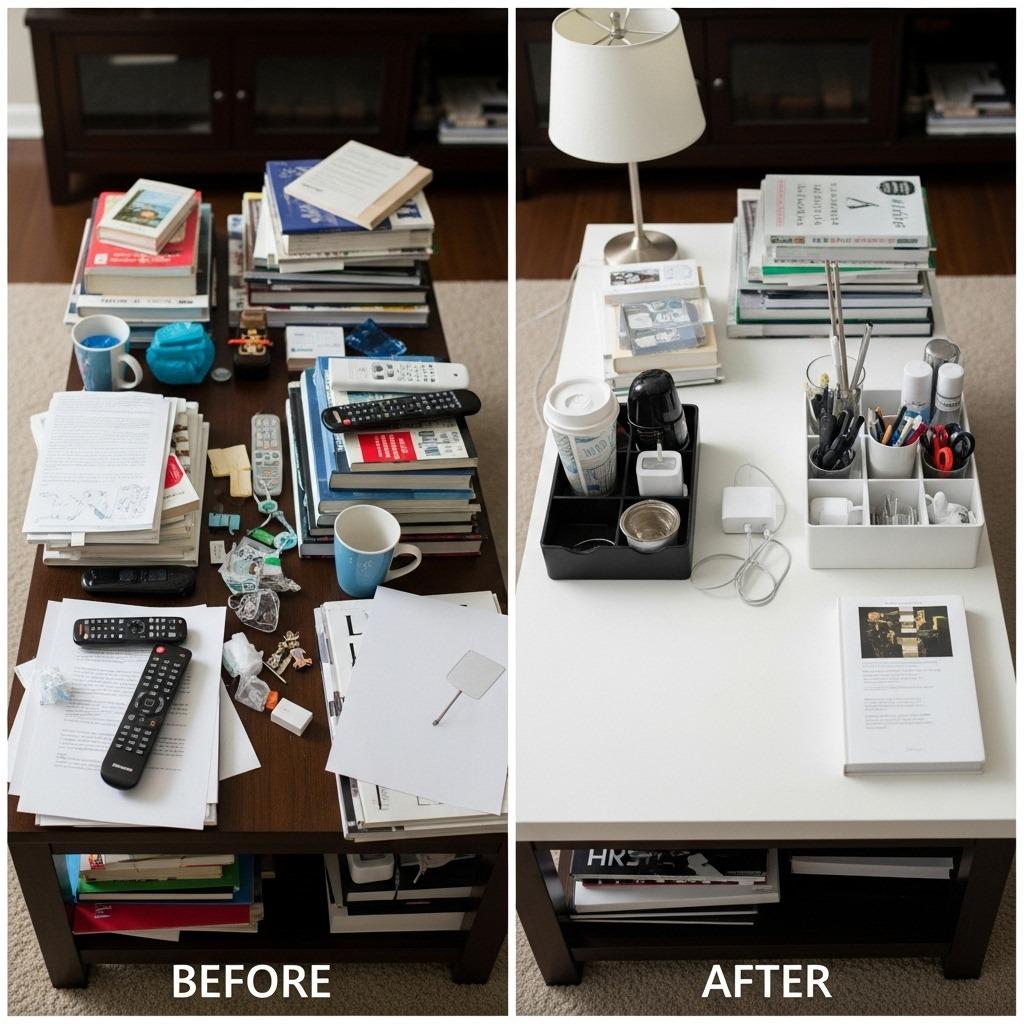
Before we jump into solutions, it helps to understand why clutter accumulates in the first place. Your living room is probably the most-used space in your home. It’s where you relax after work, where kids play, where you entertain guests, and where random items land when you’re too tired to put them away properly.
Most clutter happens because we lack designated homes for everyday items. That stack of magazines? There’s probably no specific spot for them. Those throw blankets draped everywhere? Same issue. When items don’t have a clear place to live, they end up wherever there’s space, which is usually your coffee table or sofa.
The other culprit is emotional attachment. We hold onto things “just in case” or because they were gifts or because we spent good money on them. But here’s the truth: if something isn’t serving you right now, it’s taking up valuable real estate in your home and mental space in your mind.
Start With a Decluttering Game Plan
Walking into a messy room without a strategy is setting yourself up for frustration. Instead, break your living room ideas project into manageable zones. I like to tackle one area at a time rather than trying to transform the entire space in one exhausting marathon session.
Gather three bins or boxes before you start: Keep, Donate, and Trash. Some people add a fourth for “Relocate” items that belong in other rooms. This simple sorting system removes the guesswork and speeds up decision-making. You’re not just moving clutter around; you’re actively choosing what stays and what goes.
Set a timer for 15-20 minute sessions if you’re easily overwhelmed. You’d be surprised how much progress you can make in short, focused bursts. Plus, knowing there’s an endpoint makes the task feel less daunting. The goal isn’t perfection; it’s progress.
Tackle Surface Clutter First
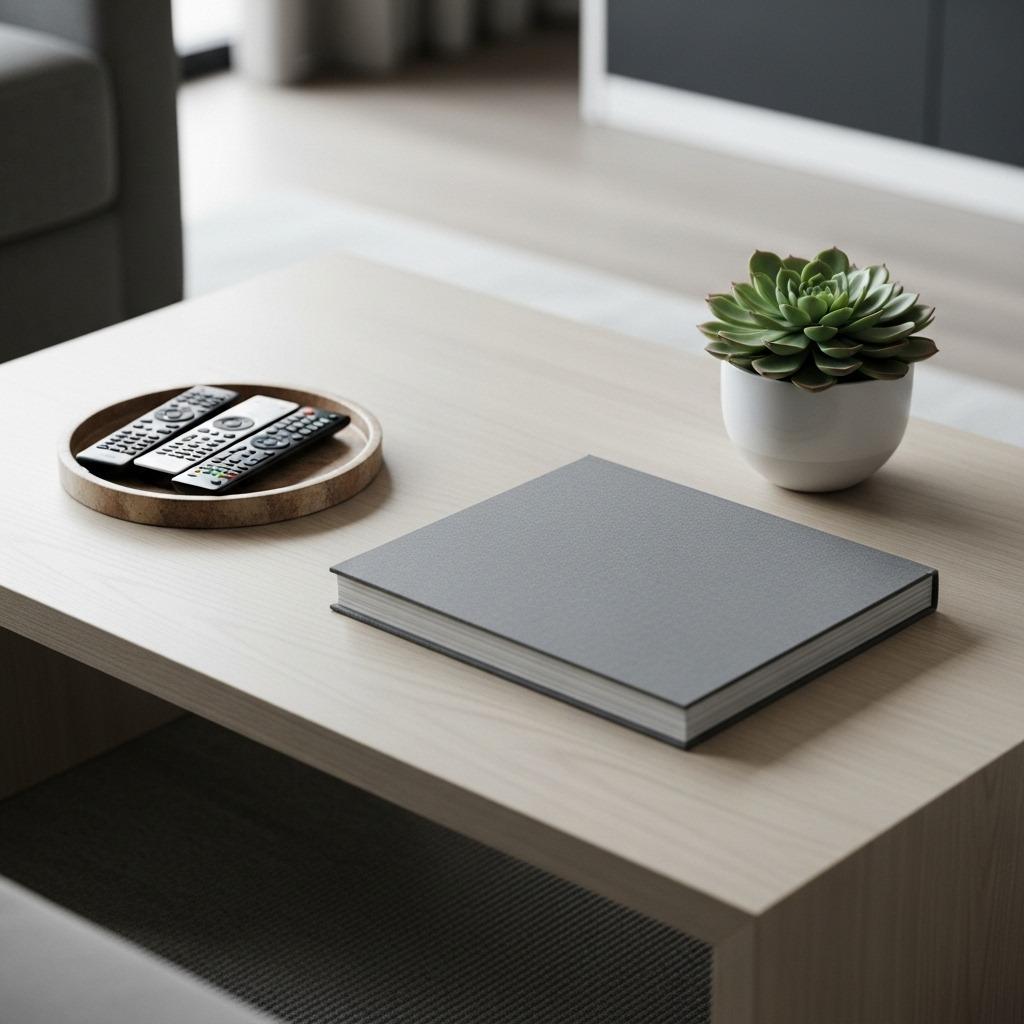
Coffee tables, side tables, and entertainment centers are clutter magnets. These horizontal surfaces seem to attract everything from remote controls to last week’s coffee mugs. Start here because clearing visible surfaces creates an immediate visual impact that’ll motivate you to keep going.
Pick up everything from one surface and sort it into your bins. Be ruthless about what actually belongs in your living room. Those kitchen utensils? Relocate. The old magazines from three months ago? Recycle. Keep only items you use regularly or that genuinely add to the room’s aesthetic.
Once you’ve sorted everything, return only the essentials. A good rule of thumb is the “rule of three” for styling surfaces. Group decorative items in odd numbers (one, three, or five items) for a balanced look that doesn’t feel cluttered. For a functional living room, your coffee table might just need a small tray for remotes, a coaster set, and maybe one decorative element.
Create Zones for Different Activities
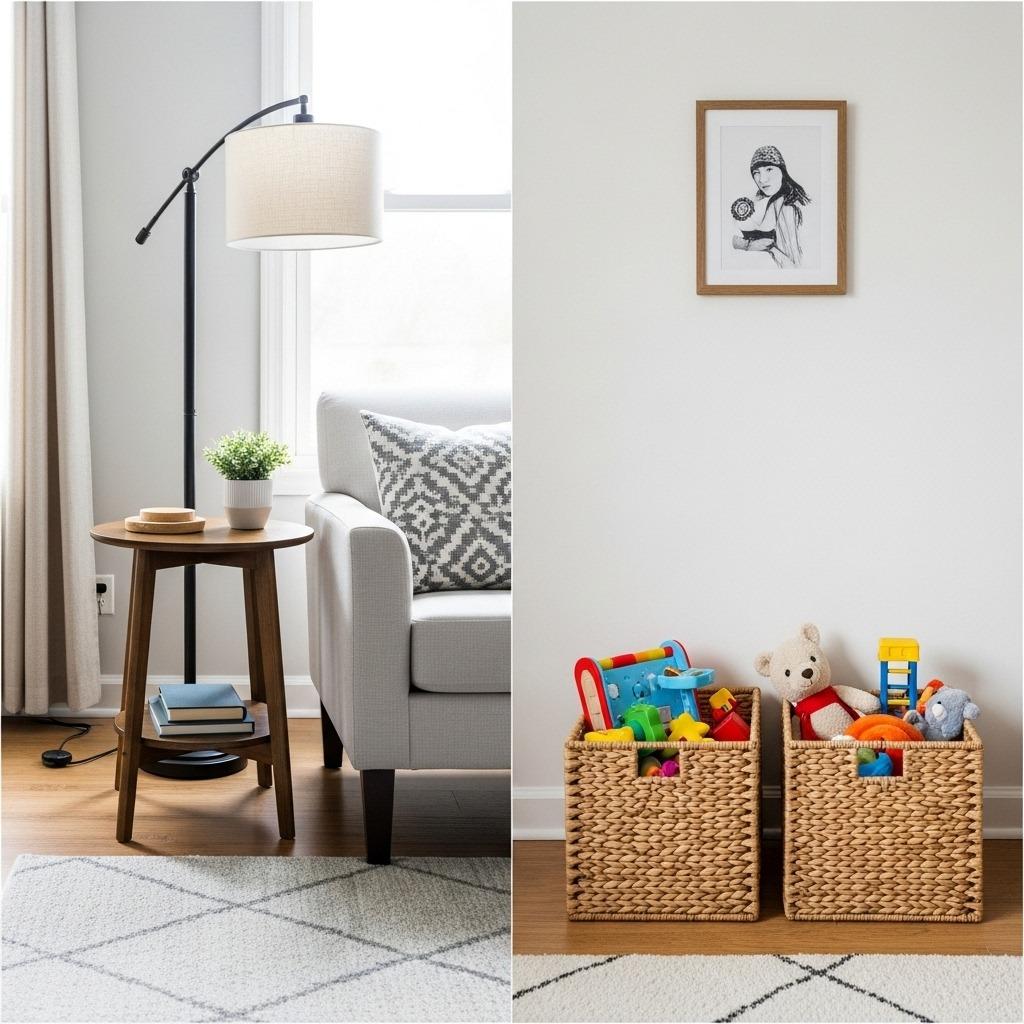
One reason living rooms get messy is that they serve multiple purposes without clear organization. Think about how you actually use your space. Do you read there? Watch TV? Work on your laptop? Play with kids? Each activity needs its own designated area with proper storage.
For a reading nook, position a comfortable chair near a window with a small side table for your current book and reading glasses. Add a basket underneath for magazines or additional books. If your kids play in the living room, designate one corner with a stylish basket or ottoman with hidden storage for toys that can be quickly tidied away.
Creating these zones doesn’t mean buying new furniture. Sometimes it’s as simple as repositioning what you already have and adding a few organizational tools. The key is making sure every activity has a defined space and that items used for that activity stay in their zone. This approach naturally supports minimalist organization without feeling restrictive.
Conquer the Media Center Chaos
Entertainment centers and TV stands accumulate more than just electronics. There are tangled cords, old DVD cases, gaming accessories, and random batteries that may or may not still work. This area deserves special attention during your decluttering mission.
Unplug everything and sort through what you actually use. Those DVDs collecting dust? Consider digitizing your favorites and donating the rest. Old cables for devices you no longer own? Toss them. Streaming has changed how we consume media, so your storage needs have probably changed too.
Use cable management solutions to wrangle cords. Velcro ties, cable clips, or even toilet paper rolls can keep cords organized and out of sight. Label your cables too so you’re not playing the guessing game six months from now. A tidy media center contributes significantly to achieving that clutter-free living room vibe you’re after.
Rethink Your Shelving and Display Items
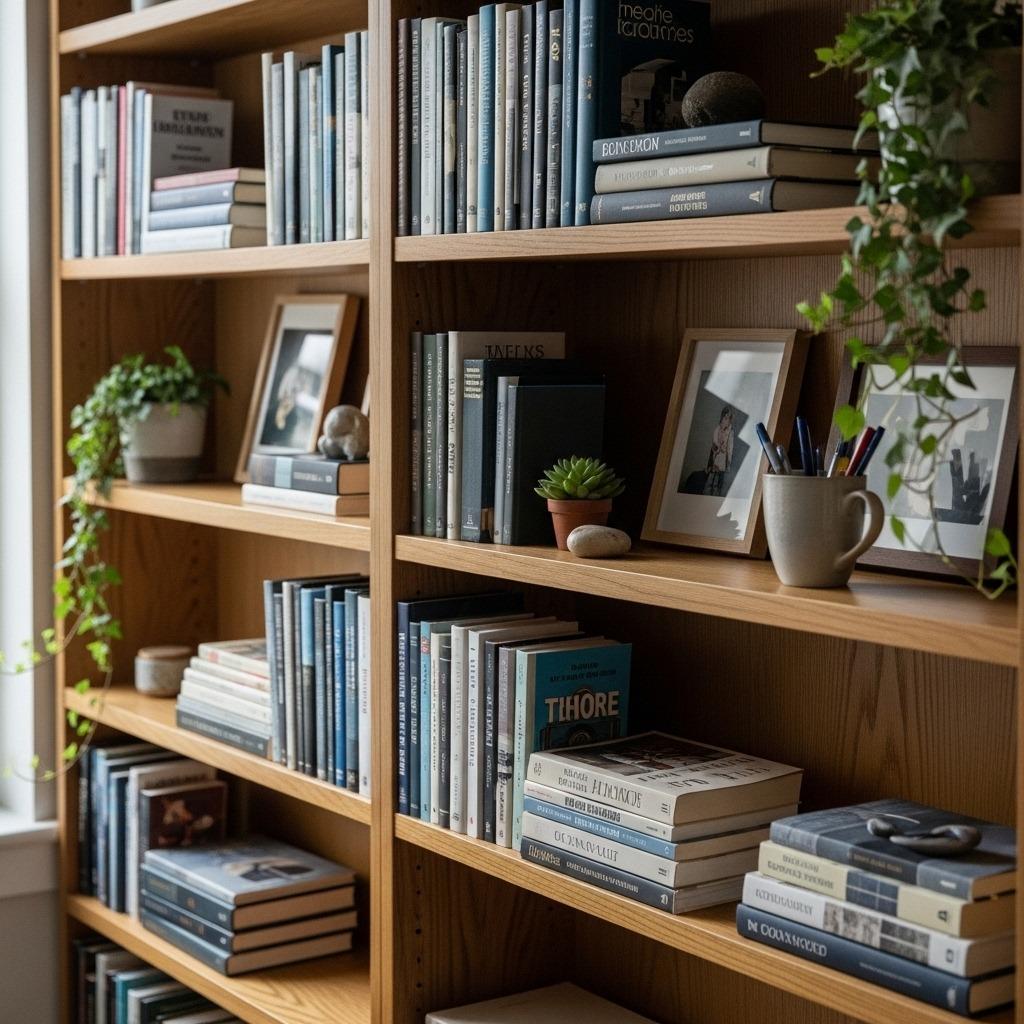
Bookshelves and display units can either showcase your personality or broadcast your inability to let things go. If every inch is crammed with stuff, it’s time for an edit.
Remove everything from one shelf at a time. Dust it thoroughly (you’ll be amazed at what’s been hiding back there), then carefully select what goes back. Display items that make you happy or that tell a story. Books you’ve actually read or plan to read. Objects that spark joy or meaningful memories.
Create visual interest by varying the heights and groupings of items. Stack some books horizontally, stand others vertically. Leave some empty space. Not every shelf needs to be full, and negative space is part of good design. This approach to modern minimalist living room style can work regardless of your overall aesthetic.
Deal With Paper Clutter
Mail, magazines, newspapers, kid’s artwork, school papers, coupons you’ll never use – paper clutter sneaks up on everyone. It starts with one envelope and suddenly you have a mountain on your side table. The solution is creating a paper management system that actually works with your habits.
Designate one spot for incoming paper. A wall-mounted mail organizer near your entryway works great, but even a simple tray on a console table helps if you’re consistent about using it. Sort through it weekly, not daily. Toss junk mail immediately, file important documents in a proper filing system (which shouldn’t be in your living room), and digitize what you can.
Cancel subscriptions to magazines you’re not reading. Be honest with yourself. If those issues are piling up unread, they’re not adding value to your life. Most magazines offer digital versions anyway. For children’s artwork, photograph special pieces and create a digital album, then recycle the originals. You preserve the memory without the physical clutter.
Storage Solutions That Actually Work
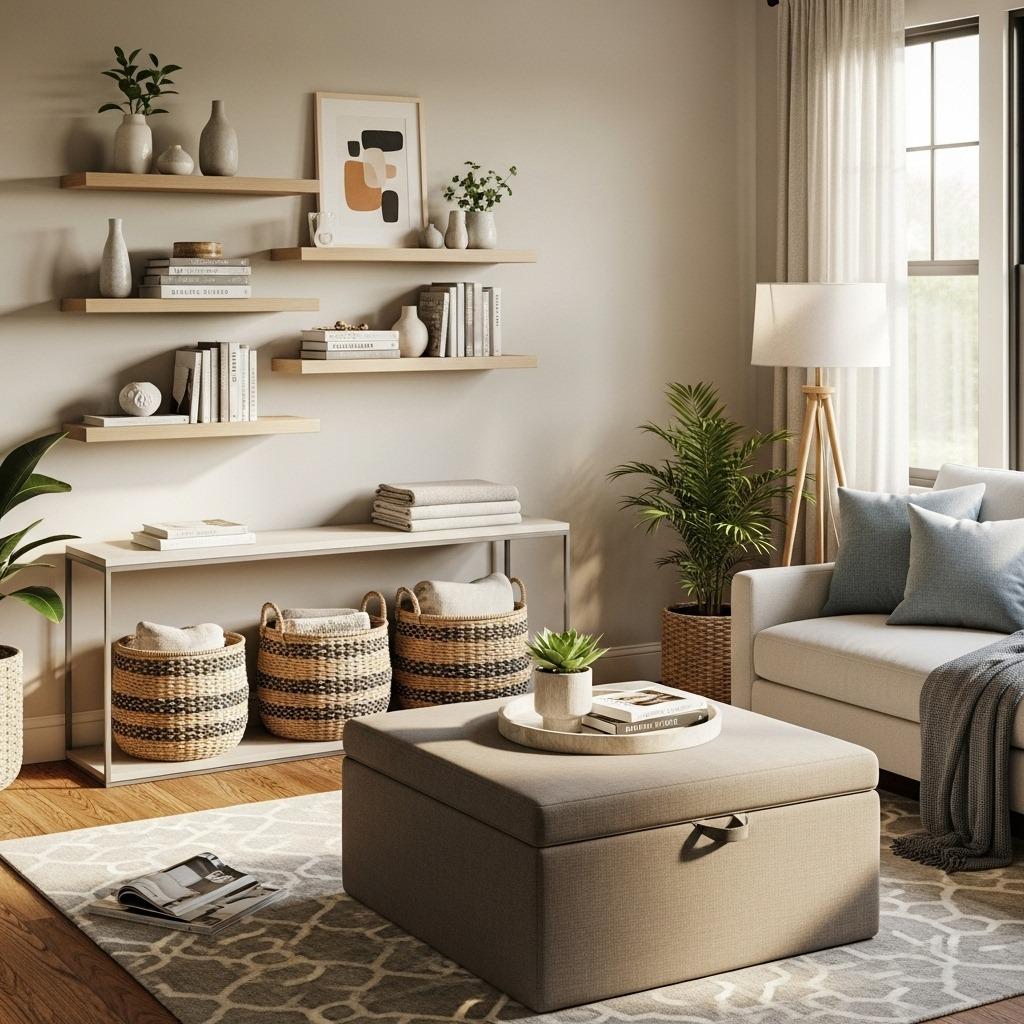
Good storage is invisible storage. The best organizational systems blend into your decor while keeping things tidy. Ottomans with hidden compartments, coffee tables with drawers, and storage benches serve double duty as both furniture and tidying solutions.
Baskets are your best friend for a living room declutter project. They corral items that tend to scatter – throw blankets, remotes, magazines, toys – while looking intentionally styled. Choose baskets in materials and colors that match your existing decor. Woven seagrass, wire mesh, and fabric bins all serve the same purpose but offer different aesthetics.
Don’t forget vertical storage. Wall-mounted shelves, floating cabinets, and hooks utilize space you’re probably wasting. This is especially valuable if you’re working with small space renovation constraints. Just remember that adding storage isn’t permission to keep more stuff. It’s about organizing what you actually need and use.
Furniture Audit: Less Can Be More
Sometimes the problem isn’t just clutter but too much furniture crowding your space. That extra chair you never sit in? The side table that’s always in the way? The outdated bookshelf that doesn’t fit your style anymore? These pieces might be contributing to the chaos more than you realize.
Walk around your room and honestly assess each furniture piece. Does it serve a purpose? Do you use it regularly? Does it fit your current lifestyle? Just because something was expensive or came from a relative doesn’t mean it needs to stay if it’s not working for you.
Removing even one unnecessary piece can dramatically improve flow and make the room feel more spacious. You might find that your Scandinavian living room dreams are possible once you clear out the excess. Remember, minimalist organization isn’t about deprivation – it’s about keeping what adds value and removing what doesn’t.
The Decorative Items Dilemma
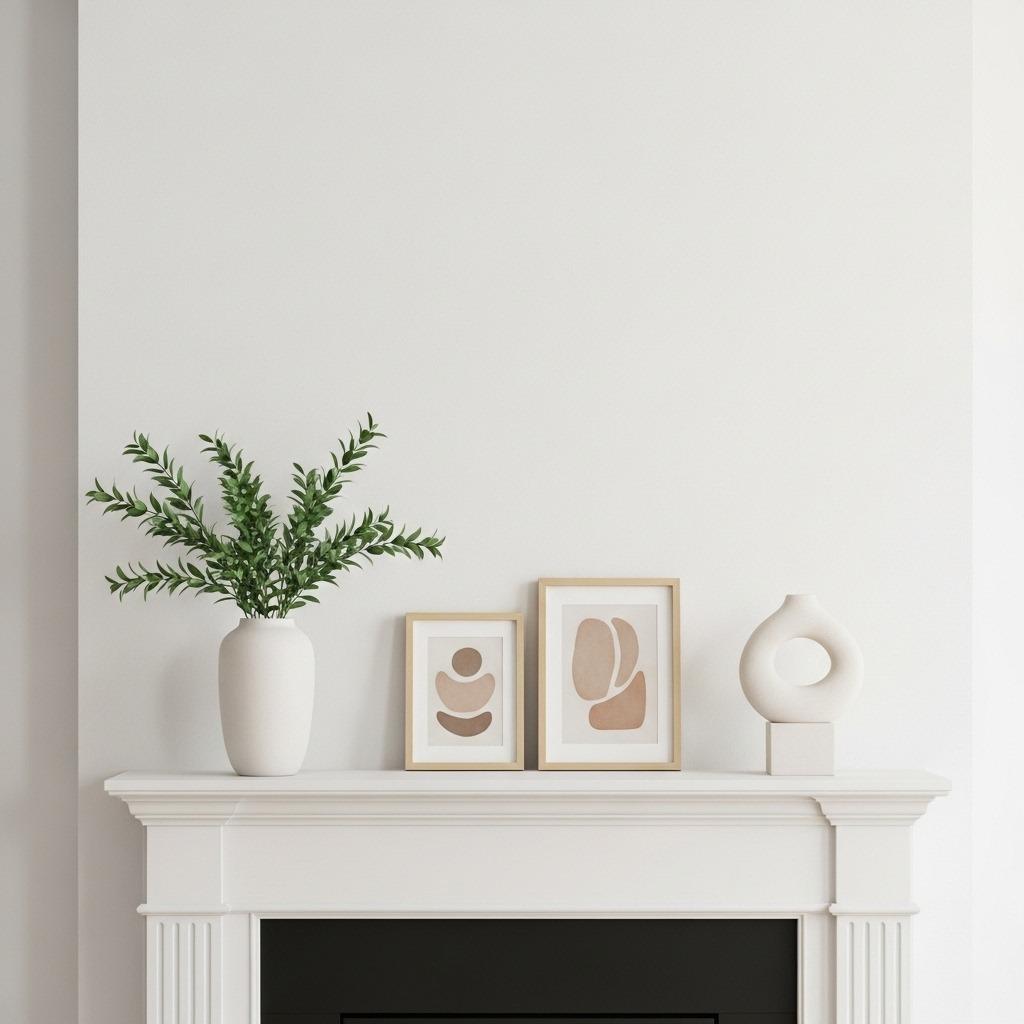
We’ve all been guilty of over-decorating. Those souvenir trinkets from every vacation, the knick-knacks from various relatives, the seasonal decor that somehow stays out all year – they add up quickly. Your living room isn’t a museum, and you don’t need to display everything you own.
Choose a cohesive color palette for your decor and stick to it. This doesn’t mean everything must match exactly, but items should complement each other. If something doesn’t fit your current style or color scheme, it’s creating visual clutter even if the room is technically organized.
Rotate decorative items seasonally. Keep only a few pieces on display at a time and store the rest. This keeps your space feeling fresh and prevents that overstuffed look. Plus, when you bring items back out after a few months in storage, they feel new again. Your cozy small living room will thank you for the visual simplicity.
Textiles: Pillows, Throws, and Rugs
Throw pillows multiply like rabbits. You start with a sensible two or three, and suddenly your sofa is buried under a dozen pillows in various patterns. While textiles add comfort and style, too many create visual noise and daily annoyance when you have to move them all just to sit down.
Limit throw pillows to an odd number – three to five depending on your sofa size. Choose patterns and colors that coordinate rather than compete. The same principle applies to throw blankets. One or two neatly folded or draped blankets look intentional. Five blankets tossed randomly look messy.
Rugs anchor a space but shouldn’t overwhelm it. Make sure your area rug is the right size for your room and properly placed under furniture. A rug that’s too small or awkwardly positioned can make the whole room feel cluttered, even if everything else is in order. These details matter when you’re working toward that polished tidy lounge aesthetic.
Establish Daily Maintenance Habits
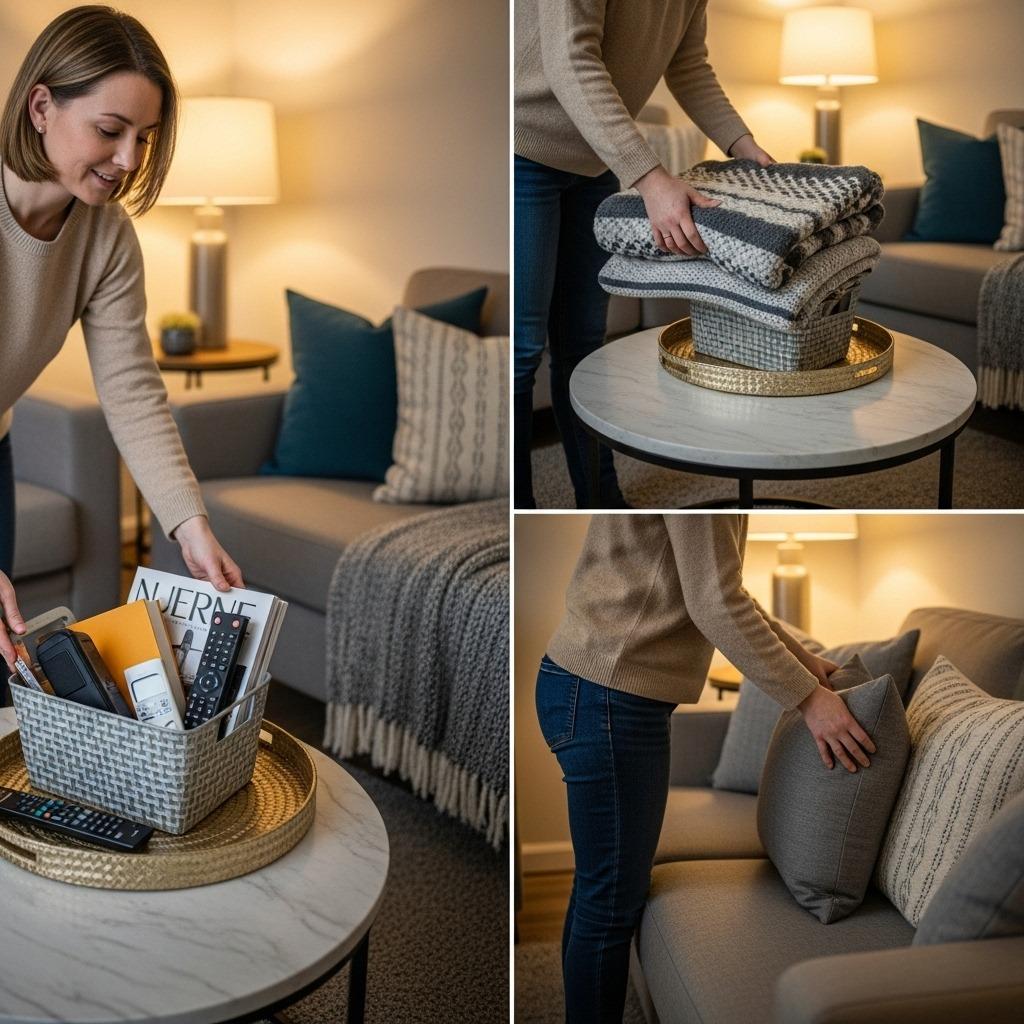
Here’s the thing about decluttering: it’s not a one-time event. Without maintenance systems, your newly organized space will revert to chaos within weeks. The good news is that maintaining a clutter-free living room takes way less effort than the initial purge.
Implement a “one in, one out” rule. When you bring something new into your living room, something old has to leave. This prevents accumulation and forces you to make conscious decisions about what you own. It’s a simple principle that supports long-term minimalist organization.
Spend five minutes each evening doing a quick tidy. Return items to their designated homes, fluff pillows, fold throws, and clear surfaces. This small habit prevents messes from compiling into overwhelming projects. Some people also do a weekly 15-minute declutter session to catch anything the daily routine misses.
Kids and Clutter: Making Peace With Toys
If you have children, toy management is crucial for any living room declutter strategy. Kids need space to play, but that doesn’t mean toys should take over your entire living area. The key is containment and boundaries.
Limit the number of toys available in the living room. Too many options overwhelm children anyway and lead to scattered messes. Rotate toys monthly, keeping most in storage and only a manageable selection accessible. This makes cleanup easier and actually increases engagement with the toys that are out.
Teach your kids the “clean up before bed” routine. Make it fun with a timer or cleanup song. Use clear bins so children can easily see where things belong. Label bins with pictures for young kids who can’t read yet. When cleanup systems are simple and consistent, even toddlers can participate. These habits benefit your home improvement ideas while teaching children valuable life skills.
When Sentimental Items Hold You Back
This is where decluttering gets emotional. That lamp from your grandmother, the artwork your friend made, the furniture from your first apartment – these items carry memories and history. But if they’re not bringing you joy or fitting your current life, they might be holding you back.
Ask yourself: am I keeping this because I love it, or because I feel guilty getting rid of it? There’s a difference. Honoring someone’s memory doesn’t require keeping everything they gave you. Sometimes a photograph of the item is enough to preserve the memory without the physical clutter.
If you’re struggling, try the “one year rule.” If you haven’t used, displayed, or thought about an item in the past year, it’s probably safe to let it go. For truly special items you can’t part with but don’t want on display, consider climate-controlled storage. Just be honest about whether you’ll ever retrieve them or if they’re just out of sight, out of mind.
Lighting and Ambiance Impact
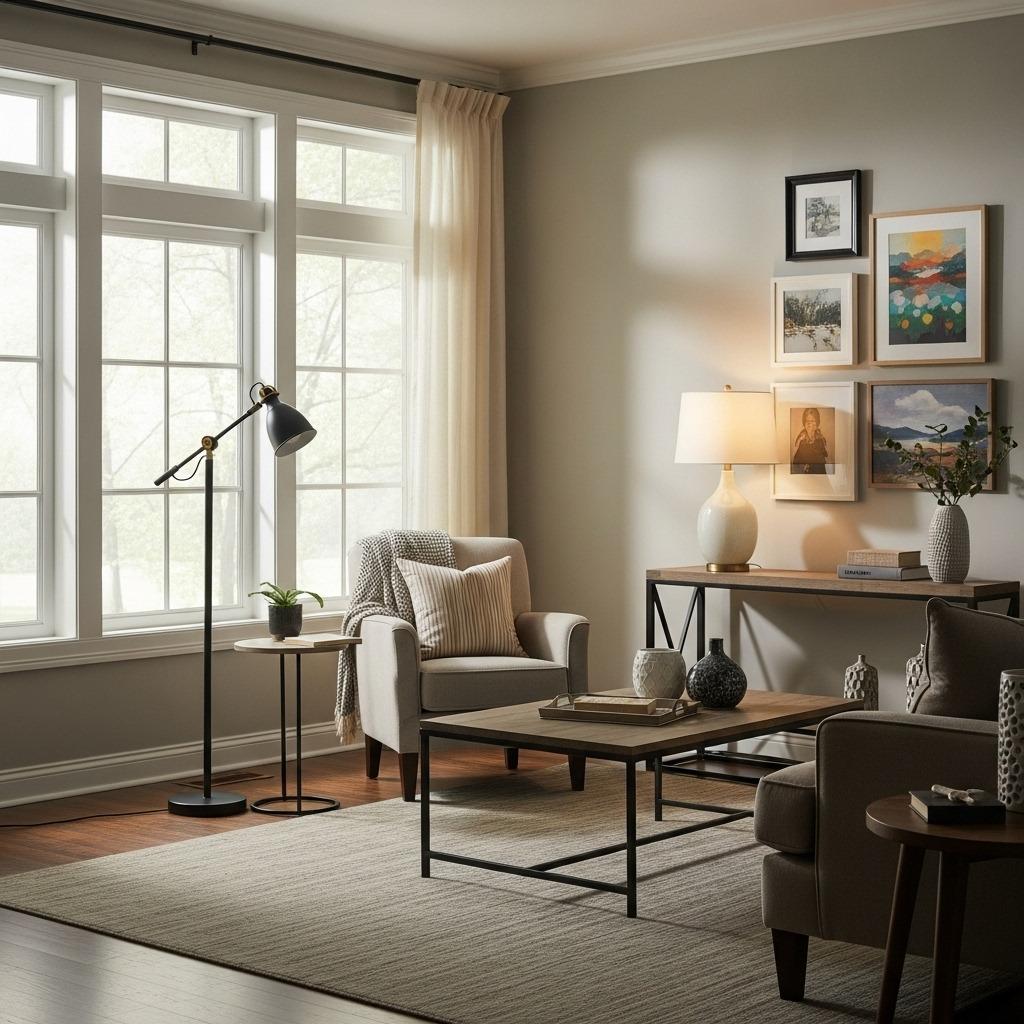
Here’s something most decluttering advice overlooks: proper lighting can make even a slightly cluttered room feel more organized and spacious. Dark corners and inadequate lighting make spaces feel cramped and chaotic regardless of how much you’ve decluttered.
Layer your lighting with ambient, task, and accent fixtures. Overhead lights provide general illumination, table lamps offer task lighting for reading, and accent lights highlight architectural features or artwork. This strategy is part of creating a luxury living room feel without necessarily spending luxury prices.
Natural light is your best friend. Keep windows unobstructed by heavy curtains or furniture. Clean windows regularly to maximize light penetration. Mirrors strategically placed opposite windows reflect light and make rooms feel larger. These simple adjustments enhance your decluttering efforts by making the space feel more open and inviting.
Color Psychology and Visual Clutter
Even an organized room can feel cluttered if the color palette is chaotic. Too many competing colors and patterns create visual noise that makes your brain work overtime. This is where understanding basic color theory helps your living room declutter efforts.
Choose a main neutral color for large pieces (walls, sofa, major furniture), then add two or three accent colors through pillows, artwork, and accessories. This creates cohesion that makes the space feel calm and intentional. You can still have personality and style within a limited palette.
Patterns should also be limited. If you have a patterned sofa, keep pillows solid or minimally patterned. If your walls feature bold wallpaper, furniture should be simpler. This doesn’t mean your room has to be boring – it just means being selective about where you add visual interest. A curated color scheme is essential for achieving true minimalist organization.
Technology and Cord Management
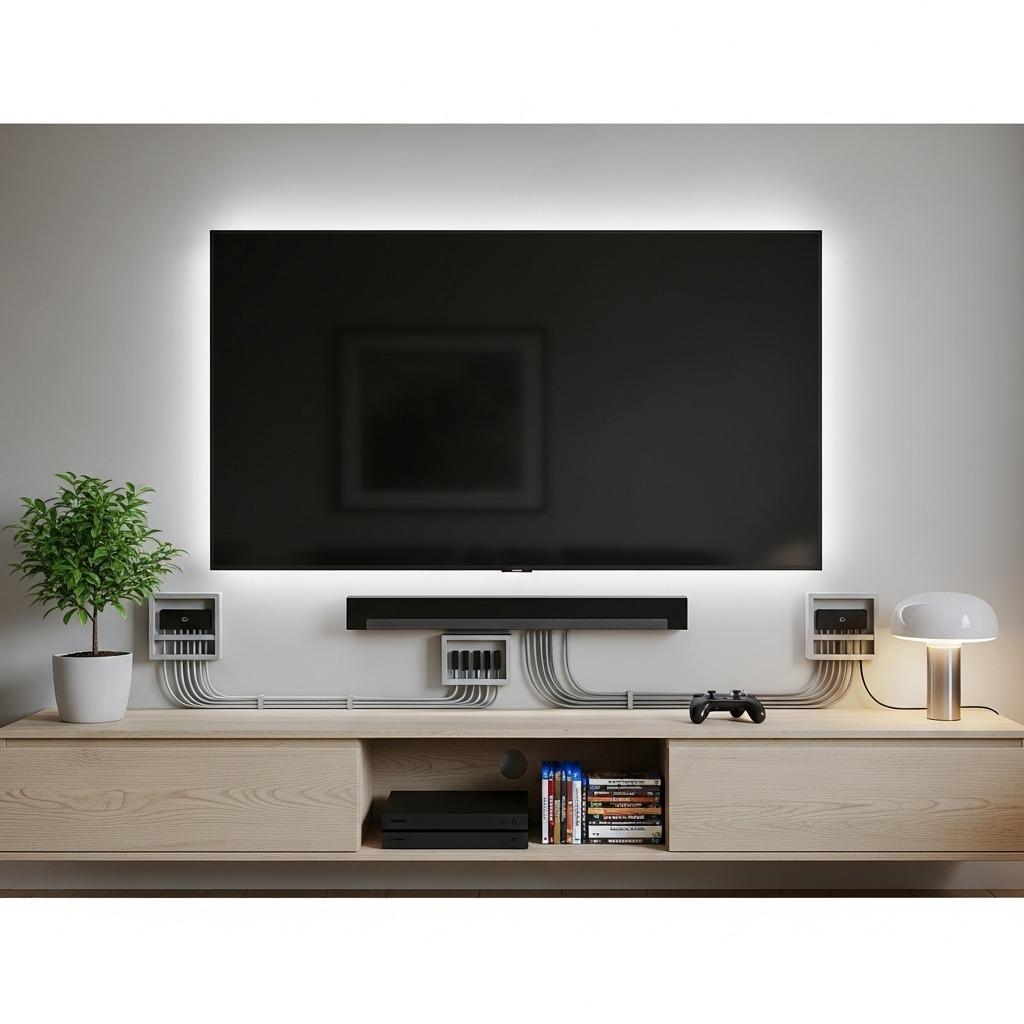
Modern living rooms are full of technology, and with it comes a tangle of cords, chargers, and devices. These visual distractions detract from your carefully decluttered space. Proper tech organization is non-negotiable for a truly tidy lounge.
Invest in a charging station that keeps devices in one spot and hides cords. Cable management boxes conceal power strips and excess cord length. Wireless options when possible – wireless speakers, wireless charging pads, streaming devices – eliminate many cord issues entirely.
Wall-mount your TV if possible to eliminate the need for a bulky entertainment center and create cleaner lines. This approach works especially well in smaller spaces and contributes to that sleek, uncluttered aesthetic. If wall-mounting isn’t an option, ensure your TV stand has proper cord management features built in.
Seasonal Decor Rotation Strategy
Seasonal decorations are wonderful for keeping your space fresh, but storing and rotating them can create clutter if not handled properly. The key is having a clear system for both storage and display.
Invest in uniform storage containers labeled by season. Clear bins work great because you can see what’s inside without unpacking everything. Store seasonal items in a garage, basement, attic, or closet – not in your living room. When it’s time to swap decor, remove the previous season’s items completely before bringing out new ones.
Keep seasonal decor minimal. You don’t need to transform your entire living room for every holiday. A few carefully chosen pieces make more impact than going overboard. This restraint prevents your storage situation from becoming overwhelming and keeps your living room from looking theme-park-ish.
The Finishing Touches
Once you’ve decluttered and organized, it’s time to style your space intentionally. This is the fun part where you get to see all your hard work come together. Start with the largest elements and work down to smaller details.
Arrange furniture to create conversation areas and clear pathways. Nothing should obstruct natural traffic flow. Add your carefully curated decorative items, remembering that less is more. Fresh flowers or a single plant can add life without clutter.
Step back and look at your room with fresh eyes. Take a photo from each angle. Sometimes photographs reveal visual clutter we miss when we’re standing in the space. Make final adjustments, then enjoy your beautifully decluttered living room. You’ve earned it.
Creating a clutter-free living room isn’t about achieving perfection or living like you’re in a showroom. It’s about designing a space that supports how you actually live while still feeling calm and organized. The strategies we’ve covered work because they’re practical, not theoretical.
Start small if the whole process feels overwhelming. Pick one zone, one surface, one shelf. Decluttering momentum builds on itself, and once you see results in one area, you’ll be motivated to tackle the next. Remember, your living room should serve you, not stress you out.
The most important part? Maintain what you’ve created. Those daily five-minute tidying sessions and weekly check-ins will preserve your hard work and keep your space feeling fresh. A tidy lounge isn’t a destination; it’s an ongoing practice that gets easier with time. You’ve got this.

