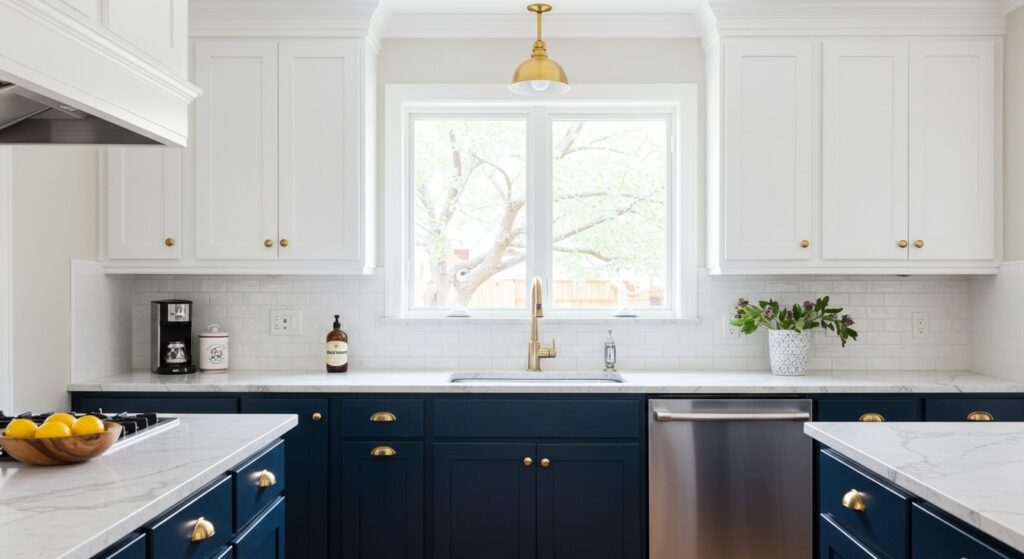
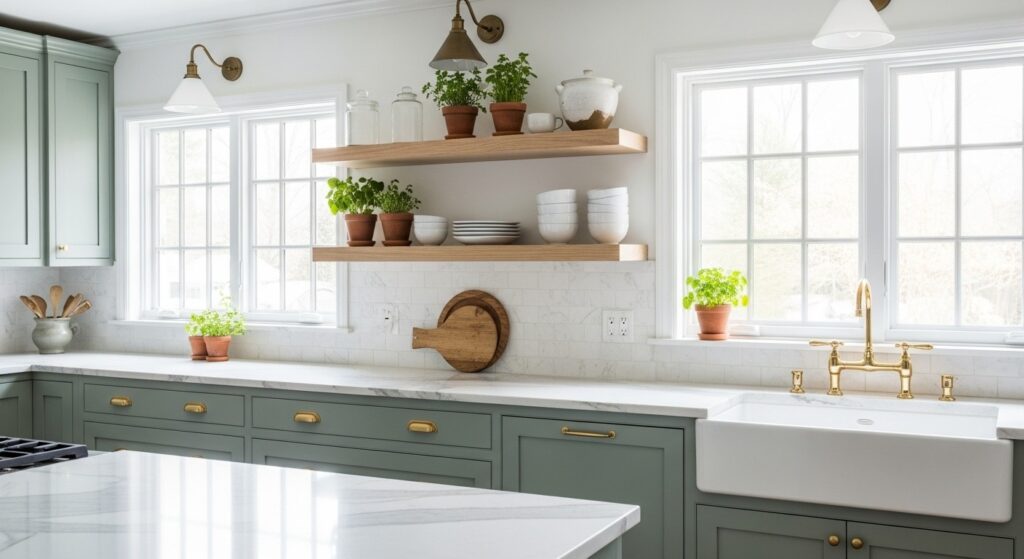
There’s something about green that just works in a kitchen. Maybe it’s the way it echoes herbs on the windowsill or how it softens the hard edges of appliances and counters. Whatever the reason, green kitchen themes have moved beyond the avocado appliances of the ’70s into something genuinely beautiful and surprisingly versatile.
I’ve noticed more people gravitating toward green lately, not just as an accent but as the foundation of their entire kitchen palette. The sage cabinet trend, in particular, has proven it’s more than a fleeting Instagram moment. These softer, earthier greens feel grounded and calming, which is exactly what you want in a space where you start your morning coffee and end your day washing dishes.
What makes green interesting is its range. You can go moody with deep forest tones, fresh with mint, or sophisticated with olive. Each shade completely changes the mood of the space. And unlike some color trends that require a full commitment, green plays well with nearly every other color and material you already have.
1. Sage Green Cabinets as Your Foundation
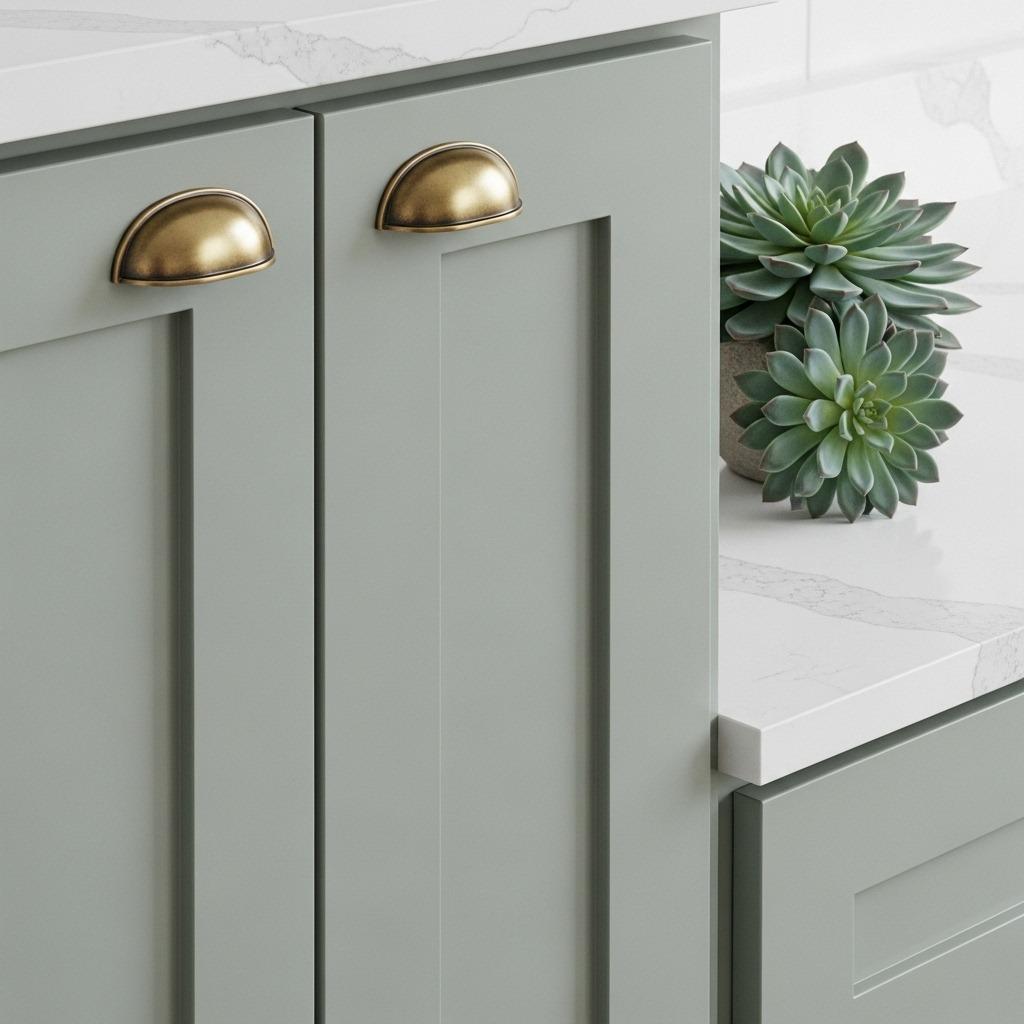
Sage cabinets have become the baseline for eco-friendly kitchen styling for good reason. This muted, grayish-green works with both warm and cool tones, which means you’re not locked into one specific design direction. The color reads as neutral enough to anchor your space while still bringing personality.
The key with sage is choosing the right undertone for your lighting. Some sages lean blue, others lean yellow. Test samples on your actual cabinet doors and observe them at different times of day. What looks perfect in afternoon sun might feel completely different under your pendant lights at dinner time.
Pairing sage cabinets with natural materials amplifies their organic feel. Think butcher block countertops, rattan bar stools, or a terracotta tile backsplash. These combinations create a kitchen and dining space that feels collected over time rather than designed all at once.
2. Two-Tone Cabinets with Green Lower Units
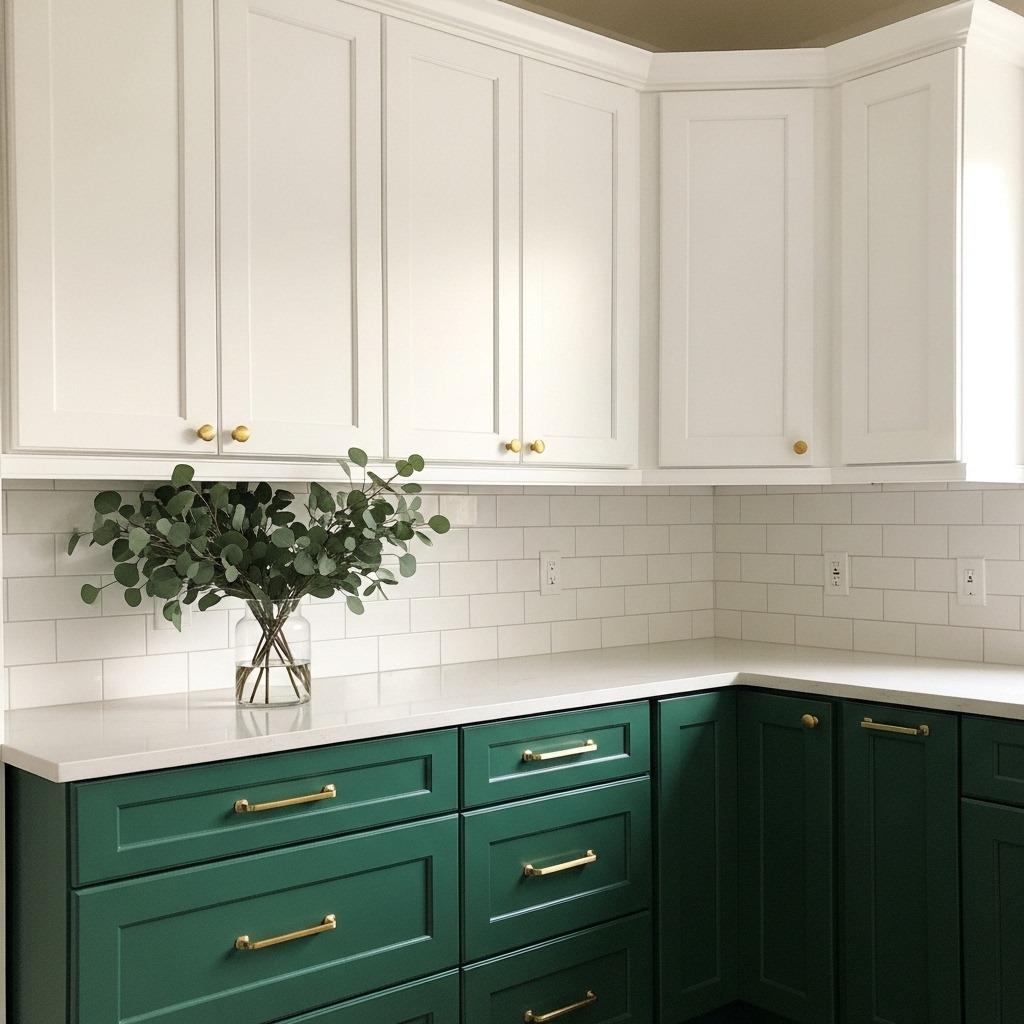
If full green cabinets feel like too much, try two-tone kitchen cabinet combinations with green on the bottom. This grounds the space visually while keeping things bright and open up top with white or cream uppers. The division creates natural visual interest without any additional effort.
Dark forest green lower cabinets with white uppers give you that classic, almost traditional feel. For something more contemporary, pair mint green lowers with light gray uppers. The contrast shouldn’t feel jarring – you want the two colors to have a conversation, not an argument.
This approach also has practical benefits. Darker green lower cabinets hide scuffs and wear better than white ones, especially around the base where feet and vacuum cleaners make contact. You get beauty and function in one decision.
3. Green Tile Backsplash for Subtle Impact
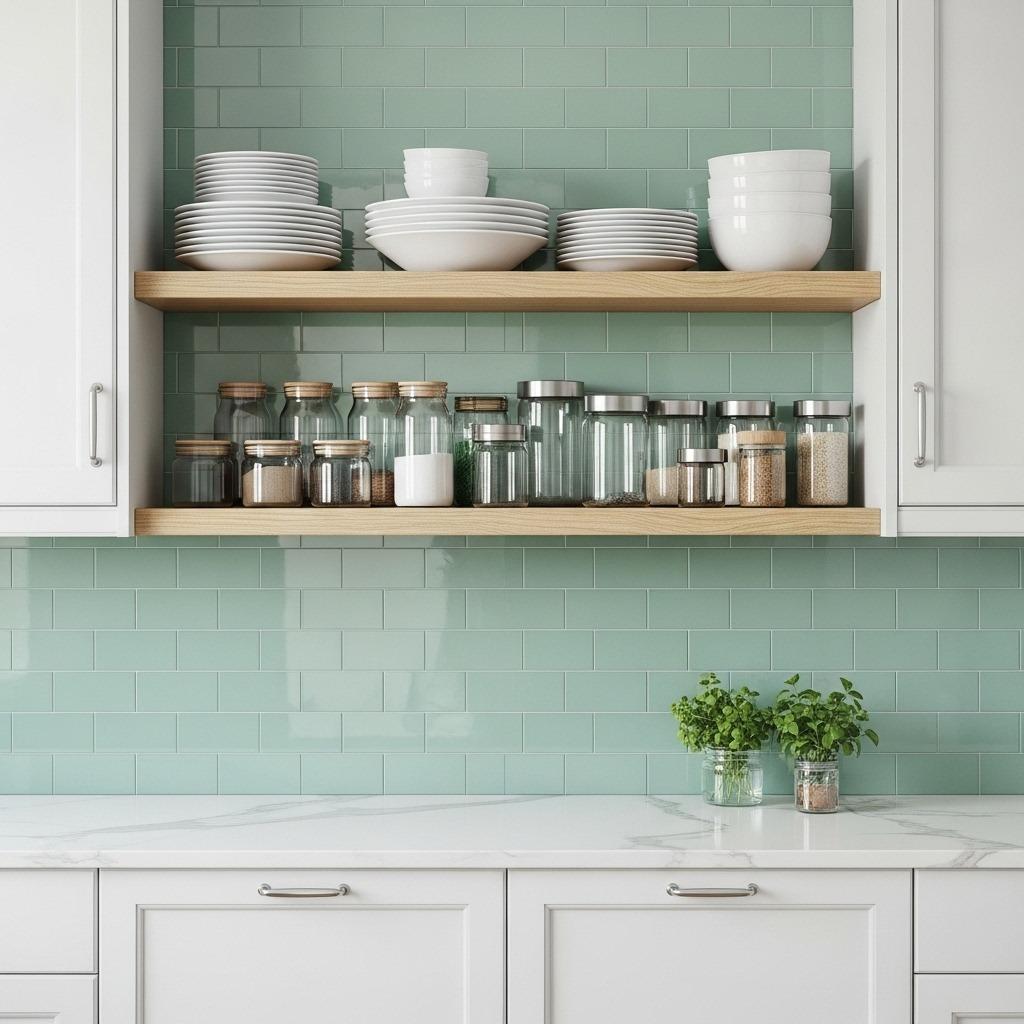
A green backsplash lets you test the waters without committing to cabinetry. Tile is relatively easy to change if you move on from the look, though honestly, classic green tiles have serious staying power. Look for glazed ceramic or glass tiles that catch light and add dimension.
Subway tiles in a soft green work in almost any kitchen style, from modern farmhouse kitchen to contemporary. For something bolder, consider geometric or Moroccan-inspired patterns in various green tones. The pattern itself becomes artwork that draws the eye up and makes your kitchen feel taller.
Don’t forget about grout color. White grout with green tile creates crisp definition, while a matching or gray grout lets the tiles blend together more softly. It’s a small detail that significantly impacts the overall look, so grab a grout sample and test it before the installer shows up.
4. Hunter Green Kitchen Island Statement
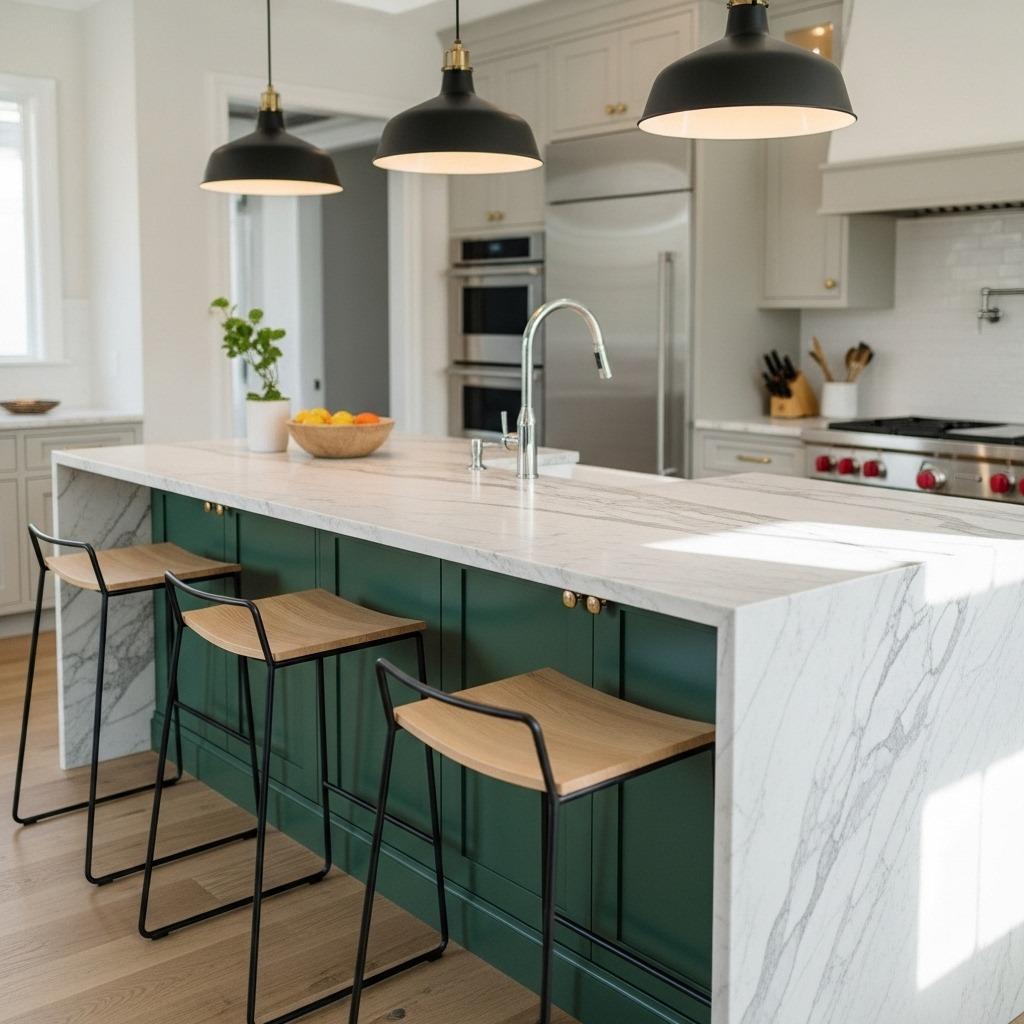
If your perimeter cabinets are neutral, your island is the perfect place for a hunter green moment. This deep, saturated green commands attention and turns a functional piece into the room’s focal point. It’s especially effective in open concept kitchen layouts where the island is visible from multiple rooms.
Balance the richness of hunter green with lighter surroundings. White or light wood cabinets around the perimeter keep the space from feeling too heavy. Top your green island with a contrasting material like white marble or butcher block to add even more visual interest and texture.
The island is also where you can experiment with different green shades if you’re nervous about commitment. Paint is relatively easy to change, and an island is much less surface area than an entire kitchen’s worth of cabinets. Start here and see how you feel living with green daily.
5. Olive Green Walls for Warmth
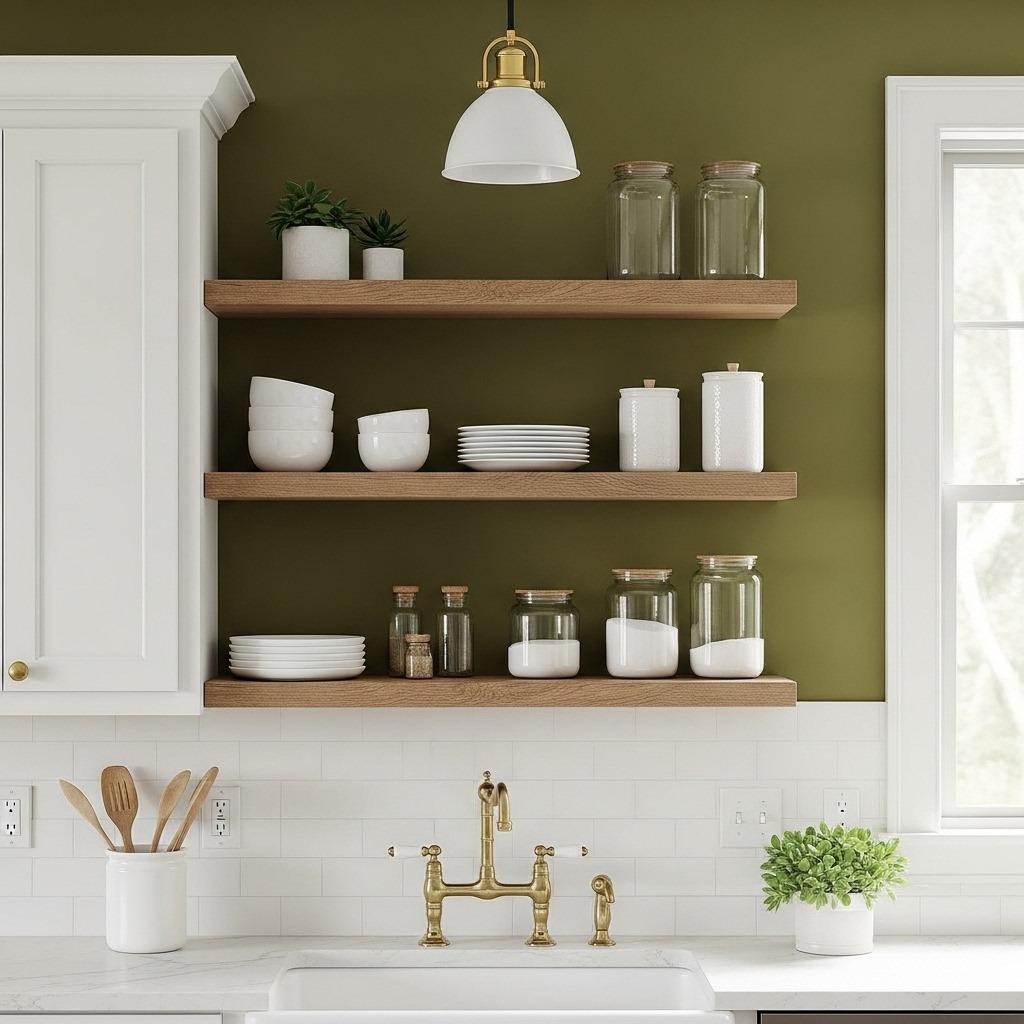
Walls are often overlooked in kitchen design, but painting them olive green creates instant warmth and sophistication. This yellow-toned green works beautifully with wood elements and brass fixtures. It’s earthier than sage and less dramatic than forest green, sitting in a comfortable middle ground.
Olive particularly shines in kitchens with white or cream cabinets. The combination feels European and effortlessly elegant, like something you’d find in a French countryside home. Add some vintage kitchen decor pieces and you’ve got a space with genuine character.
Consider the sheen carefully with wall paint. Matte or eggshell finishes feel more sophisticated, but kitchens are messy spaces. A satin finish cleans more easily while still avoiding the harsh glare of semi-gloss. It’s worth the extra few dollars per gallon for washability
6. Green Glass Pendant Lights for Ambiance
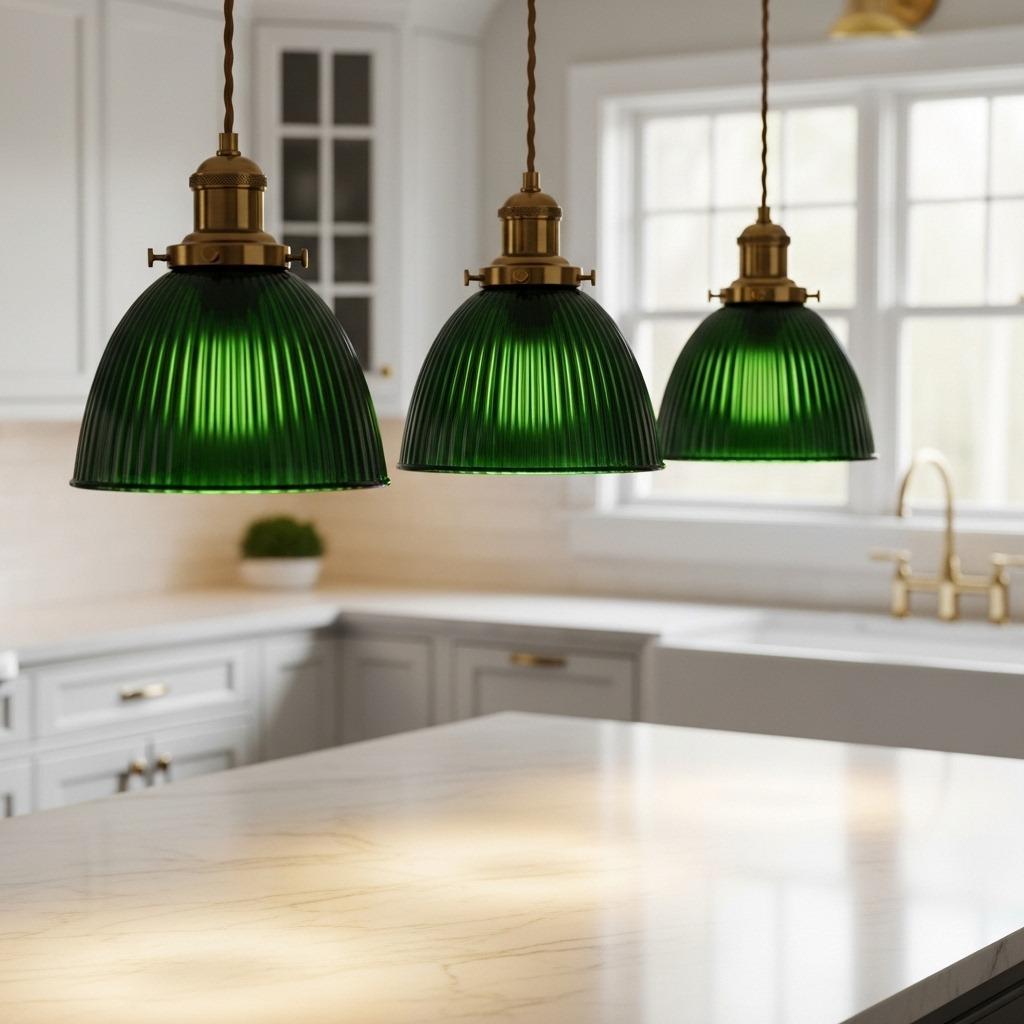
Lighting often gets treated as an afterthought, but green glass pendants add color and ambiance in one go. Vintage-style green glass shades over an island or dining table create pools of warm light that make the space feel intimate and inviting. It’s functional and decorative without taking up any counter space.
The beauty of green glass is how it diffuses light. Unlike clear glass or metal shades, green glass adds a subtle tint to everything it illuminates. Evening meals take on a warmer, more relaxed quality. It’s a small change that affects how the entire room feels.
Mix your green glass with other finishes for a collected look. Brass or black metal fixtures throughout the rest of the kitchen complement green glass beautifully. You can find these at various price points, from affordable home upgrades to investment pieces that become family heirlooms.
7. Emerald Green Appliances for Bold Personality
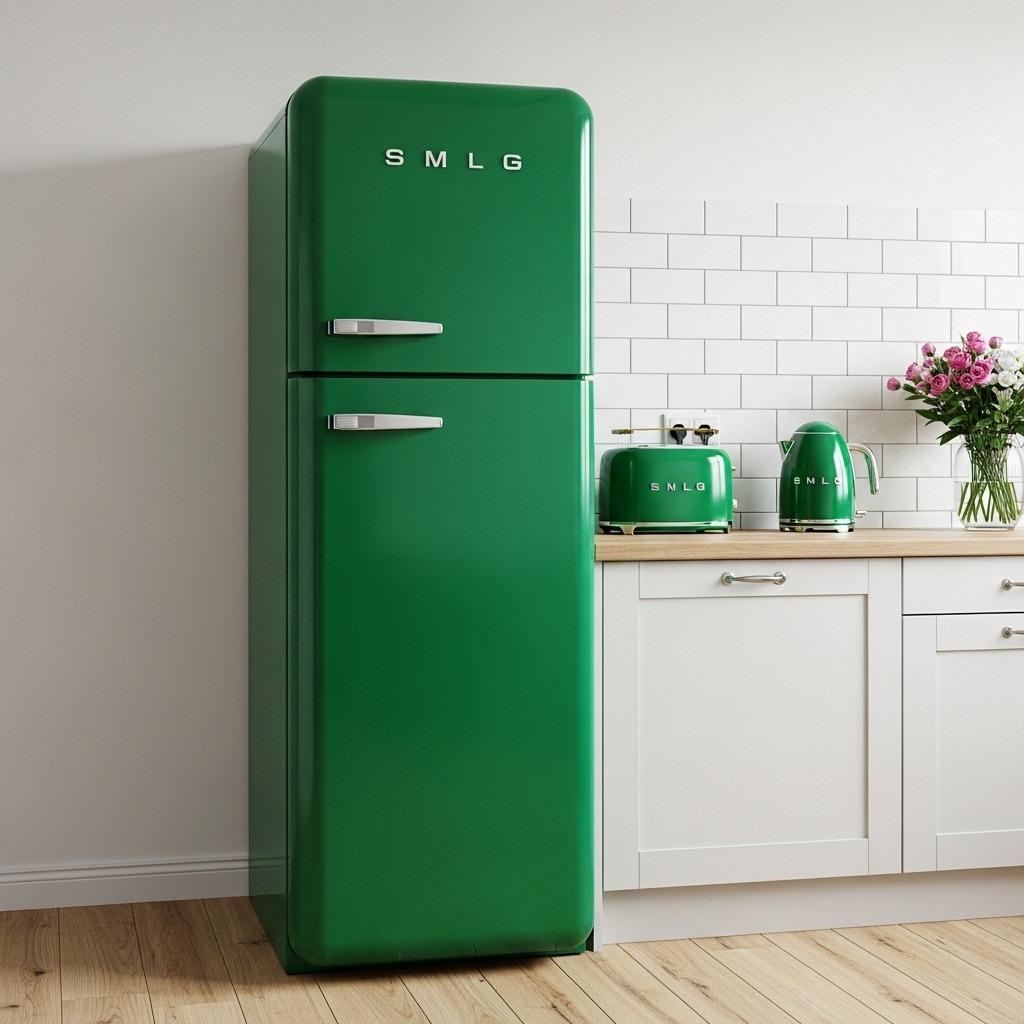
Colored appliances used to mean compromising on features, but not anymore. Emerald green ranges, refrigerators, and dishwashers now come with all the modern technology you need. These statement pieces work especially well in white or neutral kitchens that need a personality injection.
A green range becomes the kitchen’s jewelry – the one piece that makes everything else look intentional. Brands like Smeg and Big Chill offer retro-styled appliances in various green shades, while some high-end professional ranges now come in custom colors. The investment is significant, but so is the impact.
If you’re not ready for major green appliances, start smaller. A green stand mixer, toaster, or kettle adds color to your countertop without the commitment. These smaller pieces also migrate more easily if you renovate a small kitchen or move to a new home.
8. Green Open Shelving and Dishware Display
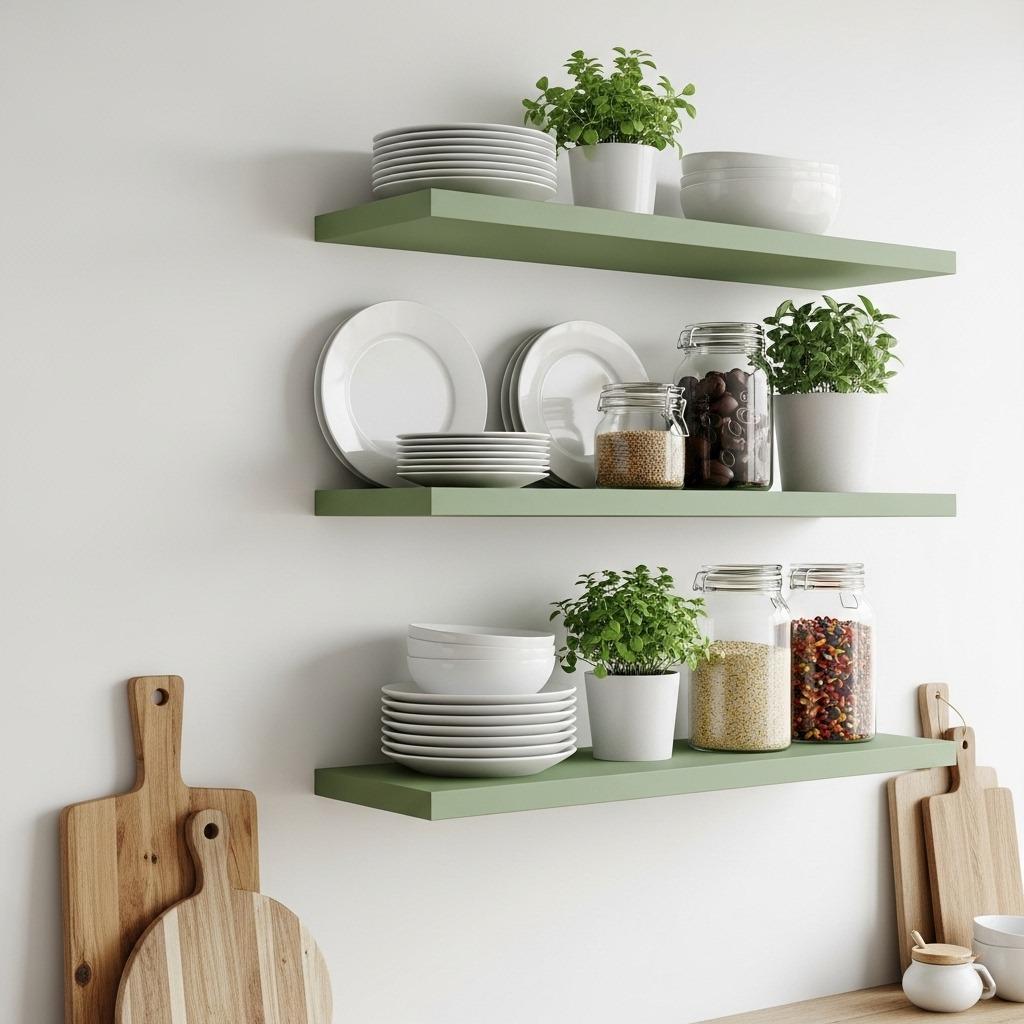
Open shelving painted in a soft green provides both storage and color. Green shelves frame your dishes and glassware beautifully while keeping everything accessible.
What you display matters as much as the shelves themselves. White ceramics pop against green backgrounds, creating a clean, gallery-like effect. Mix in some natural wood cutting boards, glass jars filled with pantry staples, and maybe a small potted herb or two. The combination feels lived-in and purposeful.
The shade of green affects the overall mood dramatically. Mint green shelves feel playful and light, perfect for cottagecore or coastal styles. Deeper greens lean more traditional and sophisticated. Choose based on how you want your kitchen shelving ideas to complement the rest of your space.
9. Green Marble or Stone Countertops

Green marble brings luxury and nature together in one surface. Varieties like Verde Guatemala or Forest Green marble feature dramatic veining that becomes the kitchen’s focal point. These natural stones pair beautifully with simple white or wood cabinets that let the countertops take center stage.
The maintenance requirements of marble give some people pause, and rightfully so. Marble etches and stains more easily than engineered options. But if you’re someone who appreciates patina and sees your kitchen as something that should age gracefully with use, marble might be perfect. The character it develops over time is part of its charm.
For similar looks with less maintenance, consider green-toned quartz or soapstone. These materials offer the organic feel of natural stone with more practical everyday performance. They work particularly well in busy kitchens where you want beauty without constant worry about water rings and lemon juice.
10. Mint Green Accents for Retro Charm
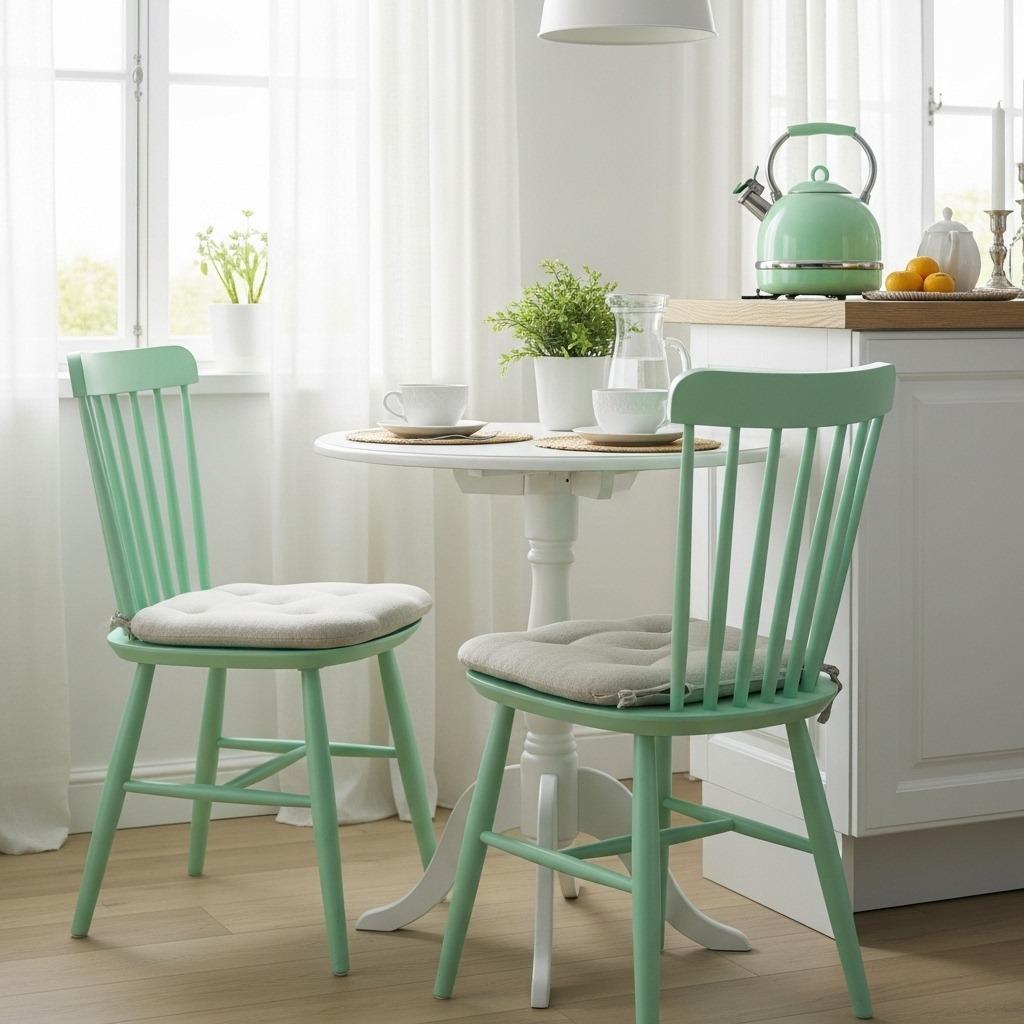
Mint green accents bring a nostalgic, cheerful energy without overwhelming the space. This lighter shade works especially well in kitchens with vintage or retro themes. Think mint green bar stools, a vintage mixer, or even just mint-handled utensils in a crock by the stove.
The trick with mint is using it sparingly but intentionally. Too much mint can feel juvenile or overly themed. Instead, scatter it throughout the space – maybe mint towels, a mint-framed mirror, and one larger mint piece like a chair or small cabinet. This creates rhythm and visual interest without turning your kitchen into a mint museum.
Mint pairs beautifully with both warm and cool metals. Chrome and stainless steel emphasize its retro qualities, while brass and copper add warmth that prevents the space from feeling too cold or sterile. Mix your metals based on the overall mood you’re creating in your kitchen and dining ideas.
11. Forest Green Window Treatments
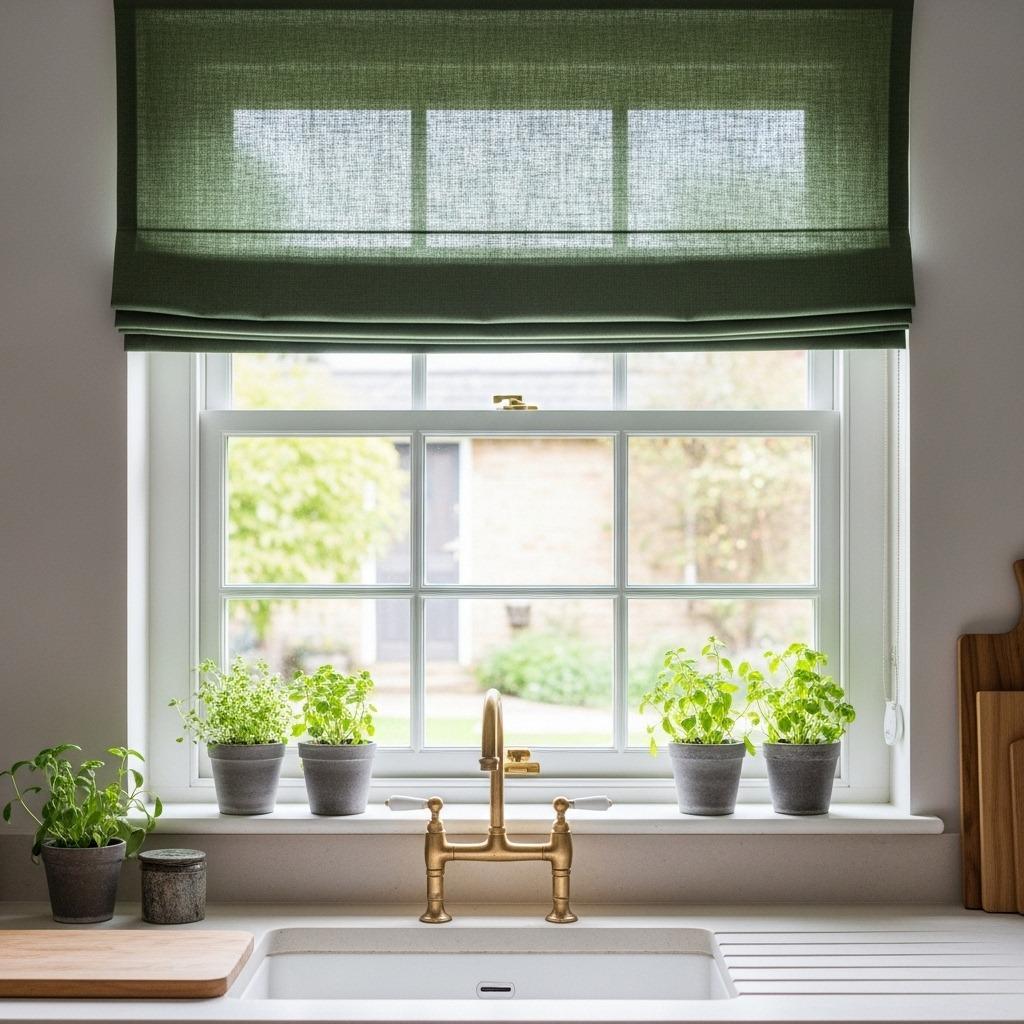
Window treatments are one of the most overlooked opportunities to add green to a kitchen. Forest green curtains, Roman shades, or even a simple valance introduce color at eye level where it makes an impact. The darker tone provides privacy while still allowing natural light to filter through.
Green window treatments work especially well in kitchens that overlook gardens or natural settings. They create a visual bridge between indoor and outdoor spaces, similar to how you might design an indoor garden living room. The color literally frames your view.
Consider the fabric carefully for kitchen use. Look for materials that resist moisture, stains, and fading from sun exposure. Some manufacturers now offer performance fabrics in beautiful colors that look like natural linen but clean much more easily. It’s worth the investment for window treatments that need to withstand cooking steam and grease.
12. Green Dining Chairs in Kitchen Eating Areas
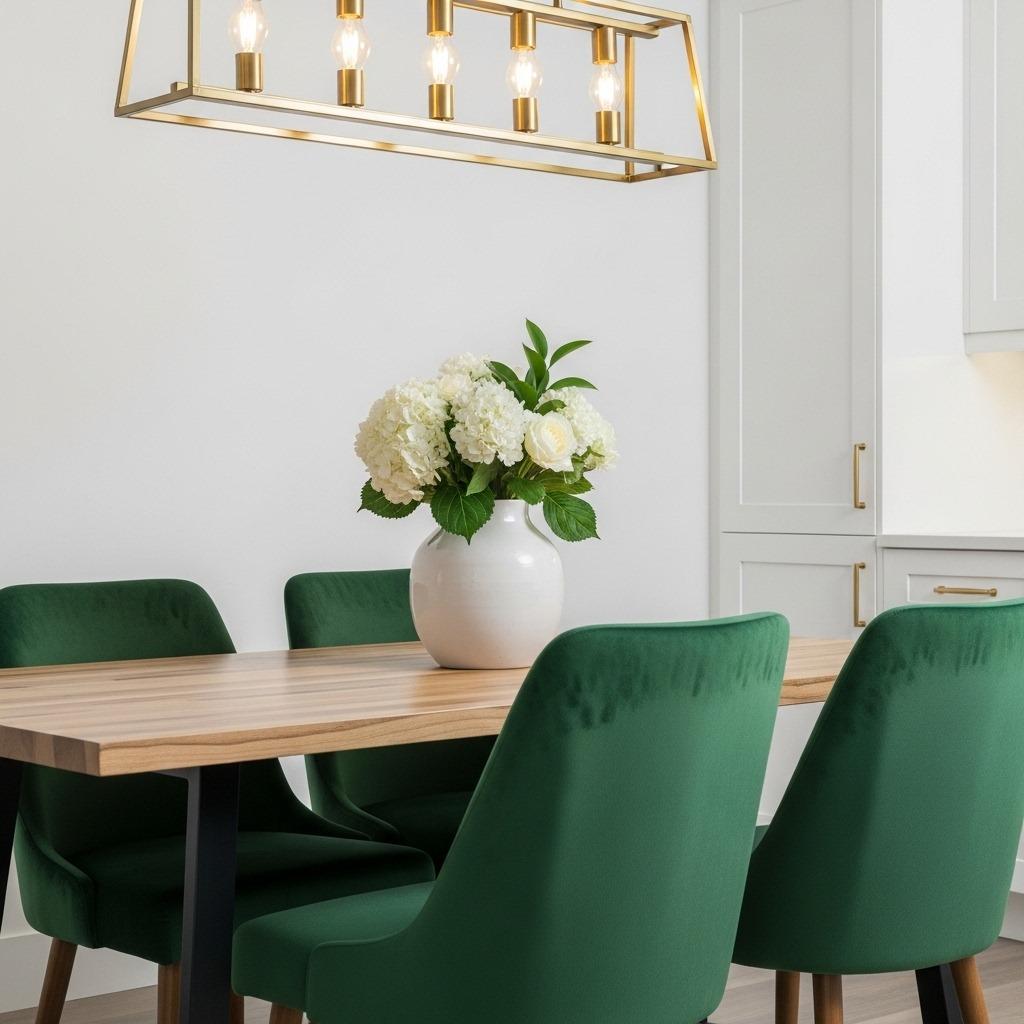
Green dining chairs around your kitchen table or island create an instant focal point. This is particularly effective if everything else in your kitchen is neutral. Four matching green chairs or a mix of different green shades can completely transform your dining area without any permanent changes.
Velvet green chairs bring luxury and texture, especially in deeper jewel tones. For more casual spaces, painted wooden chairs in various green shades create an eclectic, collected-over-time look. Mixing chair styles unified by color creates interest while maintaining cohesion – it’s a designer trick that works beautifully in real homes.
Don’t be afraid to mix green chairs with other colors if you have a larger dining set. Alternating green with natural wood or white creates rhythm and prevents the space from feeling too matchy. This works particularly well in space saving dining room layouts where visual interest matters more than square footage.
13. Green Grout for Unexpected Detail
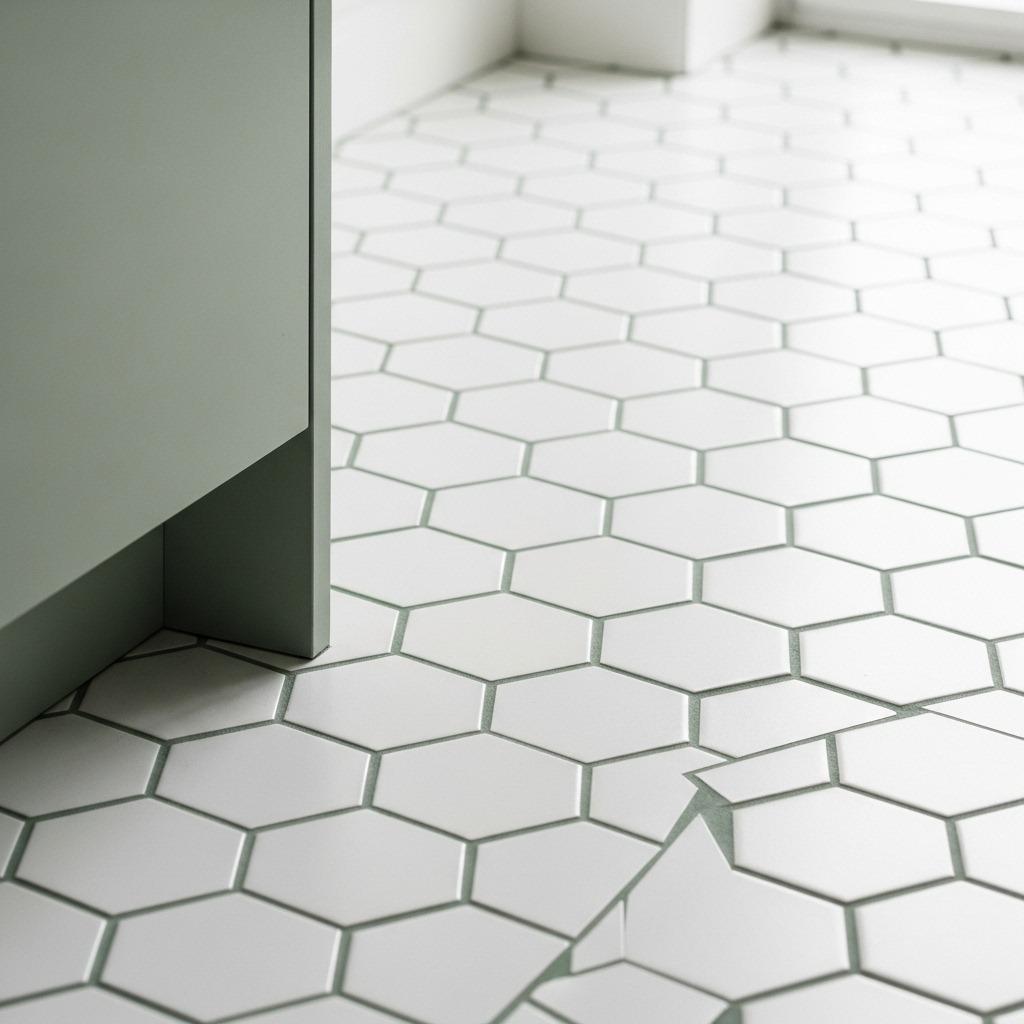
Green grout is an unexpected detail that adds character without screaming for attention. While white or gray grout disappears, green grout (even in a subtle sage tone) creates a subtle grid pattern that adds visual texture. This works especially well with white, cream, or light gray tiles.
The technique requires some confidence, but the payoff is a completely custom look. Consider using green grout with white subway tiles for a twist on a classic, or pair it with cement tiles in coordinating patterns. The grout becomes part of the design rather than just the stuff holding tiles together.
Test your grout choice before committing. Get a sample board made up or at minimum mix a small batch and apply it to spare tiles. Grout color can look dramatically different wet versus dry, and in a small grout line versus a large expanse. What seems perfect in the container might surprise you on the wall.
14. Herb Garden with Green Planters
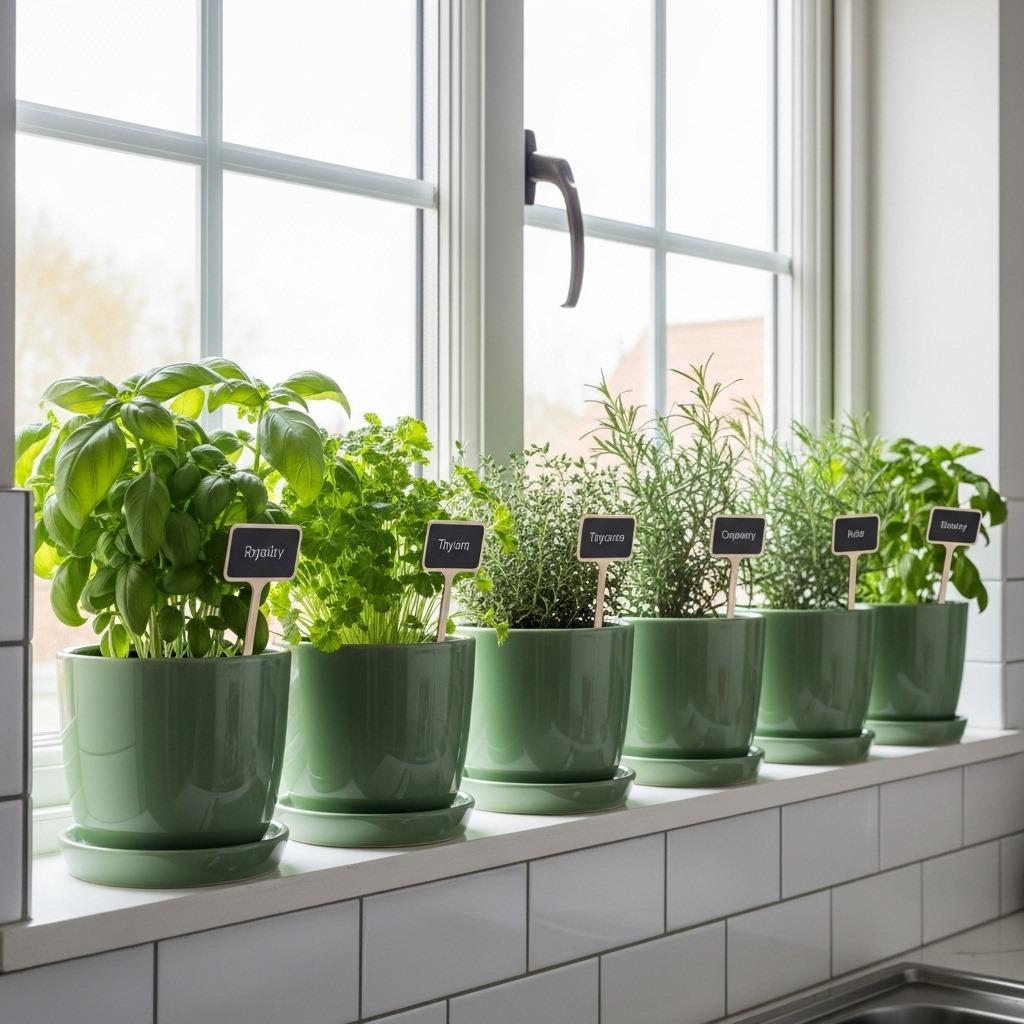
Live plants bring the most authentic green into any kitchen, and growing your own herbs is both beautiful and practical. Group herbs in matching green planters on your windowsill, open shelving, or even a dedicated plant shelf. The varying shades of green foliage create natural dimension.
Ceramic planters in different green glazes – from celadon to forest – add personality while keeping things cohesive. You can find these at various price points, and mixing high and low pieces makes the collection feel more personal. Add small labels with herb names for a charming kitchen garden aesthetic.
The practical benefits here shouldn’t be overlooked. Fresh herbs improve your cooking while purifying the air and connecting you to a bit of nature during meal prep. It’s the kind of eco-friendly kitchen styling that serves multiple purposes. Plus, snipping fresh basil for dinner never gets old, no matter how many times you do it.
Green in the kitchen isn’t just trendy – it’s timeless in a way that works with how we actually want to live. Whether you commit to sage cabinets or just add a few green bar stools, you’re bringing in a color that feels both fresh and grounded. The options are genuinely endless, which means you can start small and build from there, or dive straight into a full green transformation.
The beauty of these green kitchen themes is how adaptable they are to different styles and budgets. You don’t need to renovate everything at once. Sometimes the smallest changes – switching out hardware, adding plants, or painting one wall – create the biggest shifts in how a space feels. Green gives you permission to experiment.