

Designing a space where your child can sleep, play, and dream shouldn’t feel overwhelming. The best kids bedroom ideas balance creativity with practicality, creating environments that inspire imagination while keeping chaos under control. Whether you’re working with a tiny nursery or a spacious room, the right design choices can transform any space into a childhood sanctuary.
I’ve always believed that a child’s bedroom should evolve with them. It’s not just about picking a cute theme or matching bedding sets. It’s about creating a foundation that supports their changing interests, growing independence, and need for both adventure and rest. The magic happens when form meets function in ways that feel effortless.
What excites me most about these ideas is their flexibility. You don’t need a massive budget or a complete overhaul to make meaningful changes. Sometimes it’s a fresh coat of paint, a clever storage hack, or simply rearranging furniture that breathes new life into a tired space. Let’s explore how to create rooms that kids actually want to spend time in.
1. Adventure-Ready Climbing Wall Corner
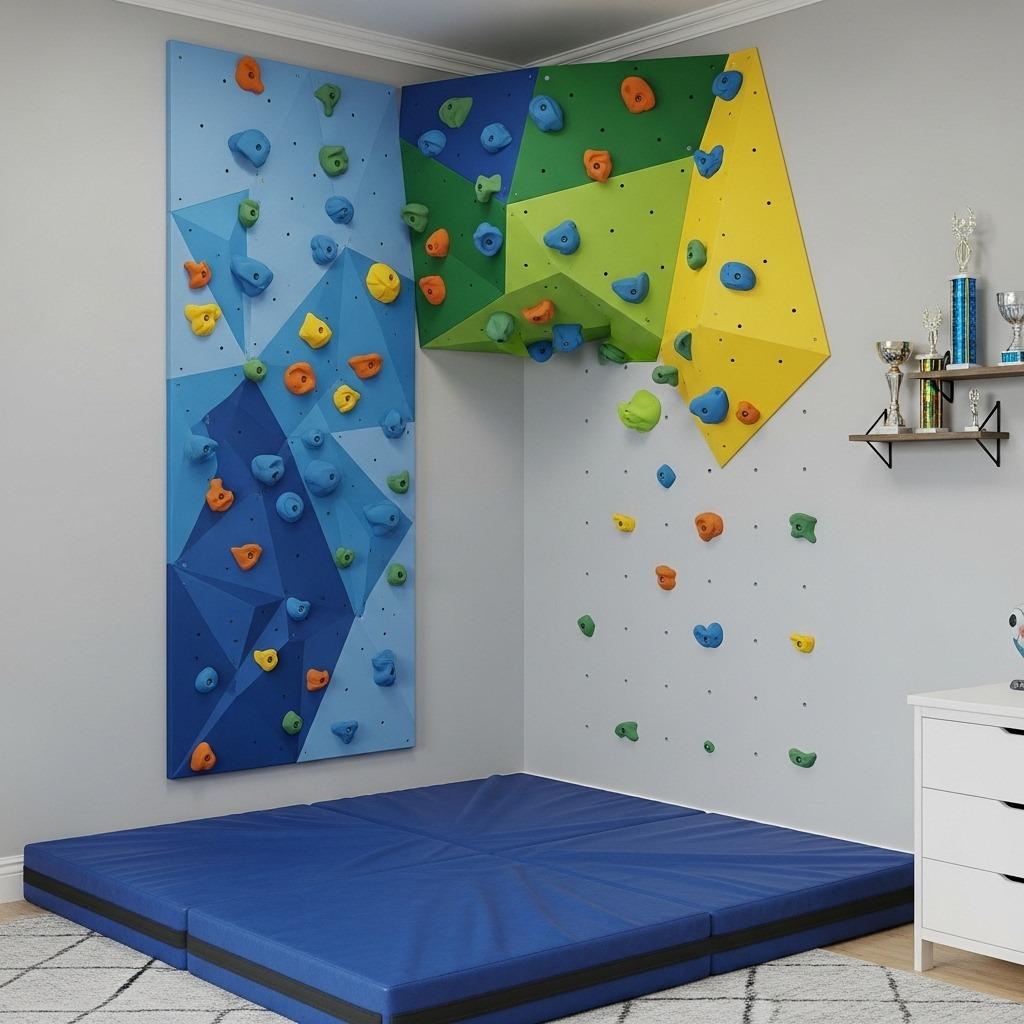
Transform an empty wall into an indoor climbing experience that burns energy and builds confidence. Mount colorful climbing holds at varying heights, creating pathways your child can master as they grow. Add a thick crash mat below for safety, and suddenly you have a functional kids room feature that doubles as decor.
The beauty of this setup lies in its adaptability. Start with easier routes for younger climbers, then adjust the difficulty by repositioning holds as skills improve. Choose holds in coordinating colors that match your room’s palette, or go bold with neon accents that pop against neutral walls.
Consider pairing this feature with other active elements. A reading nook nearby creates natural transitions between high-energy play and quiet time. The contrast teaches self-regulation in a way that feels organic rather than forced.
2. Under-Bed Fort System
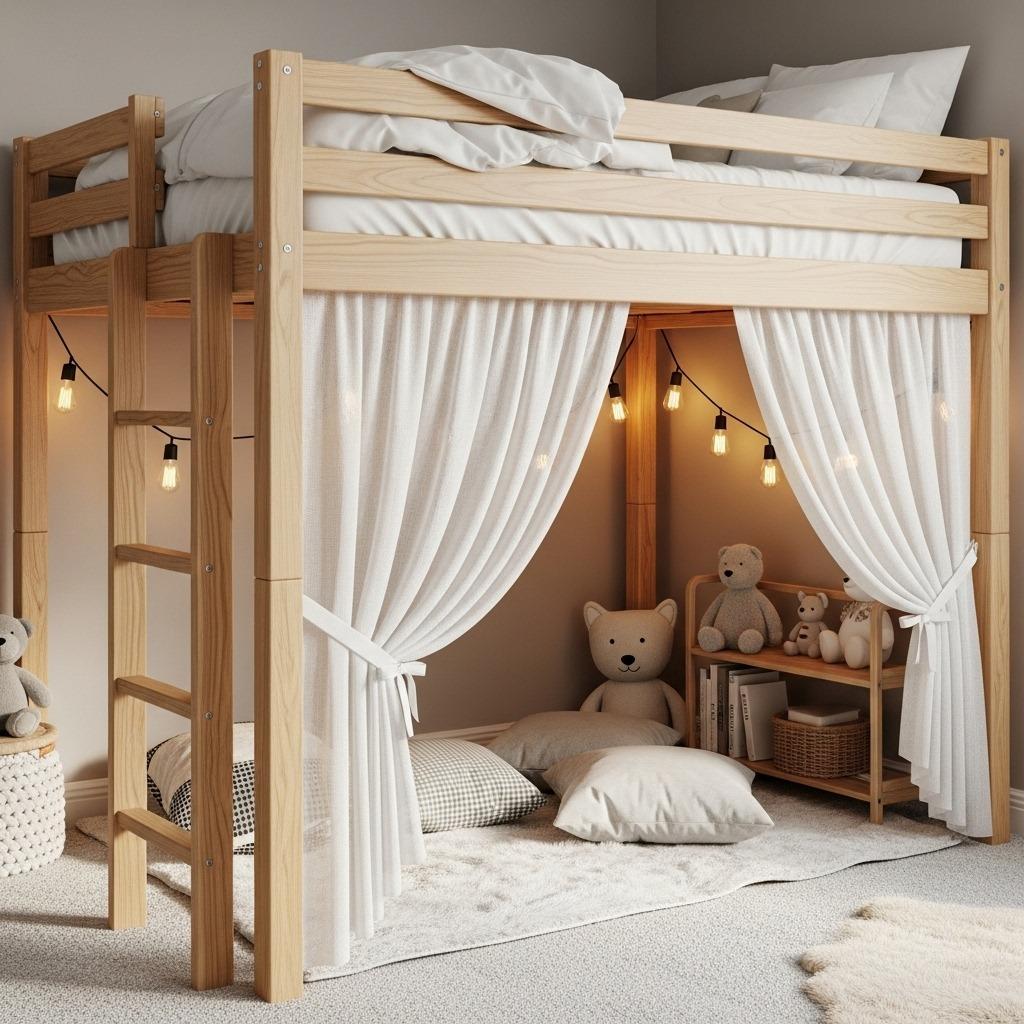
Loft beds aren’t just about saving floor space. They create magical underneath zones perfect for hideaways, study nooks, or miniature playrooms. Outfit the lower area with string lights, cushions, and curtains that your child can open or close depending on their mood.
This design works especially well in smaller rooms where every square foot counts. The elevated sleeping area frees up valuable floor real estate while giving kids that treehouse feeling they crave. Add a small desk underneath for homework, or keep it cozy with bean bags and a bookshelf for quiet reading time.
Safety matters here. Choose sturdy loft beds with high guardrails and stable ladders. As your child grows, this setup remains useful, transitioning from a play fort to a teen study space with minimal adjustments.
3. Magnetic Chalkboard Wall
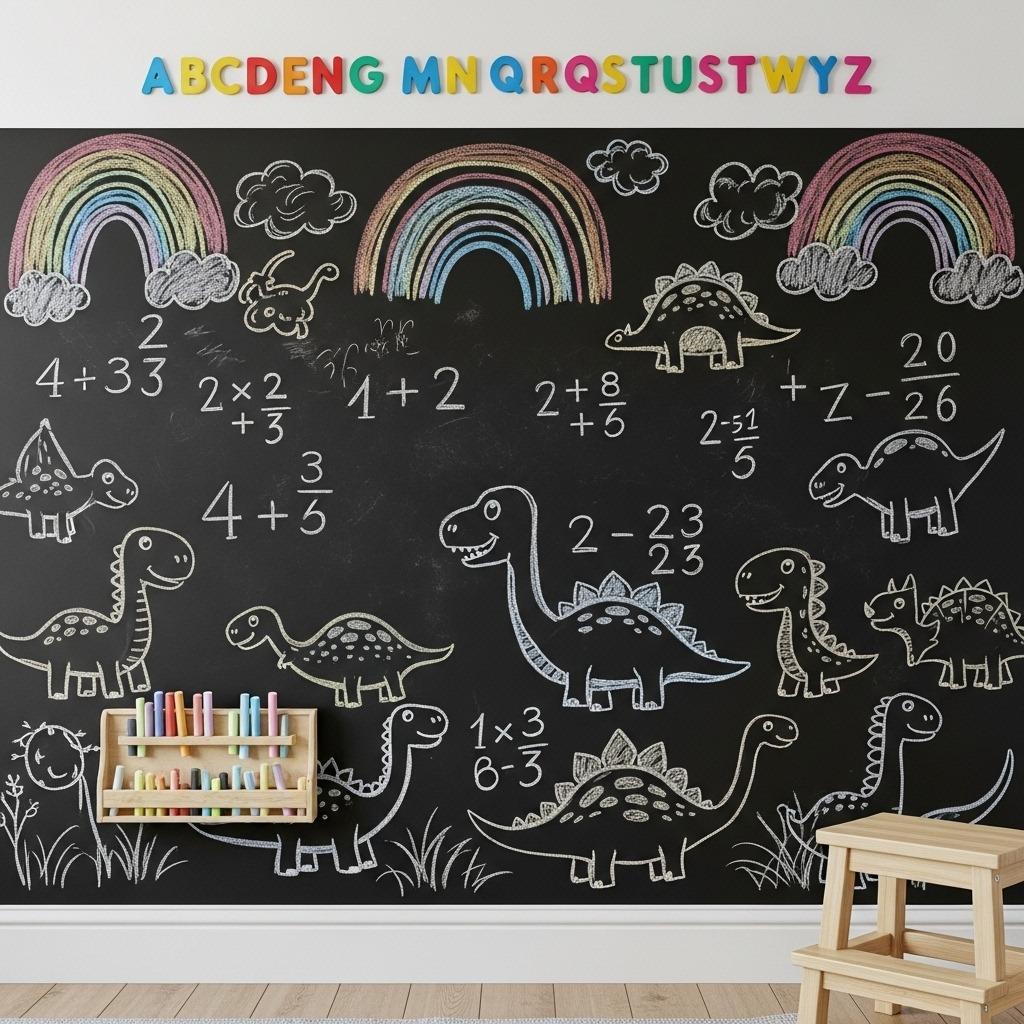
Paint one full wall with magnetic chalkboard paint and watch creativity explode. This dual-purpose surface lets kids draw, write, practice spelling, and display artwork using magnets. It’s messier than digital screens but infinitely more tactile and developmentally beneficial.
The practical advantages extend beyond art projects. Use the magnetic feature to hang schedules, achievement charts, or homework reminders without puncturing walls with pins. When your child outgrows the chalkboard phase, simply paint over it.
Position this wall opposite the bed so it’s the first thing your child sees when waking up. Stock a nearby caddy with colored chalk, erasers, and magnets. The accessibility encourages spontaneous creativity rather than requiring parent-mediated art sessions. For more inspiration on transforming spaces with creative wall treatments, check out these modern accent wall ideas.
4. Themed Reading Nook with Canopy
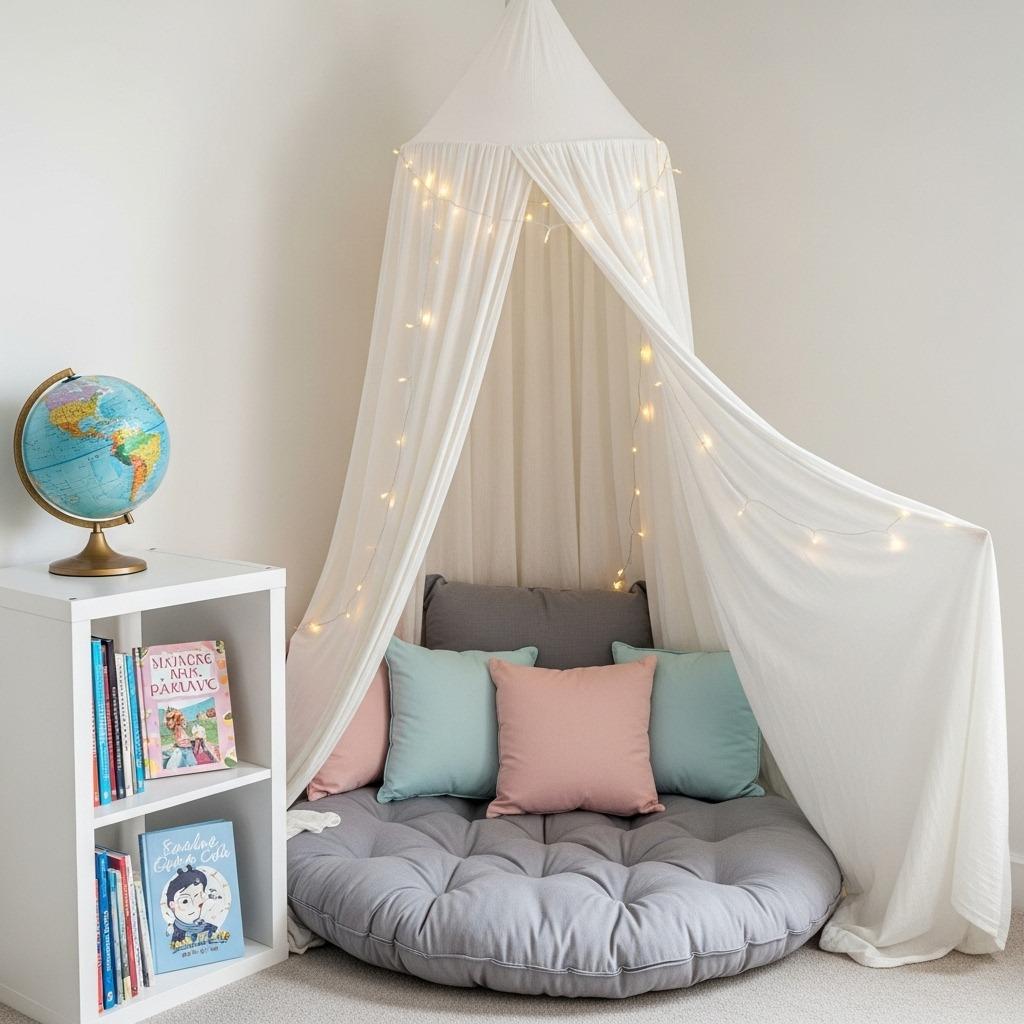
Create a dedicated literary escape with a reading nook that feels special enough to compete with screens. Hang a fabric canopy from the ceiling, add oversized floor cushions, and install a picture rail for rotating book displays. The semi-enclosed space provides sensory comfort for kids who need cozy boundaries.
Lighting makes or breaks this space. Battery-operated fairy lights or a clip-on book light ensure adequate illumination without harsh overhead fixtures. Position the nook near a window for natural daytime reading, but make sure curtains can darken the space during bright afternoons.
Rotate books seasonally or based on your child’s current interests. This prevents the bookshelf from becoming visual clutter while keeping reading material fresh and exciting. Include a mix of picture books, chapter books, and magazines to accommodate different moods.
5. Color-Coded Storage Bins System
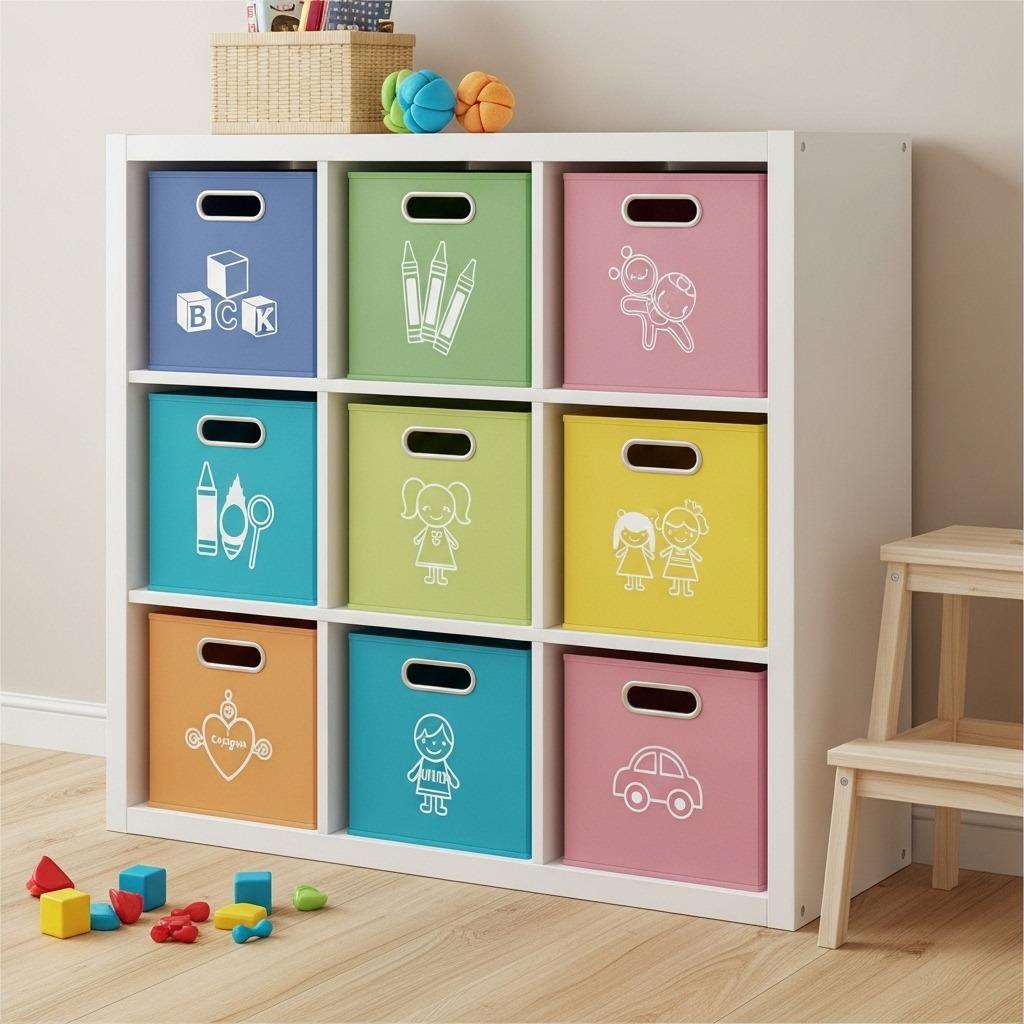
Stop fighting the toy explosion by implementing color-coded storage bins that kids can actually use independently. Assign each bin color to a category: blue for building blocks, green for art supplies, yellow for stuffed animals. Label each with both words and pictures for pre-readers.
This system works because it removes decision fatigue. Your child doesn’t need to remember which toys go where, they just match colors. Clean-up becomes a sorting game rather than a chore, and you’ll be amazed how quickly kids adapt to the system.
Stack bins on low shelves or use cube organizers that allow easy access. Transparent bins work for older kids who’ve outgrown the color system but still need to see contents at a glance. This approach to storage solutions for kids grows with your family’s needs without requiring completely new furniture.
6. Galaxy Ceiling Mural
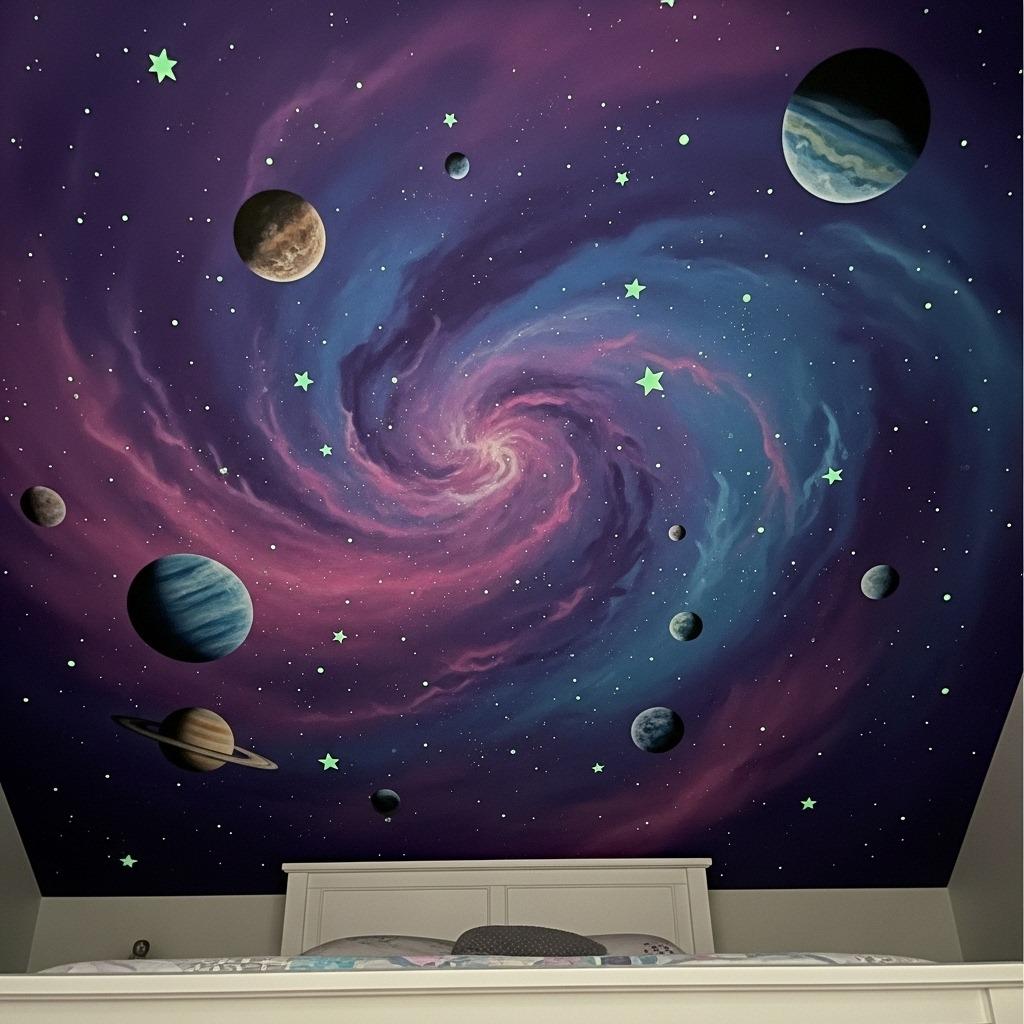
Turn bedtime into a cosmic adventure with a hand-painted or decal galaxy spanning the ceiling. Glow-in-the-dark stars add dimension, creating a soothing nighttime spectacle that eases bedtime resistance. This playful bedroom theme provides visual interest without overwhelming the space.
The execution matters here. Stick to deep blues, purples, and blacks rather than garish neons. Add planets, constellations, or even a shooting star trail across one corner. The mural becomes a talking point for discussions about space, science, and dreaming big.
Pair this ceiling treatment with simple walls and bedding. The overhead drama provides enough visual interest without competing elements. As your child’s interests shift, the neutral walls make it easy to swap out accessories without redoing the entire room.
7. Growing Art Gallery Wall
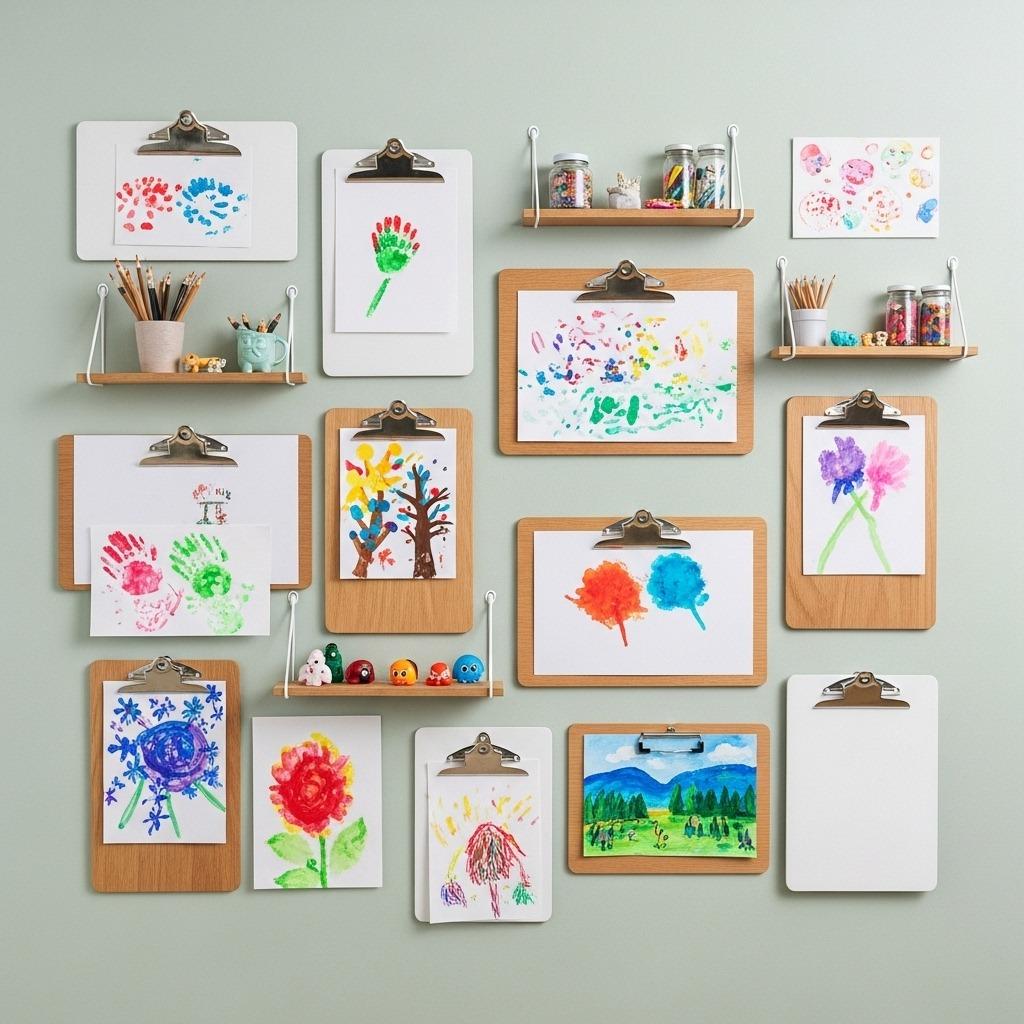
Instead of scattering artwork randomly, create an intentional gallery wall with clipboards, wire and clips, or a pegboard system. This allows easy rotation of masterpieces without causing wall damage. Mix in family photos, achievement certificates, and inspirational quotes as your child ages.
The key is making the display accessible. Mount the system low enough that your child can swap pieces independently. This ownership over their display space builds pride and decision-making skills. Leave some frames or clips empty, inviting new creations.
Choose frames and clips in coordinating finishes, whether that’s all white, natural wood, or colorful mixed metals. The unified hardware keeps the display looking intentional rather than chaotic, even as the artwork itself varies wildly in style and subject.
8. Multi-Height Desk System
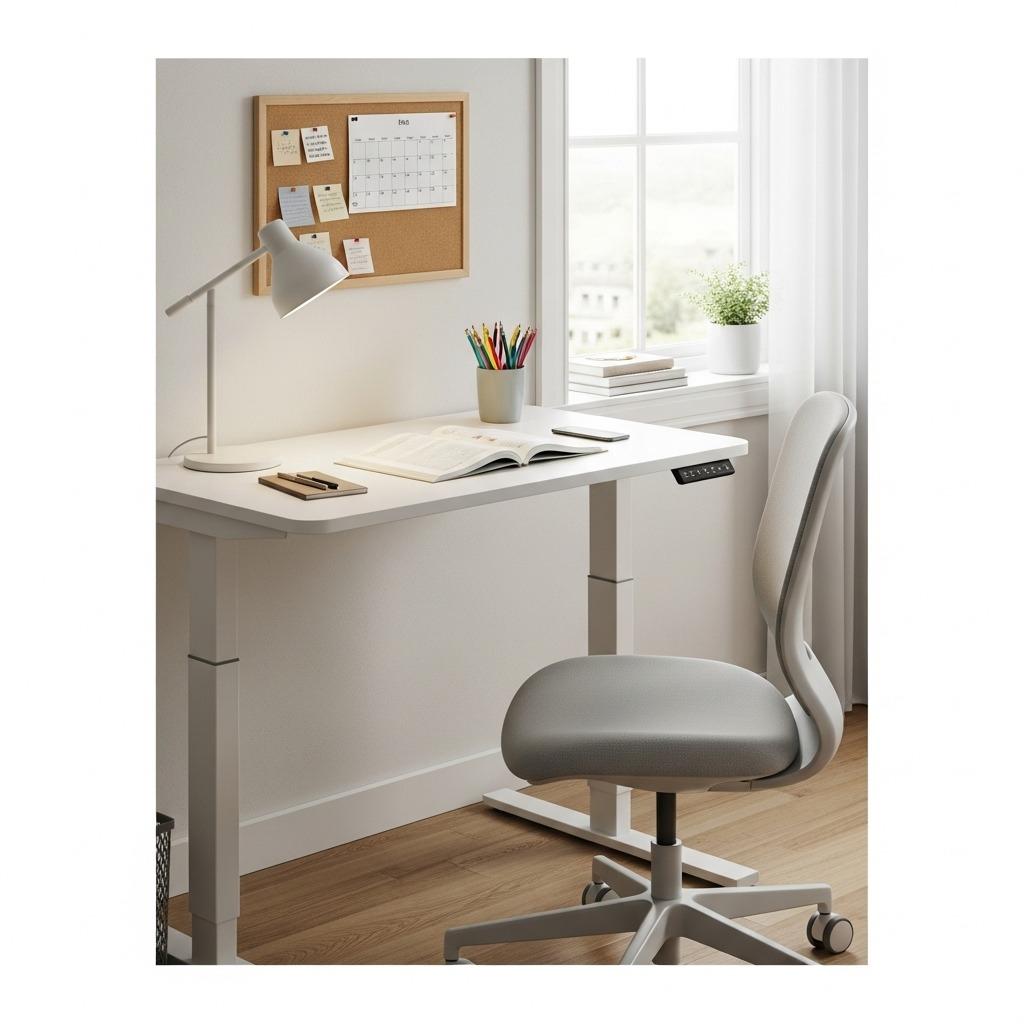
Kids’ bodies change fast, and furniture should keep pace. Install an adjustable-height desk that transitions from toddler craft station to teen homework central. Pair it with an ergonomic chair that grows too, preventing years of hunched posture and neck strain.
Positioning matters as much as the desk itself. Place it near a window for natural light, but not directly in front where daydreaming becomes too tempting. Add a desk lamp, pencil organizers, and a small bulletin board within arm’s reach to create a functional kids room workspace.
As your child enters school years, this becomes their command center. Having a designated homework spot separate from the play area helps establish boundaries between work and leisure, a habit that serves them well into adulthood.
9. Themed Bed Frame Adventure
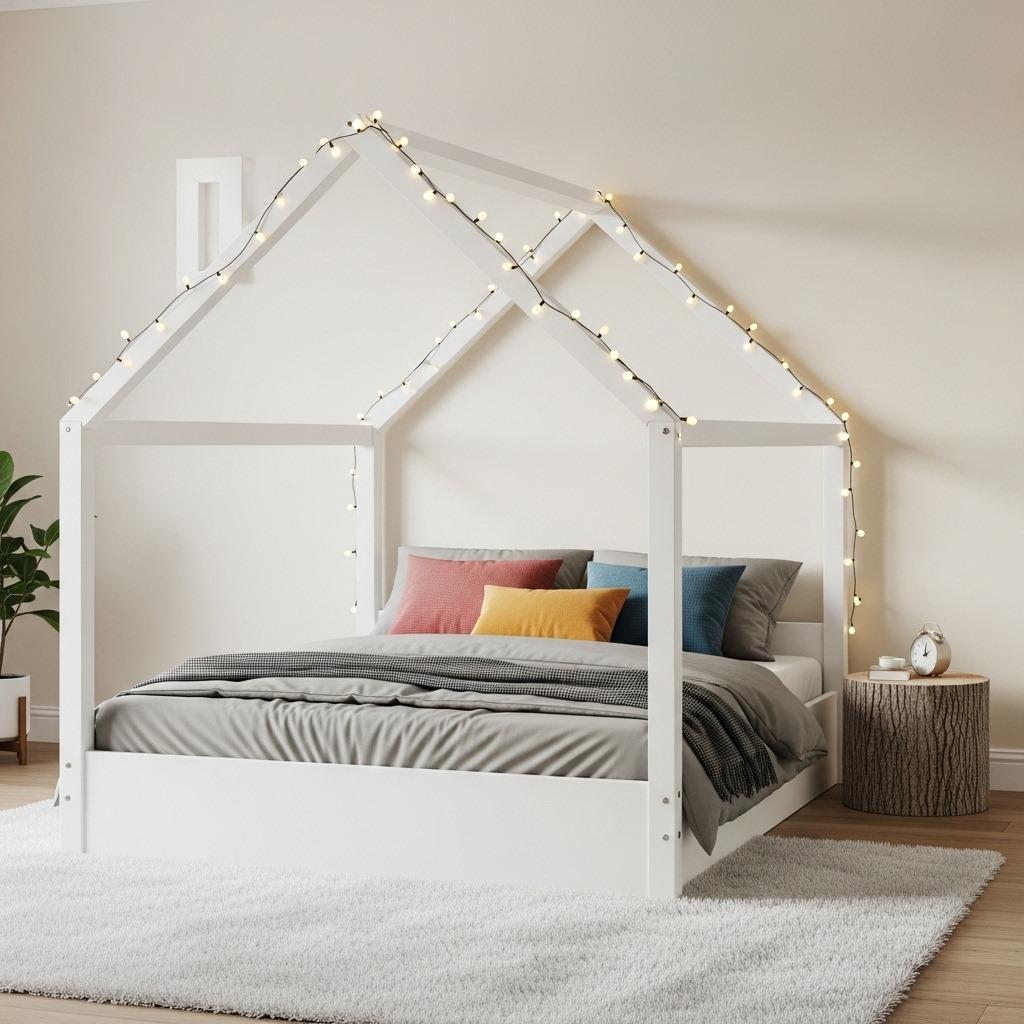
Skip the standard bed frame and opt for something that fuels imagination. House-shaped frames, car beds, or princess castle designs transform sleep time into storytelling opportunities. While these beds feel indulgent, they often cost less than you’d expect and create the room’s focal point instantly.
Choose themes with some longevity. A generic house frame works for years, while a specific character bed might feel dated quickly. Consider your child’s genuine interests rather than fleeting cartoon obsessions. A child who loves camping might treasure a tent-style bed long after they’ve moved on from their current favorite TV show.
Balance the whimsical bed with simpler surrounding decor. Let the bed be the statement piece while walls, curtains, and rugs remain more neutral. This approach makes future updates easier and more affordable.
10. Window Seat Reading Zone
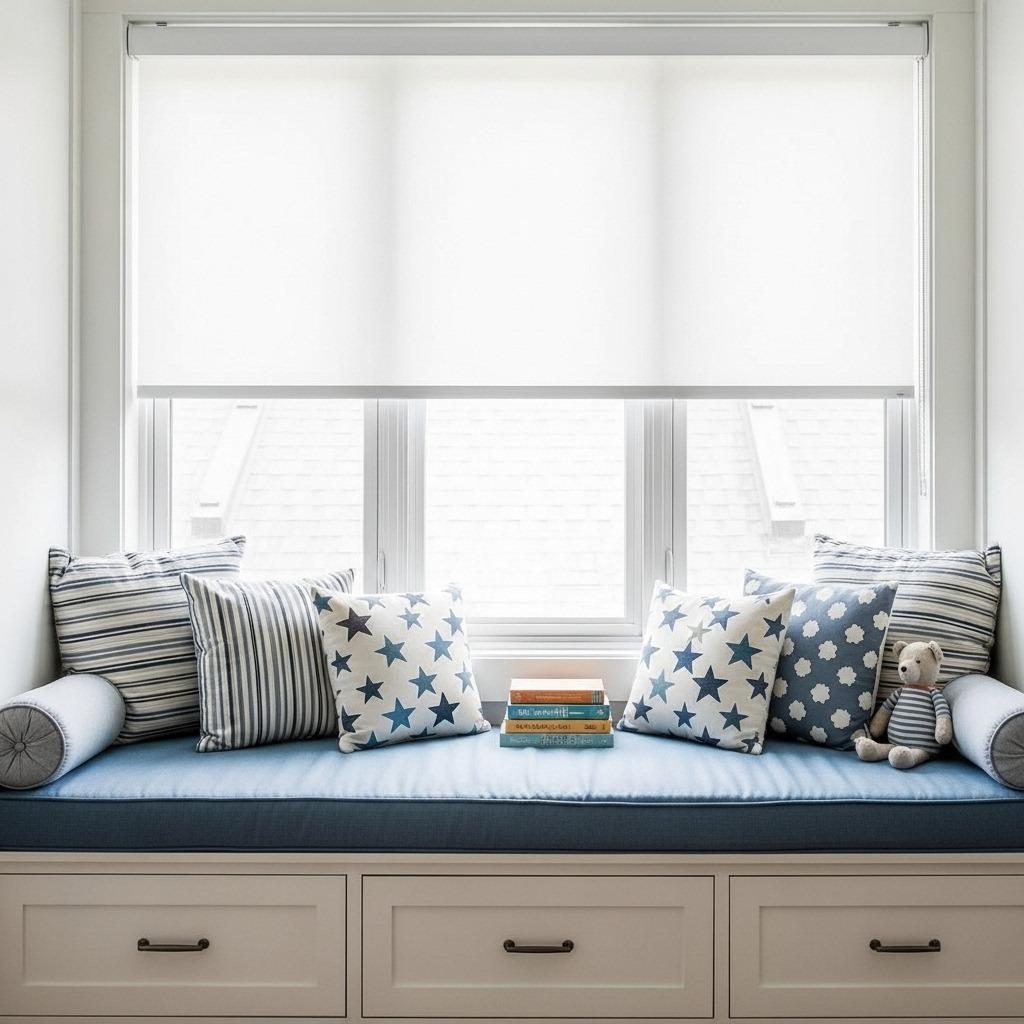
If you’re blessed with a bedroom window, maximize it with a built-in or furniture-based window seat. Add a custom cushion, throw pillows in washable fabrics, and storage drawers underneath. This spot becomes the room’s most coveted real estate for reading, daydreaming, or simply watching neighborhood activity.
The natural light makes this perfect for quiet activities. Position bookshelves within reach or hang a small shelf beside the window for the current reading stack. On rainy days, there’s nothing cozier than curling up here with a book and watching drops race down the glass.
Don’t have a built-in option? Create a similar effect with a low bookshelf positioned under the window and a thick cushion on top. Add safety latches to windows to prevent accidents, and dress the window with cordless blinds or curtains to avoid strangulation hazards. This concept aligns well with creating cozy small living room vibes but scaled for a child’s space.
11. Glow-in-the-Dark Element Trail
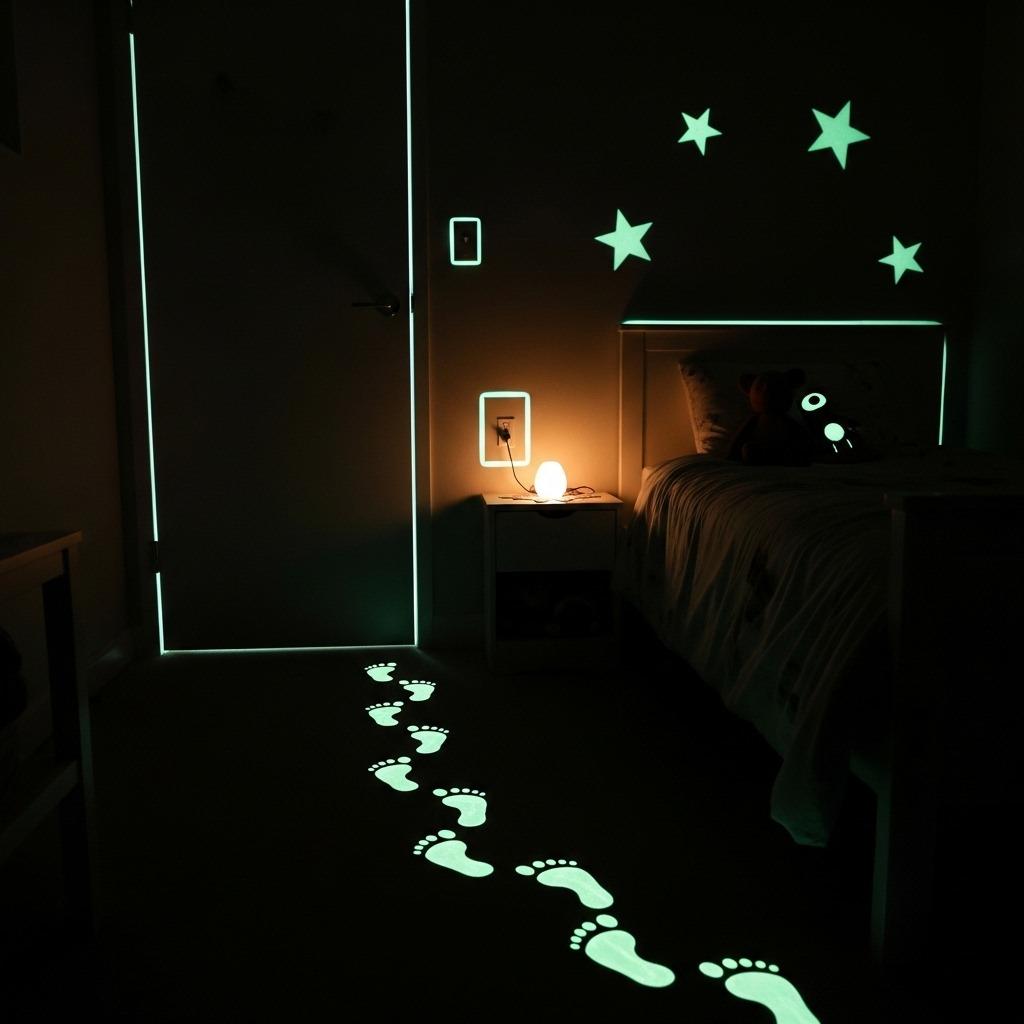
Beyond ceiling stars, incorporate glow-in-the-dark elements strategically throughout the room. A painted pathway from bed to bathroom helps with nighttime navigation. Glow tape on light switches and doorknobs creates independence while reducing middle-of-the-night wake-up calls.
These elements serve practical purposes while adding an element of magic. Kids feel empowered handling darkness on their own terms. The gentle glow provides just enough visibility without the harsh brightness of nightlights that can interfere with sleep quality.
Extend this concept to safety features too. Glow tape on the edges of steps or raised platforms prevents stubbed toes and trips. It’s a clever solution that works with your decor rather than against it since it’s invisible during daylight hours.
12. Modular Floor Cushion Setup
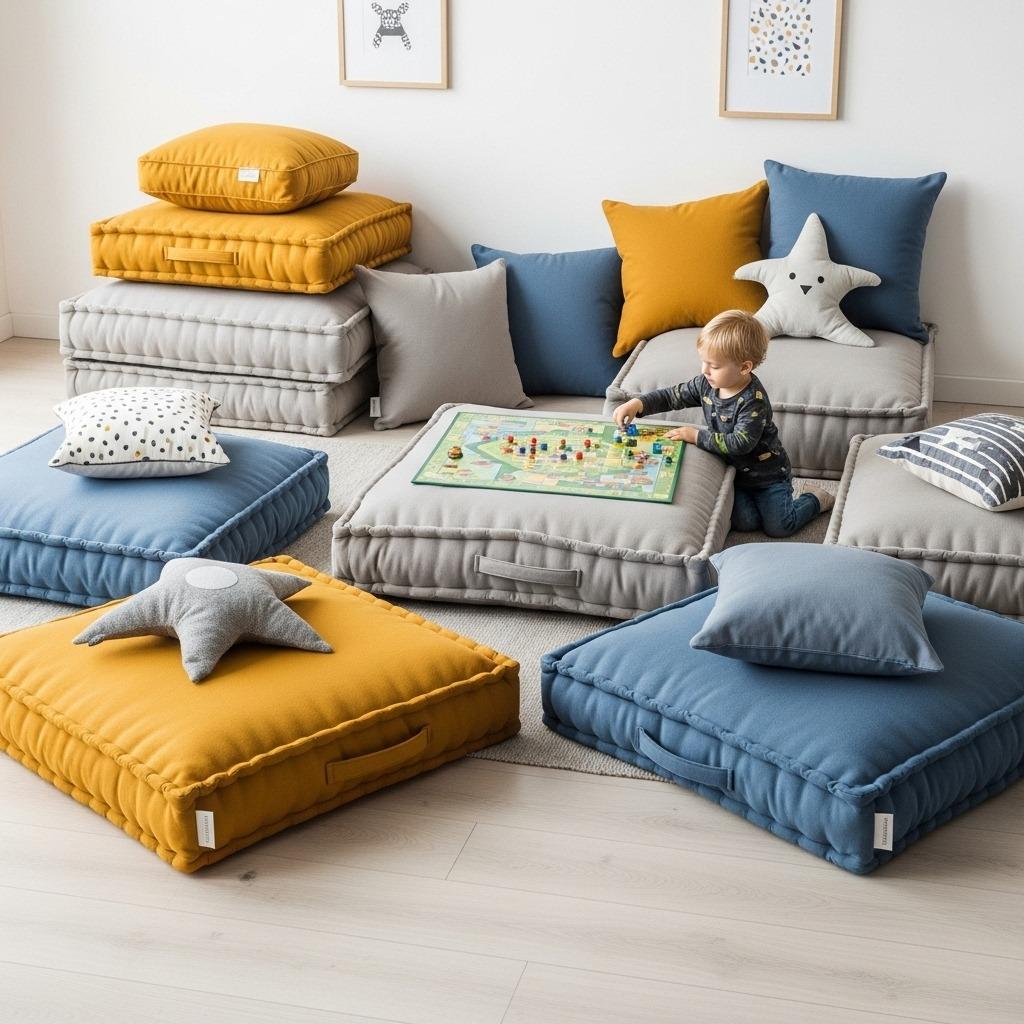
Ditch traditional bulky furniture in favor of modular floor cushions that rearrange for any activity. These oversized cushions stack for storage, arrange in circles for friend hangouts, or line up for movie nights. The flexibility adapts to your child’s changing needs and friend group sizes.
Floor-level living suits kids’ natural play patterns anyway. They gravitate toward the floor even when furniture exists, so why fight it? Choose cushions in durable, washable fabrics and complementary colors that work together in any configuration.
This setup shines in smaller rooms where traditional furniture crowds the space. The cushions store vertically against a wall or in a closet, freeing up floor space for active play. As your child ages, these transition into teen hangout seating or even dorm room essentials.
13. Interactive Learning Wall Panels
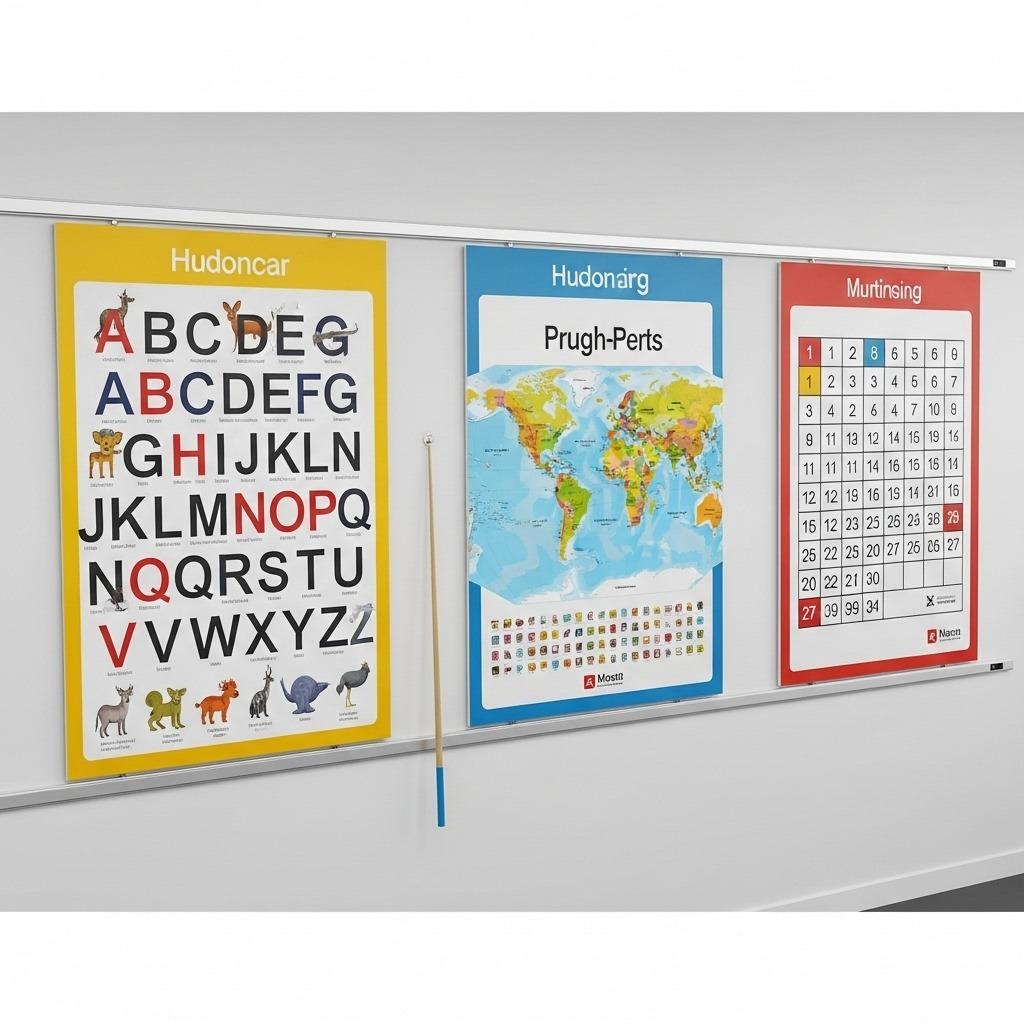
Install a section of wall with interchangeable learning panels. Rotating options might include an alphabet board, number grid, world map, or solar system chart. The educational element weaves seamlessly into playtime, making learning feel incidental rather than forced.
The beauty here is customization based on current curriculum or interests. Studying multiplication? That panel goes up front. Learning geography? Swap in the world map. The visual repetition helps information stick without feeling like homework. You can find more ideas for creating educational yet stylish spaces in our home improvement ideas section.
Use velcro strips or a rail system that makes swapping panels truly effortless. Store unused panels under the bed or in a closet. This approach costs less than decorative wall art and serves double duty as both decor and educational tool.
14. Craft Supply Station with Pegboard
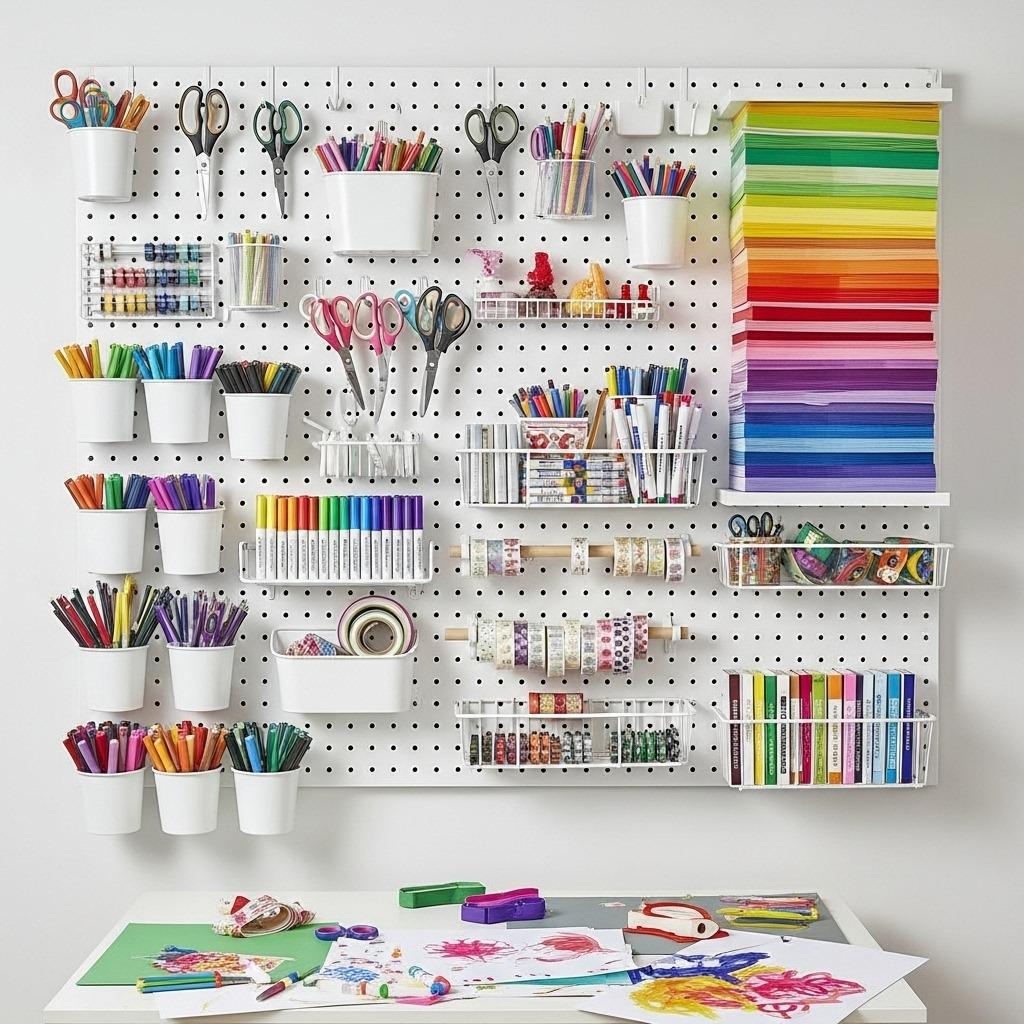
Organize art supplies with a floor-to-ceiling pegboard system that displays everything visibly. Hooks hold scissors, small buckets contain markers, and shelves showcase paper stacks. When materials are visible and accessible, kids engage with them more frequently and independently.
Color-code supplies by type or project. Group all painting supplies in one zone, paper crafts in another, and drawing tools in a third. This organization system teaches categorization skills while making cleanup straightforward. The pegboard itself becomes a focal point, especially when you paint it an accent color.
Position this station near the desk or a dedicated craft table. Ensure adequate lighting overhead and protect the floor underneath with a washable rug or mat. The contained mess zone gives kids freedom to create without you worrying about the entire room becoming a disaster.
15. Nature-Inspired Treehouse Elements
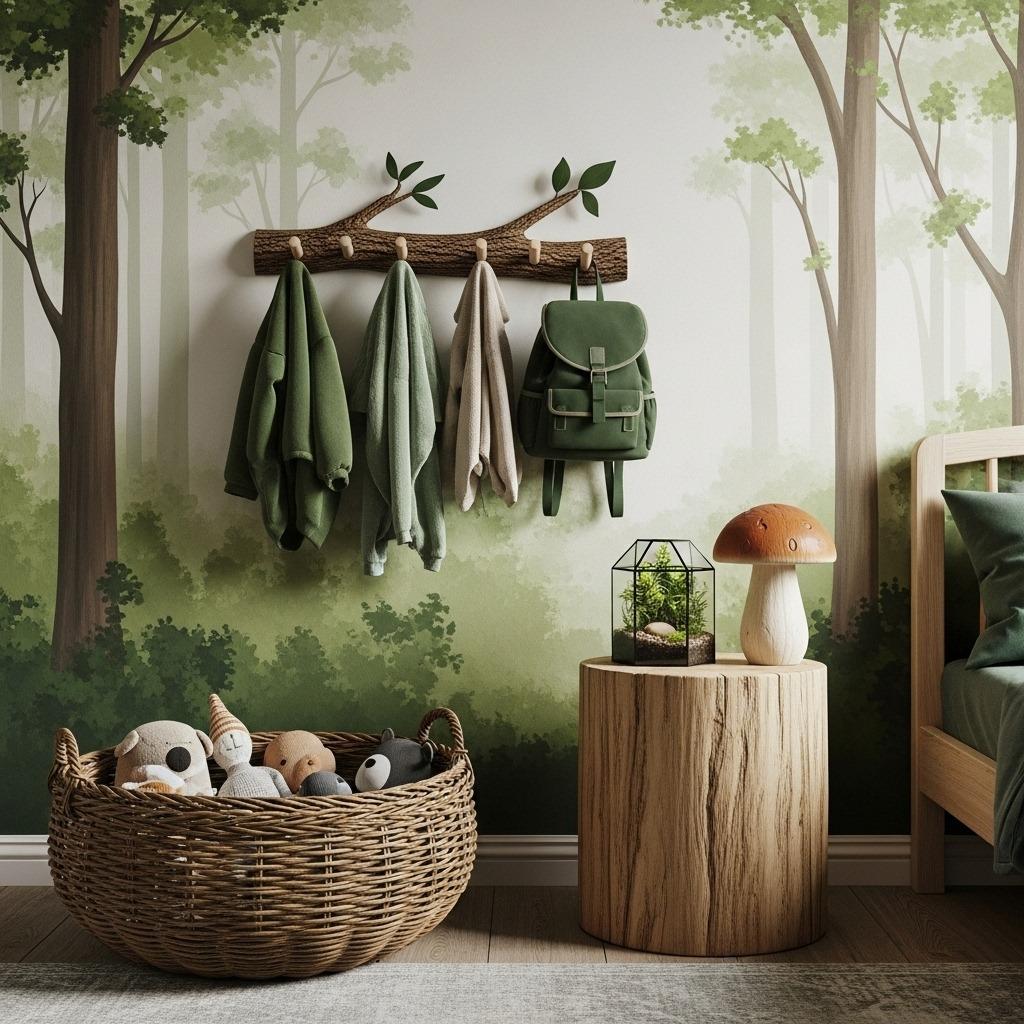
Bring outdoor adventure inside with treehouse-inspired design elements. A branch-shaped coat rack, tree stump side tables, or forest mural create a woodland retreat. This playful bedroom theme works across age ranges and genders without feeling overly juvenile.
Natural elements ground the space in calming ways. Real wood textures, green accents, and organic shapes create a soothing environment that balances the high-energy aspects of other design features. Consider incorporating plants your child can help care for, teaching responsibility alongside decor.
This theme pairs beautifully with neutral bases. Cream walls, natural fiber rugs, and wooden furniture let the nature elements shine without visual competition. Add whimsy through details like a rope swing reading seat or birds nest basket for stuffed animals. For more nature-inspired design ideas, explore our indoor garden living room concepts adapted for kids’ spaces.
16. Low-Profile Montessori-Inspired Layout
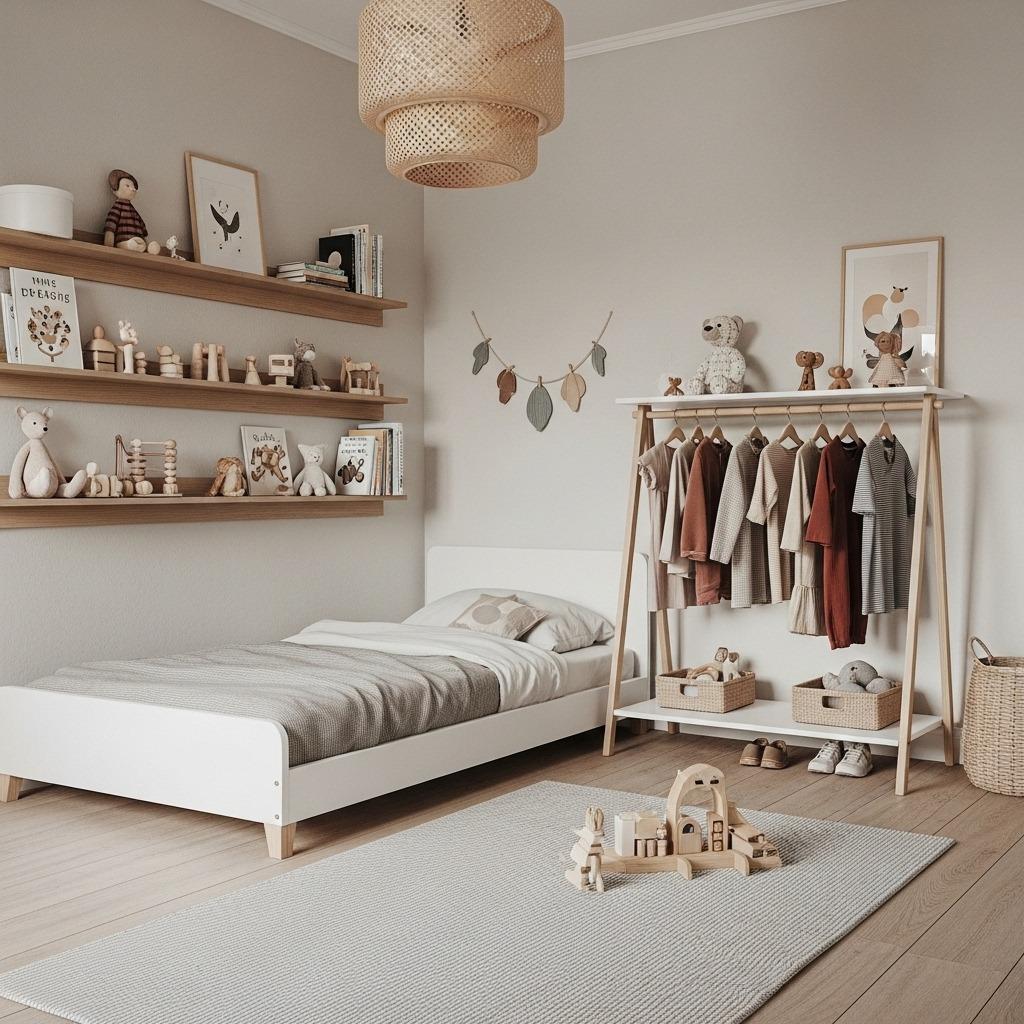
Embrace Montessori principles with a floor bed frame and child-height furniture throughout. This approach fosters independence by making everything accessible without adult assistance. Kids can get in and out of bed safely, reach their clothes, and access toys without calling for help.
The floor bed might seem unconventional, but it’s safer for young kids still learning spatial awareness. No fall risk means no anxiety about nighttime movements. As coordination improves, you can add a low platform frame that maintains accessibility while providing under-bed storage.
Arrange the room with clear zones: sleeping, playing, reading, and dressing. The defined areas help children understand the purpose of each space and naturally guide behavior. A play zone shouldn’t contain sleeping elements, and the reading nook shouldn’t house active toys.
17. Sports Equipment Display Wall
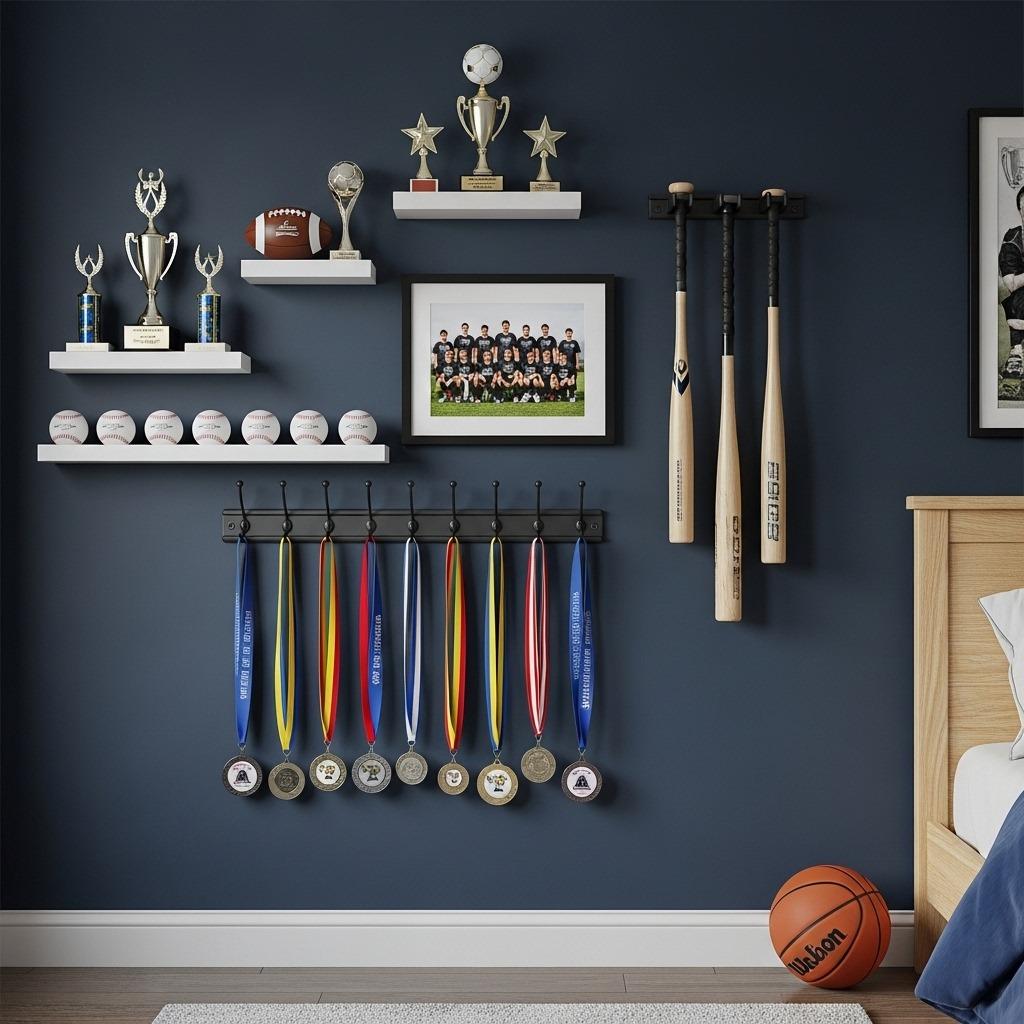
For athletic kids, celebrate their passion with a display wall for equipment and achievements. Mount shelves for trophies, hooks for medals, and specialized racks for bats, rackets, or balls. This organization keeps gear accessible while honoring their dedication.
The display serves motivational purposes too. Seeing accomplishments daily reinforces effort and progress. It’s particularly effective for kids working toward specific goals, providing visual reminders of why early morning practices or tough training sessions matter.
Balance the sports focus with other room elements so the space doesn’t feel one-dimensional. Your child’s interests may shift, and the room should accommodate those changes. Use removable mounting solutions that allow easy reconfiguration when basketball becomes music or soccer transforms into theater.
18. Convertible Murphy Desk System
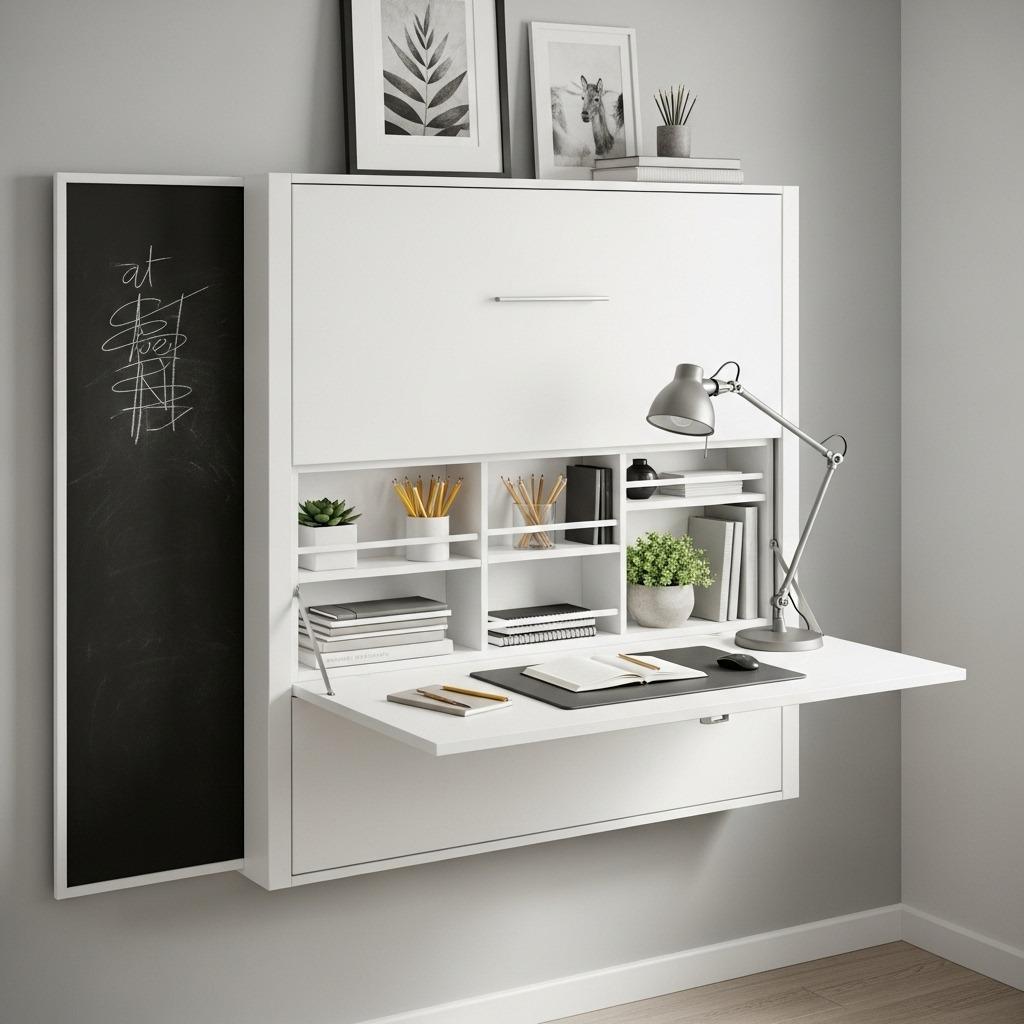
Maximize floor space with a murphy desk that folds against the wall when not in use. This solution works brilliantly in rooms where play space takes priority during certain times of day. The desk includes built-in storage for supplies, keeping everything contained and hidden when folded.
These systems have evolved beyond clunky mechanics. Modern versions feature smooth hydraulics, magnetic closures, and sleek designs that look intentional even when folded. Some include chalkboard surfaces on the exterior panel, serving double duty in both positions.
As your child’s needs change, this flexibility proves invaluable. Young kids need floor space for play, but teens require dedicated study areas. The murphy desk adapts to both phases without requiring new furniture purchases or room reconfigurations. This kind of smart planning is similar to strategies you’ll find in our guide to small space renovation.
Creating Rooms That Grow With Your Child
The most successful kids bedroom ideas share one trait: adaptability. You’re not designing for who your child is today, but creating a framework that evolves alongside them. This means investing in quality basics like adjustable furniture and neutral foundations while allowing personality to shine through easily changeable elements.
I’ve learned that kids thrive when they have agency over their spaces. Include them in design decisions appropriate to their age. Even toddlers can choose between two paint colors or pick out throw pillows. This involvement creates investment in maintaining the space and pride in their environment.
The balance between stimulation and calm matters more than you might think. While playful bedroom themes excite and inspire, children also need visual rest areas. Not every surface requires decoration or activity. Strategic blank space gives eyes and minds a break, particularly important for kids who are sensory-sensitive or easily overstimulated.
Remember that storage solutions for kids aren’t just about containing mess. They’re teaching tools for organization, categorization, and personal responsibility. Systems that make sense to a child’s brain create habits that extend far beyond bedroom cleanup. The initial time investment in setting up logical systems pays dividends in reduced daily friction.
What works in your home depends on your child’s unique personality, your space constraints, and your family’s lifestyle. A highly active child needs different design solutions than a quieter, craft-focused one. Pay attention to how your child actually uses their space rather than how you think they should. Observation reveals the most useful design interventions. For more tailored solutions, check out our comprehensive bedroom ideas guide.
Creating a bedroom that sparks imagination doesn’t require perfection or a designer budget. It requires thoughtfulness, flexibility, and a willingness to let the space evolve. The crayon marks on walls, the collections that take over shelves, the interests that shift seasonally – these aren’t problems to solve but childhood to celebrate. Design with that spirit, and you’ll create more than a beautiful room. You’ll build a foundation for creativity, independence, and countless childhood memories.

