
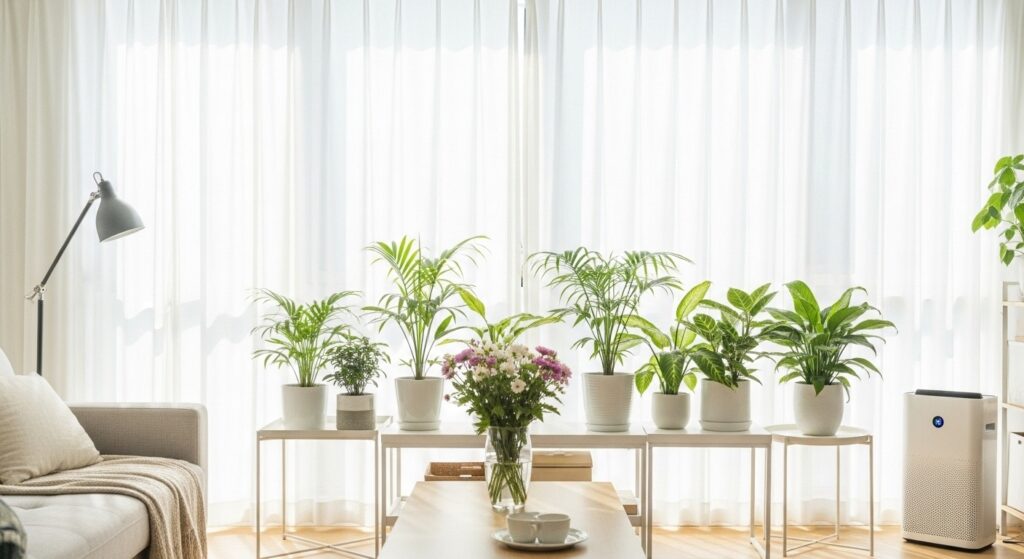
Have you ever walked outside and noticed how much fresher the air feels compared to inside your home? That’s not just your imagination. Indoor air can actually be 2-5 times more polluted than outdoor air, according to the EPA.
Your home should be your sanctuary, but sometimes invisible pollutants lurk in the most unexpected places. The good news? Improving your home’s air quality doesn’t require expensive equipment or a complete renovation. Small, intentional changes can make a world of difference for you and your family.
Whether you’re dealing with seasonal allergies, concerned about pet dander, or simply want to breathe easier, these tested strategies will help you create a cleaner, healthier indoor environment. Let’s explore practical ways to refresh the air in every room of your house.
Understanding What Affects Your Indoor Air
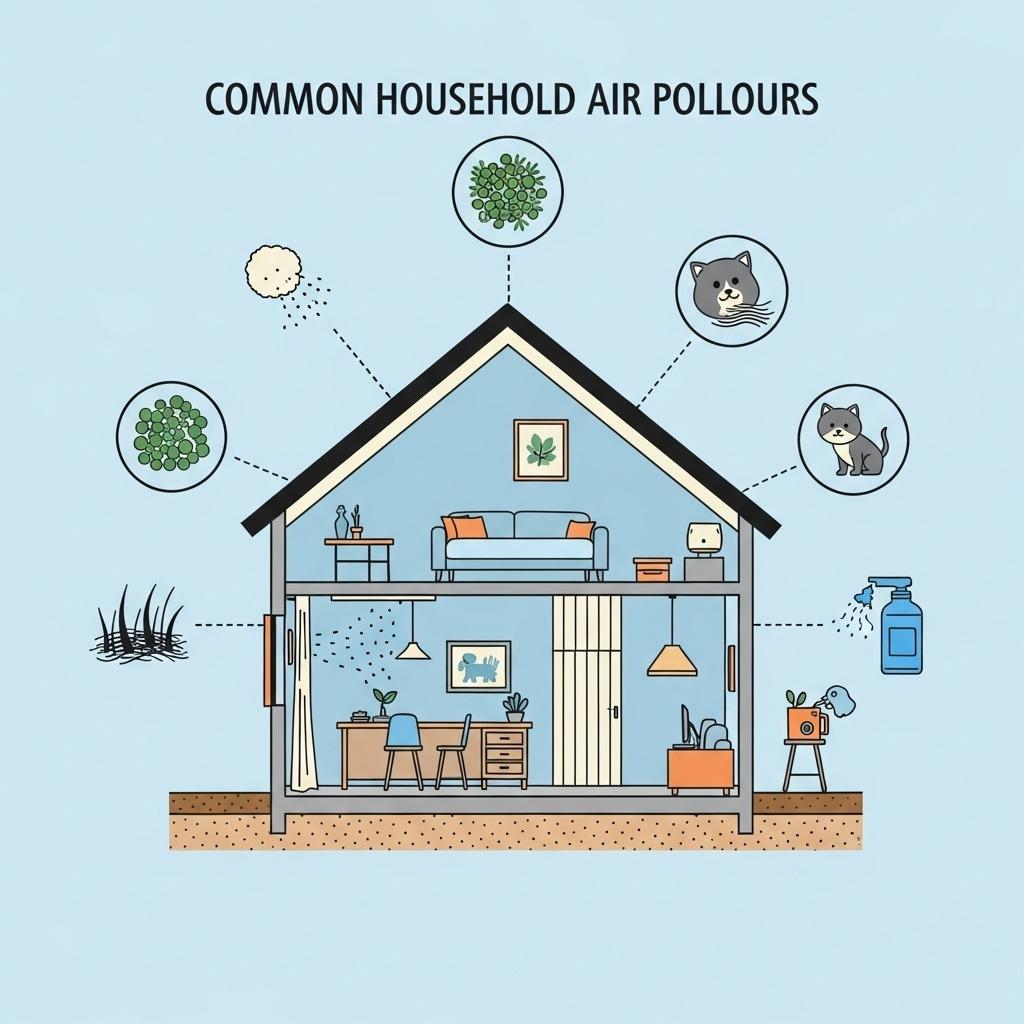
Before diving into solutions, it’s helpful to know what you’re dealing with. Common air pollutants include dust mites, mold spores, pet dander, volatile organic compounds (VOCs) from furniture and cleaning products, and even cooking fumes.
Your daily activities contribute more than you’d think. Burning candles, cooking without proper ventilation, or using certain cleaning products can temporarily spike indoor pollution levels. Even that fresh paint smell in your newly decorated living room releases VOCs for weeks.
Different rooms present unique challenges. Bathrooms battle moisture and mold, kitchens deal with cooking emissions, and bedrooms collect dust and allergens in fabrics. Understanding these patterns helps you target your efforts where they matter most.
1. Harness the Power of Natural Air Purifiers
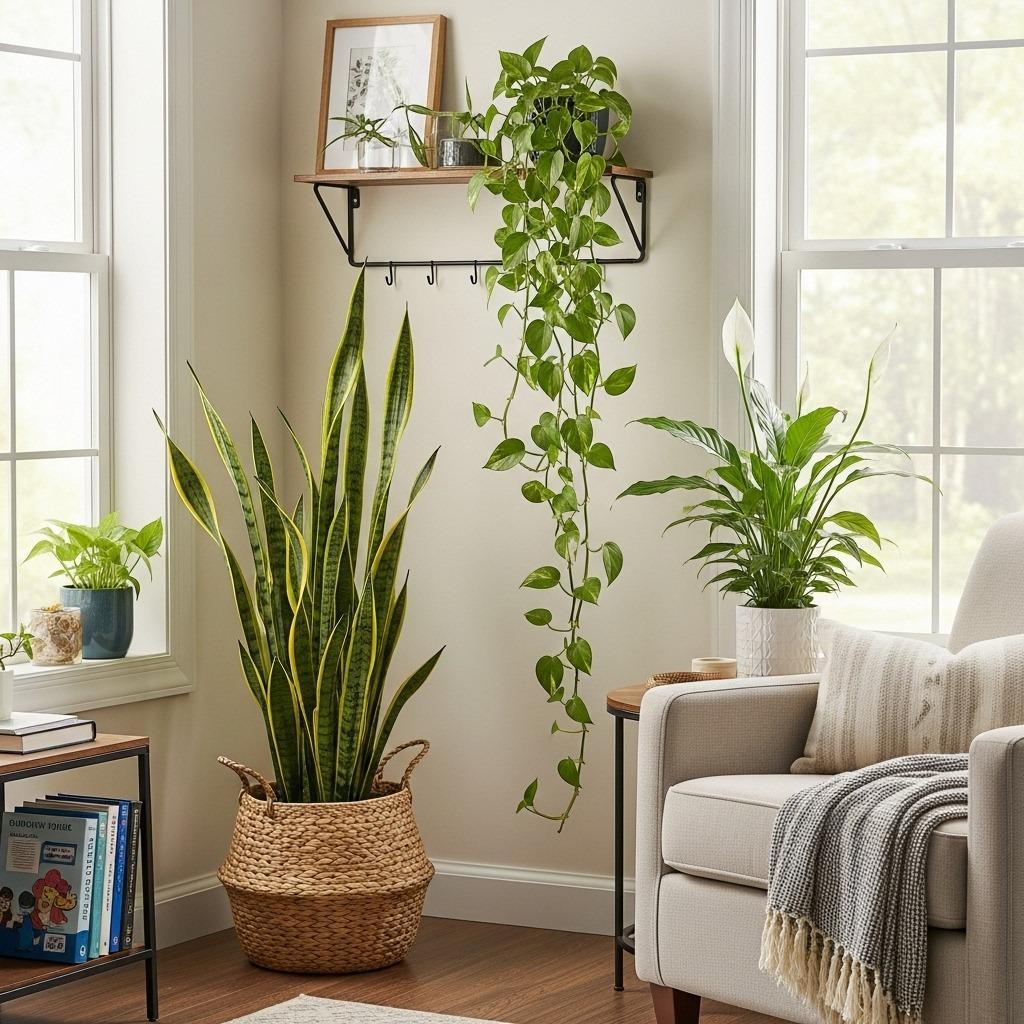
Plants do more than just look pretty on your shelves. Certain varieties actively filter toxins from the air while releasing fresh oxygen. NASA’s Clean Air Study identified several powerhouse plants that excel at removing common household pollutants.
Snake plants and pothos are particularly forgiving for beginners. They thrive in various light conditions and require minimal maintenance. Place a few throughout your home to create natural purification zones. Spider plants are excellent for removing formaldehyde, which off-gases from furniture and building materials.
Don’t go overboard though. While plants help, you’d need dozens to match the efficiency of a mechanical air purifier. Think of them as a beautiful supplement to your air quality strategy, not the sole solution. Consider creating an indoor garden in your living room for both aesthetic and air-purifying benefits.
2. Master the Art of Proper Ventilation
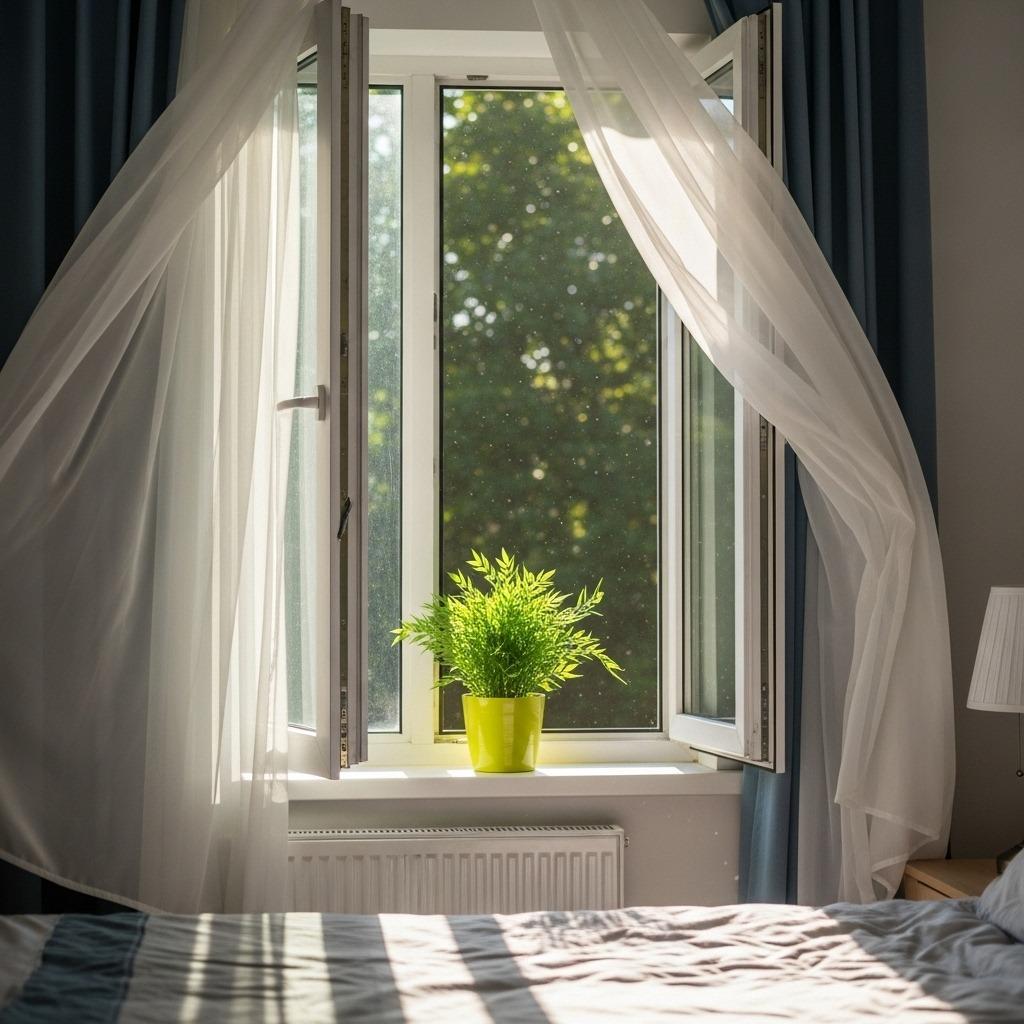
Opening windows seems obvious, but timing matters. The best window of opportunity (pun intended) is early morning or late evening when outdoor pollution levels are typically lower. Even just 10-15 minutes of cross-ventilation can completely exchange the air in a room.
Create airflow pathways by opening windows on opposite sides of your home. This cross-breeze pushes stale air out while drawing fresh air in. If you live in an apartment or area where opening windows isn’t ideal, consider using window fans to force air exchange.
Your exhaust fans are unsung heroes. Run bathroom fans during and after showers to prevent mold growth. Kitchen exhaust fans should run while cooking and for at least 15 minutes after. These simple habits prevent moisture and pollutants from spreading throughout your home.
3. Upgrade Your HVAC Filter Game
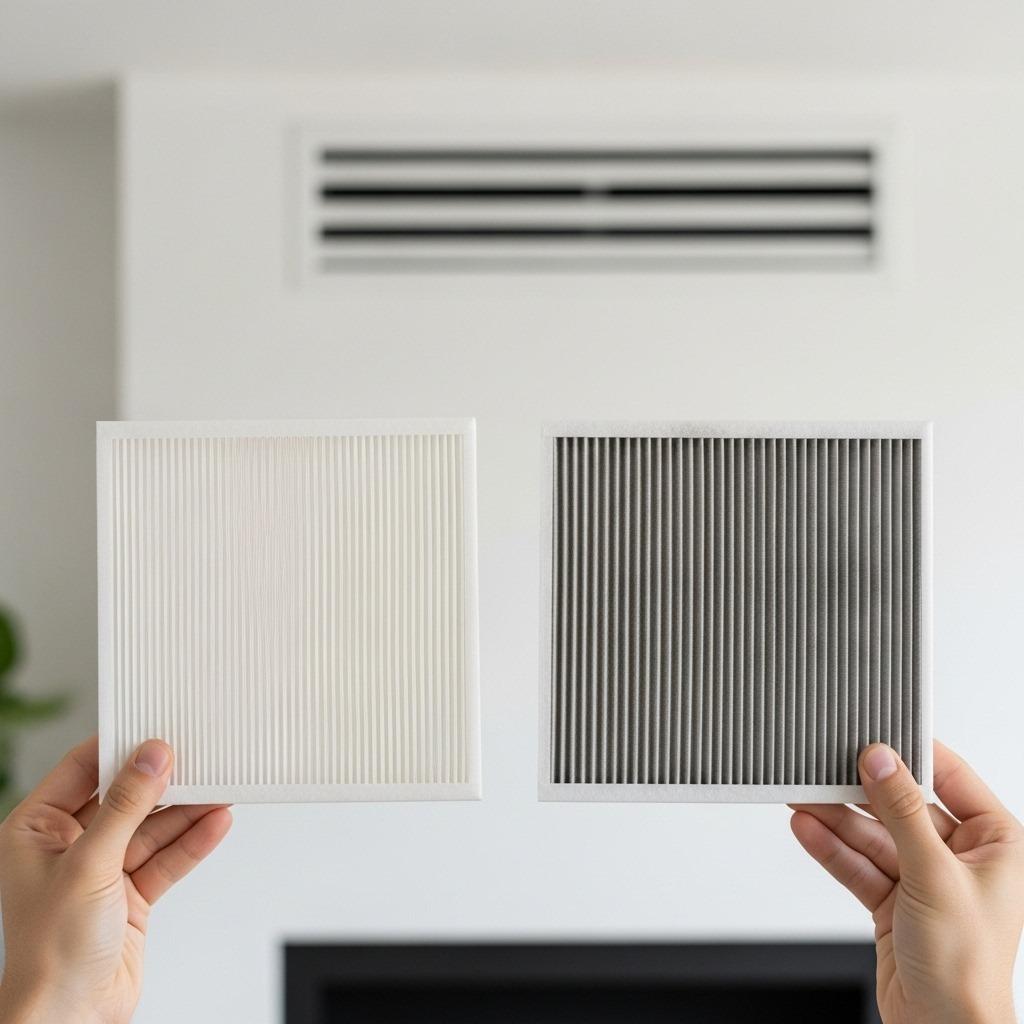
Your heating and cooling system’s filter is your home’s first line of defense. Standard fiberglass filters only catch large particles. Upgrading to a MERV 11-13 rated pleated filter captures smaller particles like pollen, mold spores, and pet dander.
Check and replace filters every 60-90 days, or monthly if you have pets or allergies. A clogged filter restricts airflow and forces your system to work harder, reducing efficiency. Set a recurring reminder on your phone so you don’t forget this crucial maintenance task.
Consider professional duct cleaning if you haven’t done it in several years. Dust, debris, and even mold can accumulate in ductwork, redistributing pollutants every time your system runs. This investment pays dividends in improved air quality throughout your entire home.
4. Control Humidity Levels Strategically
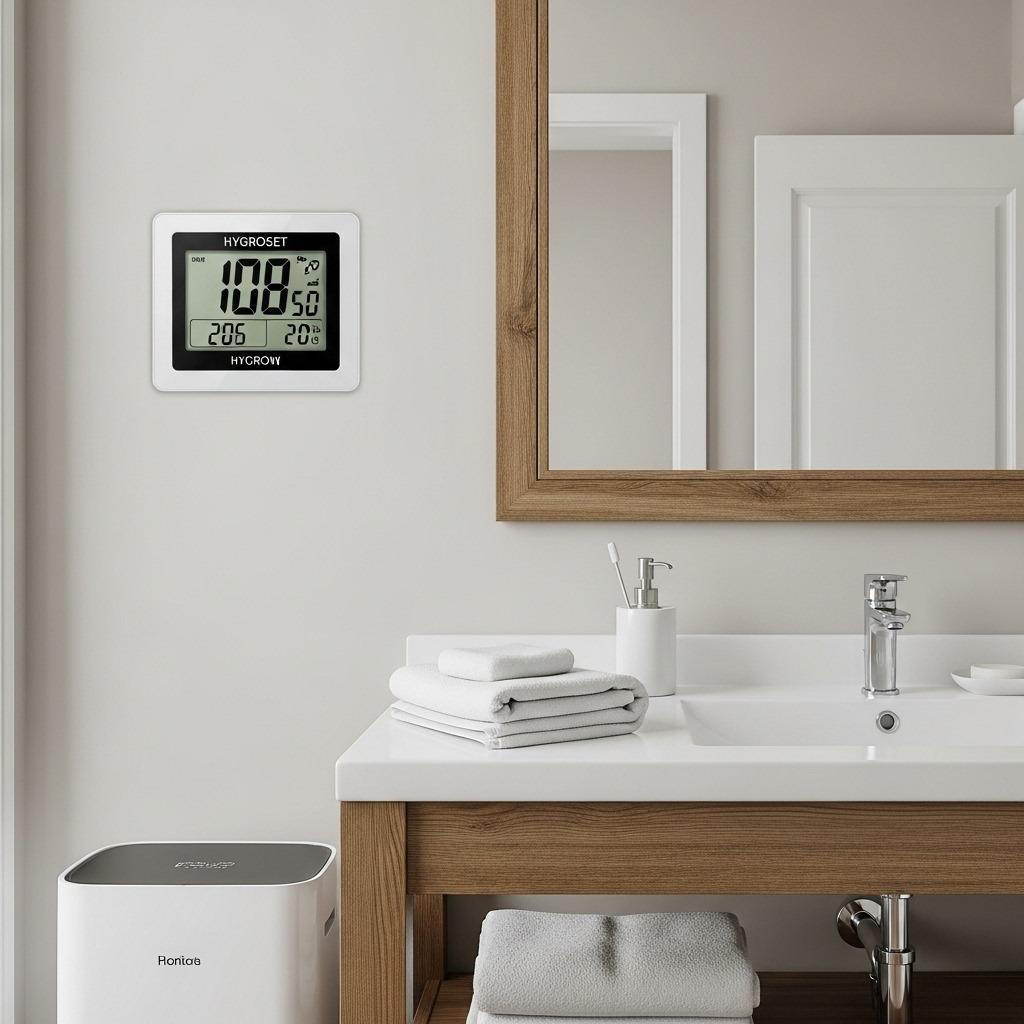
Humidity is a goldilocks situation – you want it just right. Levels between 30-50% discourage dust mites and mold while keeping your respiratory system comfortable. Too dry, and you’ll deal with irritated sinuses and cracked furniture. Too humid, and mold thrives.
Invest in a quality hygrometer to monitor levels in different rooms. You might be surprised at the variations between spaces. Bathrooms and kitchens typically run higher, while heated rooms in winter can become uncomfortably dry.
Dehumidifiers work wonders in damp basements or humid climates. For dry conditions, humidifiers add necessary moisture back into the air. Clean these devices regularly according to manufacturer instructions – a dirty humidifier can actually worsen air quality by dispersing bacteria and mold into the air.
5. Choose Low-VOC Products and Materials
VOCs are chemicals that evaporate at room temperature, found in everything from paint to furniture to cleaning supplies. The new car smell? That’s VOCs. That fresh paint scent? Also VOCs. While not all are harmful, limiting exposure makes sense.
When renovating or redecorating, select low-VOC or zero-VOC paints, stains, and finishes. These products have improved dramatically in recent years and perform just as well as their chemical-heavy counterparts. Your bedroom makeover doesn’t need to come with weeks of off-gassing.
Look for furniture made with solid wood or metal rather than particle board, which releases formaldehyde. If you’re purchasing upholstered pieces, ask about the materials and adhesives used. Many manufacturers now offer eco-friendly options that prioritize indoor air quality. When planning affordable home upgrades, prioritize these healthier material choices. 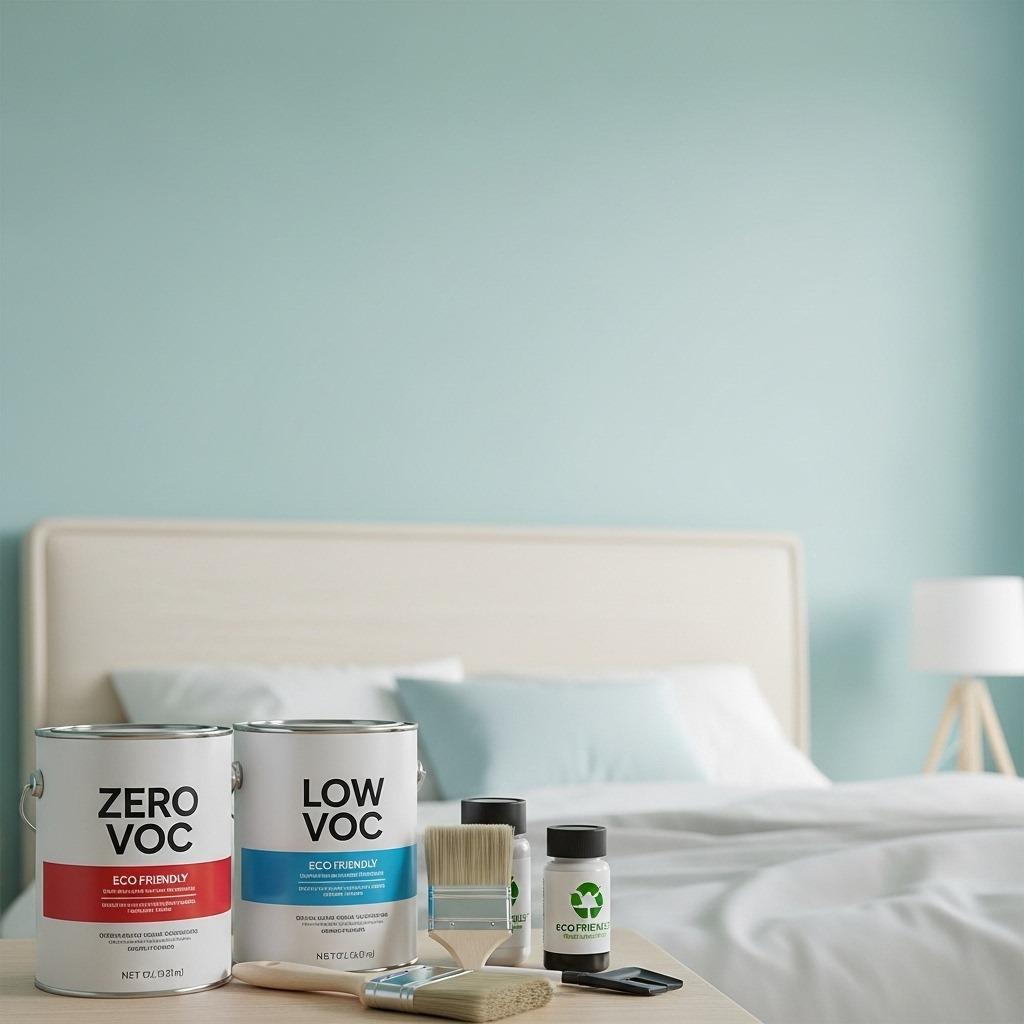
6. Implement Smart Cleaning Practices
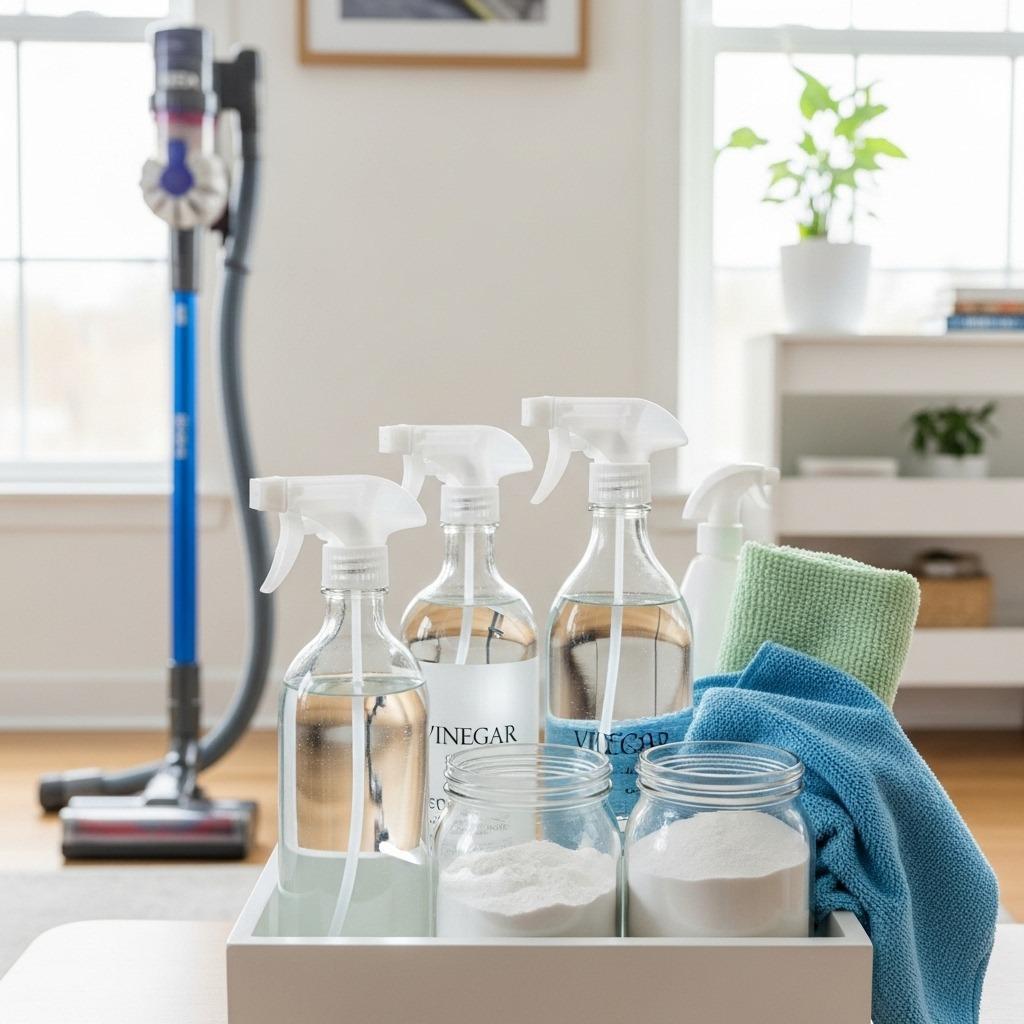
Your cleaning routine impacts air quality more than you might realize. Dusting releases particles into the air that take hours to settle. Using a damp microfiber cloth traps dust instead of redistributing it. Work from top to bottom so you’re not re-dusting surfaces you’ve already cleaned.
Vacuum at least twice weekly with a HEPA-filter equipped vacuum. Regular models blow fine particles back into the air through their exhaust. HEPA filters trap 99.97% of particles 0.3 microns or larger – that’s smaller than pollen and most bacteria.
Ditch harsh chemical cleaners in favor of simple solutions. Vinegar, baking soda, and mild soap handle most cleaning tasks without releasing harmful fumes. If you must use commercial cleaners, ensure proper ventilation and choose fragrance-free options when possible. According to a study on eco-friendly homes, reducing chemical cleaners significantly improves indoor air quality.
7. Address Moisture Issues Promptly
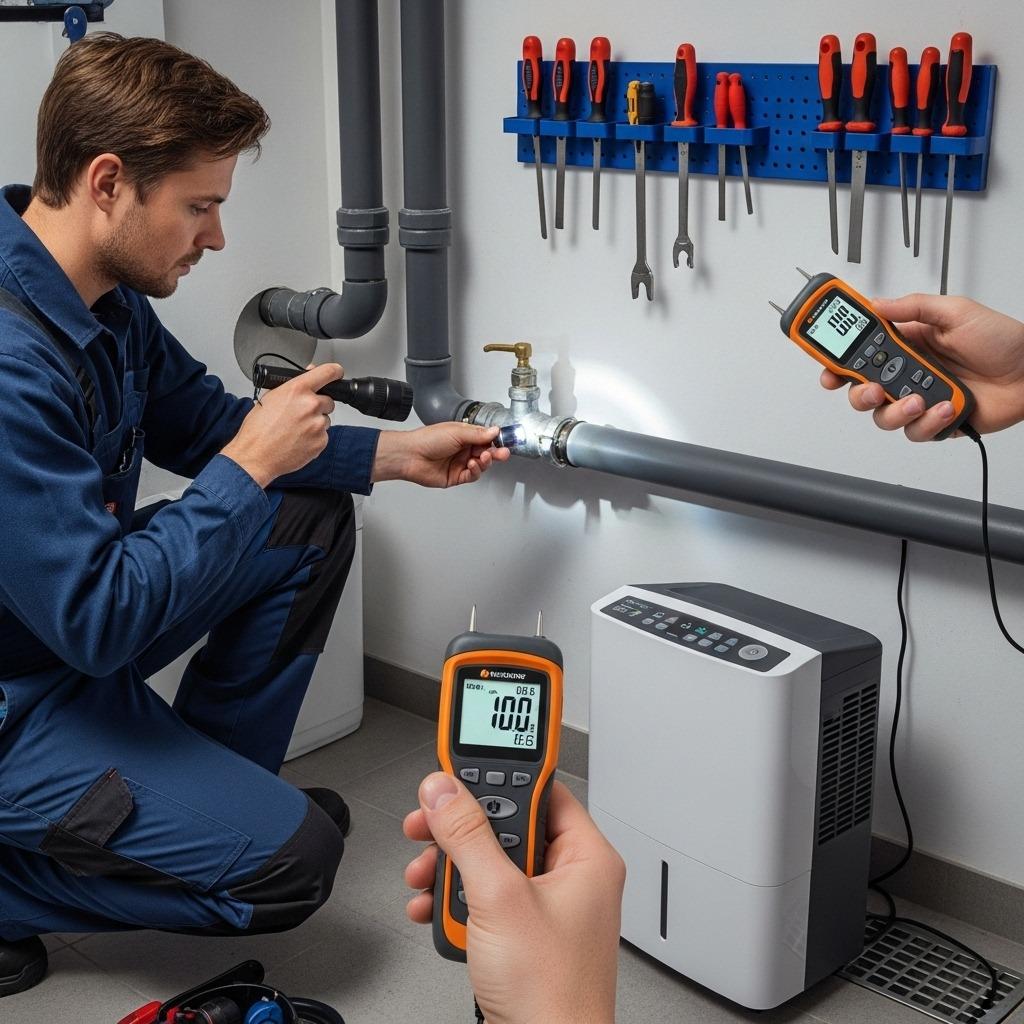
Water damage and air quality are intimately connected. Even small leaks can spawn mold colonies within 24-48 hours. Check under sinks, around windows, and in basements regularly for signs of moisture. Catching problems early prevents major air quality disasters.
Fix leaks immediately, no matter how minor they seem. That slow drip under the bathroom sink creates a perfect environment for mold growth. Use a flashlight to inspect dark corners and hidden spaces where moisture might accumulate unnoticed.
After addressing water damage, thoroughly dry affected areas within 24 hours. Use fans, dehumidifiers, or professional drying equipment for larger incidents. Replace any materials that remained wet for extended periods – mold can hide inside walls and carpeting even after surfaces appear dry.
8. Create Shoe-Free Zones
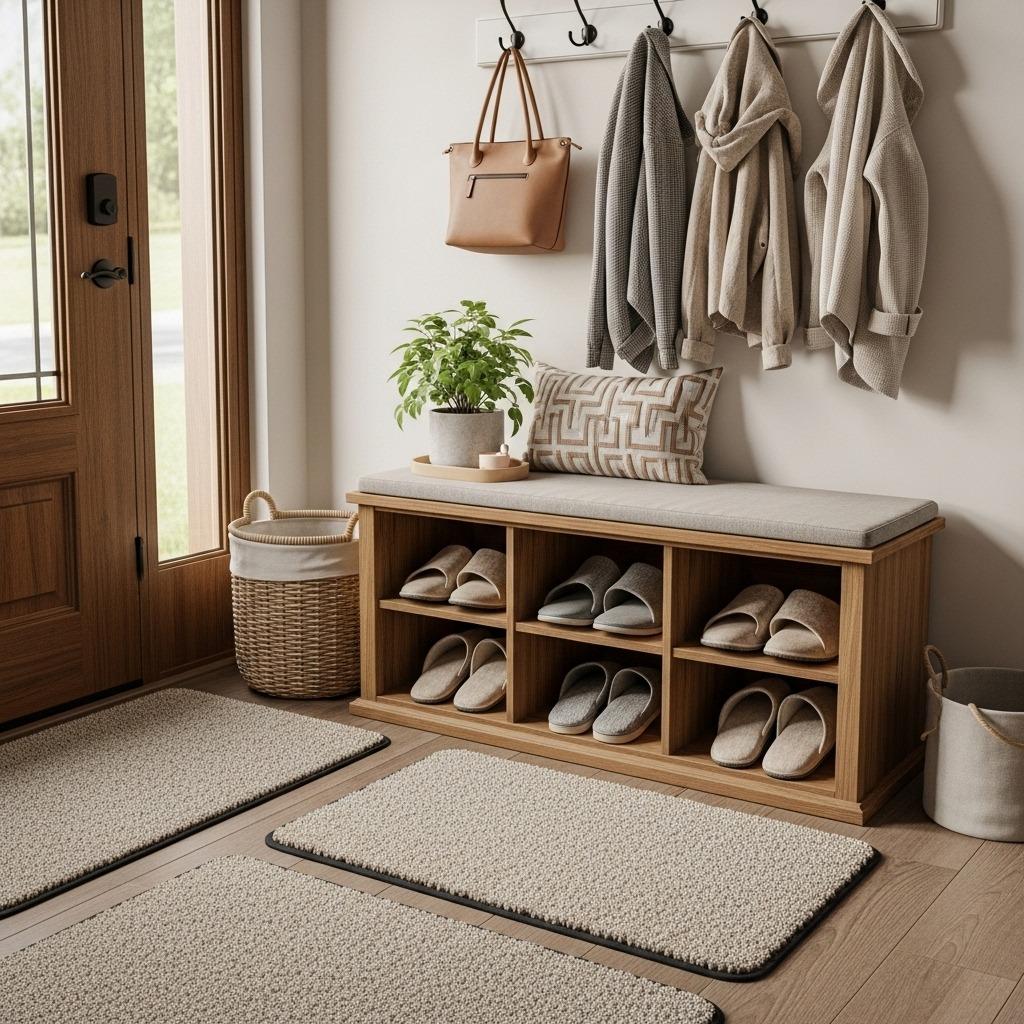
Ever wonder what you’re tracking into your home? Studies show that shoes bring in pesticides, pollen, bacteria, and who knows what else from outside. Establishing a shoes-off policy at entryways significantly reduces the pollutants entering your living spaces.
Set up an organized entryway station with a bench and shoe storage. Make it convenient and attractive so everyone naturally follows the system. Provide a basket of clean house slippers for guests who prefer not to go barefoot.
Place high-quality doormats both outside and inside your main entrances. The outdoor mat scrapes off larger debris, while the indoor mat catches finer particles. Vacuum or shake out these mats weekly – they’re catching contaminants so your floors don’t have to.
9. Mind Your Fabrics and Textiles
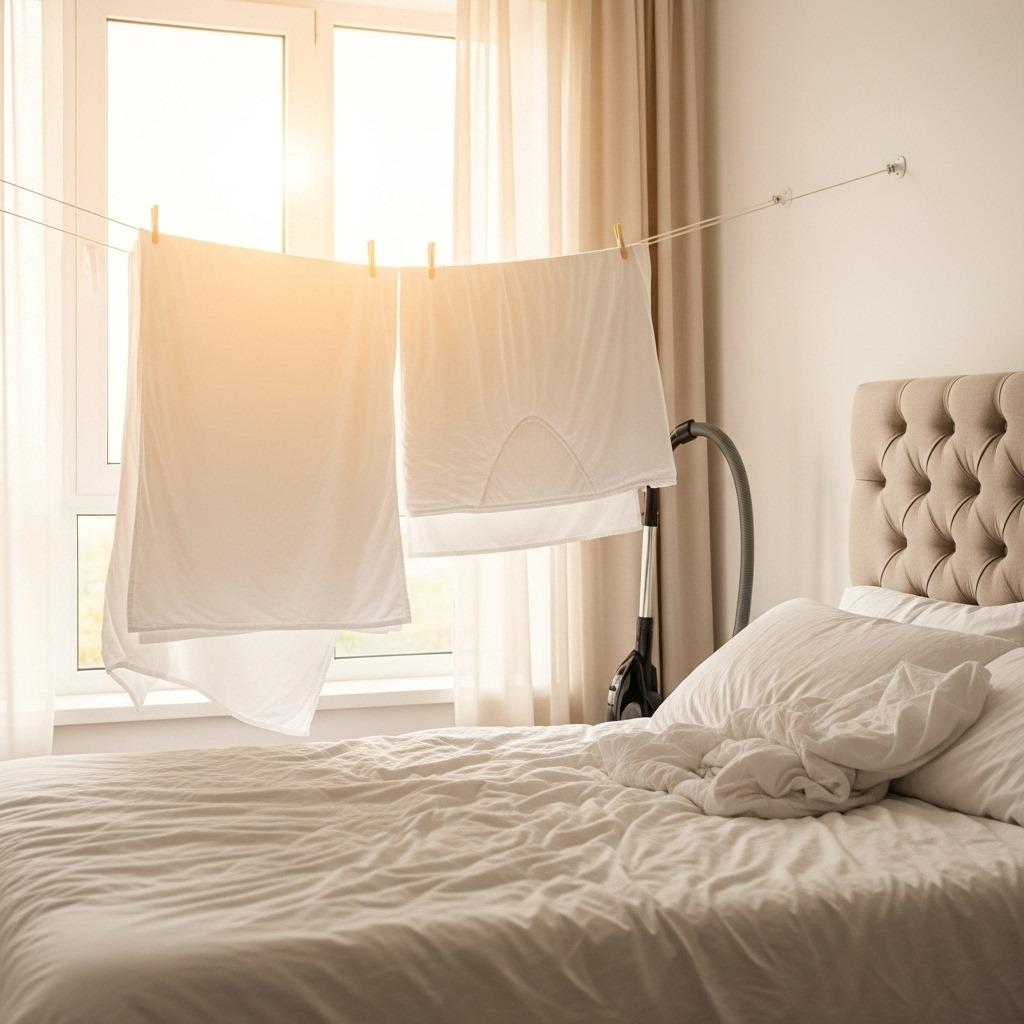
Curtains, upholstery, rugs, and bedding act like giant air filters – except they don’t have a replace button. They collect dust, allergens, and odors over time. Regular washing of removable textiles should happen every few weeks, especially in bedrooms where you spend significant time.
For items that can’t easily be washed, use your dryer’s air-fluff setting or take them outside on a sunny day. UV light naturally kills bacteria and freshens fabrics. Vacuum upholstered furniture weekly using the appropriate attachments to lift embedded dust.
Consider the fabrics you bring into your home. Tightly woven materials trap fewer allergens than loosely woven options. Leather and synthetic upholstery can be wiped clean more easily than fabric. If allergies are a concern, opt for minimalist designs with fewer fabric surfaces that collect dust.
10. Manage Pet Dander Effectively
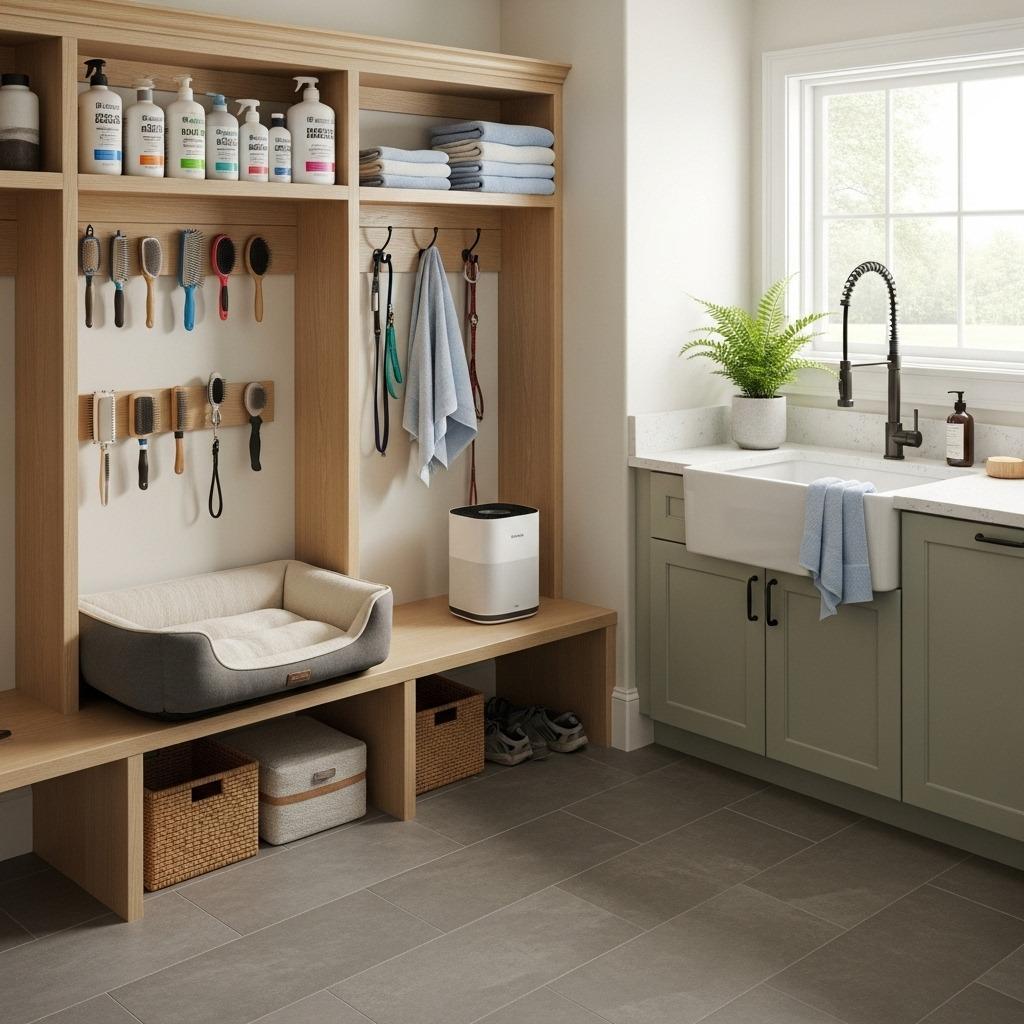
We love our furry friends, but they’re significant contributors to indoor air quality issues. Pet dander isn’t just fur – it’s tiny skin flakes that become airborne and trigger allergies. Regular grooming outside your home reduces the amount of dander that makes it indoors.
Bathe pets according to veterinarian recommendations and brush them frequently, preferably outdoors. This removes loose fur and dander before it spreads throughout your home. Designate pet-free zones, especially bedrooms, to create clean air sanctuaries.
HEPA air purifiers work overtime in homes with pets. Place them in rooms where pets spend the most time. Wash pet bedding weekly in hot water to kill dust mites and remove accumulated dander. These simple steps let you enjoy your pets without sacrificing air quality.
11. Optimize Natural Light and Temperature
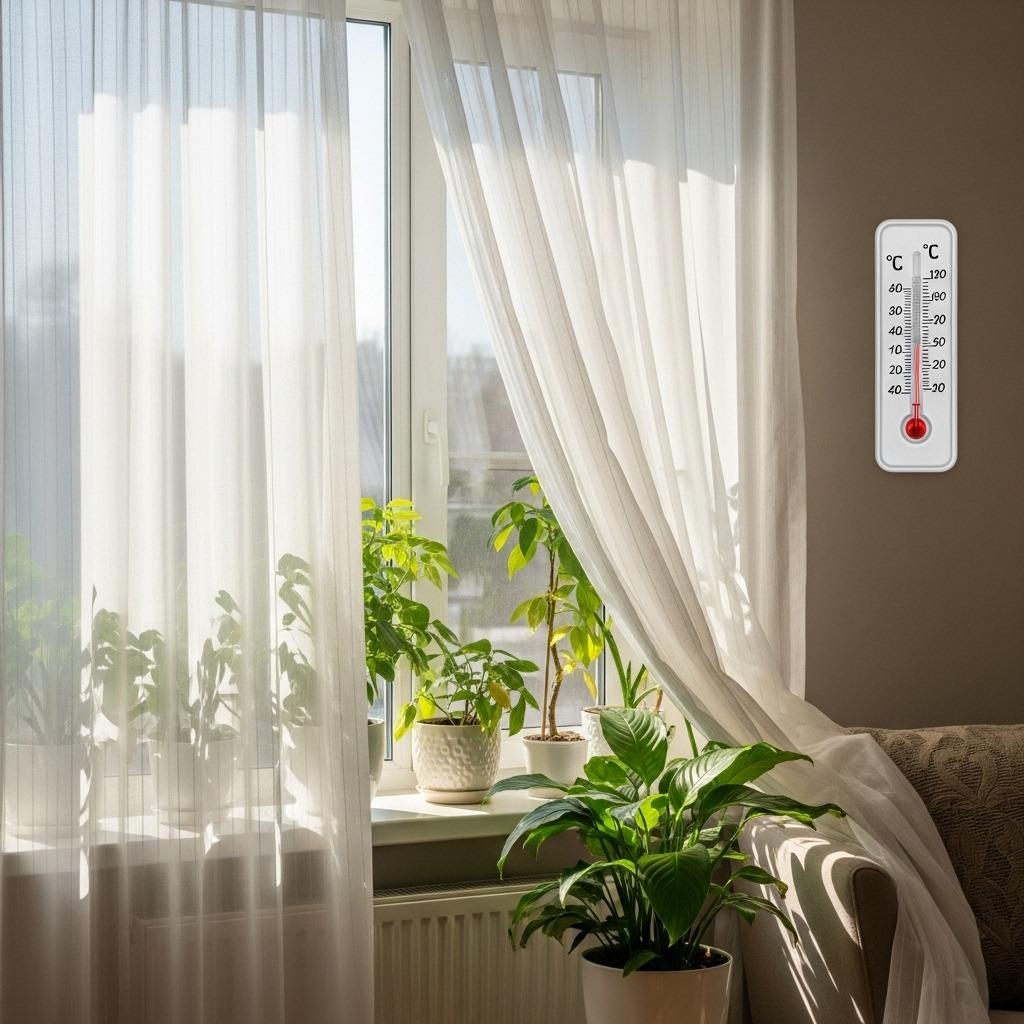
Sunlight is nature’s disinfectant. UV rays kill bacteria, viruses, and mold spores naturally. Opening curtains and blinds during the day not only brightens your space but also helps sanitize surfaces. This passive purification costs nothing and requires zero effort.
Maintain comfortable temperatures year-round. Extreme heat or cold stresses your HVAC system and can create conditions that promote mold growth or increase off-gassing from materials. Consistent temperatures between 68-72°F generally work best for both comfort and air quality.
Use window treatments strategically. Light, breathable fabrics allow natural ventilation while still providing privacy. Heavy, dark curtains can trap moisture and dust. In rooms designed with Scandinavian style, the emphasis on natural light naturally supports better air quality.
12. Reduce or Eliminate Synthetic Fragrances
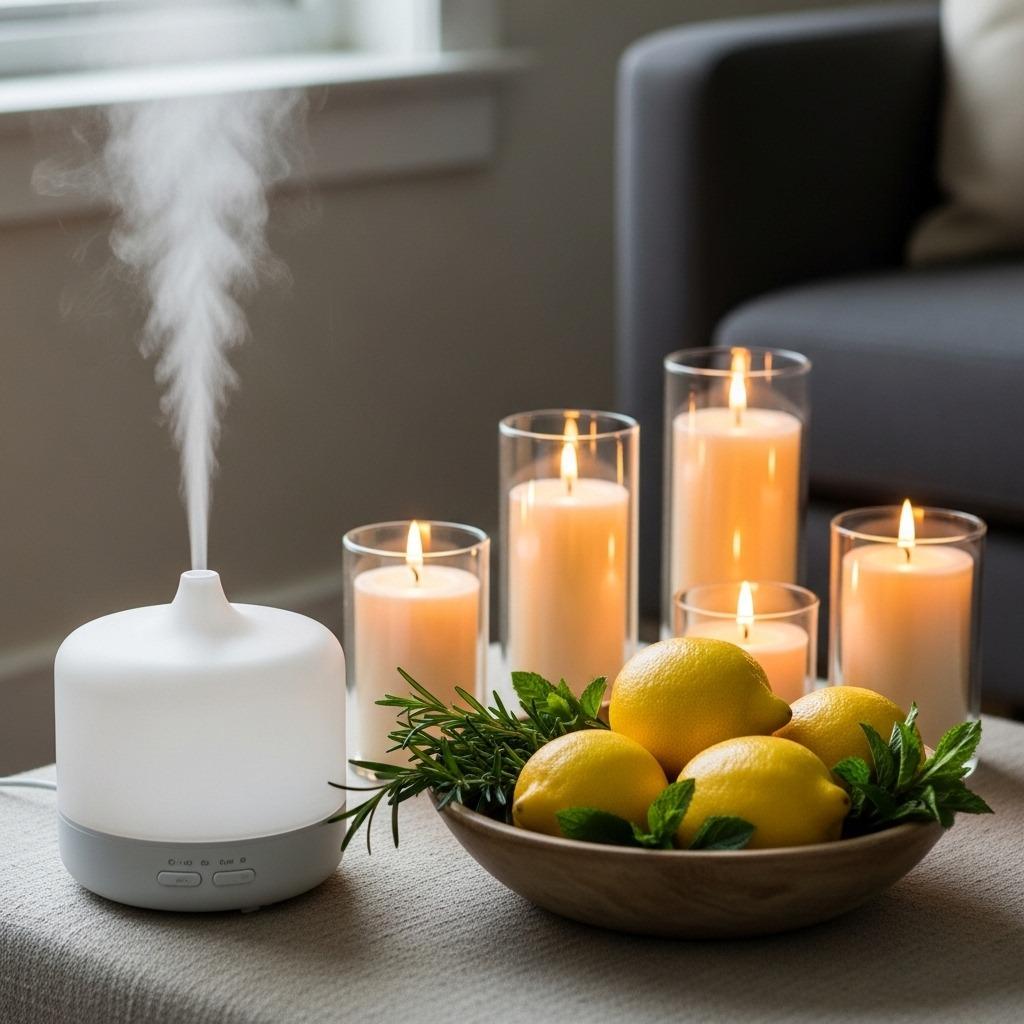
That “clean linen” air freshener might be sabotaging your indoor air quality. Many synthetic fragrances contain phthalates and other chemicals that contribute to indoor air pollution. If you can smell it strongly, you’re breathing in chemical compounds.
Instead of masking odors, address their source. Proper ventilation, regular cleaning, and odor-absorbing materials like baking soda work better than synthetic sprays. If you enjoy scents, choose natural options like essential oil diffusers or simmer citrus peels and herbs on the stove.
Be cautious with scented candles too. Many contain paraffin wax, which releases petroleum-based compounds when burned. If you love candles, choose soy or beeswax varieties with lead-free wicks and natural fragrances. Or better yet, enjoy unscented candles for ambiance without the air quality compromise.
13. Test for Hidden Air Quality Issues
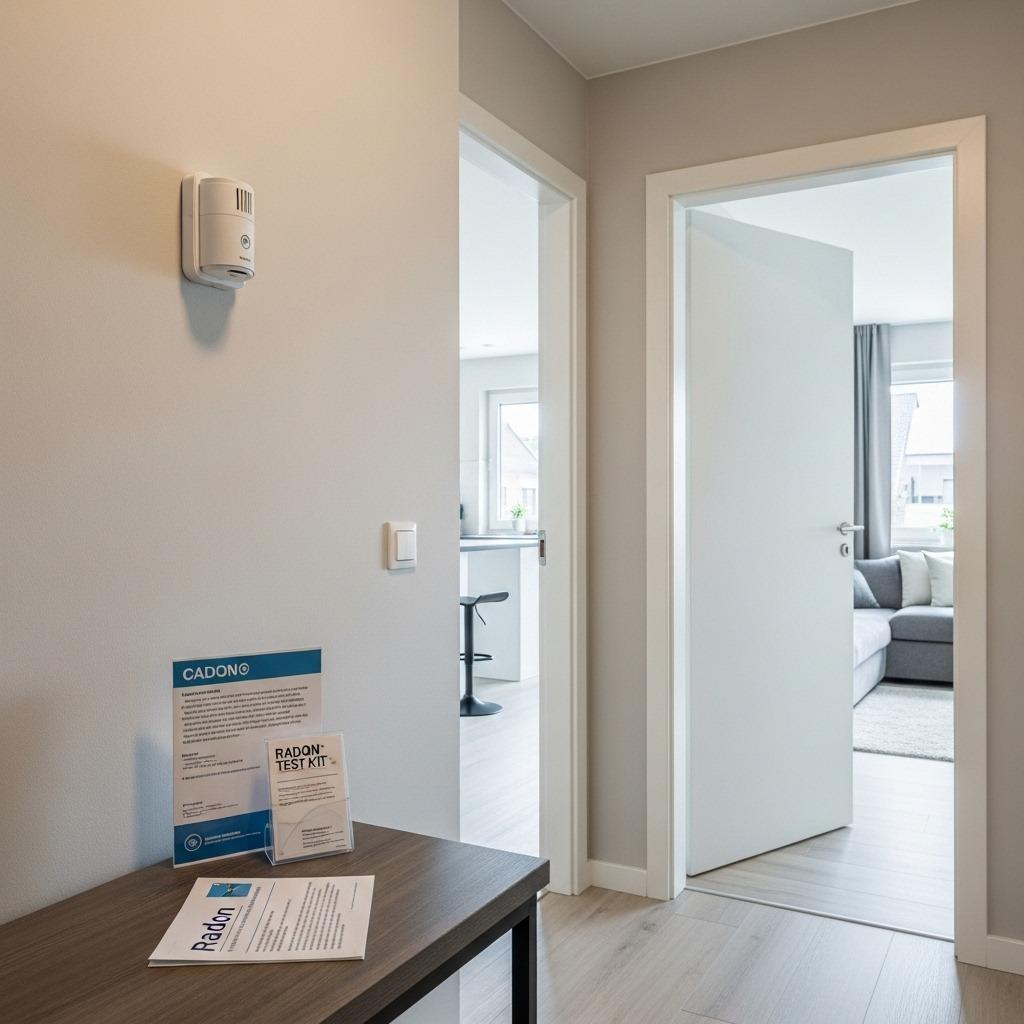
Sometimes problems hide where you can’t see them. Radon, a naturally occurring radioactive gas, is the second leading cause of lung cancer. It seeps into homes through foundation cracks and is completely odorless. Inexpensive test kits available at hardware stores let you check levels yourself.
Carbon monoxide is another silent threat. This deadly gas comes from faulty furnaces, water heaters, or improperly vented appliances. Install carbon monoxide detectors on every floor of your home, especially near bedrooms. Test them monthly and replace batteries annually.
Consider professional air quality testing if you’re experiencing unexplained health symptoms or after major renovations. Professionals can identify specific pollutants and provide targeted solutions. While it costs more upfront, it eliminates guesswork and ensures you’re addressing actual issues rather than perceived ones.
14. Mind Your Garage and Storage Areas
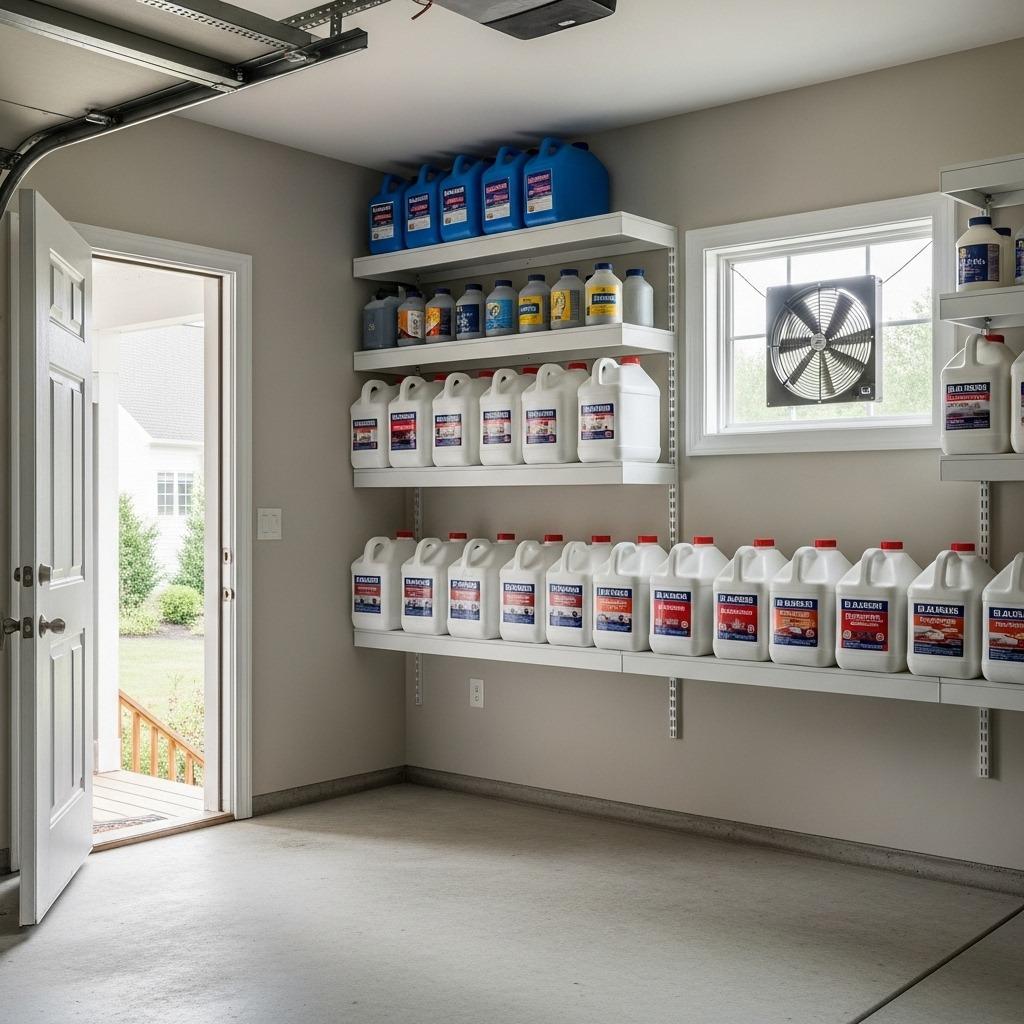
Attached garages are notorious for contaminating home air quality. Car exhaust, gasoline vapors, paint, pesticides, and other chemicals stored here can seep into living spaces. Never idle your car in the garage, even with the door open.
Store chemicals in sealed containers and consider relocating them to an outdoor shed if possible. Ensure the door between your garage and home seals tightly and has proper weather stripping. Some homeowners install air purifiers in their garages to catch pollutants before they migrate inside.
Improve garage ventilation with windows, vents, or exhaust fans. When working with chemicals or running equipment that produces fumes, always ensure adequate air circulation. These precautions prevent your garage from becoming a source of indoor air pollution.
15. Create a Maintenance Schedule
Consistency matters more than perfection. Create a simple checklist with daily, weekly, monthly, and seasonal tasks. Daily habits might include opening windows and running exhaust fans. Weekly tasks cover vacuuming and dusting. Monthly responsibilities include filter changes and deeper cleaning.
Use your phone’s reminder app or a physical calendar to track these tasks. Spread them throughout the month so you’re not overwhelmed trying to do everything at once. Involving family members distributes the workload and teaches everyone about indoor air quality maintenance.
Review and adjust your schedule seasonally. Winter might require more attention to humidity levels, while spring could focus on allergen control. As you develop these habits, they become second nature and take less conscious effort. Your lungs will thank you for the consistency.
Creating cleaner indoor air doesn’t happen overnight, but every small change moves you in the right direction. Start with the easiest swaps – opening windows, adding a plant or two, upgrading your HVAC filter. Build from there as these habits become routine.
The beauty of these strategies is that many improve your home’s aesthetics while boosting air quality. Those air-purifying plants enhance your decor. Better ventilation brings in refreshing breezes. Natural cleaning products spare you from harsh chemical smells. You’re not sacrificing style for health – you’re enhancing both.
Remember, perfect indoor air quality isn’t achievable (or necessary). Focus on meaningful improvements that fit your lifestyle and budget. Which tip will you try first? Your future self will appreciate the investment you make today in creating a healthier, more breathable home environment for you and your family.

