
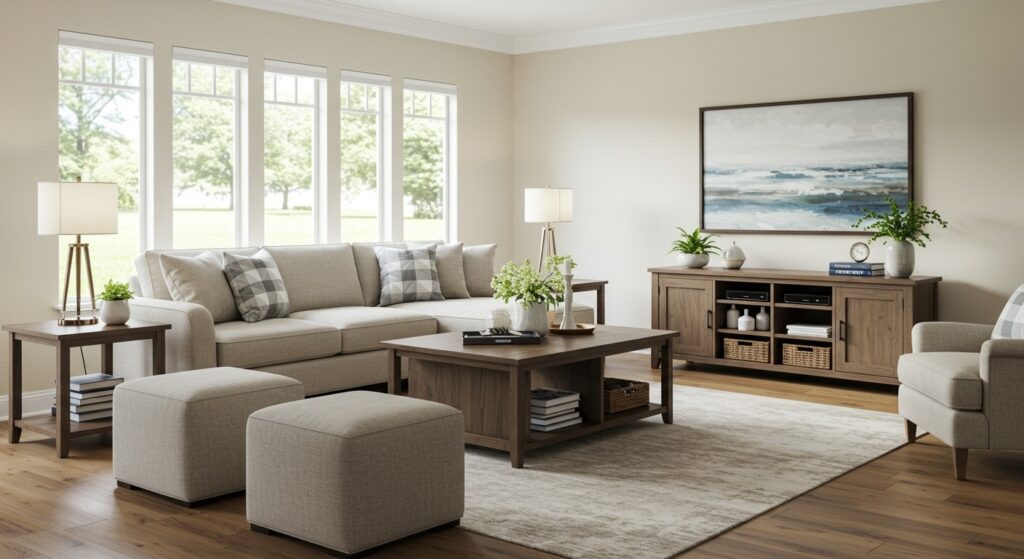
Ever feel like your living room is working against you instead of with you? Maybe the sofa blocks the walkway, or there’s nowhere to set down a drink without awkward reaching. You’re not alone in this struggle.
A functional living room isn’t about following rigid design rules. It’s about creating a space that adapts to your actual life – whether that’s hosting friends, corralling kids’ toys, or simply finding a comfortable spot to unwind after a long day. The right layout can transform a room from frustrating to effortless.
This guide walks you through practical layouts that prioritize comfort without sacrificing style. You’ll find real solutions for traffic flow issues, furniture placement dilemmas, and making the most of whatever square footage you’re working with.
Understanding the Basics of a Functional Living Room
Before diving into specific layouts, let’s talk about what makes a space actually work. Function isn’t about cramming in as much furniture as possible or following some arbitrary design formula.
A truly functional living room serves your household’s specific needs. For some families, that means ample seating for gatherings. For others, it’s about creating distinct zones for different activities. The key is identifying your priorities before moving a single piece of furniture.
Think about how you use the space on a typical Tuesday evening versus a weekend afternoon. Those everyday moments reveal what your layout needs to support. Maybe you need clear floor space for yoga, or perhaps a homework station that doesn’t take over the entire room.
Traffic patterns matter more than most people realize. You should be able to walk from the entryway to other rooms without playing furniture Tetris. These pathways typically need about 30 inches of clearance, though wider feels more comfortable when possible.
Assessing Your Space
Start by measuring your room – and I mean actually measuring, not eyeballing it. Grab a tape measure and note the dimensions, including any architectural quirks like alcoves, windows, or doorways. These elements significantly impact what layouts will work.
Natural light sources deserve special attention. Windows shouldn’t be blocked by tall furniture if you can avoid it. Consider how sunlight moves through the room at different times of day, especially if you work from home or spend mornings in this space.
Existing features like fireplaces, built-in shelving, or accent walls often become natural focal points. Rather than fighting against these elements, smart layouts embrace them. A fireplace might anchor a conversational seating arrangement, while a media console could define an entertainment zone.
1. The Classic Conversation Layout
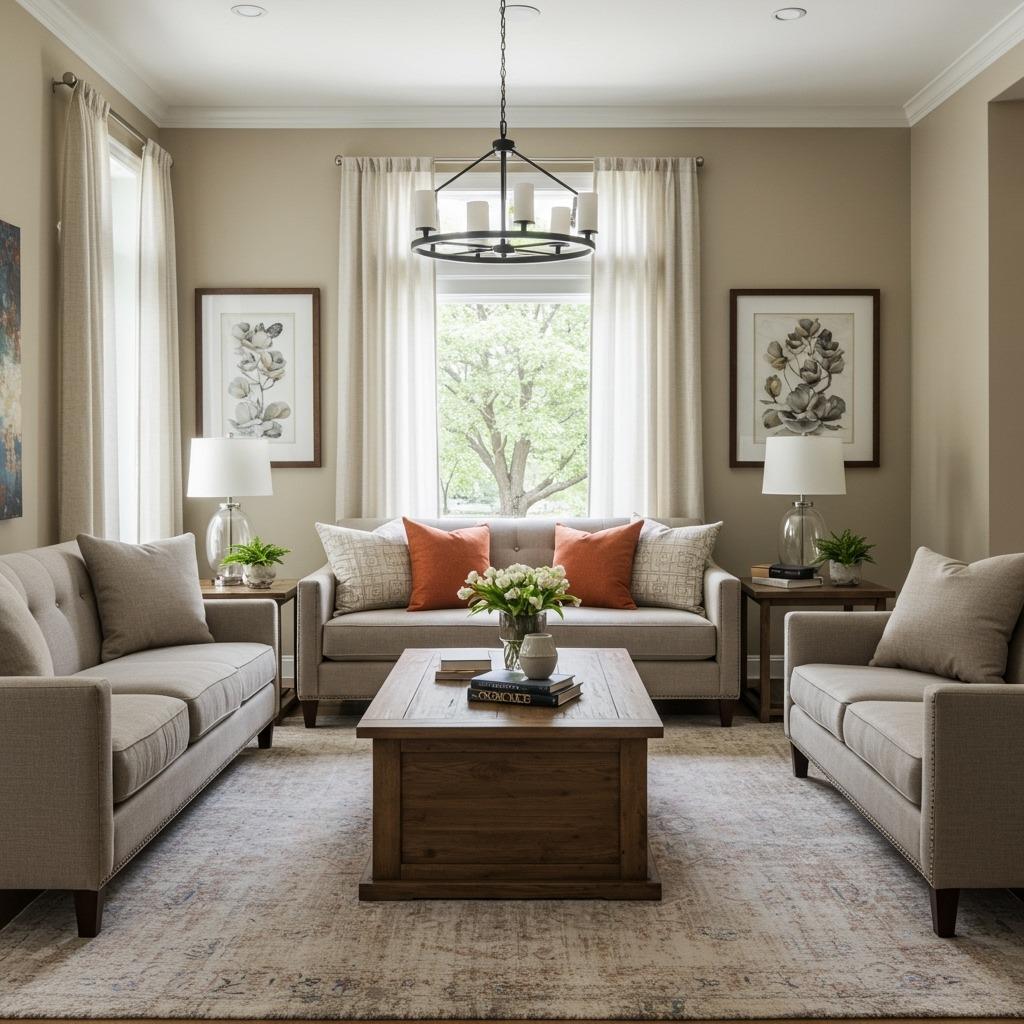
This timeless arrangement centers around face-to-face interaction. Two sofas or a sofa and loveseat face each other, often with a coffee table between them. It’s the layout you see in cozy living rooms that feel instantly welcoming.
The setup naturally encourages conversation because everyone can see each other without craning their necks. Add a couple of accent chairs perpendicular to the sofas, and you’ve created a complete conversational circle. This works beautifully for families who entertain regularly or simply enjoy face-to-face chatting.
One practical advantage? You can easily rearrange individual pieces without disrupting the entire layout. Swapping an accent chair for an ottoman takes seconds, giving you flexibility for different occasions.
Keep the coffee table low and unobtrusive – around 18 inches from seating on all sides works well. This gives people room to stretch their legs without feeling disconnected from the central gathering point. If your room is on the smaller side, consider a round table instead of rectangular to improve flow.
Making It Work for Families
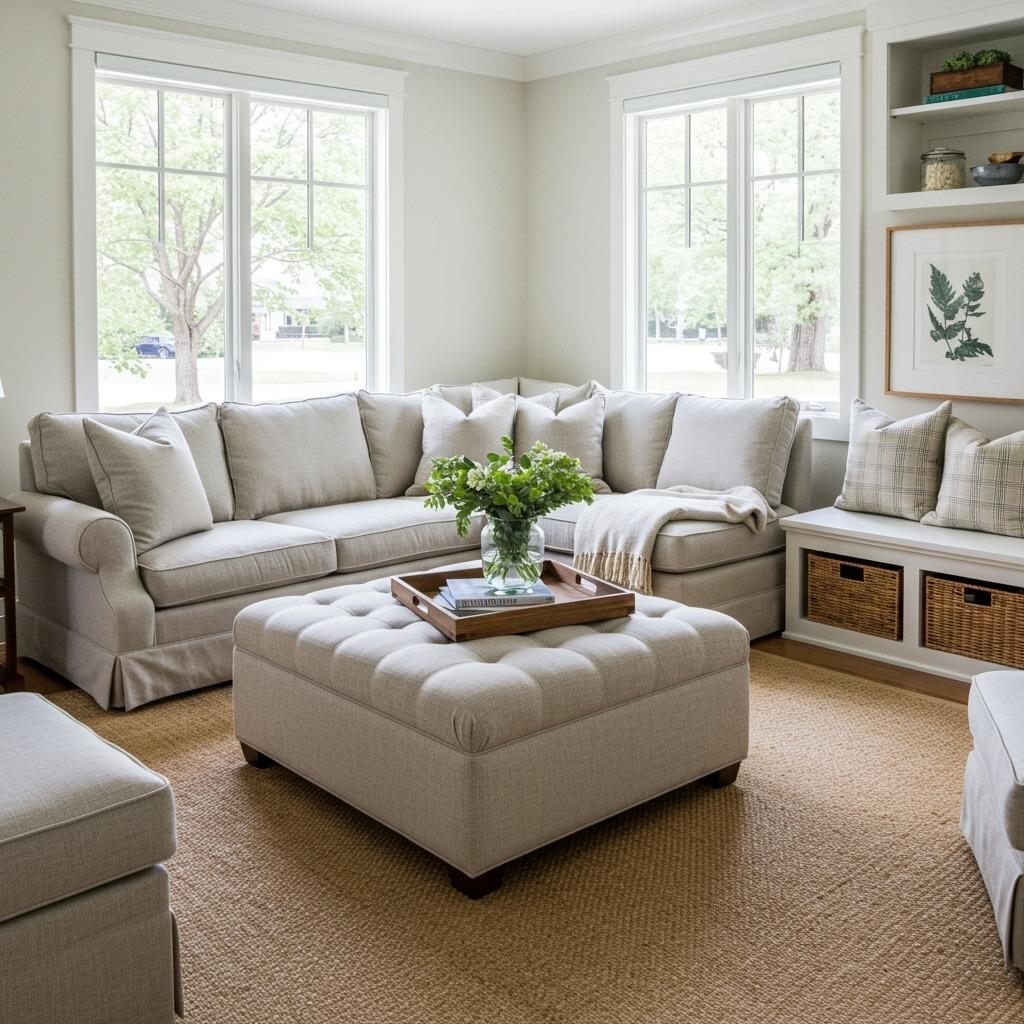
Family-friendly versions of this layout swap delicate coffee tables for sturdy ottomans with trays on top. Kids can play on the floor in the center, and you don’t worry about sharp corners during roughhousing.
Performance fabrics on upholstery save your sanity when spills happen – and they will happen. Look for materials that actually repel stains rather than just being marketed as “stain-resistant.” There’s a difference, and it matters when someone tips over grape juice.
Storage ottomans double as toy bins or blanket holders. The conversation layout still functions perfectly while hiding the reality of daily family life. When guests come over, everything looks intentional rather than chaotic.
2. The Media-Centered Entertainment Layout
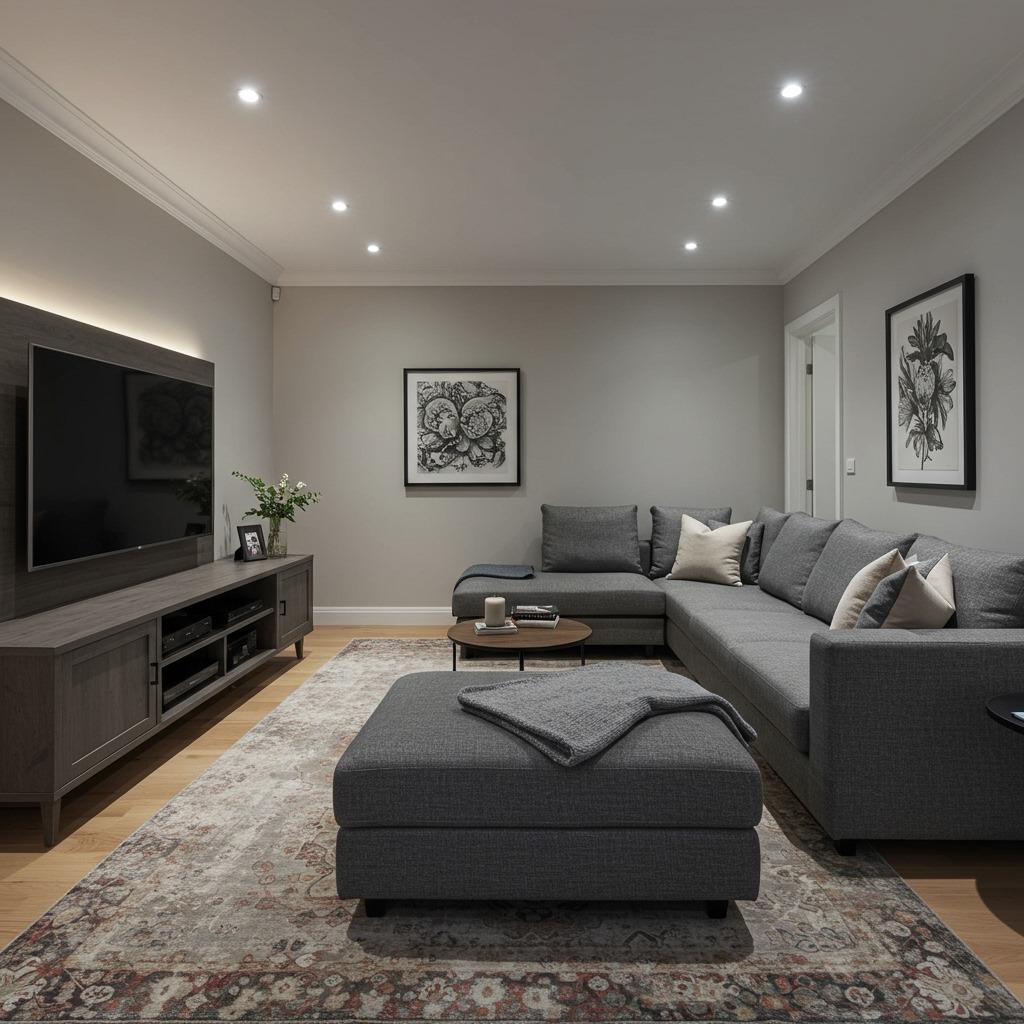
Let’s be honest – many living rooms revolve around the TV. This layout embraces that reality while keeping things comfortable and stylish. The focal point is the media console or entertainment center, with seating arranged to optimize viewing angles.
A sectional works wonderfully here, providing ample seating without needing multiple pieces. Position it facing the TV at a comfortable distance (generally 1.5 to 2.5 times the screen size diagonal). This prevents neck strain during your favorite shows or movie marathons.
Side tables or console tables behind the sofa create additional surface space without interrupting sight lines. They’re perfect spots for lamps, drinks, or decorative elements that add personality without cluttering the main viewing area.
Consider sight lines from every seat. No one should have to sit at an awkward angle to see the screen. If your room configuration makes this challenging, a swivel chair or two can solve the problem elegantly.
Smart Furniture Choices for Media Rooms
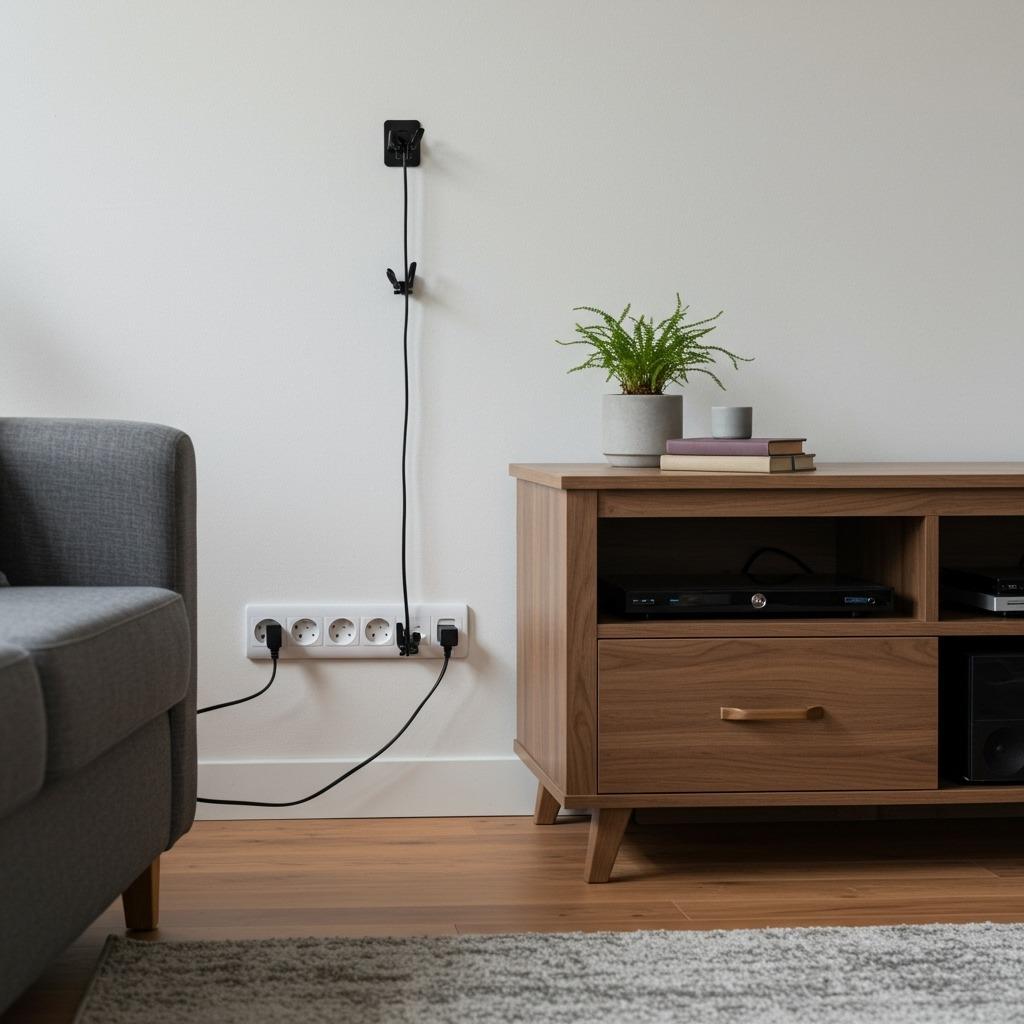
Cable management might not be glamorous, but it transforms a media-centered room from messy to polished. Choose entertainment consoles with built-in cable management systems, or DIY solutions using clips and covers that blend with your walls.
Soundbars or speaker placement factors into your layout too. Speakers work best when they’re not blocked by furniture or tucked into corners where sound gets muddy. Plan these technical elements alongside your aesthetic choices for optimal function.
Reclining sectionals or sofas add serious comfort for binge-watching sessions. Just make sure there’s adequate space behind them for the reclining mechanism – you don’t want furniture smacking into walls every time someone kicks back.
3. The Multipurpose Lounge Layout
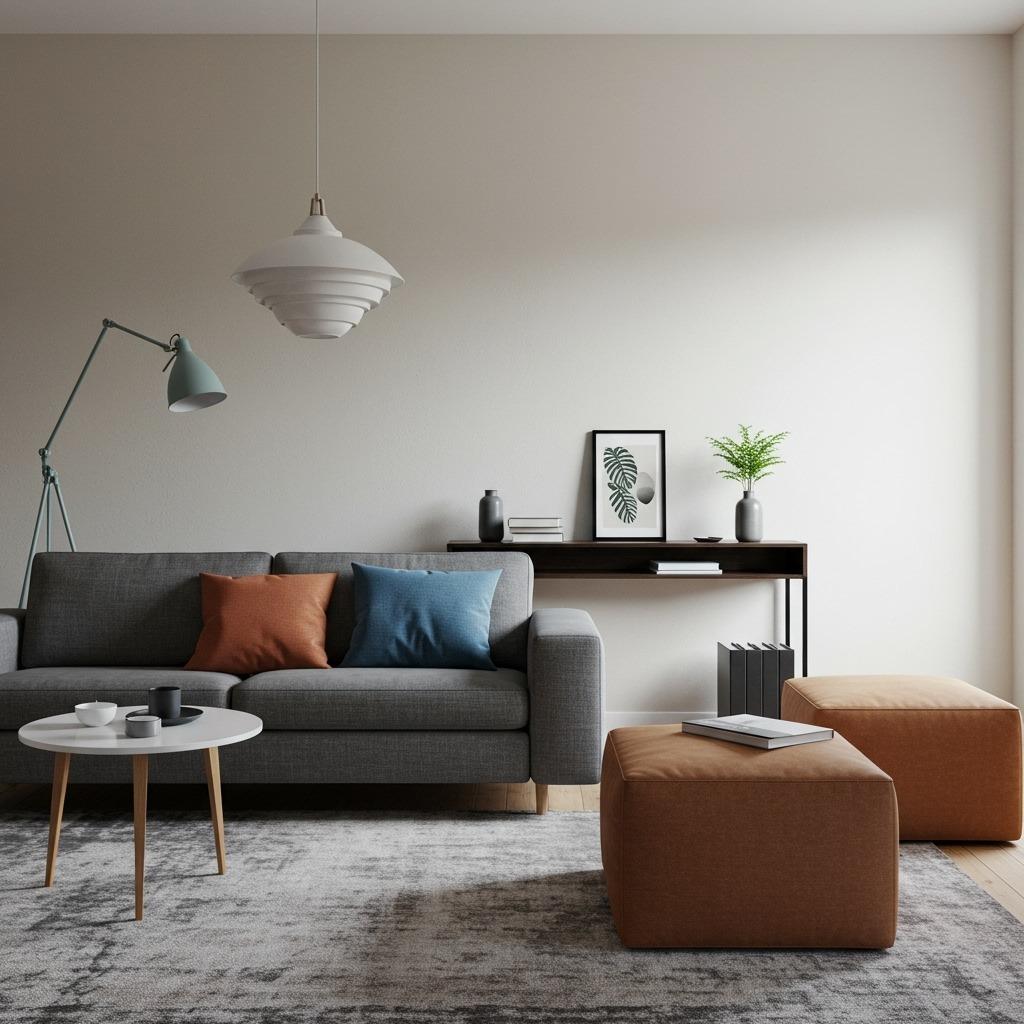
Modern life demands spaces that wear multiple hats. The multipurpose lounge handles everything from work-from-home needs to game nights without requiring a complete room overhaul between activities.
This layout typically includes modular or flexible furniture that adapts to different uses. A desk or console table might sit behind the sofa, creating a work zone that doesn’t scream “office” when you’re trying to relax. Similarly, nesting tables can spread out for puzzles or board games, then tuck away when movie time rolls around.
Zone definition happens through area rugs, lighting, or even furniture orientation rather than walls or permanent dividers. You create distinct areas that still feel cohesive as one room. The open concept layout principles apply here, just on a smaller scale.
Flexibility Through Smart Furniture
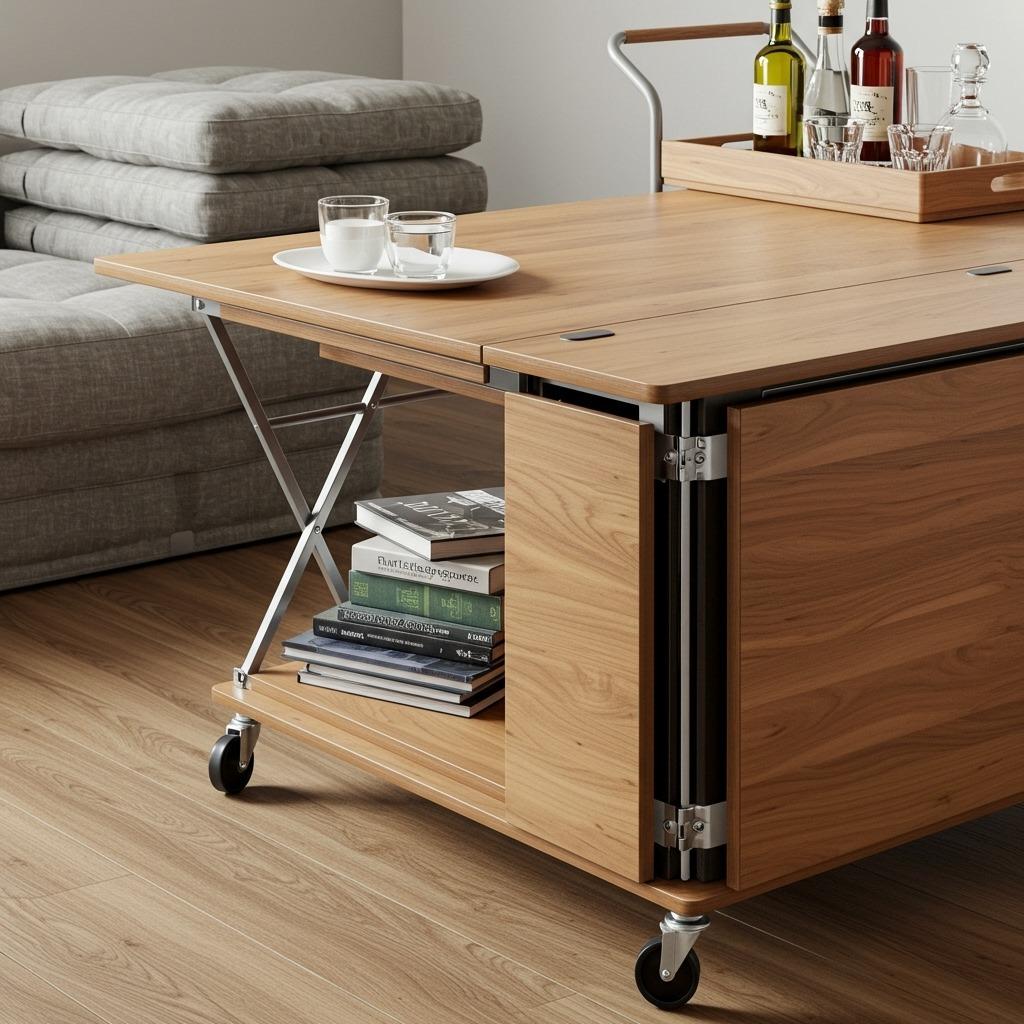
Foldable or stackable elements give you options when needs change. Folding chairs stored in a closet or behind a door come out for larger gatherings. Storage ottomans serve as extra seating when your usual capacity gets exceeded.
According to The Spruce’s home organization experts, furniture that serves multiple purposes reduces clutter while increasing functionality – exactly what small space renovations aim to achieve. Their research shows that homes with multipurpose furniture report 40% less visual clutter.
Consider pieces on casters if your layout changes frequently. A coffee table that rolls aside for exercise videos or a storage cart that moves between zones adapts to your schedule rather than forcing you to work around static furniture.
Wall-mounted solutions like fold-down desks or Murphy beds (if your living room doubles as a guest room) maximize floor space when not in use. These options work particularly well in studio apartments or smaller homes where every square foot counts.
4. The Symmetrical Balance Layout
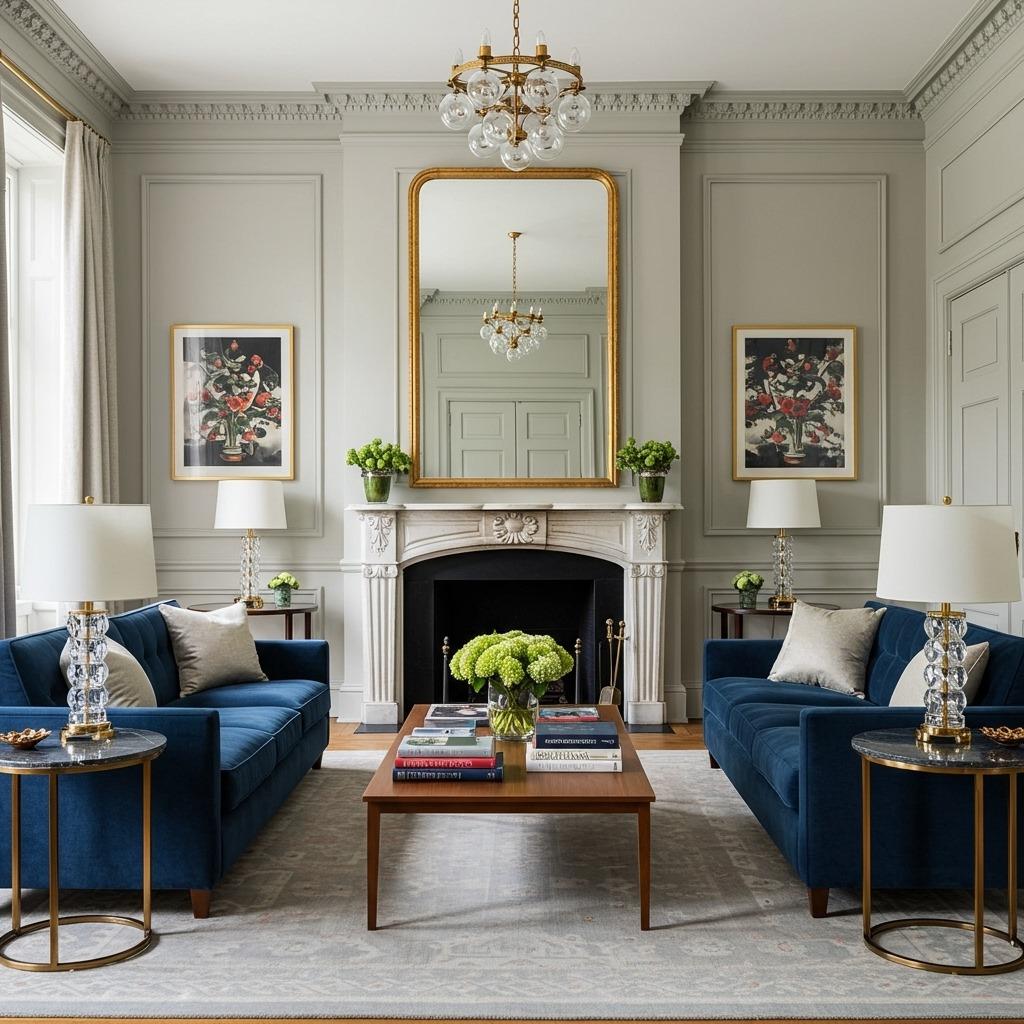
Symmetry creates instant visual calm. This layout mirrors furniture on either side of a central focal point – often a fireplace, large window, or media center. Two matching sofas flank the focal point, with identical end tables and lamps completing the balanced look.
The approach works beautifully in formal living rooms or spaces where you want a polished, pulled-together aesthetic. It’s less about strict rules and more about creating visual harmony that feels intentional and sophisticated.
That said, perfect symmetry can feel rigid if taken too far. Breaking the balance with one or two asymmetrical elements adds interest without sacrificing the overall sense of order. Maybe one side has a floor lamp while the other features a plant stand.
Adding Warmth to Symmetry
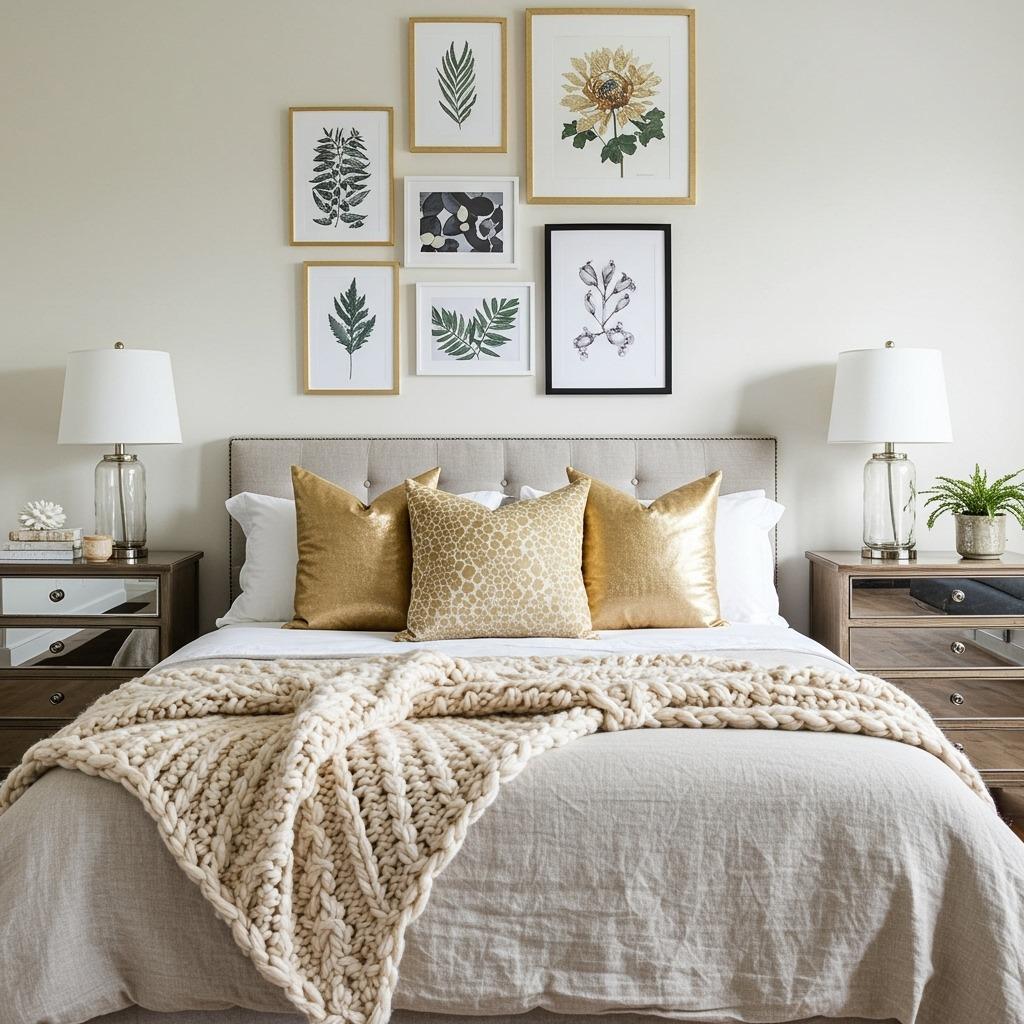
Symmetrical layouts risk feeling cold or hotel-like if you’re not careful. Layer in textures and personal touches to counter that sterility. Throw pillows in varying patterns, cozy blankets draped casually, and books stacked on coffee tables all inject lived-in comfort.
Vary heights even while maintaining symmetry. If both side tables match, the lamps don’t have to be identical twins. Different heights create visual interest while preserving the balanced foundation.
Color can break up rigid symmetry too. While furniture placement stays balanced, you might use different pillow colors on each sofa or vary the artwork above matching consoles. These subtle asymmetries keep things interesting.
5. The L-Shaped Sectional Layout
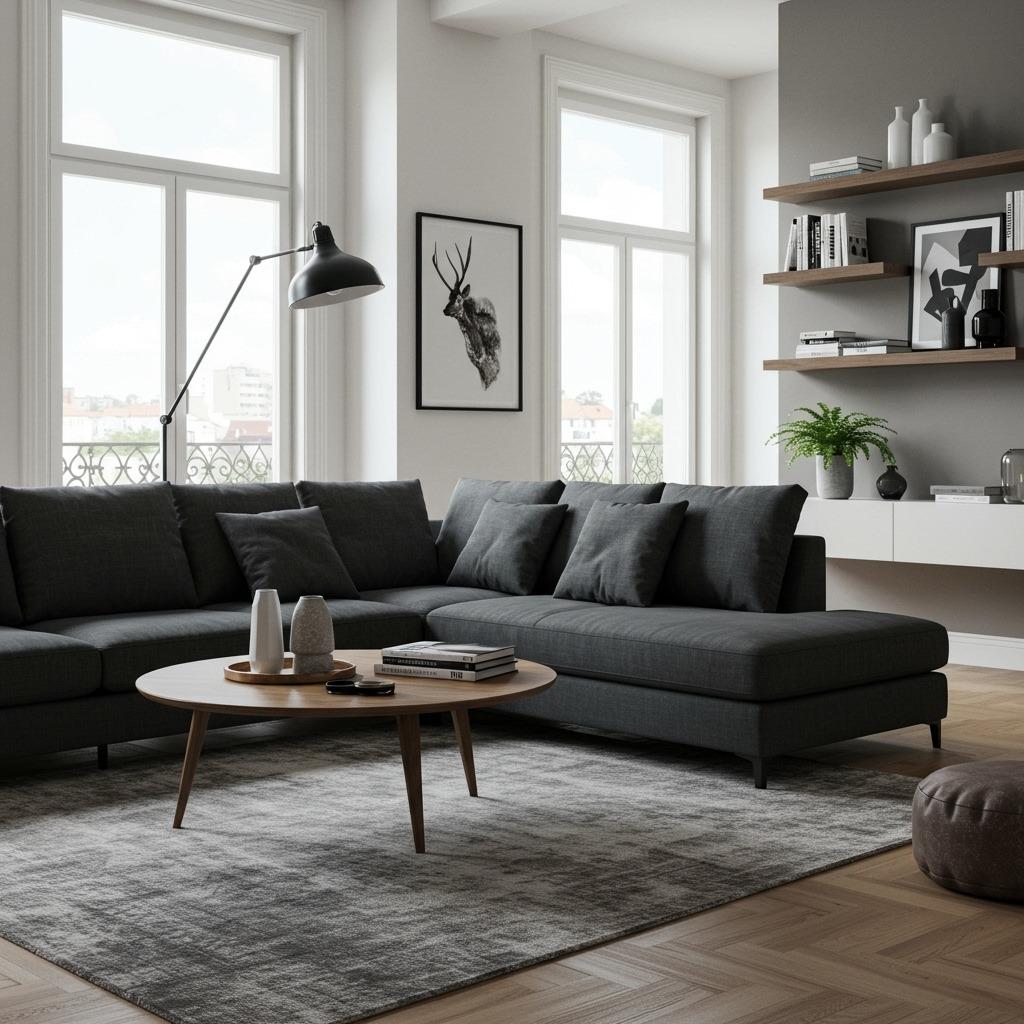
Sectionals deserve their popularity. An L-shaped configuration anchors a room while maximizing seating without multiple furniture pieces. It’s particularly effective in square or slightly rectangular rooms where you want to define the seating area clearly.
Position the sectional to face your focal point while creating natural boundaries for the conversation area. The corner typically becomes a favorite spot – everyone wants that cozy, slightly tucked-in feeling. Just make sure the chaise portion doesn’t block walkways or doors.
This layout leaves opposite walls free for storage, entertainment centers, or other functional elements. You’ve essentially created a room within a room, with the sectional’s back serving as a visual divider from whatever’s behind it.
Sectional Selection Tips
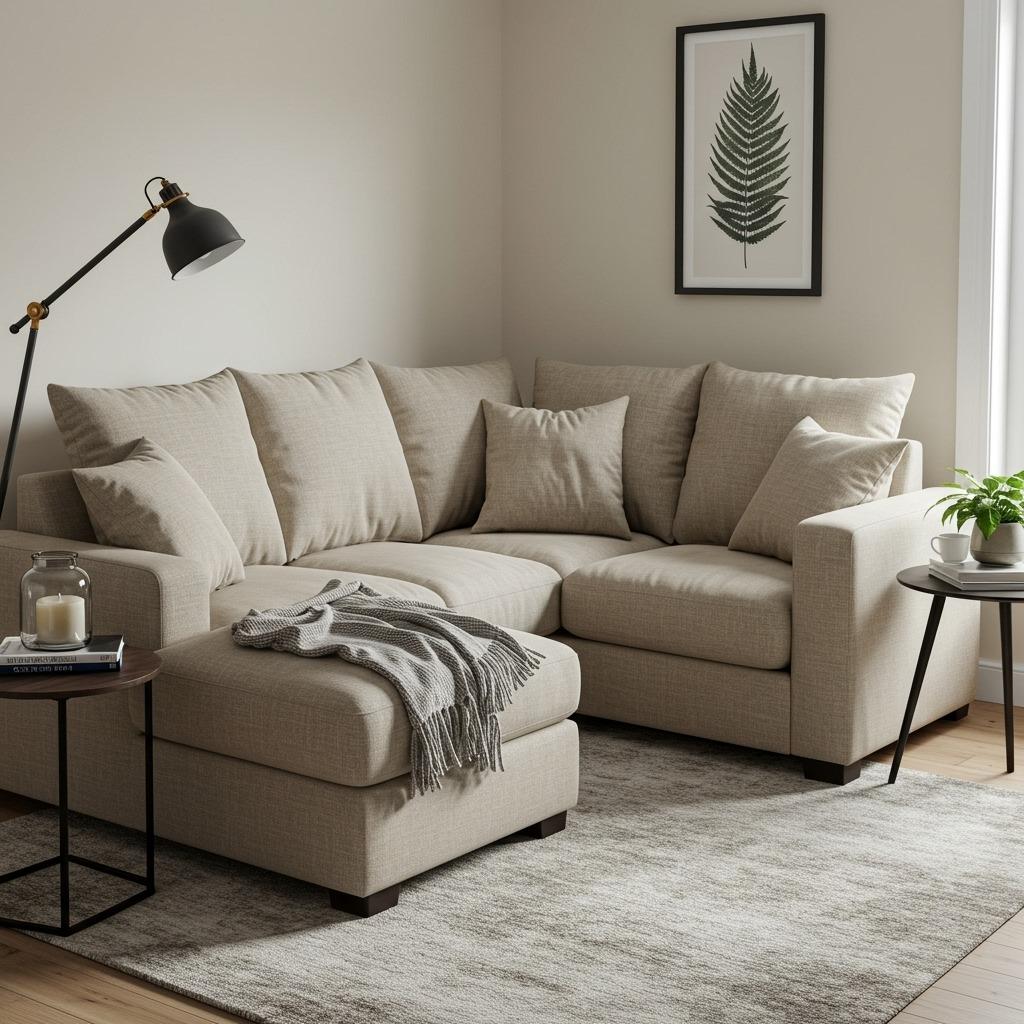
Measure doorways and hallways before ordering. Sectionals are notoriously tricky to maneuver through tight spaces, and modular versions that come in pieces can solve delivery nightmares.
Chaise orientation matters more than you’d think. Consider whether right-facing or left-facing works better with your room’s traffic flow and windows. You can’t easily flip this after purchase, so get it right the first time.
Depth affects comfort and space usage. Deeper seats feel luxurious but eat up more floor space. Shallower profiles work better in tighter rooms while still providing comfortable seating. Test before buying if possible – online reviews can only tell you so much about actual comfort.
Look for sectionals with removable legs or varying leg heights if you plan to use robot vacuums. Those extra few inches of clearance underneath make regular cleaning infinitely easier, which matters for long-term maintenance.
6. The Floating Furniture Layout

Pull furniture away from walls – it sounds counterintuitive but creates better flow and more usable space. This layout works especially well in larger rooms where wall-hugging furniture leaves a vast, unused center area.
Create an intimate seating area in the middle of the room, anchored by an area rug that defines the space. This approach makes large rooms feel cozier while improving conversation and interaction. People naturally gather where furniture groups create a defined area.
The space behind floating furniture serves practical purposes too. A console table behind a sofa provides display space, storage, or even a working surface. These buffer zones can hold lamps, plants, or decorative objects without feeling like afterthoughts.
Making Floating Layouts Work
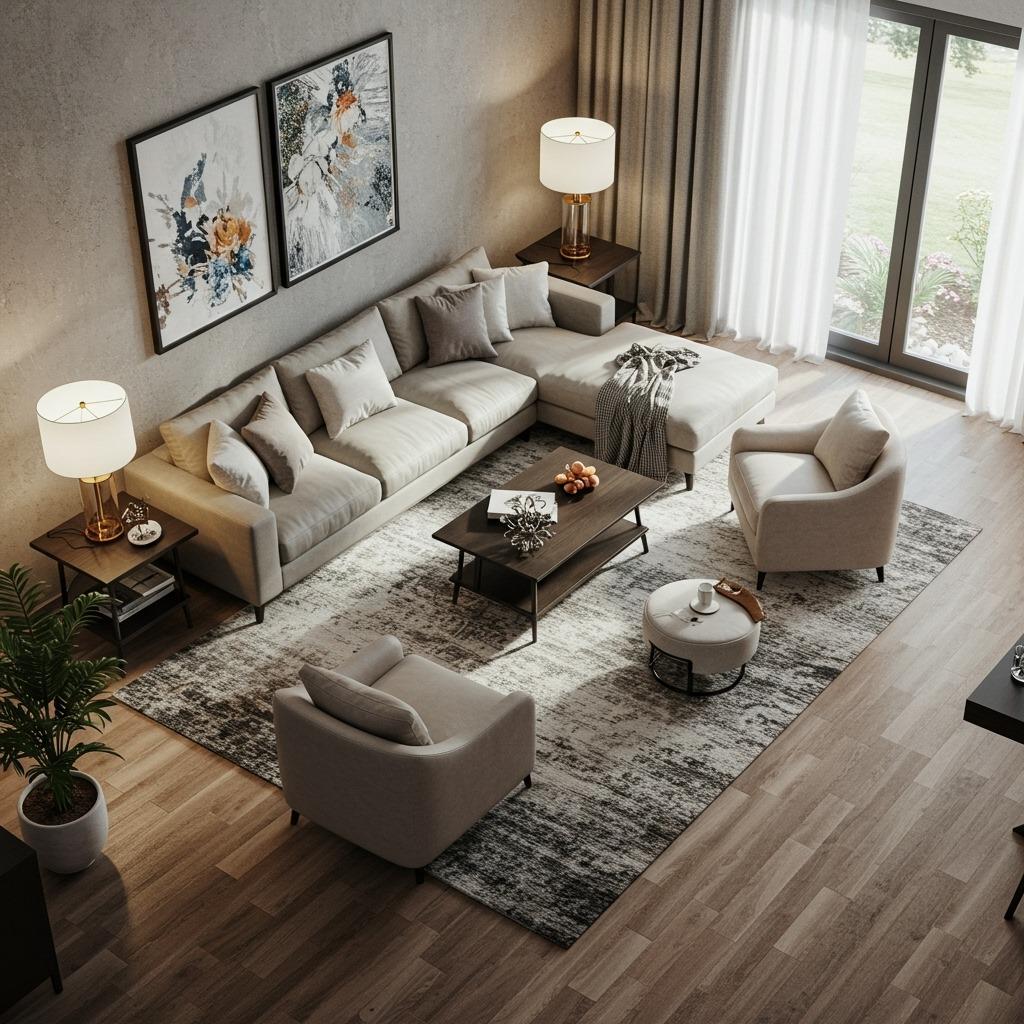
Anchor the floating arrangement with a generously sized rug. The rug should extend beyond furniture edges, ideally with all front legs of seating pieces on the rug. This visually ties everything together and defines the conversation zone.
Balance is crucial when furniture doesn’t touch walls. You need enough pieces to justify the floating arrangement without overcrowding. Usually, this means a substantial sofa or sectional plus accent seating, all oriented toward a shared focal point.
Consider what’s visible from multiple angles. When furniture floats, you see its back from certain viewpoints. Some pieces look great from all sides, while others reveal construction shortcuts or unattractive details when viewed from behind.
Traffic flow becomes easier with floating layouts because you’ve intentionally created pathways rather than leaving whatever space remains after pushing everything against walls. People can move around the seating area naturally, which is particularly helpful during gatherings.
7. The Corner Conversation Nook
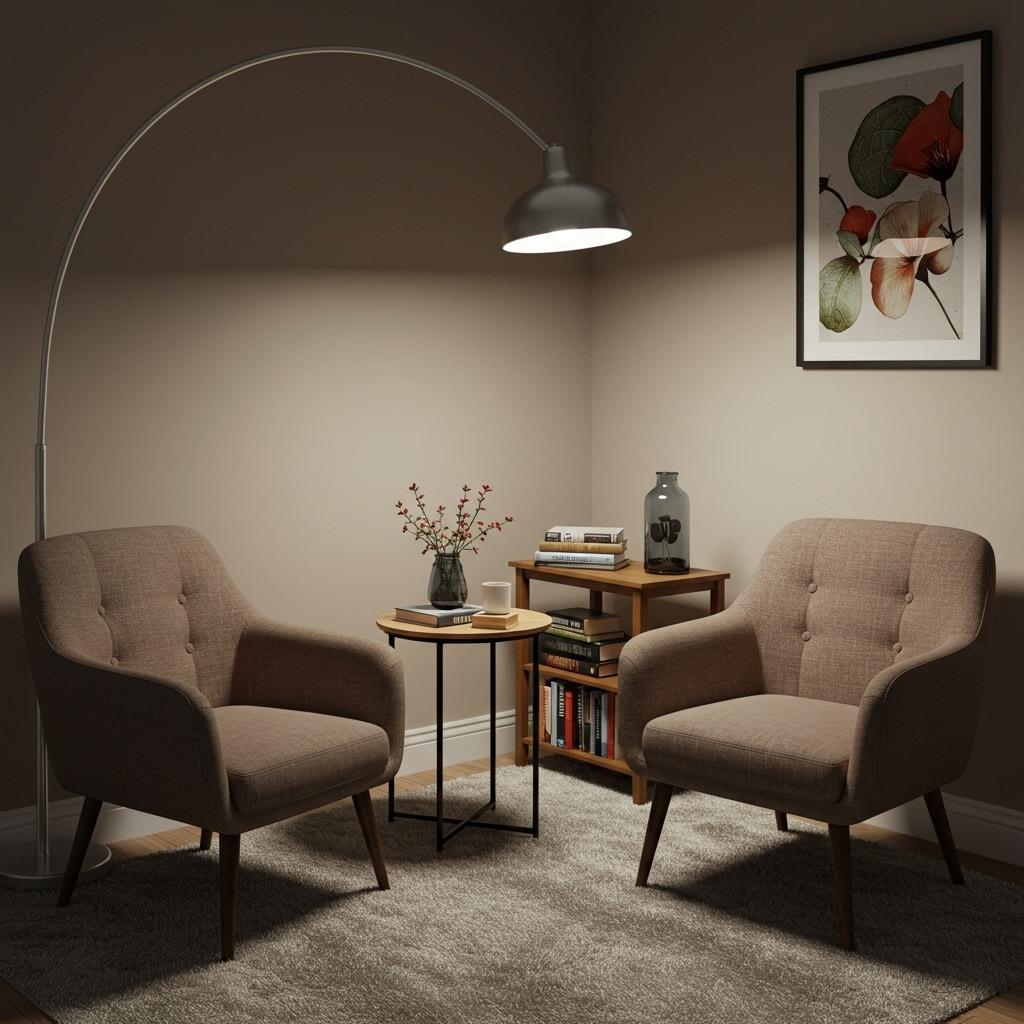
Not every living room needs to fill every inch of space. A corner conversation nook creates an intimate gathering spot while leaving the rest of the room open for other activities. It’s perfect for homes where the living room serves multiple purposes.
Two chairs angled toward each other in a corner, with a small side table between them, forms the basic structure. Add a floor lamp for task lighting, and you’ve got a reading nook, coffee spot, or quiet conversation area separate from the main seating arrangement.
This layout particularly benefits family-friendly designs where adults might want a spot to chat while kids play in the open floor space nearby. Everyone uses the same room without fighting for the same furniture.
Maximizing Corner Spaces
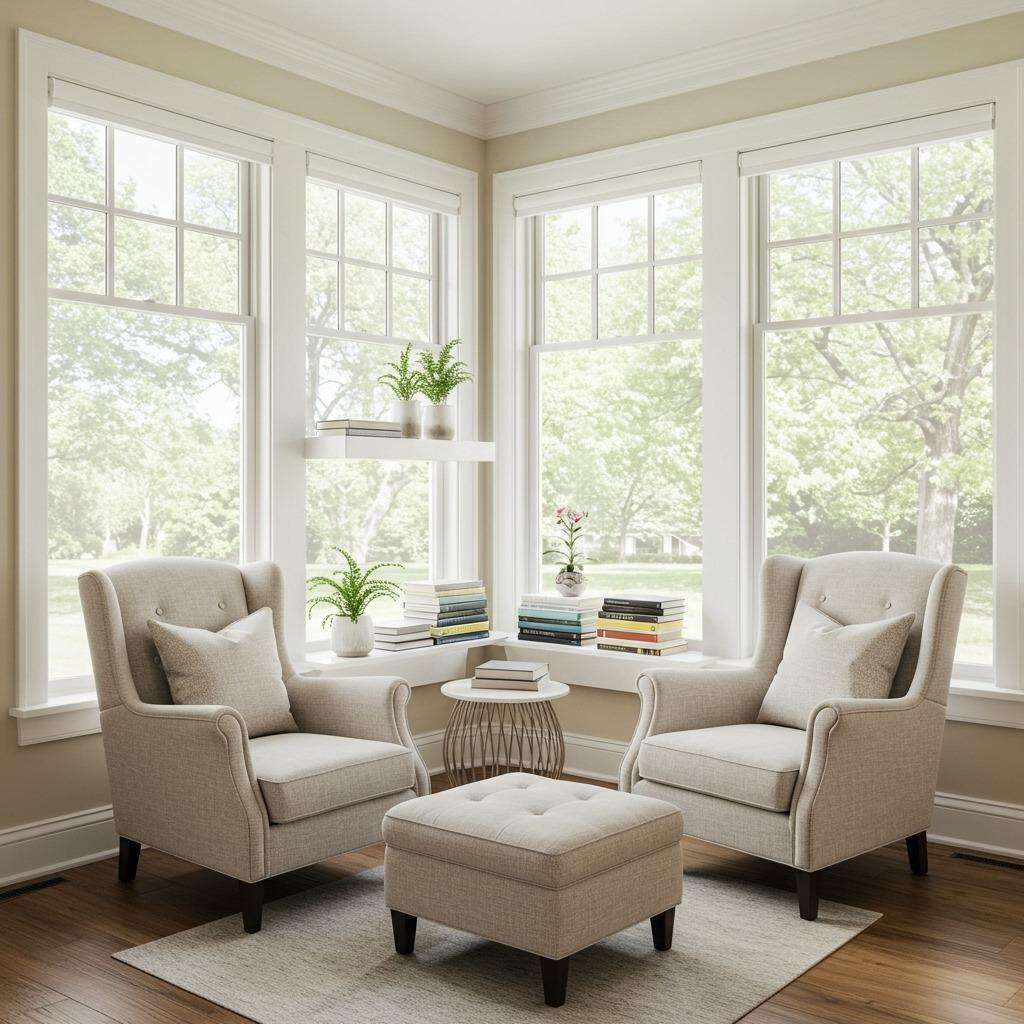
Built-in shelving or corner cabinets increase functionality without eating into valuable floor space. These vertical storage solutions keep the nook area organized while adding architectural interest to an otherwise plain corner.
Window corners work particularly well for reading nooks if you’re lucky enough to have that configuration. Natural light makes the spot infinitely more appealing for daytime use, though you’ll still want that floor lamp for evenings.
Textiles soften corners and make them feel intentional rather than leftover. An area rug partially under the chairs, throw pillows, and maybe a small throw blanket transform a basic corner into a destination spot within the larger room.
Consider how the corner nook relates to the main seating area. They should complement each other visually while serving distinct purposes. Maybe the main area uses a sectional and media focus while the corner provides a TV-free zone for conversation.
8. The Open Flow Layout for Small Spaces
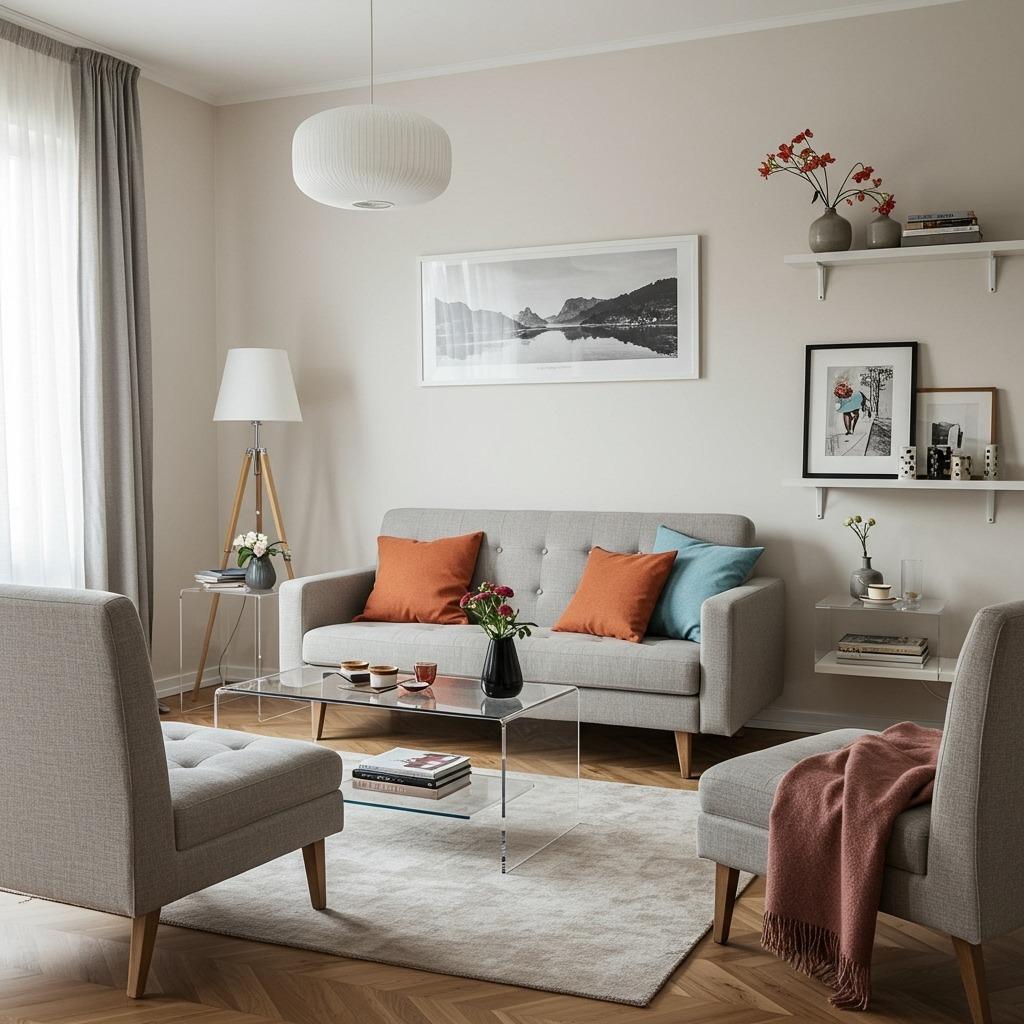
Small living rooms demand layouts that maximize every inch while avoiding cramped feelings. The open flow approach uses carefully selected furniture scaled to the space, arranged to enhance rather than obstruct movement.
Start with a loveseat or apartment-sized sofa rather than a full-size sectional. Pair it with one or two armless accent chairs that can tuck partially under side tables when not in use. This strategic furniture selection provides adequate seating without overwhelming the room.
Lucite, glass, or open-frame furniture creates visual lightness. A glass coffee table or acrylic side tables serve their function without adding visual weight. This trick makes rooms feel more spacious than they actually are – your eye can see through or around these pieces.
Visual Tricks for Spaciousness
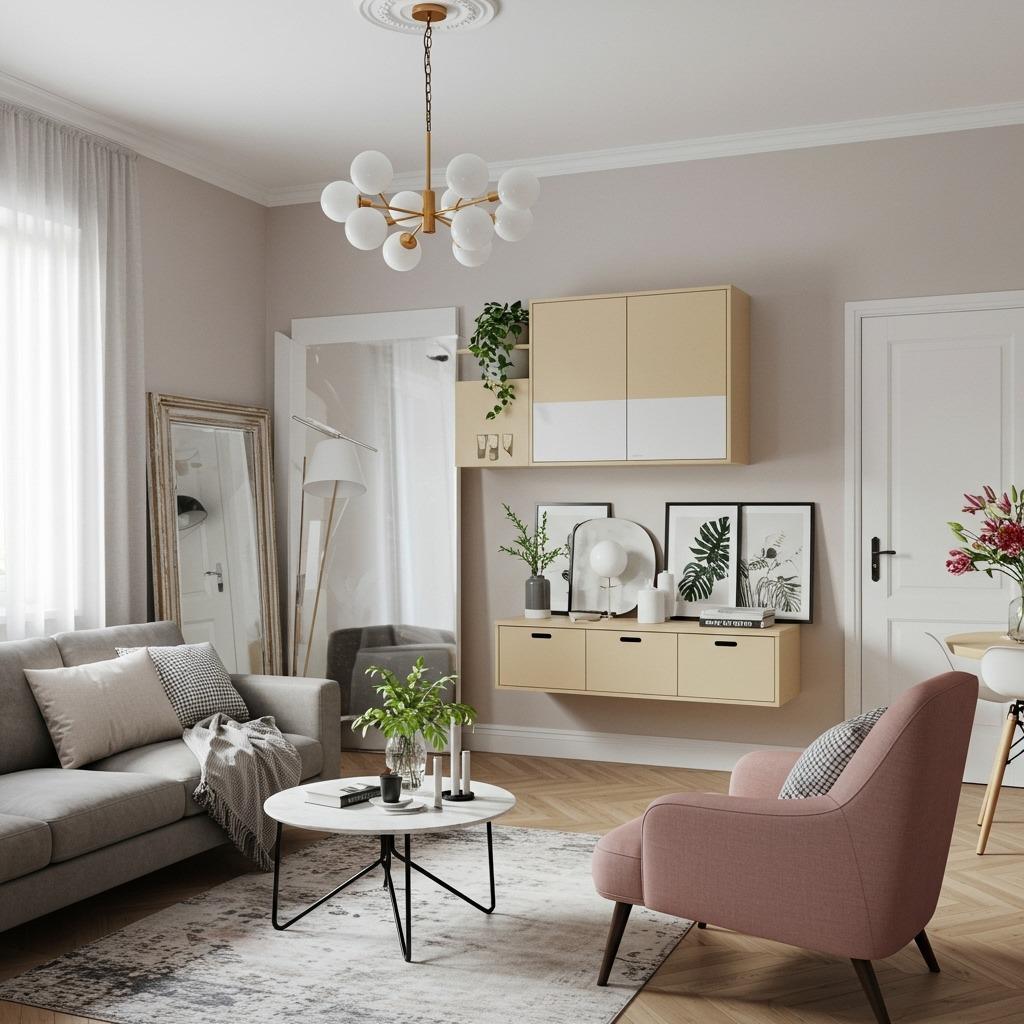
Wall-mounted shelving and floating furniture keep floor space visible, tricking the eye into perceiving more square footage. When the floor extends to walls uninterrupted, rooms feel larger regardless of actual dimensions.
Mirrors strategically placed reflect light and create depth. A large mirror opposite a window essentially doubles that window’s visual impact while brightening the entire space. This technique appears frequently in Scandinavian living rooms where light maximization matters.
Furniture with exposed legs creates an airy feeling compared to pieces that sit flush on the floor. You can see underneath and through the arrangement, which prevents that heavy, crowded sensation even with a full furniture complement.
Vertical storage solutions like tall bookcases draw the eye upward, emphasizing ceiling height rather than limited floor space. This works particularly well in smaller square rooms where you need storage without sacrificing movement.
9. The Zone-Based Layout
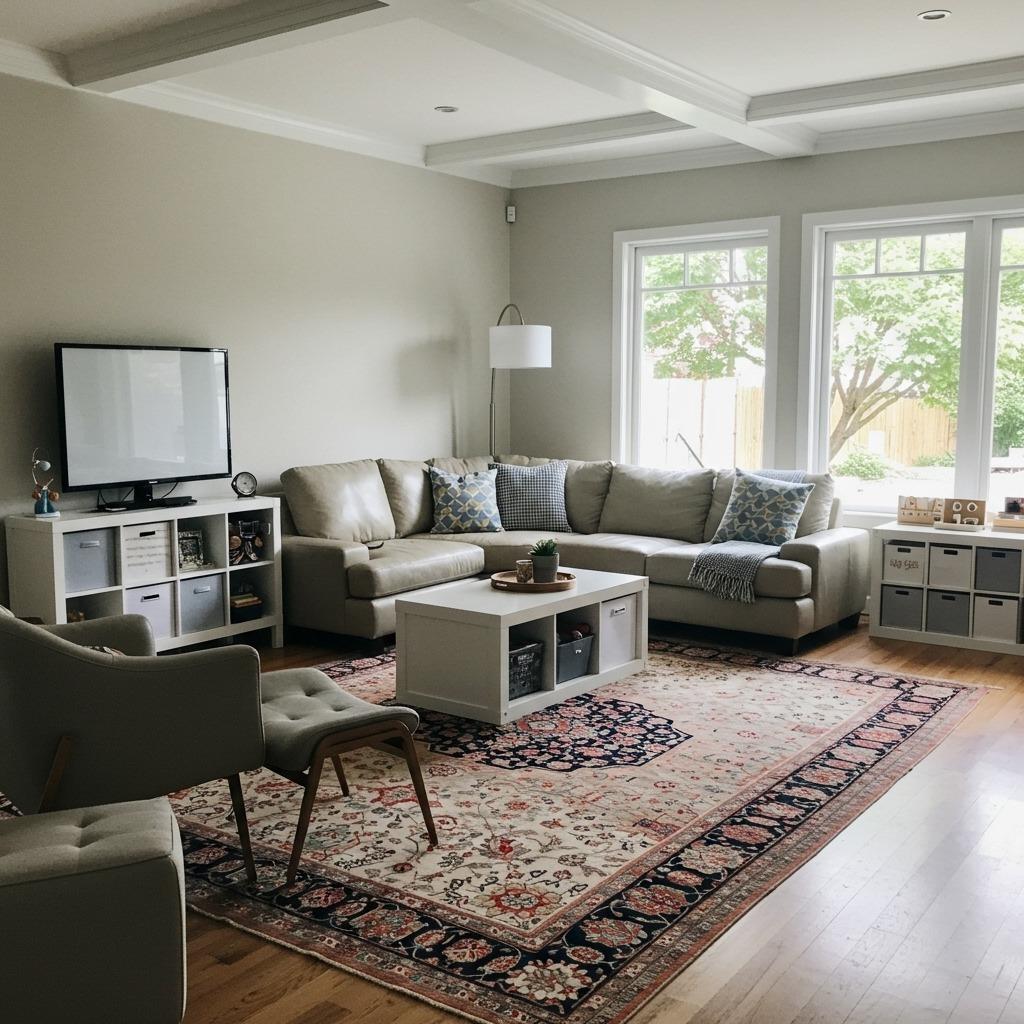
Large, open-plan spaces benefit from zone-based layouts that create distinct areas within one room. You might have a TV viewing zone, a reading corner, and a play area – all in the same space but clearly defined through furniture placement and rugs.
Each zone needs a clear purpose and the furniture to support that purpose. The TV zone includes media seating and storage. The reading corner gets a comfortable chair, good lighting, and perhaps a bookshelf. These elements work together to signal how each area should be used.
Area rugs become crucial for defining zones without walls. Different rugs for different areas create visual boundaries while maintaining the open feeling. They don’t need to match perfectly – coordinating colors or styles creates cohesion without monotony.
Connecting Separate Zones
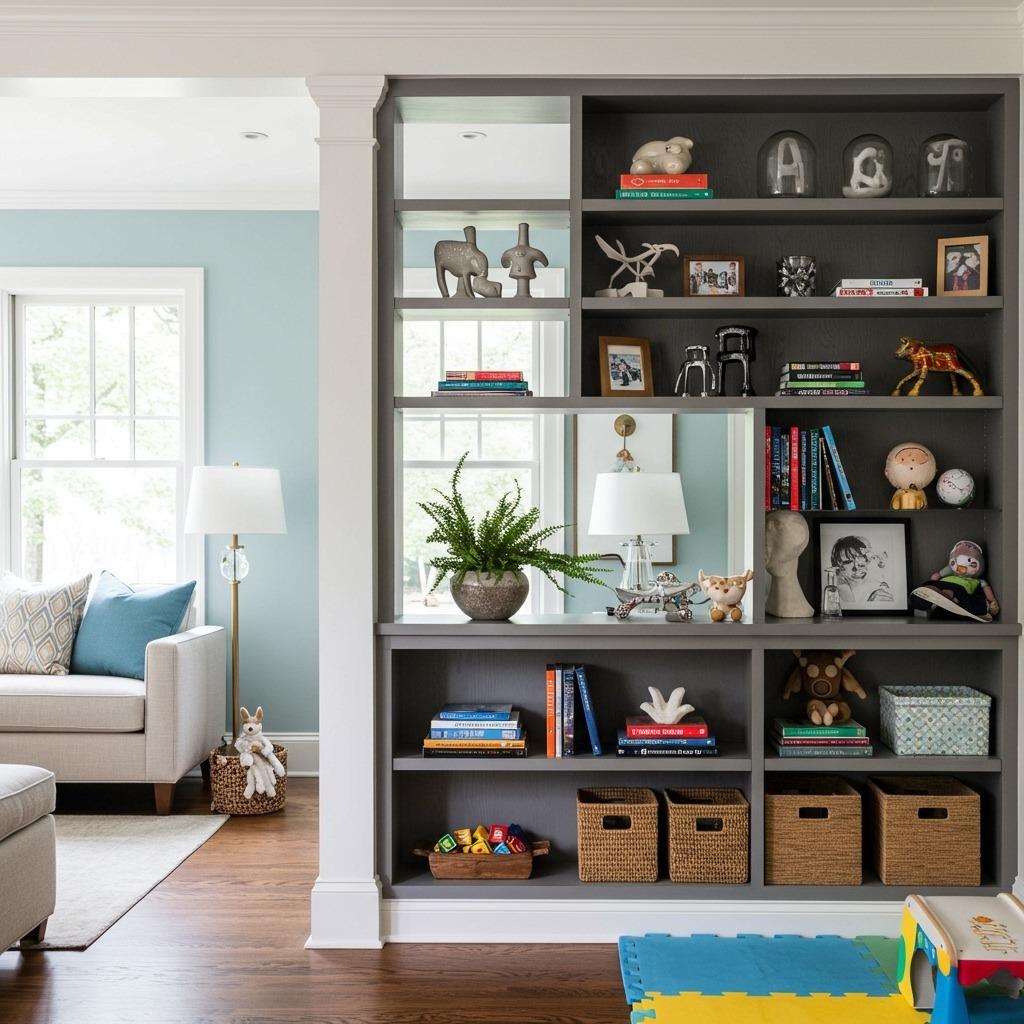
Consistent color palettes or design styles tie separate zones together. While each area serves different purposes, they should feel like parts of a whole rather than competing vignettes. Maybe each zone uses different shades of the same color family.
Traffic lanes between zones need thoughtful planning. You should be able to move from one area to another without climbing over furniture or disrupting activities in other zones. Think of these pathways as the “streets” connecting different “neighborhoods” of your room.
Lighting plays a huge role in zone definition. Each area needs appropriate task lighting – bright for reading or crafts, ambient for TV viewing. These different light levels naturally create distinct moods in separate zones.
Vertical dividers like open bookcases or screens can separate zones without blocking light or sight lines completely. These partial dividers work especially well between adult and kid zones, allowing supervision while creating distinct spaces.
Incorporating Smart Furniture Solutions
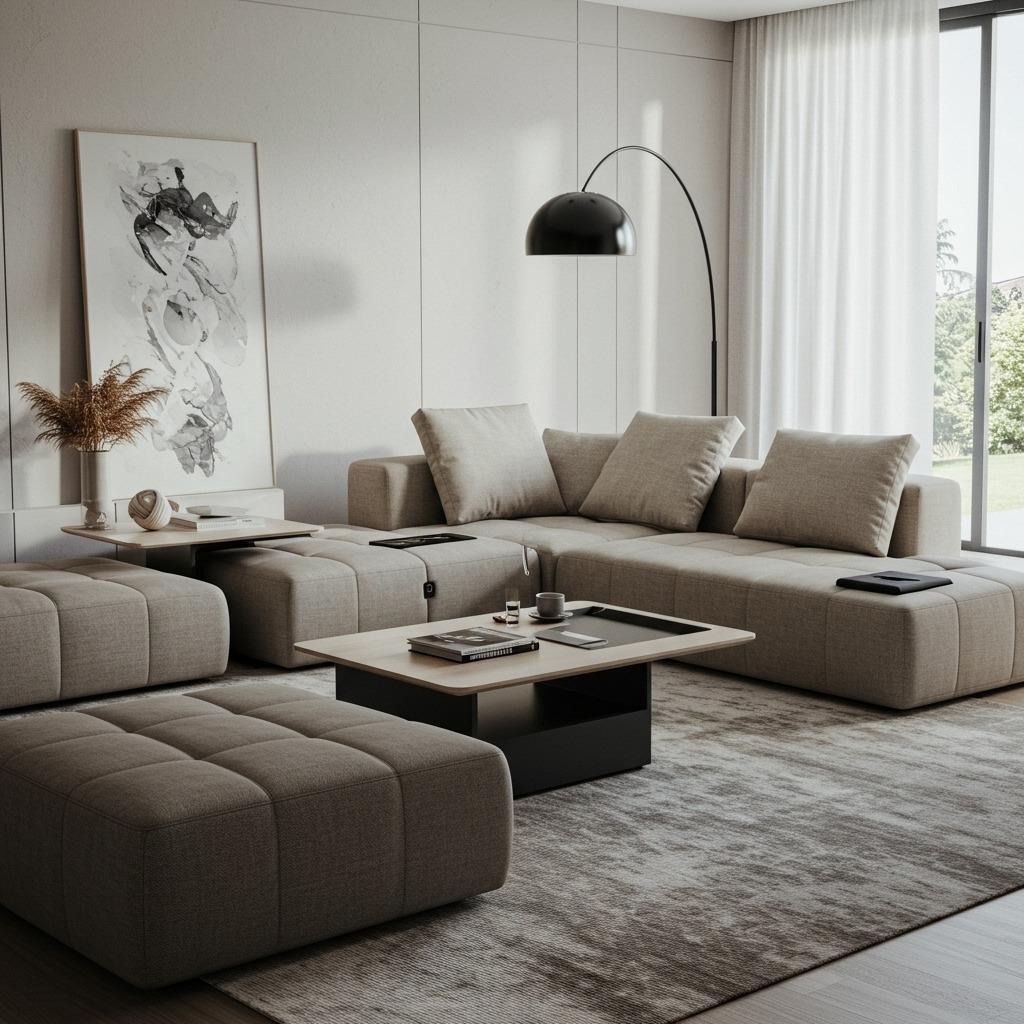
Smart furniture doesn’t always mean techy gadgets – though those have their place. More often, it’s about choosing pieces that adapt to multiple needs and maximize functionality without sacrificing style.
Modular furniture systems let you reconfigure layouts as needs change. Individual pieces work alone or connect with others to create different arrangements. You’re not locked into one configuration forever, which matters as families grow or lifestyles shift.
Built-in charging stations and USB ports in side tables or sofas address modern reality – everyone needs to charge devices. Integrating these elements into furniture eliminates cord clutter and the fight for wall outlets.
Storage-Integrated Designs
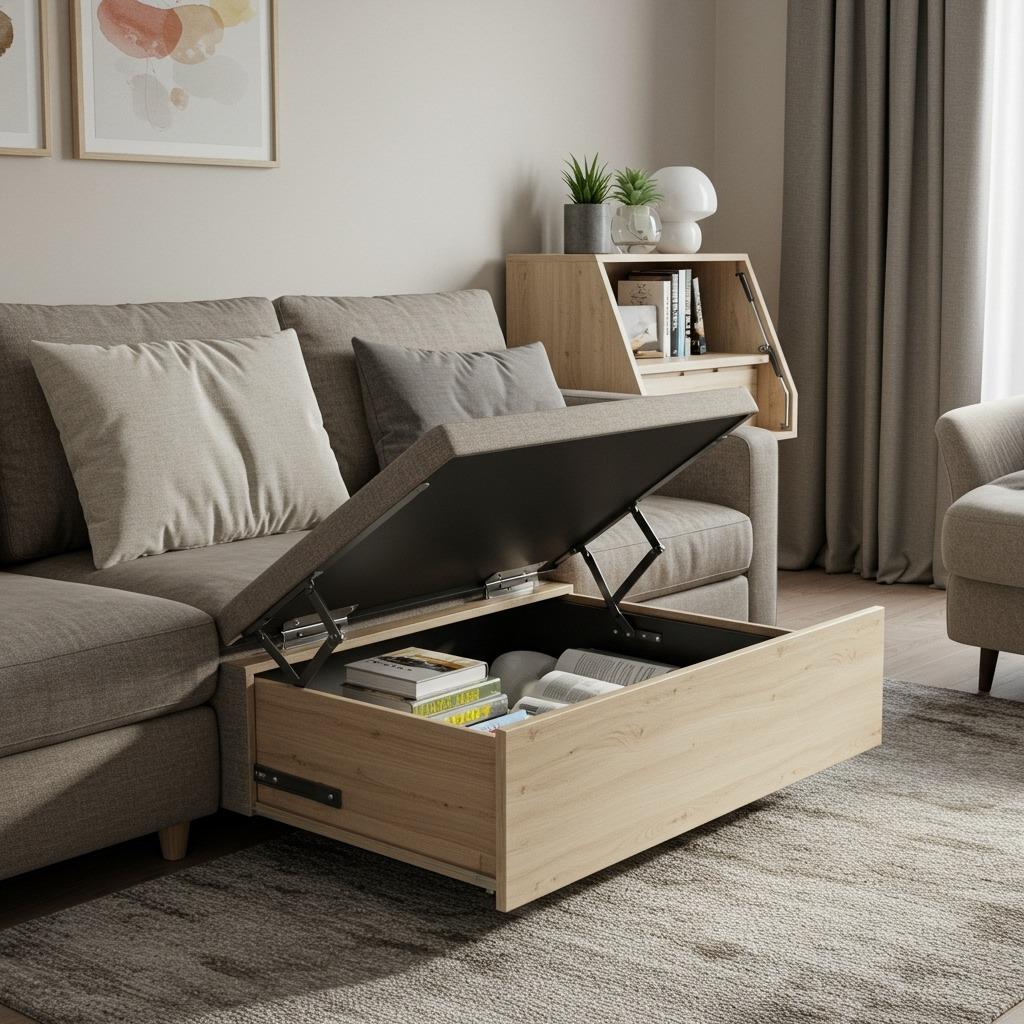
Hidden storage in unexpected places multiplies function without adding furniture. Ottomans with lift tops, sofas with under-seat drawers, or coffee tables with shelving keep clutter at bay while surfaces stay clear.
Entertainment centers with closed cabinets hide electronics and media when not in use. This matters for maintaining a minimalist aesthetic while still accommodating all the tech modern life requires.
Window seats with built-in storage underneath serve double duty in rooms with architectural features to work around. They create additional seating while maximizing storage in spaces that might otherwise go unused.
Wall-mounted drop-leaf tables or desks fold away when not needed, perfect for multipurpose lounges where working from home happens occasionally but not constantly. These solutions prevent dedicated office furniture from dominating a living space.
Lighting Layouts That Enhance Function
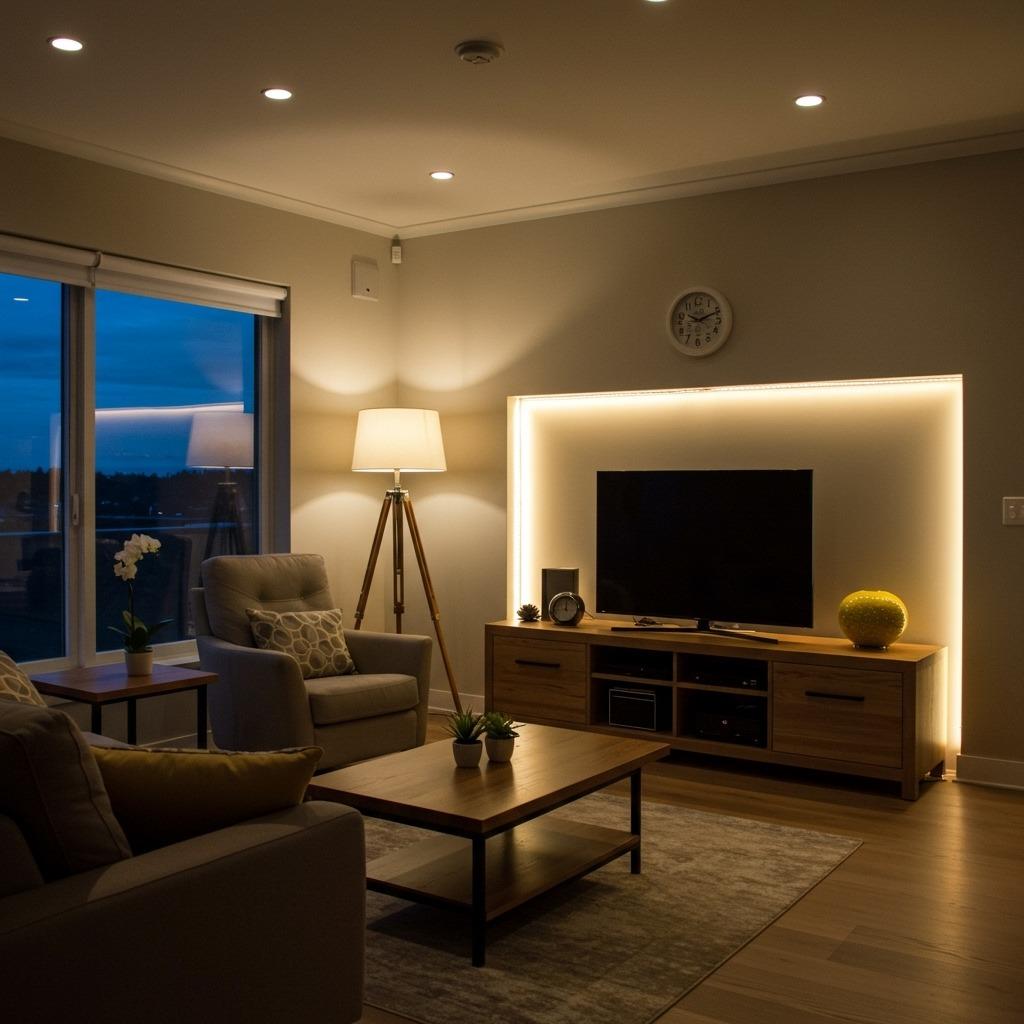
Lighting dramatically affects how functional a living room feels. A well-lit space supports multiple activities while creating atmosphere and ambiance. The right lighting layout includes multiple sources at different heights.
Layer your lighting with ambient (overhead), task (reading lamps), and accent (spotlights on artwork) sources. This variety lets you adjust lighting to match activities – bright for games or crafts, dimmer for movie watching.
Dimmers on overhead lights offer flexibility that switches alone can’t match. You can adjust the same fixture for different times of day or activities without needing multiple light sources.
Strategic Light Placement
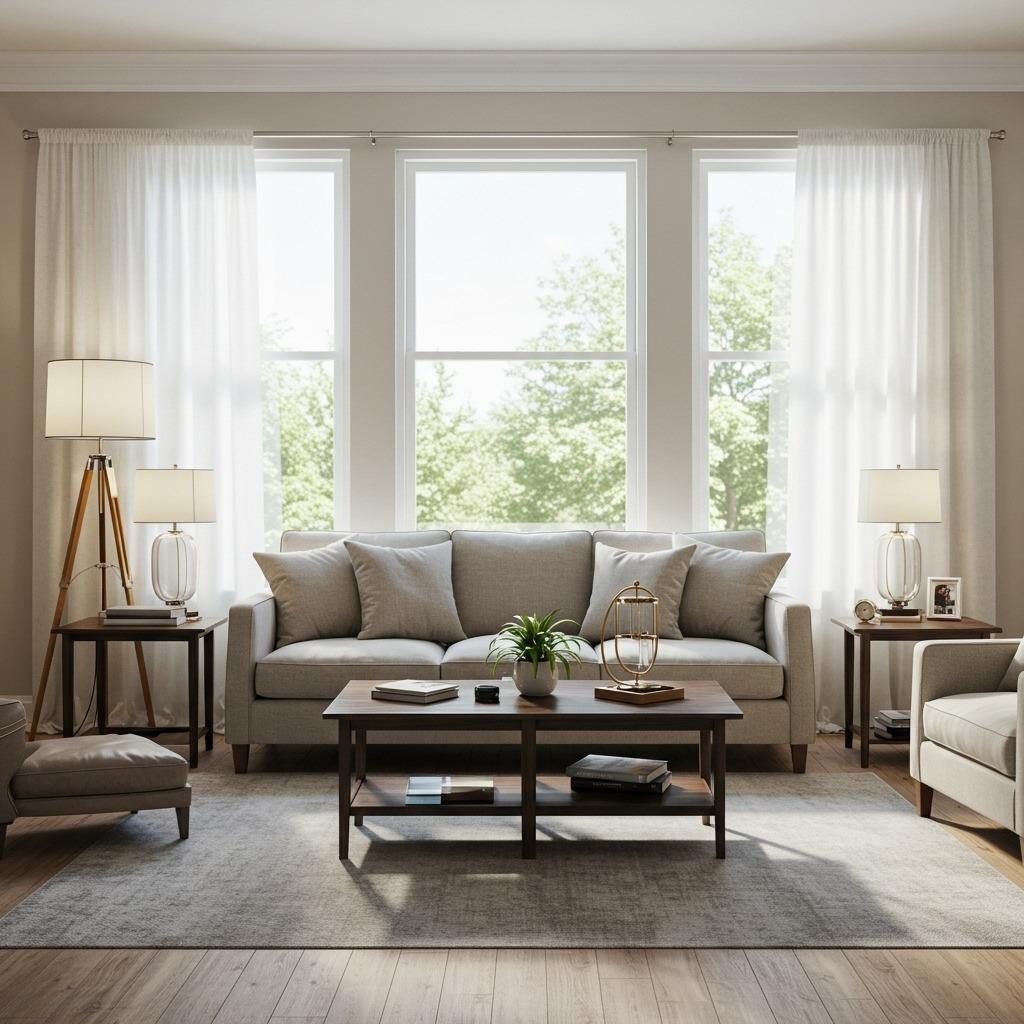
Position task lighting where people actually sit and work. Reading chairs need light over the shoulder, not across the room. Side tables should accommodate lamps at appropriate heights for the adjacent seating.
Floor lamps work brilliantly in corners or behind furniture where table lamps aren’t practical. Arc floor lamps reach over seating to provide overhead-style light without ceiling installation, perfect for renters or homes with lighting limitations.
Natural light considerations affect furniture placement too. Don’t block windows with tall furniture if you can avoid it. Instead, position seating to take advantage of natural light during daytime hours, reducing reliance on artificial sources.
Smart bulbs let you adjust color temperature throughout the day – cooler during work hours, warmer for evening relaxation. This technology integrates with existing fixtures, making it an easy upgrade without rewiring or new lamps.
Creating Flow Between Rooms
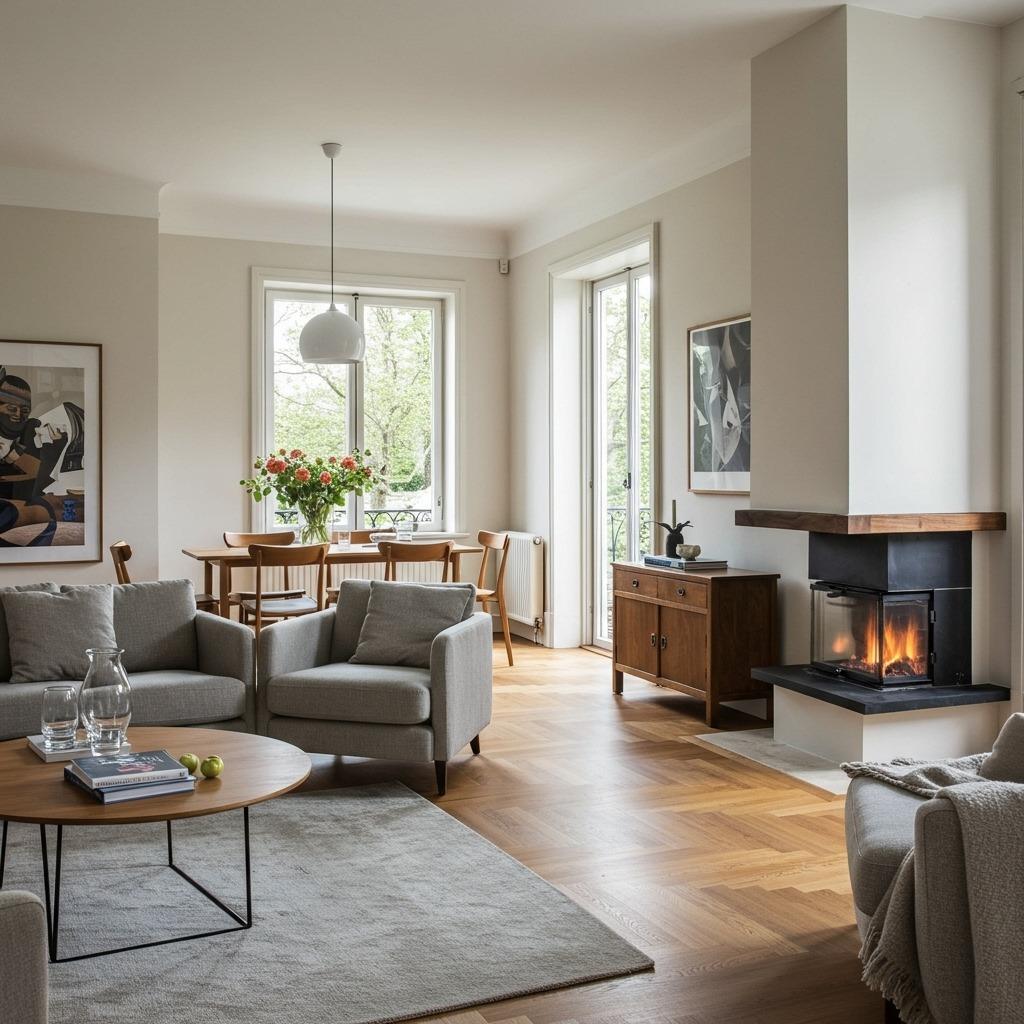
Living rooms rarely exist in isolation. How they connect to adjacent spaces affects functionality for the entire home. Thoughtful transitions between rooms improve overall flow and make homes feel more cohesive.
Open doorways or wide archways need furniture arranged to maintain clear sight lines and pathways. You shouldn’t have to squeeze between a sofa arm and doorframe when moving between rooms. That awkward shuffle signals a layout problem.
Visual connections matter too. What you see when entering from adjoining spaces creates first impressions. The back of a sofa should be attractive or at least neutral, not an eyesore of exposed mechanisms and staples.
Transitional Design Elements

Coordinating color palettes between adjacent rooms creates visual flow even when furniture styles differ. You might carry one accent color from the living room into the dining area through artwork or textiles.
Flooring transitions signal room changes while maintaining connection. An area rug in the living room over continuous hardwood creates definition without walls. The shared flooring material underneath ties everything together.
Furniture placement near doorways affects how easily people move between spaces. Avoid blocking natural pathways with furniture – even if it technically fits, forcing people to navigate awkwardly around pieces disrupts flow.
Consider what activities happen in adjacent rooms and how they interact. If your living room connects to a kitchen and dining area, entertainment-focused seating might face away from the kitchen to create distinct zones while maintaining openness.
Seasonal Layout Adjustments
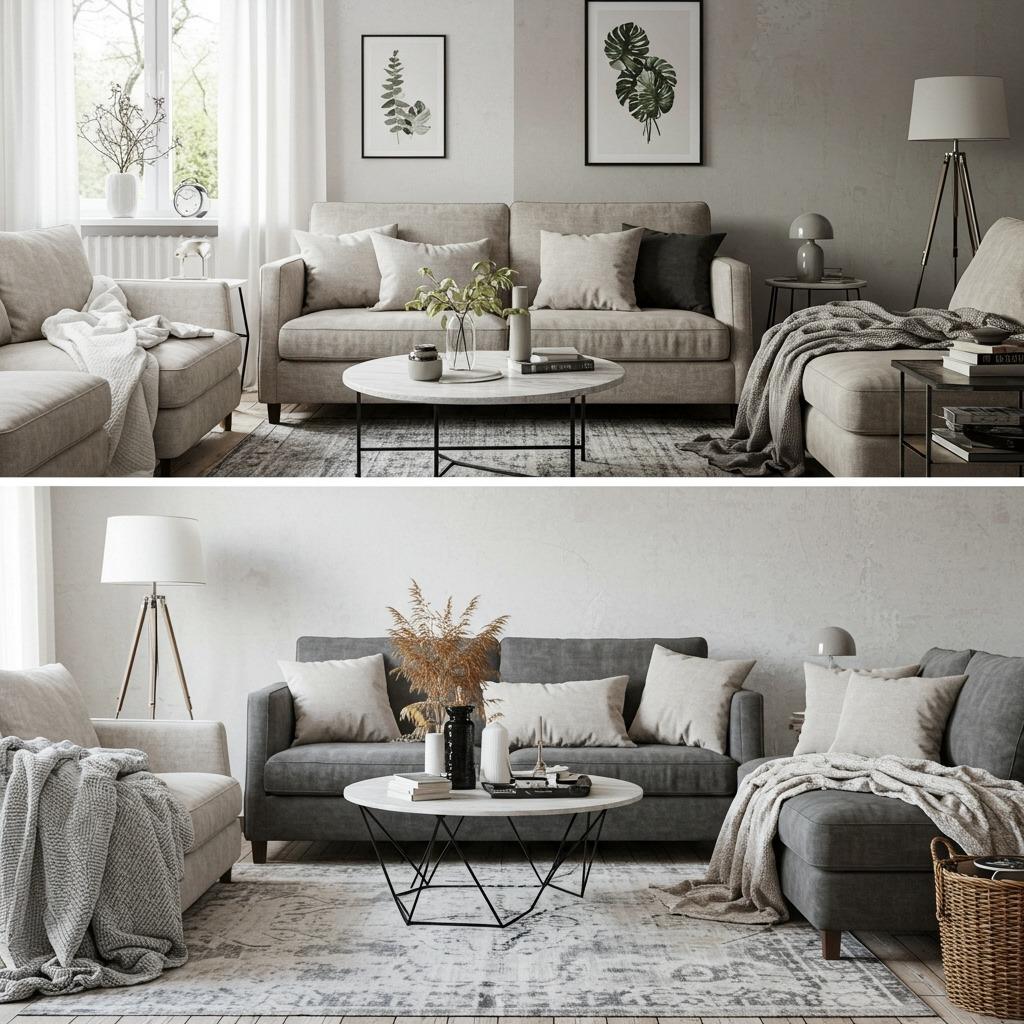
Your living room’s function might shift with seasons – lighter, breezier in summer versus cozy and warm in winter. Small layout tweaks accommodate these changing needs without major overhauls.
Summer layouts might pull furniture back from windows to maximize cross-ventilation and natural light. Heavier textiles get stored, replaced by lighter fabrics that feel cooler and airier.
Winter arrangements often cluster furniture more closely, creating intimate conversation areas that feel naturally warmer. Heavier curtains, additional throw blankets, and layered rugs all appear during colder months.
Easy Seasonal Swaps
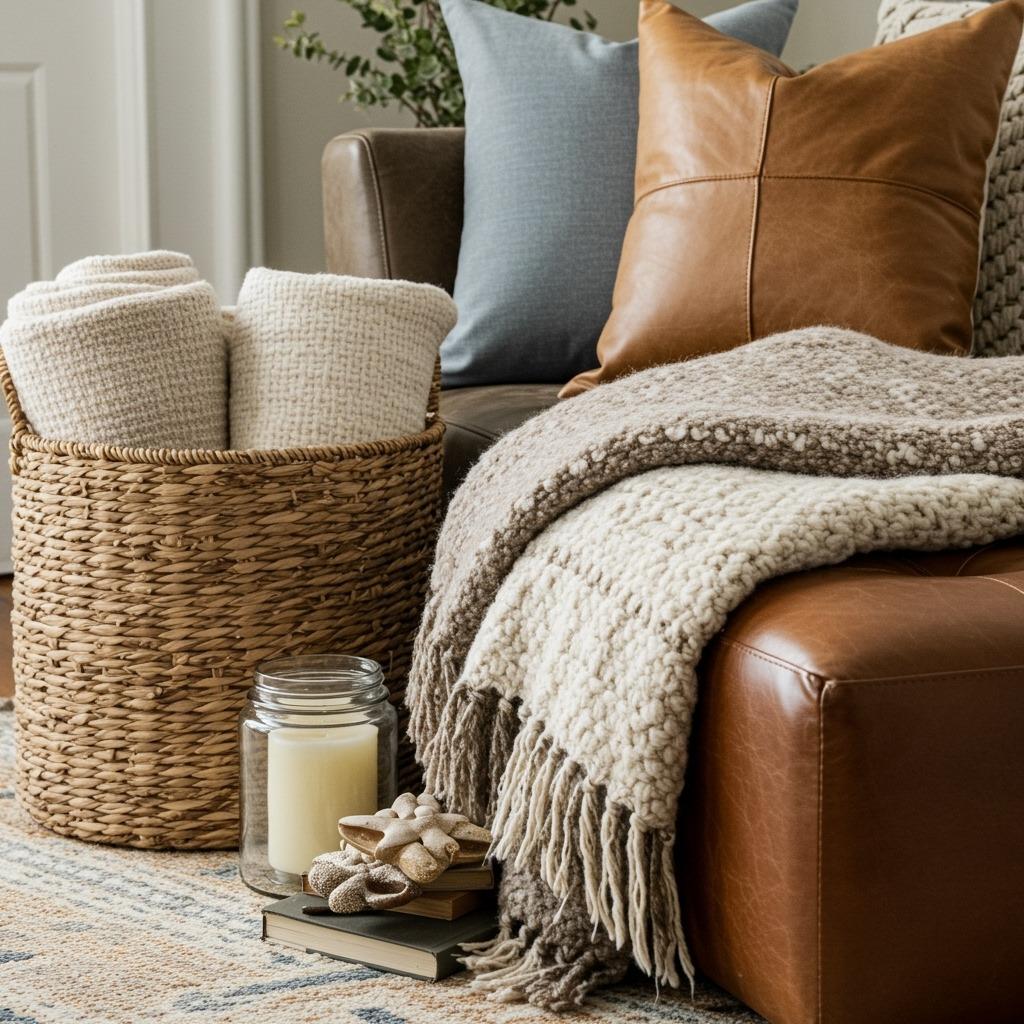
Pillow covers and throws offer the easiest seasonal changes. Summer might feature light linens in cool colors while winter brings out velvet and chunky knits in rich tones. These textile swaps require minutes but dramatically shift the room’s feeling.
Slipcovers on major furniture pieces let you change the entire color palette seasonally if you’re ambitious. White or neutral summer slipcovers refresh to darker, richer colors for fall and winter.
Rug layering works year-round but becomes particularly effective seasonally. A lighter jute or sisal rug stays down in summer. Add a plush wool rug on top come fall for warmth underfoot without storing the base rug.
Decorative accessories rotate seasonally too. Lightweight pottery and glass dominate summer displays while wood, brass, and ceramic pieces feel appropriate in cooler months. These swaps keep the space feeling current without requiring new furniture.
Troubleshooting Common Layout Problems
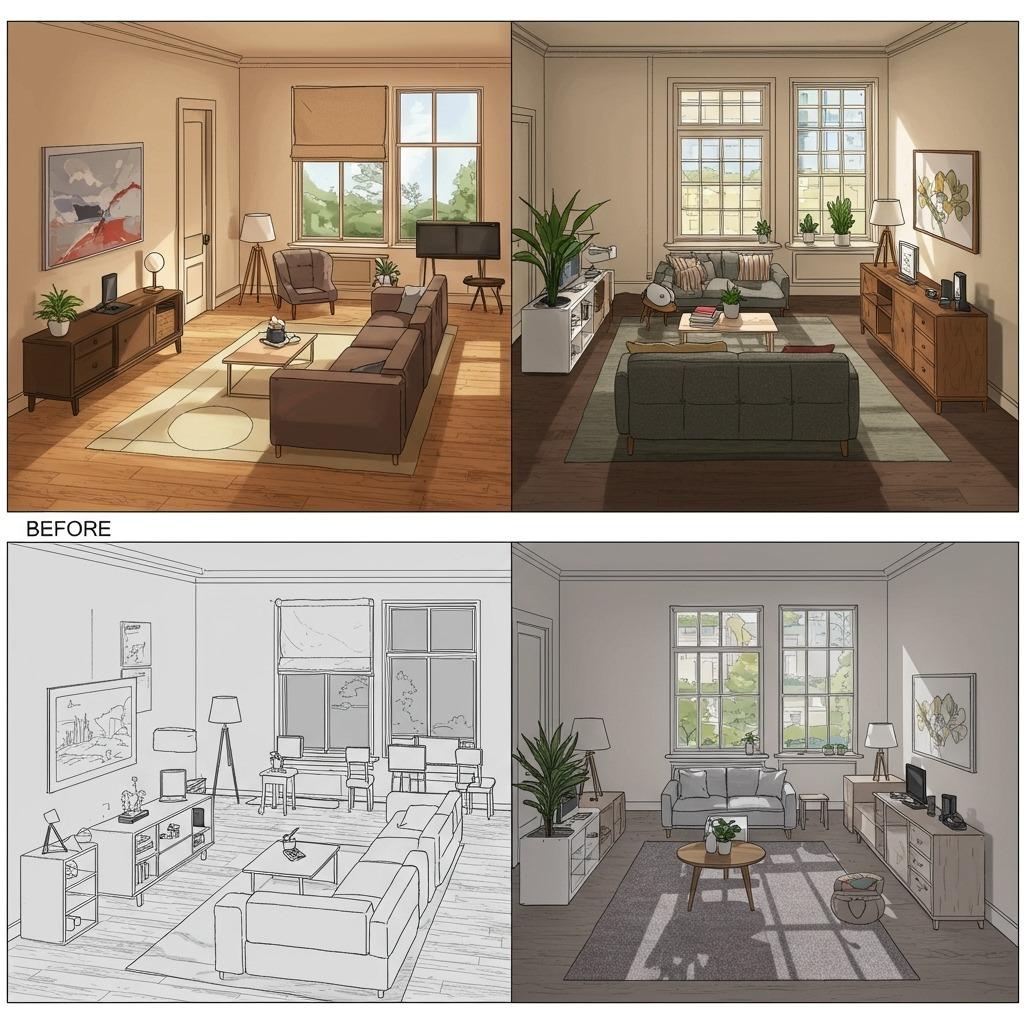
Even well-planned layouts sometimes create unforeseen issues. Recognizing common problems helps you address them before they become permanent frustrations.
Conversation dead zones happen when seating is too far apart. If people need to raise their voices to chat comfortably, furniture is too spread out. Pulling pieces closer creates intimacy even in large rooms.
Traffic bottlenecks usually mean furniture placement blocks natural pathways. People should be able to move from doorways to other rooms without navigating obstacle courses. Rethink any arrangement that causes regular collisions or awkward sideways shuffling.
Fixing Layout Mistakes
Rooms that feel cluttered despite adequate space often suffer from too much visual weight. Pare back accessories, switch some closed storage for open shelving, or replace heavy furniture with lighter-looking pieces.
Dead corners waste valuable space. Add a floor lamp and chair, create a plant display, or install corner shelving to activate these areas. Even small interventions make corners feel intentional rather than overlooked.
Proportion problems occur when furniture doesn’t match room scale. Oversized sectionals overwhelm small rooms while tiny loveseats look lost in expansive spaces. Honestly assess whether your furniture fits the room’s actual dimensions.
Tech integration challenges arise when you haven’t planned for cables, outlets, and equipment. Use cable management solutions, add power strips in strategic locations, or rearrange to position tech-heavy furniture near existing outlets.
Making Your Layout Work Long-Term
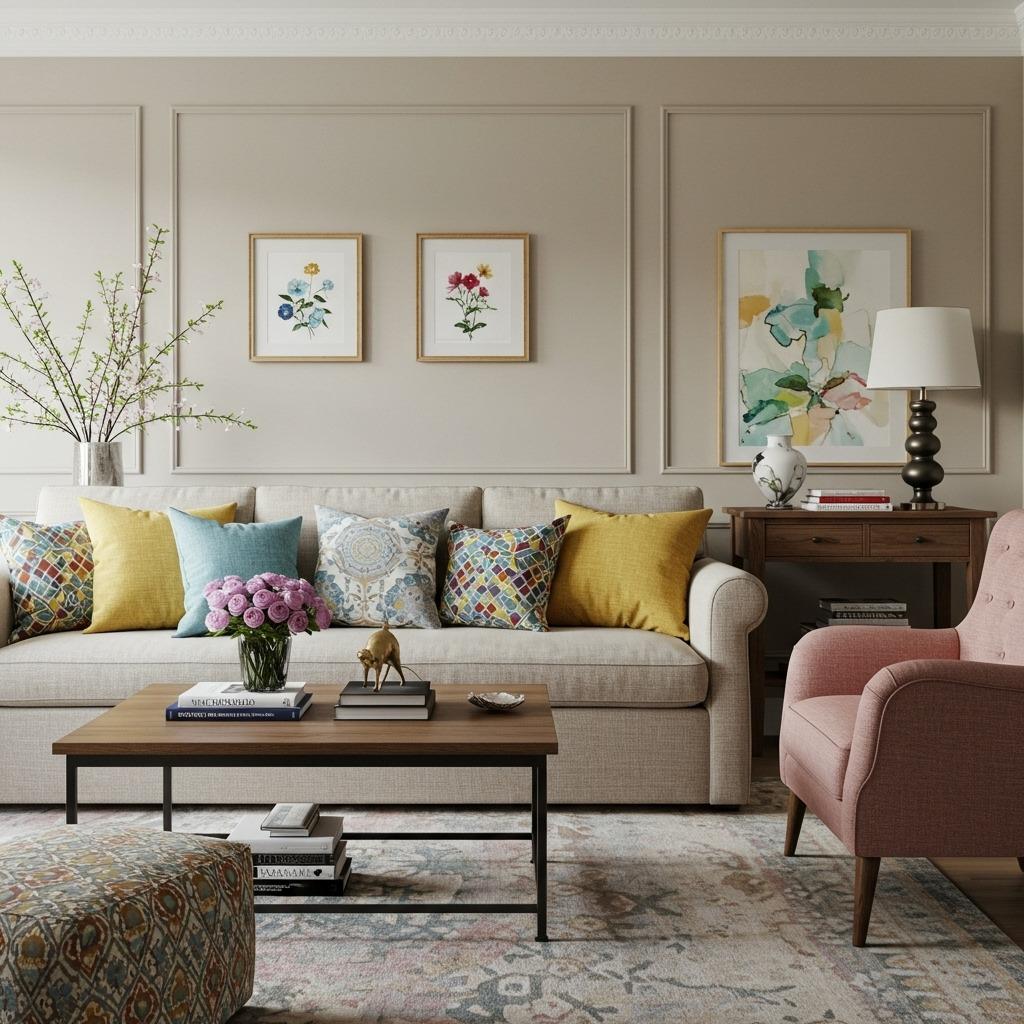
A functional layout adapts as your life changes rather than requiring complete overhauls every few years. Building in flexibility from the start saves frustration and money down the road.
Choose neutral foundational pieces that work with multiple design styles. Trend-driven furniture dates quickly, but classic silhouettes remain relevant through changing tastes. You can update the look through accessories and textiles without replacing major pieces.
Quality over quantity pays off long-term. One excellent sofa outperforms three mediocre ones, both in durability and function. Investment pieces should handle daily use for years without falling apart or looking shabby.
Adapting to Life Changes
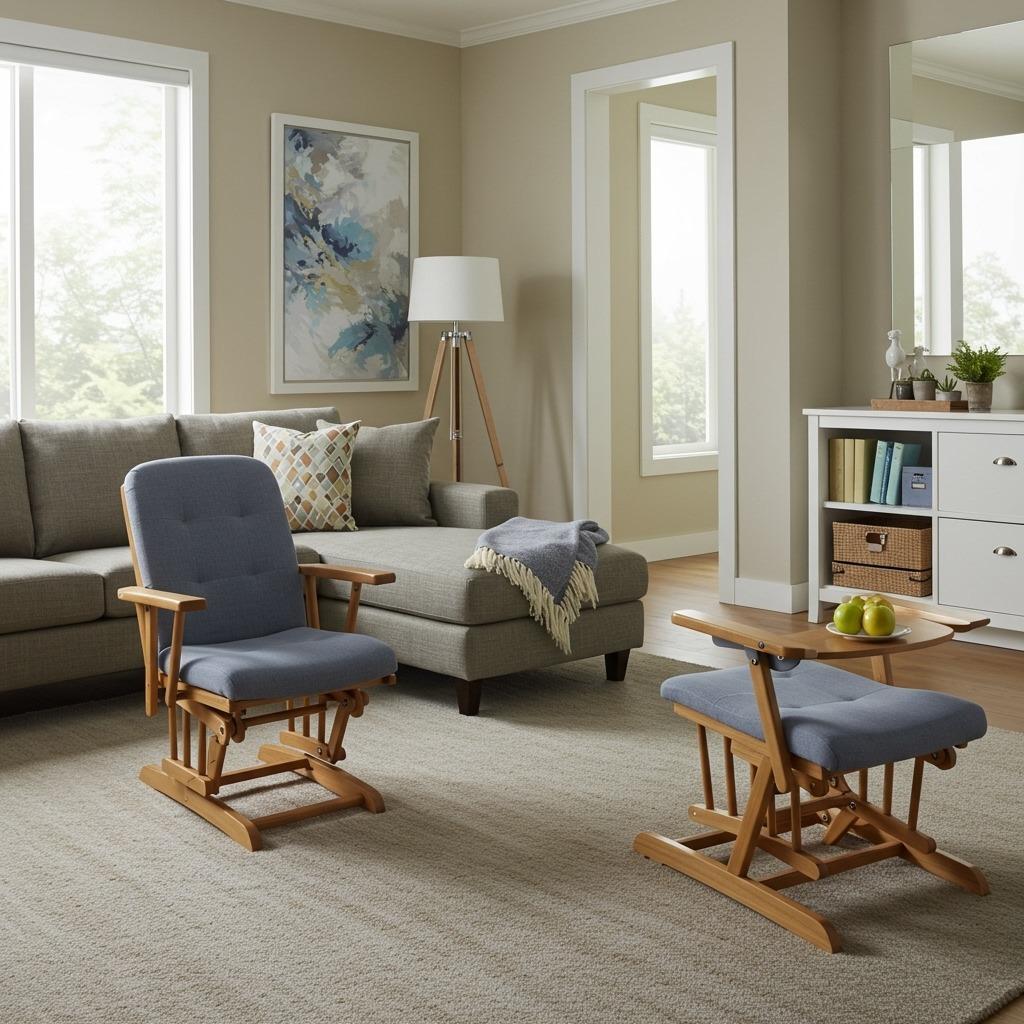
Growing families need layouts that evolve from couple-focused to child-friendly without looking like a daycare center. Storage solutions become more crucial, and durable fabrics matter more than pristine linen upholstery.
Empty nesters might reclaim space for hobbies or interests previously sidelined by child-rearing. What was a toy-tolerant family room becomes a sophisticated space for entertaining or creative pursuits.
Work-from-home requirements transform living rooms into part-time offices. Build in the flexibility for a laptop workspace that doesn’t permanently overtake leisure areas. Portable solutions work better than dedicated desks in shared spaces.
Aging in place considerations include ensuring furniture heights support easy sitting and standing, maintaining clear pathways for mobility aids if needed, and avoiding tripping hazards like low coffee tables or scattered ottomans.
Creating a functional living room that works for your actual life isn’t about following rigid rules or copying magazine spreads. It’s about understanding how you use the space and arranging furniture to support those activities comfortably.
Start with your priorities – whether that’s conversation, entertainment, multiple activities, or something else entirely. Let those priorities drive decisions about furniture selection and placement. The right layout feels effortless because it matches your natural movement patterns and daily habits.
Remember that layouts can evolve. If something isn’t working, move it. Try different arrangements until the space feels right. You’ll know you’ve found the right setup when you stop fighting with your furniture and start simply enjoying your living room.

