
Have you ever looked at your garden and wondered if it could do more than just look pretty? What if those colorful blooms could actually end up on your dinner plate, adding unexpected flavors and restaurant-worthy presentation to your home-cooked meals?
Edible flower gardens are having a moment, and for good reason. They’re not just about aesthetics – though they certainly deliver on that front. These gardens offer something genuinely practical: fresh, organic ingredients that can transform everything from salads to desserts into something Instagram-worthy. Whether you’re working with a sprawling backyard or just a few containers on a balcony, there’s an approach here that’ll work for your space.
The best part? Most culinary flowers are actually easier to grow than traditional vegetables. Many are drought-tolerant, pest-resistant, and ridiculously prolific once they get going. You might even find yourself with more blooms than you know what to do with – though that’s hardly a bad problem to have when you’re garnishing everything from cocktails to main courses with edible petals.
Let’s explore twelve different ways to create your own edible flower garden, from dedicated beds to creative container combinations.
1. Classic Cottage Garden With Edible Blooms
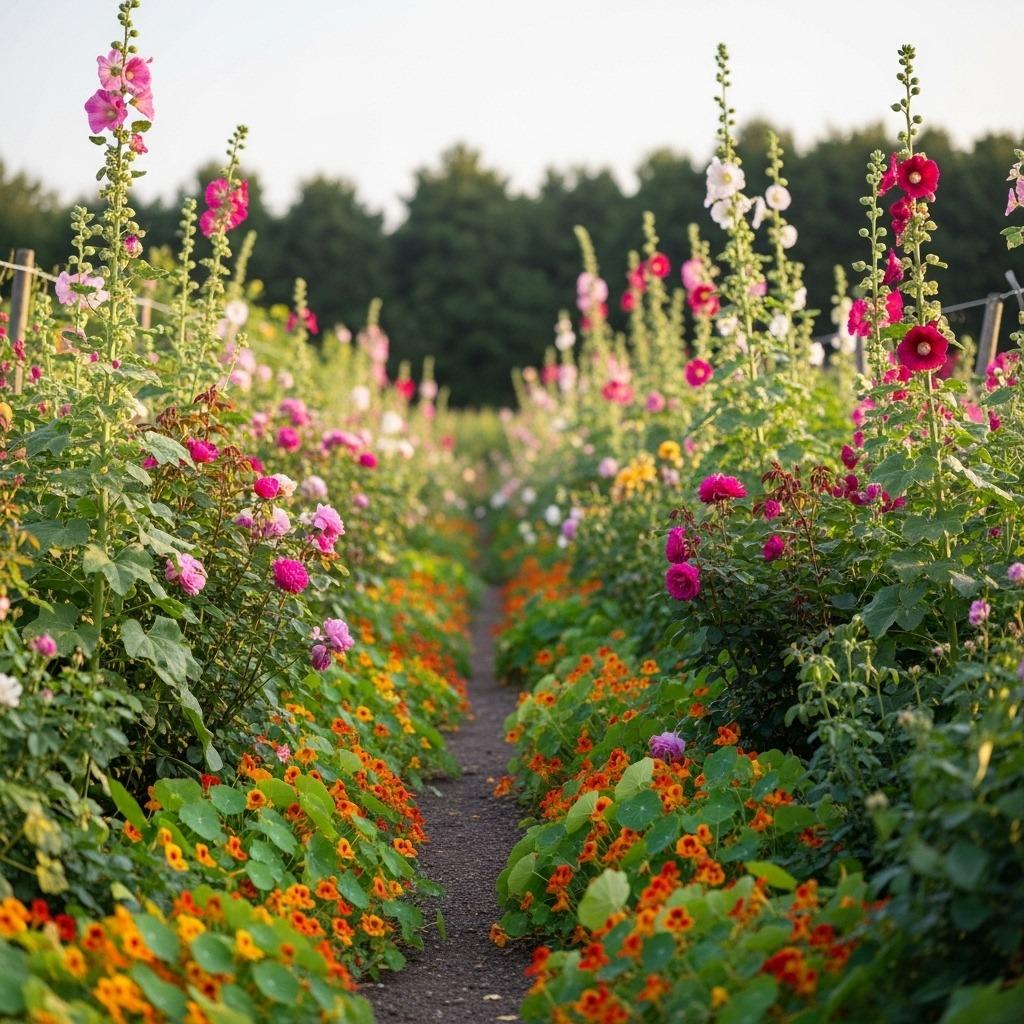
There’s something timeless about a cottage garden overflowing with flowers that spill onto pathways and attract butterflies all season long. When you focus specifically on edible varieties, you get that same romantic aesthetic with the added bonus of harvestable blooms.
Think about layering different heights and textures. Tall hollyhocks and sunflowers create the backdrop, while mid-height roses and calendula fill the middle ground. Low-growing nasturtiums and violas cascade along the edges, creating that quintessential cottage garden look. The informal, slightly wild appearance actually works in your favor – it’s hard to mess this up.
Most of these flowers are surprisingly low-maintenance once established. They reseed themselves year after year, which means your initial investment of time and effort pays dividends for seasons to come. Just remember to leave some flowers unpicked so they can drop seeds for next year’s garden.
2. Dedicated Culinary Herb and Flower Bed
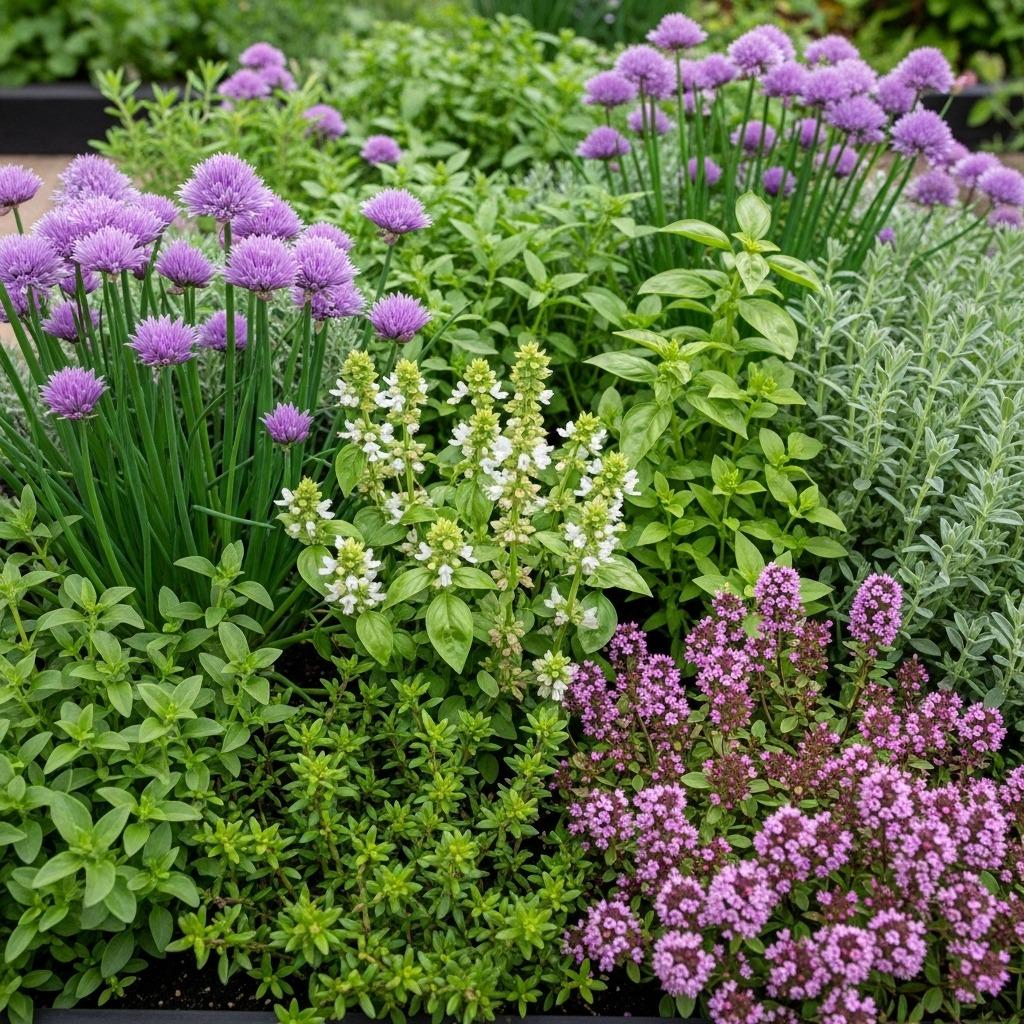
Why separate your herbs from your flowers when so many herbs produce edible blooms? A dedicated bed that combines both gives you twice the harvest potential in the same square footage.
Plant basil, oregano, thyme, and chives for their leaves, but let some plants flower for their blossoms too. Basil flowers have a milder, slightly sweet version of the leaf flavor. Chive blossoms bring a gentle onion taste that’s perfect for sprinkling over potatoes or mixing into compound butter. The purple spikes of oregano flowers look delicate but pack surprising flavor.
This approach works especially well if you’re interested in gardening for beginners since herbs are generally forgiving plants that tolerate various conditions. Position this bed near your kitchen door if possible – you’ll be more likely to actually use the flowers when they’re just steps away from your cooking space.
3. Container Garden for Small Spaces
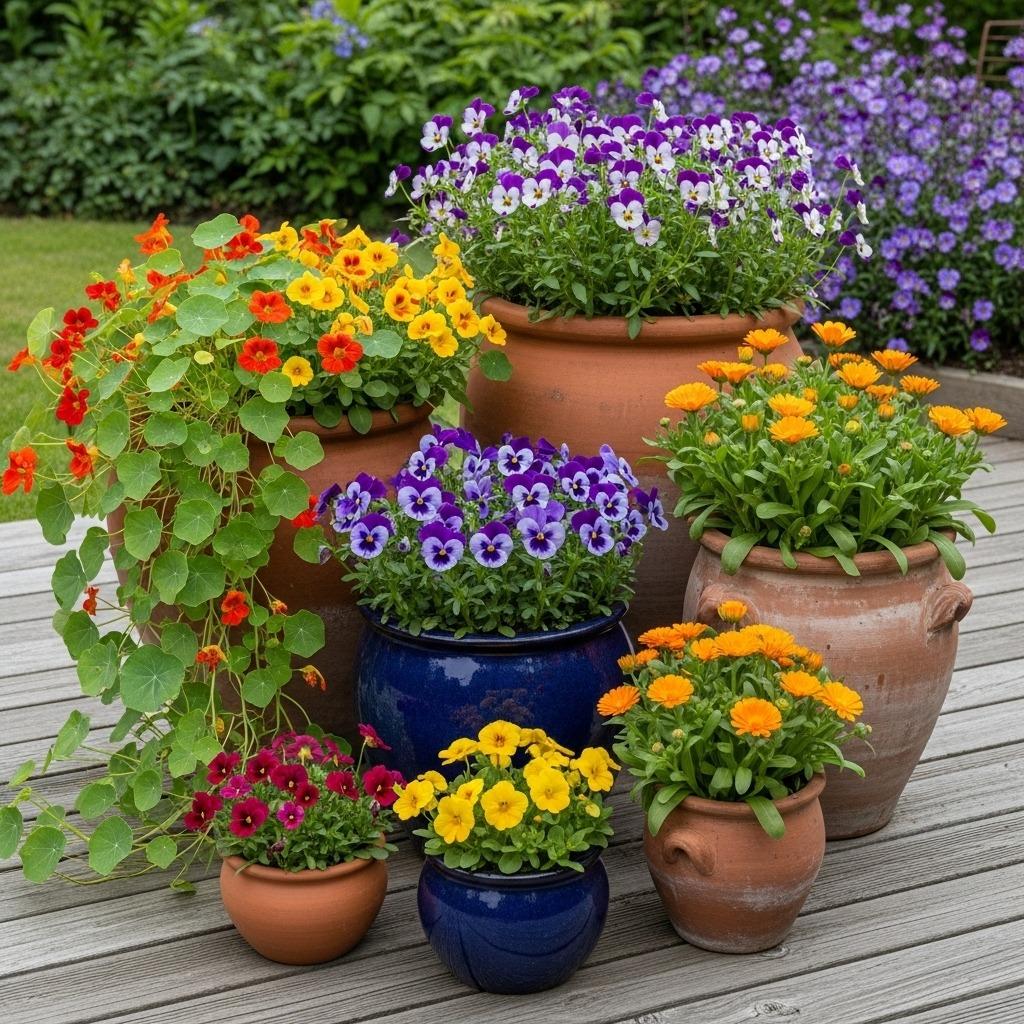
Don’t have yard space? No problem. Edible flower gardens work beautifully in containers, making them perfect for apartments, condos, or homes with limited outdoor areas.
Choose containers at least 12 inches deep for most flowering plants. Nasturtiums, pansies, and violas all thrive in pots and produce abundantly throughout their growing season. You can even mix them with lettuces and other salad greens for a true “salad bowl” garden where everything is edible.
The mobility of container gardens is actually an advantage. You can move pots around to follow the sun, bring them closer when you’re entertaining outdoors, or even bring tender plants inside if unexpected frost threatens. If you’re working with a balcony or patio, check out these container gardening tips for maximizing your growing space.
4. Vertical Garden Wall of Edible Flowers
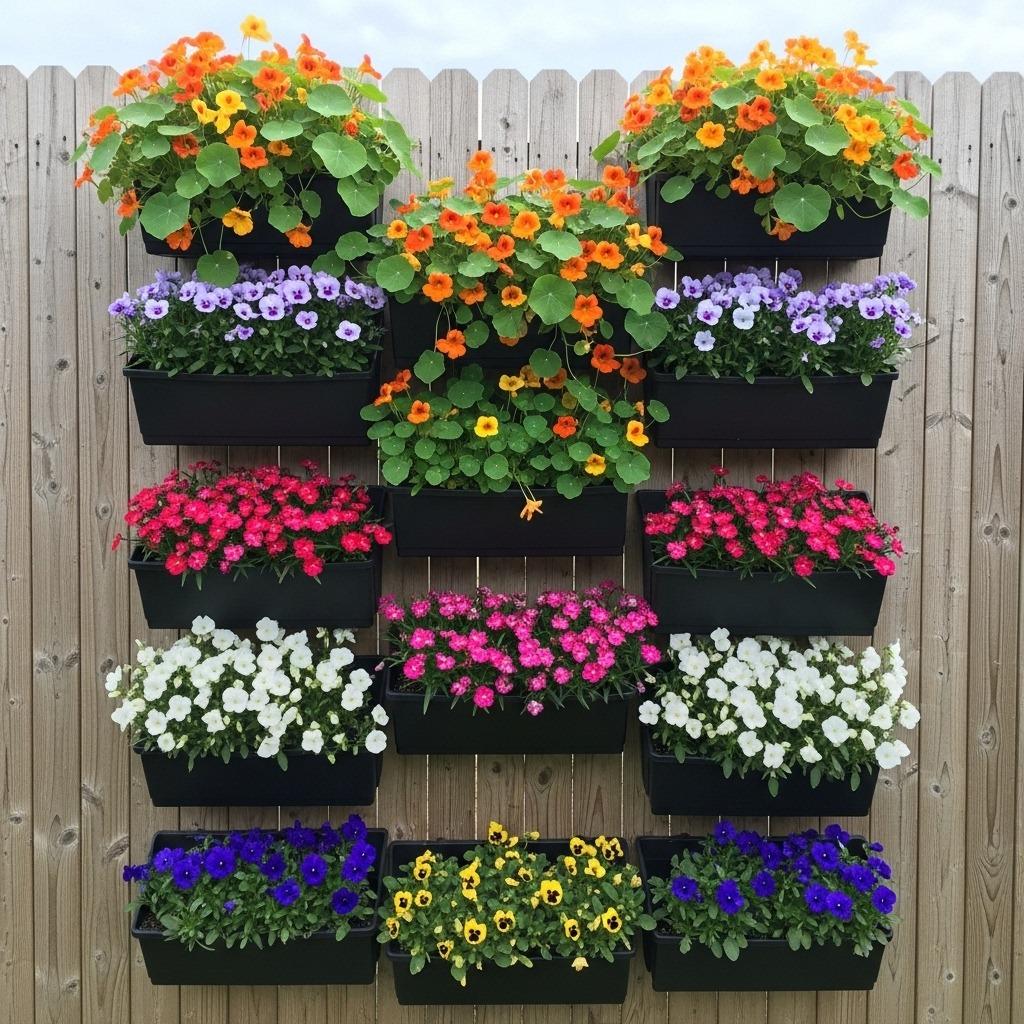
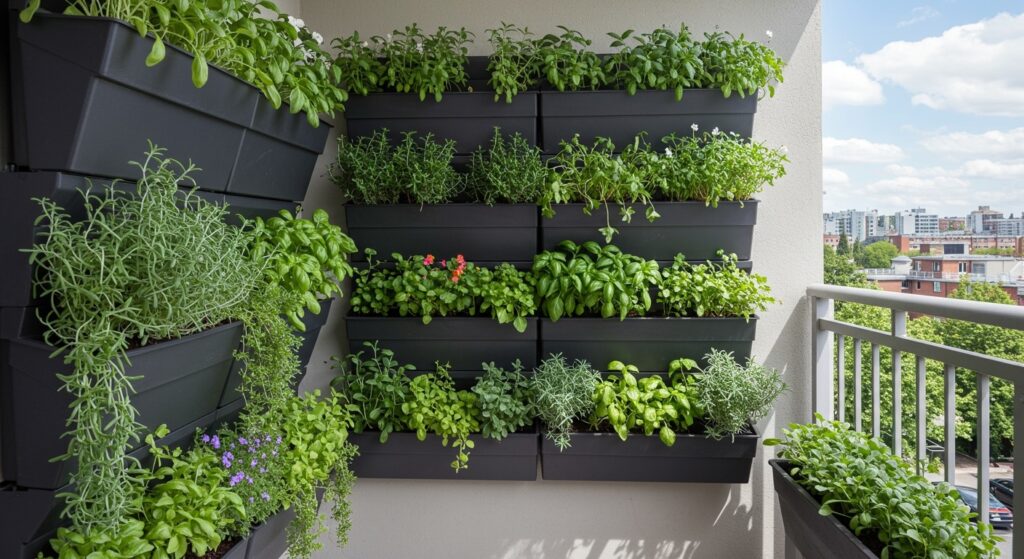
When floor space is tight, think vertical. A living wall of edible flowers creates stunning visual impact while producing harvestable blooms in a compact footprint.
Use wall-mounted planters, hanging pockets, or even repurposed pallets to create tiers of growing space. Trailing nasturtiums work particularly well in upper sections where they can cascade down. Place more upright growers like violas and dianthus in middle and lower sections. This creates natural movement and prevents any one variety from blocking light to others.
Watering can be the trickiest part of vertical gardens since top planters dry out faster than bottom ones. Consider installing a simple drip irrigation system, or plan to water more frequently than you would for ground-level plantings. The dramatic visual effect and space efficiency make the extra effort worthwhile. For more ideas on growing upward, browse these vertical gardening ideas that maximize small spaces.
5. Pollinator Paradise With Edible Blooms
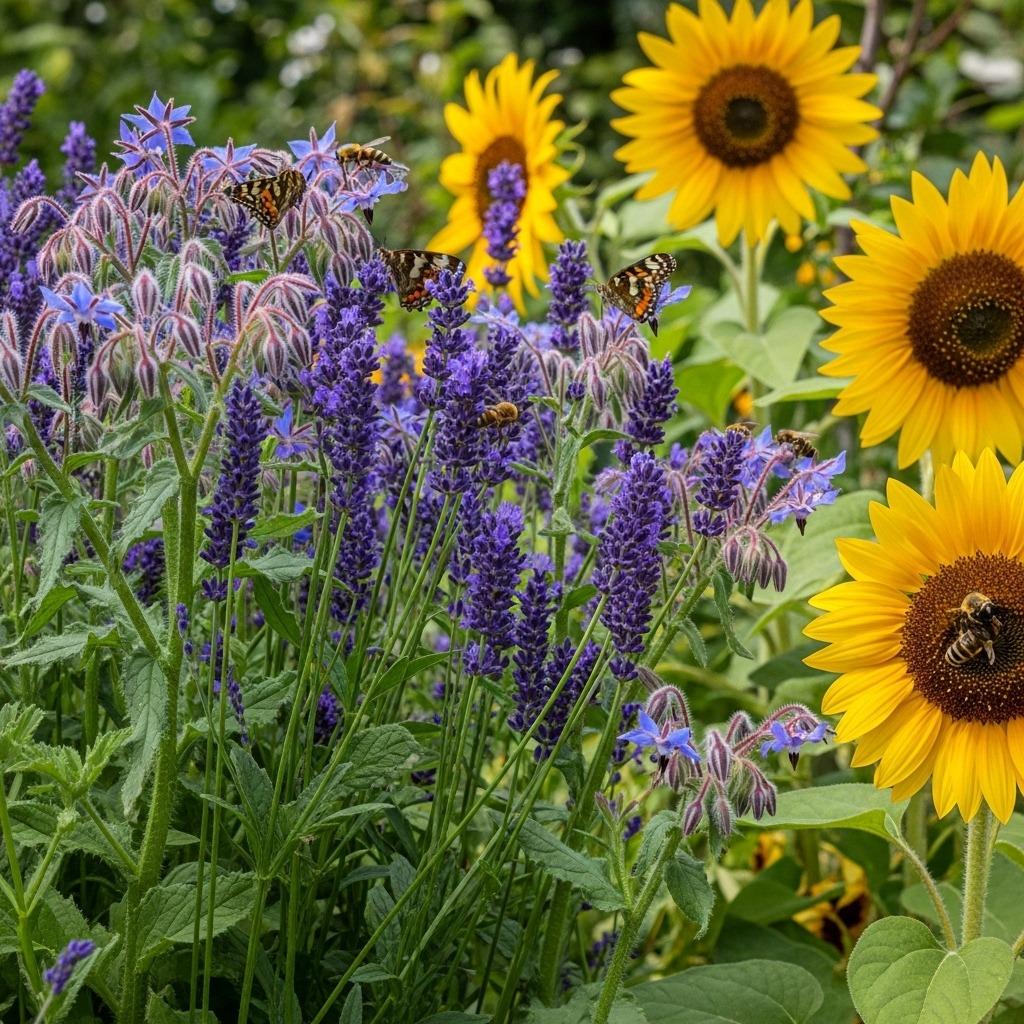
Creating a garden that feeds both you and local pollinators feels like a genuine win-win. Many edible flowers are also pollinator favorites, so you’re supporting biodiversity while growing ingredients for your kitchen.
Focus on varieties known to attract bees and butterflies: borage with its star-shaped blue flowers, lavender with its fragrant spikes, and sunflowers with their large pollen-rich centers. These plants don’t just feed pollinators – they also help improve yields in nearby vegetable gardens through increased pollination activity.
Leave some flowers unpicked specifically for the pollinators. It might feel counterintuitive when you’re trying to harvest, but supporting these beneficial insects pays off across your entire growing space. Plus, watching butterflies and bees work through your garden adds another dimension of beauty beyond the flowers themselves. Learn more about creating balanced outdoor spaces with these wildlife-friendly garden strategies.
6. Salad Garden With Flower Companions
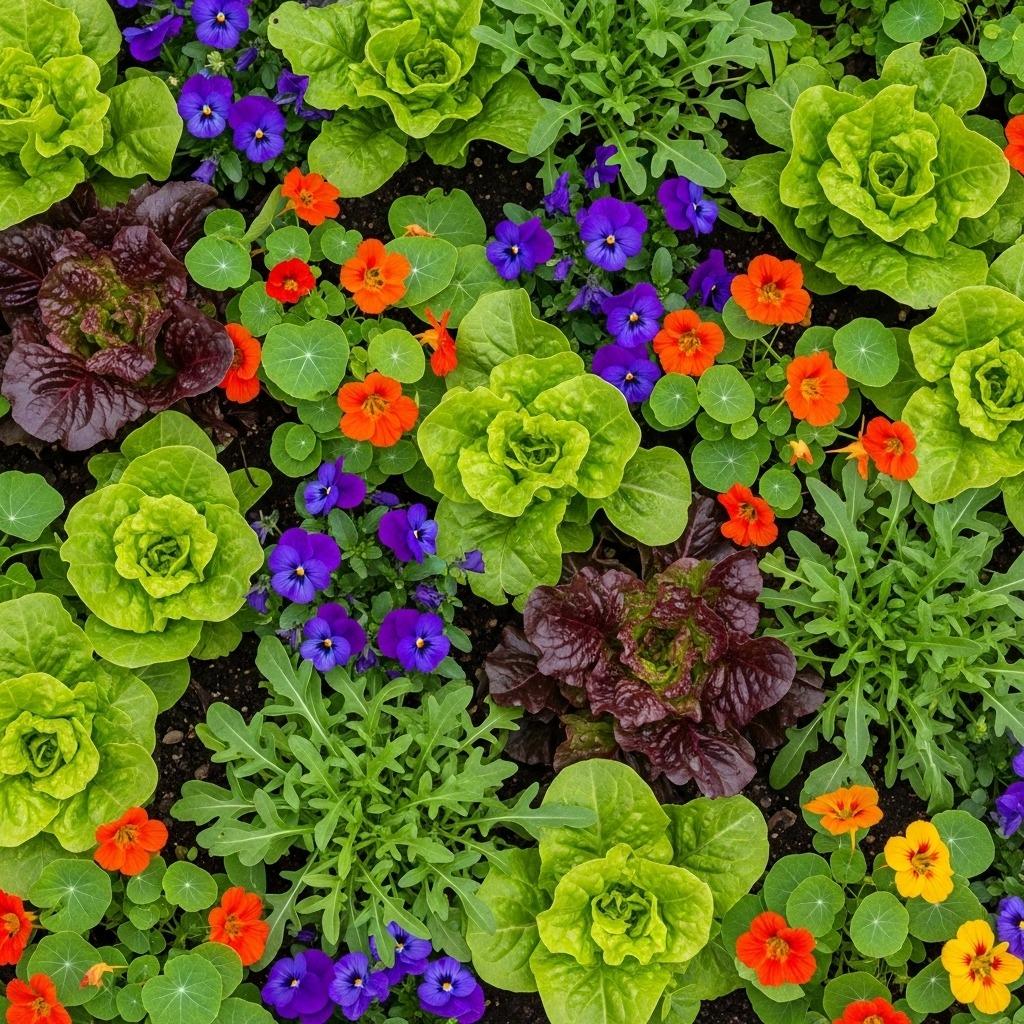
Why not grow your entire salad in one dedicated space? Combining salad greens with edible flowers creates a garden bed that provides complete meal components from a single location.
Plant lettuce, arugula, and spinach as your base greens, then intersperse them with nasturtiums, pansies, and calendula. The flowers add pops of color throughout the bed while you’re growing, and then add visual interest and flavor complexity when you harvest everything together. The peppery bite of nasturtium leaves and flowers complements milder lettuces perfectly.
This approach also makes crop rotation simpler. As you harvest mature lettuce plants, you can tuck in new seedlings around the established flowers. Many edible flowers bloom prolifically all season, providing continuous color even as the greens come and go in succession plantings.
7. Tea Garden Focused on Blooms
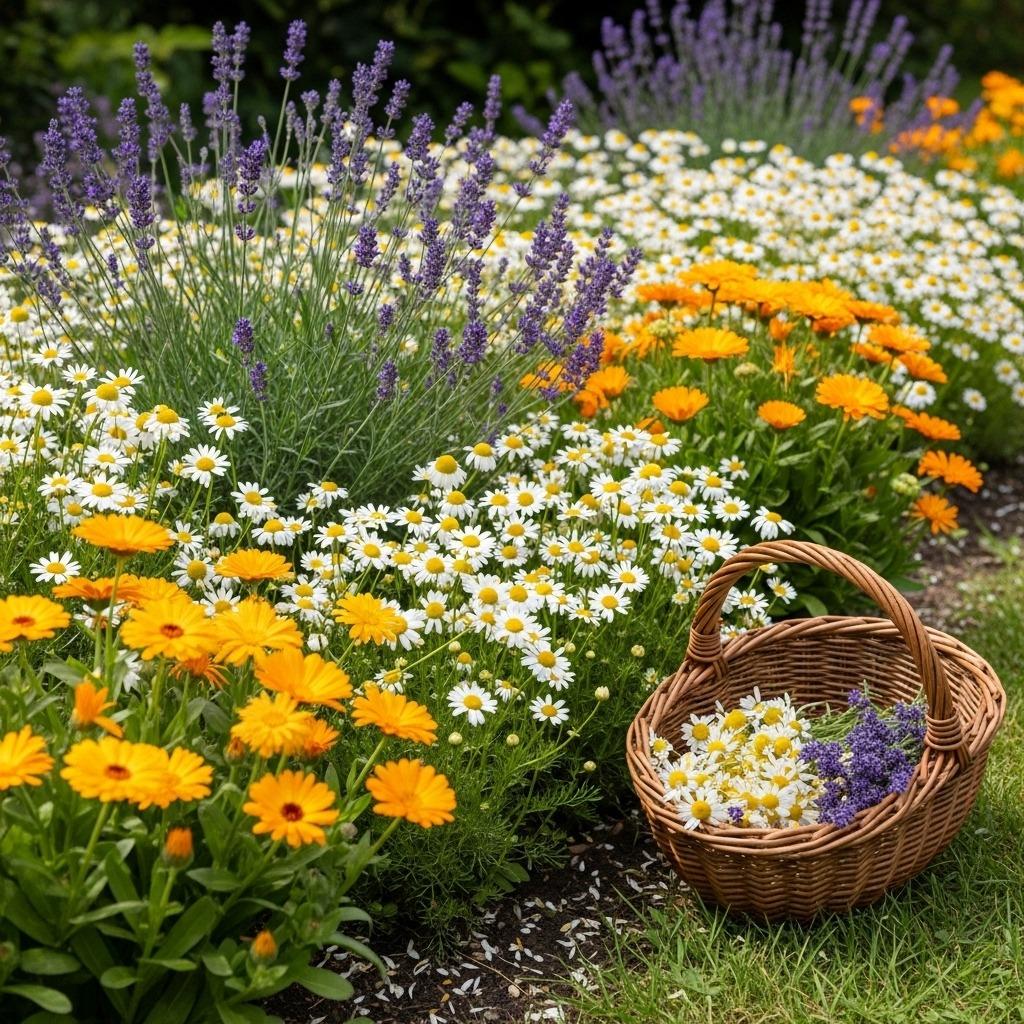
If you’re more interested in beverages than food garnishes, consider designing your edible flower garden specifically around tea-worthy blooms. This creates a purposeful growing space with a clear harvesting goal.
Chamomile, lavender, and calendula are classics for herbal teas. Add rose petals for floral notes and hibiscus if your climate allows for it. These flowers can be used fresh, but they also dry beautifully for year-round enjoyment. Having your own tea garden means you control exactly what goes into your cup – no pesticides, no mystery ingredients.
Plan for preserving the harvest since most tea flowers are best when dried. Set aside space in your home for hanging bundles or laying out flowers on screens. The drying process itself becomes part of the garden experience, filling your home with wonderful scents. This connects nicely with garden and nursery ideas that extend beyond just the outdoor space.
8. Kids’ Edible Flower Garden
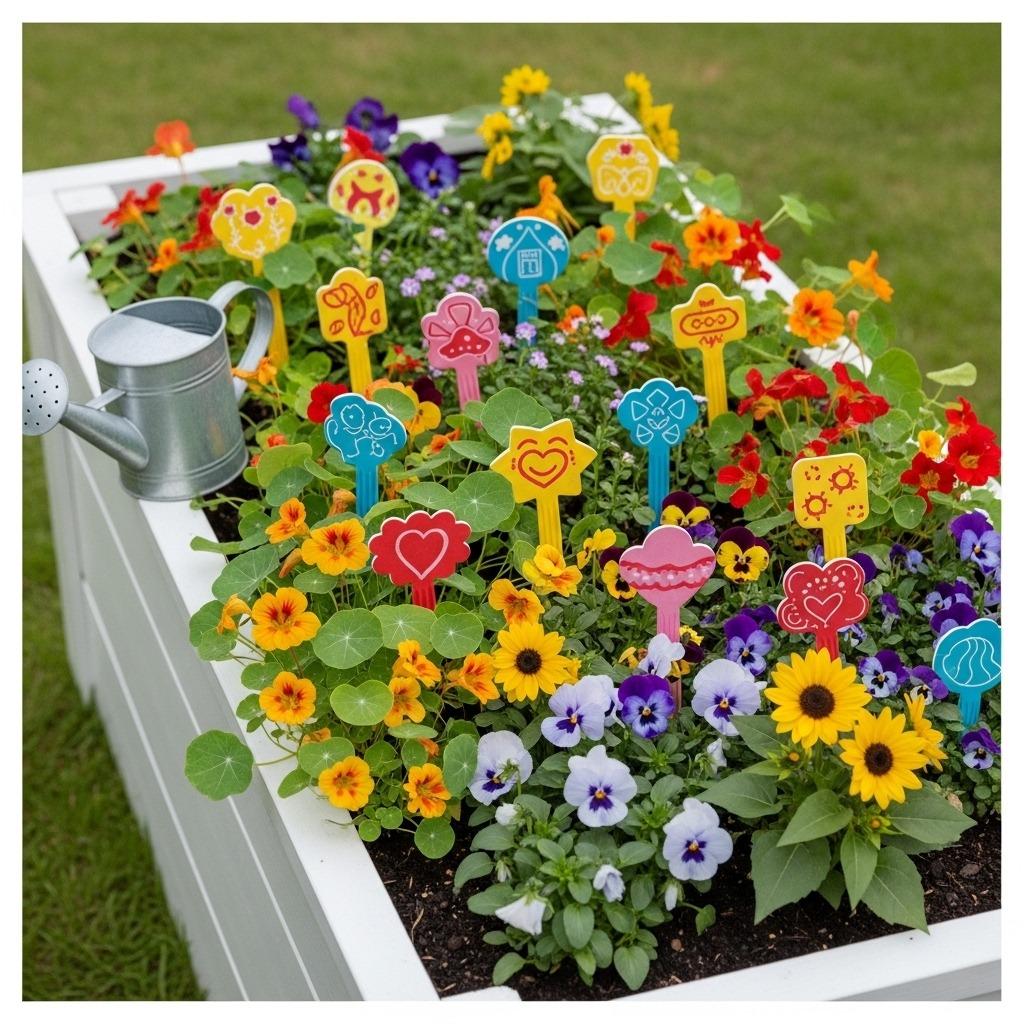
Getting children involved in growing their own food creates lasting connections to healthy eating and environmental awareness. An edible flower garden designed specifically for kids makes the experience even more engaging because the results are so visually rewarding.
Choose easy-to-grow, fast-maturing flowers that kids can actually eat. Nasturtiums germinate quickly and produce both flowers and leaves that taste peppery and fun. Pansies have faces that kids love identifying, and they’re mild enough that even picky eaters usually enjoy them. Sunflowers provide drama and height that impresses young gardeners, plus edible seeds as a bonus.
Create small garden markers together, let kids choose where different plants go, and most importantly, let them be in charge of harvesting. There’s genuine pride in picking flowers you grew yourself and adding them to dinner. For more ways to engage children with plants, explore these sensory garden for kids concepts.
9. Edible Flower Border Along Pathways
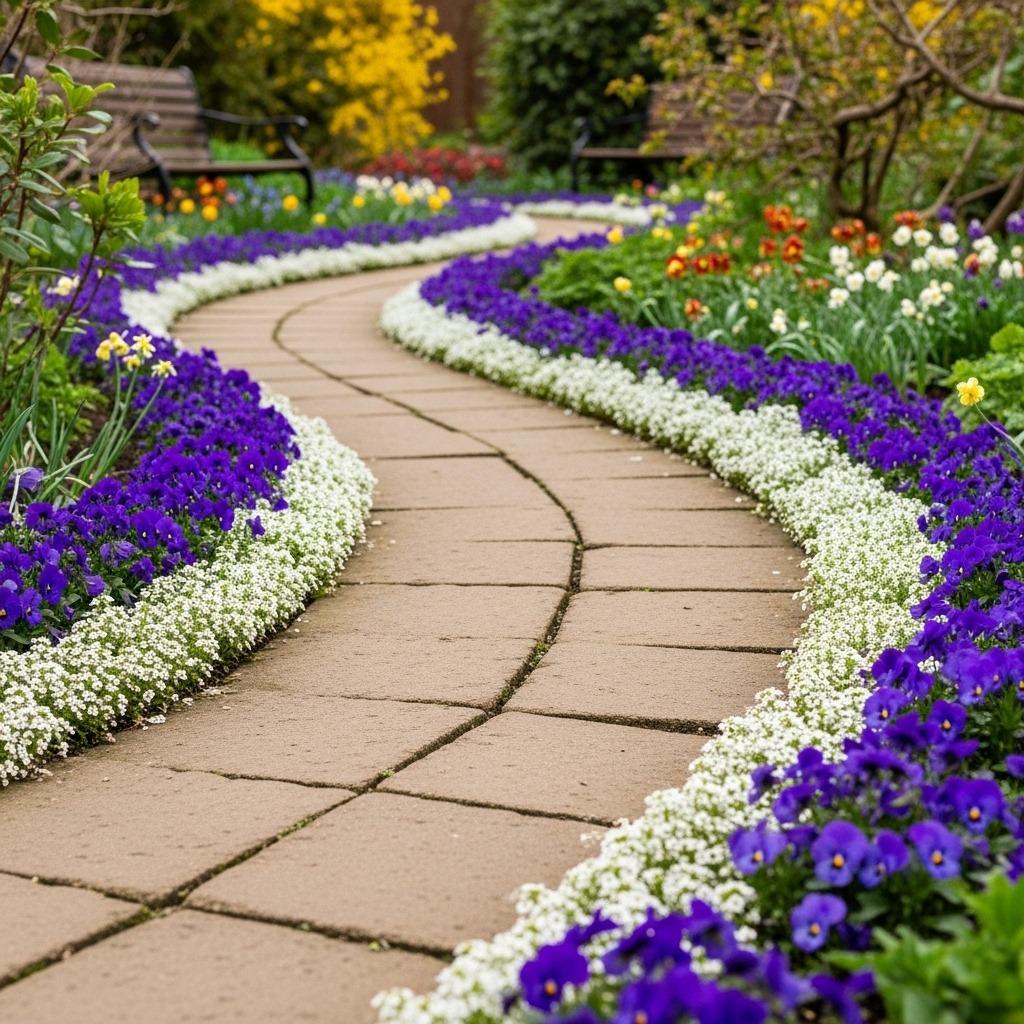
Using edible flowers as border plants along walkways serves multiple purposes. They define garden boundaries, provide easy access for harvesting, and create that picture-perfect garden edge that looks professionally designed.
Low-growing varieties work best here. Violas, Johnny-jump-ups, and creeping thyme with edible flowers won’t obstruct pathways as they mature. Their compact habit means you won’t be constantly trimming them back to maintain access. The repetition of the same plant along a border also creates visual cohesion that makes your entire outdoor space feel more intentional.
This placement also puts your edible flowers at eye level as you walk through your garden, making it easier to monitor bloom production and spot pest issues early. Plus, the fragrance of flowers right along a pathway enhances your entire garden experience every time you walk through.
10. Four-Season Edible Flower Collection
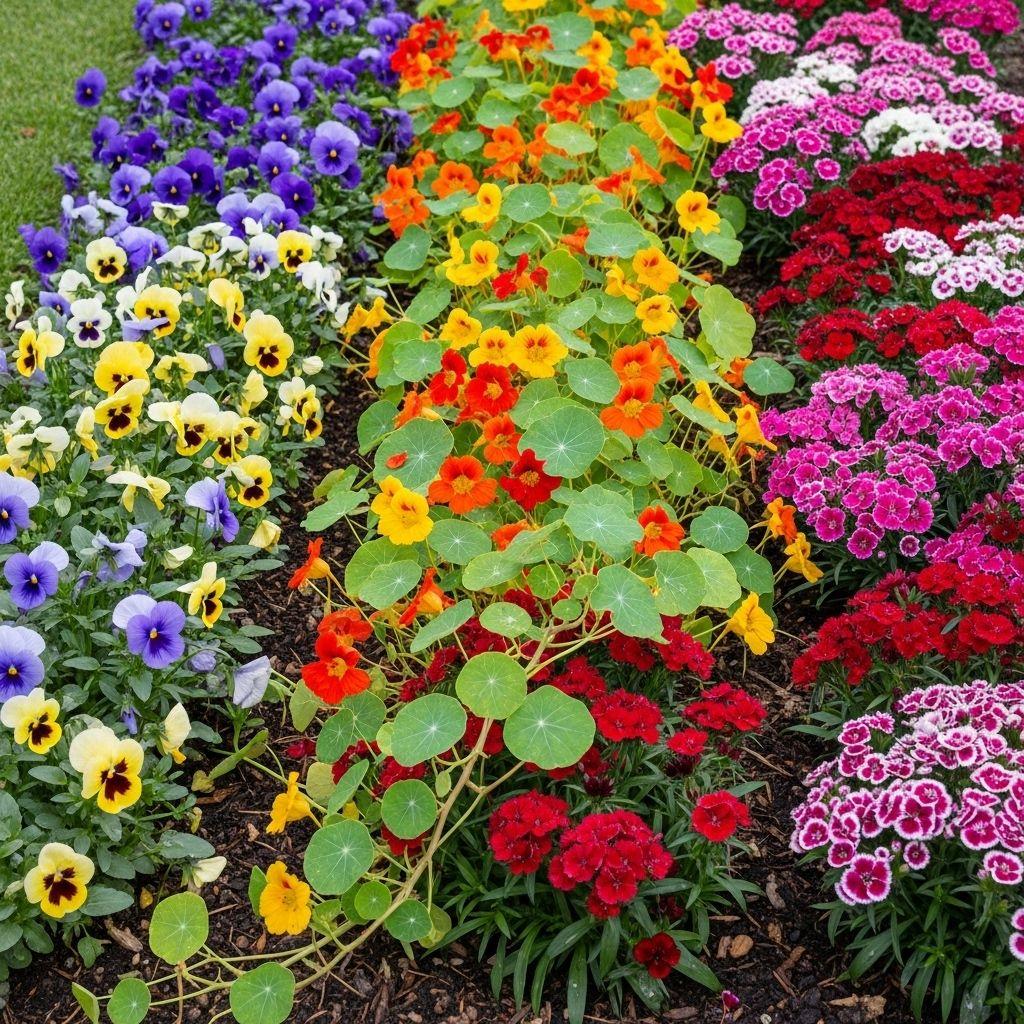
Why limit yourself to summer blooms when you can have harvestable flowers across multiple seasons? Planning for succession means you’ll have fresh edible flowers from early spring through late fall in most climates.
Start with early bloomers like violas and primroses that can handle cool spring temperatures. Transition to heat-lovers like nasturtiums, zinnias, and marigolds for summer. As temperatures cool, pansies and dianthus take over again, often blooming until hard frost. In mild climates, some varieties might even produce through winter.
This requires more planning upfront but delivers much longer enjoyment. Make a simple calendar noting when to plant each variety for your specific growing zone. The effort pays off when you’re still garnishing salads with fresh flowers in October while your neighbors’ gardens have long since faded. Consider pairing this approach with seasonal garden transformation techniques for year-round interest.
11. Raised Bed Culinary Flower Garden
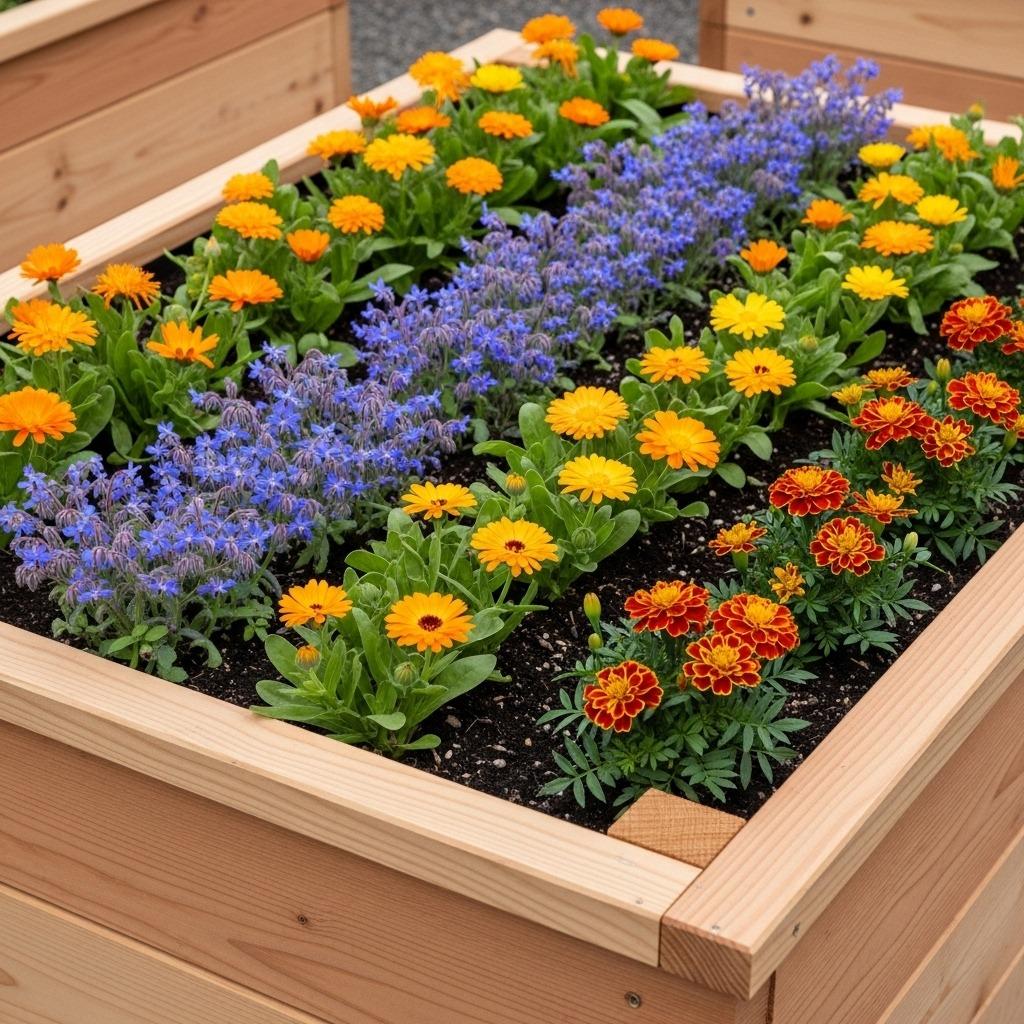
Raised beds offer excellent drainage, warmer soil temperatures, and easier maintenance – all factors that benefit flower production. Building a dedicated raised bed for edible flowers creates a contained, manageable growing space that’s easier on your back during planting and harvesting.
Fill your raised bed with high-quality soil amended with compost. This gives your flowers the nutrient-rich environment they need to produce abundantly. The defined boundaries also make it simpler to keep track of what you’ve planted where, especially helpful when you’re growing multiple varieties that might look similar as seedlings.
Height matters when designing raised beds. Aim for at least 12-18 inches deep for most flowering plants. If you’re including deeper-rooted flowers like sunflowers, go even taller. The investment in a well-built raised bed pays off in easier maintenance and better growing conditions year after year.
12. Balcony or Patio Edible Flower Oasis
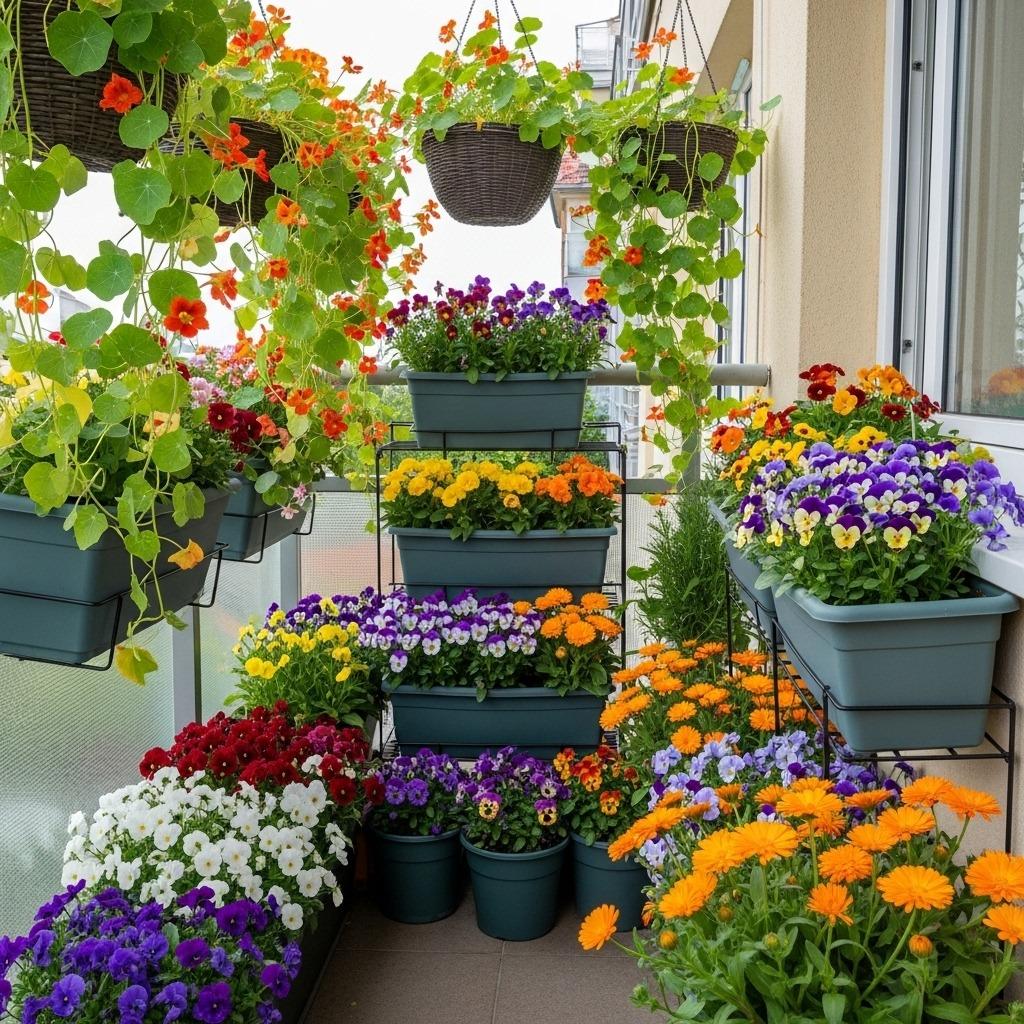
Apartment dwellers and those with small outdoor spaces can absolutely participate in growing culinary flowers. A thoughtfully designed balcony or patio setup can be just as productive as a traditional garden bed.
Use a combination of container sizes and heights to create visual interest and maximize growing space. Larger containers can hold small rose bushes or determinate sunflower varieties. Medium pots work well for nasturtiums and calendula. Smaller pots or hanging baskets showcase trailing varieties that spill over edges beautifully.
Pay attention to weight restrictions on balconies and use lightweight potting mix rather than garden soil. Group containers together rather than spacing them out – this creates a lush, garden-like effect and actually makes watering easier since plants are all in one location. If your balcony receives full sun, you’re in an ideal position for most edible flowers. For more ideas on maximizing compact outdoor areas, check out these balcony vegetable garden tips that apply equally well to flowers.
Choosing the Right Flowers for Your Garden
Not every flower you grow is safe to eat, so it’s worth being selective and informed. Stick with varieties specifically identified as edible, and avoid flowers from florists or garden centers unless you’re certain they haven’t been treated with pesticides unsuitable for consumption.
Some reliable choices for beginners include nasturtiums (the entire plant is edible), pansies and violas (mild, slightly grassy flavor), calendula (subtle, peppery notes), and roses (remove the bitter white base of petals). Each brings different flavors and appearances to your dishes, so growing a variety gives you the most culinary flexibility.
Consider your climate zone when selecting varieties. Some edible flowers thrive in heat while others prefer cooler temperatures. Research which organic garden blooms grow best in your specific conditions to set yourself up for success. Starting with easy, proven varieties builds confidence before you experiment with more challenging plants.
For those new to growing plants from scratch, many of these flowers are excellent starter plants because they’re forgiving of beginner mistakes. They tolerate various soil types, don’t require constant attention, and produce abundantly even with basic care.
Growing Tips for Maximum Blooms
Getting abundant flower production requires understanding a few key principles. Most flowering plants need at least 6-8 hours of direct sunlight daily to bloom prolifically. If your space has less sun, stick with shade-tolerant varieties like violas and impatiens (yes, impatiens flowers are technically edible, though quite mild in flavor).
Deadheading – removing spent blooms – encourages most plants to produce more flowers. It sounds counterintuitive when you want to harvest, but strategically deadheading flowers you’re not planning to eat immediately signals the plant to keep producing. This extends your harvest window significantly.
Water consistently, especially during bloom periods. Most flowering plants need regular moisture to maintain production, though specific requirements vary by species. Containers dry out faster than ground plantings, so check them more frequently. Mulching around plants helps retain moisture and suppress weeds that compete for nutrients.
Harvesting and Using Your Edible Flowers
Timing matters when harvesting flowers for eating. Pick them in the morning after dew has dried but before the day’s heat sets in. This is when flowers contain the most moisture and flavor. Choose blooms that have just fully opened – older flowers may have diminished flavor or tougher textures.
Gently rinse flowers in cool water and pat dry with paper towels or let them air dry on a clean towel. Remove pistils and stamens from larger flowers as these parts can be bitter. For flowers like roses, remove the white base of each petal where it was attached – this portion tastes bitter and detracts from the delicate floral flavor.
Use flowers within a few hours of harvesting for best flavor and appearance, though some varieties hold up longer than others. If you need to store them, place stems in water like a bouquet, or lay individual blooms between damp paper towels in the refrigerator. They’ll keep for a day or two with this method.
Incorporating edible flowers into your cooking doesn’t have to be complicated. Start by simply adding them to green salads for color and subtle flavor. Float them in cold soups or punch bowls. Freeze individual small blooms in ice cubes for special occasions. Press larger petals into the top of frosted cakes or cupcakes. The visual impact alone makes dishes feel special, even when the preparation is simple.
Safety Considerations and Best Practices
This probably goes without saying, but only eat flowers you’ve positively identified as edible. When in doubt, leave it out. Some common ornamental flowers are toxic, so proper identification isn’t optional – it’s essential for safety.
Never use flowers from florists, garden centers, or public spaces unless you’re absolutely certain they haven’t been treated with pesticides or other chemicals unsuitable for consumption. Growing your own gives you complete control over what chemicals (if any) touch your plants. Even organic pesticides should be used cautiously on flowers you plan to eat.
Introduce new edible flowers to your diet gradually, especially if you have food allergies or sensitivities. Some people react to flowers in the same families as foods they’re already allergic to. Start with small amounts and pay attention to how your body responds before incorporating them regularly into meals.
Always remove pistils, stamens, and sepals unless you’re certain they’re pleasant to eat. For most flowers, the petals are the desirable part. Some flowers like nasturtiums are entirely edible – leaves, stems, flowers, and even seed pods – but this is the exception rather than the rule.
Design Considerations for Visual Appeal
While flavor and safety are paramount, there’s no reason your edible flower garden can’t also be stunning to look at. After all, you’re growing flowers – beauty comes with the territory.
Think about color combinations that please your eye. Monochromatic schemes using different shades of the same color create sophisticated, cohesive looks. Complementary colors (opposites on the color wheel like purple and yellow) provide energizing contrast. Analogous colors (neighbors on the wheel like blue, purple, and pink) offer harmony with subtle variation.
Consider bloom times when planning your layout. Stagger varieties that bloom at different periods to ensure you always have color and harvestable flowers. This prevents the feast-or-famine scenario where everything blooms at once, then nothing for weeks.
Height layering creates depth and interest. Place taller varieties toward the back of beds or in the center of island plantings. Medium-height flowers go in the middle, with low-growers along edges. This ensures every plant gets adequate light and creates that professionally designed look that makes people ask if you hired a landscaper.
Creating an Edible Flower Garden That Works for You
The best garden is one you’ll actually maintain and enjoy. Start with a manageable size – it’s better to have a small, thriving edible flower garden than an ambitious plot that becomes overwhelming and neglected.
Be realistic about your available time for garden maintenance. If you travel frequently or have a packed schedule, focus on low-maintenance varieties that tolerate some neglect. Nasturtiums, calendula, and most herbs with edible flowers fall into this category. They’ll forgive you for missing a few waterings better than more temperamental plants.
Think about how you’ll actually use the flowers you grow. If you love making tea, prioritize tea-worthy blooms. If you entertain often and want impressive garnishes for dishes and drinks, grow varieties that photograph well and hold their shape on plates. Match your garden to your lifestyle rather than following someone else’s vision of what an edible flower garden should be.
The real magic of edible flower gardens isn’t just in the finished blooms you harvest. It’s in the process of nurturing plants from seeds or seedlings, watching them grow, and eventually incorporating something you grew yourself into meals you prepare for family and friends. That connection to your food source changes how you think about gardening and cooking. Once you’ve tasted a salad garnished with nasturtiums you planted months ago or served guests cocktails decorated with your own organic rose petals, you’ll understand why these gardens are worth the effort.
Starting your own edible flower garden might feel like a big step, but it’s honestly simpler than it looks. Choose a few beginner-friendly varieties, give them appropriate sun and water, and they’ll likely reward you with abundant blooms. You don’t need perfect conditions or extensive knowledge to get started – you just need curiosity and a willingness to experiment. The flowers will teach you what they need as you go, and before long, you’ll be the one sharing tips with others who are interested in growing their own culinary flowers.