
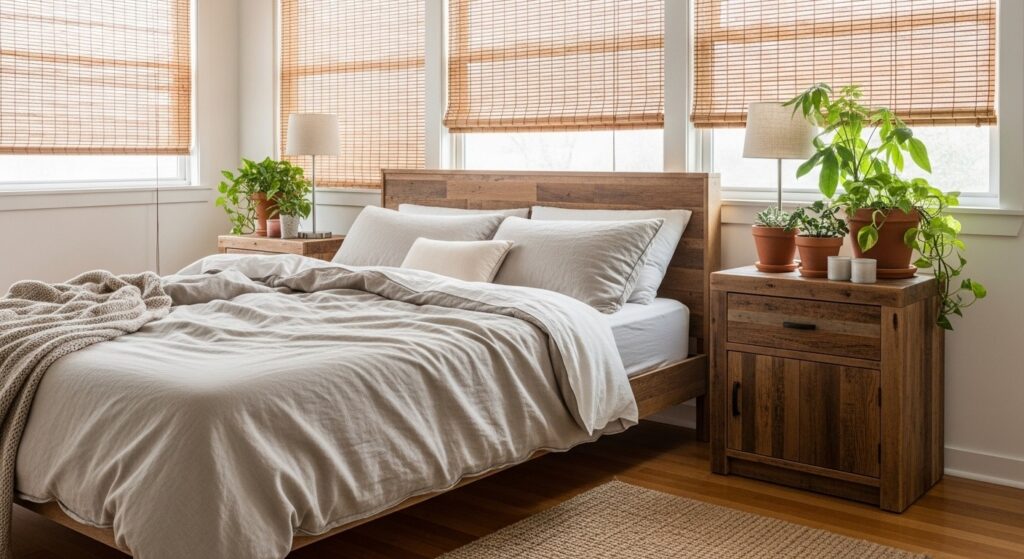
Your bedroom should be a sanctuary, but have you ever thought about what’s actually in that space? From synthetic bedding materials to furniture made with questionable chemicals, traditional bedroom decor can quietly work against both your health and the environment.
Creating an eco-friendly bedroom isn’t about perfection or spending a fortune on all-new everything. It’s about making thoughtful choices that reduce your environmental footprint while building a healthier place to rest. And honestly? Sustainable bedroom decor often looks better than conventional options, with natural textures and materials that bring warmth and authenticity to your space.
Whether you’re starting from scratch or looking to gradually shift toward more eco-conscious choices, these 13 ideas will help you transform your bedroom into a green retreat. Some changes take five minutes, others require a bit more planning, but all of them move you closer to a space that feels good in every sense of the word.
1. Start With Organic Cotton or Linen Bedding
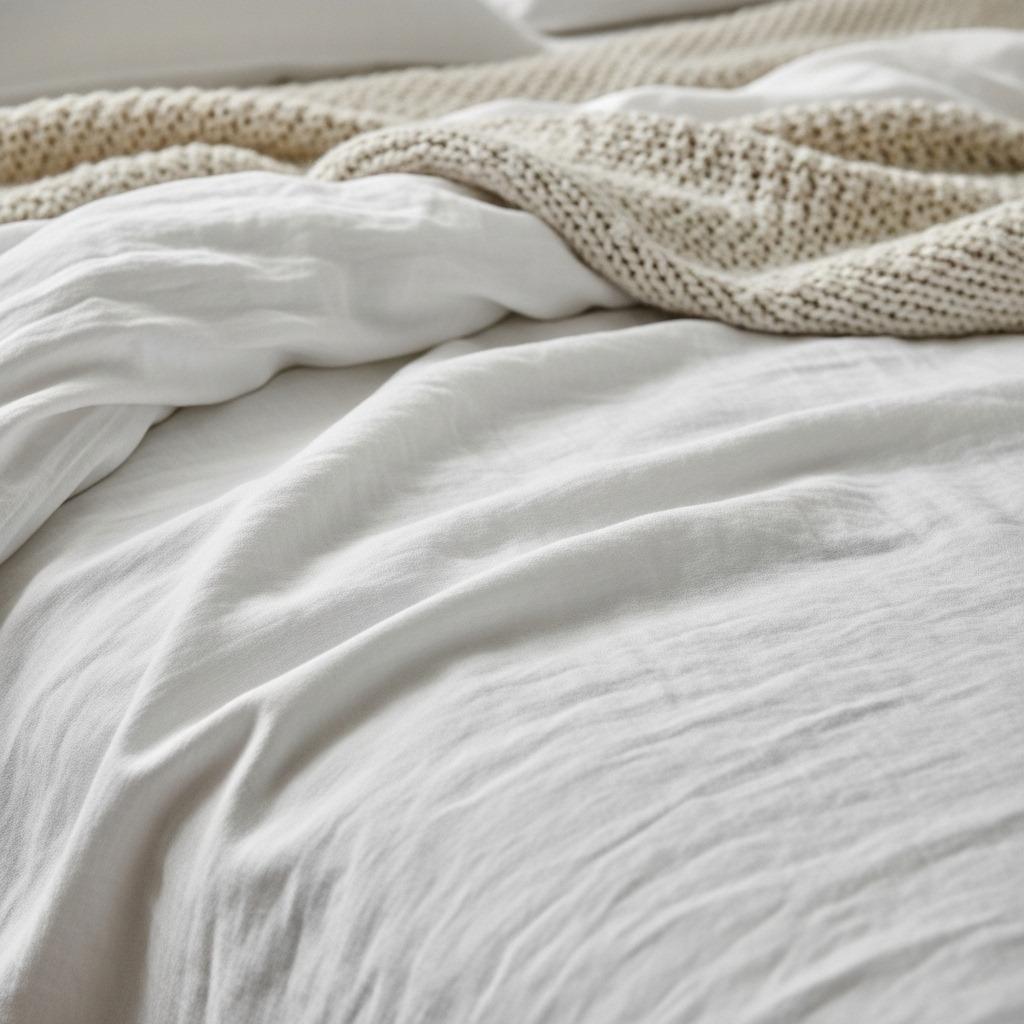
Your sheets touch your skin for roughly eight hours every night, so what they’re made of matters. Conventional cotton uses massive amounts of pesticides and water, while synthetic fabrics are basically plastic. Organic bedding changes that equation completely.
Look for GOTS-certified organic cotton or linen sheets. Yes, they cost more upfront, but they last longer and feel incredible. Linen especially gets softer with every wash and naturally regulates temperature, keeping you cool in summer and cozy in winter. These fabrics also biodegrade at the end of their life, unlike polyester blends that’ll sit in landfills for decades.
The beauty of natural fibers goes beyond sustainability. They create that effortlessly elegant, slightly lived-in look that perfectly complements other eco-conscious design choices. Plus, they breathe better than synthetic alternatives, which means a more comfortable sleep and fewer middle-of-the-night sheet kicks.
2. Choose Furniture Made From Reclaimed or FSC-Certified Wood
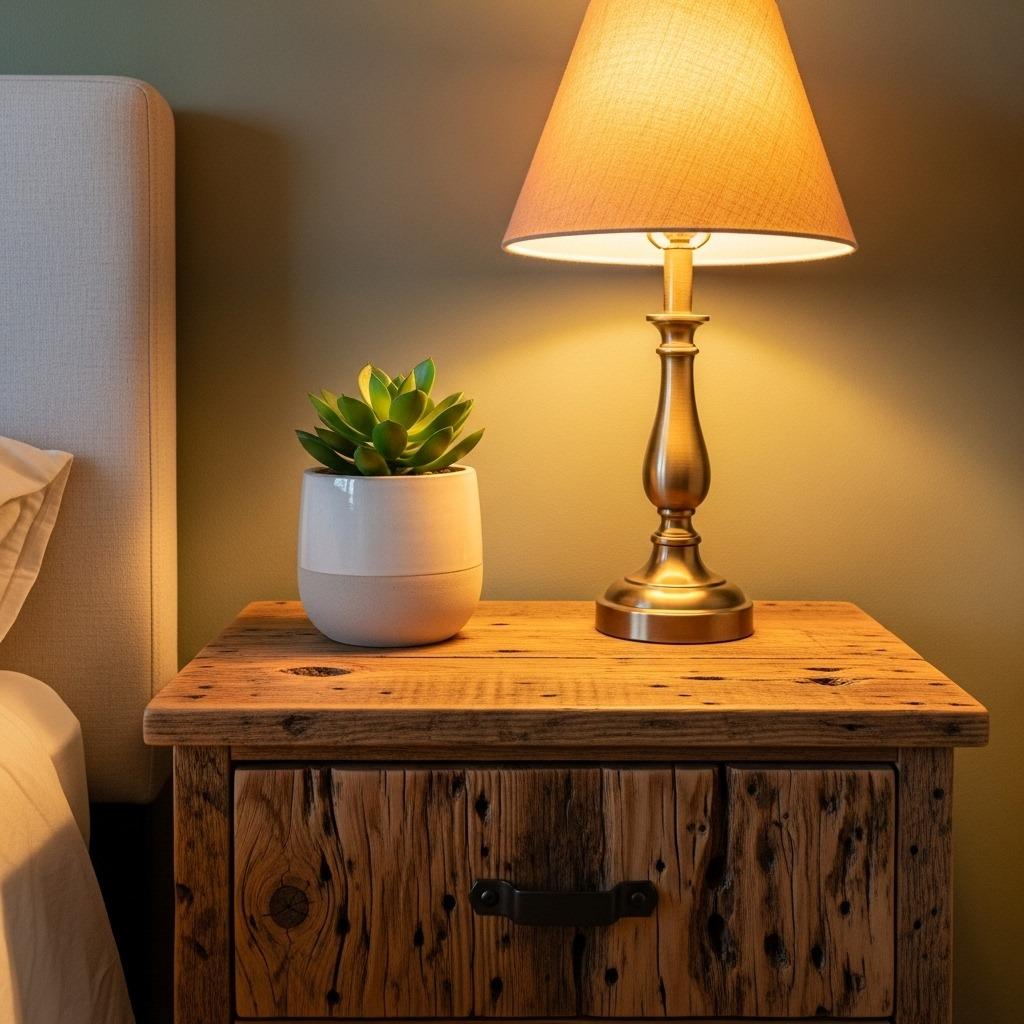
Furniture accounts for a huge chunk of your bedroom’s environmental impact. Fast furniture made from particleboard not only off-gases formaldehyde and other volatile organic compounds, it also falls apart within a few years. Reclaimed wood furniture flips that script entirely.
Pieces made from salvaged barn wood, old shipping pallets, or dismantled buildings have character you simply can’t manufacture. Each scratch and weathered spot tells a story. If reclaimed isn’t available, look for FSC-certified wood, which comes from responsibly managed forests. Either option supports sustainable forestry while giving you furniture that’ll actually last.
The variety in reclaimed wood means you can find pieces for any style. Want something rustic? Barn wood delivers. Prefer sleek and modern? Reclaimed teak or walnut works beautifully. Check out bedroom ideas for more inspiration on incorporating sustainable furniture into different design aesthetics.
3. Swap to LED Bulbs and Layer Your Lighting
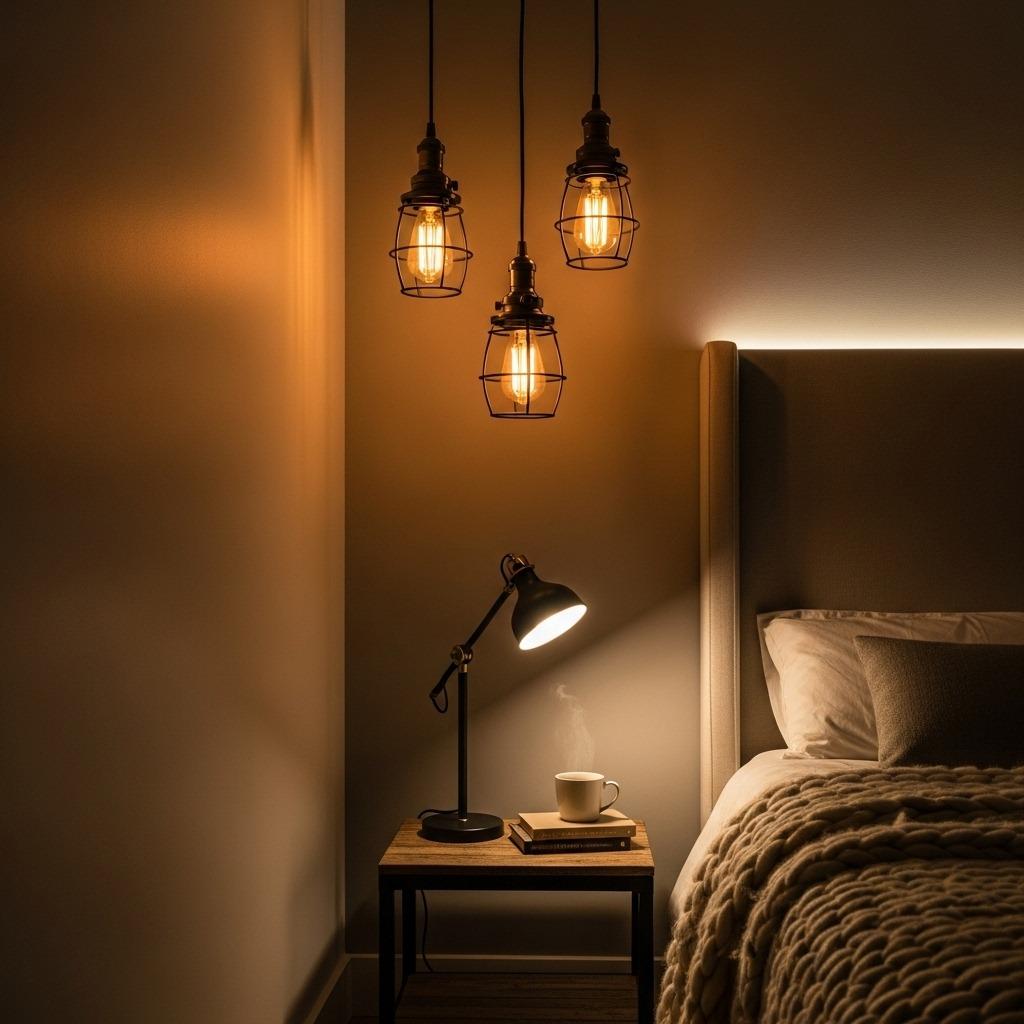
Lighting dramatically affects both your bedroom’s ambiance and its energy consumption. Traditional incandescent bulbs waste about 90% of their energy as heat, while LEDs use at least 75% less energy and last 25 times longer. The math makes sense, but the mood matters too.
Layer your lighting with LED bulbs in different color temperatures. Use warm whites (2700K-3000K) for bedside lamps to create that cozy, wind-down atmosphere. Install dimmers to adjust brightness based on time of day and activity. This approach gives you control over your space while slashing energy use.
Smart LED bulbs take this further by letting you schedule lighting, adjust colors, and turn off forgotten lights remotely. Some systems even sync with sunrise and sunset times, supporting your natural circadian rhythm. It’s a small change that compounds into significant energy savings while making your bedroom more functional.
4. Add Air-Purifying Plants
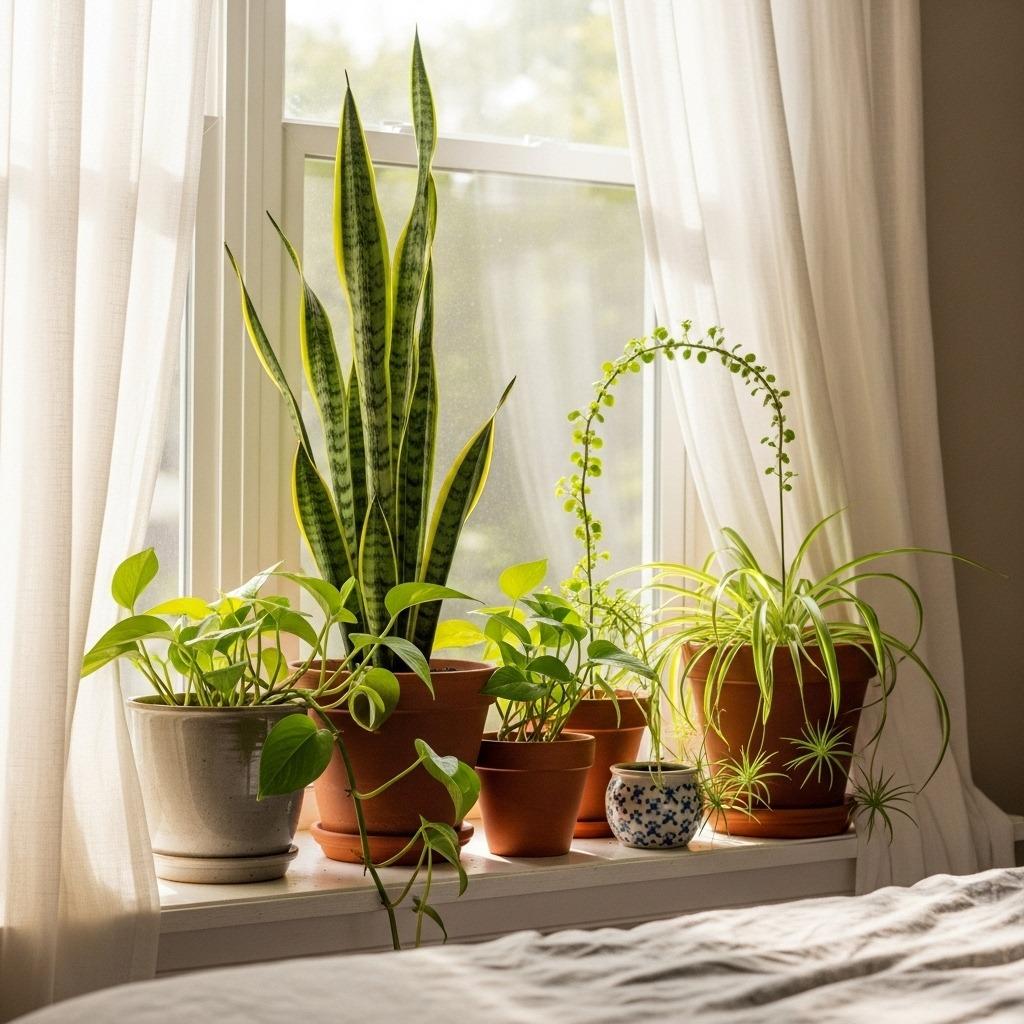
Plants do more than look pretty. They actively clean your indoor air, removing toxins and releasing oxygen, which is especially valuable in bedrooms where we spend so much time. Snake plants, pothos, spider plants, and peace lilies are all low-maintenance options that thrive in bedroom conditions.
Beyond air quality, plants bring life and texture to your space in ways artificial decor can’t match. They soften hard edges, add pops of green that make rooms feel fresher, and create visual interest at different heights. Just be mindful of watering schedules since overwatered plants can contribute to humidity issues.
Consider exploring indoor garden living room concepts that translate beautifully to bedrooms. Vertical arrangements, hanging planters, or simple windowsill collections all work. The key is choosing plants suited to your bedroom’s light levels and your maintenance preferences.
5. Opt for Natural Fiber Rugs
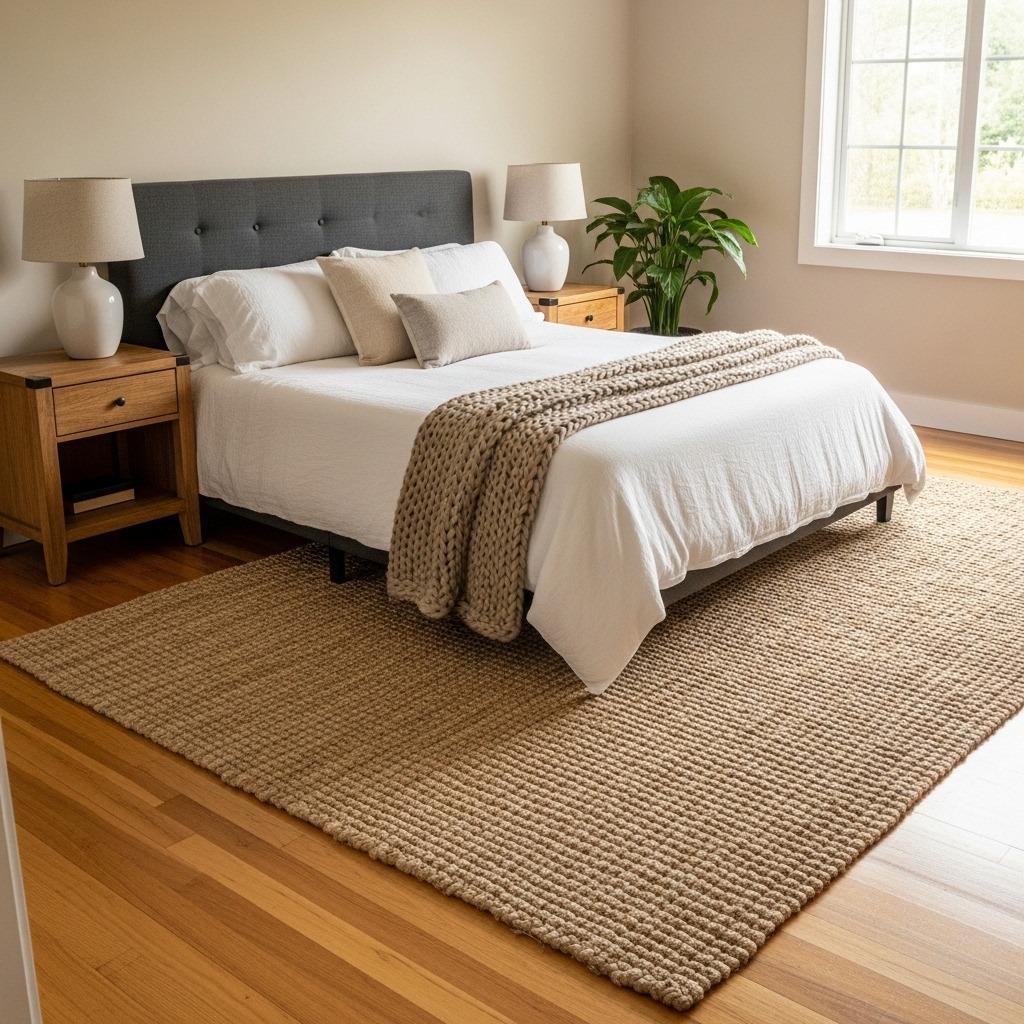
Wall-to-wall carpeting often harbors allergens, dust mites, and chemical treatments that off-gas for years. Natural fiber rugs give you the softness and warmth underfoot without those concerns. Jute, sisal, seagrass, and wool rugs are all biodegradable, durable, and naturally beautiful.
Jute rugs work particularly well in bedrooms because they’re softer than sisal while still being remarkably durable. Wool rugs are naturally stain-resistant and regulate humidity, plus they come in every pattern and color you could want. These materials age gracefully, developing patina rather than looking worn out.
Natural rugs also ground your space visually. Their neutral, earthy tones provide a foundation that lets other design elements shine while tying the room together. Layer a smaller vintage or handwoven rug over a larger natural fiber one for added warmth and personality.
6. Paint With Low or Zero-VOC Paint

Paint transforms a room faster than almost anything else, but conventional paints release volatile organic compounds that can affect your health for months after application. Low-VOC and zero-VOC paints eliminate or drastically reduce these off-gassing chemicals without sacrificing color selection or durability.
Major paint brands now offer extensive eco-friendly lines. You’ll find thousands of colors in various finishes, from matte to eggshell to semi-gloss. The application process is identical to traditional paint, and the coverage is just as good. The main difference? You can sleep in your bedroom much sooner after painting.
Color choice matters for bedroom mood, obviously. Soft, nature-inspired hues like sage, terracotta, warm gray, or muted blue typically work well for restful spaces. But if you want drama, deep greens or earthy browns create cozy cocoons. Get more ideas from paint color schemes that work across different bedroom styles.
7. Install Window Treatments Made From Sustainable Materials
Windows play a huge role in your bedroom’s energy efficiency. Heavy, insulated window treatments keep heat in during winter and block it during summer, reducing HVAC use. But conventional curtains are often synthetic, and their production and disposal create environmental issues.
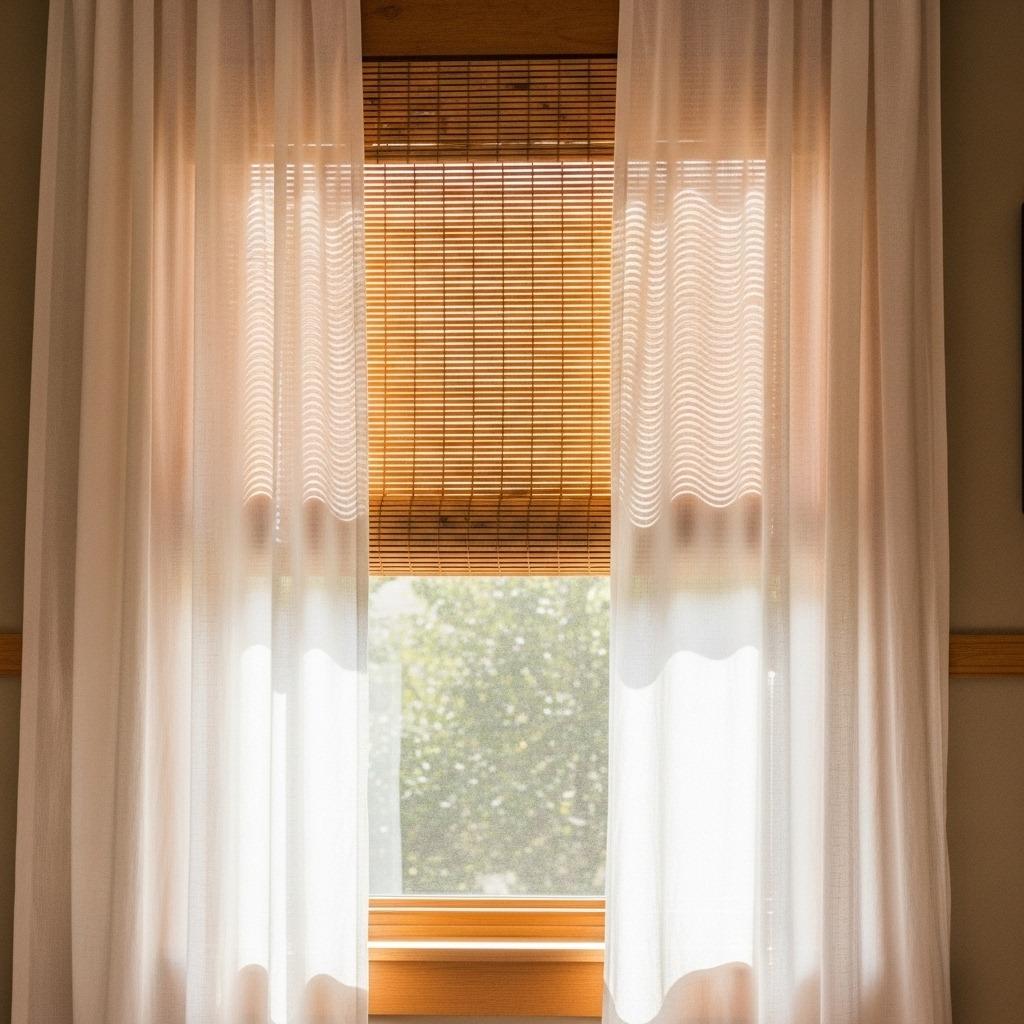
Bamboo shades, organic cotton curtains, and linen drapes offer sustainable alternatives. Bamboo grows incredibly fast without pesticides and creates beautiful, textured shades that filter light gorgeously. Linen and organic cotton curtains can be lined with natural cotton batting for added insulation without synthetic materials.
Layering different window treatments gives you flexibility. Use bamboo or wood blinds for privacy and light control, then add flowing linen curtains for softness and additional insulation. This approach works aesthetically while serving practical purposes. Check cozy winter bedroom ideas for more ways to use window treatments to regulate bedroom temperature naturally.
8. Choose Non-Toxic Mattresses and Pillows
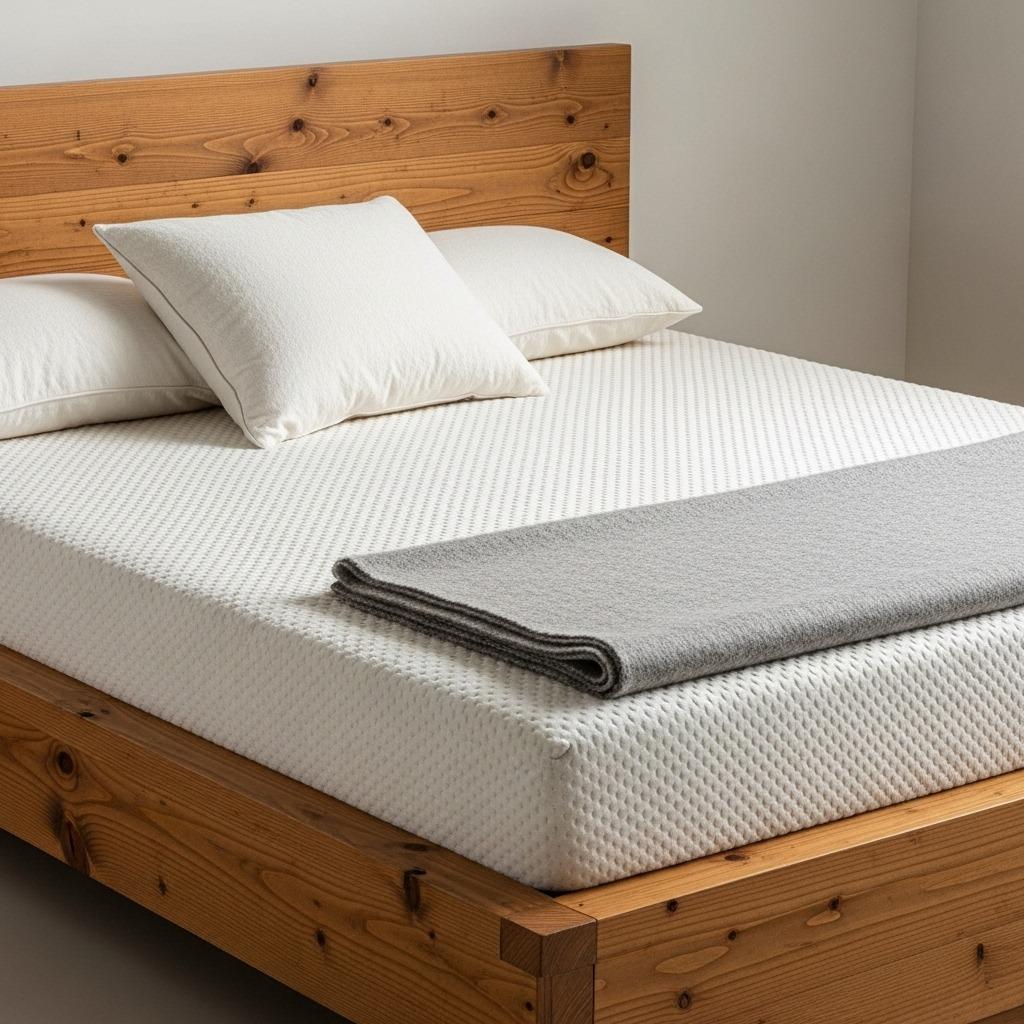
You spend a third of your life on your mattress, so its composition deserves serious consideration. Conventional mattresses contain flame retardants, formaldehyde, and other chemicals that off-gas into your breathing space. Natural latex, organic wool, and organic cotton mattresses avoid these issues entirely.
Natural latex mattresses provide excellent support and durability without synthetic foams. Organic wool is naturally flame-resistant, so manufacturers don’t need chemical treatments to meet safety standards. These materials also breathe better, which means cooler sleep and less moisture buildup that can lead to mold or dust mites.
The same logic applies to pillows. Look for organic cotton, natural latex, kapok, or buckwheat hull options. Yes, these cost more than conventional alternatives, but they last longer and don’t expose you to questionable chemicals every single night. Given how much time you spend with your face pressed into your pillow, it’s worth the investment.
9. Incorporate Vintage or Secondhand Decor Pieces
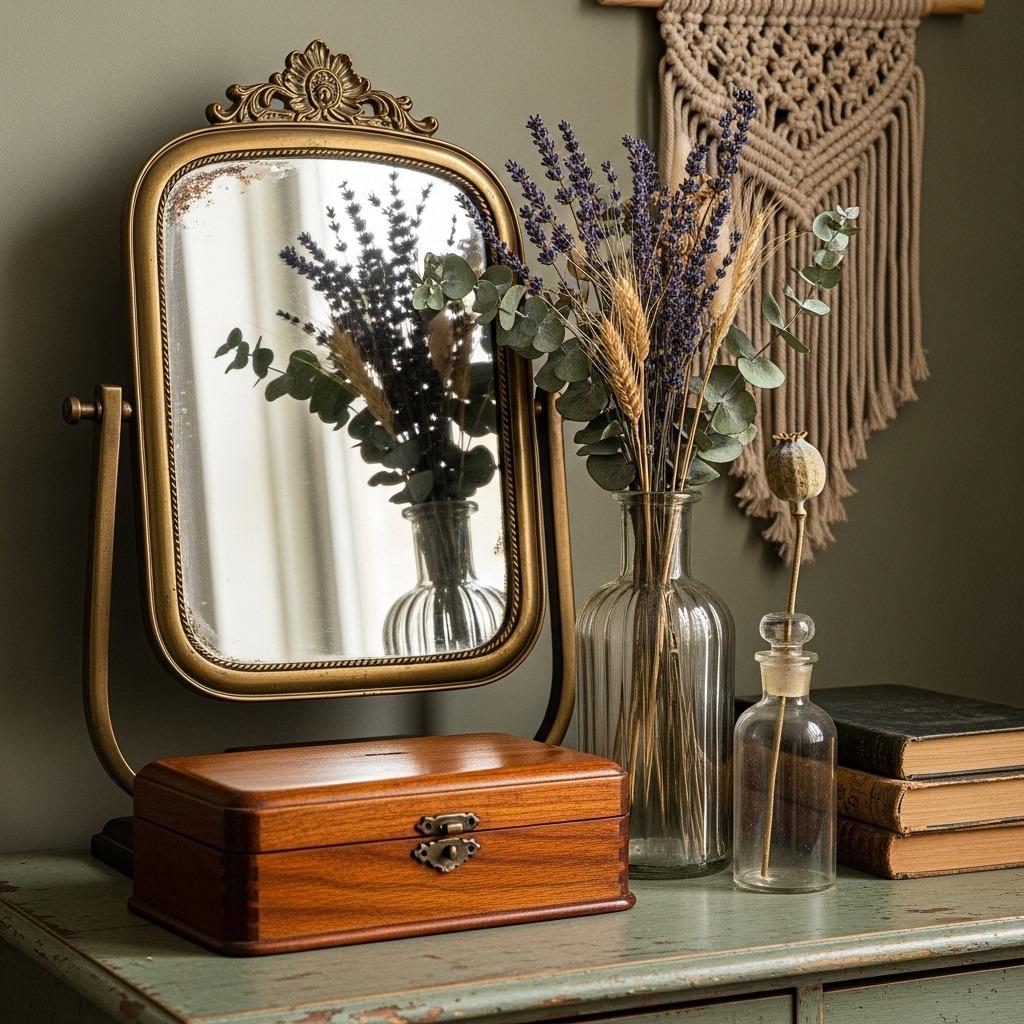
The most sustainable item is the one that already exists. Vintage and secondhand pieces keep furniture out of landfills while adding character impossible to find in new mass-produced items. Plus, older furniture was often built better than contemporary equivalents, meaning it’ll last decades longer.
Thrift stores, estate sales, online marketplaces, and antique shops overflow with bedroom furniture and decor. You’ll find unique mirrors, dressers with real dovetail joints, interesting lamps, and artwork with history. Mixing these pieces with new sustainable items creates layered, collected spaces that feel personal rather than catalog-perfect.
Don’t overlook the environmental math here. Even if a vintage piece requires some restoration or repainting with eco-friendly paint, the overall impact remains far lower than buying new. Plus, the hunt for perfect pieces becomes part of the fun. Get inspired by vintage bedroom designs that showcase how well older pieces work in contemporary spaces.
10. Use Natural Materials for Decorative Accents
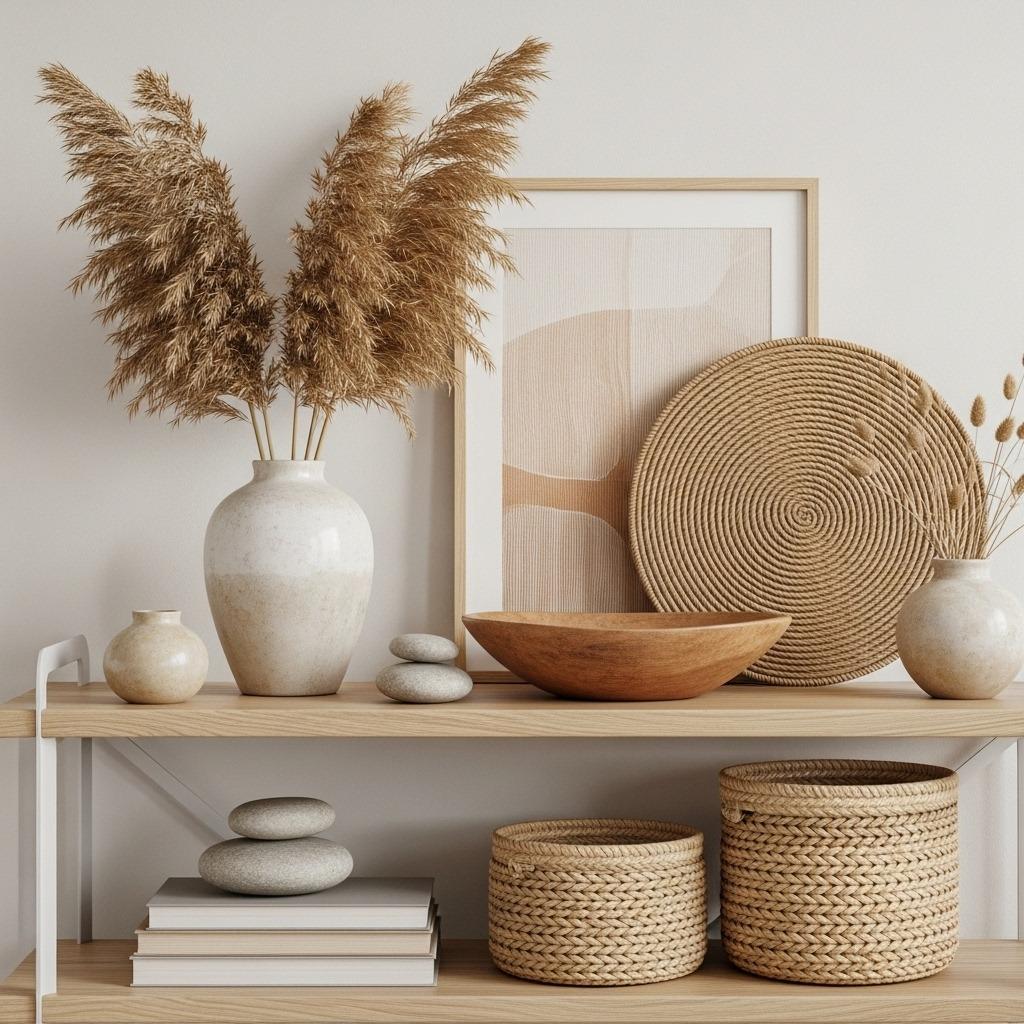
Decorative accents pull a room together, but plastic and synthetic decor adds up environmentally. Natural materials like wood, stone, ceramic, glass, and natural fibers create visual interest while avoiding petroleum-based products. They also tend to look more timeless than trendy plastic alternatives.
Think about ceramic or terracotta vases for dried flowers, wooden bowls and trays for corralling small items, woven baskets for storage, and stone or concrete objects for sculptural elements. These materials bring varied textures that make spaces feel richer and more considered.
Natural materials also work across different design styles. Smooth ceramics fit minimalist aesthetics, while rough-hewn wood suits rustic or boho spaces. The versatility means you can shift your bedroom’s look over time without replacing everything. Explore boho style bedroom ideas that particularly excel at mixing natural materials and textures.
11. Install a Ceiling Fan to Reduce HVAC Use
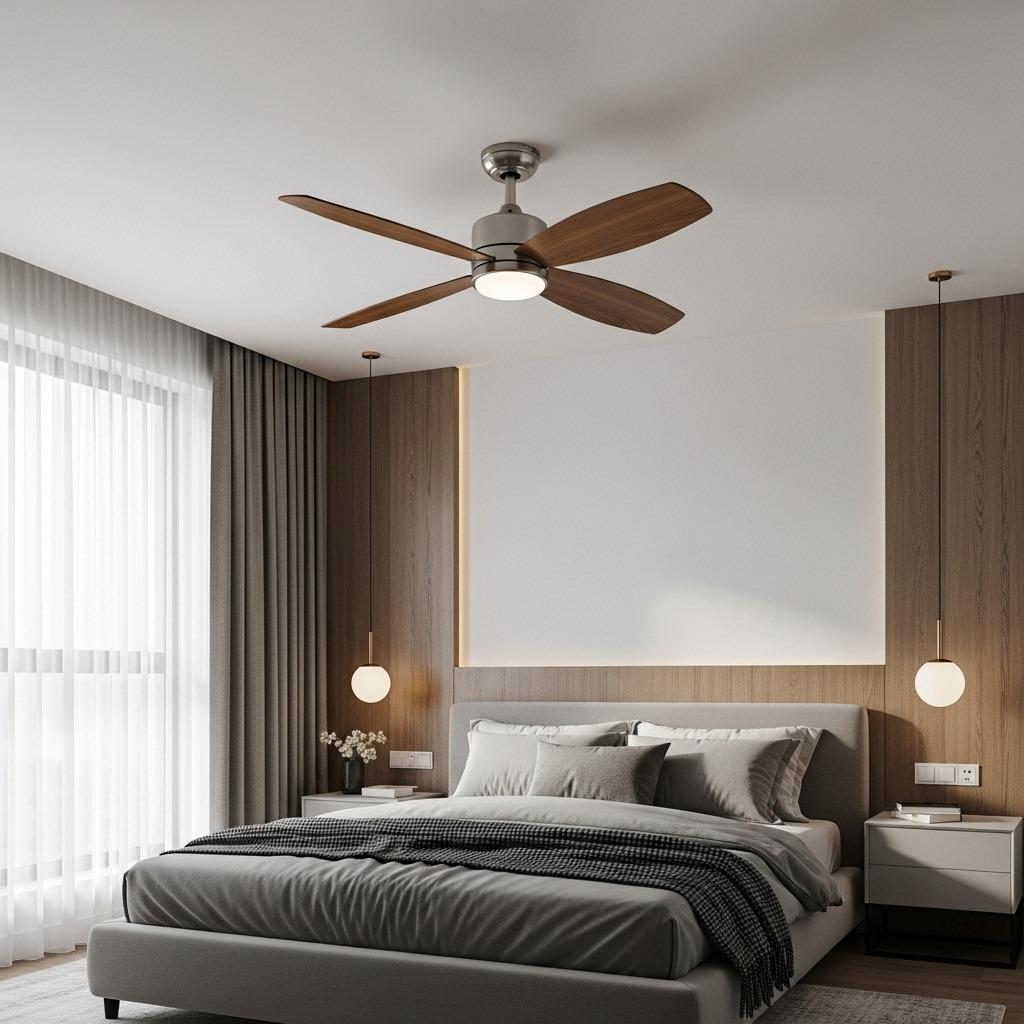
Ceiling fans seem old-fashioned, but they’re incredibly efficient at circulating air and reducing reliance on heating and cooling systems. In summer, they create a wind-chill effect that makes you feel cooler without lowering the thermostat. In winter, reversing the direction pushes warm air down from the ceiling.
Modern ceiling fans look nothing like the brass monstrosities from decades past. You’ll find sleek, minimalist designs with wooden blades, industrial metal options, and even bladeless models. Choose Energy Star-rated fans for maximum efficiency, and look for DC motors that use significantly less energy than AC motors.
Proper fan size matters for efficiency. Rooms up to 75 square feet need fans around 36 inches. Medium bedrooms (76-144 square feet) work best with 44-inch fans. Larger spaces need 52 inches or more. Getting the sizing right ensures proper air circulation without wasting energy.
12. Create Storage Solutions From Repurposed Items
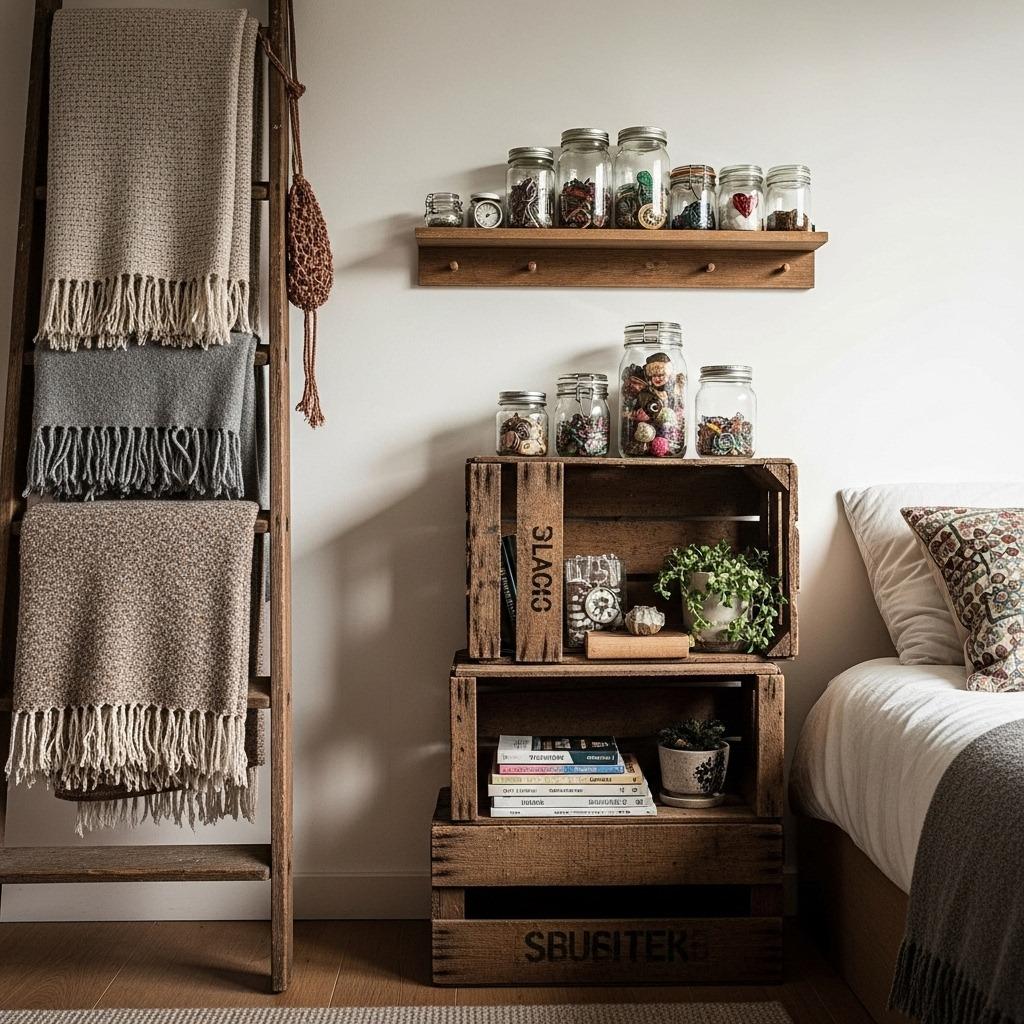
Storage challenges plague most bedrooms, but you don’t need new plastic organizers to solve them. Repurposed items often work better while adding character and avoiding new manufacturing impact. Wooden crates become nightstands or under-bed storage. Old ladders hold blankets or serve as clothes valets.
Look around thrift stores and your own home with fresh eyes. Glass jars organize small items beautifully. Vintage suitcases stack for storage and visual interest. Old shutters become jewelry organizers. This approach costs less, looks more interesting, and keeps items from ending up in landfills.
The functionality-meets-aesthetics balance is the sweet spot here. You want storage that actually works for your needs while looking intentional rather than haphazard. Plan your repurposed storage pieces as carefully as you would conventional furniture. For small bedrooms, check out small space bedroom hacks that include clever storage solutions.
13. Choose Sustainable Wallpaper or Wall Decor Alternatives
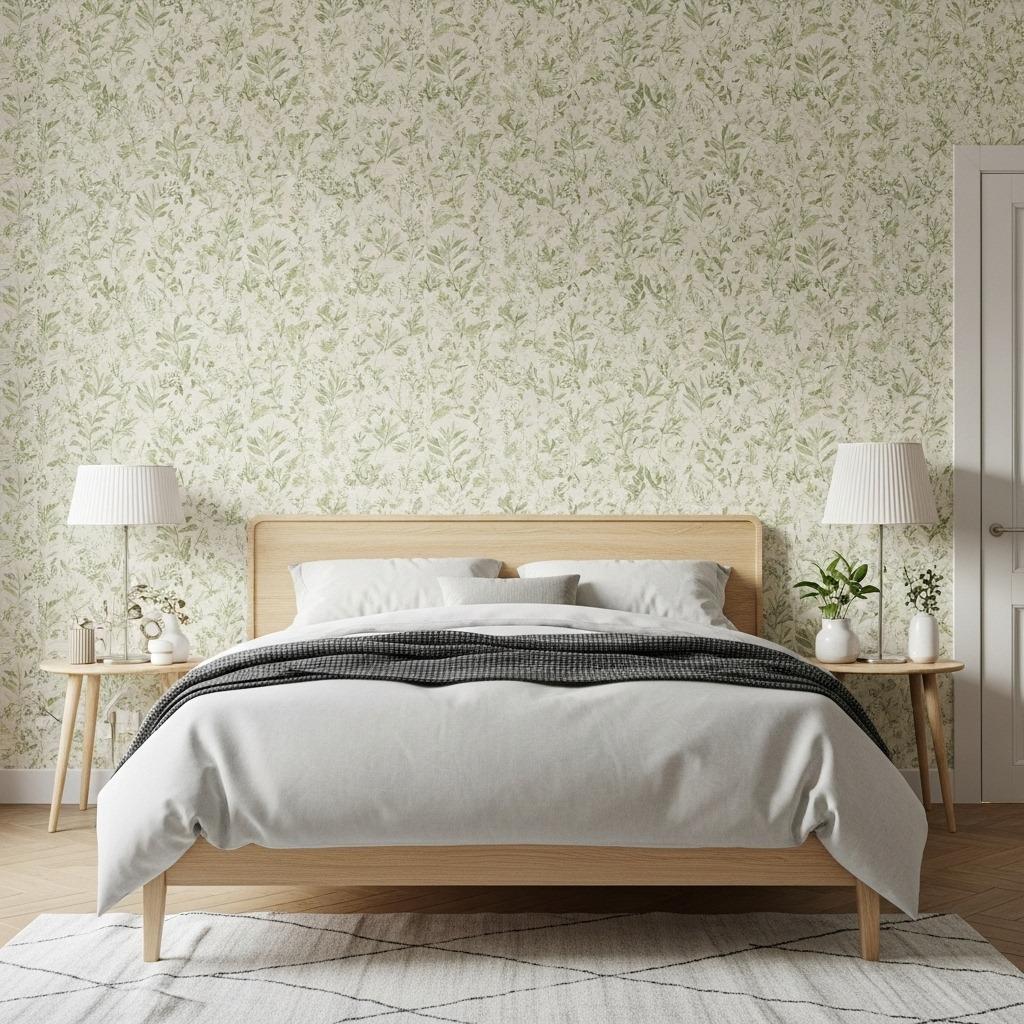
Accent walls add personality, but conventional wallpaper can contain PVC and other problematic materials. Sustainable wallpaper made from recycled paper, grasscloth, or other natural fibers provides beautiful alternatives. Many eco-friendly options are also removable, making them perfect for renters or anyone who likes to update their space regularly.
Grasscloth wallpaper brings amazing texture to bedrooms. Each panel is slightly unique because it’s made from natural plant fibers, creating subtle variations that add depth. Cork wallpaper offers similar textural interest while providing natural sound insulation. Both options install like traditional wallpaper but without the environmental concerns.
If wallpaper isn’t your style, consider other sustainable accent wall options. Reclaimed wood planking, natural stone veneer, or even a gallery wall of vintage frames with pressed botanicals all create focal points without synthetic materials. You might also explore techniques from modern accent wall ideas that can be executed with eco-friendly materials.
Final Thoughts
Building an eco-friendly bedroom doesn’t require perfection or a complete overnight transformation. Each sustainable choice you make, whether it’s organic sheets or a secondhand dresser, moves you toward a healthier space for yourself and a lighter footprint on the planet.
Start with the changes that make the most sense for your situation and budget. Maybe that’s swapping your bedding first, or perhaps it’s hunting for that perfect vintage dresser. Whatever you choose, you’re creating a bedroom that supports better sleep, better health, and a better environment. That’s worth the effort.

