

The right bedroom lighting can completely change how your space feels. I’ve learned this the hard way – after months of squinting at my book under harsh overhead lights, I finally realized that good lighting isn’t just about brightness. It’s about creating layers, moods, and functionality that actually work with how you live.
Most people think one ceiling fixture is enough. But your bedroom does a lot – it’s where you wind down after work, get ready in the morning, maybe read or scroll through your phone before sleep. Each of these moments needs different lighting, and that’s exactly what we’re exploring here.
Whether you’re working with a small budget or planning a complete bedroom refresh, these lighting ideas will help you create a space that feels both practical and peaceful. No complicated electrical work required for most of these, just smart choices about placement and style.
Why Bedroom Lighting Actually Matters More Than You Think
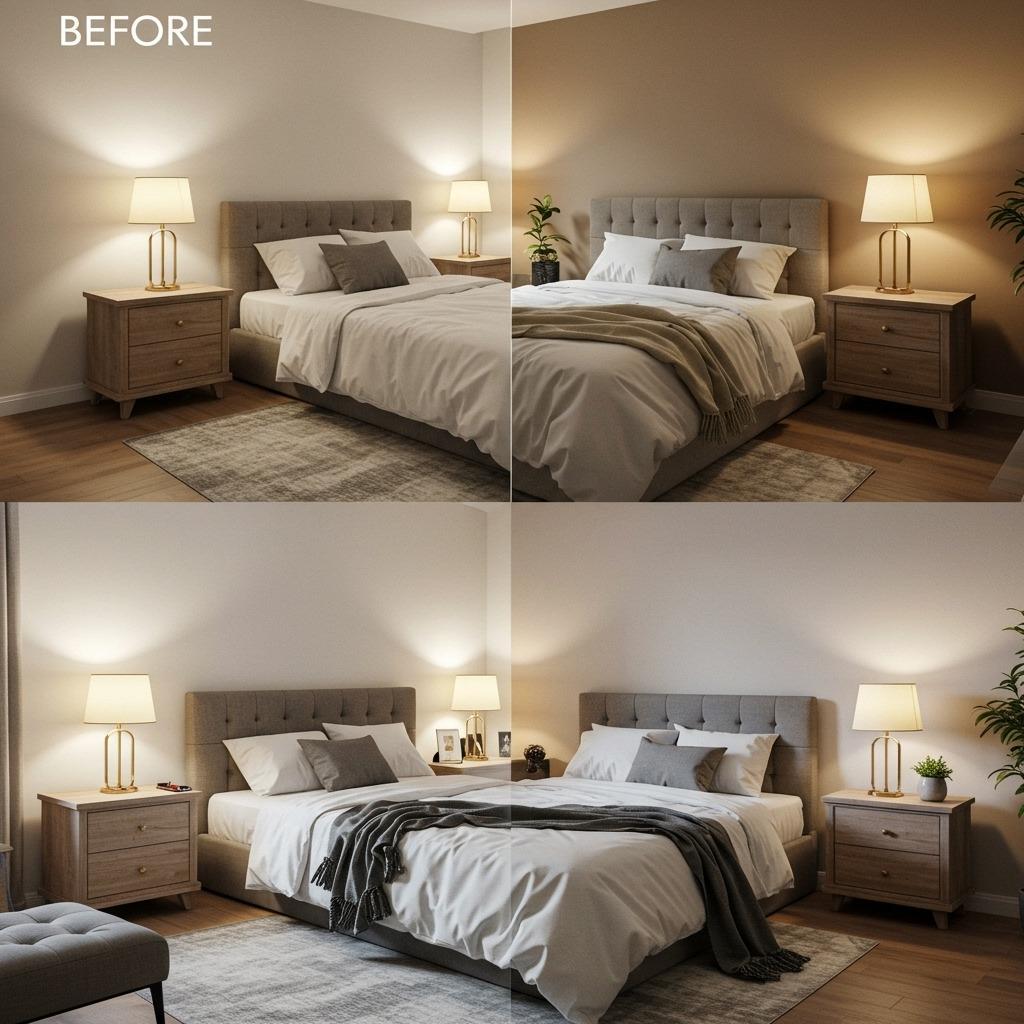
Good bedroom lighting affects your sleep quality, mood, and even how your room looks in photos. Natural light is wonderful, but once the sun sets, you need a thoughtful lighting plan that doesn’t mess with your circadian rhythm or strain your eyes.
I used to think dimmer switches were fancy and unnecessary. Then I installed one and realized how much easier it made transitioning from daytime energy to nighttime relaxation. The ability to control brightness throughout the day turned out to be one of those small changes that made a surprisingly big impact.
Your bedroom lighting should support different activities without you needing to constantly switch fixtures on and off. That’s where layering comes in – combining ambient, task, and accent lighting to create flexibility. And yes, you can achieve this even in a rental or small space.
1. Start With Smart Ambient Lighting
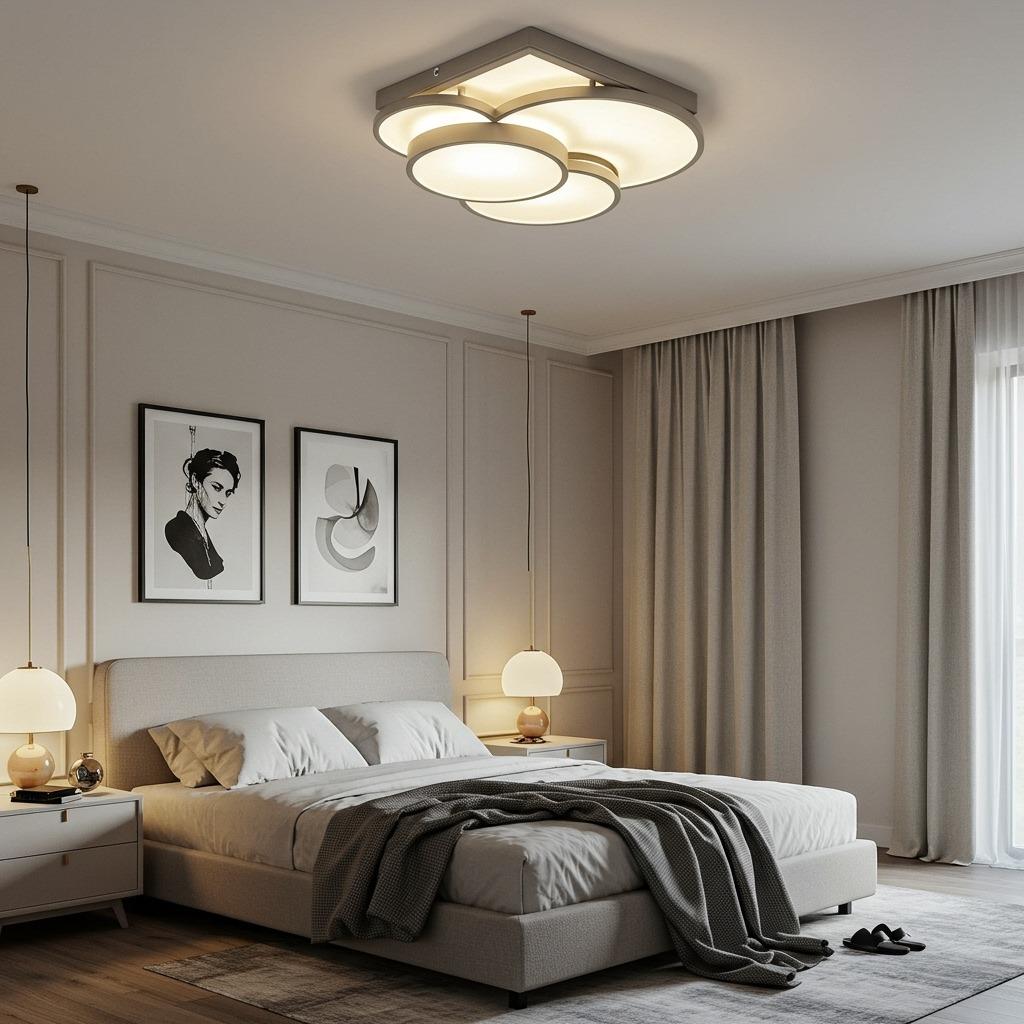
Ambient lighting is your room’s base layer – the general illumination that fills the space. For bedroom ideas that feel welcoming, your overhead fixture shouldn’t be too bright or too harsh. Think soft, diffused light that creates an even glow.
Flush mount or semi-flush mount ceiling lights work beautifully for bedrooms with lower ceilings. If you have the height, a statement chandelier or pendant light can add personality while providing ambient lighting. Just make sure whatever you choose has a warm color temperature, around 2700K to 3000K, which feels cozy rather than clinical.
Recessed lighting is another option, especially if you’re going for a modern, minimalist look. Installing them on a dimmer gives you control throughout the day. During morning routines, you can turn them up bright. By evening, dim them down to signal your brain that it’s time to relax.
2. Layer In Task Lighting Where You Actually Need It
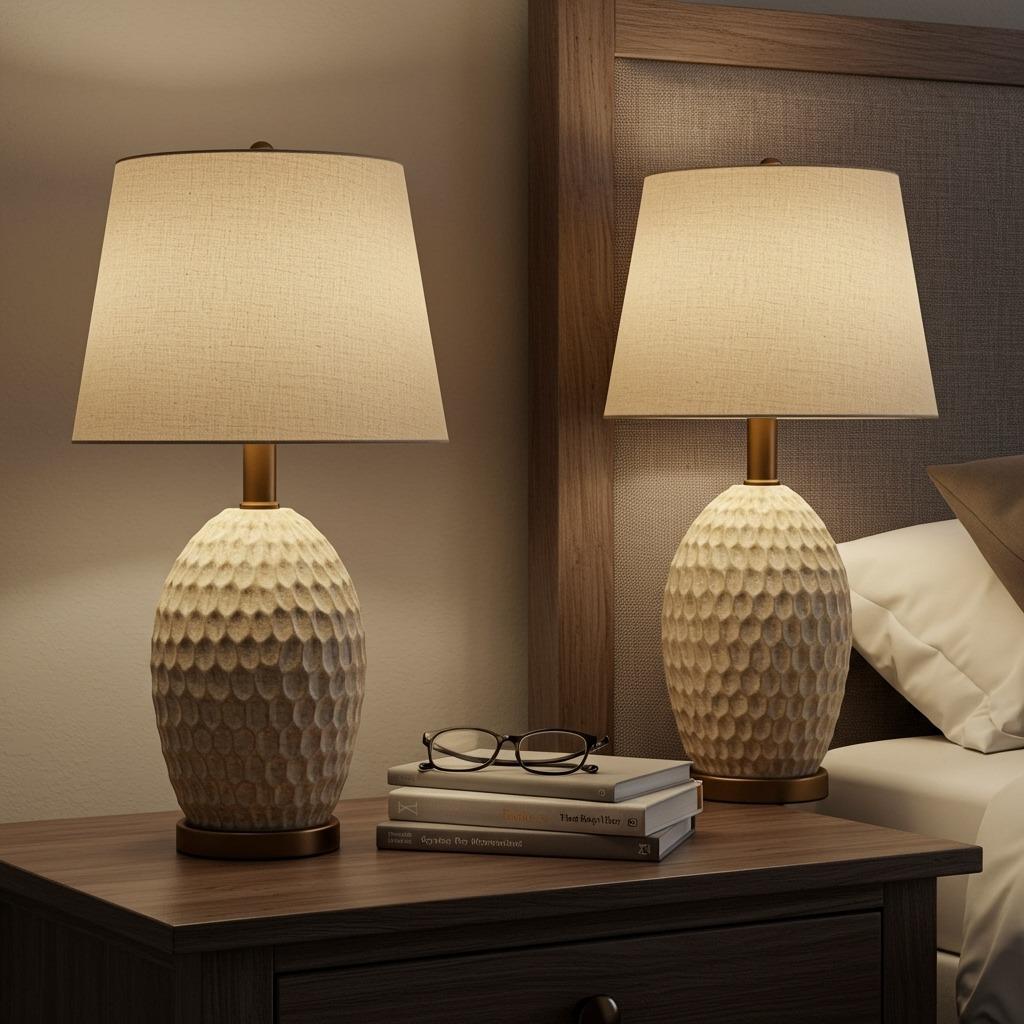
Task lighting serves specific purposes – reading in bed, getting dressed, applying makeup. Bedside table lamps are the most obvious choice here, and honestly, they’re non-negotiable in my book. You need independent light sources on both sides of the bed so neither person disturbs the other.
When choosing modern bedroom lamps for your nightstands, consider the height. The bottom of the lampshade should sit at about eye level when you’re sitting up in bed. This prevents glare and directs light exactly where you need it for reading. I prefer lamps with three-way switches so I can adjust brightness without getting up.
Wall-mounted reading lights or swing arm sconces are space-saving alternatives if your nightstands are small. They free up surface space while still providing focused light for bedtime reading. Plus, they look pretty sophisticated and hotel-like when installed symmetrically on both sides of the bed.
3. Don’t Underestimate the Power of Dimmable Everything
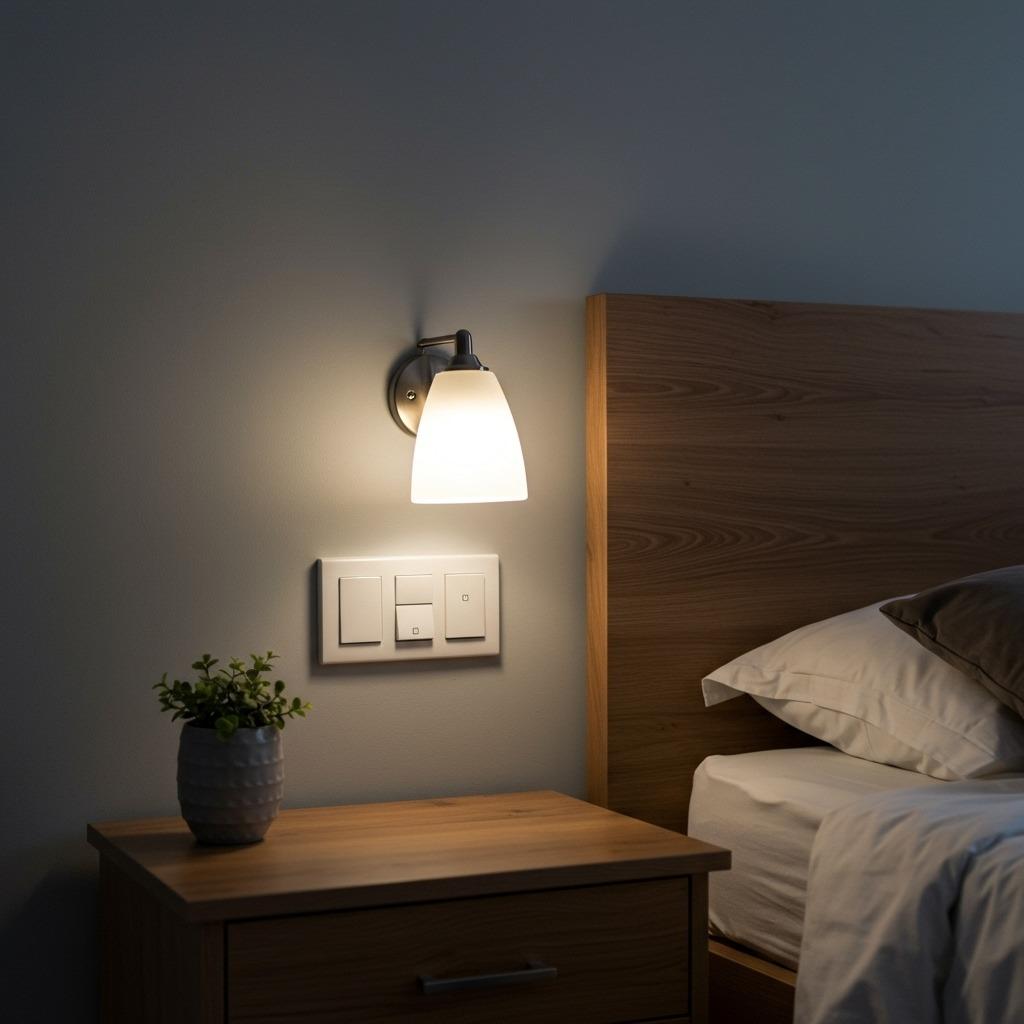
Dimmer switches changed my entire relationship with bedroom lighting. Being able to adjust brightness throughout the day means your lighting works with your natural rhythms instead of against them. Bright lights in the evening can interfere with melatonin production, making it harder to fall asleep.
Installing dimmers is surprisingly simple for most fixtures, though you’ll want to check that your bulbs are dimmable first. LED bulbs have come a long way, but not all of them dim smoothly. Look for bulbs specifically labeled as “dimmable” to avoid flickering or humming.
Consider smart bulbs if you don’t want to mess with electrical work. Many can be controlled from your phone, allowing you to create lighting schedules or adjust brightness from bed. Some even change color temperature, shifting from cool white during the day to warm amber at night. It’s convenient, though maybe not necessary for everyone.
4. Add Accent Lighting for Depth and Drama

Accent lighting isn’t essential, but it’s what transforms a bedroom from merely functional to actually beautiful. These lights highlight architectural features, artwork, or create visual interest in unexpected places. Think of them as the jewelry of your stylish home lighting scheme.
LED strip lights under floating shelves, behind headboards, or along crown molding create a soft glow that adds dimension without overwhelming the space. They’re especially effective in modern or minimalist bedroom design schemes where you want subtle sophistication.
Picture lights above artwork or a small spotlight aimed at a beautiful plant can draw the eye and create focal points. Just keep accent lighting subtle – it should enhance the room’s atmosphere, not compete with your primary light sources. These touches make your space feel intentionally designed rather than just adequately lit.
5. Make Use of Natural Light During the Day
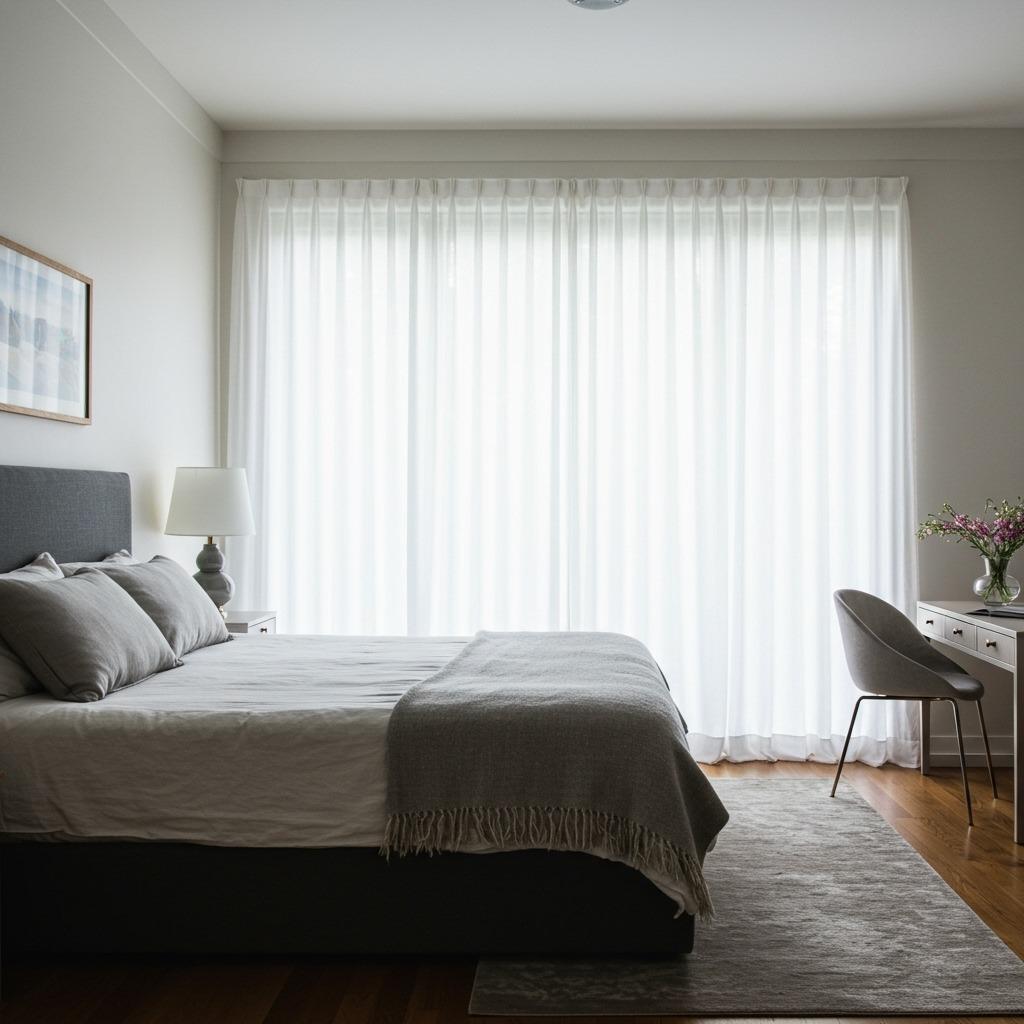
Natural light is the best light, but managing it properly throughout the day requires thoughtful window treatments. Sheer curtains allow soft, diffused daylight to filter in during the day, while blackout layers give you control when you need darkness for sleep or afternoon naps.
Position your bed to take advantage of morning light if you’re someone who likes waking up naturally. But avoid placing it directly in line with harsh afternoon sun, which can overheat your space and fade fabrics. Sometimes the best lighting plan involves knowing when to block light, not just add it.
If your bedroom lacks windows or natural light, consider full-spectrum bulbs that mimic daylight. While they’re not quite the same as real sunlight, they can help maintain your energy levels during morning routines. Save the warm, amber tones for evening when you want to wind down.
6. Choose the Right Bulb Color Temperature

Color temperature dramatically affects how your bedroom feels. Cool white bulbs (4000K and above) feel energizing and bright, which is great for bathrooms but too stimulating for bedrooms. Warm white (2700K-3000K) creates that cozy, relaxing atmosphere you actually want in a sleep space.
I made the mistake once of buying “daylight” bulbs for my bedroom because they were on sale. The room felt like a dentist’s office – everything looked sterile and made it impossible to relax. Swapping them for warm white bulbs instantly transformed the mood. Sometimes the smallest changes make the biggest difference.
If you can’t decide, look for tunable white bulbs that let you adjust color temperature throughout the day. Cooler tones can help with morning alertness, while warmer tones in the evening support better sleep. It’s a bit like having multiple lighting plans in one bulb, which appeals to my indecisive side.
7. Try Pendant Lights for Modern Style
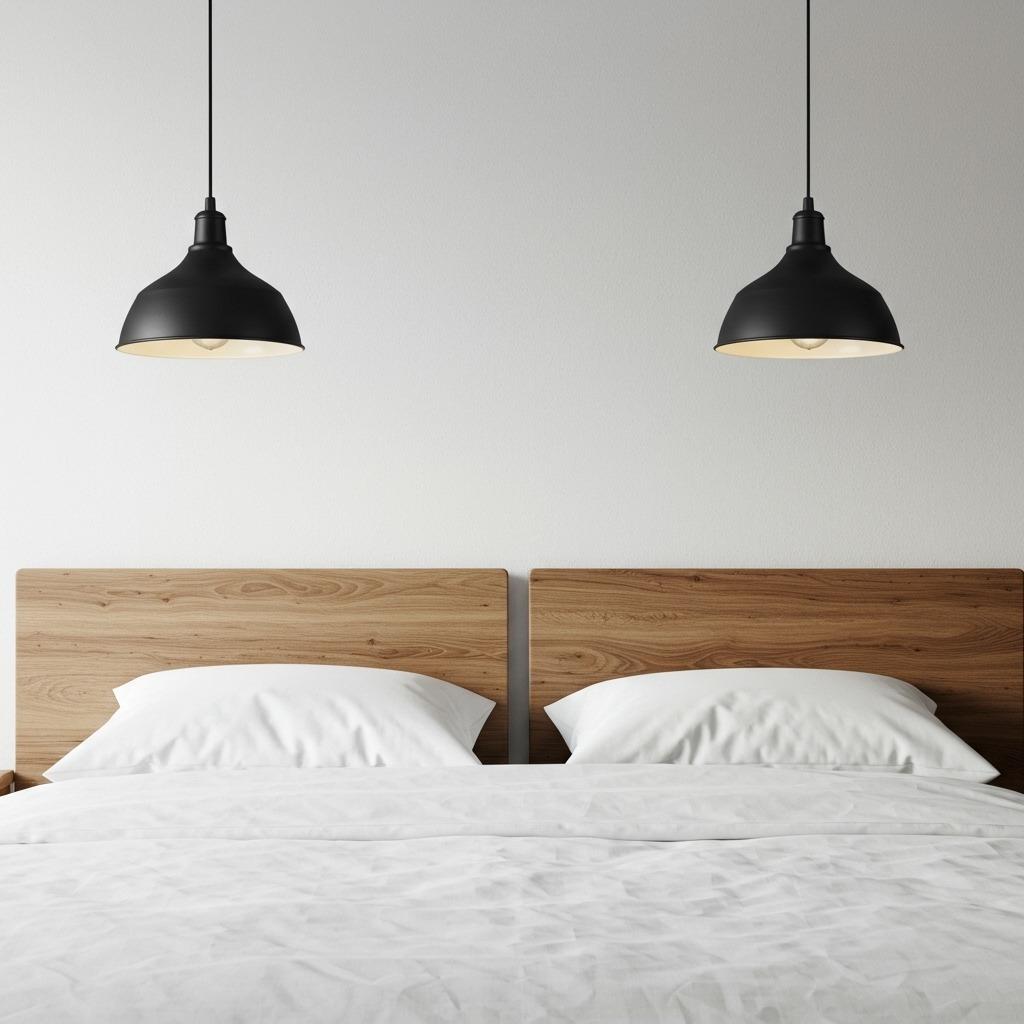
Pendant lights aren’t just for kitchens anymore. Hanging them as bedside lighting instead of table lamps frees up nightstand space while adding vertical interest. They work especially well in small space bedroom hacks where every inch of surface area counts.
When installing pendants beside the bed, hang them about 20-30 inches above the nightstand surface. They should provide adequate reading light without hitting your head when you sit up. Adjustable cord lengths make this easier, and you can always have an electrician raise or lower them if needed.
Choose pendant styles that complement your bedroom’s aesthetic. Glass globes feel modern and airy, while woven or rattan shades bring warmth and texture. Metal shades offer an industrial edge. The beauty of bedroom light fixtures like pendants is they become both functional lighting and decorative art pieces.
8. Install Wall Sconces to Save Space
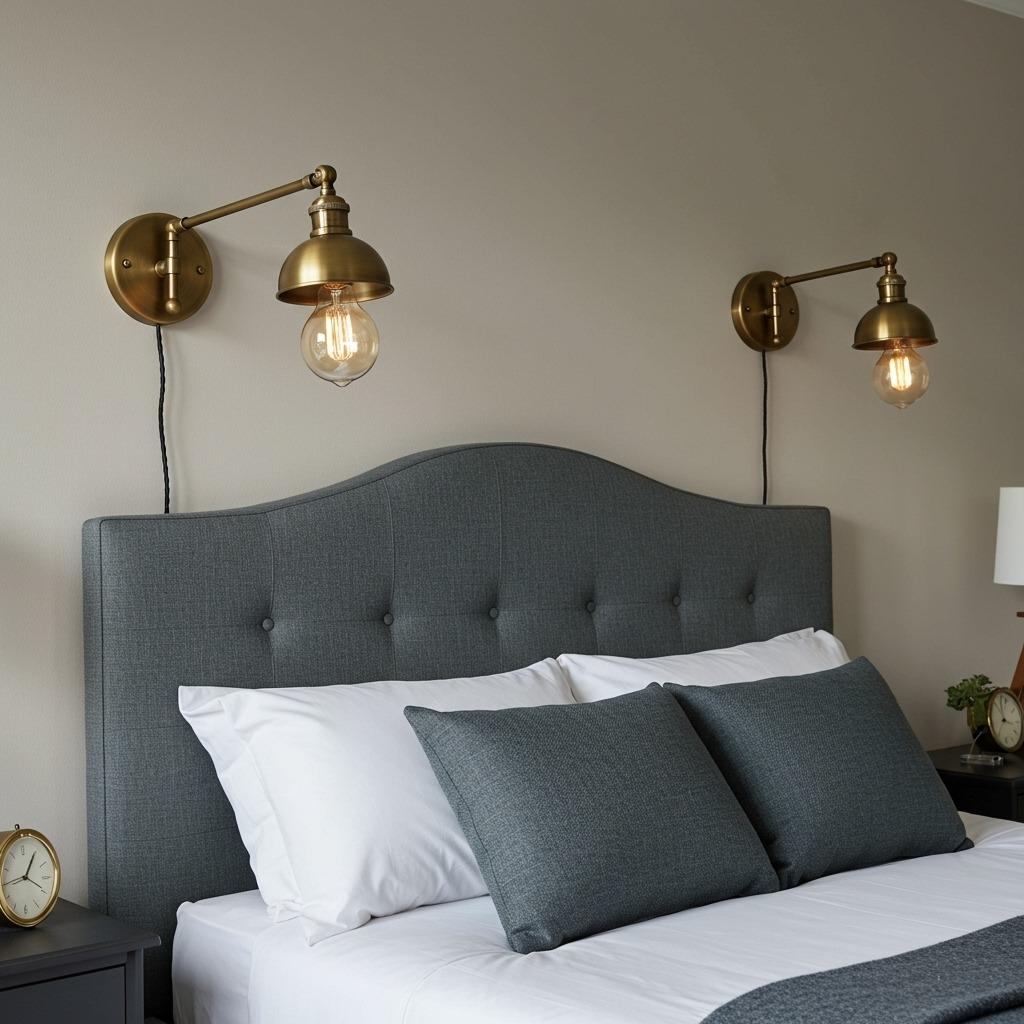
Wall sconces might be my favorite space-saving lighting solution. They provide task lighting without taking up any nightstand real estate, which matters when you’re trying to fit a lamp, phone charger, water glass, and that stack of books you swear you’ll read. Plus, they look polished and intentional.
Hardwired sconces require electrical work, but plug-in versions are readily available and work just as well. You can even find some with built-in USB ports now, which eliminates the need for separate charging stations. Smart design means thinking about all the functions your lighting needs to serve.
Position sconces about 60-70 inches from the floor and 6-8 inches out from the edge of your bed. This placement ensures the light falls where you need it for reading without creating harsh shadows. Swing-arm styles offer even more flexibility, letting you direct light exactly where you want it.
9. Don’t Forget About Closet Lighting
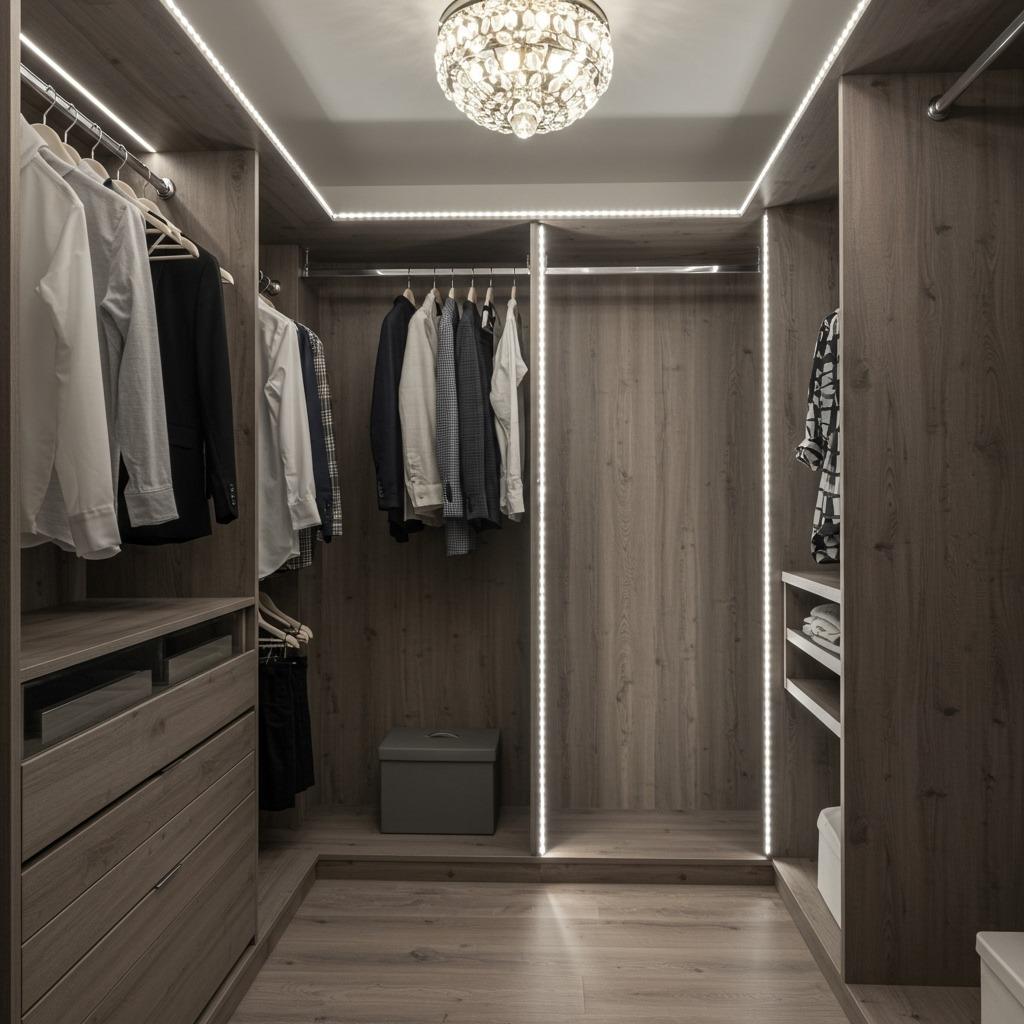
Closet lighting often gets overlooked, but trying to pick out clothes in a dark closet is frustrating. Good closet lighting makes getting dressed easier and can actually make your bedroom feel larger by extending well-lit space beyond just the main room area.
LED strip lights or puck lights installed along the closet rod illuminate your clothes evenly. Battery-operated options work perfectly for renters or anyone who doesn’t want to run new electrical. Motion-sensor lights are even better – they turn on automatically when you open the closet door and off when you close it.
If you have a walk-in closet, consider it an extension of your bedroom’s lighting plan. A small chandelier or flush mount in there creates a boutique feel while providing the bright, even lighting you need to actually see what you’re choosing to wear.
10. Create Ambiance With String Lights or Fairy Lights
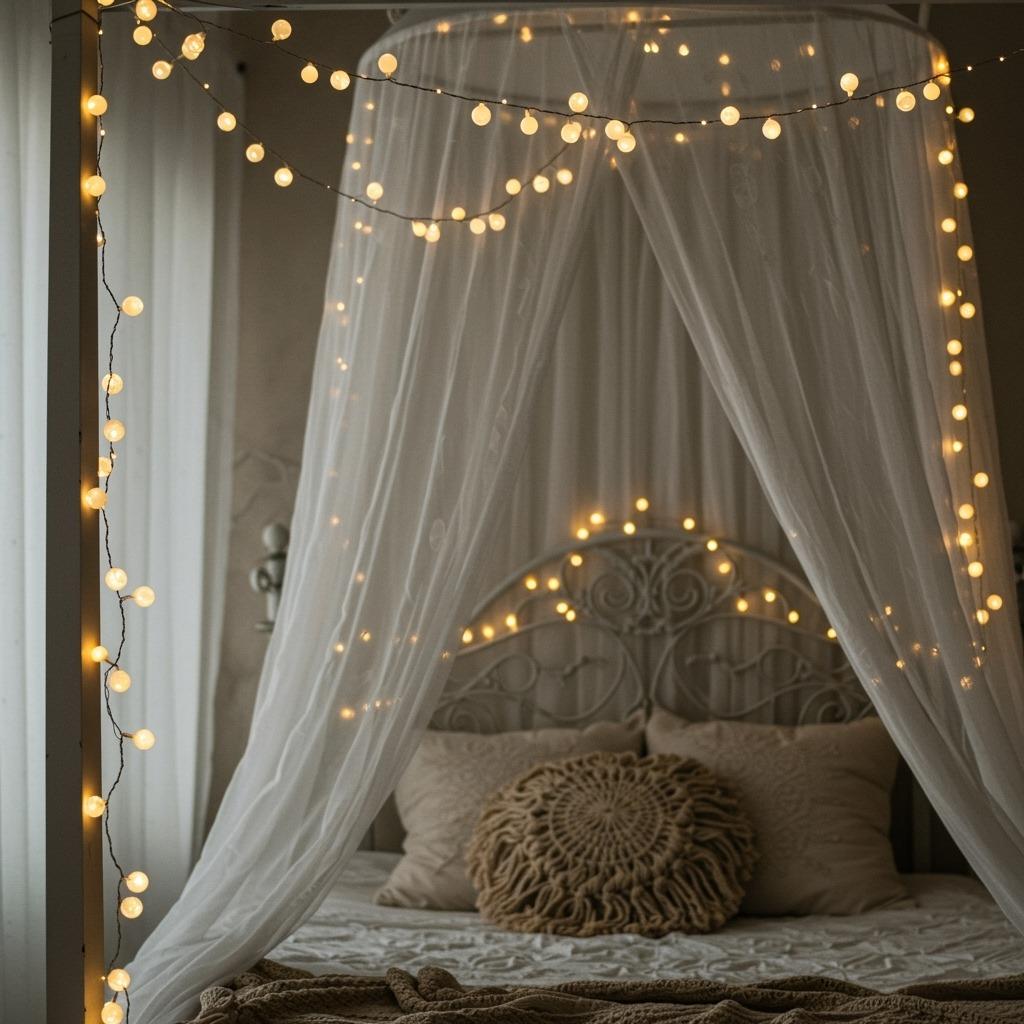
String lights aren’t just for college dorms anymore. When used thoughtfully, they create a soft, dreamy ambiance that’s perfect for bedrooms. Drape them along a headboard, around a mirror, or across a canopy for that magical, cozy feeling.
The key is making them look intentional rather than haphazard. Choose warm white lights over multicolored ones for a more sophisticated look. Battery-operated strings with timers mean you don’t have to worry about turning them off, and they won’t contribute to energy bills.
String lights work especially well in boho style bedroom or vintage bedroom designs where layered, eclectic lighting fits the aesthetic. They provide just enough glow for late-night navigation without being bright enough to interfere with sleep. Sometimes the softest light sources create the most impact.
11. Incorporate Table Lamps Beyond the Nightstand
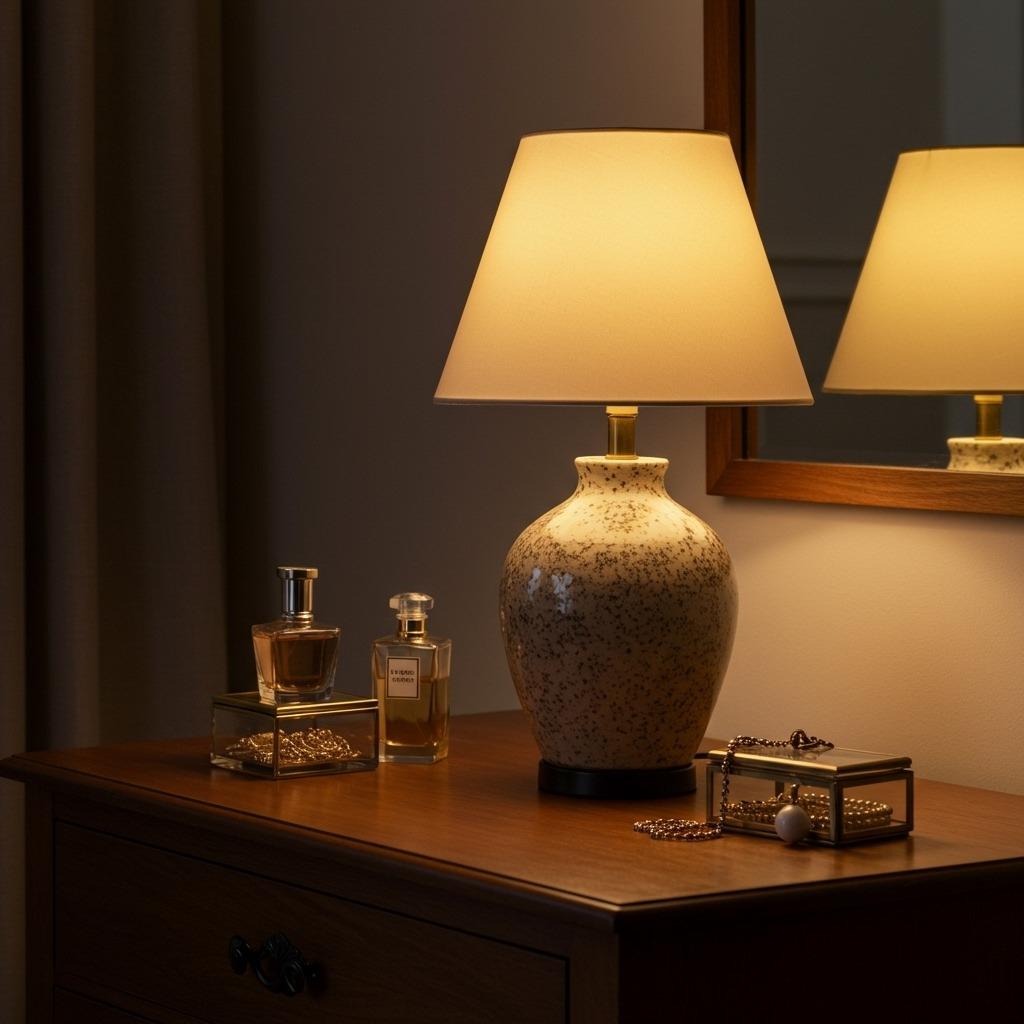
Table lamps shouldn’t be confined to nightstands. A lamp on a dresser, desk, or even on the floor in a corner adds another layer to your lighting scheme. These additional light sources give you more flexibility in creating the exact mood you want at any given time.
A lamp on your dresser provides task lighting for getting ready while also serving as a decorative element during the day. Choose one that complements your nightstand lamps but doesn’t necessarily match – slight variations in style or height create visual interest rather than feeling too matchy-matchy.
Floor lamps work beautifully in bedroom corners, filling in dark spots and adding height to your lighting layers. Arc floor lamps can even reach over the bed, functioning like a pendant light without any installation required. They’re perfect for renters or anyone who wants flexibility in their lighting arrangement.
12. Use Smart Lighting Technology
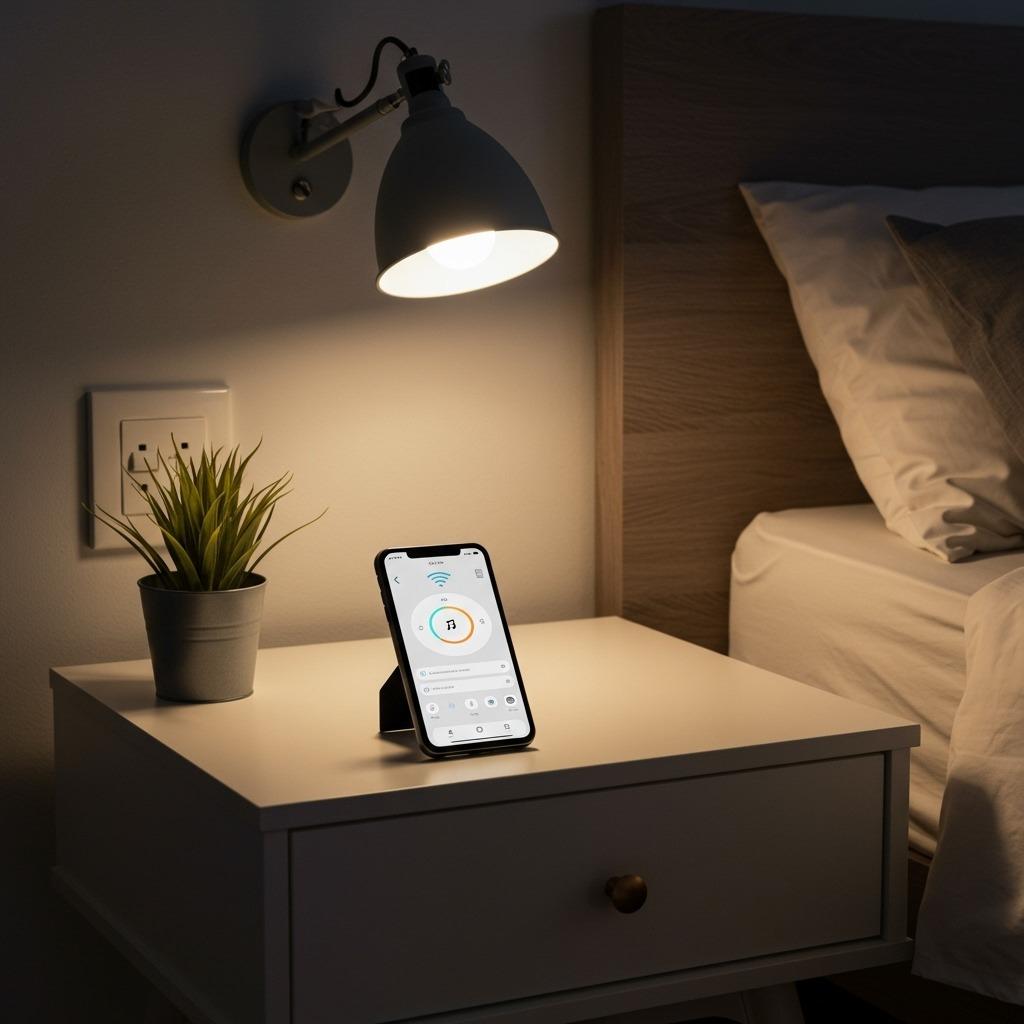
Smart lighting has become surprisingly affordable and genuinely useful rather than just a gimmick. Being able to control your bedroom lighting from your phone means you can turn off that lamp you forgot about without getting out of bed. For someone who values those extra two minutes of warmth under the covers, this matters.
Smart bulbs let you create schedules that align with your routine. Lights can gradually brighten in the morning to help you wake up naturally, then dim in the evening to support your wind-down routine. Some systems even integrate with other smart home devices, creating scenes that adjust multiple settings at once.
Voice control through Alexa, Google Home, or Siri adds another layer of convenience. There’s something luxurious about saying “turn off bedroom lights” as you settle into bed. The technology has become reliable enough that it actually enhances daily life rather than creating frustration with connectivity issues.
13. Play With Lampshade Styles and Materials

The lampshade you choose affects both the quality and direction of light in your bedroom. Opaque shades direct light up and down, creating more dramatic pools of light. Translucent linen or fabric shades diffuse light more evenly, providing softer overall illumination.
Dark or colored lampshades create mood and atmosphere but reduce light output. They work beautifully for ambient or accent lighting but might not provide enough brightness for reading. White or cream shades maximize light while maintaining a clean, classic look that works with any decor style.
Textured shades made from materials like woven rattan, paper, or patterned fabric cast interesting shadows and patterns on your walls. These small details add character to your colorful living room or bedroom without requiring any major changes. Sometimes it’s worth upgrading just the shades on existing lamps for a fresh look.
14. Consider Canopy or Bed Lighting
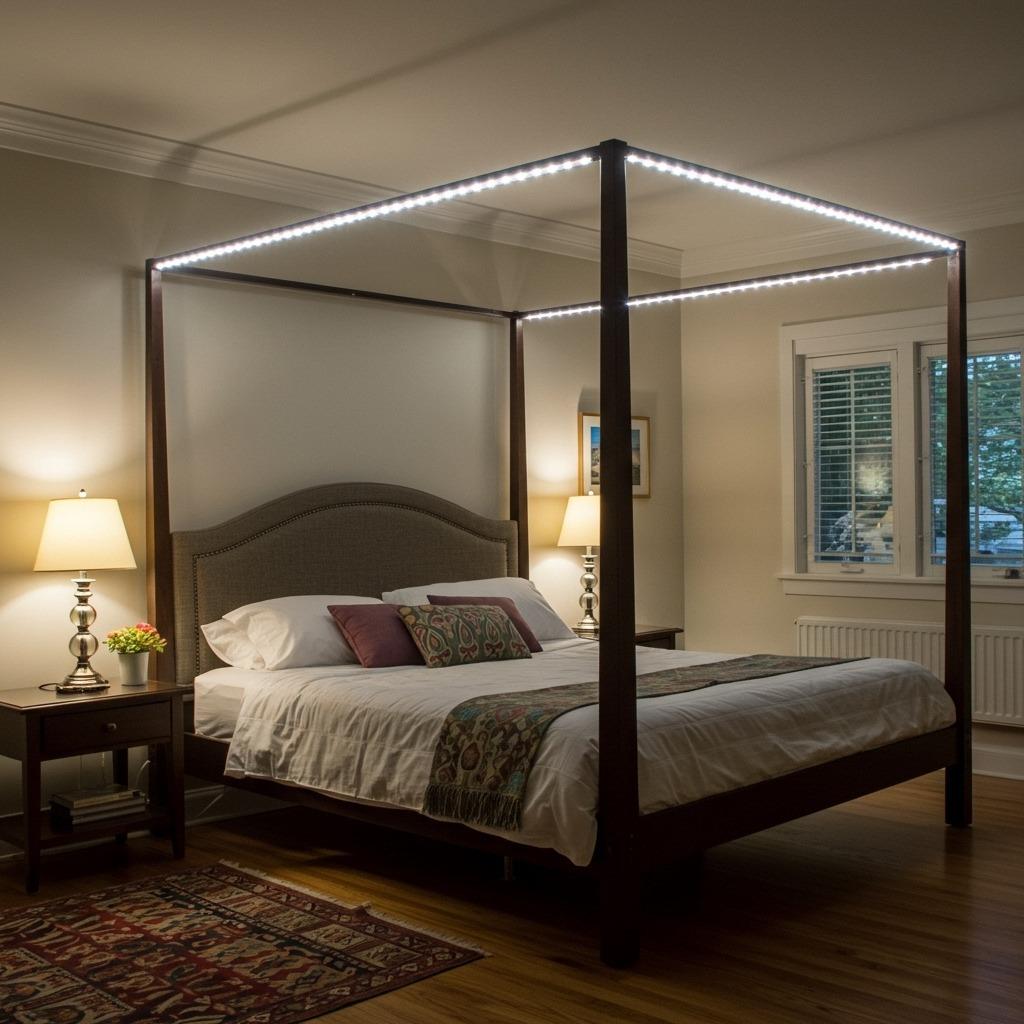
Lighting built into or around your bed canopy creates an enchanting, cocooned feeling. LED strips attached to the underside of a canopy frame provide soft overhead lighting that’s perfect for reading or late-night conversations. It feels a bit like sleeping under the stars, minus the bugs and cold.
If you don’t have a traditional canopy bed, you can create a similar effect with a simple frame made from curtain rods or even fishing line strung with lights. The goal is creating a defined sleeping zone with its own gentle illumination separate from the rest of the room.
This approach works particularly well in luxury master bedroom designs or cozy winter bedroom setups where you want that extra feeling of warmth and enclosure. It’s a bit more involved than simply adding a lamp, but the effect is wonderfully cozy and romantic.
15. Highlight Architectural Features
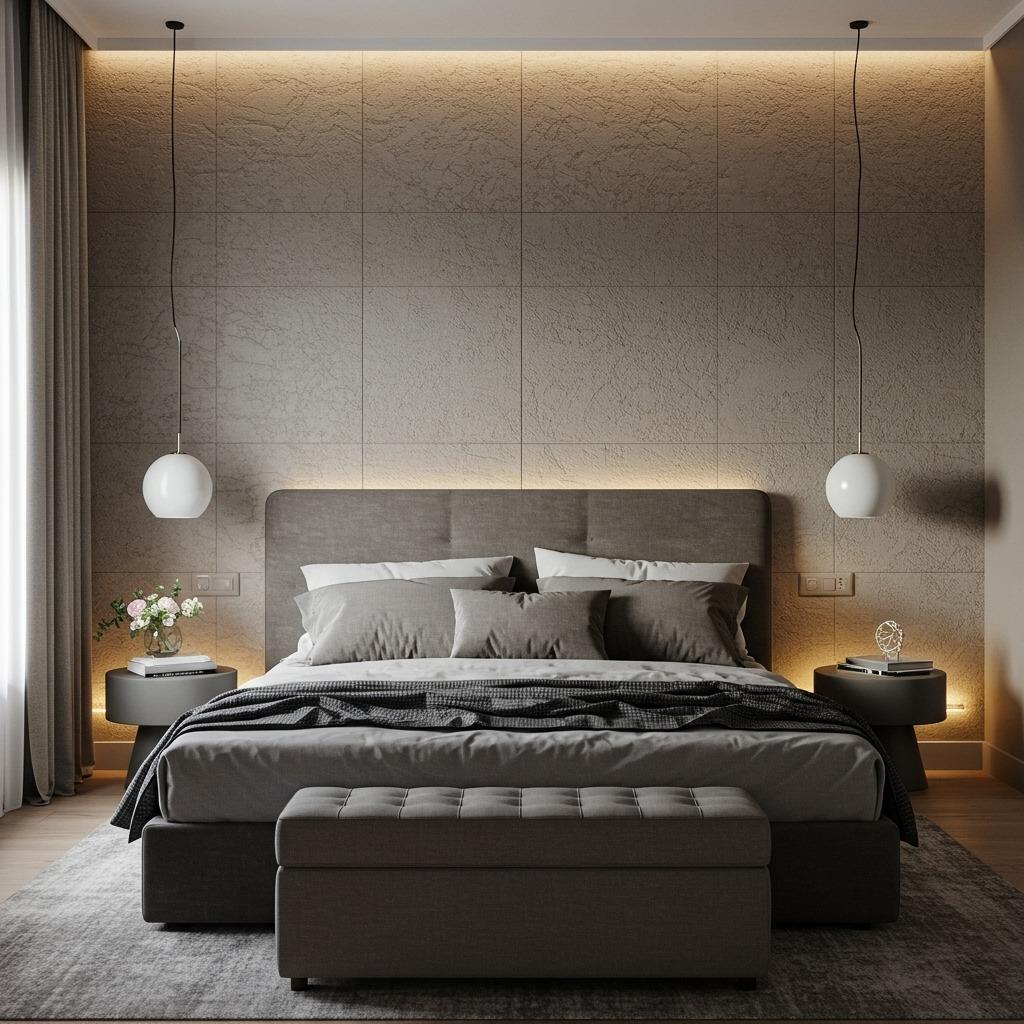
If your bedroom has interesting architectural details – exposed beams, a beautiful headboard, built-in shelving, or textured walls – use accent lighting to make them stand out. Uplighting along walls creates drama and makes ceilings appear higher.
Small spotlights or picture lights can highlight a gallery wall or special piece of artwork. The trick is keeping these accent lights on their own switch or dimmer so you can turn them on when you want atmosphere but off when you need the room darker for sleep.
This technique is especially effective in modern accent wall ideas where the texture or pattern deserves to be showcased. Strategic lighting turns architectural features into focal points, making your bedroom feel more designed and intentional. It’s those finishing touches that elevate a space from ordinary to special.
16. Match Lighting to Your Bedroom Style
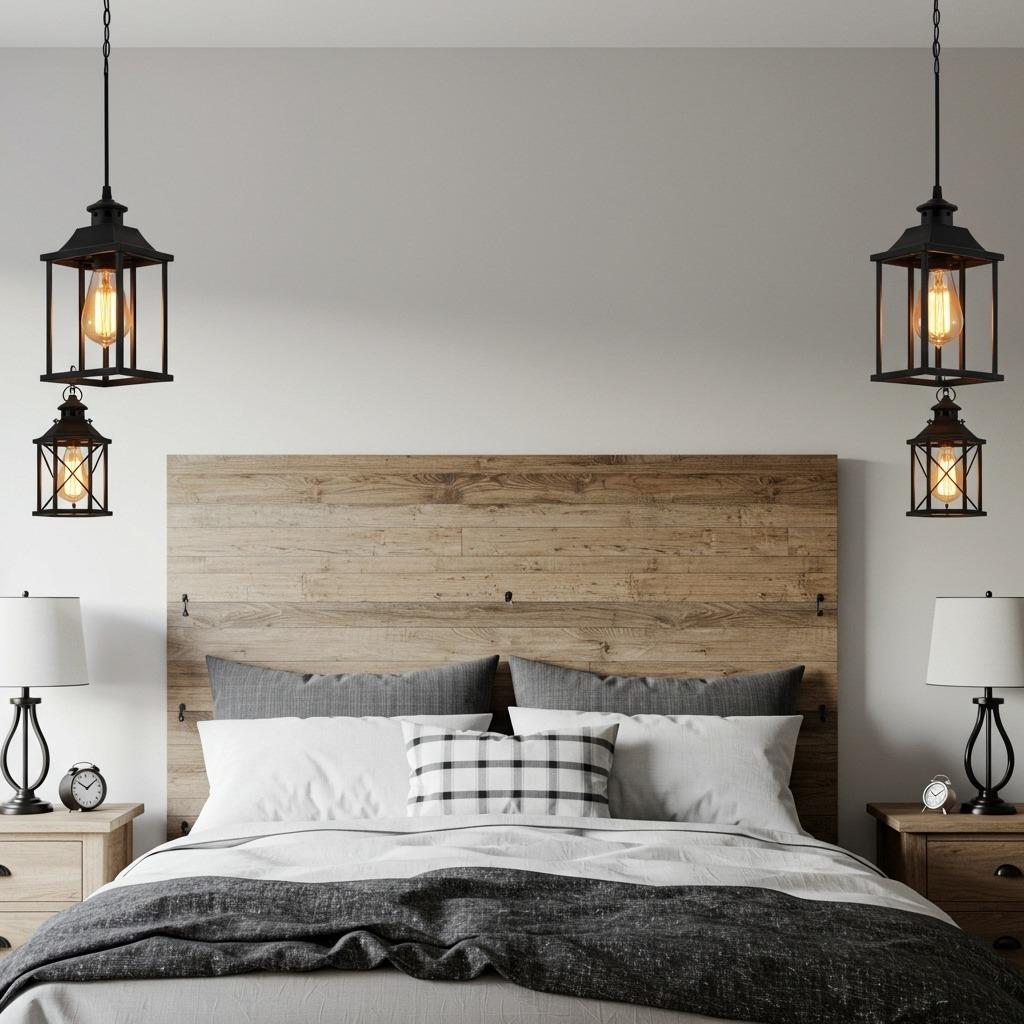
Your lighting choices should reinforce your bedroom’s overall aesthetic. A Scandinavian interior bedroom calls for simple, functional fixtures with clean lines and natural materials. Think paper pendants, wooden lamps, or minimalist metal sconces.
For farmhouse bedroom themes, consider fixtures with industrial elements like exposed bulbs, wire cages, or distressed metal finishes. Mason jar lights or vintage-inspired Edison bulbs reinforce that rustic, comfortable feeling.
Modern or contemporary bedrooms benefit from sculptural fixtures that double as art pieces. Geometric pendants, asymmetrical table lamps, or sleek LED installations keep things current and interesting. The goal is making sure your bedroom light fixtures feel like they belong rather than like afterthoughts.
17. Balance Function and Aesthetics
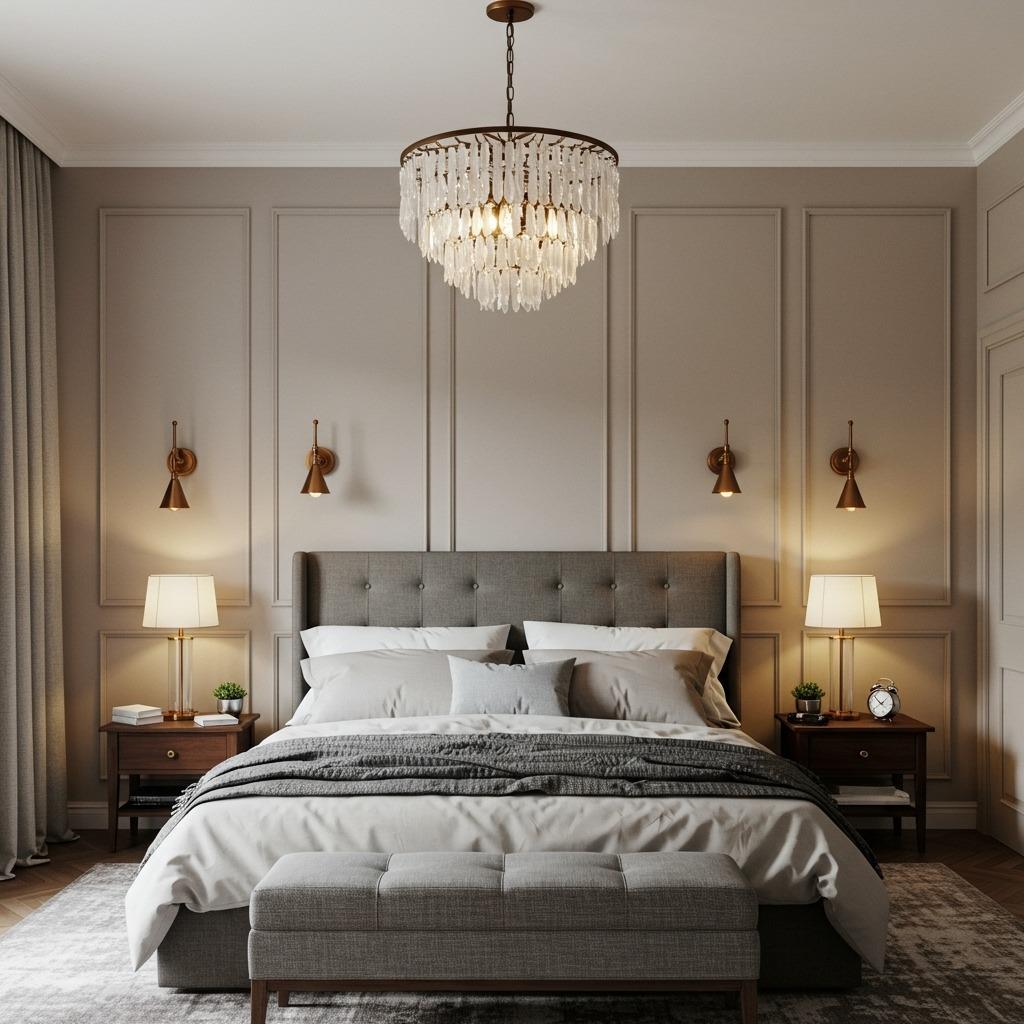
Pretty lights that don’t provide enough illumination are frustrating. Super bright fixtures that destroy ambiance are equally problematic. The sweet spot is finding bedroom lighting that looks good while actually serving its purpose effectively.
When shopping for fixtures, consider lumens (brightness) not just appearance. A beautiful lamp that’s too dim for reading defeats the purpose of having a reading light. Similarly, that stunning chandelier might overpower a small bedroom if it’s too bright and you can’t dim it.
Test light placement before committing to permanent installation. Sometimes what looks good on paper doesn’t work in reality. Living with temporary solutions – even if it means using extension cords and trying different spots – helps you figure out what actually works for your space and habits.
18. Plan for Different Times of Day
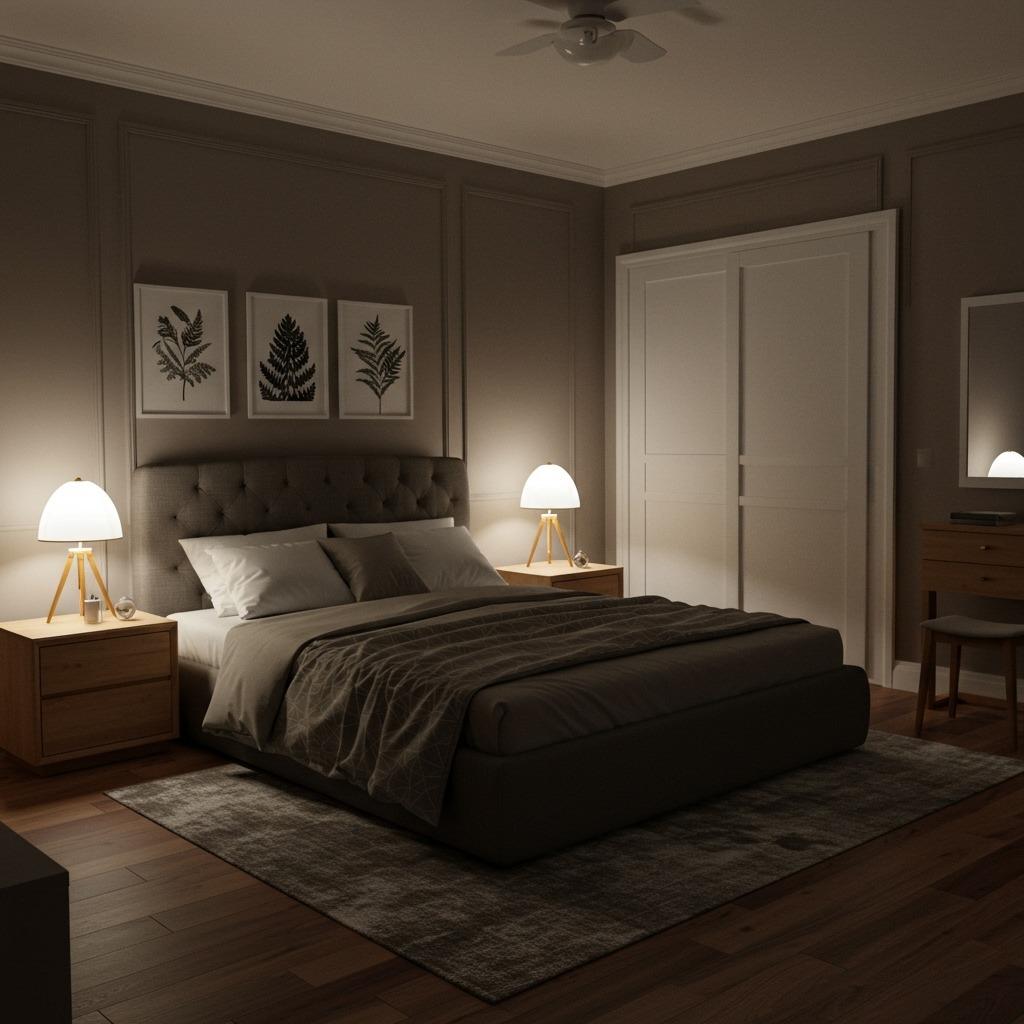
Your bedroom lighting needs shift throughout the day. Morning requires brighter, more energizing light for getting ready. Evening calls for softer, warmer illumination that helps you transition to sleep mode. Planning for these different needs prevents you from constantly moving lamps around.
Consider having separate circuits or multiple switches that control different fixture groups. This lets you create “scenes” without smart technology – maybe overhead lights and dresser lamp for morning prep, just nightstand lamps for evening reading, and only accent lights for nighttime navigation.
This layered approach works in any bedroom size or style. Even in small space bedroom hacks, you can achieve flexibility through smart bulb choices and placement rather than just adding more fixtures. Sometimes it’s about working smarter, not harder.
19. Don’t Ignore the Ceiling Height Factor
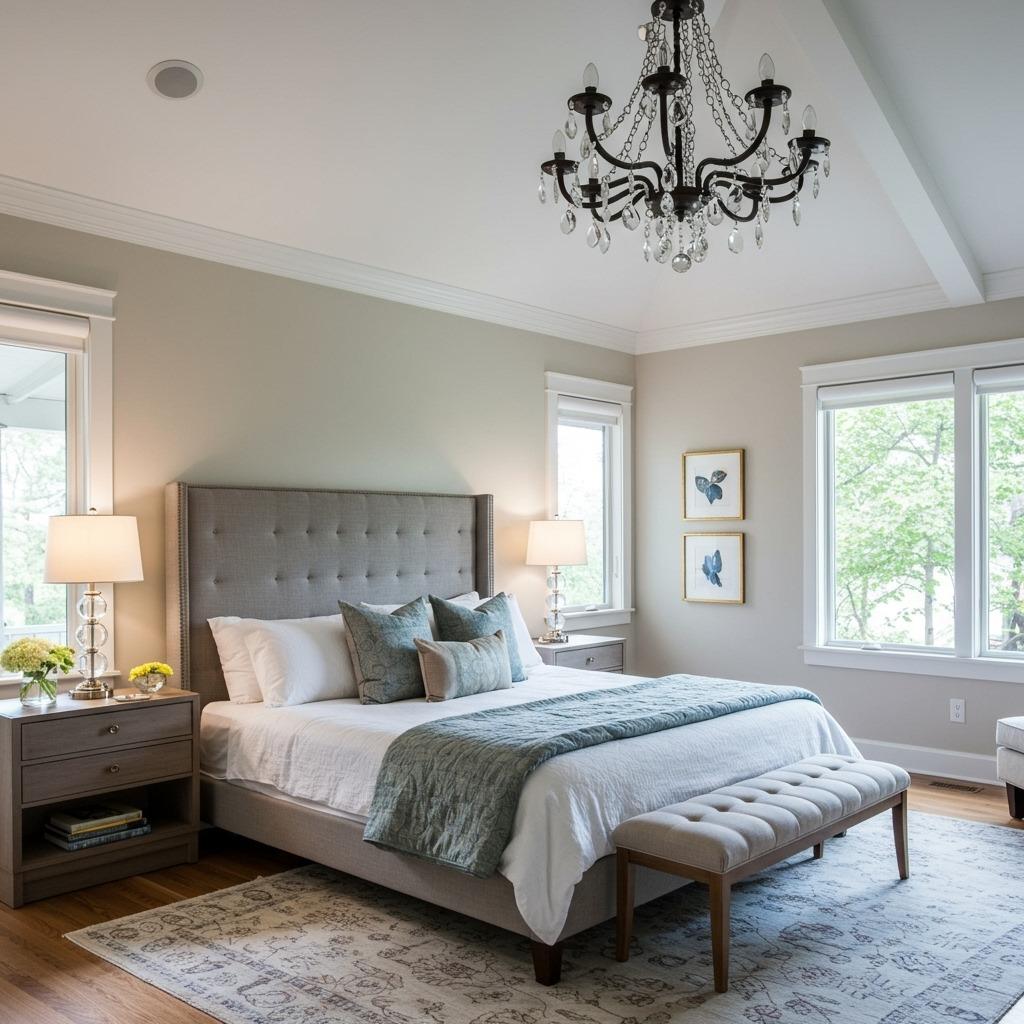
Ceiling height dramatically affects how you should approach bedroom lighting. Low ceilings work better with flush mount fixtures, wall sconces, and table lamps. Hanging fixtures should be avoided or kept very close to the ceiling to prevent head bumps.
High ceilings give you freedom to play with dramatic pendants, chandeliers, or statement fixtures that become room focal points. But you’ll also need to fill that vertical space thoughtfully – a single overhead fixture in a room with 10-foot ceilings will leave the space feeling cold and cavernous.
In rooms with sloped or vaulted ceilings, track lighting or adjustable fixtures give you flexibility in directing light where you need it. The unique architecture becomes a feature rather than a challenge when you work with it instead of against it.
20. Embrace the Power of Mirrors
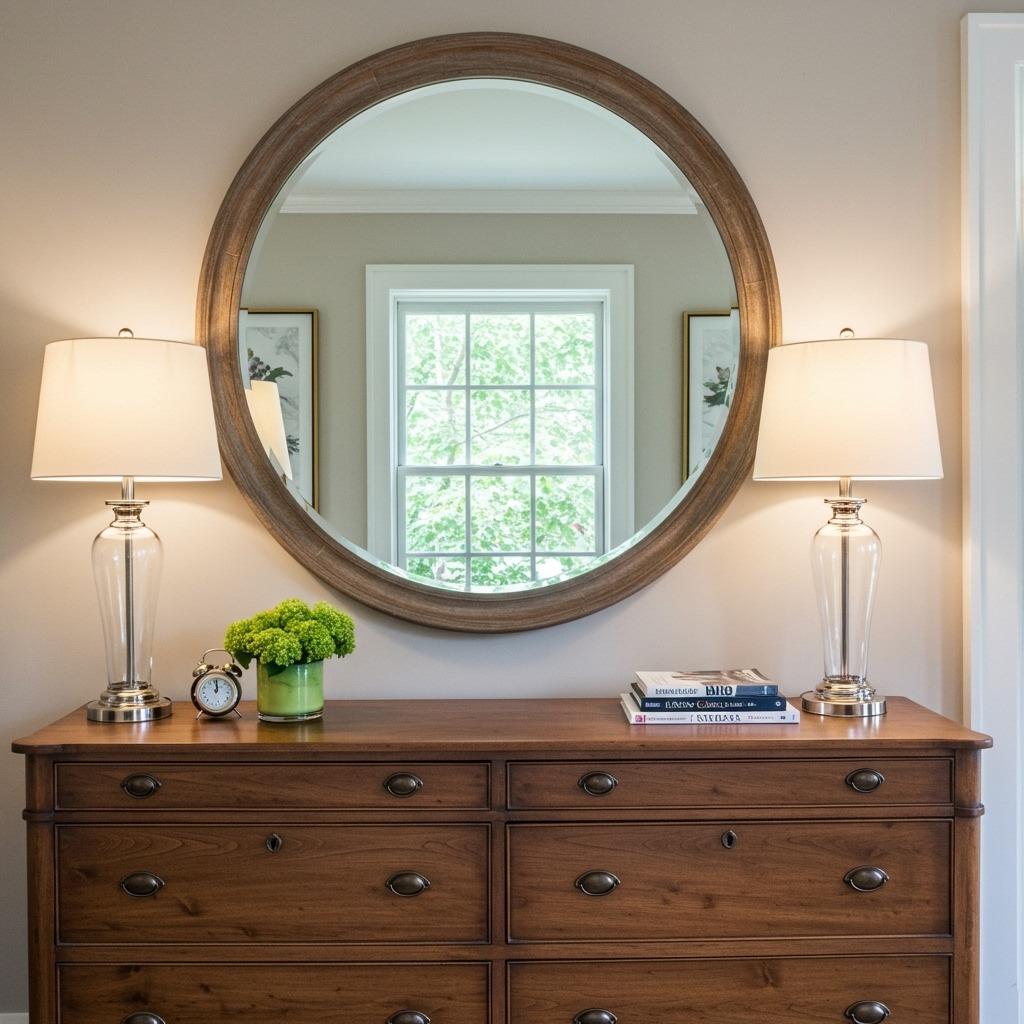
Mirrors aren’t lighting fixtures themselves, but they’re powerful tools for amplifying and distributing light throughout your bedroom. A well-placed mirror opposite a window bounces natural light deeper into the room. Mirrors near lamps multiply their effect, making the space feel brighter without adding more fixtures.
Large leaning mirrors behind table lamps create a beautiful glow and make small bedrooms feel more spacious. The reflection tricks the eye into perceiving more depth and light than actually exists. It’s one of those designer secrets that works surprisingly well in real life.
Consider mirrors with integrated lighting for functional task lighting at your dresser or vanity area. These provide even, shadow-free illumination perfect for getting ready. Backlit mirrors create a soft ambient glow while serving a practical purpose. They’re especially popular in spa-inspired bathroom designs but work beautifully in bedrooms too.
Getting bedroom lighting right takes some experimentation, but the difference it makes is worth the effort. You’ll sleep better, read more comfortably, and actually enjoy spending time in your space beyond just sleeping there.
Start with one change – maybe adding a dimmer switch or upgrading your bedside lamps – and build from there. You don’t need to overhaul everything at once. Small improvements in lighting create noticeable shifts in how your bedroom feels and functions.
The best lighting plan is one that adapts to how you actually live, not some idealized version of bedroom life. Pay attention to when you feel like the lighting isn’t working, and adjust accordingly. Your bedroom should support your routines, mood, and comfort in every moment you’re in it.

