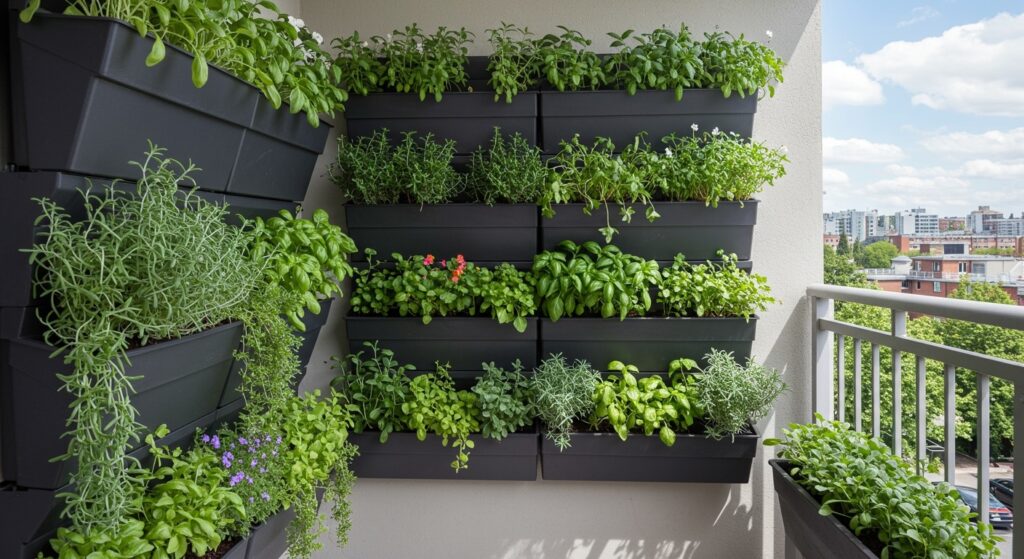
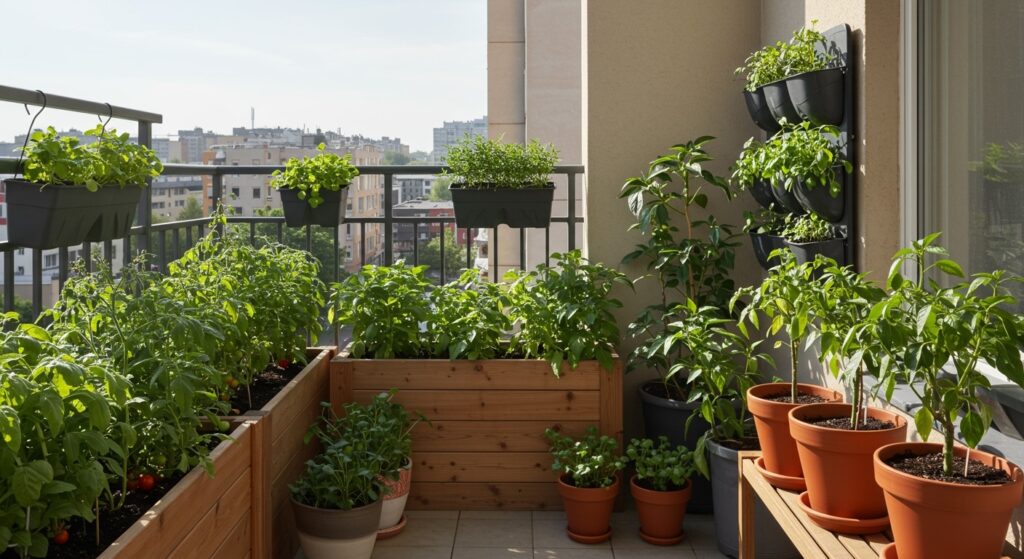
Growing your own vegetables doesn’t require a sprawling backyard. Your balcony, no matter how small, can become a productive little farm that supplies fresh produce right outside your door. I’ve watched friends transform cramped apartment balconies into thriving vegetable gardens, and honestly, it’s easier than you’d think.
The beauty of a balcony vegetable garden lies in its accessibility. You can step outside in your pajamas, scissors in hand, and snip fresh basil for your morning eggs or grab a handful of cherry tomatoes for lunch. There’s something deeply satisfying about eating food you’ve grown yourself, especially when your “garden” is just a few steps from your kitchen.
Whether you have a sun-drenched south-facing balcony or a shaded spot that gets partial light, there’s a vegetable growing method that’ll work for your space. Let’s explore creative ways to maximize every inch of your balcony while keeping things manageable and beautiful.
1. Vertical Tower Planters for Maximum Yield
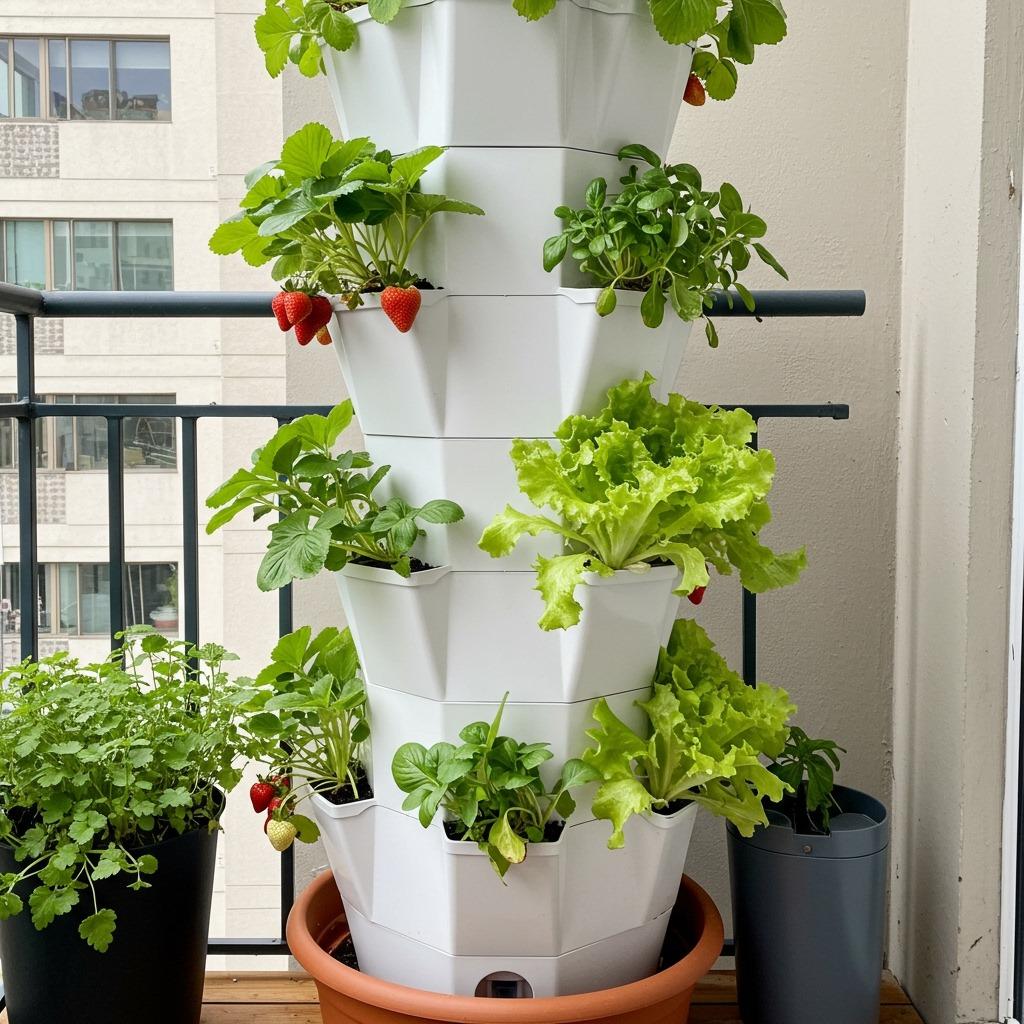
Vertical tower planters are absolute space-savers for balcony gardening. These stacked systems let you grow multiple plants in the footprint of a single pot, making them perfect for narrow balconies. I’ve seen people harvest enough salad greens from one tower to feed their family for weeks.
Most tower systems come with built-in watering reservoirs that distribute moisture evenly to all levels. This means less frequent watering and healthier plants overall. You can grow everything from strawberries and lettuce to herbs and compact pepper varieties in these towers.
Position your tower where it gets at least 6 hours of sunlight daily. The taller varieties work brilliantly in corners, while shorter towers can line your balcony railing without blocking too much view. If you’re new to gardening for beginners, these systems make the whole process surprisingly foolproof.
2. Railing Planters That Double Your Growing Space
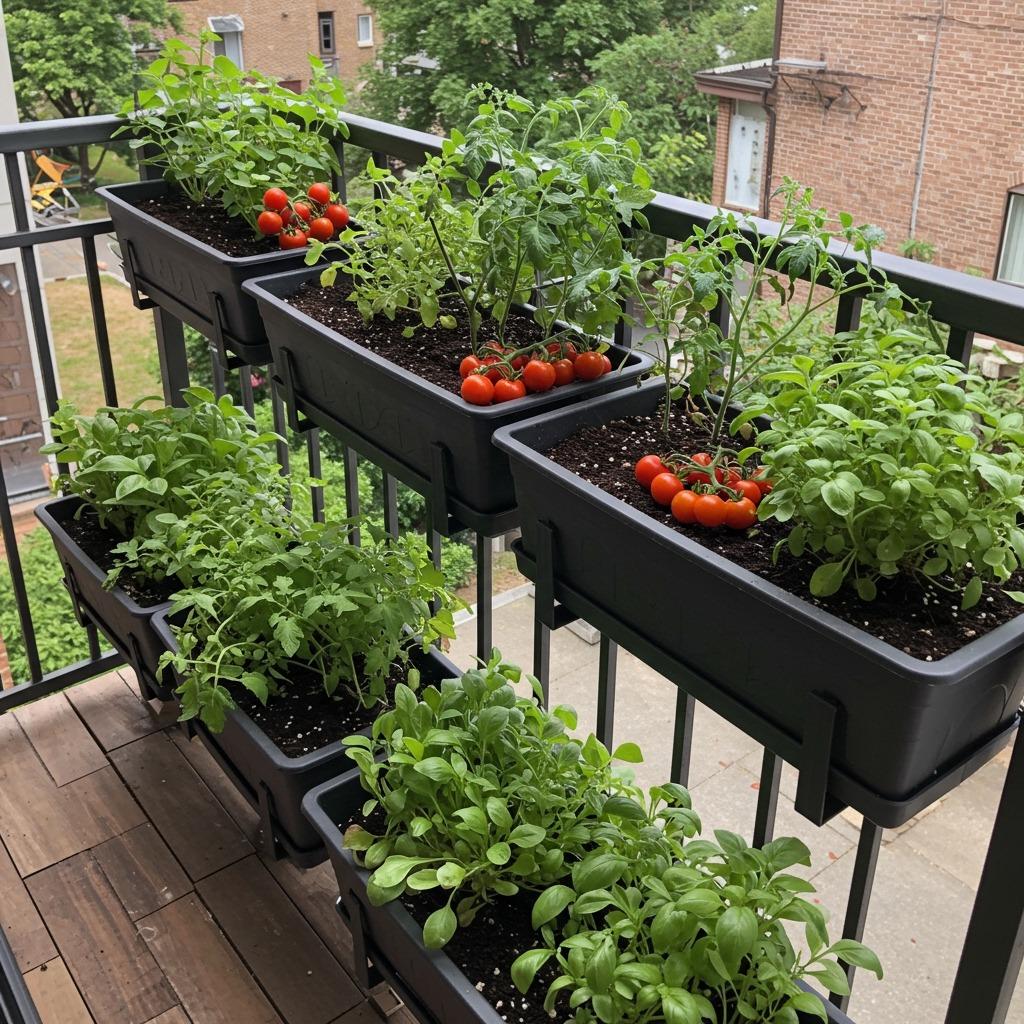
Your balcony railing is prime real estate that often goes unused. Railing planters hook right onto your existing structure, instantly doubling your planting area without taking up any floor space. They’re especially great for shallow-rooted vegetables and cascading plants.
These planters work beautifully for growing lettuce, spinach, radishes, and herbs. I particularly love using them for trailing varieties like cherry tomatoes or small cucumbers that can cascade down for a living wall effect. Just make sure your planters have proper drainage holes and won’t damage your railing finish.
Check your balcony’s weight restrictions before loading up your railings, especially if you’re planning multiple planters. Most standard railing planters are lightweight enough not to cause issues, but it’s worth confirming with your building management if you’re renting.
3. Tiered Shelving Units for Organized Growing

Tiered shelving brings vertical organization to your balcony vegetable garden. These multi-level stands let you arrange plants by their sunlight needs, placing sun-lovers on top and shade-tolerant veggies on lower shelves. It’s like creating microclimates within your tiny space.
The stepped design also improves air circulation around your plants, which helps prevent fungal diseases common in crowded balcony gardens. You can mix container sizes on different levels, keeping larger pots with deep-rooted veggies like tomatoes on the bottom and smaller herb pots up top.
Look for weather-resistant materials like cedar wood or powder-coated metal that can handle outdoor conditions. Some units even come with wheels, making it easy to move your entire garden to chase the sun or protect plants during harsh weather.
4. Hanging Baskets for Cascading Vegetables
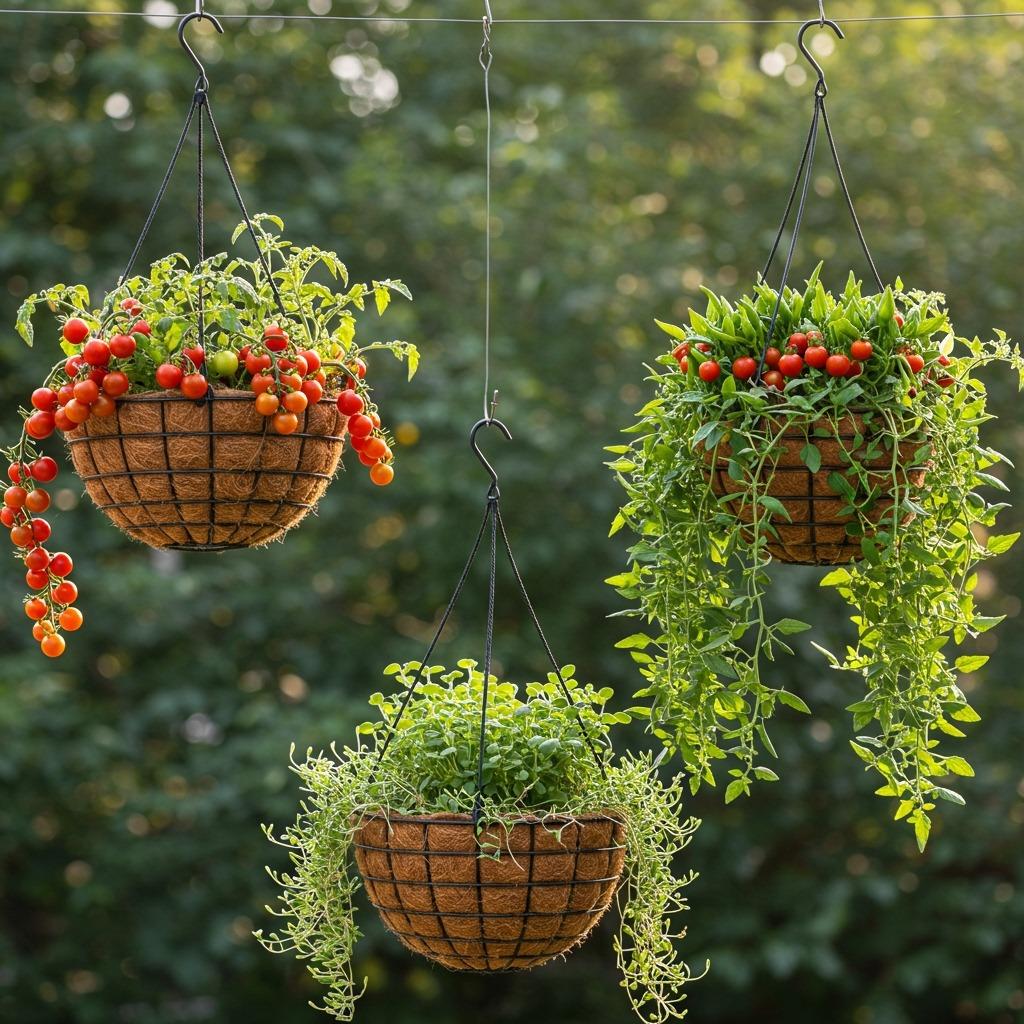
Hanging baskets utilize the often-forgotten overhead space on your balcony. They’re perfect for vegetables that naturally trail or cascade, creating a lush, productive canopy above you. Plus, they keep plants away from ground-dwelling pests and improve air circulation.
Cherry tomatoes, small pepper varieties, and trailing herbs like oregano thrive in hanging containers. The elevated position also makes harvesting easier on your back since you’re not constantly bending down. Just be mindful that hanging baskets dry out faster than ground-level pots, so they’ll need more frequent watering.
Install heavy-duty hooks rated for outdoor use and consider the weight of wet soil when choosing your baskets. Coconut coir-lined wire baskets provide excellent drainage, while plastic hanging pots with saucers catch excess water to prevent dripping on neighbors below.
5. Window Box Gardens at Eye Level
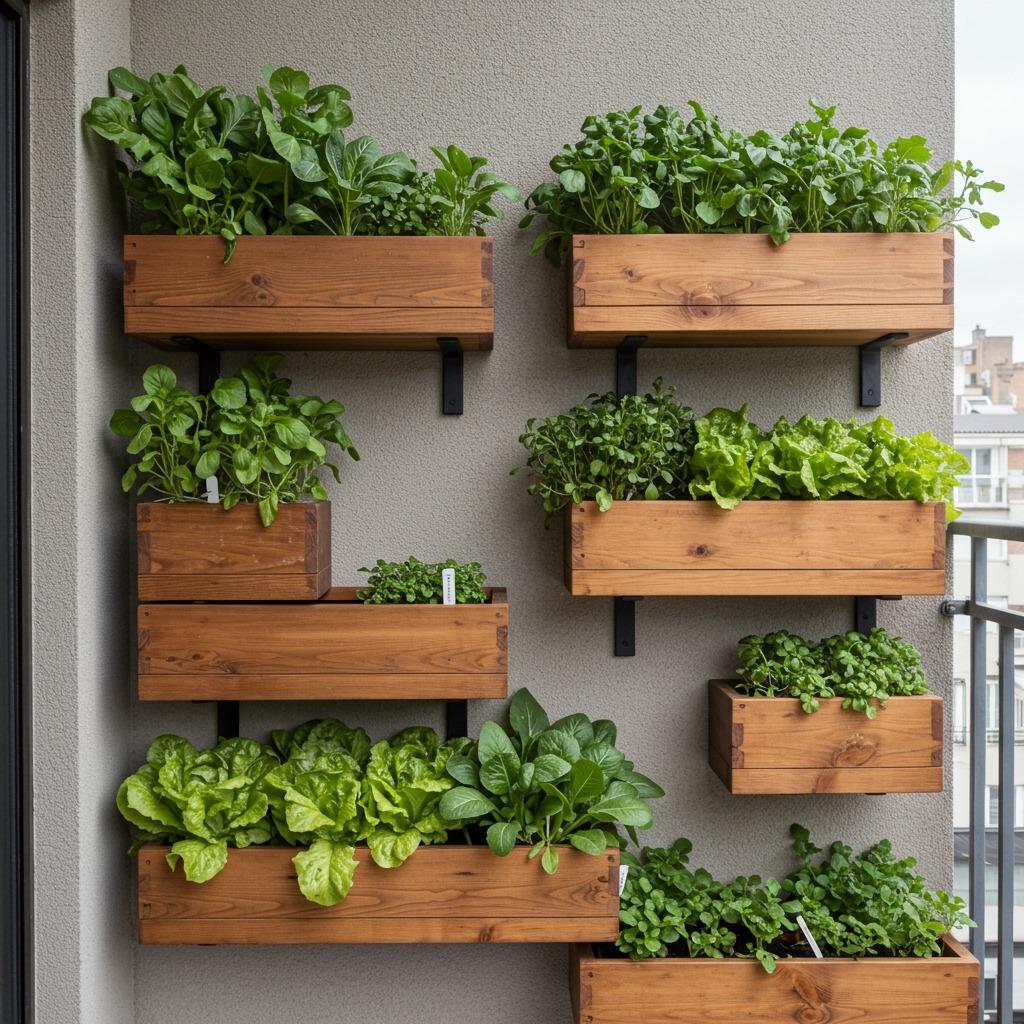
Window boxes aren’t just for flowers anymore. Mounting these shallow planters on your balcony walls creates eye-level growing space that’s incredibly convenient for tending and harvesting. Similar to maximizing small space renovation projects, it’s about using every available surface creatively.
These boxes work wonderfully for quick-growing, shallow-rooted vegetables like lettuce, arugula, radishes, and herbs. You can stagger multiple boxes at different heights to create a living wall effect that’s both productive and beautiful. The shallow depth means they’re lighter than traditional pots, making wall mounting safer.
Choose boxes with built-in drainage and mount them securely into wall studs or use heavy-duty wall anchors. I like arranging them in odd numbers (three or five boxes) for a more natural, visually pleasing layout that doesn’t look too regimented.
6. Rolling Garden Carts for Flexibility
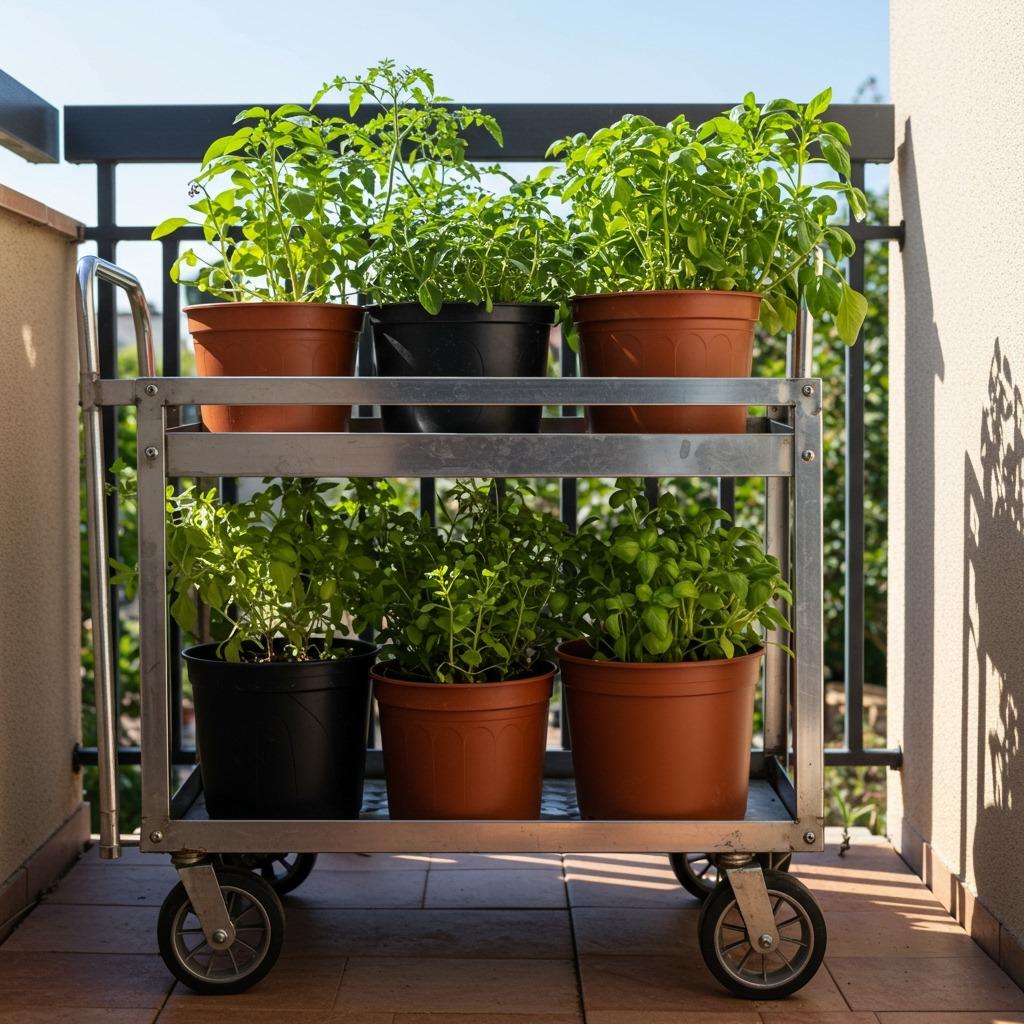
Rolling carts give you complete control over your garden’s positioning. You can chase the sun throughout the day, move plants under cover during storms, or rearrange your layout whenever you want. This flexibility is priceless when you’re dealing with changing seasons or unpredictable weather.
These mobile gardens work particularly well for heat-loving vegetables like tomatoes and peppers that benefit from maximum sun exposure. When a heatwave hits, you can easily wheel them to a shadier spot during the hottest afternoon hours. The rolling feature also makes balcony cleaning much easier.
Look for carts with locking wheels to keep everything stable when parked. Metal carts with slatted shelves provide better drainage than solid surfaces, and multiple tiers let you grow more in the same floor space.
7. Recycled Container Gardens for Budget Growing
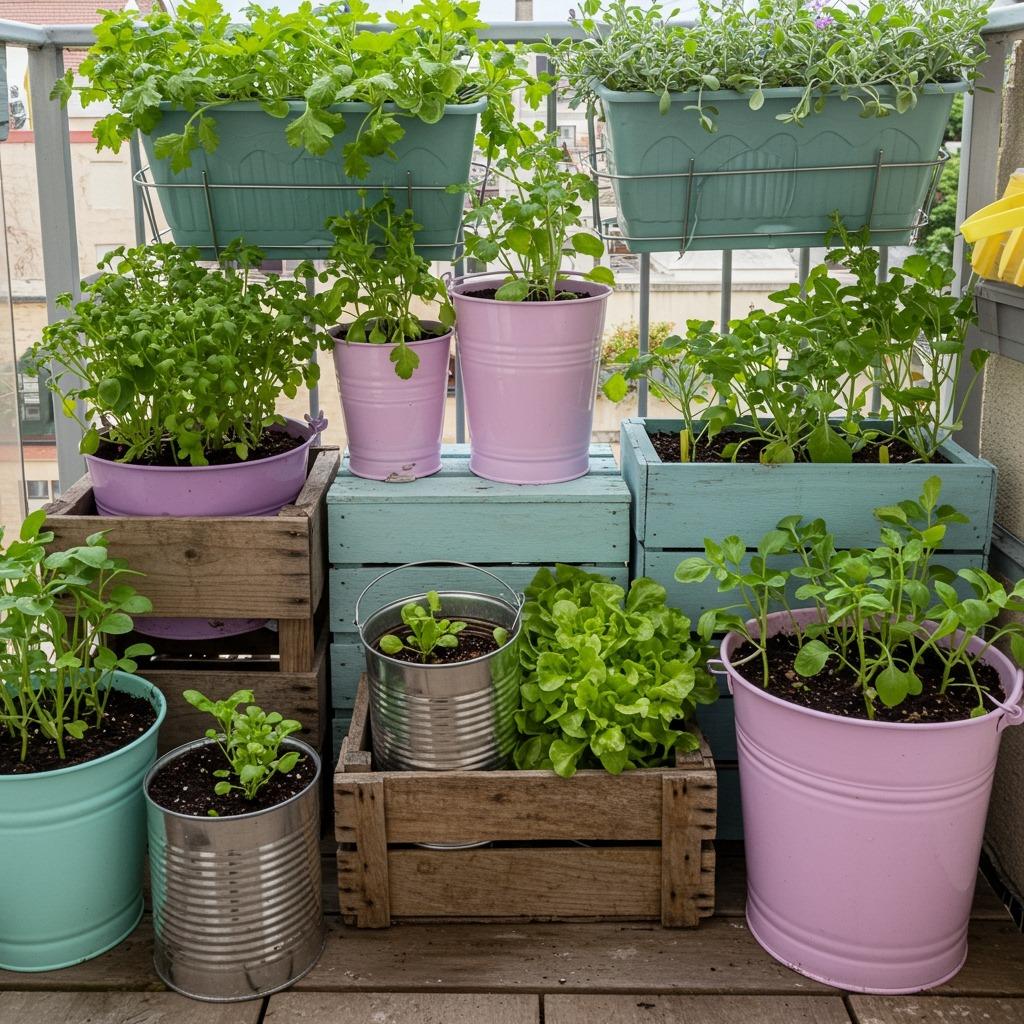
You don’t need fancy planters to start your balcony vegetable garden. Recycled containers bring character while keeping costs low. Old wooden crates, food-grade buckets, large tin cans, and even reused plastic containers all work beautifully when you add proper drainage holes.
The variety of container shapes and sizes adds visual interest to your space, creating an eclectic garden that feels more personal than store-bought matching pots. I’ve seen amazing balcony gardens using painted coffee cans for herbs, milk crates lined with landscape fabric for lettuce, and old colanders for strawberries.
Whatever you use, make sure it’s food-safe (especially for plastics), has adequate depth for your chosen vegetables, and includes drainage. A quick drill with a 1/2-inch bit solves the drainage problem for most recycled containers. This approach to container gardening proves you can grow food without breaking the bank.
8. Vertical Pallet Gardens Against Walls
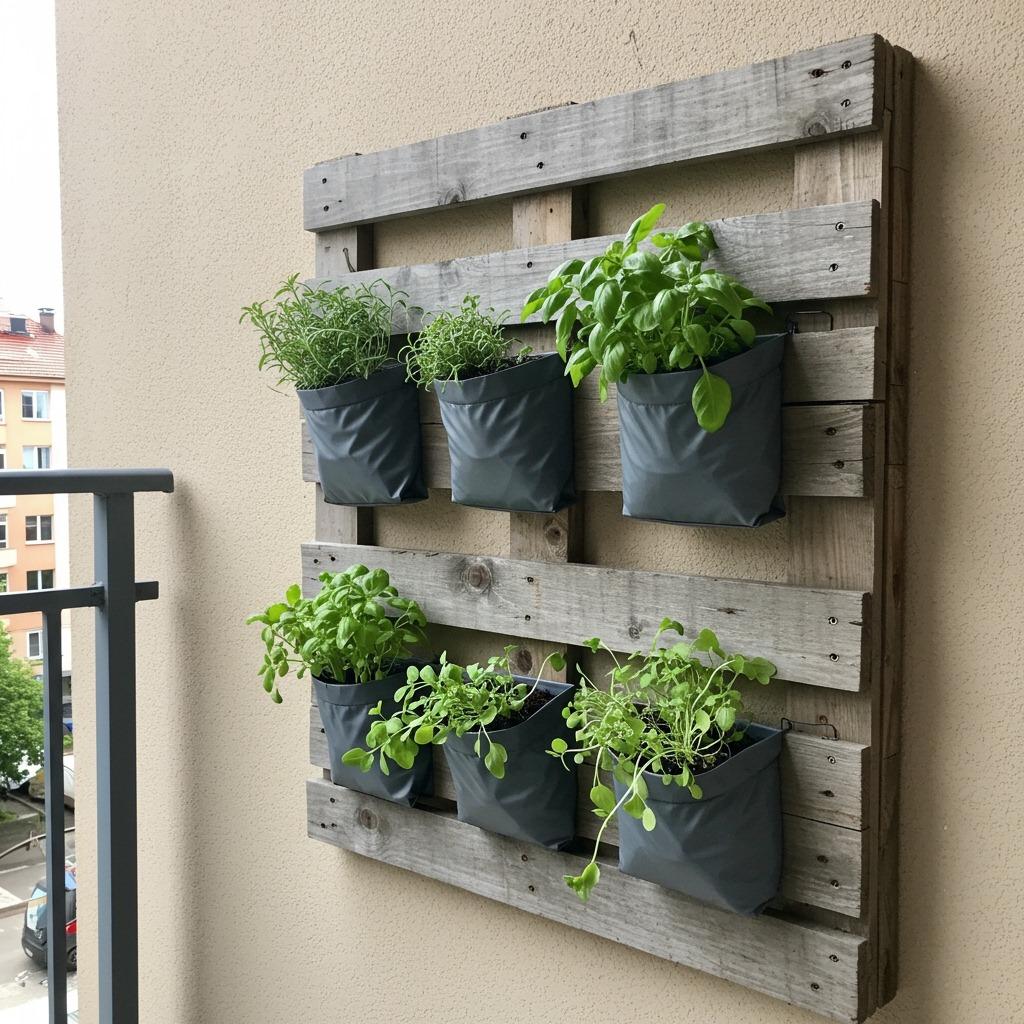
A single wooden pallet can transform into a complete vertical garden system. Stand it upright against your balcony wall, line the back with landscape fabric, and you’ve got multiple planting pockets for herbs, lettuce, and other small vegetables. It’s rustic, functional, and surprisingly sturdy.
Pallets work best for shallow-rooted plants that don’t need deep soil. Herbs absolutely thrive in this setup, as do salad greens and strawberries. The vertical orientation means everything is at picking height, and the wood provides a nice textured backdrop that photographs beautifully.
Make sure you’re using heat-treated (HT) pallets rather than chemically treated ones. Sand down any rough edges, secure it firmly to your wall, and consider sealing the wood for weather resistance. This is one of the most budget-friendly vertical veggie garden ideas you’ll find.
9. Self-Watering Planters for Low Maintenance
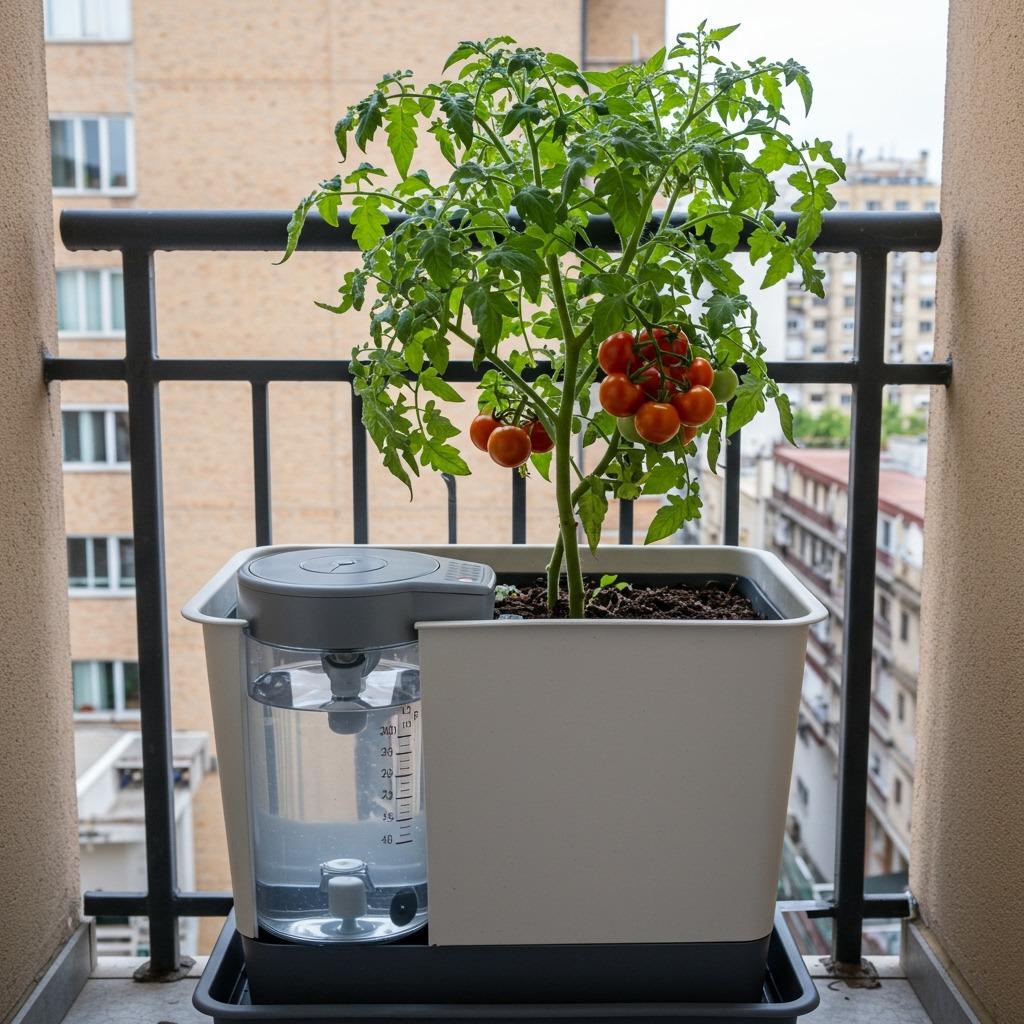
Self-watering planters are lifesavers if you travel frequently or simply forget to water. These containers have built-in reservoirs that feed water to plant roots through capillary action, keeping soil consistently moist without waterlogging. Your vegetables stay hydrated even when you’re not around.
The reservoir system also prevents overwatering, which is one of the biggest mistakes new balcony gardeners make. Tomatoes, peppers, and cucumbers particularly appreciate the consistent moisture levels these planters provide. You’ll see healthier growth and better fruit production compared to traditional watering methods.
Look for planters with water level indicators so you know when to refill. The initial investment is higher than standard pots, but the convenience and improved plant health make them worth considering, especially for your main-crop vegetables that you’re counting on for regular harvests.
10. Grow Bags for Portable Root Vegetables
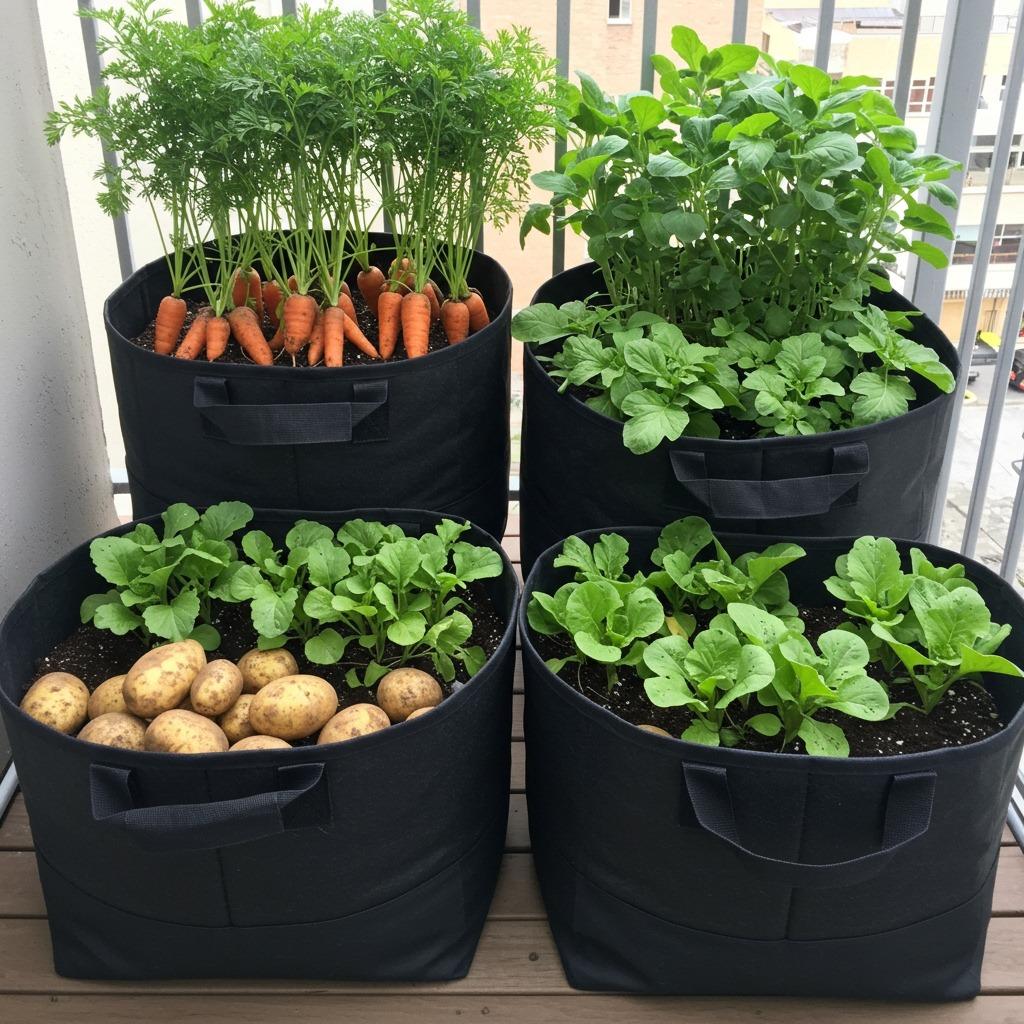
Fabric grow bags have become incredibly popular for balcony gardening, and for good reason. The breathable material prevents root circling, promotes healthier root systems, and the bags are lightweight and portable. They’re especially brilliant for root vegetables that need good drainage and air circulation.
Potatoes, carrots, and radishes do particularly well in grow bags. The fabric allows excess moisture to evaporate, preventing the rot that sometimes happens in plastic containers. When it’s harvest time for potatoes, you can simply dump the bag out rather than digging through hard soil.
These bags fold flat for storage during winter, taking up almost no space. Choose sizes appropriate to your vegetables – 5-gallon bags work for most crops, while 10-gallon options suit larger plants like tomatoes or peppers. The handles make it easy to move them around your balcony as needed.
11. Ladder Plant Stand for Tiered Growing
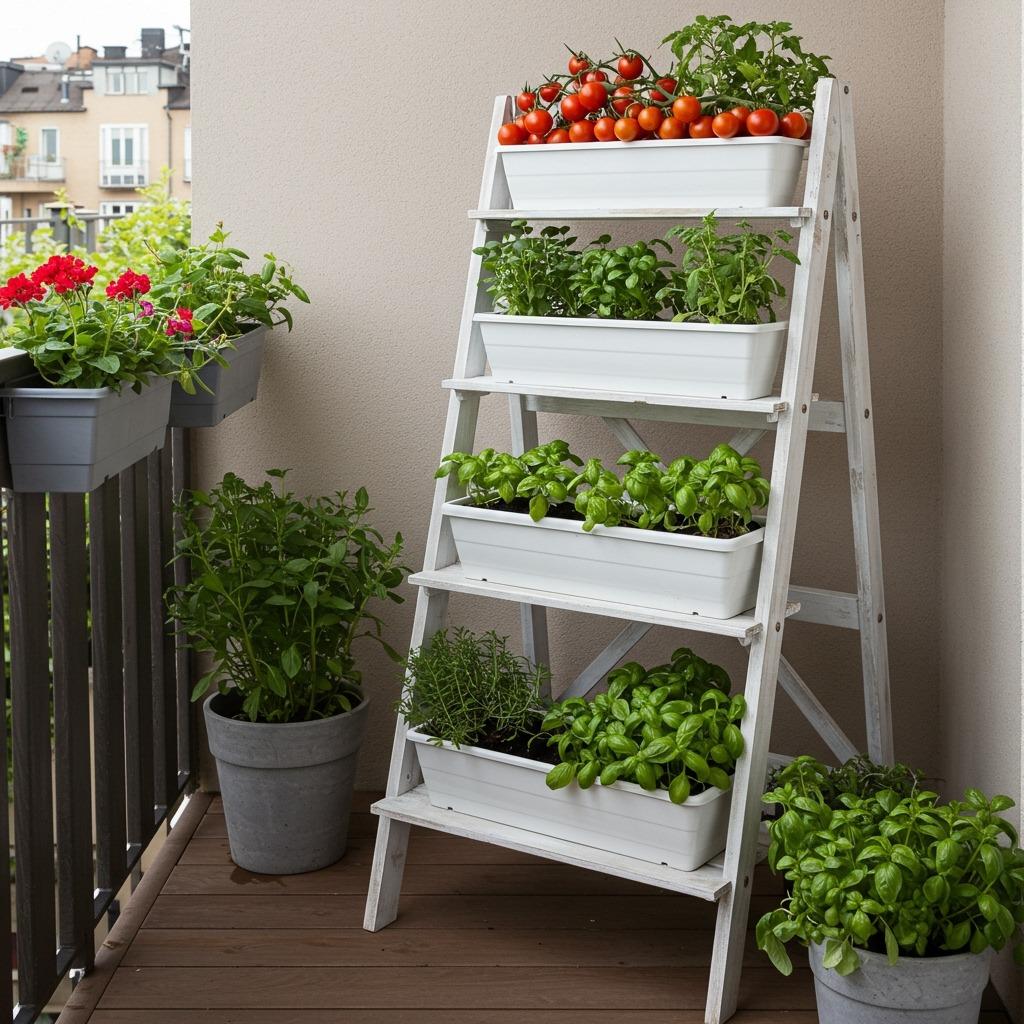
An old ladder or purpose-built ladder stand creates instant vertical growing space with vintage charm. The angled design is naturally stable, and the multiple rungs give you several levels for different sized containers. It’s both functional and decorative, adding architectural interest to your balcony.
Arrange your sun-loving vegetables on the higher rungs where they’ll get maximum light exposure, while placing shade-tolerant herbs and leafy greens lower down. The tiered layout also creates a beautiful cascading effect when you include trailing varieties. For more ideas on using vertical space effectively, check out these vertical gardening ideas.
Secure your ladder to the wall or railing if your balcony gets windy. Wood ladders develop a lovely weathered patina over time, but you can also paint them to match your outdoor decor scheme. Just ensure each rung can support the weight of pots filled with wet soil.
12. Pocket Planters for Herb Walls
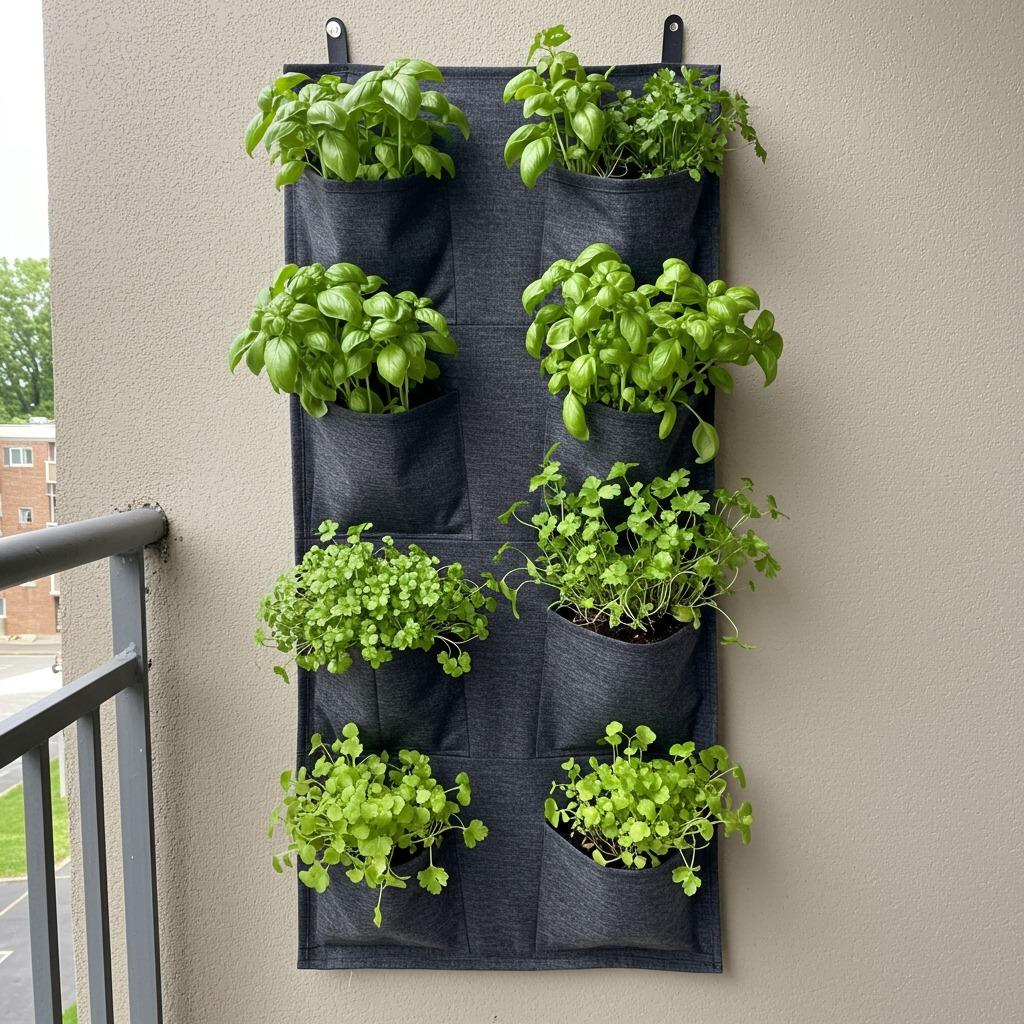
Fabric pocket planters create instant herb walls on any vertical surface. These hanging organizers have multiple pouches that hold soil and plants, turning a blank balcony wall into a productive herb garden. They’re lightweight, inexpensive, and incredibly space-efficient for small space veggies.
Each pocket typically holds enough soil for one or two herb plants, giving you variety without needing multiple containers. The fabric design allows for better air circulation than solid planters, and excess water drains through rather than pooling at the bottom. Basil, parsley, cilantro, and thyme all flourish in this setup.
Hang these pocket gardens where they’ll receive morning sun and afternoon shade, which most herbs prefer. The vertical arrangement keeps different herb varieties separate, preventing aggressive growers like mint from taking over. When herbs are past their prime, you can easily replace individual pockets without disturbing the entire setup.
13. Trellis Systems for Climbing Vegetables
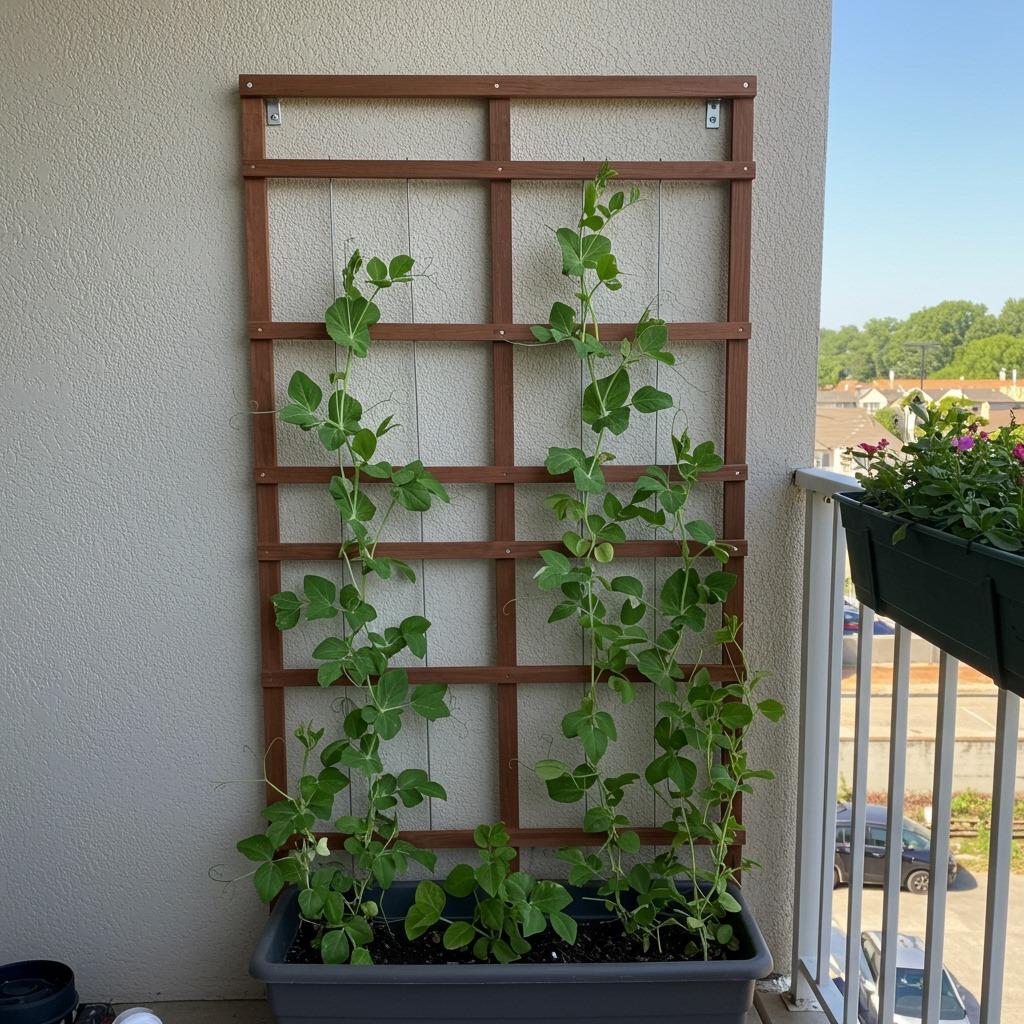
Vertical growing isn’t just smart – it’s essential for vining vegetables on balconies. A simple trellis or support system lets you grow pole beans, peas, small cucumbers, and even miniature pumpkin varieties upward instead of letting them sprawl. This multiplies your growing capacity dramatically.
Training vegetables vertically also improves air circulation around plants, reduces disease problems, and makes harvesting much easier. Plus, there’s something magical about a living wall of productive plants creating privacy and shade on your balcony. The vertical growth habit means fruits hang freely and develop better shape without soil contact.
Install trellises securely to your balcony wall or the back of a large container. Bamboo stakes tied together with twine make inexpensive DIY trellises, while metal or wooden premade options offer more permanence. String or netting works beautifully for lightweight climbers like peas and beans.
14. Stacking Planters for Herb Spirals
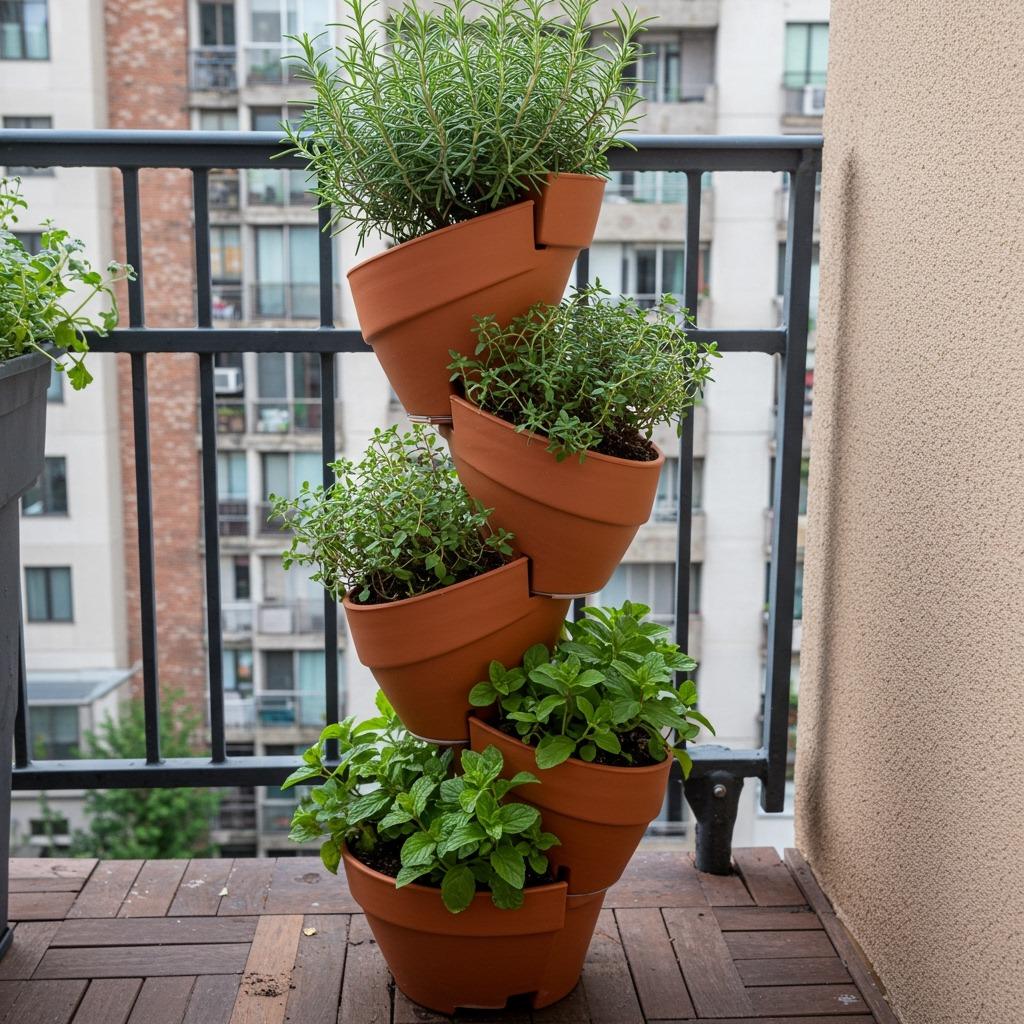
Stacking planters create a three-dimensional growing space that’s visually striking and highly productive. These modular systems stack like building blocks, with each tier slightly offset to create a spiral or pyramid effect. It’s an elegant solution for growing multiple herb varieties in a tiny footprint.
The tiered design naturally creates different moisture zones – drier at the top, gradually moister as you go down. This lets you match herbs to their preferred conditions without any extra effort. Mediterranean herbs like rosemary and thyme go up top, while moisture-loving basil and parsley thrive in lower tiers.
Most stacking systems share a central watering column that distributes moisture to all levels. This means less time watering and more even hydration across your garden. They’re particularly stunning when planted with contrasting leaf textures and colors that emphasize the spiral structure.
15. Corner Plant Stands for Dead Space
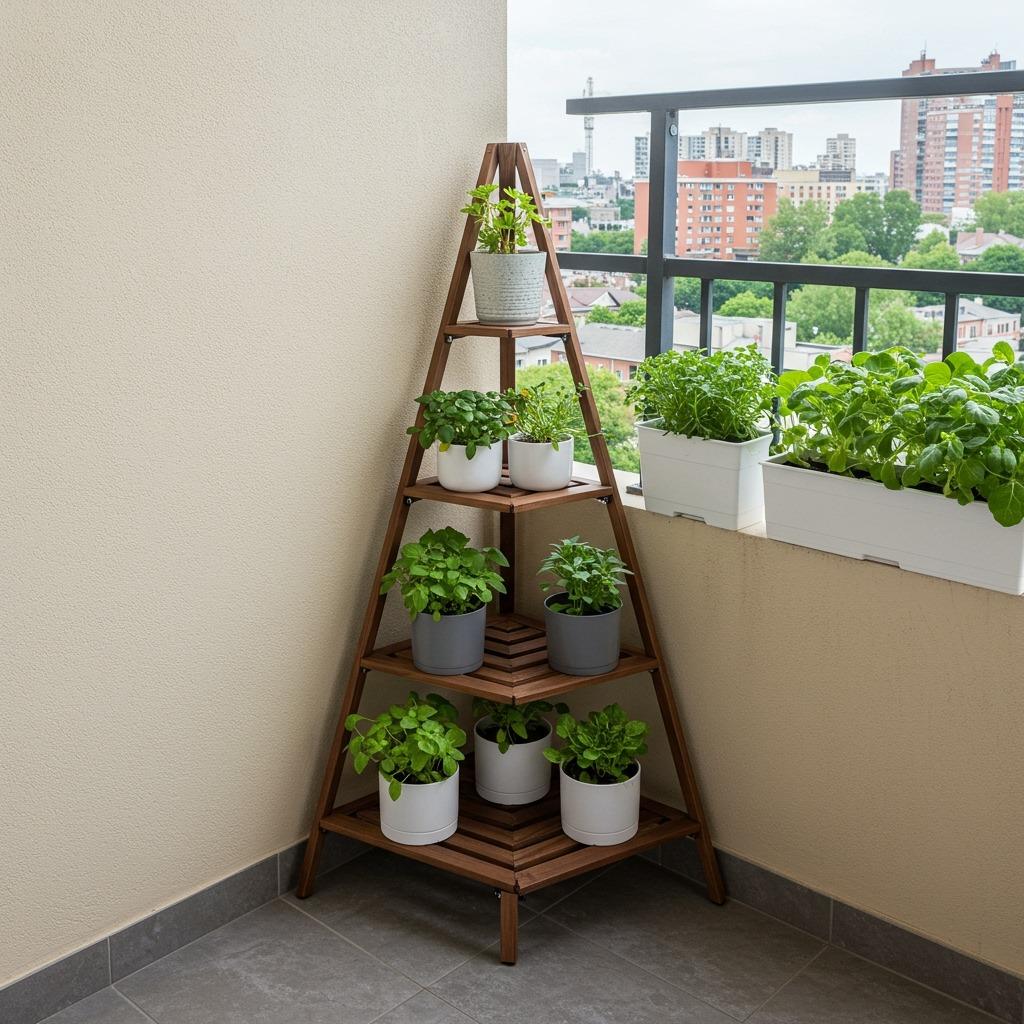
Balcony corners often become dead zones, but corner-specific plant stands turn this wasted space into productive growing area. These triangular or fan-shaped units fit snugly into corners, providing multiple shelves without jutting into walkable space. It’s spatial efficiency at its finest.
The shelving configuration lets you grow a variety of vegetables at different heights, from tall tomato plants on the floor level to compact herbs and lettuce on upper shelves. This vertical layering approach works similarly to how you might organize elements in garden and nursery ideas – making every inch count.
Look for corner units with adjustable shelf heights so you can customize the spacing as your plants grow. Metal construction tends to be sturdier than plastic, and make sure the base is wide enough to remain stable when fully loaded with containers and wet soil.
16. Hydroponic Systems for Year-Round Growing
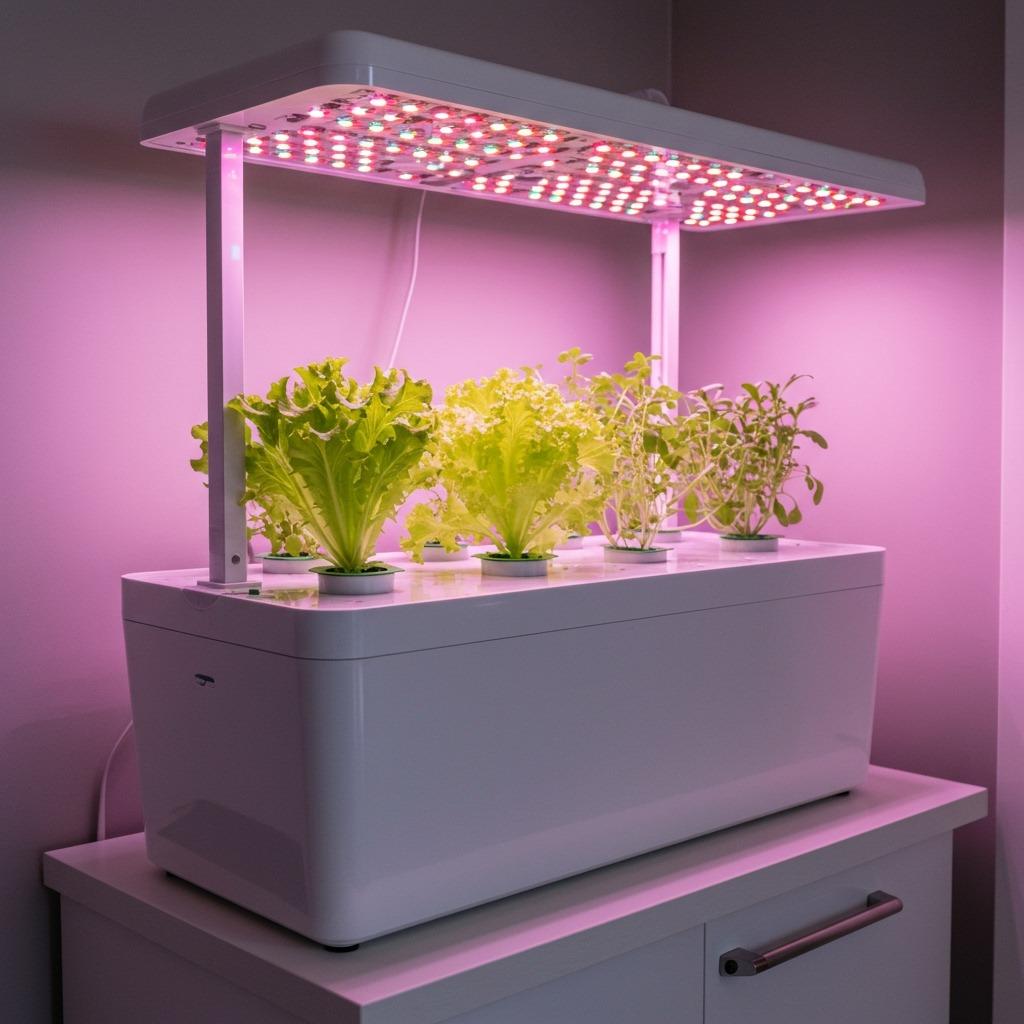
Hydroponic growing might sound complicated, but modern systems have made it accessible for balcony gardeners. These water-based growing methods deliver nutrients directly to plant roots, resulting in faster growth and higher yields than traditional soil gardening. Plus, they’re surprisingly low-maintenance once established.
Countertop hydroponic units work beautifully for lettuce, herbs, and small leafy greens on covered balconies. You don’t need sunlight with LED-equipped systems, which extends your growing season year-round. The controlled environment means fewer pests and diseases compared to outdoor soil growing.
Initial costs are higher than traditional container gardening, but the efficiency and convenience might justify the investment if you’re serious about fresh greens. For more on this innovative growing method, explore hydroponic gardening options that fit various balcony sizes and configurations.
17. Raised Bed Containers for Serious Production
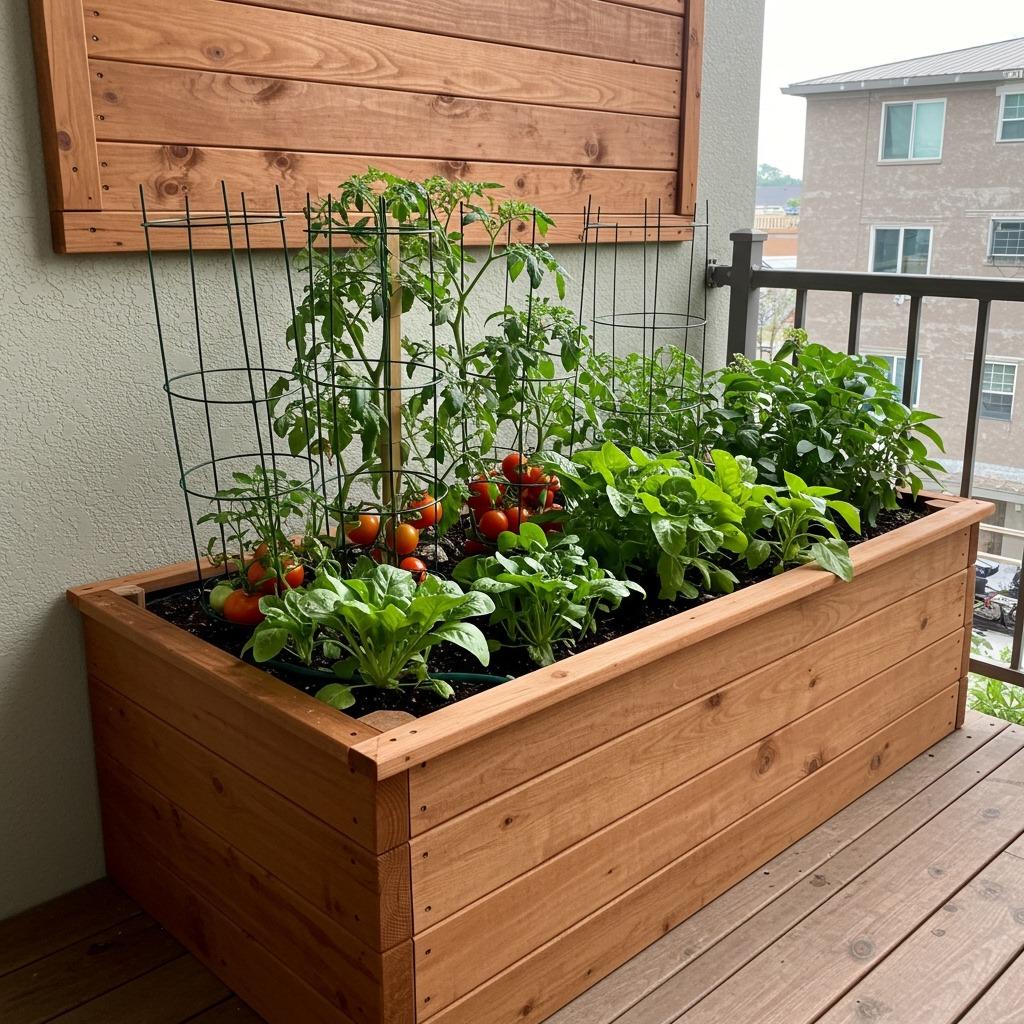
If your balcony can handle the weight, a raised bed container provides the closest experience to ground-level gardening. These large, deep planters give you significant soil volume for growing multiple vegetables together, companion planting, and establishing proper root systems for larger crops.
The depth allows you to grow just about any vegetable you’d grow in a backyard garden, including carrots, tomatoes, peppers, and even small melon varieties. You can implement proper spacing and succession planting to keep harvests coming throughout the season. The raised height also makes maintenance easier on your back.
Check your balcony’s weight capacity before installing – a 4-foot by 2-foot raised bed filled with wet soil can weigh several hundred pounds. Position it over load-bearing parts of your balcony structure, typically along walls or over support beams. Cedar construction lasts longer than pine, but composite materials offer even better longevity.
Balcony Growing Tips for Success
Starting a balcony vegetable garden requires understanding your specific growing conditions. Assess how many hours of direct sunlight your balcony receives daily – this single factor determines what you can grow successfully. Six hours or more opens up options for fruiting vegetables like tomatoes and peppers, while 3-4 hours limits you to leafy greens and herbs.
Wind exposure is another critical consideration on balconies, especially in high-rise buildings. Strong winds can damage plants, dry out soil rapidly, and even knock over containers. Position taller plants away from the edge and consider windbreaks like privacy screens or strategic placement of furniture.
Weight restrictions matter more than most new balcony gardeners realize. Wet soil is surprisingly heavy – a large container can easily weigh 50-100 pounds when fully planted and watered. Distribute weight evenly across your balcony and place heavier containers over structural support points rather than in the center of the space.
Start small and expand gradually as you learn what works in your specific microclimate. A few well-tended containers will produce more food than a balcony packed with struggling plants. Success builds confidence and skills that you can apply as you expand your urban farm.
Choose compact or dwarf vegetable varieties specifically bred for container growing. These plants produce full-sized vegetables on smaller plants that won’t overwhelm your space. Seed packets or plant tags that mention “patio,” “balcony,” or “container” varieties are your best bets.
Water management is probably the trickiest aspect of balcony vegetable gardening. Containers dry out faster than ground soil, especially in sun and wind. Check moisture levels daily by sticking your finger into the soil – if it’s dry an inch down, it’s time to water.
Fertilizing becomes more important in containers because nutrients wash out with repeated watering. Use a balanced, water-soluble fertilizer every two weeks during the growing season, or mix slow-release granules into your soil at planting time. Organic options like compost tea or fish emulsion work wonderfully for edible gardens.
Your balcony vegetable garden awaits, and these ideas prove you don’t need acres to grow your own food. Whether you start with a single pot of cherry tomatoes or transform your entire balcony into a productive oasis, the satisfaction of harvesting homegrown vegetables makes every bit of effort worthwhile. Pick the ideas that match your space, sunlight, and ambition, then watch as your little patch of outdoor space becomes a source of fresh, flavorful produce all season long.