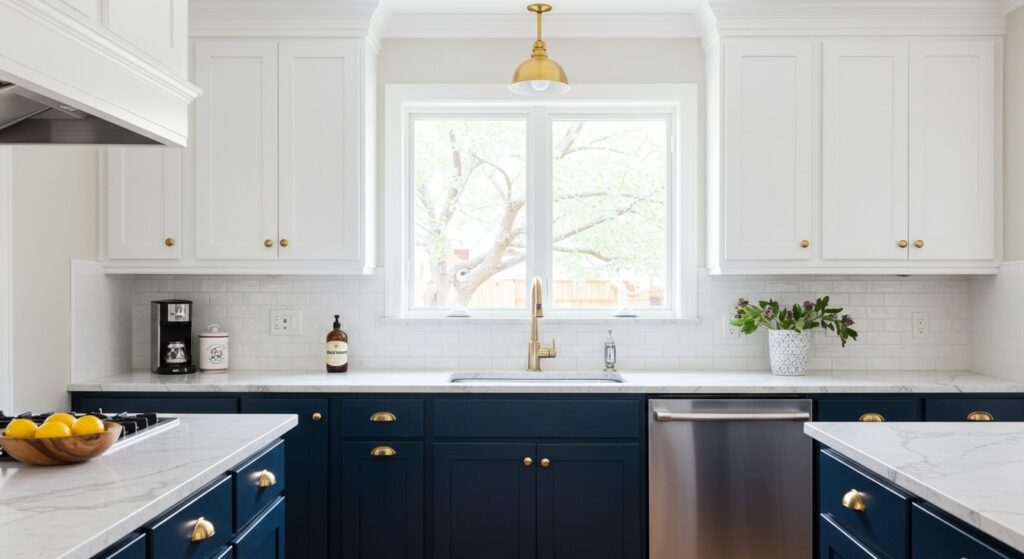
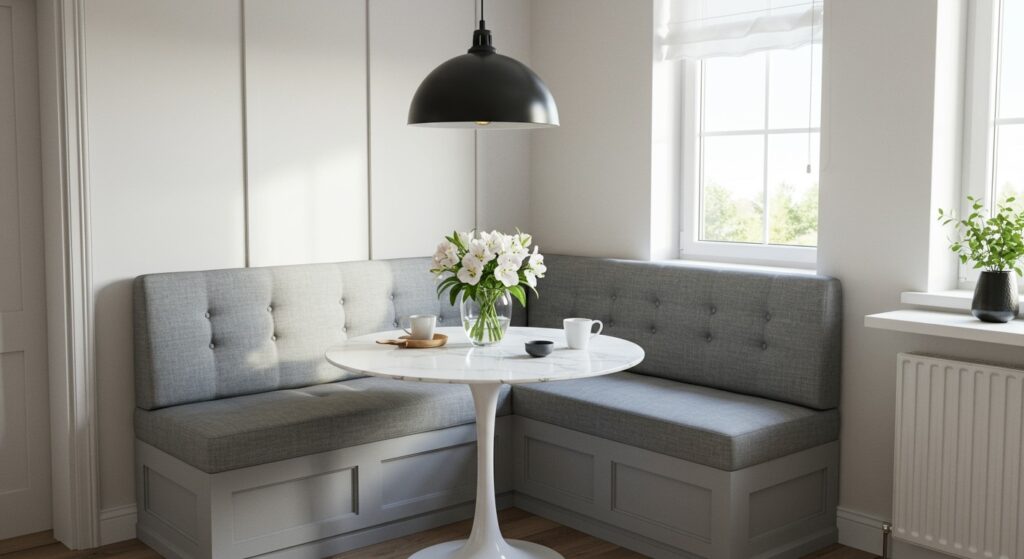
There’s something magical about having a dedicated spot for morning coffee that isn’t just a chair pulled up to the counter. A modern breakfast nook creates that perfect little retreat where you can ease into your day without the formality of a full dining room.
Whether you’re working with a tiny apartment corner or a spacious kitchen alcove, breakfast nooks have evolved far beyond the dated built-ins of decades past. Today’s designs blend functionality with style, creating spots that work just as well for solo coffee moments as they do for weekend brunches with friends.
The beauty of a well-designed nook is how it transforms an underused corner into the heart of your morning routine. You don’t need a massive kitchen to pull this off either. Sometimes the smallest spaces make the coziest nooks.
Why a Modern Breakfast Nook Changes Everything
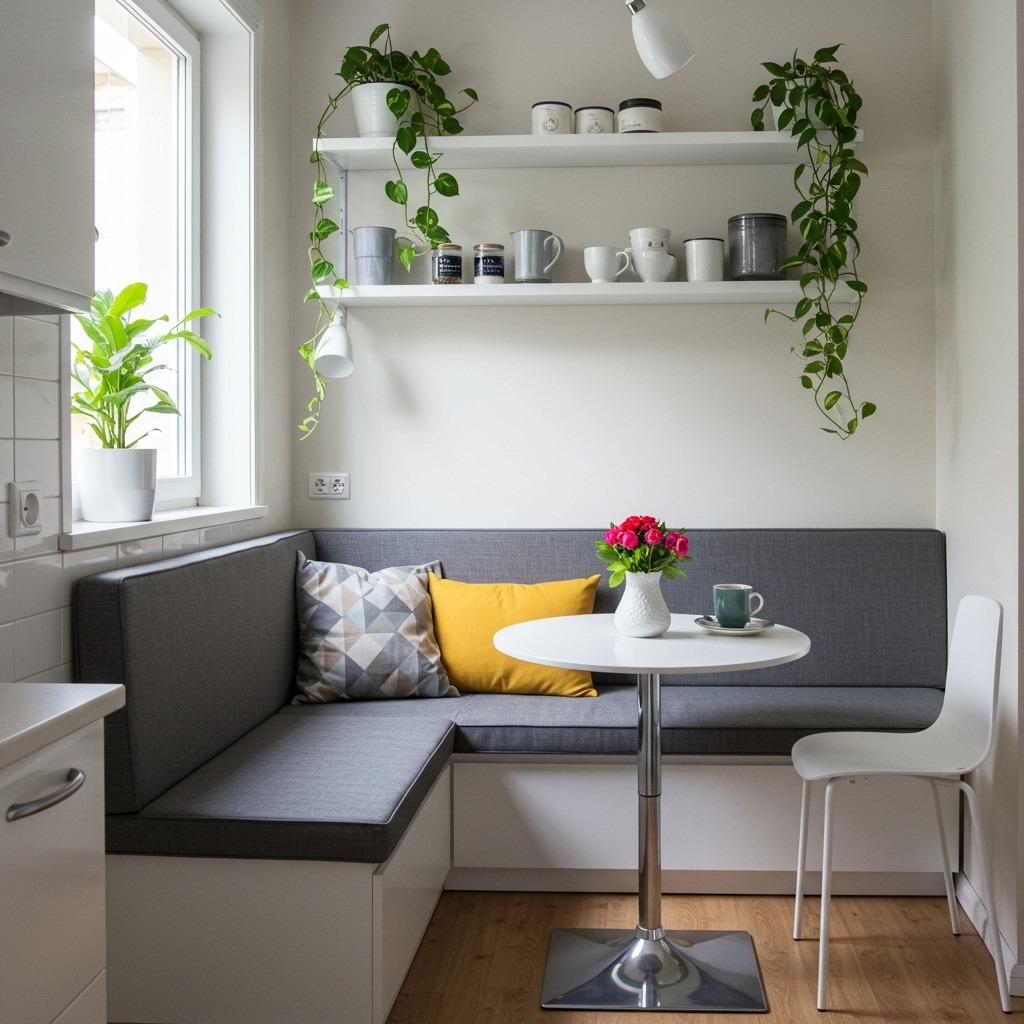
Let’s be honest – most of us grab breakfast on the go or eat standing at the counter. A breakfast nook gently encourages you to slow down, even if just for ten minutes. It’s not about adding another formal eating space, it’s about creating a spot that feels inviting enough to actually use daily.
Modern nooks prioritize comfort without sacrificing style. Unlike traditional dining chairs that can feel stiff, nook seating wraps around you with cushions and support. The built-in aspect also means you’re maximizing every inch of available space, something crucial in kitchen and dining areas where square footage is precious.
What makes today’s breakfast nooks different is their versatility. They’re designed to be multitaskers – a homework spot in the afternoon, a laptop perch during work-from-home days, and yes, a place to enjoy that Saturday morning pancake stack. The right design adapts to whatever your day throws at it.
1. The Classic Built-In Banquette
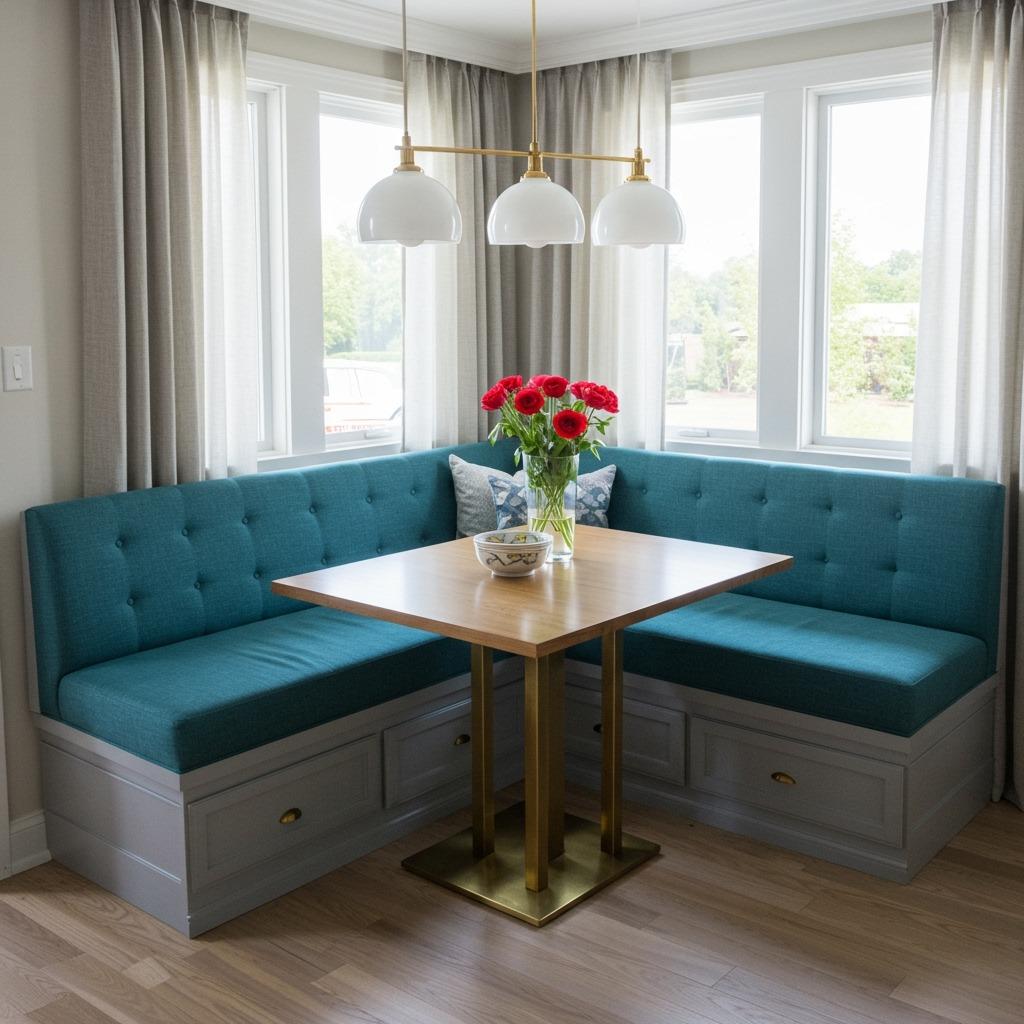
Built-in banquettes remain the gold standard for modern breakfast nooks because they maximize seating in minimal space. An L-shaped or U-shaped banquette tucked into a corner can seat four to six people comfortably while taking up less floor space than traditional chairs would.
The magic is in the customization. You can build the banquette to fit your exact corner dimensions, add storage underneath for table linens or small appliances, and upholster it in any fabric that matches your kitchen aesthetic. Velvet brings a touch of luxury, while performance fabrics handle the reality of breakfast spills.
Height matters more than you’d think. The seat should be about 18 inches high with cushions that compress slightly when you sit. The table should clear the seat edge by about 7 inches to give your knees breathing room. Getting these measurements right makes the difference between a nook you love and one that feels awkward.
2. The Minimalist Corner Setup
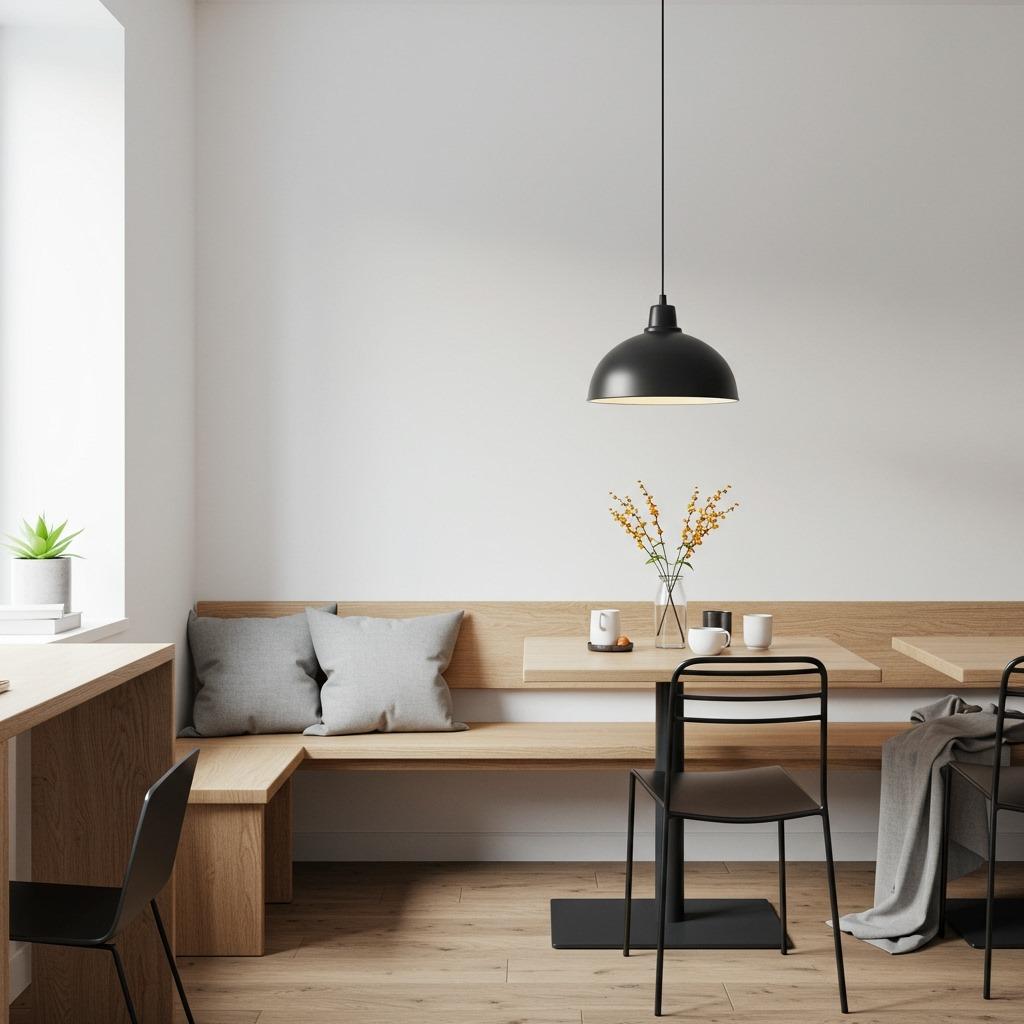
Not every kitchen breakfast corner needs built-in seating to feel intentional. Sometimes a carefully chosen bench and a couple of chairs create a more flexible setup that can evolve with your needs. This approach works especially well in small spaces where you might need to rearrange furniture occasionally.
A sleek wooden bench against the wall paired with modern Eames-style chairs on the opposite side creates that perfect balance of casual and curated. The bench provides the cozy nook feeling while the chairs keep things from feeling too enclosed. You can slide the bench out slightly for cleaning or push everything together for a intimate feel.
This style shines in kitchens with interesting architectural features you don’t want to hide. Exposed brick, original molding, or a beautiful window becomes part of the nook’s charm rather than being covered by built-ins. Plus, you can take everything with you if you move, unlike permanent installations.
3. The Banquette-Free Window Seat
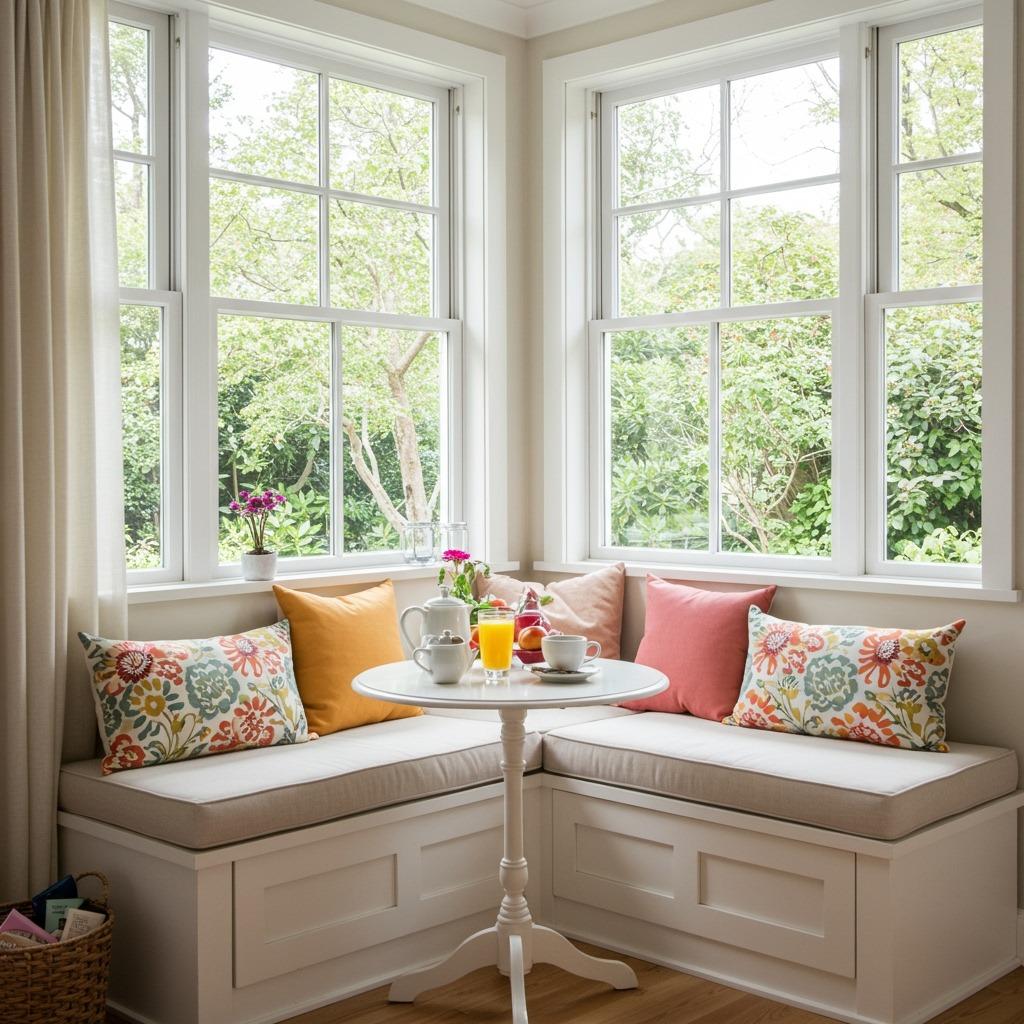
Here’s something that works beautifully in homes with great natural light – turning a window area into breakfast seating without traditional banquette construction.
Window seats work particularly well when you want the nook to blend seamlessly with the rest of your kitchen design. Instead of upholstered built-ins that create visual weight, this approach feels lighter and more flexible. Add removable cushions in seasonal colors to refresh the look throughout the year.
The key is making sure you have adequate back support, either from throw pillows or a slim cushioned panel attached to the wall. Without proper support, even the prettiest window seat becomes uncomfortable after about five minutes. Think of it like creating an indoor porch swing vibe – that perfect spot to curl up with coffee and watch the morning unfold.
4. The Space-Saving Banquette for Tiny Kitchens
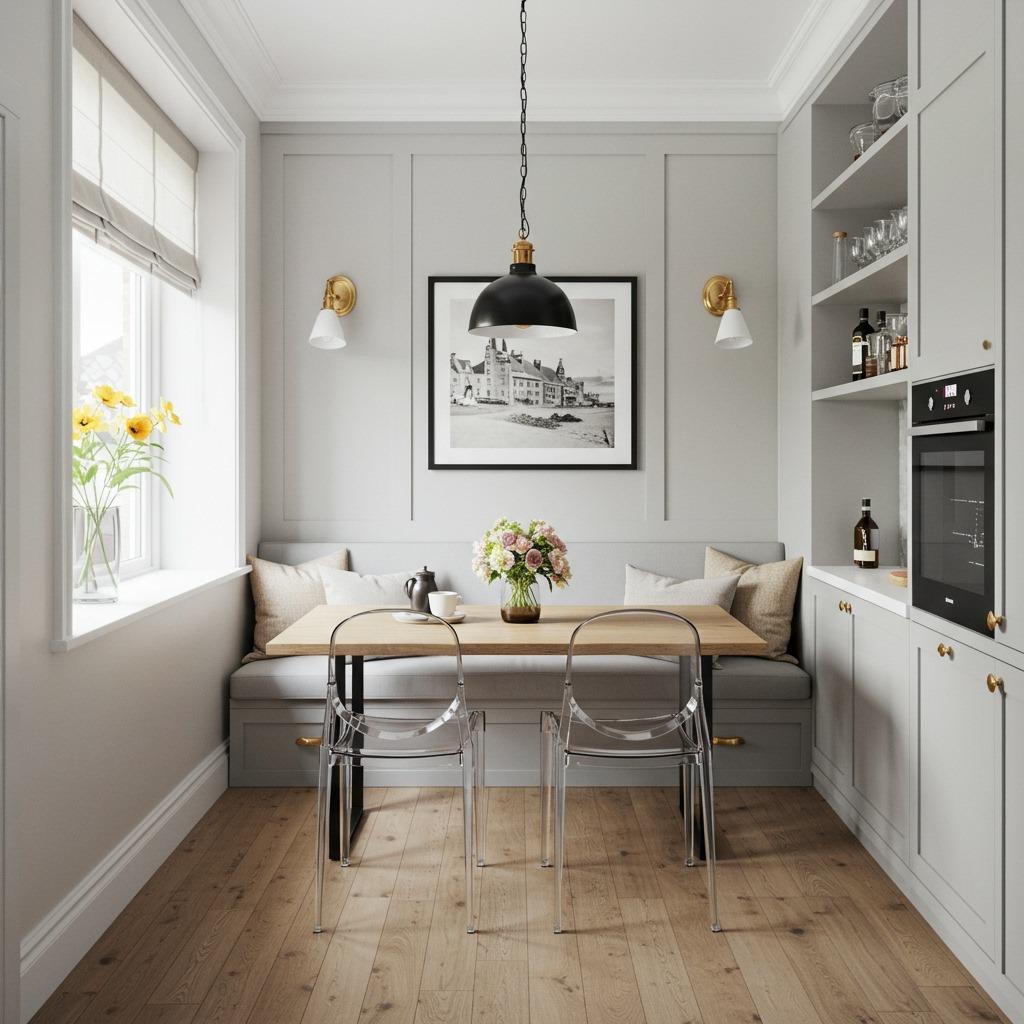
Tight on space? A single-sided banquette against one wall with a narrow table and regular chairs on the opposite side creates stylish nook seating without overwhelming a small kitchen. This asymmetrical approach gives you the comfort of cushioned seating where it matters most while keeping the footprint compact.
Opt for a banquette that’s about 24 inches deep rather than the standard 30 inches. Those six inches make a surprising difference in a compact kitchen without sacrificing comfort. Pair it with a table that’s no wider than 30 inches, and you’ve got a functional breakfast spot that doesn’t make your kitchen feel cramped.
Storage becomes even more critical in small spaces. A lift-up seat cushion reveals storage underneath for everything from extra dish towels to that waffle maker you only use occasionally. Some designs incorporate drawers on the outward-facing side, turning dead space into highly functional storage.
5. The Booth-Style Dining Nook
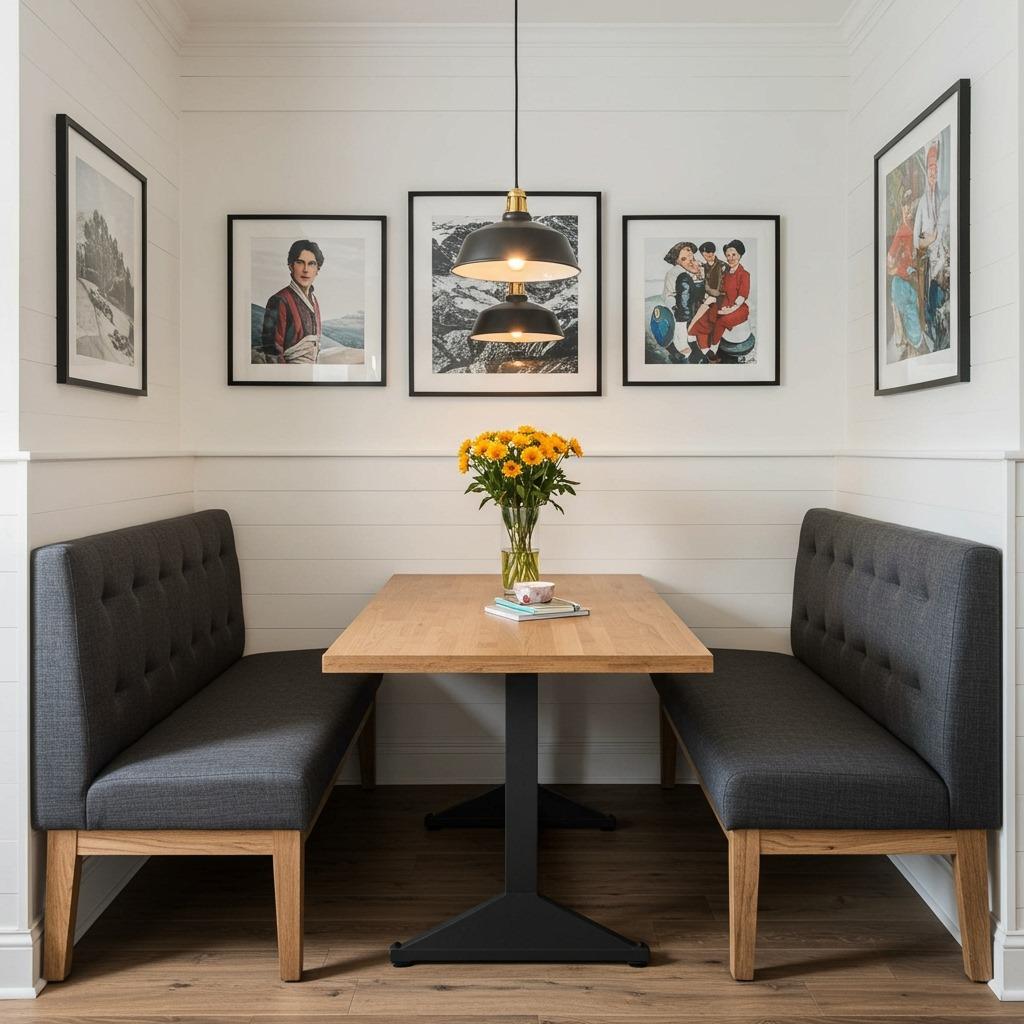
Sometimes you want that classic diner booth feeling right in your own kitchen. Booth-style nooks with high backs on both sides create an incredibly cozy, enclosed feeling that makes breakfast feel special. It’s perfect for families with kids who want a casual eating spot or for anyone who misses the charm of old-school diners.
Modern versions skip the vinyl upholstery and kitschy details in favor of clean lines and contemporary fabrics. Picture a booth with straight-backed benches in a neutral linen, paired with a butcher block table and simple pendant lighting. You get all the nostalgic charm without the dated appearance.
The high backs serve a practical purpose too. They create a sense of separation from the rest of the kitchen, making the nook feel like its own little room. This psychological boundary helps you relax and disconnect from kitchen chaos, even when dirty dishes are piled just a few feet away.
6. The Corner Banquette with Round Table
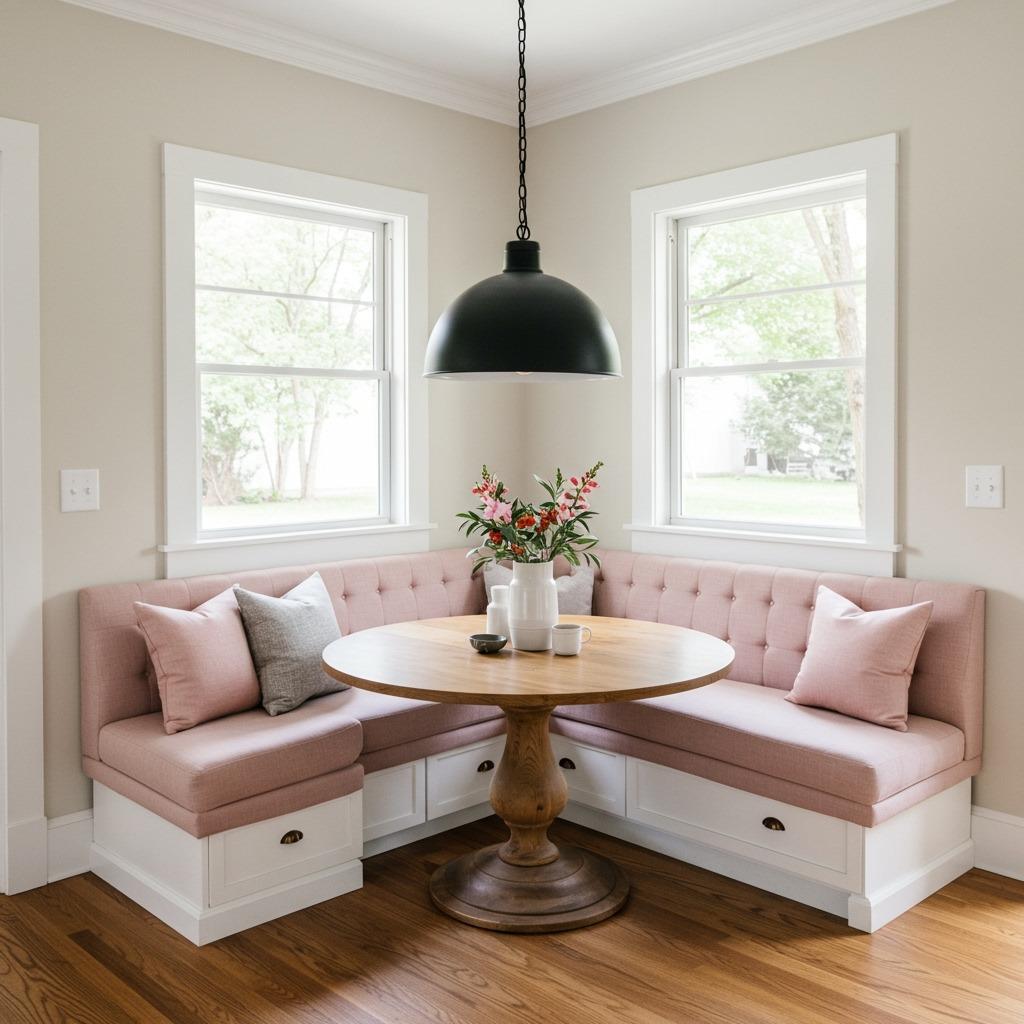
Round tables are underrated in breakfast nook design, but they’re actually perfect for corner installations. A round table with a corner banquette creates better flow than rectangular options because there are no sharp corners to navigate around. This setup is particularly genius in open-plan kitchens where traffic moves through multiple directions.
The circular shape also encourages conversation in a way that rectangular tables don’t. Everyone faces the center naturally, making morning chats feel more connected. Plus, you can squeeze in an extra person more easily when needed, which is useful for unexpected breakfast guests.
Size-wise, a 42 to 48-inch round table works for most corner nooks. Anything larger starts to feel overwhelming in the space, while smaller tables might not provide enough surface area for a full breakfast spread. Pedestal bases work better than four-legged tables since they don’t interfere with the banquette seating.
7. The Floating Bench Modern Look
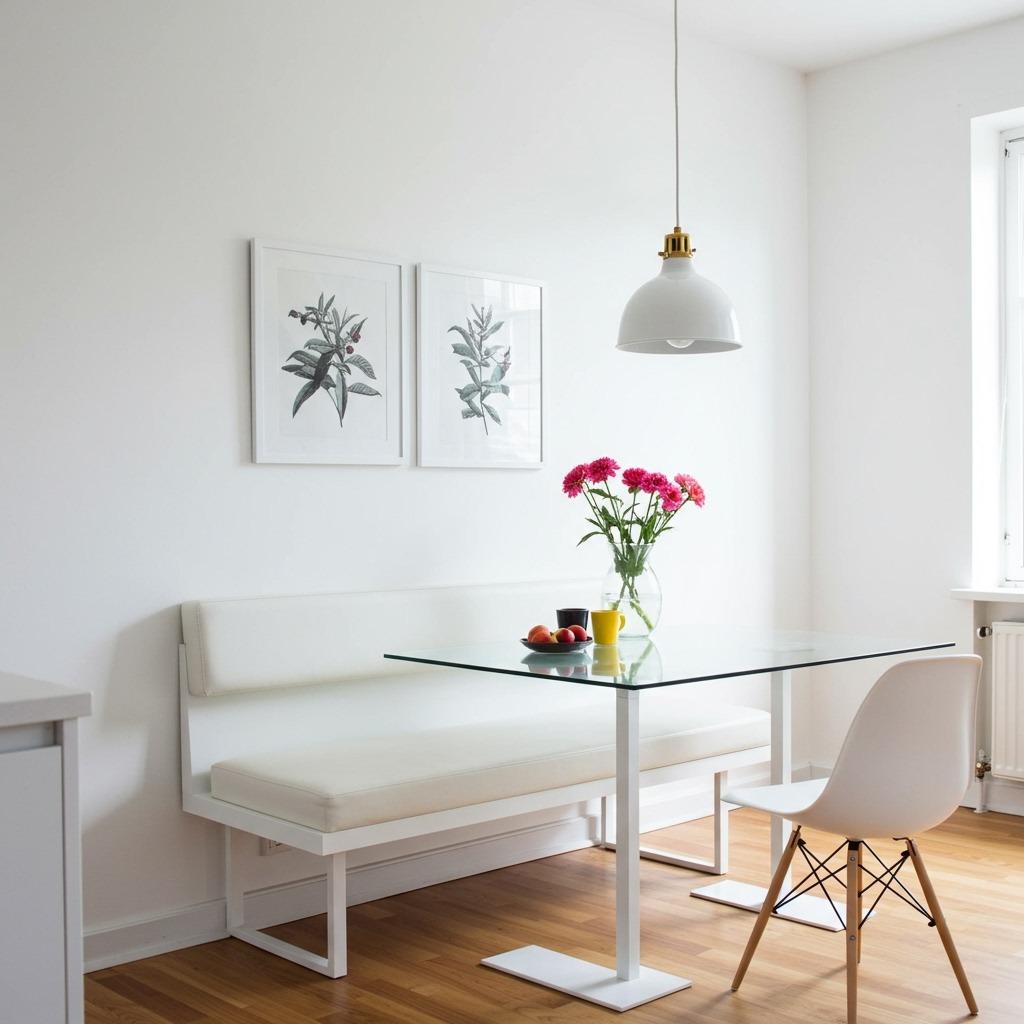
Wall-mounted floating benches create a sleek, contemporary take on breakfast nook design that feels right at home in modern kitchens. The bench appears to hover off the floor, creating a lighter visual weight and making the space feel more open. It’s also easier to clean underneath, which matters when you’re dealing with breakfast crumbs daily.
This style works best with minimalist aesthetics where you want clean lines and uncluttered spaces. Pair the floating bench with a slim-profile table and modern chairs for a look that could be pulled from a design magazine. The lack of visible legs creates an almost architectural quality that makes the whole nook feel like an intentional design feature rather than an afterthought.
Installation requires proper wall anchoring since the bench needs to support significant weight. Work with a contractor to ensure it’s mounted to studs or use heavy-duty wall anchors rated for furniture. The payoff is worth it – that floating effect really does make the whole kitchen feel more spacious.
8. The Curved Banquette Design
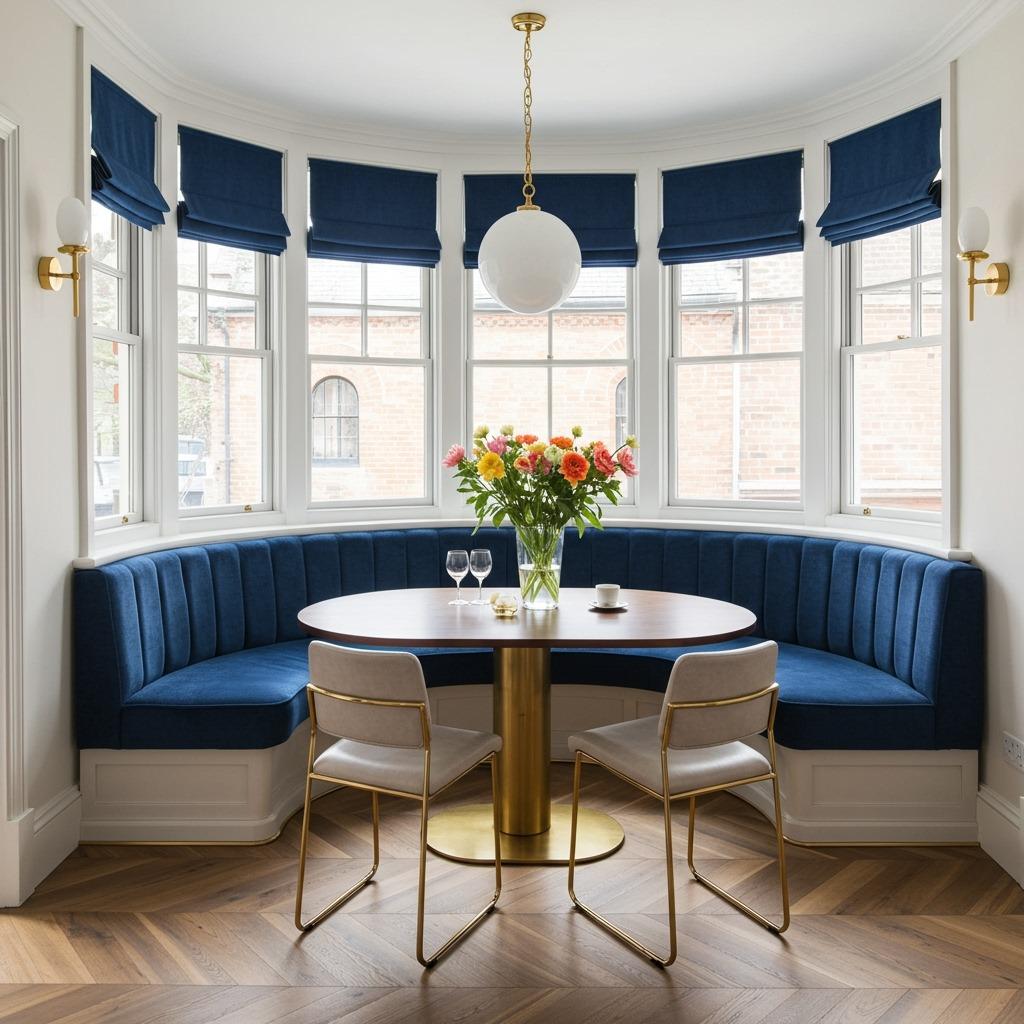
Curved banquettes add softness to kitchen spaces dominated by straight lines and hard edges. Instead of sharp corners, the seating flows in a gentle arc that’s both visually interesting and surprisingly comfortable. This approach works beautifully in kitchens with bay windows or rounded architectural features.
The curve creates a more intimate seating arrangement that naturally draws people together. It’s harder to ignore someone sitting across from you when the seating guides you to face each other. For families trying to encourage device-free breakfast time, this subtle design choice can actually help.
Custom fabrication is usually necessary for curved banquettes, making them more of an investment than straight designs. But if you’re planning a kitchen renovation, incorporating a curved nook during the construction phase is the ideal time. The result is a one-of-a-kind feature that becomes a conversation piece.
9. The Two-Tone Banquette Statement
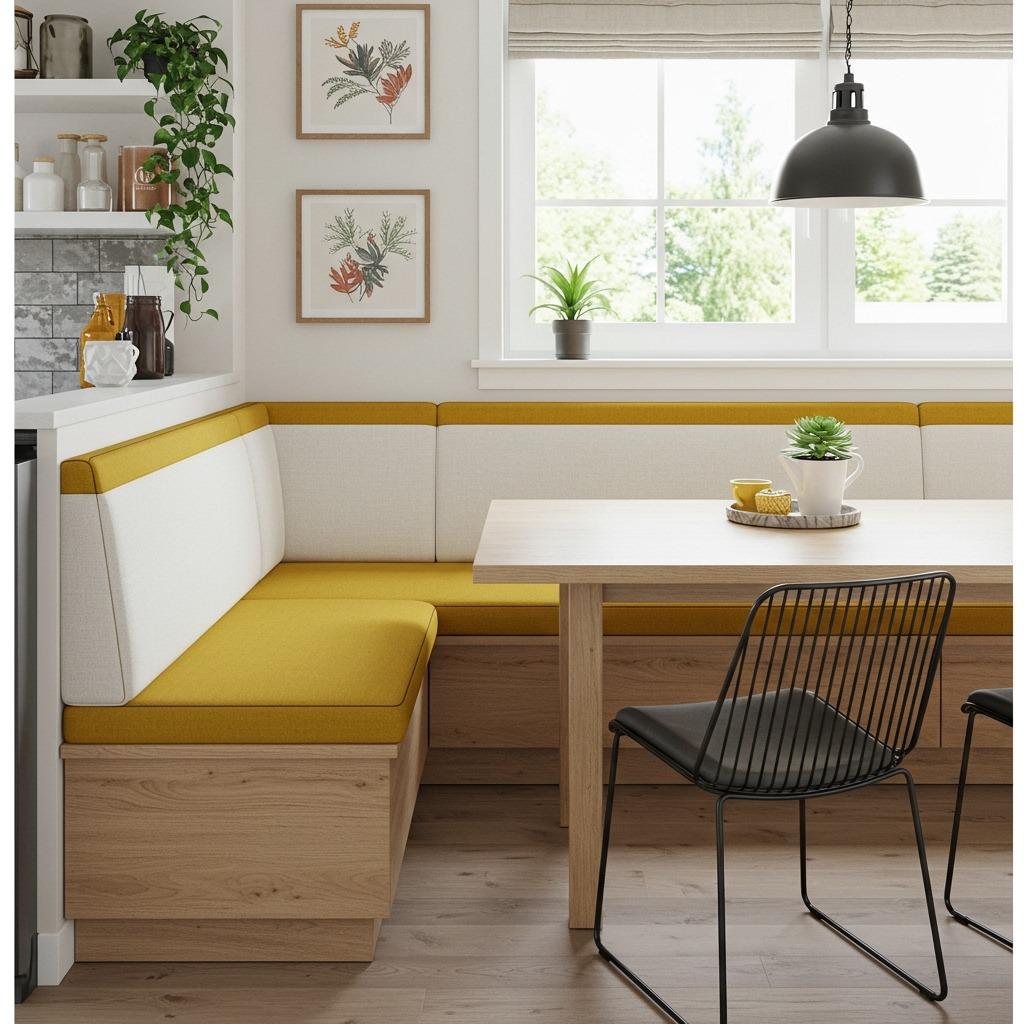
Color is having a moment in kitchen design, and breakfast nooks are the perfect place to embrace it. A two-tone banquette combines different colors or materials to create visual interest without overwhelming the space. Picture a base upholstered in deep forest green with back cushions in a cream linen, or a wood bench with contrasting painted legs.
This approach lets you tie together different elements in your kitchen. If you have two-tone cabinets, echoing those colors in your breakfast nook creates cohesion. Or go bold and introduce a completely new accent color that becomes the focal point of the entire kitchen.
The key is balancing the two tones so one doesn’t overpower the other. Generally, using the darker or bolder color on the larger surface (the seat) and the lighter color on smaller areas (the back) creates better proportion. But rules are meant to be broken, especially when you’re creating a space that reflects your personal style.
10. The Storage-Maximizing Small Breakfast Banquette
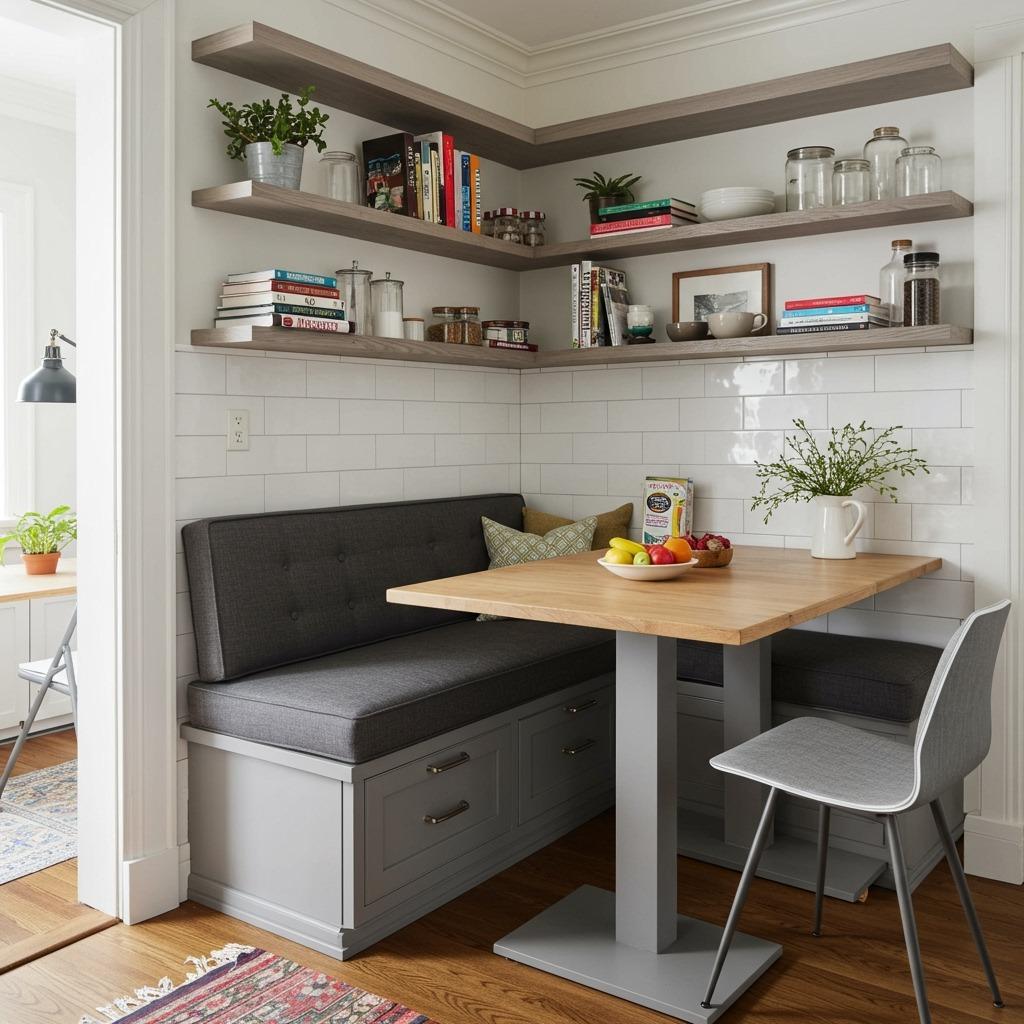
When every inch counts, a breakfast nook that pulls double duty as storage becomes essential. The smartest small breakfast banquette designs incorporate drawers, cabinets, or lift-up seats that hide everything from table linens to small kitchen appliances. This transforms dead space under seating into highly functional storage.
Drawers work better than lift-up seats if you need to access storage frequently. You don’t want to remove cushions and move everything off the bench just to grab a placemat. Side-facing drawers keep things accessible while maintaining the clean lines of the nook design.
Think vertically too. The wall space above the banquette is prime real estate for floating shelves, picture ledges, or even a small gallery wall. This draws the eye upward and makes the nook feel more finished and intentional. Just keep items on these shelves light and secure in case anyone bumps them while sliding into the seat.
Choosing the Right Upholstery for Your Nook
Fabric selection makes or breaks breakfast nook comfort and longevity. Performance fabrics have come a long way from their original scratchy, plastic-feeling textures. Today’s options feel soft and luxurious while repelling coffee spills, syrup drips, and butter smears that are inevitable in a breakfast spot.
Leather or faux leather remains popular for good reason. It wipes clean easily, develops a nice patina over time, and works with almost any design style from modern to farmhouse. If real leather feels too formal, consider faux leather in unexpected colors like cognac, forest green, or even blush pink for a softer take.
Patterns can work beautifully in nook seating, but scale matters. Large-scale patterns might overwhelm a small nook, while tiny patterns can read as busy. Medium-scale geometric prints, subtle stripes, or textured solids offer visual interest without dominating the space. And if you’re unsure? Neutrals never go out of style and let you swap out accessories seasonally.
Lighting Your Modern Breakfast Nook
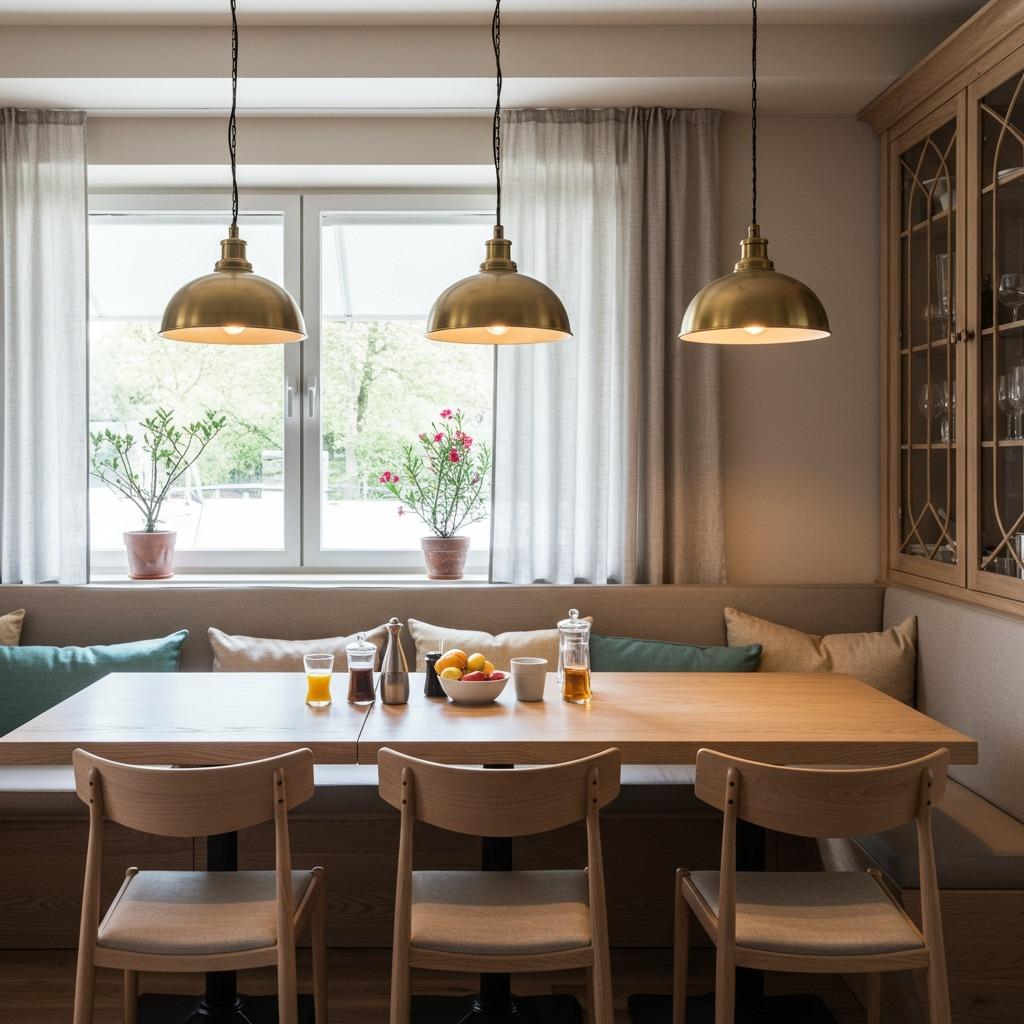
Pendant lights are practically synonymous with breakfast nooks, but choosing the right ones requires thought. The fixture should hang about 30 to 36 inches above the table surface, low enough to provide focused light but high enough that tall family members don’t hit their heads. For context, that’s roughly at seated eye level.
Multiple smaller pendants create more visual interest than a single large fixture in most nooks. Three small pendants in a row above a rectangular table or two pendants over a round table provide better light distribution and look more intentional. Mix metallic finishes with your kitchen hardware for a cohesive look, or go contrasting for drama.
Natural light matters just as much as artificial. If your nook is near a window, consider how morning sun will hit the space. South-facing windows flood spaces with light but might require sheer curtains to prevent glare during breakfast. North-facing windows provide consistent, soft light throughout the day. East-facing windows are ideal for breakfast nooks since they catch that perfect morning glow.
Making It Work in Open-Plan Kitchens
Defining a breakfast nook in an open-plan space requires more intentional design choices since there are no walls to naturally contain the area. A large area rug under the table and extending beneath the seating helps ground the nook and visually separate it from the rest of the kitchen. Choose a rug that can handle spills and frequent cleaning.
Color blocking with paint creates another boundary without physical barriers. Paint the wall behind the nook a different shade than the rest of the kitchen, or add removable wallpaper for texture and pattern. This subtle shift signals that you’re entering a different zone dedicated to relaxed eating rather than active cooking.
Furniture placement also helps establish the nook’s territory. Position the table and seating perpendicular to kitchen cabinets rather than parallel, creating a visual break. If space allows, a low bookshelf or console table behind the nook seating adds another layer of definition while providing extra storage or display space.
Styling Your Breakfast Nook for Instagram-Worthy Mornings
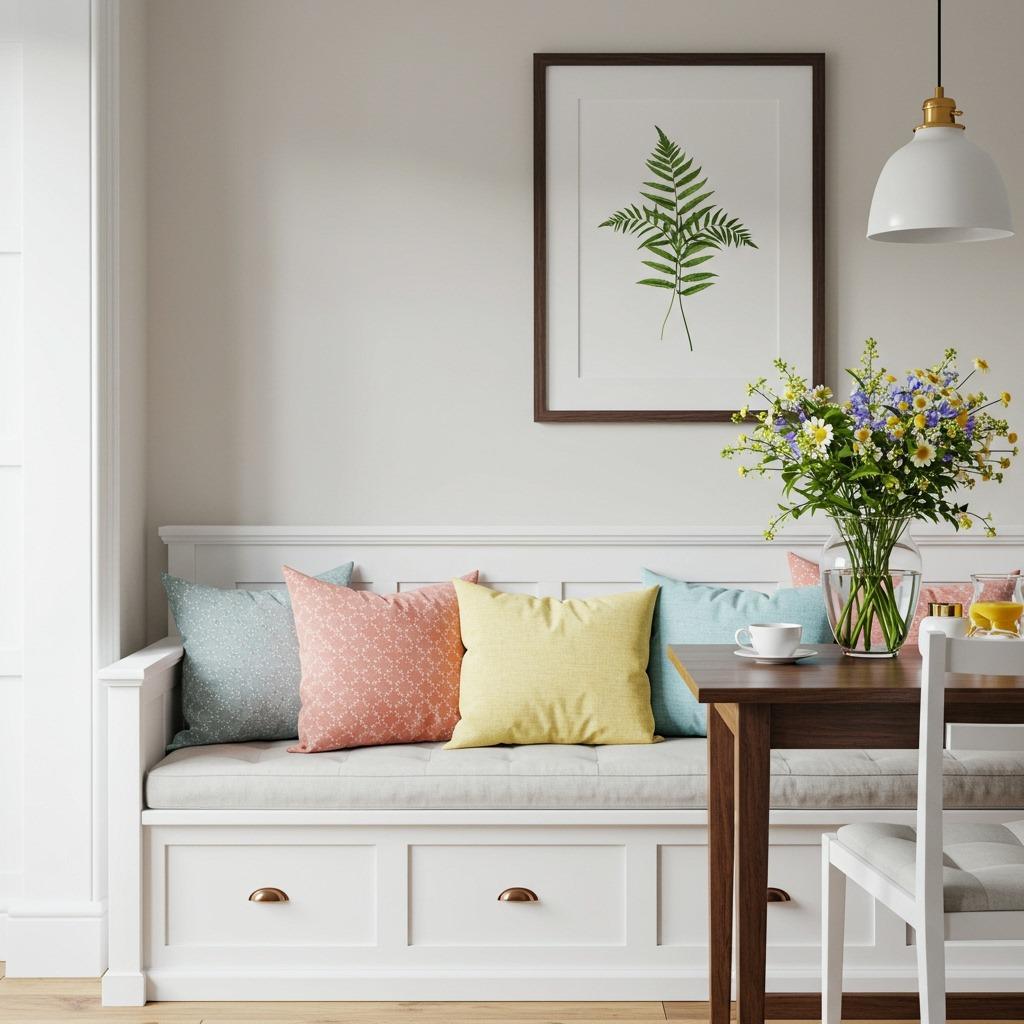
The difference between a basic nook and a Pinterest-worthy one often comes down to styling details. A small vase of fresh flowers or greenery on the table transforms the space from purely functional to deliberately designed. Rotate seasonal stems, eucalyptus branches, or even grocery store bouquets to keep things feeling fresh.
Throw pillows add comfort and color but don’t go overboard. Two to four pillows maximum keeps the space feeling cozy without becoming cluttered. Choose pillows with removable, washable covers since they will inevitably encounter breakfast mishaps. Mix patterns and textures for interest, but stick to a cohesive color palette.
Wall decor above the nook completes the look. A statement piece of art, a collection of framed prints in a gallery wall, or floating shelves styled with cookbooks and pottery add personality. Keep it relatively minimal though. You want the space to feel curated, not cluttered. The nook should be a visual rest stop, not a source of visual chaos.
Budget-Friendly Breakfast Nook Ideas
Creating a charming breakfast nook doesn’t require a massive renovation budget. Start with a basic wooden bench from a furniture store or even build a simple platform yourself if you’re handy. Add a thick foam cushion cut to size and cover it with indoor-outdoor fabric that can handle daily use and cleaning.
Secondhand furniture offers character at a fraction of new prices. Check online marketplaces for solid wood benches, vintage chairs, or small tables that just need a coat of paint. Mismatched seating can actually look intentional and collected when unified by a cohesive color scheme. Mixing a bench on one side with different chairs on the other creates an eclectic vibe that feels personal.
DIY cushions save significantly versus custom upholstery. Purchase high-density foam, cut it to fit your bench dimensions, and sew simple slip covers. No-sew options work too. Wrap fabric tightly around the cushion and secure with a staple gun on the underside. Add a coordinating table runner or placemats from affordable home stores, and you’ve created a pulled-together look on a modest budget.
Common Breakfast Nook Mistakes to Avoid
The biggest mistake? Building a nook that looks perfect but feels uncomfortable. No amount of styling fixes a bench that’s too deep, too shallow, or lacks proper back support. Always test the ergonomics before committing to permanent installation. Sit in the space, slide in and out, and imagine eating a full meal there.
Undersized tables are another common issue. You need enough surface area for plates, coffee cups, and maybe a newspaper or tablet. A table that’s too small feels cramped and forces you to eat with elbows tucked awkwardly. As a general rule, allow 24 inches of table width per person.
Forgetting about traffic flow creates daily frustration. Make sure people can easily slide in and out of the nook without moving the table or climbing over other people. Leave at least 18 inches between the table edge and the wall or cabinet behind. If your kitchen sees a lot of movement, position the nook away from primary walkways so it doesn’t become an obstacle.
Your breakfast nook should feel like a little retreat that makes mornings something to look forward to. Whether you build a full custom banquette or simply arrange a bench and table in a sunny corner, the goal is creating a spot that encourages you to pause, sit down, and actually enjoy your coffee.
The most successful modern breakfast nooks blend style with serious functionality. They look beautiful in photos but also hold up to daily life, spilled orange juice, and morning chaos. Think about how you actually use your kitchen, what kind of seating feels comfortable to you, and how much maintenance you’re willing to commit to.
Start with one element and build from there. Maybe it’s finding the perfect table first, or maybe it’s getting that banquette cushion just right. The nook will come together piece by piece, and before you know it, you’ll have created a space that makes every morning feel a little more special.