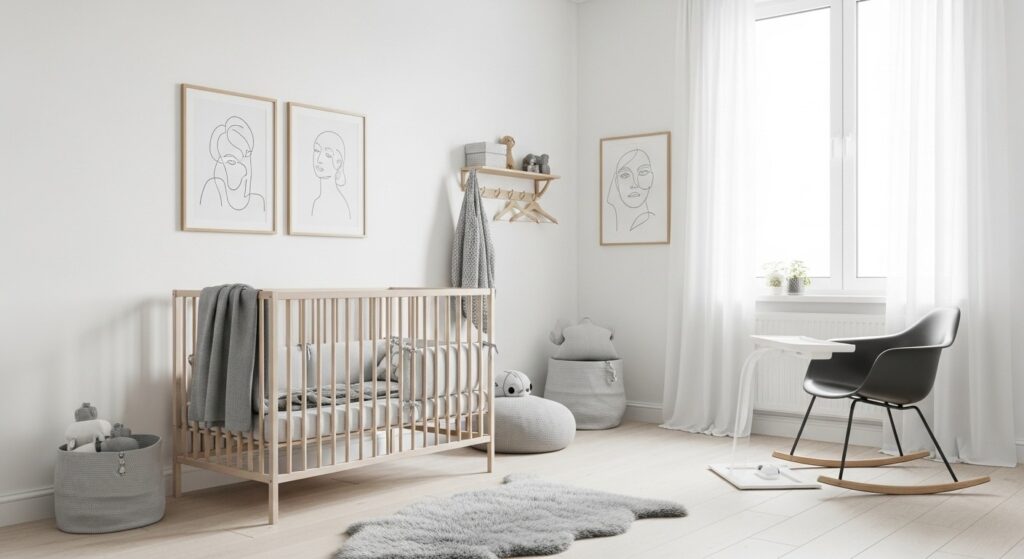
There’s something magical about walking into a nursery that feels both calming and thoughtfully designed. When you’re preparing a space for your little one, the Scandinavian nursery room style offers exactly that – a peaceful retreat that’s functional, beautiful, and surprisingly easy to achieve.
Nordic design has captured hearts worldwide for good reason. It strips away the unnecessary and focuses on what truly matters: natural materials, soft color palettes, and furniture that serves a purpose. This approach creates spaces where babies can rest peacefully and parents can find moments of calm during those inevitable 3 AM feedings.
What makes this style so appealing for nurseries? It’s the perfect balance. You get minimalist nursery decor that doesn’t feel cold or sterile, but rather warm and inviting. The emphasis on natural light, organic textures, and quality over quantity means you’re investing in pieces that will grow with your child rather than cluttering the room with items that lose their appeal after a few months.
Why Scandinavian Design Works Perfectly for Nurseries
The philosophy behind Nordic baby room design aligns beautifully with what new parents actually need. Scandinavian homes prioritize hygge – that untranslatable Danish concept of cozy contentment – which is exactly the atmosphere you want when you’re rocking a fussy baby or reading bedtime stories.
This design approach doesn’t demand perfection. Instead, it embraces the lived-in warmth of family life while maintaining visual calm. The clutter-free aesthetic means fewer surfaces collecting dust (one less thing to worry about) and more space for those precious early moments.
Functionality sits at the heart of every decision in a Scandinavian-inspired space. Every piece of furniture earns its place by being both beautiful and useful. That rocking chair isn’t just pretty – it’s positioned for optimal natural light during daytime feeds. The storage baskets aren’t merely decorative – they’re within arm’s reach of the changing table.
1. Start with a Neutral Foundation
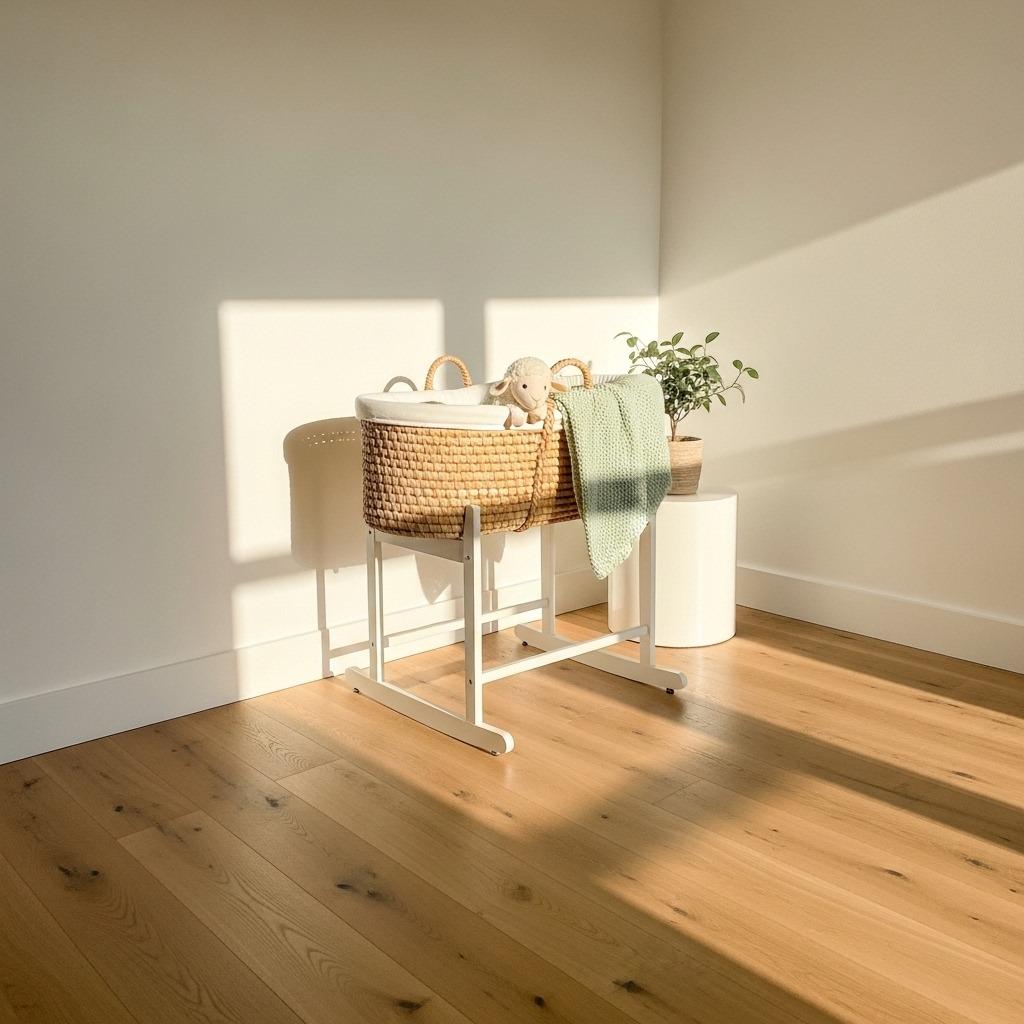
The beauty of calming nursery ideas begins with your walls and floors. Scandinavian spaces typically feature whites, soft grays, or gentle beiges as base colors. These aren’t boring choices – they’re strategic ones that maximize natural light and create a sense of spaciousness.
White walls reflect sunlight beautifully, making even smaller nurseries feel open and airy. If pure white feels too stark, consider warm whites with subtle undertones of cream or gray. Light wooden floors – or wood-look alternatives – add warmth without overwhelming the senses.
This neutral backdrop gives you incredible flexibility as your child grows. You can easily update the room’s personality with different textiles, artwork, or accent pieces without needing to repaint or make major changes.
2. Invest in Quality Natural Wood Furniture
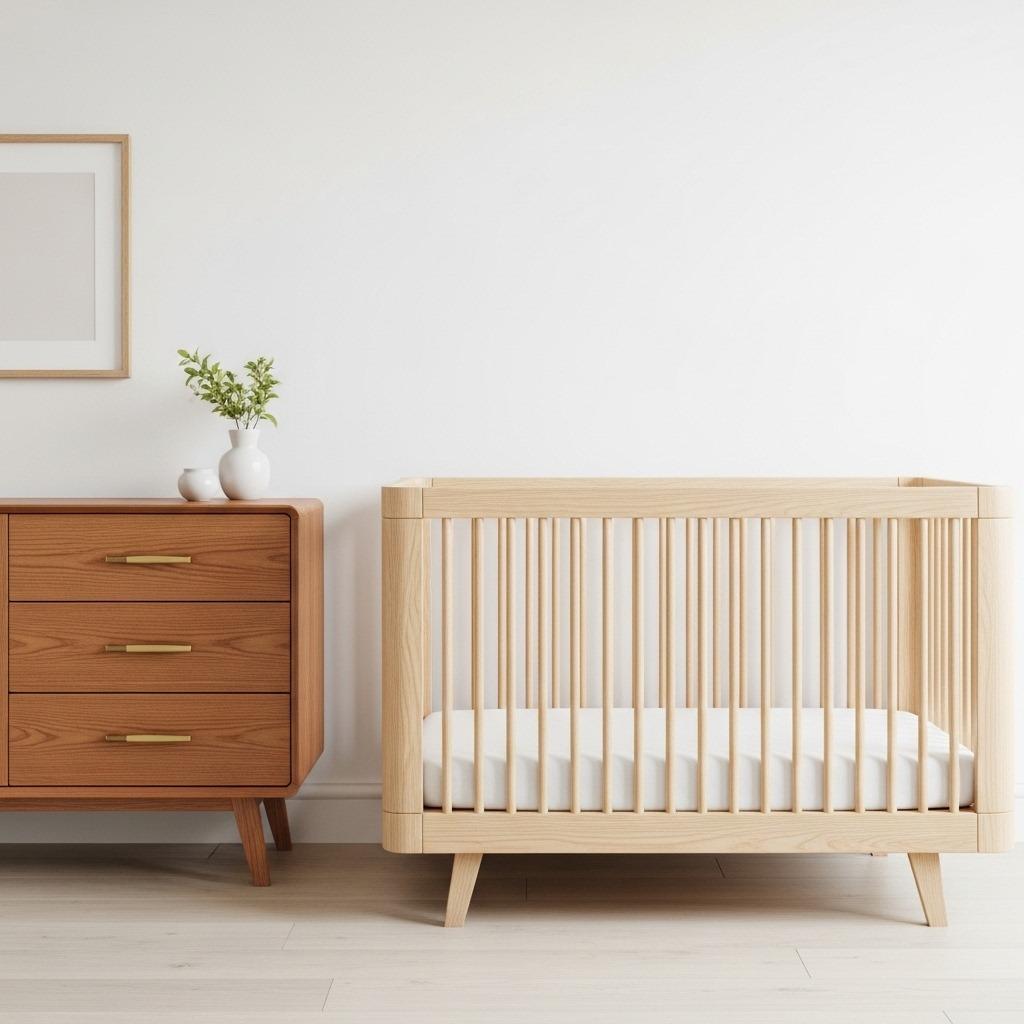
Scandinavian design celebrates wood in its most honest form. Look for cribs, changing tables, and dressers in light woods like birch, beech, or pine. The visible grain patterns and natural variations add visual interest while maintaining that minimalist aesthetic.
The furniture should have clean lines and simple silhouettes. Avoid ornate carvings or overly decorative elements. A well-crafted wooden crib with subtle curved corners does more for the room’s appeal than an elaborate piece that fights for attention.
Consider how the wood tones work together. Mixing different light woods can add depth, but aim for cohesion. If your crib is pale birch, your bookshelf might be slightly warmer pine – both complement each other within the light wood family. This approach connects beautifully with minimalist bathroom design principles that many homeowners are embracing throughout their homes.
3. Layer Soft, Organic Textiles
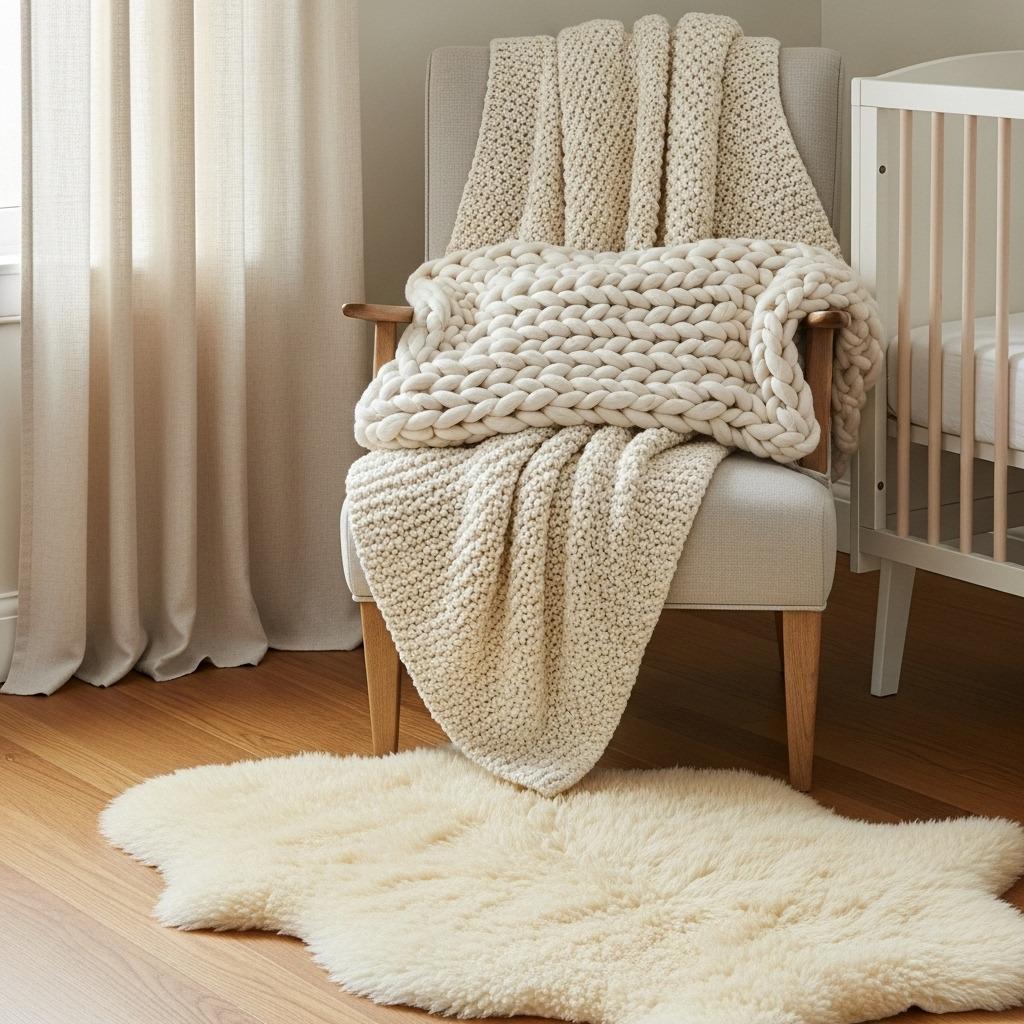
Texture transforms a Scandinavian nursery from stark to cozy. Think linen curtains that filter sunlight into a gentle glow, cotton muslin swaddles draped over the crib rail, and a chunky knit throw on the nursing chair.
Natural fibers work best – cotton, linen, wool, and bamboo. These materials feel wonderful against baby’s sensitive skin and they align with the Nordic preference for sustainable, long-lasting materials. A simple white cotton canopy over the crib or a linen valance above the window adds softness without fuss.
Don’t forget the floor. A plush wool rug or genuine sheepskin creates a cozy spot for tummy time while adding that essential tactile warmth. Choose pieces in whites, grays, or natural tones to maintain the cohesive palette.
4. Keep Wall Art Simple and Meaningful
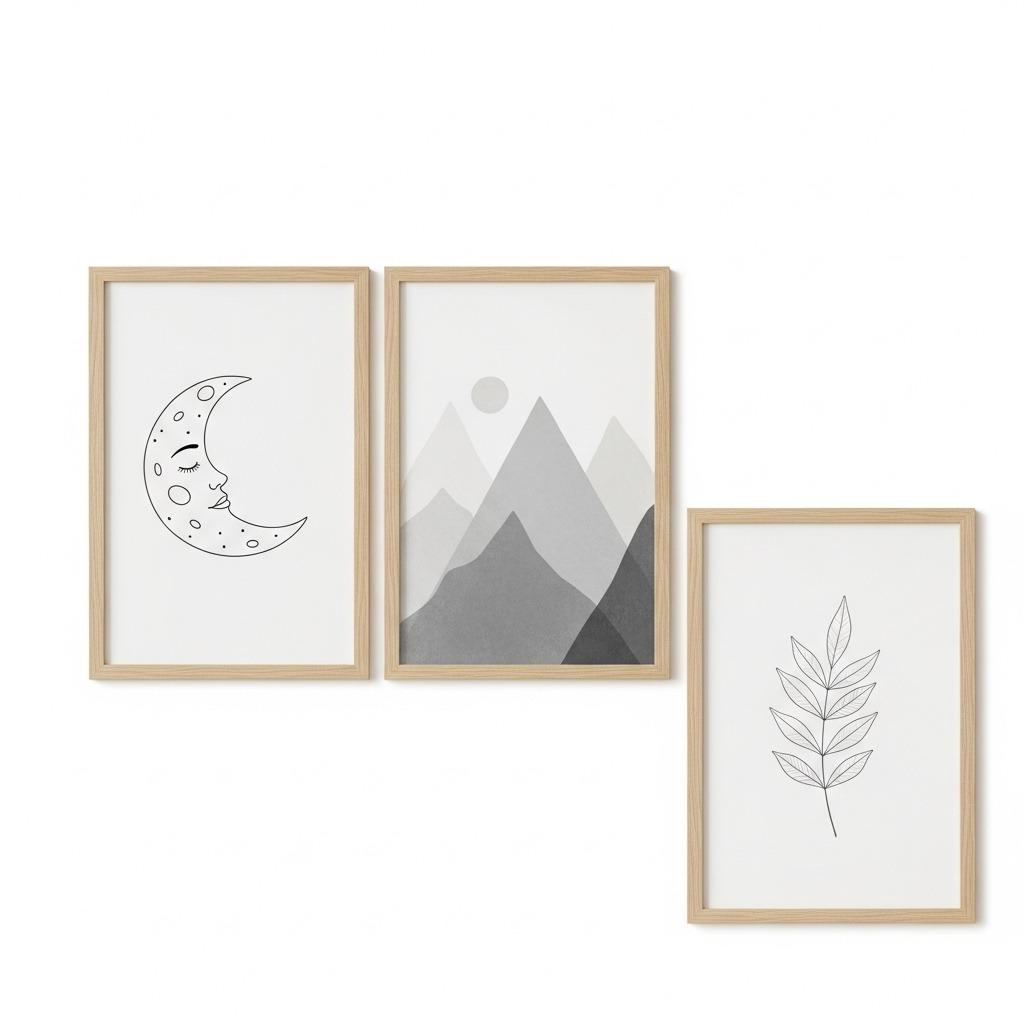
Scandinavian wall decor follows the “less is more” principle. Instead of covering every surface, select a few meaningful pieces that create visual interest without overwhelming the space. Simple line drawings of animals, abstract shapes in muted tones, or botanical prints work beautifully.
Black and white photography or illustrations are classic choices. You might frame a few simple prints in light wood frames and arrange them in a small gallery – perhaps three frames in a gentle triangle formation above the crib. The key is intentionality rather than abundance.
Consider art at baby’s eye level too. A single thoughtful piece hung lower on the wall gives your little one something interesting to observe during floor time. This mirrors how kids bedroom ideas often incorporate child-height design elements.
5. Maximize Natural Light
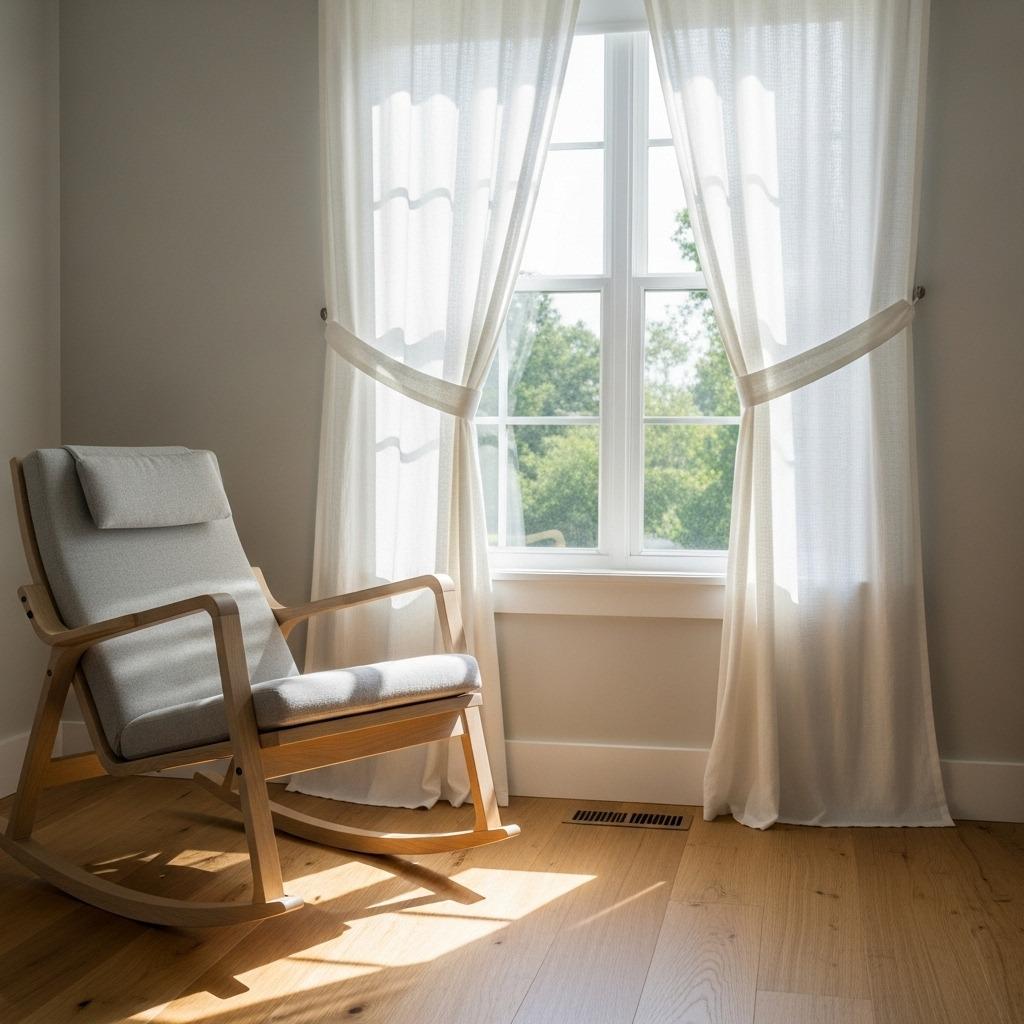
Light transforms everything in Scandinavian design. Large windows without heavy treatments allow sunlight to flood the space. If privacy is a concern, opt for sheer white or cream curtains that filter light rather than block it completely.
Position the crib and changing area to benefit from natural light during daytime hours. Morning sun can help regulate baby’s circadian rhythms, though you’ll want the crib away from direct harsh afternoon sun. A changing table near a window makes diaper changes more pleasant for everyone involved.
For rooms with limited natural light, choose the lightest wall colors possible and add strategic mirrors. A simple round mirror with a light wood frame can bounce light around the room while serving as a subtle decorative element.
6. Choose Functional Storage Solutions
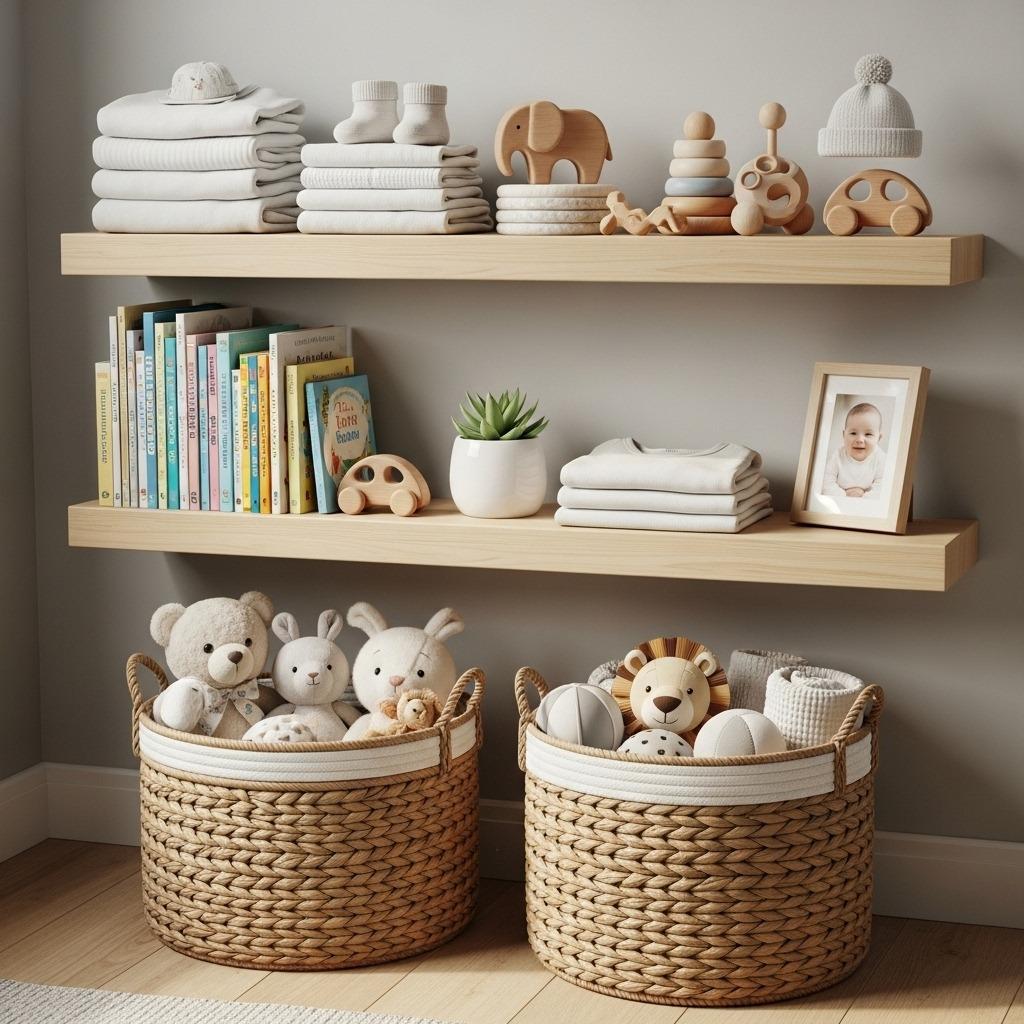
Nordic baby room design makes storage part of the aesthetic rather than hiding it away. Open shelving in light wood displays neatly folded clothes, small toys, and books. The visibility actually encourages organization – you can see what you have and grab what you need quickly.
Woven baskets in natural materials like seagrass or light rattan provide flexible storage that looks intentional. Use them for toys, extra blankets, or diaper supplies. They’re easy to move around and add wonderful texture to the space.
Built-in solutions work especially well if you’re renovating. Consider how closet renovation strategies might apply to creating perfect nursery storage. Simple floating shelves, under-crib rolling boxes, and wall-mounted organizers keep necessities accessible without cluttering surfaces.
7. Add Greenery Thoughtfully
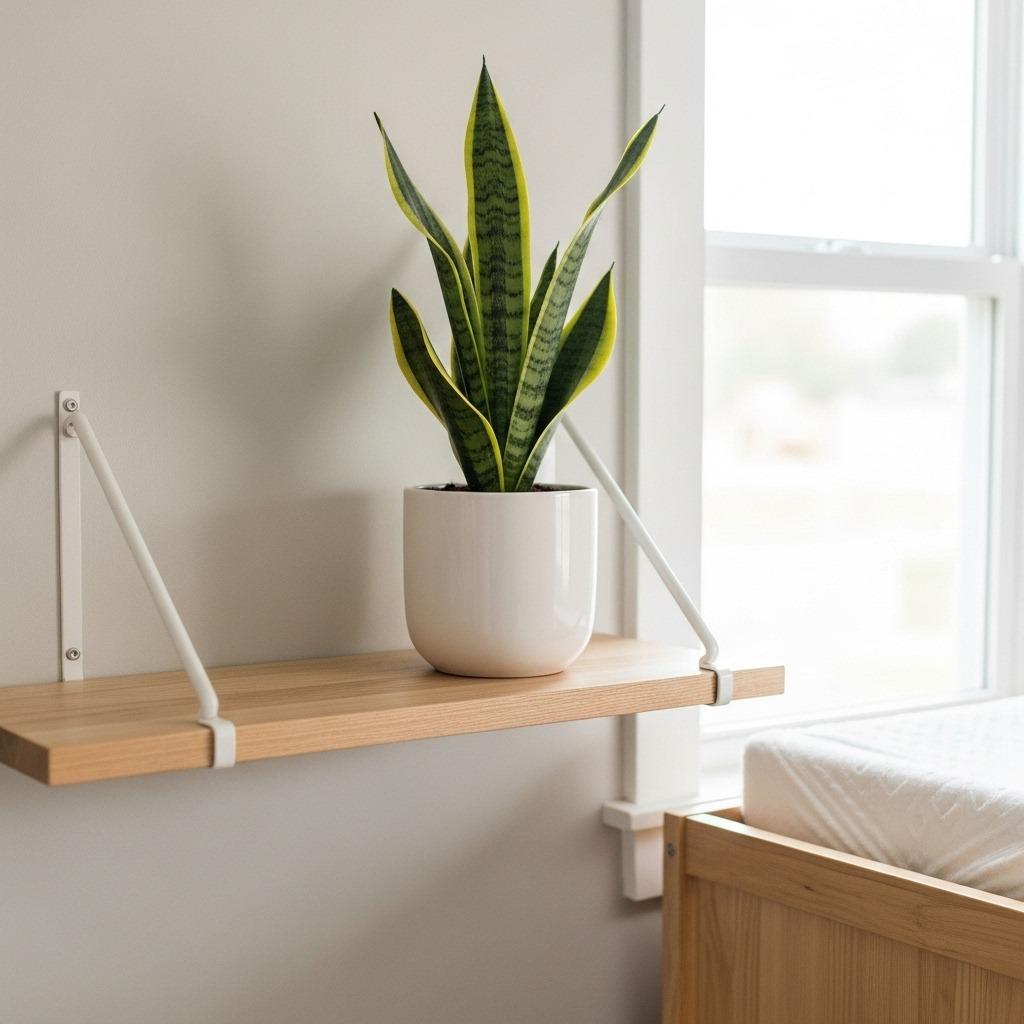
Plants bring life and freshness to minimalist nursery decor. Choose varieties that are non-toxic and low-maintenance – snake plants, spider plants, or pothos work well. Keep them out of baby’s reach on high shelves or in hanging planters.
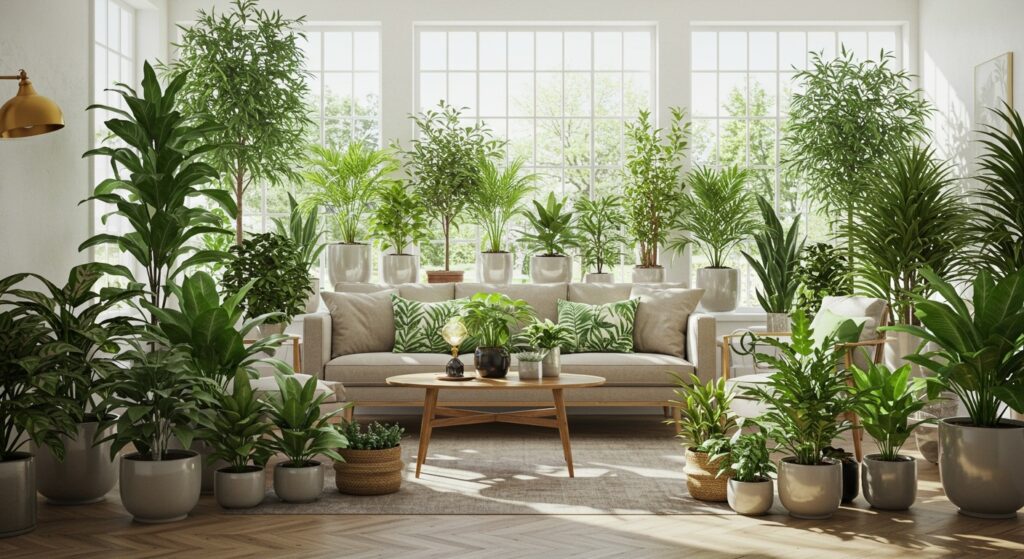
A single statement plant in a simple ceramic pot can be enough. Scandinavian design doesn’t require a jungle – one or two well-placed plants create the connection to nature without complicating care routines. This controlled approach to indoor greenery complements indoor garden living room concepts that prioritize purposeful plant placement.
If you’re worried about maintenance, consider a small air plant display. These require minimal care and can sit on a high shelf in a geometric holder, adding visual interest without daily watering concerns.
8. Create a Cozy Reading Corner
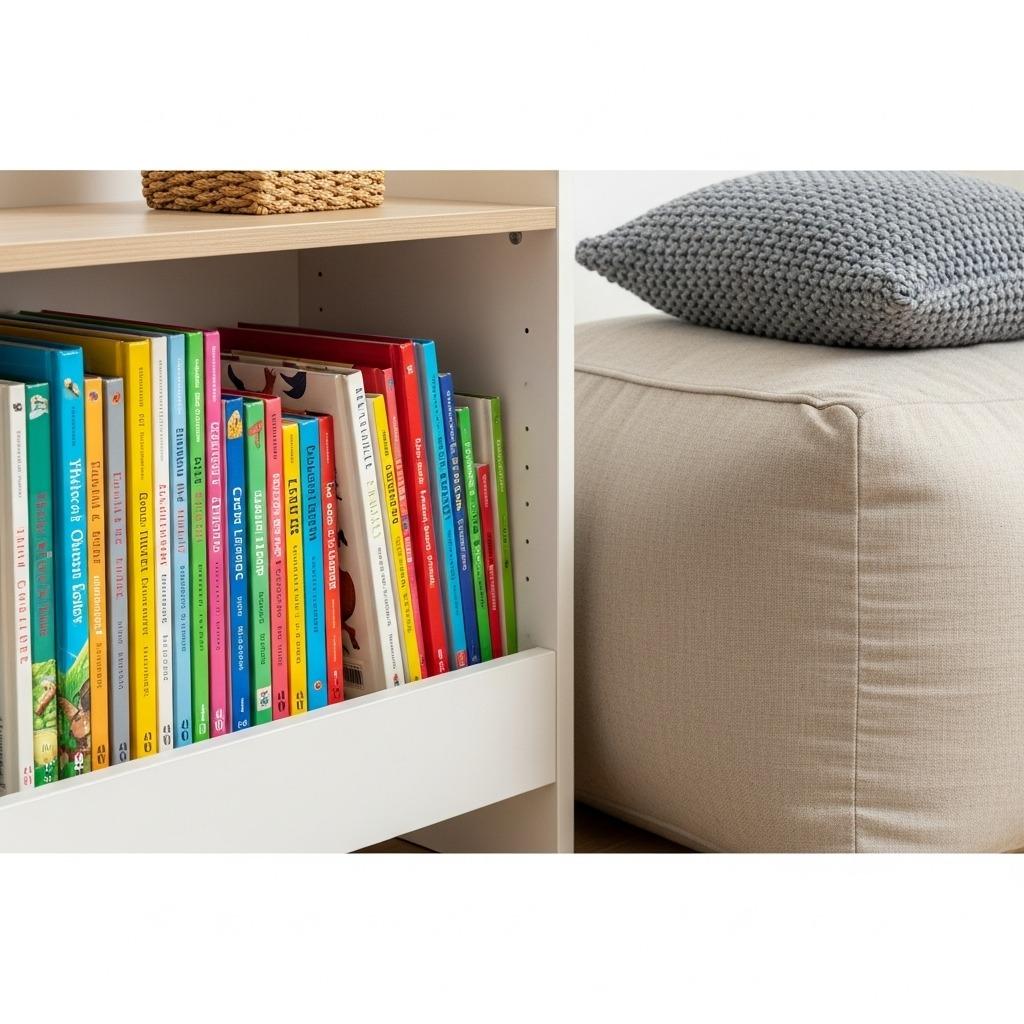
Even in a nursery, designating a specific spot for books and quiet time matters. A low bookshelf displaying picture books with their covers facing out becomes both storage and decor. Children respond to visual cues, and seeing book covers encourages early literacy habits.
Add a comfortable chair or floor cushion nearby. A simple pouf in natural linen or a sheepskin-covered cushion creates a cozy spot where you can sit with your baby and read together. Keep the area uncluttered so it feels inviting rather than overwhelming.
The books themselves become part of the room’s aesthetic. Choose children’s books with beautiful covers in colors that complement your palette. Many classic picture books feature illustrations that align perfectly with Scandinavian design sensibility.
9. Incorporate Subtle Pattern Through Textiles
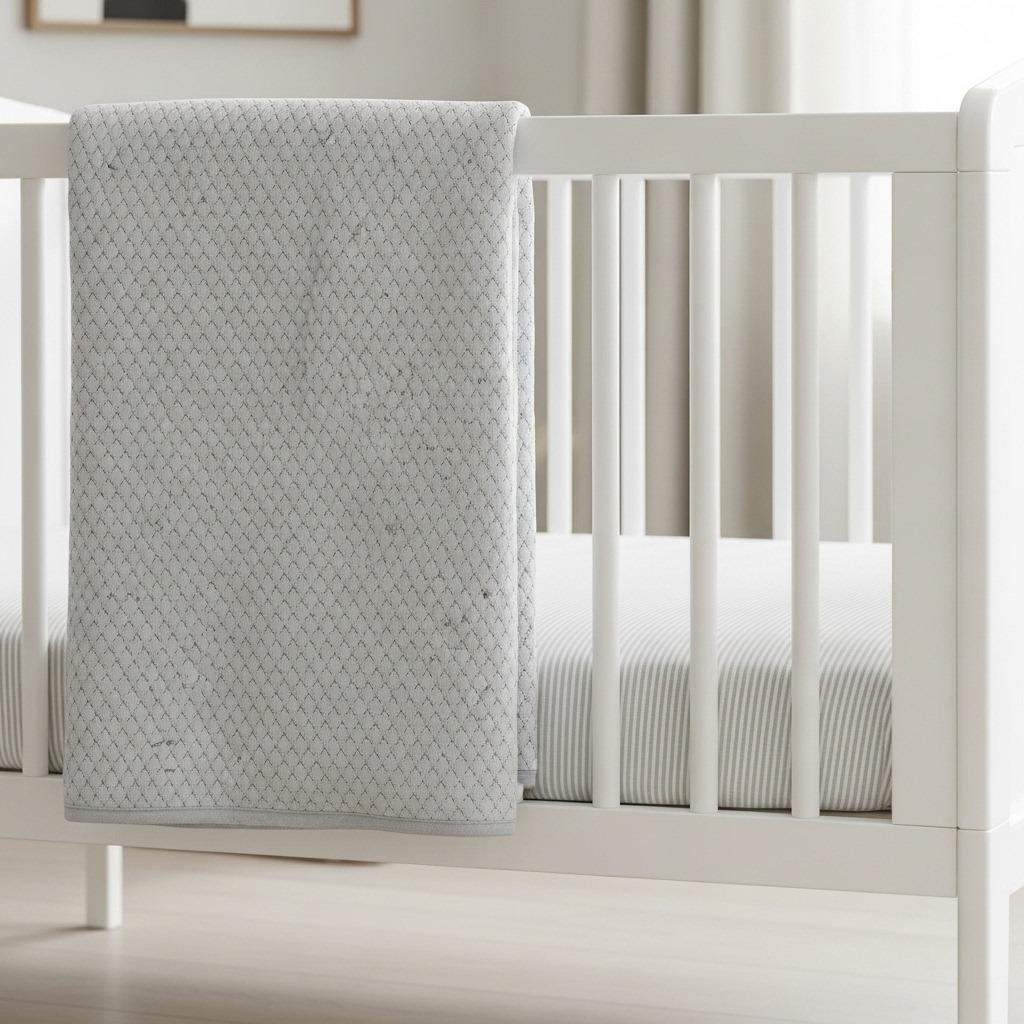
While Scandinavian nursery room style emphasizes simplicity, subtle patterns add depth without chaos. Thin stripes in gray and white, small geometric shapes, or gentle waves work beautifully on crib sheets, changing pad covers, or curtains.
The key word is subtle. You’re not aiming for bold statement prints – instead, think delicate patterns that reveal themselves upon closer inspection. A simple striped changing pad cover or sheets with tiny stars in tone-on-tone colors add interest while maintaining calm.
Mixing patterns works when you stick to a consistent color story. Gray and white stripes on the crib sheet might pair with white muslin swaddles featuring small gray triangles. The repetition of colors unifies different patterns into a cohesive whole.
10. Choose Lighting That’s Functional and Beautiful
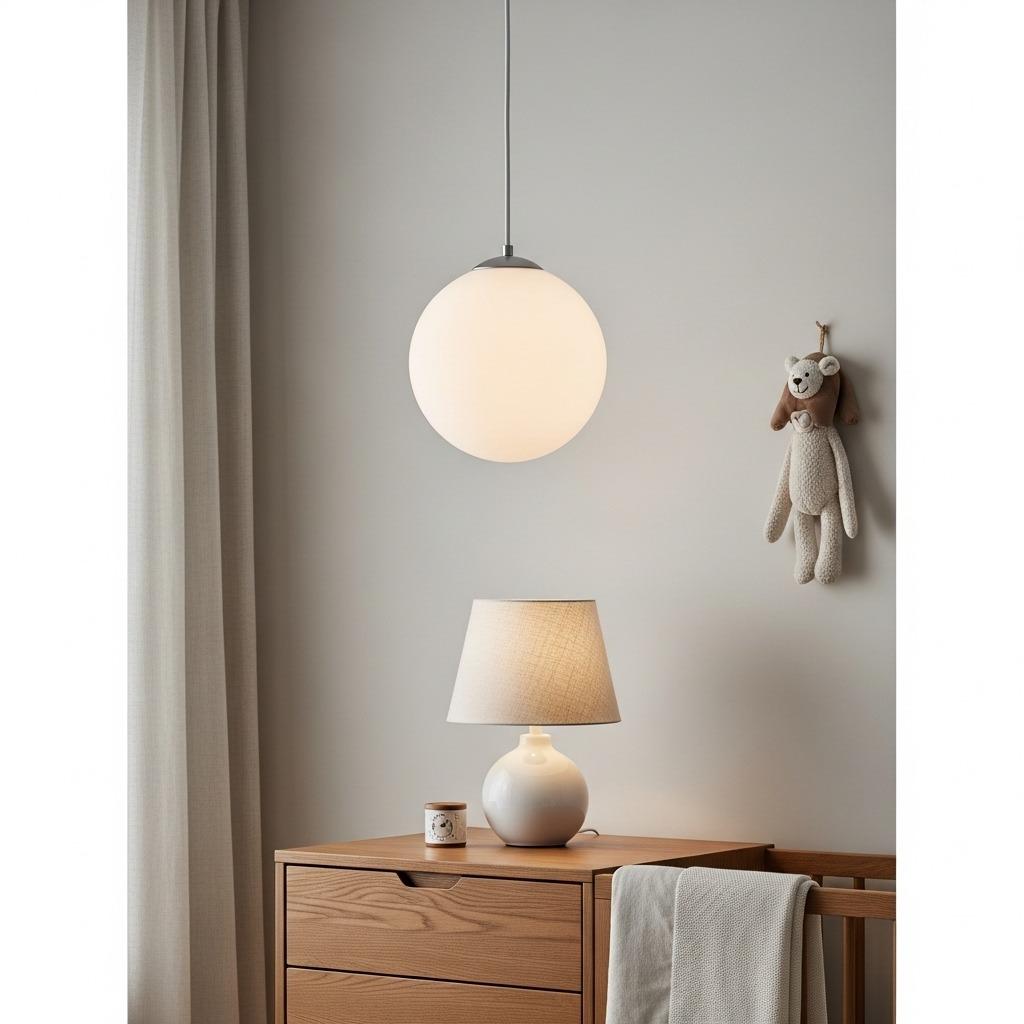
Lighting in a nursery serves multiple purposes, and Scandinavian design addresses them all elegantly. A central ceiling fixture provides general illumination – choose something simple like a white dome light or a minimalist pendant with a natural wood accent.
Task lighting matters tremendously during those nighttime diaper changes and feedings. A small table lamp with a warm bulb on the dresser or a simple wall sconce near the changing table provides necessary light without the harsh glare of overhead fixtures. Look for lamps with clean lines and neutral materials.
Consider installing a dimmer switch if possible. The ability to adjust light levels helps with bedtime routines and allows you to check on baby without fully illuminating the room. This thoughtful approach to lighting echoes principles found in bedroom lighting design throughout the home.
11. Keep the Changing Area Organized and Accessible
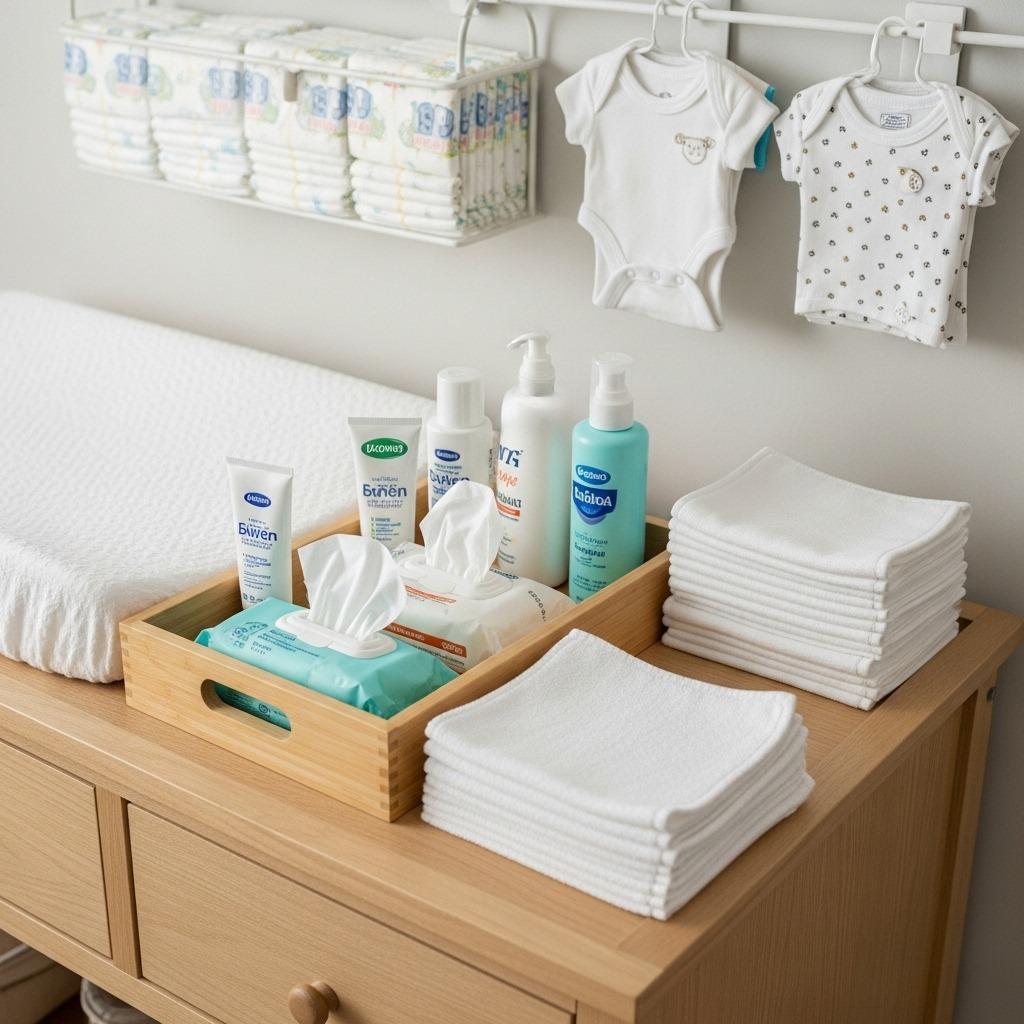
The changing table becomes command central during those early months. Scandinavian design makes this functional space beautiful through thoughtful organization. Keep frequently used items within arm’s reach using simple organizers in natural materials.
A wooden caddy or ceramic tray can corral diaper cream, wipes, and other necessities. Wall-mounted organizers or a simple shelf above the changing table holds extra diapers and clothes. Everything visible, everything accessible, nothing cluttered.
Choose a changing pad cover in a natural tone that hides stains better than pure white while maintaining the light, airy feel. Keep a small basket of fresh washcloths nearby – their neat stack adds to the organized aesthetic while being incredibly practical.
12. Select a Comfortable Seating Area
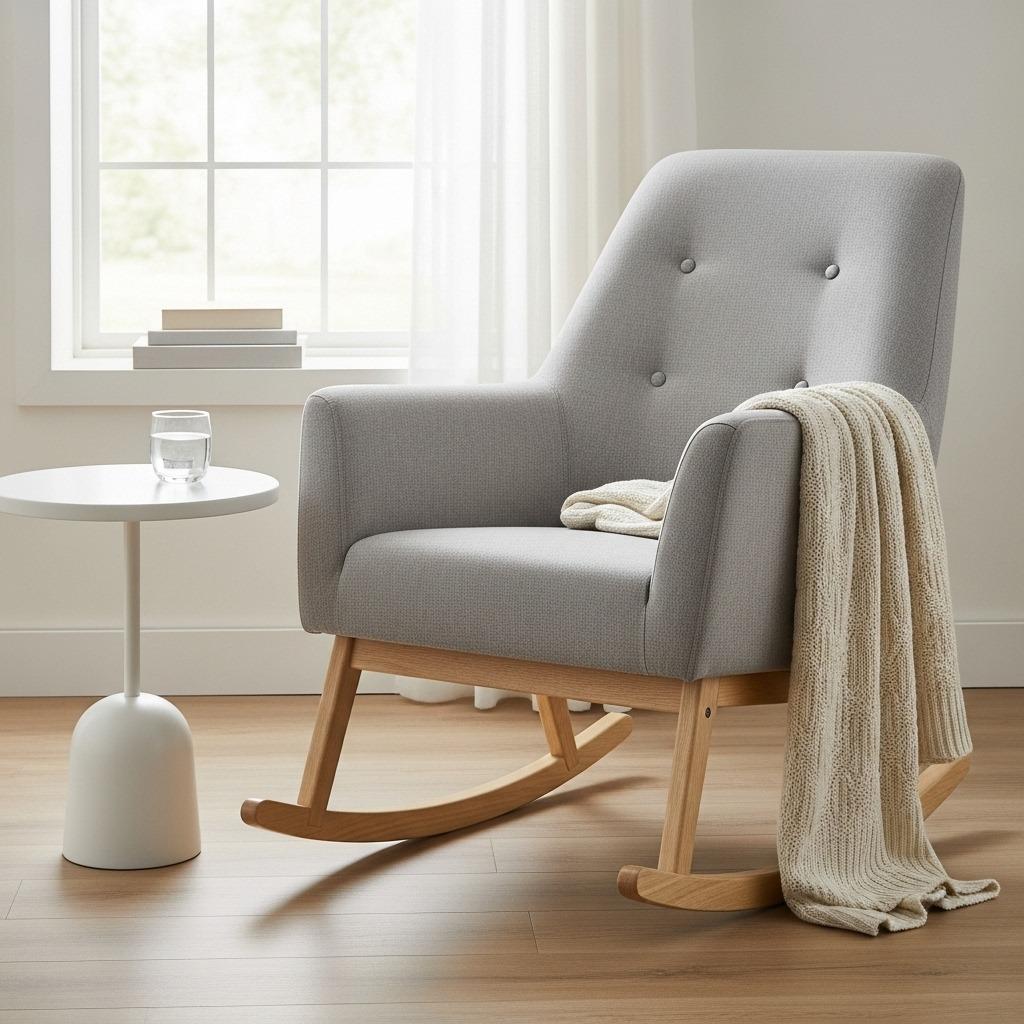
You’ll spend countless hours in that nursing or rocking chair, so comfort and style both matter. Look for chairs with clean lines in neutral fabrics – a simple white or gray upholstered rocker or glider fits the aesthetic beautifully. Avoid ornate detailing or busy patterns.
The chair’s placement is as important as its style. Position it to catch natural light during day feeds and ensure you have a small side table within reach for water, burp cloths, or that book you’re reading one-handed. This creates a functional nook within the larger space.
Add a supportive pillow in a complementary neutral tone and a soft throw blanket. These aren’t just decorative – they’re functional comfort items that you’ll actually use. Much like creating a cozy small living room, the goal is genuine comfort within an uncluttered frame.
13. Embrace Negative Space
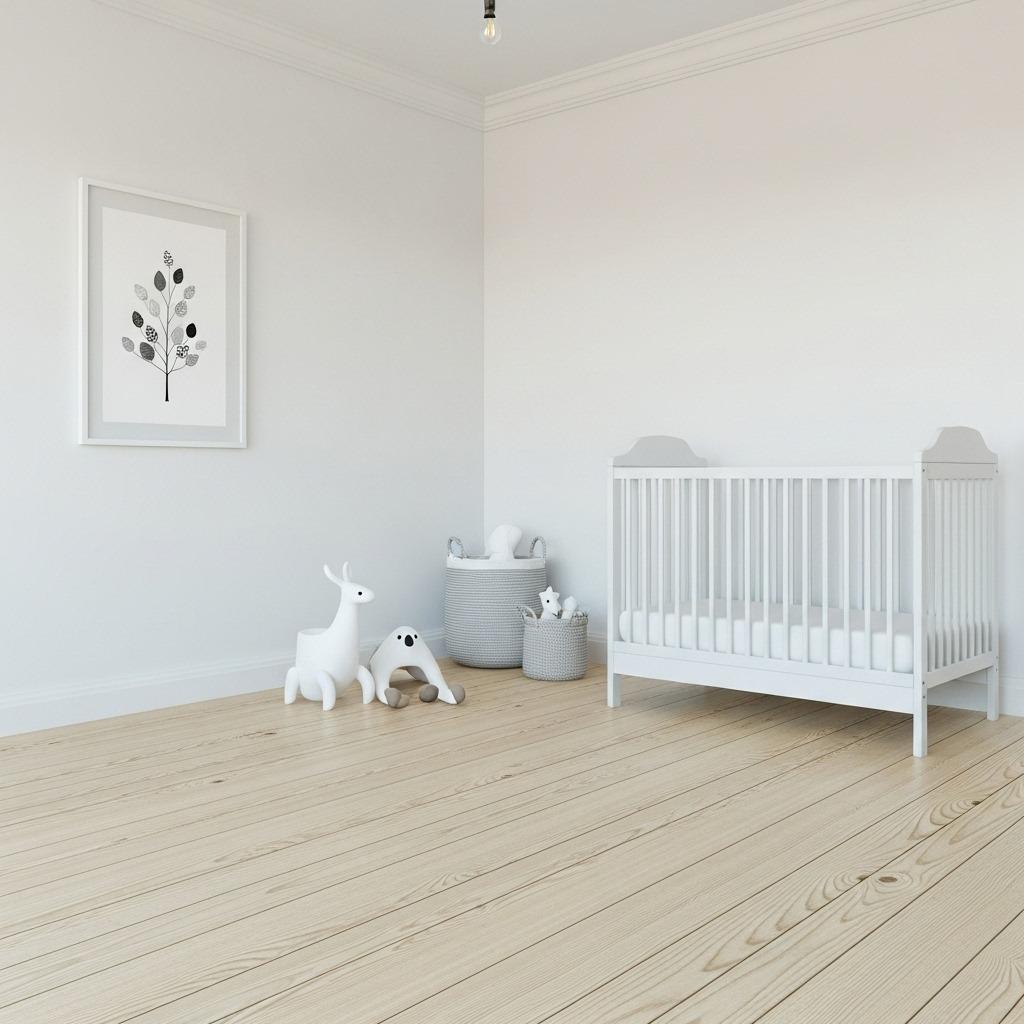
One of the most striking aspects of calming nursery ideas rooted in Scandinavian design is what’s NOT there. Empty wall space, clear floor areas, and surfaces free of clutter create visual breathing room that’s genuinely calming.
Resist the urge to fill every corner. An empty wall isn’t incomplete – it’s intentional. Clear floor space isn’t wasted – it’s where your baby will eventually crawl and play. The restraint in decorating creates the peaceful atmosphere that makes this style so appealing.
This approach also makes cleaning easier (not a small consideration with a newborn) and allows the pieces you’ve carefully selected to stand out. Each item gets to be fully appreciated rather than competing for attention in a crowded space.
14. Add Personal Touches Sparingly
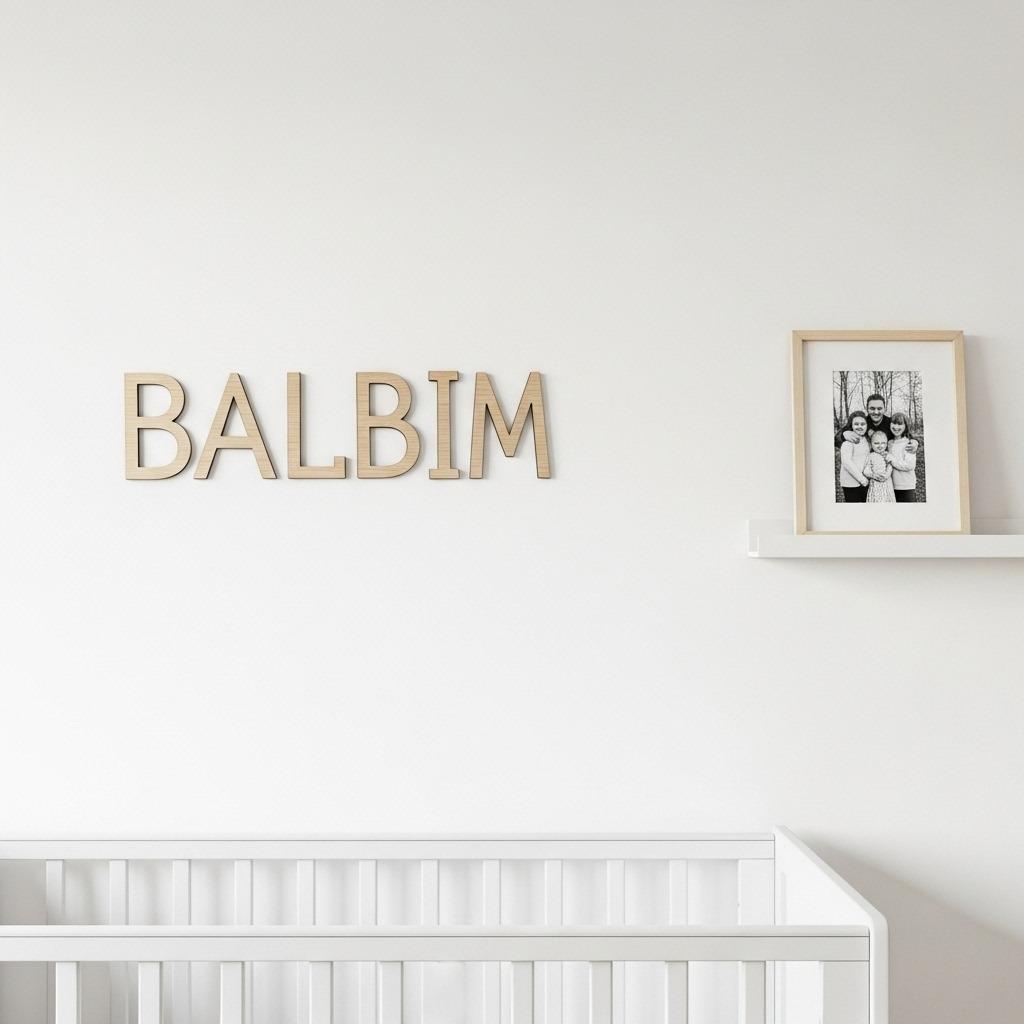
While minimalist nursery decor emphasizes restraint, your baby’s room should still feel personal. The trick is selecting a few meaningful items rather than displaying everything. Perhaps a handmade quilt from grandma folded at the crib’s end, or a single special toy on a shelf.
Name signs work beautifully in Scandinavian nurseries when kept simple. Wooden letters in natural finish or white, mounted cleanly on the wall, add personality without clutter. Avoid overly decorative or ornate versions that fight the clean aesthetic.
Consider incorporating family photos in matching light wood frames. Three or four thoughtfully chosen images arranged simply on one wall create connection and warmth. The key is curation – displaying what truly matters rather than everything you own. This selective approach parallels how budget nursery design ideas suggest focusing spending on meaningful elements.
15. Consider Long-Term Flexibility
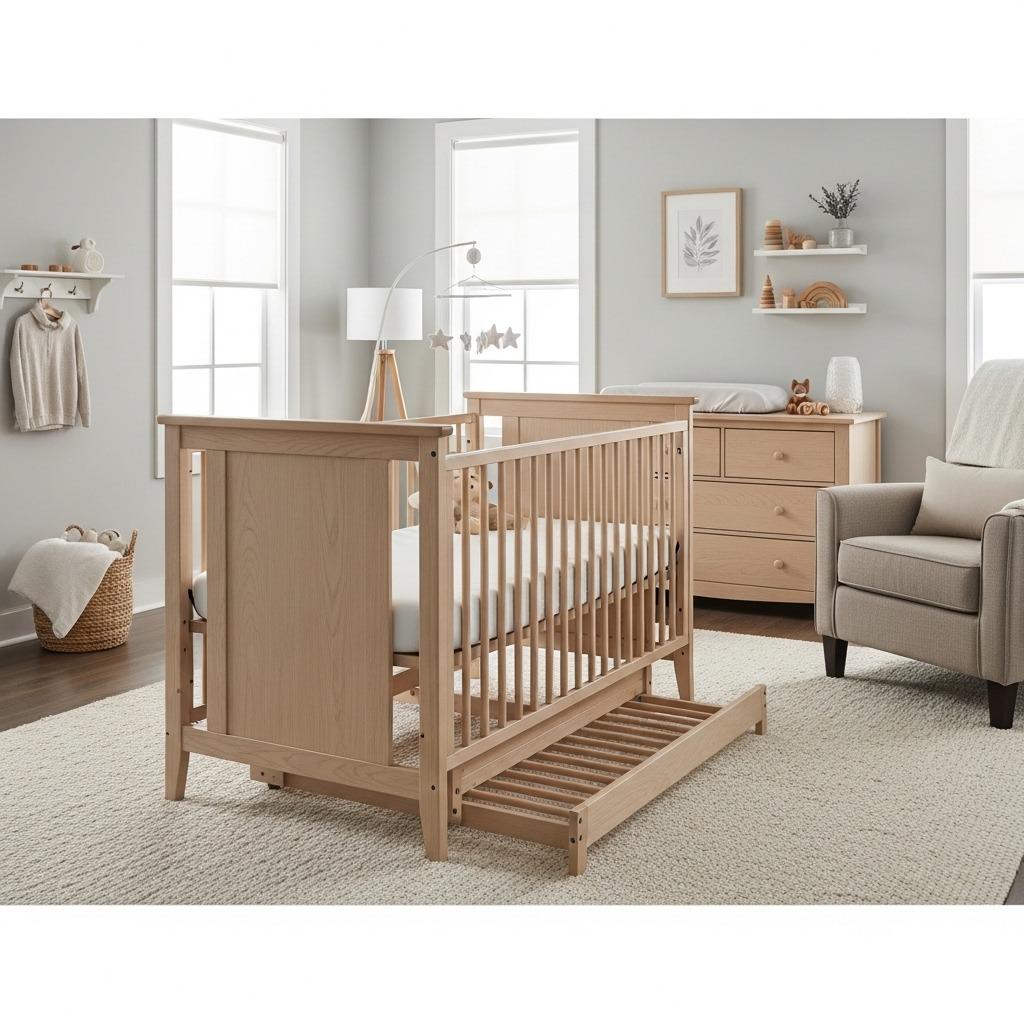
Smart Nordic baby room design thinks beyond the baby phase. Choose furniture and colors that will transition easily as your child grows. That simple wooden crib converts to a toddler bed. The changing table becomes a regular dresser. The neutral walls work for a teenager as well as they did for an infant.
Avoid overly baby-themed elements that will quickly feel outdated. Instead of cartoon characters or obviously infantile decorations, opt for timeless pieces that mature with your child. The beautiful wooden bookshelf works now for board books and later for chapter books and school supplies.
This forward-thinking approach actually saves money in the long run. When your room’s foundation is solid and versatile, you only need to update smaller accent pieces as your child’s tastes develop.
Creating a Scandinavian nursery room style doesn’t require expensive renovations or designer credentials. It asks you to be intentional, to choose quality over quantity, and to trust that simplicity creates beauty. The peaceful space you design now becomes the backdrop for those precious early memories – first smiles, tiny fingers grasping yours, quiet moments in the middle of the night when the world is just you and your baby.
The beauty of this approach extends beyond aesthetics. A calm, organized space genuinely makes those challenging early parenting days a bit easier. You can find what you need quickly. The soothing atmosphere helps settle a fussy baby. The lack of visual clutter reduces your own stress when you’re running on minimal sleep.
Start with one or two elements that resonate with you. Maybe it’s finding the perfect simple wooden crib, or perhaps it’s clearing your walls and hanging just one meaningful piece of art. Let the room evolve naturally rather than rushing to complete everything before baby arrives. The space will grow and change with your family, and that’s exactly as it should be.