

Is your kitchen starting to feel like a puzzle where nothing quite fits? You’re not alone. Many homeowners reach a point where their cooking space just doesn’t work anymore – whether it’s too cramped for multiple cooks, lacking storage, or simply cut off from the rest of the home.
Kitchen expansion isn’t just about adding square footage. It’s about reimagining how your space flows, functions, and feels. From opening up walls to strategic layout changes, there are more ways to create breathing room than you might think.
Let’s explore practical expansion strategies that can transform your tight cooking quarters into the spacious, functional kitchen you’ve been dreaming about. Some require significant renovation, while others work magic through smart design choices.
1. Open Up Adjacent Rooms
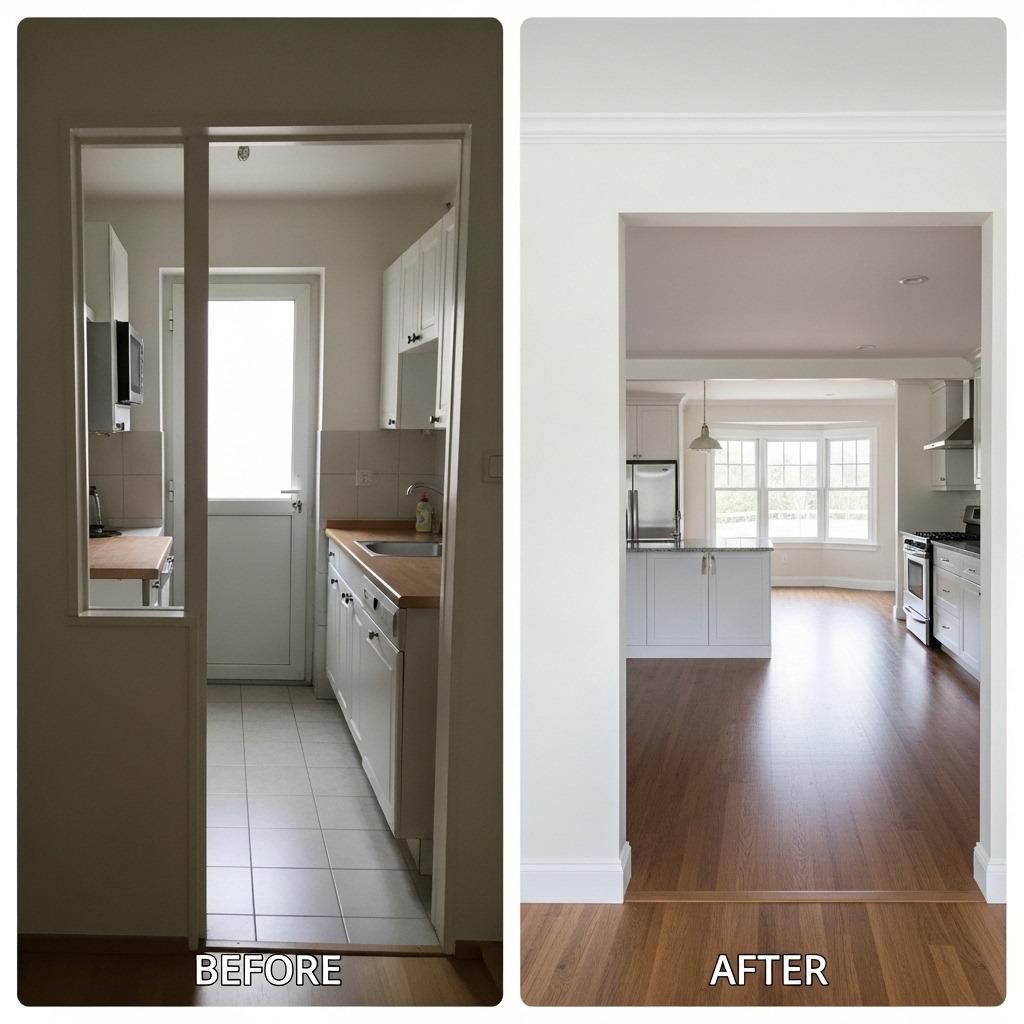
One of the most transformative approaches to kitchen expansion involves borrowing space from neighboring rooms. This method instantly increases both the physical footprint and the perceived size of your cooking area.
Consider whether you have a formal dining room that rarely gets used, or a wall separating your kitchen from the living area. Removing non-load-bearing walls can create an open concept kitchen living room layout that feels dramatically larger. This approach works especially well in older homes with compartmentalized floor plans.
The beauty of this strategy is that you’re not technically building an addition – you’re redistributing existing space. You might lose a separate room, but you gain a kitchen that becomes the heart of your home. Many families find they use the combined space more effectively than the separate rooms ever functioned.
Before demolishing any walls, always consult with a structural engineer or contractor. Load-bearing walls require additional support, which adds complexity and cost..
2. Bump Out for Extra Square Footage
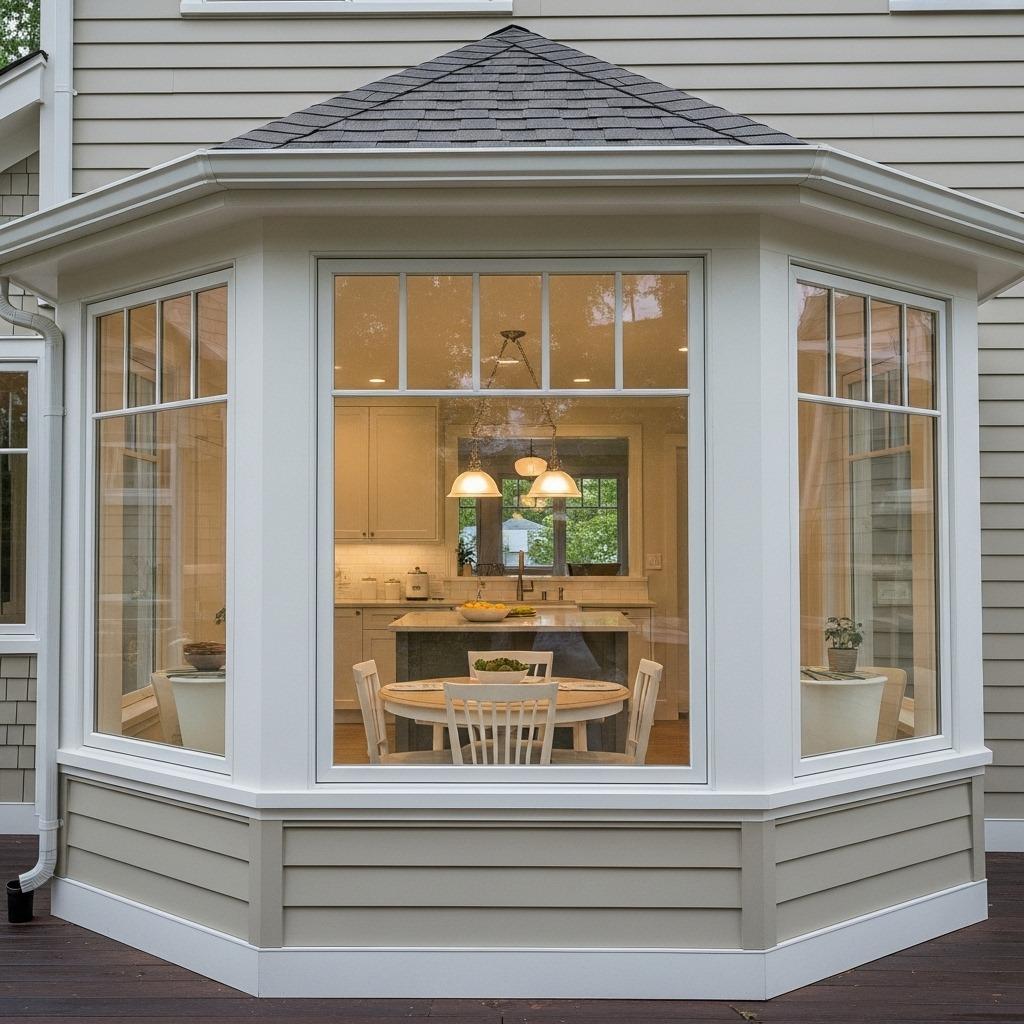
A kitchen bump-out extends your existing footprint by 2-4 feet, typically along one wall. This smaller-scale addition can provide just enough extra room without the expense of a full-scale renovation.
Bump-outs work particularly well for adding a breakfast nook, expanding your counter space, or finally fitting in that kitchen island you’ve always wanted. Since you’re not adding a complete room, the construction timeline and costs remain more manageable than traditional additions.
The permitting process for a bump-out is usually simpler than for larger additions. However, you’ll still need to ensure your foundation can support the extension and that the roofline integrates smoothly. Many homeowners appreciate that this approach provides noticeable improvement without drastically changing their home’s exterior appearance.
Think strategically about which wall to extend. The side with the least exterior features – fewer windows, no doors, simpler landscaping – typically makes the most sense. You’ll want to maintain exterior aesthetics while maximizing interior function.
3. Convert Adjacent Spaces
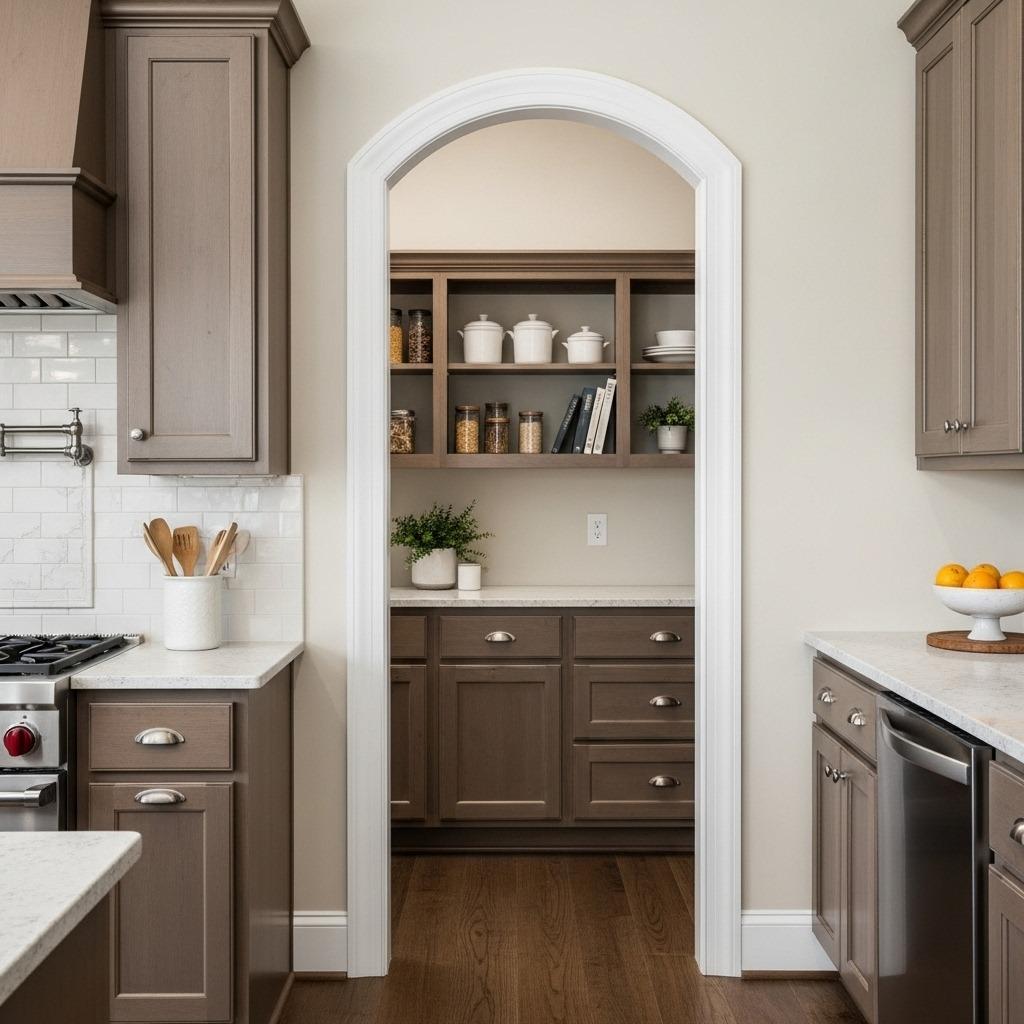
Have a mudroom, pantry, or small office next to your kitchen? Converting underutilized adjacent spaces offers expansion without major construction. This approach works wonderfully when you have rooms that could serve dual purposes or aren’t being used to their full potential.
A formal butler’s pantry might become part of your main kitchen and dining ideas, providing both extra prep space and storage. A small home office tucked beside the kitchen could transform into an extended work zone or breakfast area. The key is identifying spaces where a wall removal makes practical sense.
This strategy particularly appeals to those working with small space renovation budgets. You’re essentially reshuffling your floor plan rather than expanding your home’s envelope. The savings on construction costs can be redirected toward higher-quality finishes or appliances.
Consider traffic patterns carefully before committing to this approach. Make sure the newly expanded kitchen doesn’t create awkward pathways or cut off access to other essential areas of your home.
4. Build a Full Addition
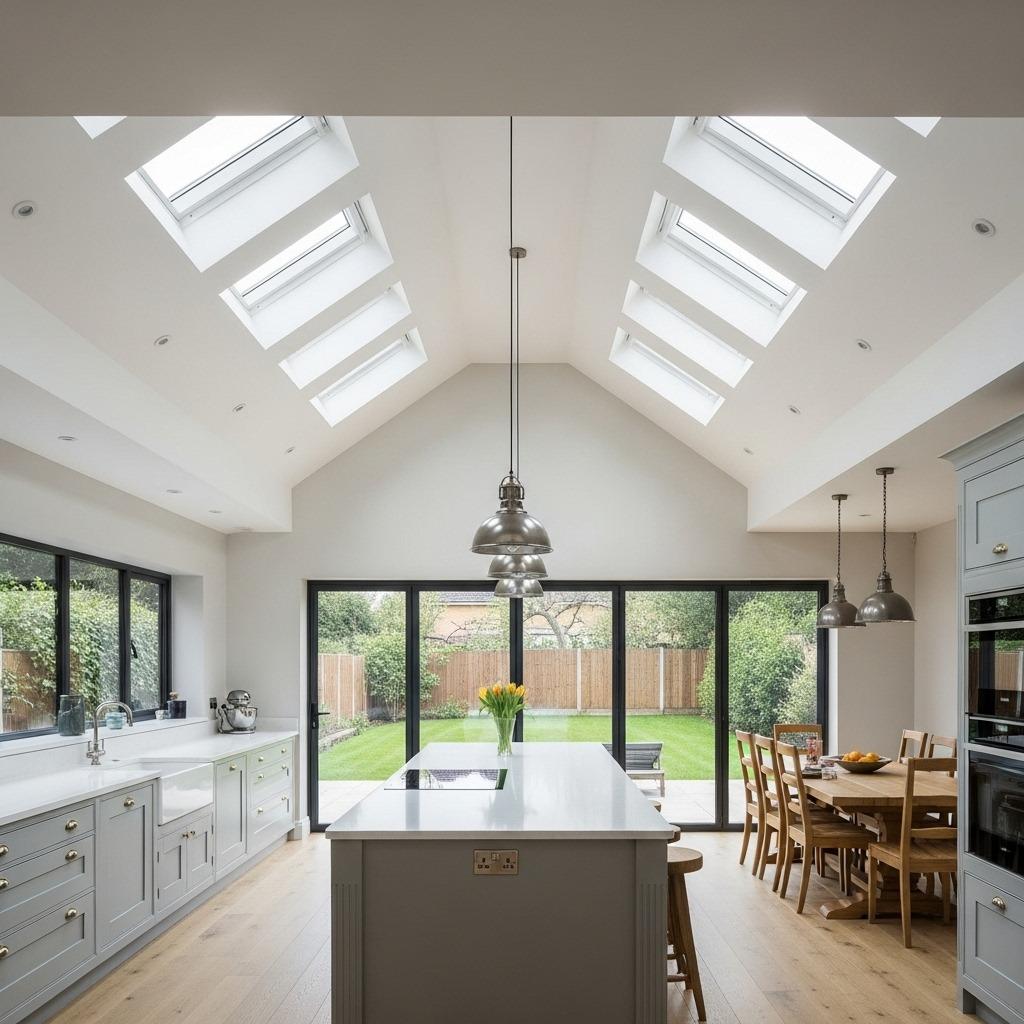
When you need substantial extra space and have the budget, a full kitchen addition delivers maximum impact. This approach typically involves extending your home’s footprint by 100-300 square feet or more, creating an entirely new cooking and gathering space.
Full additions allow you to completely reimagine your kitchen layout without compromise. You can finally have that walk-in pantry, spacious kitchen island ideas, and generous dining area all in one cohesive space. This option makes the most sense when your current kitchen is severely undersized or the layout is fundamentally flawed.
The investment in a full addition can be substantial – typically ranging from $100-$300 per square foot depending on finishes and complexity. However, kitchen expansions consistently rank among the best returns on investment for home improvements. According to Remodeling Magazine’s Cost vs. Value Report, major kitchen remodels recoup 50-60% of costs at resale.
Plan for a construction timeline of 3-6 months for a full addition. You’ll need architectural plans, permits, foundation work, roofing, and integration with your home’s existing systems. Working with experienced contractors who specialize in additions helps ensure the new space blends seamlessly with your home’s architecture.
5. Steal Space from the Garage
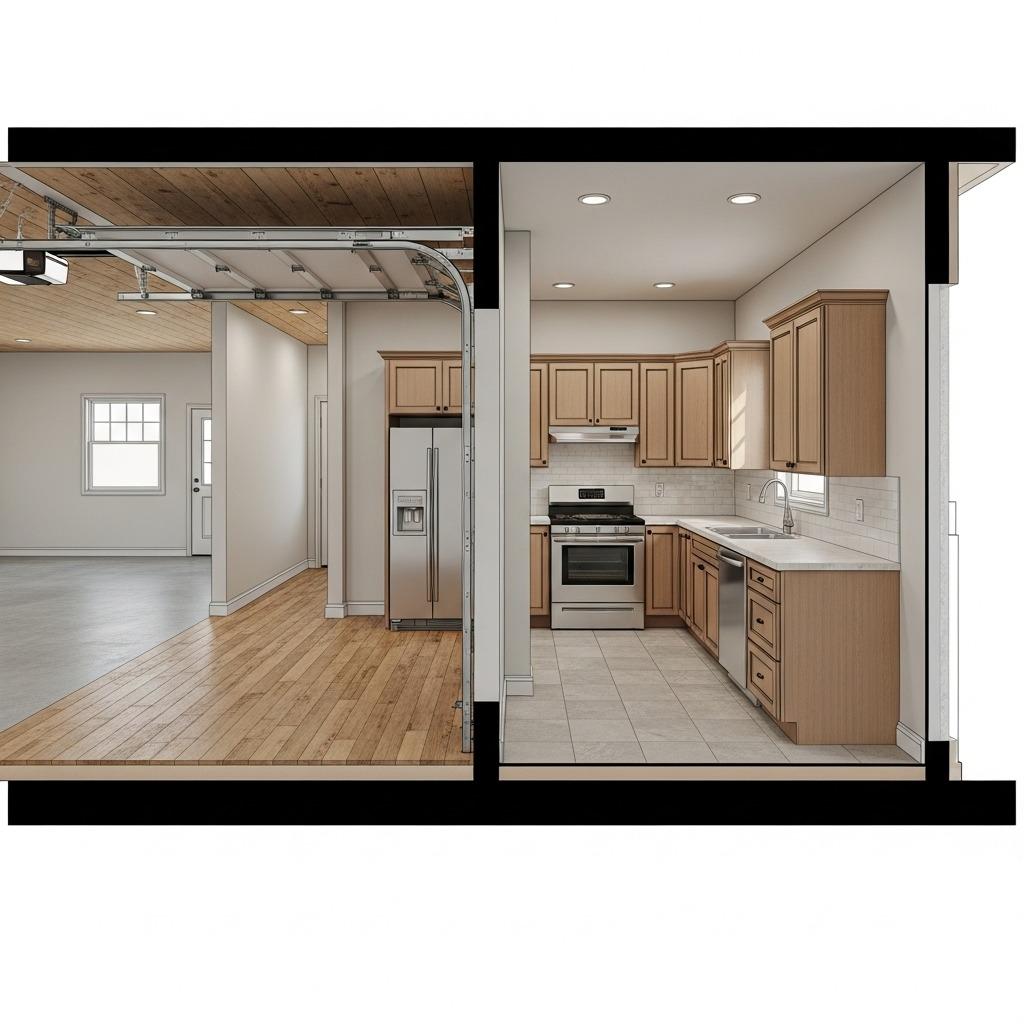
If your kitchen shares a wall with your garage, you might be sitting on untapped expansion potential. Converting a portion of your garage into kitchen space creates additional square footage without altering your home’s exterior profile significantly.
This works especially well if you have a two-car garage but only use it for one vehicle, or if it’s become more of a storage unit than actual parking space. Even taking 4-8 feet from the garage side can make a meaningful difference in your kitchen’s functionality.
The existing roof structure and foundation are already in place, which reduces construction complexity and cost compared to building an entirely new addition. You’ll need to address insulation, HVAC extension, and matching floor heights – but these are manageable challenges.
Keep in mind that completely eliminating garage parking might not appeal to future buyers in certain markets. Consider whether a partial conversion makes more sense, preserving some garage functionality while gaining kitchen space.
6. Optimize Your Layout First
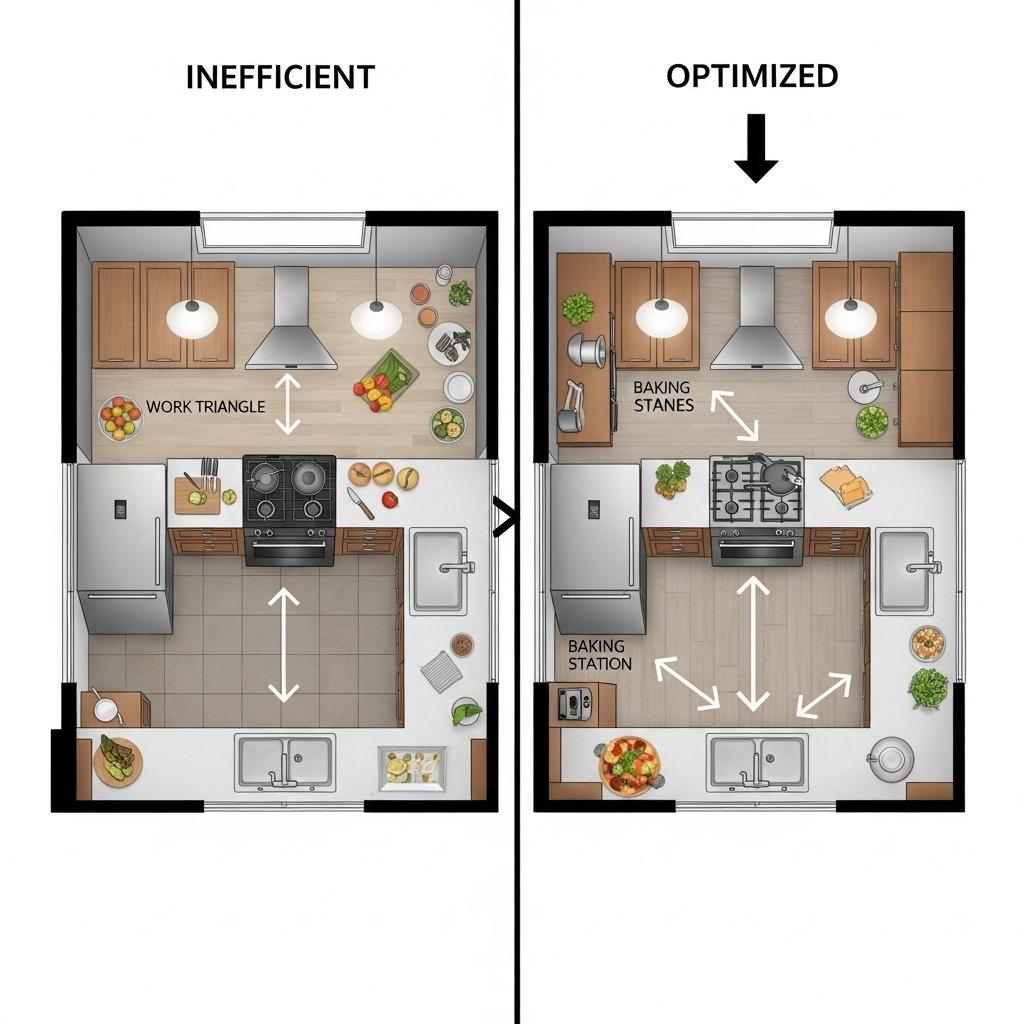
Sometimes the smartest expansion doesn’t involve adding square feet at all. Reconfiguring your existing kitchen layout can create surprising amounts of usable space and make the room feel dramatically larger.
Start by evaluating your work triangle – the path between your sink, stove, and refrigerator. Is it efficient, or do you waste steps? Moving appliances and changing cabinet configurations might free up previously blocked areas. An open kitchen remodel focused on layout can work wonders.
Consider switching from traditional base cabinets to drawers, which provide easier access and can hold more. Swap a standard refrigerator for a counter-depth model that doesn’t protrude as far. Replace a bulky kitchen table with a space-saving dining room solution like a peninsula or compact island with seating.
Professional kitchen designers often reveal that 30-40% of kitchen complaints stem from poor layout rather than insufficient size. Before investing in construction, consult with a certified kitchen designer who can show you layout alternatives you might not have considered.
7. Go Up with a Second Story Addition
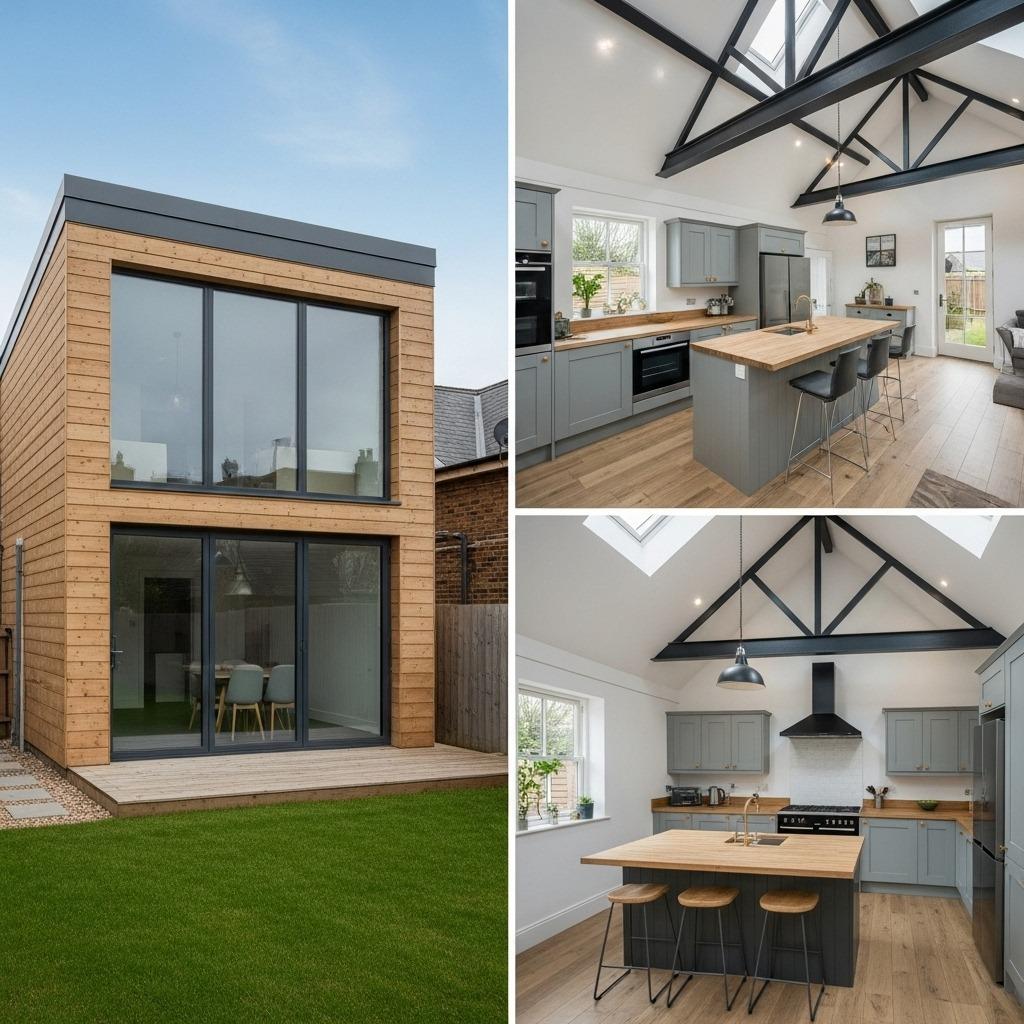
For homes with single-story kitchens, adding a second floor above the kitchen area creates expansion possibilities without consuming yard space. This approach works particularly well in urban settings where lot sizes are limited.
The additional height allows for vaulted ceilings or skylights in the expanded kitchen below, creating an airy, open feel even without increasing the footprint. The space above becomes a bedroom, office, or bonus room, adding value to your entire home.
Structural requirements for supporting a second floor are significant – you’ll need proper foundation support, load-bearing walls, and staircase access. However, you’re essentially gaining two renovated spaces for less than the cost of two separate additions.
This option particularly appeals to homeowners who want to maximize their property’s square footage without sacrificing outdoor living space. It’s an efficient use of your building envelope that can dramatically improve your home’s functionality and resale value.
8. Extend into a Screened Porch or Sunroom
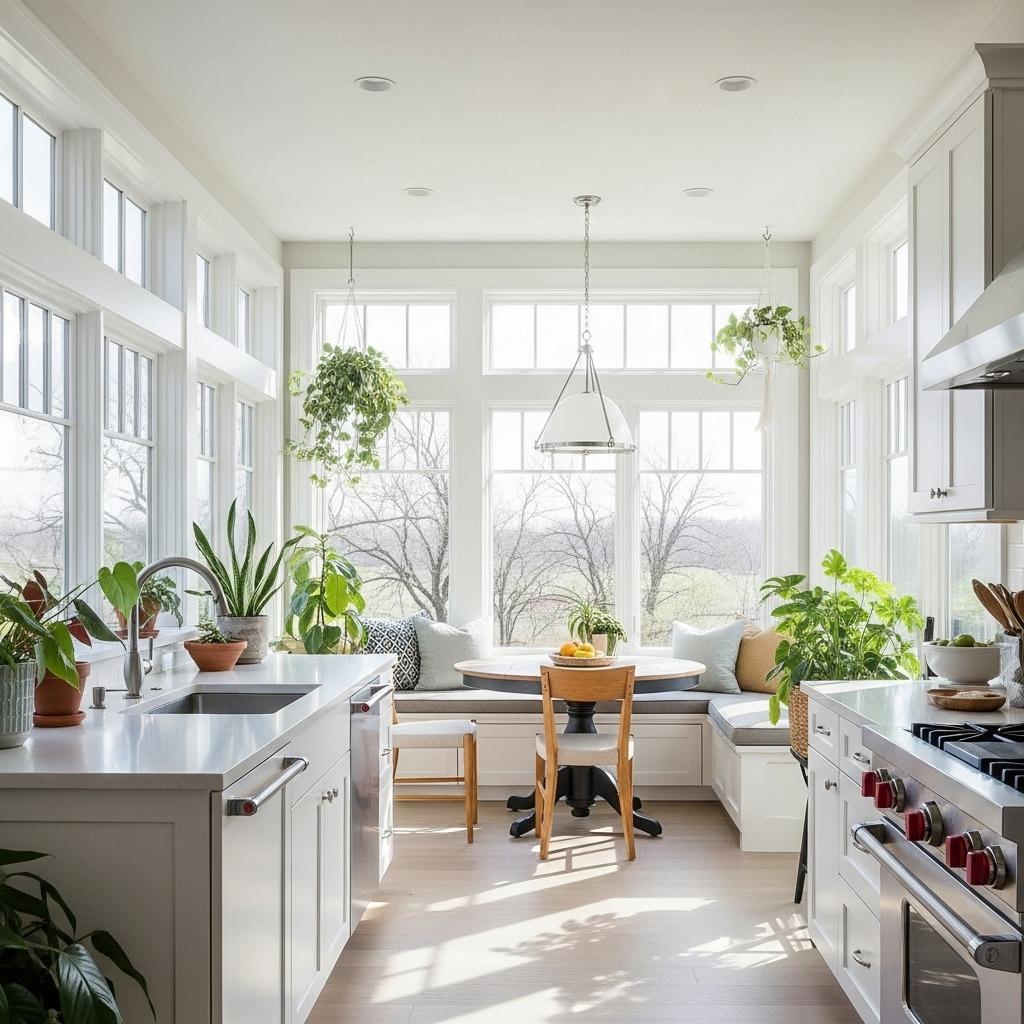
If your kitchen opens onto a screened porch or three-season sunroom, converting that space into year-round kitchen area offers a seamless expansion opportunity. These existing structures already have roofs and often foundations, reducing construction requirements.
The transition feels natural since the spaces already connect. You gain square footage while maintaining the indoor-outdoor connection that makes porches appealing – especially if you add large windows or glass doors to the new exterior wall.
You’ll need to upgrade insulation, add proper heating and cooling, and potentially strengthen the floor structure. But these improvements are still more cost-effective than building from scratch. Many homeowners find that converting a rarely-used porch into daily-use kitchen space makes perfect sense.
Consider how the abundant windows in most porches and sunrooms will affect your new kitchen design. While natural light is wonderful, you may need to plan carefully for cabinet and appliance placement to maintain functionality.
9. Incorporate Smart Storage Solutions
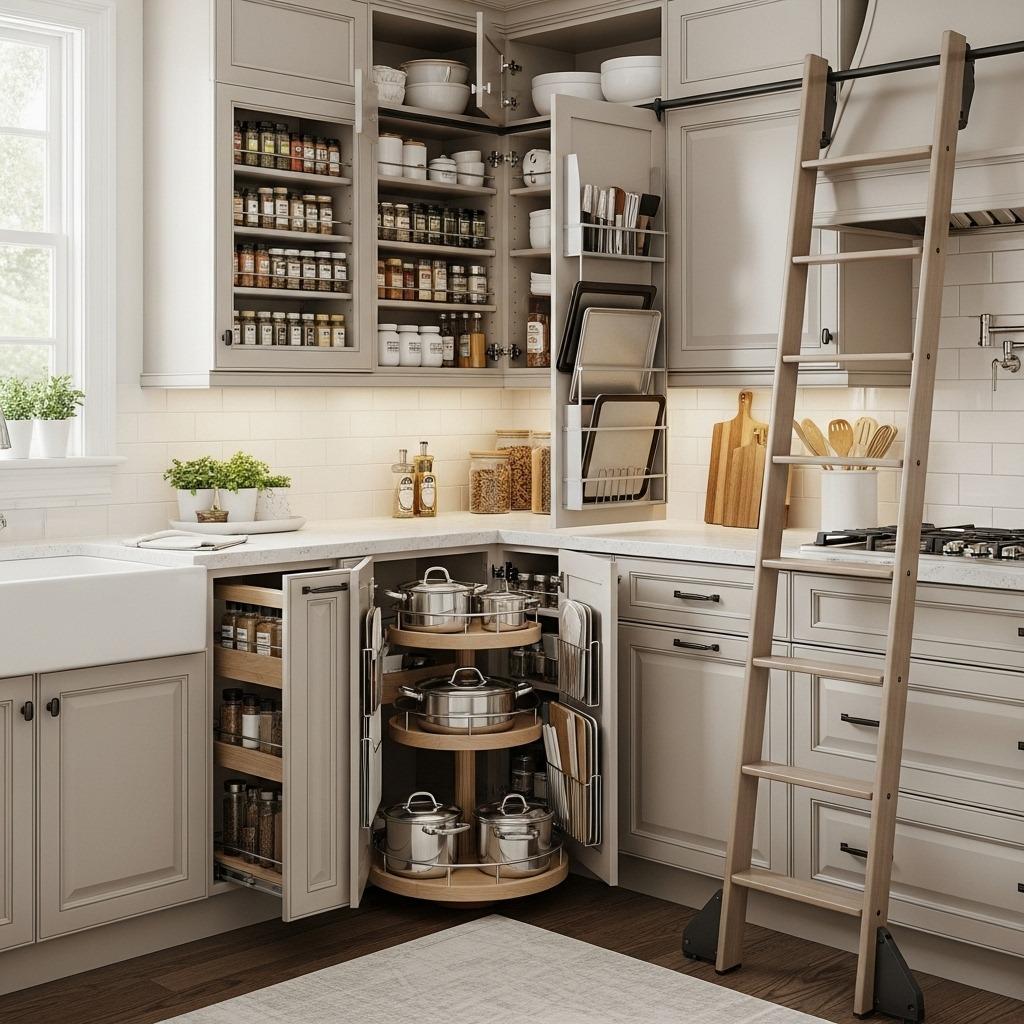
Expansion isn’t always about physical space – sometimes it’s about making better use of what you already have. Strategic storage improvements can make your kitchen feel significantly more spacious by reducing clutter and improving organization.
Floor-to-ceiling cabinets utilize vertical space that often goes to waste. Pull-out pantry systems, corner solutions, and toe-kick drawers uncover hidden storage potential. When everything has its place and is easily accessible, your kitchen naturally feels larger and more functional.
This approach pairs beautifully with any physical expansion plan. If you’re going to the trouble and expense of adding square footage, maximize every inch with thoughtful kitchen pantry organization and storage design.
Consider working with a kitchen designer who specializes in storage solutions. They can identify opportunities you might miss and suggest products specifically designed for tricky spaces like corners, narrow gaps between appliances, or awkward cabinet depths.
10. Create an Outdoor Kitchen Connection
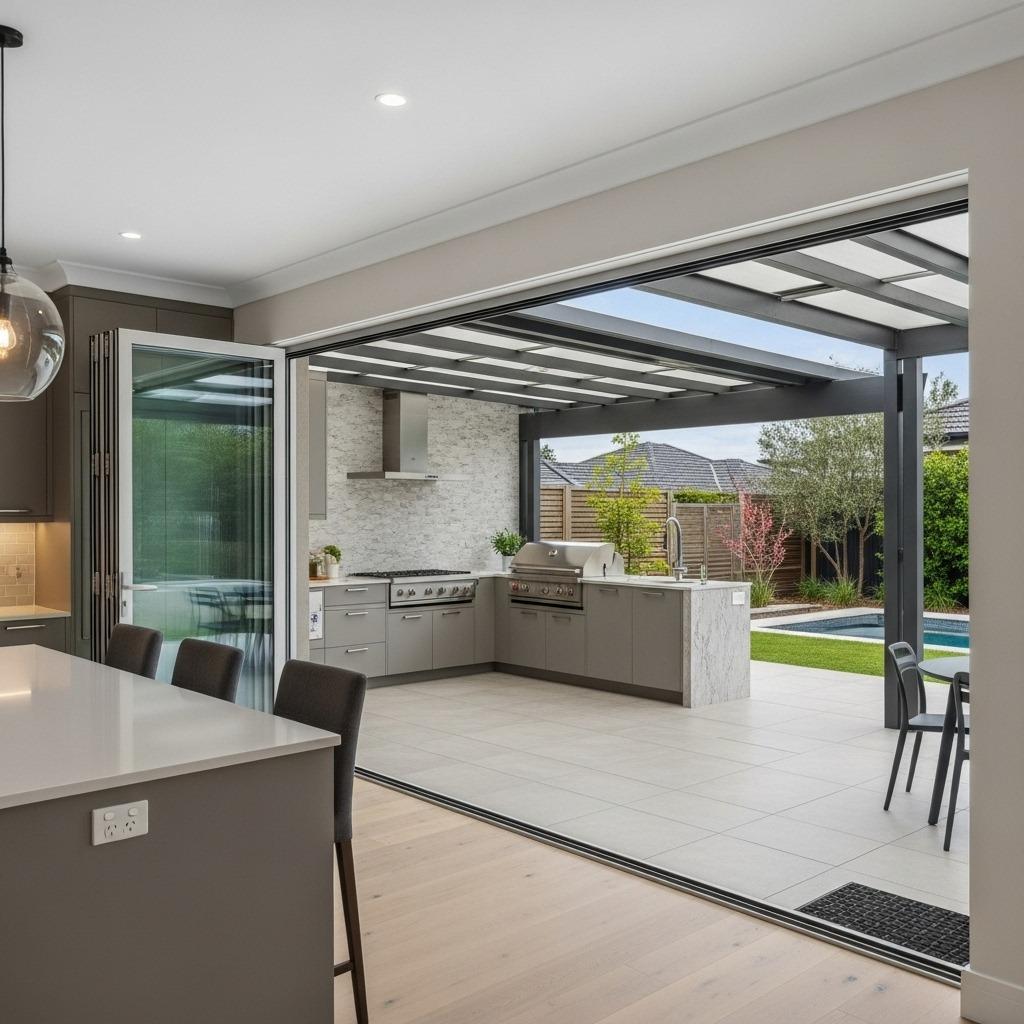
Expanding your cooking space doesn’t necessarily mean everything has to be indoors. Creating a seamless connection to an outdoor kitchen or prep area effectively doubles your functional space during pleasant weather.
Install bifold or sliding glass doors that open completely, erasing the boundary between inside and out. Position your outdoor cooking zone directly adjacent to the indoor kitchen so transitioning between spaces feels natural. This works especially well in mild climates where you can use outdoor spaces much of the year.
Even if you’re working with a small kitchen renovation tips budget, this approach extends your usable space without the expense of conditioned square footage. Outdoor kitchens can include grills, pizza ovens, bars, and refrigeration – taking pressure off your indoor cooking area during gatherings.
This strategy particularly shines for entertaining. When you host gatherings, guests naturally spread between indoor and outdoor zones, preventing that cramped feeling that happens when everyone crowds into a small kitchen.
11. Consider a Kitchen Addition with Dining Space
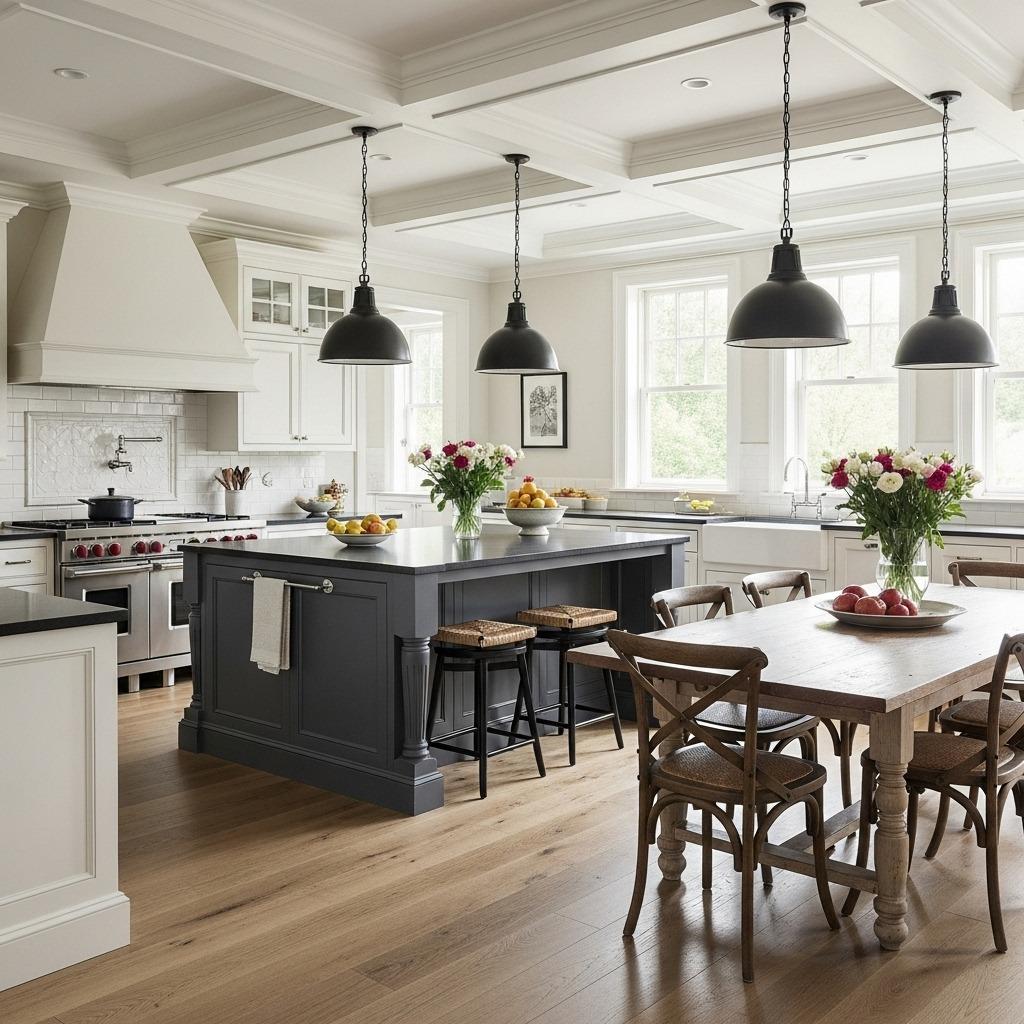
Rather than expanding the kitchen alone, consider an addition that incorporates both cooking and dining areas in one cohesive space. This large kitchen design approach creates a true heart-of-the-home zone where families naturally gather.
Including dining space in your expansion means you might be able to repurpose your current formal dining room for another use – perhaps a home office, playroom, or extended living area. This strategic reallocation of space throughout your home maximizes the impact of your renovation investment.
The combined kitchen-dining addition typically ranges from 200-400 square feet. Planning both functions together from the start ensures optimal flow between prep, cooking, and eating zones. You’ll have room for that modern breakfast nook you’ve been dreaming about, plus space for meal prep and storage.
Think about how your family actually lives. If you rarely use a formal dining room but constantly crowd around the kitchen table, this expansion strategy aligns your home’s layout with your lifestyle.
12. Repurpose Attic or Basement Space
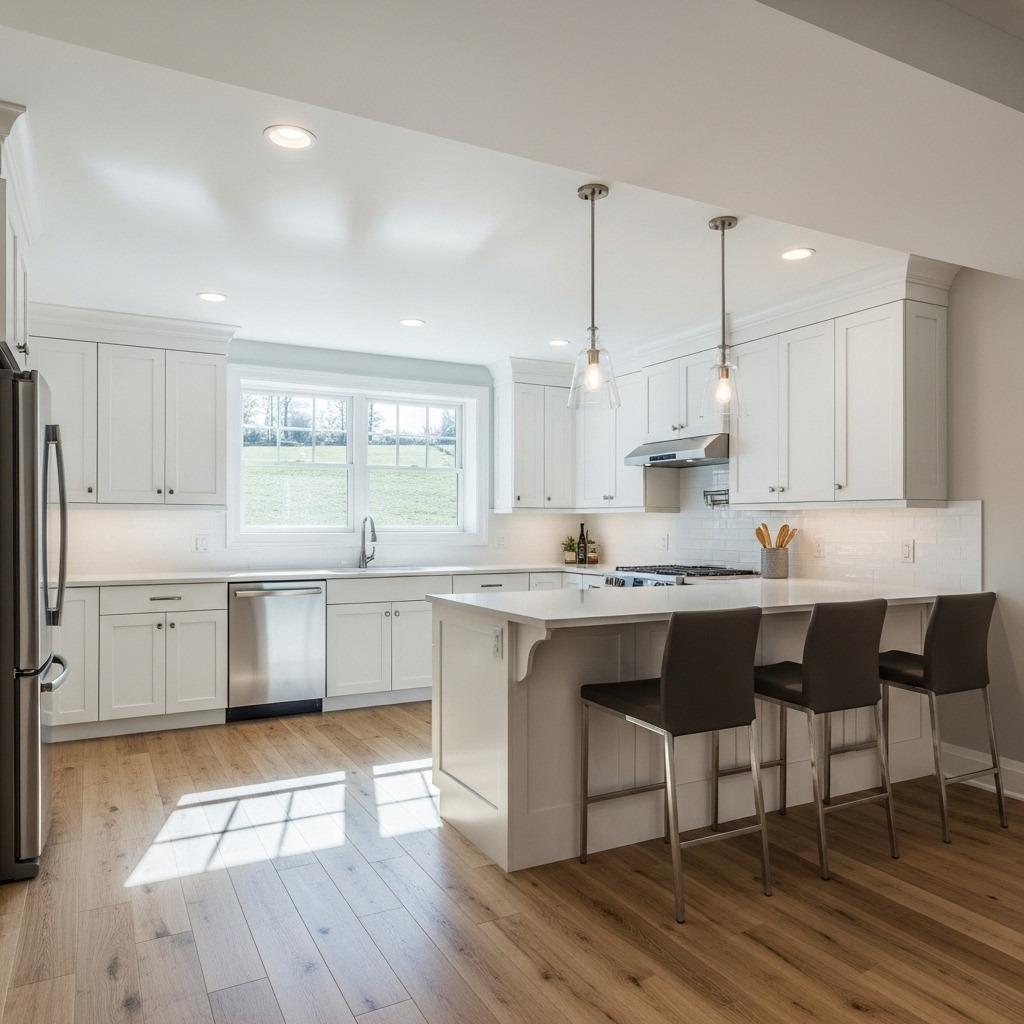
This might sound unusual, but some homeowners have successfully relocated their kitchens to larger spaces in finished basements or expansive attics. While unconventional, this dramatic approach solves severe space constraints when adding on isn’t possible.
This works best in homes where the current kitchen location doesn’t make logical sense – perhaps it’s too small and situated in a spot where expansion is impossible due to property lines or structural limitations. The former kitchen space can become a butler’s pantry, mudroom, or additional living area.
Obviously, this approach requires significant plumbing and electrical work, proper ventilation, and often natural light solutions. In basements, you’ll need adequate ceiling height and egress windows. In attics, floor reinforcement is essential. The complexity means this option suits major renovations or gut rehabs rather than simple expansions.
That said, if you’re already planning extensive home improvement ideas throughout your home, relocating the kitchen to a more suitable space might make perfect sense.
Kitchen Renovation Tips for Successful Expansion

Proper planning makes the difference between a kitchen expansion that enhances your home and one that creates problems. Start by establishing a realistic budget that includes a 15-20% contingency for unexpected issues – which almost always arise during renovation.
Hire professionals with specific kitchen expansion experience. A general contractor who specializes in additions will navigate permitting, structural requirements, and system integration far more smoothly than someone learning on your project. Check references, view completed projects, and verify licenses and insurance.
Think carefully about timing. Kitchen renovations disrupt daily life significantly – many families set up temporary kitchens in other rooms or rely heavily on takeout during construction. Some choose to time expansions around vacations or when kids are at summer camp to minimize inconvenience.
Don’t forget about the details that make kitchens functional: adequate electrical outlets, proper lighting (including task lighting), ventilation that can handle your cooking style, and durable materials that suit your family’s lifestyle. Sometimes people focus so much on gaining space that they overlook these essential elements.
Financing Your Kitchen Expansion
Kitchen expansions require significant investment, but several financing options can make your dream space achievable. Home equity loans or lines of credit typically offer the best rates since they’re secured by your property.
Some homeowners choose cash-out refinancing, especially when interest rates are favorable. This replaces your current mortgage with a larger one, pulling out the difference for renovation costs. Others opt for personal loans or contractor financing, though rates are usually higher.
Before committing to any financing, get multiple contractor bids to understand true costs. The difference between estimates can be substantial. Ensure quotes include everything – permits, materials, labor, and site protection – so you’re comparing apples to apples.
Consider the return on investment for your specific expansion. While kitchens generally offer good returns, adding 500 square feet when neighboring homes max out at 1,800 total square feet might mean you won’t recoup costs. Your real estate agent can provide guidance on what makes sense for your market.
Expanding your kitchen transforms more than just square footage – it changes how your family lives and gathers. Whether you choose a dramatic addition, smart layout reconfiguration, or clever storage solutions, the right expansion strategy aligns with both your lifestyle and your home’s architecture.
The most successful kitchen expansions start with honest assessment. What specifically isn’t working in your current space? Is it truly a size issue, or could better organization and layout solve your problems? Sometimes a combination of approaches – maybe a modest bump-out paired with layout optimization – delivers better results than a single dramatic change.
Take time to gather inspiration, consult with professionals, and plan thoroughly before starting construction. Your expanded kitchen should serve your family beautifully for decades to come, making the investment in careful planning worthwhile. The cooking haven you’re envisioning is absolutely achievable with the right approach and expert guidance.

