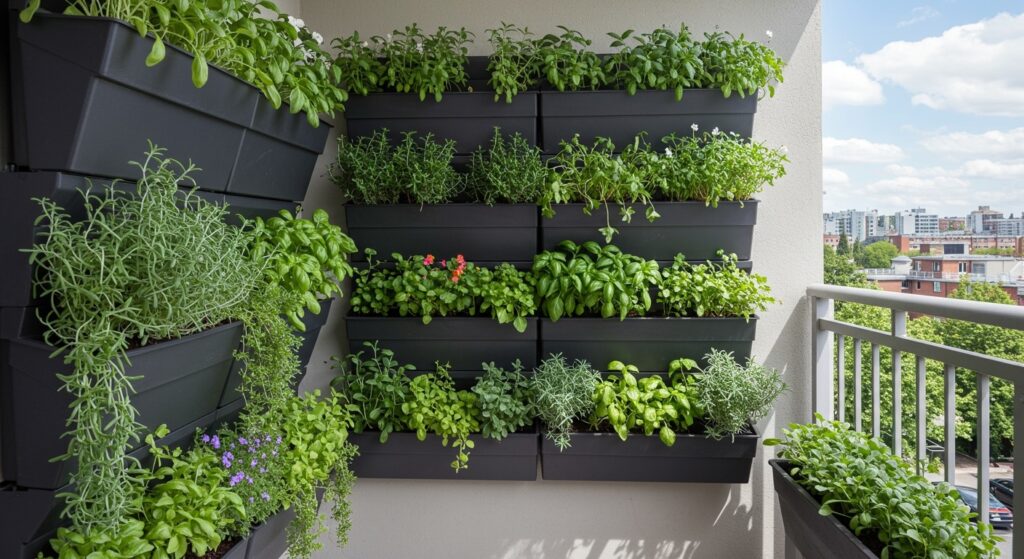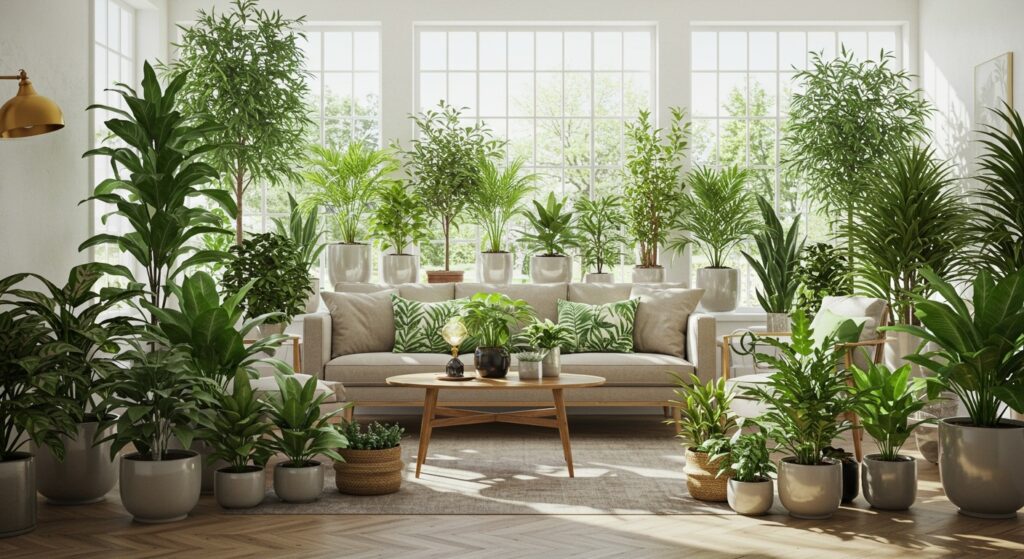
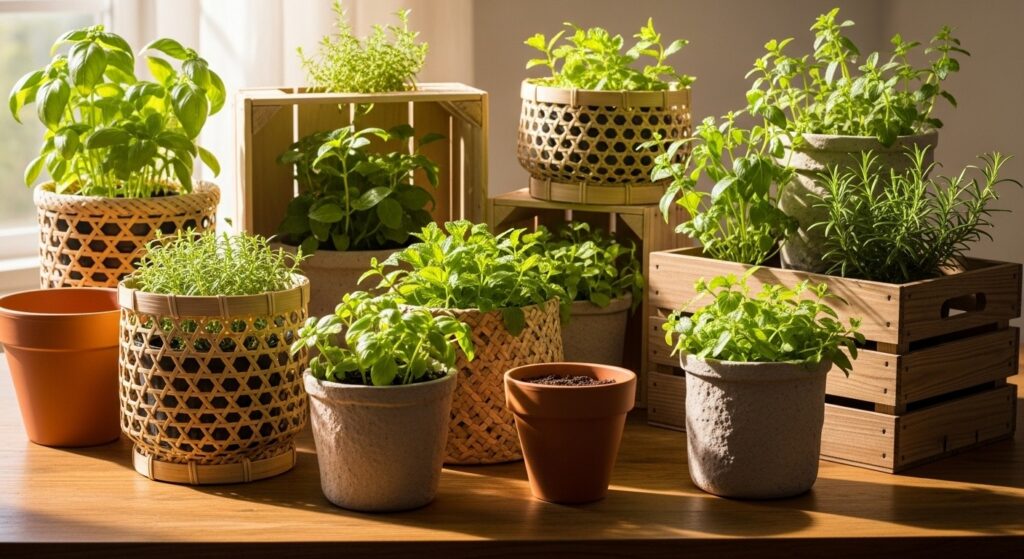
Starting a garden shouldn’t mean adding to the planet’s waste problem. More gardeners are discovering that gorgeous planters and environmental responsibility can go hand in hand, creating outdoor spaces that nurture both plants and the planet.
The shift toward sustainable gardening isn’t just a trend. It’s a practical response to mounting concerns about plastic waste, resource depletion, and our collective environmental footprint. An eco-conscious planter does more than hold soil – it tells a story about values and choices.
This guide walks you through the most inspiring sustainable planter options available today. From recycled materials to biodegradable alternatives, you’ll find creative solutions that make your garden both stunning and Earth-friendly.
Why Choose Eco-Conscious Planters?
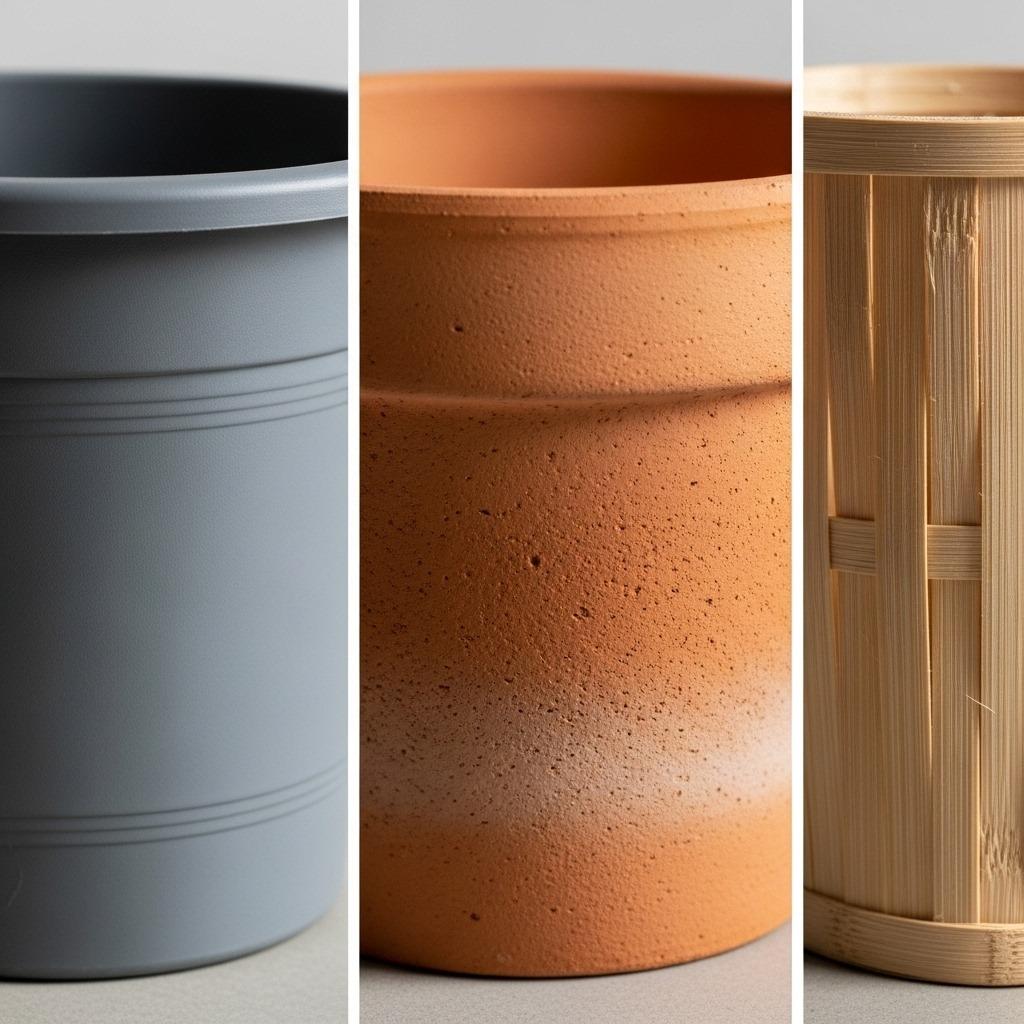
Traditional plastic planters seem convenient, but they come with hidden costs. Most end up in landfills where they’ll sit for centuries, slowly breaking down into microplastics that contaminate soil and water. That convenience factor suddenly feels less appealing when you consider the long-term impact.
Sustainable planters offer a different path forward. They’re crafted from materials that either decompose naturally, come from recycled sources, or last long enough to justify their production. The garden and nursery ideas movement has embraced these alternatives with enthusiasm.
Beyond environmental benefits, eco-friendly containers often bring unique aesthetic qualities to your space. Natural materials like terracotta, wood, and bamboo add warmth and texture that plastic simply can’t match. Your garden becomes more interesting visually while supporting your sustainability goals.
1. Terracotta and Clay Planters
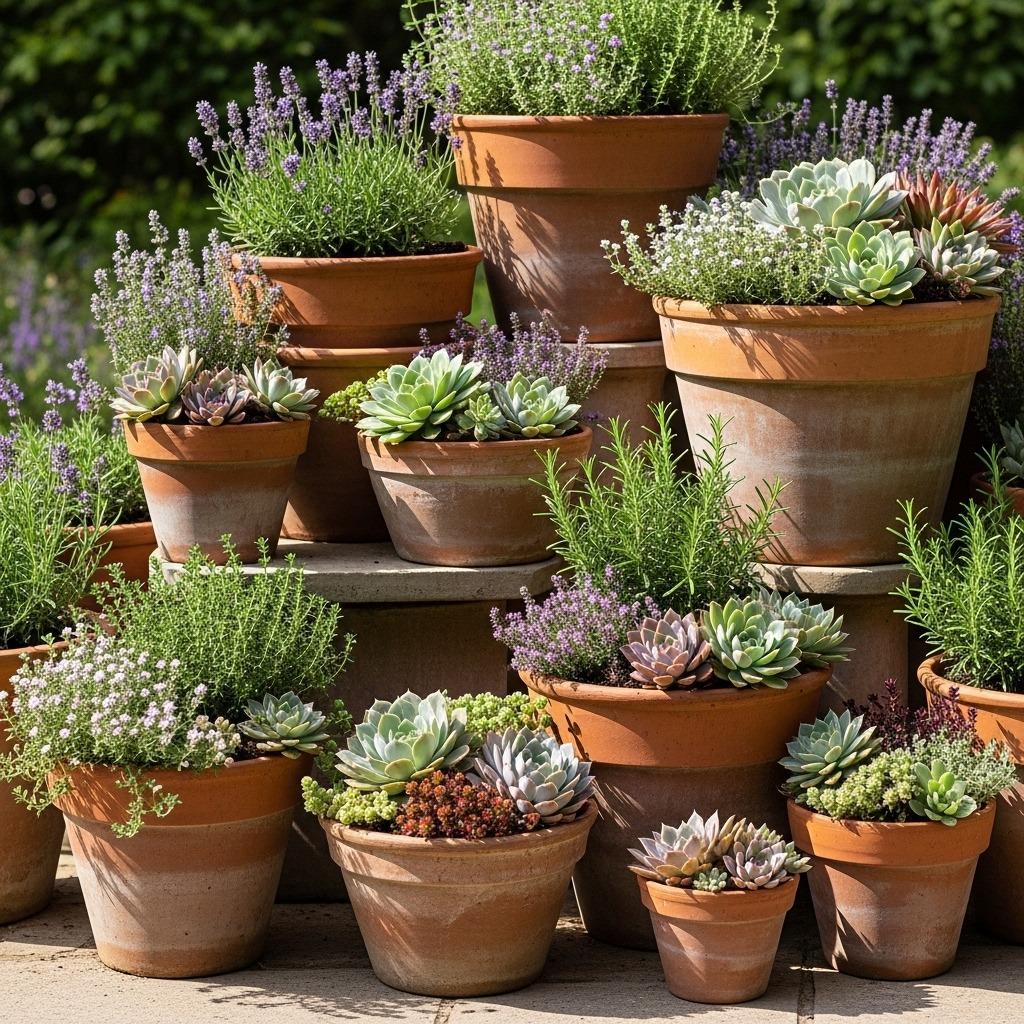
Terracotta has been used for centuries, and there’s good reason it never goes out of style. These classic containers are made from natural clay that’s fired at high temperatures, creating durable vessels that breathe with your plants. The porous nature of terracotta allows air and moisture to move through the walls, promoting healthier root systems.
When a terracotta pot eventually breaks, it returns to the earth as harmless clay particles. No toxic chemicals, no centuries of decomposition – just simple, elegant sustainability. Many terracotta pieces can also be repaired or repurposed, extending their useful life even further.
The warm, earthy tones of clay containers complement nearly every outdoor plant arrangement style. Whether you’re going for Mediterranean vibes or cottage garden charm, terracotta adapts beautifully. Consider varying sizes and shapes to create visual interest on patios and porches.
2. Reclaimed Wood Containers
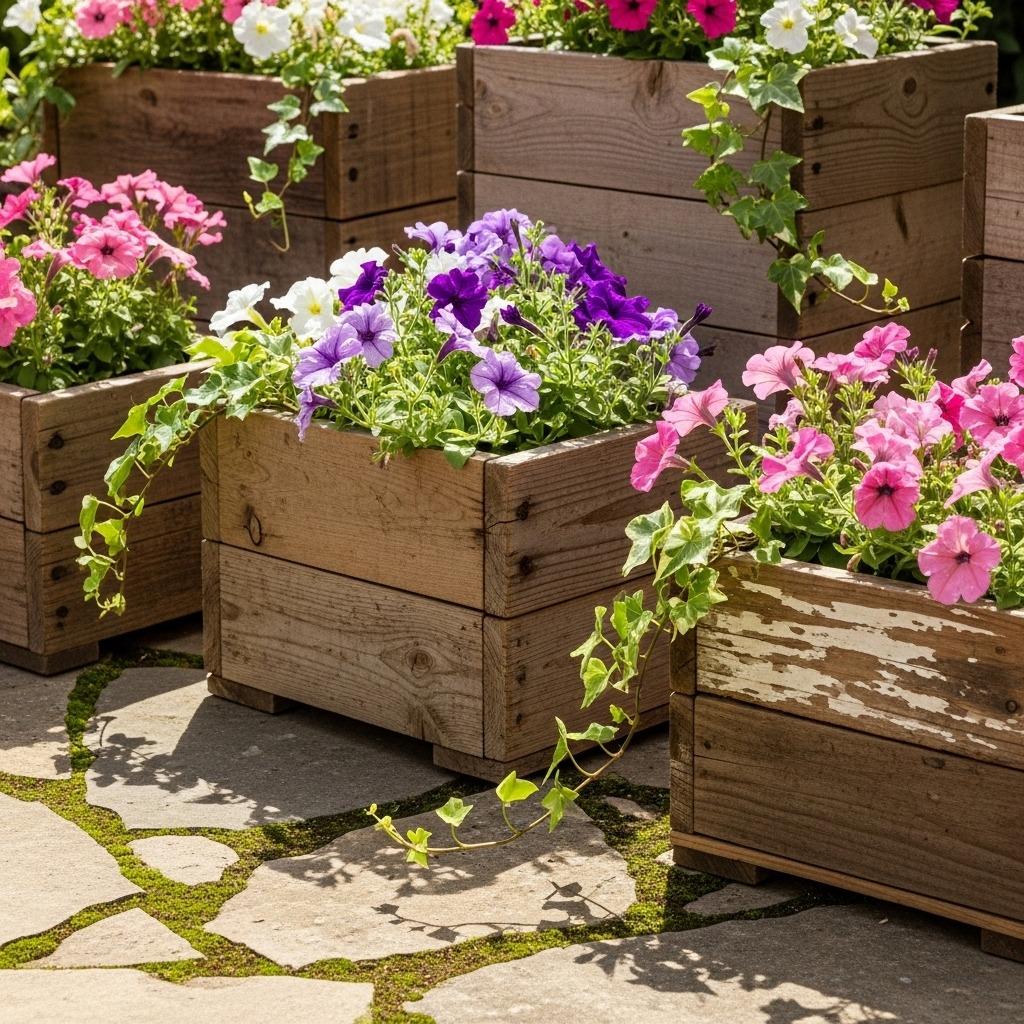
Old pallets, wine barrels, and salvaged lumber transform into stunning planters with minimal effort. Reclaimed wood brings instant character to your garden – each piece tells a story through its weathered grain and aged patina. These materials would otherwise end up in landfills, making their garden transformation doubly satisfying.
Building with reclaimed wood allows for complete customization. You can create vertical gardening ideas installations, raised beds, or decorative boxes sized perfectly for your space. The wood’s natural imperfections add rustic charm that new lumber can’t replicate.
Treatment matters when working with wood planters. Skip toxic sealants and opt for natural oils like linseed or tung oil. These protect the wood while keeping harmful chemicals away from your soil and plants. Proper drainage holes are essential – they prevent water logging and extend the planter’s lifespan significantly.
3. Bamboo and Natural Fiber Options
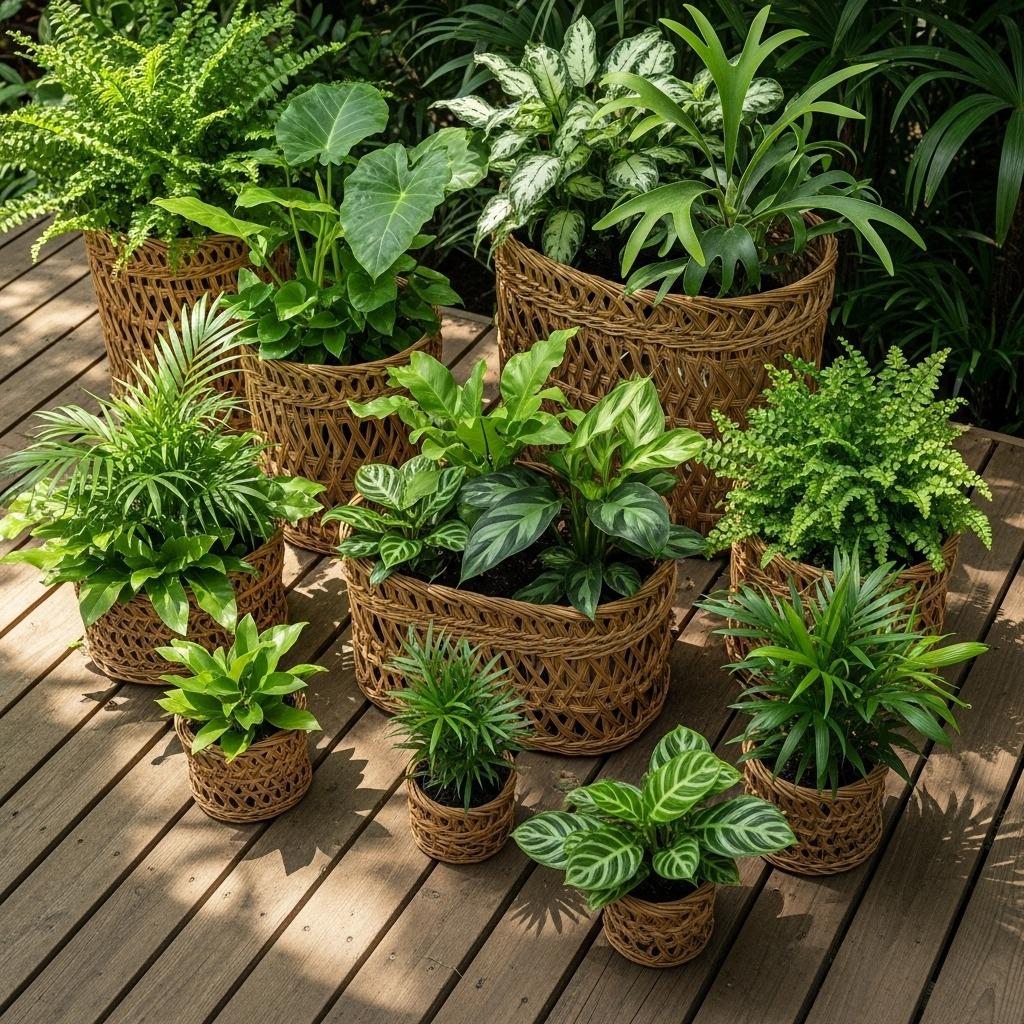
Bamboo grows incredibly fast – some species shoot up several feet in a single day. This rapid regeneration makes bamboo one of the most sustainable materials available for planters. Bamboo containers are lightweight yet surprisingly strong, perfect for balcony gardens and rooftop garden urban settings where weight matters.
Natural fiber planters woven from materials like seagrass, jute, and water hyacinth offer another Earth-friendly choice. These handcrafted containers bring global artisan traditions into your garden while supporting sustainable livelihoods. The woven texture adds visual warmth that contrasts beautifully with smooth leaves and vibrant blooms.
Both bamboo and natural fiber containers work exceptionally well for container gardening projects. Line them with coconut coir or another natural barrier to extend their outdoor lifespan. When they eventually wear out, they decompose naturally without leaving harmful residues behind.
4. Biodegradable Peat and Coir Pots
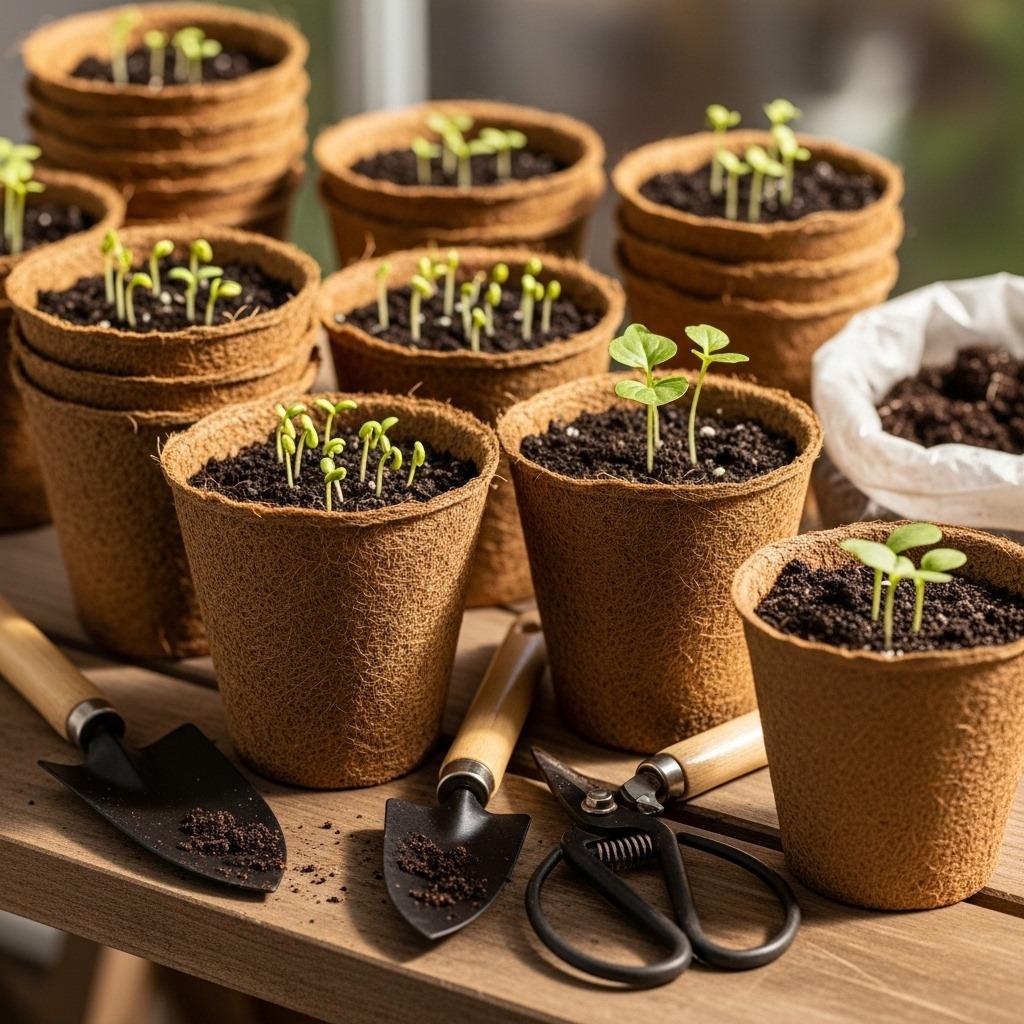
Seedling season becomes zero-waste when you choose biodegradable starter pots. Peat and coconut coir containers allow you to plant the entire pot directly into the ground, eliminating transplant shock and reducing waste simultaneously. The container walls break down naturally, allowing roots to spread freely as plants establish themselves.
Coir pots made from coconut husk fiber are gaining popularity as a more sustainable alternative to traditional peat. Peat harvesting can damage delicate bog ecosystems, while coconut coir repurposes agricultural waste. Both materials retain moisture well and provide gentle insulation for developing root systems.
These biodegradable options shine in gardening for beginners scenarios. They simplify the growing process and reduce the learning curve for first-time gardeners. Stock up at season start and watch them disappear into your garden as your plants mature.
5. Recycled Plastic Lumber Planters
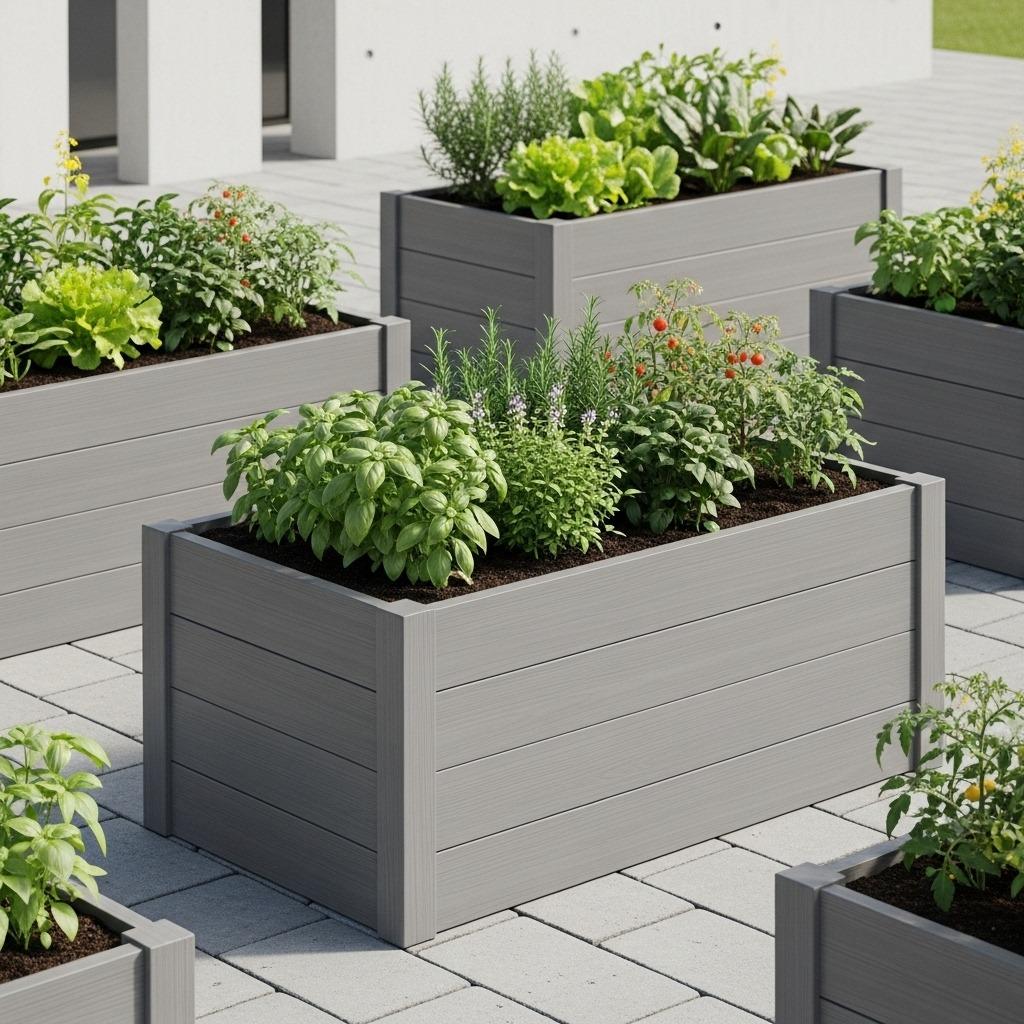
Not all plastic deserves condemnation – recycled plastic lumber gives new life to materials that would otherwise pollute. These planters are made from post-consumer plastic waste that’s been cleaned, processed, and reformed into durable building material. They look remarkably similar to wood but won’t rot, splinter, or require chemical treatments.
Recycled plastic lumber planters last for decades with minimal maintenance. They resist moisture, insects, and temperature extremes better than most natural materials. This longevity means you’re not constantly replacing containers, which ultimately reduces resource consumption and waste generation.
The environmental math works in favor of high-quality recycled plastic products. According to the EPA’s sustainable materials management guidelines, recycling plastic into durable goods prevents greenhouse gas emissions and reduces the need for virgin plastic production. Choose manufacturers who clearly label their recycled content percentage and avoid greenwashing.
6. Upcycled Household Items as Planters
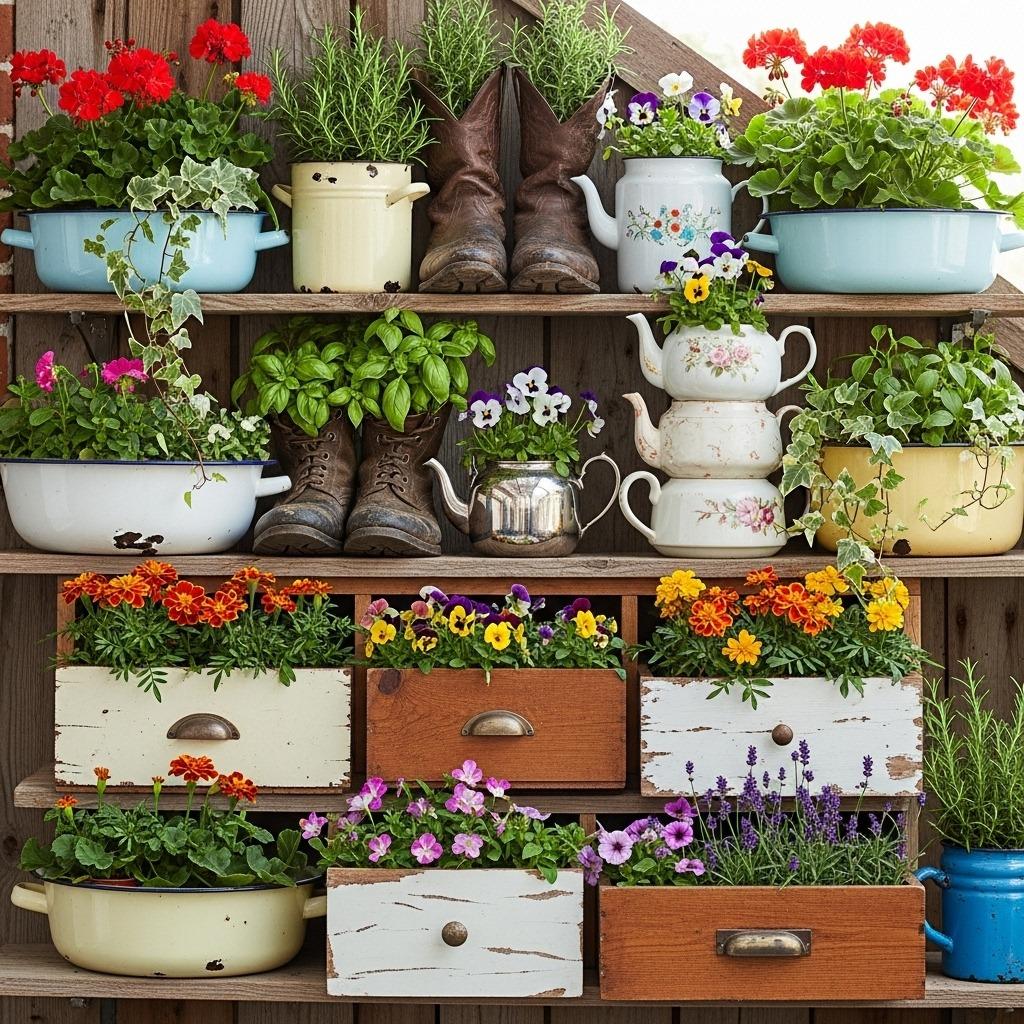
Your home probably contains dozens of potential planters waiting to be discovered. Old colanders become charming hanging baskets with built-in drainage. Chipped teacups transform into whimsical succulent holders. Worn boots gain new purpose as quirky container gardening flowers displays.
The beauty of upcycling lies in its creativity and personalization. Each repurposed planter carries memories and stories that new containers can’t match. An antique watering can filled with trailing petunias or a vintage toolbox overflowing with herbs adds personality that reflects your unique style.
This approach to recycled planter ideas requires minimal investment but maximum imagination. Drill drainage holes carefully, add appropriate soil, and watch unlikely objects become garden stars. Your balcony vegetable garden can incorporate everything from mason jars to tin cans, creating an eclectic, budget-friendly display.
7. Stone and Concrete Alternatives
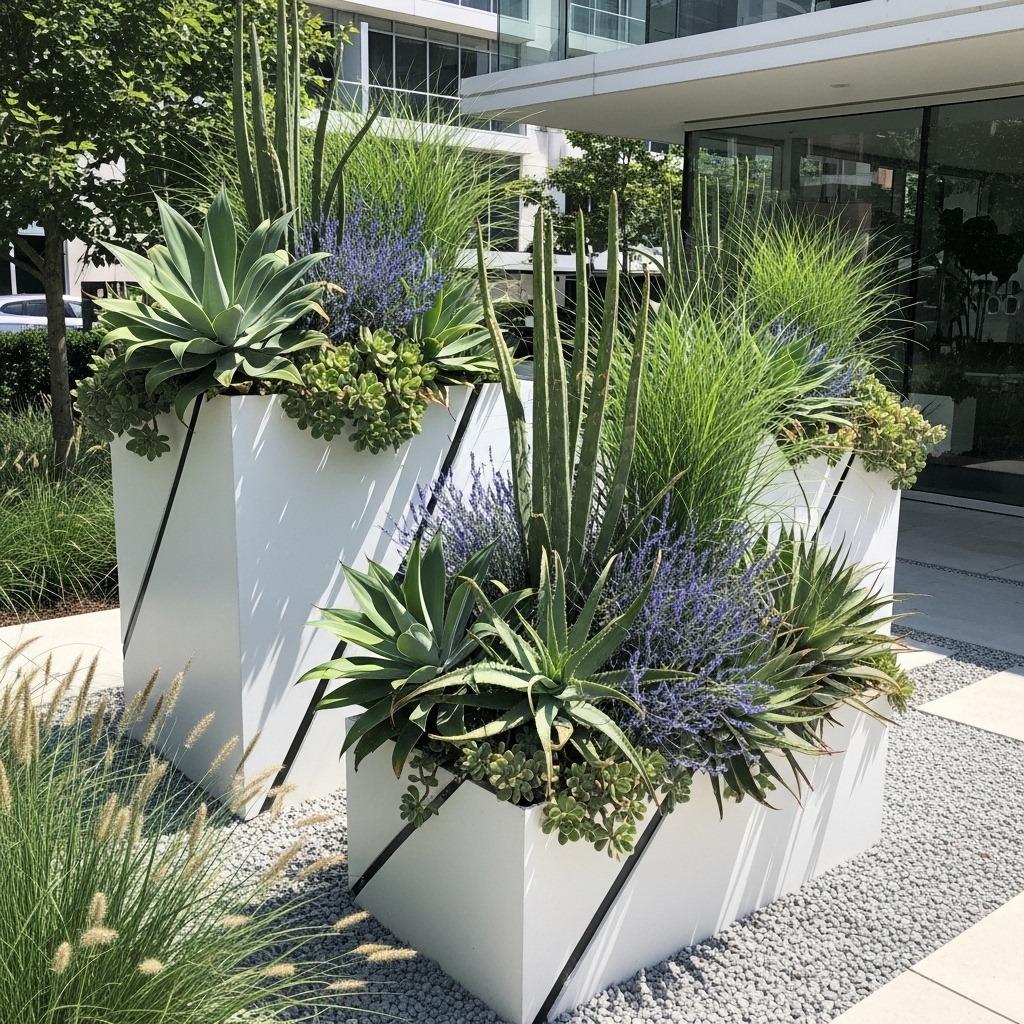
Natural stone planters bring permanence and grandeur to garden spaces. These vessels last for generations, making them ultimate sustainability champions through sheer longevity. Granite, limestone, and sandstone containers develop beautiful patinas over time, growing more attractive as they age.
Concrete planters offer similar durability with more design flexibility. Modern concrete mixes can incorporate recycled materials like fly ash or slag, reducing their environmental impact. The material’s thermal mass helps regulate soil temperature, protecting roots from extreme heat and cold.
For DIY enthusiasts, creating custom concrete planters becomes a weekend project. Mix your own using sustainable additives, pour into unique molds, and create one-of-a-kind pieces. The finished containers complement both contemporary modern minimalist living room aesthetics and traditional garden styles with equal grace.
8. Metal Containers: Galvanized and Repurposed
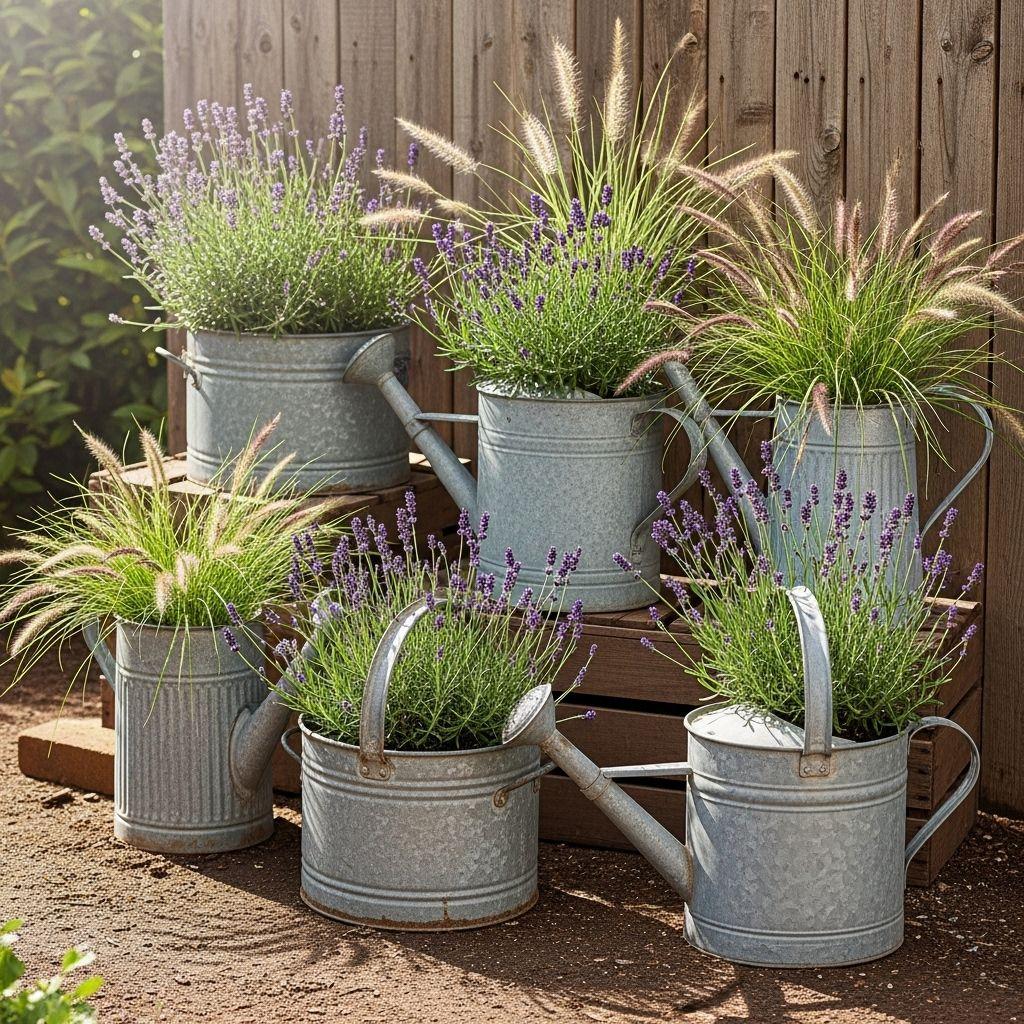
Galvanized metal buckets, tubs, and troughs bring farmhouse charm and industrial edge to sustainable gardens. These containers resist rust and deterioration, lasting for decades with minimal care. The metal’s reflective quality can help moderate soil temperature in hot climates, though it may require insulation in the coldest regions.
Scour salvage yards and estate sales for vintage metal containers with character. Old wash tubs, milk cans, and feed buckets transform into striking planters that anchor garden vignettes. Their weathered surfaces tell agricultural stories while serving completely new purposes.
Metal containers work particularly well for low-maintenance landscaping front yard projects. Their substantial weight keeps them stable in wind, and they require no painting or sealing. Just ensure adequate drainage holes and watch them develop a beautiful aged patina over seasons.
9. Living Planters: Hypertufa and Moss
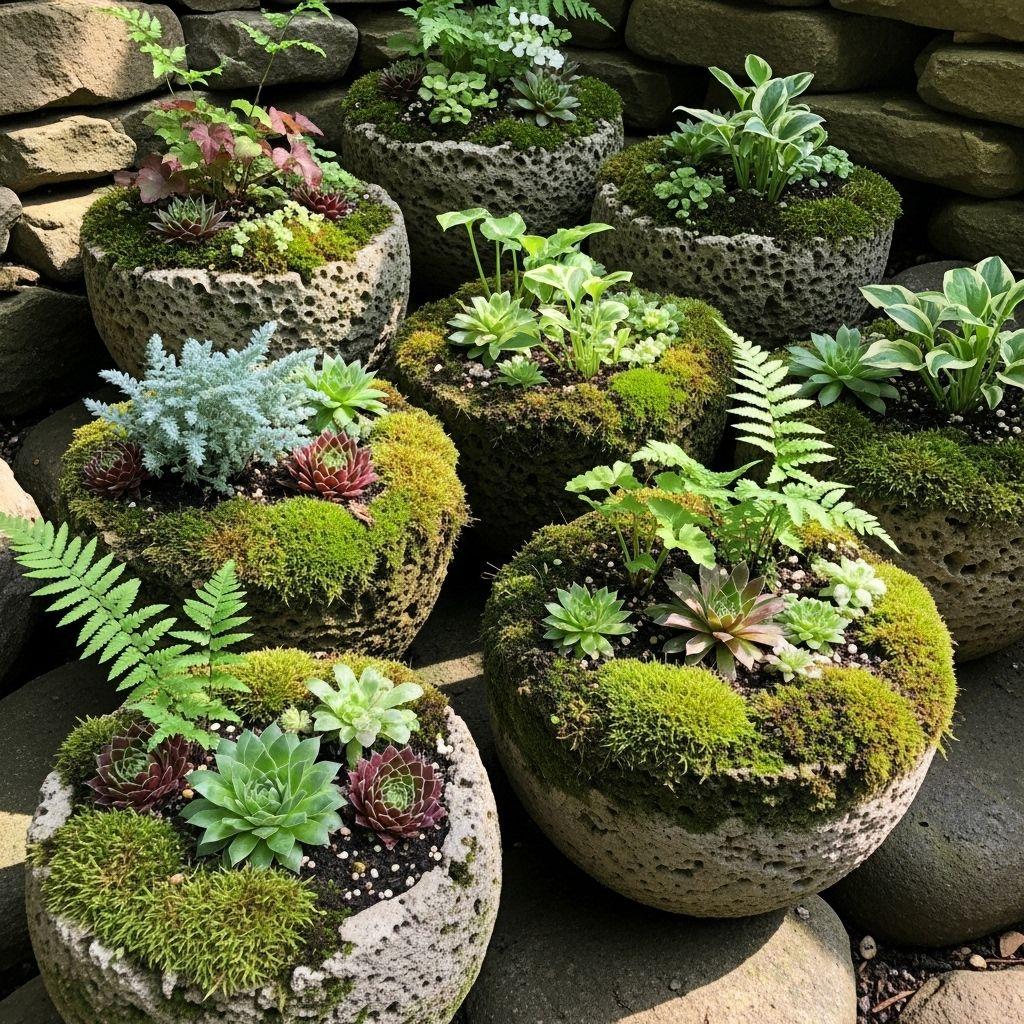
Hypertufa planters blur the line between container and living art. This mixture of peat moss, perlite, and cement creates porous vessels that mimic natural stone while weighing considerably less. The material’s texture encourages moss and lichen growth, allowing planters to develop living patinas that evolve with seasons.
Creating hypertufa containers requires patience but rewards with unique, artistic results. Shape the mixture around forms or molds, let cure slowly, and watch it transform into stone-like vessels. Each piece emerges slightly different, guaranteeing no two planters match exactly.
Moss-covered containers take the living planter concept even further. Encourage moss growth by coating surfaces with buttermilk or moss slurries, creating green garden containers that look like they’ve been there forever. This technique works beautifully in shaded english cottage garden settings where moisture encourages lush growth.
10. Cork and Natural Rubber Plant Pots
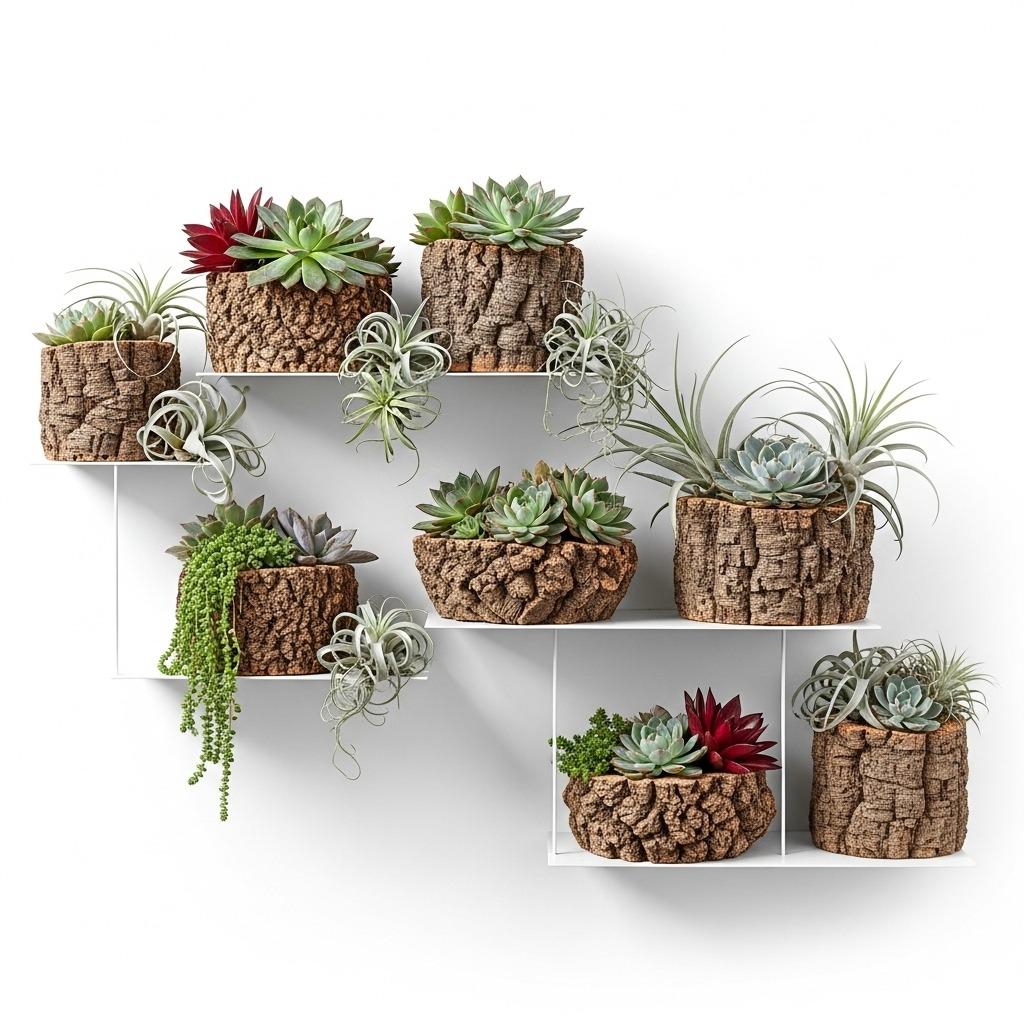
Cork bark planters offer incredible sustainability credentials – cork harvesting doesn’t harm the tree, which continues growing and can be harvested again in about nine years. The material’s natural insulation properties protect roots from temperature extremes while its antimicrobial qualities discourage harmful bacteria and fungi.
Natural rubber planters made from sustainably harvested latex provide flexible, durable alternatives to synthetic options. These containers resist cracking in cold weather and won’t become brittle with sun exposure. Their lighter weight compared to ceramic or concrete makes them ideal for hanging displays and vertical arrangements.
Both materials bring unique textural elements to your planting schemes. Cork’s irregular surface and warm tones complement Mediterranean and drought-tolerant gardens. Natural rubber’s smooth finish suits contemporary designs and works particularly well in indoor garden living room settings where style and sustainability intersect.
Caring for Eco-Friendly Planters
Sustainable containers deserve maintenance practices that match their environmental values. Natural materials benefit from gentle cleaning with diluted vinegar or castile soap rather than harsh chemical cleaners. This protects both the planter material and the beneficial microorganisms in your soil.
Weatherproofing extends planter life without compromising sustainability. Natural oils like raw linseed or tung oil nourish wood containers while allowing them to breathe. Beeswax creates protective barriers on terracotta and concrete without introducing synthetic chemicals into your garden ecosystem.
Seasonal care matters too. Move frost-sensitive containers indoors during winter or elevate them off cold surfaces to prevent cracking. Empty and store biodegradable planters in dry locations between seasons to maximize their usable life. These small actions significantly reduce replacement frequency and overall environmental impact.
Choosing the Right Size and Drainage
Proper sizing prevents waste and promotes healthy plants. Too-small containers require frequent repotting, consuming resources and creating unnecessary work. Oversized planters waste soil and water while potentially drowning plants in excess moisture. Research mature plant sizes before selecting containers to get it right the first time.
Drainage makes or breaks planter success regardless of material choice. Even the most sustainable container fails if water can’t escape properly. Drill adequate holes in the bottom – typically one large hole per six inches of diameter. Layer broken pottery shards or small stones at the base to prevent soil from washing out while ensuring water flow.
Elevation improves drainage further while protecting outdoor surfaces from water stains. Place containers on pot feet, bricks, or small wooden blocks. This airflow underneath also helps prevent wood rot and reduces insect habitat near your planters. Simple practices extend container life while improving plant health.
Sourcing Sustainable Planters Locally
Local sourcing reduces transportation emissions while supporting community artisans and businesses. Visit farmers markets, craft fairs, and garden centers that prioritize regional makers. These venues often feature unique, handmade planters you won’t find in big box stores.
Building relationships with local potters and woodworkers opens doors to custom pieces tailored for your space. Many artisans welcome commissions and can create containers using reclaimed or sustainable materials from your area. The resulting planters carry local character while minimizing their carbon footprint.
Community resources like tool libraries and maker spaces provide equipment for DIY planter projects. Borrow concrete molds, woodworking tools, or pottery wheels instead of purchasing them for one-time use. This sharing economy approach to environmentally friendly gardening extends sustainability beyond just the final product.
Budget-Friendly Sustainable Options
Sustainability doesn’t require unlimited funds. Start with what you have – that cracked ceramic bowl or wooden crate can become a planter with minimal intervention. Check free sections of online marketplaces where people regularly offer containers they no longer need.
Seasonal sales at garden centers yield quality sustainable planters at significant discounts. Buy terracotta and stone containers during fall clearances when retailers make room for seasonal inventory. These timeless materials never go out of style, making off-season purchases just as valuable as peak-season ones.
DIY approaches stretch budgets furthest while offering maximum creativity. Collect free pallets from local businesses, ask neighbors for unused clay pots, or gather natural materials like fallen branches to create rustic containers. Your garden becomes more personal and sustainable without straining your wallet.
Creating a Complete Sustainable Garden Ecosystem
Eco-conscious planters work best within holistic sustainable gardening systems. Pair them with organic soil amendments, natural pest control methods, and water-conserving irrigation practices. Each element supports the others, creating resilient gardens that thrive with minimal intervention.
Companion planting in green garden containers maximizes space and natural pest protection. Combine herbs, flowers, and vegetables that benefit each other in shared planters. Marigolds deter aphids from tomatoes, basil enhances pepper growth, and nasturtiums attract beneficial insects while adding edible blooms.
Consider the full lifecycle of your garden materials. Compost plant waste, save seeds for future seasons, and rotate plants through containers as needs change. This circular approach to eco house principles creates gardens that regenerate rather than deplete resources over time.
Choosing eco-conscious planters transforms gardens into statements about values and priorities. These sustainable selections prove that beautiful outdoor spaces don’t require compromising the planet’s health. Every terracotta pot, reclaimed wood box, or upcycled container represents a small but meaningful choice toward better environmental stewardship.
The options outlined here offer something for every style, budget, and gardening goal. Whether you’re drawn to the classic appeal of clay, the character of reclaimed materials, or the innovation of recycled products, sustainable planters enhance both your garden’s appearance and its ecological impact. Start with one or two pieces and watch your collection grow as naturally as the plants within them.
Your garden becomes more than decoration when built on sustainable principles. It becomes a living example of how everyday choices ripple outward, creating positive change one planter at a time.