
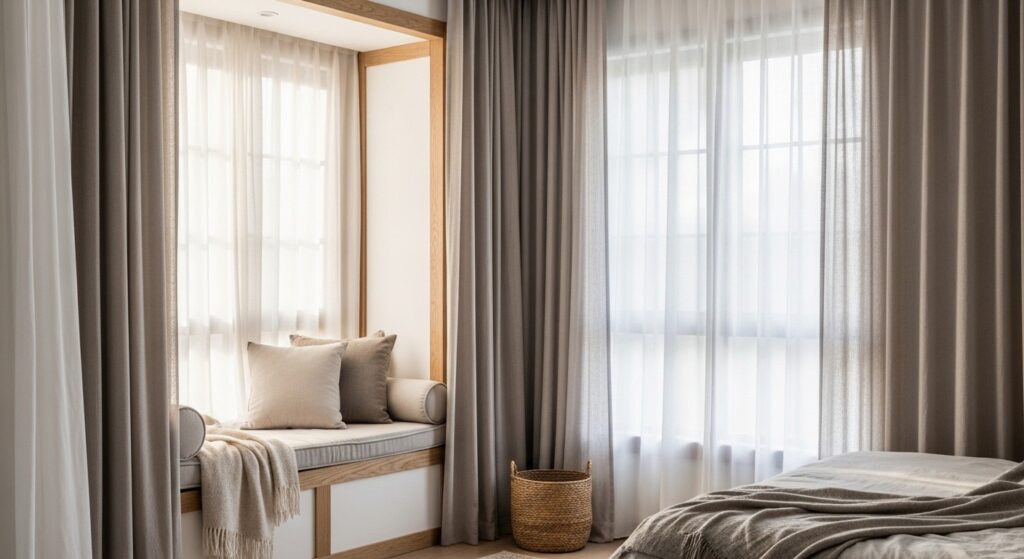
Windows can make or break the feel of a bedroom. They’re not just openings in the wall – they’re your connection to natural light, fresh air, and the world outside. But getting them right? That takes a bit of thought.
I’ve noticed that many people either overthink window treatments or ignore them completely. The truth sits somewhere in between. Your bedroom windows deserve attention because they affect how you sleep, wake up, and experience your most personal space throughout the day.
The ideas ahead will help you balance light control, privacy, and style without turning your bedroom into a showroom. Whether you’re working with a single small window or multiple large ones, there’s something here that’ll click for your space.
1. Layer Sheer and Blackout Curtains for Maximum Flexibility
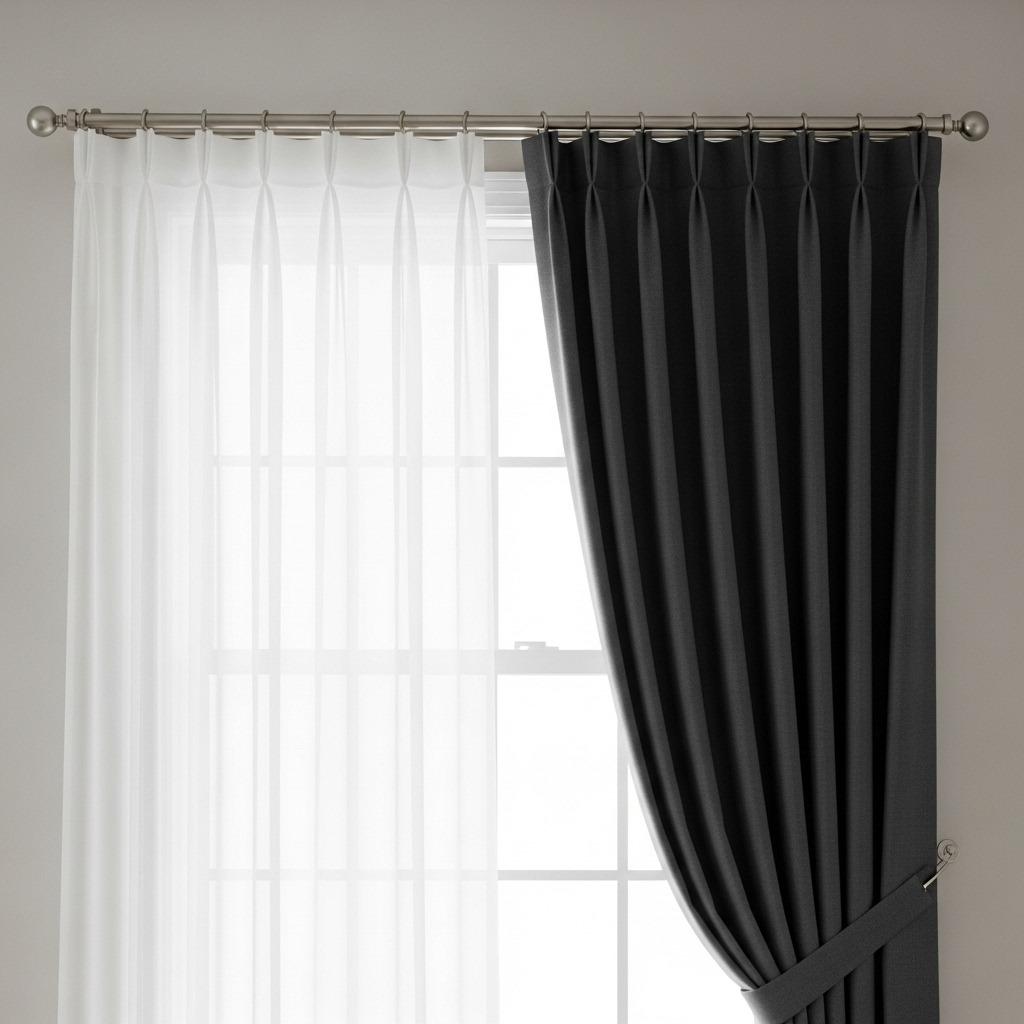
Layering curtains gives you options. Sheer panels let in soft, filtered light during the day while maintaining some privacy. When evening rolls around or you need a weekend sleep-in, pull the blackout curtains across.
This setup works particularly well in bedrooms where light needs change throughout the day. You’re not locked into one level of brightness or darkness. The combination also adds visual depth to your windows, creating a more finished, intentional look.
Installing a double curtain rod makes this approach simple. Mount the sheers closer to the window and hang heavier drapes on the outer rod. You can play with colors here too – neutral sheers with colored blackout panels, or vice versa.
2. Install a Cushioned Window Seat for Function and Comfort
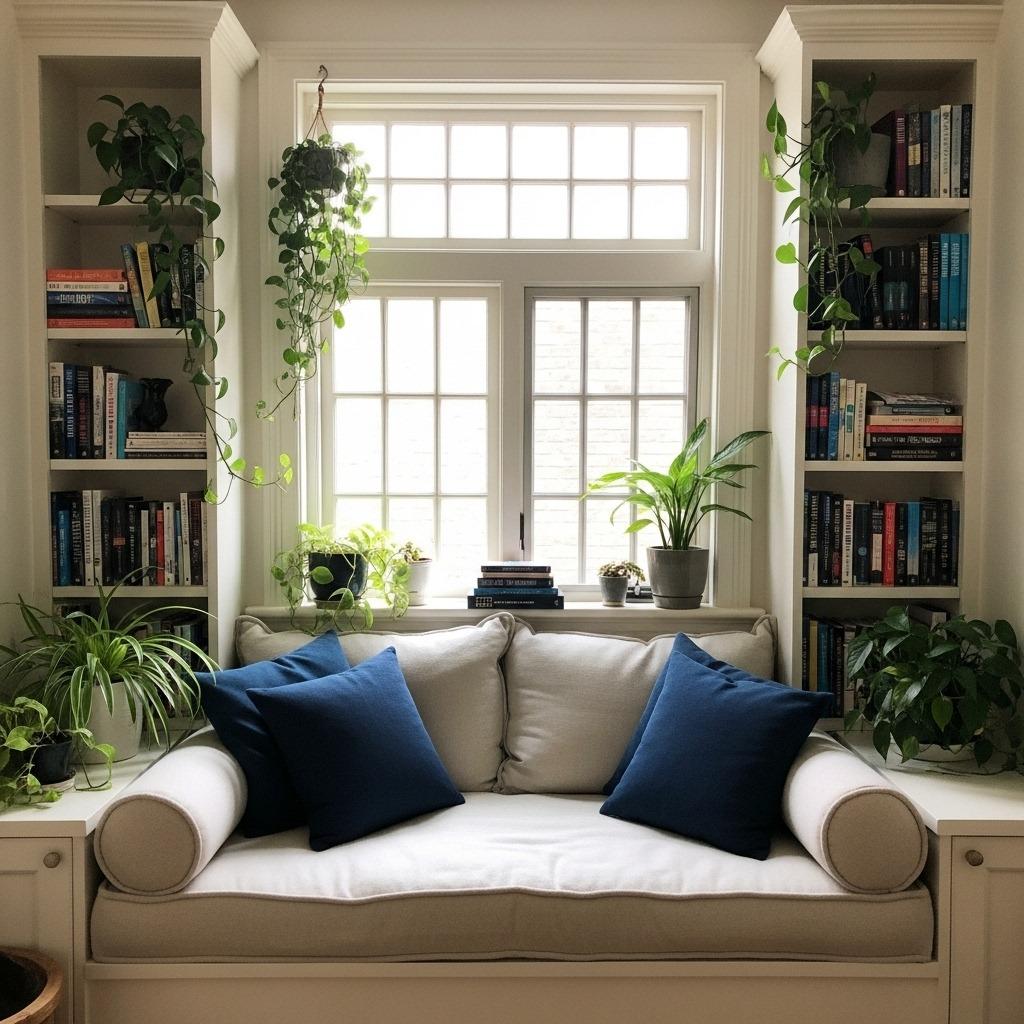
Window seats transform unused space into a favorite spot. They’re perfect for reading, morning coffee, or just staring outside when you need a mental break. Adding storage underneath makes them even more practical.
The cushioning matters more than you might think. A well-padded seat invites you to actually use it rather than just admire it. Consider small space bedroom hacks if you’re working with limited square footage – a window seat can replace a separate reading chair.
Custom-built options fit your exact window dimensions, but ready-made benches work too if your measurements align. Either way, waterproof fabric or removable covers make maintenance easier when dust and sun exposure become factors.
3. Use Roman Shades for Clean, Modern Lines

Roman shades offer a streamlined alternative to curtains. They fold up neatly when raised and provide a smooth, tailored look when lowered. No fabric pooling on the floor, no extra hardware cluttering your window frame.
These shades come in countless fabrics and patterns. Light-filtering options work well for bedrooms where you want privacy without complete darkness. For better sleep control, blackout Roman shades block light almost entirely while maintaining that clean aesthetic.
The mounting flexibility helps too. Inside-mount shades sit within the window frame for a seamless appearance, while outside-mount options cover the entire window and frame. Think about your bedroom lighting needs when choosing between light-filtering and room-darkening fabrics.
4. Frame Windows with Architectural Molding
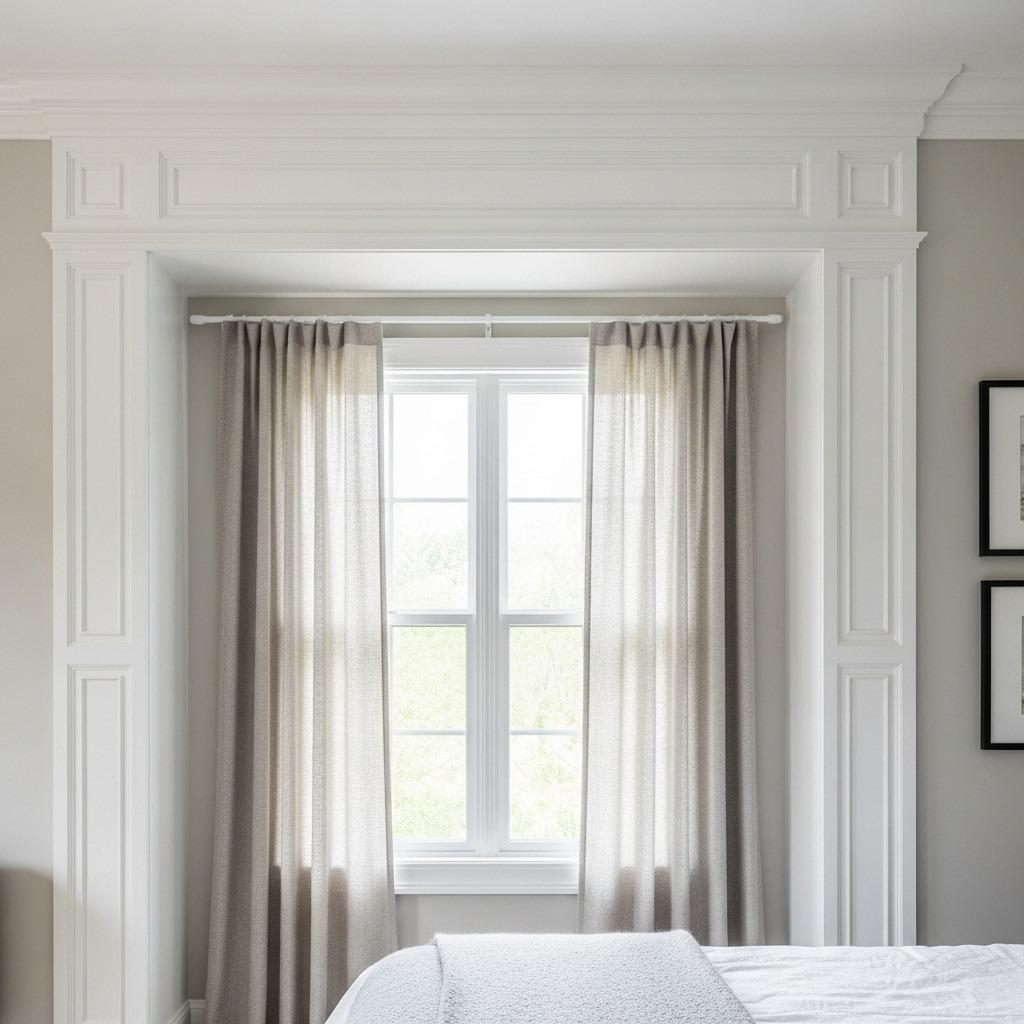
Adding molding around your windows creates instant architectural interest. This works especially well in rooms that feel a bit plain or builder-basic. The trim draws attention to the windows as a focal point rather than just a functional element.
You don’t need complex carpentry skills for this project. Pre-cut molding kits exist for various window sizes. Paint them to match your walls for subtle sophistication, or use a contrasting color to make the windows pop.
This approach pairs beautifully with simpler window dressings. When the frame itself makes a statement, you can skip elaborate curtain treatments. Check out wall paneling DIY ideas if you want to extend this architectural detail beyond just the windows.
5. Hang Curtains High and Wide for an Illusion of Height
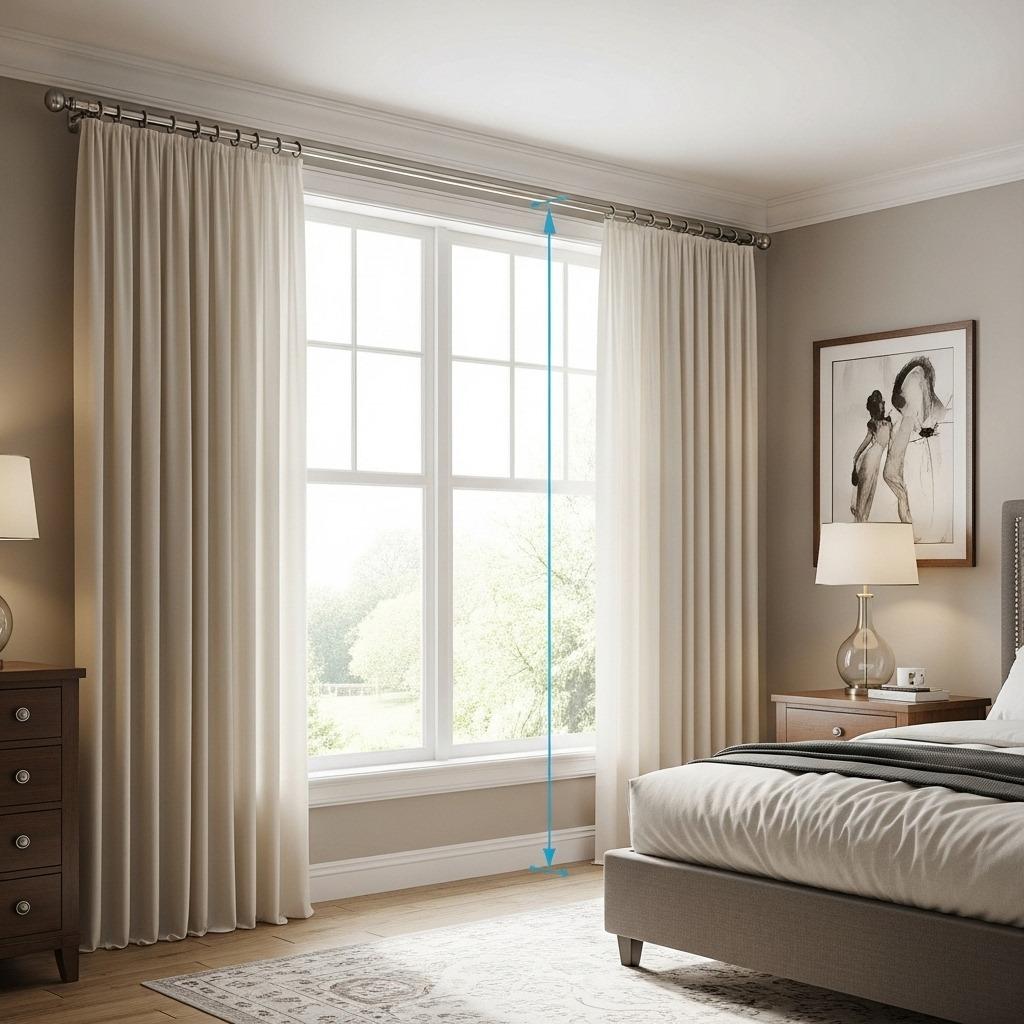
This simple trick makes ceilings appear higher and windows larger than they actually are. Mount your curtain rod closer to the ceiling rather than just above the window frame. Extend the rod several inches past the window on both sides.
When you pull the curtains open, they stack against the wall rather than blocking the window glass. This maximizes your natural light while maintaining the elongating effect the high placement creates. Floor-length panels complete the vertical line from ceiling to floor.
The impact surprises most people. It’s one of those changes that makes a room feel more expensive and better proportioned without requiring major renovation. Even small bedroom spaces benefit from this optical enhancement.
6. Add Plantation Shutters for Timeless Appeal
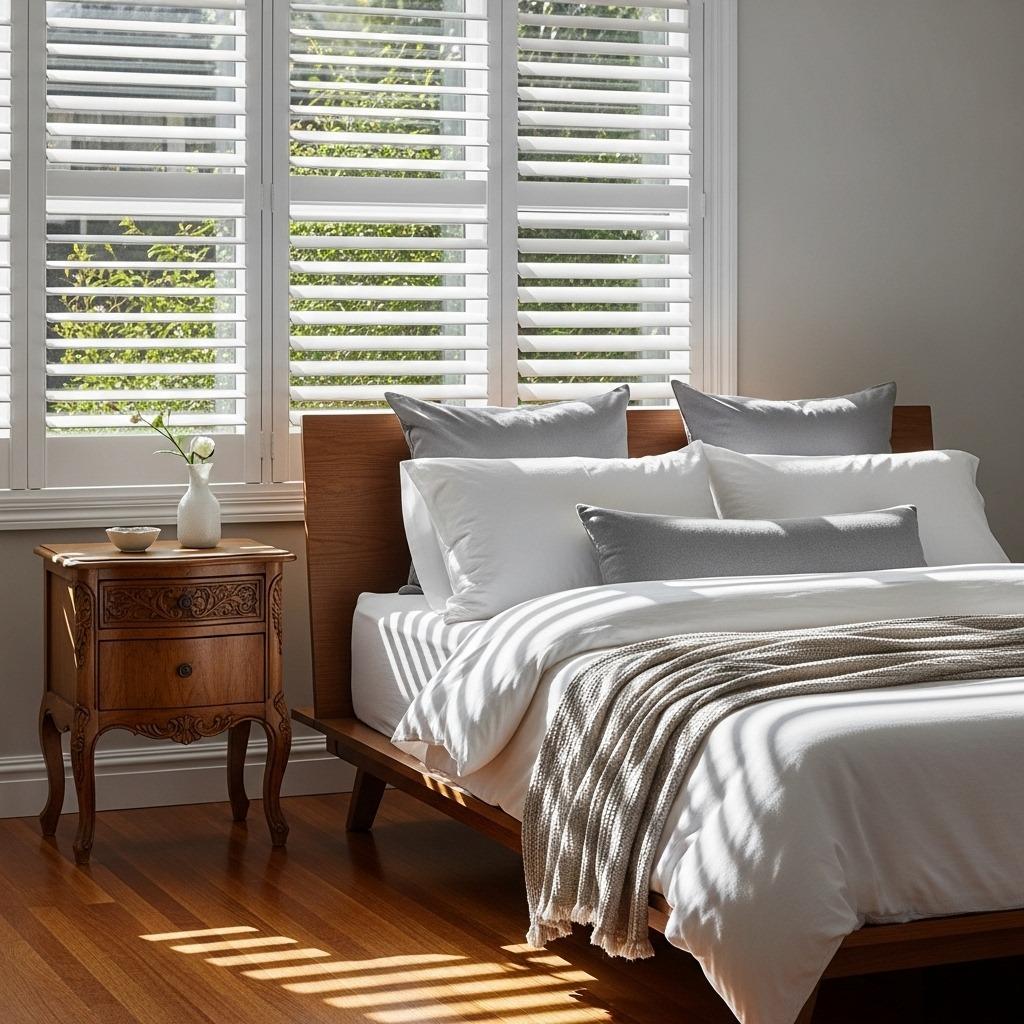
Plantation shutters never seem to go out of style. The adjustable louvers let you control light direction and intensity throughout the day. Tilt them for privacy while still allowing light, or fold them back completely to expose the full window.
These shutters work with virtually any decor style. Paint them white for a classic look, or match them to your trim color. Wood options add warmth to farmhouse bedroom themes, while painted versions suit modern spaces equally well.
The initial investment runs higher than curtains, but quality shutters last for decades. They’re also easier to clean than fabric treatments – just wipe them down periodically. If you’re considering window replacement ideas, timing the shutter installation with new windows creates a cohesive finished look.
7. Create Privacy with Frosted or Textured Window Film
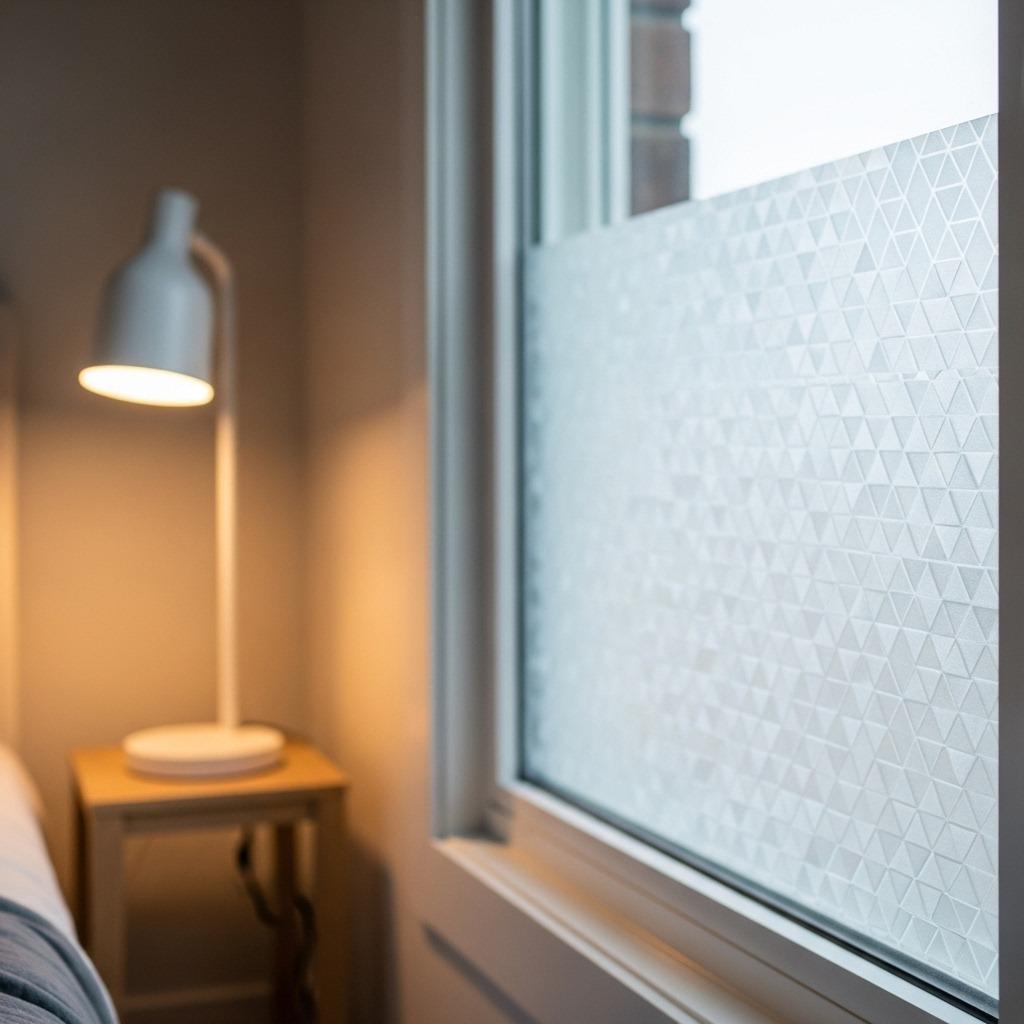
Window film solves privacy problems without blocking light. It’s particularly useful for windows facing neighboring properties or street-level bedrooms. The film adheres directly to the glass and comes in dozens of patterns and opacity levels.
Installation takes minimal skill – just clean the glass thoroughly and smooth the film on with a squeegee. If you change your mind later, most films peel off without leaving residue. This makes them ideal for renters or anyone who likes updating their space regularly.
8. Install Motorized Blinds for Modern Convenience
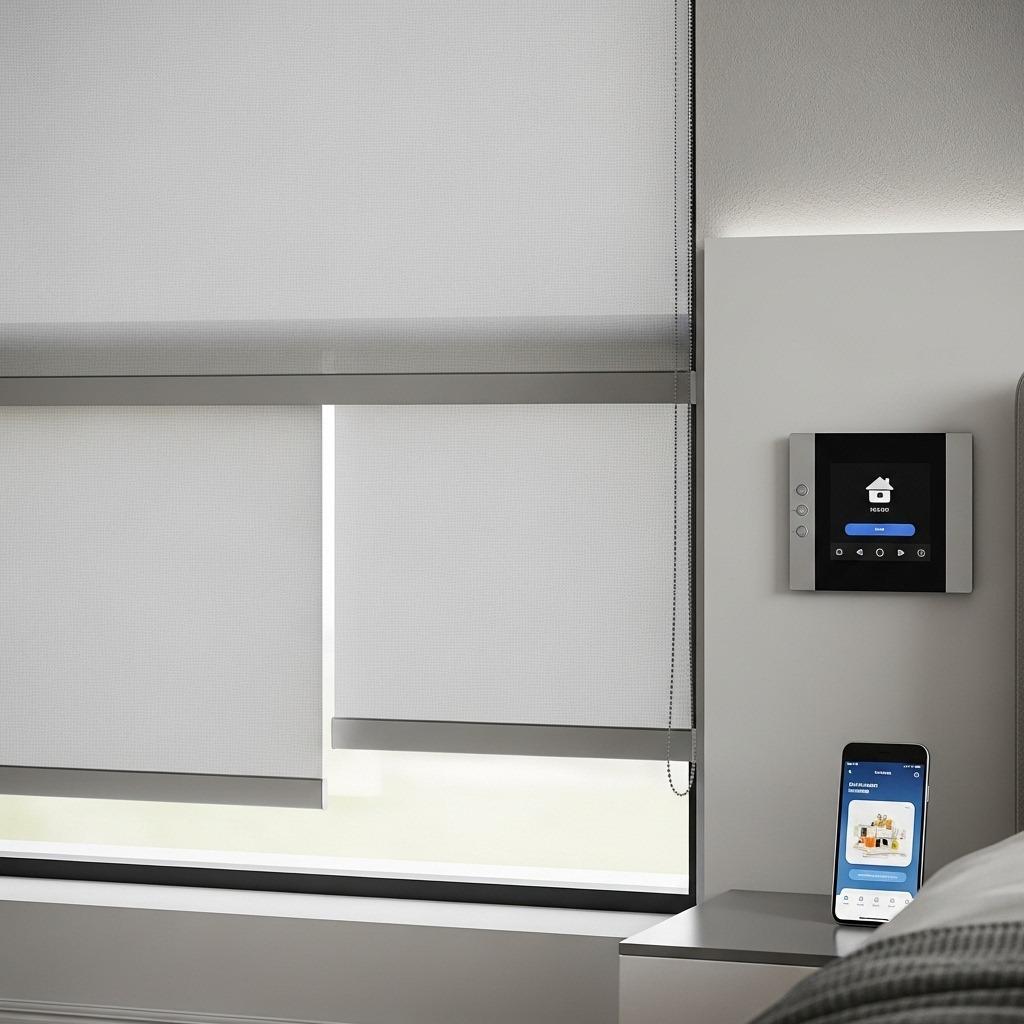
Smart blinds remove the hassle of adjusting window treatments manually. Program them to open with sunrise for natural wake-up light, or schedule them to close at sunset for privacy. Some systems integrate with voice assistants or smartphone apps.
The technology has become more affordable and reliable in recent years. Battery-operated options eliminate wiring concerns, while hardwired versions integrate with your home’s electrical system. Either way, the convenience factor is significant, especially for hard-to-reach windows.
If you’re already exploring smart home improvement upgrades, motorized window treatments fit naturally into that ecosystem. They’re particularly helpful for windows above beds or in cathedral ceilings where manual operation is awkward.
9. Use Flowing Floor-Length Drapes for Softness
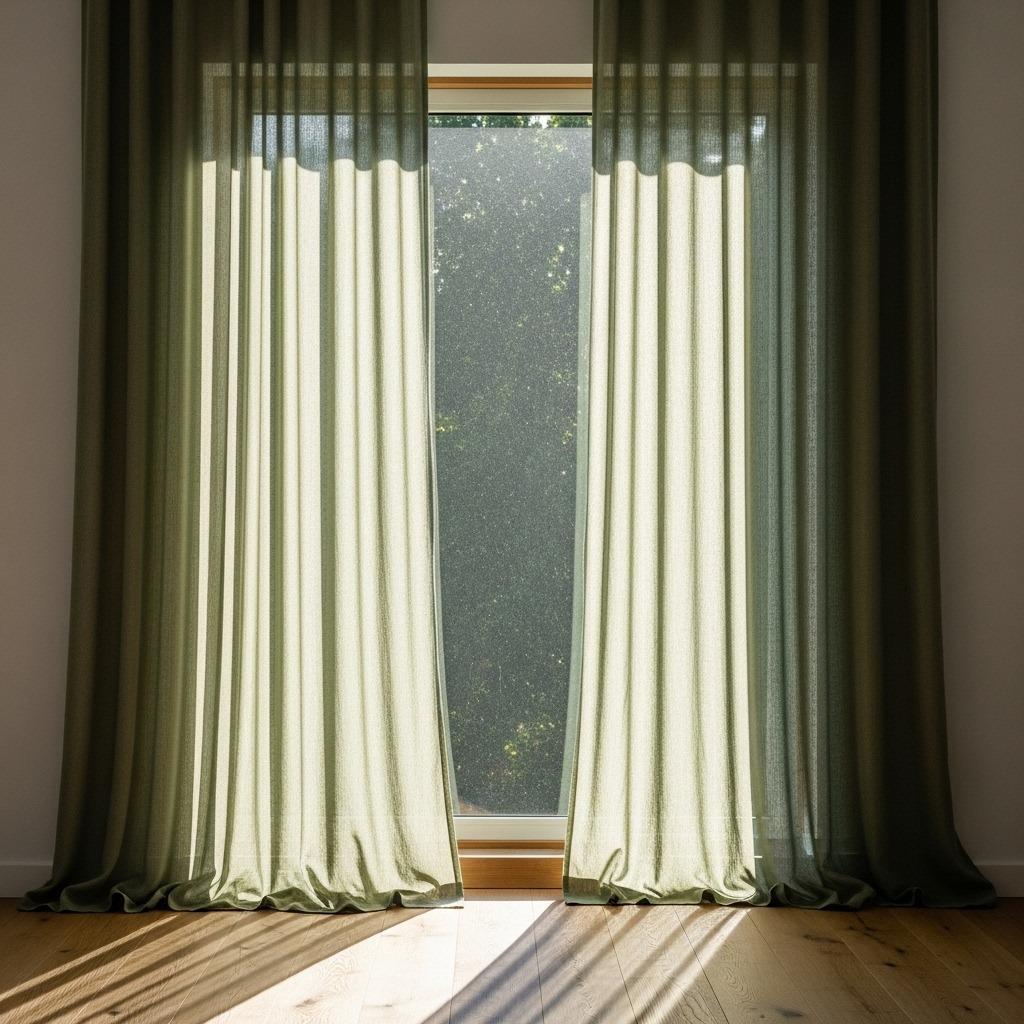
Long, flowing curtains add softness that balances harder elements in a bedroom. The fabric movement and texture create visual interest without being fussy. Natural materials like linen or cotton work particularly well for this relaxed approach.
Let the curtains just kiss the floor or puddle slightly for a more luxurious feel. This works best in luxury master bedroom settings or when you want to create a romantic atmosphere. Avoid excessive pooling in high-traffic areas where fabric might become a tripping hazard.
The color choice matters here. Neutrals keep things calm and versatile, while colored drapes can anchor your entire bedroom color scheme. Lighter colors maximize the natural light they frame, while darker shades create more dramatic contrast.
10. Frame Multiple Windows with a Single Rod
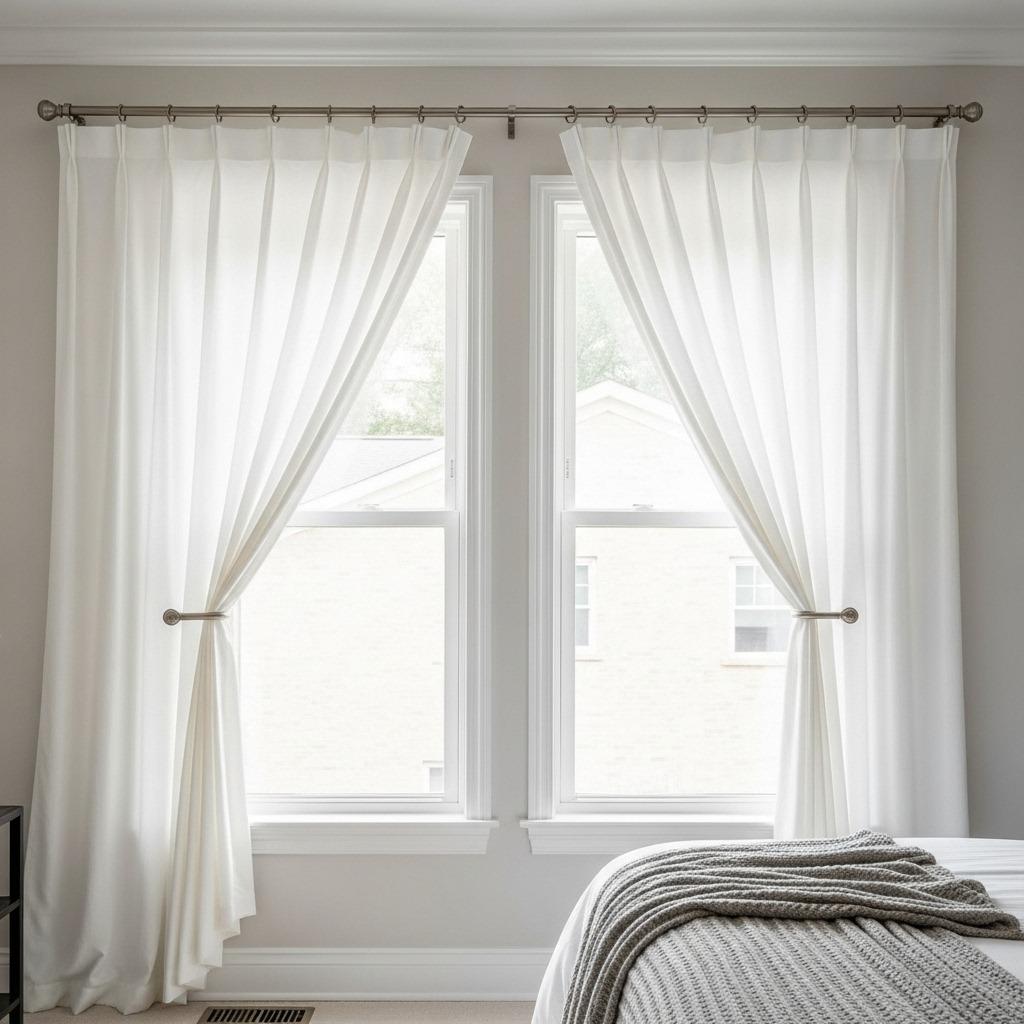
When you have two or more windows on the same wall, connecting them with one continuous curtain rod creates cohesion. This approach makes the window wall feel more intentional and less choppy. It also makes the space feel larger by emphasizing horizontal lines.
Use a curtain panel between each window and at each end. When opened, the curtains stack at the outer edges of the entire window grouping, maximizing light and view. Closed, they create a unified fabric wall.
This technique works especially well in multifunctional bedroom layouts where visual continuity helps the space feel more organized. Just make sure your wall can support the longer rod and additional fabric weight.
11. Add Window Valances for Decorative Touch
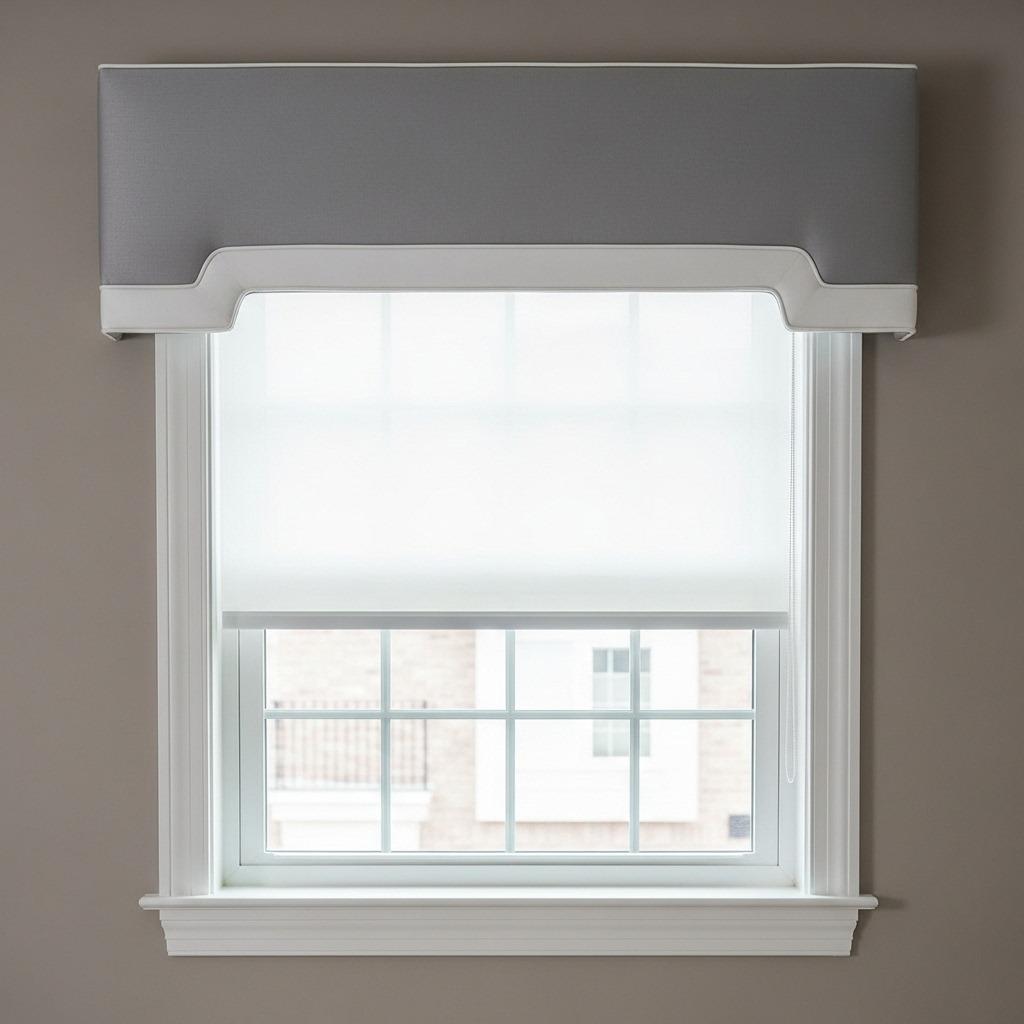
Valances add personality without overwhelming your windows. They work well when you want decorative impact at the top while keeping the window itself relatively bare. This combination provides style while maximizing natural light.
Modern valances range from simple fabric panels to structured cornices. Wooden valances suit rustic cabin bedroom styles, while upholstered versions work in more traditional settings. Keep proportions in mind – the valance should enhance, not overpower, your window.
Pair valances with simple shades or blinds underneath for light control. This layered approach gives you both function and form. The valance hides the hardware of whatever treatment sits below it, creating a more polished overall appearance.
12. Install Café Curtains for Lower Privacy
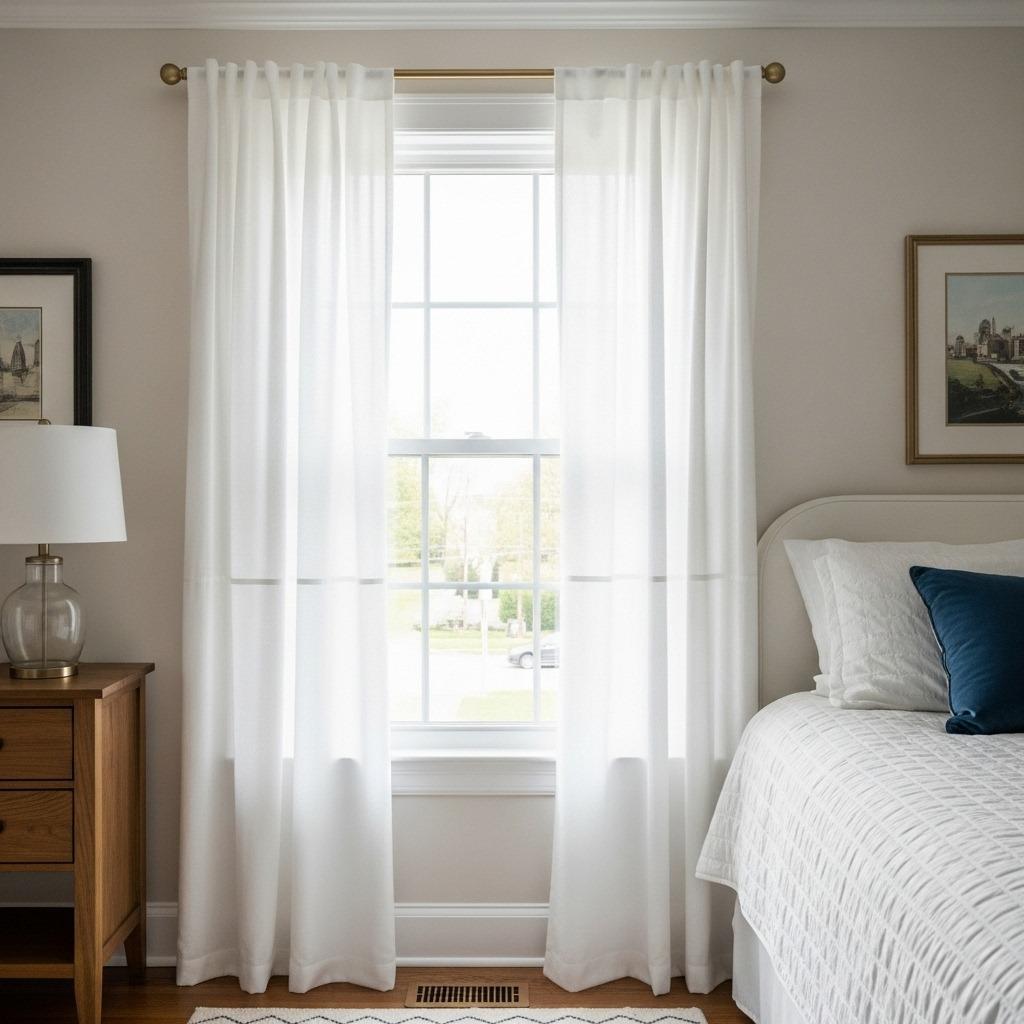
Café curtains cover just the lower portion of windows, typically the bottom half or third. This gives you privacy where you need it while leaving the upper window exposed for maximum light. They originated in cafés and bistros but translate beautifully to bedrooms, especially those with nice upper views.
This style works particularly well for first-floor bedrooms or windows facing walkways. You maintain your privacy without sacrificing the brightness that high windows provide. The look feels casual and approachable rather than formal.
Mounting is straightforward – just install the rod at whatever height provides the privacy coverage you need. Simple cotton or linen fabrics work best for this relaxed style. Consider this option if you’re working through bedroom ideas for spaces with beautiful treetop or sky views you don’t want to block.
13. Incorporate Natural Materials with Bamboo or Woven Shades
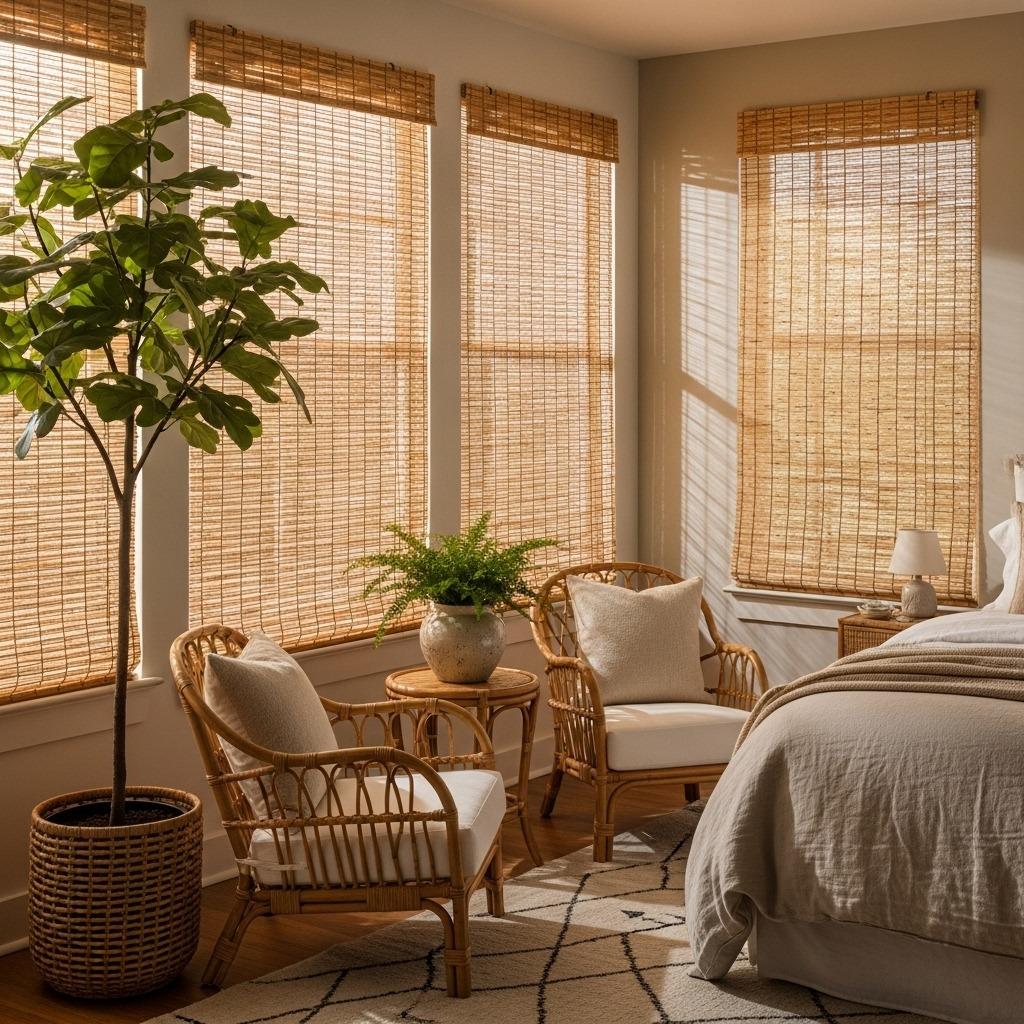
Natural fiber shades bring organic texture and warmth to bedroom windows. Bamboo, jute, and woven wood options filter light beautifully while adding an earthy element to your decor. The material itself becomes part of the room’s aesthetic.
These shades work across multiple styles. They suit boho style bedroom approaches perfectly but also complement coastal, modern, and minimalist spaces. The key is choosing the right weave density – tighter weaves provide more privacy and light control, while looser weaves create a more relaxed, filtered effect.
Pair natural shades with simple curtain panels if you need additional light blocking for sleep. The combination of natural texture and soft fabric creates appealing contrast. These materials age gracefully too, developing character over time rather than looking worn out.
Bringing It All Together
Your bedroom windows deserve more than an afterthought. They influence how you experience your personal space from the moment you wake up until you turn out the lights at night.
The ideas here aren’t about following rigid rules. Pick what speaks to your needs – whether that’s maximizing morning light, ensuring complete darkness for better sleep, or simply making your windows something you enjoy looking at. Your bedroom should feel like yours, and the right window treatment contributes to that feeling more than you might expect.
Start with your biggest concern. Is it privacy? Light control? Style? Address that first, then layer in other elements as budget and interest allow. Sometimes the smallest change – raising a curtain rod or adding a simple shade – makes the biggest difference in how a room feels.

