
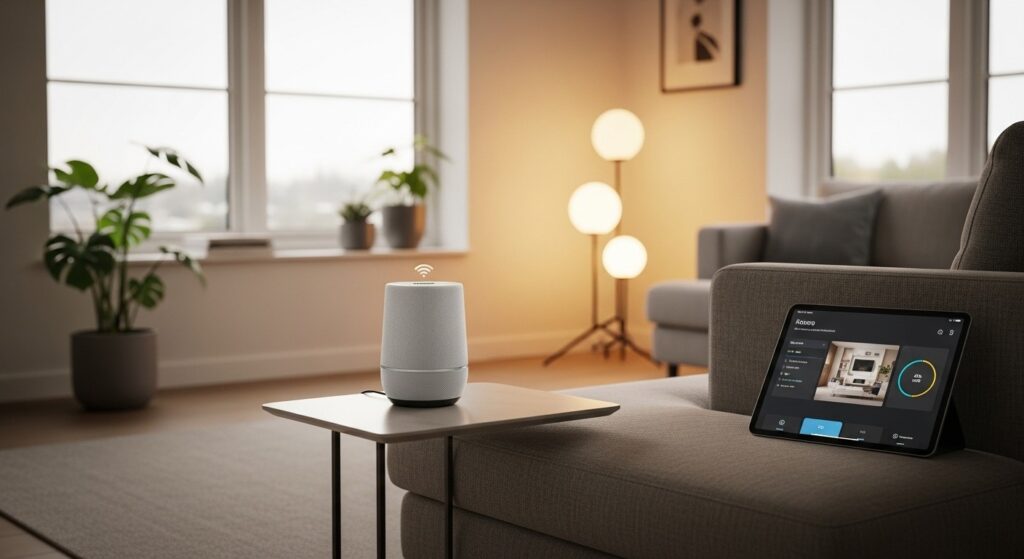
Walking into a home that adjusts the lighting based on your mood, plays your favorite playlist as you cook dinner, or keeps your coffee warm until you’re ready for that second cup – this isn’t science fiction anymore. Home tech automation has moved beyond the “nice to have” category and into everyday reality for people who value convenience without sacrificing style.
I’ll admit, I was skeptical about turning my home into something resembling a spaceship control center. But after integrating just a few thoughtful automation pieces, I noticed something surprising. My mornings became smoother, my energy bills dropped, and honestly? My space felt more like mine because it responded to how I actually lived in it.
The beauty of modern home gadgets is that you don’t need to rewire your entire house or have a degree in computer science. You can start small, with one room or one routine, and build from there. Whether you’re renovating your living room or simply looking for ways to make daily tasks less tedious, the right automation setup can transform how you interact with your space.
Why Smart Home Systems Make Sense Right Now
The technology has finally caught up with the promise. Earlier smart home systems were clunky, incompatible with each other, and honestly more trouble than they were worth. Today’s options are different. They talk to each other, they’re intuitive, and they actually solve real problems rather than creating new ones.
Cost has become more reasonable too. You can start automating your home for less than you’d spend on a weekend renovation project. The investment often pays for itself through energy savings and the time you get back from not manually adjusting every light switch and thermostat throughout the day.
There’s also something deeply satisfying about creating a home environment that anticipates your needs. It’s like having an invisible assistant who knows exactly when you prefer dimmer lighting or when to start warming up the house before you arrive home from work.
1. Smart Lighting Systems That Set the Perfect Mood
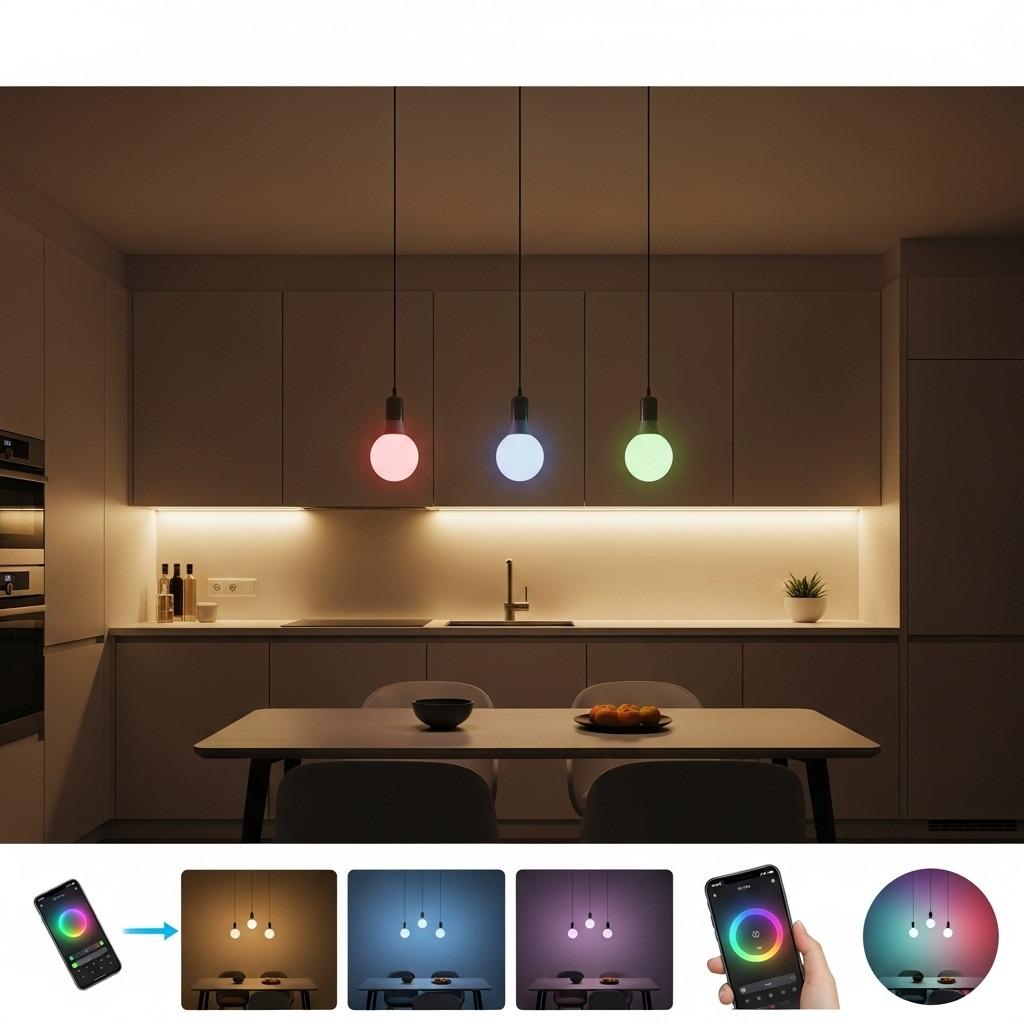
Lighting might seem like the most basic place to start, but it’s actually one of the most impactful. Smart bulbs and fixtures give you control over brightness, color temperature, and even color itself. You can shift from energizing cool white light during morning routines to warm, relaxing tones for evening wind-down.
Motion sensors in hallways and closets mean you’ll never fumble for a switch with arms full of laundry again. I installed these in my pantry and wondered why I’d suffered through years of trying to find the light switch while juggling grocery bags. The automation feels invisible until you visit someone’s house without it and remember how inconvenient the old way was.
Scheduling is where lighting automation really shines. Your lights can gradually brighten in the morning to simulate sunrise, making waking up less jarring than a blaring alarm. At night, they can automatically dim throughout the house, signaling to your brain that it’s time to start winding down. This kind of smart home improvement doesn’t just add convenience – it can genuinely improve your sleep patterns.
The color-changing options aren’t just for parties either. Different color temperatures affect your mood and productivity. Cooler blues work well for home offices where you need focus, while warmer oranges and reds create a cozy atmosphere in living spaces where you want to relax.
2. Voice-Activated Assistants as Your Home Hub
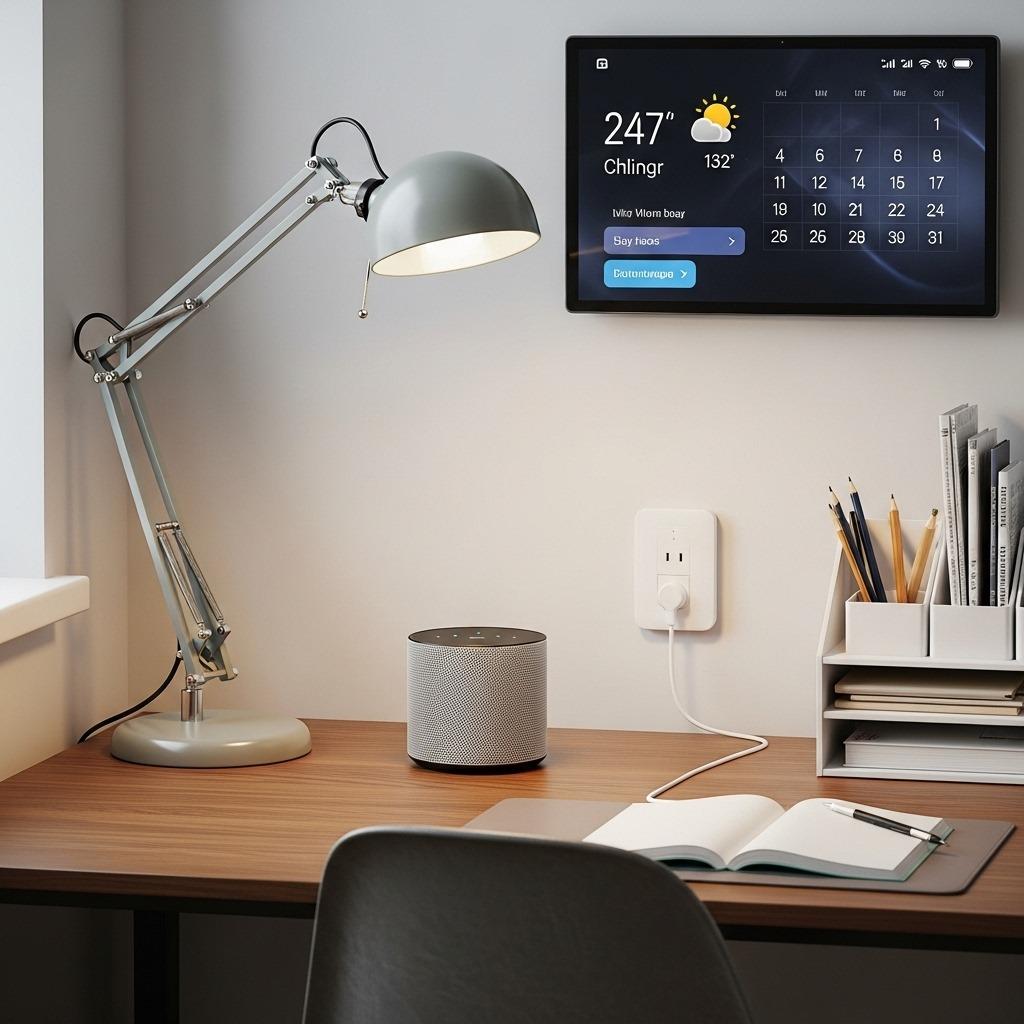
Smart speakers have evolved from novelty items to genuinely useful home hubs. They coordinate all your other automation, answer random questions while you’re cooking, set timers without getting your hands dirty, and control music throughout your home. The hands-free aspect matters more than you’d think.
Placing them strategically makes a difference. One in the kitchen handles recipe conversions and timer management. Another in the bedroom controls your morning routine and bedtime settings. You don’t need one in every room, but having coverage in the spaces where you spend the most time creates seamless control.
Privacy concerns are valid, and most systems now include physical mute buttons and clear indicators when they’re listening. You can also review and delete voice recordings through their apps. Setting up these devices with privacy in mind from the start gives you the convenience without the creepiness factor.
3. Climate Control That Learns Your Preferences
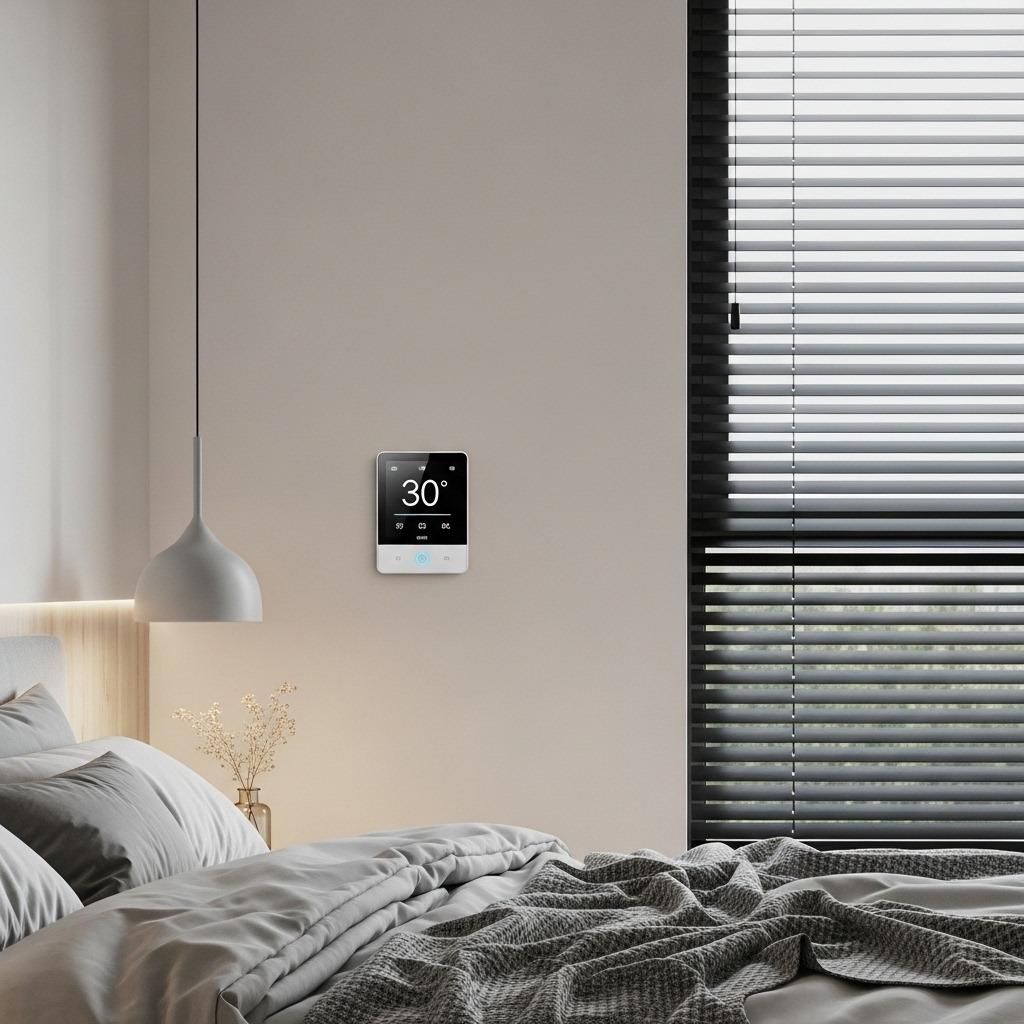
Smart thermostats probably offer the best return on investment of any automation. They learn your schedule, adjust temperatures based on whether anyone’s home, and can be controlled remotely. Coming home to a perfectly comfortable house without having paid to heat or cool it all day feels like actual magic.
The learning algorithms get smarter over time. Mine figured out that I prefer it slightly cooler when I’m sleeping and warmer when I’m working from home. It made these adjustments gradually, and I only noticed because my energy bills decreased while my comfort level increased. That’s automation done right – invisible until you look for it.
Zone control takes this further if you have a compatible HVAC system. Different rooms can maintain different temperatures, which makes sense when you think about it. Your home office might need to be cooler during work hours while your bedroom stays warmer, then they swap preferences at night.
Weather integration is another subtle but brilliant feature. The system checks the forecast and adjusts accordingly, pre-cooling before a heat wave or taking advantage of cooler nights to reduce air conditioning use. It’s the kind of proactive management that would be annoying to do manually but happens seamlessly with automation.
4. Security Systems That Actually Keep You Informed
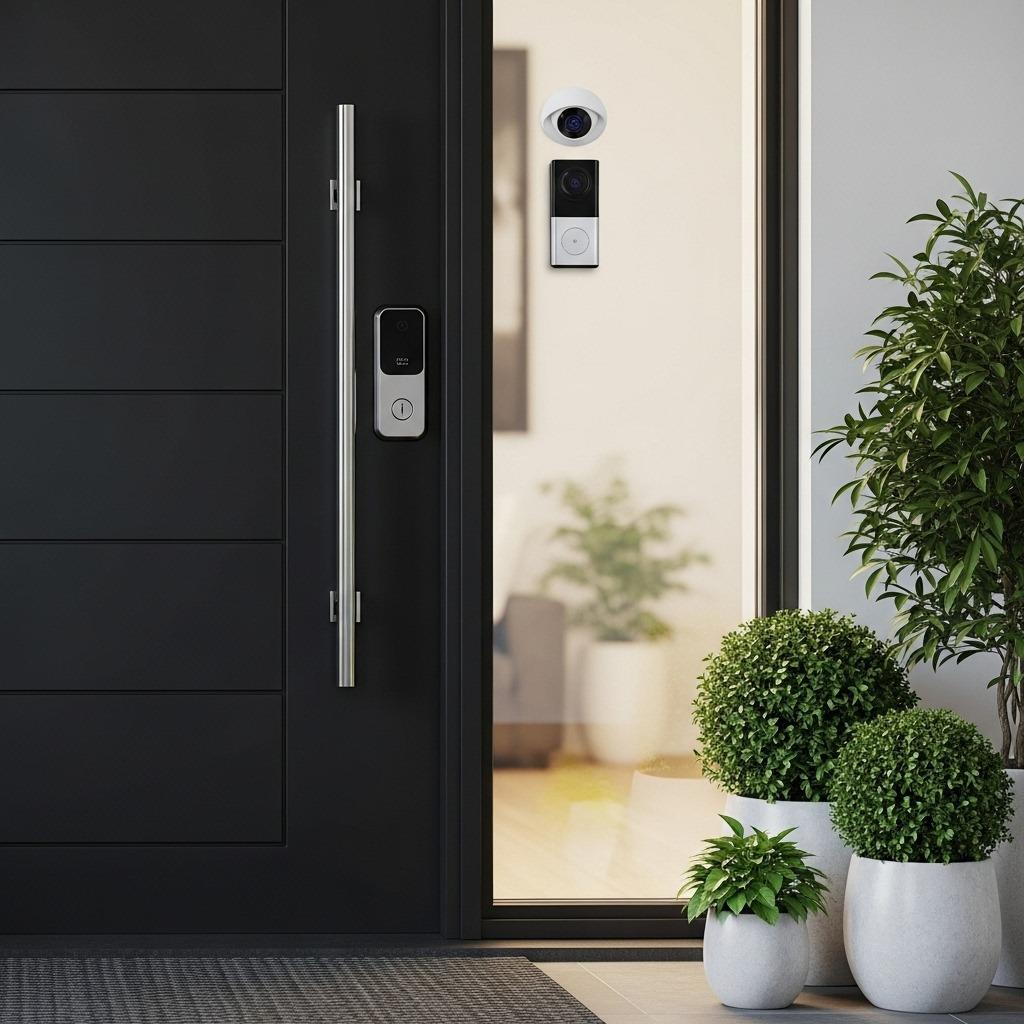
Modern security goes way beyond loud alarms and blinking lights. Smart cameras, video doorbells, and connected locks give you eyes on your home from anywhere. You can see who’s at the door without getting up, verify that the dog walker arrived, or check that you actually locked the door after you’ve already driven away.
Video doorbells have changed how we interact with visitors and deliveries. You can speak to delivery drivers and ask them to leave packages in a specific spot, or let a neighbor know you’ll be right there. No more missed deliveries or wondering who rang the doorbell while you were in the shower.
Smart locks eliminate the “did I lock the door?” anxiety that plagues many of us. You can check the status on your phone and lock it remotely if needed. They also make life easier when you need to let someone in – a house sitter, contractor, or family member can get temporary access codes that expire after a set time. No more hiding keys under mats or coordinating key handoffs.
Integration with other systems adds layers of convenience and security. Your lights can automatically turn on when motion is detected outside, giving the impression someone’s home even when you’re away. The entryway can unlock automatically as you approach if you have your phone, then lock behind you once you’re inside.
5. Automated Window Treatments for Light and Privacy
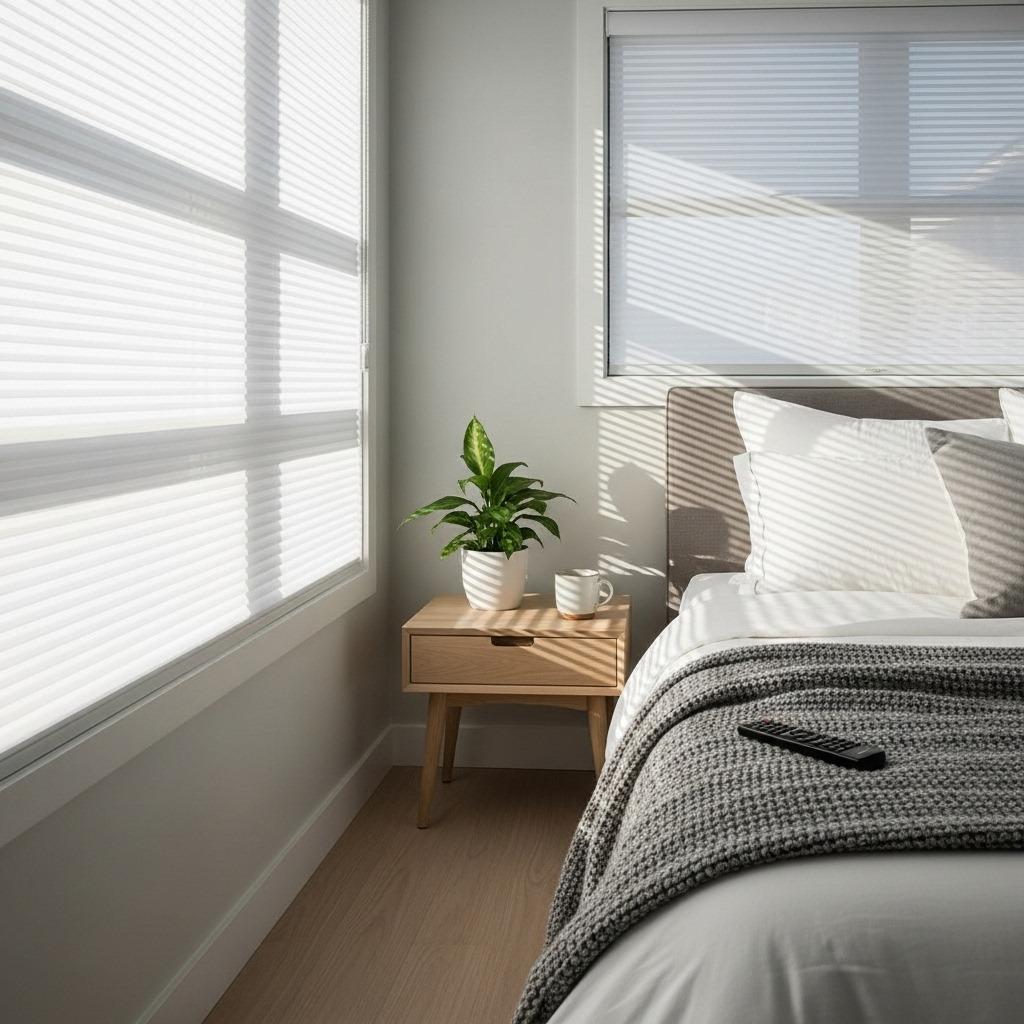
Motorized blinds and shades might sound like an indulgence, but they serve practical purposes beyond convenience. They help regulate temperature by automatically closing during the hottest part of the day or opening to let in warming winter sun. This passive climate control reduces your heating and cooling needs.
Scheduling window treatments creates natural wake-up lighting without harsh alarms. Gradually opening blinds lets daylight naturally rouse you, which is gentler on your system than jarring sounds. In the evening, automatic closing provides privacy right when you need it without requiring you to walk around pulling shades.
This is particularly valuable in rooms with hard-to-reach windows or large open-concept spaces where you’d otherwise need a pole or ladder to adjust high windows. Remote control makes these windows as functional as any other in your home.
Light control improves your home theater experience too. One button press can darken the room completely, and when the movie ends, the shades gradually reopen. No more watching films with glare on the screen or stumbling around a dark room trying to let light back in.
6. Smart Kitchen Appliances That Simplify Meal Prep
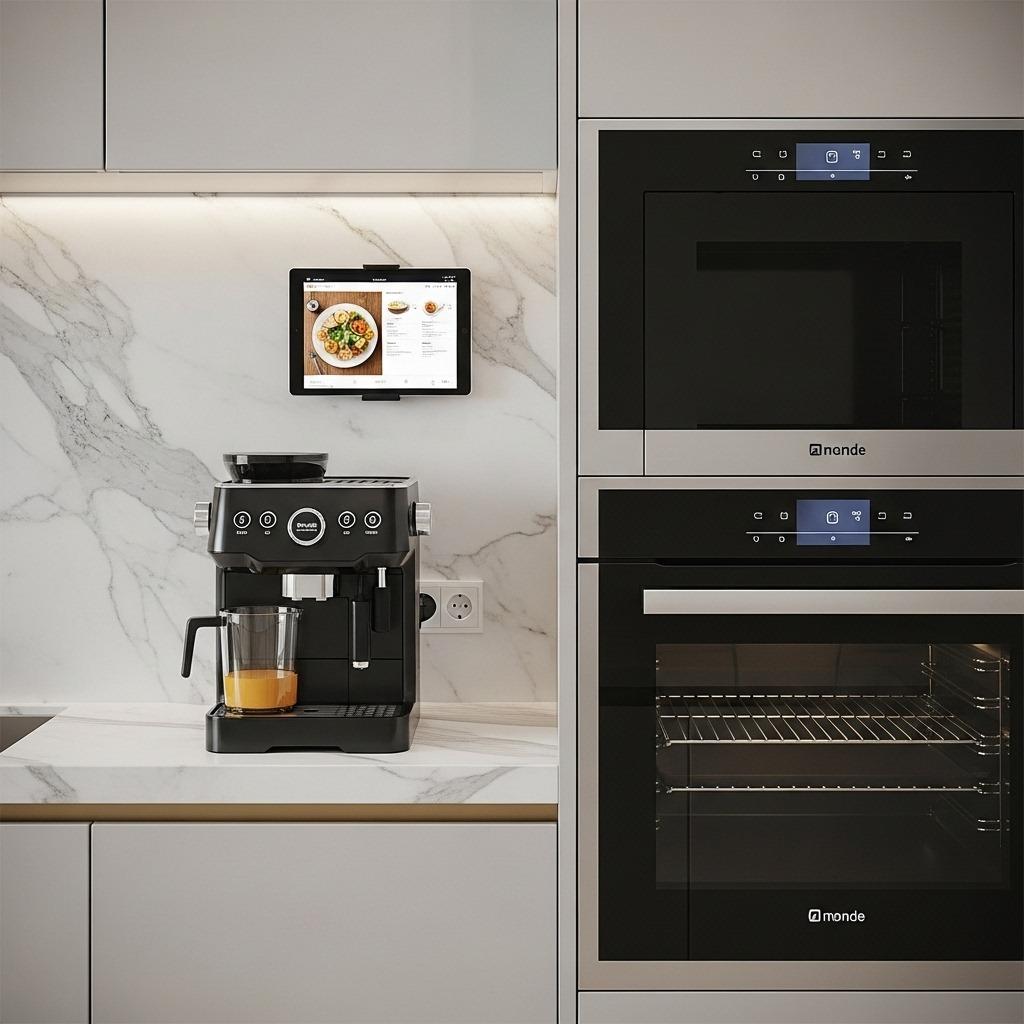
Your kitchen probably sees more daily use than any other room, making it prime territory for helpful automation. Smart coffee makers that start brewing as your alarm goes off, ovens you can preheat from the grocery store, and refrigerators that track expiration dates turn cooking from a chore into something more manageable.
Connected appliances communicate with each other and with you. Imagine your oven sending an alert when it’s finished preheating, or your slow cooker notifying you that dinner’s ready. These small updates save you from constantly checking or worrying whether you turned something off.
Recipe integration is where smart kitchen appliances really help. You can send instructions directly to your oven or cooktop, and it automatically sets the correct temperature and time. Some refrigerators have cameras inside so you can check what you have while shopping, reducing food waste and duplicate purchases.
Voice control in the kitchen solves the perpetual problem of dirty hands. You can set timers, convert measurements, add items to shopping lists, or adjust oven temperatures without touching anything. When you’re elbow-deep in bread dough or handling raw chicken, hands-free control isn’t just convenient – it’s more hygienic.
7. Entertainment Systems That Know What You Want
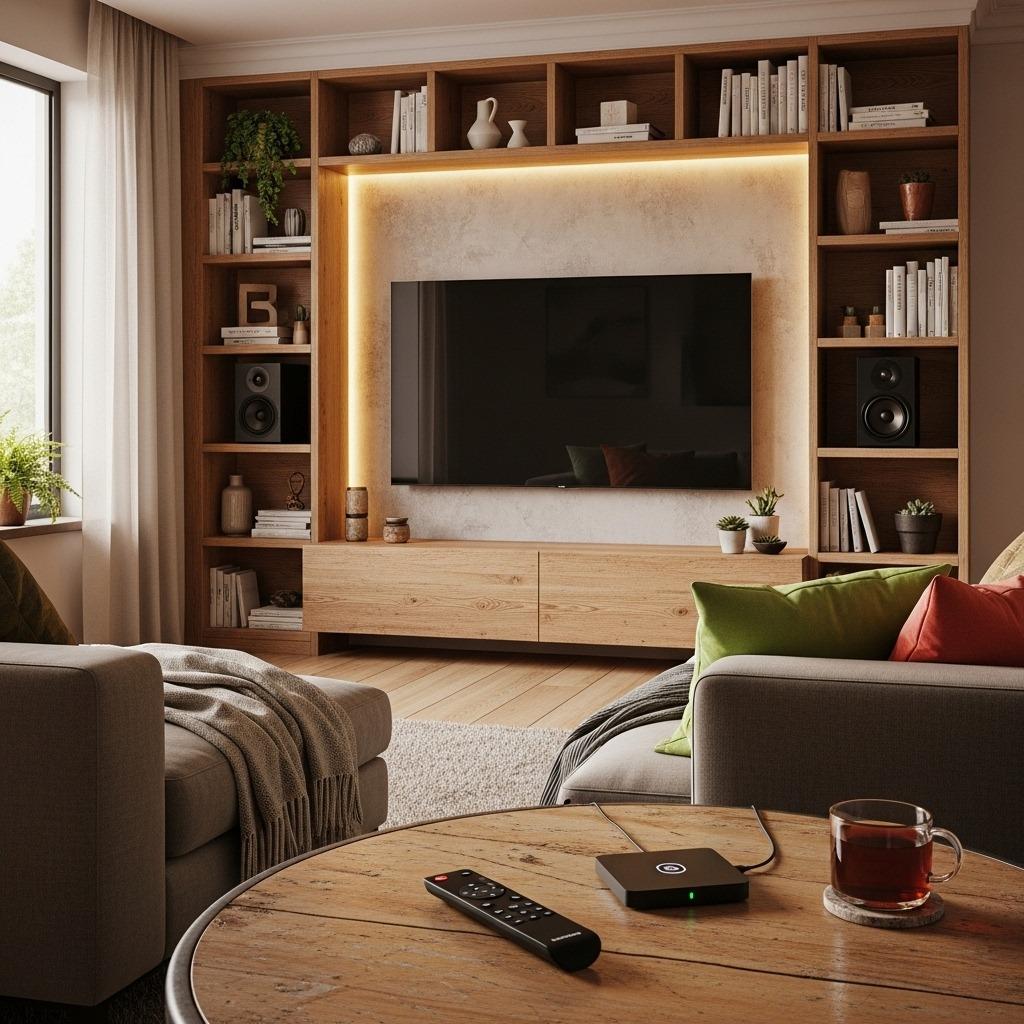
Unified entertainment control eliminates the juggling act of multiple remotes and incompatible systems. Smart TVs, streaming devices, and connected audio systems can all respond to voice commands or work through a single app. One command can dim the lights, close the blinds, turn on the TV, and start your favorite show.
Multi-room audio extends your entertainment throughout your home without complicated wiring. Play different music in each room, or sync everything for parties. Stream your podcast from the kitchen to the bathroom as you get ready in the morning. The flexibility means your entertainment follows you rather than tethering you to one location.
Gaming and smart home systems integrate surprisingly well too. Your setup can automatically switch to game mode with the right picture settings and reduced input lag when you fire up your console. Some systems even adjust ambient lighting to match on-screen action, creating an immersive experience.
Automation routines enhance movie nights without any extra effort. Create a “movie mode” that dims all lights to 20%, closes window treatments, adjusts speaker volumes, and sets your phone to do not disturb. One button or voice command transforms your living room into a cinema.
8. Smart Bathroom Features for Morning Efficiency
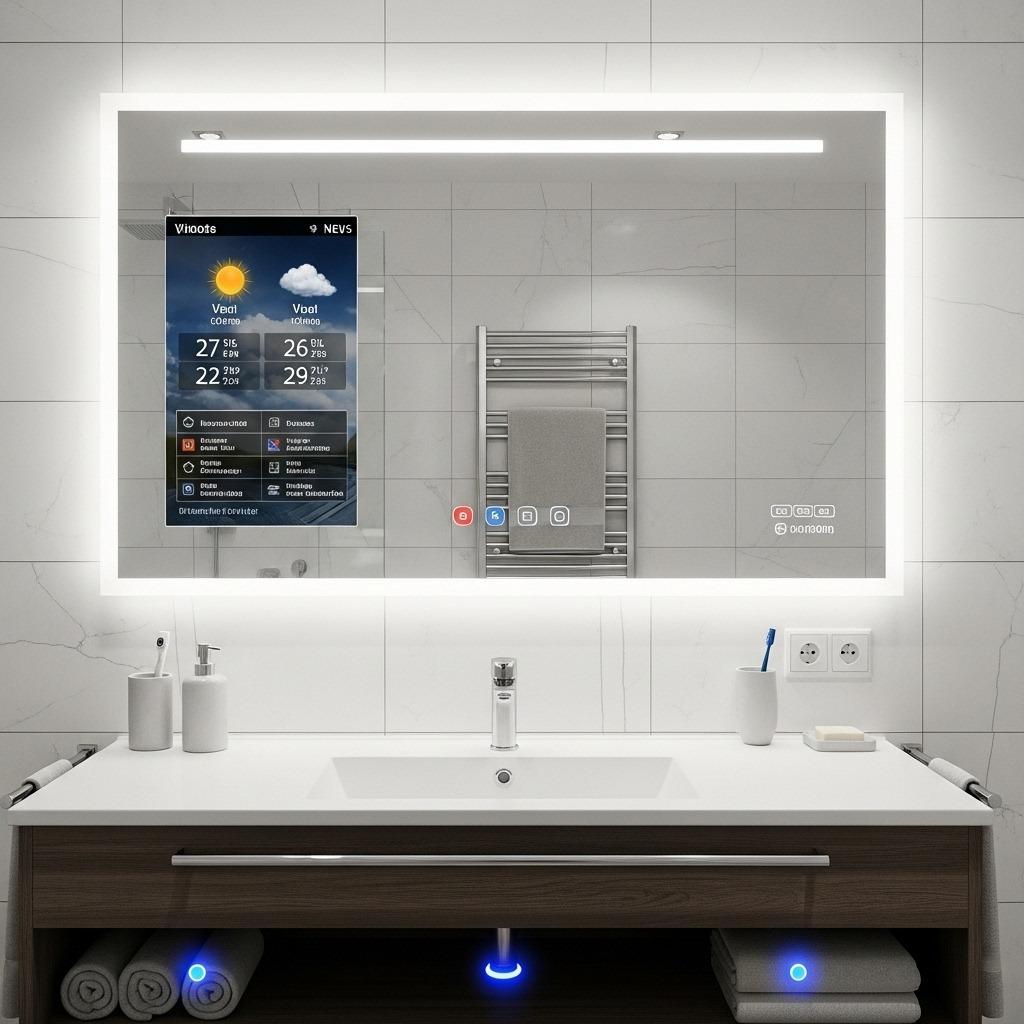
Bathroom automation focuses on comfort and efficiency during those rushed morning routines. Heated towel racks on timers ensure warm towels are ready when you step out of the shower. Smart mirrors display weather, news, or your calendar while you brush your teeth, keeping you informed without requiring you to check your phone.
Motion-activated lighting in the bathroom is especially useful for middle-of-the-night visits. The lights can activate at a low, warm setting that won’t jolt you fully awake, making it easier to fall back asleep afterward. During the day, they automatically adjust to full brightness.
Digital shower controllers let you set precise temperature preferences and save them for each household member. No more adjusting knobs and waiting for the right temperature – your perfect shower is ready at the touch of a button. Some systems even allow you to start the shower remotely, so it’s at temperature before you step in.
Water conservation becomes easier with smart shower systems that track usage and alert you to leaks or unusual consumption patterns. You can set timers for showers or get reminders when you’ve used a certain amount of water, helping reduce waste without feeling restrictive.
9. Bedroom Automation for Better Sleep
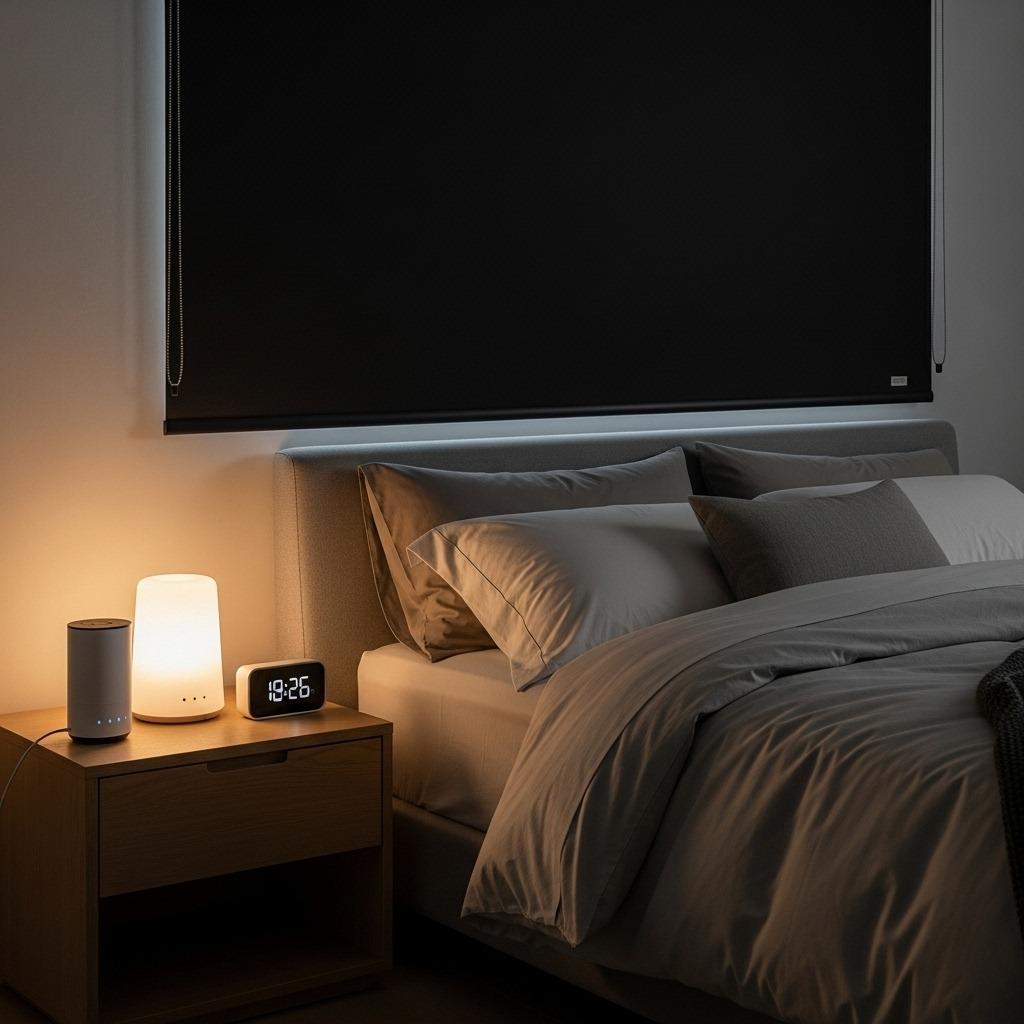
Quality sleep affects everything else in your life, making bedroom automation particularly valuable. Smart sleep tracking monitors your rest patterns and adjusts your environment to improve sleep quality. Temperature, lighting, and even white noise can automatically adjust based on your sleep stages.
Gradual wake-up routines make mornings genuinely pleasant. Your blinds slowly open over 30 minutes, lights gradually brighten, and maybe your coffee maker starts brewing – all timed to your sleep cycle rather than an arbitrary alarm time. You wake up naturally rather than being shocked awake.
Sound automation includes white noise machines that adjust volume based on background noise levels, or speakers that play calming sounds as you fall asleep and gradually fade out. Some systems even monitor for snoring and can prompt a partner to roll over before it becomes disruptive.
Climate control specific to sleeping is different from daytime preferences. Your room can automatically cool down at bedtime (most people sleep better in slightly cooler temperatures) and warm up gradually before wake time. This happens without any manual thermostat adjustment or sleeping under extra blankets until the room warms up.
10. Outdoor Smart Tech for Yard and Garden
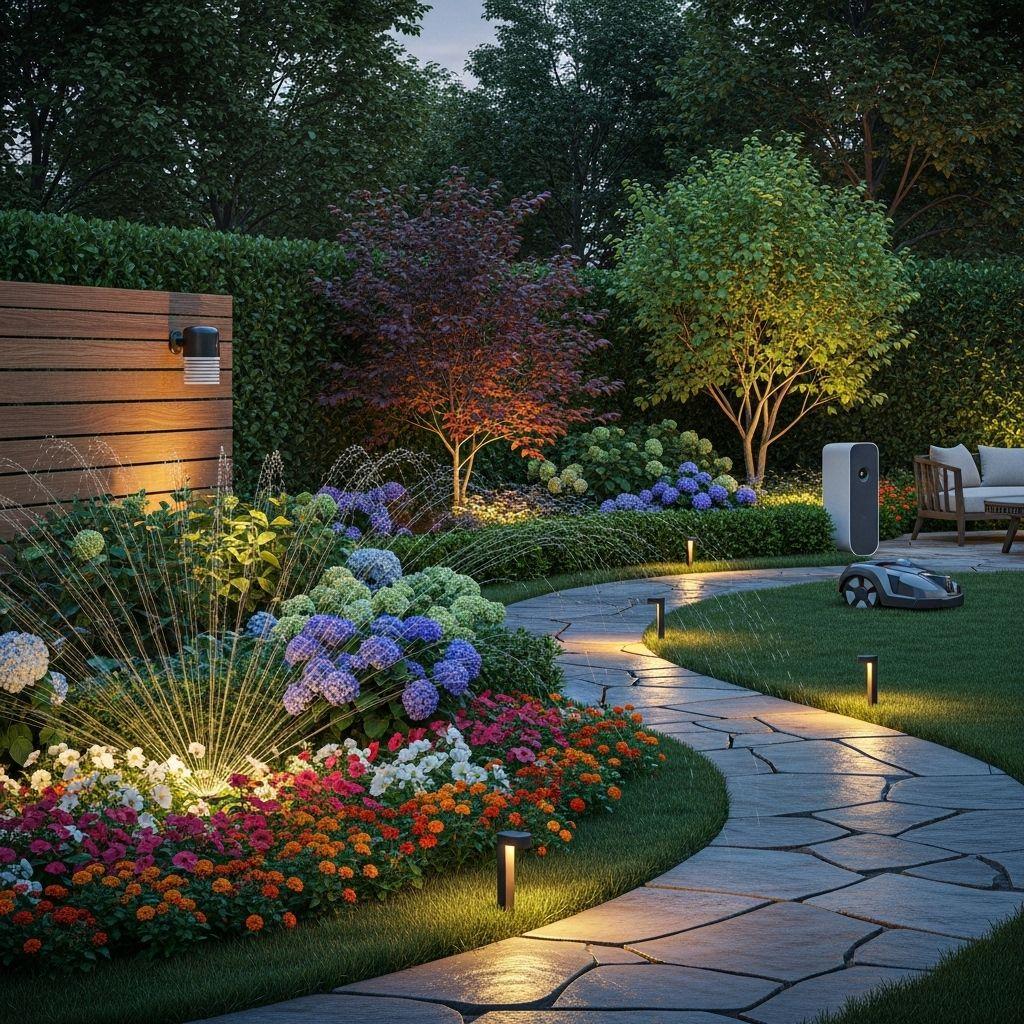
Smart irrigation systems prevent overwatering and respond to actual weather conditions. They check the forecast and skip watering cycles if rain is coming, or adjust based on soil moisture levels. Your garden gets exactly what it needs without wasting water or requiring you to remember to adjust schedules.
Outdoor lighting automation enhances security and ambiance. Motion-activated lights deter unwanted visitors while welcoming you home. Scheduled pathway lighting turns on at sunset and off at sunrise, or you can create custom scenes for outdoor entertaining that transition from bright task lighting to subtle ambient glow as evening progresses.
Smart outdoor cameras designed for weather resistance keep an eye on your property without requiring professional installation. They can distinguish between people, animals, and vehicles, sending relevant alerts rather than notifying you every time a leaf blows by. This makes notifications actually useful instead of annoying.
Weather monitoring stations provide hyperlocal data about your specific property. This information feeds into other smart systems, helping them make better decisions about irrigation, ventilation, and even when to close awnings or retract patio furniture before storms arrive.
11. Energy Monitoring and Management
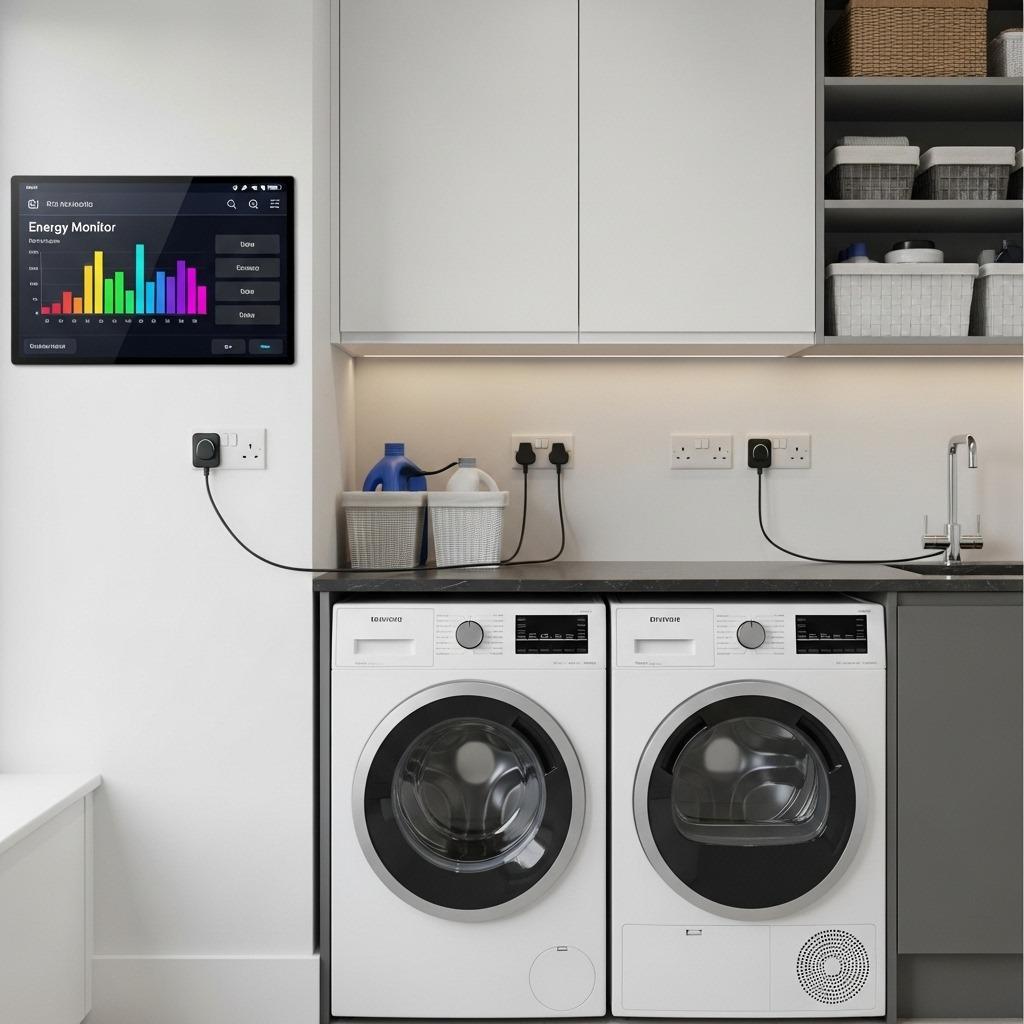
Understanding where your energy goes is the first step to reducing waste. Smart energy monitors track usage by device or area, revealing which appliances are energy hogs. This insight helps you make informed decisions about what to replace or when to run certain appliances for maximum efficiency.
Smart plugs transform regular appliances into connected devices. They can cut power to electronics in standby mode (which still draws power even when “off”), schedule devices to run during off-peak hours when electricity rates are lower, or automatically turn off space heaters and fans when rooms are unoccupied.
Solar panel systems integrate with home automation to maximize self-consumption. Your system can prioritize running major appliances like dishwashers and washing machines during peak solar production hours, reducing the amount of solar energy you export back to the grid and increasing your savings.
Usage reports and recommendations help you spot patterns and opportunities for improvement. Maybe you discover your old refrigerator uses as much energy as your entire home office, making the case for an upgrade. Or you find that phantom loads from devices in standby mode add up to a surprising amount over time.
12. Home Office Automation for Productivity
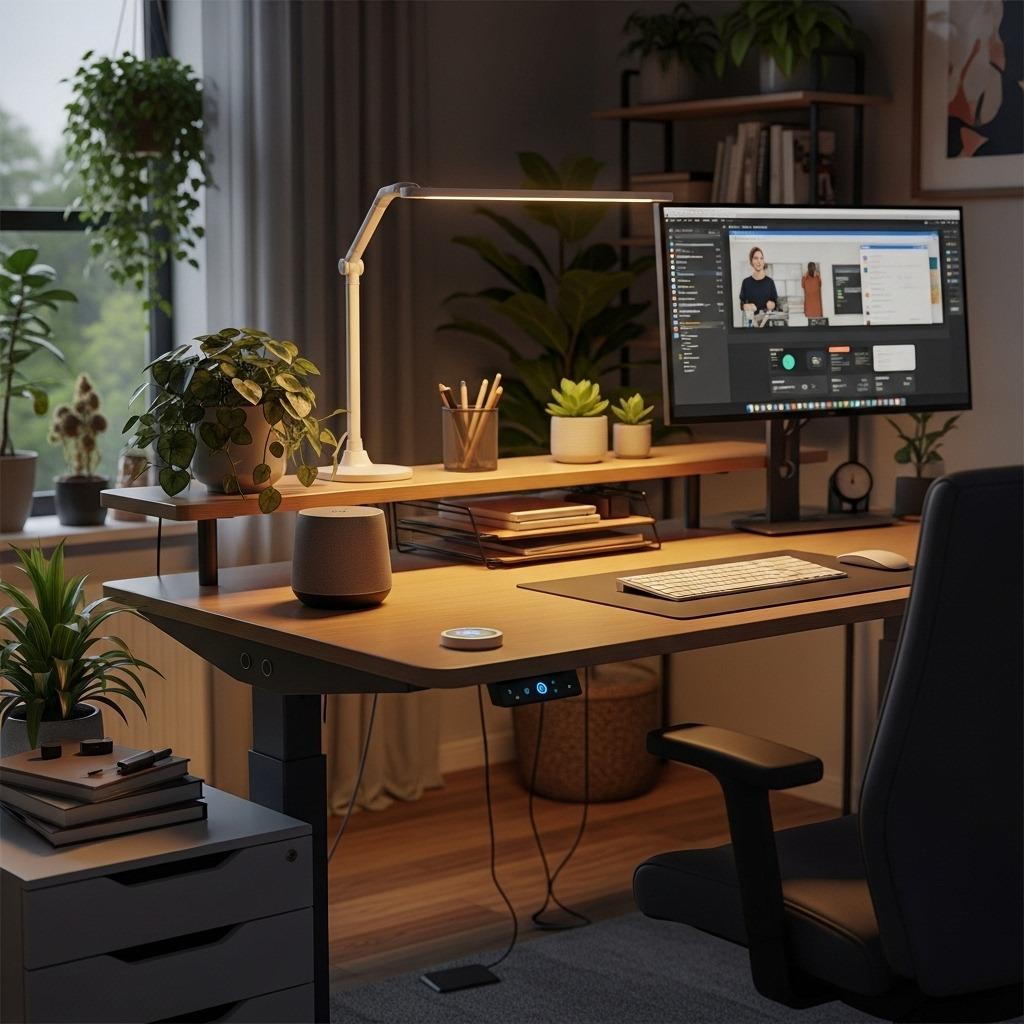
Your work-from-home setup deserves the same automation attention as the rest of your house. Smart lighting adjusts throughout the day to reduce eye strain and maintain alertness, shifting from bright blue-white light during peak work hours to warmer tones as the workday ends.
Automated standing desk reminders keep you from sitting too long. Some desks integrate with fitness trackers or home assistants to prompt you to stand at regular intervals. You can also program preset heights for different tasks – lower for typing, higher for video calls, and so on.
Smart plugs and power strips let you create “work mode” and “off mode” scenes. One command powers up your monitor, desk lamp, and charging devices when you start work, then powers everything down at day’s end. This clear boundary between work and personal time helps maintain work-life balance when your office is also your home.
Climate control specifically for your home office ensures comfortable working conditions without heating or cooling the entire house. Smart vents or a separate zone control system can adjust temperature in your office during work hours and reduce energy use in that room when you’re done for the day.
Starting Your Smart Home Journey Without Overwhelm
You don’t need to automate everything at once. Start with the pain points in your daily routine. Is fumbling for light switches in the dark annoying? Begin with smart lighting. Tired of adjusting the thermostat? A smart thermostat makes an excellent first automation project. Building gradually lets you learn each system properly and understand how you want them to work together.
Compatibility matters more than brand loyalty. Choose devices that work with major platforms like Apple HomeKit, Google Home, or Amazon Alexa. This flexibility lets you mix and match brands while keeping everything accessible through one app or voice assistant. Proprietary systems that only work with their own ecosystem limit your options down the road.
The right automation should feel natural, not like you’re constantly managing technology. If you find yourself fiddling with settings more than enjoying the benefits, something isn’t right. Good home tech automation disappears into the background, making your life easier without requiring constant attention.
Budget realistically for expansion. Maybe you start with $200 for smart bulbs and a basic hub. Within a year, you might add another $500 for climate control and security. This gradual investment spreads costs and gives you time to evaluate what actually improves your daily life versus what’s just flashy but ultimately unused.
Home tech automation works best when it serves your lifestyle rather than dictating it. The goal isn’t to create a home that requires an engineering degree to operate – it’s about removing friction from your daily routines and giving you back time and mental energy for things that matter more than adjusting thermostats and remembering to turn off lights. Start small, focus on solving real problems, and build a system that genuinely makes your life better.

