Small bathrooms don’t have to feel cramped or outdated. A well-designed walk in shower can actually make your compact space feel larger, brighter, and more luxurious than you’d expect. The secret lies in smart design choices that maximize every inch without sacrificing style.
If you’re staring at your tiny bathroom wondering how to fit a shower that doesn’t feel like a phone booth, you’re in the right place. These ideas prove that limited square footage doesn’t mean limited possibilities. From clever glass tricks to strategic tile placement, we’re covering the solutions that actually work in real small bathrooms.
Whether you’re planning a complete renovation or just dreaming about one, these space-saving strategies will help you create a shower area that feels open, modern, and surprisingly spacious. Let’s explore how compact shower design can transform your bathroom from cramped to comfortable.
1. Frameless Glass Doors for Maximum Opennes
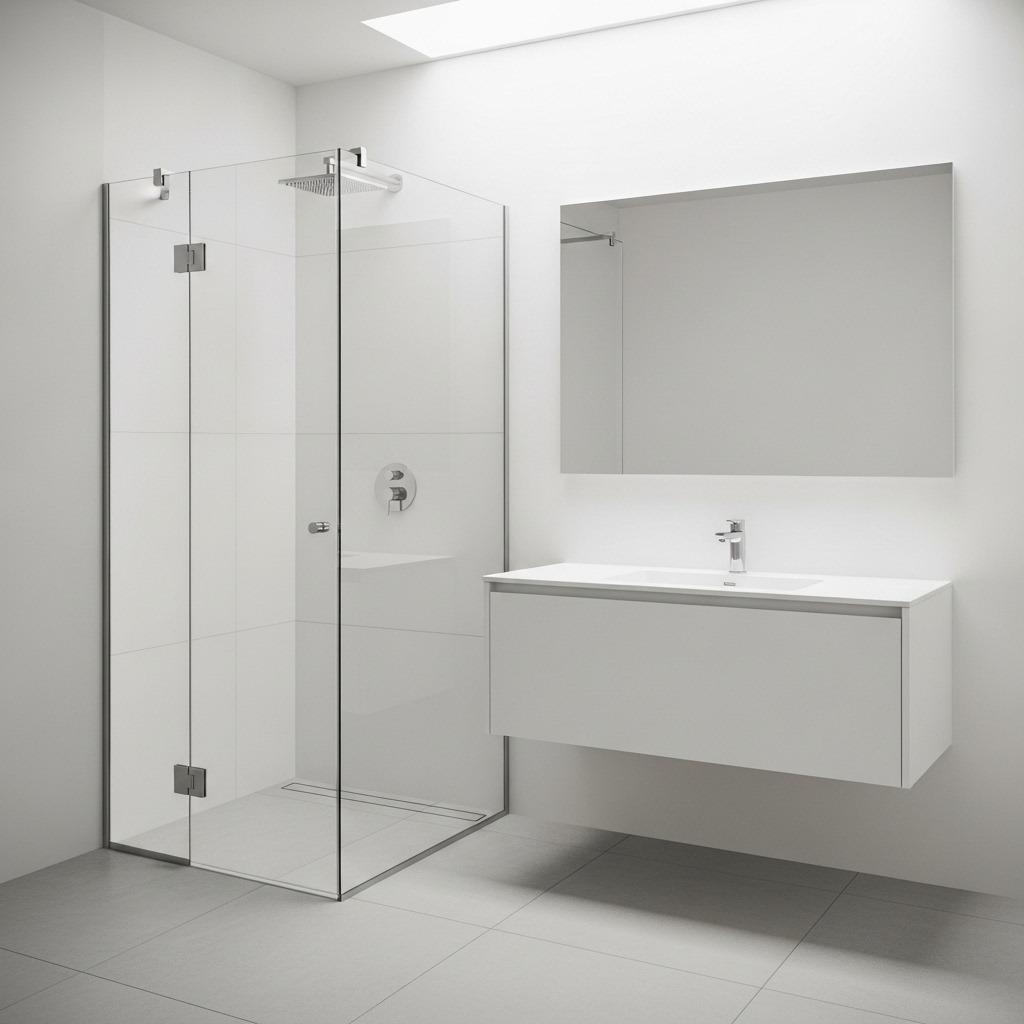
Frameless glass is the ultimate game-changer for small bathrooms. Without bulky frames breaking up the visual space, your eye travels freely across the entire room. This creates an optical illusion that can make even the tiniest bathroom feel surprisingly open.
The beauty of frameless glass lies in its simplicity. There are no metal tracks collecting soap scum or creating visual barriers. Just clean, uninterrupted transparency that lets light flow through your entire bathroom. If you’re working on a small bathroom renovation, this should be at the top of your list.
Installation does require precision and professional help, but the investment pays off in how much larger your space will feel. The sleek hardware is minimal and modern, keeping the focus on your beautiful tile work and fixtures rather than chunky shower door frames.
2. Corner Shower Installations
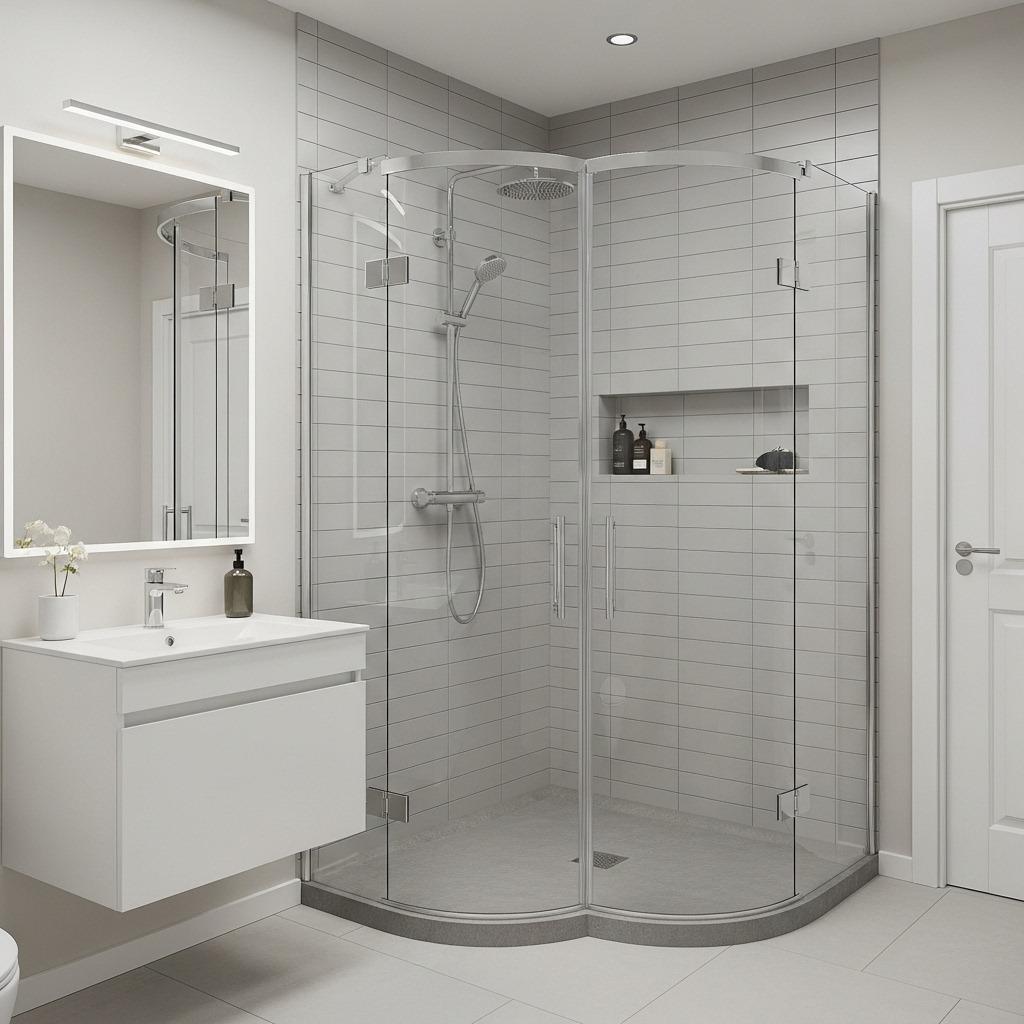
Corners are often the most underutilized real estate in small bathrooms. A corner walk in shower small bathroom setup tucks your shower into that awkward angle, freeing up valuable floor space in the center where you actually need it. This layout works especially well in bathrooms with an unusual shape.
The key is choosing the right door configuration. Sliding doors or a single swinging door that opens outward can prevent that claustrophobic feeling. Some corner designs include a built-in bench, which sounds counterintuitive in a small space but actually provides essential function without taking up additional room.
Don’t think of corner showers as compromise solutions. With the right tile treatment and lighting, they become design features that make your bathroom feel intentionally laid out rather than squeezed in. The diagonal angle can even create interesting visual lines that draw the eye upward.
3. Curbless Walk-In Designs
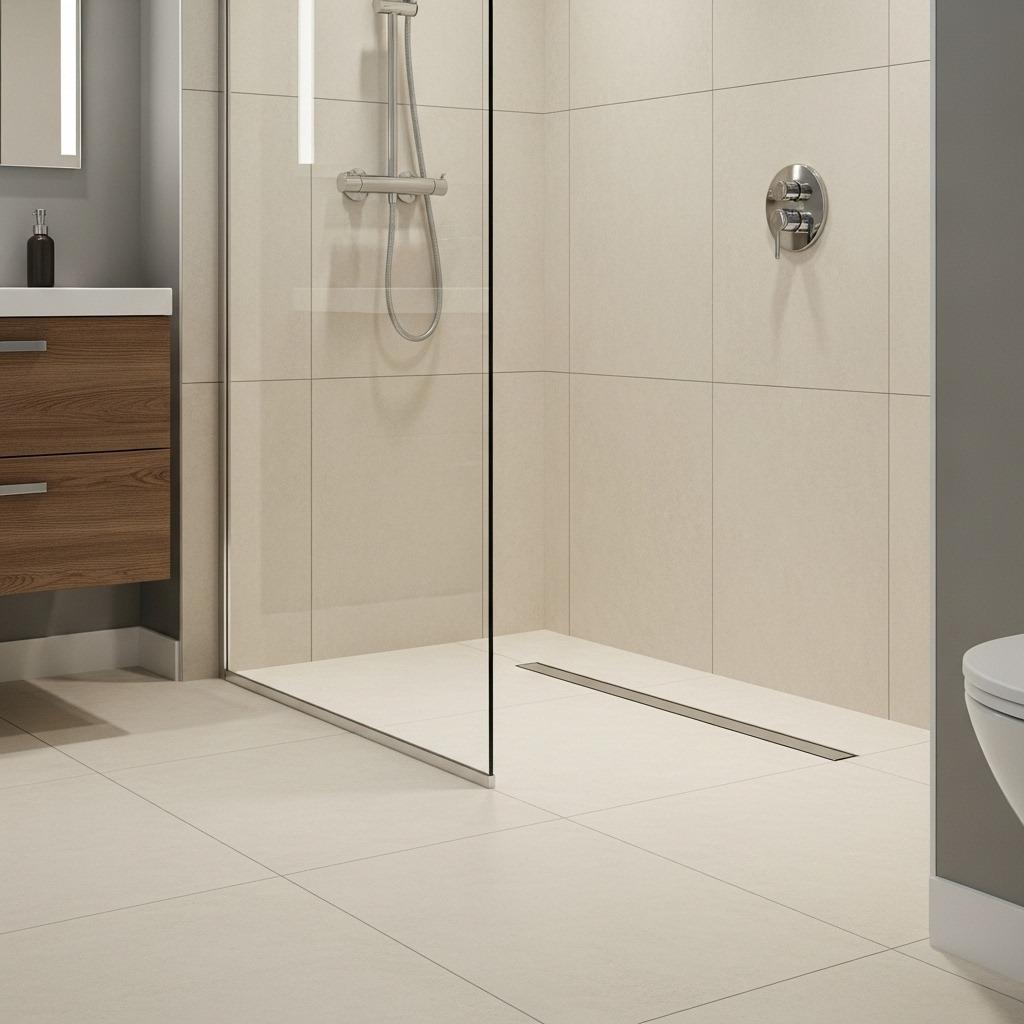
Removing that step-over threshold might seem risky, but a curbless shower is one of the smartest moves for compact spaces. The continuous floor makes your bathroom appear significantly larger because there’s no visual break stopping your eye. It’s the same principle that makes open-concept spaces feel expansive.
This design requires careful waterproofing and proper floor sloping, so it’s not exactly a DIY weekend project. Your contractor needs to create a subtle slope toward the drain that’s effective but not noticeable. When done right, water stays where it should without any barriers needed.
Accessibility is a bonus benefit that’s easy to overlook when you’re young and mobile. But a curbless design means your bathroom stays functional for decades, whether someone’s recovering from knee surgery or you’re aging in place. For more accessible bathroom ideas, this foundation opens up many possibilities.
4. Strategic Tile Patterns
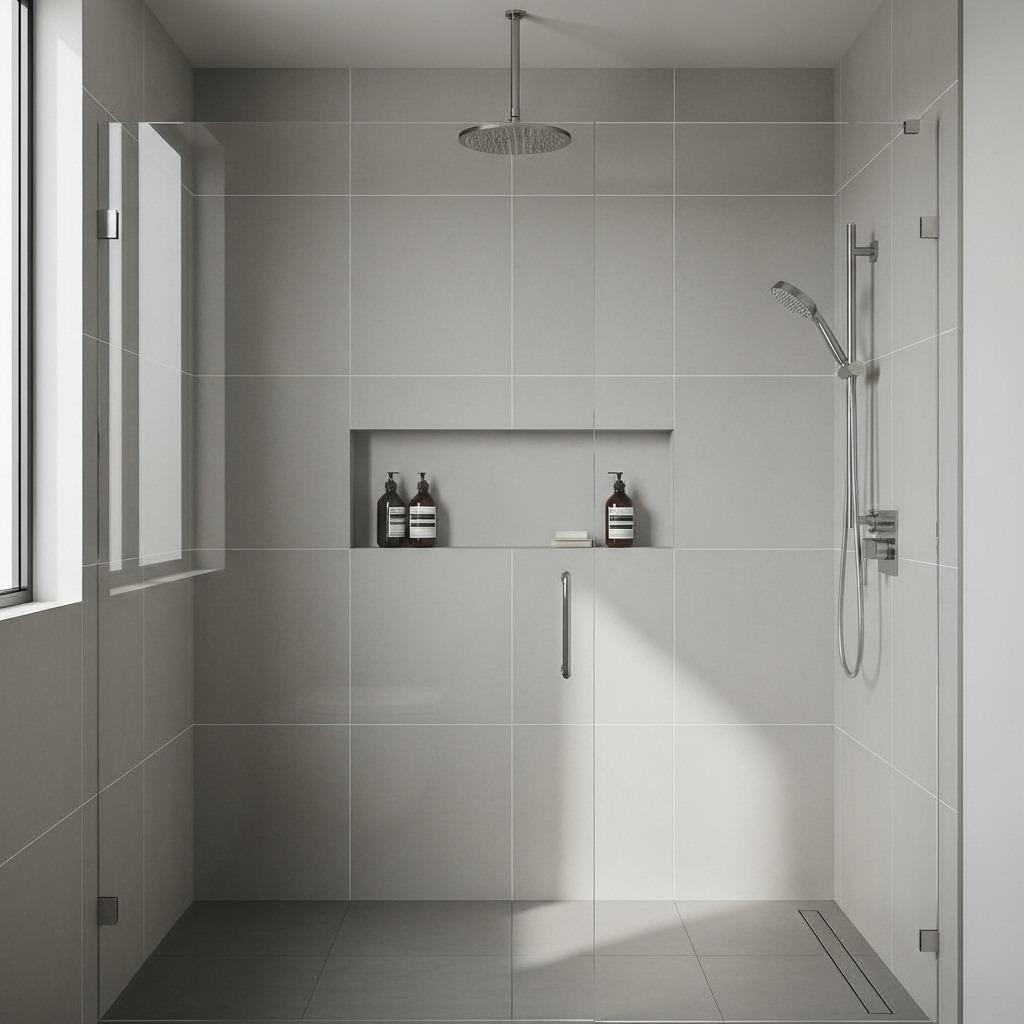
Tile selection dramatically impacts how spacious your shower feels. Large-format tiles with fewer grout lines create a cleaner, more expansive look than small mosaics. But here’s where it gets interesting – the direction you lay those tiles matters just as much as their size.
Vertical tile patterns draw the eye upward, making low ceilings feel taller. Horizontal patterns can make narrow showers feel wider. Some designers even run tiles diagonally for a dynamic effect that distracts from a small footprint. If you’re exploring modern bathroom tile options, think about how pattern direction serves your specific space constraints.
Light colors remain the go-to for small spaces, but don’t feel locked into stark white. Soft grays, warm beiges, and even light blues can create that airy feeling while adding personality. The goal is reflecting light and maintaining visual continuity, not sterility.
5. Glass Tips for Brightness
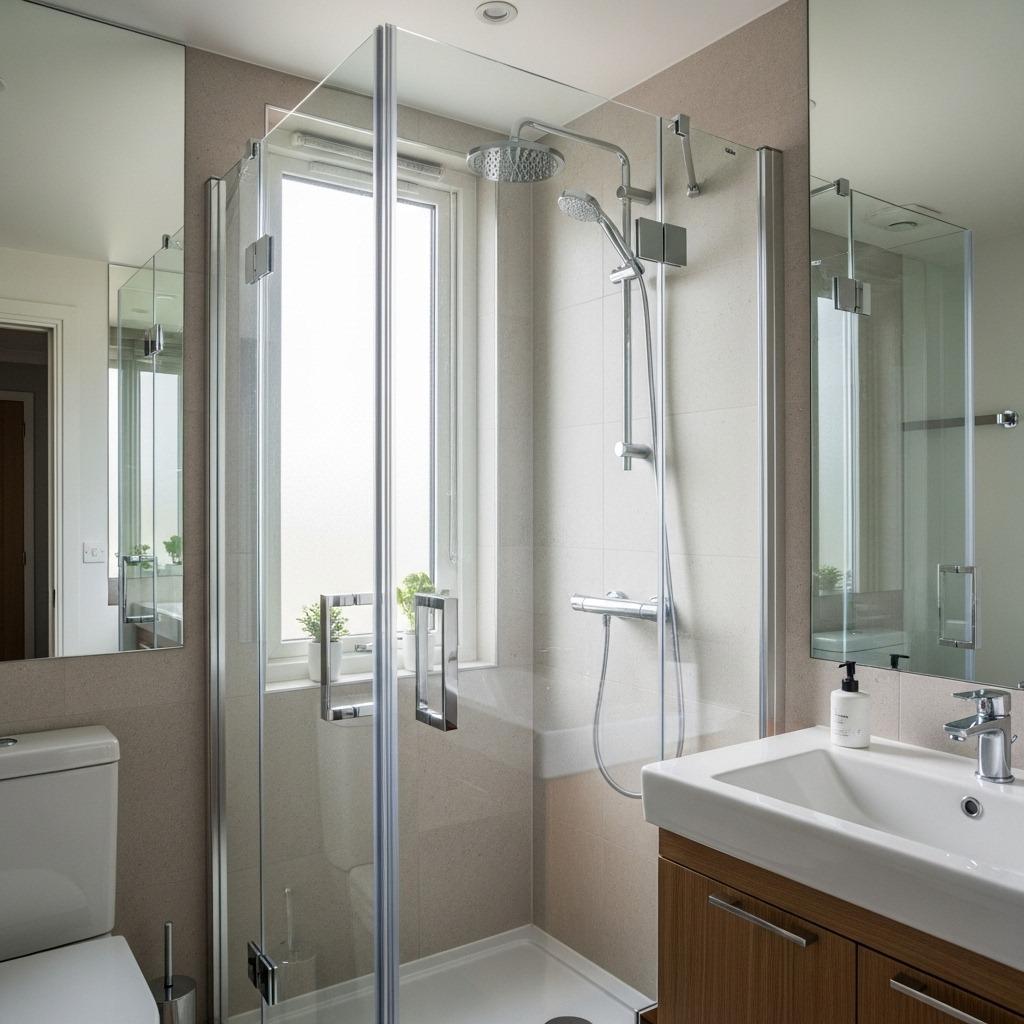
The type of glass you choose affects more than just privacy. Clear glass maximizes light flow and openness, but it also shows every water spot. Frosted or textured glass offers privacy while still allowing light transmission, though it does create more of a visual boundary.
Placement matters enormously for shower glass tips. If your shower sits near a window, clear glass lets that natural light illuminate your entire bathroom rather than being trapped in the shower. Even if the window is small, that borrowed light makes a noticeable difference in how spacious the room feels.
Consider treating glass with a protective coating that repels water and soap residue. These coatings aren’t just about maintenance – they keep your glass clearer longer, which maintains that open, bright feeling. Some people skip this thinking it’s an unnecessary expense, but in a small space where every surface impacts the overall feel, it’s worth considering.
6. Recessed Storage Niches
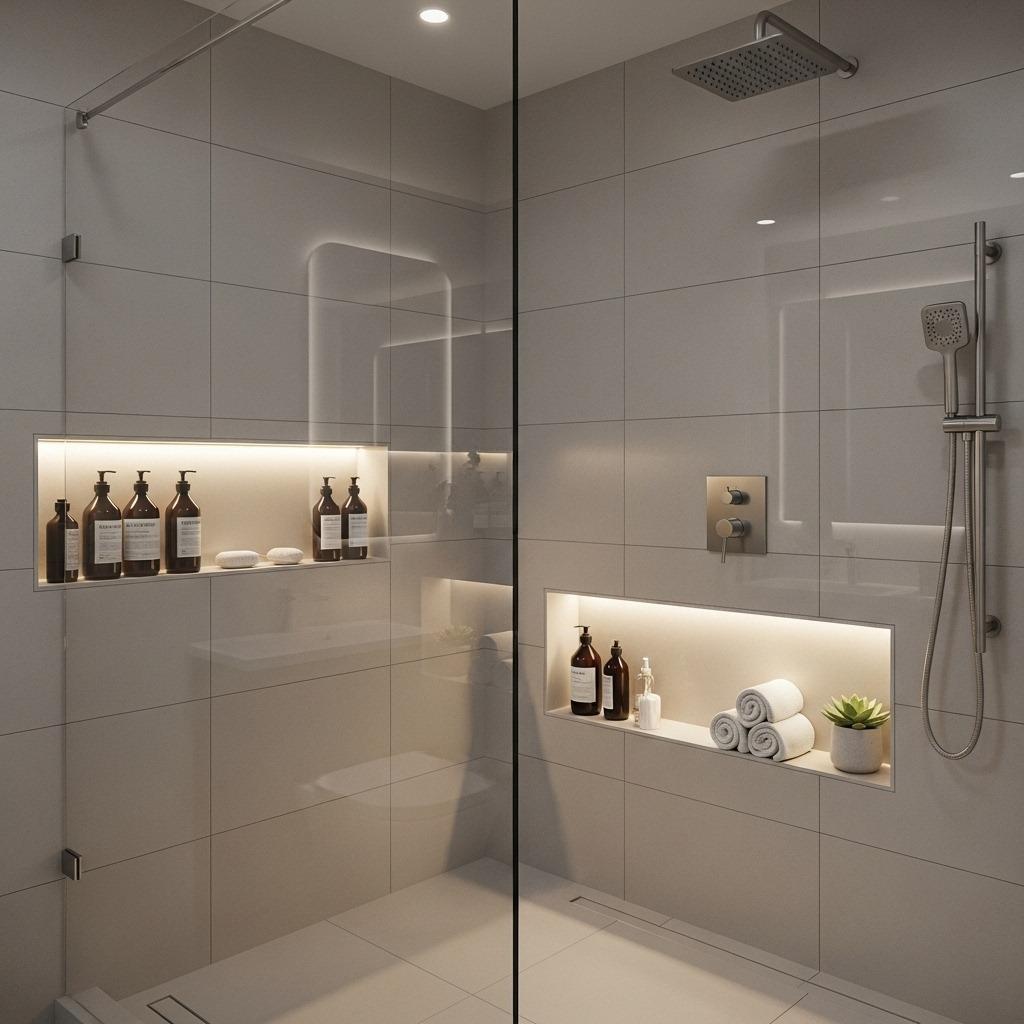
Wall-mounted caddies and shower organizers hanging from the showerhead are visual clutter that makes small showers feel smaller. Recessed niches solve storage without stealing precious inches from your shower footprint. They become part of the wall rather than additions to it.
Planning niches during construction or renovation is essential. You need to work around plumbing and studs, and proper waterproofing is critical. But the result is storage that feels luxurious rather than makeshift. Most people find that one large horizontal niche works better than multiple small ones in a compact shower design.
Finishing niches with accent tile or the same tile as your walls creates different effects. Matching tile maintains that seamless look, while accent tile adds a design element that can actually distract from size limitations. For more clever smart bathroom storage ideas, recessed niches are just the beginning.
7. Linear Drain Placement
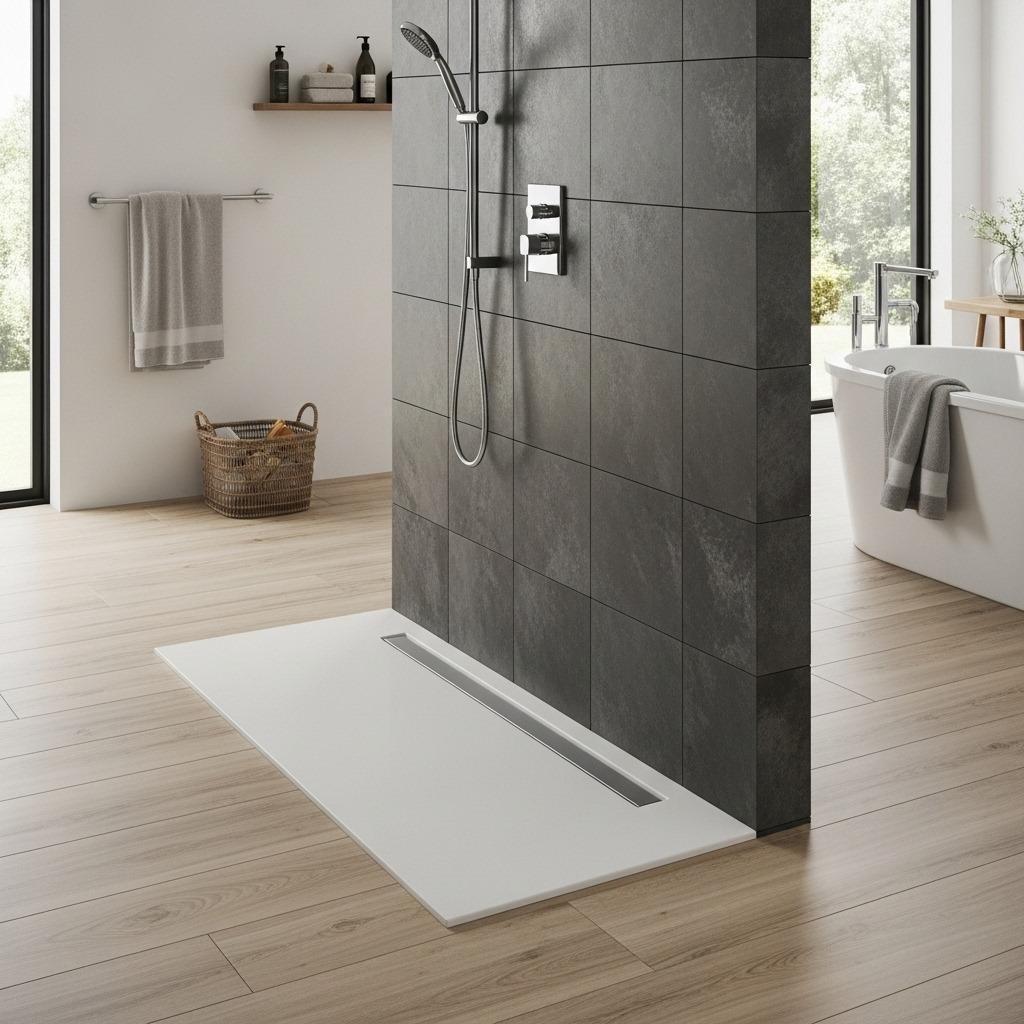
Traditional center drains force water to slope from all directions, which can create an uneven feeling underfoot and limit where you can stand comfortably. Linear drains allow for a single-slope floor that feels more spacious and intentional. The drain itself becomes a design element rather than something you’re trying to hide.
Positioning matters for both function and aesthetics. A linear drain along the back wall or at the shower entrance creates different visual effects. Back wall placement emphasizes depth, while entrance placement can help contain water. Some designers are even using linear drains as a threshold substitute in nearly-curbless designs.
The slim profile takes up less visual space than traditional round drains, and many come with decorative covers that coordinate with your fixtures. It’s a small detail that contributes to that cohesive, modern small bath look that makes compact spaces feel intentionally designed.
8. Vertical Storage Solutions
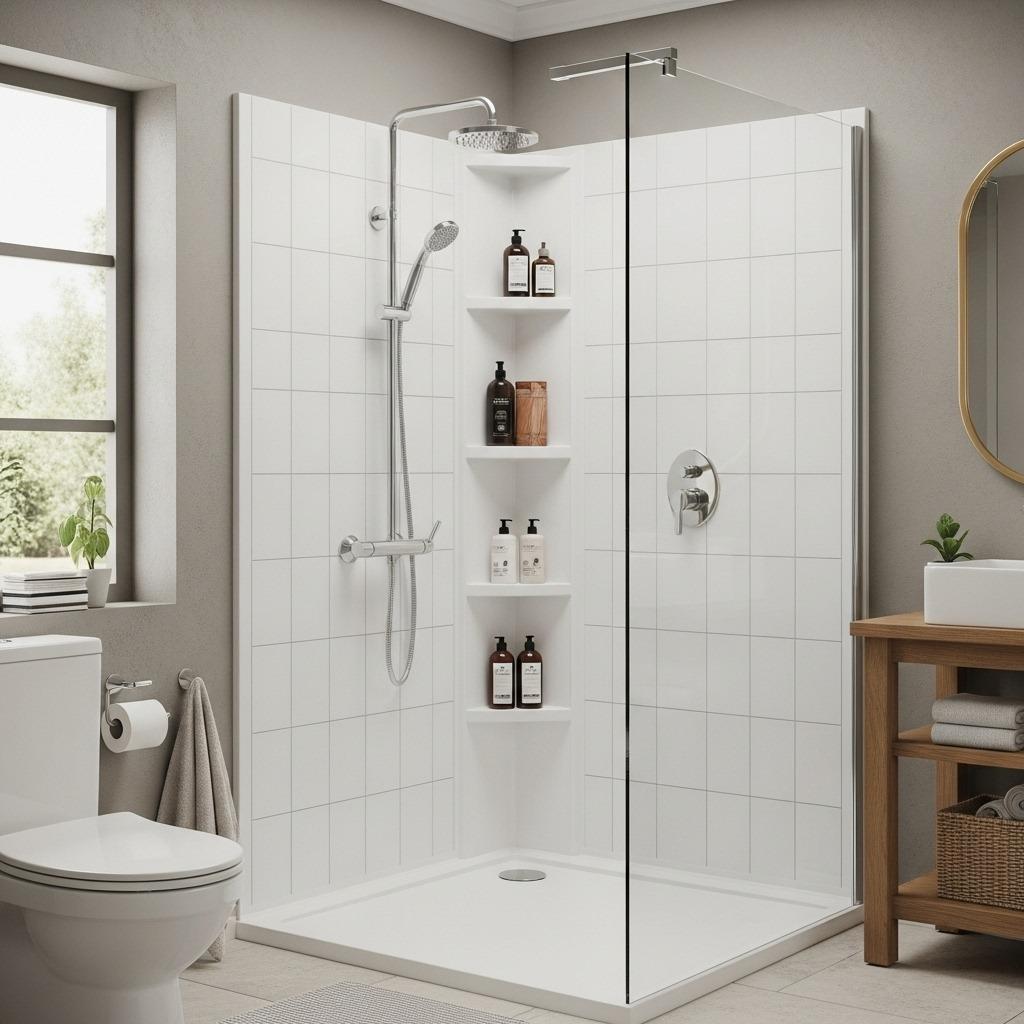
When floor space is limited, building upward is your best strategy. Tall, narrow storage takes advantage of height that’s otherwise wasted. A vertical tower of niches or a slim built-in shelf system provides surprising storage capacity without making the shower feel crowded.
The trick is keeping these vertical elements slim – usually no more than 4-6 inches deep. Any deeper and you’re stealing shower space. Any shallower and bottles won’t fit securely. Getting this dimension right makes the difference between useful storage and a design misstep.
Open shelving works well if you’re neat and want easy access to everything. Partially enclosed options can hide products you’d rather not display while showcasing nice bottles or decorative elements. Either way, vertical storage draws the eye up, which is exactly what you want in a compact shower design.
9. Minimalist Fixtures

Bulky showerheads and multiple control valves eat up wall space and create visual clutter. Minimalist fixtures with clean lines and slim profiles maintain function while taking up less physical and visual space. The modern trend toward wall-mounted everything works perfectly in small bathrooms.
A single-handle mixing valve eliminates the need for multiple knobs. A slim rainfall showerhead mounted flush to the ceiling opens up wall space. Even the hand shower holder can be integrated rather than bulky. Each small choice adds up to significantly more breathing room.
Finish selection affects perceived size too. Matte black or brushed nickel fixtures create defined lines against light tiles, while chrome reflects light and blends more seamlessly. Neither is wrong, but consider what effect you’re after. For inspiration on fixture choices, check out this spa-inspired bathroom guide that shows how hardware impacts the overall feel.
10. Continuous Flooring
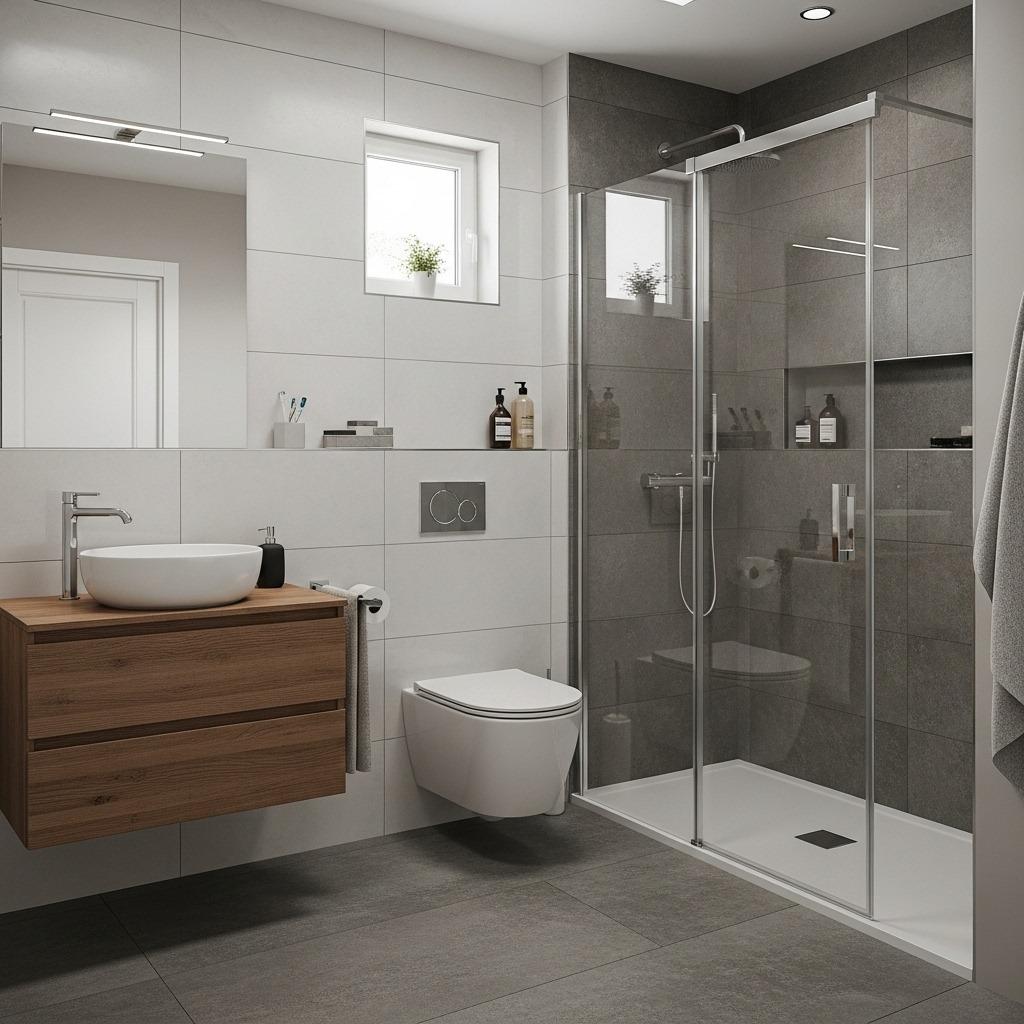
When your shower floor matches the bathroom floor, the entire space reads as one cohesive area rather than separate zones. This visual trick is remarkably effective at making small bathrooms feel more spacious. The eye doesn’t stop at a border or different material – it keeps traveling.
This approach works especially well with curbless showers but can be adapted to low-profile curbs too. The key is using the same tile size, color, and pattern throughout. Even the grout color should match. Any variation breaks the illusion.
Practicality matters here. Your shower floor tile needs proper texture to prevent slipping when wet, so you might need a different finish than your main bathroom floor even if it’s the same tile. Matte or textured finishes in the wet area with polished tiles outside maintains safety while preserving the visual continuity.
11. Built-In Bench Seating
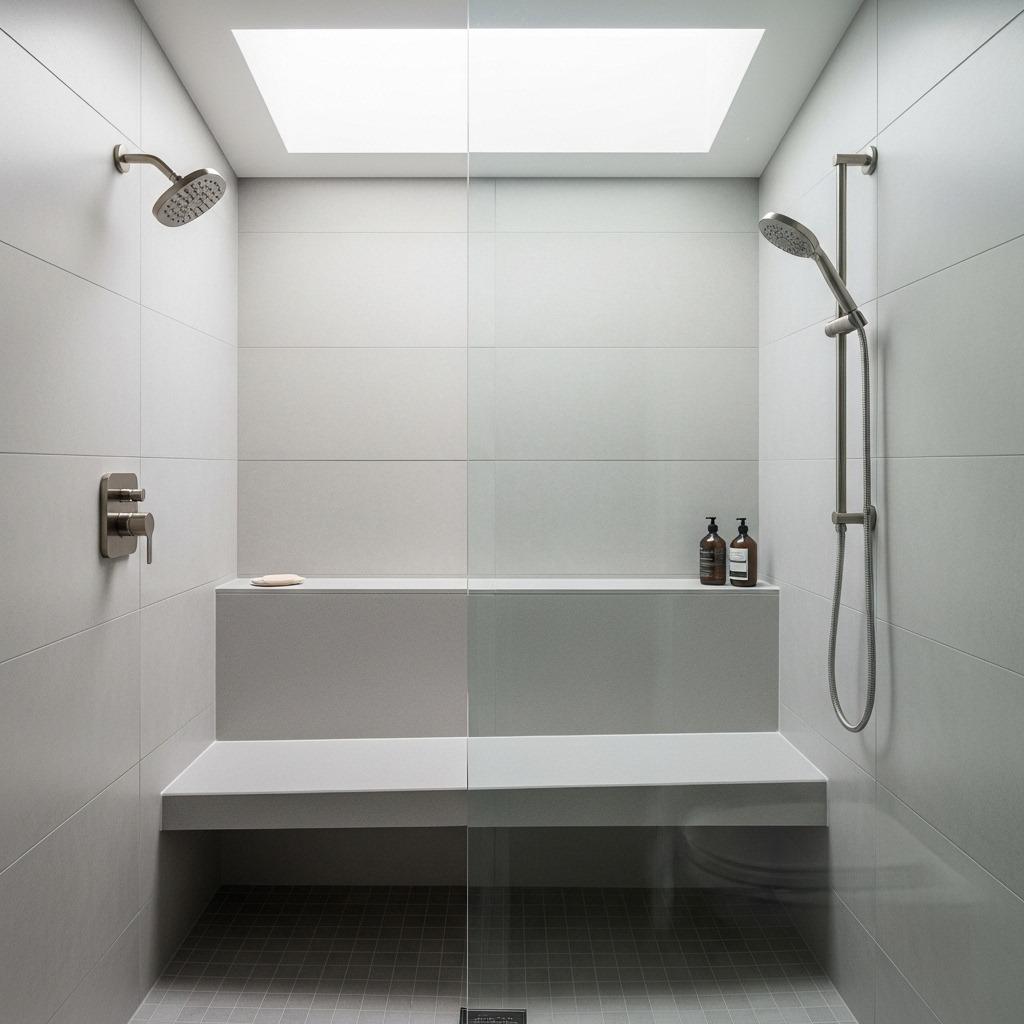
A built-in bench seems counterintuitive in a walk in shower small bathroom, but it serves multiple purposes beyond sitting. It’s a convenient ledge for shaving legs, a safe spot if you feel dizzy, and a place to set products during your shower. The trick is keeping it compact and intentional.
Floating benches attached to one wall take up less visual space than full corner benches. Keeping them slim – around 12-15 inches deep – provides adequate function without overwhelming the shower. The material should match your tile or complement it, not introduce another visual element competing for attention.
Position matters significantly. A bench along the back wall provides seating without blocking the spray. A side wall bench works if your shower is wide enough. Some people even incorporate the bench into their niche wall for a cohesive design element that serves double duty.
12. Skylight or Window Integration
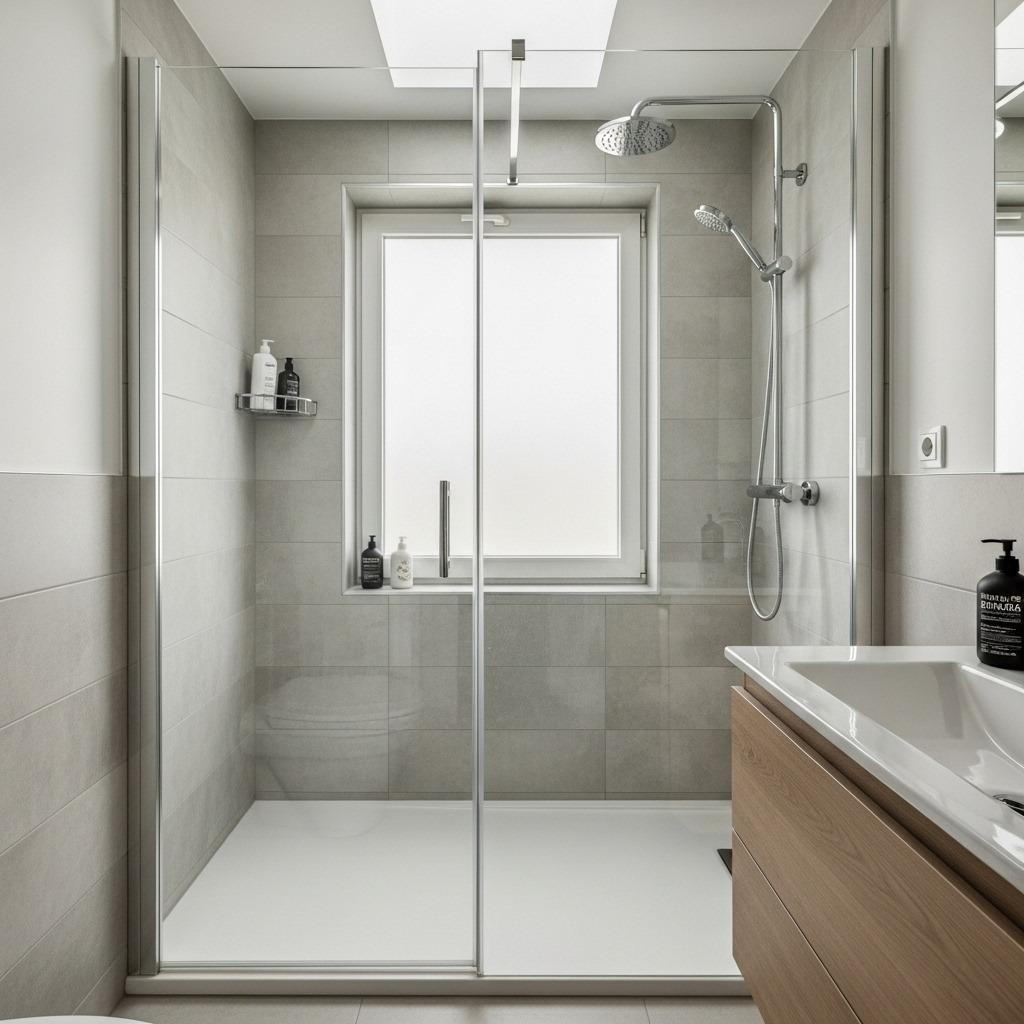
Natural light is the ultimate space expander. A window or skylight in or near your shower transforms the entire bathroom experience. Even a small window makes a dramatic difference in how open and pleasant your shower feels. The psychological impact of natural light shouldn’t be underestimated.
Privacy concerns are valid but solvable. Frosted glass, textured glass, or strategic placement high on the wall allows light while maintaining privacy. Some people worry about water damage, but proper installation with waterproof materials around windows eliminates this concern.
If adding a window isn’t possible, consider a solatube or light tunnel. These small fixtures channel natural light from your roof down into interior spaces. They’re particularly useful for bathrooms that don’t have exterior walls. The effect isn’t identical to a window, but it’s remarkably close.
13. Monochromatic Color Schemes
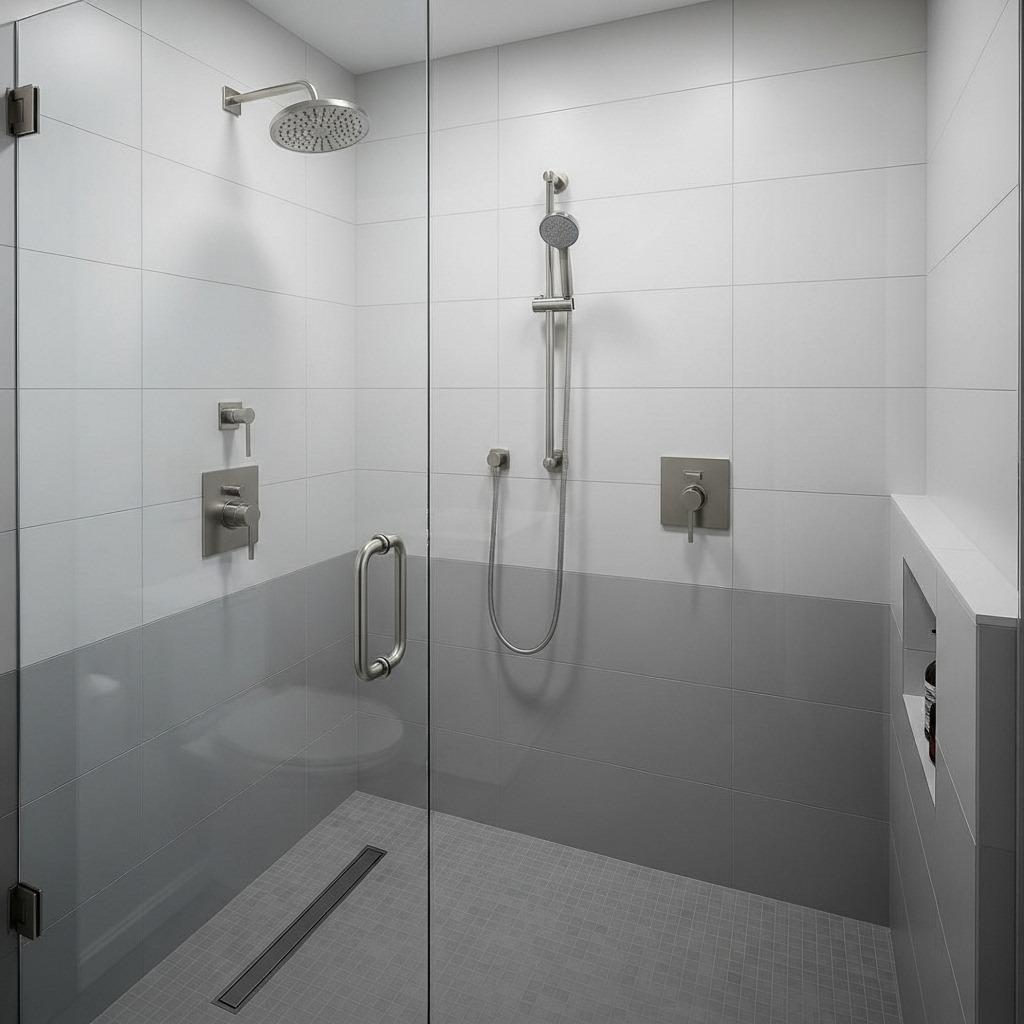
Color variation creates visual breaks that make spaces feel smaller. A monochromatic palette in your walk in shower small bathroom keeps everything flowing together. This doesn’t mean boring – you can create depth and interest through texture, pattern, and varying shades of the same color family.
Light monochromatic schemes feel the most spacious, but don’t rule out deeper tones if that’s your style. A navy or charcoal bathroom can feel cozy rather than cramped if you commit fully to the color. The key is consistency. Mixing too many colors fragments the space visually.
Consider how your grout color fits into this scheme. Matching grout to tile creates seamless walls. Contrasting grout adds definition and pattern. Both can work, but the effect is different. For a cohesive look throughout your home, this minimalist bathroom design approach shows how restraint creates impact.
14. Pocket Doors or Sliding Glass
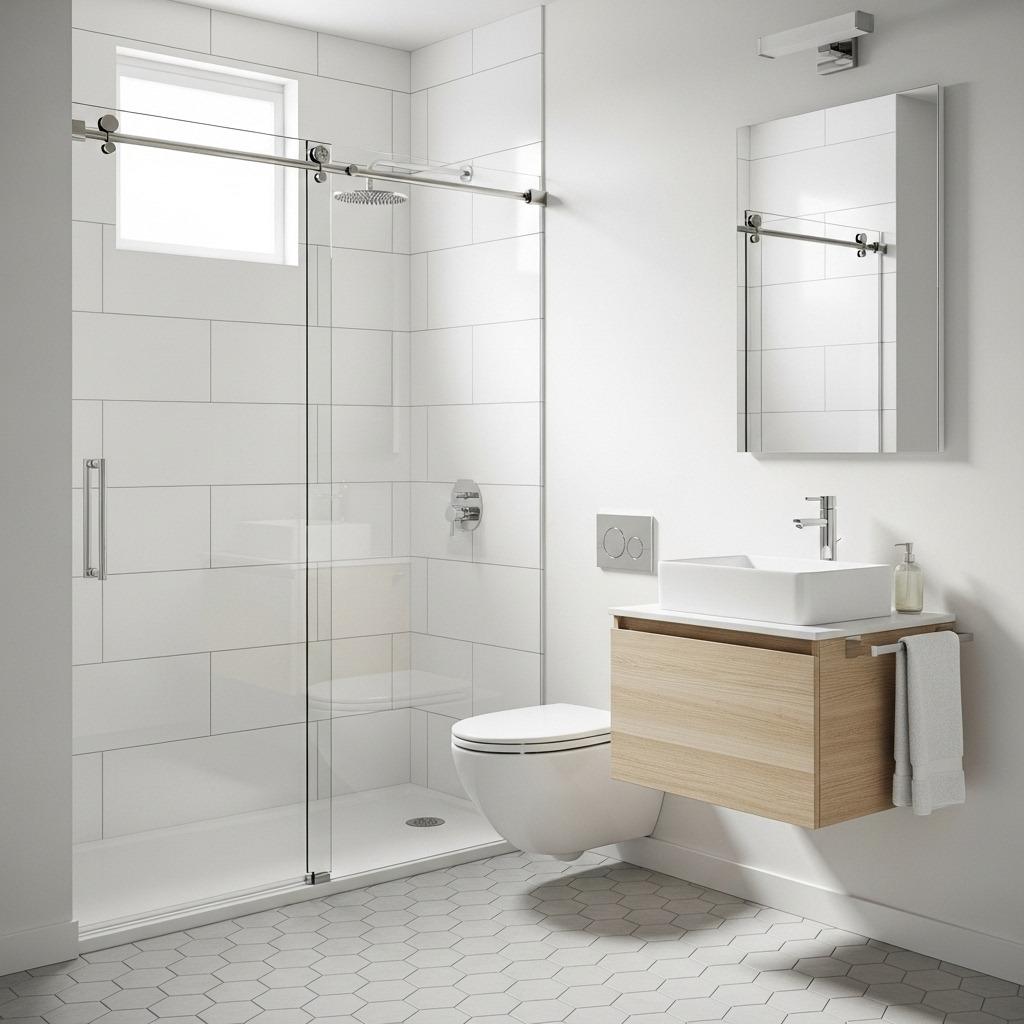
Swinging doors require clearance space that small bathrooms often can’t spare. Sliding doors or pocket doors eliminate this problem entirely. You get full access to your shower without needing to keep a large area clear for door swing.
Sliding glass doors on the outside of your shower work well for most installations. Pocket doors that disappear into the wall are more complex and expensive but create the most seamless look. The right choice depends on your wall construction and budget.
Hardware quality matters tremendously with sliding mechanisms. Cheap rollers stick and become frustrating quickly. Invest in quality sliding systems – they’ll operate smoothly for years and maintain that effortless feel that makes small spaces more pleasant to use. Poor hardware turns a good design into a daily annoyance.
15. Proper Lighting Design
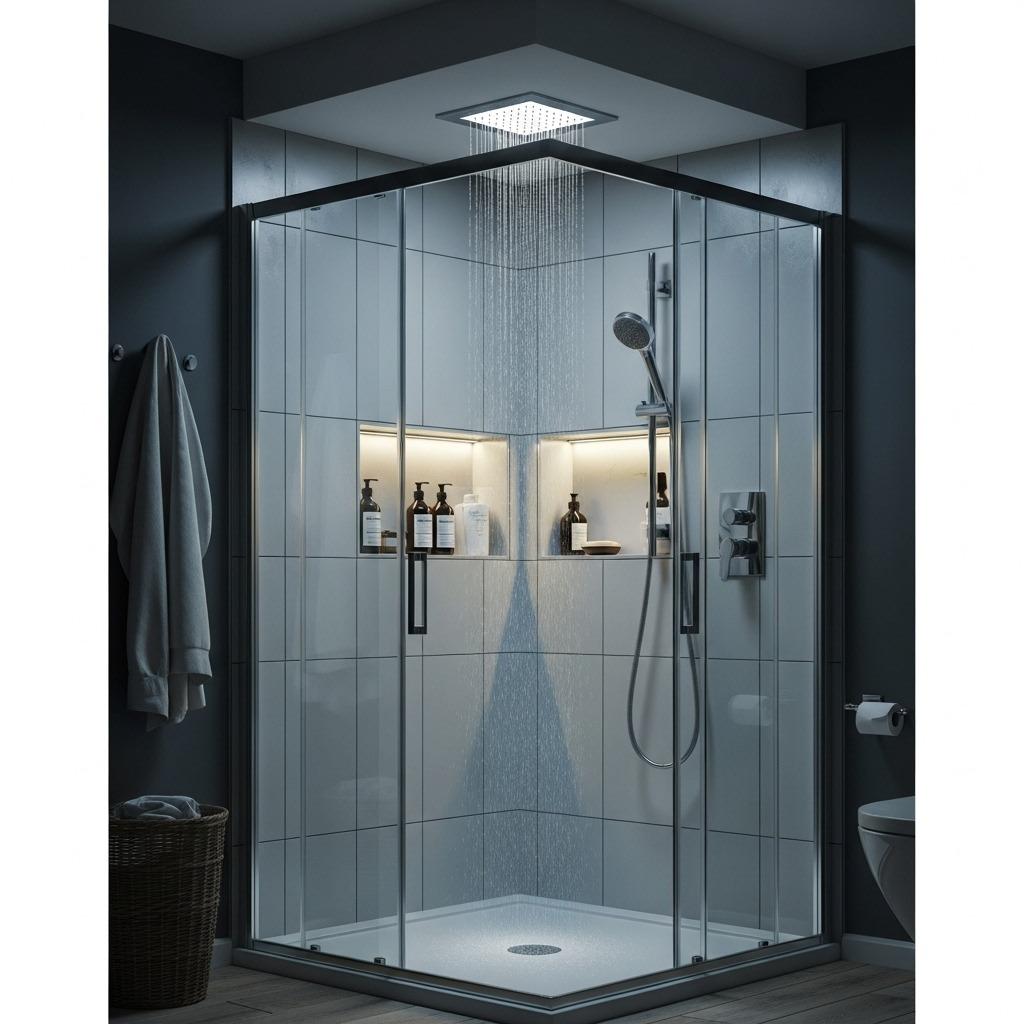
Lighting dramatically affects how spacious your shower feels. A single overhead light creates shadows and makes small spaces feel even more confined. Multiple light sources at different heights create dimension and openness. This is one area where spending a bit more makes a significant difference.
Waterproof recessed lights in the ceiling provide general illumination. LED strips in niches or under a bench add ambient glow. Some people even install lights in the shower floor for a spa-like effect. Each layer of light reduces shadows and makes the space feel more expansive.
Color temperature matters too. Cool white light (4000-5000K) feels crisp and clean but can be harsh. Warm white (2700-3000K) is softer but might feel dim. Many modern LED systems let you adjust color temperature, which is ideal. You can have bright, cool light for morning showers and warm, relaxing light in the evening.
16. Partial Glass Walls
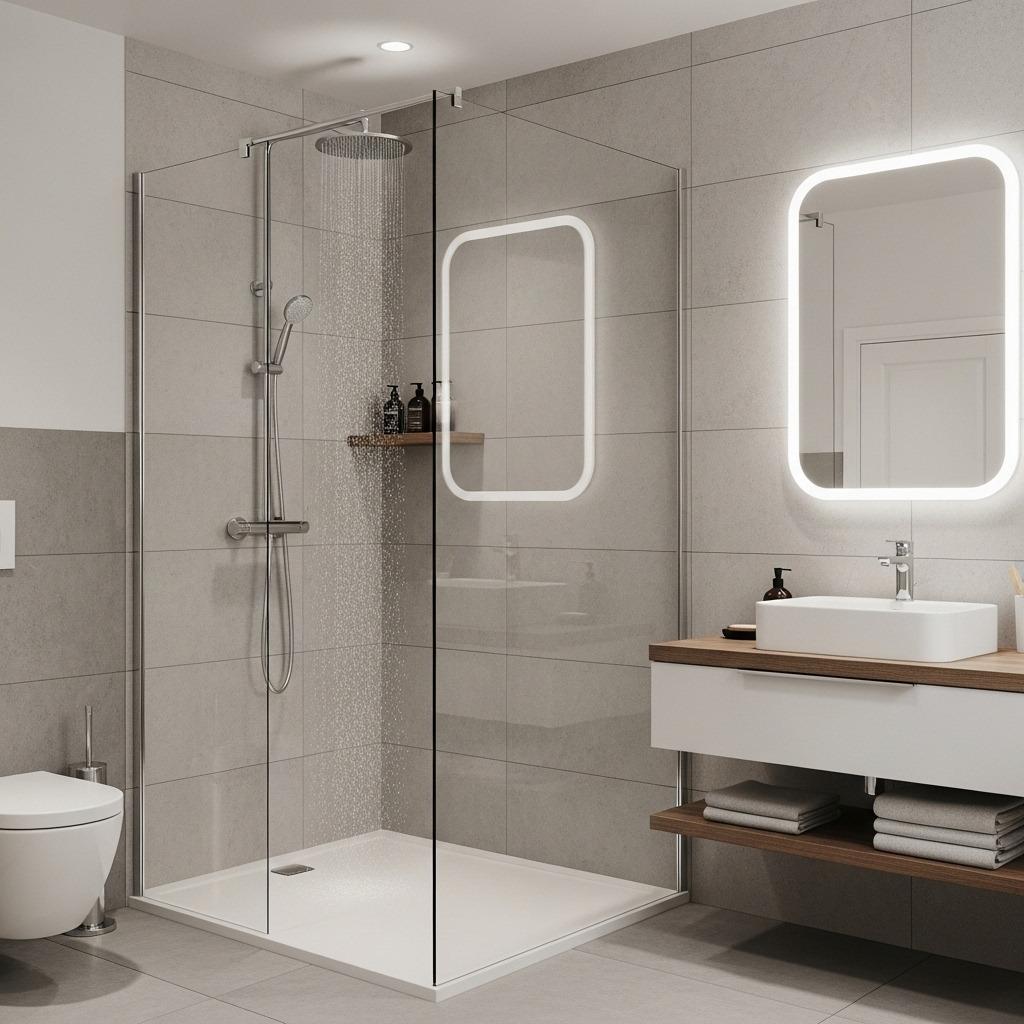
Not every wall in your shower needs to be fully enclosed. A partial glass wall or panel that extends just far enough to contain spray can make your shower feel more open than a fully enclosed box. This works especially well when your toilet or vanity is positioned away from the shower.
The key is understanding water spray patterns. Your showerhead and body determine how much coverage you need. Most installations can work with a glass panel that’s 36-48 inches wide, leaving one side completely open. Test spray patterns if possible before finalizing your design.
This approach creates a more spa-like, open feeling that’s particularly effective in modern small bath designs. It’s not right for every bathroom layout, but when it works, it dramatically reduces that closed-in feeling without sacrificing function. Just be prepared to wipe down your bathroom floor more often.
17. Wall-Mounted Everything
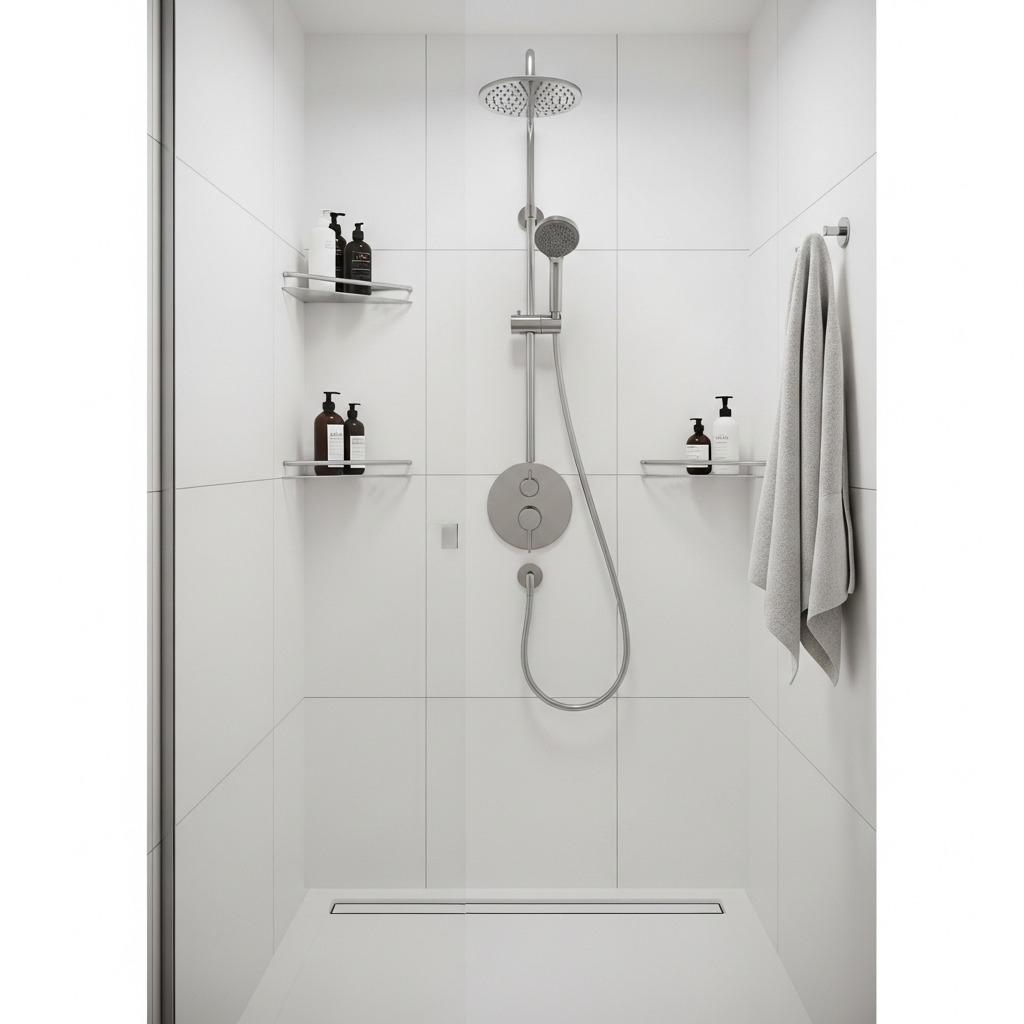
Anything sitting on your shower floor makes the space feel smaller. Wall-mounting everything – from fixtures to soap dishes to even a fold-down seat – keeps the floor clear and creates visual spaciousness. This approach also makes cleaning significantly easier, which is a practical bonus.
Modern plumbing allows for nearly everything to be wall-mounted. Your shower valve, showerhead, hand shower holder, and any shelving can attach to walls without visible plumbing. The clean floor makes your compact shower design feel more intentional and less cluttered.
Plan this during renovation rather than trying to retrofit later. Proper backing in walls supports the weight of fixtures and prevents problems down the line. If you’re working on a complete small space renovation, coordinate with your contractor early about where you want mounting points.
18. Mirror Placement Outside Shower
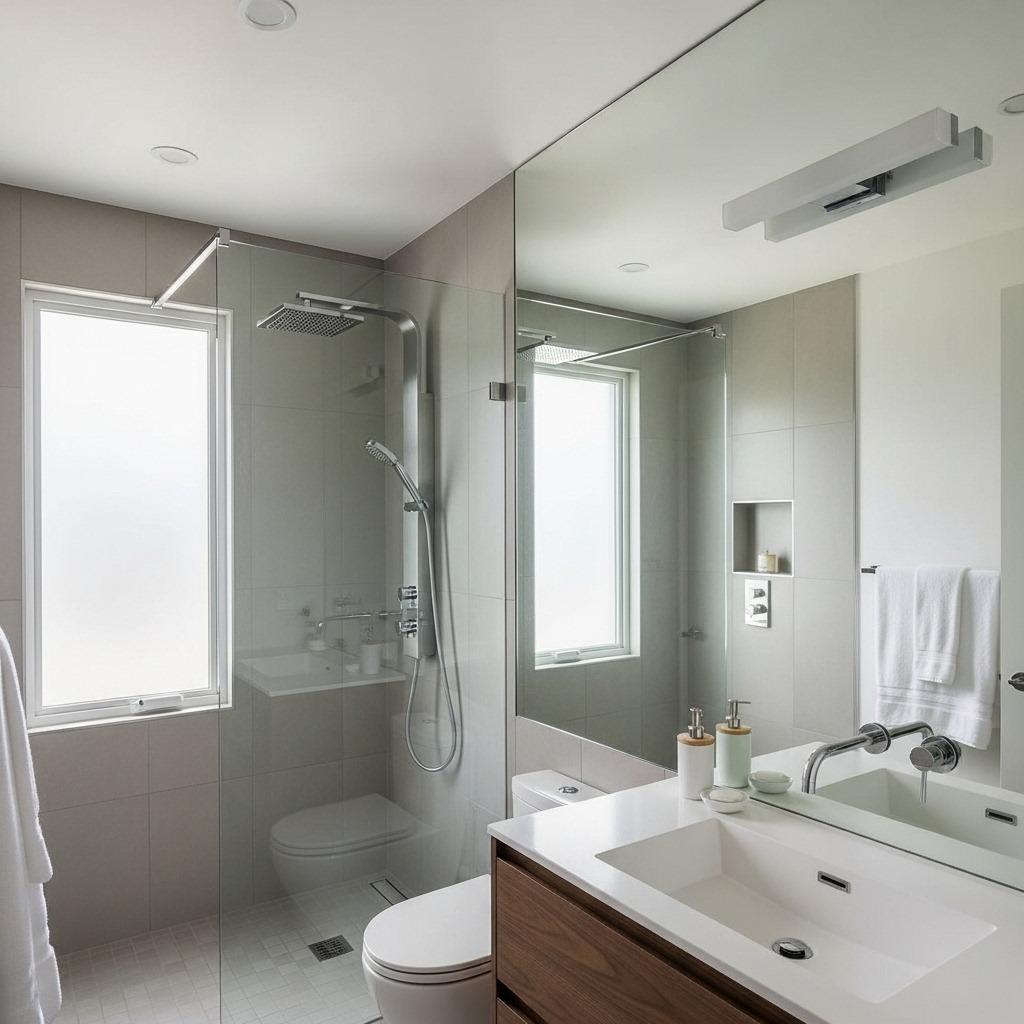
Mirrors don’t go in showers, obviously, but where you place them outside the shower affects how spacious everything feels. A large mirror opposite your glass shower wall creates a reflection that makes the space feel twice as large. It’s an old designer trick that absolutely works.
The effect is most dramatic with clear glass showers and minimalist bathrooms where the mirror can reflect clean surfaces. If your mirror reflects clutter, it just doubles the mess. But a well-placed mirror reflecting your beautiful tile work and natural light can transform the entire room.
Consider going larger than you think necessary. In small bathrooms, oversized elements can paradoxically make spaces feel bigger by creating a strong focal point. A mirror that extends from vanity top to ceiling, or even wall-to-wall, makes a much bigger impact than a standard medicine cabinet.
19. Smart Shower Technology
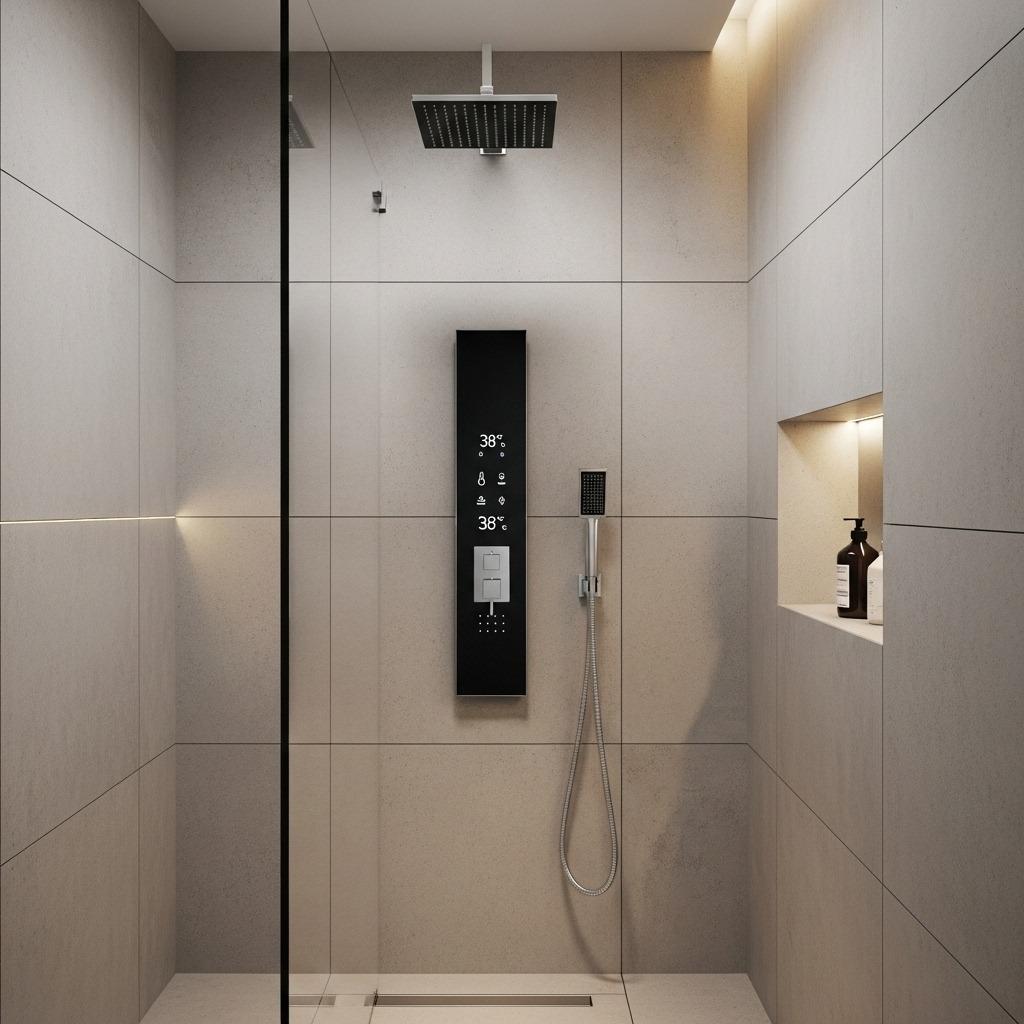
Digital shower controls are slimmer than traditional valve handles and offer features that enhance your compact space. Programmable temperature settings mean no more fiddling with knobs in a small shower. The streamlined control panel takes up less wall space than multiple handles.
Some systems let you start the shower from outside, so it’s already at your perfect temperature when you step in. This matters more in small spaces where you can’t easily adjust settings without getting directly in the spray. Smart features make small showers more convenient, not just more stylish.
Water efficiency features also matter in small bathrooms, which often have less hot water capacity than full baths. A digital system that maintains precise temperature while using less water means your hot water lasts longer. It’s a practical consideration that impacts daily use.
20. Textured Accent Walls
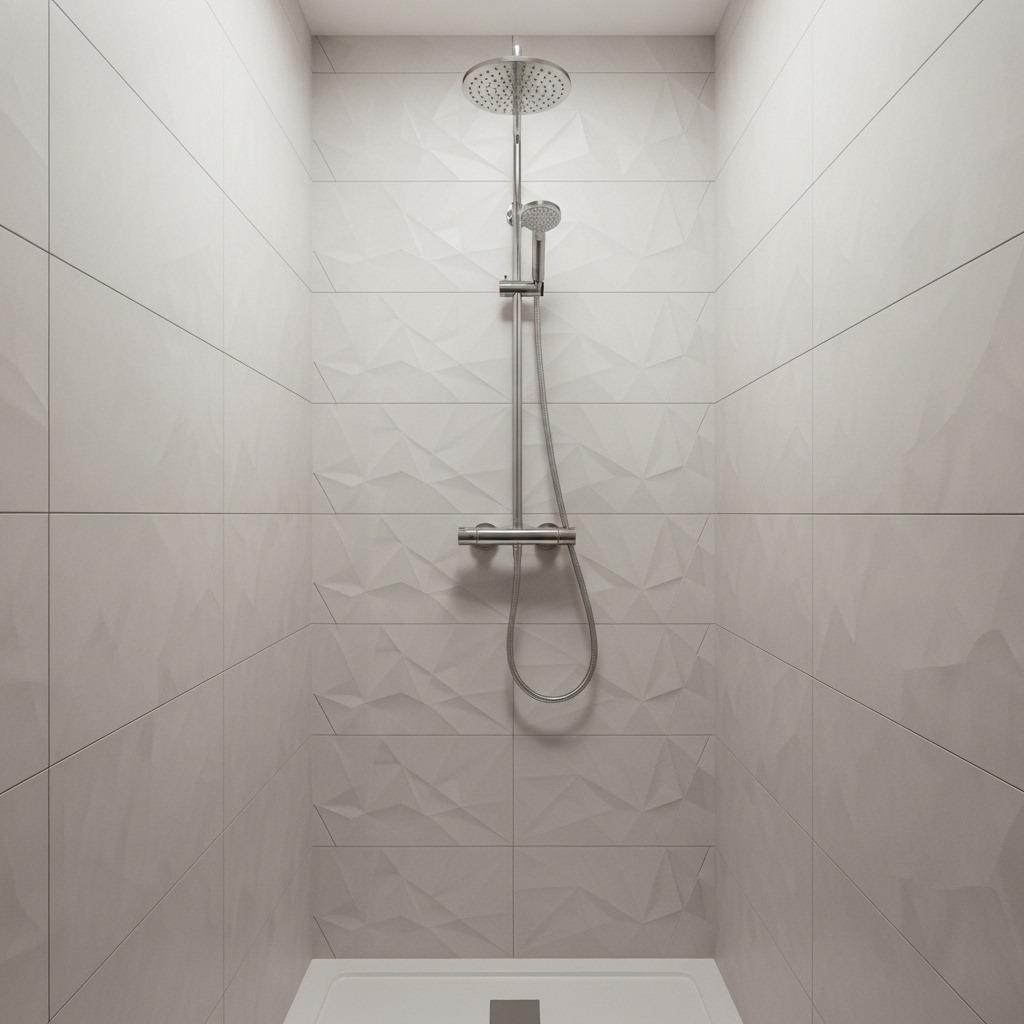
A single textured or patterned wall adds dimension to your walk in shower small bathroom without visual chaos. The texture creates depth that tricks the eye into perceiving more space. But the key is limiting this to just one wall – more than that fragments the space.
Three-dimensional tiles, stacked stone, or even dramatic veining in a marble wall can serve as your accent. The other walls should remain simpler to let this feature shine. Most designers place the accent wall opposite the shower entrance so it’s what you see when you look in.
The texture doesn’t have to be extreme. Even subtle dimensional tiles create shadow play that adds interest. Consider how water will interact with the texture too. Deep grooves can be harder to clean, while gentle undulations provide visual interest without maintenance headaches. For more ideas on making walls work in small spaces, explore these modern accent wall ideas that translate well to bathrooms.
These walk in shower small bathroom ideas prove that limited square footage doesn’t limit your design possibilities. The right combination of glass, tile, layout, and fixtures transforms even the tiniest bathroom into a space that feels open, modern, and far more spacious than its actual dimensions.
Your perfect shower solution depends on your specific bathroom layout, budget, and personal style. Maybe it’s a corner installation with frameless glass and continuous flooring. Or perhaps a curbless design with vertical storage and natural light. The beauty is that you can mix several of these approaches to create something uniquely suited to your space.
Small bathrooms challenge us to think creatively about every design choice. But those constraints often lead to more thoughtful, cohesive results than unlimited space ever could. Your compact bathroom has the potential to become the most beautiful, functional room in your home – it just takes smart planning and the right approach.