
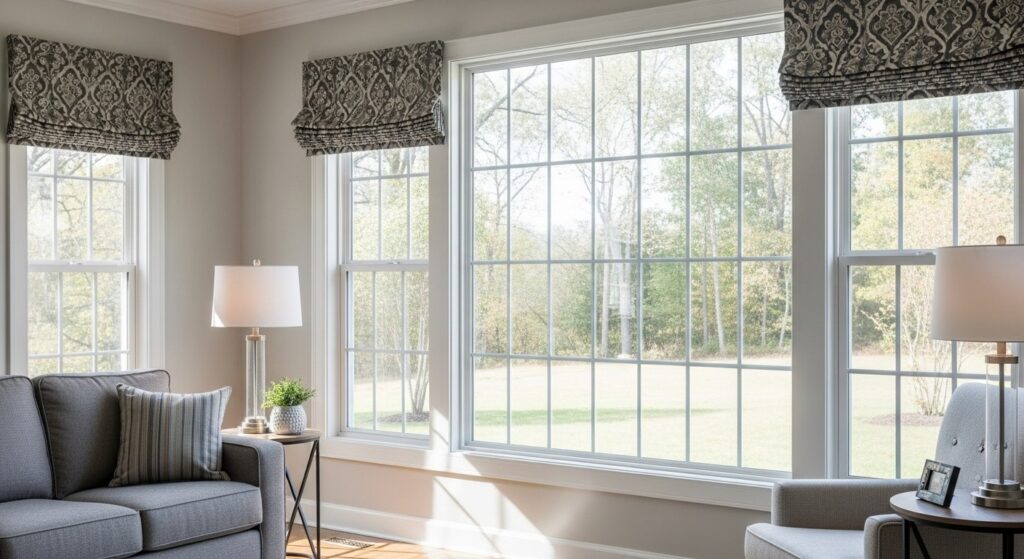
Replacing windows isn’t just about fixing what’s broken. It’s one of those home upgrades that actually pays you back through lower energy bills while completely transforming how your rooms look and feel. I’ve seen homes go from drafty and outdated to bright and modern with the right window choices.
The tricky part? There are so many options now. Triple-pane glass, low-E coatings, smart windows that tint themselves. It can feel overwhelming when you’re standing in a showroom trying to decide. But here’s what I’ve learned: the best window replacement combines practical energy savings with a style that makes you smile every time you walk into the room.
Whether you’re tackling a full home improvement project or just upgrading a few key windows, these ideas will help you choose options that work hard and look even better. Some focus purely on efficiency, others on aesthetics, and many nail both.
1. Triple-Pane Windows for Maximum Insulation
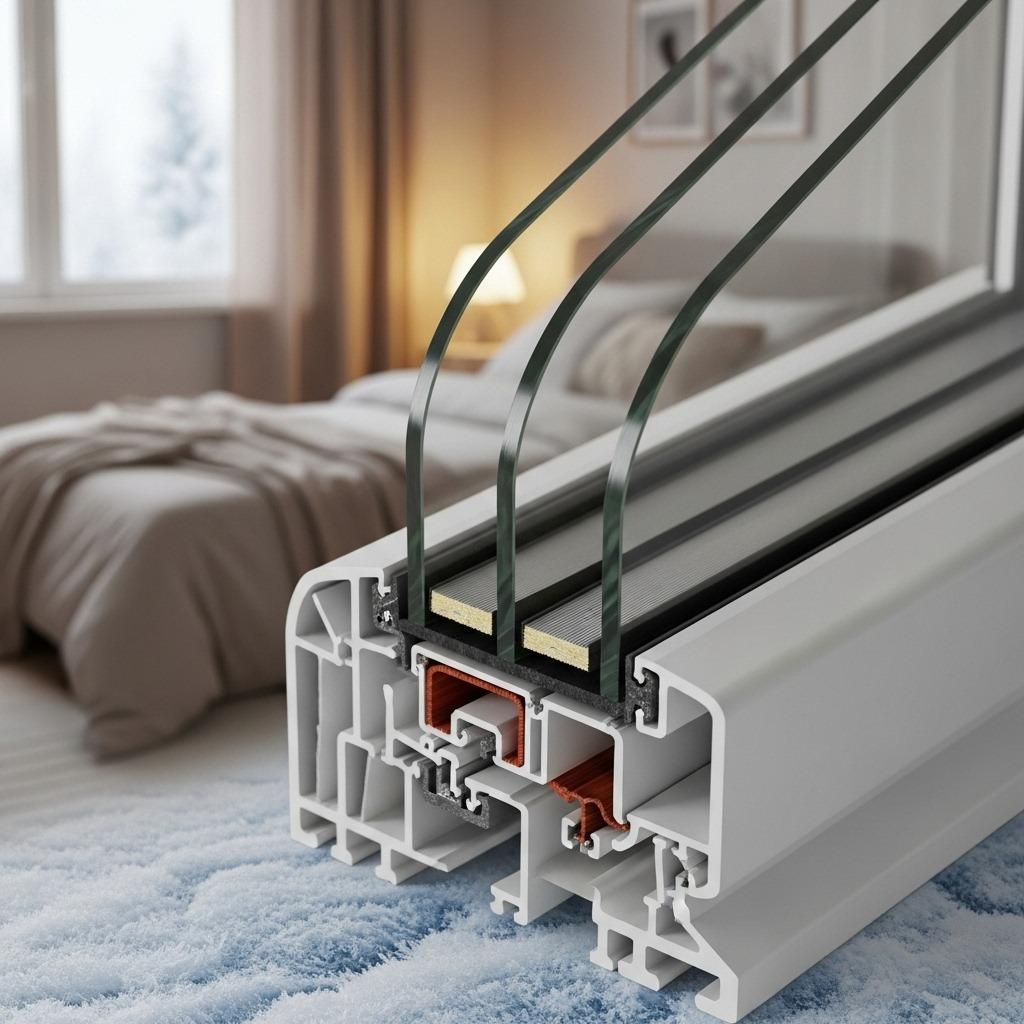
Triple-pane windows are like wrapping your home in an extra blanket. That third layer of glass creates two insulating air pockets instead of one, which dramatically cuts heat transfer. In cold climates, they can reduce energy loss by up to 50% compared to old single-pane windows.
Yes, they cost more upfront. But if you live somewhere with harsh winters or blazing summers, the utility bill savings add up quickly. Plus, they’re incredibly quiet – that extra pane blocks outside noise like nothing else.
The frames matter too. Pair triple-pane glass with vinyl or fiberglass frames for the best insulation value. Wood frames look beautiful but require more maintenance to keep their energy efficiency intact.
2. Low-E Glass Coating Technology
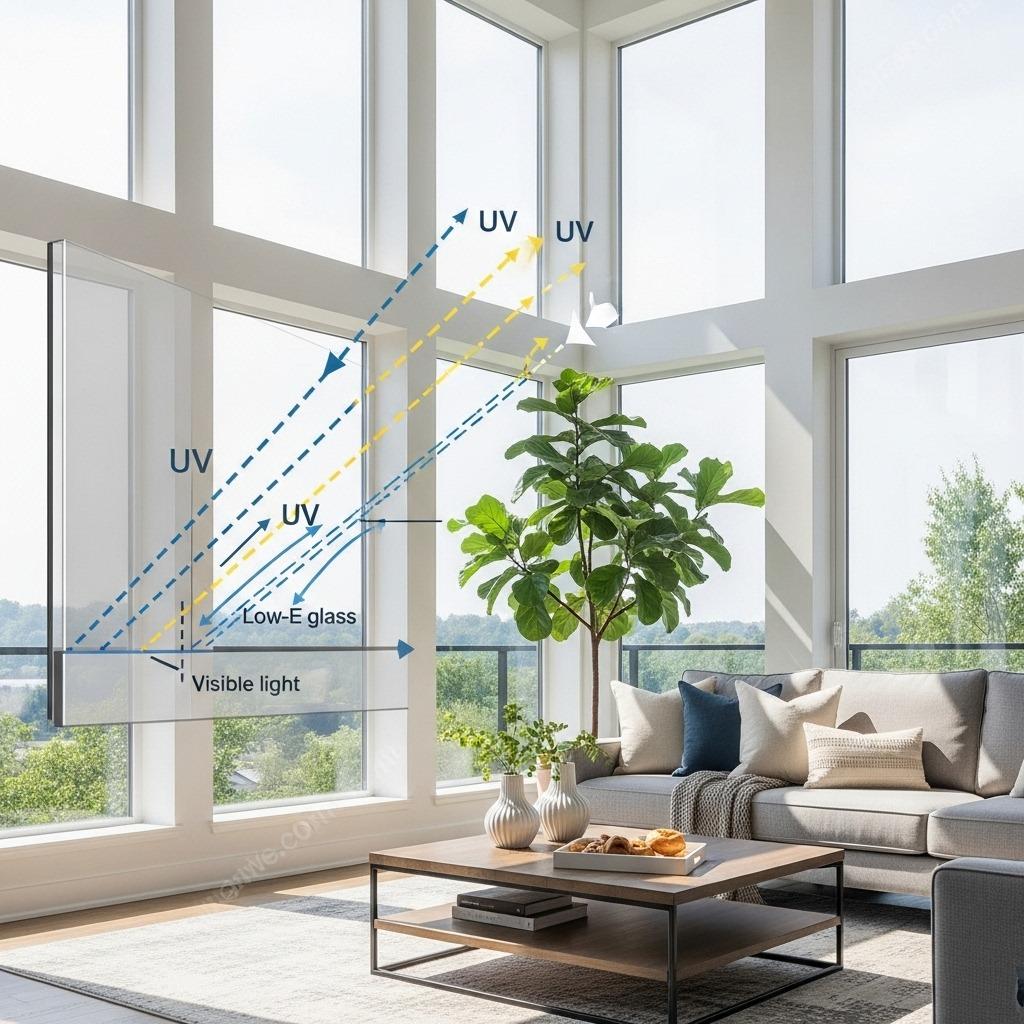
Low-emissivity (Low-E) coating is basically an invisible shield on your glass. It reflects heat back to where it came from – keeping warmth inside during winter and blocking solar heat in summer. You can’t see it, but your energy bills definitely will.
There are different types of Low-E coatings for different climates. Northern homes benefit from coatings that allow solar heat in while preventing warmth from escaping. Southern homes need coatings that block heat more aggressively.
I find it fascinating that such a thin coating makes such a huge difference. It’s one of those technologies that delivers results without changing the look of your windows at all. Your living room ideas can still have those bright, clear views while staying comfortable year-round.
3. Black Frame Windows for Modern Appeal
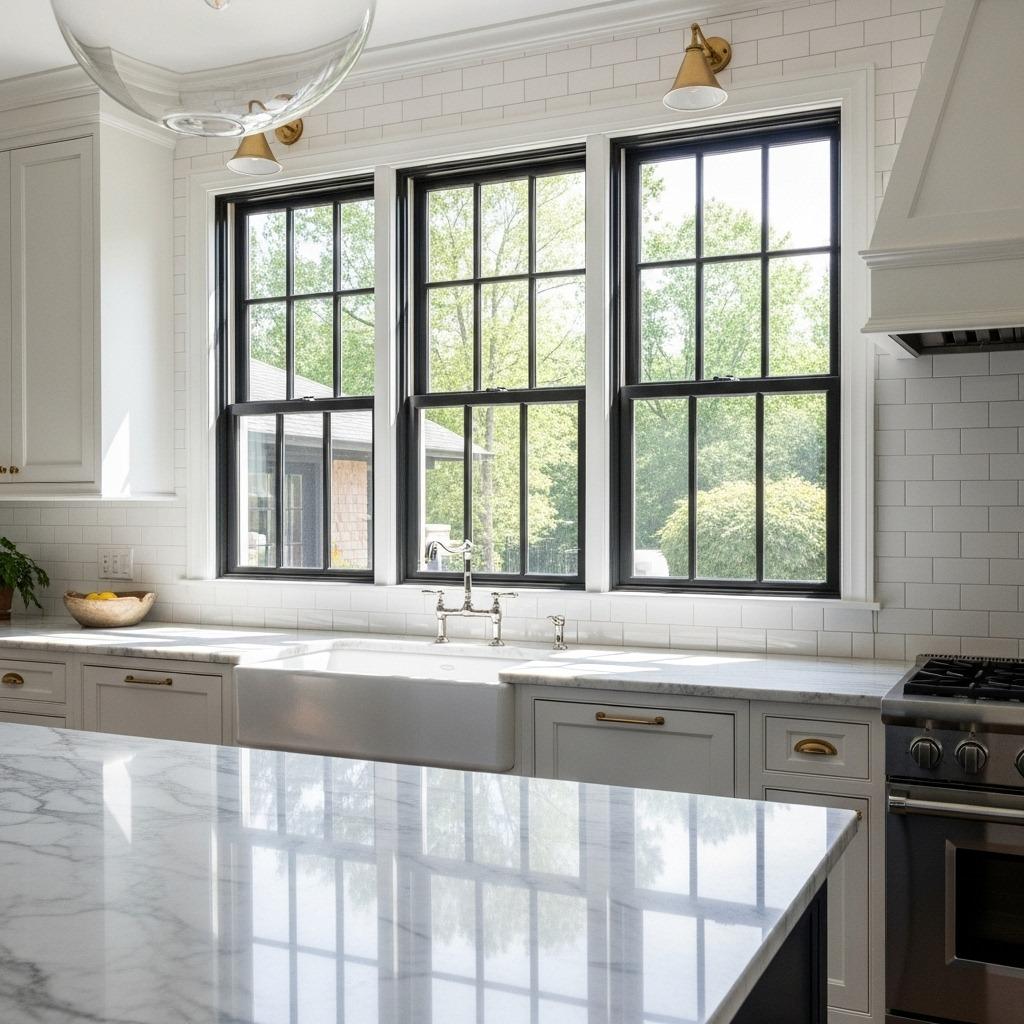
Black window frames have taken over the design world lately, and honestly, they deserve the attention. They create these crisp, clean lines that make everything look more intentional and polished. Whether your home is modern, farmhouse, or somewhere in between, black frames add instant sophistication.
The contrast is what makes them work. Against white or light-colored walls, black frames become architectural features rather than just functional elements. They draw your eye to the view outside while defining the space inside.
One consideration: black frames can absorb more heat in direct sunlight. Look for frames with thermal breaks or insulated cores to maintain energy efficiency. Many manufacturers now make black vinyl or fiberglass frames specifically engineered to handle this heat absorption without warping.
4. Casement Windows for Better Ventilation
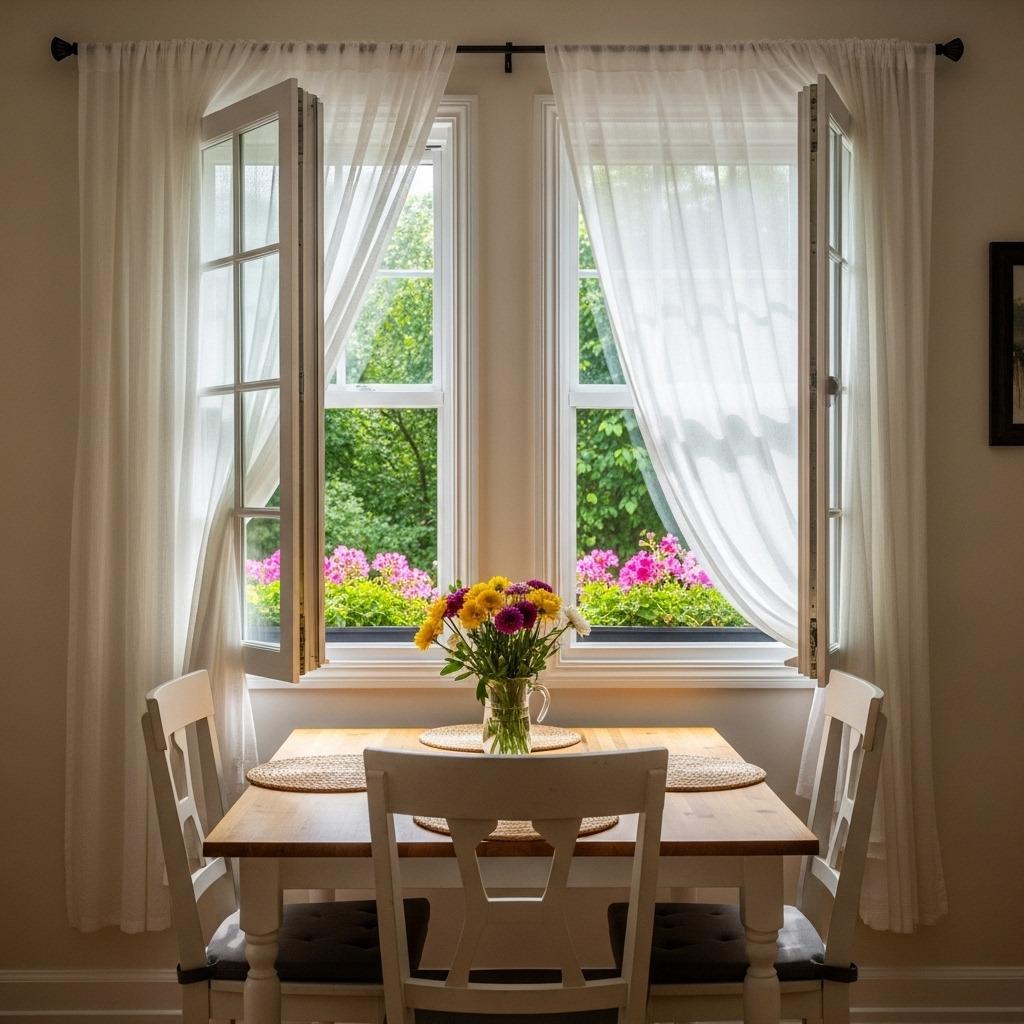
Casement windows crank open like a door, and that design gives you something special – complete, unobstructed airflow. When you open them, the entire window opening is available for ventilation, not just half like with double-hung windows. On those perfect spring days, this makes a noticeable difference.
They seal incredibly tight when closed too. The way they press against the frame creates better energy efficiency than windows that slide. I’ve noticed rooms with casement windows feel less drafty in winter.
They’re particularly great for hard-to-reach spots. A crank handle makes opening a window above your kitchen sink or behind furniture much easier than wrestling with a traditional sash. Just make sure you have clearance outside for the window to swing open.
5. Energy Star Certified Window Options
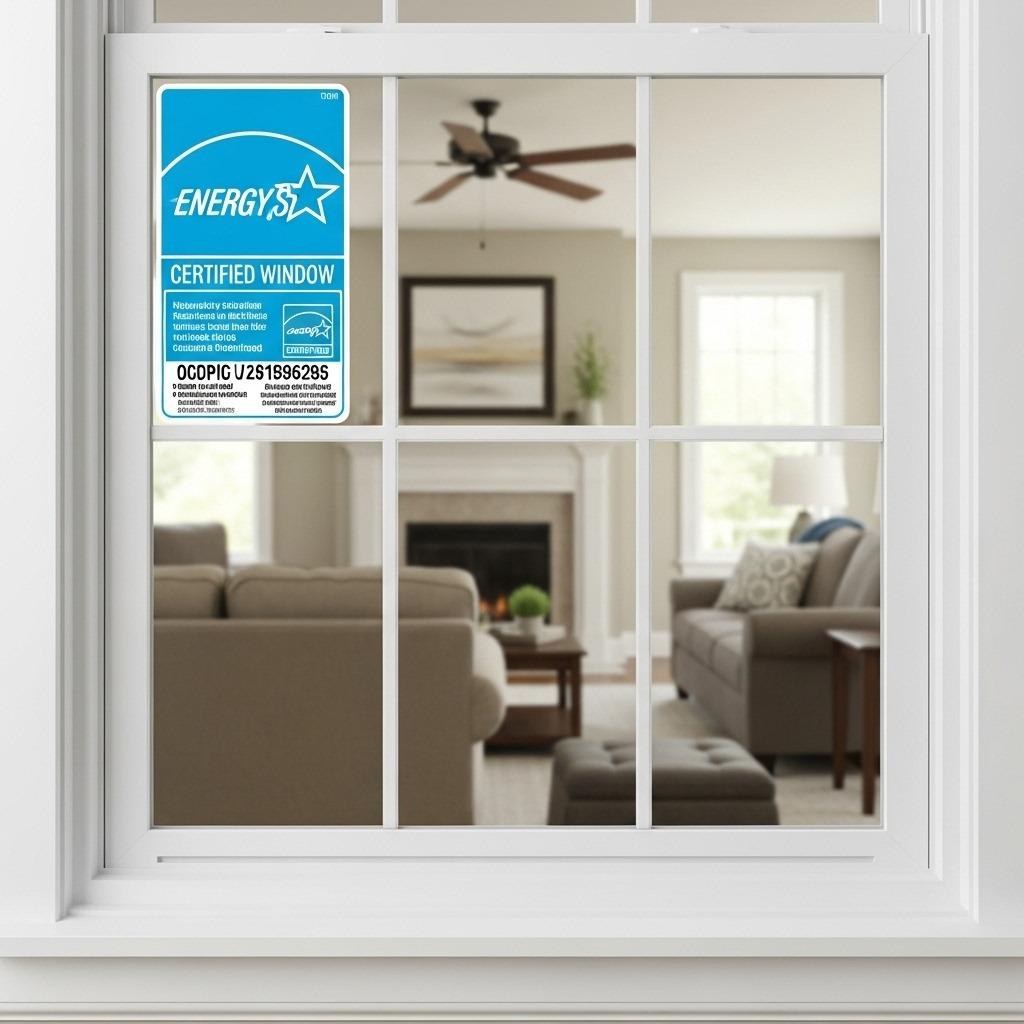
Energy Star certification isn’t just a sticker – it’s a reliable way to know you’re getting windows that meet strict energy performance standards. These windows are tested and verified to reduce energy costs and improve comfort, which takes a lot of guesswork out of shopping.
The certification requirements vary by climate zone. What qualifies in Florida won’t be the same as what qualifies in Maine. This regional approach ensures you’re getting windows actually designed for your weather conditions.
Many utility companies offer rebates for Energy Star certified windows. Before you buy, check what incentives are available in your area. Sometimes these rebates cover a significant chunk of the upgrade cost, making affordable home upgrades much more accessible.
6. Picture Windows for Stunning Views
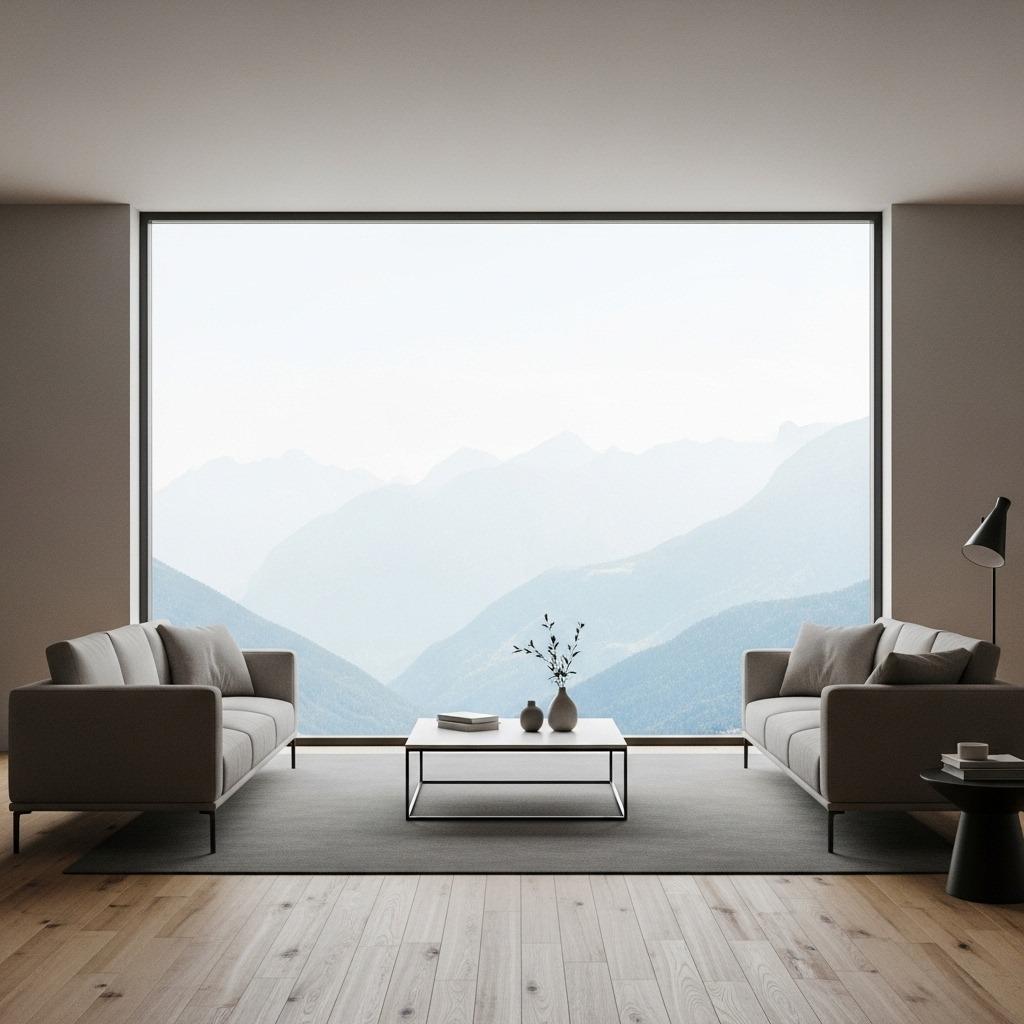
Picture windows are all about the view. They don’t open, which might sound like a limitation, but it means no interrupting frames or hardware – just one large, unbroken piece of glass showcasing whatever’s outside. If you have beautiful scenery, these windows are your best friend.
Because they don’t open, picture windows can be incredibly energy efficient. There are no moving parts to create air leaks. When properly installed with quality glass and frames, they form a tight seal that keeps your home comfortable.
Consider pairing picture windows with operable windows nearby. This gives you that stunning view while still providing ventilation when you need it. In a scandinavian living room design, a large picture window becomes the focal point that brings the outside in.
7. Double-Hung Windows with Tilt-In Cleaning
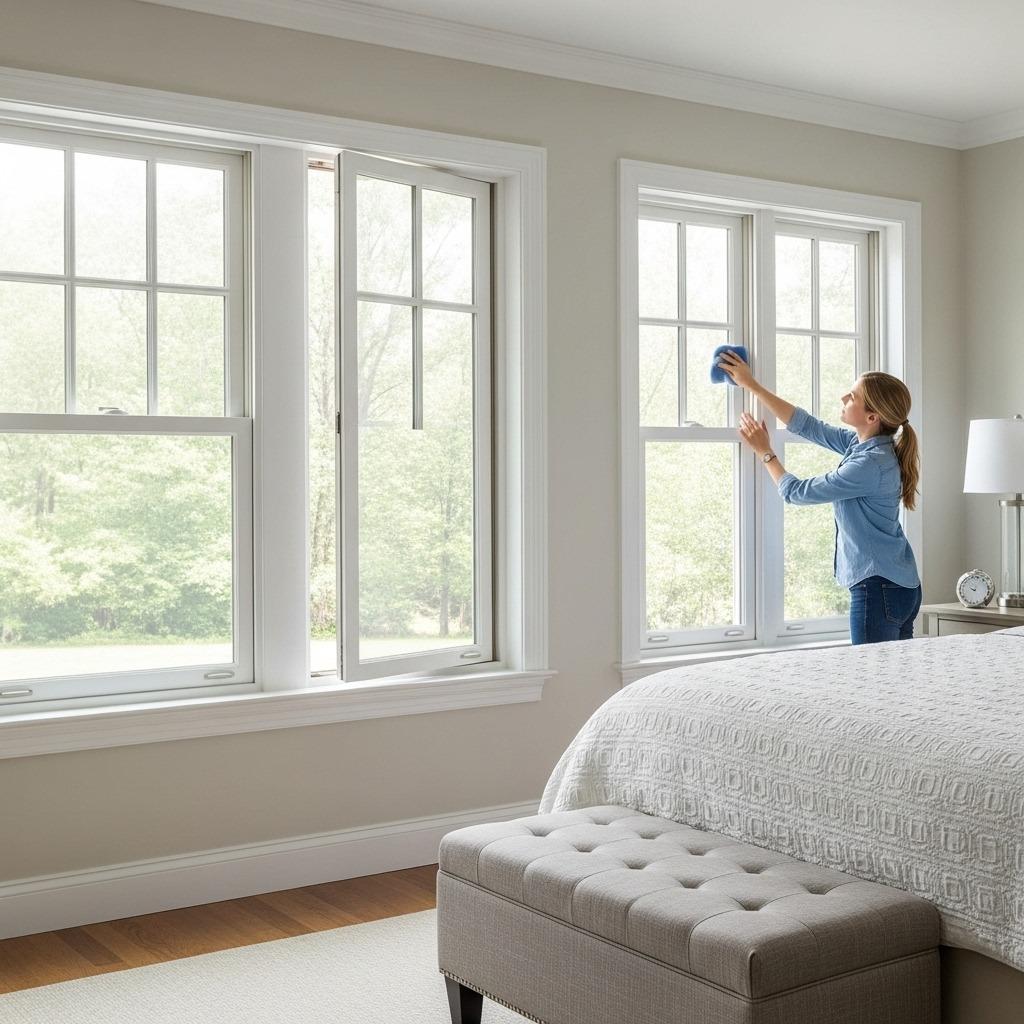
Double-hung windows remain popular for good reason – they’re versatile, traditional, and now they come with features that make life easier. The tilt-in cleaning function is one of those “why didn’t this always exist” innovations. You can clean the outside of your second-story windows from inside your home.
Modern double-hung windows have come a long way in energy efficiency too. Look for ones with weatherstripping on all sides and quality locks that pull the sashes tight against the frame. The gap between panes should be filled with argon or krypton gas for better insulation.
They work in almost any architectural style. Whether you’re updating a Victorian home or refreshing a small space renovation, double-hung windows maintain that classic look while delivering contemporary performance.
8. Bay or Bow Windows for Architectural Interest
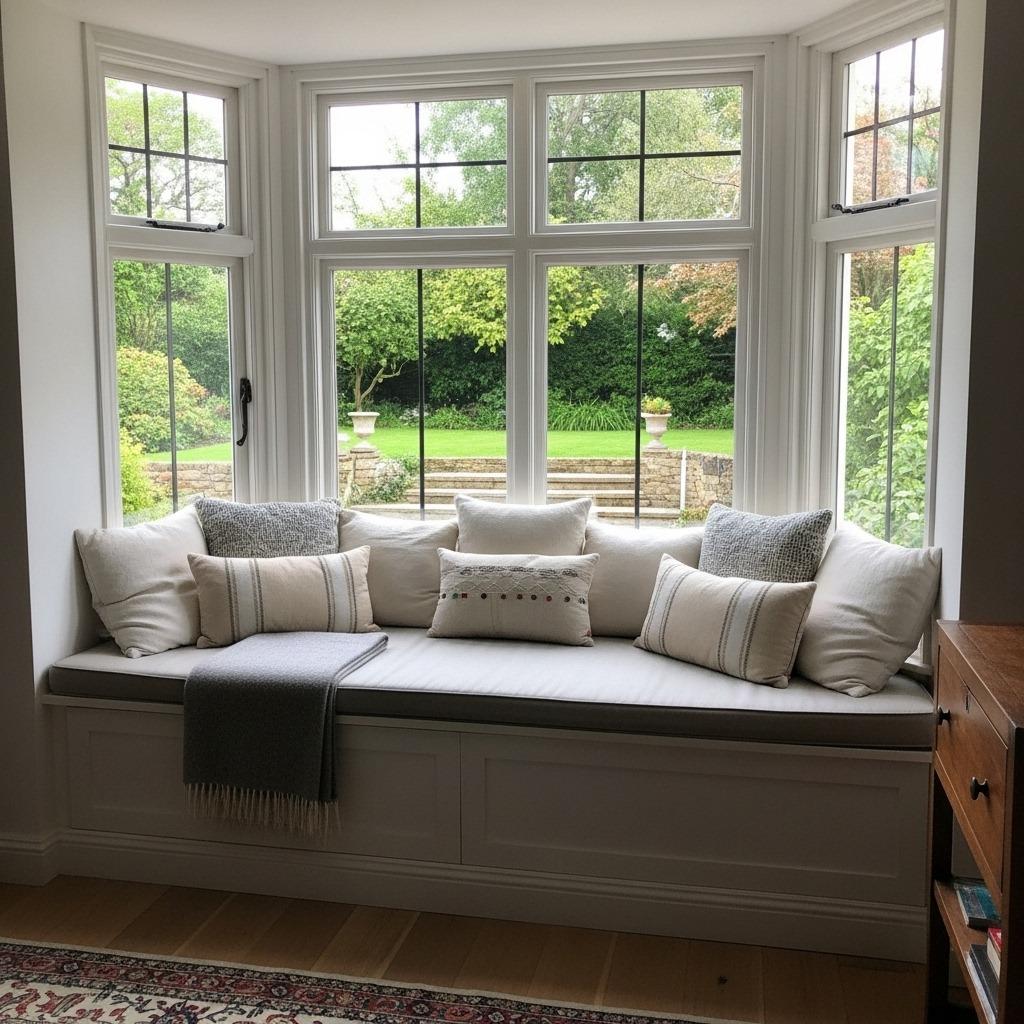
Bay and bow windows push out from your home’s exterior, creating that coveted window seat area inside. They add square footage (sort of), increase natural light from multiple angles, and give rooms an upscale, custom feel. I’ve always thought they make even modest homes feel more special.
The energy efficiency challenge with these windows is that you’re adding more glass surface area and creating angles where heat can escape. Counter this by choosing quality frames and glass with good R-values. The angled sides should be insulated as carefully as the main window.
These windows shine in bedroom ideas where you can create a cozy reading nook, or in kitchens where they bring light to work surfaces. They do require more investment than flat windows, but the architectural impact is hard to match.
9. Sliding Windows for Contemporary Spaces
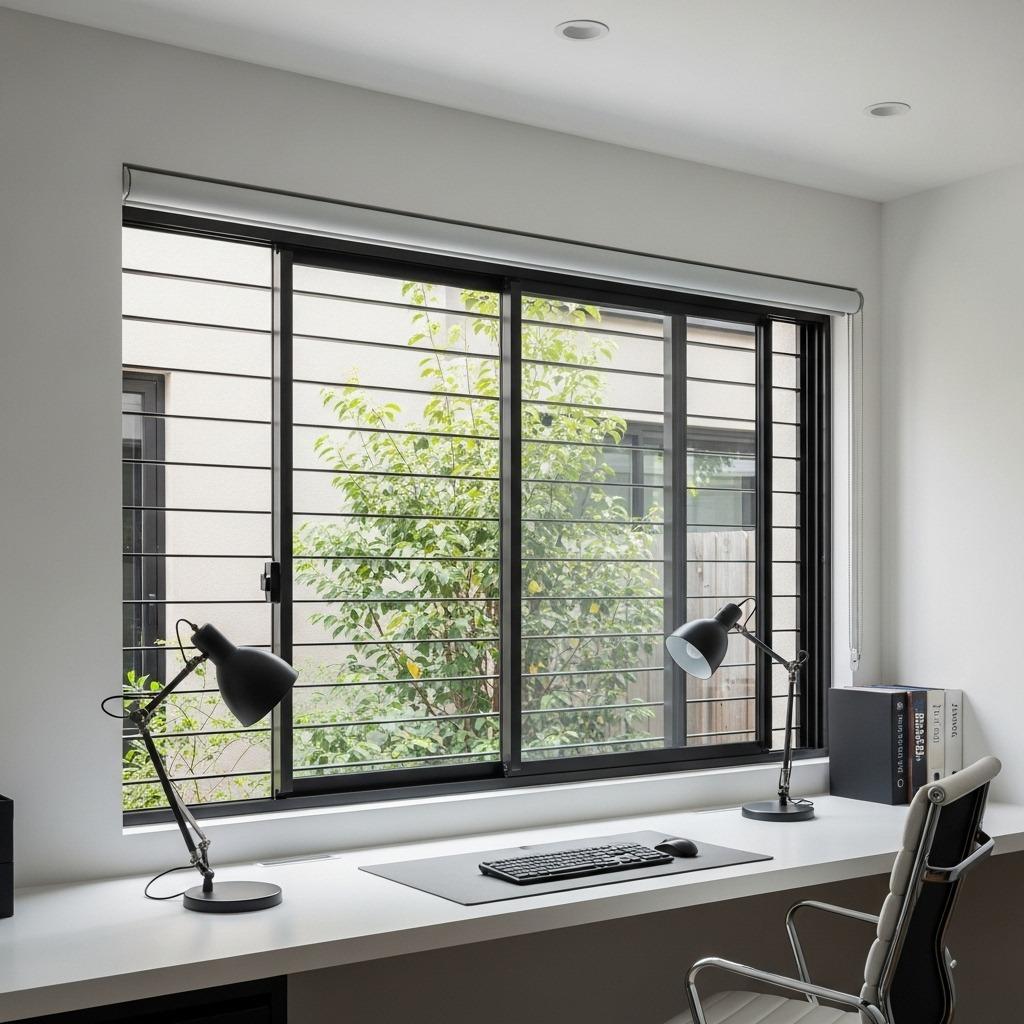
Sliding windows operate horizontally on tracks, and they’ve gotten much sleeker than the old patio door style many people remember. Modern sliding windows feature minimal frames and large glass expanses that suit contemporary design perfectly.
They’re practical for spaces where you can’t have a window swinging out. Above kitchen counters or in tight outdoor areas, sliding windows provide ventilation without needing clearance. The tracks can collect debris though, so they need occasional cleaning to operate smoothly.
Large sliding windows create that indoor-outdoor connection popular in modern minimalist living room designs. When paired with sliding glass doors, they establish a cohesive look that makes spaces feel bigger and more connected to the outdoors.
10. Fiberglass Window Frames for Durability
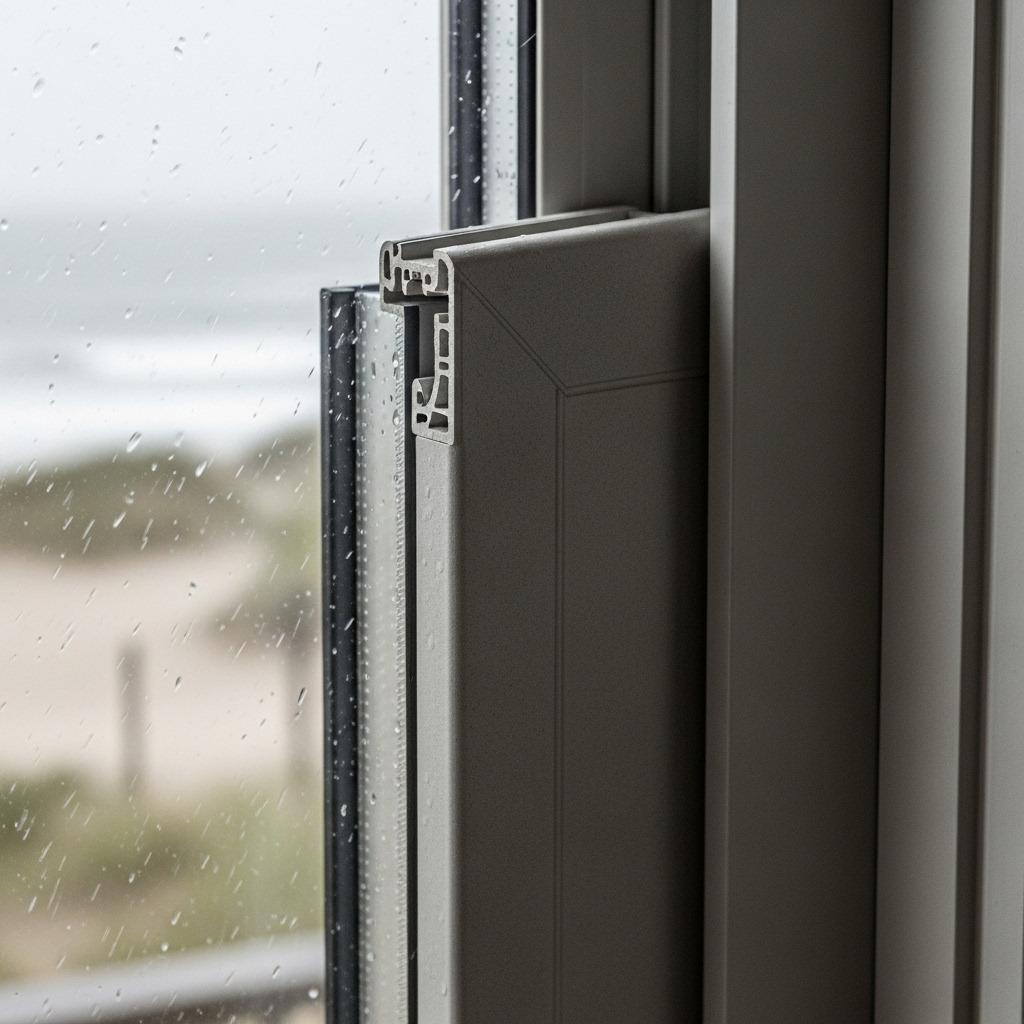
Fiberglass windows are the quiet overachievers of window replacement. They’re incredibly strong, virtually maintenance-free, and they insulate better than vinyl or aluminum. They also expand and contract at nearly the same rate as glass, which means fewer seal failures over time.
You can paint fiberglass frames if you want to change colors later, unlike vinyl which is stuck with its original color. They resist warping, rotting, and corroding even in harsh climates. If you’re doing this upgrade once and want it to last decades, fiberglass deserves serious consideration.
The main drawback? Cost. Fiberglass windows typically run 15-30% more than comparable vinyl windows. But when you factor in their longevity and performance, the price difference often makes sense, especially for a comprehensive DIY home renovation where quality matters.
11. Awning Windows for Rainy Day Ventilation
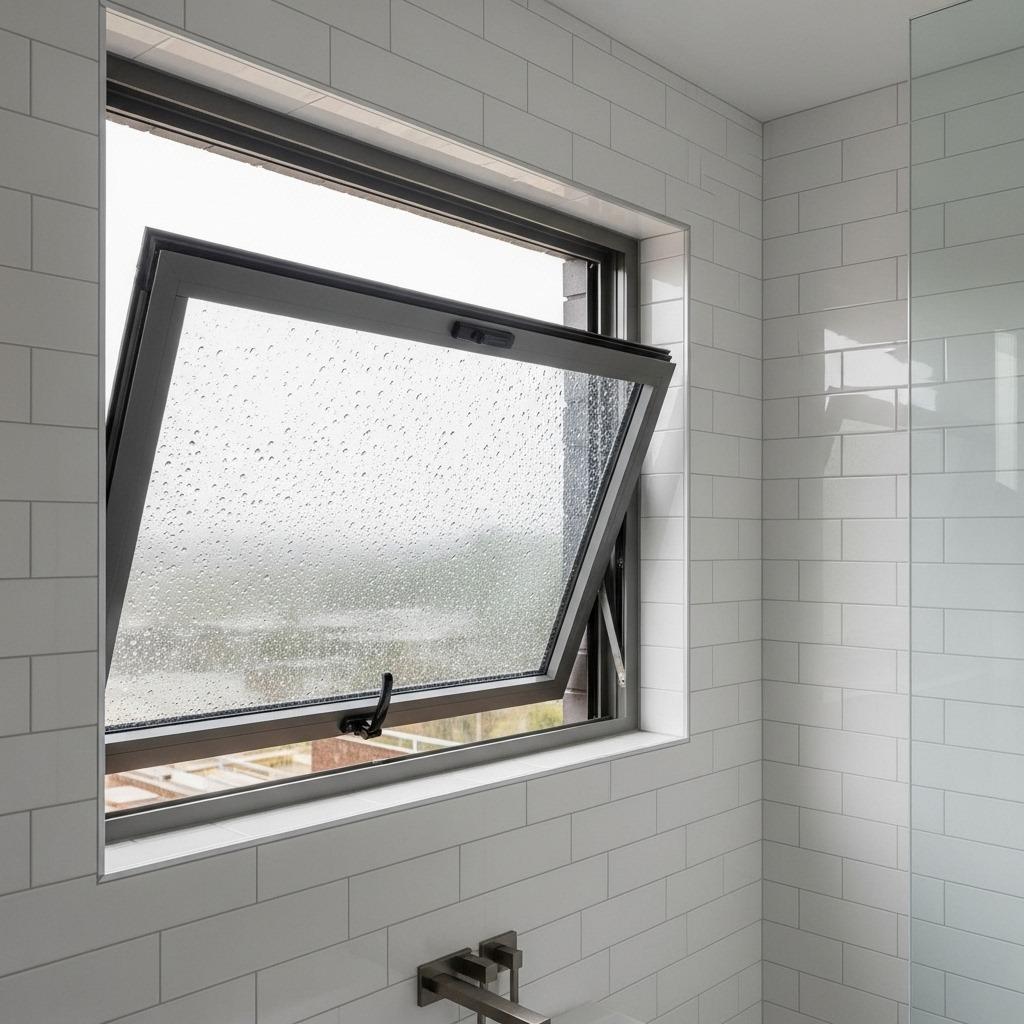
Awning windows hinge at the top and open outward, creating a little roof over the opening. This design means you can keep them open even during light rain – the window itself shields water from coming inside. Perfect for bathrooms or any room where you want consistent ventilation.
They provide excellent energy efficiency when closed because they seal tightly against the frame with their compression design. The hardware is usually simple and long-lasting. I particularly like them placed high on walls where they provide light and air without sacrificing privacy.
In bathroom ideas, awning windows solve that eternal ventilation challenge. You can leave them cracked open for air circulation without worrying about rain or snow getting in. Combined with operable windows at other heights, they create effective natural ventilation patterns.
12. Smart Glass Technology Windows
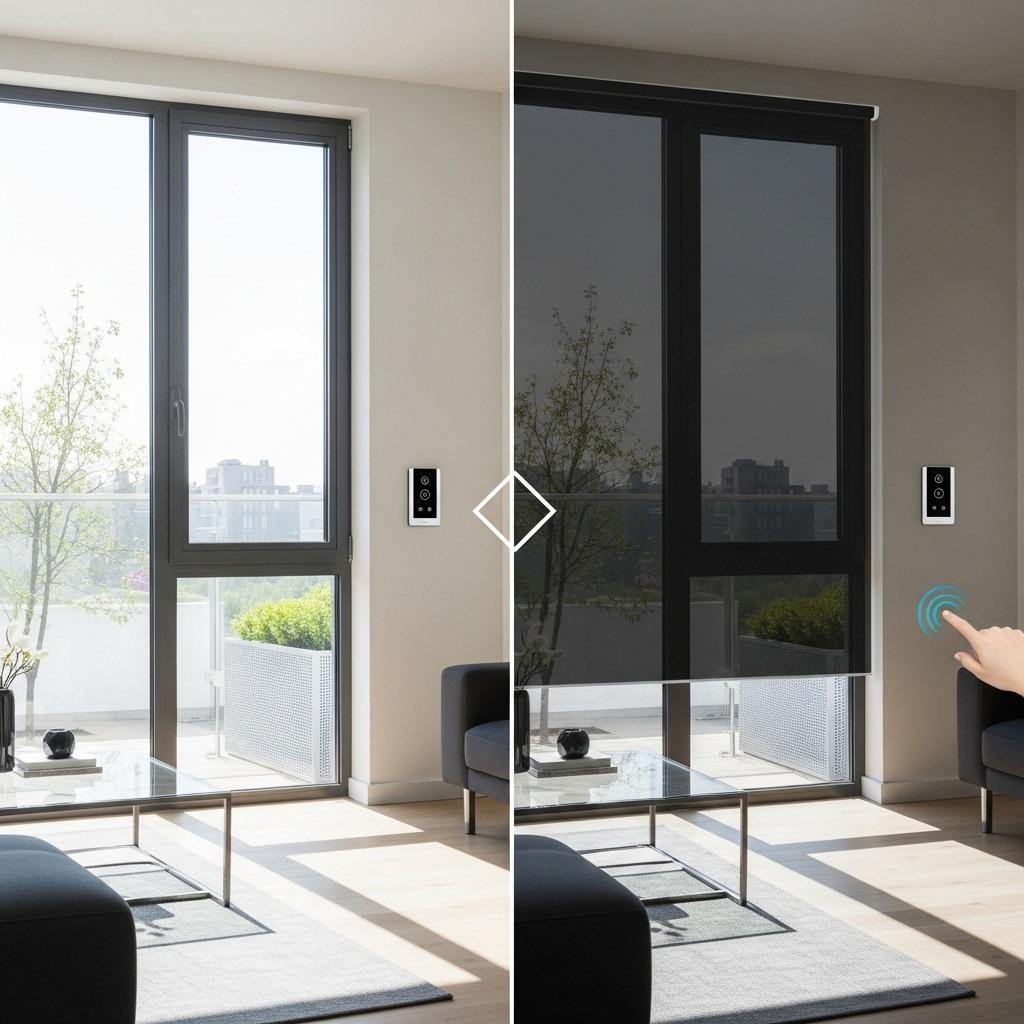
Smart glass sounds futuristic, but it’s available now. These windows can switch from clear to tinted with a button press or automatically adjust based on sunlight intensity. Some versions respond to electrical current, others to heat. It’s basically having automatic blinds built into the glass itself.
The energy benefits are impressive. By blocking heat when needed and allowing it when desired, smart glass reduces both heating and cooling costs. You also protect furniture and flooring from UV fading without sacrificing natural light.
Cost is definitely a factor – smart windows run significantly more than traditional options. But for specific applications, like home office remodel spaces with intense afternoon sun, they solve problems that blinds and curtains can’t quite handle. The technology keeps improving and prices are gradually coming down.
13. Wood-Clad Windows for Classic Elegance
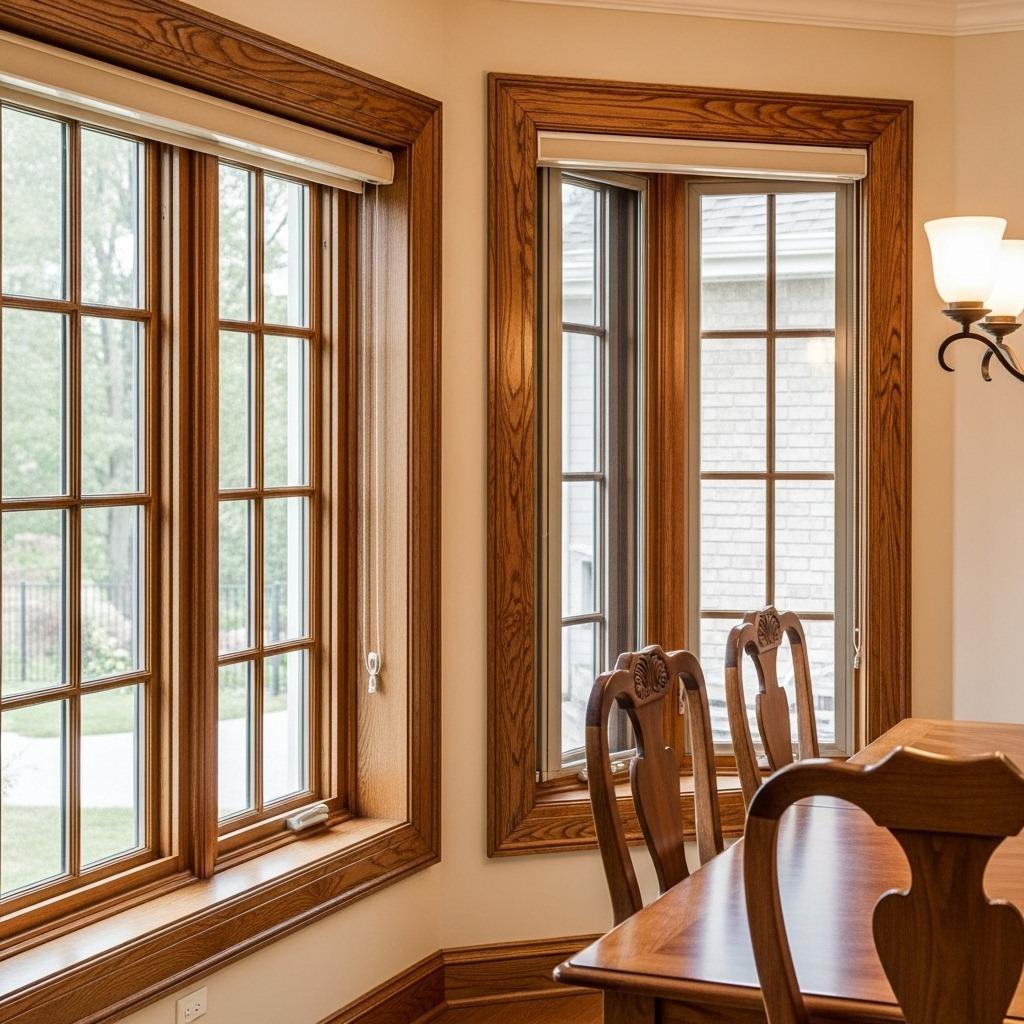
Wood-clad windows give you the best of both worlds – durable, low-maintenance aluminum or vinyl on the exterior, with beautiful wood on the interior. You get that warmth and traditional look inside while the exterior resists weather and requires minimal upkeep.
The wood interior can be stained or painted to match your trim perfectly. This customization creates seamless integration with your existing woodwork. In historic homes or spaces with wood detailing, nothing quite matches the authentic look of real wood around your windows.
They do cost more than all-vinyl windows, but less than full wood windows. For rooms where aesthetics really matter – your luxury master bedroom or formal dining room – wood-clad windows provide that elevated finish without the exterior maintenance headaches of traditional wood windows.
14. Argon or Krypton Gas-Filled Windows
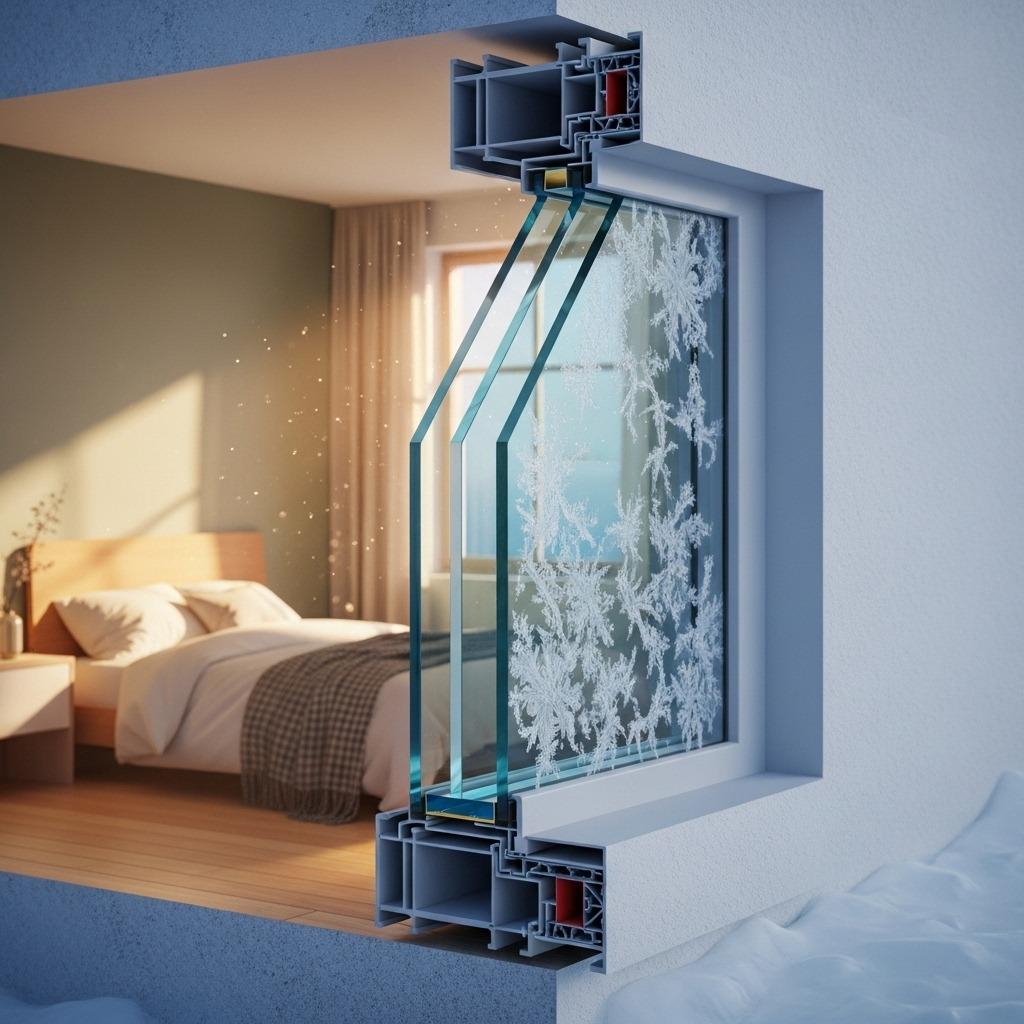
The space between glass panes in modern windows isn’t just air – it’s usually filled with argon or krypton gas. These gases are denser than air, which slows heat transfer between the panes. You can’t see or smell the gas, but it significantly improves the window’s insulating ability.
Argon is more common and less expensive. Krypton performs slightly better but costs more and is typically reserved for triple-pane windows or very narrow gaps between panes. Both gases are non-toxic, colorless, and odorless. If a seal fails years down the line, the gas escapes and regular air replaces it, reducing efficiency but not creating any safety issues.
When shopping for energy-efficient windows, ask specifically about the gas fill. Most quality windows include it, but it’s worth confirming. This feature works silently behind the scenes to keep your cozy winter bedroom actually cozy while reducing what you spend on heating.
Choosing the Right Windows for Your Home
Window replacement isn’t one-size-fits-all. Your climate, home style, and budget all play major roles in what works best. I’d suggest starting with your most problematic windows – the ones that are drafty, fogged up, or just plain ugly – and using those as your testing ground.
Energy efficiency ratings can be confusing. Focus on the U-factor (lower is better for insulation) and Solar Heat Gain Coefficient or SHGC (lower blocks more heat). Your climate determines which matters more. Cold climates need low U-factors, hot climates need low SHGC values.
Don’t forget installation quality matters as much as the windows themselves. Even the best energy-saving windows won’t perform if they’re poorly installed. Gaps, improper sealing, and incorrect flashing all undermine the benefits you’re paying for. If you’re not confident in your DIY skills for this project, professional installation is worth the investment.
Think about windows differently after reading this? They’re really one of those home elements that quietly impact your daily comfort and your budget. The right replacement windows transform how your home feels, how it looks, and what you pay to heat and cool it. That’s a pretty powerful upgrade.

