
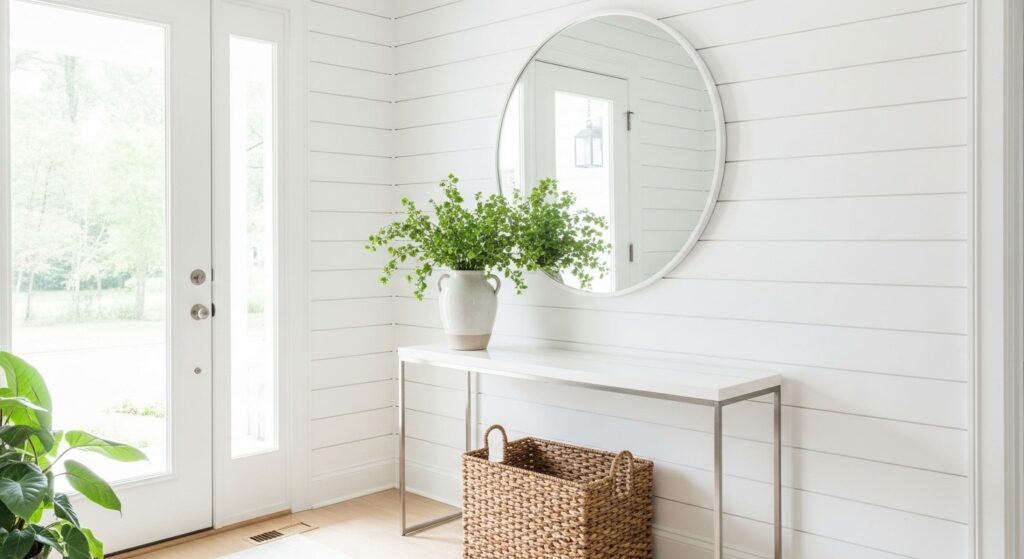
Your entryway sets the tone for your entire home. It’s the first space you walk into after a long day, the last thing guests see before they leave, and somehow always the spot where shoes, bags, and mail pile up. If your entry feels cramped, cluttered, or just plain forgettable, you’re not alone.
The good news? An entryway renovation doesn’t have to mean tearing down walls or spending a fortune. Whether you’re working with a tiny hallway or a spacious foyer, the right updates can completely change how this hardworking space looks and functions. From swapping out tired flooring to adding smart storage solutions, these ideas will help you create an entrance that’s both beautiful and practical.
Let’s explore some real-world renovation approaches that address common entry challenges. You’ll find everything from quick weekend projects to more involved makeovers, each designed to maximize your space and make coming home feel a little more special.
1. Install Statement Flooring That Can Handle Real Life
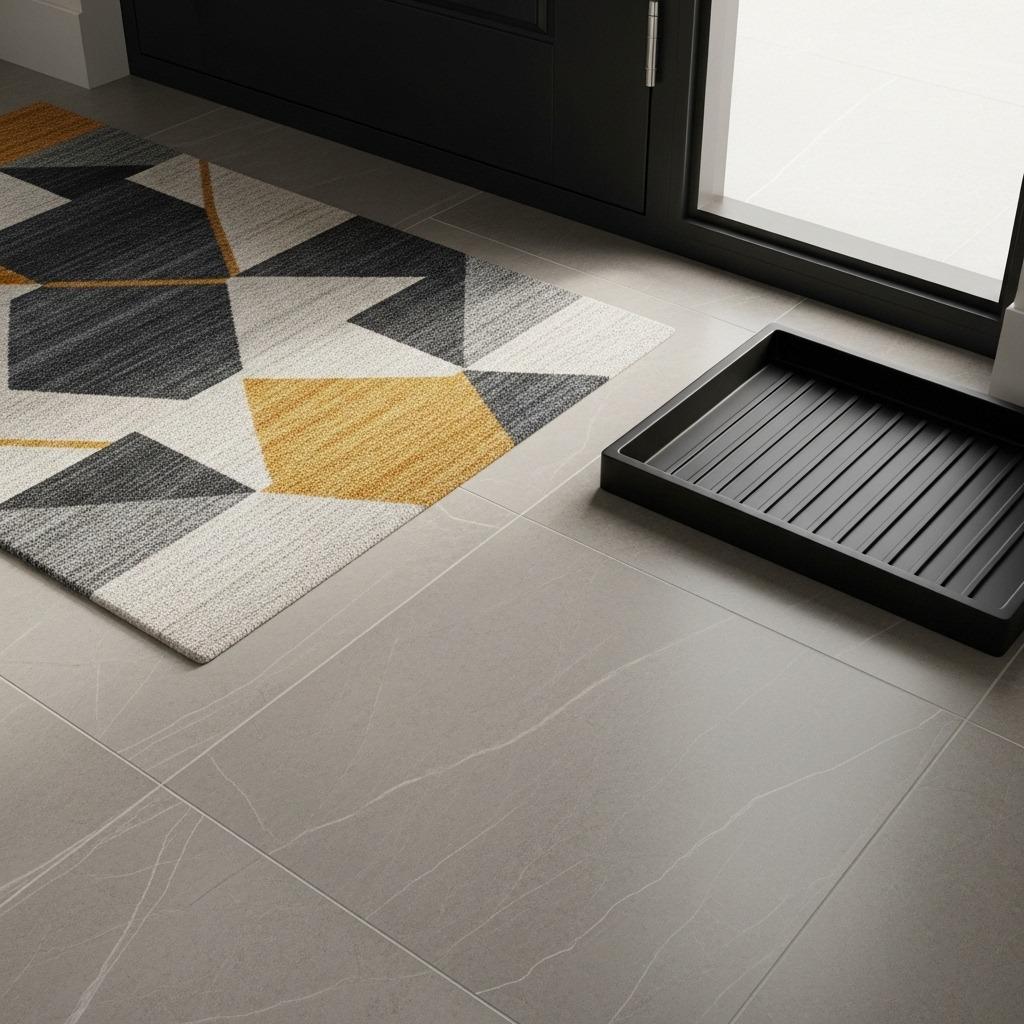
Your entryway floor takes more abuse than any other surface in your home. Between muddy shoes, wet umbrellas, and constant foot traffic, it needs to be tough. But durability doesn’t mean you have to sacrifice style.
Porcelain tile has become incredibly popular for entryways because it mimics natural materials like wood or stone while standing up to moisture and scratches. Large-format tiles (24×24 inches or bigger) create a more spacious feel and have fewer grout lines to clean. If you’re drawn to warmth, luxury vinyl plank flooring offers realistic wood looks without the maintenance headaches.
For a bolder approach, patterned cement tiles add personality right at the door. They hide dirt surprisingly well and create an intentional “landing zone” that separates your entry from the rest of your home. Just make sure whatever you choose has a textured or matte finish. Glossy surfaces might look sleek in photos, but they become skating rinks when wet.
2. Add Functional Built-In Storage
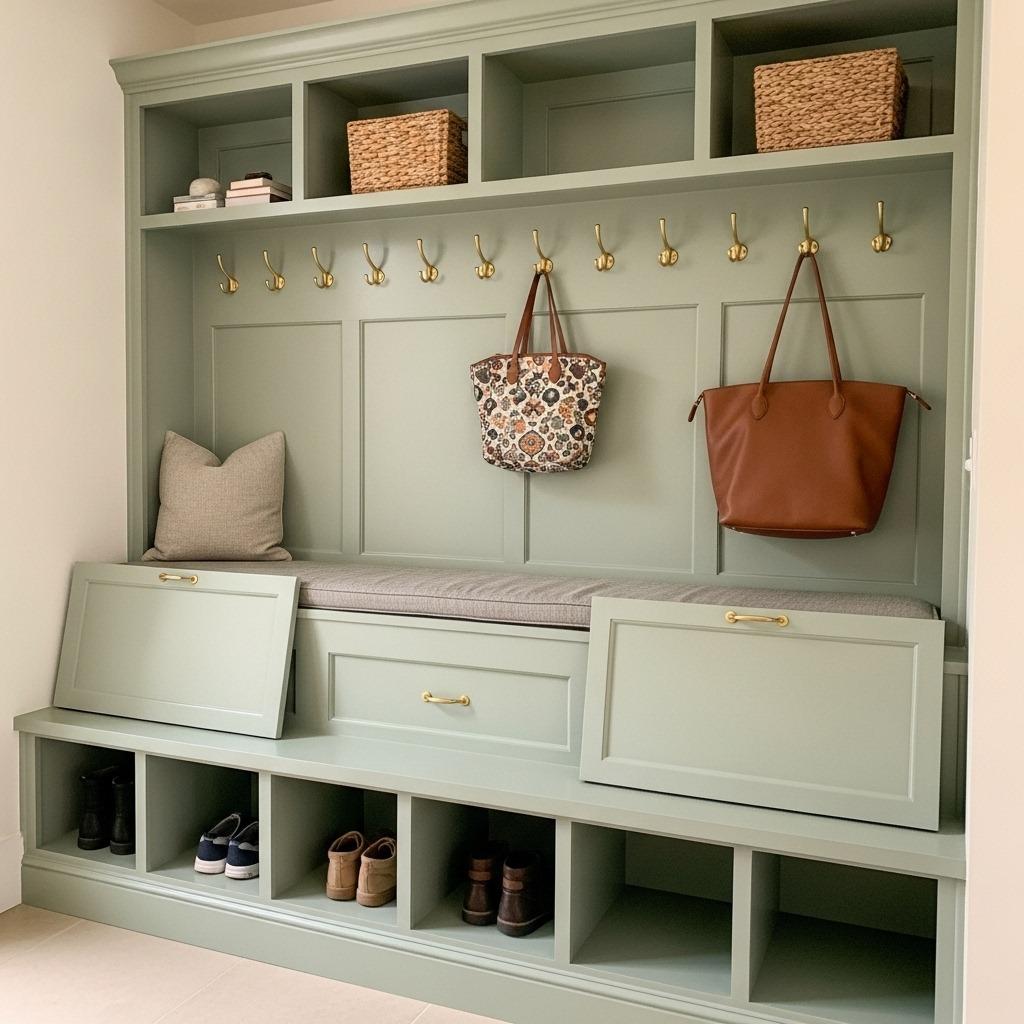
Nothing kills the vibe of a beautiful entry faster than a pile of shoes by the door. Built-in storage solves this problem while adding real value to your home. Even a simple floor-to-ceiling unit can transform a chaotic space into an organized one.
Consider your household’s specific needs when planning storage. Do you need spots for five pairs of shoes or fifteen? Will kids need lower hooks they can actually reach? A bench with hidden storage underneath works double duty, giving you a place to sit while you tie shoes and keeping seasonal items out of sight.
Many homeowners are discovering the value of affordable home upgrades that pack a punch without breaking the bank. Custom built-ins might sound expensive, but even a DIY version using stock cabinets from a home improvement store can deliver that high-end look. Paint them in a color that complements your walls, add some decorative hooks, and suddenly your entry feels intentional rather than thrown together.
3. Upgrade Your Front Door Hardware

Sometimes the smallest changes make the biggest impact. Swapping outdated door hardware for something more current takes maybe an hour but instantly elevates your entryway’s curb appeal and interior style.
Matte black and brushed brass finishes continue to dominate modern entry designs, but oil-rubbed bronze offers a warmer alternative that pairs beautifully with traditional homes. Don’t forget about your house numbers, door knocker, and mailbox. When all your hardware coordinates, it creates a cohesive look that feels considered.
While you’re at it, check if your door needs fresh paint or stain. A front door in excellent condition with updated hardware can rival the impact of a full entryway renovation for a fraction of the cost. Just this simple refresh can completely change your home’s first impression.
4. Create a Focal Point with Wall Treatments
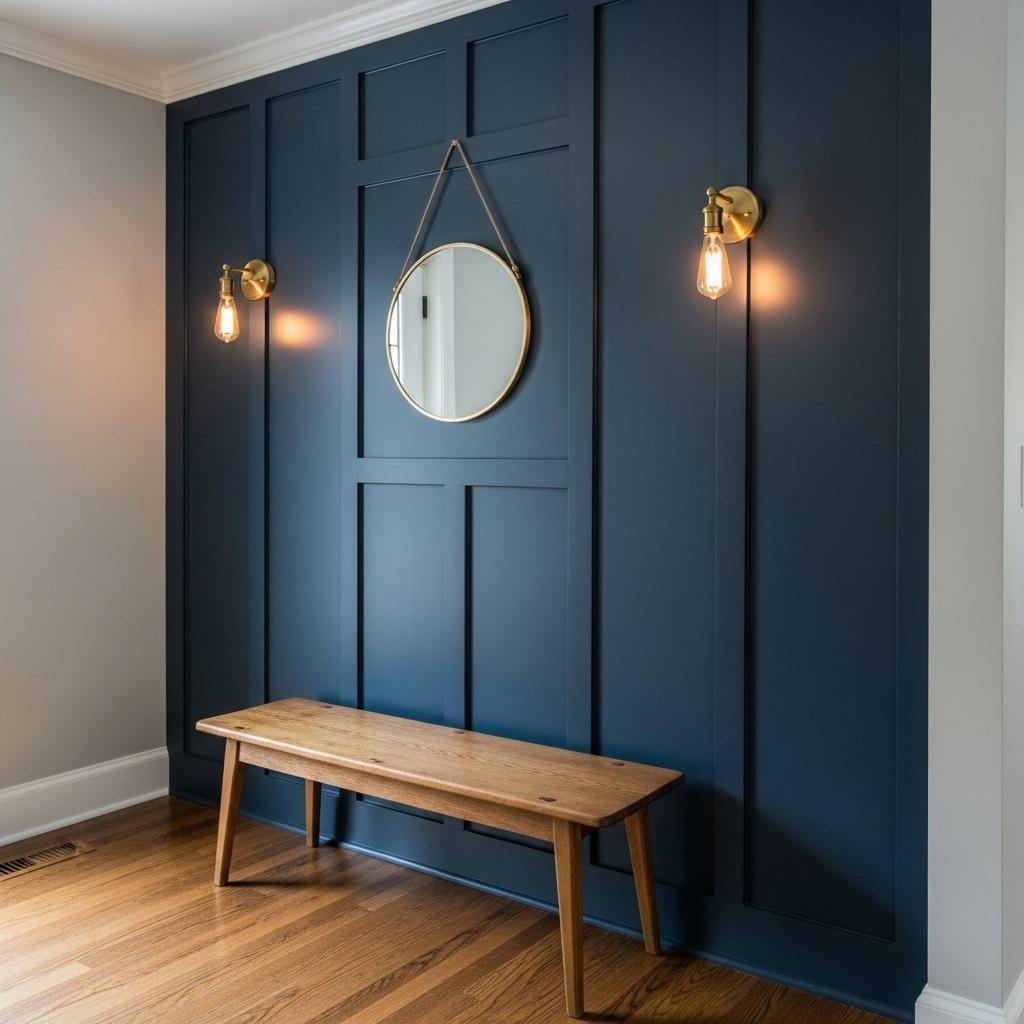
Your entryway walls shouldn’t just exist; they should do something. Whether you add shiplap, board and batten, or textured wallpaper, a distinctive wall treatment immediately makes your entry feel more finished and intentional.
Wainscoting or paneling brings architectural interest to bland builder-grade walls. It also protects your lower walls from scuffs and scratches, which matters in high-traffic areas. Paint the paneling in a contrasting color from your upper walls for extra visual interest, or keep everything monochromatic for a more subtle effect.
If full wall treatments feel too permanent, consider a bold paint color or removable wallpaper on a single accent wall. Darker shades like charcoal, forest green, or navy can make a small entry feel surprisingly cozy rather than cramped. For more wall inspiration, check out these modern accent wall ideas that work throughout your home.
5. Maximize Natural Light with Strategic Window Updates
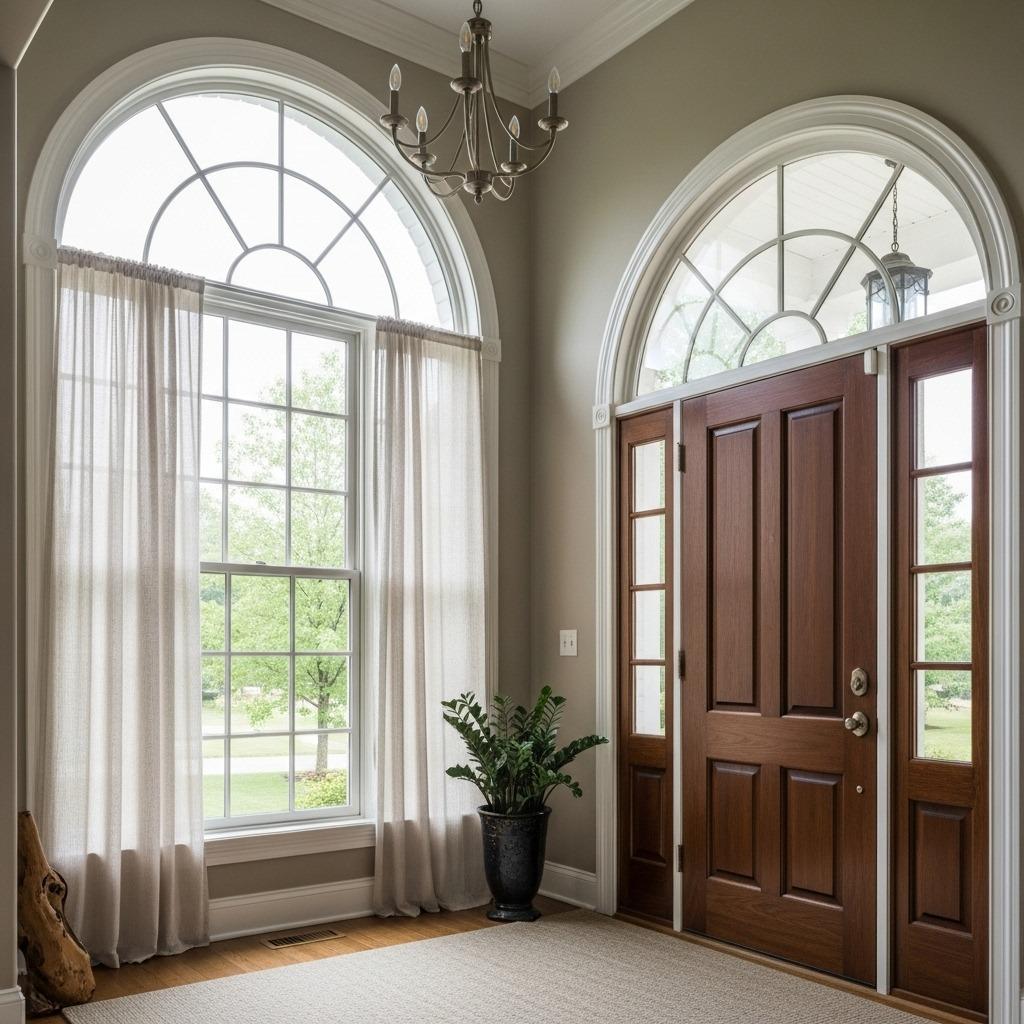
Dark entryways feel uninviting no matter how well you decorate them. If your entry lacks windows, this might be the time to consider adding one or enlarging what’s there. A window beside your front door or a transom above it can dramatically change the entire feel of the space.
Privacy concerns are valid, but frosted, textured, or decorative glass solves this while still letting light through. If cutting into walls isn’t in your budget, a glass-paneled front door or sidelights offer similar benefits. Even replacing your solid door with one that has glass inserts can flood your entry with natural light.
Window treatments matter too. Heavy curtains block precious light, so opt for sheer panels or simple blinds that you can adjust as needed. In entries with great natural light, you might skip window treatments altogether and let that sunshine do the decorating for you.
6. Install Eye-Catching Light Fixtures
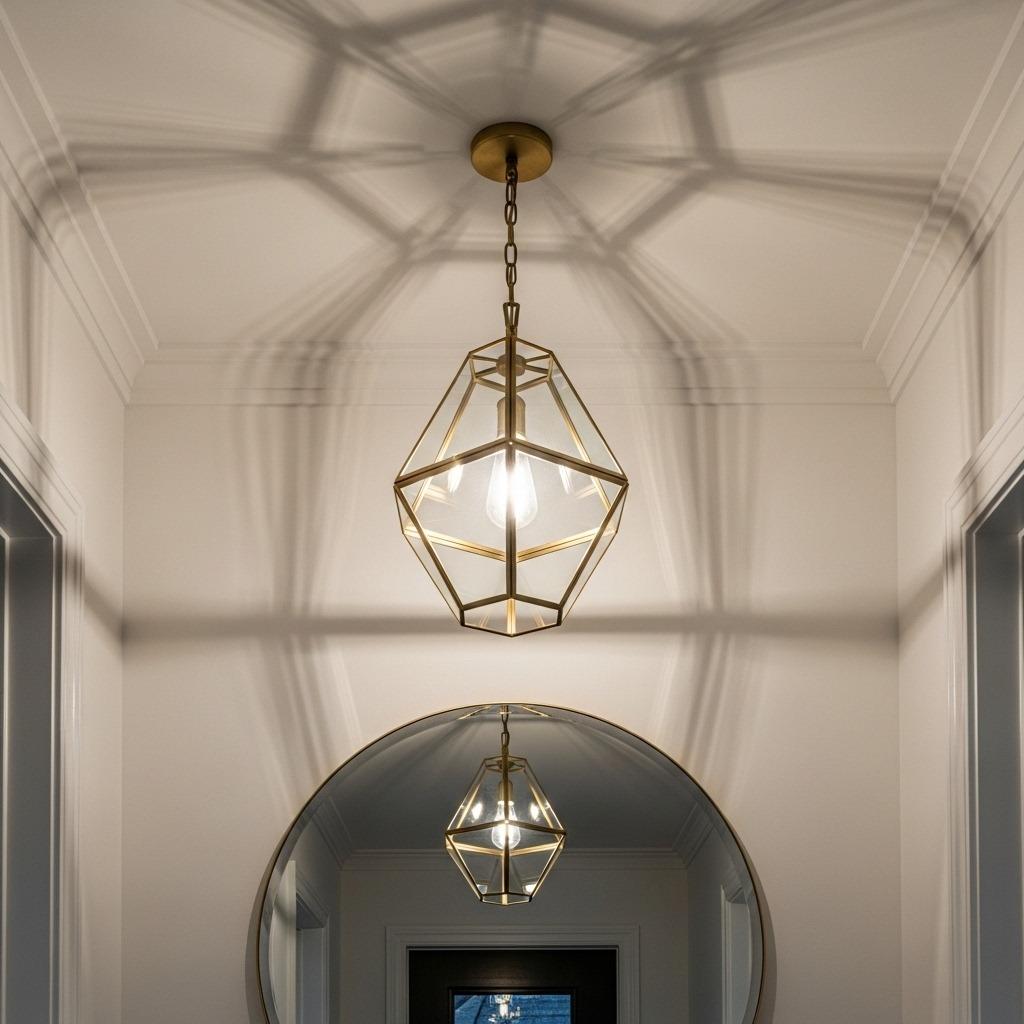
Lighting makes or breaks an entryway’s ambiance. That builder-grade flush-mount fixture probably isn’t doing your space any favors. A statement chandelier, pendant, or even a series of small fixtures can completely transform your entry from basic to breathtaking.
Scale matters enormously here. A tiny fixture in a two-story foyer looks lost and sad. Measure your space carefully. For standard 8-foot ceilings, your fixture should hang about 7 feet from the floor. In taller spaces, you have more flexibility to go bigger and bolder.
Consider layered lighting for entries without much natural light. A main overhead fixture provides general illumination, while wall sconces add warmth and visual interest. Table or console lamps create cozy ambiance for evening arrivals. When you’re tackling DIY home renovation ideas, updating light fixtures offers one of the best returns on effort and investment.
7. Design a Small Entryway Makeover That Maximizes Space
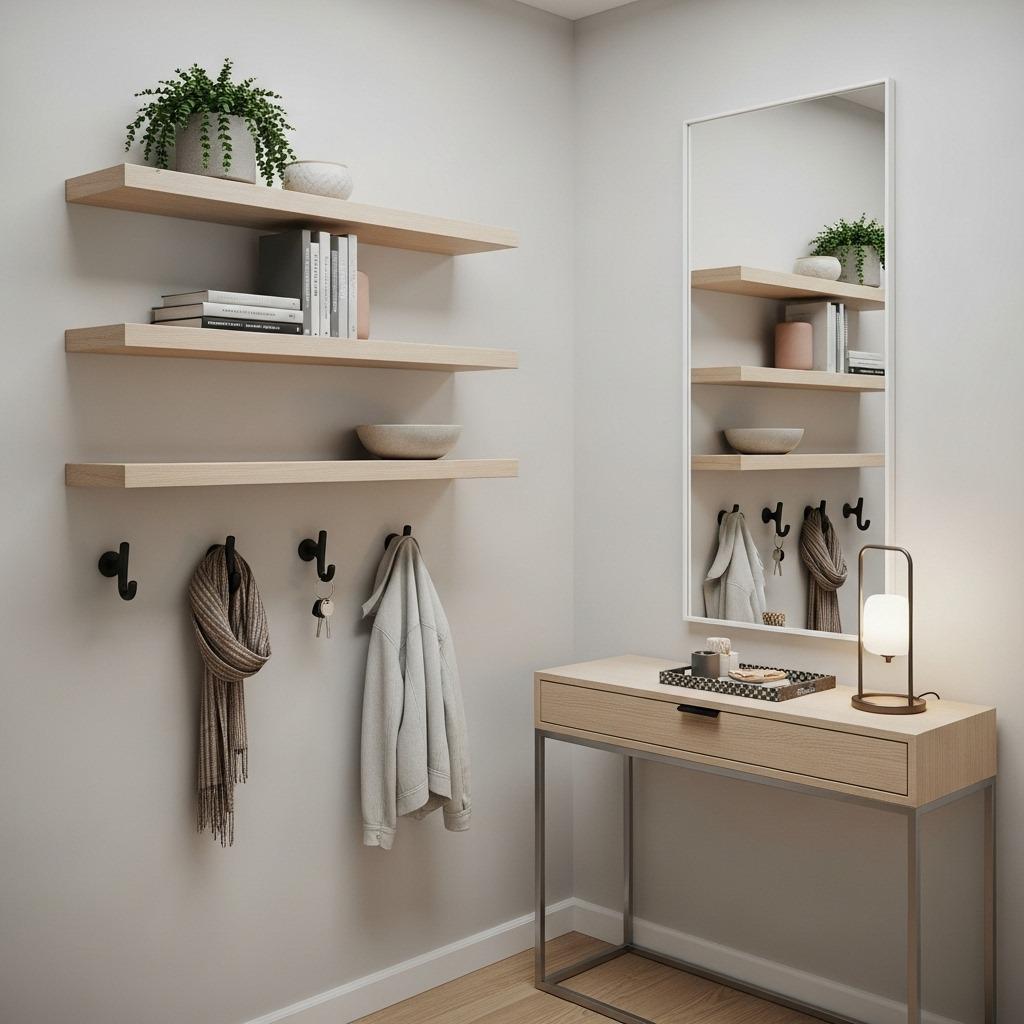
Not everyone has a grand foyer to work with. Small entryway makeover projects require creativity, but tight spaces can still pack serious style. The key is choosing furniture and storage that work hard without taking up too much real estate.
Floating shelves and wall-mounted hooks eliminate the need for bulky furniture. A narrow console table (12 inches deep or less) provides a surface for keys and mail without blocking the walkway. Vertical storage solutions, like tall cabinets or stacked cubbies, use your walls’ full height without eating into floor space.
Mirrors are your secret weapon in compact entries. A large mirror opposite your door bounces light around and creates the illusion of more space. It’s also practical for last-minute appearance checks before heading out. For more ways to work with limited square footage, explore these small space renovation strategies that apply to every room.
8. Add Architectural Details That Elevate the Space
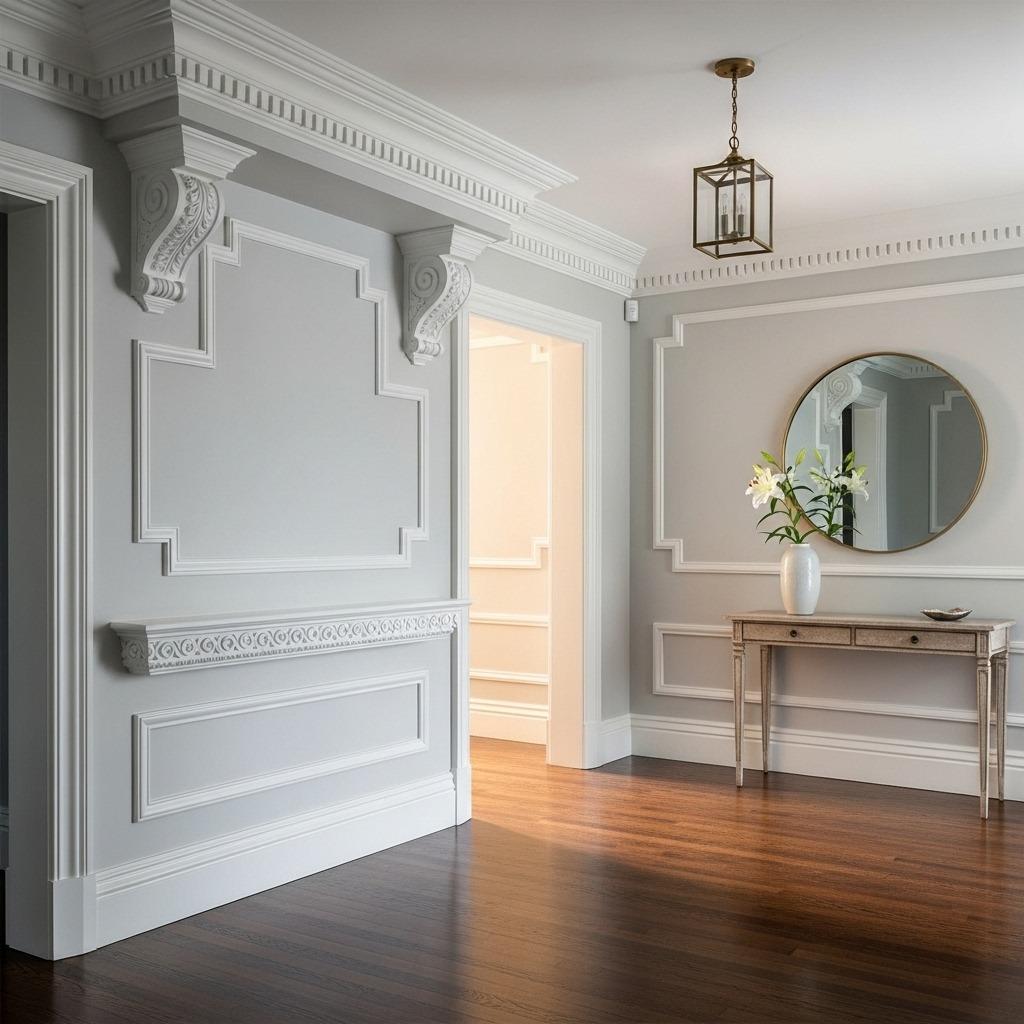
Architectural details give your entryway character and depth that flat walls simply can’t achieve. Crown molding, baseboards, and trim work make your space feel custom and considered, even in a standard tract home.
You don’t need to go full Victorian with ornate details. Simple, clean-lined moldings create a finished look that elevates any style from modern to traditional. Picture frame molding on walls adds visual interest without overwhelming smaller spaces. Applied moldings around doors and windows draw the eye to these features while making your ceilings appear higher.
These architectural elements also hide imperfections where walls meet ceilings or floors. If you’re working with older construction, they can disguise uneven surfaces while adding that polished finishing touch.
9. Incorporate Seating for Function and Style
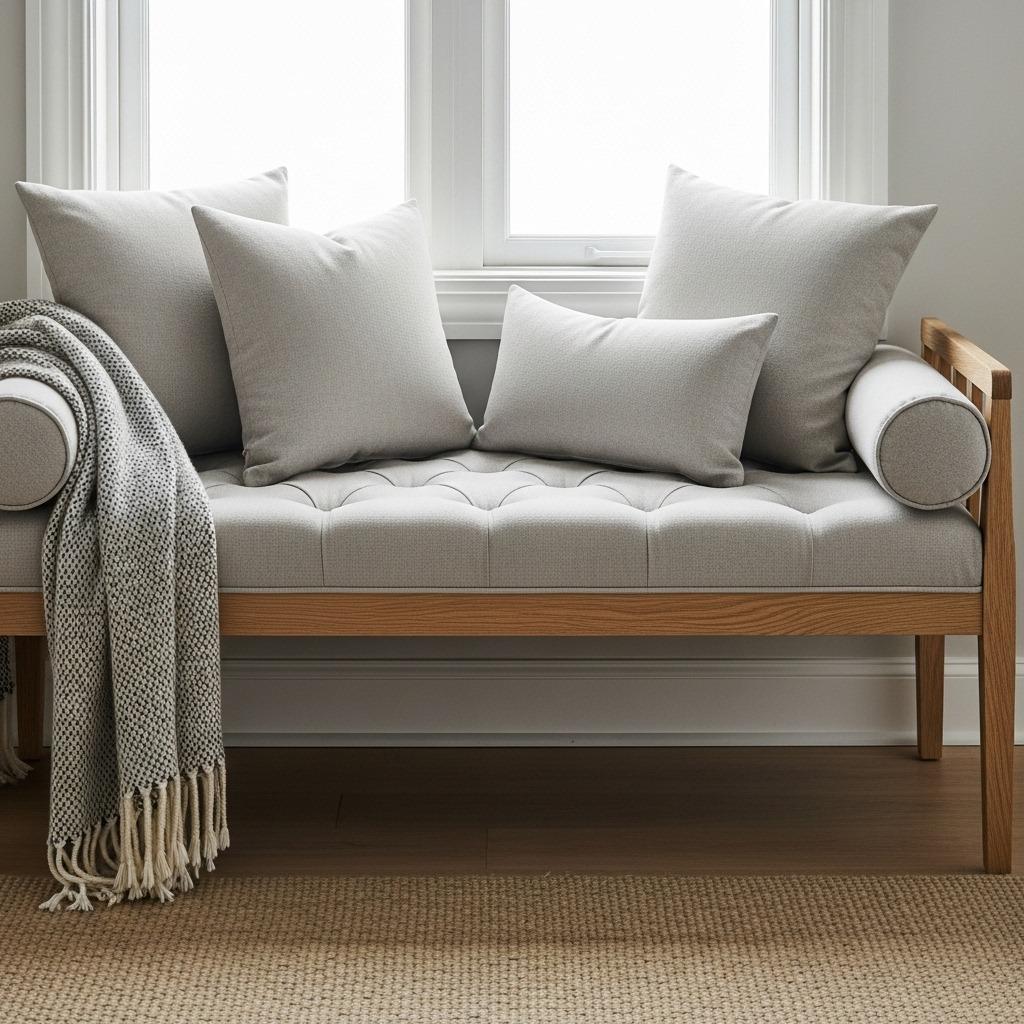
A place to sit while putting on shoes sounds simple, but it’s genuinely life-changing. Whether you choose a built-in bench, a vintage chair, or a modern stool, seating makes your entryway more functional and inviting.
Built-in benches with storage underneath offer maximum utility. They can house shoes, seasonal accessories, or cleaning supplies while providing comfortable seating. Freestanding options work better if you like to change things up or might move in the future. A vintage bench brings character, while a sleek modern design keeps things minimal.
Don’t forget comfort. Adding a cushion to a hard bench makes a real difference in daily use. Choose durable, washable fabrics that can handle the wear and tear of an entry space. Leather, performance fabrics, or even outdoor textiles work beautifully while standing up to real life.
10. Create Zones with Rugs and Runners
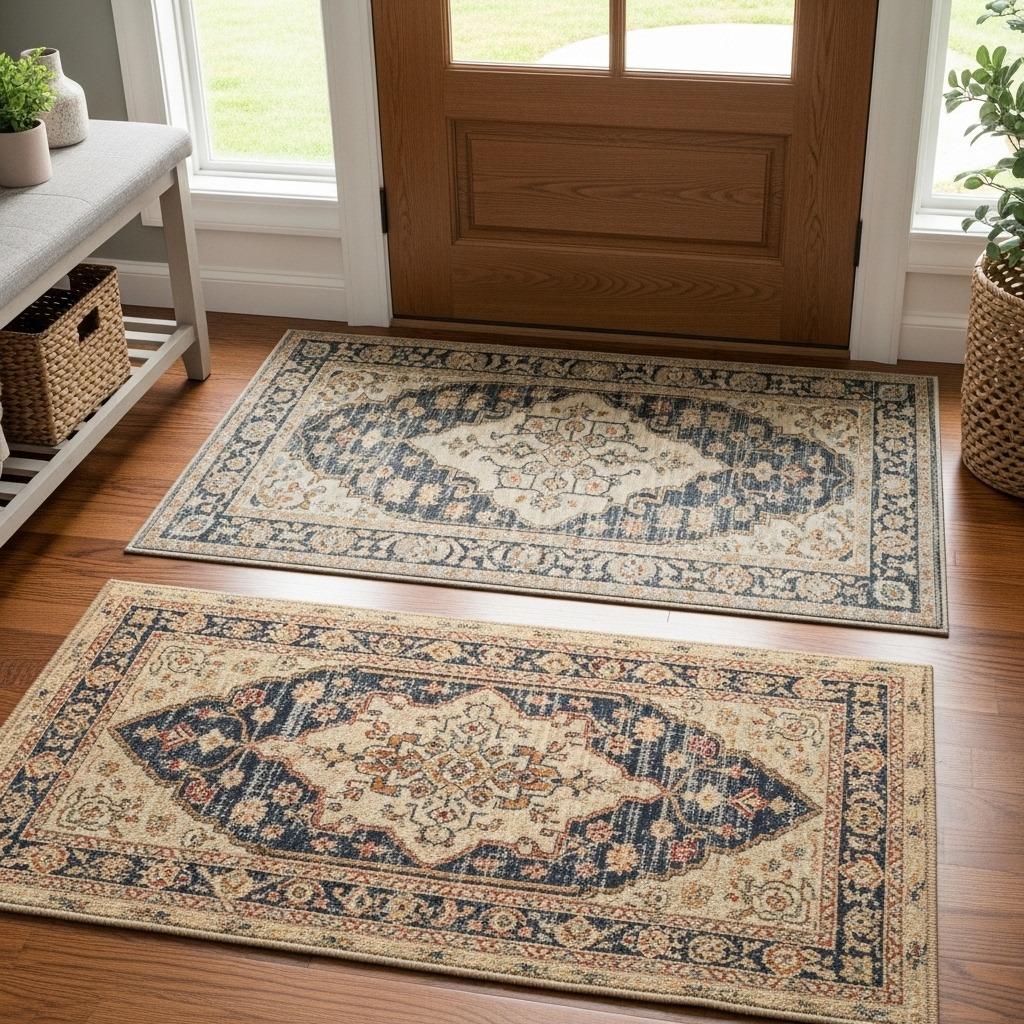
Rugs do more than protect your floors. They define your entry as its own distinct area, add warmth and color, and provide another layer of style. In open floor plans, a rug creates that crucial visual separation between your entrance and living spaces.
For high-traffic entries, durability matters as much as looks. Natural fiber rugs like sisal or jute can handle serious wear while adding organic texture. Indoor-outdoor rugs have come a long way aesthetically and resist moisture, stains, and fading. Layering a smaller decorative rug over a larger, more durable one gives you the best of both worlds.
Size matters here too. Your rug should be large enough to ground your entry furniture without covering every inch of floor. Leave some breathing room around the edges. In narrow hallways, a runner guides the eye forward while protecting floors. Just make sure whatever you choose has a non-slip backing or use a rug pad underneath.
11. Install Open Shelving for Display and Organization
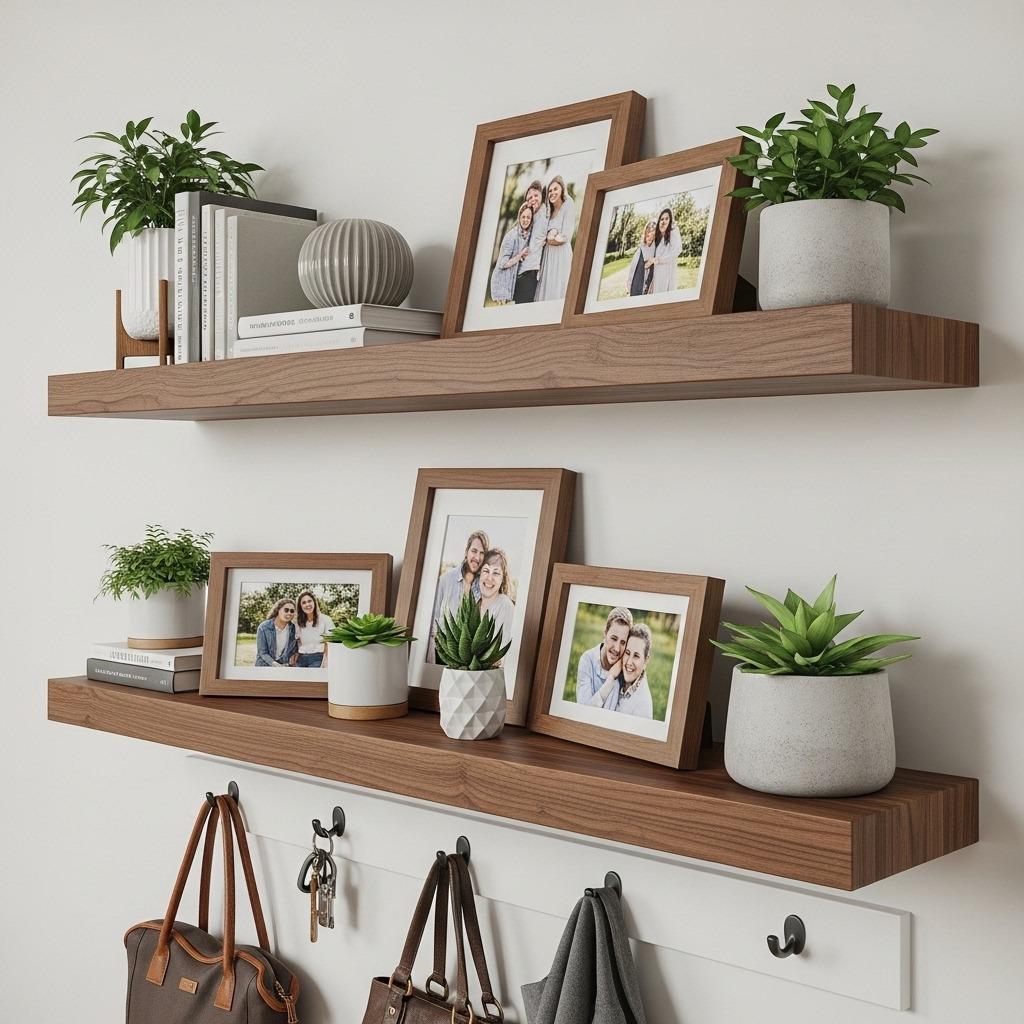
Open shelving brings both storage and personality to your entryway. Unlike closed cabinets, shelves let you display items that reflect your style while keeping everyday essentials within reach. The key is finding the balance between functional and decorative.
Lower shelves can hold baskets for corralling smaller items like gloves, dog leashes, or mail. Upper shelves work better for things you want to see, like plants, artwork, or seasonal decorations. Floating shelves create a cleaner, more modern look than brackets, but traditional shelf systems offer more flexibility if you like to rearrange.
Keep your displays edited and intentional. Too many items create visual clutter rather than interest. Stick to a cohesive color palette, vary heights for visual interest, and leave some empty space. Your shelves should feel curated, not crammed. Rotate items seasonally to keep your entry feeling fresh without requiring a complete overhaul.
12. Update Wall Color for Instant Transformation
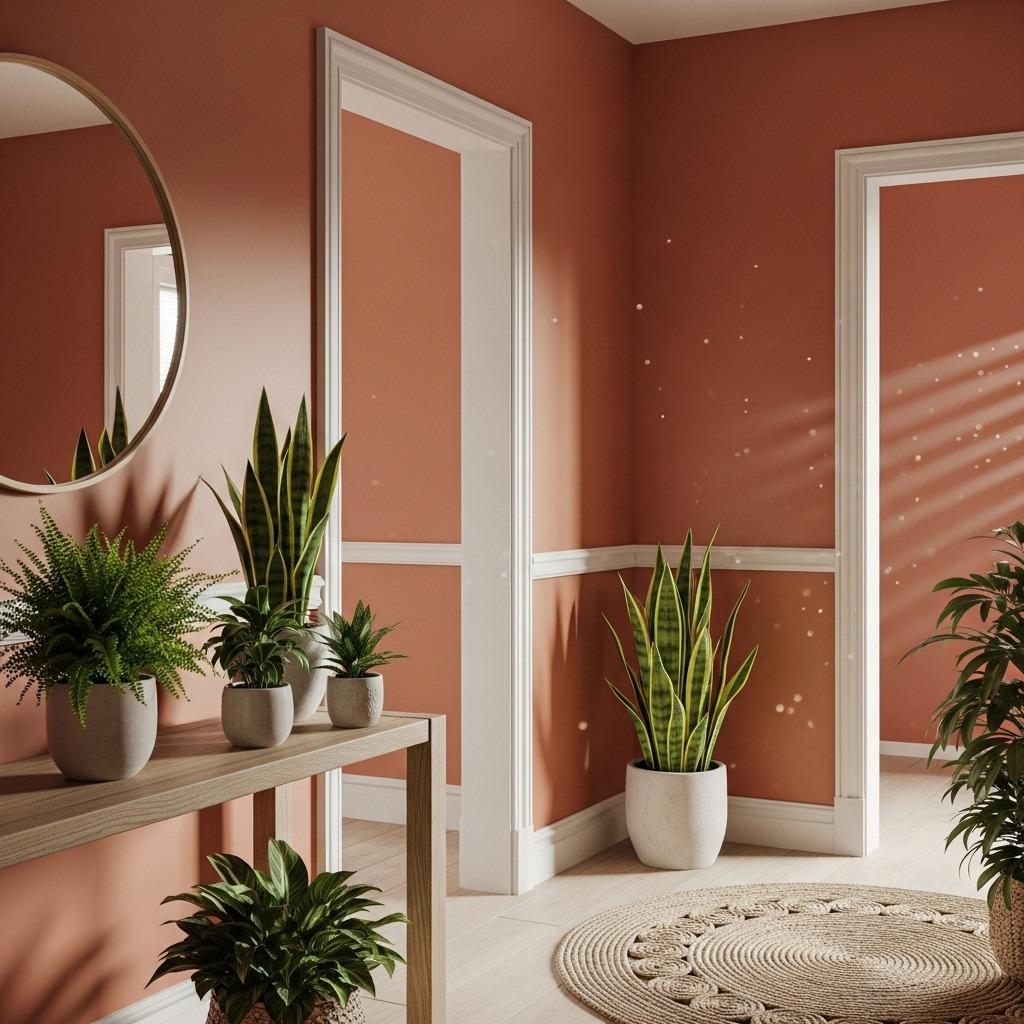
Paint remains the most cost-effective way to completely change a space. The right color can make a small entry feel larger, a dark hallway feel brighter, or a boring space feel special. And unlike most renovation projects, you can finish painting in a weekend.
Lighter neutrals like warm grays, soft beiges, or barely-there greens create an airy, welcoming feel. They also provide a flexible backdrop if you like to change your decor seasonally. Darker, moodier colors work surprisingly well in entries, especially when paired with good lighting and lighter furniture. Navy, forest green, or charcoal can make your entrance feel cozy and sophisticated.
Don’t ignore your ceiling. A fifth wall painted in a subtle contrast color adds unexpected interest without overwhelming the space. Consider how your entry color flows into adjacent rooms too. You want a transition that feels intentional rather than jarring. For more inspiration on selecting the perfect shades, browse these paint color schemes designed for cohesive homes.
13. Add Personality with Gallery Walls or Large Art
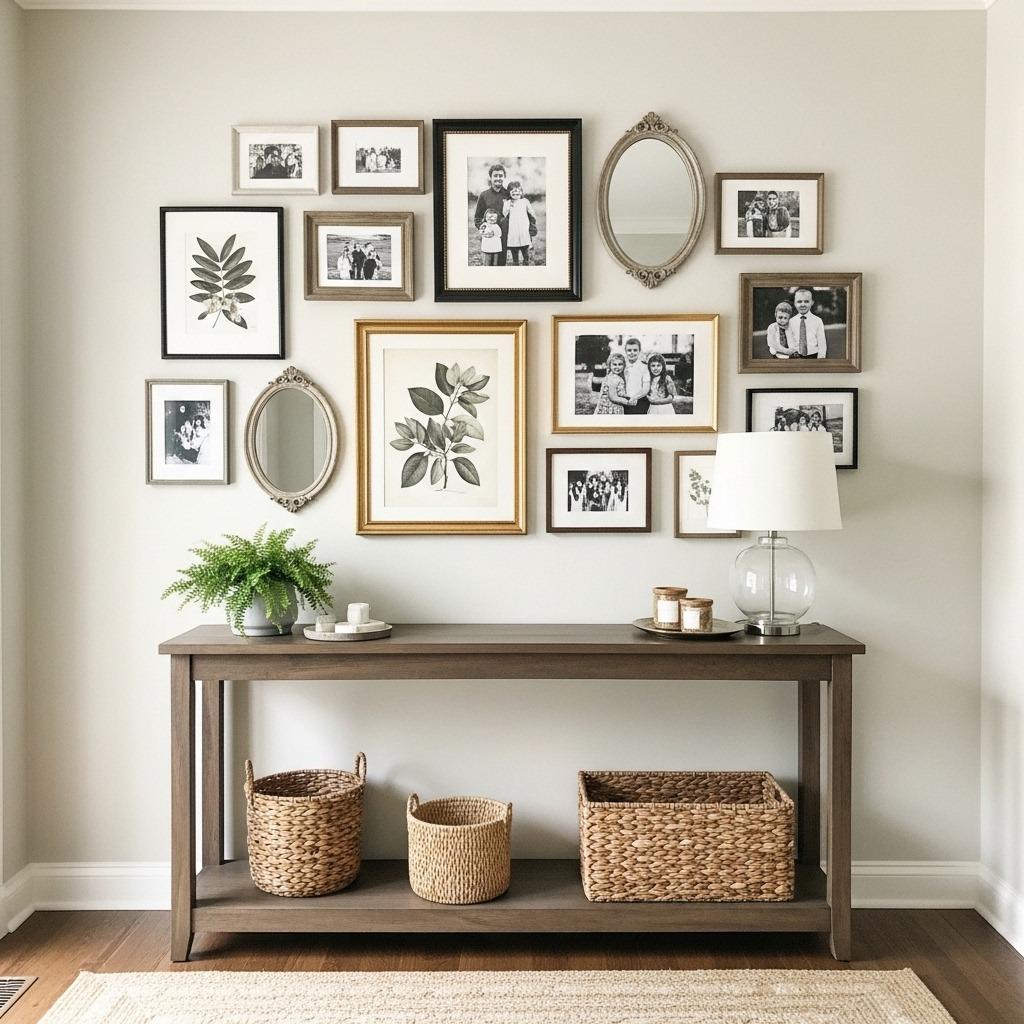
Art makes your entryway feel personal and complete. Whether you create a curated gallery wall or hang a single oversized piece, art transforms blank walls into something worth looking at. This is your chance to set the tone for your home’s aesthetic.
Gallery walls work well in entries because they can fill vertical space without requiring huge individual pieces. Mix frame sizes, styles, and even types of art (photographs, prints, small mirrors) for an eclectic look. Or keep everything uniform for a more structured, gallery-like appearance. Just map out your arrangement on the floor first to avoid unnecessary nail holes.
If gallery walls feel too fussy, one large statement piece makes an equally strong impact with less effort. An oversized mirror serves double duty by adding art and making your space feel larger. Whatever you choose, hang it at the right height (center should be around 57-60 inches from the floor) and scale it appropriately to your wall.
14. Incorporate Smart Storage Solutions
If you’re lucky enough to have a closet in your entry, don’t waste that valuable real estate. A well-organized entryway closet can hide the chaos of everyday life while keeping essentials accessible. Smart organization systems make a huge difference here.
Start by assessing what actually needs to be in your entry closet. Coats you wear regularly? Yes. That bridesmaid dress from 2015? Probably not. Invest in matching hangers (they take up less space than mismatched ones), add shelf dividers for stacked items, and use the back of the door for bags or accessories.
Clear shoe boxes or pull-out bins keep footwear organized and visible. Over-the-door organizers create storage out of thin air. Even simple additions like battery-powered LED lights make your closet more functional. When you need to grab something quickly while running out the door, good organization is the difference between stress and smooth sailing.
15. Refresh with Modern Entry Designs That Reflect Current Trends
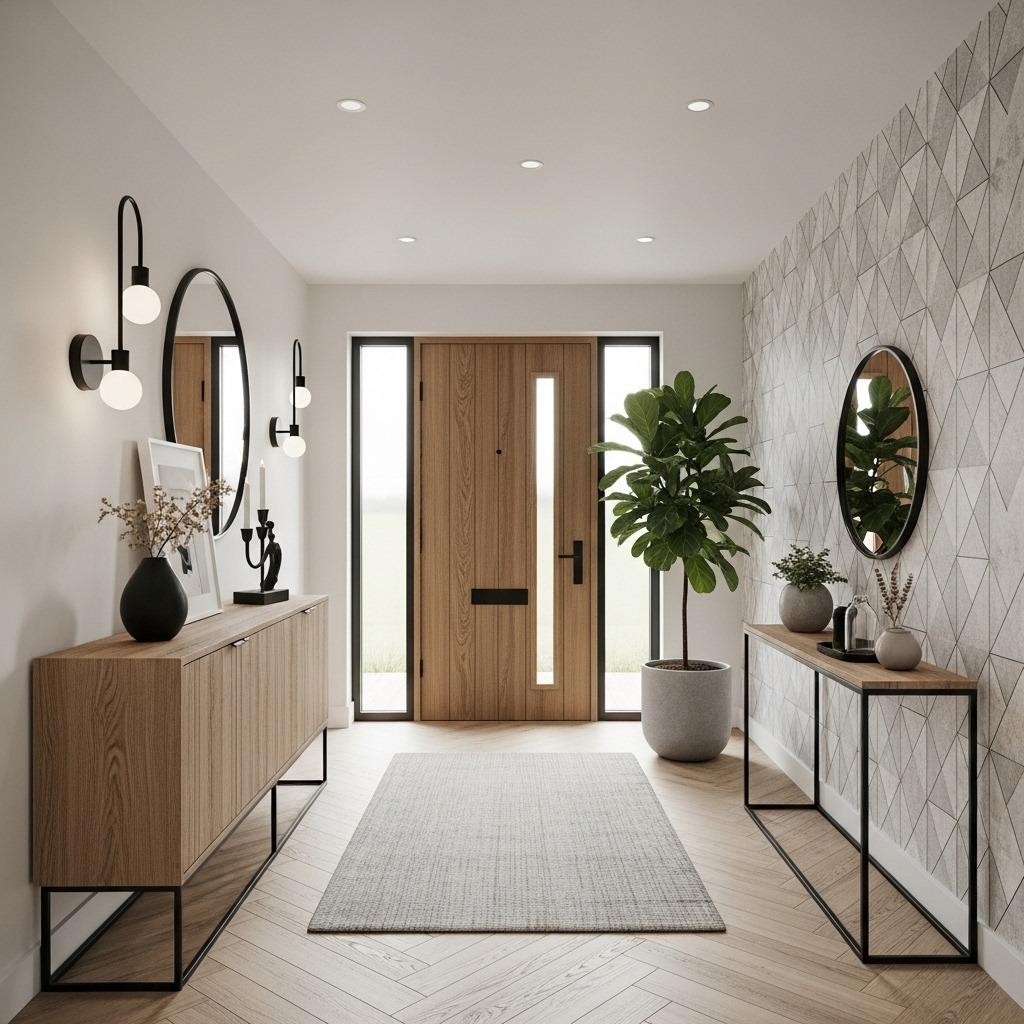
Staying current with modern entry designs doesn’t mean chasing every trend. It means understanding which current elements will stand the test of time and which will feel dated in three years. Right now, we’re seeing a beautiful blend of natural materials, clean lines, and organic curves.
Natural wood tones are replacing the gray-washed finishes that dominated for years. Think warm oak, walnut, or even lighter maple. These woods bring warmth without feeling rustic or farmhouse-heavy. Pair them with matte black metal accents, stone or concrete elements, and you’ve got a sophisticated modern look.
Curves are having a moment too. Arched mirrors, rounded benches, and curved console tables soften the hard edges of modern design. Combine this with interesting textures (woven baskets, bouclé upholstery, ribbed glass) for depth and visual interest. The goal is a space that feels current but not overly trendy. For more inspiration on creating spaces with staying power, check out these home improvement ideas that balance style and functionality.
16. Consider Foyer Remodel Inspiration from Different Design Styles
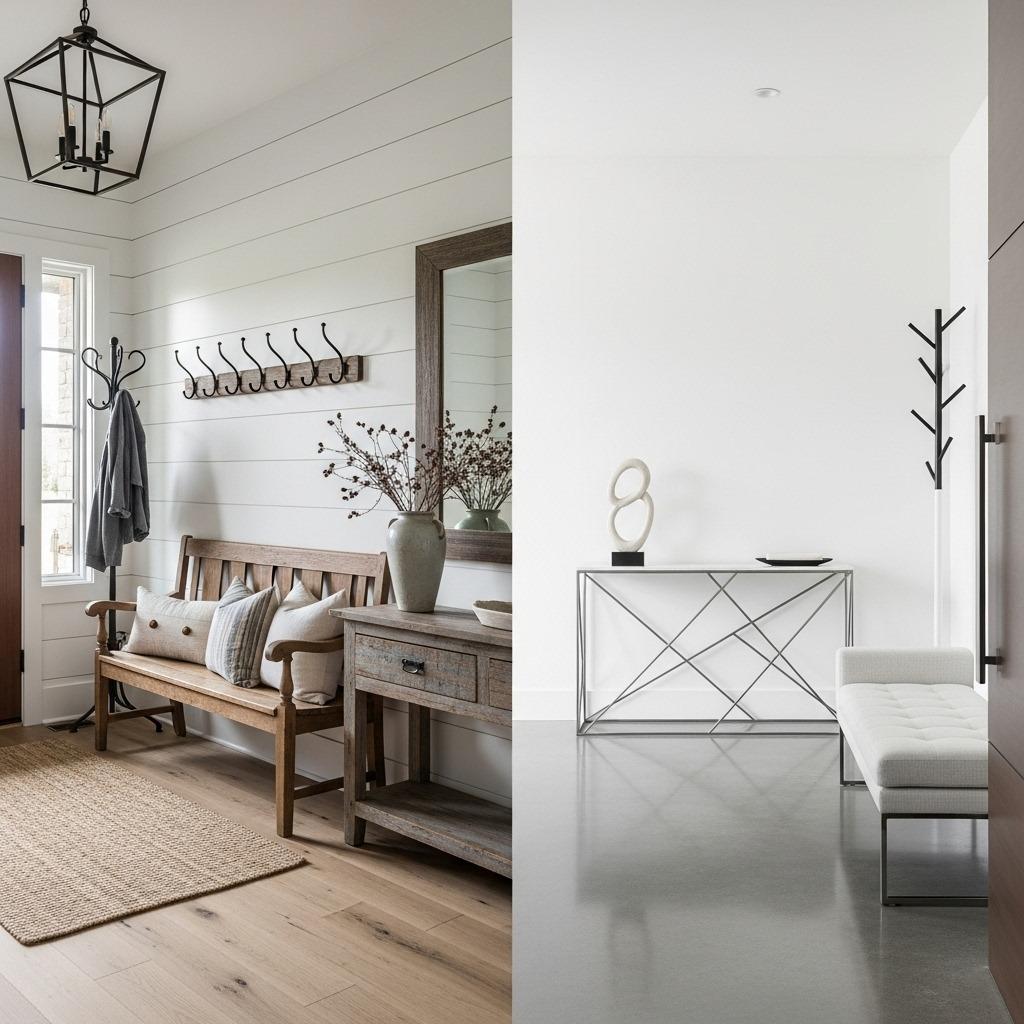
Your entryway should hint at your home’s overall design aesthetic. Whether you lean toward farmhouse charm, minimalist modern, traditional elegance, or eclectic bohemian, your entry renovation should reflect that style while remaining functional.
Farmhouse-inspired entries often feature shiplap walls, vintage-inspired hooks, and warm wood tones. They feel casual and welcoming without being overly precious. Farmhouse style living room elements often translate beautifully to entries, like sliding barn doors or galvanized metal accents.
Modern minimalist approaches strip everything down to essentials: clean lines, neutral colors, and carefully edited displays. Every item earns its place through function or beauty (ideally both). Traditional styles embrace classic architectural details, symmetry, and richer color palettes. Bohemian entries layer patterns, textures, and global finds for personality-packed spaces.
17. Upgrade Trim and Molding for a Polished Look
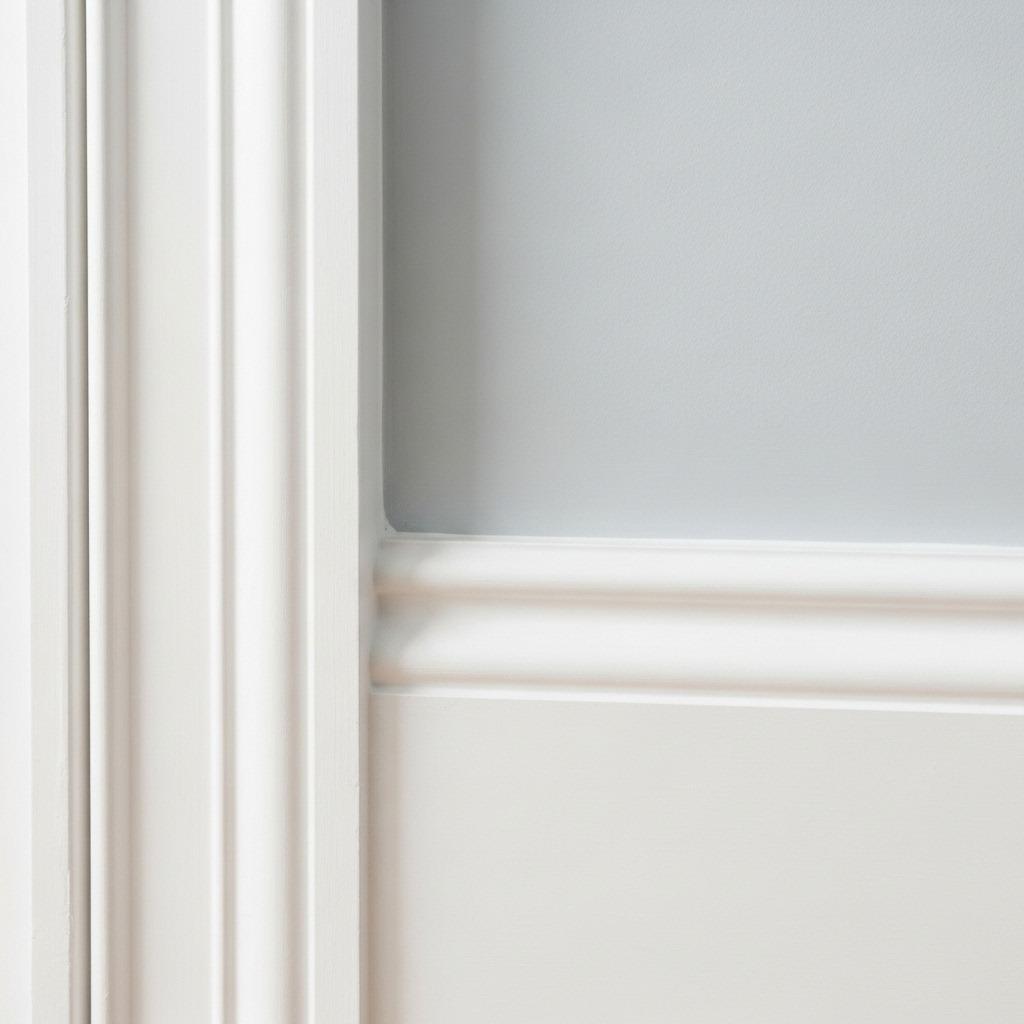
New trim and molding might not sound exciting, but they create that finished, pulled-together look that separates amateur renovations from professional ones. Upgrading from basic builder-grade trim to something with more substance instantly elevates your space.
Taller baseboards (5-7 inches instead of the standard 3-4 inches) make ceilings appear higher and rooms feel more substantial. Thicker door casings frame your openings beautifully and add architectural weight. Even just painting existing trim in a crisp, contrasting color can create surprising impact without any carpentry work.
If your trim is damaged, dated, or just inadequate, replacing it offers excellent return on investment. MDF (medium-density fiberboard) provides a budget-friendly alternative to solid wood that paints beautifully and won’t warp or split. Just take your time with caulking and painting. The difference between good trim work and great trim work is all in those finishing details.
18. Create a Mudroom Feel in Any Entryway
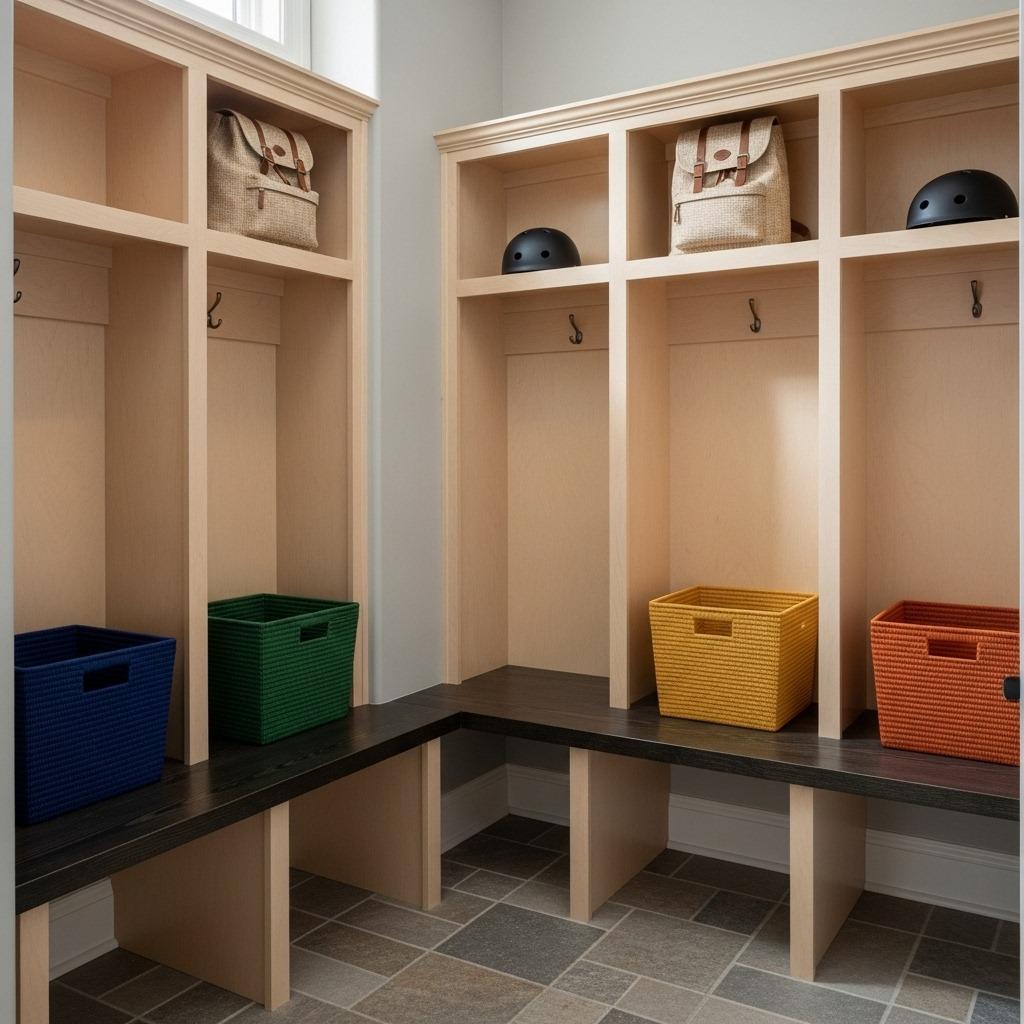
Not everyone has a separate mudroom, but any entryway can function like one with the right setup. The goal is creating individual zones where family members can stash their stuff without creating chaos.
Assign each person their own space, even if it’s just a hook and a basket. Label them if it helps (especially with kids). Include spots for the items that actually come and go every day: shoes, coats, bags, dog leashes, keys. A small basket or tray for outgoing mail and library books prevents those last-minute scrambles.
Think vertically when space is tight. Wall-mounted organizers, over-the-door racks, and floating shelves make use of often-wasted wall space. Even a narrow cart on wheels can serve as mobile storage that tucks away when you don’t need it. The key is making it easy for everyone to put things where they belong.
19. Install Wainscoting or Paneling for Texture and Protection
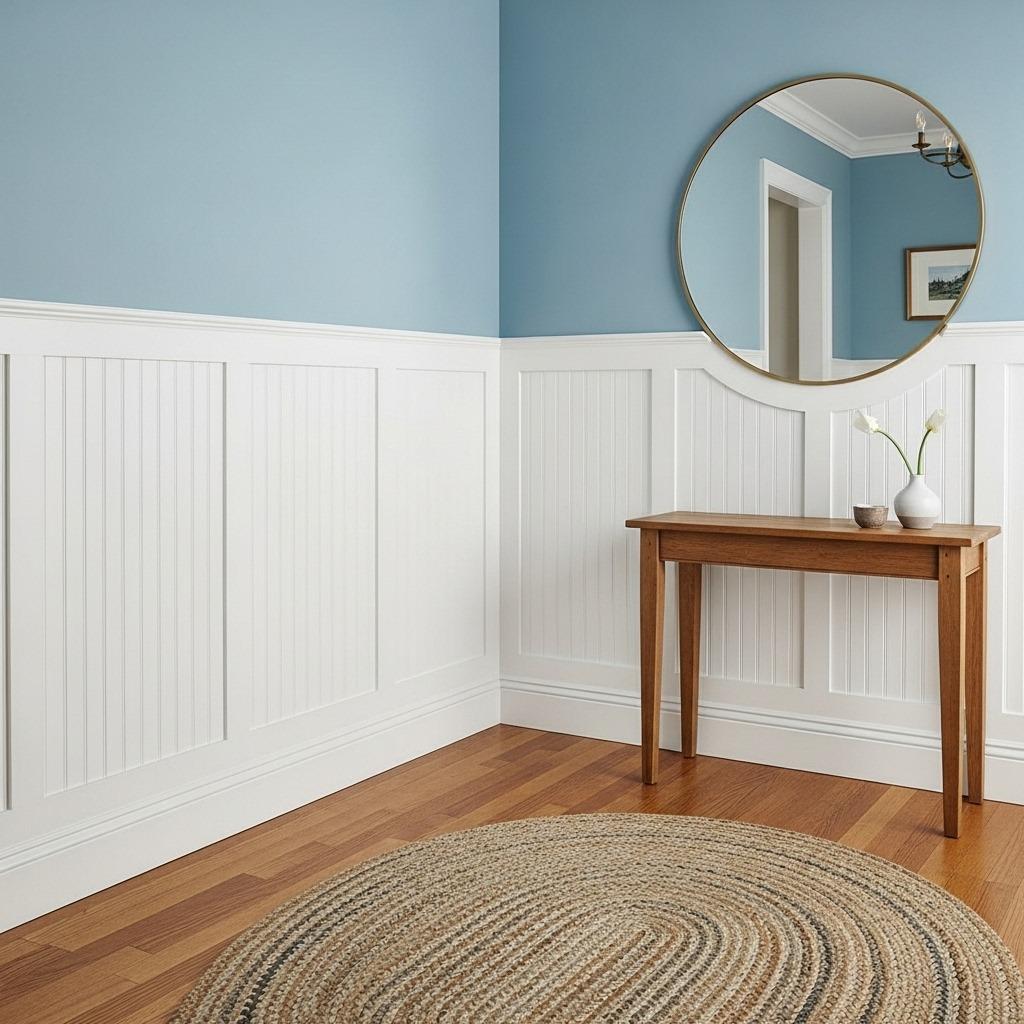
Wainscoting protects your walls from the daily abuse that comes with an active household while adding beautiful texture and dimension. It’s practical and pretty, which makes it ideal for hardworking entryways.
Traditional beadboard creates a classic, cottage-like feel. Board and batten offers a more contemporary take with bold vertical lines. Flat panel wainscoting works in transitional spaces, while raised panel skews more traditional. All of these options can be painted to match or contrast with your wall color.
Installation requires some carpentry skills, but pre-made panels and kits make it achievable for confident DIYers. The standard height for wainscoting is 32-36 inches (roughly one-third of your wall height), but rules are meant to be broken. Taller wainscoting can make a small entry feel cozier, while lower panels preserve wall space for art or mirrors.
20. Add Greenery and Natural Elements
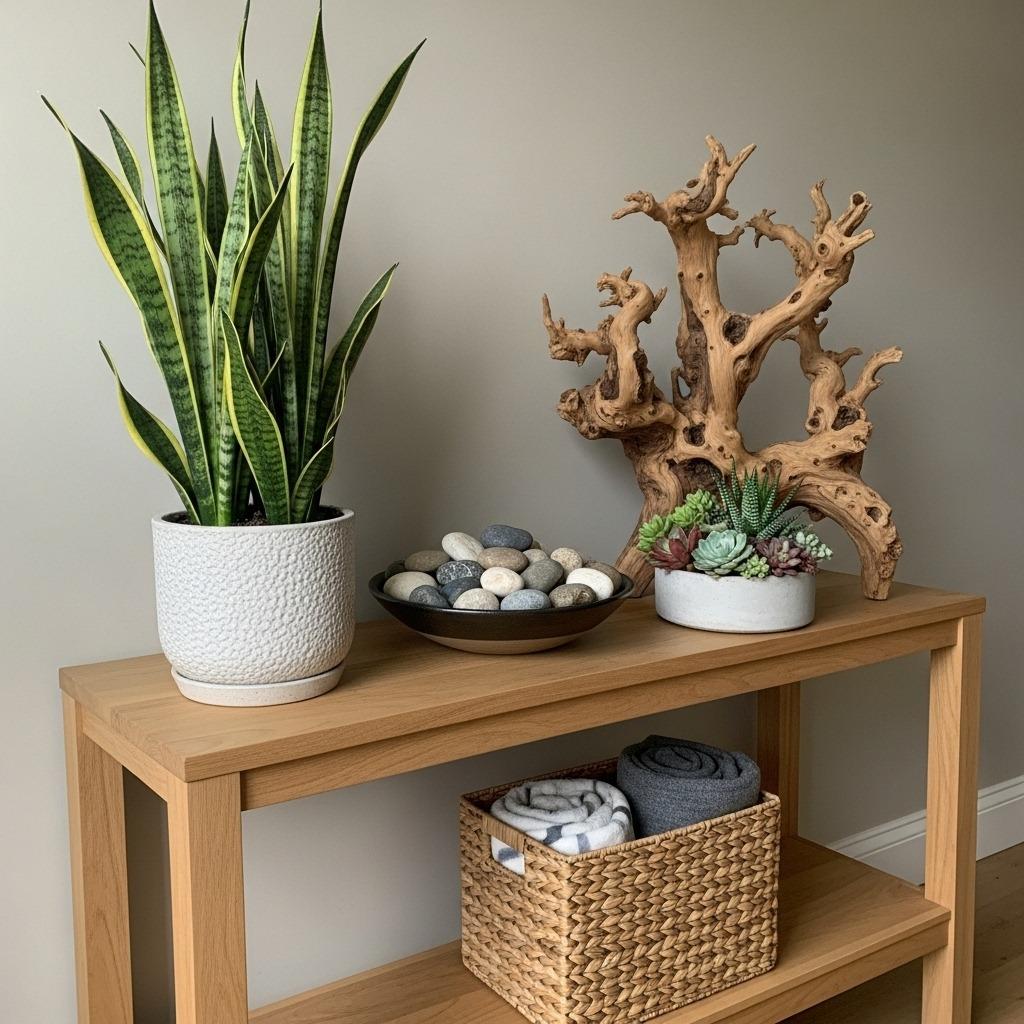
Plants breathe life into any space, including your entryway. They purify air, add color and texture, and create a connection to the outdoors that makes coming home feel more welcoming. Even if you’re not much of a gardener, there are options that will work.
Snake plants, pothos, and ZZ plants tolerate low light and occasional neglect, making them perfect for entries that might not get tons of natural sun. Larger floor plants like fiddle leaf figs or rubber trees make bold statements, while smaller succulents or air plants add subtle touches to console tables or shelves.
Beyond living plants, natural materials like wood, stone, rattan, and linen bring organic warmth to your entry. A wooden bowl, a stone vase, woven baskets, or linen textiles all contribute to that grounded, natural feel. If you’re drawn to bringing the outdoors in, explore more indoor garden living room concepts that work throughout your home.
Renovating your entryway doesn’t require a massive budget or months of construction. Whether you tackle one of these ideas or combine several, each update brings you closer to an entrance that works better and looks incredible. The best part? You’ll experience the results every single day.
Start with what bothers you most about your current space. Is it lack of storage? Poor lighting? Boring walls? Address those pain points first, then layer in the aesthetic touches that make the space truly yours. Your entryway has the potential to be so much more than just a pass-through. With some thoughtful renovation choices, it becomes a space that makes you smile every time you walk through the door.

