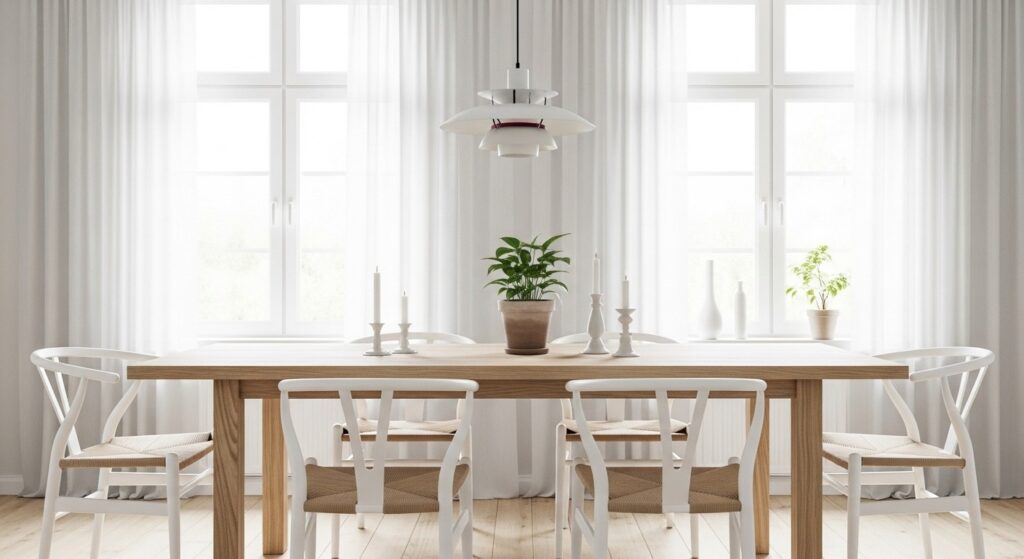
There’s something about a Scandinavian dining room that just feels right. Maybe it’s the way natural light floods every corner, or how each piece of furniture seems carefully chosen yet effortlessly placed. Whatever it is, these spaces have a quiet magic that turns everyday meals into moments worth savoring.
I’ve always been drawn to the Nordic approach to dining spaces. It’s not about filling a room with stuff or following rigid design rules. Instead, it’s about creating a backdrop for connection – a place where conversations flow as easily as the light through unadorned windows. The beauty lies in what’s not there as much as what is.
If you’ve been scrolling through dining room inspiration and feeling overwhelmed by maximalist trends or overly formal setups, you’re in the right place. These 20 designs prove that calm, understated spaces can be just as captivating. And honestly? They’re often more livable.
1. The Classic All-White Haven
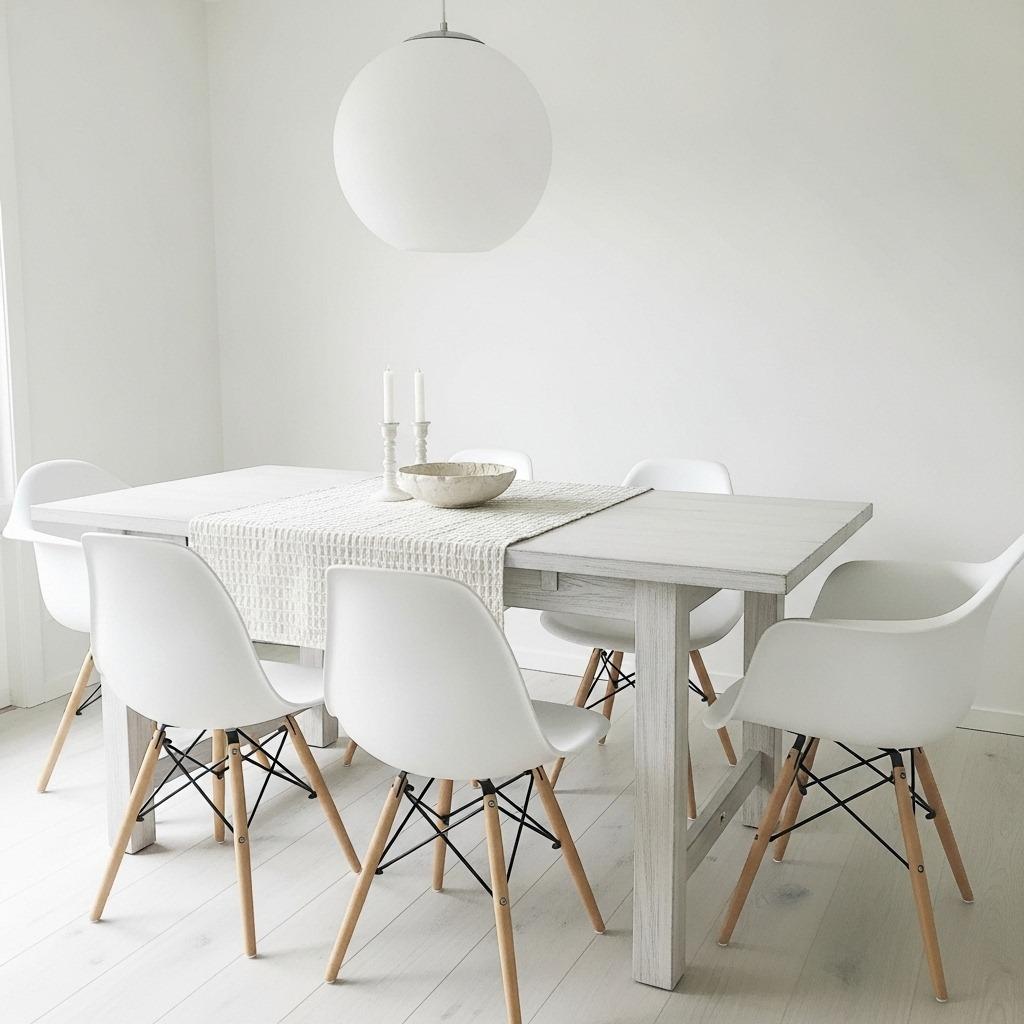
There’s a reason the all-white Scandinavian dining room never goes out of style. White walls meet white chairs around a pale wood table, creating a canvas that somehow never feels stark or cold. The trick is layering different whites and creams so the space has depth rather than feeling flat.
Natural textures become your best friend here. A linen table runner, woven placemats, or even the grain of a wooden table adds visual interest without disrupting the serene vibe. I’ve noticed that these rooms photograph beautifully, but they feel even better in person – there’s a softness that doesn’t always translate through a screen.
Lighting plays a huge role in pulling this look together. A sculptural pendant light or a cluster of simple glass globes draws the eye upward and adds a focal point without competing with the clean aesthetic. Scandinavian living rooms often use the same approach, creating cohesive flow between spaces.
2. Warm Wood Meets Cool Tones
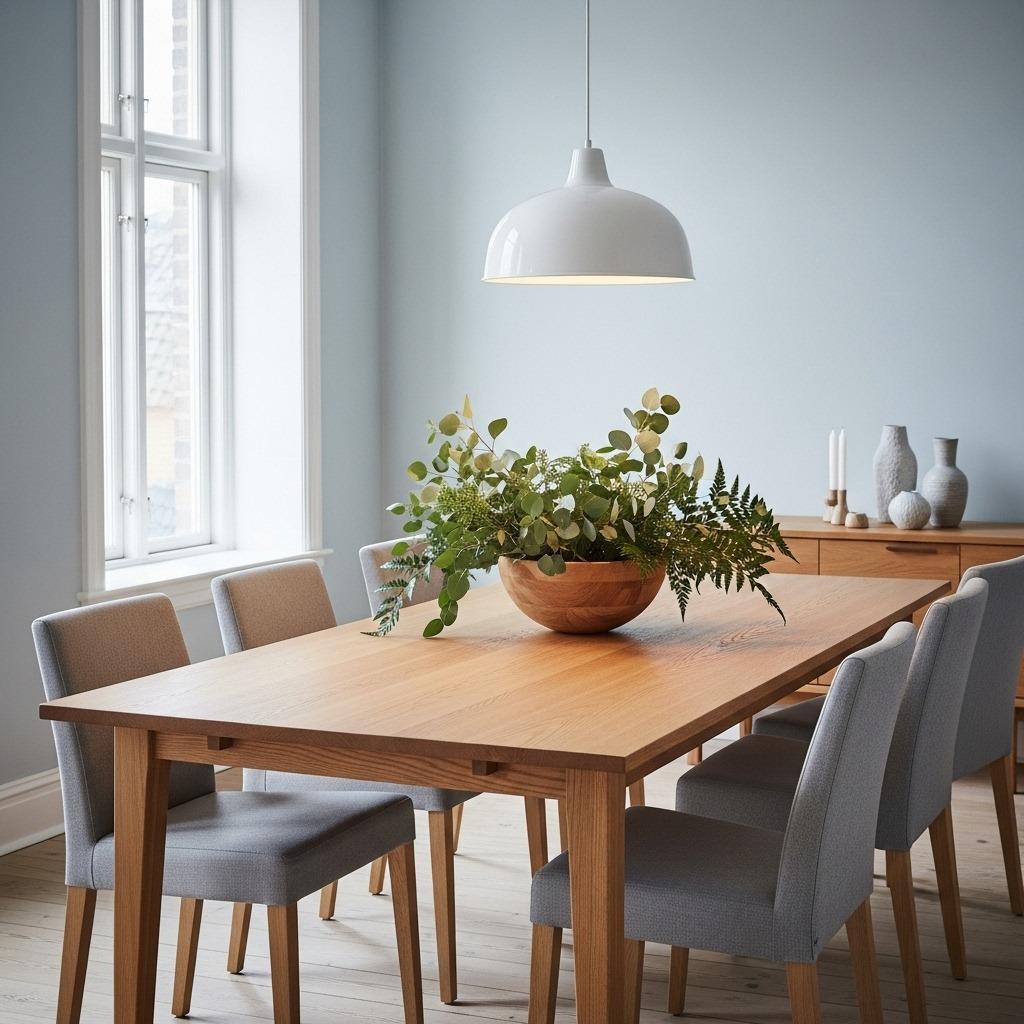
Pairing warm wood with cool grays and blues creates that quintessential Nordic dining space that feels both cozy and refreshing. The wood brings organic warmth while the cooler palette keeps things feeling spacious and breathable. It’s a balance that works surprisingly well across different seasons.
A honey-toned oak table anchors the room while pale gray walls recede into the background. Chairs might pick up that gray, or introduce a dusty blue that reminds you of coastal skies. The color scheme is simple, but the warmth-coolness interplay keeps your eye moving around the room.
This combination works particularly well in smaller dining areas. The light wood prevents the space from feeling heavy, while cool tones create an optical illusion of more square footage. Adding a modern minimalist living room approach to adjacent spaces continues this airy feeling throughout your home.
3. Black Accents for Drama
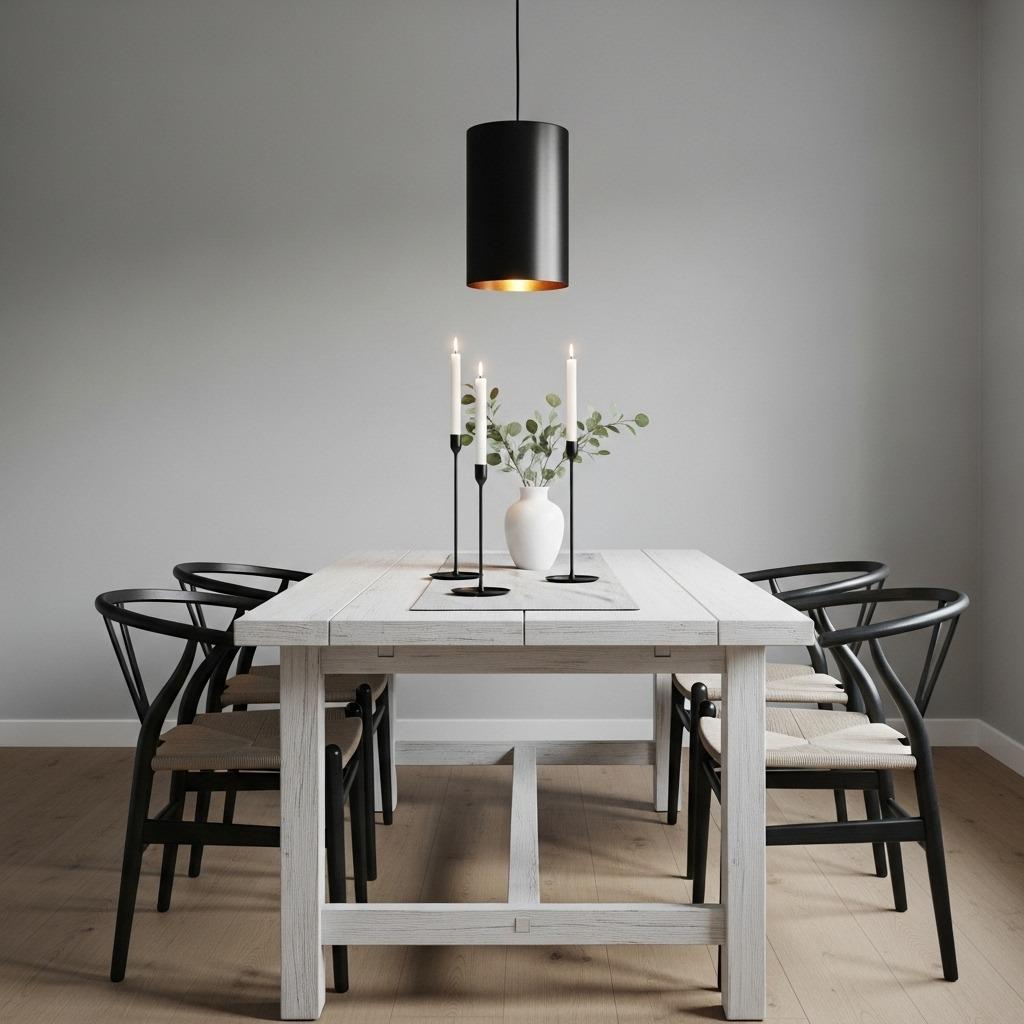
Who says Scandinavian design can’t have a moody side? Strategic black accents against a light backdrop create stunning contrast without sacrificing the calm atmosphere. Black Windsor chairs around a white table, or a matte black pendant light above pale wood – these touches add sophistication.
The key is restraint. Too much black and you’ve veered into different territory entirely. But just enough creates visual punctuation marks throughout the space. Black window frames have become especially popular, framing views like pieces of living art while anchoring the room’s design.
I find that black accents also make a space feel more intentional and finished. It’s the difference between a room that looks accidentally minimal and one that’s been thoughtfully composed. Even something as simple as black candlesticks or a dark ceramic vase can tie the look together.
4. The Power of Natural Light
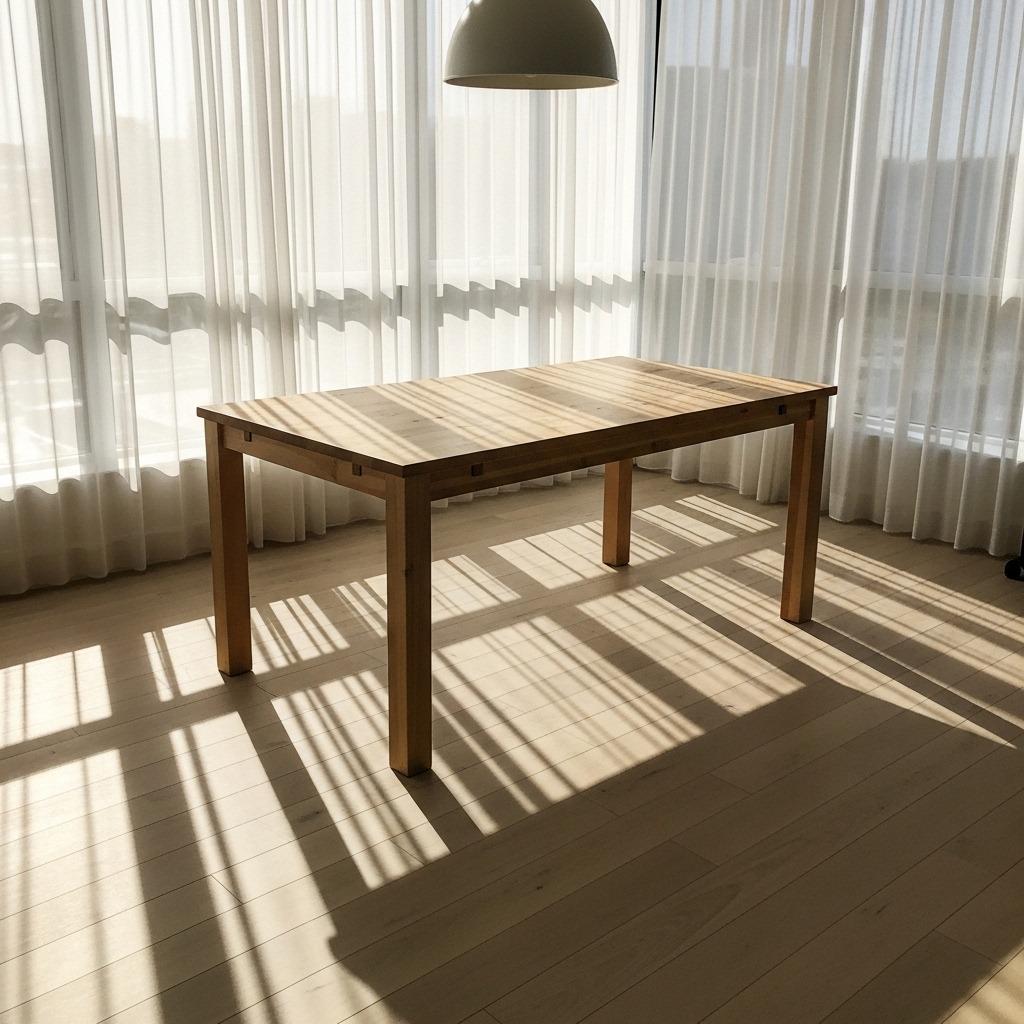
Nothing defines Scandinavian dining rooms quite like their relationship with natural light. Large windows without heavy treatments, sheer curtains that filter rather than block, or in some cases, no window coverings at all. Light is treated as a design element in itself, shifting throughout the day to create different moods.
Positioning your dining table near a window transforms every meal. Morning coffee catches golden light, while dinner might be lit by the softer glow of dusk. This connection to the outdoors and natural rhythms feels grounding in a way that artificial lighting just can’t replicate.
If privacy is a concern, consider frosted window film on the lower portion of windows or sheer linen curtains that let light through while softening the view. The goal is maximizing brightness without feeling exposed. Strategic home storage improvements can help keep window areas clear and uncluttered for maximum light flow.
5. Minimalist Table Decor
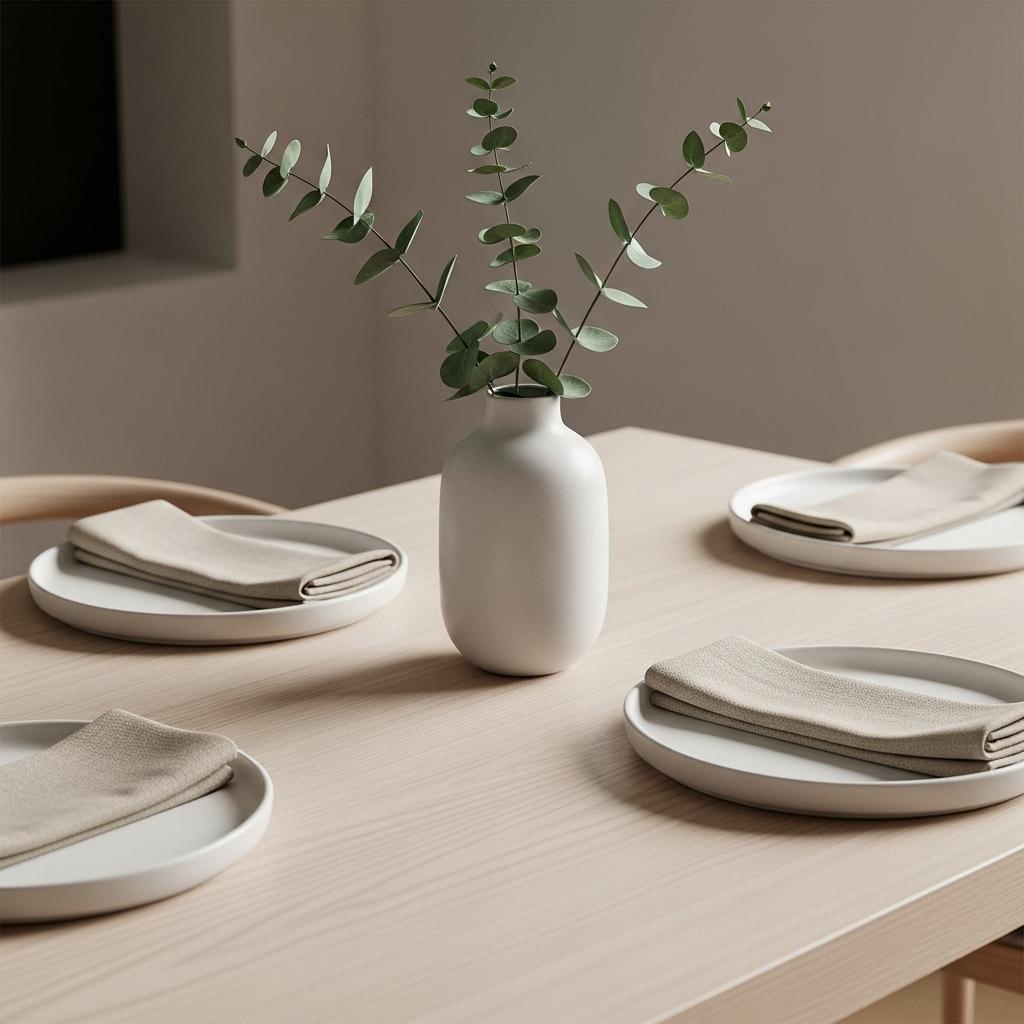
Scandinavian table decor follows the “less is more” philosophy religiously. A single stem in a glass vase, a small potted plant, or even just the beautiful wood grain of the table itself. The restraint makes whatever you do place on the table feel more significant and intentional.
This approach also makes daily living easier. There’s no clutter to move aside when setting the table, and cleaning becomes a breeze. For special occasions, you might add candles or a simple runner, but the everyday look remains beautifully uncomplicated.
I’ve noticed this minimalist approach to table styling makes the food itself become part of the decor. White dishes against natural wood create their own aesthetic, and colorful fresh ingredients pop against the neutral backdrop. It’s functional design that enhances rather than competes with daily life.
6. Mixed Seating for Character
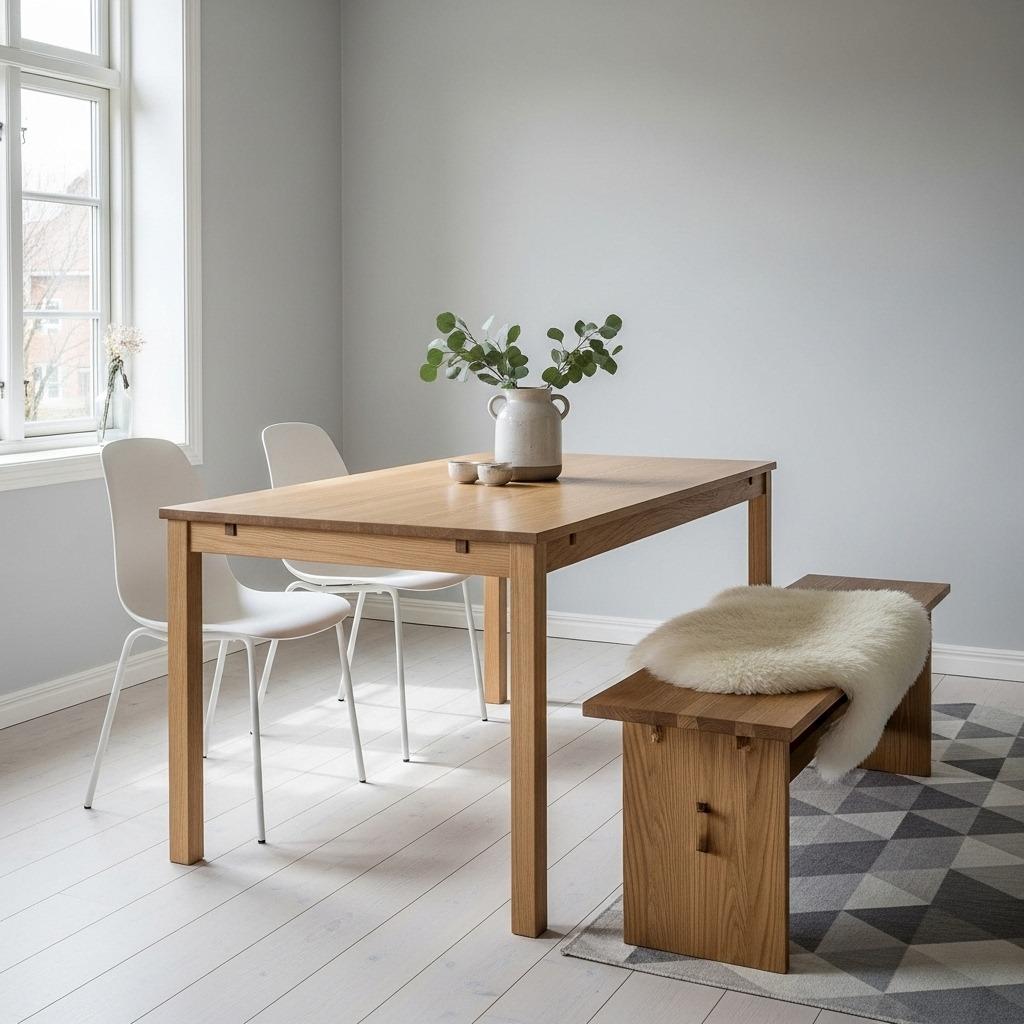
While matching chair sets have their place, mixing seating adds personality to your Nordic dining space. Pair a wooden bench on one side with chairs on the other, or combine different chair styles in the same wood tone. This approach feels more collected and less catalog-perfect.
A bench is particularly practical for families or anyone who entertains. It offers flexible seating that can squeeze in an extra person when needed, and it tucks neatly under the table when not in use. Plus, there’s something inherently casual and welcoming about bench seating that formal chairs don’t quite achieve.
The mixed seating trend also allows you to invest gradually in quality pieces. Start with a solid table and a couple of chairs, then add more seating over time. Each piece can tell its own story while contributing to the cohesive whole. This is similar to how kitchen and dining ideas often incorporate varied elements for a more personalized space.
7. Statement Lighting as Art
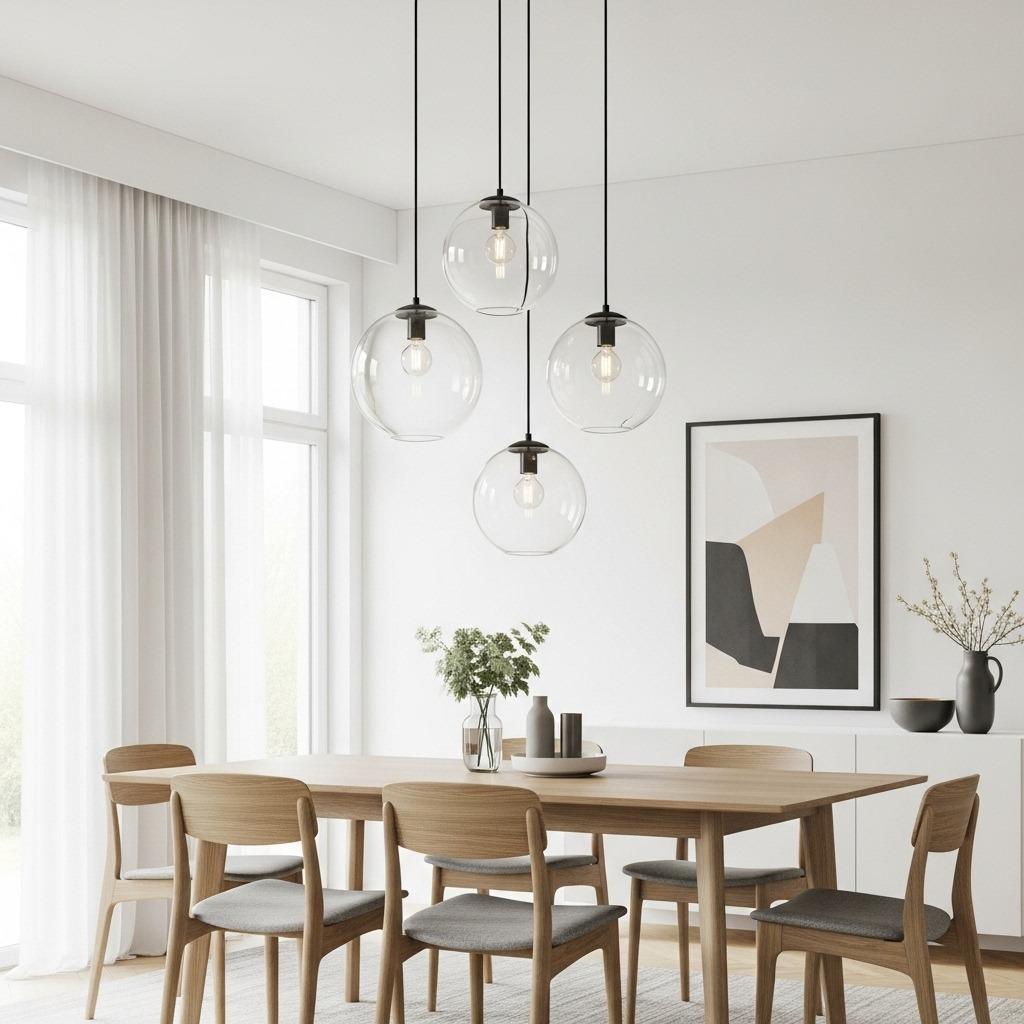
In the world of minimalist dining decor, the light fixture often becomes the room’s jewelry. A sculptural pendant or a series of simple glass orbs can transform the space without adding visual clutter. The right light fixture draws the eye upward and defines the dining zone, especially in open-plan layouts.
Scale matters here. A fixture that’s too small disappears, while one that’s too large overwhelms. The general rule is to choose a light that’s about half to two-thirds the width of your table, though rules are meant to be broken when the piece is particularly special.
Materials stay natural and honest – wood, glass, metal, or combinations thereof. Avoid overly ornate fixtures or busy finishes. The goal is to make a statement through form and placement rather than decoration. Proper stylish home lighting can completely transform how a space feels throughout the day.
8. Textural Layers
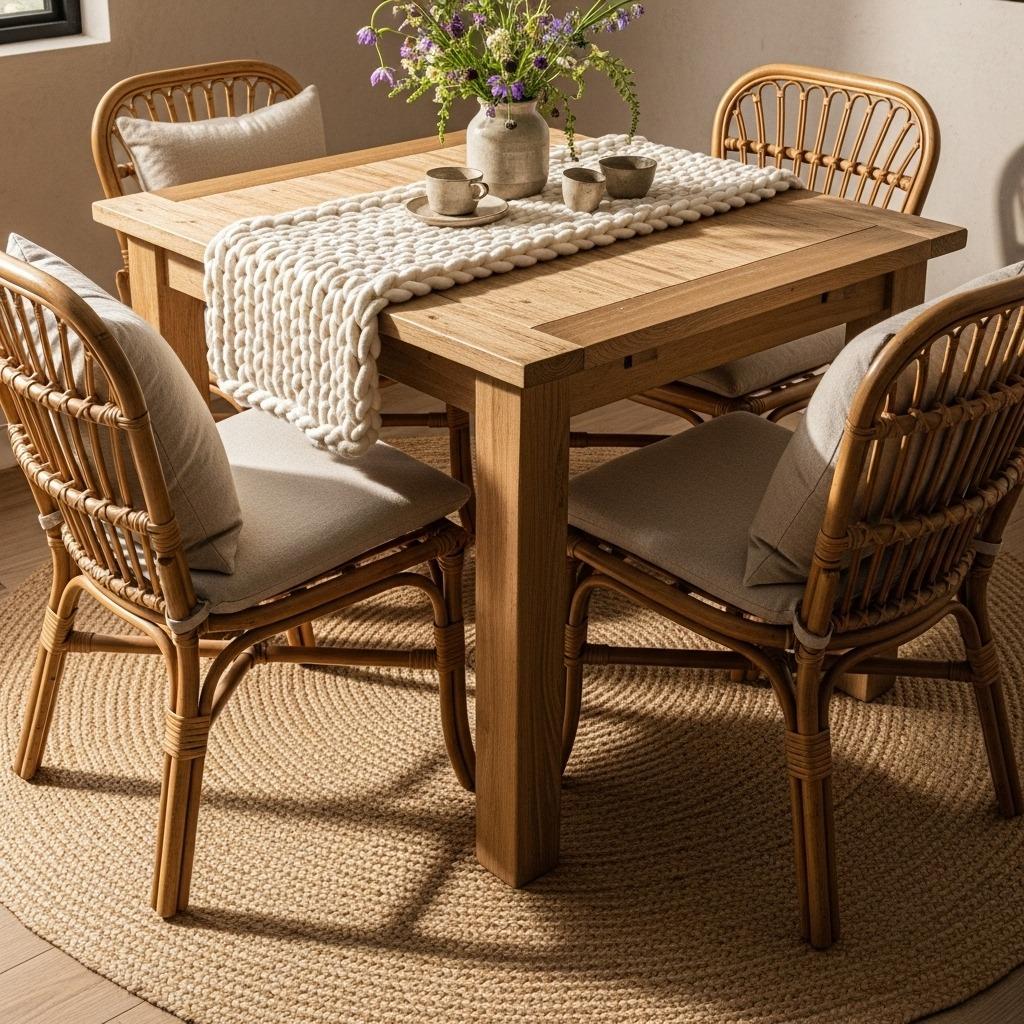
Since Scandinavian spaces typically limit color, texture becomes crucial for adding warmth and visual interest. A chunky knit throw draped over a chair, a jute rug underfoot, linen curtains softening the windows – these elements create depth and make the space feel lived-in rather than sterile.
Layering different textures also engages more senses beyond just sight. The smoothness of polished wood against rough-hewn pottery, soft fabric against hard surfaces – these contrasts make a space more engaging and comfortable. It’s the difference between a room that photographs well and one that feels good to actually spend time in.
Don’t overthink it though. A simple sheepskin on a bench seat, textured placemats, or even the weave of your dining chairs all contribute. The textures should feel natural and unforced, like they’re there because they serve a purpose, not just for decoration’s sake.
9. Open Shelving Display
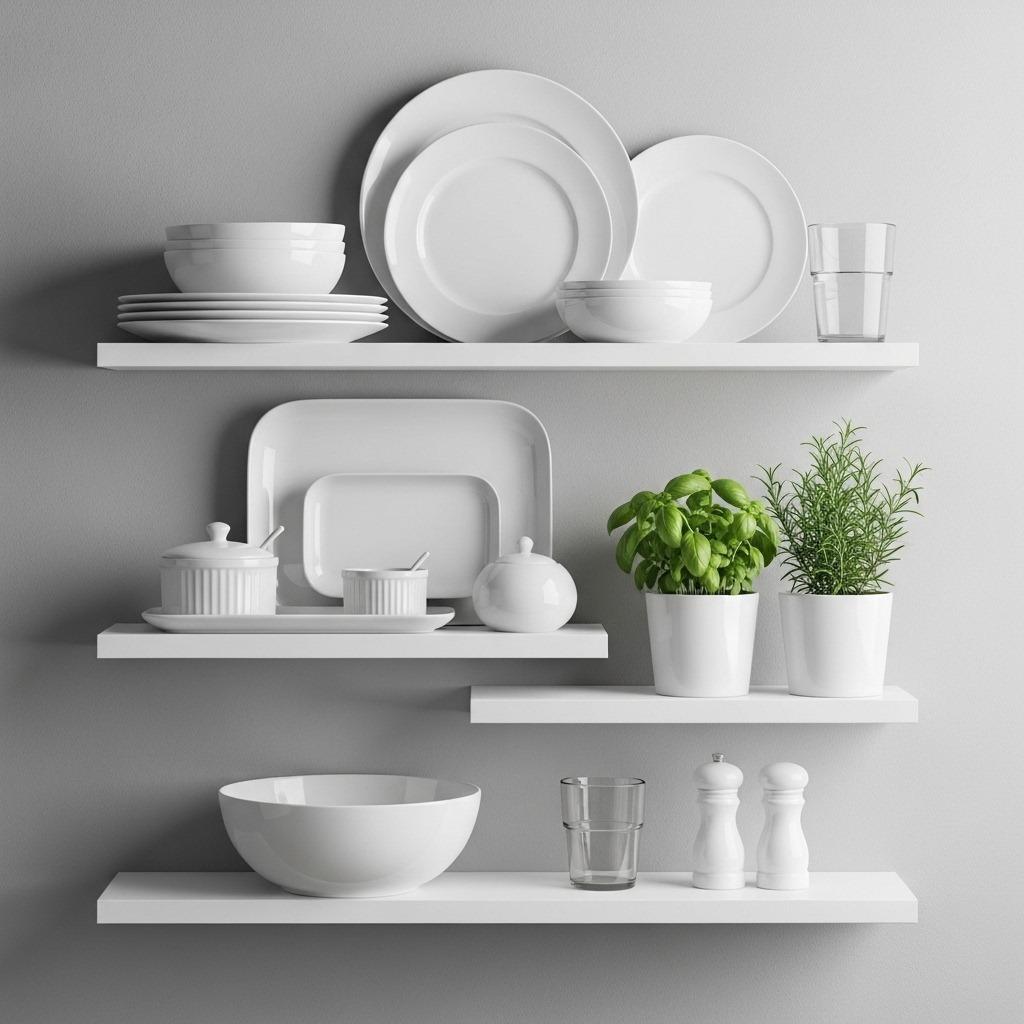
Open shelving in or near the dining area serves both function and aesthetic. Neatly arranged dishes, glassware, and serving pieces become part of the decor while remaining accessible. The key is curation – only display what you actually use and what looks beautiful in multiples.
White or light wood shelves against white walls create a subtle, tonal look. Stack white plates, line up matching glasses, and group similar items together for visual cohesion. The repetition of forms creates a calming, orderly feeling that fits perfectly with the Scandinavian aesthetic.
This approach also encourages you to invest in pieces you truly love, since they’ll be on display daily. Those mismatched mugs hiding in the back of a closed cabinet? They don’t make the cut in this system. It’s a gentle way to edit your kitchenware down to favorites. Similar principles work well in space-saving dining rooms where every item needs to earn its place.
10. The Cozy Corner Nook
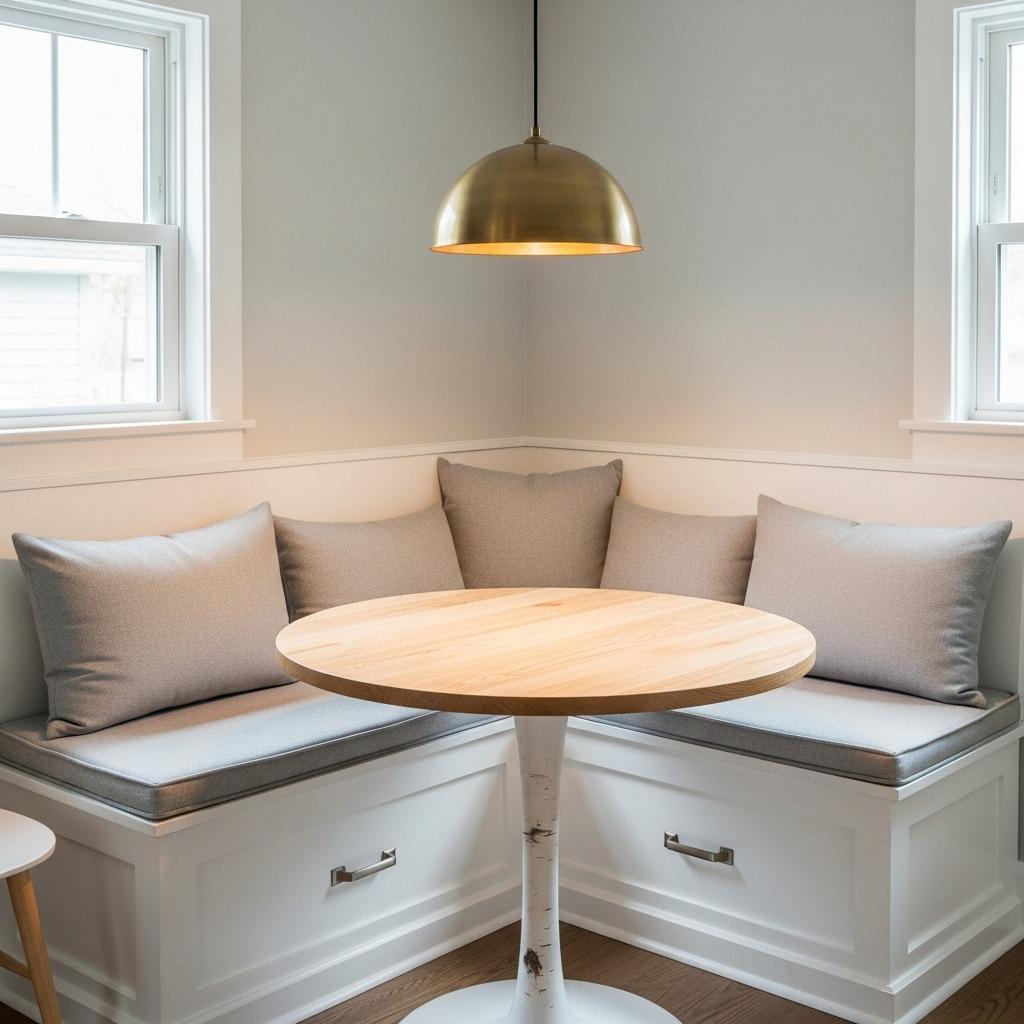
Not every dining space needs to be centered in a room. A corner nook with built-in seating and a small table creates an intimate, hygge-filled spot for meals. This setup works especially well in smaller homes or apartments where space is at a premium.
Built-in benches with storage underneath solve multiple problems at once. You gain seating, storage, and a defined dining zone without filling the room with furniture. Add cushions in neutral linen or wool, and maybe a small pendant light overhead, and you’ve created a dedicated space that feels intentional despite its compact footprint.
Corner nooks also tend to feel more protected and cozy than dining tables floating in open space. There’s a reason people gravitate toward booths in restaurants – that wrapped, tucked-in feeling adds comfort. At home, it becomes your favorite spot for morning coffee or intimate dinners.
11. Greenery as Decor
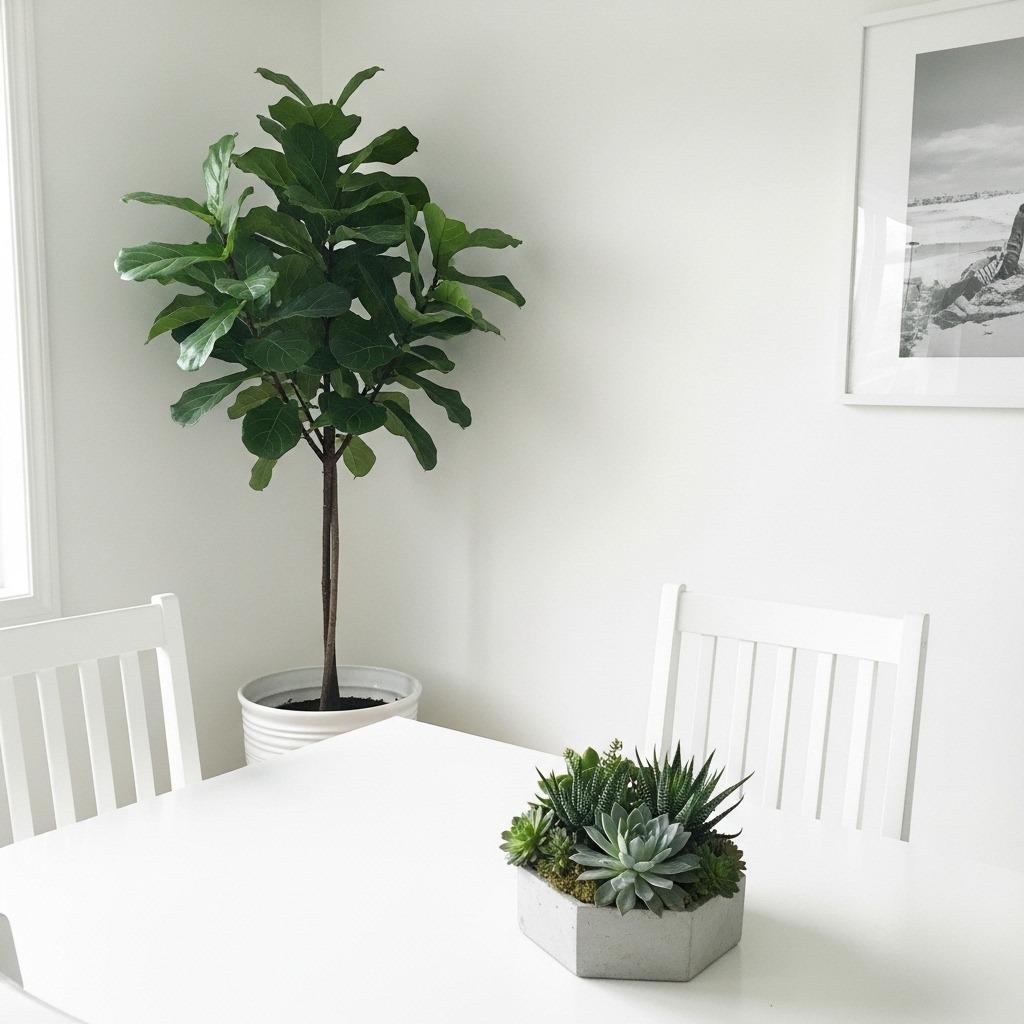
Plants bring life and color to an otherwise neutral palette without disrupting the calm vibe. A single statement plant in the corner, herbs on the windowsill, or a simple vase with fresh-cut branches – greenery connects indoor spaces with nature in a way that feels intrinsically Scandinavian.
The types of plants matter less than how they’re presented. Simple ceramic or concrete pots in white, gray, or natural terracotta keep the focus on the plants themselves. Avoid busy planters or too many different varieties in one space. The approach mirrors the overall design philosophy: simple, natural, unfussy.
Greenery also changes with the seasons, bringing subtle variety to a consistent design scheme. Summer might mean fresh flowers from the market, while winter calls for hardy succulents or evergreen branches. This rotating element keeps the space feeling fresh without requiring major updates. Just like indoor garden living rooms, dining spaces benefit from thoughtfully placed plants.
12. Natural Wood Tones
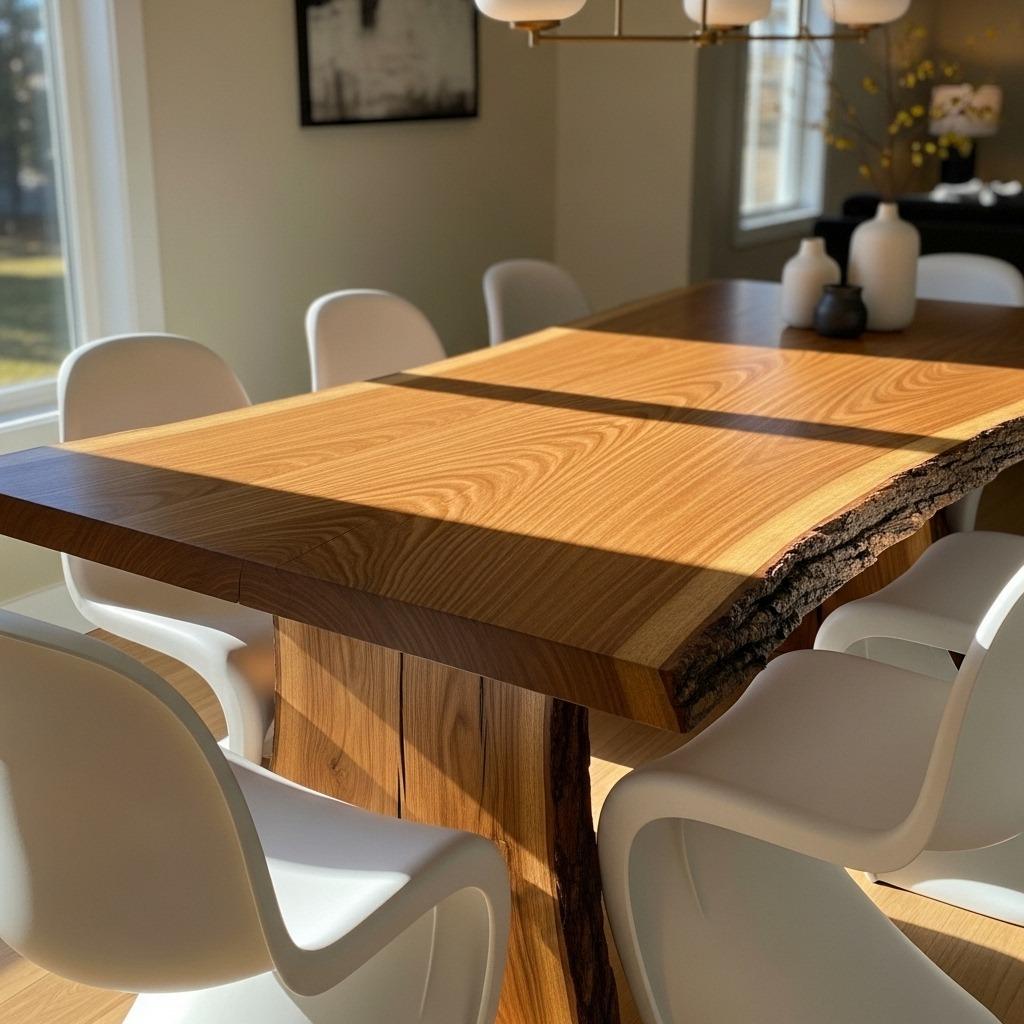
When in doubt, let wood be the star. A beautiful solid wood dining table needs little else to make a statement. The grain patterns, the way light plays across the surface, the slight imperfections that make it unique – these become the room’s focal point in the best possible way.
Different wood tones create different moods. Lighter woods like ash, birch, or white oak feel airy and modern. Medium tones like natural oak or walnut add warmth without heaviness. The key is letting the wood speak for itself rather than covering it with tablecloths or busy placemats most of the time.
Quality matters here more than quantity. One solid wood table will outlast and outperform several cheaper alternatives. It’s an investment piece that ages gracefully, developing character with use. Pair it with simple chairs and you’ve got a dining setup that works for decades, not just seasons.
13. Monochromatic Palette
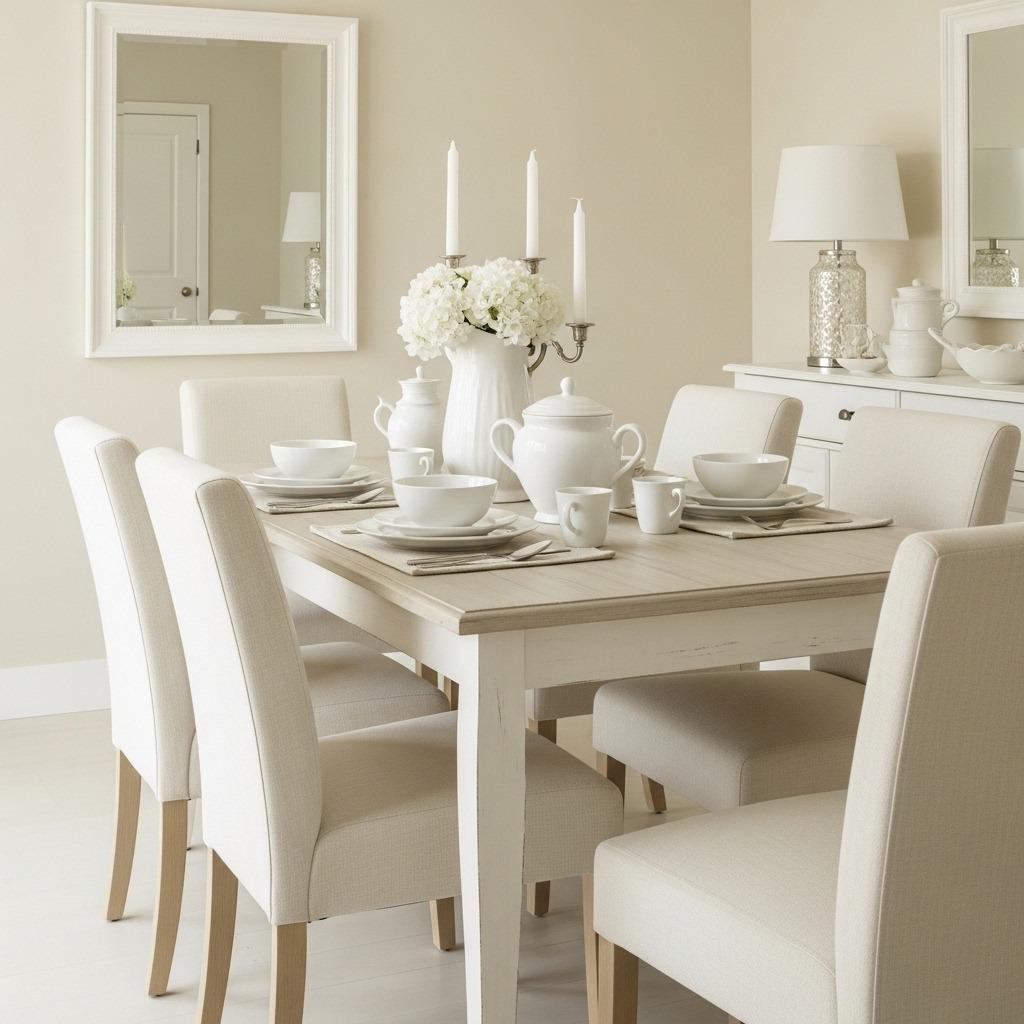
A monochromatic color scheme creates visual harmony and makes small spaces feel larger. All whites, varying shades of gray, or even all naturals – sticking to one color family creates a cohesive, calming environment. The subtle variations in shade provide just enough interest without introducing visual chaos.
This doesn’t mean the space feels flat or boring. Different materials in similar colors create depth – matte white walls, glossy white dishes, textured white linen, smooth white ceramic. The variation in finish and texture keeps the eye engaged while maintaining that peaceful, unified feeling.
Monochromatic schemes also provide a perfect backdrop for seasonal changes. Add a few colorful elements for holidays or special occasions, then remove them to return to the serene base. It’s like having a clean slate that can adapt to your mood without requiring a full redesign. Monochromatic bedroom ideas use similar principles to create restful spaces.
14. Functional Beauty
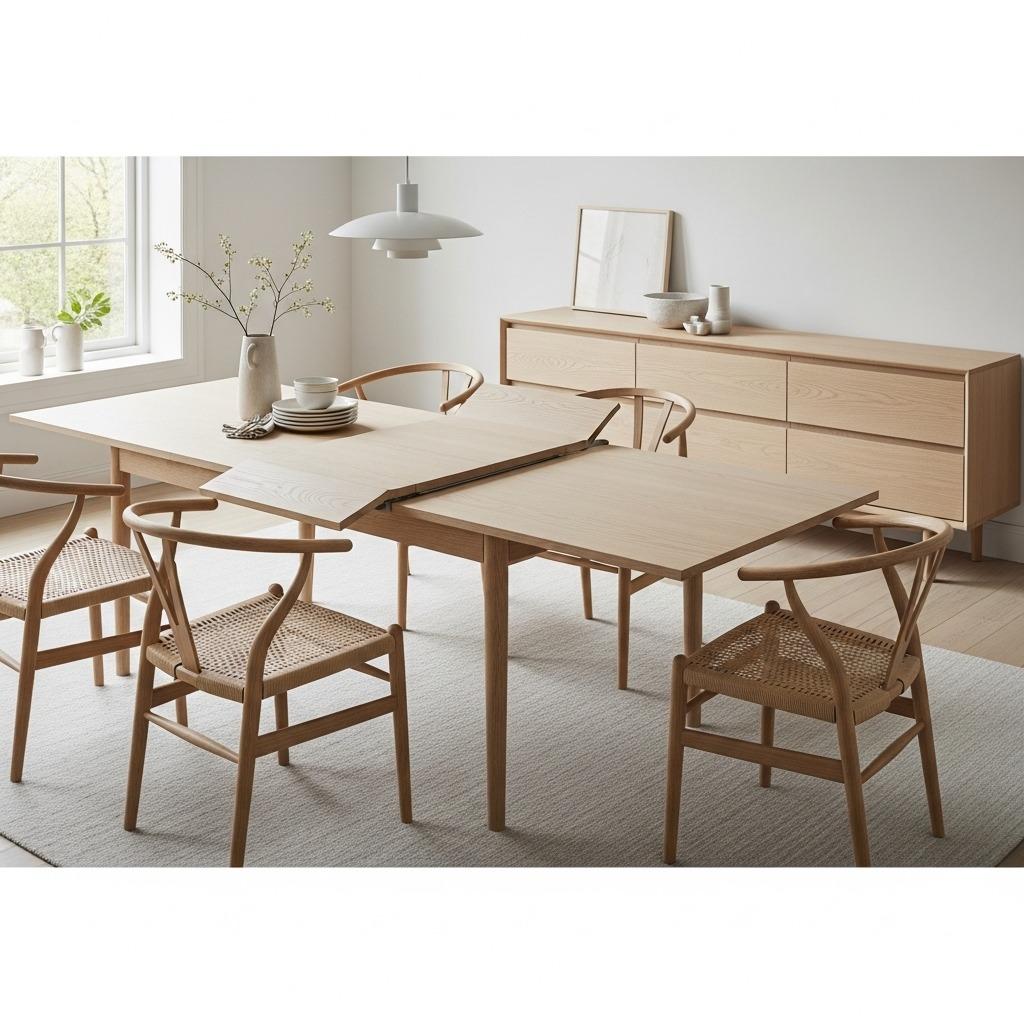
Scandinavian design champions the idea that beautiful things should also be useful, and vice versa. In the dining room, this means choosing pieces that work hard while looking effortless. A table that extends for guests, chairs that stack, or a sideboard that stores everything you need within arm’s reach.
This functional approach eliminates the need for purely decorative items that just collect dust. Every piece earns its place by serving a purpose. The beauty comes from the quality of materials, the thoughtfulness of design, and the honest expression of function.
It’s a refreshing alternative to dining rooms that feel like museums – too precious to actually use. These spaces invite you to sit down, eat, work, create, gather. They’re designed for living, and that lived-in quality makes them more attractive, not less.
15. The Hygge Factor
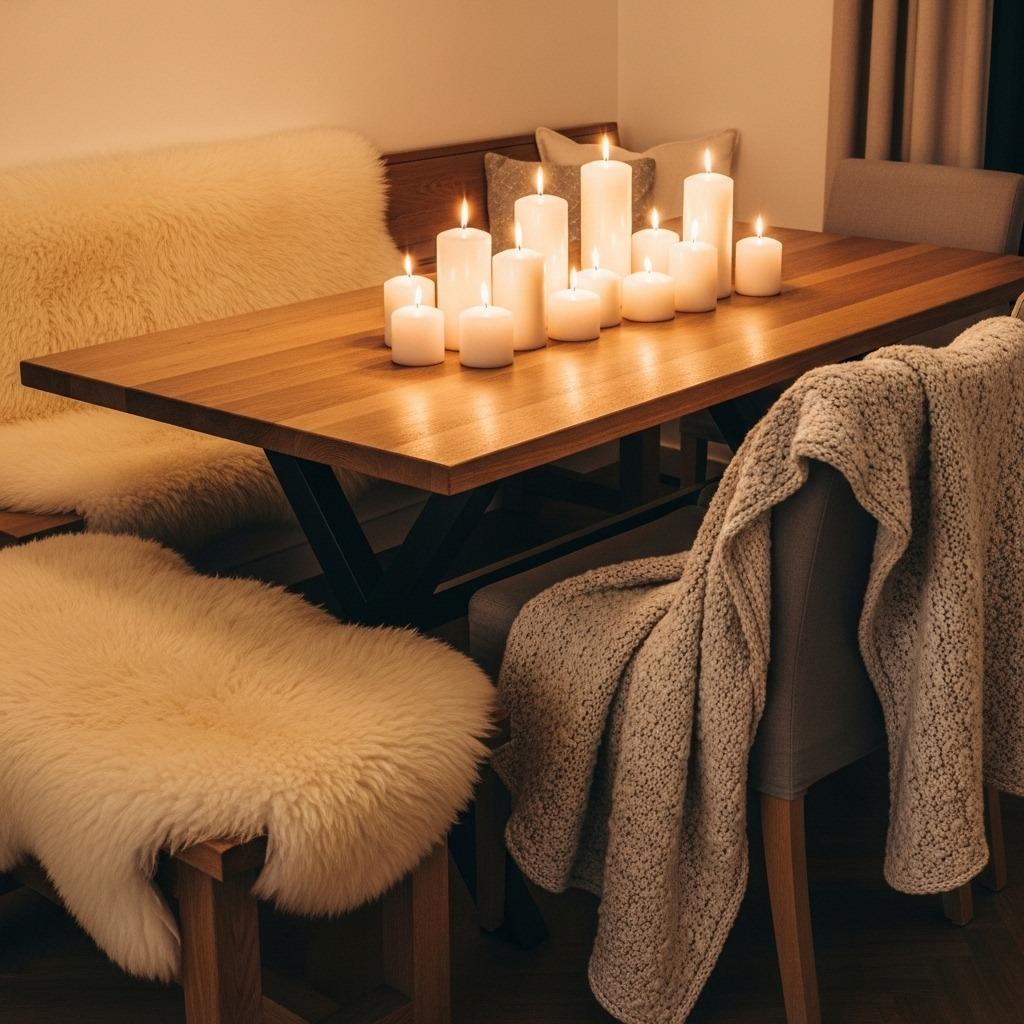
Hygge – that Danish concept of cozy contentment – transforms a dining room from just a place to eat into a sanctuary. Soft textiles, warm lighting, candles, and comfortable seating all contribute to creating a space where people want to linger long after the meal ends.
Candles are perhaps the simplest hygge addition. A collection of different heights on the table, in simple holders, creates instant ambiance. The soft, flickering light changes the entire feel of the room, making even a Tuesday night dinner feel special and intentional.
Comfort is key. Chairs should invite you to settle in, not perch uncomfortably. A soft throw draped over a bench, cushions on harder seats, or even a cozy rug underfoot – these elements make the space feel welcoming in a way that purely aesthetic choices can’t. This approach aligns with creating cozy small living rooms and extends that warmth to dining areas.
16. Artwork as Focal Point
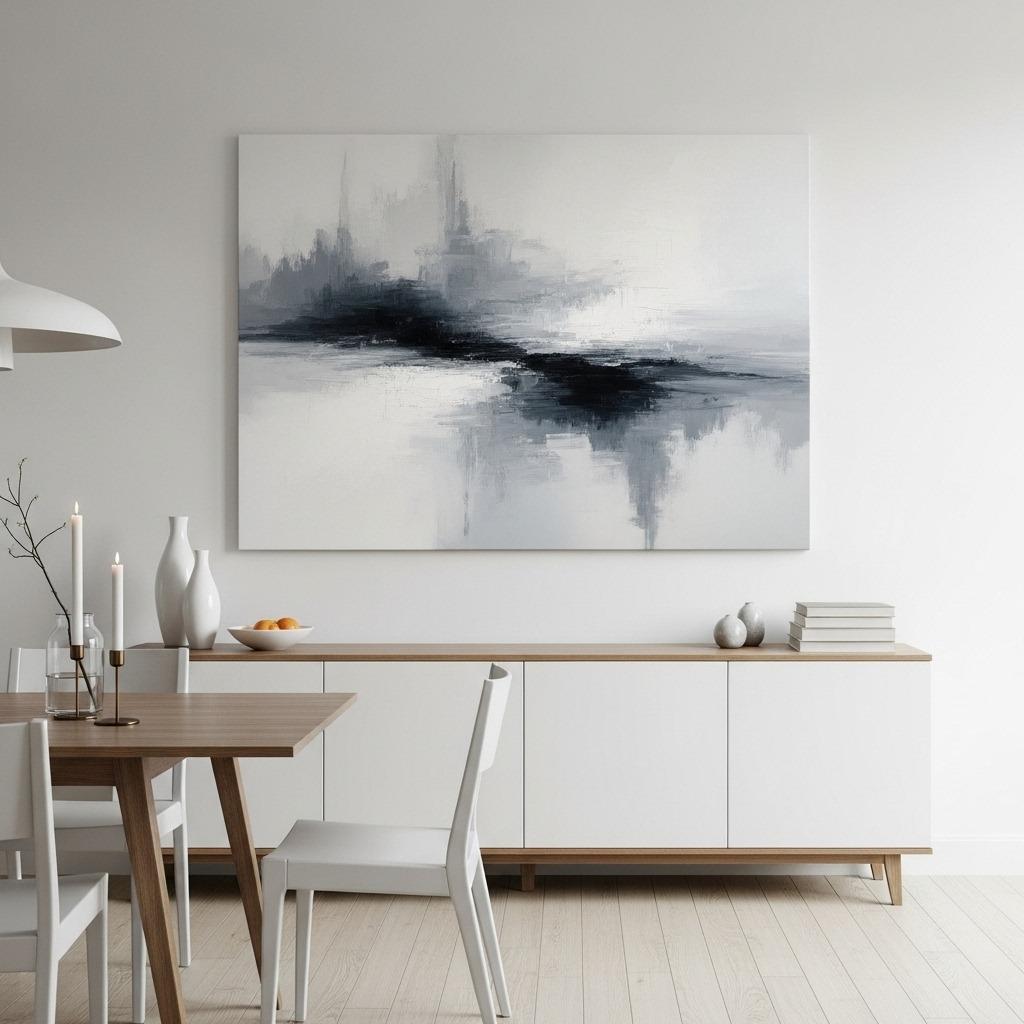
In a minimally decorated room, a single piece of art becomes powerful. A large-scale abstract in muted tones, a black and white photograph, or even a simple line drawing – the right piece adds personality without cluttering the space. The artwork should complement the room’s calm energy rather than fighting against it.
Placement matters almost as much as the piece itself. Hanging art at eye level, centered above a sideboard, or even leaning a large piece against the wall creates a casual, collected feeling. Avoid overcrowding walls or creating gallery-style arrangements in the dining space.
The frame and matting should be simple and understated. Natural wood, black, or white frames keep the focus on the artwork itself. Wide white matting can make even inexpensive prints feel gallery-worthy. It’s about presentation that elevates without overwhelming.
17. Open Concept Flow
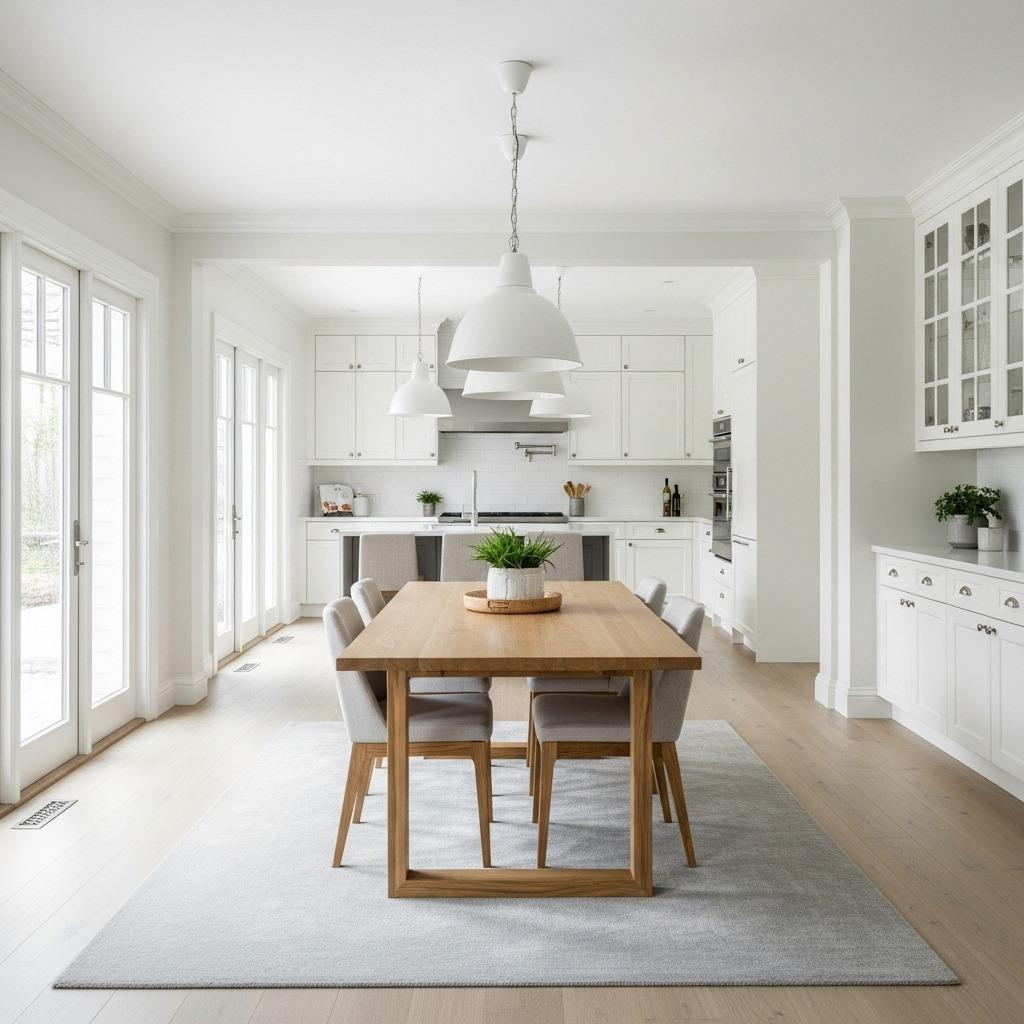
Many Scandinavian dining rooms exist within open-concept layouts, flowing seamlessly into kitchens and living areas. The cohesive design approach – similar materials, consistent color palette, unified lighting – creates distinct zones without walls or visual barriers.
A rug under the dining table helps define the space without closing it off. The change in flooring texture signals a shift in function while maintaining visual connection to surrounding areas. Pendant lights hanging over the table further establish the dining zone within the larger room.
This openness encourages interaction and flexibility. Someone cooking can chat with those at the table. Kids doing homework remain connected to the household activity. It’s a layout that supports modern living patterns while maintaining those Scandinavian principles of simplicity and function. Open concept kitchen living room layouts demonstrate how to successfully merge spaces.
18. Seasonal Simplicity
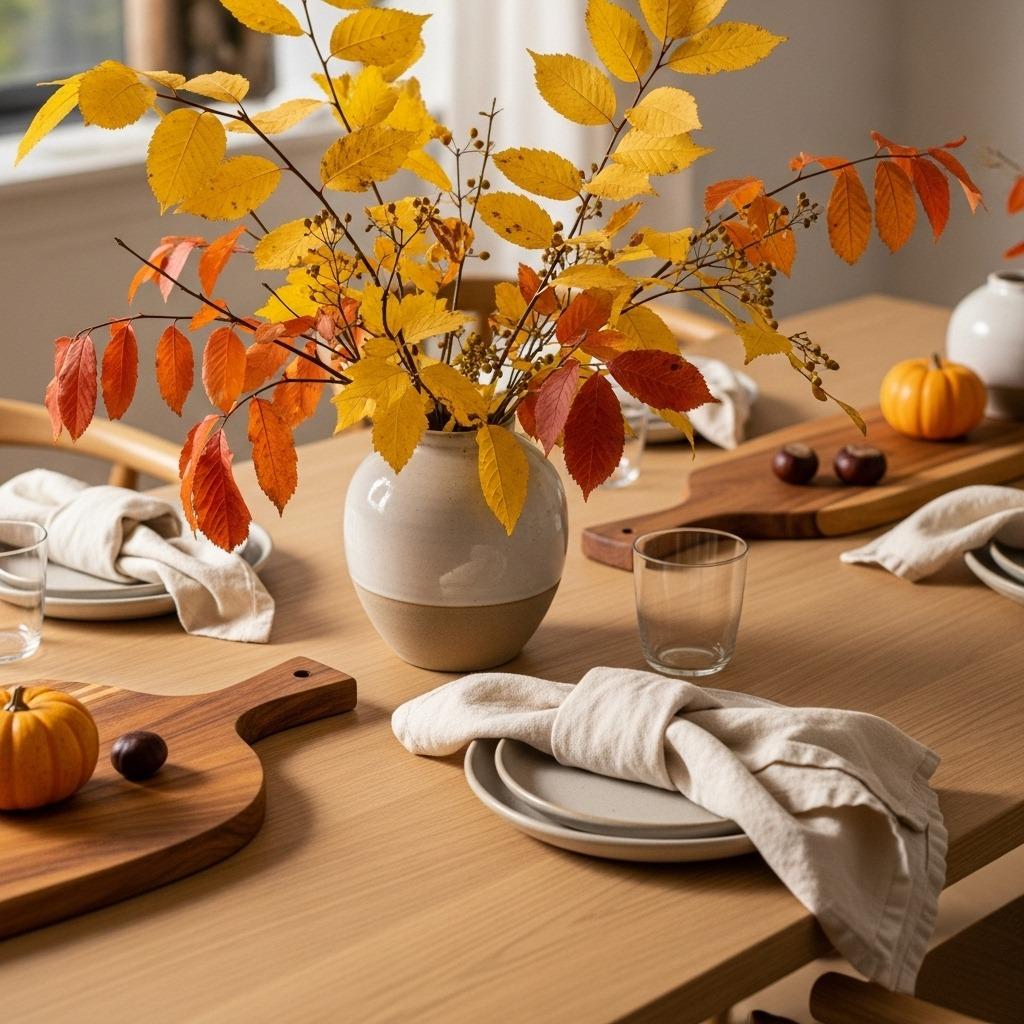
The beauty of a pared-back design is how easily it adapts to seasonal shifts. Spring might bring fresh tulips and lighter linens. Summer adds brightness and open windows. Fall introduces warmer textiles and deeper candlelight. Winter embraces cozy layers and evergreen touches.
These seasonal updates require minimal effort and expense because the base is so neutral. A few stems from the market, switching out cushion covers, or adding candles for darker months – small changes make the space feel current without requiring a complete overhaul.
This approach also connects you more deeply to the rhythm of the year. You notice seasons changing not just outside but in your home too. It’s mindful, intentional living that doesn’t demand constant consumption or trend-chasing. The space evolves naturally, just like you do.
19. Quality Over Quantity
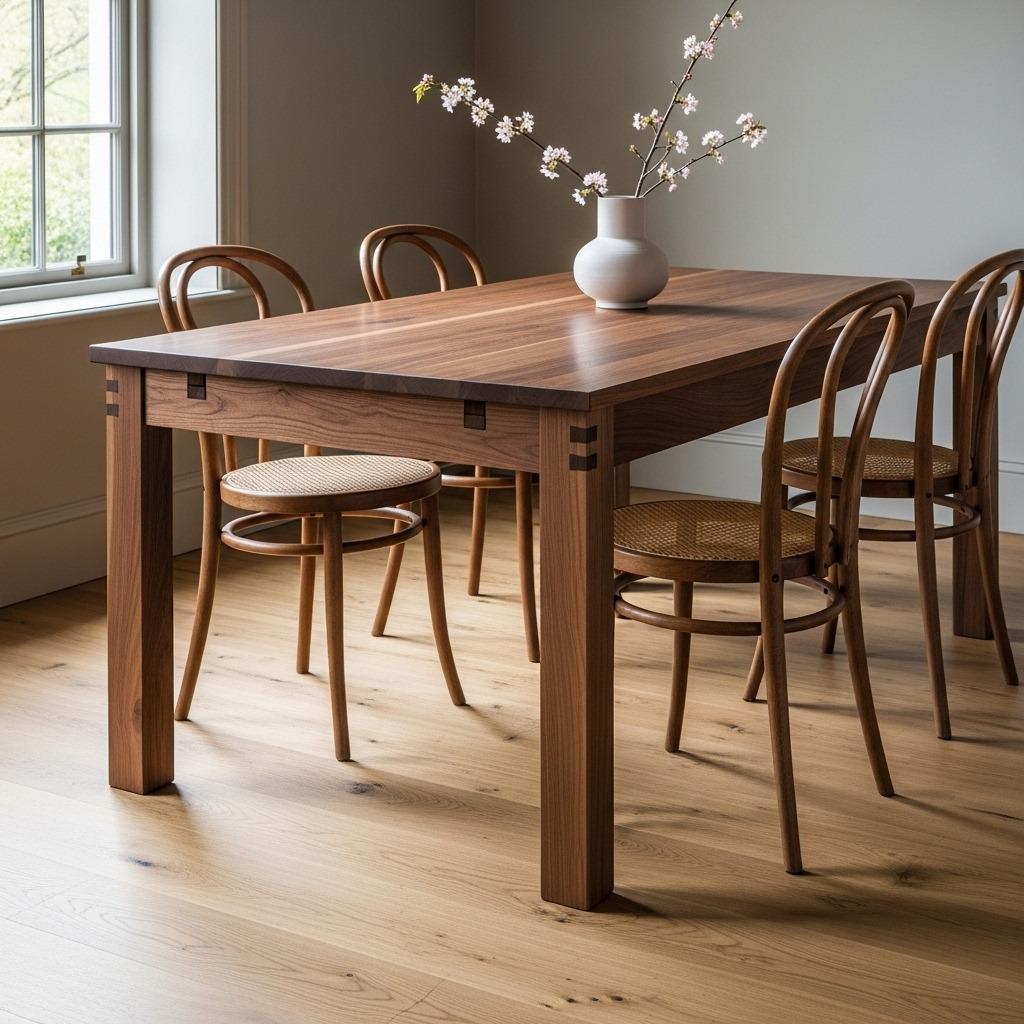
Scandinavian design philosophy emphasizes investing in fewer, better pieces rather than filling spaces with mediocre items. One exceptional dining table beats five cheap alternatives. Quality pieces age gracefully, function better, and ultimately provide more satisfaction than disposable furniture.
This approach requires patience and sometimes saving for the right piece. But there’s something deeply satisfying about sitting at a table you know will last decades, or chairs that become more comfortable with time. These pieces become part of your life story rather than just temporary solutions.
Quality also extends to materials and craftsmanship. Solid wood over veneer. Genuine leather or natural fabrics over synthetic. Joinery that holds up to daily use. These choices aren’t just about aesthetics – they’re about creating a dining space that serves you well for years to come.
20. Personal Touches
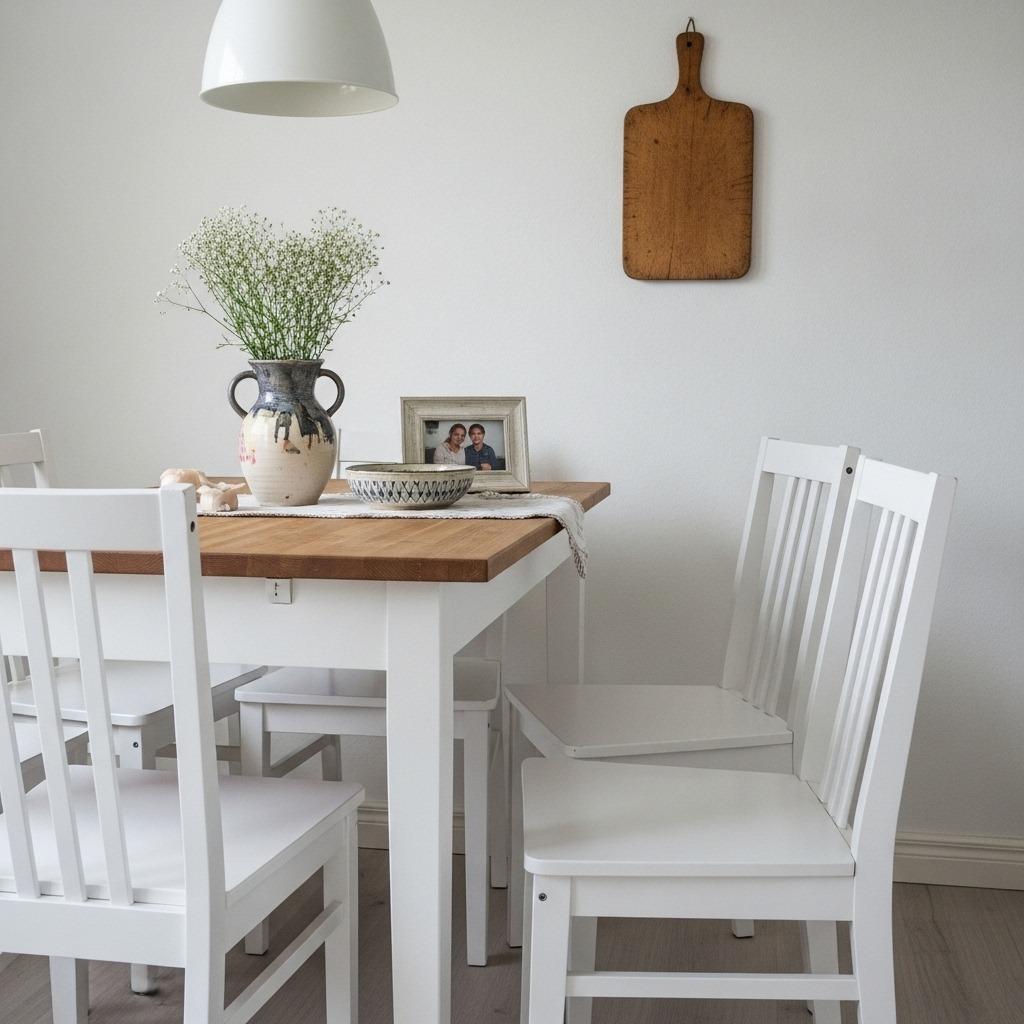
Even in the most minimalist space, personal elements prevent the room from feeling sterile or showroom-like. A handmade ceramic bowl from a local artisan, a vintage piece inherited from family, or artwork created by your child – these touches make the space uniquely yours.
The key is selectivity. Not every meaningful object needs display. Choose a few special pieces that genuinely enhance the space and bring you joy when you see them. Rotate items seasonally or as your mood changes to keep the space feeling fresh and personal.
Your Scandinavian dining room should reflect your life, not a magazine spread. Maybe you collect vintage candlesticks, or you love displaying pottery from travels. Whatever speaks to you, include it intentionally. The rules of minimalism are guidelines, not commandments. Create a space that feels peaceful to you.
Bringing It All Together
Creating a Scandinavian dining room isn’t about following a formula or buying specific pieces. It’s about embracing simplicity, prioritizing quality, and designing a space that supports how you actually live. The calm, uncluttered aesthetic isn’t an end in itself – it’s a means to creating a more peaceful, intentional home.
Start with what you have. Maybe your dining set isn’t perfect, but you can simplify the styling, add better lighting, or introduce natural textures. Small shifts often make surprisingly big impacts. The most successful spaces evolve gradually as you discover what works for your household.
What draws me most to this design approach is its essential humanity. These aren’t cold, untouchable spaces. They’re warm rooms designed for gathering, for sharing meals and conversations, for marking ordinary days and special occasions alike. They honor the everyday rituals that make a house a home. For more ways to refresh your dining space, explore these affordable home upgrades that can transform any room without breaking the budget.
The beauty is that you don’t need a complete overhaul to capture this feeling. Even one or two elements – better lighting, a simpler color palette, more natural materials – can shift your dining room toward that peaceful Scandinavian aesthetic. Trust your instincts, edit ruthlessly, and create a space where you genuinely want to spend time.