

You know that feeling when you walk into a hotel lobby and everything just feels… expensive? The way the light hits the furniture, the perfect balance of textures, that indefinable sense of refinement? That’s exactly what we’re after here, and you might be surprised how achievable it actually is.
Creating a luxury living room isn’t about spending a fortune on every piece. It’s about understanding what makes spaces feel premium and then applying those principles with intention. Whether you’re working with a generous budget or being strategic with your investments, these ideas will help you craft an elegant lounge that looks like it belongs in a design magazine.
I’ve gathered 17 approaches that interior designers use to achieve that coveted high-end aesthetic. Some require investment, others are surprisingly affordable, but all of them contribute to that polished, sophisticated atmosphere we’re going for.
1. Layer Different Textures for Depth
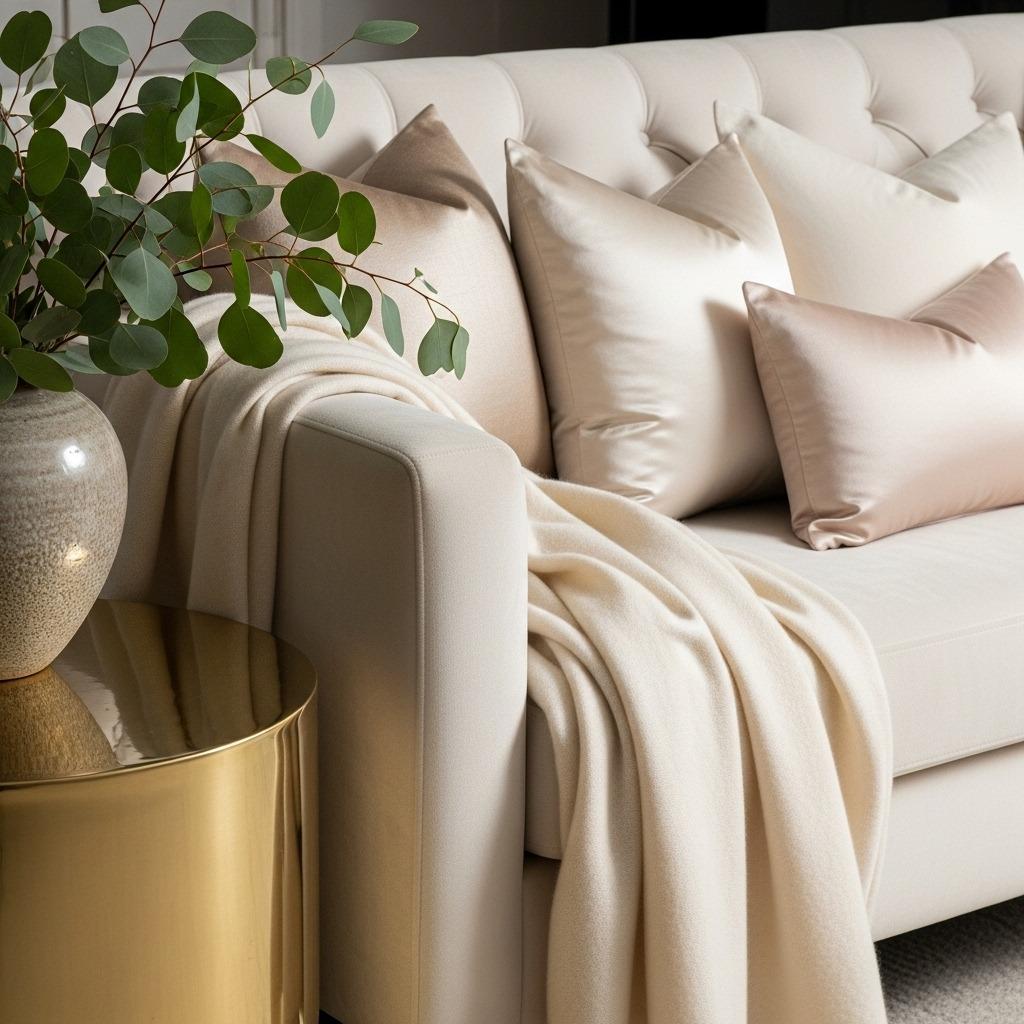
This might be the single most effective trick for instant luxury. When you combine velvet cushions with a leather sofa, add a silk throw, and place it all on a wool rug, something magical happens. The interplay of textures creates visual richness that flat, monotone spaces simply can’t match.
Think about how light interacts differently with each material. Velvet absorbs light and creates depth, while silk reflects it for subtle shimmer. Metal accents catch and bounce light around the room. This layering technique is what separates spaces that feel expensive from those that just look assembled.
Start with your largest pieces and build from there. If you have a smooth leather sofa, balance it with nubby linen pillows. Got sleek marble surfaces? Soften them with chunky knit throws. The contrast is what makes each texture stand out.
2. Invest in Statement Lighting
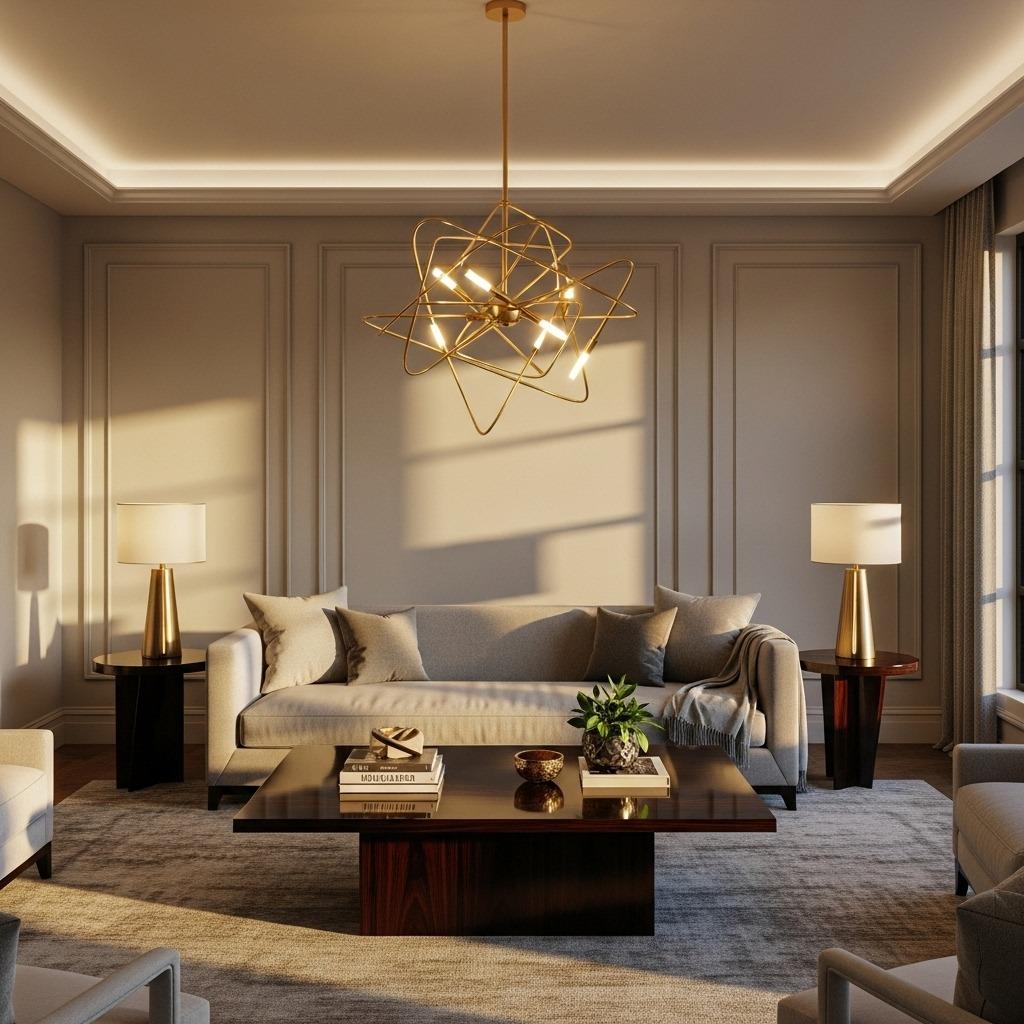
Nothing says luxury quite like impressive lighting. A sculptural chandelier or an oversized floor lamp becomes the jewelry of your room. These pieces command attention and set the tone for everything else.
I’m not suggesting you need a crystal chandelier from a château (though if that’s your style, go for it). Modern luxury lighting comes in countless forms – geometric brass pendants, organic wood sculptures, sleek marble table lamps. What matters is scale and presence.
Consider placing multiple light sources at different heights. A dramatic overhead fixture, elegant table lamps, and perhaps some discreet LED strips behind architectural features create layers of illumination that feel professionally designed. You’ll find inspiration for stylish home lighting approaches that can transform your entire space.
3. Choose a Sophisticated Color Palette
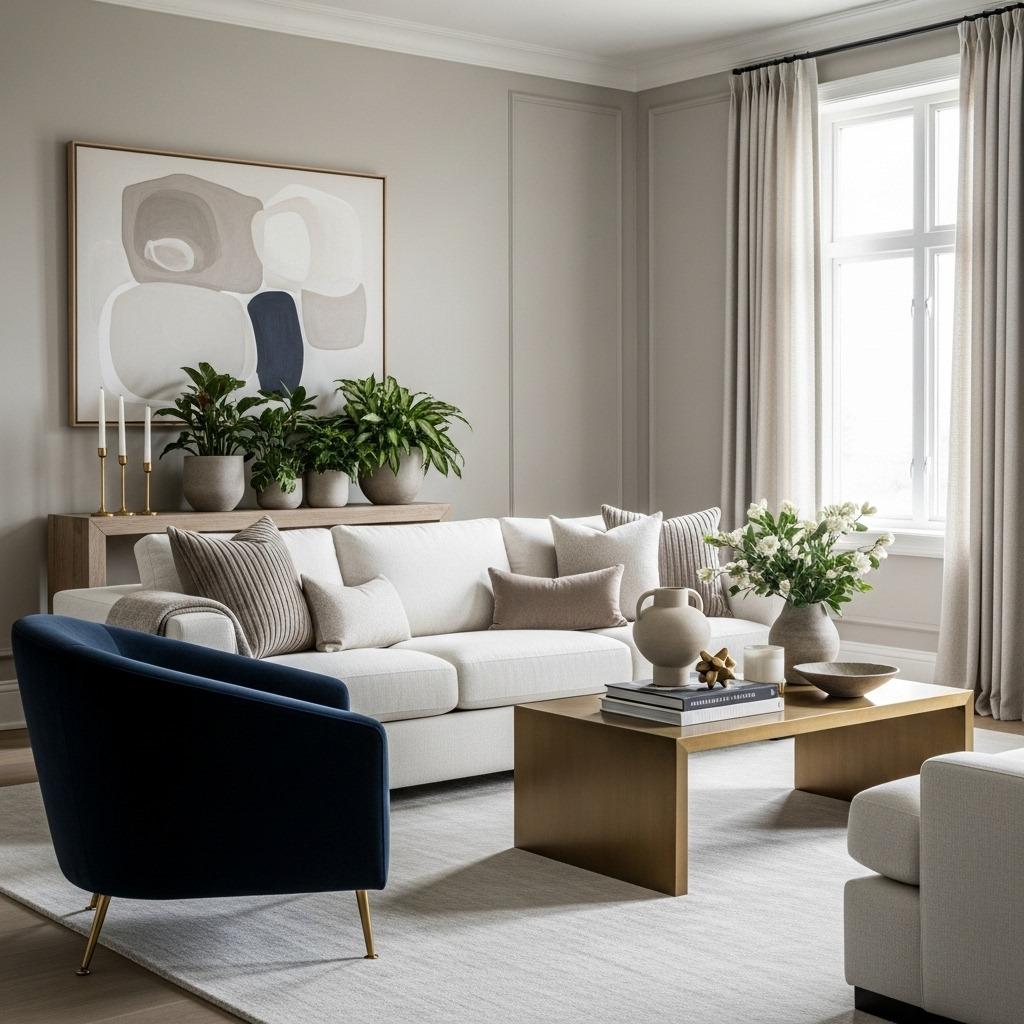
Luxury spaces tend to embrace restraint when it comes to color. That doesn’t mean boring – it means intentional. Rich jewel tones like emerald, sapphire, or deep burgundy can feel incredibly upscale when used thoughtfully against neutral backgrounds.
Monochromatic schemes work beautifully too. Various shades of taupe, greige, or soft gray create a serene, sophisticated backdrop. Then you can introduce pops of metallics or a single accent color for interest. The key is avoiding too many competing hues that fragment the visual flow.
Consider the undertones in your colors too. Warm beiges and creams create inviting, cozy luxury, while cool grays and whites lean more contemporary and crisp. Both approaches work – it’s about what resonates with your personal style and the architecture of your space.
4. Incorporate Architectural Details
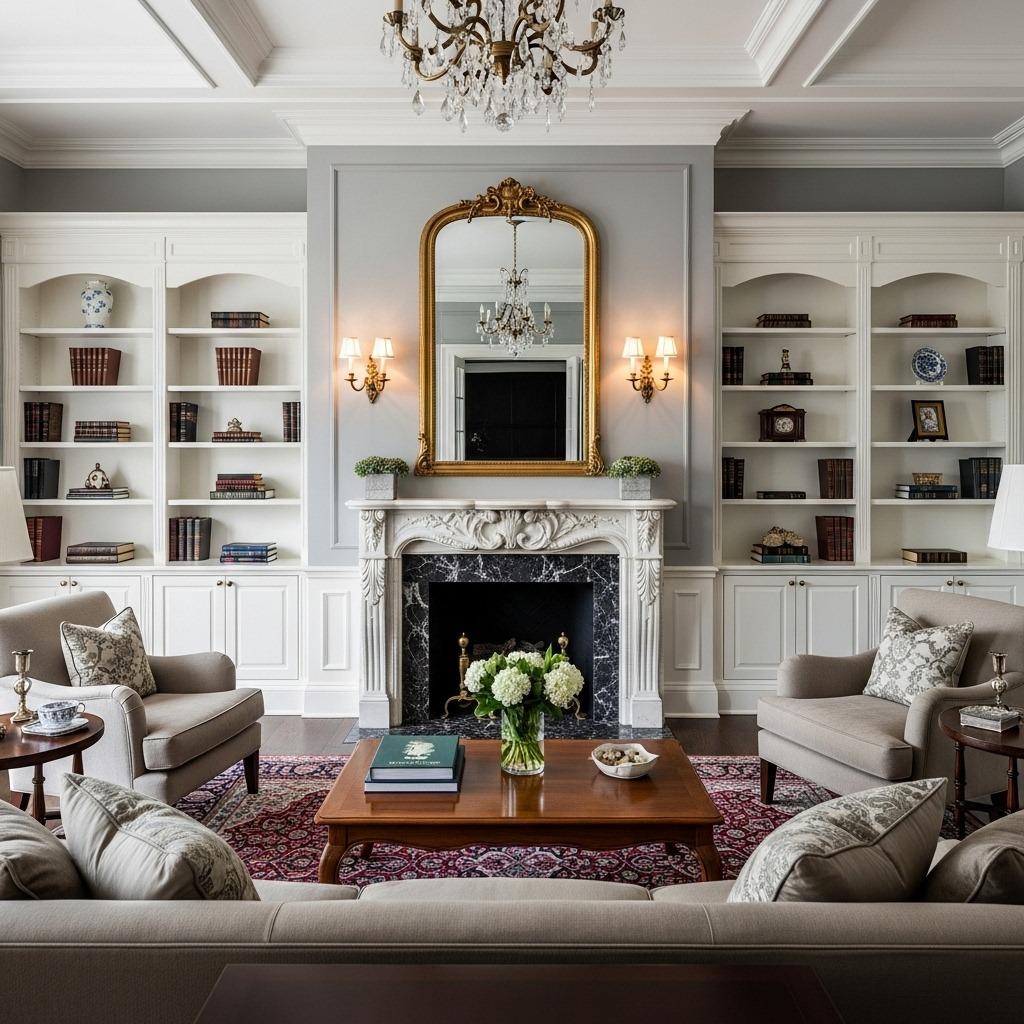
Crown molding, wainscoting, coffered ceilings – these architectural elements immediately elevate a space. If your home doesn’t have them, adding them can be surprisingly manageable, especially with modern materials that make installation easier than traditional methods.
Even simpler additions make a difference. Picture frame molding on walls creates dimension and interest. A beautiful fireplace surround becomes a focal point. Built-in shelving adds custom character that generic furniture can’t achieve.
If major renovations aren’t in the cards, consider strategic use of wall paneling DIY techniques. Vertical shiplap, board and batten, or geometric panel designs can transform plain walls into sophisticated backdrops without requiring professional installation.
5. Select Quality Upholstery
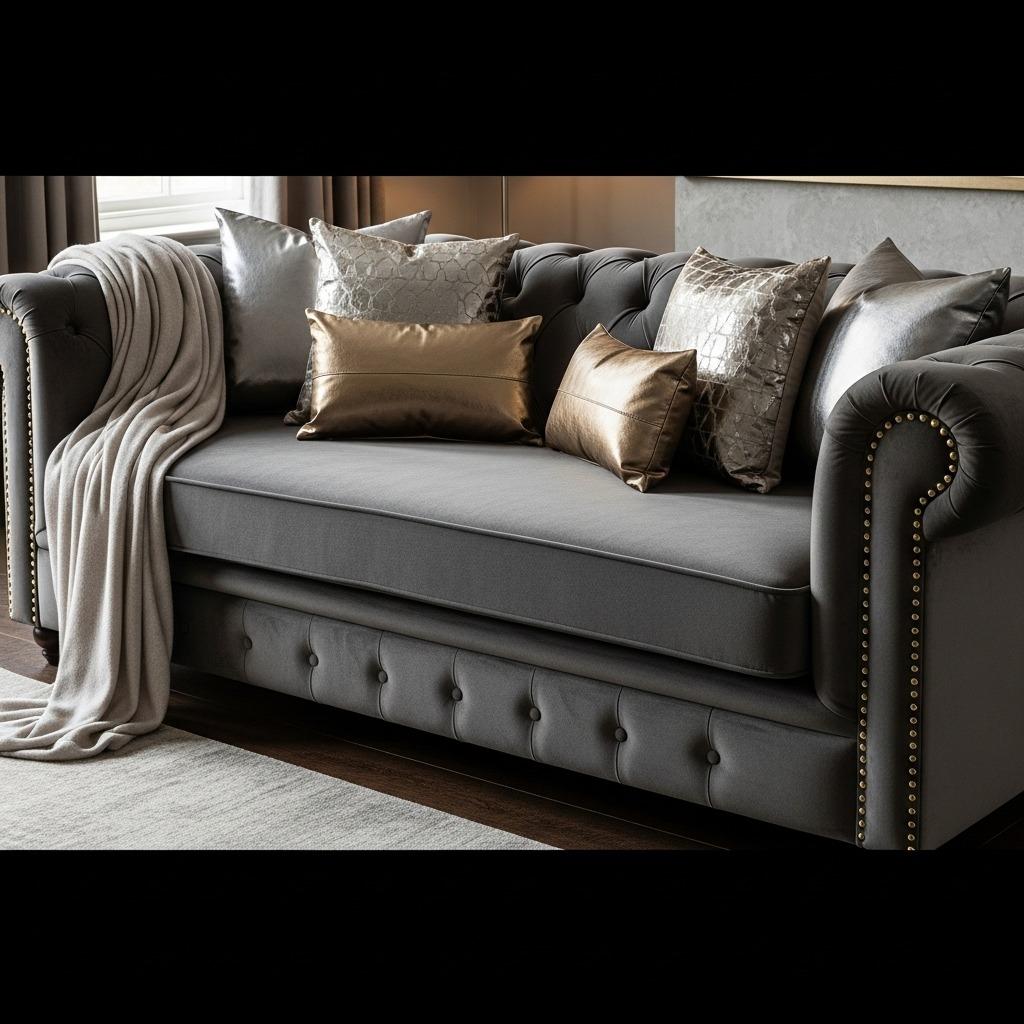
Here’s where investment really shows. A well-constructed sofa upholstered in genuine leather or high-grade fabric will look better and last longer than multiple cheap replacements. The way quality upholstery sits, wears, and photographs is noticeably different.
Look for hardwood frames, eight-way hand-tied springs, and down-blend cushions if your budget allows. Even if you can’t afford everything at once, prioritizing your main seating pieces makes sense. You can mix one investment sofa with more affordable accent chairs.
Fabric choice matters enormously. Velvet, linen, and leather all convey different types of luxury. Velvet feels opulent and dramatic, linen brings relaxed elegance, and leather offers timeless sophistication. Consider your lifestyle too – some materials hide wear better than others.
6. Add Large-Scale Artwork
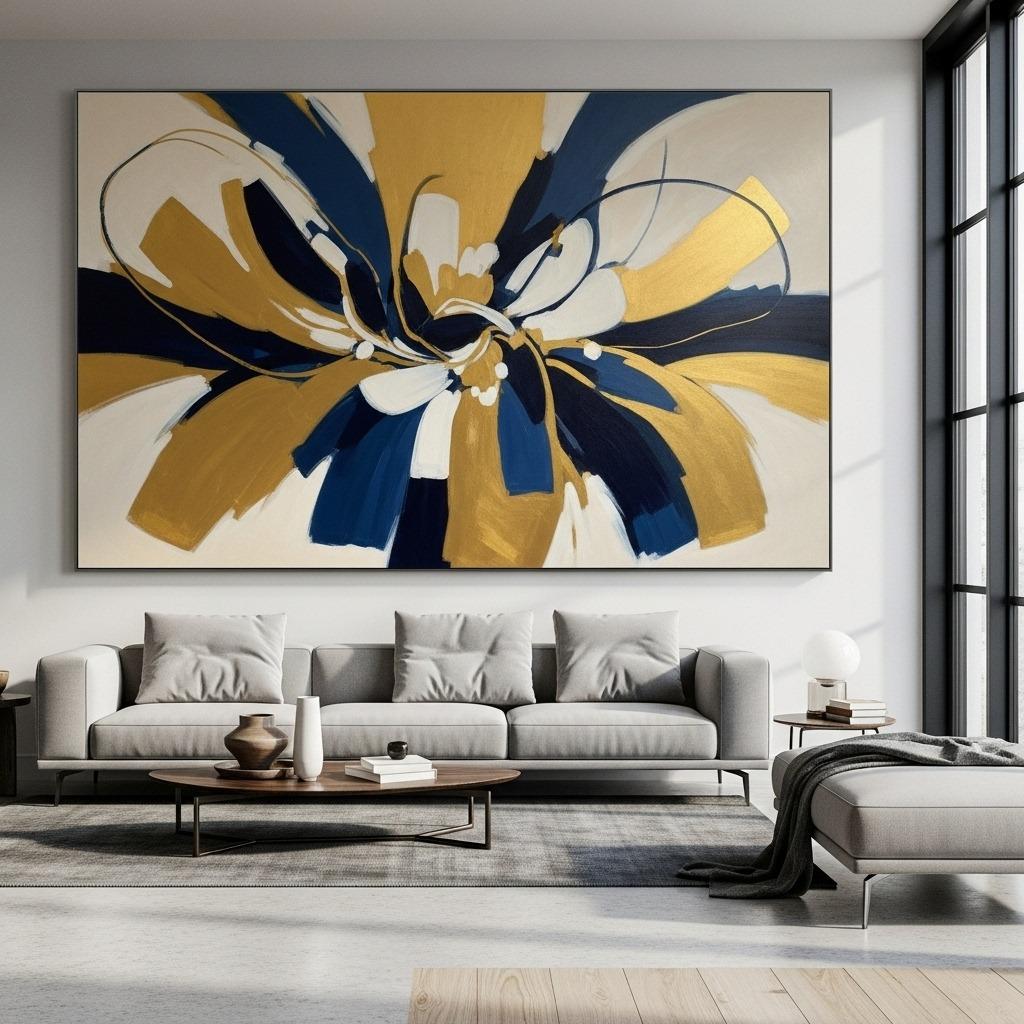
Oversized art makes a powerful impact. A single large canvas or photograph draws the eye and suggests curation and intention. It’s a move you’ll see in every luxury master bedroom and high-end living space.
Scale matters more than you might think. A too-small piece of art above a sofa looks lost and diminishes the entire arrangement. As a general rule, artwork should be roughly two-thirds to three-quarters the width of the furniture below it.
Don’t feel pressured to buy expensive originals. Large-format photography prints, abstract paintings from emerging artists, or even beautifully framed textile pieces can serve the same purpose. What matters is the presence and how it relates to your color scheme and overall aesthetic.
7. Include Metallic Accents Strategically
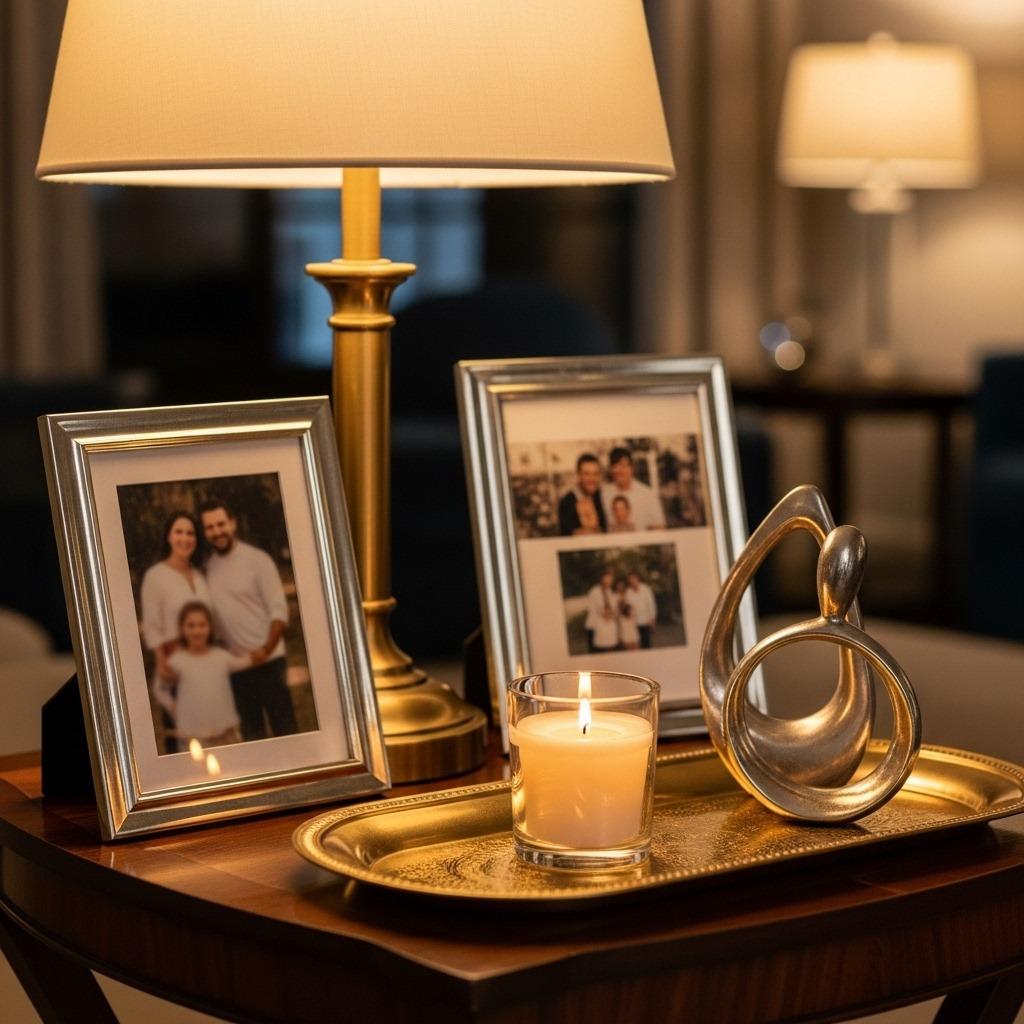
Metallics add that essential gleam that catches light and suggests luxury. The trick is restraint – too many competing metals or an overabundance of shine tips into gaudy territory.
Choose one or two metal finishes as your primary accents. Brass and gold create warmth, while silver, chrome, and nickel lean cooler and more contemporary. Mixing metals can work beautifully if you’re deliberate about it – perhaps brass light fixtures with silver picture frames and gold accessories.
Think beyond obvious accessories. Metal can appear in furniture legs, mirror frames, coffee table bases, door hardware, or decorative objects. These touches of reflection distribute light around the room and create visual interest without overwhelming the space.
8. Incorporate Natural Materials
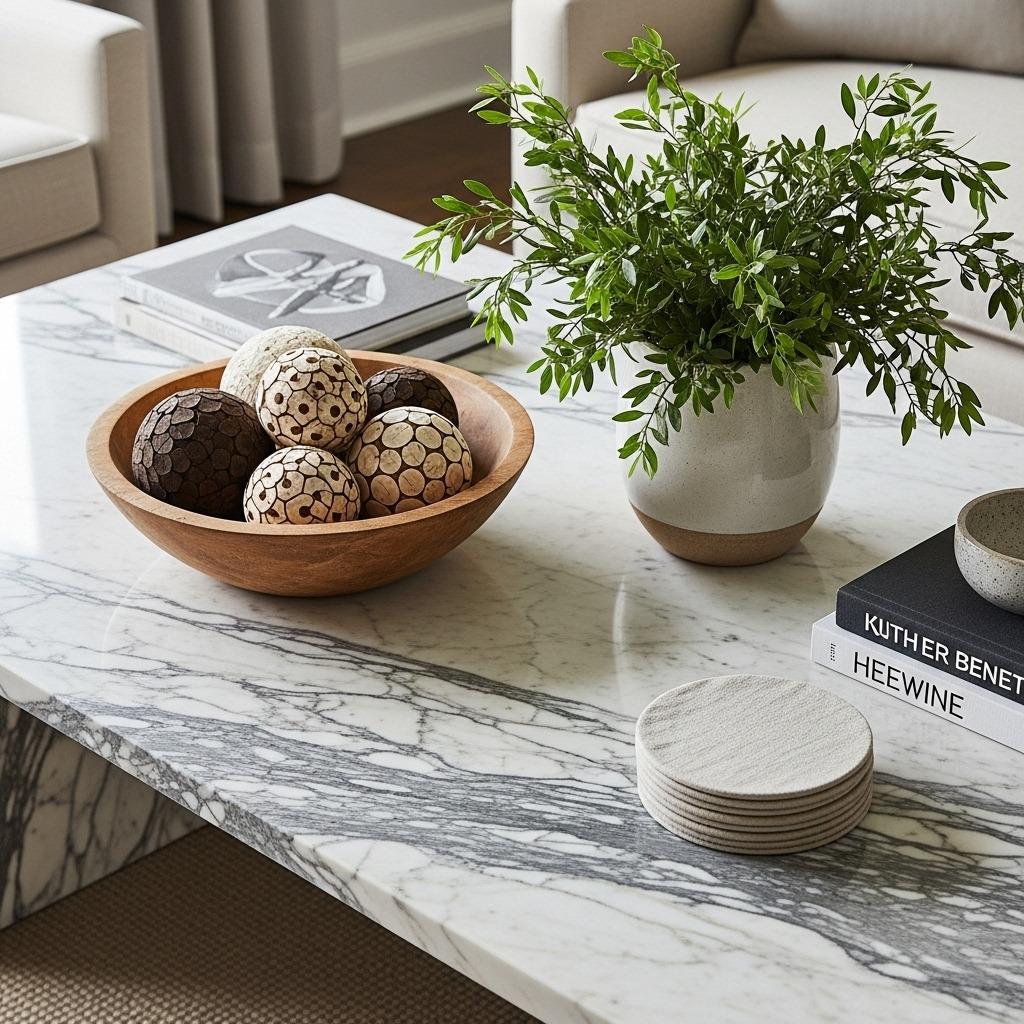
Stone, wood, and natural fibers ground luxury spaces and prevent them from feeling cold or overly designed. A marble coffee table, wood beam ceiling, or substantial wood console adds warmth and connection to nature.
These materials bring inherent value – their natural variations and imperfections are part of their beauty. A live-edge wood side table or travertine accent piece becomes a conversation starter. The unique character of natural materials can’t be replicated by synthetic alternatives.
Balance is important here too. Pair the coolness of marble with the warmth of wood. Combine sleek stone with soft, organic textiles. This interplay between hard and soft, refined and rustic, creates the kind of layered sophistication that feels genuinely luxurious rather than staged.
9. Create Symmetry and Balance
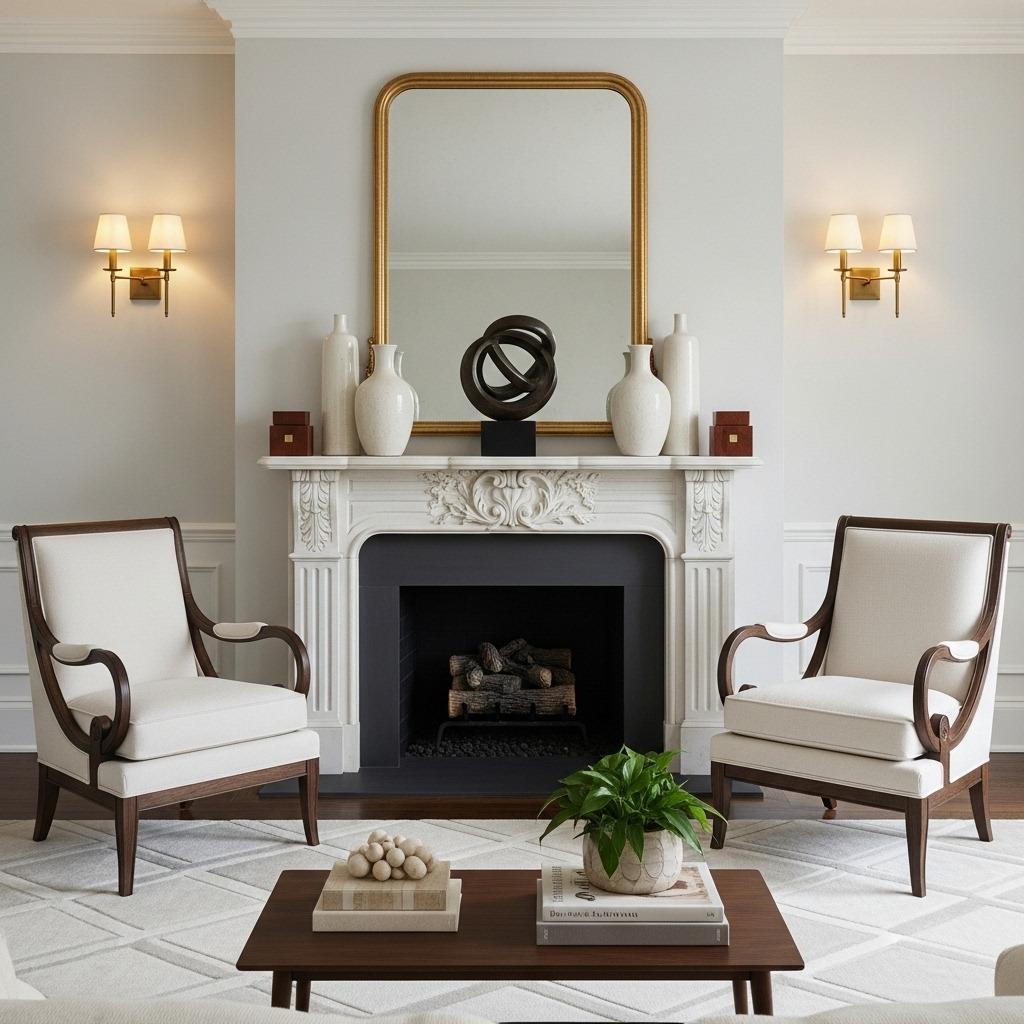
Symmetrical arrangements feel inherently calming and sophisticated. Matching table lamps flanking a sofa, identical chairs facing each other across a coffee table, or balanced artwork placement all contribute to a sense of order and intention.
That said, perfect symmetry isn’t required everywhere. You might have symmetrical main pieces but asymmetrical accessories. Or a symmetrical furniture layout with varied styling on each side table. This approach feels more livable and collected than rigidly matched.
The underlying principle is visual balance. Even asymmetrical arrangements should feel weighted correctly – a large object on one side balanced by grouped smaller items on the other. This demonstrates thoughtfulness, which is really what luxury design is about.
10. Layer Your Lighting
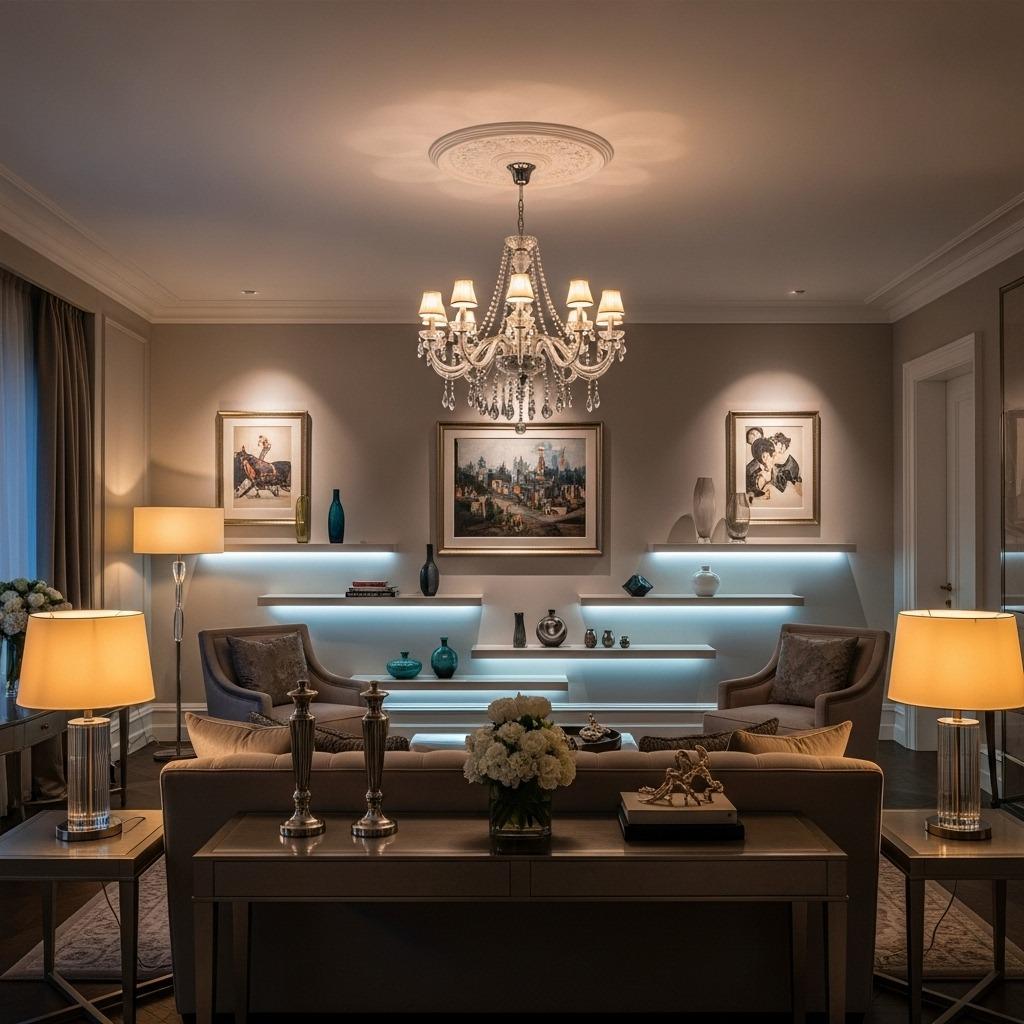
We’ve talked about statement lighting, but the real luxury lies in having multiple light sources you can adjust for different moods and times of day. This flexibility is what you experience in high-end hotels and restaurants.
Combine ambient lighting (overhead fixtures), task lighting (reading lamps), and accent lighting (picture lights, LED strips under shelving). Add dimmer switches wherever possible. This allows you to transition from bright and energizing during the day to soft and intimate in the evening.
Concealed lighting creates particular magic. LED strips behind floating shelves, under-cabinet lighting, or cove lighting at the ceiling line add subtle glow without visible fixtures. This approach feels modern and refined, creating atmosphere without obvious sources.
11. Invest in Window Treatments
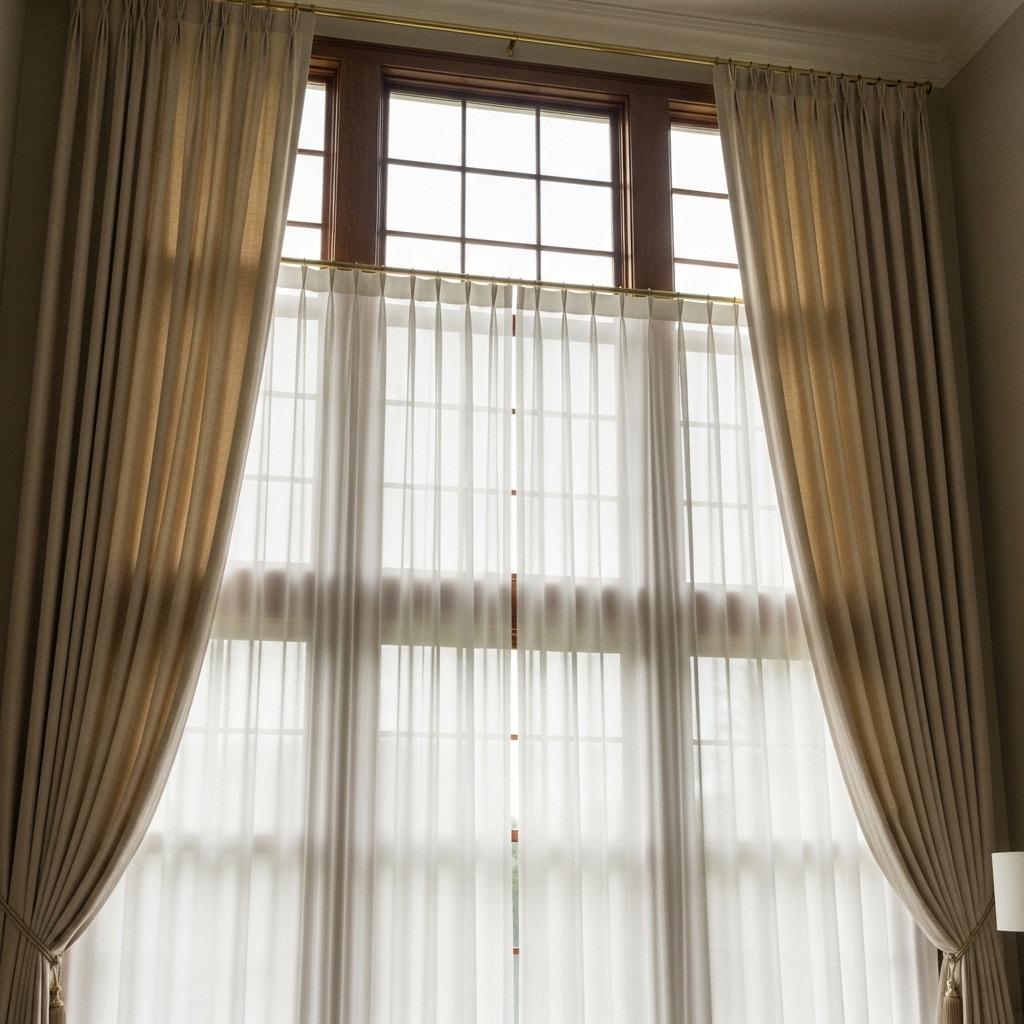
Nothing cheapens a room faster than bare windows or basic blinds. Proper window treatments frame your views, control light beautifully, and add softness that balances harder architectural elements.
Floor-to-ceiling curtains in quality fabric (linen, silk, or velvet) create the illusion of higher ceilings and more expansive windows. Mount curtain rods just below the ceiling line and let panels puddle slightly on the floor for maximum impact. This dramatic approach appears in every living room ideas showcase.
Layering works here too. Sheer panels underneath heavier drapes give you privacy options while maintaining light. Roman shades paired with side panels offer both function and style. The hardware matters as well – substantial rods in brushed brass or bronze feel more luxurious than basic options.
12. Include a Statement Rug
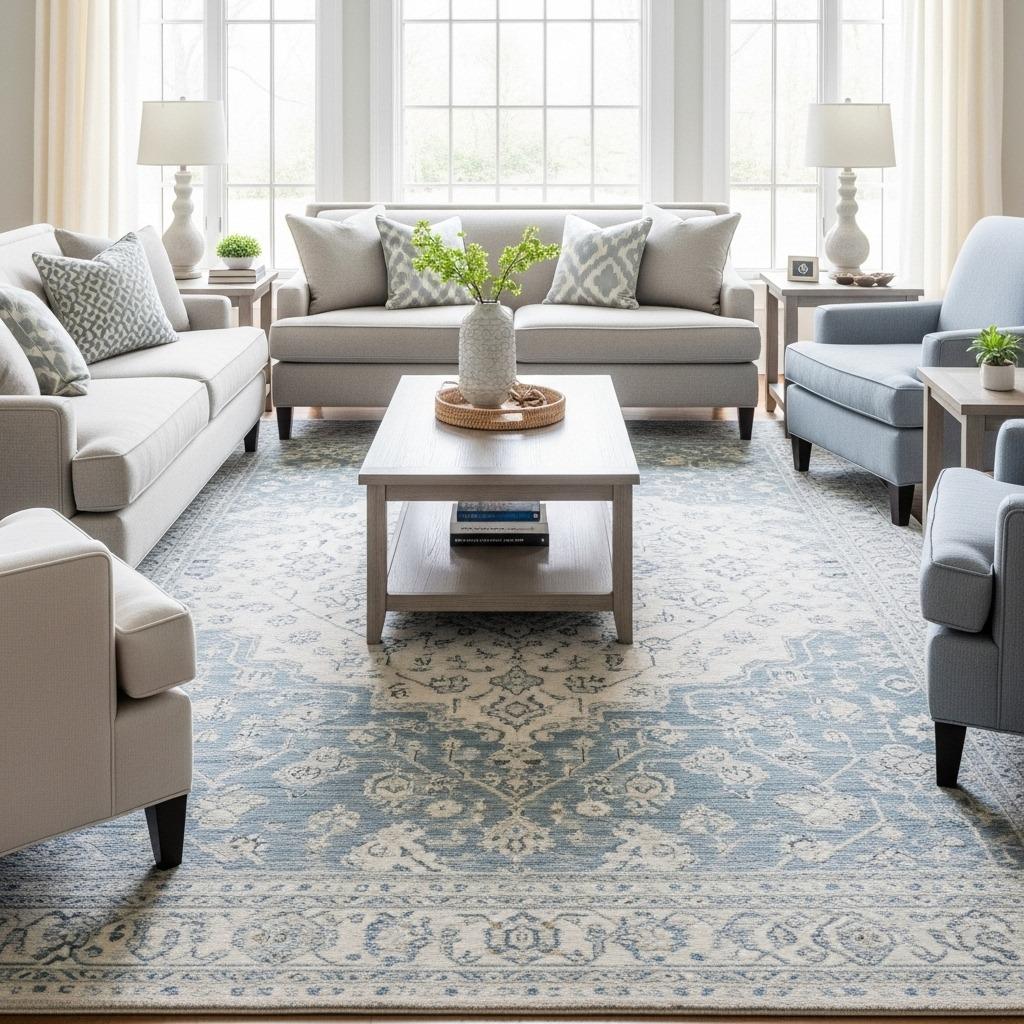
A beautiful rug anchors your furniture arrangement and adds another layer of texture and pattern. In luxury spaces, rugs are substantial – large enough that at least the front legs of all seating pieces rest on them.
Natural fiber rugs like wool, silk, or high-quality synthetics that mimic natural materials work best. Hand-knotted Persian or Turkish rugs bring history and artistry. Contemporary designs in muted tones with subtle patterns feel modern and sophisticated.
The rug you choose influences the entire room’s character. A traditional Oriental rug leans classic, while an abstract modern design feels contemporary. Neutral rugs allow other elements to shine, while patterned options become focal points themselves. Consider your goals for the space when making this choice.
13. Curate Your Coffee Table
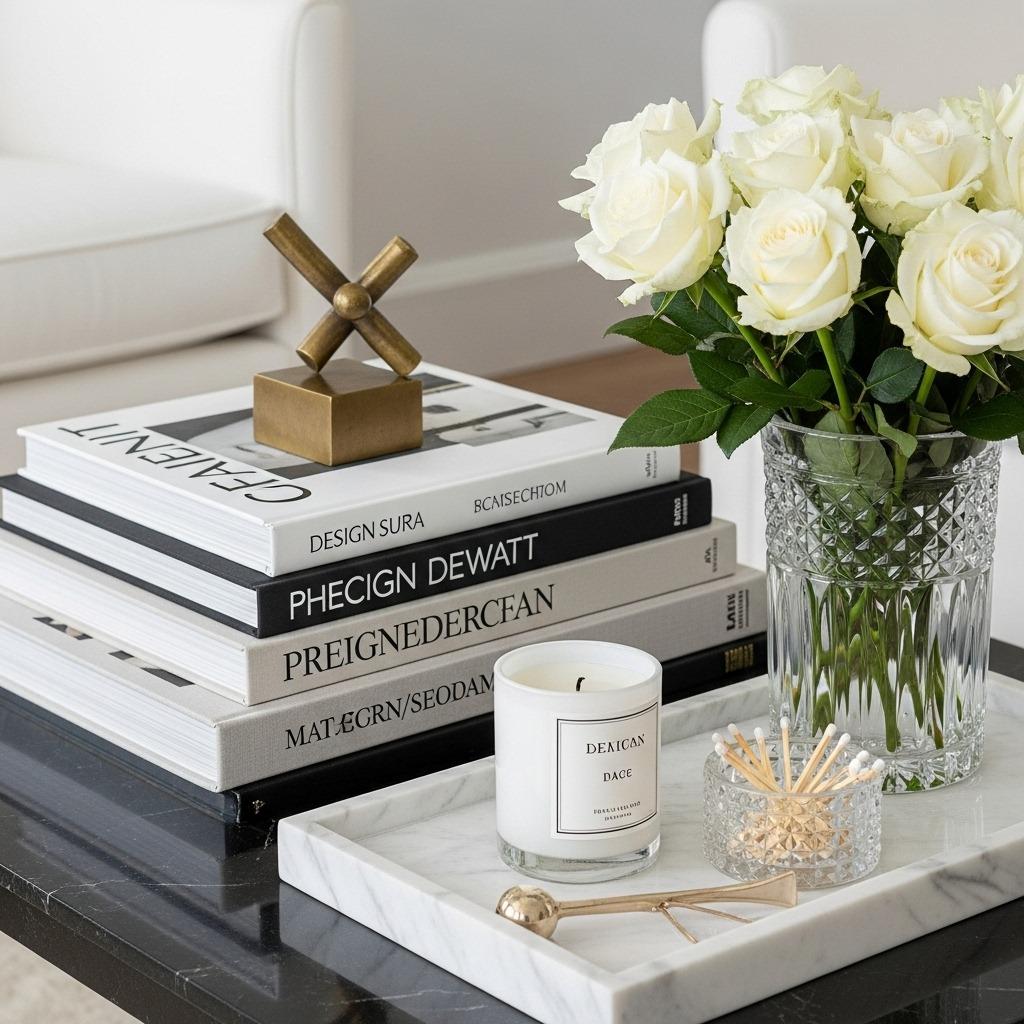
A well-styled coffee table looks effortless but actually requires thoughtful curation. This surface tells a story about your lifestyle and interests while remaining functional.
Use the rule of thirds – group items in odd numbers and at varying heights. A stack of beautiful coffee table books, a sculptural object or bowl, fresh flowers or greenery, and perhaps a decorative box or tray for corralling smaller items. Each piece should be something you genuinely love.
Edit ruthlessly. Too many items create clutter, while too few looks sparse. The goal is collected sophistication – like you’ve thoughtfully gathered meaningful pieces over time rather than buying everything at once. Leave some negative space so the table doesn’t feel crowded.
14. Add Architectural Plants
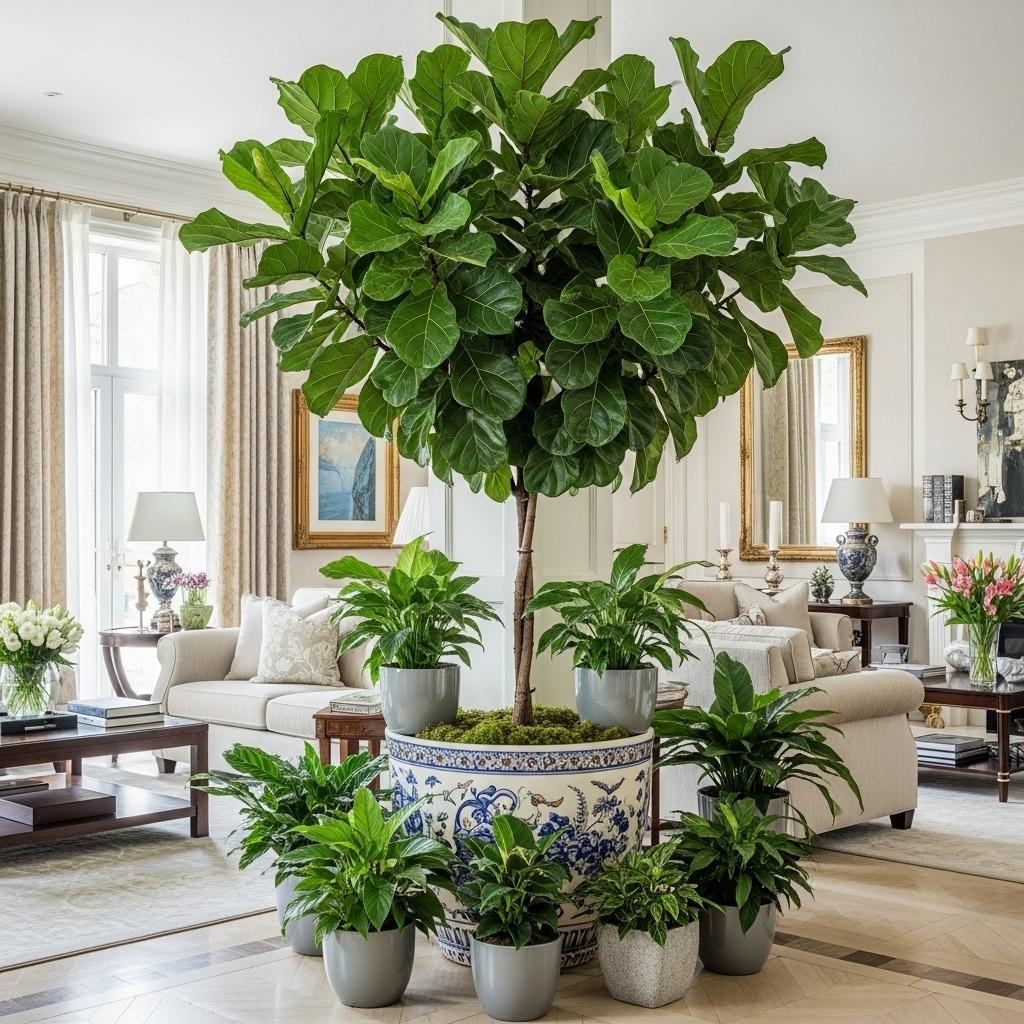
Large-scale plants bring life and organic sculptural elements that soften hard edges. A fiddle leaf fig, bird of paradise, or substantial monstera becomes a living piece of art.
The containers matter as much as the plants themselves. Ceramic planters in neutral tones, woven baskets, or even sculptural concrete pots all work. Elevating plants on stands adds height variation and visual interest while protecting floors.
Strategic placement makes plants feel intentional rather than afterthought. Flanking a fireplace, filling an empty corner, or positioning behind a sofa creates presence. If you’re working with limited natural light, consider options for indoor garden living room setups that work with your specific conditions.
15. Mix Old and New
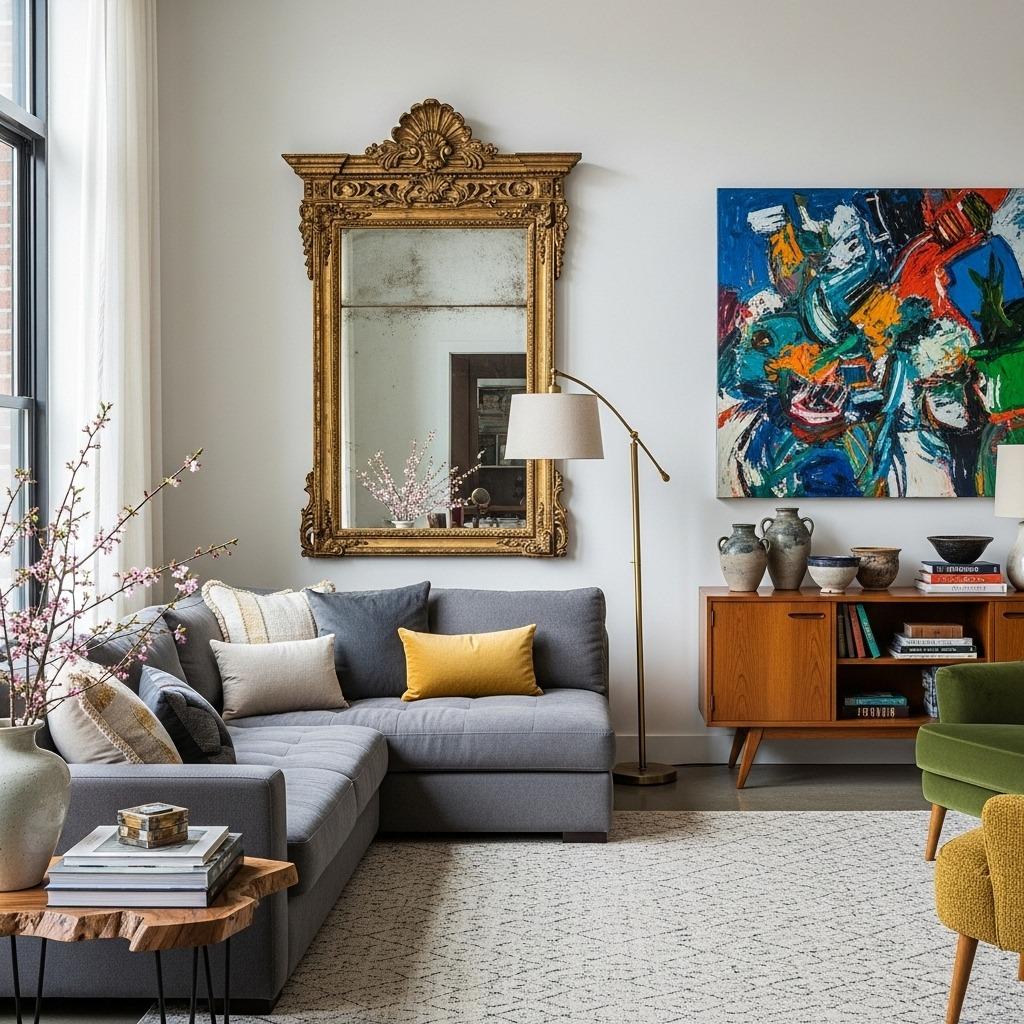
Rooms filled entirely with brand-new furniture can feel soulless. The most interesting luxury spaces combine antique or vintage pieces with contemporary elements, creating depth and suggesting the space evolved over time.
An antique mirror above a modern console, vintage brass candlesticks on a contemporary coffee table, or a mid-century chair paired with a new sofa – these combinations tell richer stories than matched sets. The contrast itself becomes interesting.
This approach also allows you to invest selectively. Splurge on a few new key pieces while incorporating inherited furniture, flea market finds, or vintage shop discoveries. The mix feels personal and collected rather than catalog-ordered, which is ultimately more luxurious.
16. Create Purposeful Negative Space
Here’s what separates true luxury from trying too hard – restraint. Leaving intentional empty space makes everything else breathe and allows individual pieces to shine. Overcrowded rooms feel chaotic regardless of how expensive the furniture.
This doesn’t mean sparse or cold. It means each item has room around it. You can see the beautiful lines of your furniture. Surfaces aren’t cluttered. Walking paths are clear and generous. The space feels expansive even if the room isn’t particularly large.
Think about how gallery spaces display art – with plenty of wall space surrounding each piece. Apply this principle to your furniture and decor. Group items in purposeful vignettes but leave breathing room between groupings. This approach appears in every modern minimalist living room that successfully achieves refined luxury.
17. Pay Attention to Details
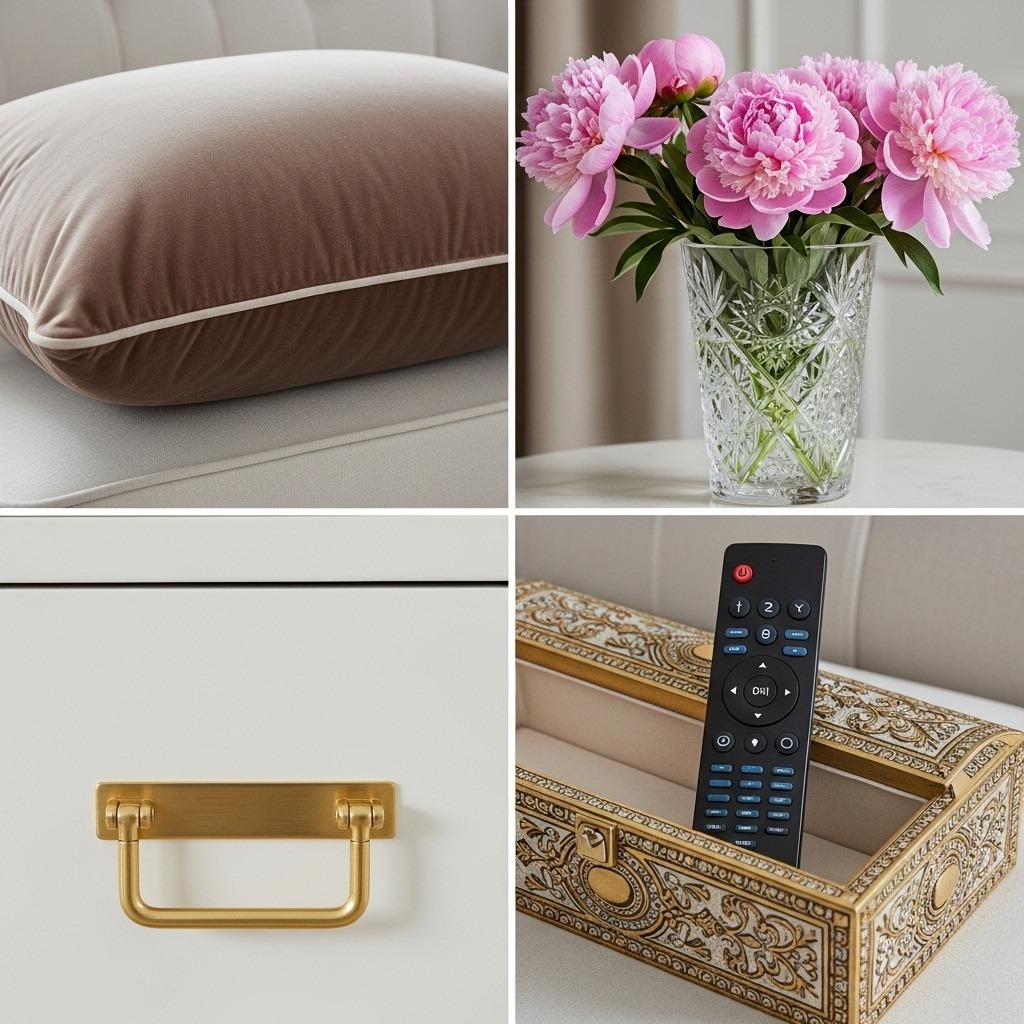
The final layer of luxury lives in the small details most people overlook. Beautiful hardware on furniture, quality throw pillow inserts that actually fill pillow covers properly, fresh flowers instead of fake ones, books with spines removed for visual quiet.
Switch plates and outlet covers in matching metals rather than basic plastic. Concealed TV cables rather than visible cords. Uniform hangers if your closet is visible. Cohesive storage solutions rather than mismatched boxes. These touches seem minor individually but collectively they signal care and quality.
This level of attention extends to maintenance too. Fluffed pillows, vacuumed upholstery, polished surfaces, and fresh greenery all contribute to that “just styled” feeling. Luxury isn’t just about the initial purchases – it’s about consistently maintaining the environment you’ve created.
Creating a luxury living room is less about budget and more about understanding principles – quality over quantity, intentional restraint over excess, and cohesive vision over random accumulation. These 17 approaches work together, though you don’t need to implement all of them at once.
Start with the elements that resonate most with your vision. Maybe it’s investing in that perfect sofa, or perhaps it’s the architectural details that will transform your space. As you layer in these ideas over time, you’ll notice your room taking on that polished, premium decor quality you’re after.
The beauty of this approach is flexibility. Whether you’re starting with affordable home upgrades or ready to invest significantly, these principles scale to your budget and timeline. What matters is the thoughtfulness you bring to each decision and the cohesive vision you’re building toward.
Your luxury living room should ultimately reflect your lifestyle and personality while achieving that sophisticated aesthetic. Trust your instincts, take your time with decisions, and remember that truly high-end spaces feel effortless because every choice was carefully considered. That’s the kind of upscale interior that not only looks beautiful but feels genuinely comfortable to live in every single day.

