

You don’t need thousands of dollars to make your home’s exterior look like it belongs in a magazine. Sometimes the biggest impact comes from the smallest investments – a weekend of elbow grease, a can of paint, or just rearranging what you already own.
Here’s what I’ve learned after years of watching homeowners transform tired exteriors: curb appeal on a budget is less about what you spend and more about where you focus your energy. The front door that’s been the same bland beige for a decade? That’s your opportunity. The overgrown shrubs hiding your windows? Those are stealing your home’s best features.
These budget-friendly exterior upgrades prove you don’t need a contractor on speed dial to create a welcoming first impression. Most of these projects cost under $100, and several are completely free if you’re willing to put in the work.
1. Paint Your Front Door (Under $50)
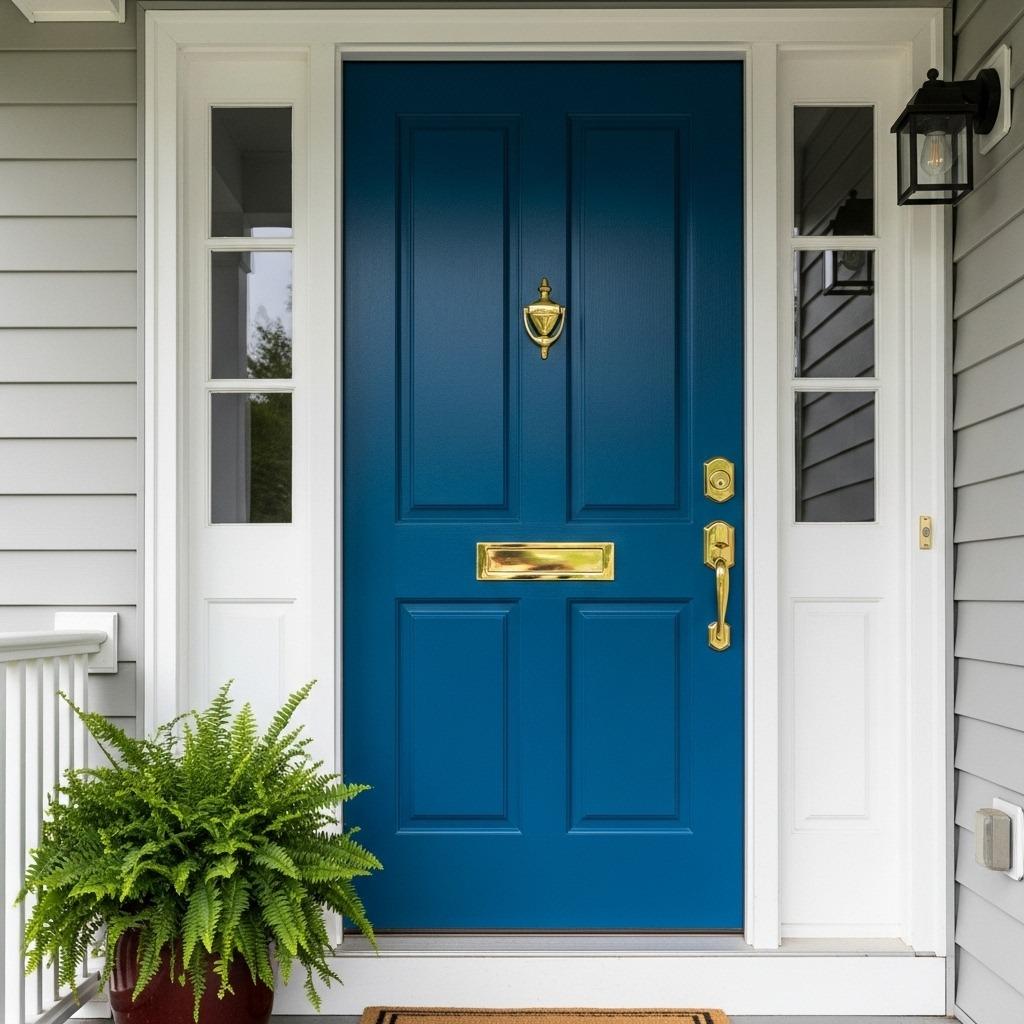
A fresh coat of paint on your front door might be the single best return on investment for any exterior project. For less than $50 in supplies, you can completely change how your home feels when someone approaches.
Color matters more than you’d think. Rich navy blue adds sophistication, warm red creates energy, and deep charcoal feels modern and grounded. Whatever you choose, pick something that makes you happy – not what you think buyers want or what your neighbor might approve of.
The prep work makes all the difference here. Sand rough spots, fill any cracks with wood filler, and use a quality exterior primer before your color coat. Two thin coats always look better than one thick glob. If you’re looking for more ways to refresh your home without breaking the bank, check out these affordable home upgrades that deliver major impact.
2. Define Your Garden Beds with Fresh Mulch ($30-60)
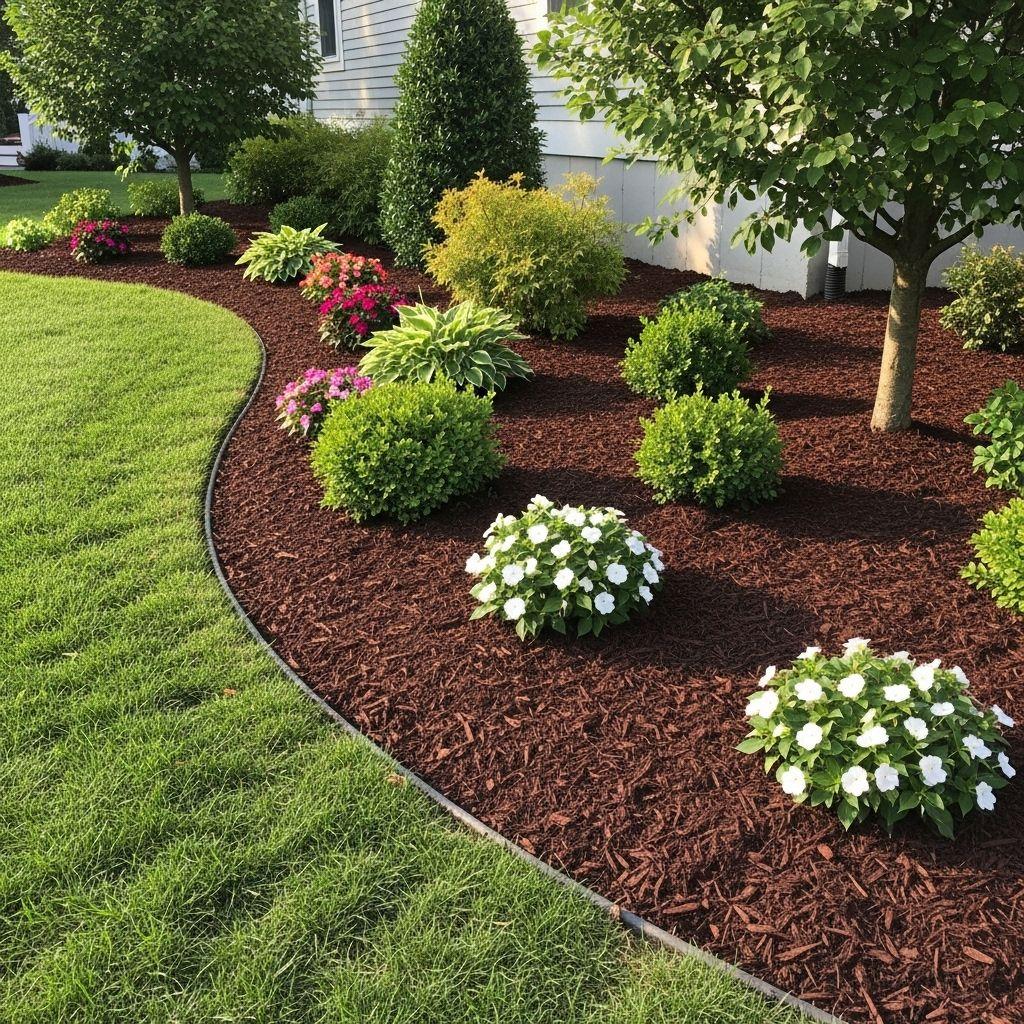
Fresh mulch is like getting a haircut for your yard – instantly polished and put-together. A few bags of dark brown or black mulch cost $3-5 each and can cover surprising amounts of space when spread 2-3 inches deep.
Before you spread new mulch, edge your beds with a flat shovel or edging tool to create clean lines between lawn and garden. Pull any visible weeds, and consider laying down landscape fabric in problem areas where weeds constantly push through. Then spread your mulch evenly, keeping it a few inches away from plant stems and house foundations to prevent rot.
The difference is immediate and dramatic. Dark mulch makes flower colors pop and gives your landscape a finished, intentional look even if you haven’t changed a single plant. This front yard facelift trick works year-round and only needs refreshing annually.
3. Power Wash Everything (Free if You Borrow or $75 to Rent)
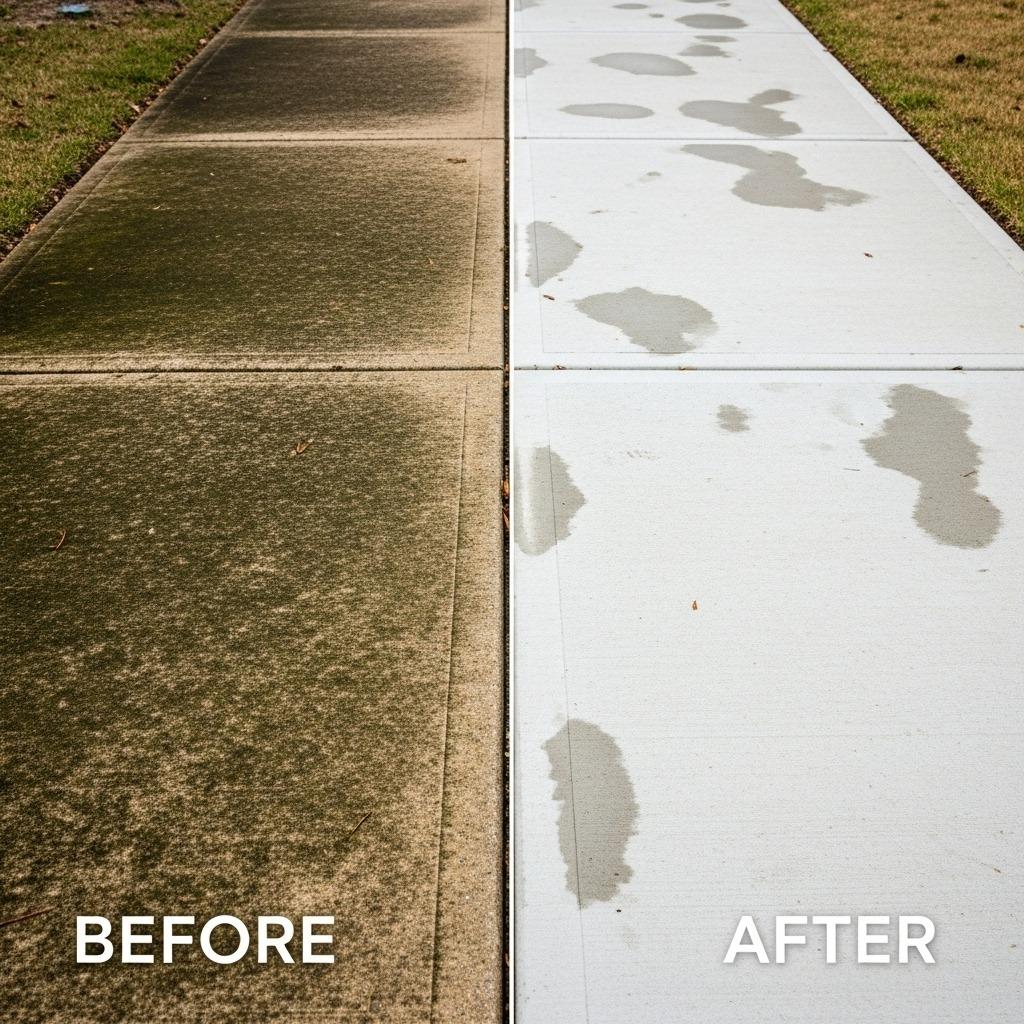
Power washing is basically magic for making old things look new again. Rent a power washer for a day from your local hardware store, or ask if any neighbors have one you can borrow in exchange for washing their driveway too.
Focus on high-impact areas: your driveway, front walkway, porch, steps, and siding. You’ll be shocked at how much dirt, mildew, and grime has accumulated over the years. Just be careful with the pressure settings – too high can damage wood siding or strip paint from surfaces you want to keep.
Pay special attention to areas near the ground where splash-back creates dark streaks on siding. The whole process usually takes 2-4 hours depending on your home’s size, and the results last for months. This is honestly one of the best landscaping tips for instant improvement without changing anything structural.
4. Replace Your House Numbers ($15-40)
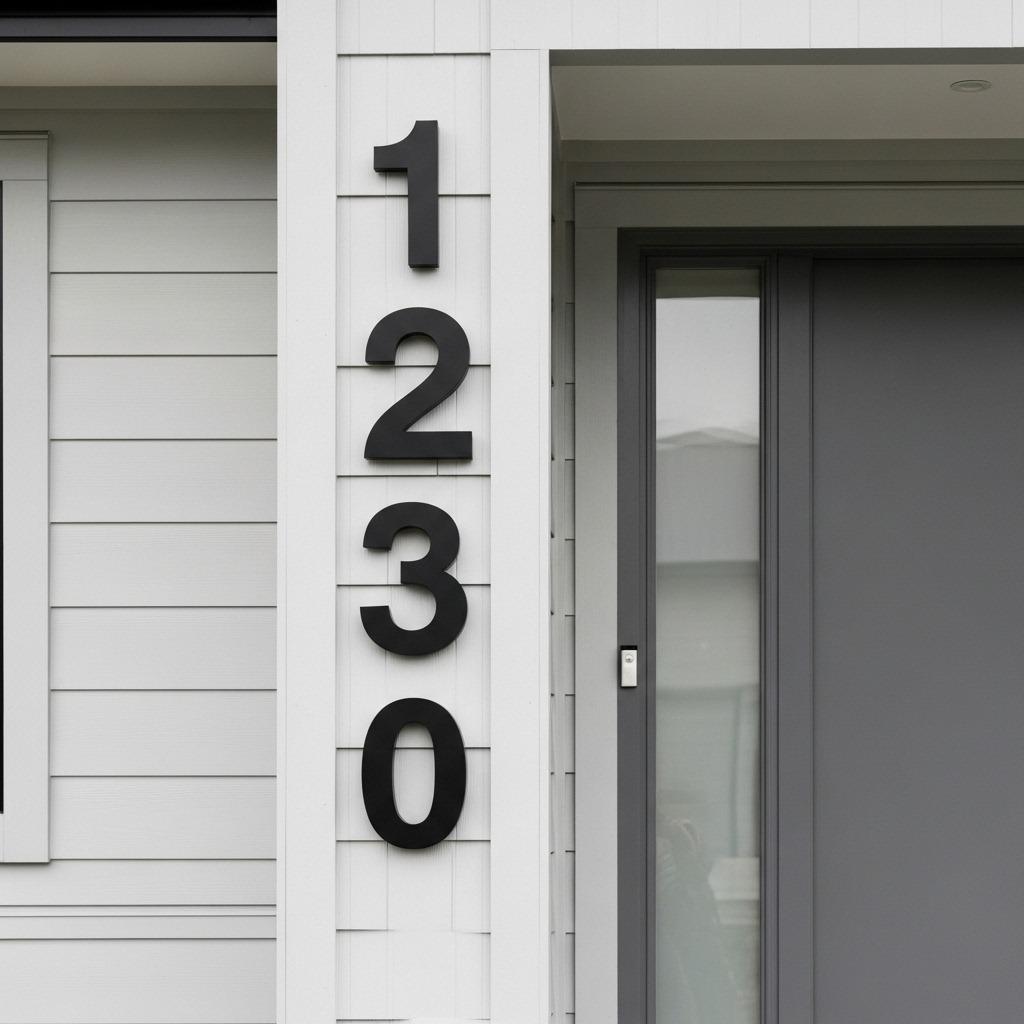
Outdated or barely visible house numbers make your entire home look neglected, but new ones create an instant designer touch. Look for numbers at least 4-5 inches tall in a finish that complements your door hardware.
Placement matters almost as much as style. Mount numbers where they catch natural light and can be easily spotted from the street. Beside your front door, on a porch column, or even on a contrasting plaque all work well depending on your home’s layout.
Matte black feels current and works with almost any exterior color. Brushed brass or bronze adds warmth to traditional homes, while stainless steel suits modern architecture. Whatever finish you choose, make sure all your exterior hardware matches for a cohesive look that doesn’t scream “budget project.”
5. Add Two Large Potted Plants ($40-80)
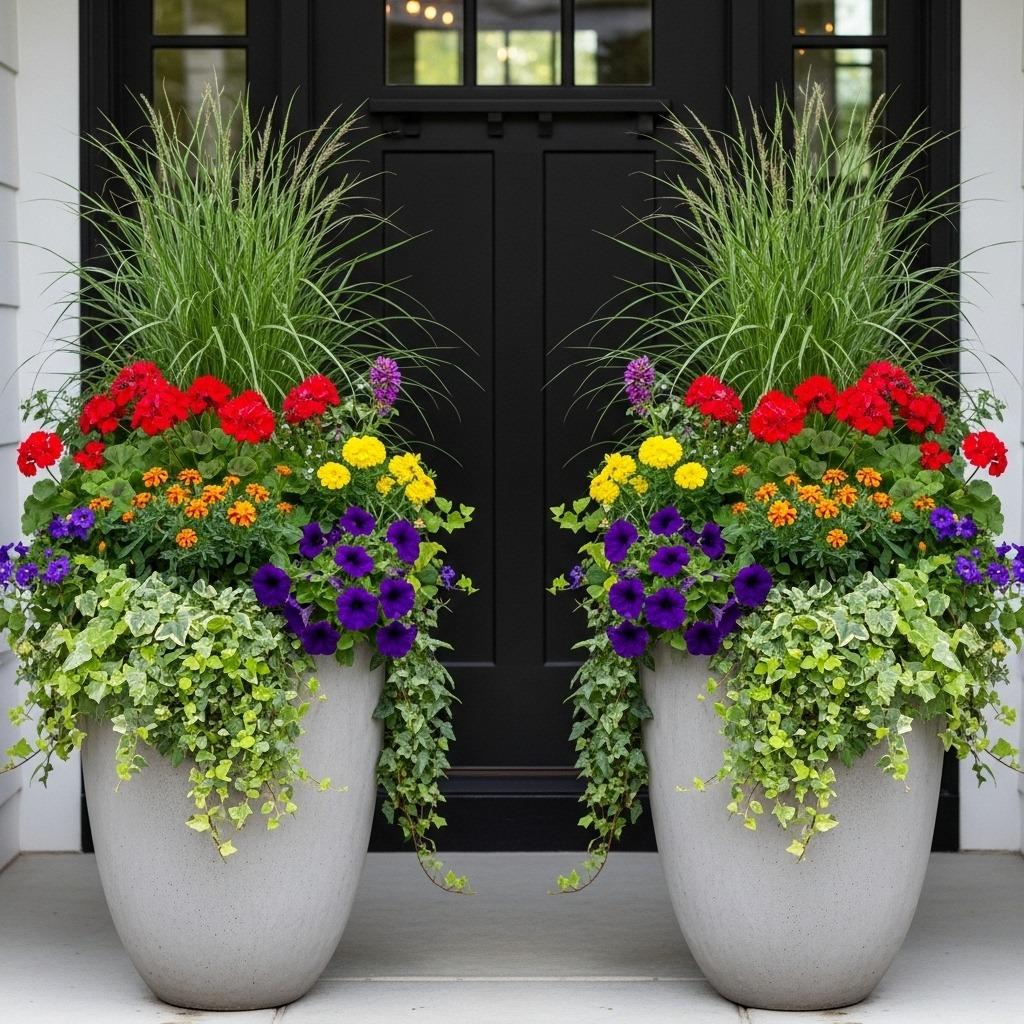
Symmetrical planters on either side of your entrance create an instant sense of arrival and purpose. You don’t need expensive ceramic pots – even basic plastic planters in neutral colors work beautifully when filled with the right combination of plants.
Follow the thriller-filler-spiller formula: a tall plant in the center, medium plants filling the middle, and trailing plants cascading over the edge. This professional design technique works for containers of any size and makes even basic plant choices look intentional.
Choose planters that are proportional to your door and porch size. Massive urns on a tiny stoop look ridiculous, while tiny pots on a grand entrance get lost. If buying new plants stretches your budget, consider propagating what you already have or asking friends for cuttings. For more plant inspiration, explore these container gardening ideas that work beautifully at entrances.
6. Install Solar Path Lights ($20-50)
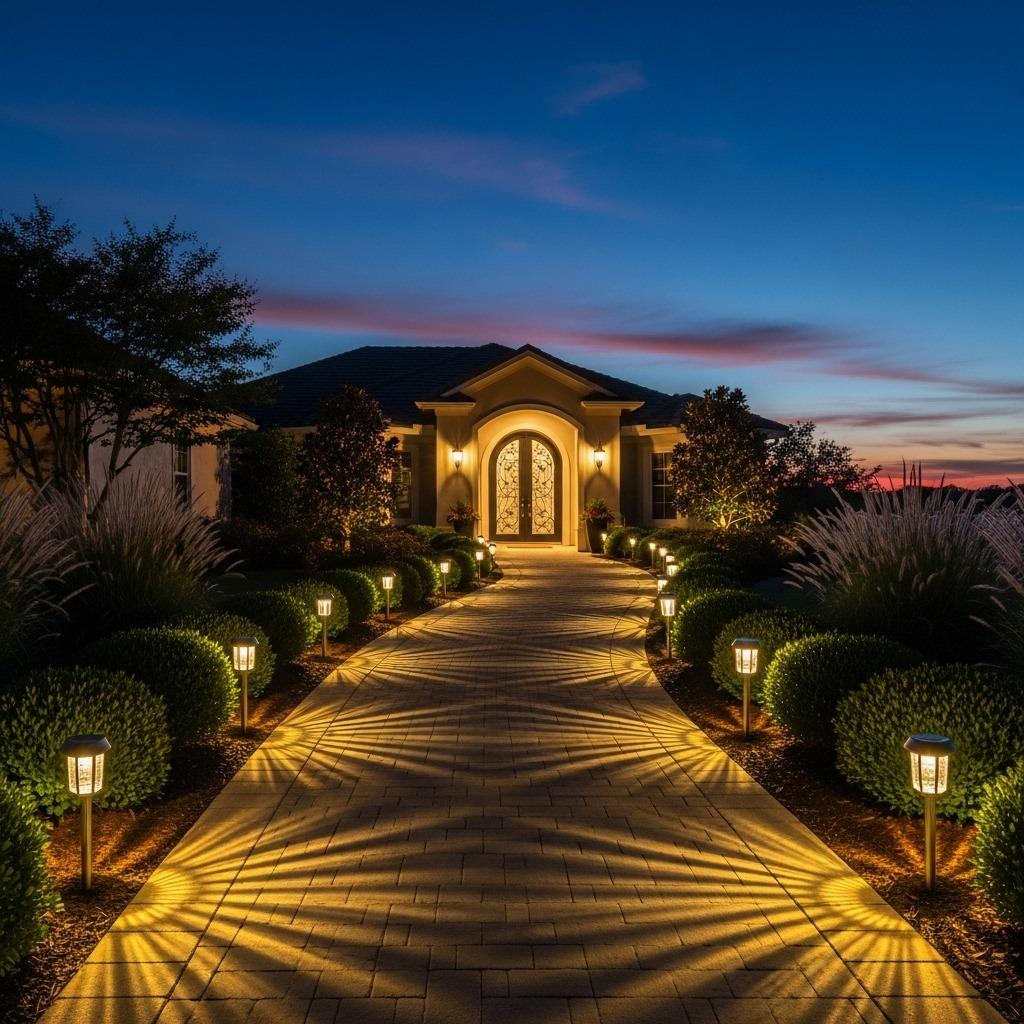
Solar lights have improved dramatically in recent years, and they’re now bright enough to actually illuminate pathways while adding ambiance. No electrical work, no ongoing electricity costs – just stick them in the ground and let the sun do the work.
Space lights every 6-8 feet along walkways, driveways, or to highlight landscaping features. Look for models with metal rather than plastic stakes if you want them to last more than one season. The initial cost might be slightly higher, but replacing broken plastic stakes every year gets expensive.
This upgrade delivers function and beauty. Your walkway becomes safer at night, and the warm glow makes your home look inviting after dark. It’s one of those budget-friendly exterior upgrades that feels more expensive than it actually is.
7. Upgrade Your Mailbox ($25-60)
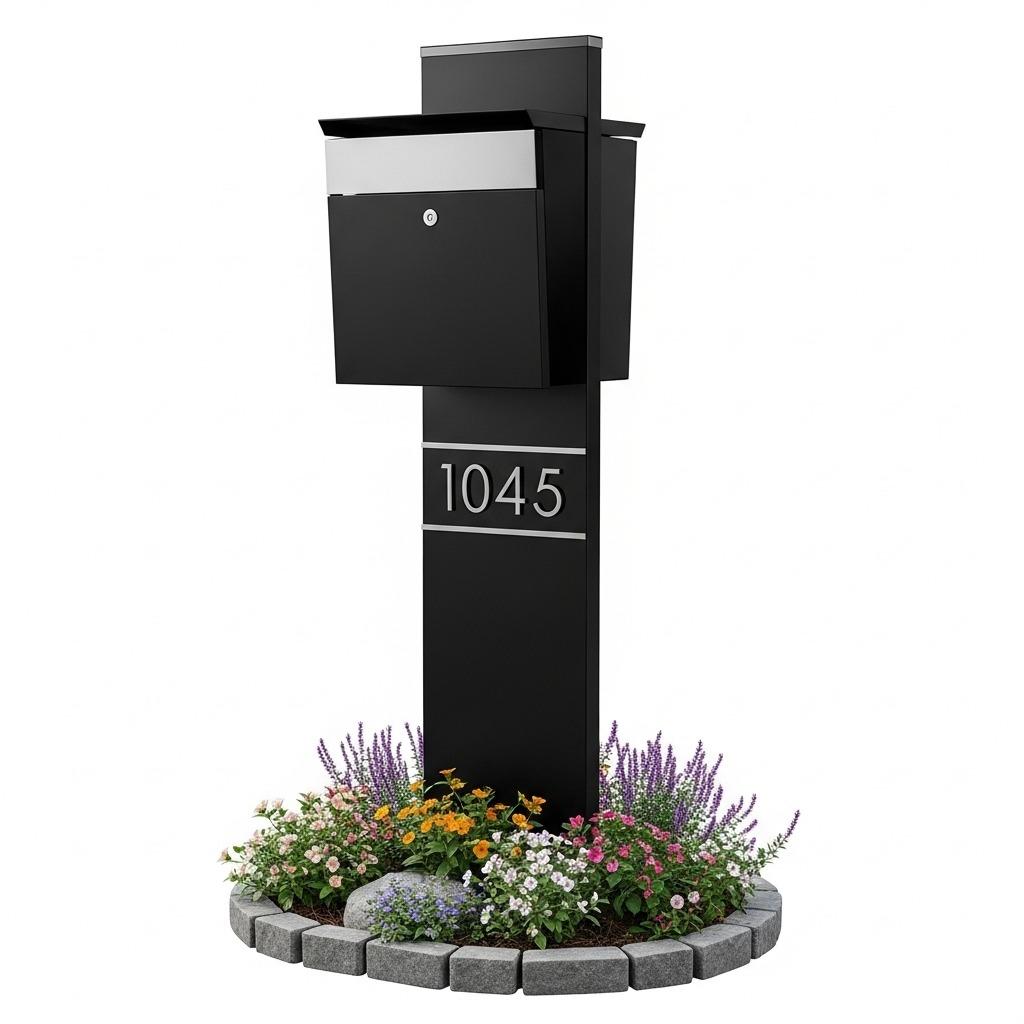
Your mailbox might be at the curb, but it’s still part of your home’s story. A rusty, dented, or leaning mailbox suggests you don’t pay attention to details – which makes people wonder what else might be falling apart.
Coordinate your mailbox style with your home’s architecture. Traditional post-mounted boxes suit farmhouse styles, while wall-mounted modern boxes work for contemporary homes. Make sure the finish matches your front door hardware for a pulled-together look.
Don’t forget about the post itself. A fresh coat of paint or wrapping it with coordinating material instantly improves the whole installation. Plant a few low-maintenance perennials around the base to integrate your mailbox into the overall landscape rather than leaving it looking like an afterthought.
8. Trim and Shape Your Shrubs (Free)
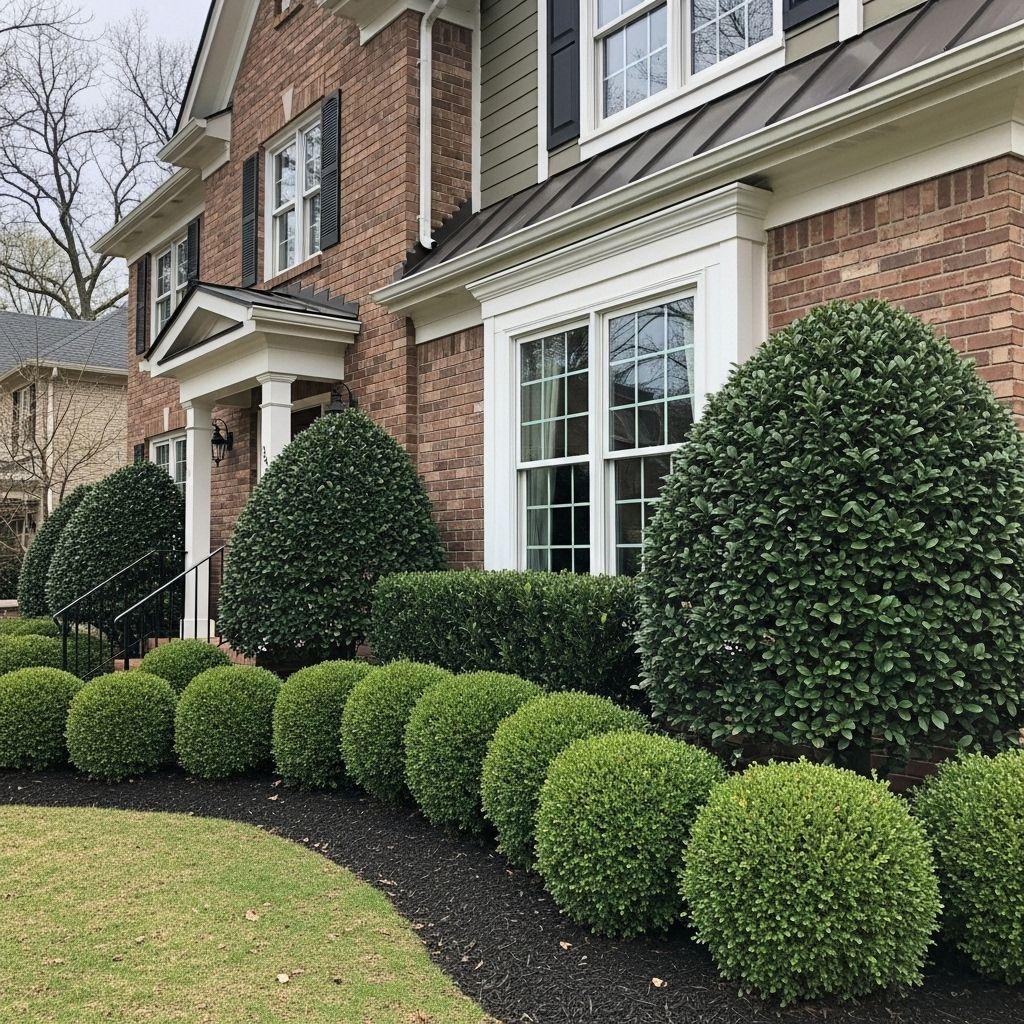
Overgrown shrubs are probably the most common curb appeal killer, and fixing them costs nothing but your time and some basic pruning shears. Shrubs that cover windows, touch your siding, or grow wild make your home look abandoned rather than maintained.
Foundation plantings should never exceed two-thirds the height of your windows. Trim shrubs into defined shapes rather than letting them grow into amorphous blobs. Remove any dead branches, and cut back growth that’s touching your house – that contact traps moisture and invites pests.
If your landscaping is seriously overgrown, you might need to be more aggressive than feels comfortable. Most shrubs can handle hard pruning in late winter or early spring and will bounce back fuller and healthier. The goal is to reveal your home’s architecture, not hide it behind green walls.
9. Paint or Stain Your Porch Floor ($40-75)
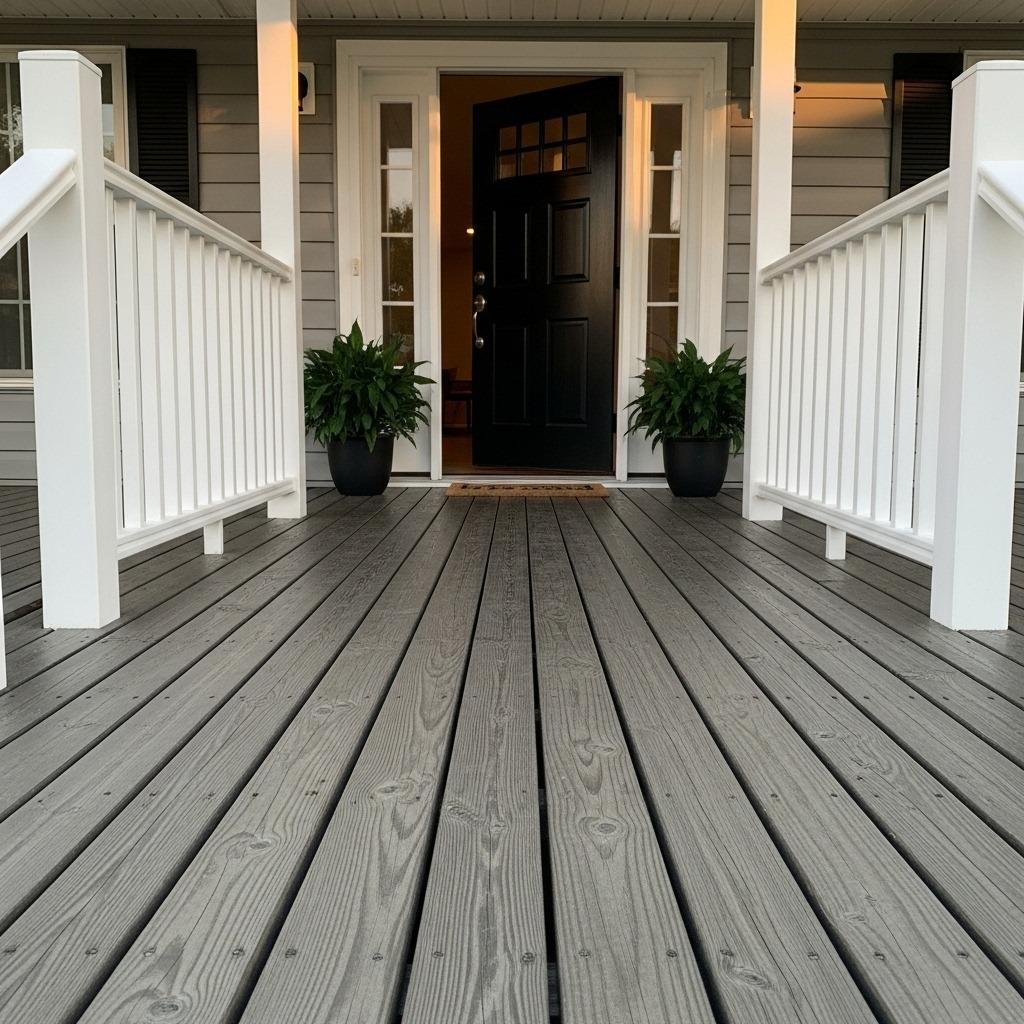
A fresh porch floor changes everything about your entrance. Peeling paint or graying wood makes even the nicest homes look tired, while a newly painted or stained surface creates a welcoming foundation for your entire entry.
Power wash thoroughly first, let it dry completely for at least 48 hours, then apply your coating. Porch and floor paint is specifically formulated to withstand foot traffic, while deck stain allows wood grain to show through. Gray-toned stains feel modern and hide dirt well, while classic porch white never goes out of style.
This project takes a full weekend when you factor in drying time between coats, but the transformation is remarkable. Your porch becomes a space that looks intentional and maintained rather than something you’ve been meaning to fix for three years. For more ways to refresh outdoor spaces, these garden and nursery ideas might spark additional inspiration.
10. Create a Cohesive Color Story ($0-50)
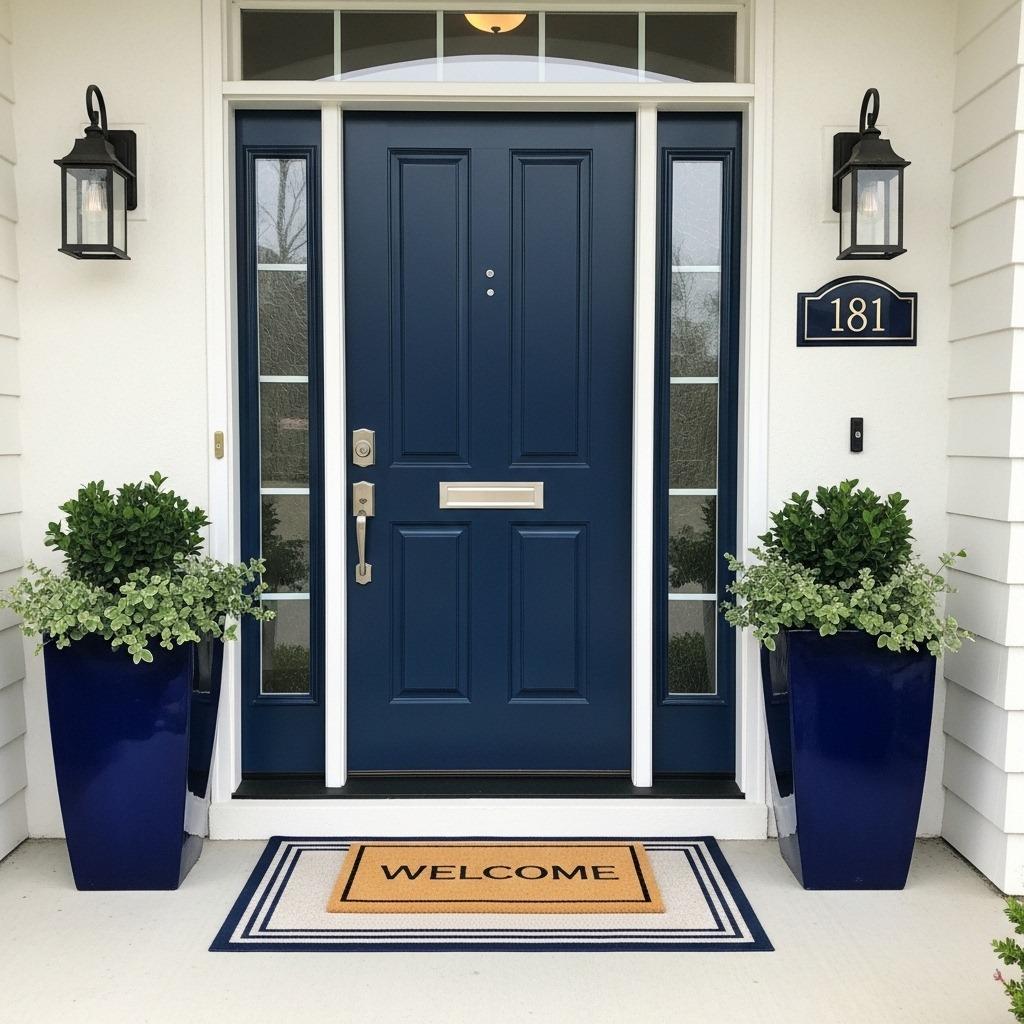
You don’t need to repaint your entire house to create visual cohesion. Pick 2-3 colors and repeat them throughout your entrance area for a designer look that costs almost nothing if you’re strategic.
Start with what’s already there – maybe your front door is a beautiful blue. Add planters in the same shade, choose a doormat with blue accents, and paint your house numbers to match. Suddenly everything feels intentional rather than random.
This works with neutrals too. Black and white with natural wood creates classic sophistication. Gray, white, and green feels fresh and organic. The key is repetition – using the same colors in multiple places ties everything together visually.
11. Add a Seasonal Wreath ($20-40)
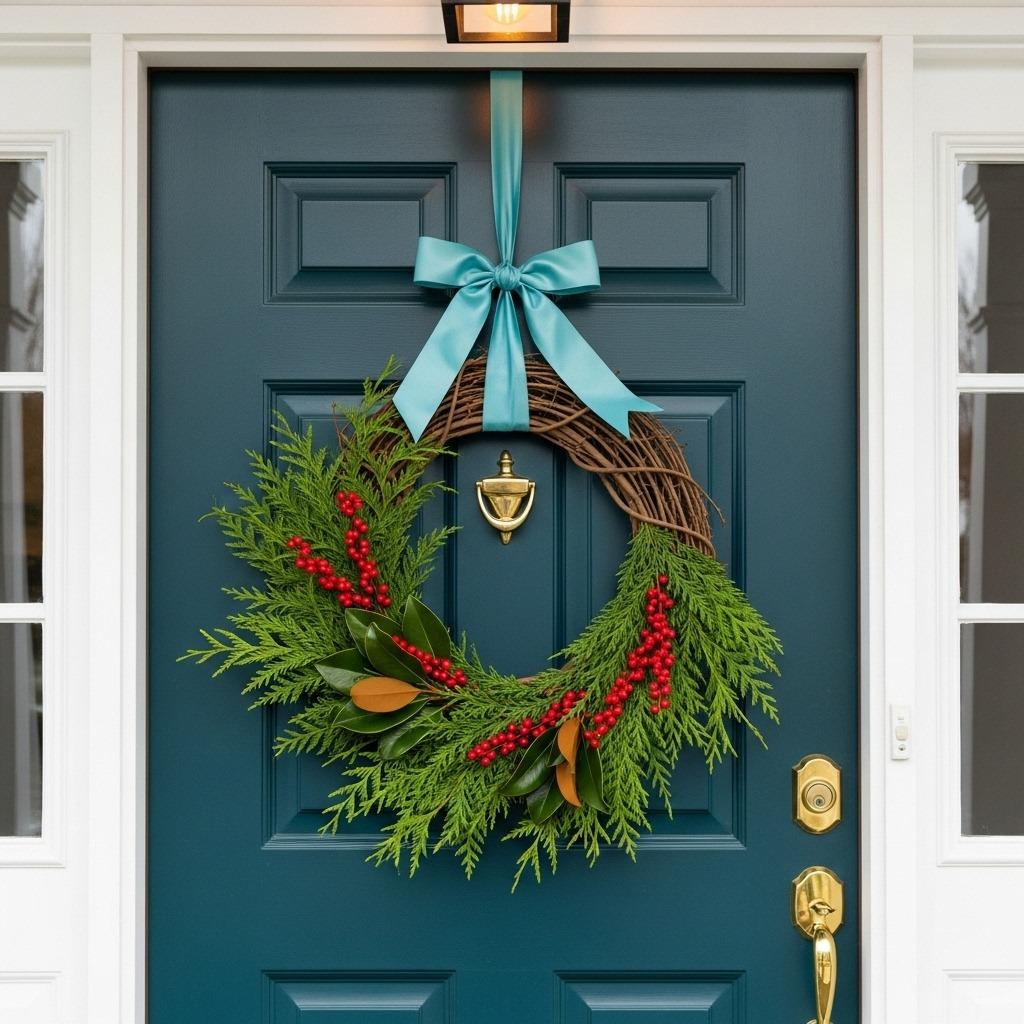
A wreath signals that someone lives here who cares about details and welcomes visitors. It’s such a small addition, but it transforms your door from a barrier into an invitation.
You don’t need elaborate arrangements. Simple grapevine wreaths work year-round and can be updated with seasonal additions – eucalyptus and white flowers in spring, mixed greenery in summer, autumn leaves and berries in fall, and evergreen branches in winter. Or choose a single style that works for months at a time.
Hang wreaths at eye level using a wreath hanger that fits over your door rather than nails or hooks that damage the finish. This detail costs almost nothing but adds personality and warmth that’s immediately noticeable.
12. Edge Your Walkway and Driveway (Free)
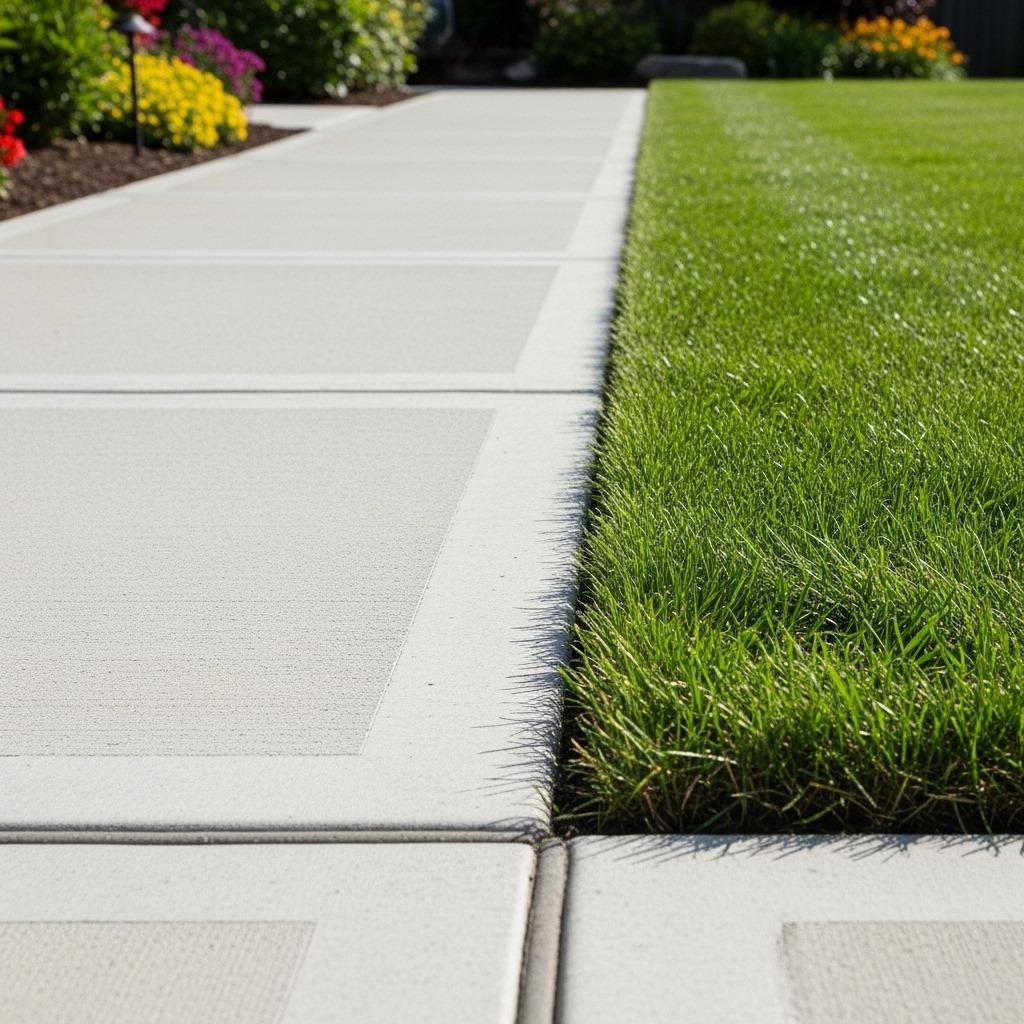
Clean edges between hardscaping and lawn create the illusion of professional landscaping even if everything else is basic. Grab a flat shovel or half-moon edger and spend an hour creating crisp lines along your walkway, driveway, and garden beds.
Cut straight down about 3-4 inches deep, then remove the excess soil to create a visible gap between grass and pavement. This prevents grass from creeping onto hard surfaces and gives your property a manicured look that lasts several weeks.
Re-edge monthly during growing season to maintain that sharp appearance. It’s free, it’s relatively easy, and the impact is disproportionate to the effort required. This is one of those landscaping tips that professionals use but homeowners often overlook.
13. Hang Outdoor Window Boxes ($30-70)
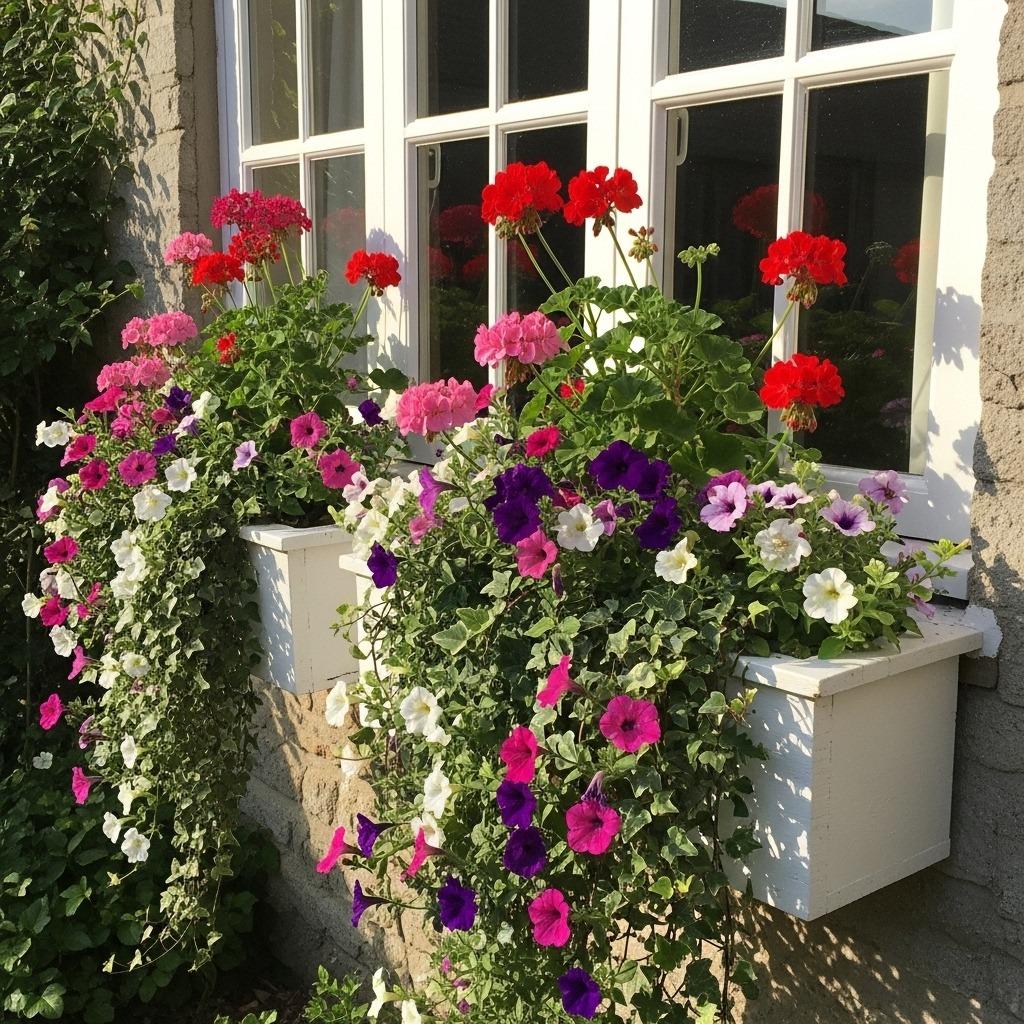
Window boxes add architecture and charm to plain facades, especially homes with few decorative details. They work on nearly any style home and draw the eye upward, making your house feel taller and more interesting.
Mount boxes securely with proper brackets that can handle the weight when soil is wet. Drill drainage holes if they’re not already present, and line boxes with landscape fabric before adding soil. Fill with a mix of upright flowers, trailing plants, and maybe an herb or two if the location gets enough sun.
Coordinate box color with your trim or shutters for a cohesive look. White window boxes feel classic, black boxes are modern and dramatic, and natural wood adds organic texture. The plants can change seasonally, but the boxes themselves become permanent features that elevate your home’s exterior.
14. Update Your Welcome Mat ($15-35)
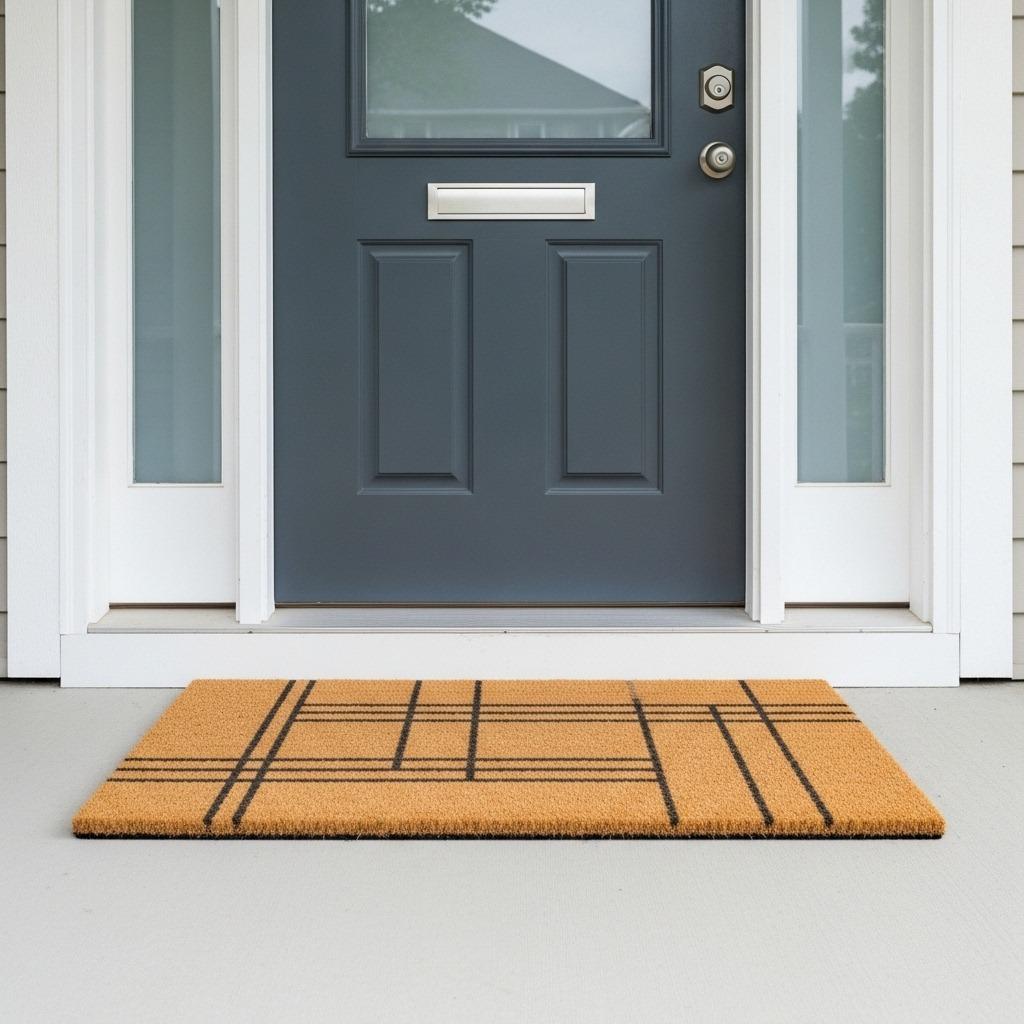
Your doormat might seem insignificant, but it’s literally the last thing people see before entering your home. A worn, faded, or dirty mat undermines every other improvement you’ve made, while a fresh one signals attention to detail.
Choose natural coir for durability and classic style, or weather-resistant synthetic materials for easy cleaning. Size matters – your mat should span at least three-quarters of your door’s width to look proportional. Skinny little mats get lost and look cheap.
Skip cutesy sayings unless they genuinely reflect your personality. Simple patterns, monograms, or solid colors feel more sophisticated and timeless. This tiny investment makes a surprisingly big difference in how polished your entrance appears.
15. Arrange a Vignette on Your Porch ($0-40)
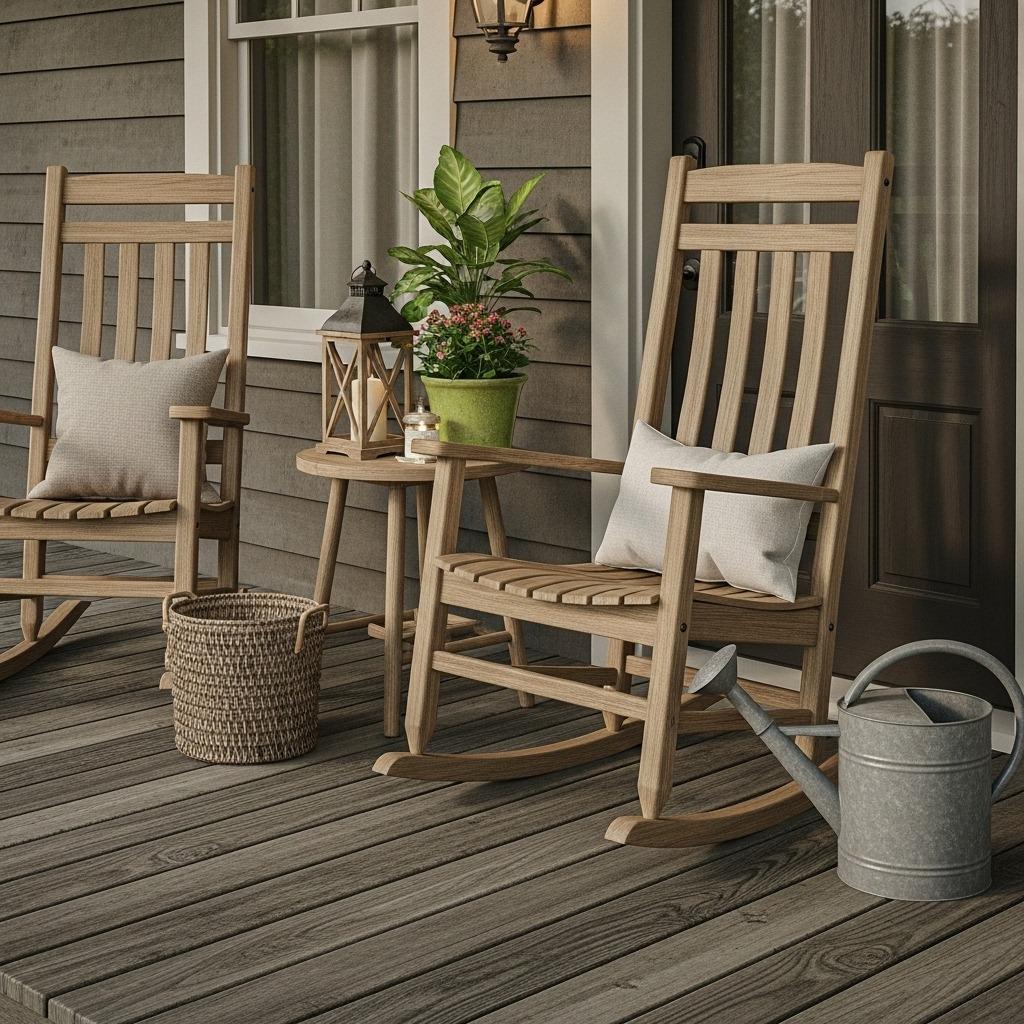
Styling your porch like an outdoor room signals that your home is loved and lived in. You probably already own most of what you need – a chair, a small table, a lantern, or some potted plants. Just arrange them thoughtfully.
Keep furniture proportional to your space. A massive bench on a tiny stoop overwhelms, while a single small chair on a sprawling porch feels lonely. Two matching chairs with a small table between them is a classic arrangement that works for most porches.
Add layers with accessories – a watering can beside potted plants, a lantern on the table, a throw pillow on the chair. But know when to stop. The goal is curated and inviting, not cluttered garage sale. For more inspiration on creating welcoming spaces throughout your home, explore these home improvement ideas that work inside and out.
Creating curb appeal on a budget isn’t about perfection or copying what you see in shelter magazines. It’s about making thoughtful improvements that reflect your home’s personality while showing you care about how it presents itself to the world.
The projects that deliver the biggest impact? Usually the ones focused on cleanliness and maintenance rather than adding new elements. A power-washed driveway, freshly trimmed shrubs, and a painted front door will always trump expensive additions to a neglected exterior.
Start with the improvements that bug you most when you pull into your driveway. That immediate satisfaction fuels momentum for tackling the next project, and the next, until suddenly your entire front yard has undergone a transformation. The best part? Your neighbors will never guess how little you actually spent.

