
There’s something magical about watching a hummingbird dart between flowers or spotting a butterfly land gently on a bloom you planted yourself. Creating a wildlife friendly garden isn’t just about making your yard look beautiful. It’s about building a sanctuary where birds, pollinators, and beneficial insects can thrive alongside you.
Whether you have a sprawling backyard or a modest balcony, transforming your outdoor space into a haven for local wildlife is easier than you might think. You don’t need to be an expert gardener or spend a fortune on fancy features. What matters most is choosing the right plants, providing essential resources like water and shelter, and embracing a more natural approach to landscaping.
In this guide, I’ll walk you through 15 practical and inspiring ideas that’ll help you design a garden that buzzes, chirps, and blooms with life. From planting pollinator-friendly flowers to creating cozy nesting spots, these tips will turn your outdoor area into a vibrant ecosystem that benefits both wildlife and you.
1. Plant Native Flowers and Shrubs
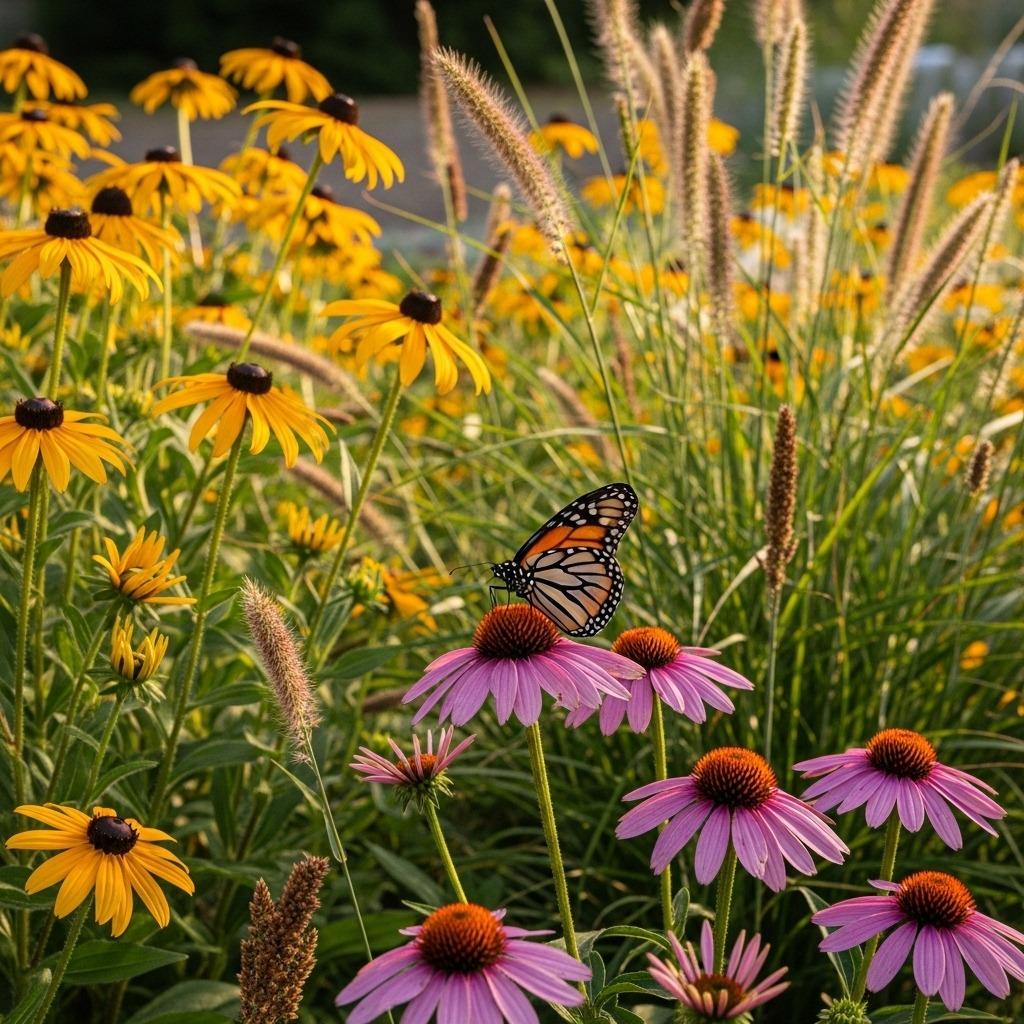
Native plants are the backbone of any successful wildlife friendly garden because they’ve evolved alongside local birds, butterflies, and bees. These plants require less water, fewer pesticides, and practically take care of themselves once established. Plus, they provide the exact nutrients and shelter that native wildlife needs to survive.
Start by researching which plants are indigenous to your region. A quick visit to your local nursery or a search through native plant databases will give you plenty of options. Think about including a mix of flowering perennials, shrubs, and grasses that bloom at different times throughout the year.
When you choose native species, you’re essentially rolling out the welcome mat for pollinators and birds that might otherwise struggle to find food in urban and suburban areas. It’s a simple switch that makes a huge difference. Check out gardening for beginners if you’re just starting your outdoor journey.
2. Add a Water Feature for Birds and Insects
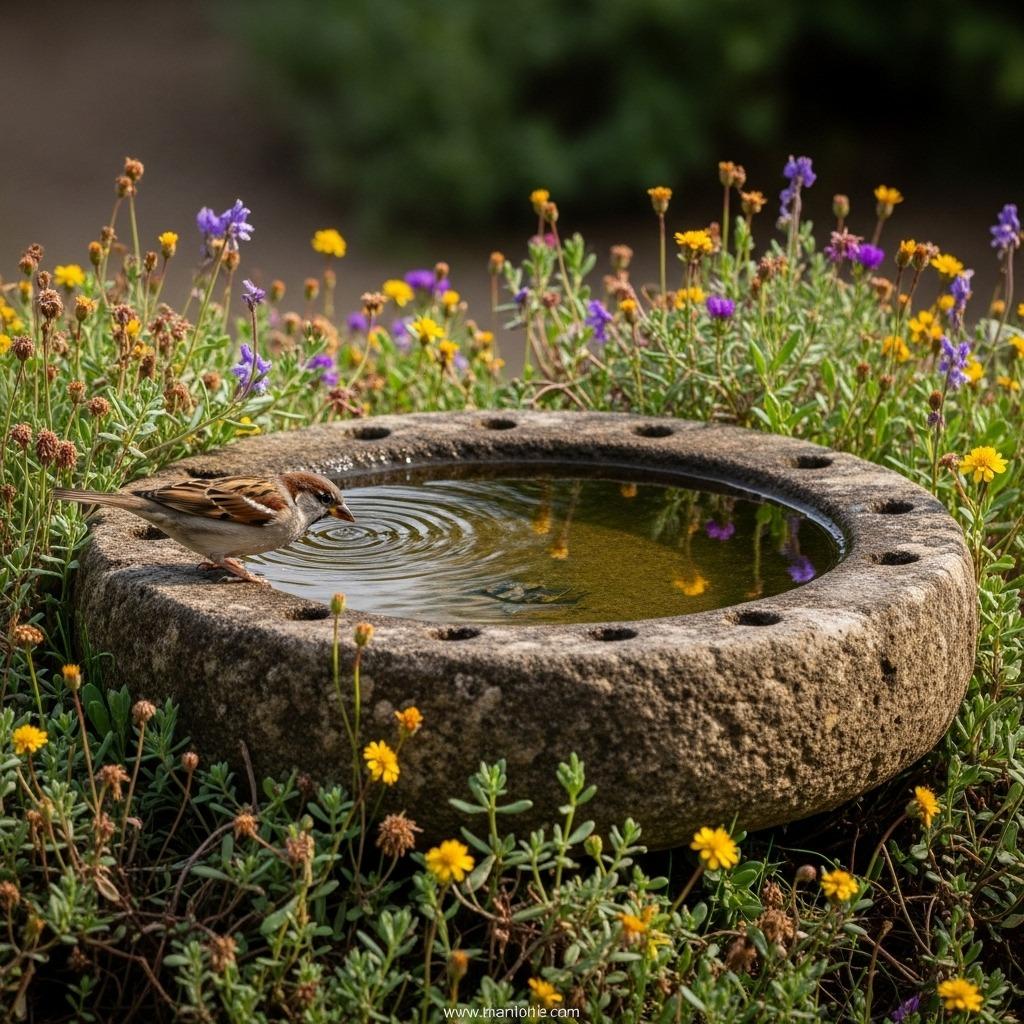
Water is just as essential to wildlife as food and shelter. A simple bird bath, shallow dish, or small fountain can become the neighborhood watering hole for birds, butterflies, and even beneficial insects like ladybugs. You’d be surprised how quickly wildlife discovers a reliable water source.
Keep the water fresh by changing it every few days, especially during hot weather when algae can build up quickly. If you want to go a step further, consider adding a solar-powered fountain. The gentle sound of moving water attracts even more visitors and keeps mosquitoes from breeding.
Position your water feature in a spot where birds feel safe, ideally near shrubs or trees where they can perch and scout for predators. A few flat stones placed in the water give smaller creatures a safe place to land and drink without the risk of drowning.
3. Create a Pollinator Garden with Diverse Blooms
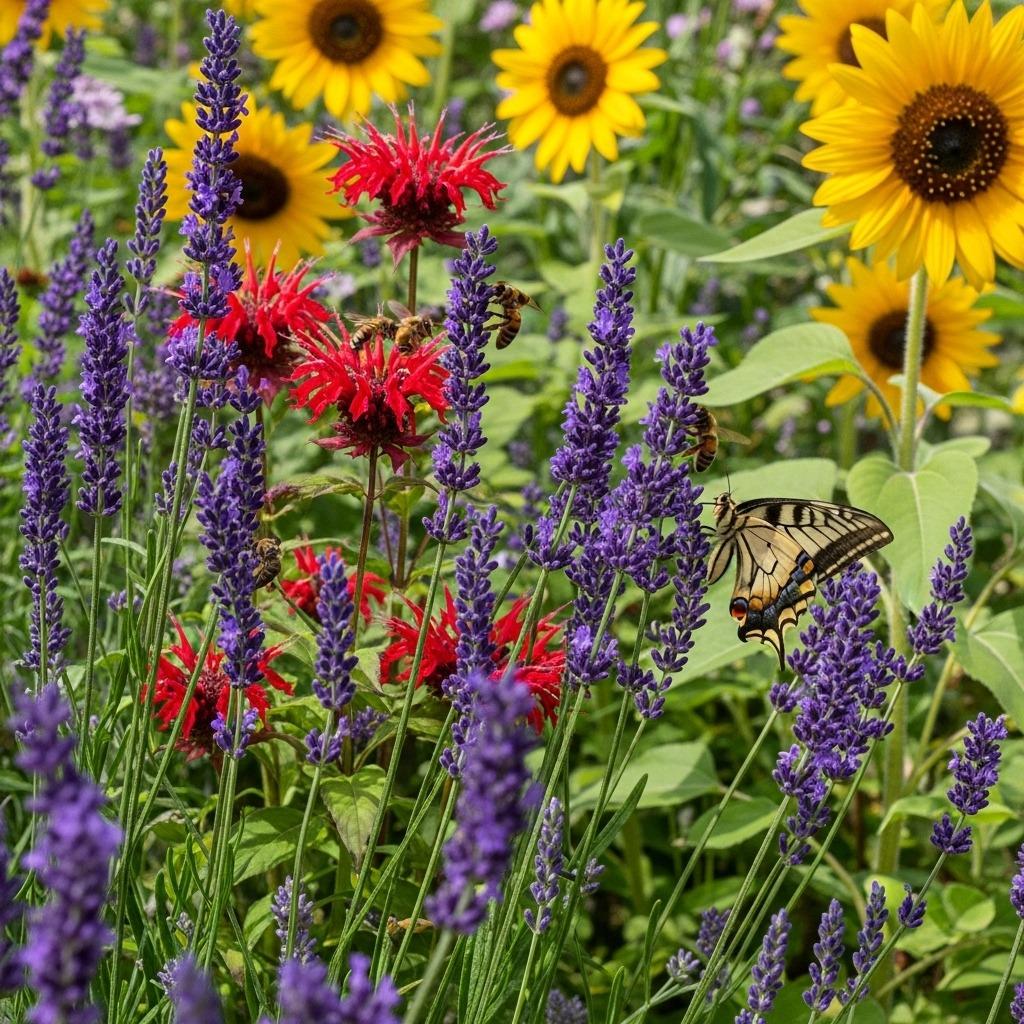
Pollinators like bees, butterflies, and hummingbirds are the unsung heroes of any garden. Without them, many of our favorite fruits, vegetables, and flowers wouldn’t exist. Designing a dedicated pollinator garden filled with nectar-rich blooms is one of the best gifts you can give to your local ecosystem.
Choose flowers in a variety of colors, shapes, and sizes to attract different types of pollinators. Tubular flowers like salvia and trumpet vine are hummingbird favorites, while flat-topped blooms like yarrow and asters are perfect for butterflies and bees. Aim for continuous blooms from early spring through late fall.
Group the same types of flowers together in clusters rather than scattering single plants around your yard. This makes it easier for pollinators to spot your garden from a distance and helps them feed more efficiently. For more ideas on creating stunning outdoor displays, browse through outdoor plant arrangement ideas.
4. Install Nesting Boxes for Birds
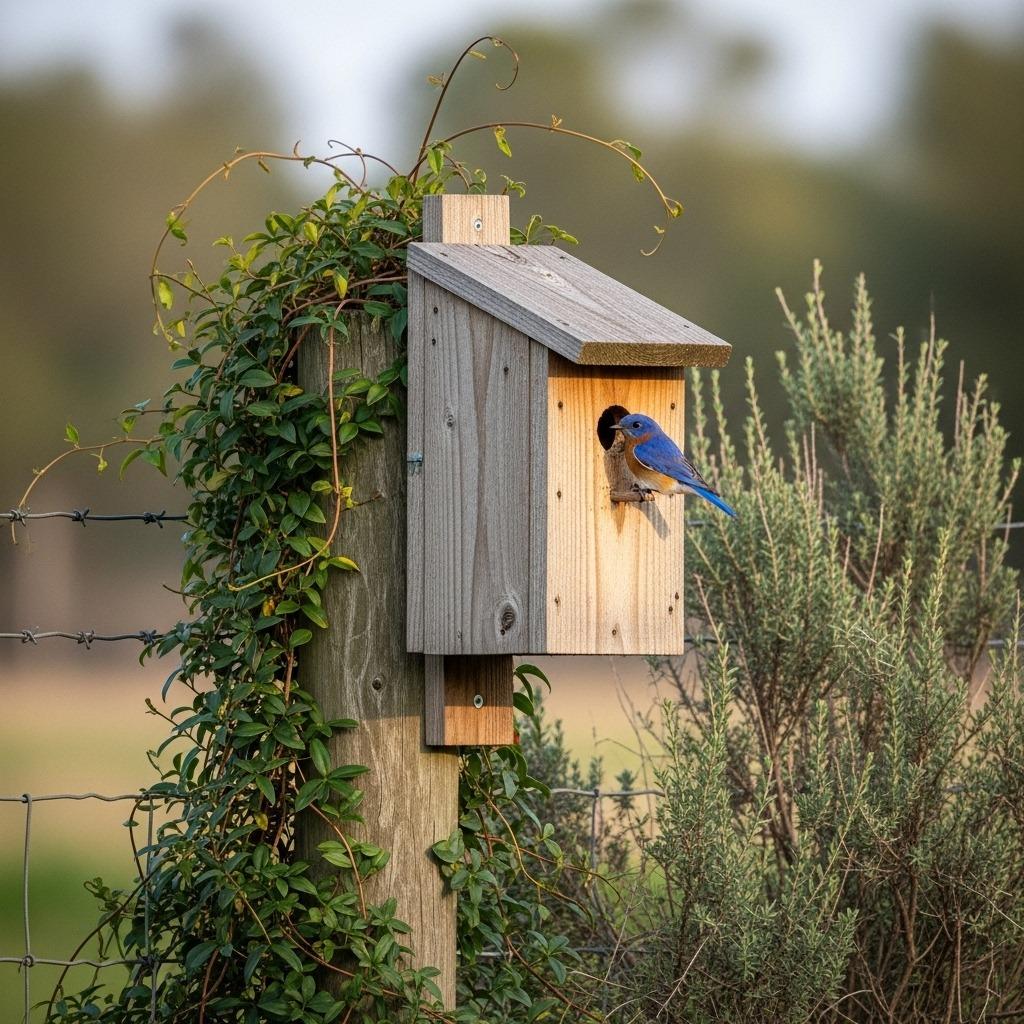
Giving birds a safe place to raise their young is a wonderful way to support your local wildlife population. Nesting boxes provide essential shelter, especially in areas where natural tree cavities are scarce. Different bird species prefer different box sizes and entrance hole diameters, so do a little research on which birds are common in your area.
Mount your nesting boxes at the appropriate height (usually 5 to 15 feet) and face the entrance away from prevailing winds. Position them in a quiet spot away from high-traffic areas, but where you can still observe them from a window if you’d like.
Clean out old nests at the end of each breeding season to keep the boxes fresh and ready for next year’s residents. You’ll be amazed at how quickly birds claim these cozy homes and how rewarding it is to watch fledglings take their first flights.
5. Let a Corner Go Wild
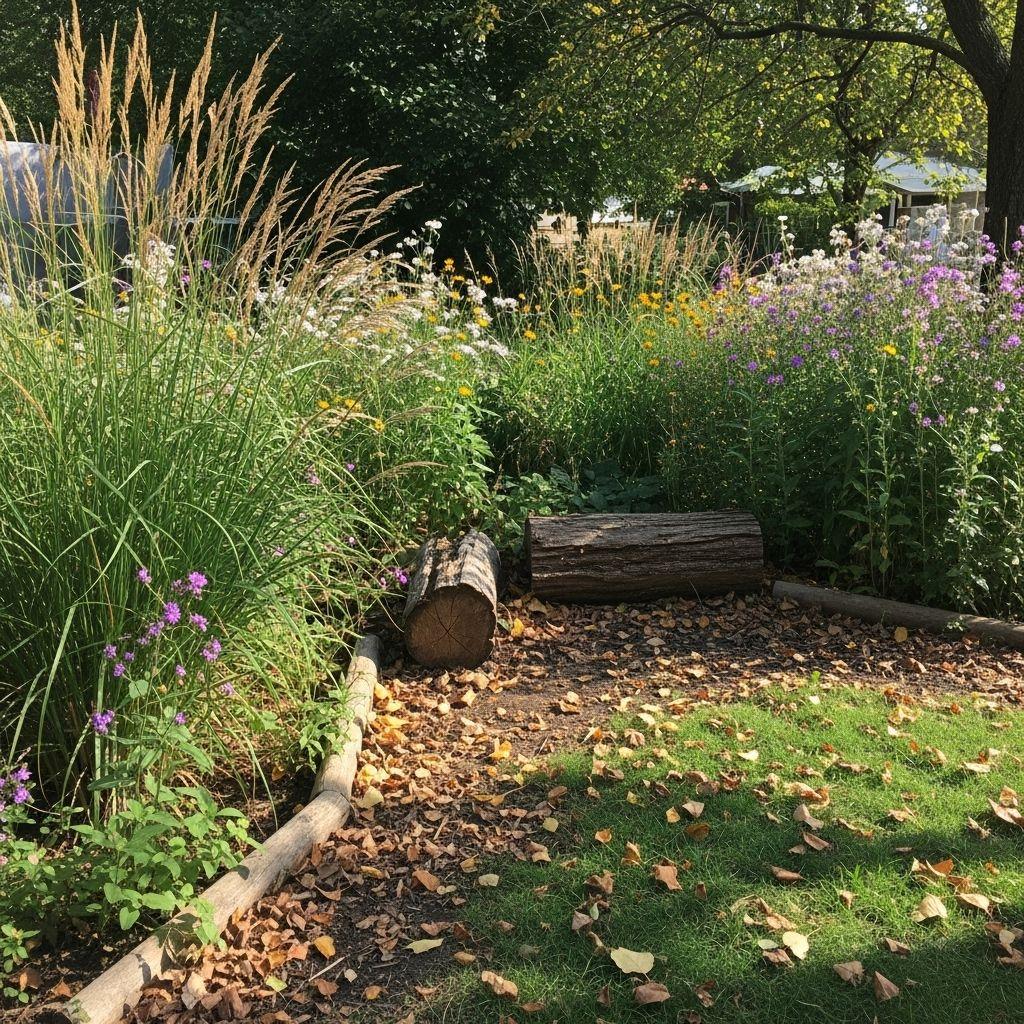
Sometimes the best thing you can do for wildlife is… nothing. Leaving a section of your yard a bit wild and unkempt creates valuable habitat for insects, small mammals, and ground-nesting birds. Let the grass grow tall, allow fallen leaves to decompose naturally, and resist the urge to tidy up every twig and branch.
This wild corner becomes a haven for beneficial insects like ground beetles and native bees that nest in bare soil or hollow stems. It also provides cover for small creatures escaping predators and offers foraging opportunities for birds searching for insects and seeds.
You don’t need to abandon your entire yard to chaos. Even a small unmown patch tucked behind a shed or along a back fence can make a meaningful difference. Think of it as your garden’s natural wildlife refuge.
6. Plant Berry-Producing Shrubs
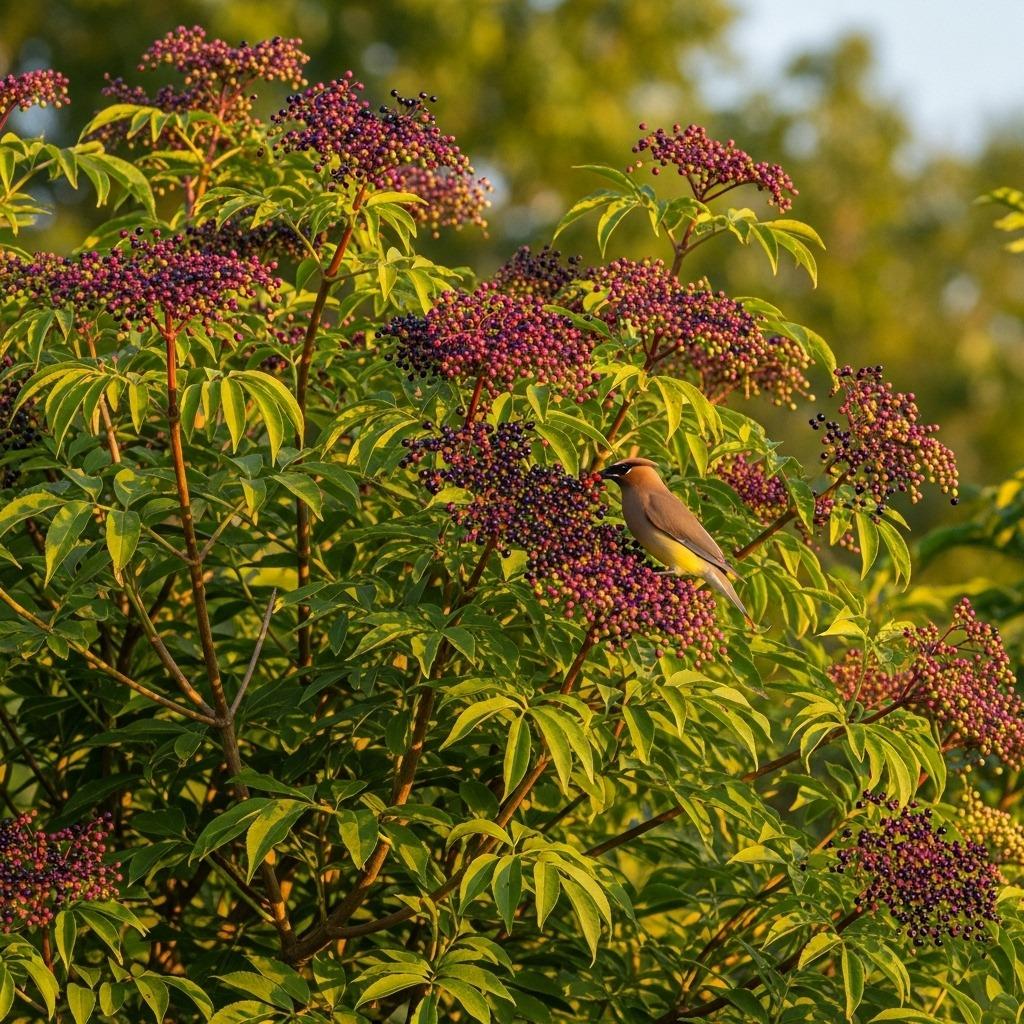
Berry-bearing shrubs are like an all-you-can-eat buffet for birds and small mammals. Native options like elderberry, serviceberry, and viburnum not only produce delicious fruits for wildlife but also offer beautiful blooms and attractive foliage throughout the seasons.
These shrubs provide food when it’s most needed, especially during migration periods and harsh winter months when other food sources are scarce. Many berry shrubs also offer dense branching that serves as excellent nesting sites and protective cover.
Plant several different varieties that fruit at different times to provide a steady food supply from summer through winter. You might even get to enjoy some of the berries yourself before the birds claim them all. For more inspiration on creating beautiful outdoor spaces, check out garden and nursery ideas.
7. Build a Bug Hotel
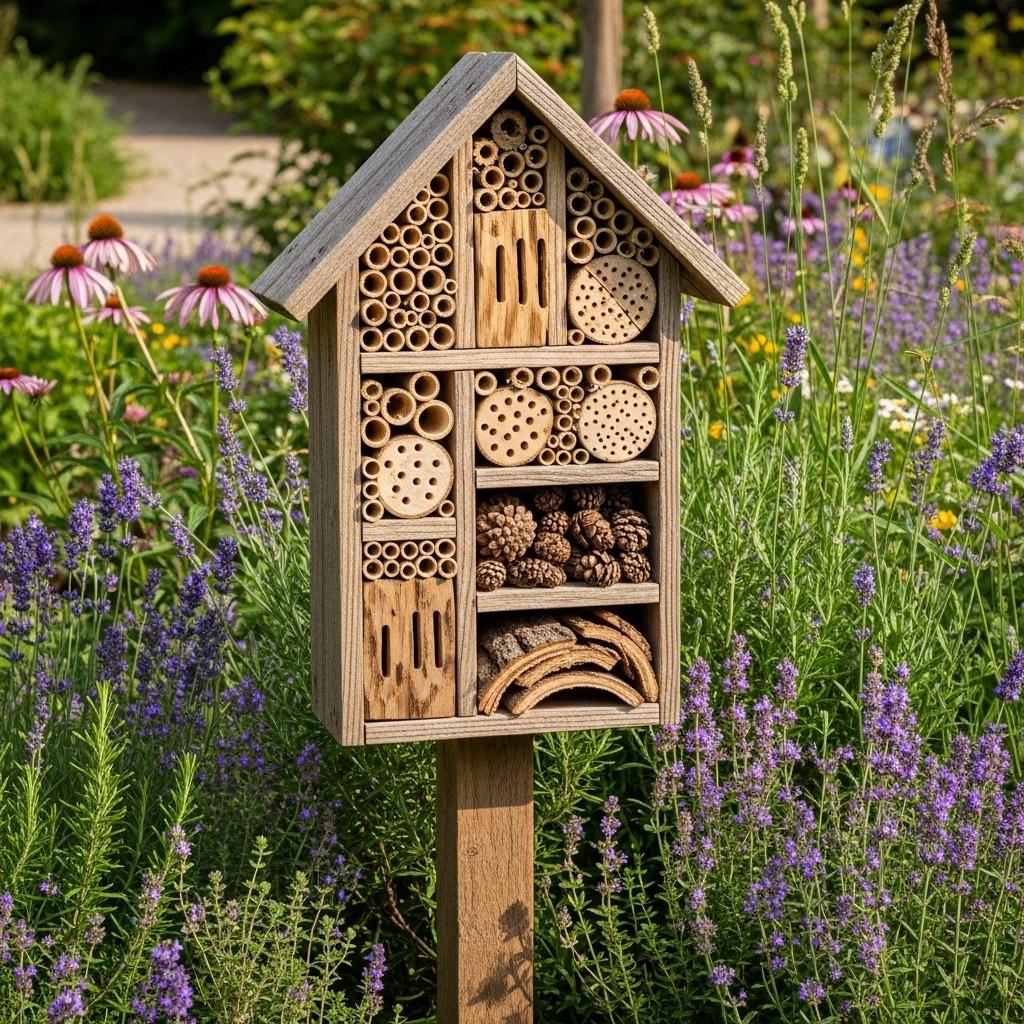
Insects need love too, and a bug hotel is a charming and functional way to provide shelter for beneficial bugs like solitary bees, ladybugs, and lacewings. These structures are essentially bundles of natural materials with various-sized holes and cavities where insects can nest, hibernate, or hide from predators.
You can build a simple bug hotel using materials you probably already have: bamboo tubes, hollow stems, pinecones, bark, and small logs with drilled holes. Stack these materials in a wooden frame or sturdy container and place it in a sheltered spot in your garden.
Position your bug hotel in a sunny location, ideally facing south or southeast, and keep it off the ground to prevent moisture damage. As insects move in and take up residence, you’ll notice improved pollination and natural pest control throughout your garden.
8. Skip the Pesticides and Herbicides
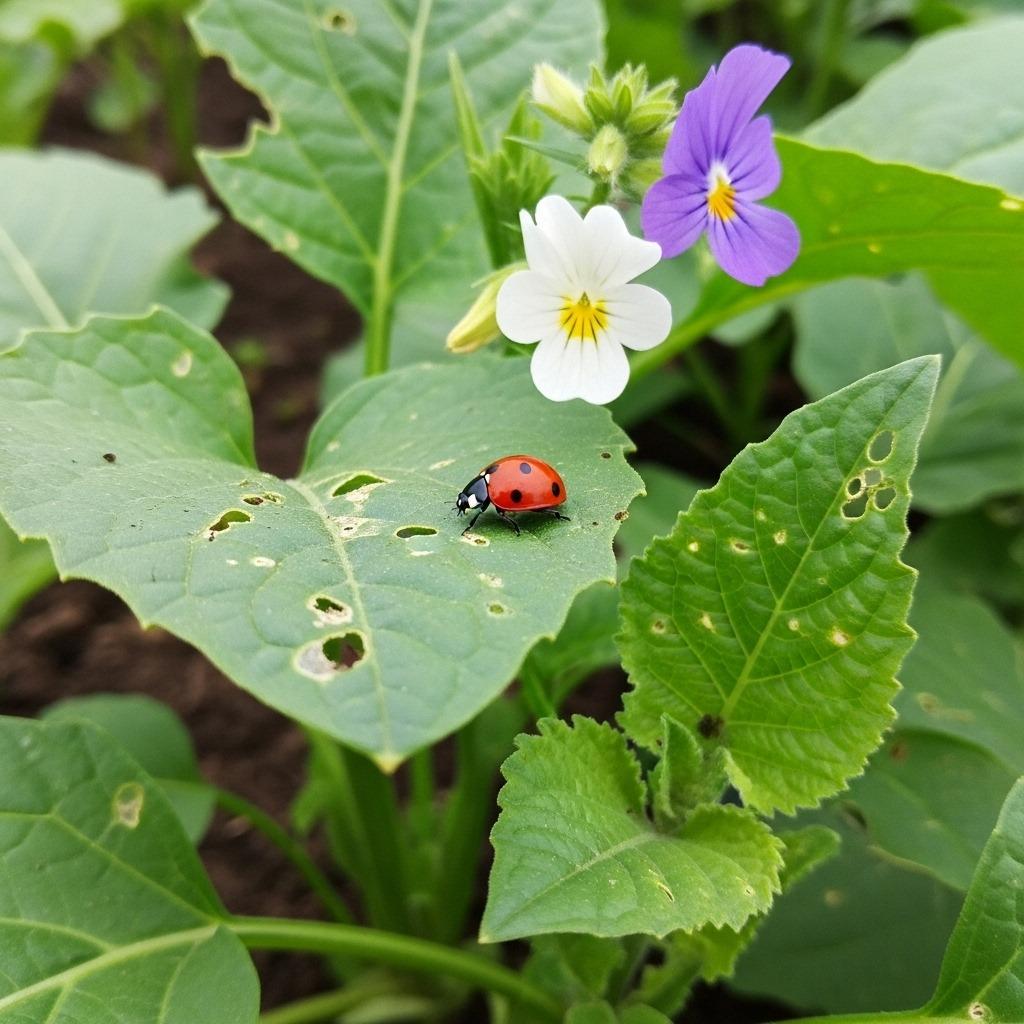
This might be the most important tip on the entire list. Chemical pesticides and herbicides don’t discriminate—they harm beneficial insects, birds, and other wildlife just as readily as the pests you’re trying to eliminate. A truly wildlife friendly garden embraces a more natural approach to pest management.
Instead of reaching for the spray bottle, encourage natural predators like ladybugs, praying mantises, and birds to handle pest problems for you. A healthy, balanced ecosystem typically regulates itself without chemical intervention. If you must address a specific pest issue, try organic solutions like insecticidal soap or neem oil.
Accept that some leaf damage and a few nibbled plants are signs of a healthy, thriving ecosystem. Perfect, unblemished foliage often means you’ve created a sterile environment that doesn’t support wildlife. A few holes in leaves are a small price to pay for butterflies, bees, and birds.
9. Create Brush Piles and Rock Cairns
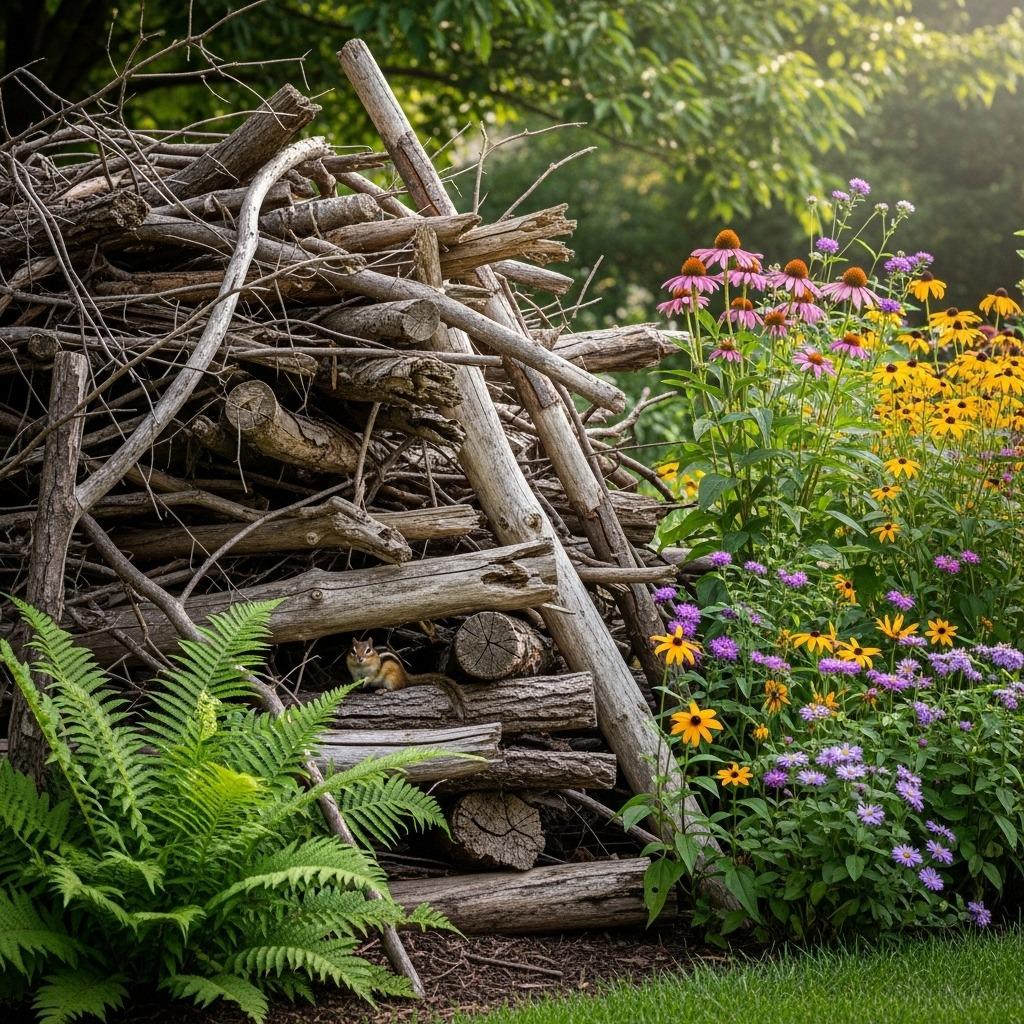
Dead wood and stone piles might look messy to some, but they’re luxury apartments for wildlife. Brush piles offer shelter for rabbits, chipmunks, and ground-dwelling birds, while rock cairns provide sunning spots for beneficial snakes and lizards as well as hiding places for toads and salamanders.
Start your brush pile with larger branches on the bottom and layer smaller twigs and leaves on top. Tuck it into a quiet corner of your yard where it won’t be disturbed. For rock cairns, stack flat stones loosely to create gaps and crevices where small creatures can slip inside.
These features also create important corridors that allow wildlife to move safely through your yard without exposure to predators. Over time, the materials will decompose and enrich your soil while continuing to provide habitat at every stage of decay.
10. Plant Trees for Long-Term Habitat
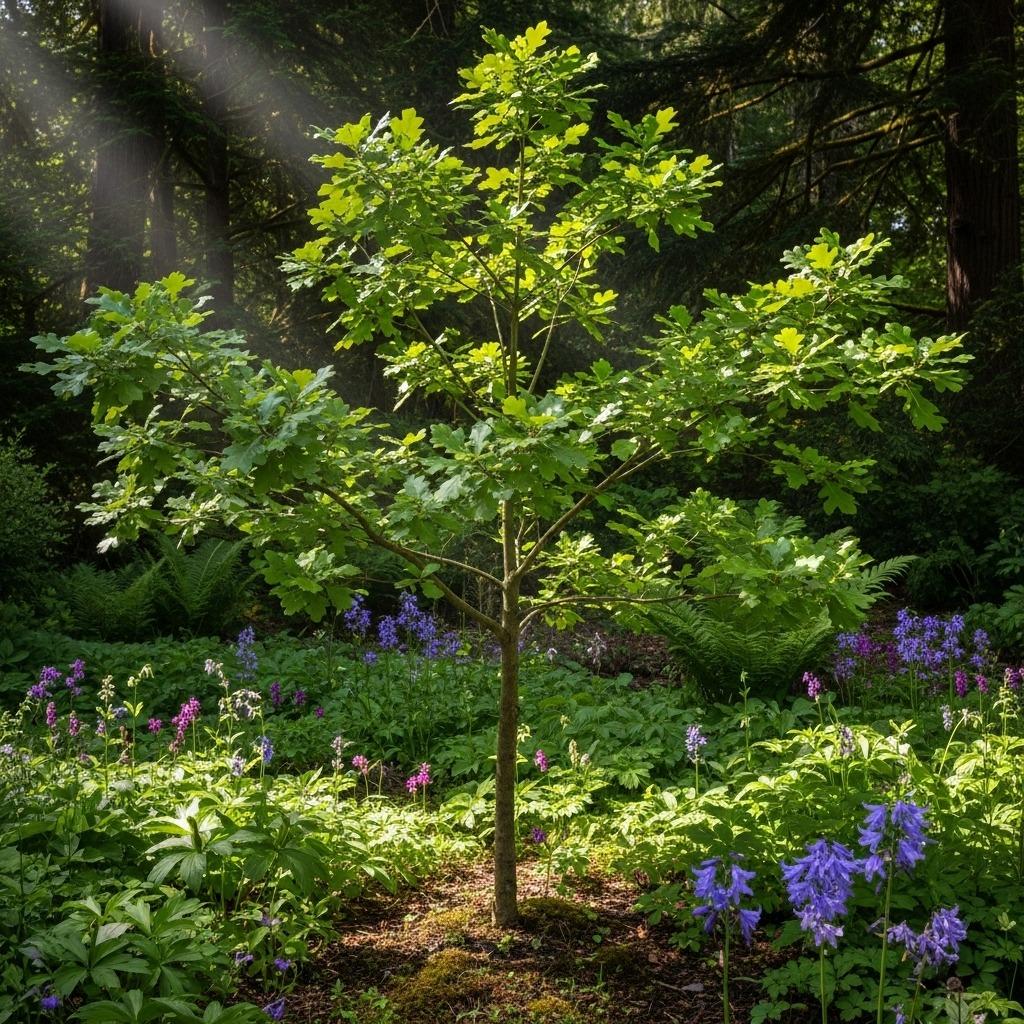
Trees are the cornerstone of any thriving wildlife ecosystem. They provide food, shelter, nesting sites, and corridors for countless species from birds and squirrels to beneficial insects and bats. Even a single mature tree can support hundreds of different organisms.
Choose native tree species that are well-adapted to your climate and soil conditions. Oak trees, for example, support more species of butterflies and moths than almost any other tree, while fruit and nut trees provide valuable food sources. Consider both deciduous and evergreen trees to offer year-round benefits.
Think long-term when planting trees. While they may start small, they’ll eventually become the most important wildlife feature in your garden. Position them thoughtfully, considering their mature size and how they’ll shade other plantings as they grow. For creative ideas about bringing nature indoors, take a look at indoor garden living room designs.
11. Add Climbing Plants and Vertical Structures
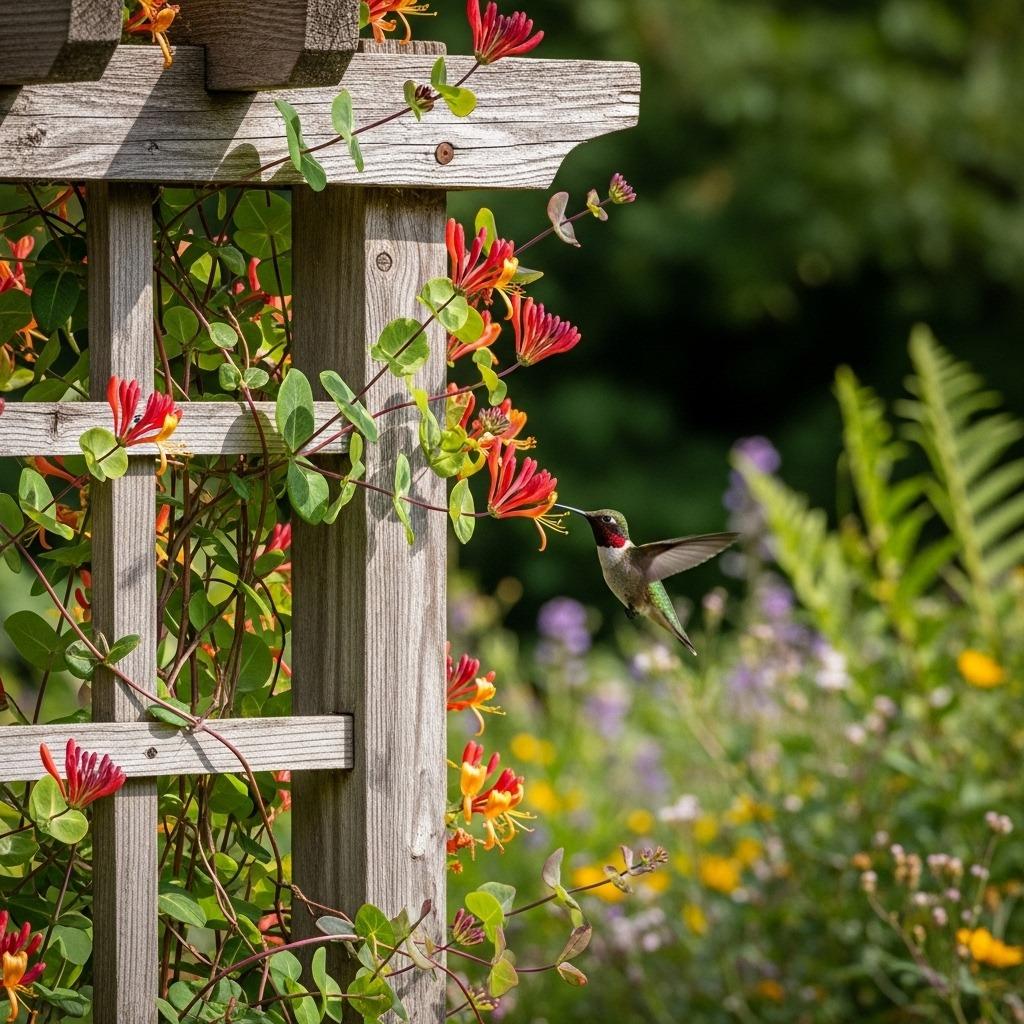
Vertical space is often overlooked in wildlife gardening, but climbing plants and trellises create valuable habitat layers. Vines like native honeysuckle, clematis, and Virginia creeper offer nectar, berries, shelter, and nesting sites while taking up minimal ground space.
Install trellises, arbors, or simple bamboo tepees to support climbing plants. As these structures fill in, they create protected corridors where birds can move safely and insects can find shelter from wind and rain. The dense foliage also provides privacy while you enjoy watching wildlife.
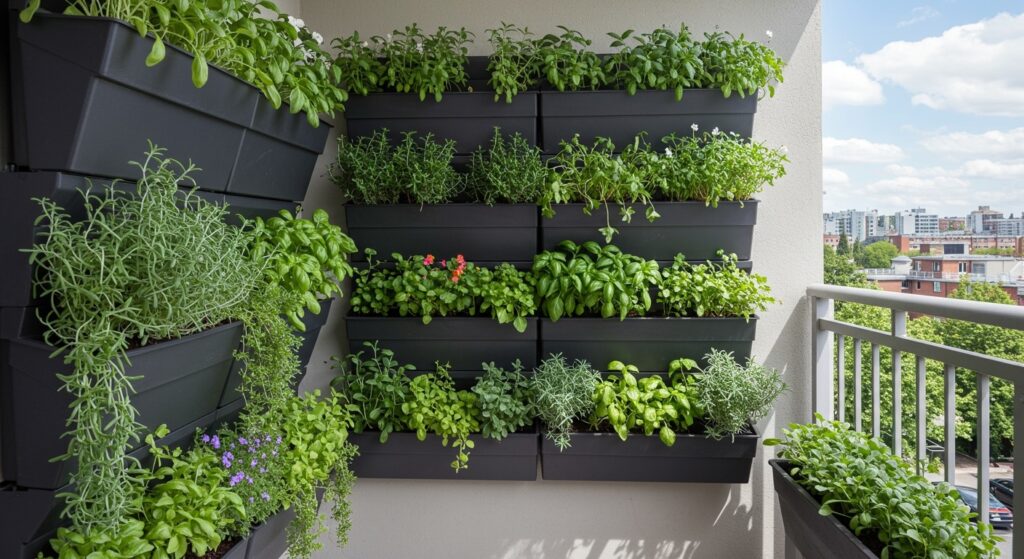
Vertical structures work especially well in smaller gardens where ground space is limited. They add visual interest and height variation to your landscape while maximizing the habitat value of every square foot. Explore more vertical growing techniques at vertical gardening ideas.
12. Include Plants with Seed Heads
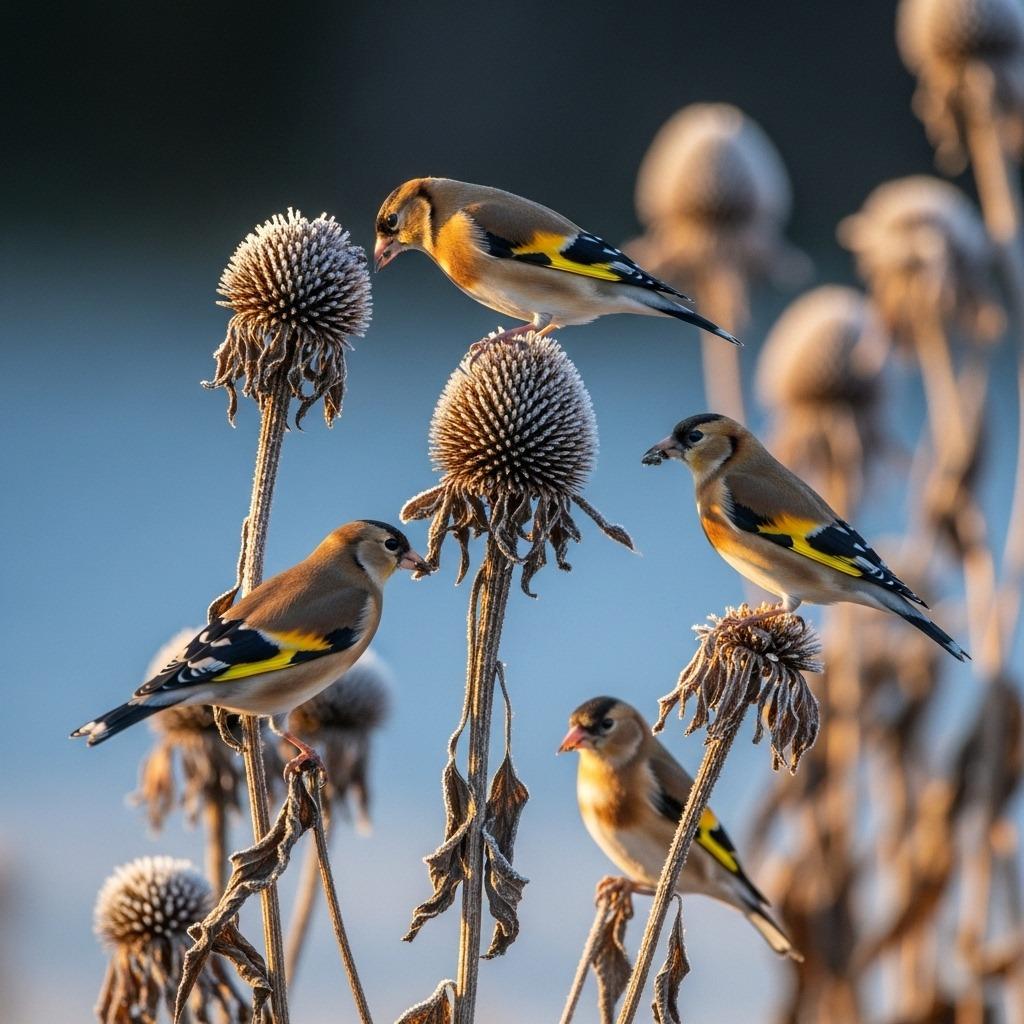
Don’t be too quick to deadhead your flowers at the end of the season. Many birds rely on seed heads from flowers like coneflowers, sunflowers, and black-eyed Susans as an important food source, especially during fall and winter when other options are scarce.
Leaving seed heads standing also provides valuable structure and interest in your winter garden. There’s something beautiful about frosted flower stalks covered in snow, and you’ll enjoy watching finches, chickadees, and other songbirds perch on the stems while they feast.
This approach fits perfectly with sustainable landscaping practices that work with nature rather than against it. Let your garden’s natural cycle play out, and you’ll be rewarded with more birds, less work, and a beautiful display that lasts well beyond the typical growing season.
13. Provide Mud Puddles for Butterflies
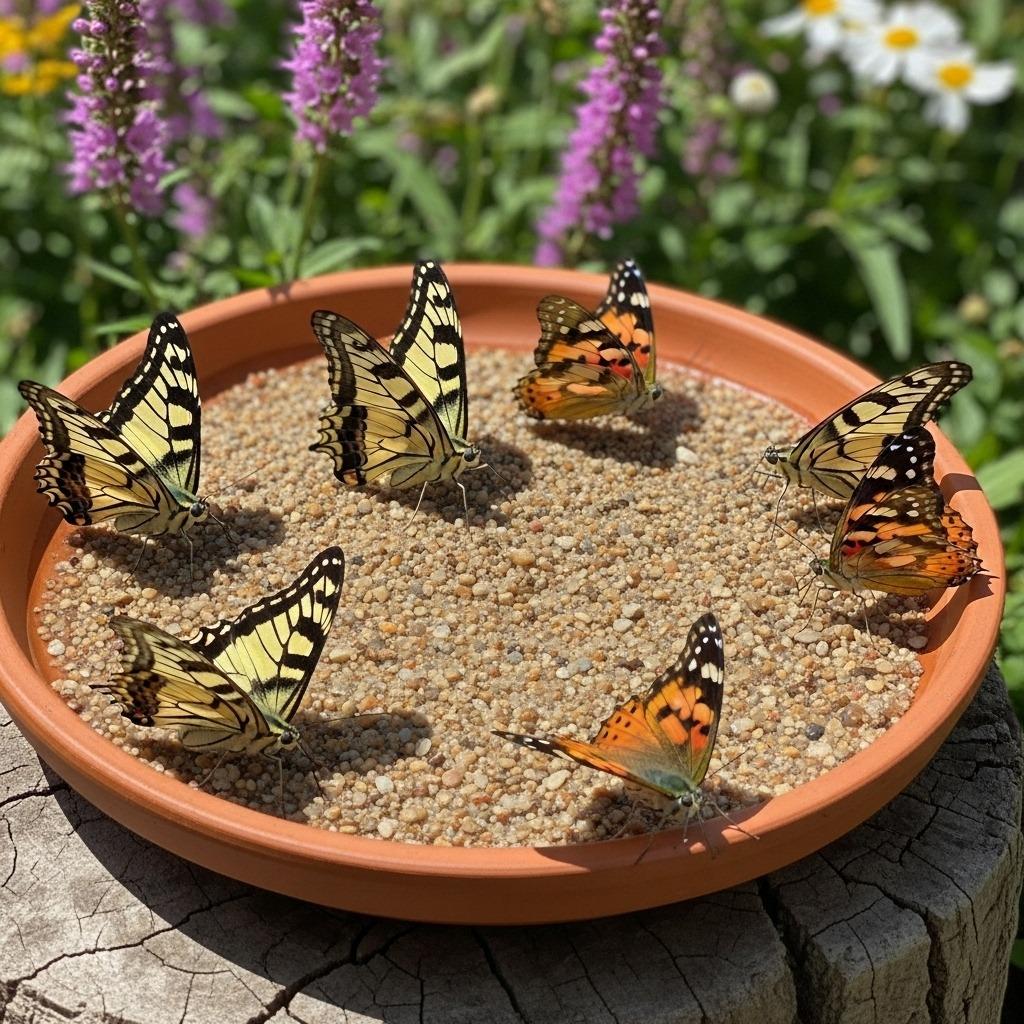
Butterflies need more than just nectar. They also require minerals and salts that they obtain from damp soil and mud puddles, a behavior called “puddling.” Creating a simple muddy spot in your garden gives butterflies and other beneficial insects access to these essential nutrients.
Make a butterfly puddling station by filling a shallow dish with sand or soil, adding a few flat rocks for landing pads, and keeping it consistently moist. You can even add a pinch of salt to make it extra attractive. Position it in a sunny spot near your flowering plants.
On warm summer days, you might see dozens of butterflies gathered around your puddle, spreading their wings in the sun. It’s a mesmerizing sight and a simple addition that makes a real difference for these delicate pollinators.
14. Create Hibernation Sites
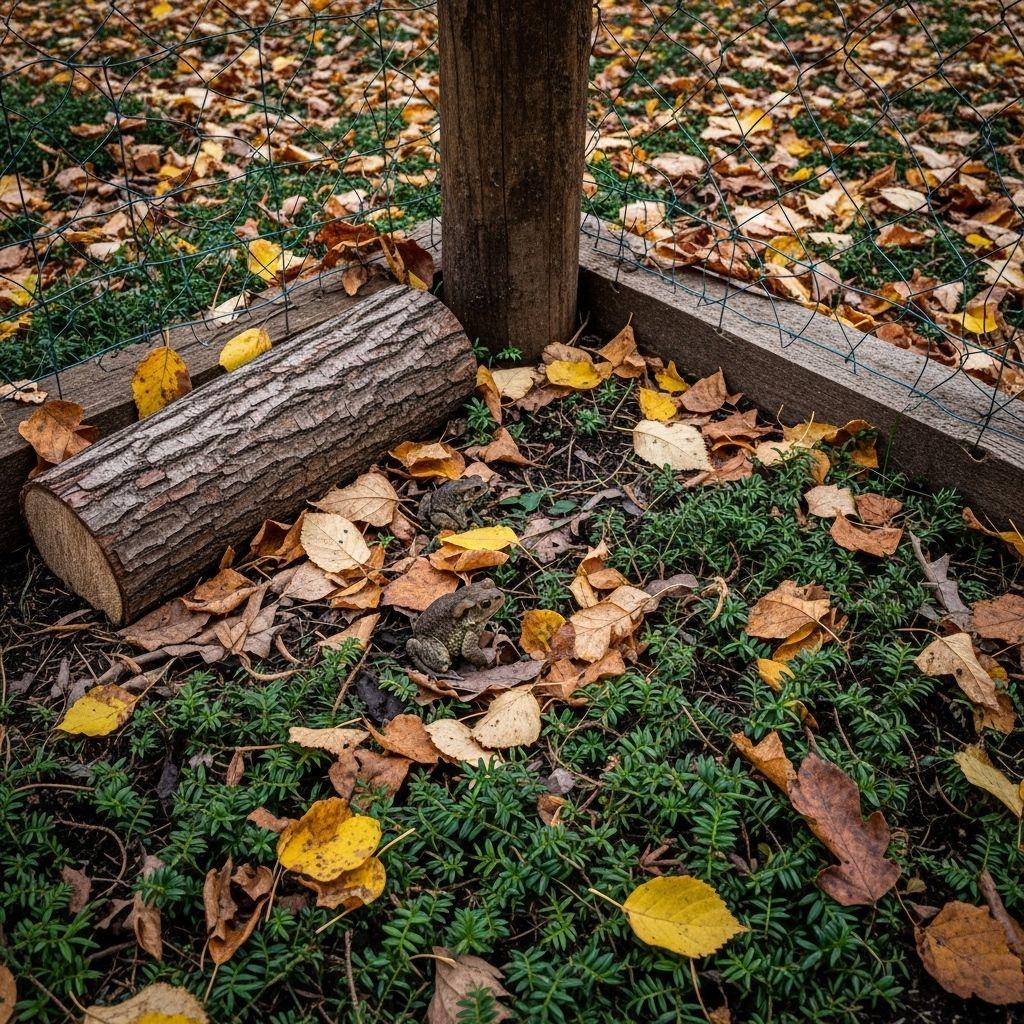
Many beneficial creatures need safe places to spend the winter. Hedgehogs, toads, beneficial insects, and even some butterflies require undisturbed spots where they can hibernate or overwinter. Creating these spaces ensures that the wildlife in your garden survives to return next spring.
Leave piles of leaves in garden corners, provide stacks of hollow stems and logs, or install purpose-built hibernation boxes. Dense evergreen shrubs and ground cover plants also offer protection from harsh weather and predators during the coldest months.
Resist the urge to do a complete fall cleanup. That “messy” look actually provides crucial winter habitat. Come spring, you’ll see the benefits as returning insects, birds, and other creatures emerge ready to pollinate your flowers and control garden pests naturally.
15. Design With Layered Planting Heights
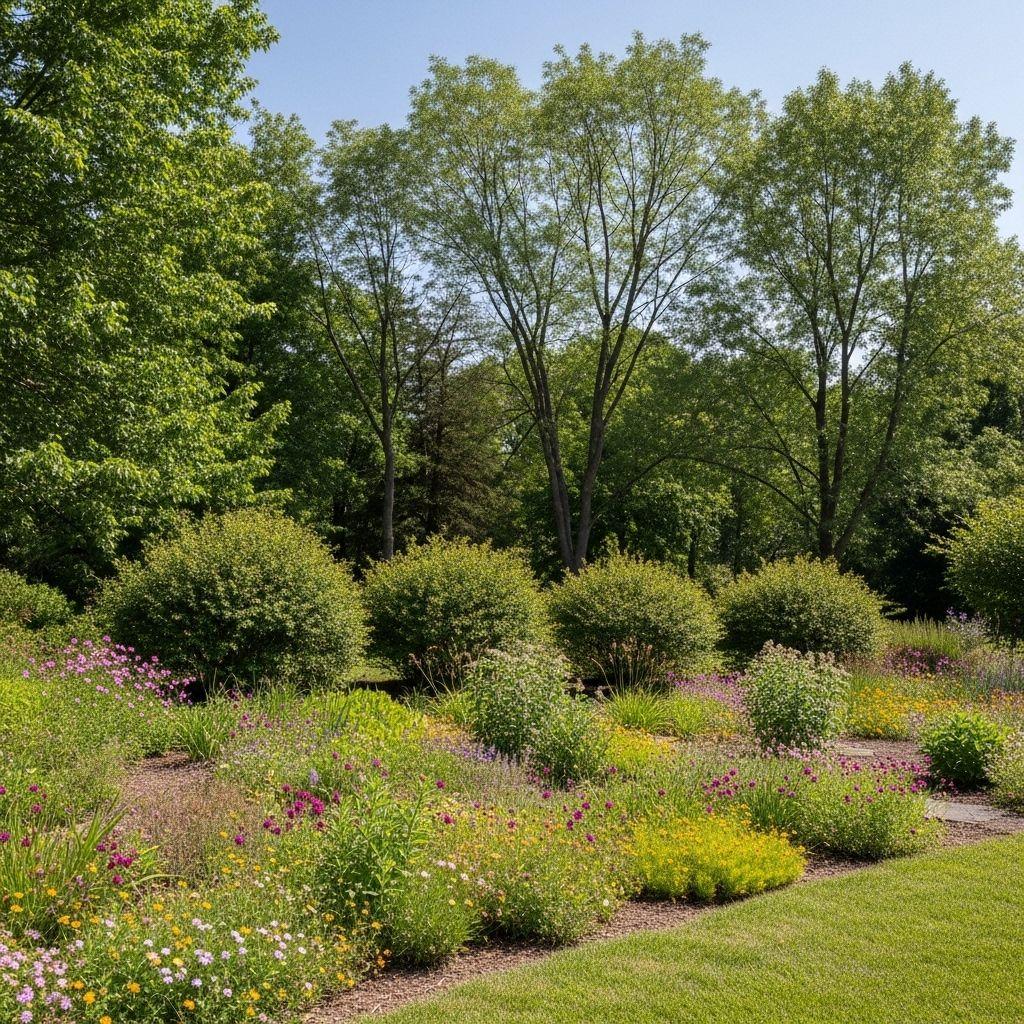
In nature, forests and meadows have multiple layers—from ground covers to canopy trees. Mimicking this structure in your wildlife friendly garden creates diverse microhabitats that support a wider range of species. Think of it as creating a multi-story apartment building for wildlife.
Include ground covers and low-growing plants, mid-height perennials and shrubs, and taller trees to create these layers. This approach provides feeding opportunities at different heights, shelter options for various species, and visual interest that makes your garden more appealing to both wildlife and human visitors.
Each layer plays a unique role. Ground covers offer foraging areas for ground-feeding birds, mid-level shrubs provide nesting sites and berries, and tall trees give birds safe perches and vantage points. When designed thoughtfully, layered planting creates a complete ecosystem in your backyard. If you’re interested in more design ideas, explore low-maintenance landscaping front yard options.
Creating a wildlife friendly garden is one of the most rewarding projects you can undertake. It’s not about perfection or following rigid rules. Instead, it’s about making thoughtful choices that invite nature into your space and give local wildlife the resources they need to thrive.
Start with one or two ideas that resonate with you, and build from there. Maybe you’ll begin with some pollinator plants and a bird bath, then gradually add more features as you discover what works in your specific space. Every single change, no matter how small, makes a positive impact.
The beauty of this approach is that you’re not just creating a garden. You’re building a living, breathing ecosystem that changes with the seasons, surprises you with unexpected visitors, and connects you more deeply to the natural world. And honestly, there’s nothing quite like sipping your morning coffee while watching the garden you created buzz with life.