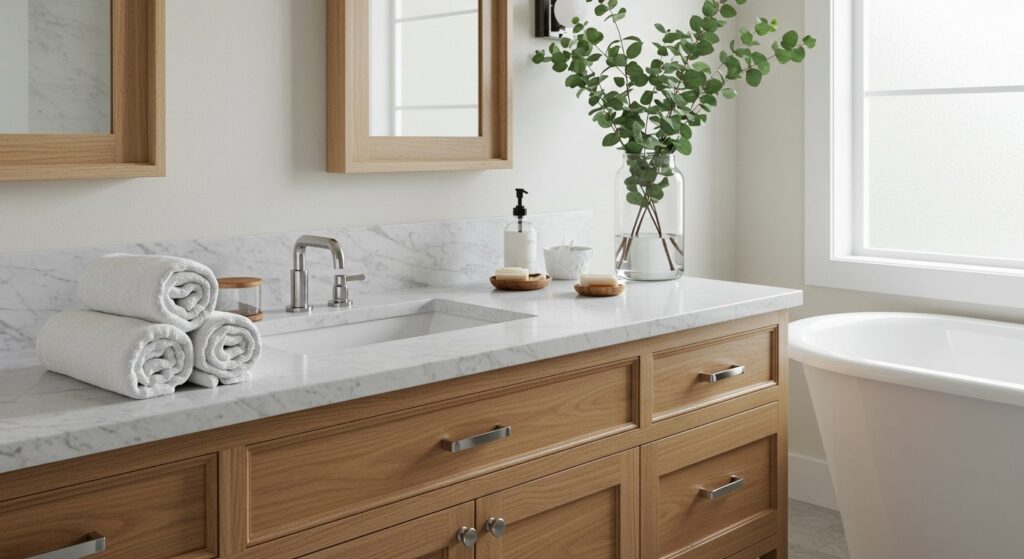
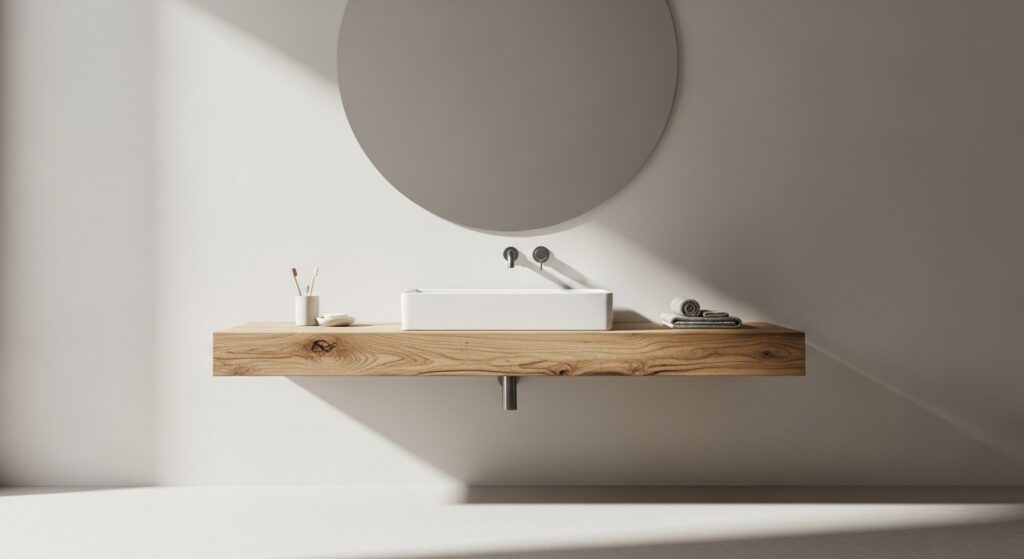
Ever walk into a bathroom and feel like the walls are closing in? I had that exact problem in my guest bathroom until I discovered the magic of wall-mounted fixtures.
A floating sink bathroom completely transforms how a space feels. By lifting the sink off the floor, you’re not just following a design trend – you’re actually tricking the eye into seeing more square footage than exists. The visible floor space continues uninterrupted, and suddenly that cramped powder room feels surprisingly spacious.
What makes these modern bath fixtures so appealing goes beyond aesthetics. You gain easier cleaning access, more flexible storage options, and a contemporary look that works with almost any style. Whether you’re planning a complete renovation or just want to update one element, wall-mounted sinks offer that perfect blend of form and function.
Let’s explore how you can bring this airy, elevated look into your own bathroom.
Why Floating Sinks Work in Modern Bathrooms
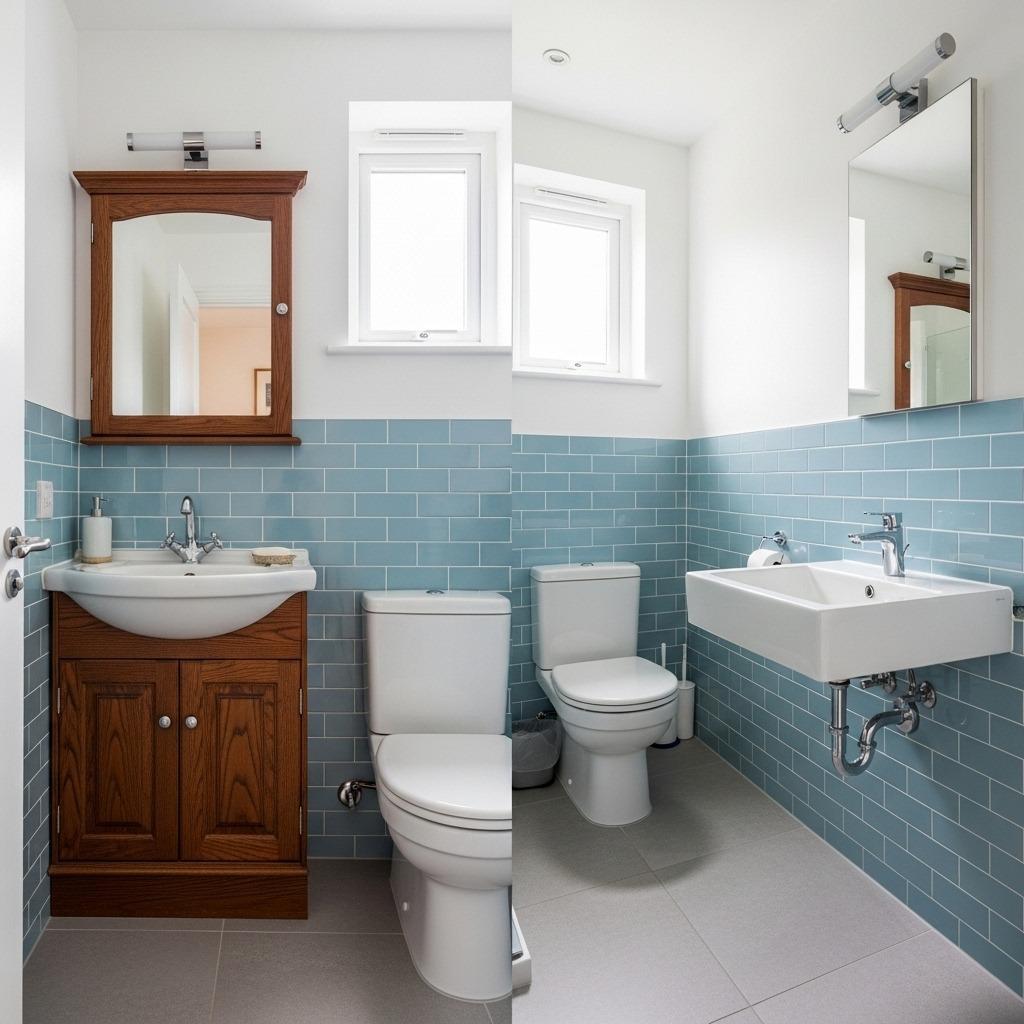
The genius of sleek bathroom sinks isn’t just about looking current. There’s actual psychology at play here.
When your eye can travel across the entire floor without interruption, your brain interprets the room as larger. Traditional vanities create visual weight and stop that flow. A wall-mounted basin, on the other hand, lets light bounce underneath and around it. This creates depth and dimension that a floor-standing unit simply can’t match.
I’ve noticed this effect is strongest in smaller spaces. The 18-24 inches of visible floor beneath the sink might not sound significant, but it changes everything. Your bathroom suddenly has breathing room. The National Kitchen & Bath Association actually notes that floating vanities are among the top requested features in bathroom remodels precisely because of this perception shift.
Maintenance becomes ridiculously easier too. Ever tried to clean around the base of a traditional vanity? It’s a nightmare of tight corners and awkward angles. With a floating sink bathroom setup, you can sweep or mop straight across the floor in one motion. No more crouching or contorting to reach those hidden dust bunnies.
1. Minimalist Floating Vanities with Hidden Storage
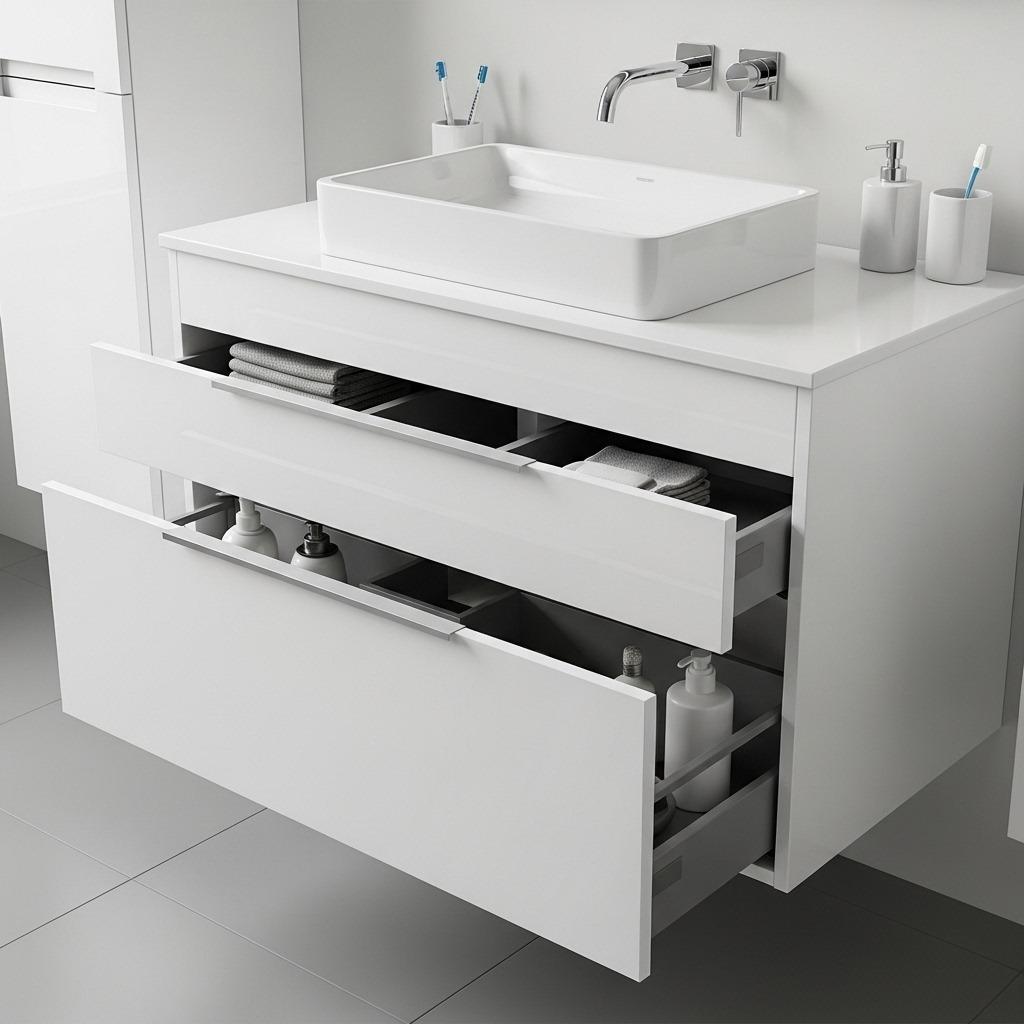
Here’s something most people don’t realize until they install one – floating doesn’t mean sacrificing storage. Smart designs incorporate drawers and cabinets while maintaining that suspended aesthetic.
The trick is choosing a minimalist bathroom design approach with clean lines and concealed hardware. Soft-close drawers tuck away toiletries, and the streamlined exterior keeps visual clutter at bay. Look for units between 24-48 inches wide depending on your wall space. Single-sink setups work beautifully in tighter areas, while double floating vanities create symmetry in larger bathrooms.
Material choice matters more than you’d think. I’m partial to natural wood finishes because they add warmth without weight. A walnut or oak floating vanity brings organic texture that softens the modern lines. If you prefer something more industrial, matte black or charcoal grey laminate creates drama while still feeling sophisticated.
The installation height is crucial. Standard placement puts the countertop at 32-36 inches from the floor, though taller individuals might prefer 38-40 inches. Test this measurement before your contractor drills into the wall. You want comfortable daily use, not a backache every time you brush your teeth.
2. Vessel Sinks on Floating Platforms
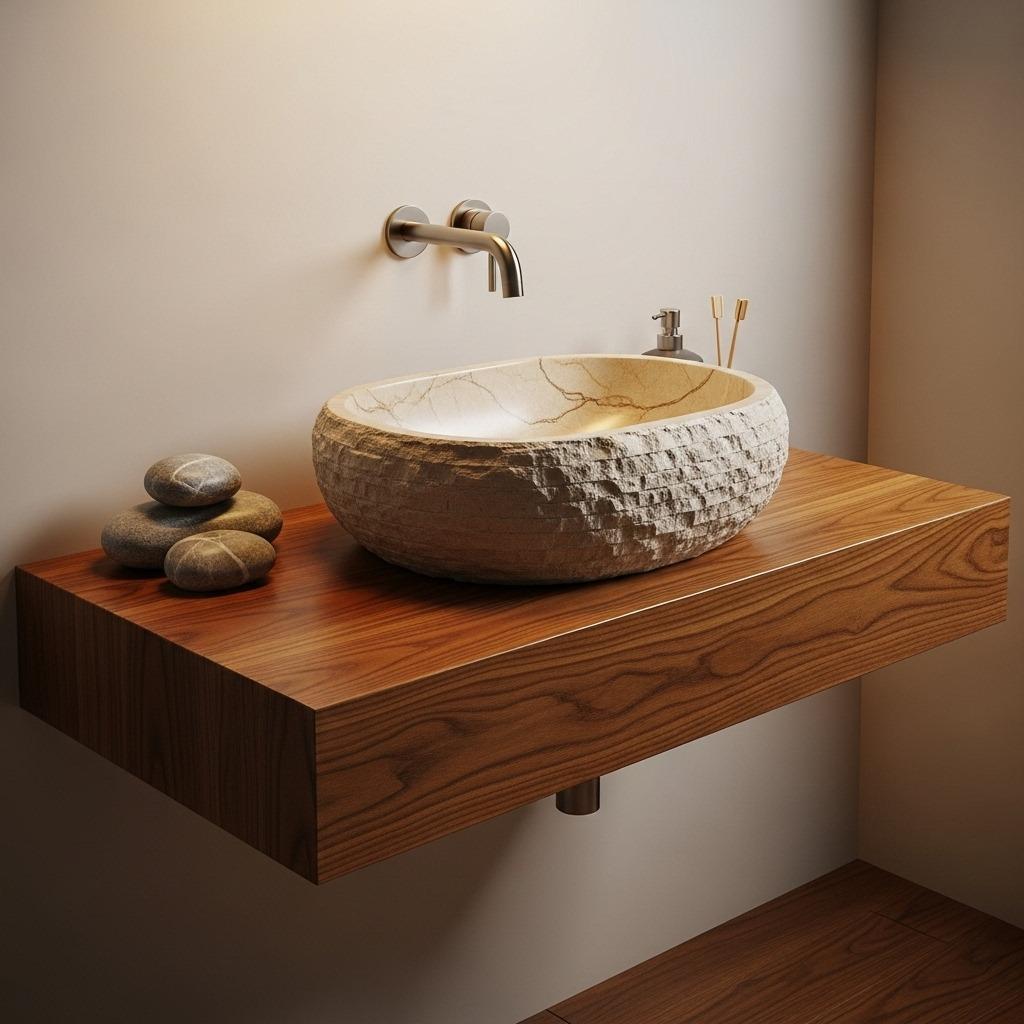
Vessel sinks sitting atop floating platforms create stunning focal points. This combination elevates (literally) the entire sink area into something sculptural.
The platform itself can be minimal – just a floating shelf or slab – or more substantial with built-in storage beneath. What I love about this approach is the flexibility. You can choose a bold ceramic vessel in cobalt blue or terracotta to inject personality, or keep things neutral with white porcelain or concrete.
Proportions need careful consideration here. The vessel adds 4-6 inches of height above the counter, so your platform should sit lower than standard vanity height. Otherwise, you’ll be reaching up awkwardly every time you wash your hands. Aim for a platform height around 28-30 inches to keep the vessel rim at a comfortable 34-36 inches total.
Wall-mounted faucets are almost mandatory with vessel sinks. They maintain the floating aesthetic and give you flexibility in placement. Plus, they’re easier to keep clean since water doesn’t pool around the base. Just make sure your plumber accounts for the deeper basin when positioning the spout – you want adequate reach without excessive projection.
This style particularly shines in spa-inspired bathroom designs where the vessel sink becomes an organic element among natural materials and calming colors.
3. Ultra-Thin Floating Basins

Sometimes less truly is more. Ultra-thin floating basins push minimalism to its logical conclusion with profiles as slim as 3-4 inches deep.
These space-saving sinks mount directly to the wall with no visible vanity or shelf underneath. The basin itself extends outward just enough to be functional while maintaining an almost sculptural presence. Italian and European manufacturers have perfected this aesthetic, creating porcelain and composite basins that look impossibly delicate yet prove surprisingly durable.
The trade-off? Zero counter space. You’ll need alternative storage solutions – wall-mounted shelves, recessed niches, or a separate storage tower. But in a small powder room or minimalist small bathroom renovation where you don’t need toiletries within arm’s reach, this creates maximum visual impact with minimum footprint.
Installation requires solid wall backing. These sinks attach with concealed brackets that must anchor into studs or reinforced blocking. This isn’t a DIY project unless you’re very confident in your skills. A professional installer will ensure the structural support can handle daily use without sagging or pulling away from the wall over time.
4. Floating Concrete Sinks for Industrial Charm
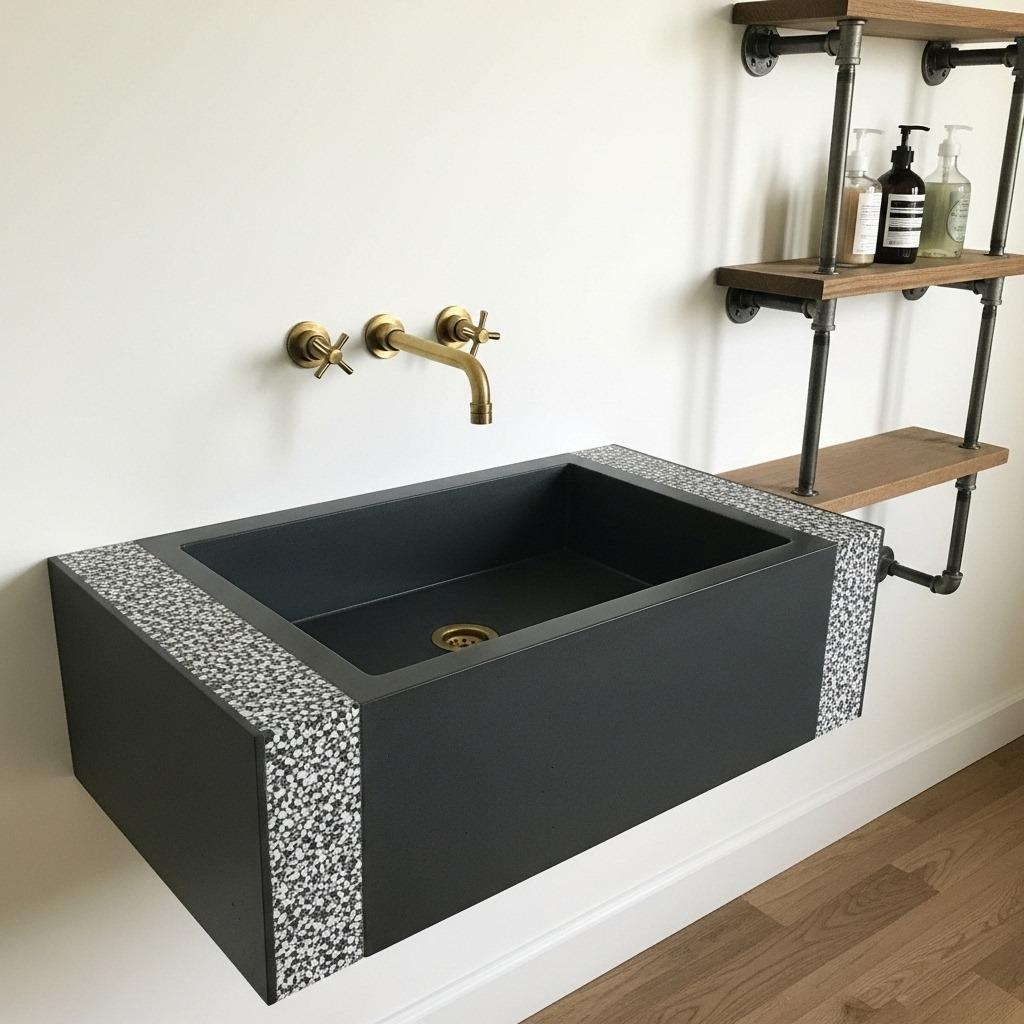
Concrete brings unexpected warmth to modern spaces. A floating concrete sink makes a bold statement while staying completely functional.
The beauty of concrete lies in its customization. You can cast it in virtually any shape, add integral colors, expose aggregates, or keep it smooth and monolithic. Each piece develops its own character through natural variations and the occasional micro-crack (which is normal and adds authenticity, not weakness). Sealed properly, concrete resists water and stains better than most people expect.
Weight is a legitimate concern here. Concrete is heavy – a typical sink can weigh 100-200 pounds. Your wall needs serious reinforcement, usually a steel frame or substantial blocking between studs. Work with a structural engineer or experienced contractor who understands load-bearing requirements. Cutting corners on installation support is asking for disaster.
Maintenance is simpler than you’d guess. Most concrete sinks come pre-sealed, requiring just periodic resealing every 1-2 years. Daily cleaning involves nothing more than wiping with a damp cloth and pH-neutral cleaner. Avoid acidic or abrasive products that can damage the sealer and expose the concrete beneath.
This industrial vibe pairs perfectly with modern bathroom tile in subway patterns or geometric layouts.
5. Double Floating Sinks for Shared Bathrooms
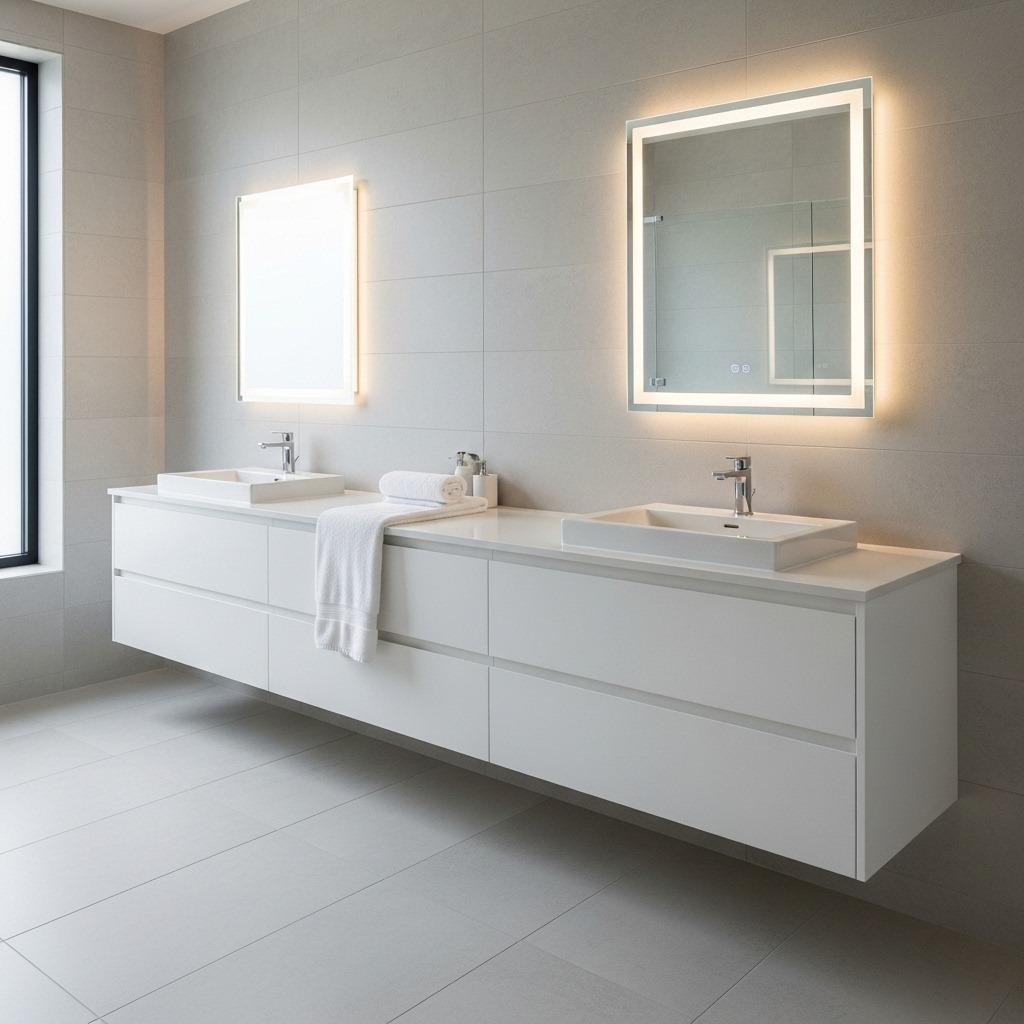
Sharing a bathroom tests any relationship. Double floating sinks save marriages (or at least morning routines).
The floating design becomes even more valuable with two sinks because you’re essentially doubling the visual weight. Suspending both basins keeps the space from feeling heavy or divided. A continuous floating vanity spanning 60-72 inches provides ample counter space between sinks while maintaining that airy aesthetic underneath.
Spacing matters enormously. Each sink needs at least 30 inches of width, with ideally 36 inches for comfortable elbow room. The distance between sink centers should be no less than 30 inches, though 36-48 inches feels more generous. Measure your available wall space carefully – a cramped double vanity is worse than a spacious single sink.
Storage configuration becomes interesting here. Some couples prefer separate drawer sections for each person, maintaining clear territorial boundaries. Others opt for shared central drawers with dedicated outer cabinets. There’s no wrong answer – just whatever prevents bathroom supply arguments.
Plumbing obviously doubles too, requiring two separate drain assemblies and supply lines. This increases installation complexity and cost, but the payoff in daily convenience is worth it. Working with an experienced plumber from the start saves headaches later.
6. Floating Sinks with Integrated Lighting
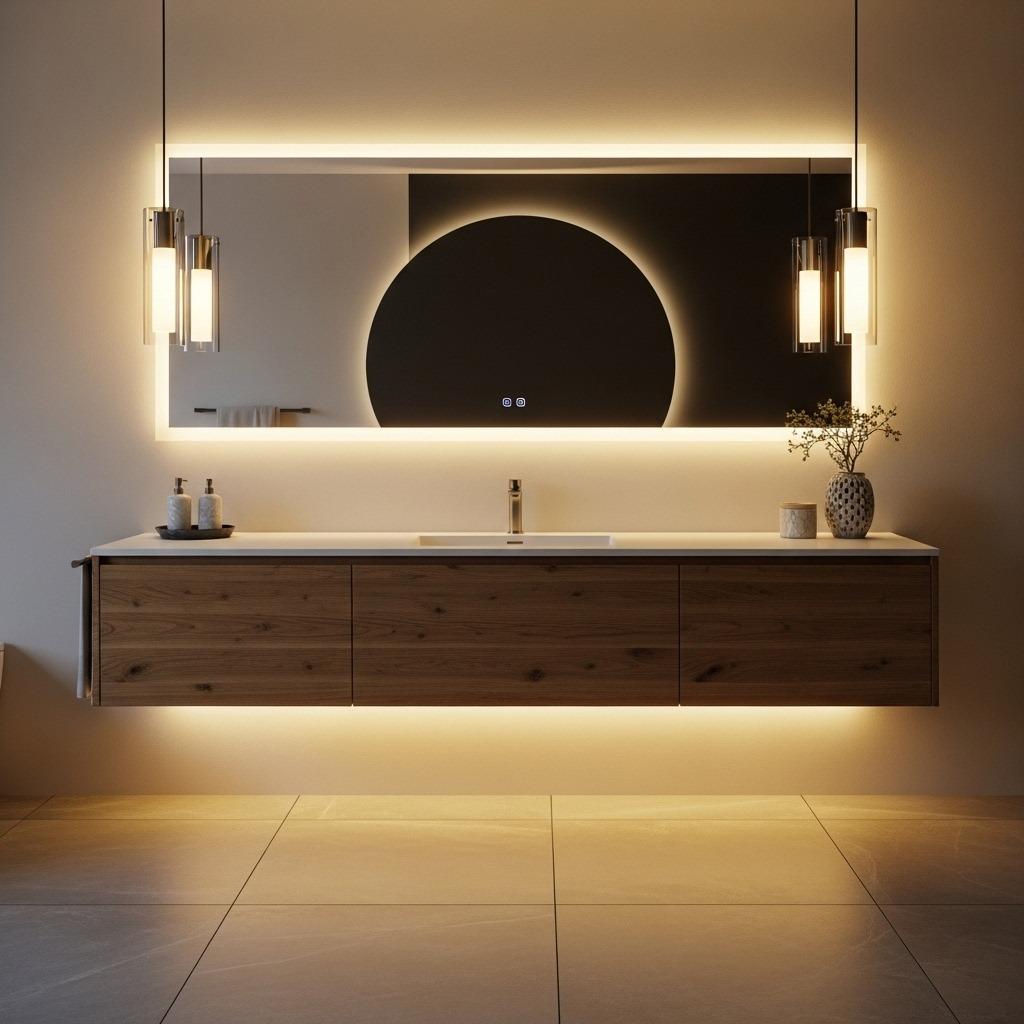
Lighting transforms functional fixtures into design features. Integrated LED strips beneath floating vanities create ambient glow while solving practical problems.
Under-cabinet lighting illuminates the floor space below, emphasizing that floating effect. It provides soft nighttime navigation without harsh overhead lights – perfect for 3 AM trips to the bathroom without waking your partner. The subtle wash of light also makes the room feel larger by eliminating dark shadow zones.
The technical details matter here. Look for IP65-rated LED strips designed for damp locations. These resist moisture and last years longer than standard lighting. Color temperature affects mood – warm white (2700-3000K) creates cozy ambiance, while cool white (4000-5000K) provides crisp, energizing light. I prefer warm white for bathrooms because it’s more flattering and relaxing.
Installation timing is crucial. Lighting should be integrated during the vanity installation, not added later as an afterthought. Electrical work needs to happen before the vanity goes up, with wiring concealed within the wall cavity. This is another reason to work with professionals – coordinating the plumbing, electrical, and carpentry trades requires experience and timing.
Pairing this with smart switches or motion sensors takes convenience further. Walking into your smart bathroom storage space that automatically illuminates feels genuinely luxurious.
7. Natural Wood Floating Vanities
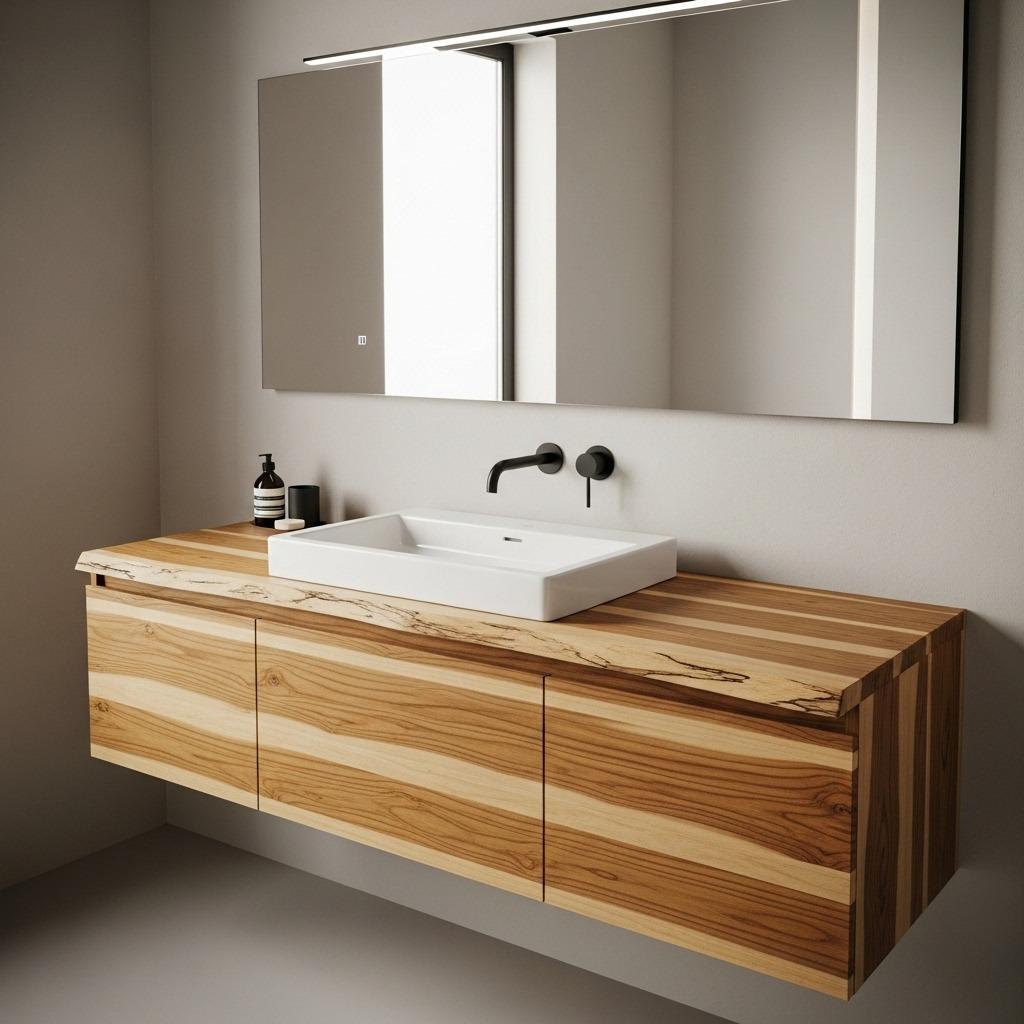
Wood brings soul to modern bathrooms. A natural wood floating vanity softens contemporary lines while maintaining clean aesthetics.
The grain patterns, color variations, and organic texture create warmth that’s impossible to replicate with synthetic materials. Teak works beautifully in bathrooms because of its natural water resistance and rich golden tones. Walnut offers darker drama with swirling grain patterns. White oak provides lighter options that still feel substantial and grounded.
Proper finishing protects the wood from moisture damage. Marine-grade polyurethane, tung oil, or specialized wood sealers create barriers against water while letting the natural beauty shine through. Avoid raw or unfinished wood in bathrooms – it will warp, stain, and deteriorate quickly in humid conditions.
The live-edge trend works surprisingly well here. A floating vanity with natural edge detail brings organic character to structured spaces. The irregular edge becomes a conversation piece while the clean lines underneath keep it from feeling too rustic. This bridges modern and natural styles in a way that feels intentional rather than confused.
Sustainability matters to many homeowners now. Look for reclaimed wood or certified sustainable sources. Reclaimed barn wood or salvaged timber carries history and character that new lumber can’t match. Plus, you’re keeping quality materials out of landfills – a small environmental win.
8. Floating Sinks with Open Shelving Below

Who says floating sinks can’t include visible storage? Open shelving beneath the basin creates opportunities for both function and display.
This approach works best when you’re organized and somewhat minimalist in your storage habits. The exposed shelves become part of the design, so what you store there matters. Rolled towels in coordinating colors, attractive baskets, or carefully selected decorative items maintain visual appeal. Random toiletry bottles and half-used products? Not so much.
Proportions need balance. The shelf should sit 12-18 inches below the sink for comfortable access without looking cramped. Multiple shelves at staggered heights create more storage and visual interest than one single shelf. Mixing materials – like pairing a white sink with warm wood shelves and matte black brackets – adds dimension.
This style particularly suits smaller bathrooms where every inch of storage counts, but closed cabinets would feel heavy. The openness maintains airflow and light flow while still giving you places to stash necessities. Just commit to keeping those shelves neat – visible storage requires visible organization.
For more ideas on maximizing bathroom storage while maintaining style, check out creative bathroom ideas that balance form and function.
9. Compact Floating Sinks for Small Spaces
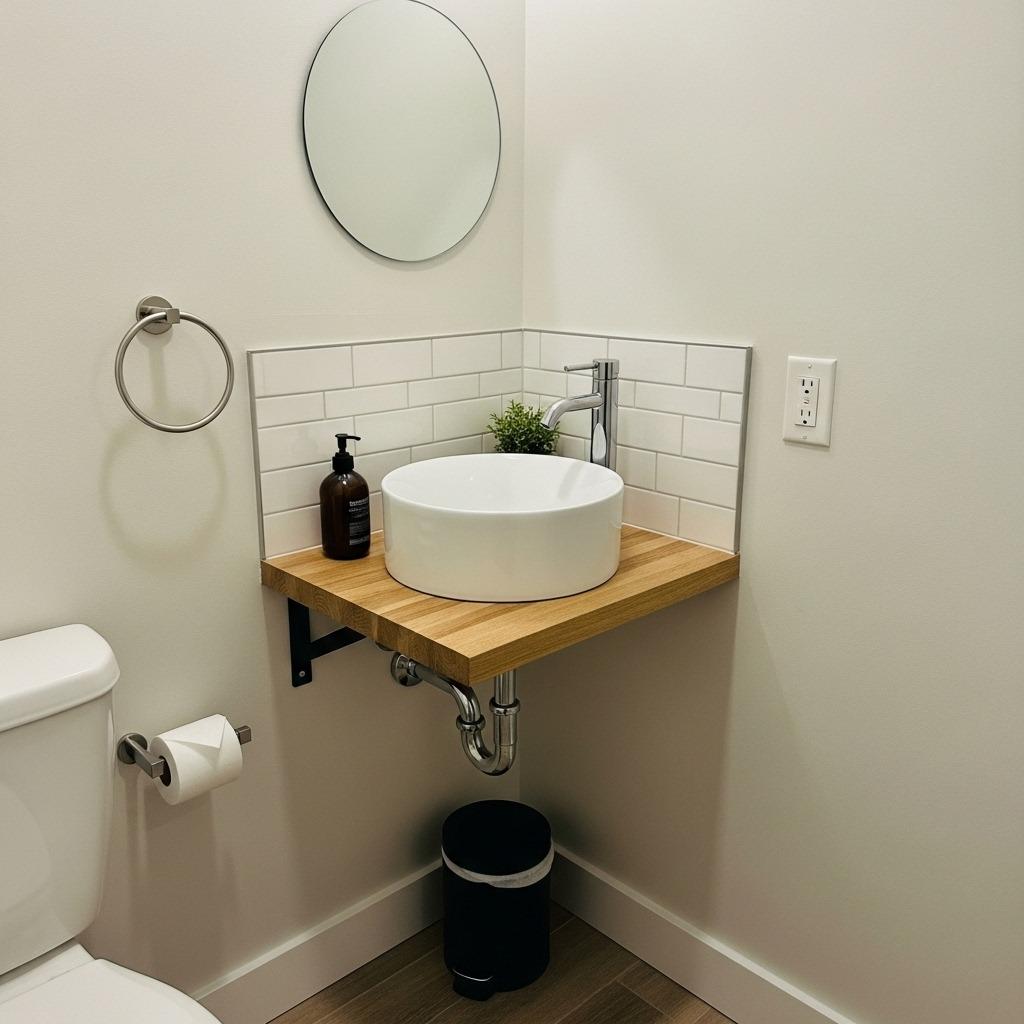
Tiny bathrooms need special consideration. Compact floating sinks designed specifically for small footprints can make a dramatic difference in tight quarters.
We’re talking sinks as narrow as 16-20 inches wide – perfect for powder rooms, half baths, or those awkward corner spaces. Wall-mounted corner sinks maximize unusable areas while keeping the center floor open. Oval or rounded basins feel less cramped than sharp rectangular profiles in confined spaces.
Don’t sacrifice quality for size. Even small sinks should provide adequate basin depth (at least 5 inches) to prevent excessive splashing. The bowl should accommodate normal handwashing without feeling like you’re working in a teacup. Some clever designs create elongated rectangular basins that provide surface area despite narrow width.
Faucet selection becomes critical here. Wall-mounted faucets save precious counter space, but require proper wall preparation during construction. Single-hole deck-mounted faucets work if you’re retrofitting an existing space. Just choose a compact model – those sprawling widespread faucets overwhelm small sinks visually and functionally.
This is where a small space renovation mindset really pays off – prioritizing efficiency without sacrificing style.
10. Floating Sinks with Bold Color Accents
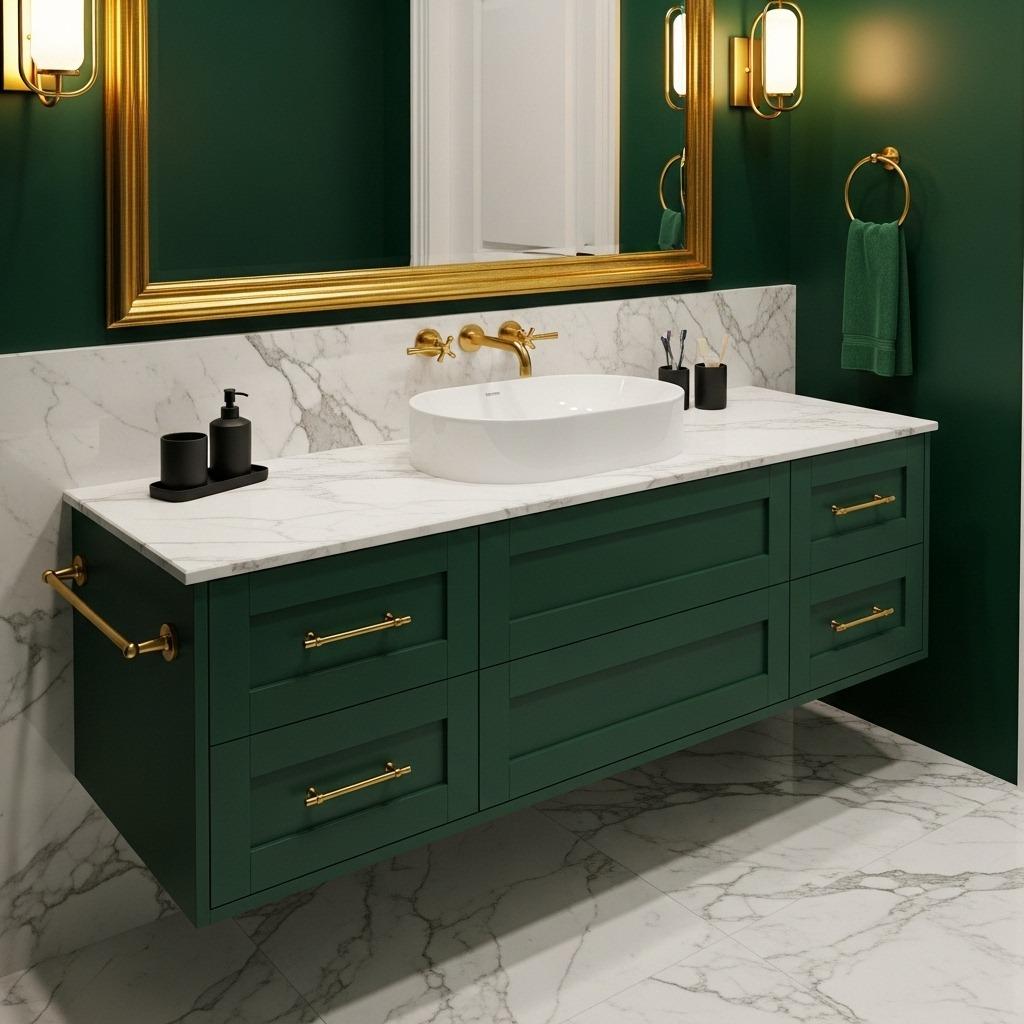
Neutral doesn’t have to mean boring. A floating sink in an unexpected color creates instant personality and becomes the bathroom’s focal point.
Navy blue, forest green, or even black floating vanities make sophisticated statements while maintaining modern sensibility. The color grounds the space and provides contrast against light walls and fixtures. Matte finishes feel current and hide fingerprints better than glossy surfaces (trust me on this).
Color psychology affects how you feel in your space. Blues promote calm and cleanliness – perfect for bathrooms. Greens connect to nature and feel refreshing. Warm terracotta or rust tones create cozy, inviting energy. Even bold black can feel elegant rather than dark when balanced with adequate lighting and lighter surrounding elements.
Commitment level varies. Painting an existing floating vanity is relatively easy and reversible if you tire of the color. Ordering a custom-colored vanity requires more certainty but delivers superior finish quality. I’d suggest testing paint colors on sample boards first, viewing them in your actual bathroom light at different times of day.
Balance the bold sink with complementary but calmer surroundings. If your vanity is the star, keep walls, floors, and other fixtures more subdued. The exception? If you’re going for a colorful living room equivalent in your bathroom and love saturated color everywhere, embrace it fully rather than halfway.
11. Floating Sinks with Marble or Stone Countertops
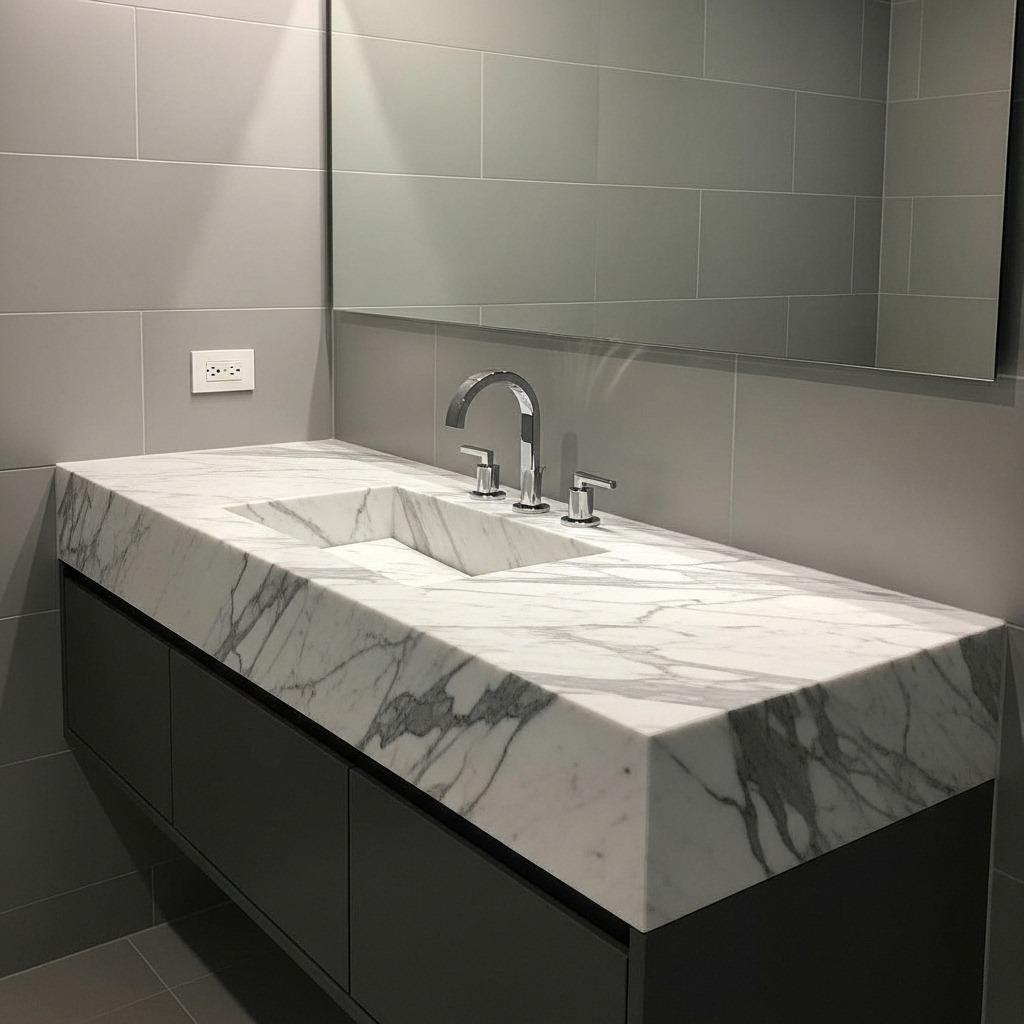
Natural stone elevates floating vanities from practical to prestigious. Marble, granite, or quartz countertops bring luxury and durability that laminate can’t match.
Marble offers timeless elegance with its distinctive veining and cool surface. Carrara, Calacatta, and Statuario each have characteristic patterns – Carrara features softer grey veining, while Calacatta delivers bolder, more dramatic markings. The downside? Marble requires regular sealing and careful maintenance. It etches from acidic substances and stains more easily than other options.
Granite provides exceptional durability with lower maintenance demands. The speckled appearance works well in transitional designs that blend traditional and contemporary elements. It resists heat, scratches, and stains better than marble. The trade-off is less dramatic veining – granite’s beauty comes from overall pattern rather than bold lines.
Quartz engineered stone splits the difference. It mimics marble’s appearance while offering superior performance. Non-porous quartz never needs sealing, resists staining, and maintains consistent appearance across the slab. Yes, it’s manufactured rather than naturally occurring, but modern quartz is remarkably sophisticated and virtually indistinguishable from natural stone to most eyes.
Edge profiles matter more than most people realize. A simple eased edge maintains modern minimalism. Beveled or bullnose edges add subtle detail without going overboard. Save elaborate ogee or waterfall edges for traditional styles – they clash with floating sink aesthetics.
12. Floating Trough Sinks for Shared Spaces
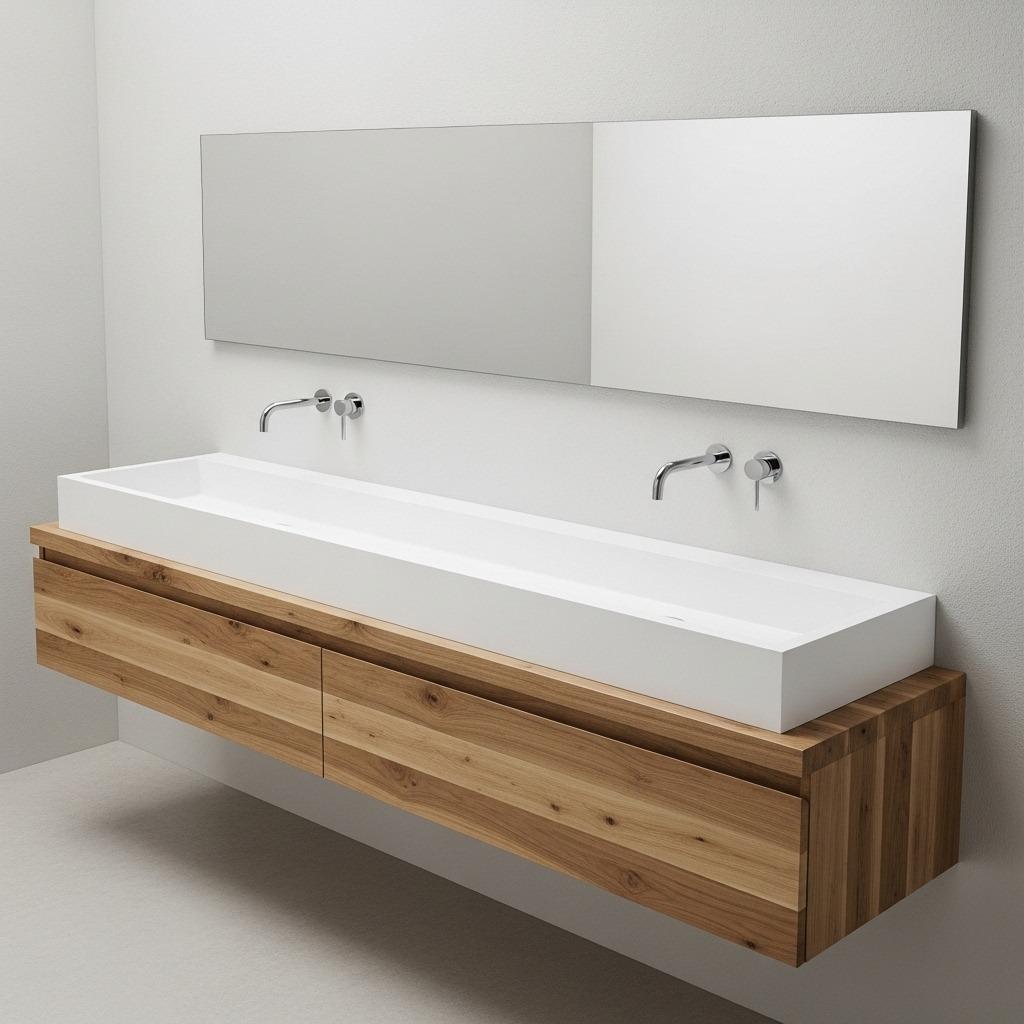
Trough sinks offer communal washing in a sleek, space-efficient package. These elongated basins work brilliantly in family bathrooms or ensuites where multiple people need simultaneous access.
Unlike double sinks with separate basins, a trough provides one continuous washing area. This eliminates the dividing line between “your side” and “my side” while using less overall space. A 48-inch trough sink accommodates two people as comfortably as a 60-inch double vanity, saving 12 precious inches of wall space.
Faucet configuration requires planning. Wall-mounted faucets spaced appropriately along the trough length provide individual control. Some prefer two separate faucets for flexibility, while others choose a single central faucet for cleaner aesthetics. There’s no wrong answer – it depends on how you use the space.
Drainage typically uses a single centered drain or dual drains at each end. Center drains keep plumbing simpler but can create slower drainage when both people are washing simultaneously. Dual drains cost more but handle heavy use better. Consider your household’s morning rush patterns when deciding.
Materials range from porcelain to concrete to stainless steel. Stainless steel trough sinks have commercial kitchen vibes that work in industrial-inspired bathrooms. White porcelain or ceramic feels cleaner and more residential. Concrete troughs make bold contemporary statements but require that heavy-duty wall support we discussed earlier.
Installation Considerations for Floating Sinks
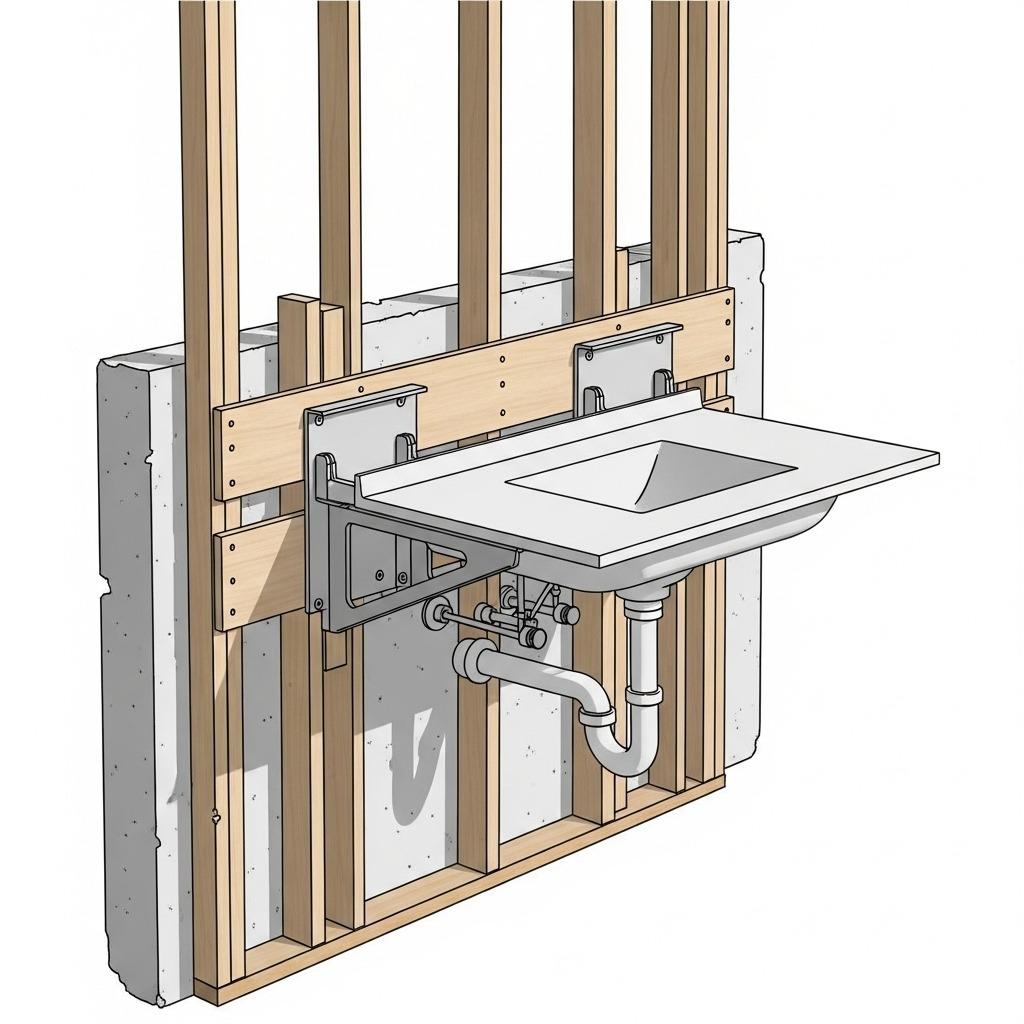
Here’s where style meets reality. Floating sinks look effortless but require substantial hidden support.
Your wall needs blocking or reinforcement behind the drywall. Standard drywall and studs alone won’t support 100+ pounds of sink, water, and human pressure applied daily. During construction or renovation, install 2×10 or 2×12 boards horizontally between studs at the mounting height. This creates solid backing for the brackets to anchor into.
Existing walls require different approaches. If you’re retrofitting, either open the wall to add blocking, or use toggle bolts rated for substantial weight. Standard wall anchors are absolutely insufficient – don’t let anyone tell you otherwise. The liability of an improperly mounted sink ripping off the wall far exceeds the cost of proper installation.
Plumbing considerations include supply line and drain placement. Wall-mounted sinks require plumbing concealed within the wall cavity. This means planning drain and supply locations precisely before closing up walls. P-trap placement matters too – it needs to fit within the vanity footprint without interfering with drawers or doors.
Height adjustments happen during installation, not after. Mock up the vanity position on the wall with tape or cardboard. Have all household members test the height before mounting anything permanently. Once those mounting brackets are screwed in and sealed, changing height requires patching drywall and repainting.
Professional installation isn’t just recommended – it’s essential unless you’re genuinely experienced in carpentry and plumbing. The cost difference between DIY disaster repair and hiring qualified contractors from the start is substantial. For more extensive updates, consider professional DIY home renovation ideas that balance hands-on involvement with expert help where needed.
Styling Your Floating Sink Bathroom
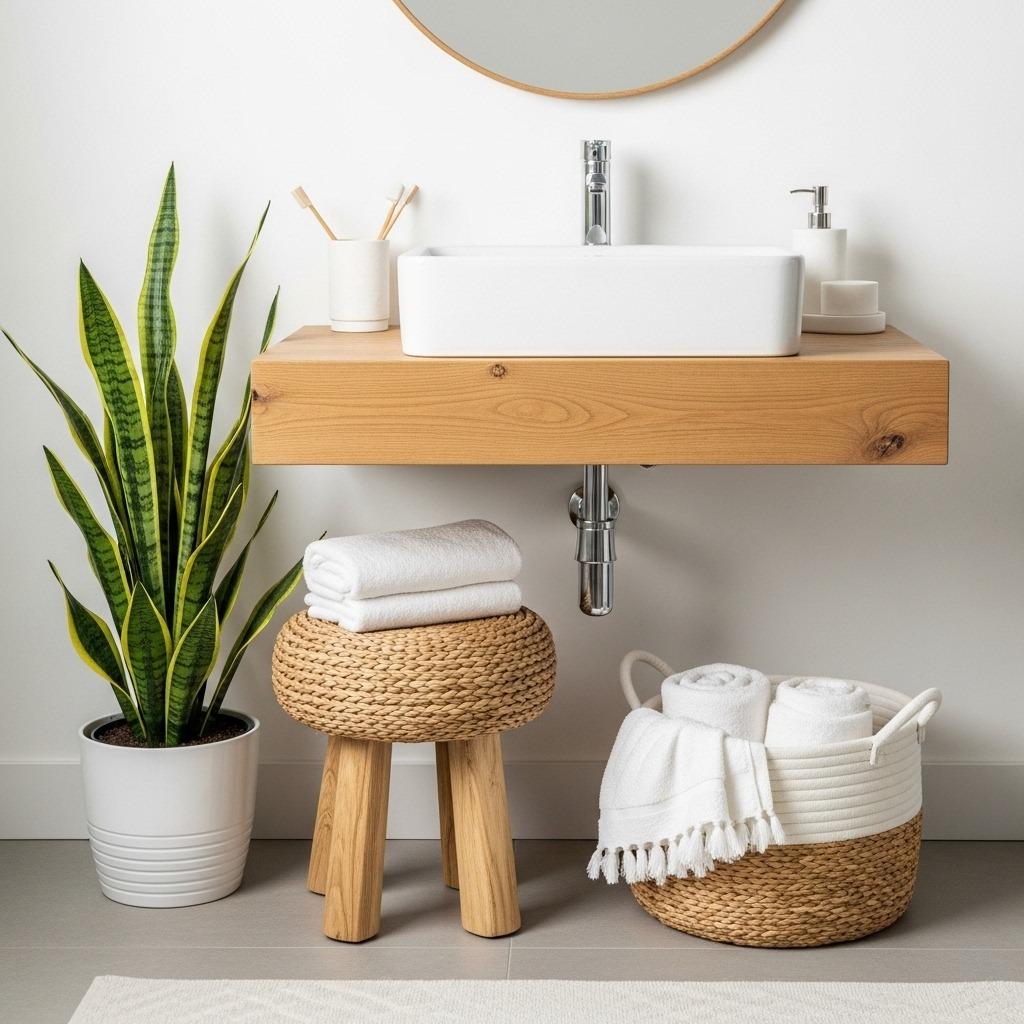
Installation is half the equation. Styling brings your floating sink bathroom to life.
The area beneath the sink offers unique opportunities. Since it’s visible, you can play with that negative space intentionally. Place a small stool, basket, or decorative object there to add character without clutter. Or leave it completely empty for maximum visual impact – sometimes restraint speaks louder than addition.
Countertop styling follows the less-is-more principle. A soap dispenser, small tray for daily essentials, and perhaps one decorative element (a small plant or candle) create curated intention. Avoid the drift toward toiletry bottle accumulation – nothing kills the floating aesthetic faster than cluttered counters.
Mirror selection dramatically impacts the space. Oversized mirrors expand small bathrooms visually. Round mirrors soften angular sink lines. LED-backlit mirrors provide flattering light while looking contemporary. Whatever style you choose, leave appropriate clearance – a 2-4 inch gap between the mirror’s bottom edge and the countertop or backsplash prevents a cramped appearance.
Wall color and material create context. Light neutrals maximize the airy feeling. Darker accent walls add drama but require confidence to pull off. Textured tiles or bold wallpaper bathroom treatments behind the sink create focal points. Just ensure your wall choice complements rather than competes with the sink design.
Hardware and fixture finishes should coordinate throughout. Matte black delivers modern edge. Brushed nickel offers timeless versatility. Brass brings warmth and vintage appeal. Chrome stays crisp and contemporary. Choose one finish family and stick with it across faucets, towel bars, lighting, and cabinet hardware for cohesive design.
Maintenance and Care Tips
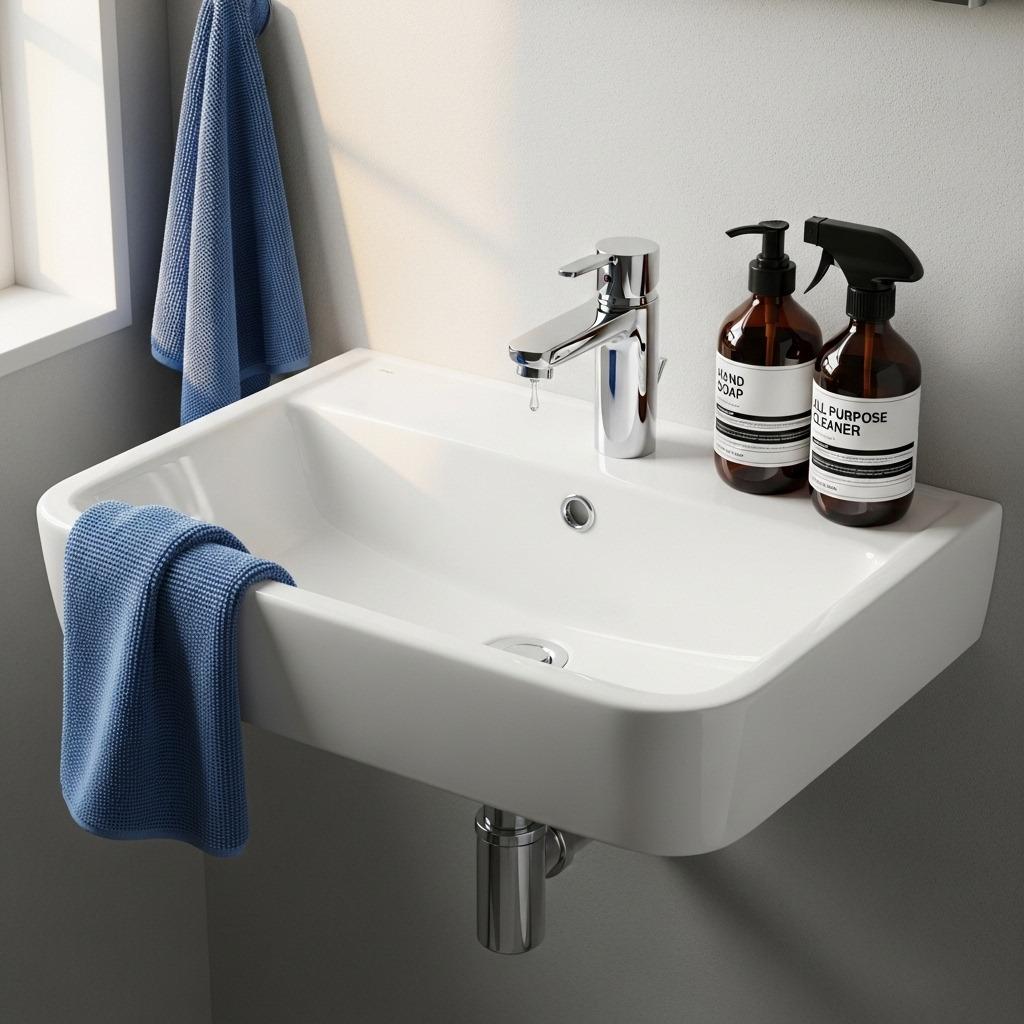
Floating sinks require specific care to maintain their beauty and function over time.
Daily wipe-downs prevent buildup. After each use, quickly wipe the sink and counter with a damp cloth or squeegee. This simple habit stops water spots, toothpaste splatters, and soap scum from accumulating. It takes 30 seconds and saves you from heavy scrubbing sessions later.
Material-specific cleaning matters. Porcelain and ceramic tolerate most gentle cleaners. Natural stone needs pH-neutral products – acidic cleaners damage sealers and etch the surface. Wood requires minimal water exposure and specialized wood cleaners. Concrete responds well to mild soap solutions but avoid harsh chemicals. When uncertain, test any cleaner in an inconspicable spot first.
Hardware maintenance extends fixture life. Mineral deposits from hard water gradually build up around faucets and drains. Weekly vinegar solutions dissolve these deposits before they become stubborn. Soak a cloth in white vinegar, wrap it around the affected area, let it sit for 30 minutes, then wipe clean. For persistent buildup, a paste of baking soda and water gently scrubs without scratching.
Periodic checks prevent problems. Every few months, inspect the mounting points where your vanity attaches to the wall. Look for any gaps, movement, or signs of stress. Check underneath for moisture around plumbing connections. Early detection of small issues prevents major repairs down the line.
Resealing schedules depend on materials. Stone countertops need resealing every 1-2 years. Concrete sinks require similar attention. Wood vanities benefit from occasional oiling or re-finishing depending on the original finish. Mark your calendar or set phone reminders – maintenance is easier than restoration.
The appeal of a floating sink bathroom extends beyond current trends. These designs fundamentally improve how bathrooms feel and function by opening floor space, simplifying cleaning, and creating contemporary elegance that adapts to various styles.
Your choice depends on your specific needs – storage requirements, space constraints, personal aesthetic preferences, and maintenance willingness. A minimalist wall-mounted basin solves different problems than a double floating vanity with integrated storage. Take time to consider how you actually use your bathroom daily rather than just what looks pretty on Pinterest.
The investment in proper installation pays dividends through years of reliable use. Quality materials, professional mounting, and attention to plumbing details transform this from a trendy update to a lasting improvement. Your future self will appreciate the forethought when you’re still enjoying that airy, open bathroom feeling years from now.
What draws you to floating sink designs – the visual lightness, the practical benefits, or the contemporary style? Each brings value, and the best installations deliver all three seamlessly.