
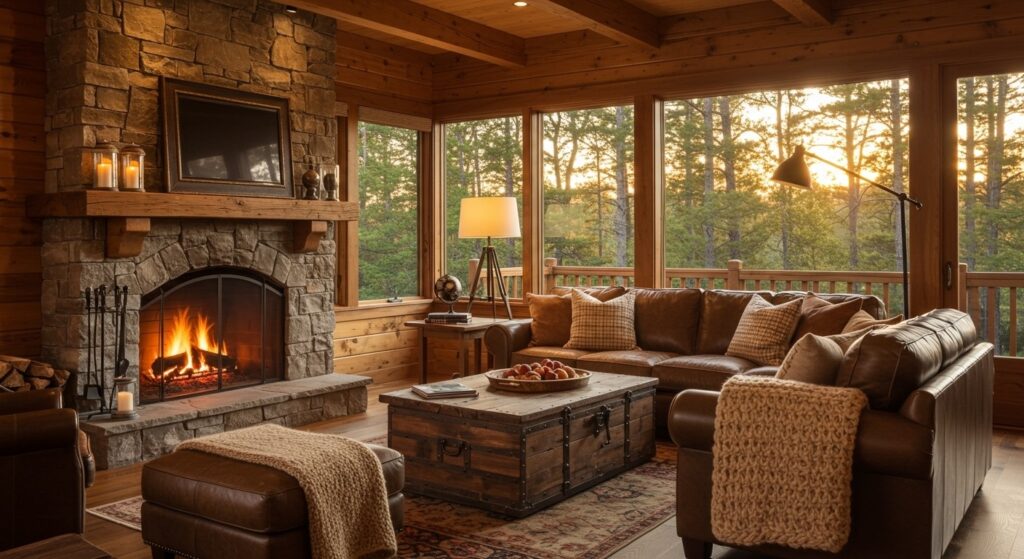
There’s something undeniably magnetic about a rustic living room. Maybe it’s the way reclaimed wood catches the light, or how a stone fireplace anchors the entire space with its raw presence. These rooms don’t just look good in photos – they feel like coming home after a long day.
Creating a space that balances rugged charm with everyday comfort isn’t as complicated as you might think. Whether you live in a countryside cottage or a city apartment, bringing in those natural, lived-in elements can transform your space into a retreat. The beauty of rustic design lies in its imperfection – the knots in the wood, the uneven stones, the patina on vintage metal.
I’ve gathered 16 approaches that showcase different ways to weave this aesthetic into your home. Some lean heavily into farmhouse style living room vibes, while others take a more refined route. What they all share is that connection to natural materials and a sense of timelessness that never goes out of style.
1. Exposed Beam Ceiling with Stone Accent Wall
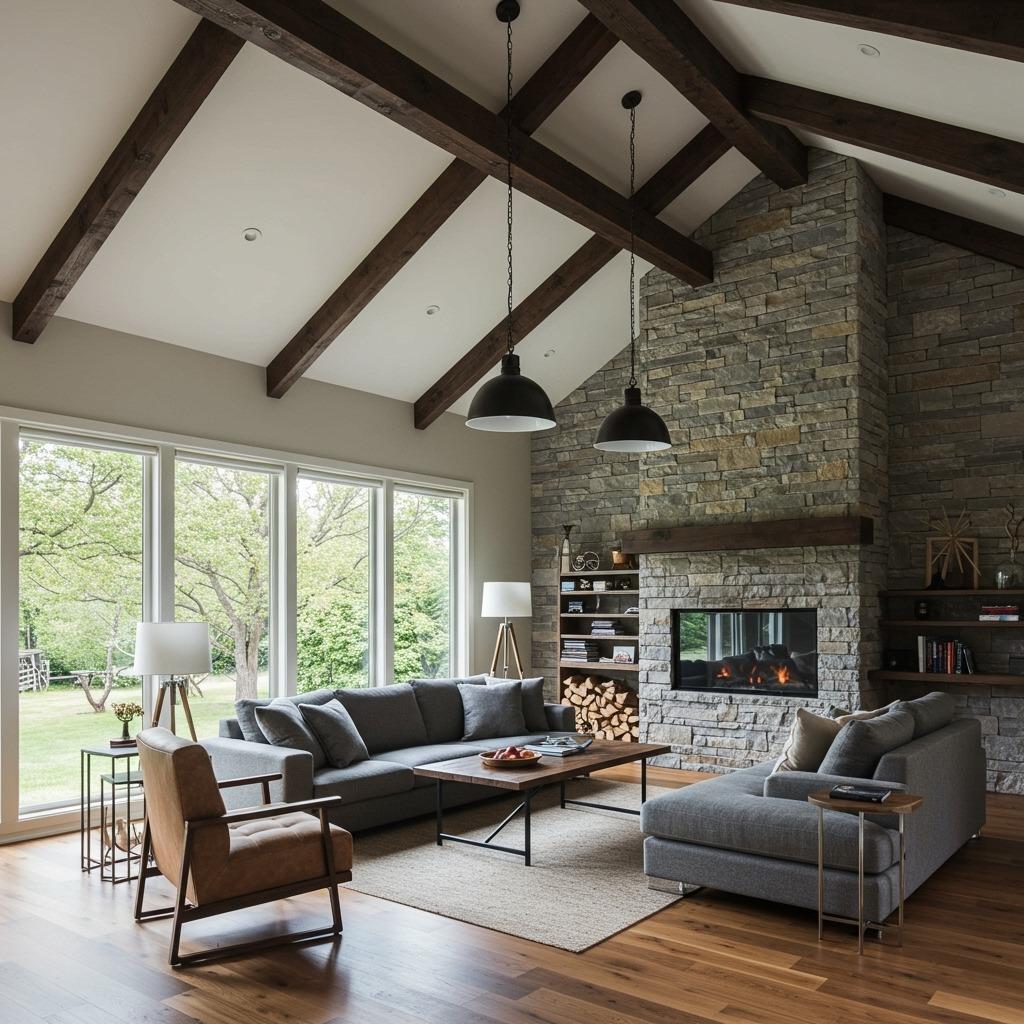
Nothing says rustic quite like overhead beams that tell a story. The wood grain patterns create visual interest even before you add a single piece of furniture. Pairing these with a stone accent wall gives you two strong natural textures working together.
The trick is balancing these heavy elements with lighter pieces. Consider a neutral-colored sofa that lets the architecture shine. The stone doesn’t need to cover an entire wall either – even a partial treatment around a fireplace or behind a TV creates that anchor point.
This combination works especially well in rooms with high ceilings where the beams draw the eye upward. The contrast between horizontal wood lines and vertical stone stacking creates a dynamic that’s both grounding and expansive. It’s one of those setups that photographs beautifully for Pinterest while being genuinely comfortable to live in.
2. Reclaimed Wood Feature Wall Behind Seating

A reclaimed wood wall brings instant character without requiring major construction. Each plank carries its own history – nail holes, color variations, and texture differences that you simply can’t replicate with new materials. Positioning this behind your main seating area creates a focal point that doesn’t compete with artwork or windows.
The beauty here is versatility. You can go dark with walnut tones for drama or keep it light with whitewashed or natural pine. The installation process is surprisingly manageable as a DIY project, especially if you’re working with pre-cut boards designed for accent walls.
What I appreciate most about this approach is how it layers with other textures. Against reclaimed wood, everything from modern metal fixtures to soft textiles looks intentional. It provides that rustic foundation while leaving room for your personal style to come through in the furnishings and accessories.
3. River Rock Fireplace as Room Centerpiece

A river rock fireplace transforms any space into something that feels handcrafted and timeless. The rounded stones in varying sizes create a natural mosaic that’s visually interesting from every angle. Unlike uniform brick or tile, no two sections look exactly alike.
Building around this centerpiece means keeping other elements relatively simple. The fireplace already provides plenty of visual weight, so your furniture can be more understated. A chunky wood mantel continues the natural theme while offering space for seasonal decorations or family photos.
The fireplace itself becomes a gathering point that encourages people to slow down. There’s practical warmth, sure, but also that psychological comfort that comes from sitting near natural stone and real fire. It’s the kind of feature that makes cozy small living room spaces feel even more intimate without closing them in.
4. Mix of Leather and Natural Textiles
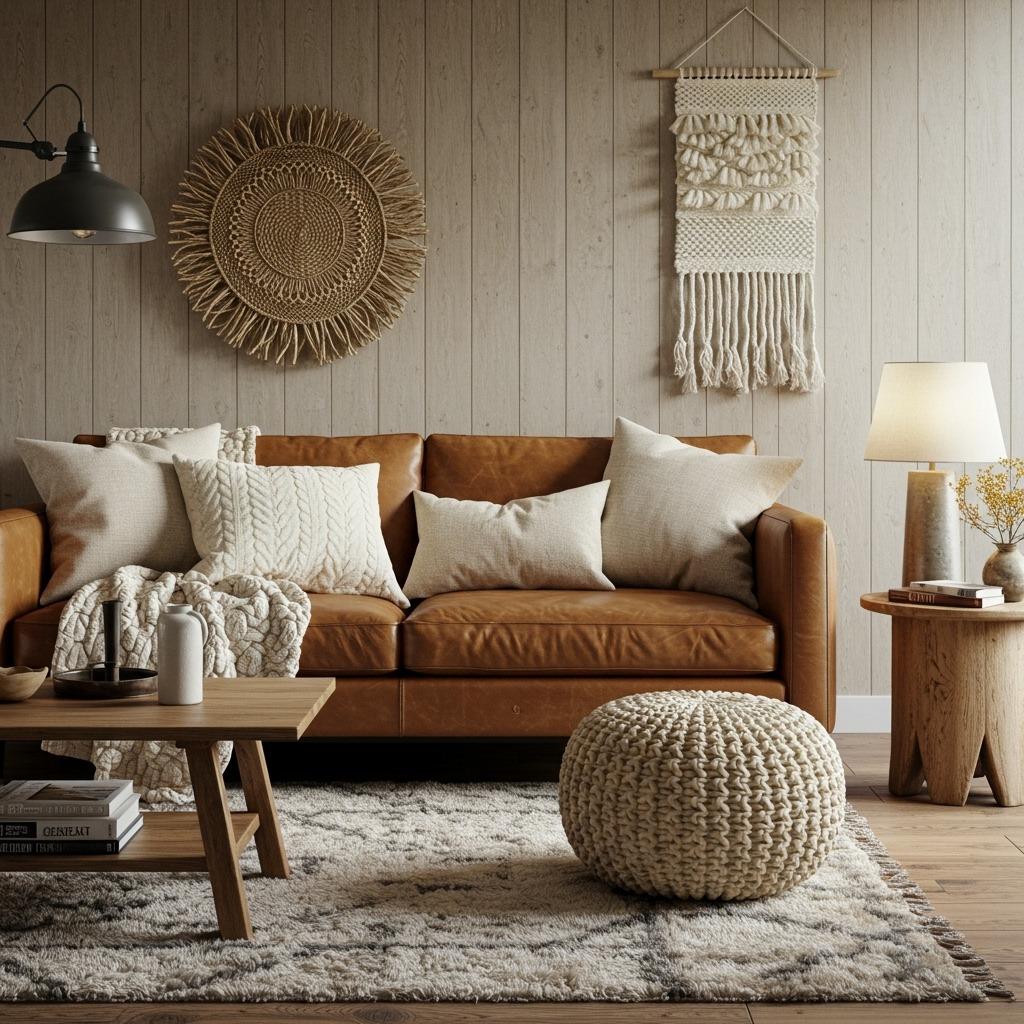
Leather ages beautifully in rustic spaces, developing that rich patina that only gets better with time. Start with a substantial leather piece – a sofa or a pair of chairs – as your anchor. The key is not stopping there but layering in softer textures that balance the leather’s weight.
Chunky knit throws, linen cushions, and wool rugs add warmth without fighting for attention. This combination of smooth leather against nubby textiles creates depth that makes spaces feel curated rather than decorated. The materials work together because they’re all natural, even as they provide different tactile experiences.
Think about how these pieces interact with light too. Leather reflects it subtly while woven textiles absorb it, creating natural shadows and highlights throughout the day. This interplay keeps the room interesting without relying on color or pattern. For more ideas on mixing materials effectively, check out these living room ideas that balance multiple textures.
5. Antler Chandelier with Rustic Charm

Antler lighting makes a statement that’s unmistakably rustic. Whether you choose authentic shed antlers or high-quality replicas, this fixture immediately establishes your design direction. The sculptural quality means it works as both lighting and art.
Scale matters here. A chandelier should be substantial enough to command attention but not so large it overwhelms the space. In living rooms with open floor plans, positioning it over a coffee table or reading area helps define zones without actual walls.
The neutral tones of antlers pair well with virtually any color scheme. They add organic shapes to rooms that might otherwise feel too angular or geometric. Even in more modern rustic spaces, an antler fixture bridges the gap between contemporary and traditional elements seamlessly.
6. Sliding Barn Door as Architectural Element
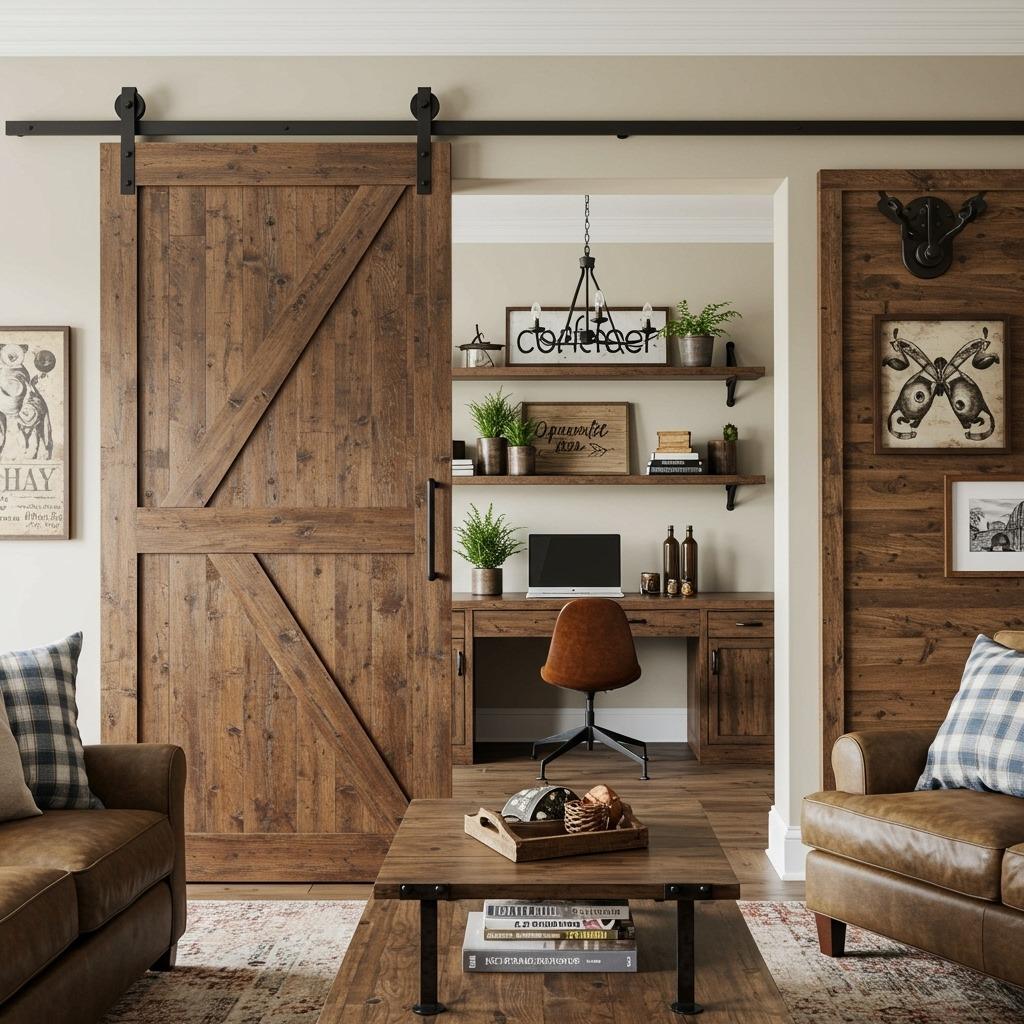
Barn doors bring functionality and style in equal measure. They save space compared to traditional swing doors while adding a significant visual element. The hardware itself – those chunky metal tracks and wheels – becomes part of the design story rather than something to hide.
You can use barn doors to section off different areas without closing them in completely. A home office alcove, entertainment center, or even storage space benefits from this flexible approach. The door’s natural wood grain provides texture even when it’s open, making it earn its place visually whether in use or not.
Consider the surrounding wall treatment too. A barn door looks incredible sliding across modern accent wall ideas like shiplap or exposed brick. The key is ensuring the door itself has character – look for pieces with original hardware marks, varied coloring, or interesting wood patterns that make them unique.
7. Live Edge Wood Coffee Table
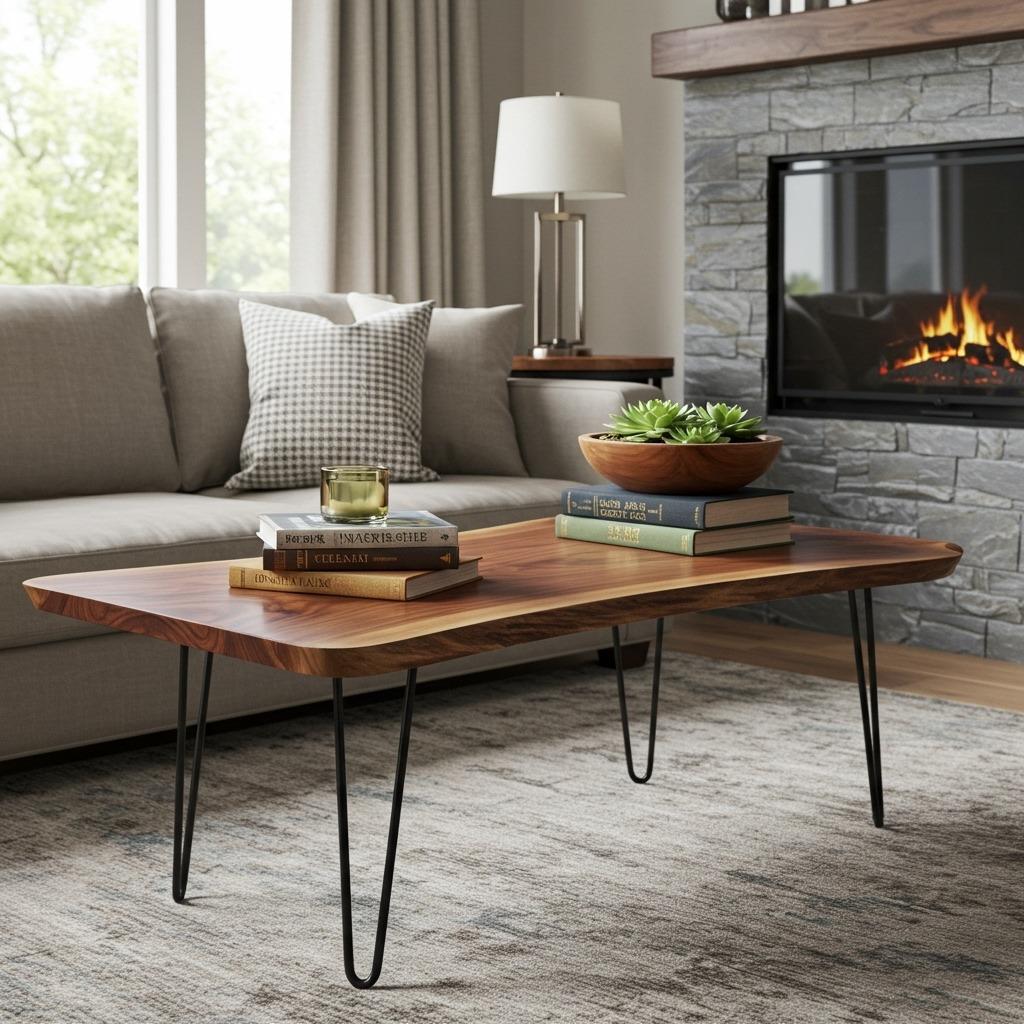
A live edge table brings the outside in more literally than almost any other piece. The natural edge – where bark once met wood – creates an organic shape that contrasts beautifully with the straight lines found elsewhere in most rooms. Each piece is genuinely one-of-a-kind.
The coffee table position makes this feature highly visible without being overwhelming. It grounds your seating arrangement while providing that conversation-starting element every good rustic space needs. The substantial nature of these pieces means they pair well with more delicate items – think thin metal side tables or airy linen curtains.
Styling a live edge table is straightforward because it doesn’t need much. A few carefully chosen items look better than crowding it. The wood itself is the star, so let those natural variations and wood grain patterns show. This approach aligns well with the minimalist kitchen decor philosophy of letting quality materials speak for themselves.
8. Wrought Iron Accents and Hardware
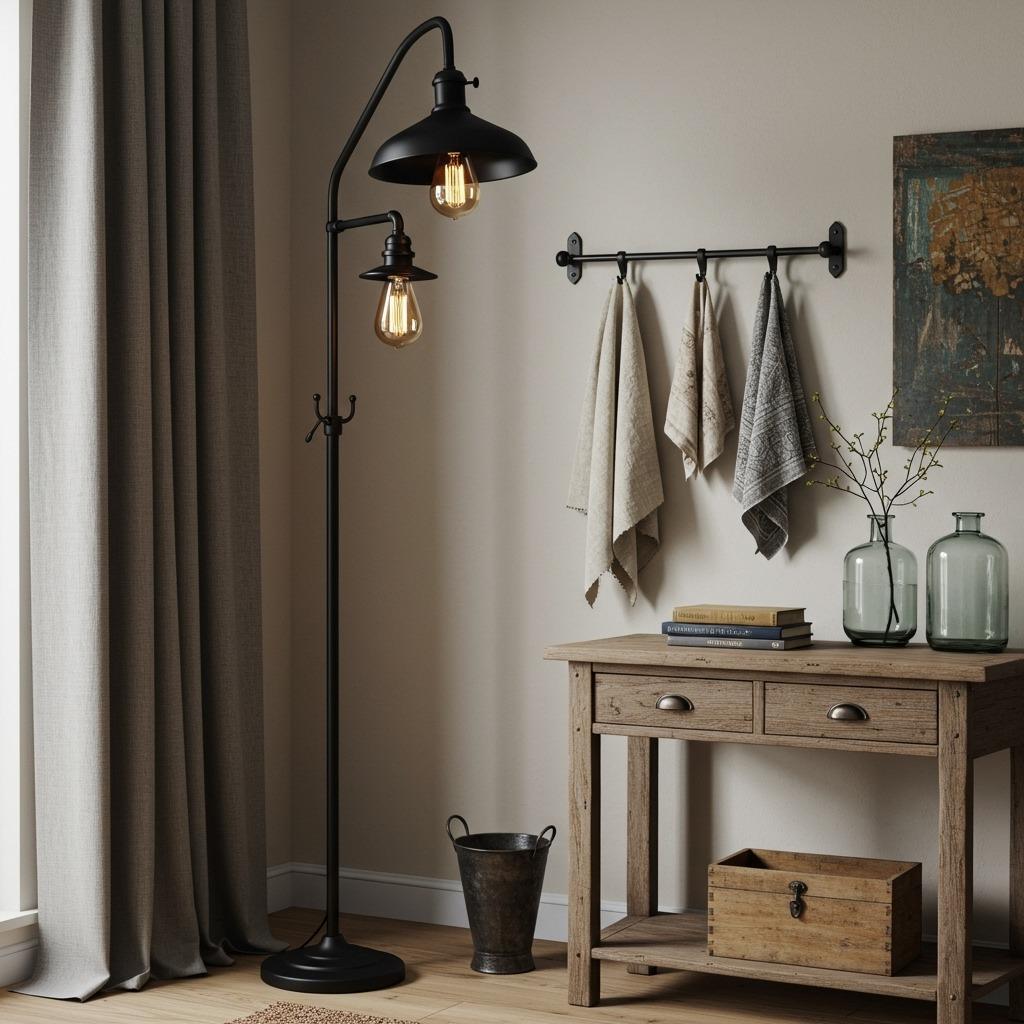
Wrought iron adds an industrial edge to rustic spaces without pulling them too far from their natural roots. These metal elements – whether in lighting, curtain hardware, or decorative pieces – provide necessary contrast against all that wood and stone. The dark finish creates definition and helps lighter elements pop.
Hand-forged pieces carry visible hammer marks and slight irregularities that signal craftsmanship. These imperfections are features, not flaws. They tell you someone made this by hand, connecting it to rustic design’s emphasis on authenticity and artisanal quality.
The durability of wrought iron means these pieces often become family heirlooms. A well-made iron chandelier or set of curtain brackets will outlast trends, making them smart investments. They bridge traditional and contemporary aesthetics, working equally well in a cabin or a boho chic living room with rustic influences.
9. Cowhide Rug Layering
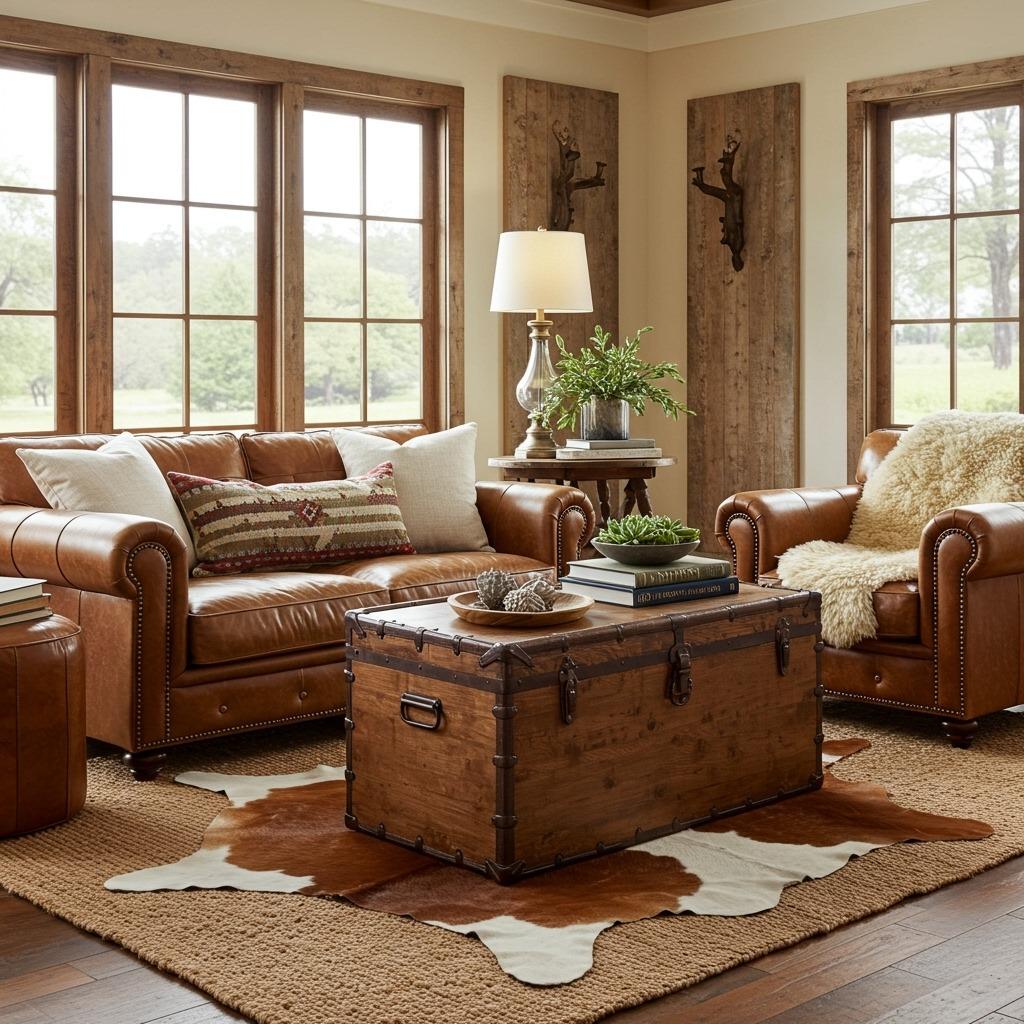
Layering rugs adds dimension that flat flooring can’t achieve alone. A cowhide provides that authentic Western rustic feel while being surprisingly practical – the natural hair hides dirt and wear remarkably well. Positioned over a larger neutral rug, it creates visual interest without pattern overload.
The irregular shape of cowhide works in your favor here. Unlike rectangular rugs that need precise placement, cowhide can sit at angles or partially under furniture. This casual placement reinforces the relaxed, unforced quality that makes rustic spaces comfortable.
Cowhide comes in enough natural variations that finding one to suit your color scheme isn’t difficult. Classic brown and white works everywhere, but black, brindle, or even dyed options exist if you want something specific.
10. Shiplap or Tongue and Groove Paneling
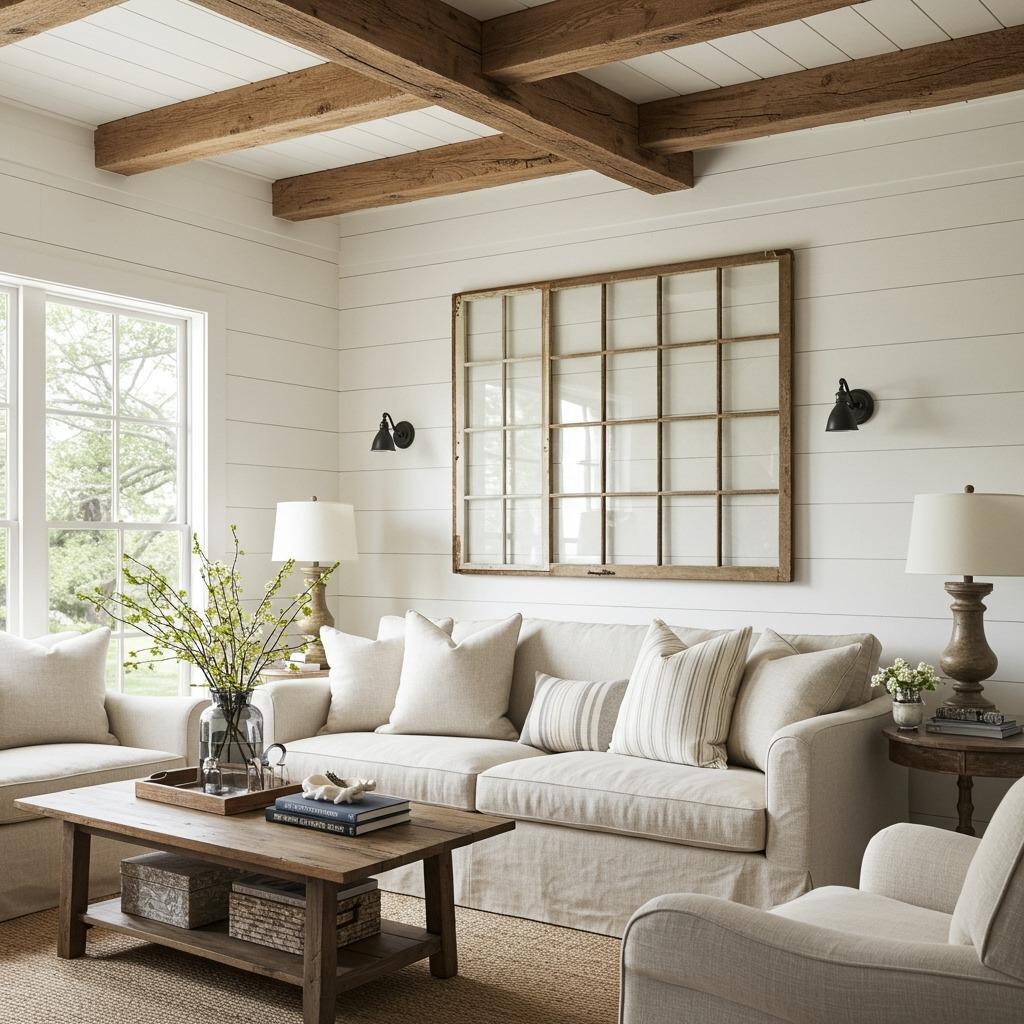
Horizontal wood paneling creates movement across walls while adding textural depth. Shiplap’s slight gaps between boards create subtle shadow lines that change throughout the day as light shifts. This detail keeps walls interesting without busy patterns or bold colors.
The beauty of shiplap is its adaptability. Paint it white for a clean farmhouse look, stain it for deeper rustic tones, or leave it natural and seal it clear. Each finish creates a different mood while maintaining that essential wood element. The installation process is methodical but not overly complex for DIYers willing to take their time.
This treatment works particularly well in rooms with limited architectural features. If your space is basically a box, shiplap adds that missing character. It provides a cohesive backdrop for your furniture and decor without competing with them. For those interested in tackling this project, wall paneling DIY guides can walk you through the process step by step.
11. Vintage Wool Blankets as Wall Tapestries
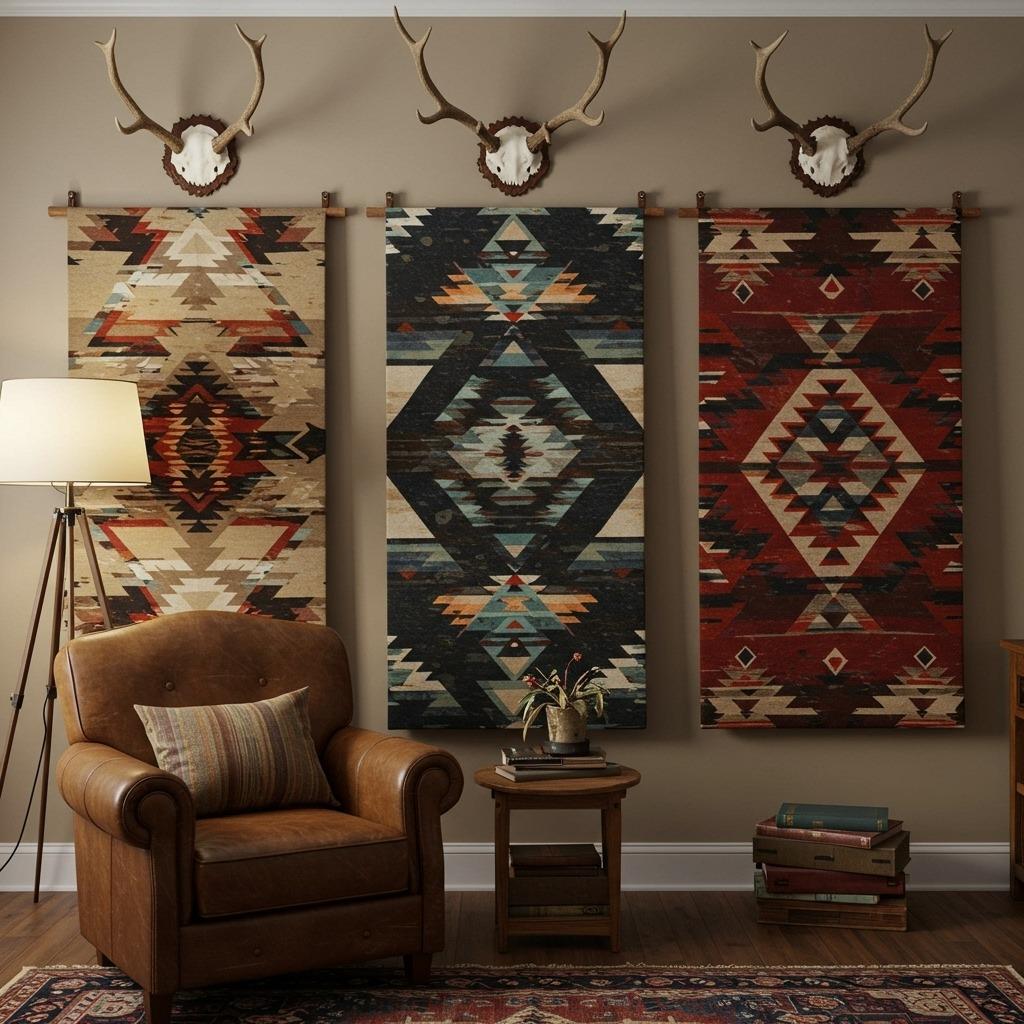
Textile wall hangings bring warmth and softness to spaces dominated by hard surfaces. Vintage wool blankets – particularly Southwestern or Native American-inspired patterns – carry cultural richness and color without feeling too busy. The horizontal display method using a simple wooden rod maintains the rustic aesthetic.
These textiles absorb sound in ways that bare walls or framed art can’t, making rooms feel quieter and more intimate. The colors in vintage blankets have usually mellowed over time, giving you rich tones that work with rather than against your other elements. Plus, they’re easily swapped out when you want a refresh.
The weight and drape of wool gives these pieces presence. Unlike lightweight fabrics that might look flimsy on a wall, wool hangs with substance. This approach lets you introduce pattern and color while staying true to natural materials. It’s a technique that works beautifully in mid-century modern living room settings that want rustic touches.
12. Stacked Firewood as Decor Element
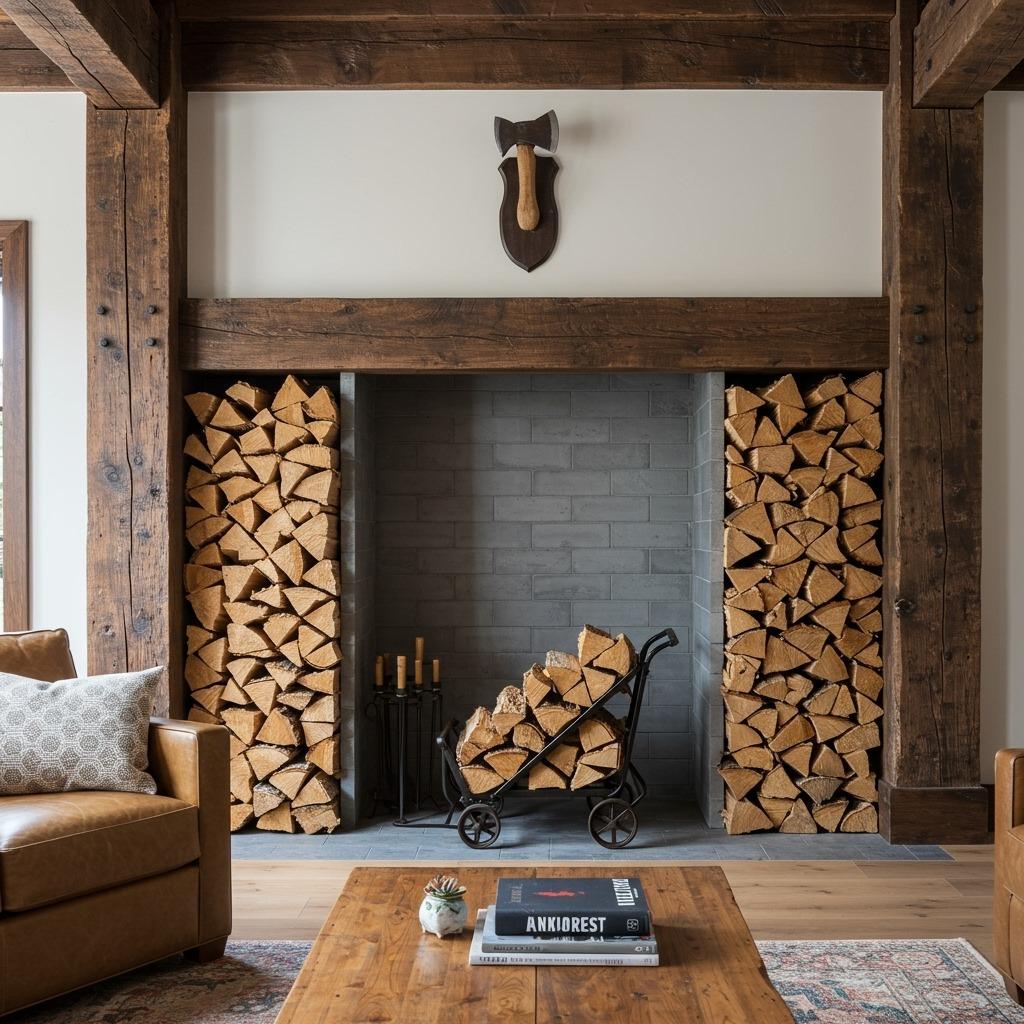
Firewood storage doesn’t need to hide in a closet. Stacked properly, it becomes sculptural and functional. The repetition of log ends creates a pleasing pattern, while the natural variations in bark and wood color add visual interest. This works whether you actually burn wood or simply appreciate the aesthetic.
Built-in wood storage – like a recessed wall nook or space flanking a fireplace – looks intentional rather than makeshift. The wood pile becomes part of your architecture. Even a freestanding rack designed to showcase the wood can serve as a room divider or focal point.
The seasonal aspect is practical too. In winter, you’re burning through the supply. Come summer, keeping the stack full provides that rustic visual even when the fireplace sits cold. The woodsy scent is subtle but present, adding another sensory layer to your space. This connects to the broader trend of nature-inspired bathroom and living spaces that bring the outdoors in through unexpected elements.
13. Industrial Cage Pendant Lighting
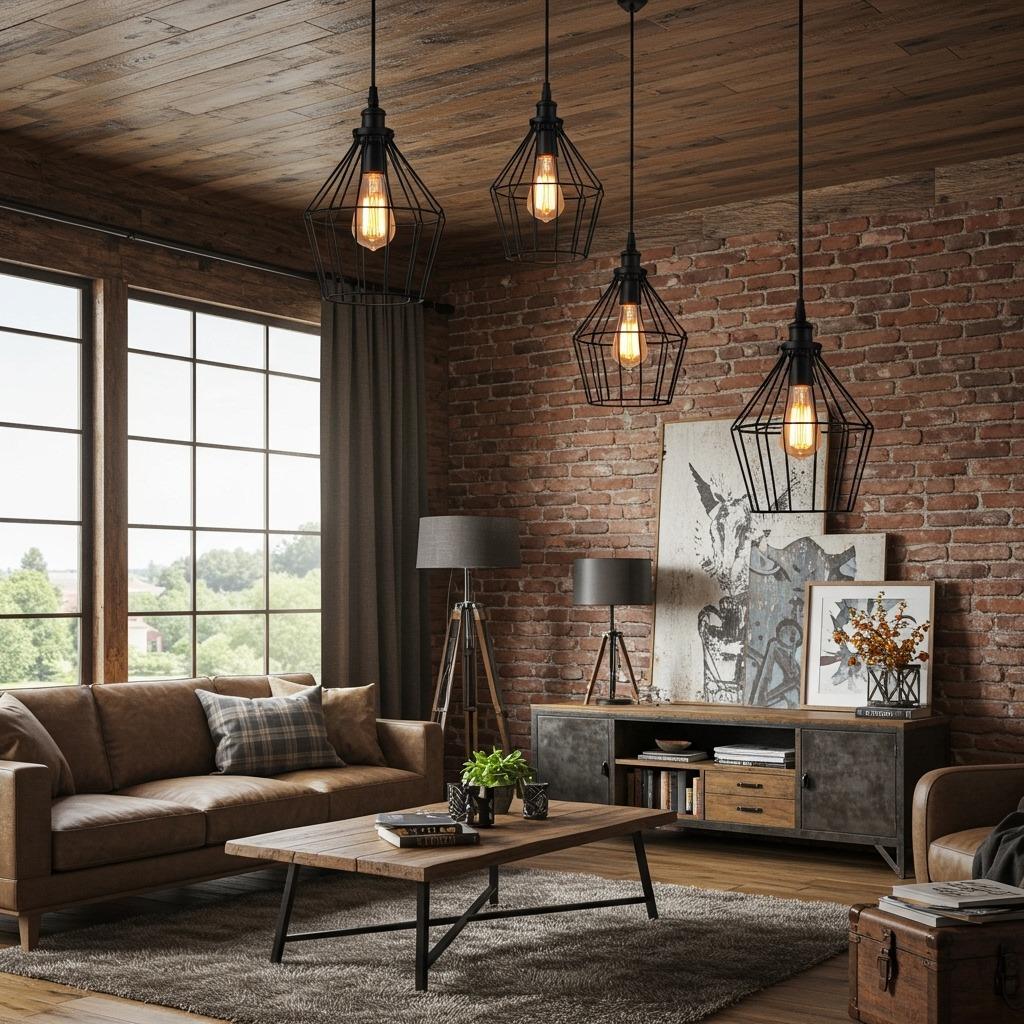
Metal cage pendants merge industrial and rustic styles effortlessly. The open framework lets Edison or vintage-style bulbs show through, creating ambient light that feels warm rather than stark. Multiple fixtures at different heights adds dimension and helps define specific areas within larger rooms.
These lights work hard visually without weighing down the space. The cage structure is present but not solid, so it doesn’t block sightlines or make ceilings feel lower. The black metal provides contrast against lighter wood tones and neutral textiles common in rustic design.
Installation is straightforward if you’re replacing existing fixtures. The industrial edge they bring balances out rustic’s softer side – that cozy, cabin-like quality – keeping spaces from feeling too themed or precious. They’re equally at home in a converted barn or a city loft seeking warmth, which makes them versatile workhorses in rustic design.
14. Rustic Ladder as Blanket Display
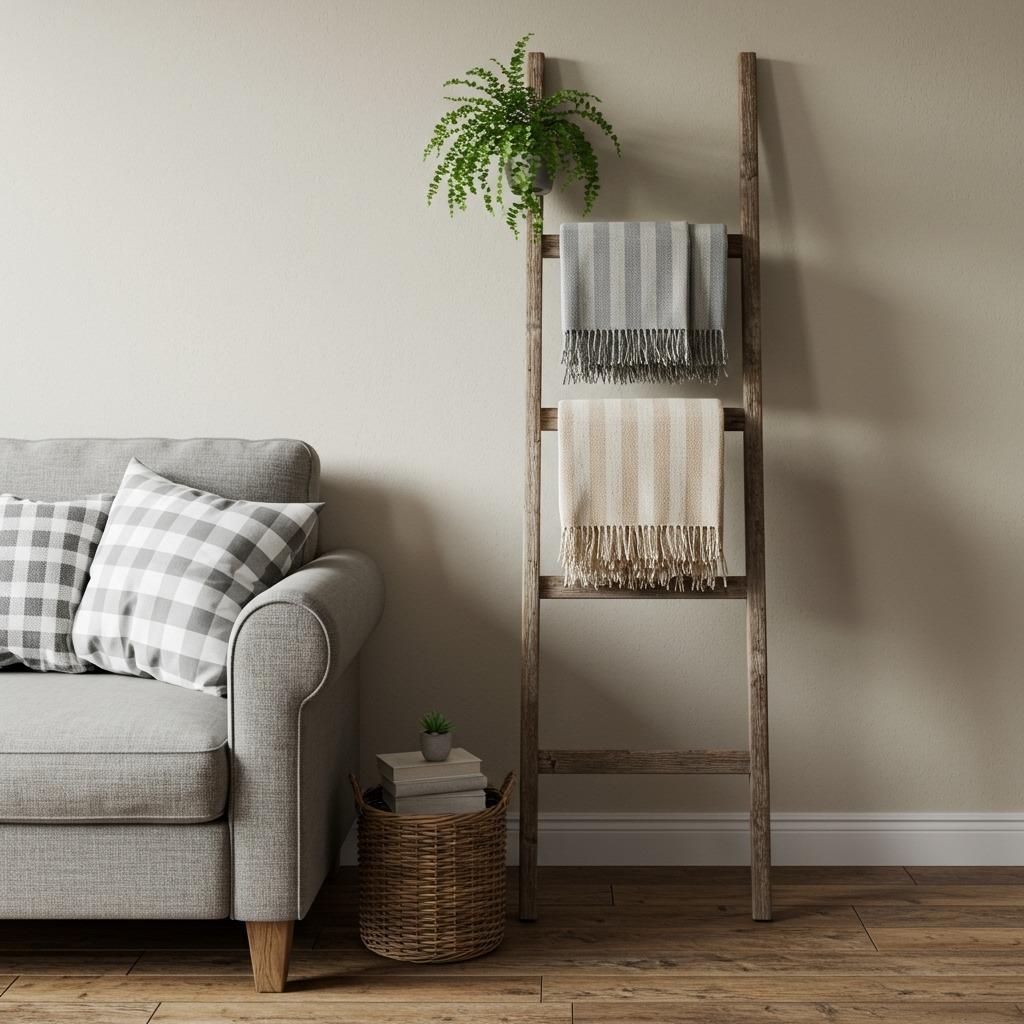
An old ladder propped decoratively solves the perpetual problem of where to keep throw blankets within reach. It’s vertical storage that doesn’t require installation or commitment. The ladder itself – especially one with original paint or weathering – becomes a decorative element that tells a story.
This approach works because it’s casual. Blankets can be folded neatly or draped loosely depending on your mood. The accessibility encourages actually using those cozy textiles rather than keeping them sealed away. Plus, the seasonal rotation becomes easy – swap in lighter throws for summer or chunky knits when temperatures drop.
Sourcing vintage ladders from flea markets or architectural salvage adds authenticity. Each one is different, with its own wear patterns and character marks. Even reproduction ladders designed for this purpose bring that vertical wood element without feeling forced. The simplicity aligns with Scandinavian living room principles of functional beauty.
15. Natural Stone Coffee Table Base
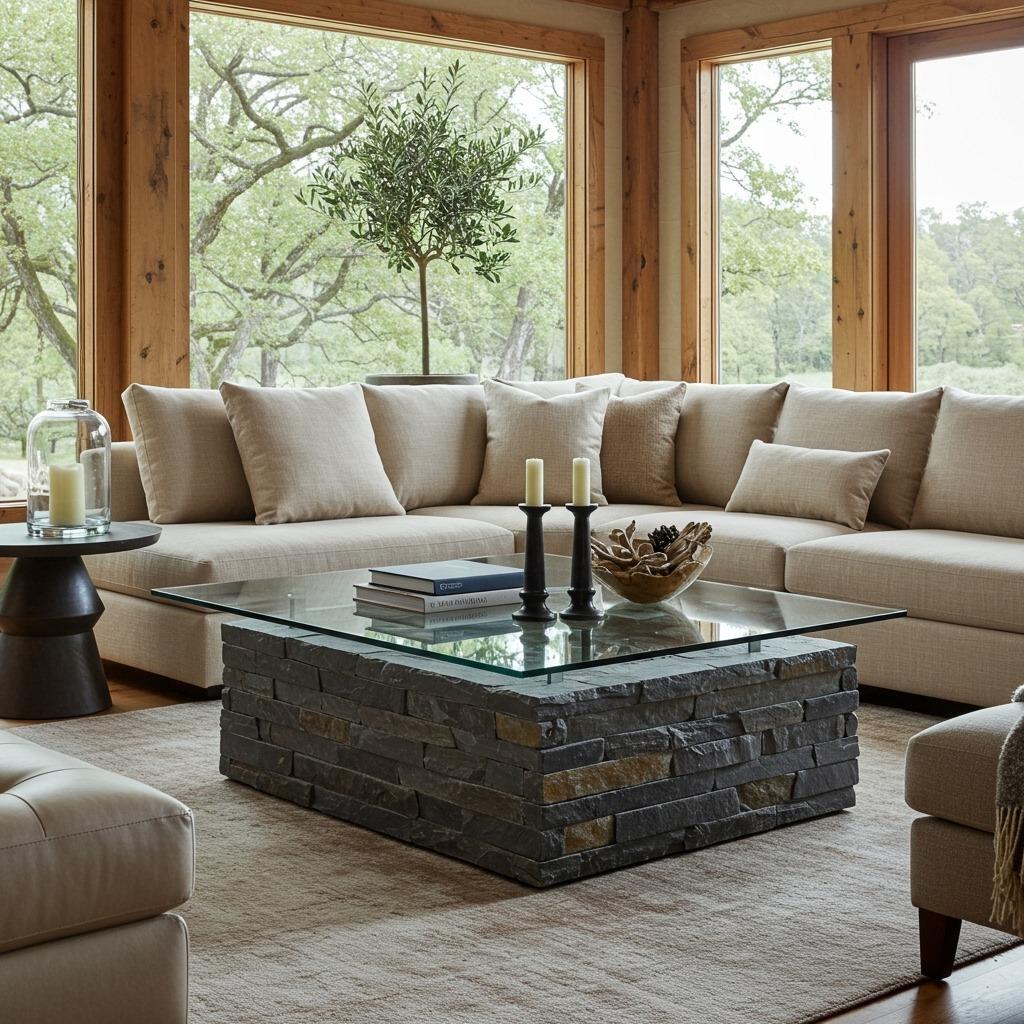
Stone bases ground furniture literally and figuratively. Whether it’s stacked slate, a single boulder, or arranged river rocks, stone provides weight and permanence. Topping it with glass keeps the look from becoming too heavy while letting the stone remain visible and appreciated.
This combination of materials represents rustic design’s evolution. It’s not purely traditional or primitive – it’s thoughtful and refined while maintaining connection to natural elements. The stone base also eliminates concerns about legs wobbling or furniture feeling flimsy. There’s reassuring solidity to it.
The cool stone plays beautifully against warm wood elsewhere in the room. The temperature contrast – even just visually – creates balance. Stone also introduces different colors and textures than wood offers, expanding your natural material palette without introducing manufactured elements. It’s an unexpected twist that elevates standard rustic into something more distinctive.
16. Rough-Hewn Beam Mantel
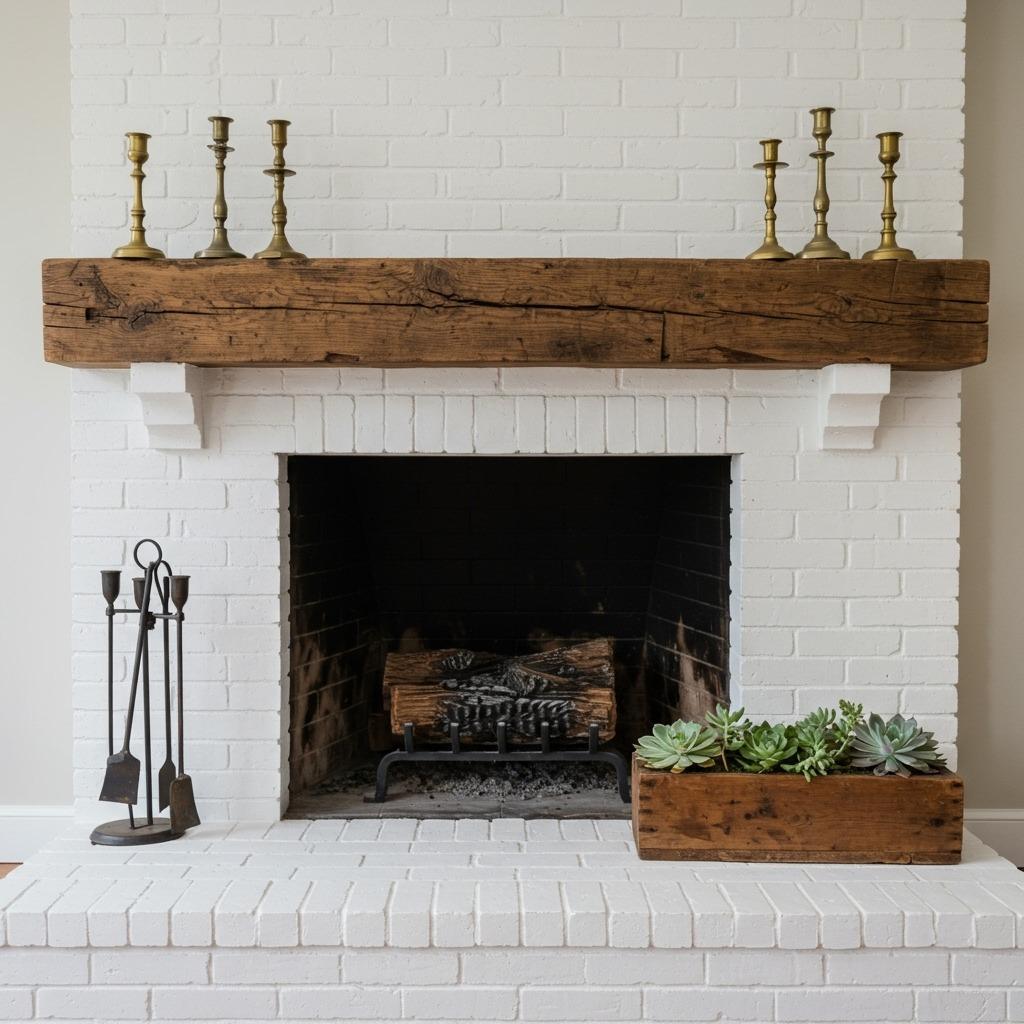
A substantial beam mantel transforms any fireplace into a statement piece. The rough texture and visible tool marks signal handcrafted quality that manufactured mantels can’t replicate. This single element often carries enough visual interest that minimal mantel styling is needed.
The depth of a beam mantel provides practical display space while the irregularities in the wood add character. Unlike smooth, painted mantels that fade into the background, a raw beam demands and deserves attention. It anchors the entire wall and often becomes the launching point for the room’s overall aesthetic direction.
Pairing a rustic beam with various fireplace surrounds shows its versatility. Against painted brick, it provides contrast. With stone, it continues the natural theme. Even in modern minimalist living room settings, a single strong wood element like this can introduce warmth without disrupting clean lines. The beam proves that one significant natural piece can set the tone for an entire space.
Creating a rustic living room is less about following strict rules and more about embracing materials that feel authentic to you. These 16 approaches show different entry points – some dramatic, some subtle – but they all share that fundamental connection to natural elements and honest craftsmanship.
The beauty of this style is how forgiving it is. That imperfect paint finish or the chair that doesn’t quite match? They fit right in. Rustic spaces celebrate history, character, and the understanding that perfect is often less interesting than real. Whether you’re starting from scratch or adding rustic touches to an existing room, focusing on quality natural materials will get you there.
What resonates most about these designs is how they make you feel. There’s something about walking into a room with exposed beams and a stone fireplace that makes shoulders relax. These spaces remind us that home isn’t about impressing anyone – it’s about creating somewhere you genuinely want to spend time. And honestly, that’s what makes them worth pinning, saving, and eventually bringing into your own four walls.

