

Lighting might be the most underrated element in home design. You can have beautiful furniture, perfectly painted walls, and gorgeous accessories, but if your lighting’s off, the whole room falls flat. The right lighting doesn’t just illuminate a space. It creates mood, highlights your favorite features, and honestly makes everything look more expensive than it actually is.
I’ve walked into rooms that felt cramped and dreary, only to realize the problem wasn’t the size or the furniture. It was the single overhead light doing all the work. When you layer your lighting thoughtfully, spaces transform. Suddenly that cozy reading nook actually feels cozy, your kitchen becomes a place you want to cook in, and your bedroom turns into the sanctuary you’ve been dreaming about.
Whether you’re dealing with a dark hallway, a kitchen that needs more task lighting, or a living room crying out for ambiance, there’s a lighting solution that fits. Let me walk you through some ideas that have genuinely changed how I think about every room in my home.
Understanding the Three Types of Home Interior Lighting

Before diving into specific rooms, it helps to understand how different lighting types work together. Think of it like building an outfit. You wouldn’t wear just a statement necklace with nothing else, right? Same principle applies here.
Ambient lighting is your base layer. This is the general illumination that fills a room – ceiling fixtures, recessed lights, or even chandeliers. It’s functional but can feel flat on its own. That’s where the other layers come in.
Task lighting focuses on specific activities. Reading lamps beside your bed, under-cabinet lights in the kitchen, or a desk lamp in your home office. These prevent eye strain and make daily tasks actually enjoyable instead of frustrating.
Accent lighting adds drama and personality. Picture lights highlighting artwork, LED strips behind your TV, or uplights showcasing architectural details. This is where your space goes from “nice” to “wow, who’s your interior designer?”
The magic happens when you combine all three. A living room with just overhead lighting feels like a waiting room. Add table lamps, wall sconces, and maybe some picture lights, and suddenly you’ve got depth, warmth, and actual character.
Statement Pendant Lights for Instant Drama
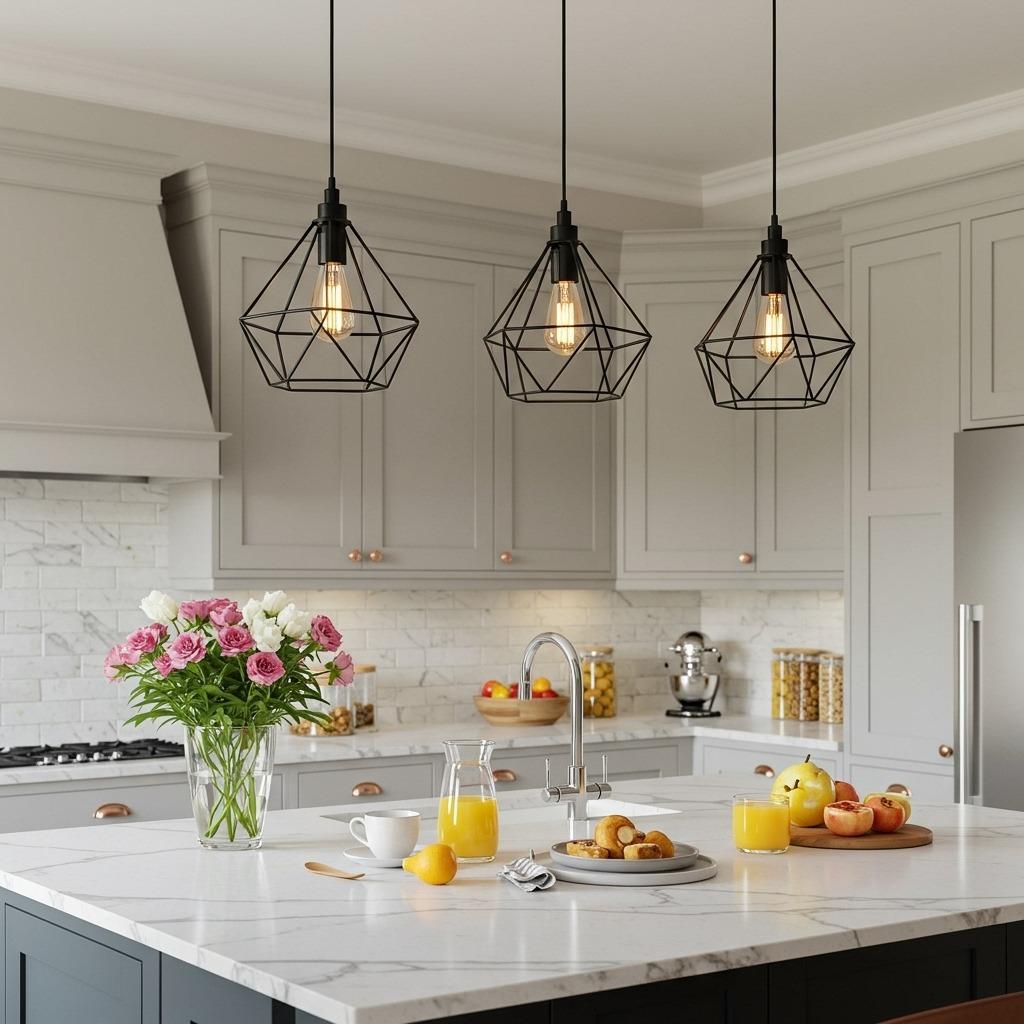
Nothing transforms a space quite like a bold pendant light. I’m talking about those fixtures that make people walk in and immediately look up. They’re conversation starters, focal points, and yes, they actually light up your room too.
Kitchens are the obvious place for pendants, especially over islands. But here’s what’s interesting – the height and spacing matter way more than most people realize. Hang them too high and they disappear. Too low and you’re bonking your head or blocking sightlines. The sweet spot is usually 30-36 inches above the counter surface.
For dining rooms, a single large pendant or a cluster of smaller ones creates intimacy around the table. The light draws people in, makes food look more appealing, and sets the mood for lingering conversations. Just make sure it’s on a dimmer switch. Trust me on this one.
Don’t overlook entryways either. A stunning pendant in your foyer is like a warm handshake when you walk in. It sets expectations for the rest of your home and gives that often-forgotten space some purpose beyond “place where I dump my keys.”
Layered Lighting in Living Spaces

Your living room probably does a lot of heavy lifting. Movie nights, reading marathons, entertaining guests, maybe even afternoon naps. One lighting setup can’t possibly handle all that, which is why layering becomes essential.
Start with your overhead fixture, but don’t rely on it exclusively. I’ve seen too many living rooms with one central ceiling light trying (and failing) to do everything. Add floor lamps in corners to eliminate shadows and create pools of warm light that make the space feel larger, not smaller.
Table lamps on side tables or consoles add that crucial middle layer. They’re functional when you need focused light for reading or hobbies, but they also create ambiance when you dim them for movie night. Choose lamps with interesting bases or unique shades that double as decor elements even when they’re off.
Wall sconces free up surface space and add architectural interest. Flanking a fireplace or artwork, they draw the eye up and make your ceilings feel higher. Plus, they’re incredibly practical in smaller spaces where every square inch of table surface counts.
Modern Lighting Tips for Bedrooms That Actually Help You Sleep
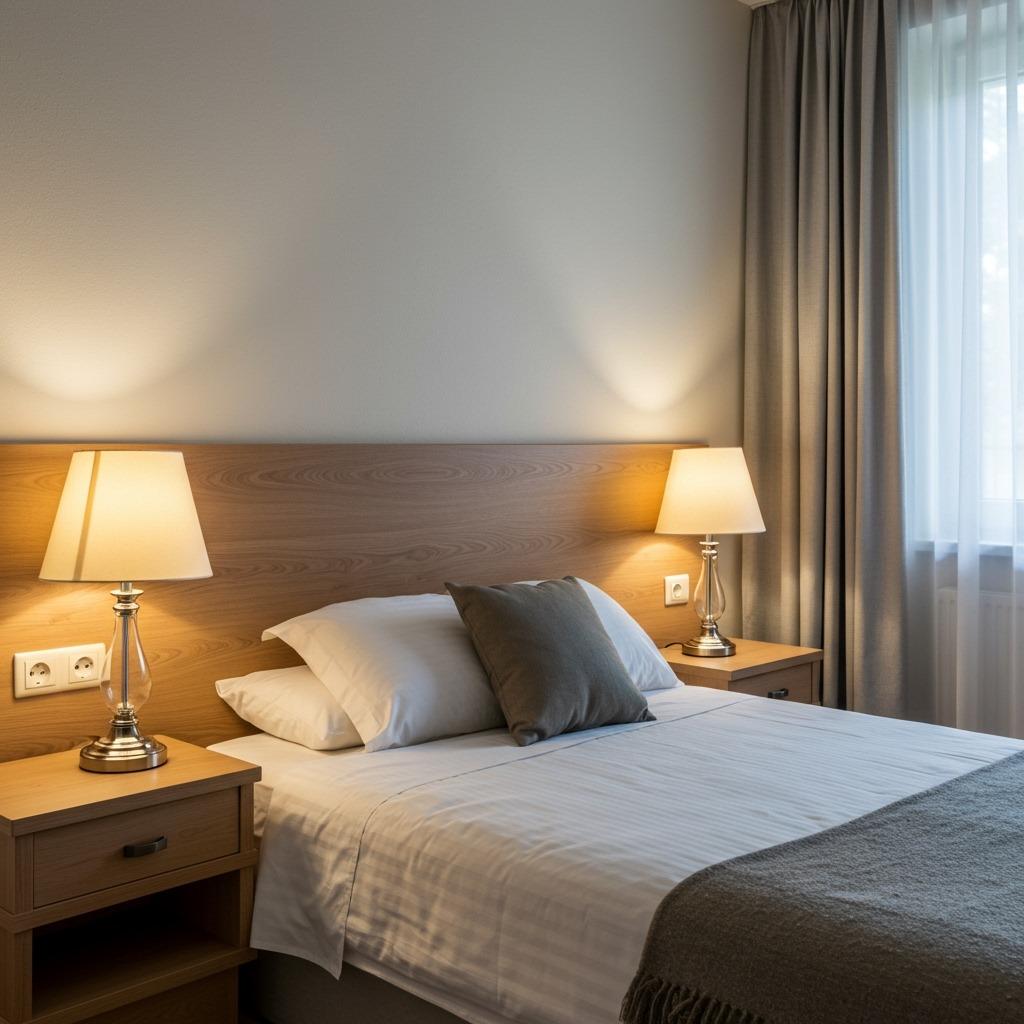
Bedroom lighting needs to do something tricky. It needs to energize you when you’re getting dressed in the morning, wind you down when you’re reading before bed, and stay out of the way when you’re trying to sleep. That’s a lot to ask from one room’s lighting scheme.
Overhead lights in bedrooms often feel too harsh. If you’ve got one, put it on a dimmer at minimum. Better yet, skip the overhead entirely and rely on layered lighting. Bedroom design benefits from softer, more diffused light sources placed strategically around the room.
Bedside lamps are non-negotiable. They should be bright enough for reading but adjustable or dimmable for different times of day. The bottom of the shade should sit at shoulder height when you’re in bed, directing light onto your book rather than into your eyes.
Consider adding accent lighting behind your headboard or under floating nightstands. LED strips create a soft glow that’s perfect for midnight trips to the bathroom. You get just enough light to see where you’re going without fully waking yourself up.
Task lighting near closets or dressing areas makes getting ready so much easier. Nobody looks good in harsh overhead bathroom lighting at 6 AM. A well-lit closet or a lighted mirror saves frustration and probably some fashion mistakes too.
Kitchen Lighting That Makes Cooking Actually Enjoyable
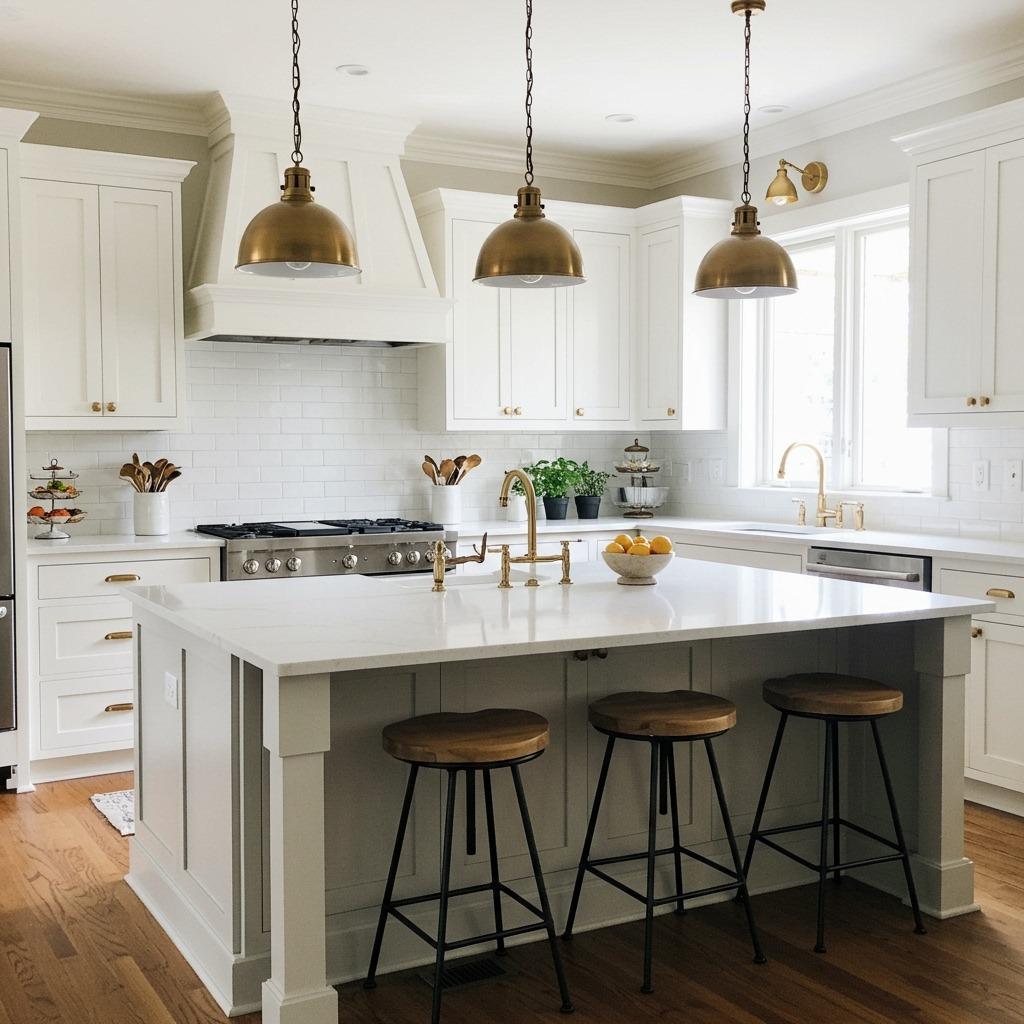
Kitchens need serious lighting strategy. You’re chopping vegetables, reading recipes, checking if that chicken is done – these aren’t tasks you want to do in shadows. Yet so many kitchens rely on one or two light sources trying to cover too much ground.
Under-cabinet lighting changed my cooking life. Not exaggerating. Those shadows your body casts on the counter when you’re working? Gone. LED strips or puck lights installed under upper cabinets illuminate your workspace beautifully and they’re surprisingly easy to install, even if you’re not particularly handy.
Pendant lights over islands provide both task lighting and visual interest. Choose fixtures that reflect your kitchen’s personality – industrial pendants for modern farmhouse kitchens, sleek glass globes for contemporary spaces, or colorful ceramic pieces for eclectic vibes.
Don’t forget inside cabinets and pantries. Small LED lights activated by door sensors mean you can actually see what’s on those top shelves without a flashlight. Sounds minor until you’re digging through the spice cabinet at dinner time.
Recessed lighting throughout the kitchen provides overall illumination, but position them carefully. You want light on your work surfaces, not just in the center of the room. Many kitchens have lights perfectly placed to illuminate empty floor space while leaving counters dim.
Chic Light Fixtures for Bathrooms Beyond Basic
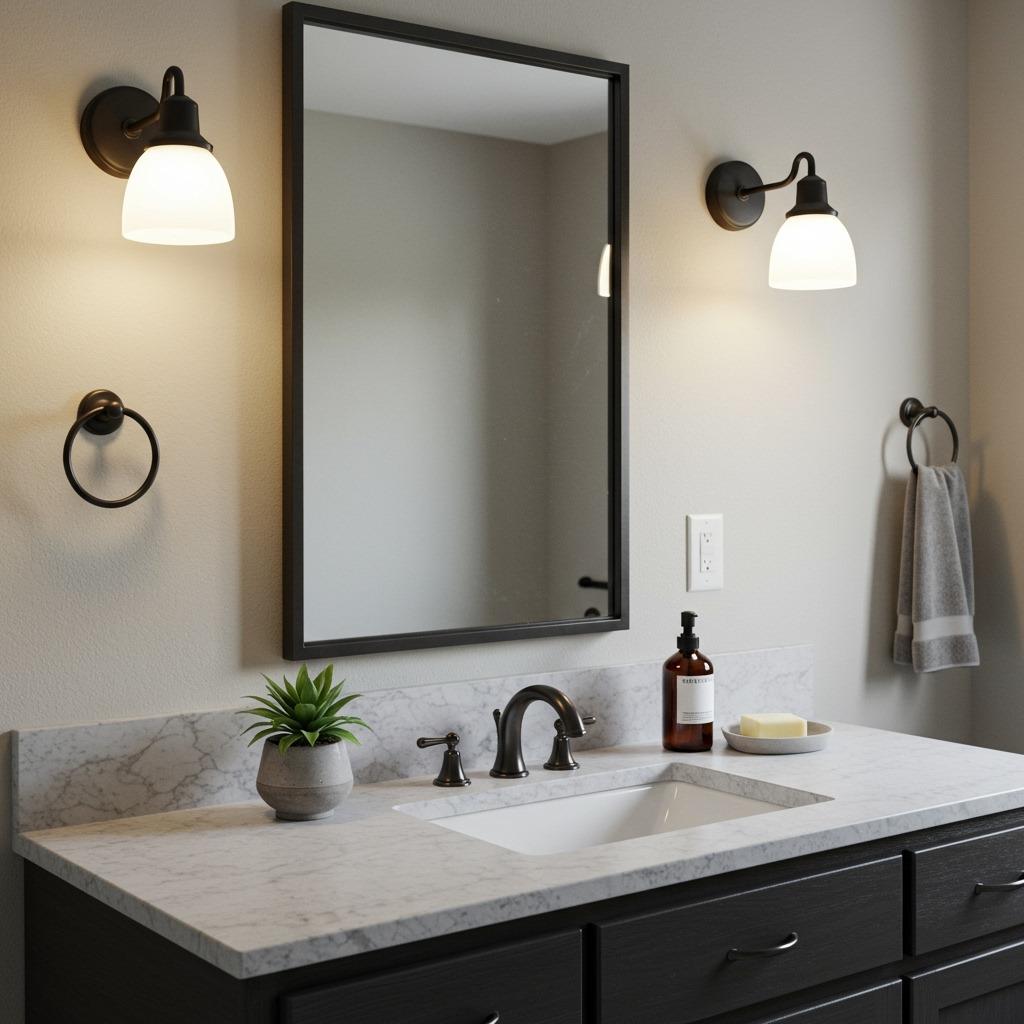
Bathrooms often get shortchanged in the lighting department. A single vanity light bar and maybe a recessed light in the shower – that’s it. But think about what you actually do in there. Applying makeup, shaving, checking that weird spot on your neck. You need good lighting for all of that.
Vanity lighting should come from both sides of the mirror, not just above. Sconces flanking the mirror eliminate shadows under your eyes and chin, giving you an accurate view of what you actually look like. This matters more than you’d think, especially if you’re doing detailed grooming or makeup application.
For smaller bathrooms, consider a backlit mirror. It provides excellent task lighting while saving wall space and adding a modern touch. The diffused glow is flattering and functional without requiring additional fixtures.
Layer in ambient lighting with a statement fixture if your ceiling height allows. A mini chandelier or sculptural pendant adds unexpected elegance to a room that’s often purely practical. Just make sure anything you install is rated for bathroom humidity.
Don’t ignore shower and tub areas. Recessed lights rated for wet locations make showering safer and more pleasant. Nobody wants to shower in a cave. Plus, adequate lighting in the shower makes cleaning so much easier because you can actually see what needs scrubbing.
Smart Lighting Solutions for the Modern Home

Smart lighting has moved way beyond novelty status. It’s genuinely useful, especially when you think about how it integrates with your daily routines. Yes, turning lights on with your voice is fun, but the real benefits run deeper.
Scheduling lights to turn on before you wake up mimics sunrise, making mornings less brutal. Having them gradually dim in the evening can signal your body it’s time to wind down. These circadian rhythms matter for sleep quality, and programmable lighting helps support them naturally.
Color-changing bulbs aren’t just for parties. Cooler blue-toned light in the morning helps you feel alert while warmer tones in evening promote relaxation. You can adjust the entire mood of a room without changing a single fixture, just by tweaking the color temperature through an app.
Integration with motion sensors makes sense in specific areas. Hallways, closets, and mudrooms benefit from lights that automatically turn on when you enter and off when you leave. No more leaving the closet light on all day or stumbling through a dark hallway at night.
The energy efficiency factor is real too. Smart bulbs let you track energy usage and many automatically adjust brightness based on natural light availability. Your electricity bill might actually decrease while your lighting quality improves. That’s a rare win-win in home improvement.
Natural Light Maximization Techniques
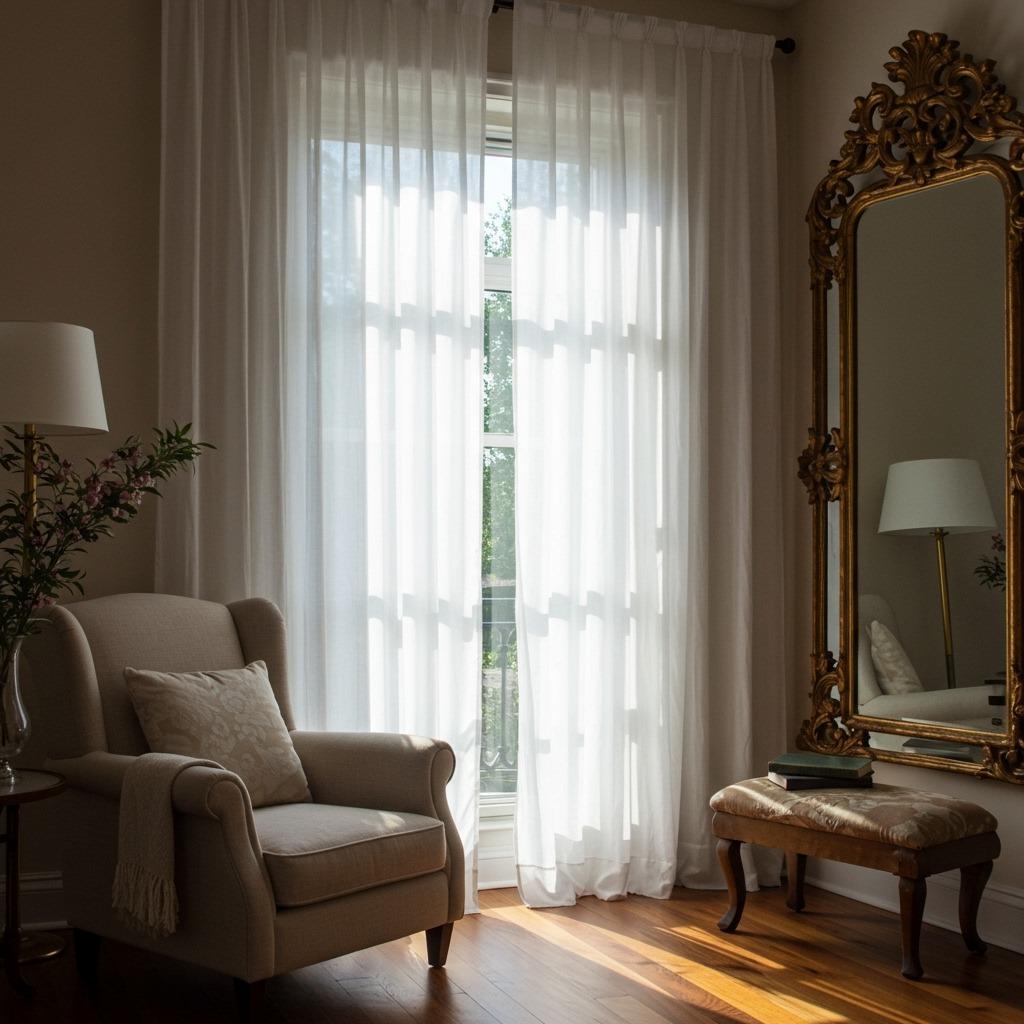
Sometimes the best lighting doesn’t require any fixtures at all. Natural light makes spaces feel bigger, improves mood, and reduces energy costs. The trick is maximizing what you’ve got and not blocking it unnecessarily.
Window treatments matter enormously. Heavy, dark curtains absorb light rather than reflecting it. Sheer curtains or light-filtering shades let sunshine in while maintaining privacy. For rooms where you need blackout capability, use layered treatments. Sheers during the day, heavier curtains when needed.
Mirrors strategically placed opposite or adjacent to windows bounce light deeper into rooms. A large mirror in a dark hallway near a windowed room can dramatically brighten the space. This is one of those simple tricks that actually delivers on its promise.
Paint color affects how light behaves in your space. Lighter walls reflect more natural light, making rooms feel airier. You don’t have to go stark white, but choosing lighter shades on walls and ceilings amplifies whatever natural light enters the room.
Glass doors between rooms, even interior ones, let light flow through your home instead of being contained. If privacy isn’t an issue, consider replacing solid doors with glass panel or frosted glass versions. The light you gain is worth the loss of solid doors in most cases.
Accent Lighting for Architectural Features
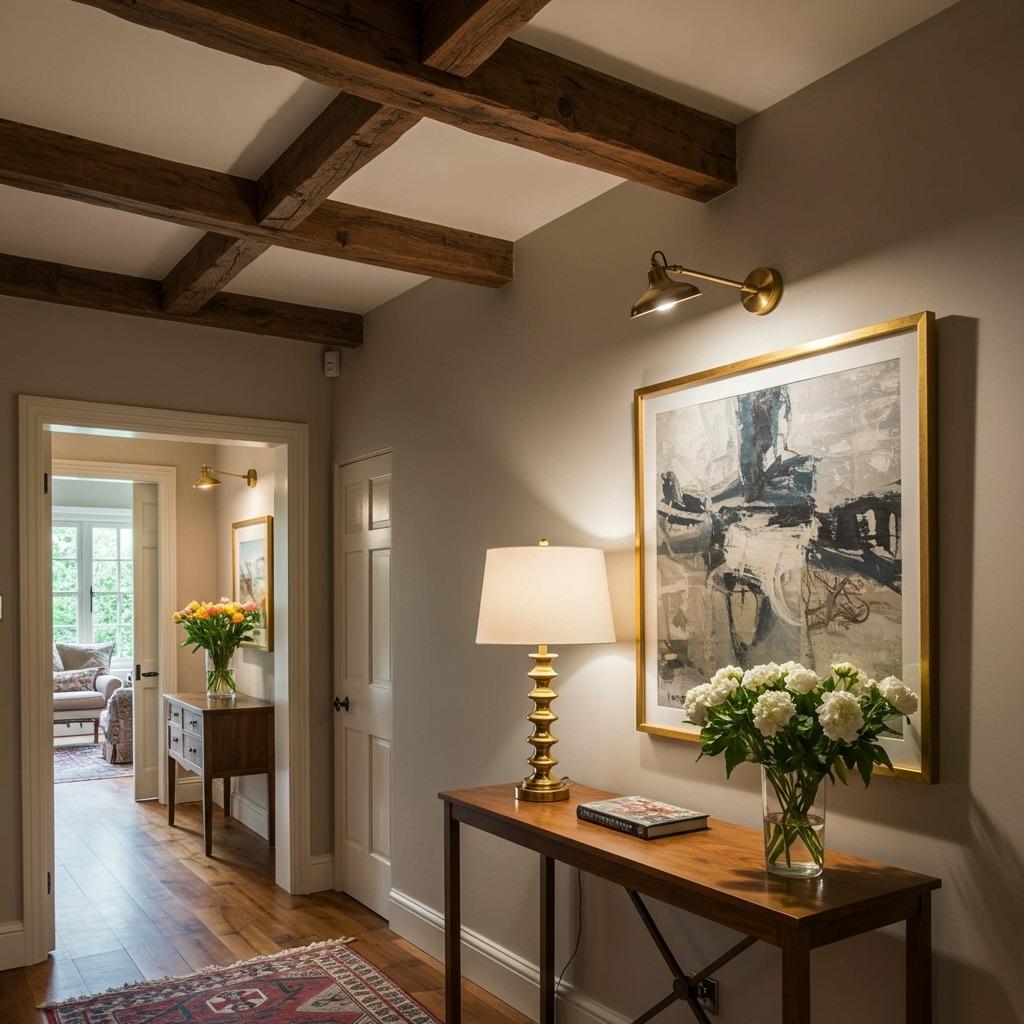
If your home has interesting architectural details, why hide them in shadow? Accent lighting highlights what makes your space unique and adds depth that flat, even lighting can never achieve.
Crown molding, coffered ceilings, or exposed beams benefit from uplighting. Small LED strips or adjustable spotlights directed upward create drama and draw attention to ceiling details most people don’t even notice otherwise. It’s subtle but makes rooms feel more finished and intentional.
Built-in shelving or bookcases come alive with integrated lighting. LED strips along the back or underside of shelves illuminate your books, collectibles, or plants while adding warmth to the room. This works especially well in home offices or living rooms with extensive shelving.
Artwork deserves proper lighting. Picture lights mounted directly on frames or track lighting aimed at wall art makes your pieces look gallery-quality. It’s not pretentious. It’s practical, especially if you’ve invested in art you actually love and want to see clearly.
Stairways offer unexpected opportunities for accent lighting. LED strips under each tread create a floating effect while improving safety. Wall-mounted sconces along a stairwell add elegance and ensure nobody’s navigating stairs in darkness, which is genuinely hazardous.
Budget-Friendly Lighting Upgrades That Make an Impact
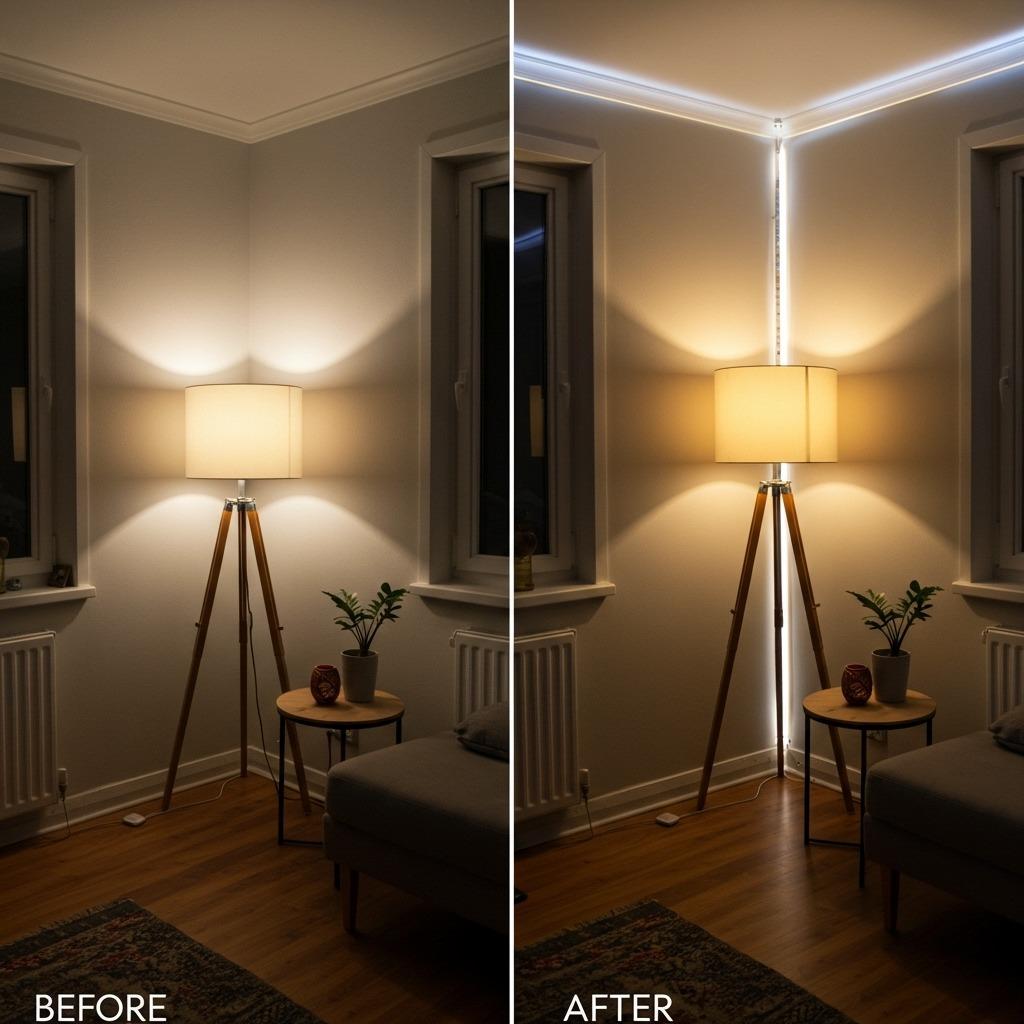
You don’t need to rewire your entire house or spend thousands on designer fixtures to improve your lighting situation. Some of the most effective upgrades cost less than dinner out.
Changing bulbs makes an immediate difference. Swap out harsh, cool-toned bulbs for warm LED versions. The color temperature, measured in Kelvins, should be around 2700-3000K for most living spaces. That warm, inviting glow you see in magazines? It’s often just better bulb choices.
Dimmer switches might be the highest-impact, lowest-cost upgrade available. They cost $15-30 each and most are DIY-friendly if you’re comfortable with basic electrical work. Being able to adjust light levels throughout the day transforms how a room feels and functions.
Swapping out builder-grade fixtures for something with personality doesn’t require an electrician. Most ceiling and wall fixtures use standard electrical boxes. You can find stylish options at every price point, and installation usually takes less than an hour with basic tools.
Adding plug-in sconces to rooms where you can’t or don’t want to hardwire new fixtures solves multiple problems. They provide much-needed light variety, look custom and intentional, and you can take them with you if you move. Some of the most affordable home upgrades involve strategic lighting additions that don’t require major construction.
Creating Ambiance with Decorative String Lights
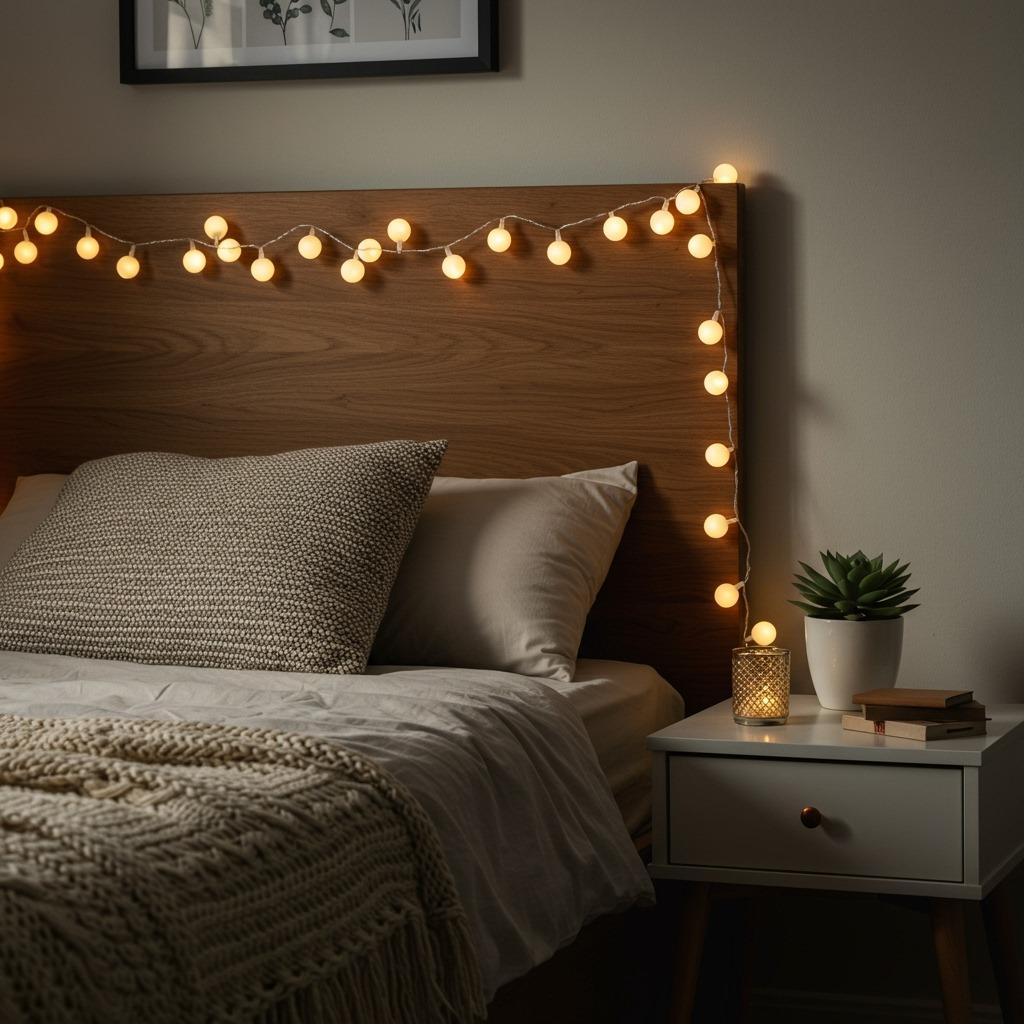
String lights aren’t just for college dorms and holiday decorating anymore. When used thoughtfully, they add warmth and whimsy to spaces in ways traditional fixtures can’t match.
Bedroom walls benefit from string lights draped along a headboard or around a canopy frame. They create a soft, dreamy atmosphere perfect for winding down. Choose warm-toned bulbs over those harsh white LEDs for a more sophisticated look.
Outdoor spaces, even small balconies or patios, transform with overhead string lights. They define the space, extend usable hours into evening, and create an instant vacation vibe. For container gardens or balcony setups, strategic lighting means you can enjoy your plants even after dark.
Inside glass cabinets or along open shelving, mini string lights add subtle sparkle without overwhelming the space. This works especially well in kitchens or dining rooms where you want to showcase beautiful dishware or glassware.
The key is restraint. String lights should feel intentional, not chaotic. Choose one area to highlight rather than stringing lights everywhere. And please, skip the purple or blue lights unless you’re specifically going for club atmosphere. Warm white or soft yellow works for nearly every situation.
Lighting Mistakes to Avoid in Every Room
Knowing what not to do saves as much frustration as knowing the right moves. Some lighting mistakes are so common they feel like unwritten rules, but they’re worth questioning.
Relying solely on overhead lighting flattens your space and creates harsh shadows. It’s the equivalent of wearing only one item of clothing and hoping it works for every occasion. Layer your light sources for flexibility and depth.
Installing lights on the wrong dimmer switch causes flickering and shortened bulb life. LED bulbs require LED-compatible dimmers. Using old dimmer switches designed for incandescent bulbs creates nothing but problems. It’s a small detail that matters significantly.
Choosing fixtures that are too small for the space throws off proportion. A tiny pendant in a large dining room looks lost and inadequate. A general rule: add your room’s length and width in feet, then convert to inches for chandelier or pendant diameter. A 12′ x 14′ room would work well with a 26″ fixture.
Ignoring the color rendering index (CRI) of bulbs means colors in your home might look weird. Bulbs with CRI above 80 render colors more accurately, making everything from food to furniture to your face look better. It’s not something most people consider, but it affects the entire visual experience of your space.
Lighting for Small Spaces and Rental-Friendly Options

Small spaces and rentals present unique lighting challenges. You can’t always hardwire new fixtures, and overhead lighting might be your only built-in option. But that doesn’t mean you’re stuck with inadequate or uninspiring lighting.
Plug-in wall sconces have become game-changers for renters. They mount with simple screws that leave tiny holes easily patched when you move. Position them beside beds, flanking mirrors, or in dark hallways for instant improvement without electrical work.
Battery-operated puck lights stick anywhere you need task lighting. Inside closets, under shelves, or in cabinets – they’re surprisingly bright and most last months on a single battery charge. Not elegant, perhaps, but incredibly functional for small space solutions.
Tall floor lamps with adjustable arms provide both ambient and task lighting without taking up much footprint. They’re portable, require zero installation, and come with you when you move. Choose styles that complement your decor so they feel intentional rather than temporary.
Multi-functional furniture with built-in lighting maximizes limited space. Headboards with integrated reading lights, desks with attached task lamps, or media consoles with LED backlighting reduce the number of separate fixtures you need while maintaining functionality.
The right lighting genuinely changes how you experience your home. It’s not about having the most expensive fixtures or the trendiest styles. It’s about understanding what each space needs and creating layers that work together.
Some rooms need bright, energizing light. Others thrive with soft, ambient glow. Most need the flexibility to switch between moods depending on the time of day and activity. When you start thinking about lighting as a tool rather than just a necessity, everything shifts.
Whether you’re tackling one room or rethinking your entire home’s lighting scheme, start with the spaces where you spend the most time. That’s where improvements will make the biggest difference in your daily life. Good lighting isn’t just about seeing clearly. It’s about creating a home that feels exactly how you want it to feel.

