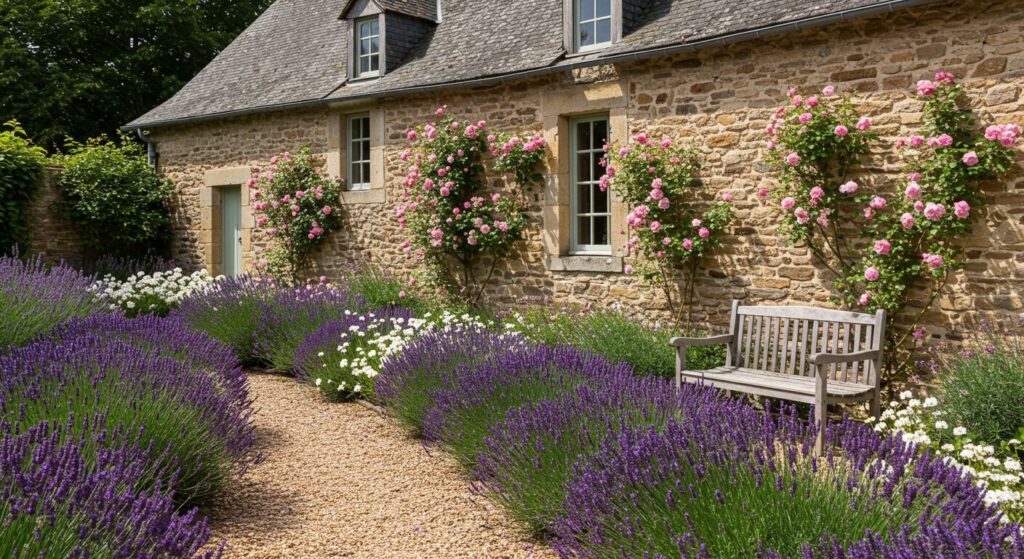
There’s something undeniably magical about a French cottage garden. Maybe it’s the way lavender spills over gravel paths, or how climbing roses frame weathered shutters. These gardens don’t try too hard – they look like they’ve been there forever, blooming in happy chaos.
I’ve always found myself drawn to that effortless French garden style, where structure meets whimsy. Unlike formal gardens that demand perfection, a french cottage garden invites you to wander barefoot through billowing blooms. It’s a place where beauty feels accidental, though of course, there’s careful thought behind every seemingly spontaneous clump of flowers.
Whether you’re working with a sprawling backyard or a modest side yard, these romantic country design principles adapt beautifully. You don’t need a countryside estate to capture that Provence feeling – just a willingness to let plants mingle, embrace natural materials, and choose blooms that would look at home in a Monet painting.
What Makes a Garden Feel Authentically French?
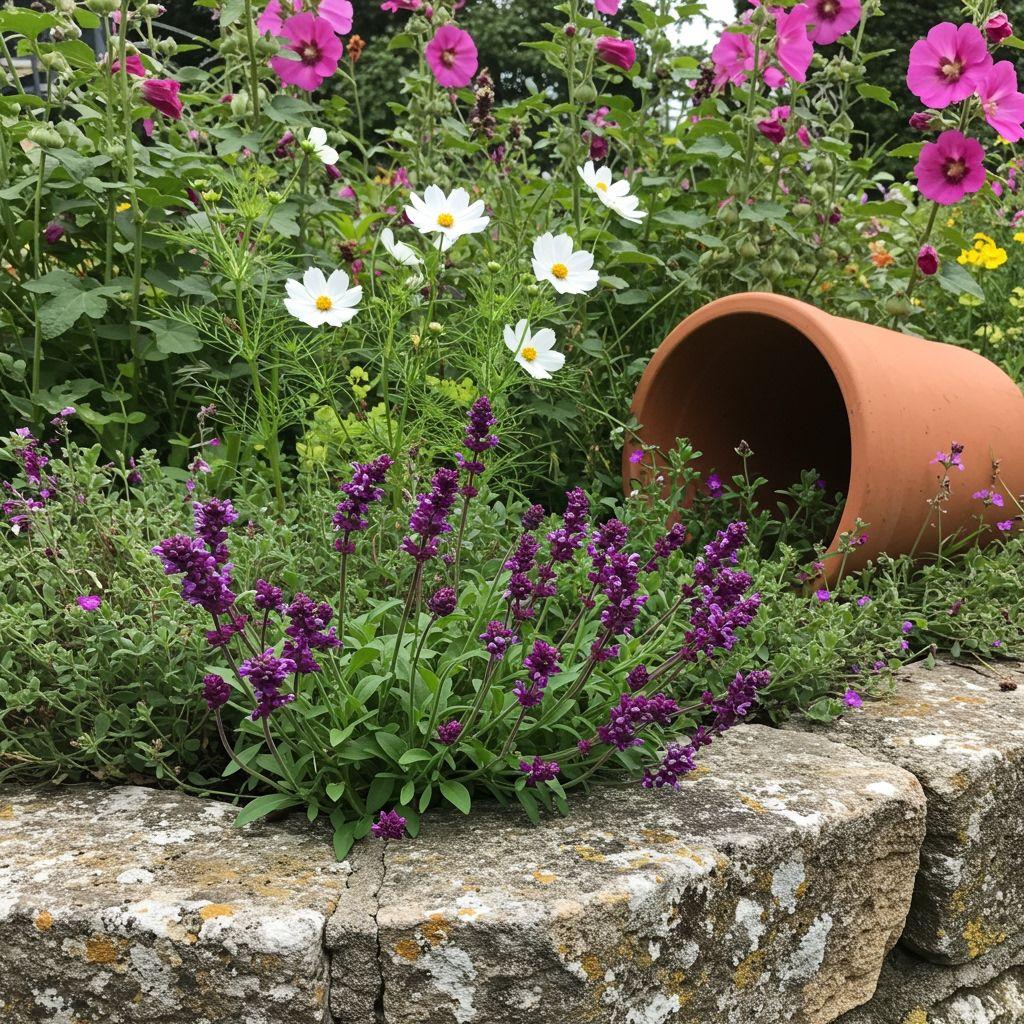
The secret to authentic French cottage gardens isn’t just about plant selection. It’s about creating layers – both visual and sensory. Think about walking through a French village garden: you’d smell herbs before you see them, notice roses climbing up ancient stone, and hear gravel crunching underfoot.
French gardens balance two seemingly opposite ideas. They’re romantic and abundant, yet there’s always an underlying structure. Low boxwood hedges might outline beds bursting with cottage blooms, or a straight gravel path might cut through wildflower meadows. This tension between order and abundance is what makes them feel both relaxed and intentional.
Materials matter tremendously here. Natural stone, weathered wood, rusty iron gates – these aren’t just decorative choices. They connect your garden to centuries of French countryside tradition, where gardens evolved from what was practical and available. Modern plastics or overly perfect materials can break that spell instantly.
Creating Pathways That Invite Wandering
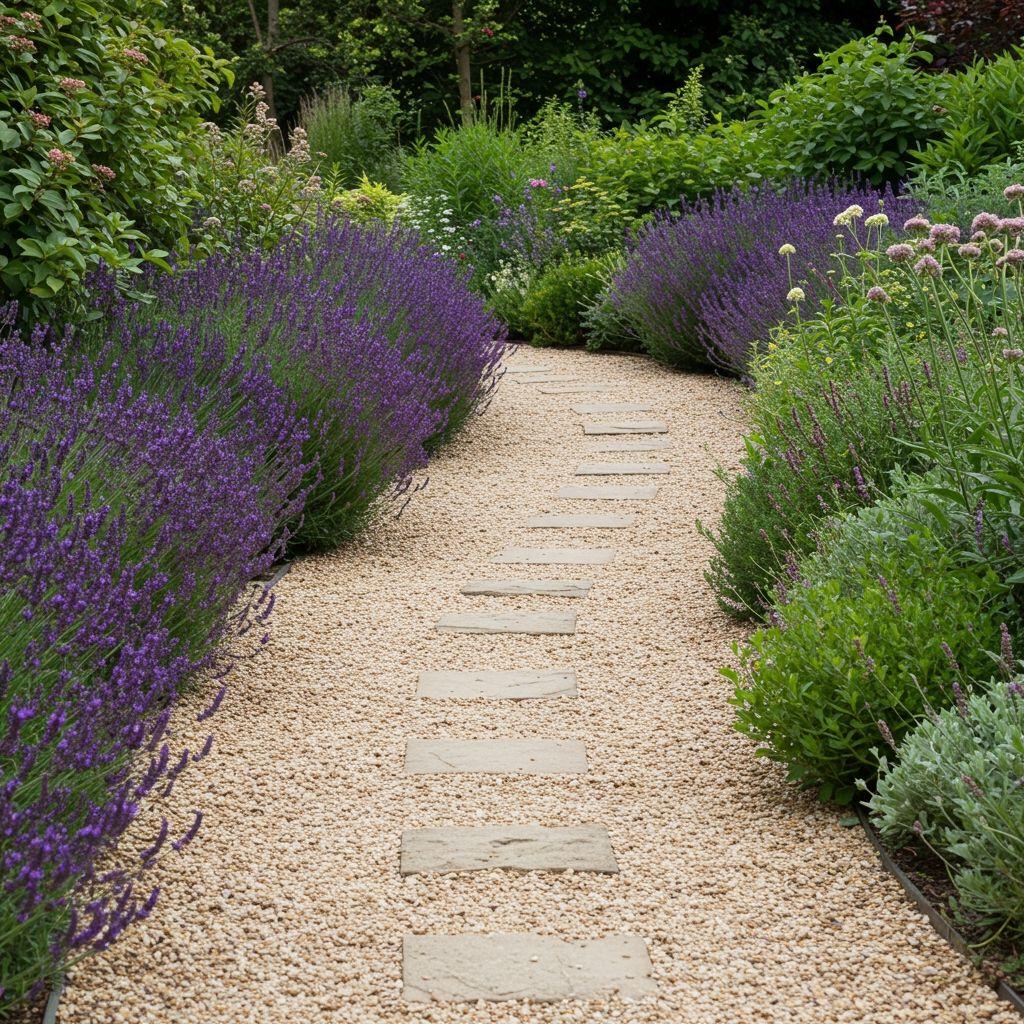
Gravel paths are practically synonymous with French gardens, and for good reason. That gentle crunch underfoot immediately transports you to Provence. I prefer pale, creamy gravel – it reflects light beautifully and stays cooler than dark stones. The slightly unstable surface actually works in your favor, slowing visitors down so they actually notice the garden.
Don’t make your paths too wide or too straight. A meandering path that’s just wide enough for two people to walk side-by-side feels intimate. Let plants spill onto the edges – thyme, alyssum, or creeping Jenny softening the boundaries. Some of my favorite gardens have paths where you brush against lavender or rosemary as you walk, releasing their fragrance.
Consider adding stepping stones through planted areas too. Flat limestone or sandstone pieces set into groundcover create secondary routes through your garden. This layered path system makes even small spaces feel more expansive, like there’s always another corner to explore. For more outdoor planning inspiration, check out these garden and nursery ideas.
The Essential Plants for French Country Charm
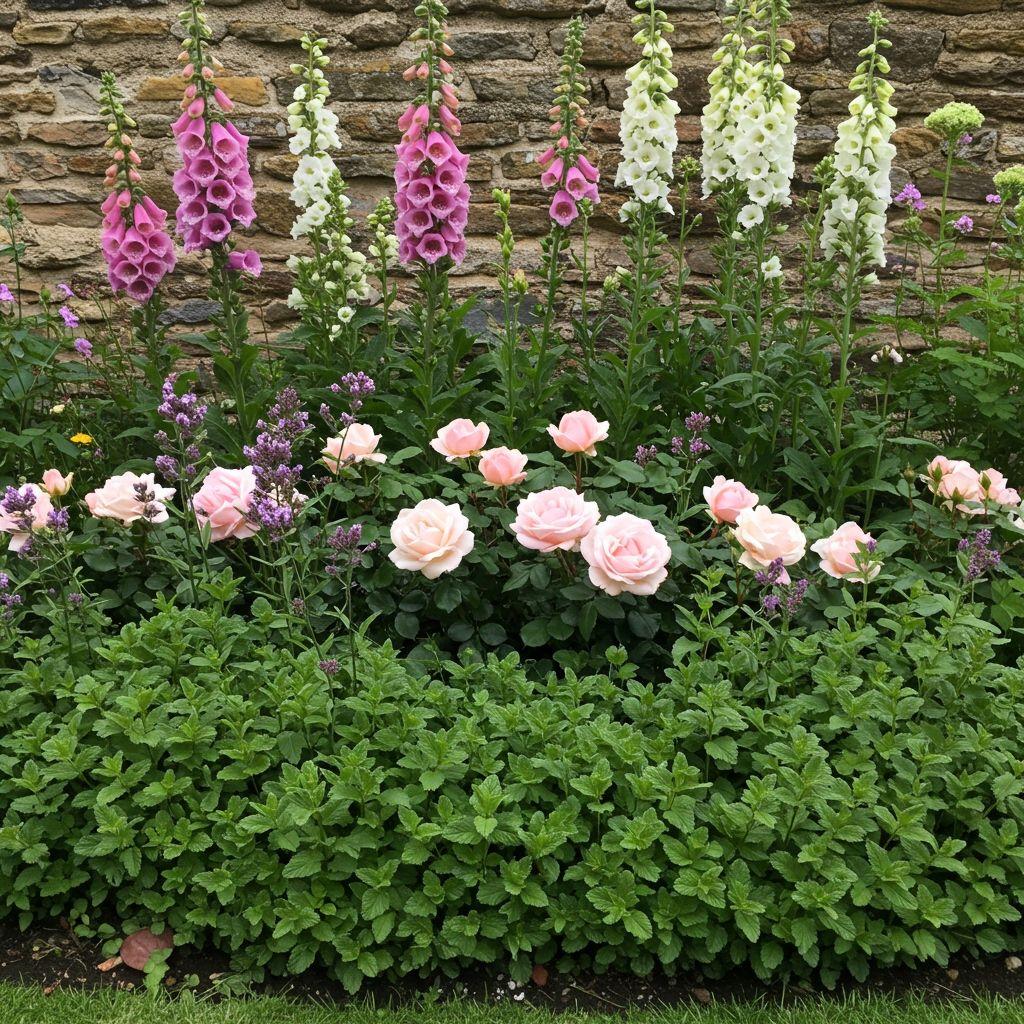
Lavender has to top any french cottage garden plant list, but not just any variety. French lavender (Lavandula dentata) or English lavender (Lavandula angustifolia) create those iconic purple borders. Plant them in generous drifts – a dozen plants minimum makes more impact than scattering singles around your garden.
Roses are equally non-negotiable, particularly old garden varieties or David Austin roses. Climbing roses scrambling up walls, pillars, or over arbors create that vertical romance. I’m partial to soft colors – blush pinks, creamy whites, apricots – rather than bright reds or oranges. ‘Pierre de Ronsard’, ‘Madame Alfred Carrière’, and ‘New Dawn’ all have that perfect French cottage feeling.
For cottage blooms that fill the middle layer, think foxgloves, hollyhocks, delphiniums, and peonies. These tall, romantic flowers create height without feeling stiff. Underplant with catmint, lady’s mantle, or hardy geraniums that tumble and spread. Herbs like rosemary, sage, and thyme aren’t just practical – their silvery foliage and subtle flowers fit perfectly into this aesthetic.
Incorporating Vintage and Rustic Elements
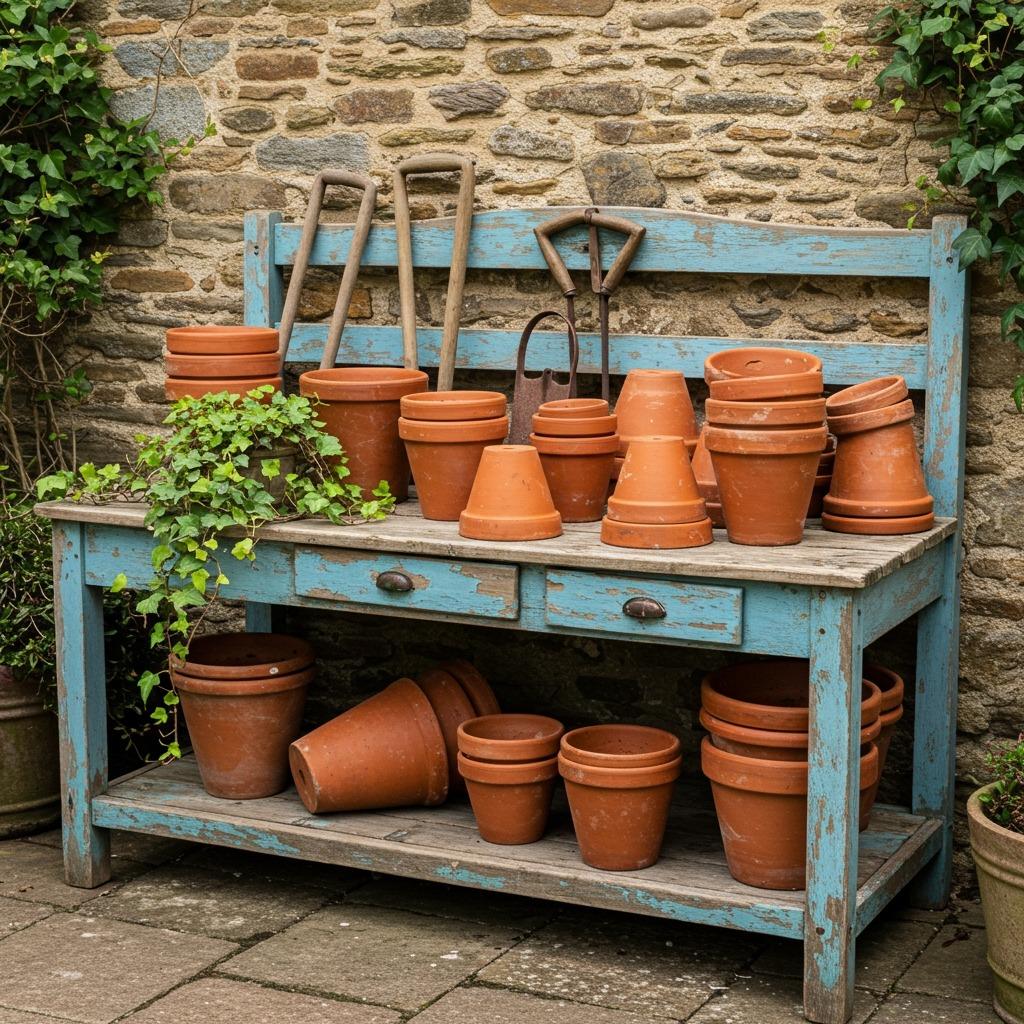
French gardens tell stories through their hardscaping and accessories. An old iron gate hanging on weathered posts, vintage terracotta pots clustered by a doorway, or a zinc watering can left on a bench – these touches add character that new materials simply can’t replicate.
Hunt for authentic pieces at architectural salvage yards, antique shops, or estate sales. A worn stone trough makes an incredible planter. Old clay chimney pots become sculptural accents. Even a rusty vintage bicycle leaning against a wall (yes, it’s become a bit of a cliché, but it works) adds that French countryside charm.
Don’t overlook functional vintage elements either. A wooden potting bench with peeling paint, iron plant supports with beautiful curves, or an old wooden ladder repurposed as a trellis – these pieces earn their place by being useful while looking timelessly beautiful. The key is authenticity over perfection; embrace the patina and weathering.
Designing Romantic Seating Areas
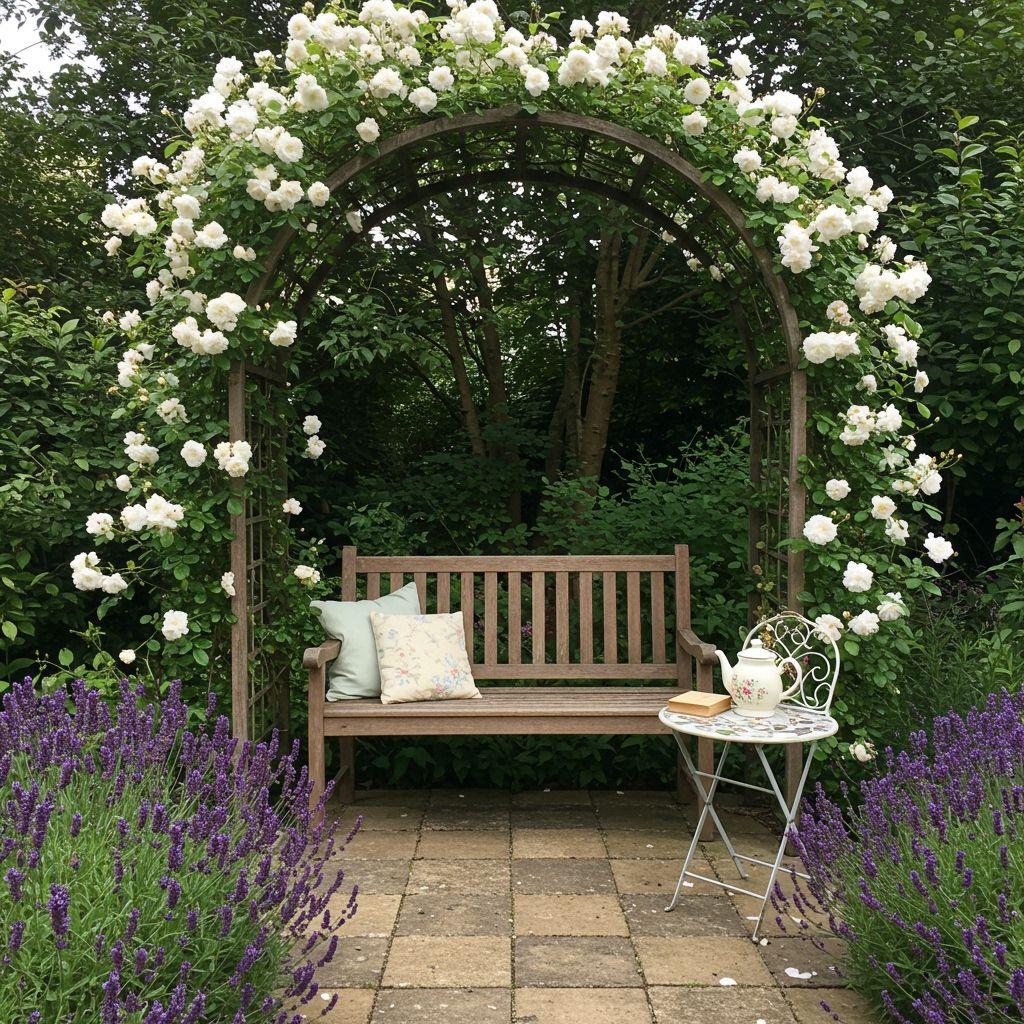
Every French cottage garden needs at least one spot designed for lingering. A simple wooden bench under climbing roses creates an instant focal point. I prefer benches without backs or arms – they feel more casual and can be approached from any angle, making small gardens feel less constrained.
Consider the sensory experience of your seating area. Place it where fragrant plants surround you – near lavender, roses, or jasmine. Morning or evening light matters too; observe your garden at different times before committing to a location. A seat that catches golden evening sun becomes your favorite retreat.
Gravel or flagstone works better underfoot than grass in seating areas. You avoid muddy patches, and it feels more purposeful. Add a small side table – maybe a vintage metal garden table – for setting down a book or coffee cup. Cushions in faded florals or ticking stripes complete the look, though weatherproof fabrics are wise unless you enjoy hauling them inside.
Working with Vertical Spaces
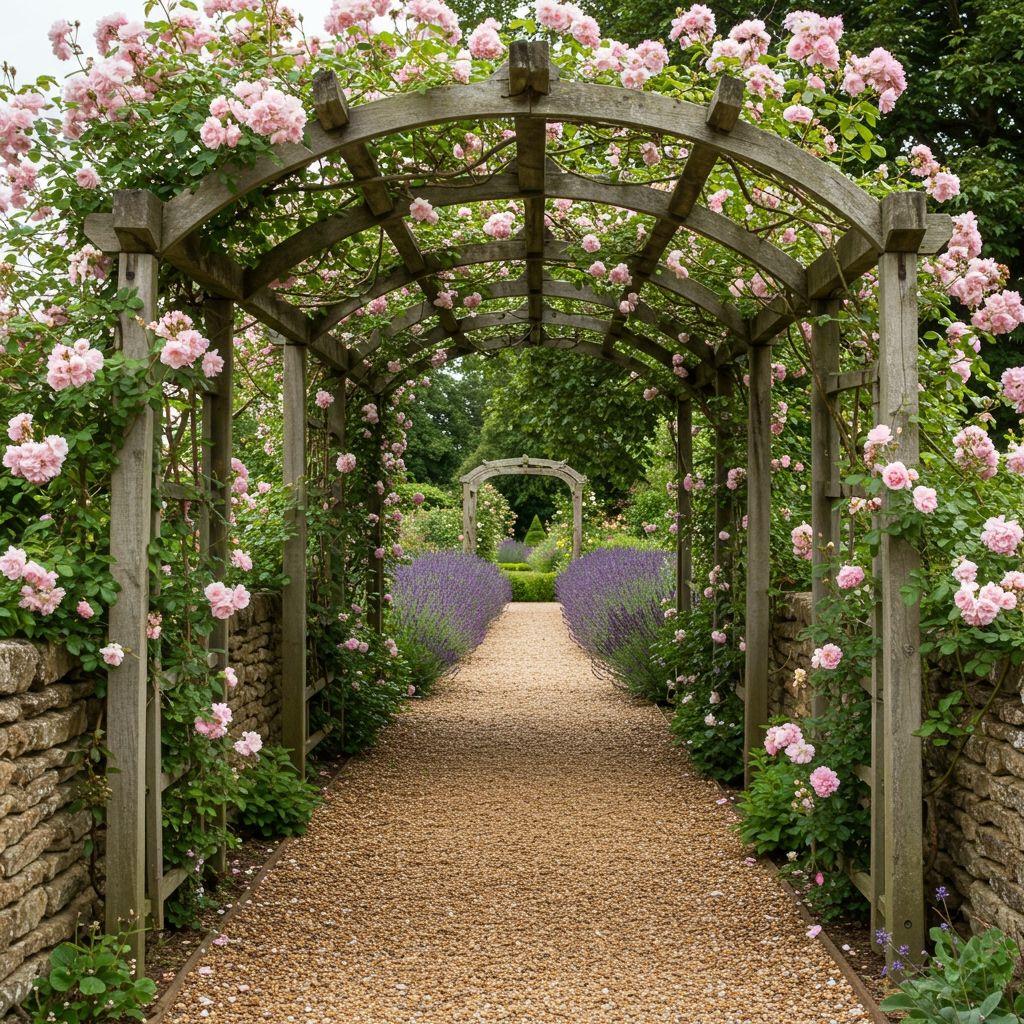
French cottage gardens grow upward as enthusiastically as they spread outward. Walls become canvases for climbing roses, clematis, or wisteria. Even chain-link fences disappear under a blanket of honeysuckle or jasmine. This vertical layering is crucial for creating that enclosed, secret garden feeling.
Arbors and pergolas add architecture while supporting climbers. A simple wooden or metal arbor over a garden path creates an instant focal point, especially when roses or wisteria drape overhead. Position them to frame views – looking through an arbor toward a planted bed or garden ornament draws the eye and creates depth.
Don’t forget about espaliered fruit trees – a very French technique where trees are trained flat against walls or fences. Apple or pear trees grown this way save space while adding incredible visual interest. The formal pruning creates structure, while the blossoms and fruit bring seasonal romance. It’s that perfect balance of order and abundance again.
Creating Borders and Edges with Purpose
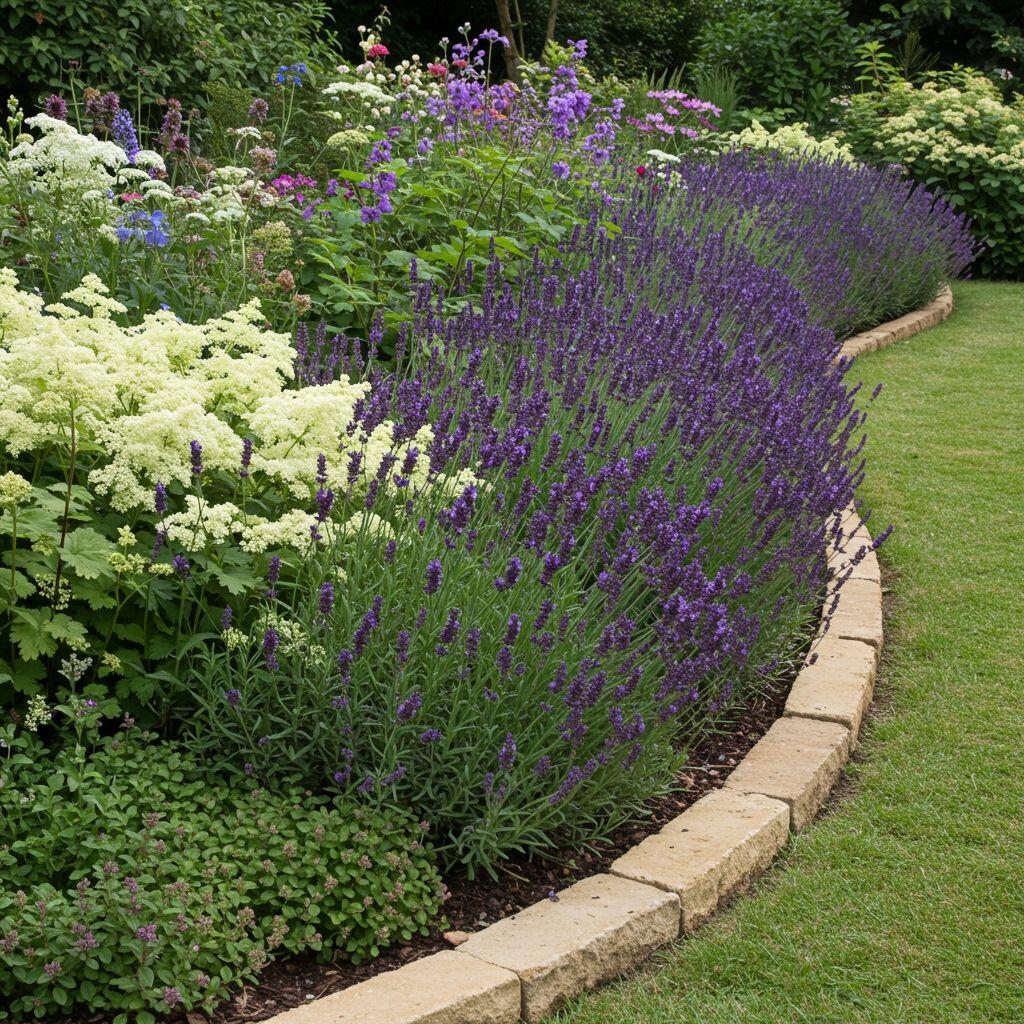
Low hedging defines French cottage garden rooms without blocking views. Boxwood is traditional, but it requires regular trimming and can struggle in some climates. Lavender makes a more relaxed alternative, or consider germander, santolina, or even rosemary in milder areas. These hedges should be full and slightly billowing, not razor-sharp.
Stone edging adds subtle structure while feeling completely natural. Limestone or sandstone pieces set directly into the ground – not standing upright like soldiers, but laying flat with edges touching – create boundaries that plants can spill over. This is very different from stark brick edging; it should blend into the garden rather than defining it harshly.
Consider using different heights and textures to create interest. A low stone wall topped with trailing plants like aubrieta or creeping phlox adds vertical dimension. Even a change in ground cover – say, creeping thyme meeting gravel – can define spaces without hard lines. The goal is gentle definition, not strict separation. Similar principles apply when gardening for beginners.
Embracing Imperfection and Natural Growth
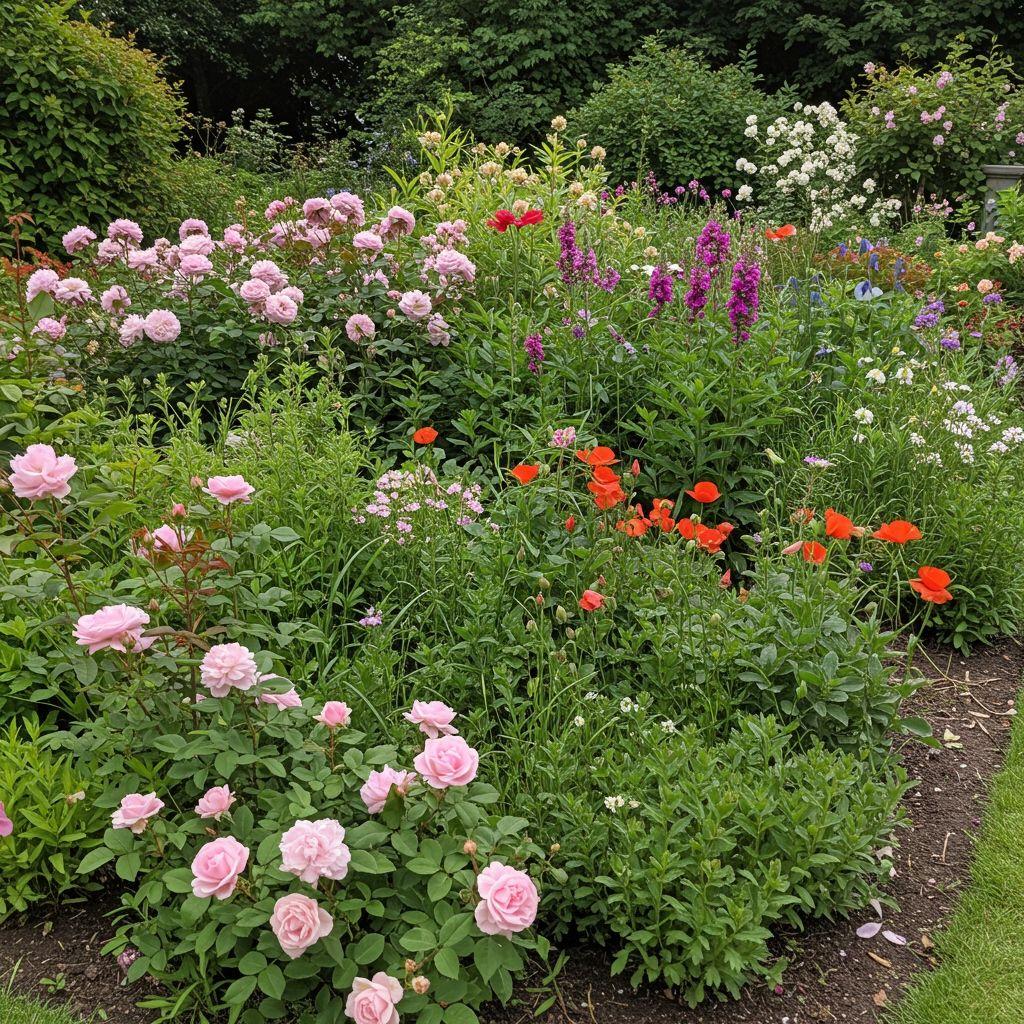
Here’s something that surprises people about French cottage gardens – they require planning to look unplanned. You can’t just scatter seeds randomly and hope for that romantic abundance. But you do need to embrace a certain wildness once things get growing.
Self-seeding is your friend here. Plants like foxgloves, forget-me-nots, and verbena bonariensis pop up in unexpected places, softening rigid layouts. Instead of rigidly removing every volunteer, edit selectively. That foxglove growing between paving stones? It’s perfect there. The cosmos leaning into the path? Maybe leave it unless it’s truly blocking passage.
This doesn’t mean letting your garden become a weedy mess. French gardens still get weeded, deadheaded, and maintained – they just hide the maintenance behind a veil of abundance. It’s like effortless French style in fashion: it looks spontaneous but there’s definitely intention behind it. Learning what to keep, what to move, and what to remove becomes easier with each season.
Adding Water Features the French Way
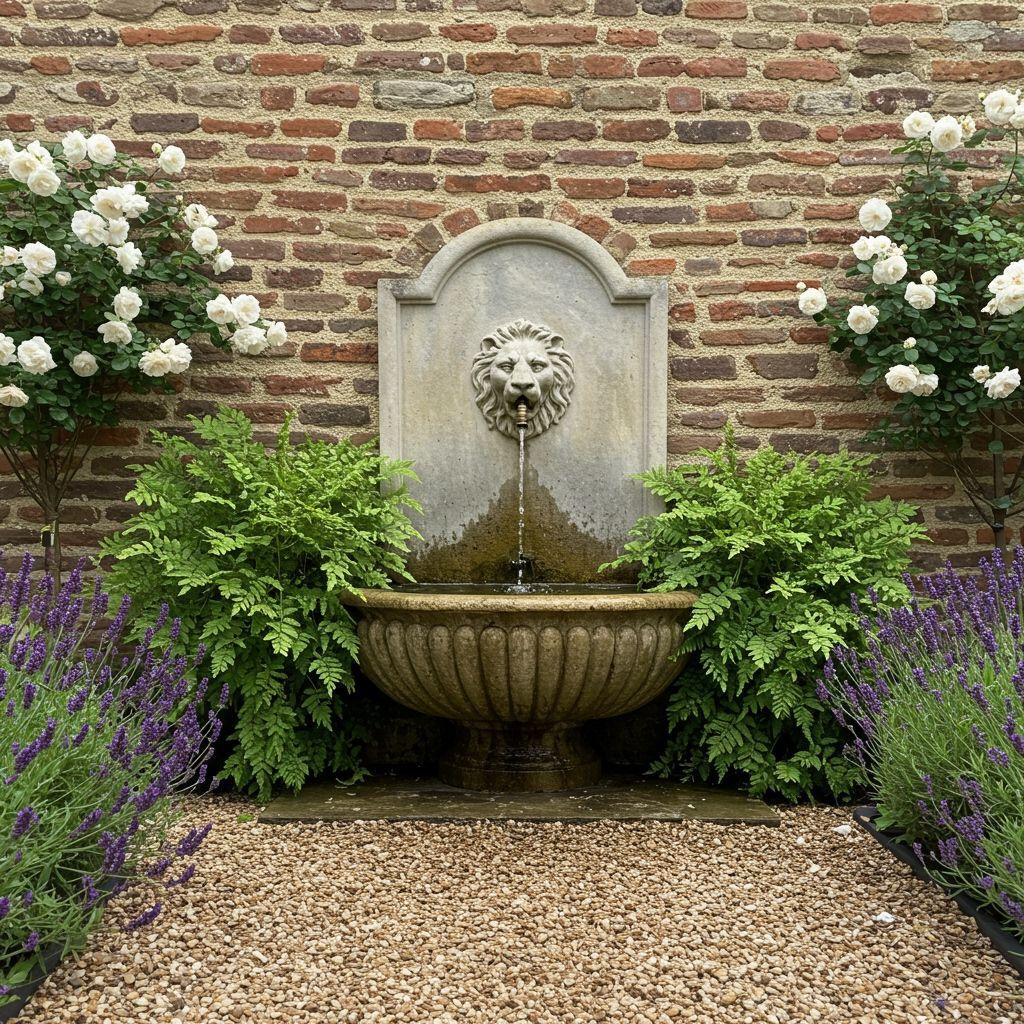
You don’t need elaborate fountains to add water to your French cottage garden. A simple stone trough or basin catching water from a wall spout feels authentic and practical. These features often served double duty historically – watering gardens while providing a decorative focal point.
Antique or reproduction wall fountains work beautifully against stone or stucco walls. The gentle trickle of water adds sensory dimension without overwhelming smaller spaces. If your garden lacks walls, consider a freestanding fountain – perhaps a tiered stone design or a simple bubbler in a large urn surrounded by plantings.
Birdbaths serve a similar dual purpose. A weathered stone pedestal birdbath tucked among roses and lavender attracts birds while adding sculptural interest. Position it where you’ll enjoy watching birds from your seating area. Keep the design simple and classical rather than cutesy – this is about creating peaceful ambiance, not lawn ornament kitsch. The calming effect of water can extend to interior spaces too, like a spa-inspired bathroom.
Choosing the Right Color Palette
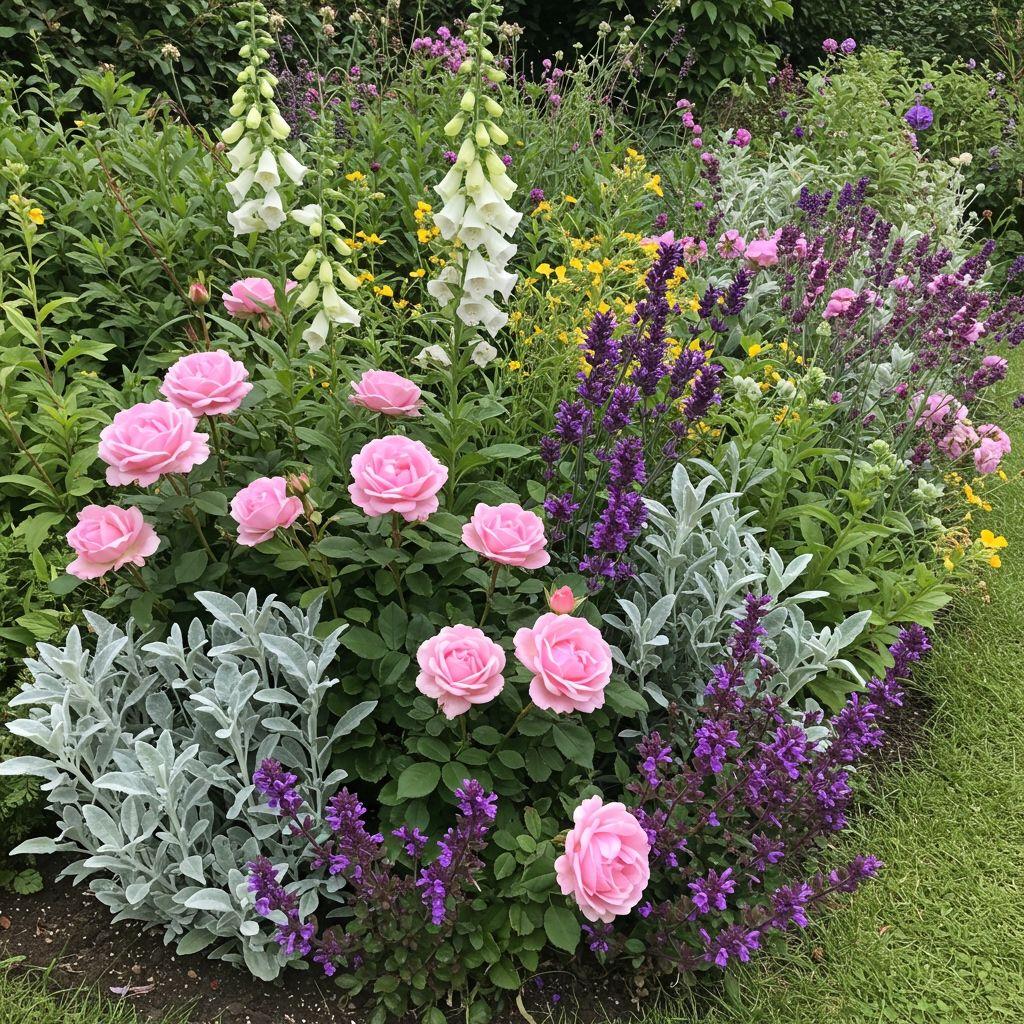
French cottage garden color schemes tend toward soft, romantic hues rather than bold primaries. Think pale pinks, lavenders, whites, soft yellows, and blues – colors that blend harmoniously and feel restful. This doesn’t mean boring; these subtle shades gain richness through layering and abundance.
Silver and gray foliage plants are essential supporting players. Artemisia, lamb’s ears, dusty miller, and silvery herbs like sage create contrast without competing with flower colors. This foliage helps blend different flower colors together, preventing the garden from feeling chaotic despite its abundance.
That said, don’t rigidly exclude all bold colors. A dash of deep purple salvia or vibrant blue delphiniums can punctuate softer schemes beautifully. The key is proportion – treat strong colors as accents rather than main features. And warm oranges or hot pinks? They can work, but use them sparingly and intentionally, maybe in a single container or tucked into a corner rather than featured prominently.
Designing for Small Spaces
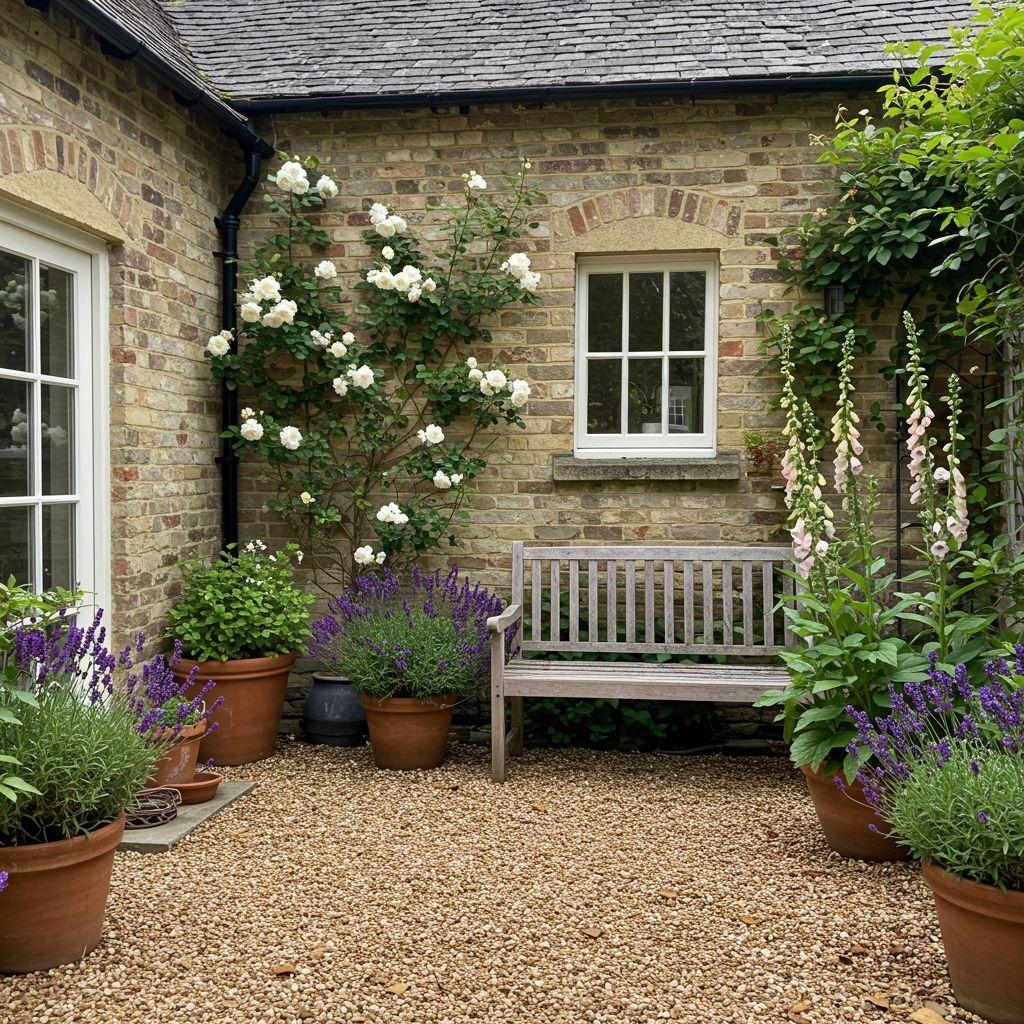
You absolutely can create French cottage garden magic in a small yard or even a courtyard. The trick is focusing on key elements rather than trying to include everything. A gravel base immediately sets the tone. Add a single climbing rose on a wall or trellis, border with lavender or boxwood, and fill in with cottage blooms in complementary containers.
Vertical growing becomes even more crucial in tight spaces. Cover every wall with climbers. Use tall, narrow plants like foxgloves and delphiniums to add height without consuming floor space. A simple arbor or obelisk supporting roses or clematis creates vertical interest and the illusion of more garden.
Mirrors can subtly expand small spaces, especially when partially concealed by climbing plants so they reflect greenery rather than obviously doubling the space. An antique mirror propped against a wall, its frame wrapped with jasmine or roses, creates depth while staying true to the romantic country design aesthetic. Small space tricks work indoors too, as shown in these small space bedroom hacks.
Seasonal Interest in French Cottage Gardens
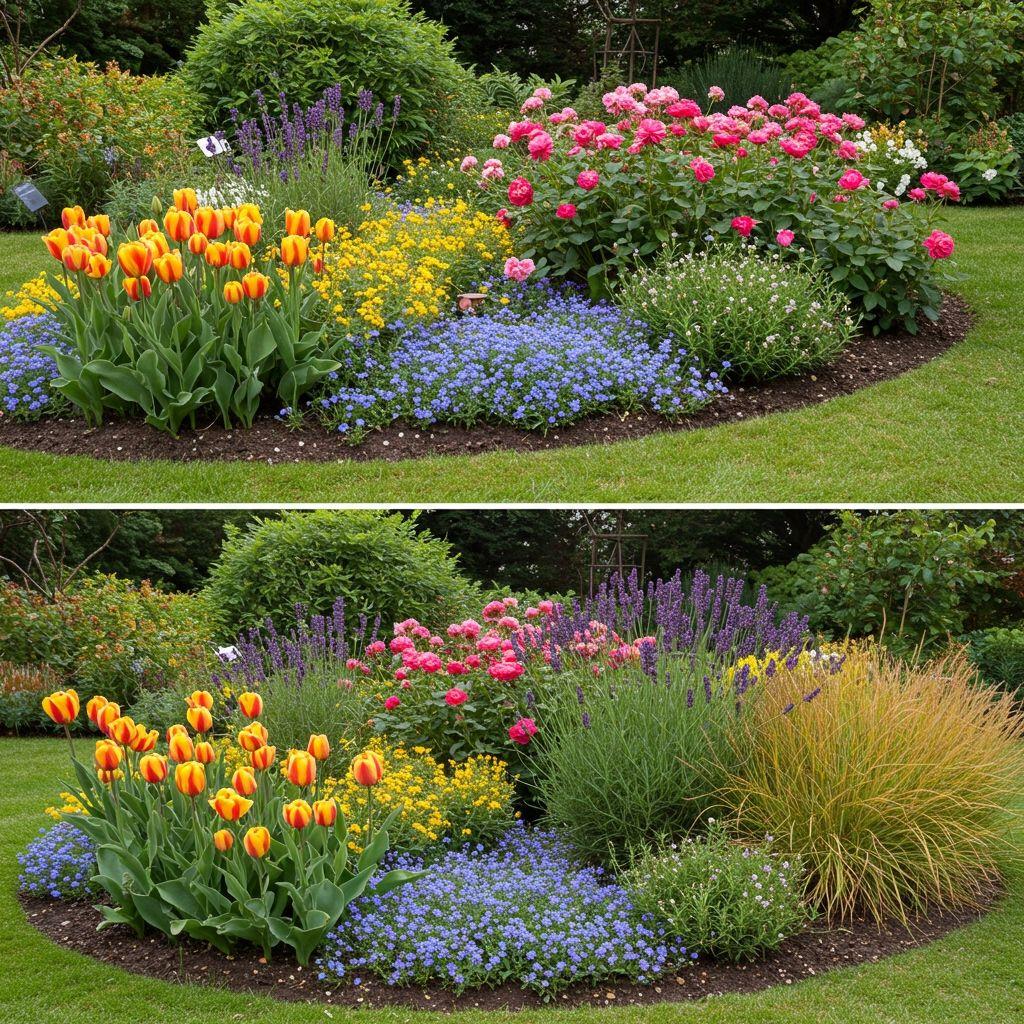
Spring in a French cottage garden means bulbs – lots of them. Tulips, especially the romantic parrot or fringed varieties in soft colors, mingle with forget-me-nots. Alliums add structural interest. Plant bulbs generously and layer them for extended bloom – early crocuses followed by daffodils, then tulips and alliums.
Summer is obviously peak season, when roses, lavender, and cottage blooms create that iconic abundance. But you need to plan for continuous color through succession planting and deadheading. As early bloomers fade, later performers like dahlias, Japanese anemones, and asters take over. Don’t be afraid to tuck in annuals like cosmos or zinnias to fill gaps.
Fall and winter require more thought but shouldn’t be neglected. Ornamental grasses add movement and texture as they fade to gold. Leave seed heads on plants like echinacea and sedum – they look beautiful frosted and feed birds. Evergreen structure from boxwood, yew, or rosemary becomes important when flowers retreat. A beautiful winter garden proves you’ve truly mastered the French cottage approach.
Incorporating Herbs and Edibles Gracefully
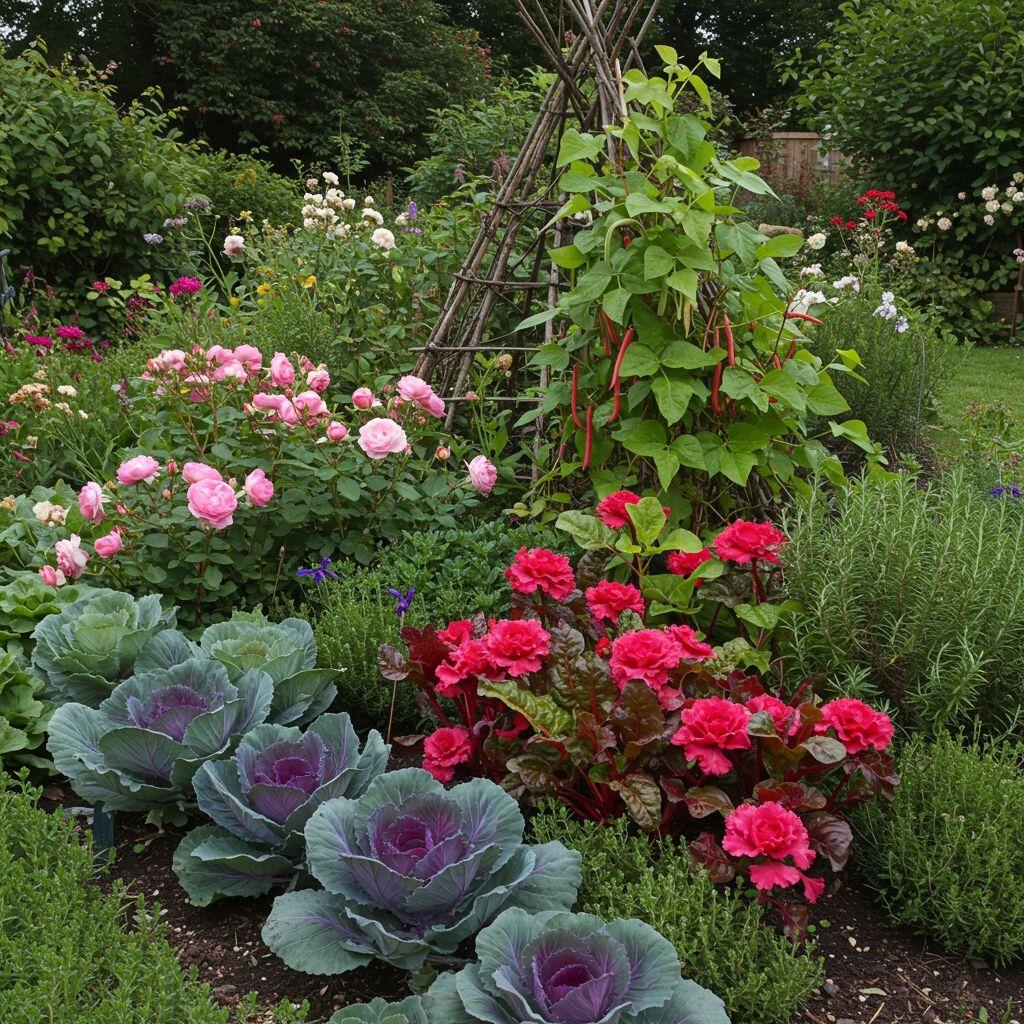
French potagers – ornamental vegetable gardens – prove that productive plants can be beautiful. Herbs especially fit naturally into cottage garden designs. Rosemary, thyme, sage, and oregano offer great foliage, subtle flowers, and obviously, culinary uses. Plant them as you would any ornamental – in drifts and combinations based on texture and color.
Vegetables with ornamental qualities earn their place too. Rainbow chard, purple-podded beans climbing an obelisk, or artichoke plants with their architectural leaves and purple flowers blend beautifully with purely decorative plants. Fruit trees – especially espaliered or as standards – add structure and seasonal interest beyond their harvest.
The key is mixing rather than segregating. Don’t create a separate “vegetable patch” – instead weave edibles throughout your borders. A lettuce edging, tomatoes trained up a decorative cage among roses, or a dwarf apple tree underplanted with bulbs all work. This approach has practical benefits too; beneficial insects attracted by flowers help pollinate crops and control pests. Similar integrated approaches work in container gardening setups.
Using Containers to Add Flexibility
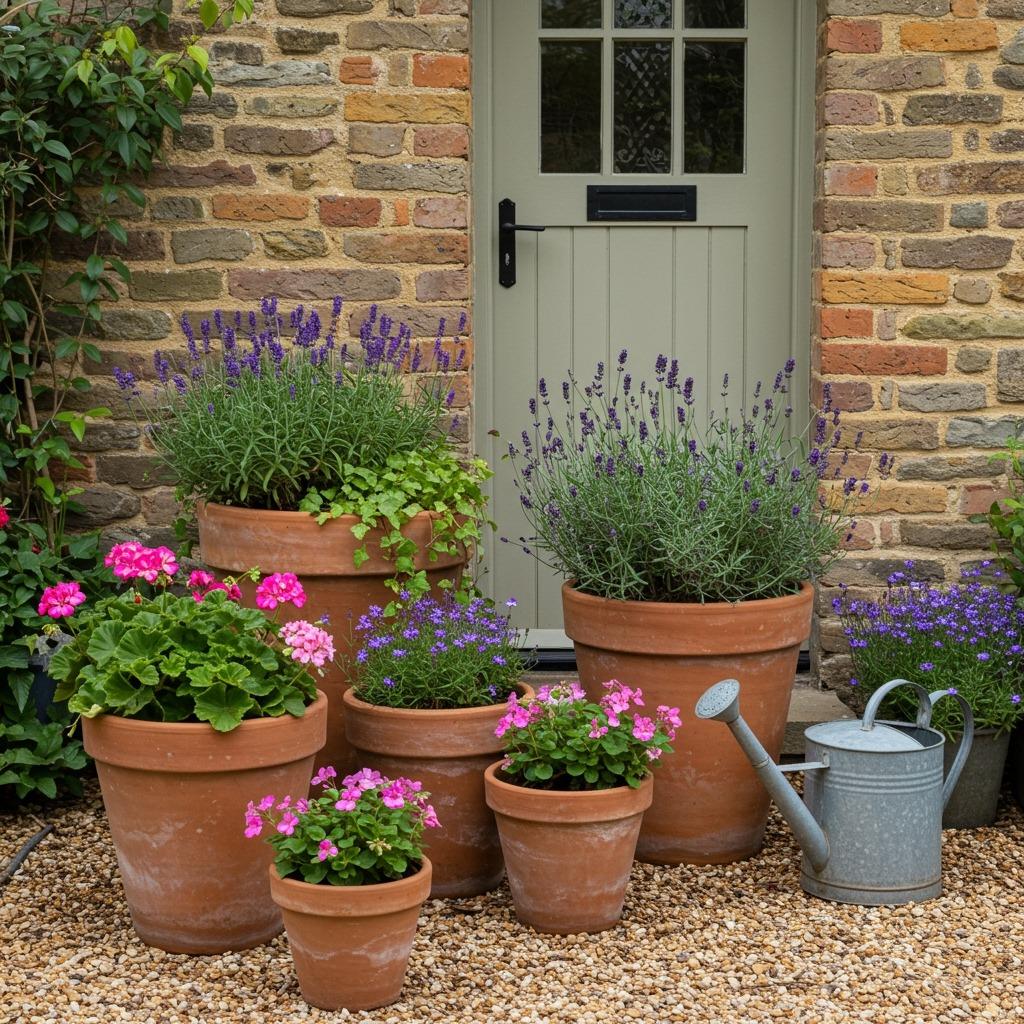
Even the most planted garden benefits from containers. They add height variation, allow you to feature seasonal stars, and provide flexibility that in-ground planting can’t match. Terracotta pots feel most authentic – their porous surface ages beautifully and that warm terracotta color complements every plant.
Group containers rather than scattering them randomly. Three or five pots of varying sizes clustered near an entrance, by a seating area, or in a corner creates more impact than the same pots spread around. Vary heights by using upturned pots as risers or placing containers on benches or walls.
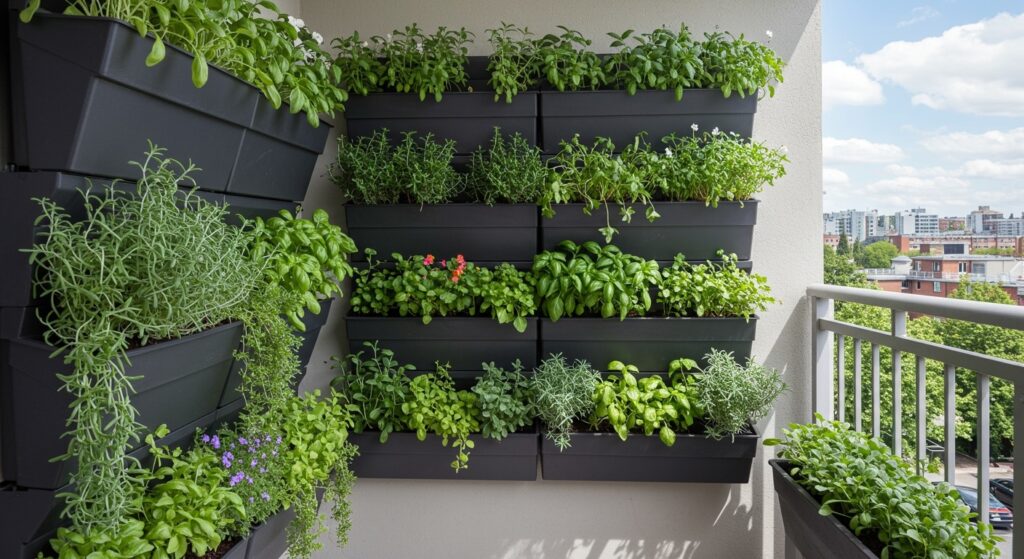
Plant containers generously – slightly overcrowded pots look lush and romantic. Combine trailing plants like ivy or dichondra with upright bloomers and maybe an architectural plant like a small rosemary standard or a cordyline for height. Top-dress with gravel or pebbles to help retain moisture and give a finished look. Containers on balconies follow similar principles, as detailed in balcony vegetable garden ideas.
Creating Garden Rooms and Defined Spaces
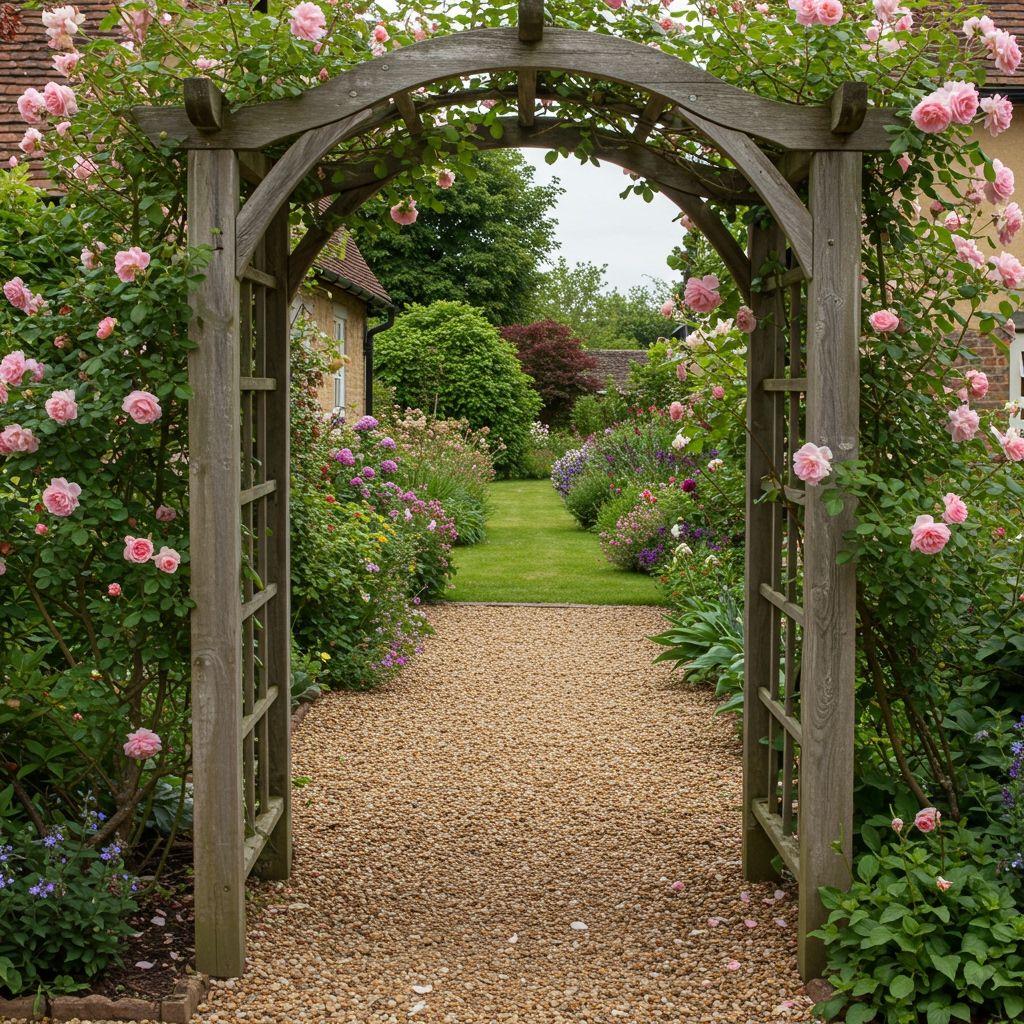
Even modest gardens benefit from being divided into smaller areas or “rooms.” A hedge, trellis, or arbor can section off a kitchen garden from ornamental beds, or separate a sunny seating area from a shadier reading nook. These divisions make gardens feel larger by creating a sense of discovery.
Transitions between spaces matter. An arbor or gateway marking the passage from one area to another creates anticipation. What’s beyond? Even if you can see through, the framing device makes crossing that threshold feel special. A change in ground surface – gravel to grass, or paving to mulch – also signals a shift in space.
Don’t wall off sections completely unless privacy is genuinely needed. Partial screens work better – a trellis you can see through, a medium-height hedge, or a strategically placed shrub. You want suggestion and subtlety, not rigid separation. The goal is a journey through the garden, not a maze of isolated compartments.
Maintenance Realities and Shortcuts
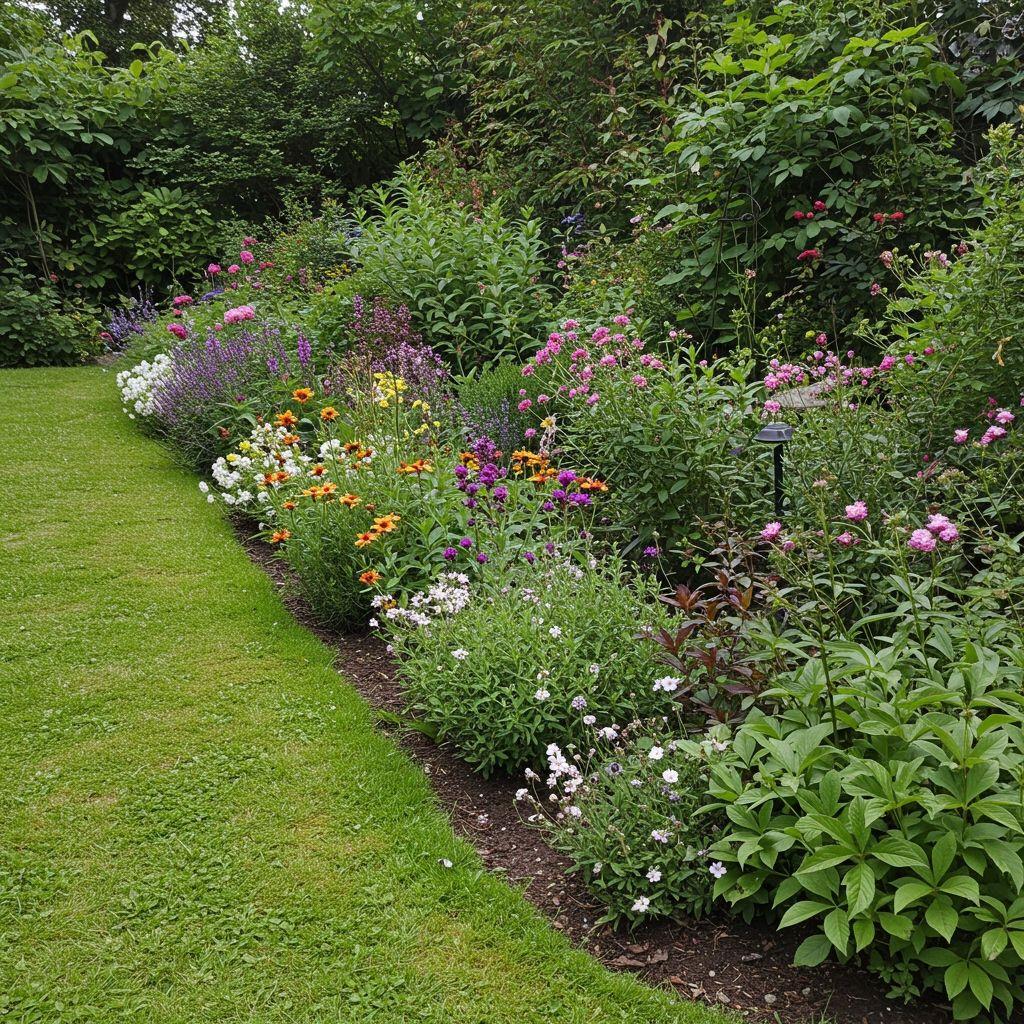
Let’s be honest – achieving that romantic, abundant look requires work. But there are smart shortcuts. Mulching with gravel rather than organic mulch reduces weeding and looks more authentic. Choosing plants suited to your climate and soil reduces fussing. Grouping plants with similar water needs makes irrigation easier.
Self-cleaning plants save tremendous time. Roses that drop their spent petals cleanly, or perennials that don’t require deadheading to keep blooming, are worth seeking out. Groundcovers that suppress weeds while looking intentional – like hardy geraniums or catmint – reduce maintenance while adding beauty.
Accept that French cottage gardens look best with a light hand on maintenance. A little shagginess is part of the charm. If you’re naturally inclined toward perfection, this style might challenge you – but it can also be liberating. Missing a weekend of deadheading won’t ruin anything. A few self-seeded surprises aren’t problems; they’re happy accidents.
Budget-Friendly Ways to Start Your French Garden
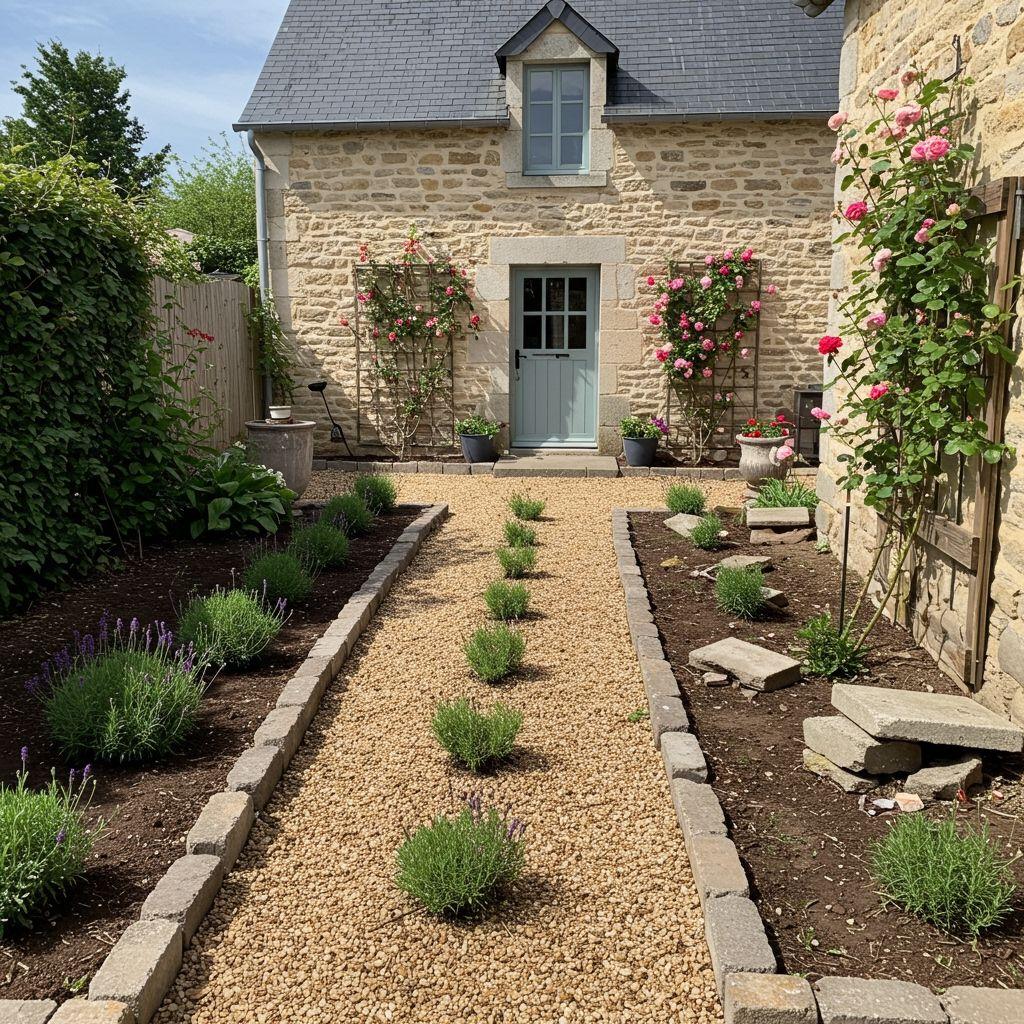
You don’t need a massive budget to create French cottage garden charm. Start with structure and key plants, then fill in over time. A few bags of gravel for paths, three or four lavender plants for a border, and one climbing rose make a great beginning. Add more each season as budget allows.
Propagate generously. Many cottage garden plants divide easily or grow from cuttings. One lavender plant becomes four in a couple of years. That expensive rose bush? Take cuttings and in two seasons you’ll have several more. Share with neighbors and trade plants – cottage gardens traditionally spread through generous gardeners swapping divisions.
Salvage and repurpose rather than buying new materials. Urbanite (broken concrete) makes surprisingly good edging or paving. Free stones from Craigslist or farm listings work for paths and walls. Wooden pallets can become trellises or rustic fencing. The weathered, imperfect look of salvaged materials actually suits this style better than pristine, expensive alternatives. These frugal approaches align well with affordable home upgrades in other areas.
Adapting French Style to Different Climates
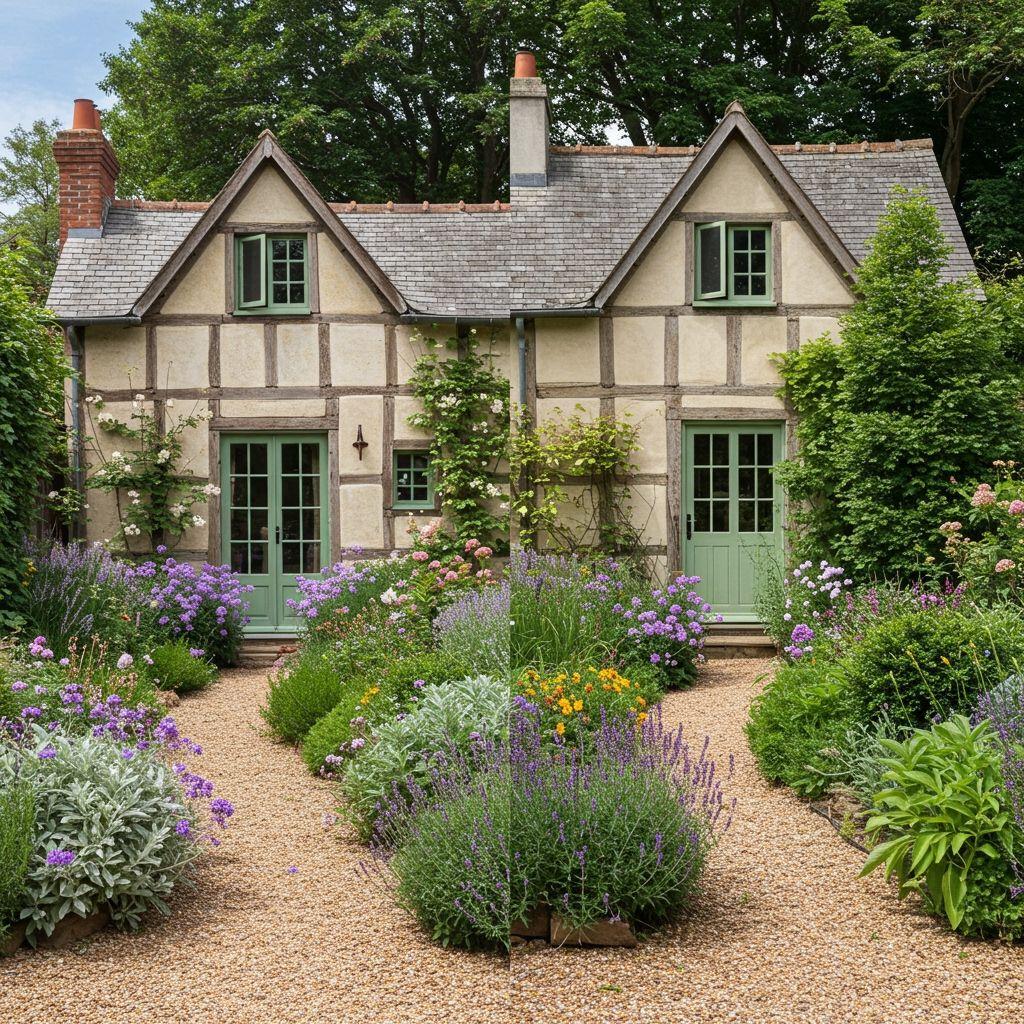
French cottage gardens originated in mild, maritime climates, but you can adapt the style anywhere. In hot, dry regions, focus on Mediterranean plants that give similar effects – lavender thrives, along with rosemary, santolina, and catmint. Choose heat-tolerant roses and embrace gravel heavily for its water-conserving properties.
Cold climate gardeners should emphasize structure that persists through winter. Evergreen boxwood or yew for hedging becomes crucial. Choose hardy roses and perennials rated for your zone. Consider the Scandinavian cottage garden tradition, which shares much with French style but uses hardier plants – lupines instead of delphiniums, for example.
In humid climates, avoid plants prone to fungal issues. Air circulation becomes important, so don’t plant quite as densely. Raise beds slightly for drainage. Choose disease-resistant rose varieties and embrace plants that actually enjoy humidity – certain hydrangeas, for instance, can substitute beautifully for fussier cottage classics while offering similar romantic blooms.
Learning from English Cottage Gardens
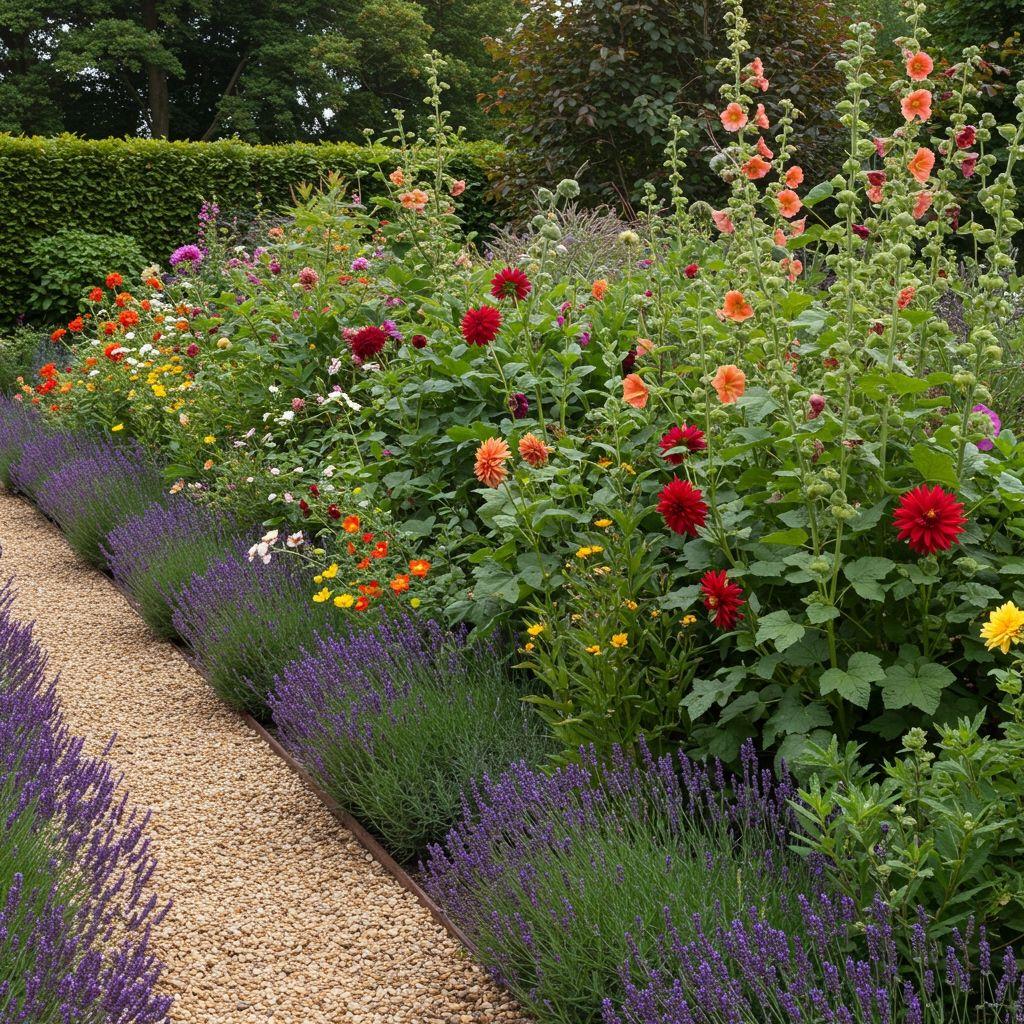
French and English cottage gardens share DNA but have distinct personalities. English cottage gardens often feel more exuberant and stuffed – every inch planted. French versions include more hardscaping and breathing room. English gardens might mix bolder colors freely; French lean softer and more restrained.
Both traditions value informal abundance over formality, romantic charm over showiness, and mixing edibles with ornamentals. English cottage gardens might inspire your plant combinations or color pairings, while French principles guide your layout and material choices. Blending both traditions thoughtfully creates something uniquely yours.
If you’re drawn to both styles, let one dominate while borrowing elements from the other. A fundamentally French garden with English-style dense planting and bolder color pops can work beautifully. Or an English cottage garden with French-inspired gravel paths and softer colors creates an interesting hybrid. Design rules exist to guide, not constrain. For more comparative inspiration, explore English cottage garden styles.
Creating your own french cottage garden is a journey, not a destination. Start with the elements that resonate most – maybe it’s lavender borders and a gravel path, or climbing roses and a weathered bench. Build slowly, observing what thrives in your specific conditions. Let plants seed themselves and surprise you. Embrace the imperfect beauty of a garden that looks like it’s been growing forever, even if you just planted it last spring.
The magic of romantic country design lies in its accessibility. You don’t need design training or a gardener’s pedigree. You need patience, a willingness to let gardens evolve naturally, and appreciation for soft colors, fragrant herbs, and the quiet charm of well-weathered materials. Each season teaches something new, and even mistakes often turn into happy accidents that make your garden more uniquely yours.