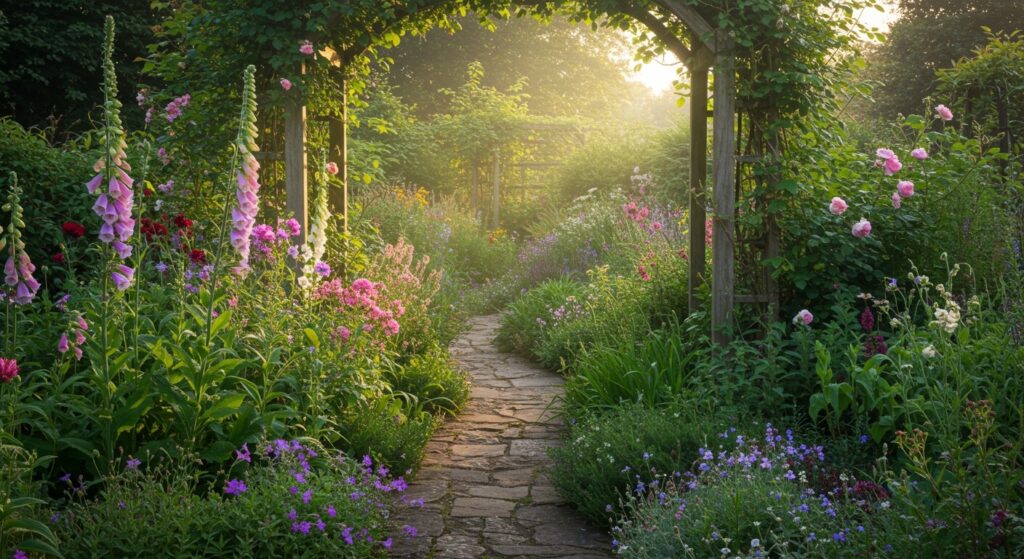
There’s something undeniably magical about an English cottage garden. Maybe it’s the way cottage flowers tumble over each other in joyful chaos, or how weathered garden paths invite you to wander through clouds of lavender and roses. These gardens don’t follow strict rules – they feel alive, romantic, and wonderfully imperfect.
If you’ve been pinning pictures of those dreamy, overflowing gardens and wondering how to recreate that look in your own yard, you’re not alone. The beauty of a classic garden layout in the cottage style is that it welcomes beginners and experienced gardeners alike. It’s less about precision and more about creating layers of color, texture, and fragrance that feel like stepping into a storybook.
This guide will walk you through everything you need to know to design your own romantic landscape. From choosing the right plants to creating those charming pathways, we’ll cover the essential elements that make these gardens so captivating.
What Makes an English Cottage Garden Special?
The traditional English cottage garden emerged from practical necessity centuries ago. Rural families needed to grow vegetables, herbs, and medicinal plants in small spaces, often mixing them with flowers that attracted pollinators. Over time, this utilitarian approach evolved into the romantic, abundant style we adore today.
What sets these gardens apart is their informal, densely planted character. Unlike formal gardens with their geometric beds and carefully controlled color schemes, cottage gardens embrace a “controlled chaos” philosophy. Plants are allowed to self-seed, climbing roses scramble up walls, and perennials crowd together in happy profusion. The result feels spontaneous, even though thoughtful planning often lies beneath the surface.
Modern cottage gardens still honor these principles while adapting to contemporary spaces. Whether you have a sprawling backyard or a small urban plot, you can capture this enchanting aesthetic. The key is understanding the foundational elements that create that signature look – and then making them your own.
Planning Your Classic Garden Layout
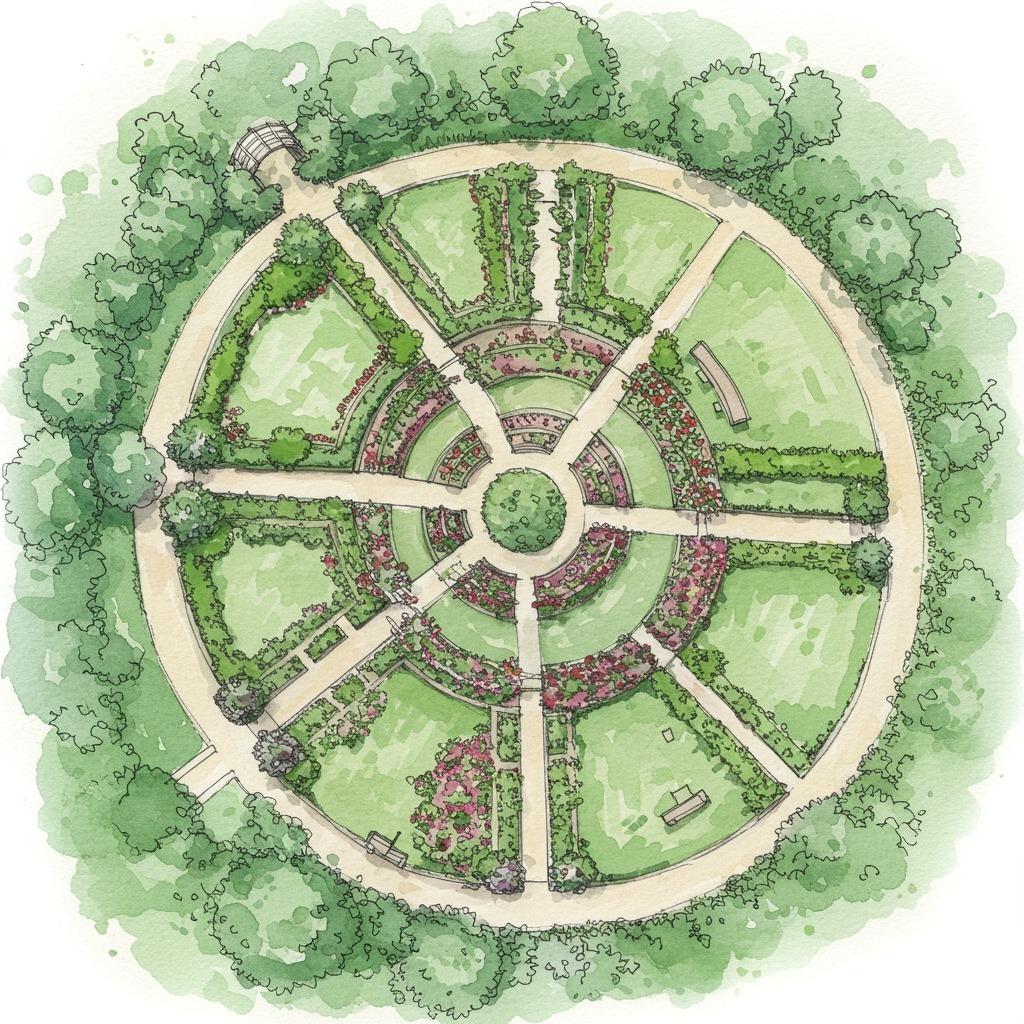
Before you start planting, take time to observe your space. Walk around at different times of day and notice where sunlight falls, which areas stay shaded, and where water tends to collect. These observations will guide your decisions about plant placement and pathways.
A traditional cottage garden layout typically features curving borders rather than straight lines. These gentle curves create a sense of mystery – you can’t see everything at once, which invites exploration. If you’re working with an existing rectangular yard, you can soften those harsh edges by creating island beds or adding curved borders along fences and walls.
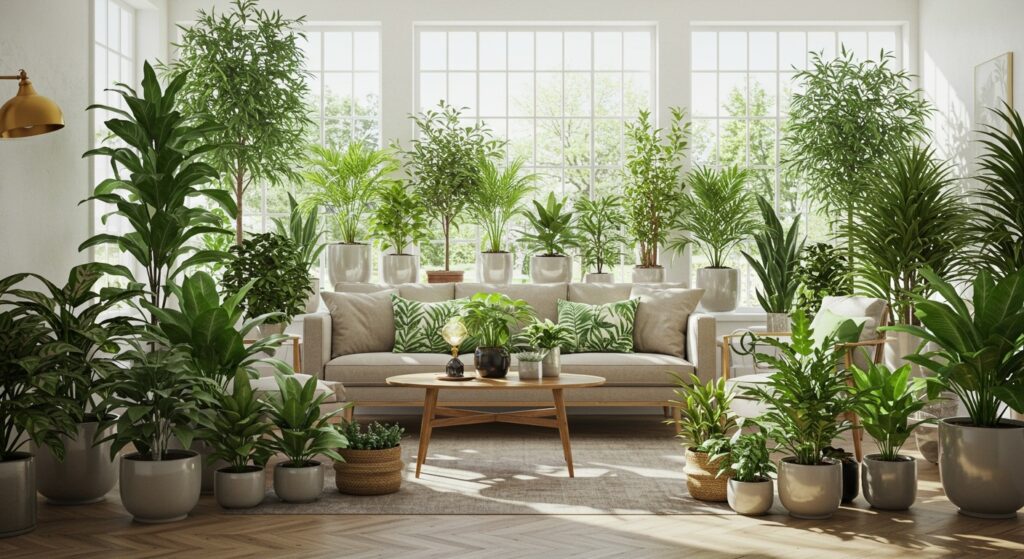
Think about creating “rooms” within your garden, especially if you have adequate space. A trellis covered in climbing roses might separate a sitting area from the main planting beds. A rustic arbor could frame the entrance to a vegetable patch. These structures add vertical interest while maintaining that cozy, enclosed feeling characteristic of cottage gardens. If you’re looking for more ways to bring nature indoors, check out these indoor garden living room ideas that complement outdoor spaces beautifully.
Don’t forget to include practical elements in your planning. You’ll want a shed or storage area for tools, a composting spot tucked discreetly away, and perhaps a small greenhouse or cold frame. These functional features can be disguised with climbing plants and tucked behind flowering shrubs.
Choosing Cottage Flowers That Bring Romance
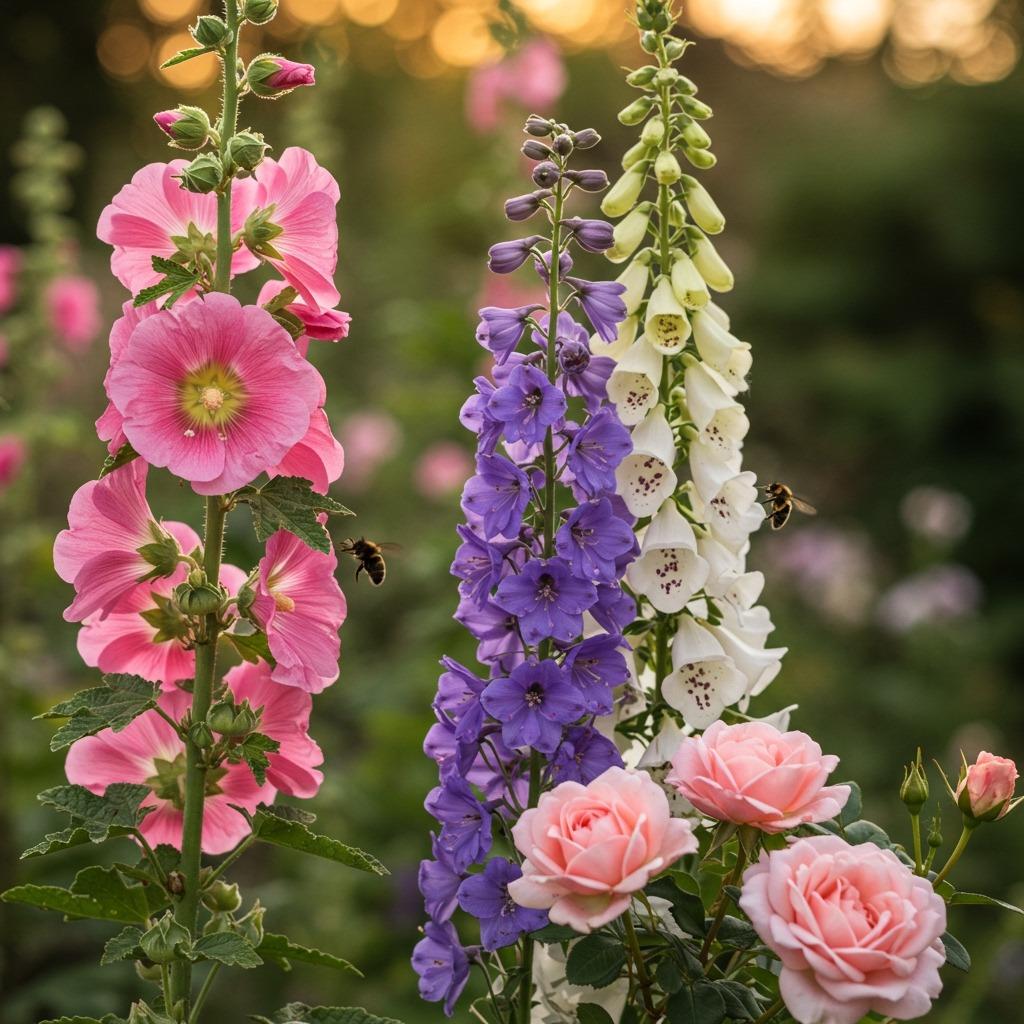
The plant palette is where your garden really comes to life. Traditional cottage flowers tend to be old-fashioned varieties that have been beloved for generations – plants like hollyhocks, delphiniums, foxgloves, and peonies. These aren’t fussy hybrid tea roses or carefully bred modern cultivars. They’re the types of plants your grandmother might have grown, often with wonderful fragrance and natural charm.
Roses are absolutely essential to the cottage garden aesthetic. Choose shrub roses, climbing varieties, or David Austin English roses rather than stiff hybrid teas. Varieties like ‘Gertrude Jekyll’, ‘Graham Thomas’, or ‘Munstead Wood’ offer gorgeous blooms, disease resistance, and that romantic, slightly blowsy look. Let them scramble up walls, pergolas, and through shrubs for maximum effect.
For continuous color from spring through fall, layer your plantings thoughtfully. Spring bulbs like tulips, daffodils, and alliums provide early interest. As they fade, hardy geraniums, catmint, and salvia take over. Summer brings the showstoppers – delphiniums, phlox, campanulas, and cosmos. Later blooming asters, dahlias, and Japanese anemones carry the display through autumn.
Don’t overlook foliage plants that add texture and structure. Lady’s mantle with its lime-green flowers and water-catching leaves, artemisia’s silver foliage, and ornamental grasses like Stipa tenuissima create beautiful contrast against flowering plants. Herbs like lavender, rosemary, and sage contribute both beauty and fragrance while attracting beneficial insects. For more plant-focused design inspiration, explore these plant-filled bathroom concepts that show creative ways to incorporate greenery.
Self-seeding annuals are your friends in a cottage garden. Forget-me-nots, love-in-a-mist, and California poppies will pop up in unexpected places, creating that spontaneous feeling. Sweet peas climbing up a teepee structure or along a fence add vertical interest and heavenly scent.
Creating Charming Garden Paths
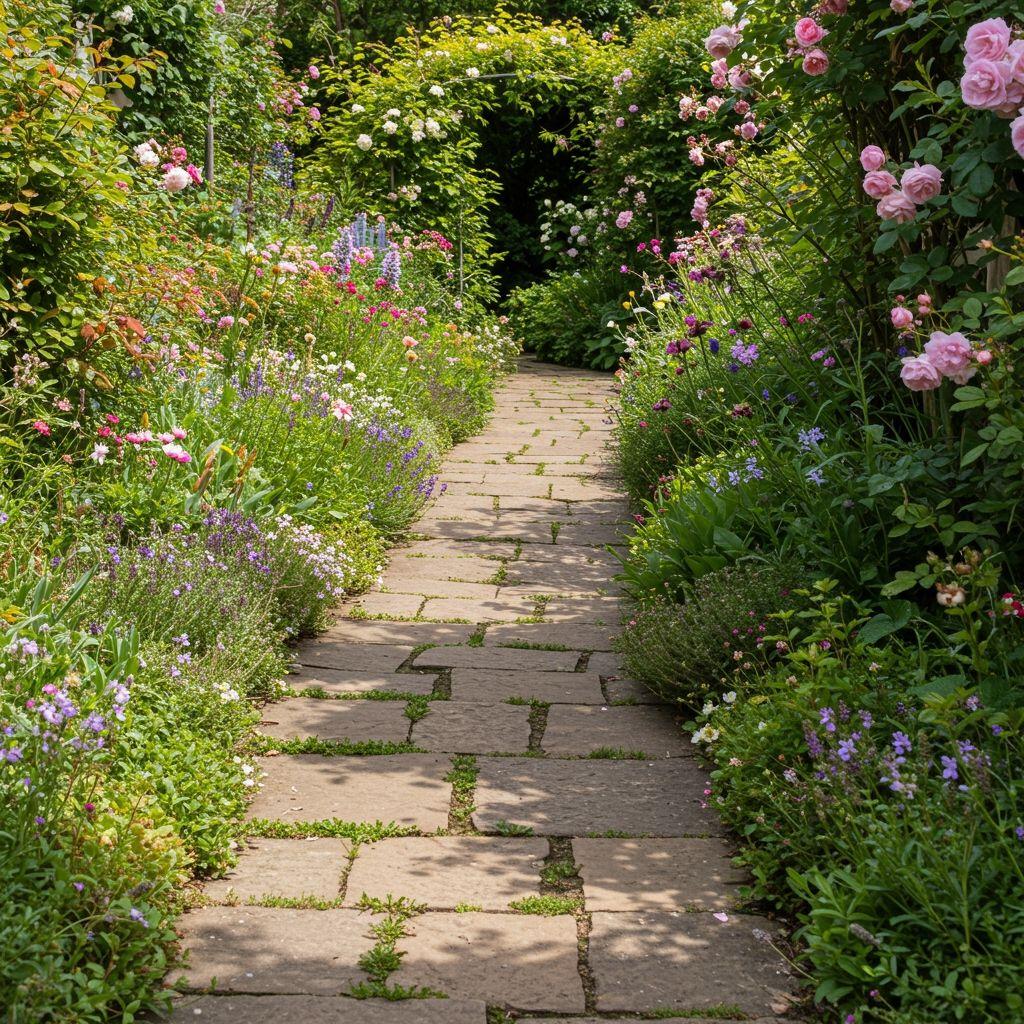
Pathways do more than provide access – they’re an essential design element that guides movement and creates structure within the informal planting. The materials you choose should feel natural and weathered rather than sleek and modern. Think stone, brick, gravel, or mulch rather than concrete pavers.
Flagstone paths with creeping thyme or chamomile growing between the cracks exemplify the cottage garden aesthetic perfectly. As you walk, you release the plants’ fragrance, engaging another sense in the garden experience. These living pathways also soften the hardscape and blur boundaries between path and border.
Width matters when designing garden paths. Main pathways should be wide enough for two people to walk side by side comfortably – typically about 4-5 feet. Secondary paths can be narrower, perhaps just 2-3 feet wide, creating a more intimate feel. These narrower paths invite single-file exploration and allow plants to spill over the edges more dramatically.
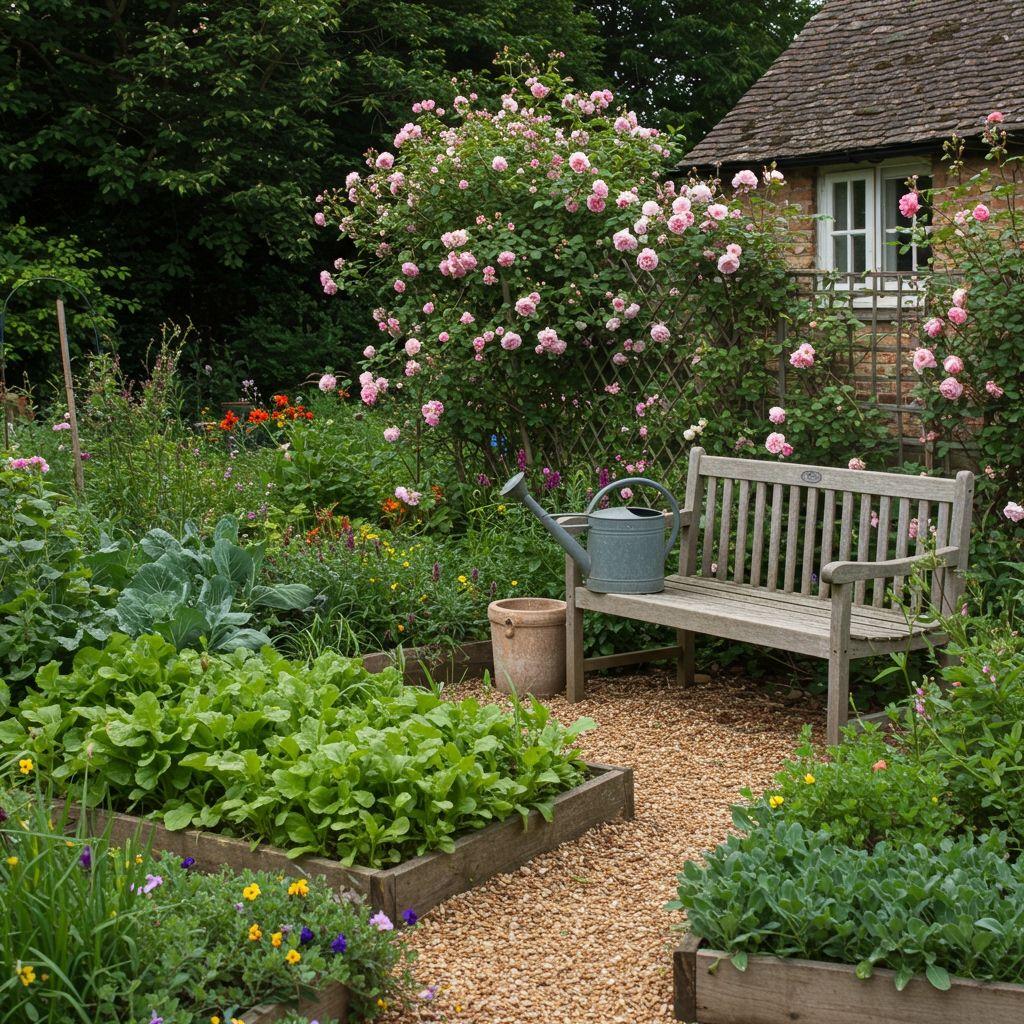
Consider adding focal points at path intersections or endpoints. A weathered stone birdbath, an antique urn overflowing with trailing plants, or a rustic bench creates destinations that give purpose to your wandering. These elements also provide visual anchors in what can otherwise feel like overwhelming abundance.
Vertical Elements and Structures
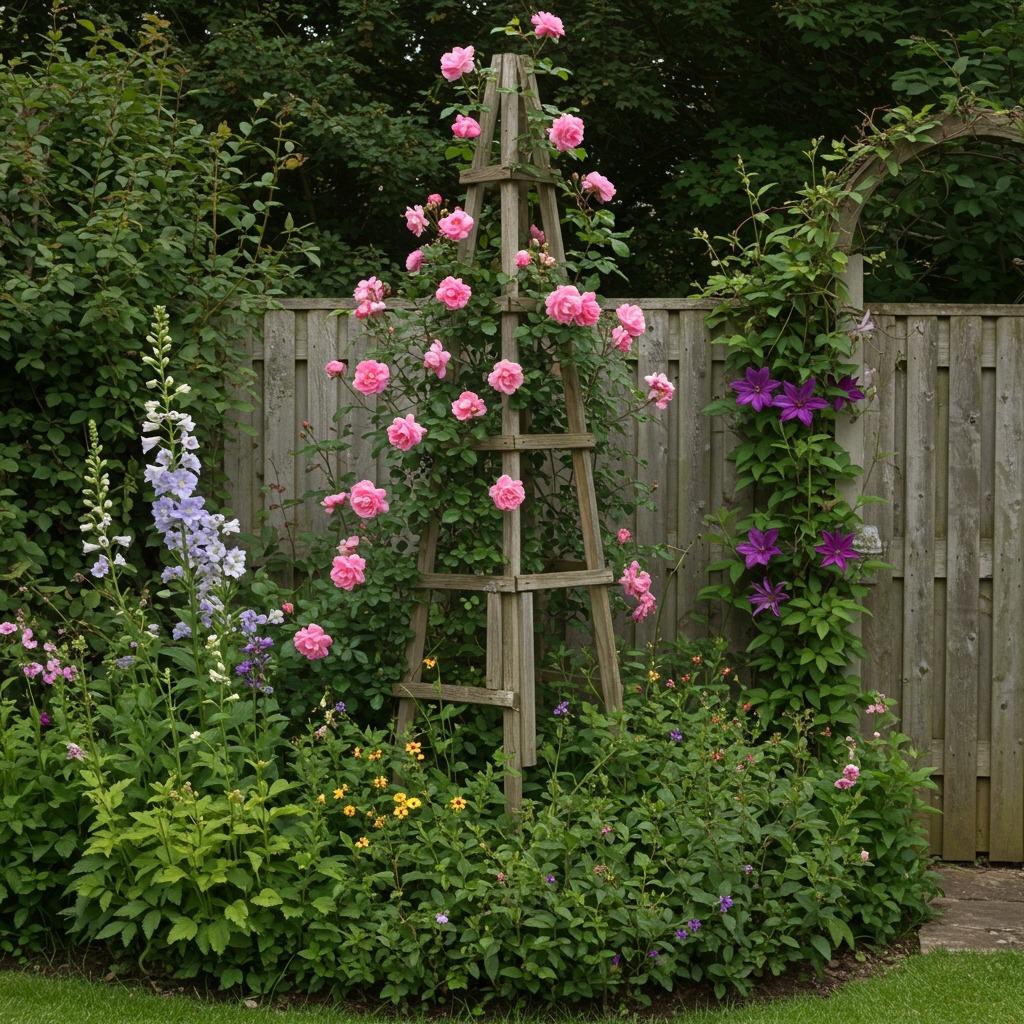
Cottage gardens reach skyward, not just outward. Vertical elements add crucial dimension and allow you to pack more plants into limited space – something those original cottage gardeners perfected out of necessity. Trellises, arbors, pergolas, and obelisks become living sculptures when covered with climbing plants.
Choose structures made from natural materials that will age gracefully. Weathered wood, wrought iron, or rustic twig structures blend seamlessly into the cottage aesthetic. Avoid overly ornate or artificially distressed pieces that can look contrived. Simple designs work best and let the plants become the stars.
Clematis and roses make perfect climbing companions, offering the classic combination of “clematis head in the sun, feet in the shade.” The clematis weaves through the rose canes, extending the bloom season and adding complementary colors. Other excellent climbers include jasmine, honeysuckle, wisteria, and climbing hydrangea for shadier spots.
Don’t forget about height within the borders themselves. Tall plants like delphiniums, hollyhocks, and foxgloves create dramatic backdrops, while medium-height perennials fill the middle layer, and low growers carpet the front. This layering creates depth and ensures something catches your eye at every level. The same principles of thoughtful layering apply indoors too – these vertical gardening ideas show creative ways to maximize growing space.
Color Schemes That Work in Cottage Gardens
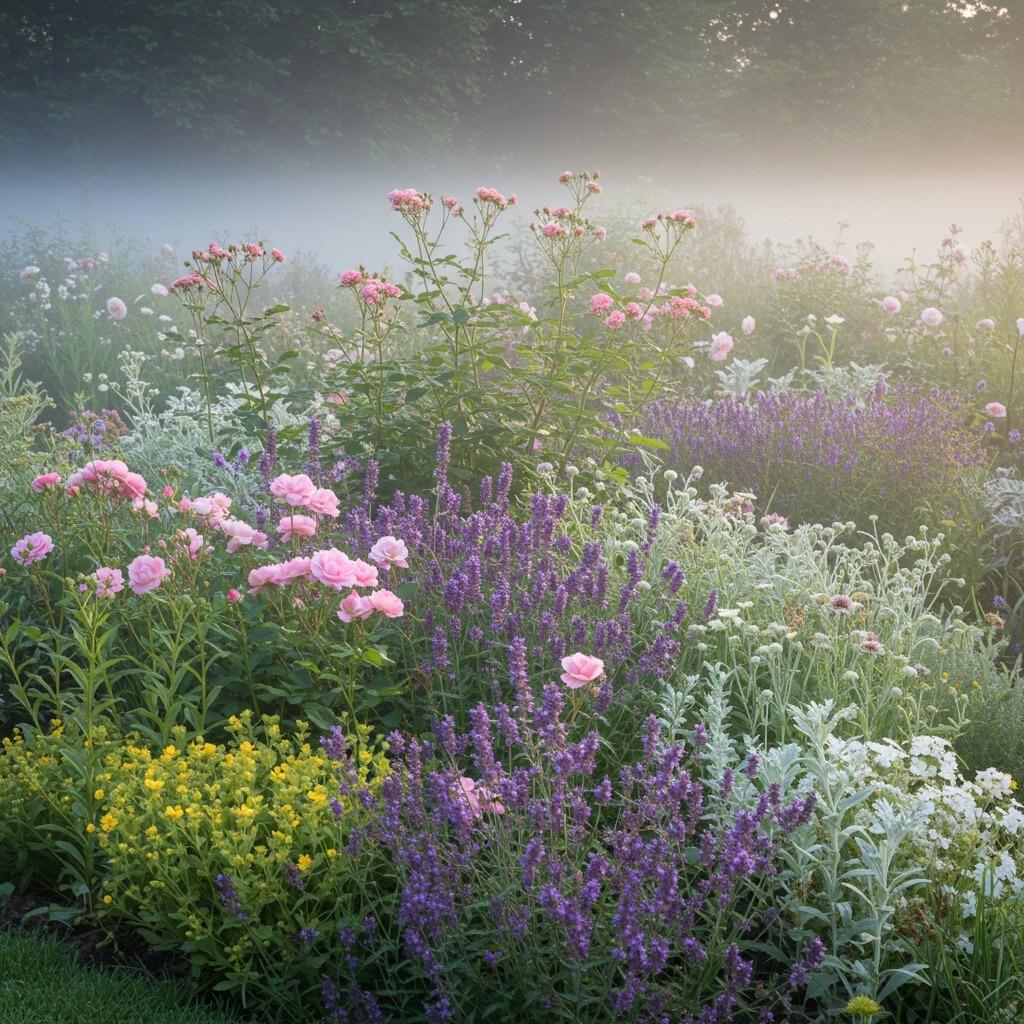
While cottage gardens appear unplanned, successful color combinations rarely happen by accident. The most pleasing gardens follow loose color themes, even if they include a wide variety of plants. This doesn’t mean you need to be rigid about your palette, but having a general direction prevents the “chaotic” look from becoming overwhelming.
Pastel-themed cottage gardens are classics for good reason. Soft pinks, lavenders, pale yellows, and whites create a dreamy, romantic atmosphere. This palette works especially well in smaller spaces, as these colors won’t visually overwhelm the garden. Mix in plenty of silver and grey foliage plants to enhance the soft, hazy effect.
For bolder personalities, a hot-colored cottage garden bursts with energy. Deep reds, brilliant oranges, sunny yellows, and magenta create excitement and work beautifully in full sun locations. Pair these vibrant flowers with bronze or purple foliage plants like dark-leaved dahlias or Physocarpus for striking contrast.
The “white garden” approach – popularized by Vita Sackville-West at Sissinghurst – remains timelessly elegant. White and cream flowers with silver, grey, and variegated foliage create sophistication within the cottage framework. This scheme particularly shines in evening gardens, as white flowers seem to glow in twilight. Whatever your style preferences, you might also enjoy these colorful living room ideas that bring similar vibrant energy indoors.
Consider bloom times when planning your color story. You might choose cooler colors for spring (blues, purples, pinks), transition to warmer tones in summer (yellows, oranges), and return to jewel tones in fall (deep purples, burgundies). This natural progression keeps the garden feeling fresh throughout the season.
Essential Maintenance for Abundant Blooms
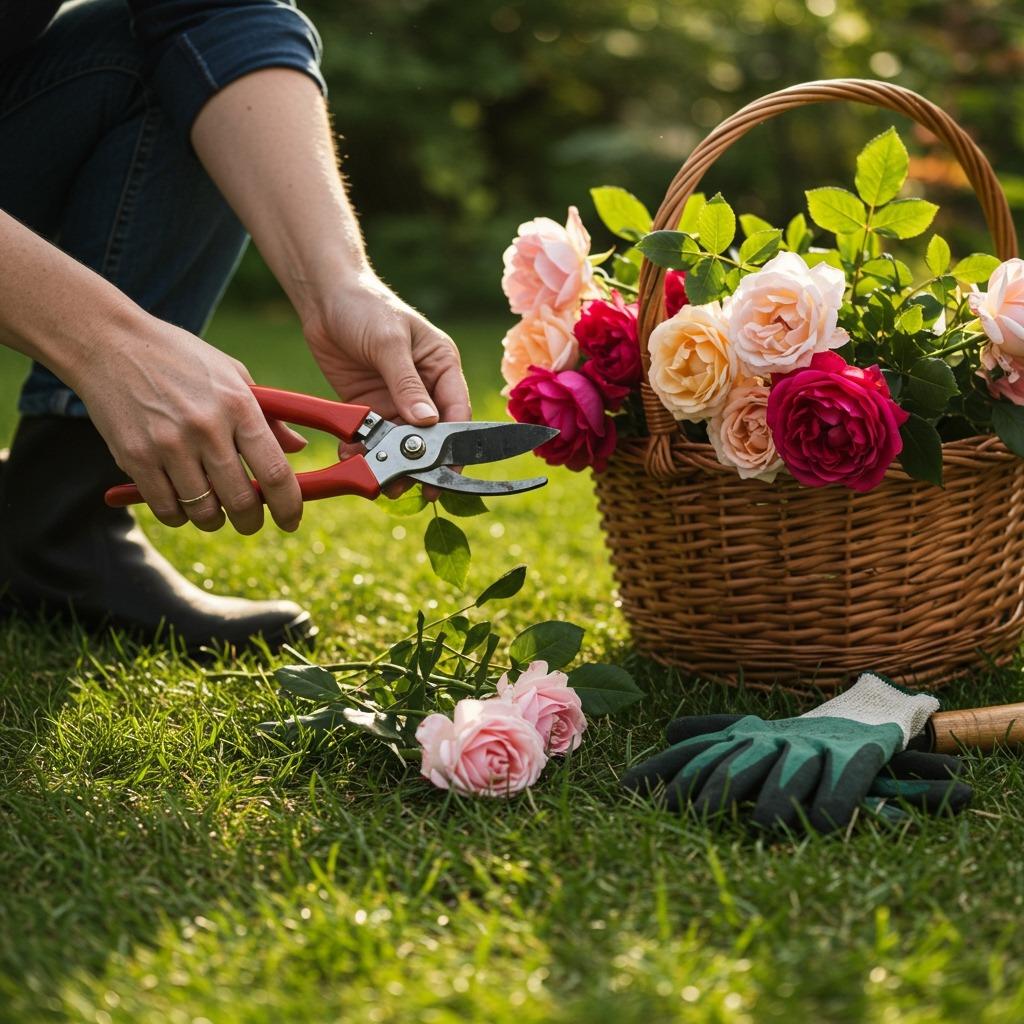
Cottage gardens may look carefree, but they do require regular maintenance to prevent them from crossing the line from charmingly full to genuinely overgrown. The good news is that most of this work is pleasurable pottering rather than hard labor – deadheading flowers, tucking in wayward stems, and harvesting blooms for bouquets.
Deadheading – removing spent blooms – is probably the single most important task for keeping cottage flowers blooming prolifically. Roses, in particular, respond beautifully to regular deadheading by producing waves of new flowers. Perennials like geraniums, salvia, and delphiniums often rebloom if cut back after their first flush. Make this a weekly ritual on summer evenings with a cup of tea and a basket.
Mulching helps suppress weeds while retaining moisture and feeding the soil as it breaks down. Organic mulches like shredded bark, compost, or leaf mold look natural in cottage settings. Apply a 2-3 inch layer around plants, being careful not to pile it against stems. This reduces watering needs and creates a tidy backdrop that makes flowers pop visually.
Unlike formal gardens that might be meticulously staked, cottage gardens accept a bit of natural sprawl. That said, tall perennials do benefit from support before they flop across pathways. Use natural-looking materials – pea sticks pushed into the ground in early spring allow plants to grow through them, creating invisible support. Alternatively, install decorative plant supports or create simple string and stake systems.
Incorporating Edibles Into Your Cottage Garden
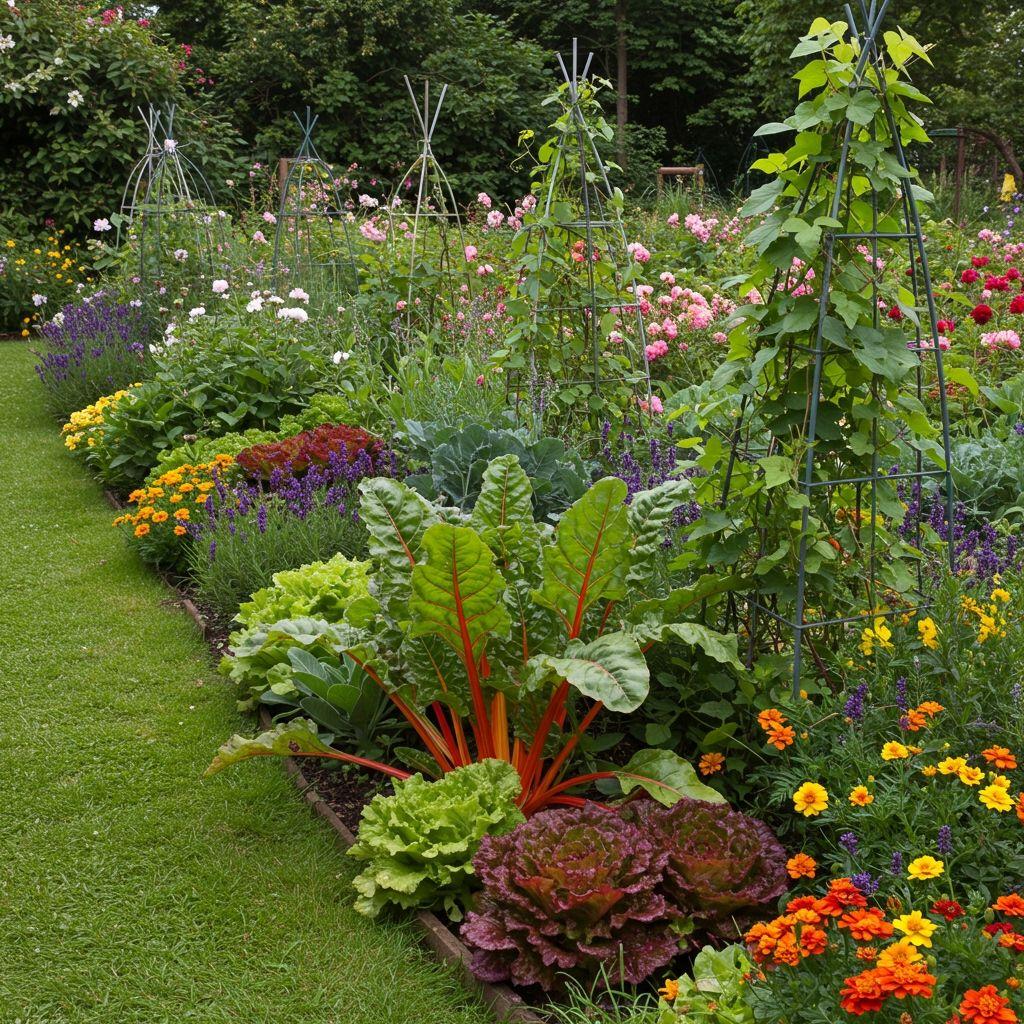
Remember that cottage gardens originated as productive spaces where beauty and utility coexisted. Embrace this heritage by weaving edibles throughout your ornamental plantings. The result is both practical and visually interesting – and your garden feeds you as well as your soul.
Many vegetables are genuinely beautiful plants. Rainbow chard with its colorful stems, ‘Bull’s Blood’ beets with burgundy foliage, and purple-podded beans add ornamental value while producing food. Artichokes grow into architectural beauties with silvery foliage and thistle-like blooms. Tuck these productive plants into borders alongside their purely decorative cousins.
Herbs are naturals for cottage gardens. Rosemary, thyme, sage, oregano, and lavender contribute gorgeous foliage, flowers that attract pollinators, and useful harvests for the kitchen. Many herbs prefer similar growing conditions to traditional cottage flowers – full sun and well-drained soil – making them easy companions.
Fruit trees and berry bushes add structure while providing harvests. Espalier fruit trees against walls or fences maximize space and create beautiful patterns. Currant and gooseberry bushes nestle into borders, and strawberries make excellent edging plants. If you’re interested in growing food in limited areas, these container gardening techniques might inspire additional ideas.
The companion planting relationships in mixed gardens often benefit both edibles and ornamentals. Marigolds near tomatoes may deter pests, while borage attracts beneficial insects that pollinate both your squash and your roses. This integrated approach creates a healthier, more resilient garden ecosystem.
Creating Wildlife-Friendly Cottage Gardens
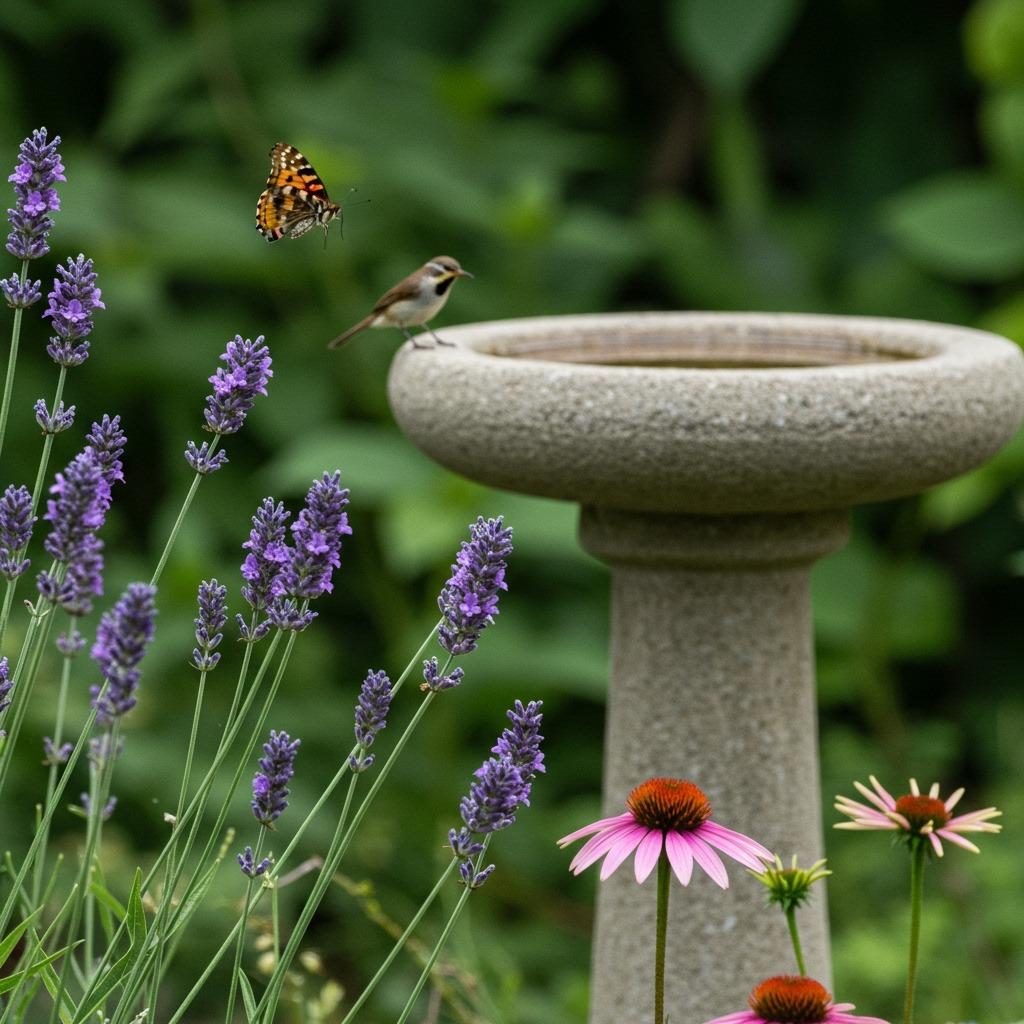
One of the most rewarding aspects of cottage gardening is welcoming wildlife into your outdoor space. The diverse plantings, layered structure, and avoidance of chemicals create ideal habitat for birds, butterflies, bees, and beneficial insects. Your garden becomes a living ecosystem rather than just a pretty picture.
Choose plants specifically for pollinators. Single-flowered varieties provide easier nectar and pollen access than fancy doubles – bees can’t always work their way into complex blooms. Native plants adapted to your region will support local pollinator species best, though many traditional cottage plants also offer excellent value.
Water features add another dimension to wildlife gardens. Even a simple shallow dish refreshed regularly provides drinking water for birds, bees, and butterflies. A small pond becomes a magnet for dragonflies, frogs, and aquatic insects. Keep edges shallow and provide stones or plants for easy exit routes.
Resist the urge to be too tidy. Hollow stems left standing through winter provide homes for beneficial insects. Seed heads feed birds and look beautiful frosted on winter mornings. Leaf litter under shrubs creates habitat for ground-dwelling creatures. This relaxed approach aligns perfectly with cottage garden aesthetics while supporting biodiversity.
Seasonal Interest Throughout the Year
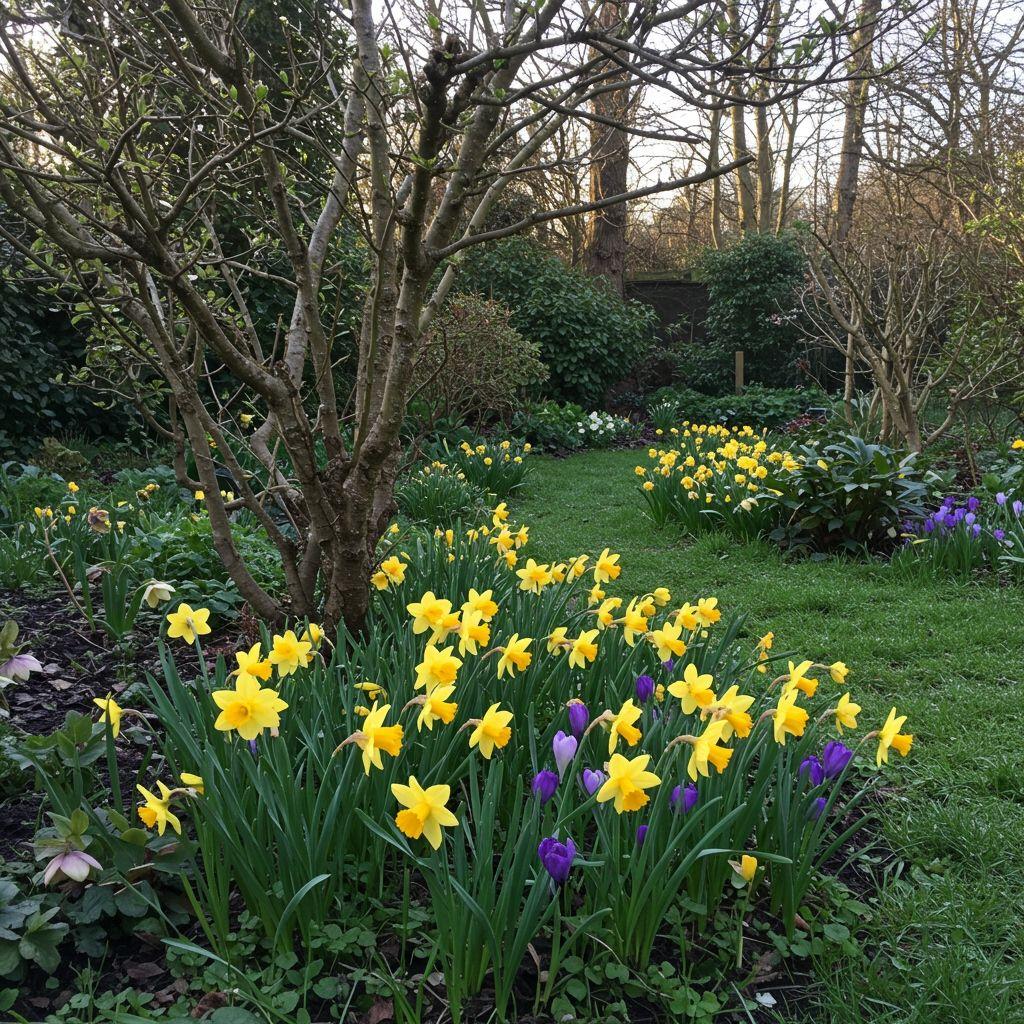
A well-planned cottage garden offers beauty in every season, not just during the peak summer months. Winter structure from evergreen shrubs and interesting bark creates a bones that supports the spring explosion of bulbs, carries through summer abundance, and transitions into autumn’s rich tones.
Spring transforms the cottage garden from dormancy to exuberance. Early bulbs push through bare soil – snowdrops, crocuses, then drifts of daffodils and tulips. Spring-flowering shrubs like lilac and mock orange add height and fragrance. Early perennials including primulas, hellebores, and bleeding hearts contribute delicate beauty.
Summer is showtime when cottage gardens reach peak performance. This is when all your planning pays off with that signature abundant, overflowing look. Roses bloom repeatedly, tall perennials create drama, and annual fillers like cosmos and cleome keep color coming. Harvest flowers regularly for bouquets – cutting actually encourages more blooms.
Fall brings a different kind of beauty as the garden transitions toward rest. Late-blooming perennials like asters, sedums, and Japanese anemones carry color forward. Ornamental grasses gain prominence as their plumes catch low autumn light. Allow seed heads to develop on perennials like coneflowers and rudbeckia – they look beautiful and feed birds. For similar seasonal design thinking applied to interiors, these cozy winter bedroom ideas create warmth during colder months.
Winter reveals the garden’s architecture. Evergreen structure plants, interesting bark on shrubs and trees, and persistent seed heads create a quieter but still appealing scene. This is when you appreciate those structural elements – trellises, paths, edging – that hold the garden together during the sparse season.
Budget-Friendly Ways to Start Your Cottage Garden
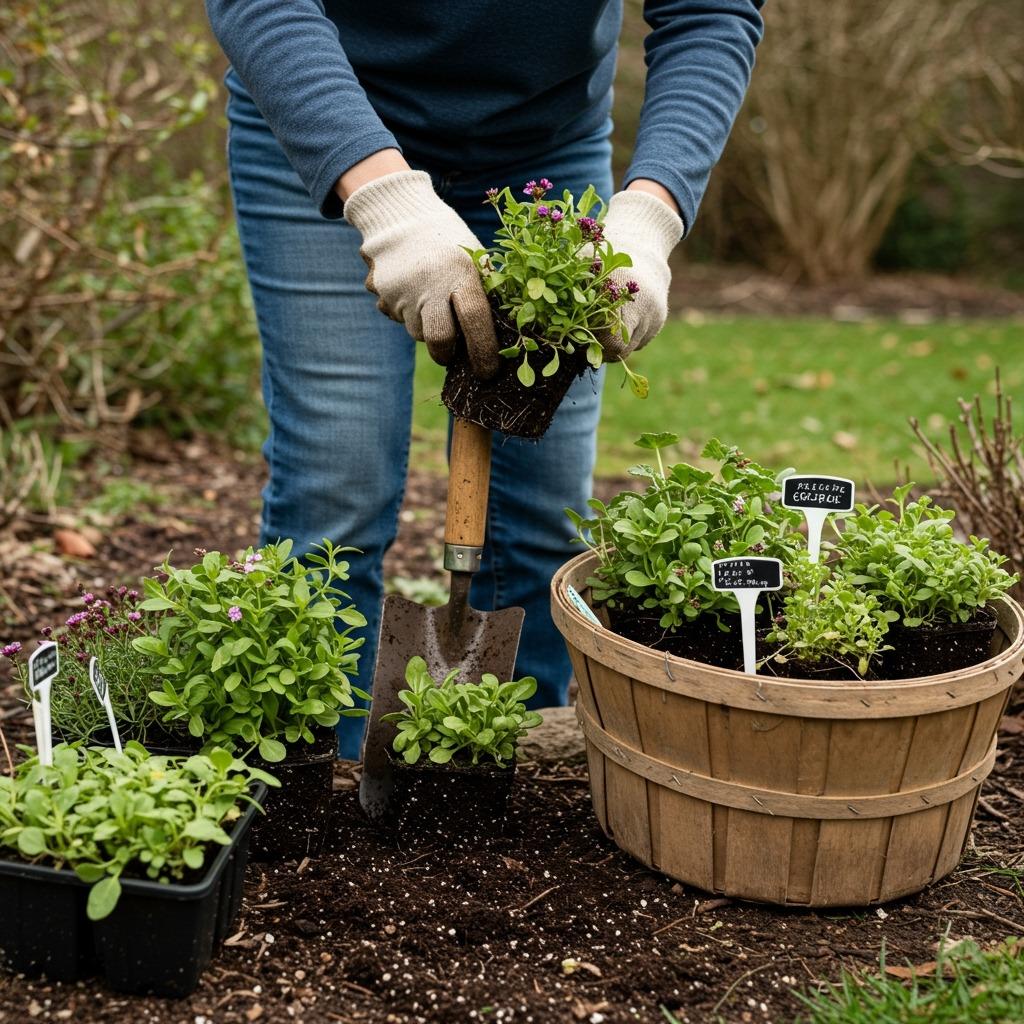
Creating an English cottage garden doesn’t require a large budget, though it does require patience. These gardens develop their characteristic fullness over time as plants mature and self-seed. Starting modestly with careful planning actually suits the cottage aesthetic better than installing a complete, instant garden.
Begin by dividing perennials from friends’ gardens or plant swaps. Cottage garden favorites like hardy geraniums, daylilies, asters, and hostas divide easily and grow quickly. Many traditional cottage plants are pass-along varieties that have been shared between gardeners for generations. This approach also ensures you’re growing plants that thrive in your local conditions.
Growing from seed offers huge value, especially for annuals that reseed themselves after the first year. One packet of sweet peas, poppies, or cosmos can provide years of blooms once established. Start with easy-to-grow varieties that don’t require special equipment – many cottage favorites germinate readily when direct-sown into prepared soil.
Salvage yards, estate sales, and online marketplaces offer affordable sources for garden structures and ornaments. That weathered arbor or vintage gate adds instant character at a fraction of retail cost. Stone for pathways might come from a demolished building, and bricks from renovation projects work beautifully for edging. These recycled materials often have more authentic appeal than new products. Similar budget-conscious approaches work indoors too – check out these affordable home upgrades that maximize impact while minimizing cost.
Focus your spending on key structural plants like roses, shrubs, and climbing plants that form the garden’s framework. These long-lived investments provide returns for decades. Fill in around them with less expensive perennials and self-seeding annuals that quickly create abundance.
Small Space Cottage Garden Solutions
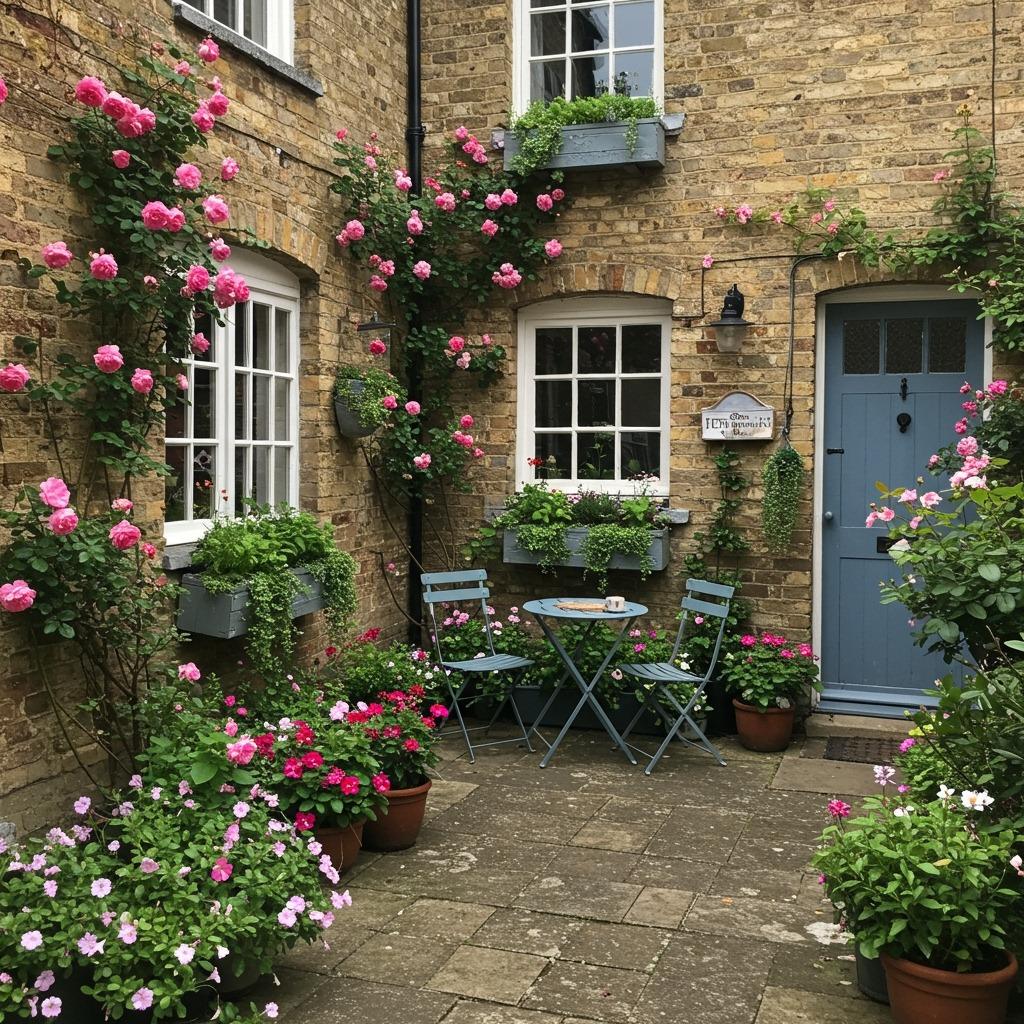
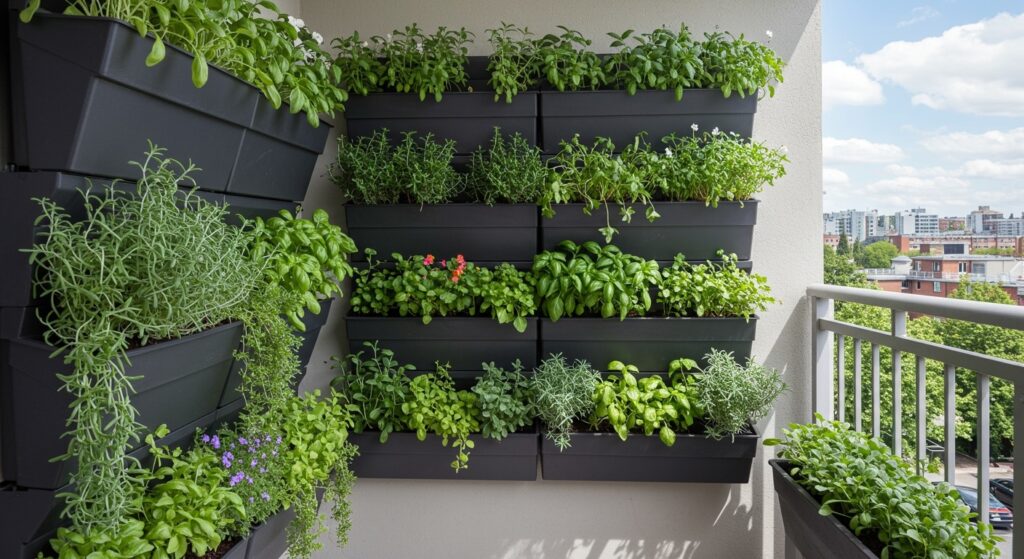
You don’t need sprawling acreage to create cottage garden magic. Even tiny urban plots, balconies, or courtyards can capture this romantic aesthetic with thoughtful planning. The key is maximizing vertical space and choosing plants carefully for year-round interest in limited square footage.
Vertical gardening becomes especially important in compact areas. Cover every vertical surface possible – walls, fences, arbors, trellises, even free-standing obelisks placed in containers. Climbing roses, clematis, jasmine, and honeysuckle provide abundant blooms without consuming much ground space. This layering creates the sense of fullness characteristic of cottage gardens.
Container gardening extends your planting area beyond borders. Group pots in clusters of varying heights for visual interest rather than lining them up in rows. Choose a mix of thrillers (tall focal plants), fillers (mounding plants), and spillers (trailing varieties) in each large container for that abundant cottage look. Terra cotta pots age beautifully and suit the style perfectly.
In small gardens, every plant must earn its place by offering multiple seasons of interest or serving double duty. Choose plants with attractive foliage in addition to beautiful blooms, or those that provide fragrance, habitat value, and edible harvests alongside visual appeal. Careful editing creates a curated rather than cluttered feeling. These small space renovation strategies apply similar maximizing principles to interior spaces.
Mirrors strategically placed on walls can visually expand small gardens, especially when partially obscured by climbing plants or set within an old window frame. This creates depth and mystery, making the space feel larger than its actual dimensions. Curving paths, even if quite short, add perceived distance by preventing the eye from taking in the entire space at once.
Sustainable Cottage Gardening Practices
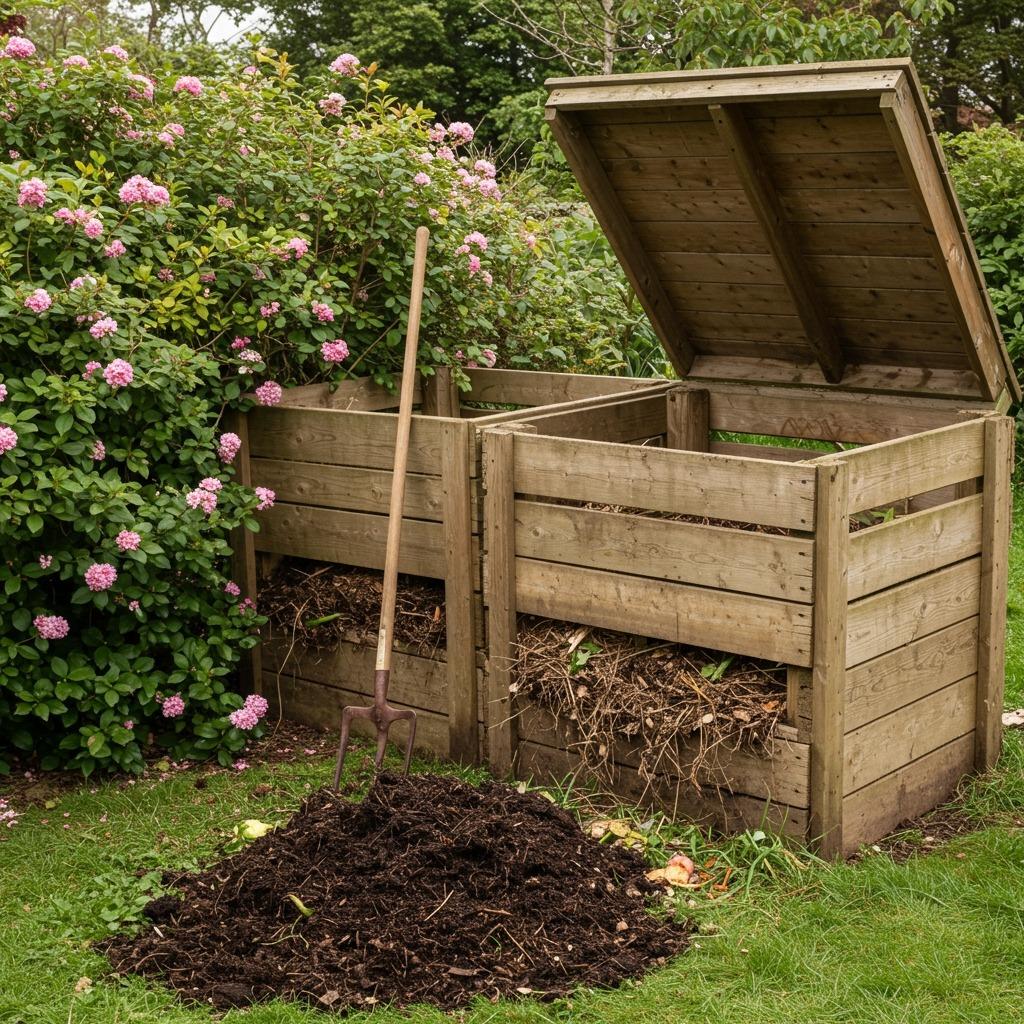
Modern cottage gardeners can honor traditional methods while incorporating sustainable practices that support environmental health. The original cottage gardens were inherently sustainable – they recycled nutrients, used no chemicals, and worked with nature rather than against it. We’re simply returning to these sensible approaches.
Composting transforms kitchen scraps and garden waste into black gold that feeds your soil. Healthy, nutrient-rich soil grows robust plants that naturally resist pests and diseases better than chemically dependent specimens. The cottage garden’s diversity also creates resilience – if one plant struggles, others compensate, preventing the total failure common in monocultures.
Rainwater harvesting reduces reliance on treated municipal water while providing better quality moisture for plants. Decorative rain barrels positioned at downspouts capture roof runoff for use during dry periods. Many cottage plants, once established, tolerate dry conditions reasonably well – choosing drought-adapted varieties reduces water needs.
Organic pest management aligns perfectly with cottage garden principles. Encouraging beneficial insects through diverse plantings means predators control pests naturally. Companion planting uses the relationships between plants to deter problems – for example, planting garlic near roses may reduce aphid attacks. Hand-picking pests, using barriers, and accepting some damage preserves the garden ecosystem better than broad-spectrum sprays. Similar thoughtful, sustainable approaches inform these eco-house design principles.
Native plants interspersed with traditional cottage favorites create gardens that support local ecosystems while maintaining classic aesthetics. Native species have evolved with local pollinators and often require less water, fertilizer, and maintenance than non-natives. Research which plants indigenous to your region offer cottage garden characteristics.
Common Mistakes to Avoid
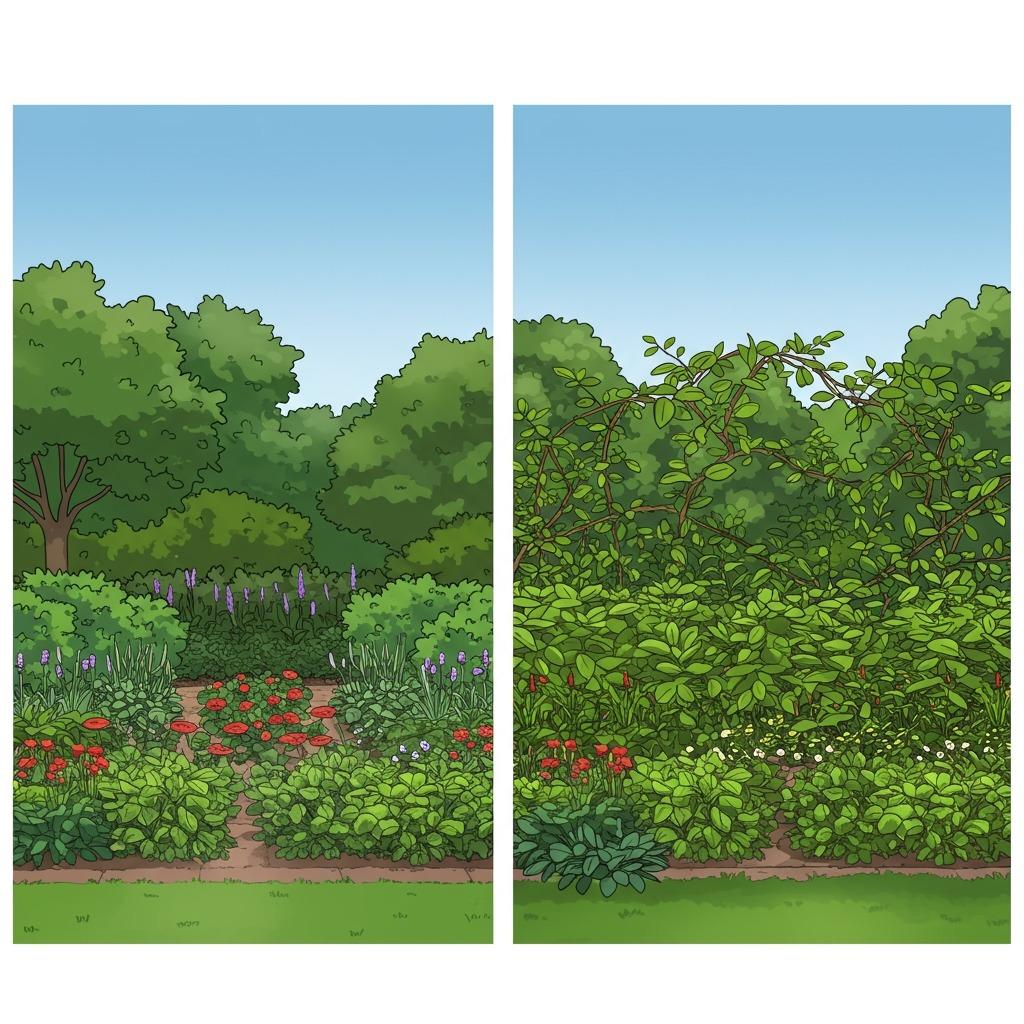
Even experienced gardeners can stumble when creating cottage gardens, often by working against the style’s inherent nature. Understanding these common pitfalls helps you develop an authentic, thriving garden rather than a frustrated approximation.
Planting too sparsely is perhaps the most frequent error. New gardeners often space plants according to nursery recommendations, which are designed for mature size in formal settings. Cottage gardens need dense planting to achieve that abundant look. Plants should touch or nearly touch their neighbors at maturity, creating the seamless tapestry of foliage and flowers that defines the style.
Choosing plants solely for bloom color without considering growth habits or timing leads to disappointing results. A plant might have perfect pink flowers, but if it blooms for only two weeks or grows in a tight clump rather than forming a flowing mass, it won’t contribute to the overall effect. Research mature sizes, bloom periods, and growth characteristics before committing valuable garden space.
Being too controlling prevents the spontaneous character that makes cottage gardens special. While some tidiness keeps the garden from becoming genuinely overgrown, allow plants to self-seed in unexpected spots and spread beyond rigid boundaries. That foxglove growing in the path crack or the clump of forget-me-nots colonizing bare soil under a rose adds authenticity.
Ignoring your specific growing conditions guarantees struggle. Trying to grow moisture-loving delphiniums in dry, sandy soil or shade-preferring hostas in full sun means constant disappointment. Successful cottage gardens work with their particular combination of sun exposure, soil type, climate zone, and moisture patterns rather than fighting these realities.
Getting Started: Your First Year Plan
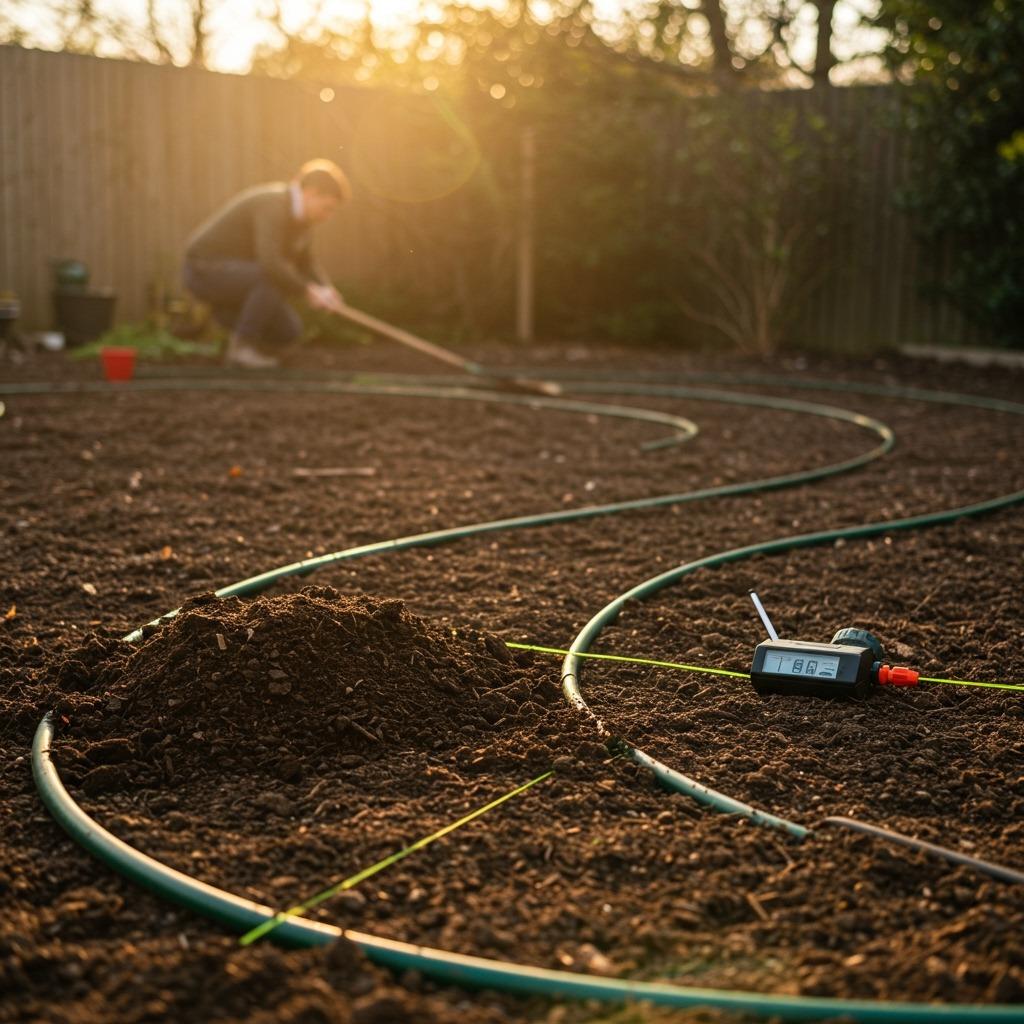
Beginning a cottage garden from scratch feels overwhelming given the abundance you’re trying to achieve. Breaking the project into manageable phases over the first year (and beyond) makes it realistic while letting you learn as you grow.
Start by preparing the soil thoroughly. Cottage gardens demand fertile, well-draining soil to support their dense plantings. Add generous amounts of compost, well-rotted manure, or other organic matter. If drainage is poor, consider building raised beds or mounding soil to create better conditions. This foundation work isn’t glamorous but pays dividends for years.
Plant structural elements first – roses, shrubs, climbing plants, and any trees or large perennials that form the garden’s backbone. These slow-growing plants need time to establish, so getting them in place early is crucial. Position them according to your plan, keeping mature sizes in mind despite how small they look initially.
Fill gaps between structural plantings with faster-growing perennials and plenty of annuals for that first-year color. Self-seeders like cosmos, calendula, and bachelor’s buttons provide almost instant cottage garden character while your permanent plantings mature. These annuals will conveniently disappear once perennials fill in their spaces in subsequent years. Looking for more ways to enhance your outdoor connections? These gardening for beginners tips provide additional foundation knowledge.
Take photos throughout the year from the same vantage points. This visual record helps you see what works, what needs adjusting, and which seasonal gaps need filling. Note bloom times, color combinations you love (or don’t), and spaces that need more attention. Each season provides lessons for improving the garden’s balance and beauty.
Creating an English cottage garden connects you to centuries of gardening tradition while producing a uniquely personal landscape that reflects your style and growing conditions. The romantic abundance of cottage flowers spilling across garden paths, the fragrance of roses climbing weathered structures, and the hum of bees moving between blooms create a sensory experience that goes far beyond simple decoration.
Your garden will evolve year by year as plants mature, self-seed, and establish their natural rhythms. What begins as a carefully orchestrated plan gradually develops its own character as you work with the space rather than imposing rigid expectations on it. This partnership between gardener and garden exemplifies what makes cottage gardening so deeply satisfying.
The beauty of this style is its accessibility – you don’t need formal training, unlimited budgets, or perfect conditions. You simply need willingness to learn, patience as plants grow, and appreciation for the slightly wild, wonderfully abundant aesthetic that has captured hearts for generations. Your own romantic landscape is waiting to bloom.