
Your kitchen island isn’t just another piece of furniture – it’s the heart of your cooking space. Whether you’re chopping vegetables, catching up with family over morning coffee, or hosting friends for casual dinners, a well-designed island can change how you experience your entire kitchen.
But here’s the thing: not all islands work the same way. Some homes need compact, space-saving solutions, while others can accommodate sprawling multi-functional hubs complete with seating, storage, and even built-in appliances. The key is finding an island design that fits your lifestyle, your space, and yes, your aesthetic dreams too.
I’ve gathered 17 creative kitchen island ideas that balance practicality with visual appeal. From budget-friendly DIY options to statement-making designs that could anchor an entire room, there’s something here for every type of home. Ready to reimagine your kitchen’s centerpiece?
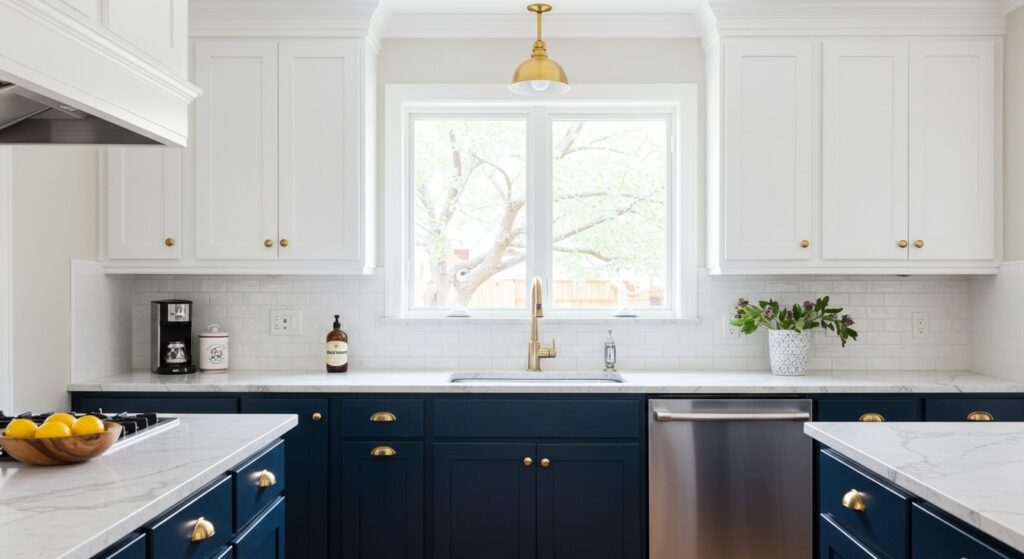
1. The Classic Marble-Top Island

There’s something timeless about a marble countertop that instantly elevates any kitchen. A classic marble-top island creates an elegant focal point while providing a cool surface that’s perfect for rolling out pastry dough or working with delicate ingredients.
Pair your marble top with a contrasting base – think deep navy cabinets or warm wood tones. The veining in natural marble means every island becomes one-of-a-kind, adding character without feeling overly decorated.
Keep in mind that marble requires some maintenance and can stain if not properly sealed. But for many homeowners, that lived-in patina becomes part of the charm, telling the story of countless meals prepared and memories made.
2. Butcher Block Warmth
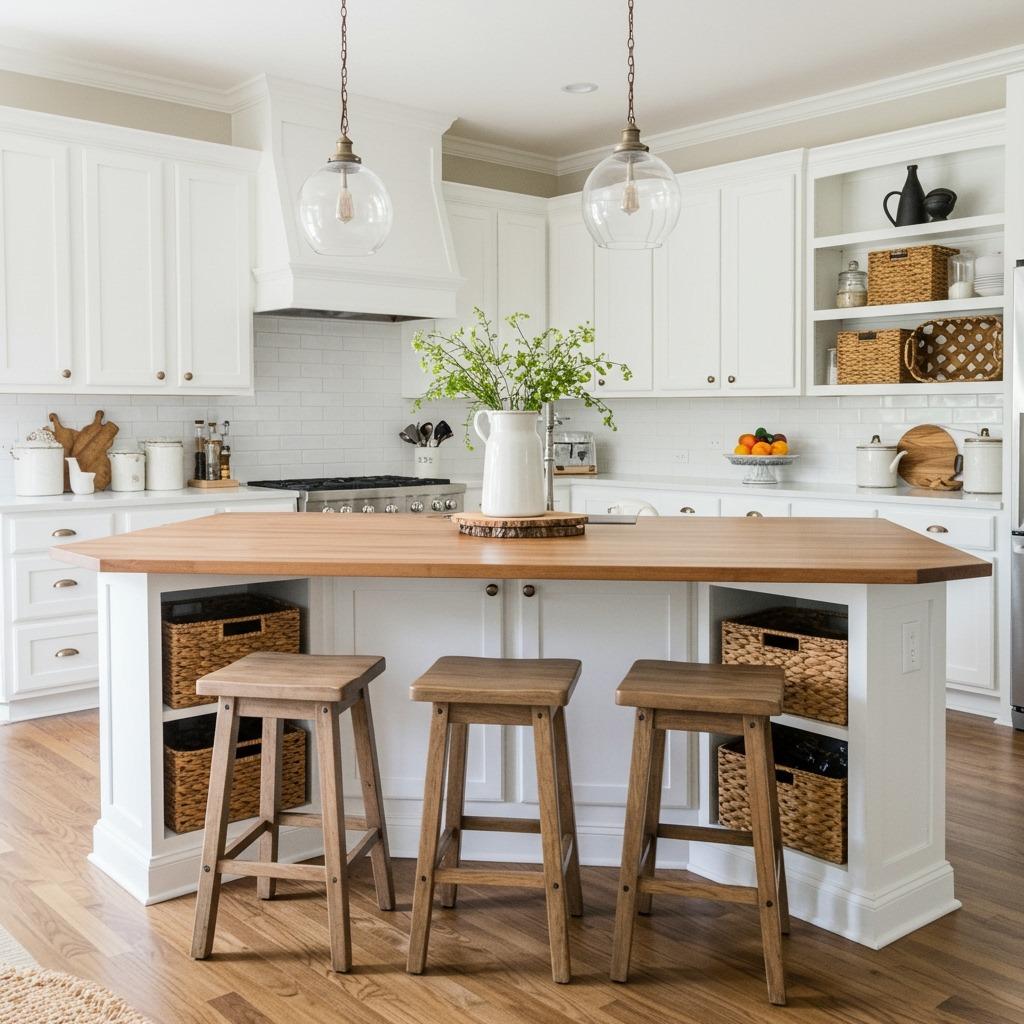
If marble feels too formal for your style, consider the rustic warmth of a butcher block island. This classic choice brings natural wood texture into your kitchen and dining space, creating an inviting spot that practically begs you to gather around it.
Butcher block surfaces are incredibly practical – they’re knife-friendly, can be sanded down if they get scratched, and develop a beautiful patina over time. Plus, they add warmth to kitchens that might otherwise feel cold or clinical.
The honey-toned wood pairs beautifully with white cabinets, stainless steel appliances, or even bold colored walls. Just remember to oil it regularly to keep it looking its best and protected from moisture.
3. Two-Tier Island for Defined Zones
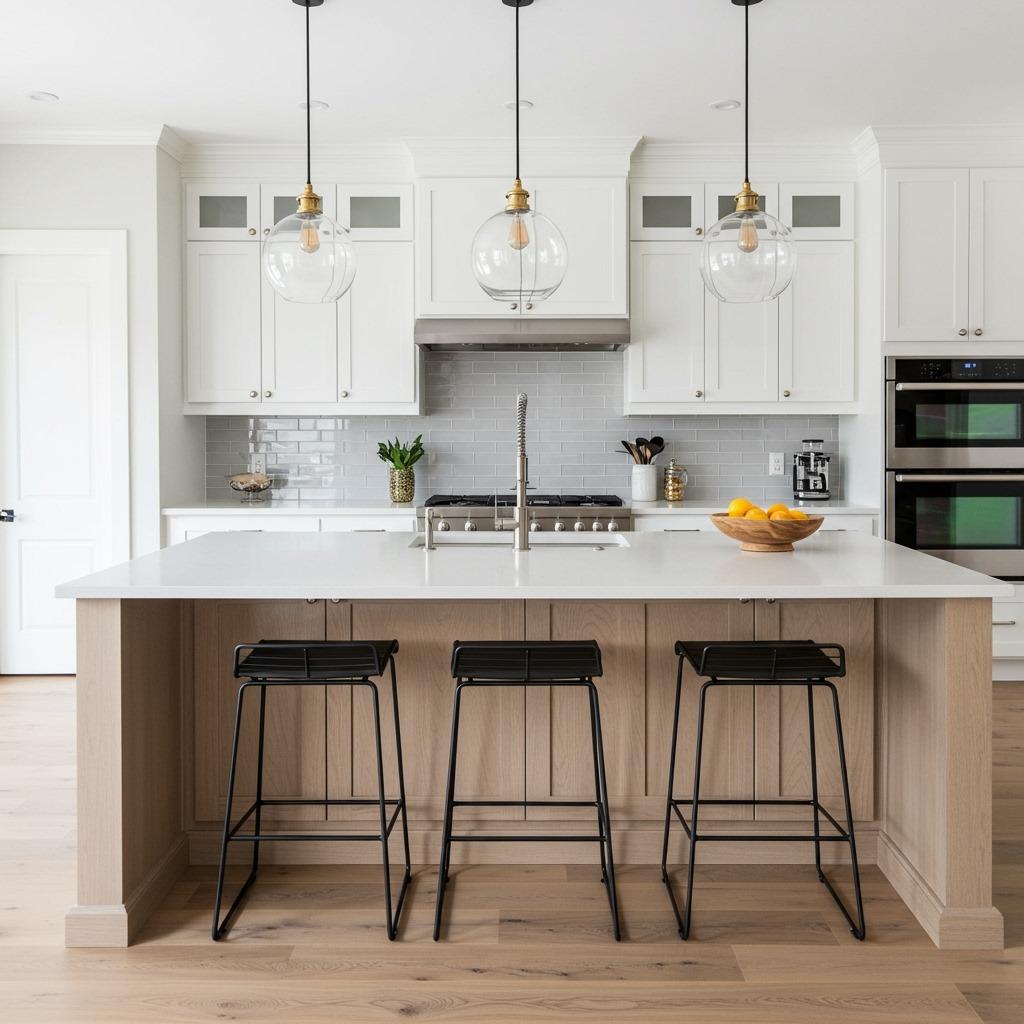
Here’s a clever solution for islands that need to multitask: create two different levels. A standard-height countertop on one side for food prep, and a raised bar-height section on the other for casual dining or homework sessions.
This design naturally separates messy cooking activities from clean eating areas. Your kids can sit at the raised section with their snacks while you’re chopping vegetables below, and they won’t see (or accidentally knock over) your prep work.
The two-tier approach works especially well in open concept kitchen layouts where you want subtle separation between cooking and living spaces without building actual walls.
4. Portable Island on Wheels

Not every kitchen needs a permanent fixture. A rolling island gives you flexibility – roll it into position when you need extra counter space, then tuck it away when you’re hosting a crowd or just want more room to move.
Look for sturdy casters with locks to keep the island stable during use. Many portable islands come with built-in storage like drawers, shelves, or even towel bars, maximizing their utility in a compact footprint.
This option is particularly brilliant for renters or anyone who likes to rearrange their space seasonally. Plus, you can wheel it right up to where you’re working instead of carrying ingredients back and forth across the kitchen.
5. The Minimalist Waterfall Edge
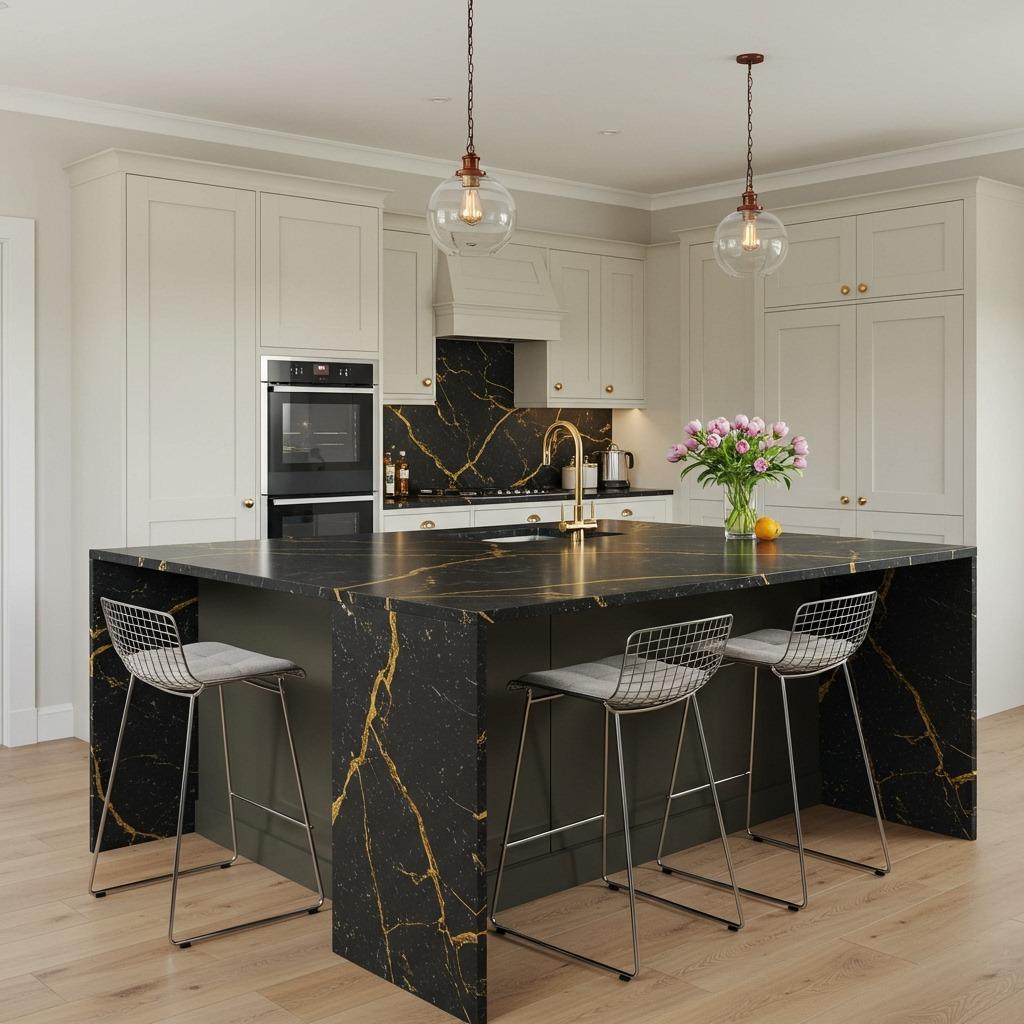
Want something that feels more like a sculpture than standard kitchen furniture? A waterfall edge island, where the countertop material cascades down both sides, creates a seamless, modern statement piece.
This design works beautifully with dramatic materials like veined marble, bold quartz patterns, or even concrete. The continuous flow of material draws the eye and makes the island feel like an intentional design element rather than just a functional necessity.
Fair warning: waterfall edges typically cost more due to the extra material and installation complexity. But if you’re going for a sleek, contemporary vibe, few design choices make quite the same impact.
6. Vintage Furniture Conversion
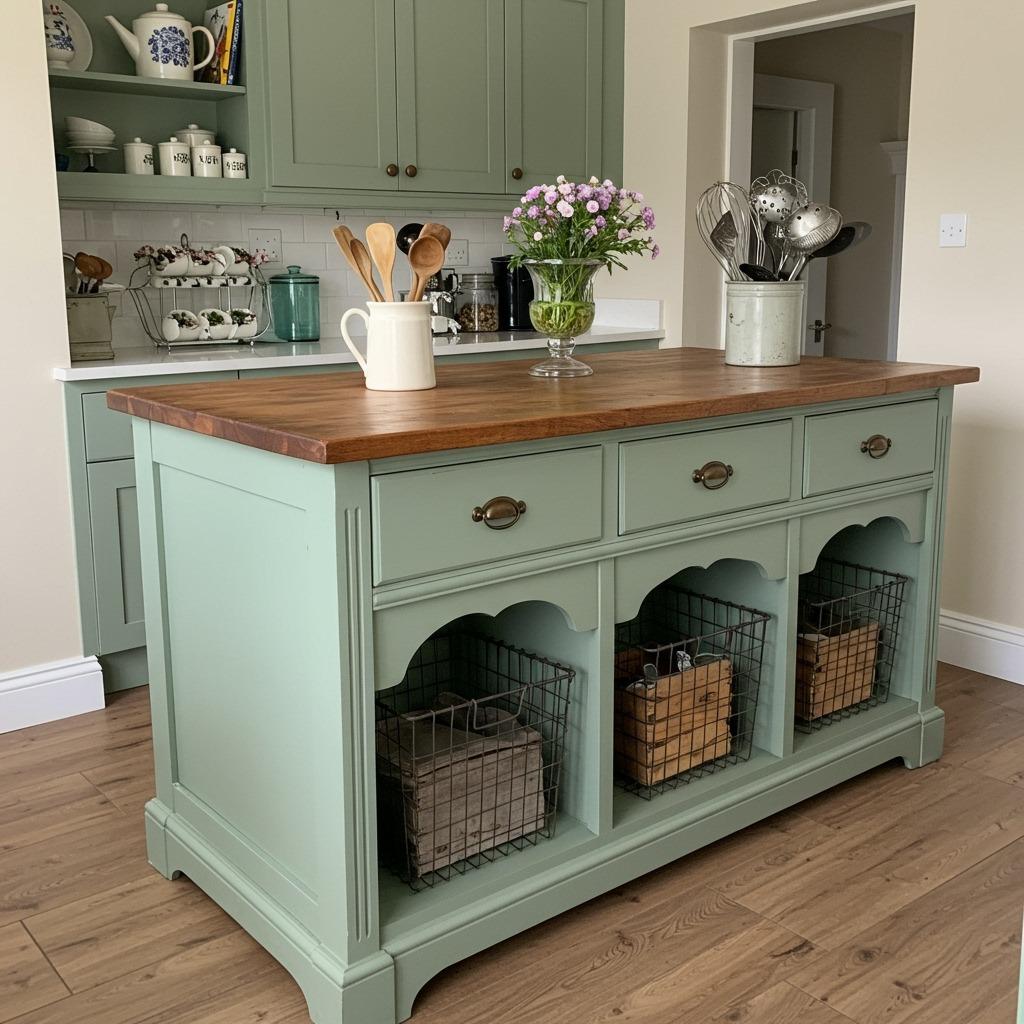
Sometimes the best kitchen island isn’t an island at all – it’s a repurposed dresser, sideboard, or antique workbench. Converting vintage furniture adds instant character and gives you a genuinely unique piece you won’t find in anyone else’s home.
Look for sturdy pieces with drawers that can store utensils, linens, or pantry items. You might add a butcher block or stone top for a proper work surface, or simply refinish what’s there if it’s in good shape.
This DIY home renovation approach works especially well in farmhouse, cottage, or eclectic kitchens where mismatched pieces feel intentional and charming rather than haphazard.
7. Built-In Appliance Island
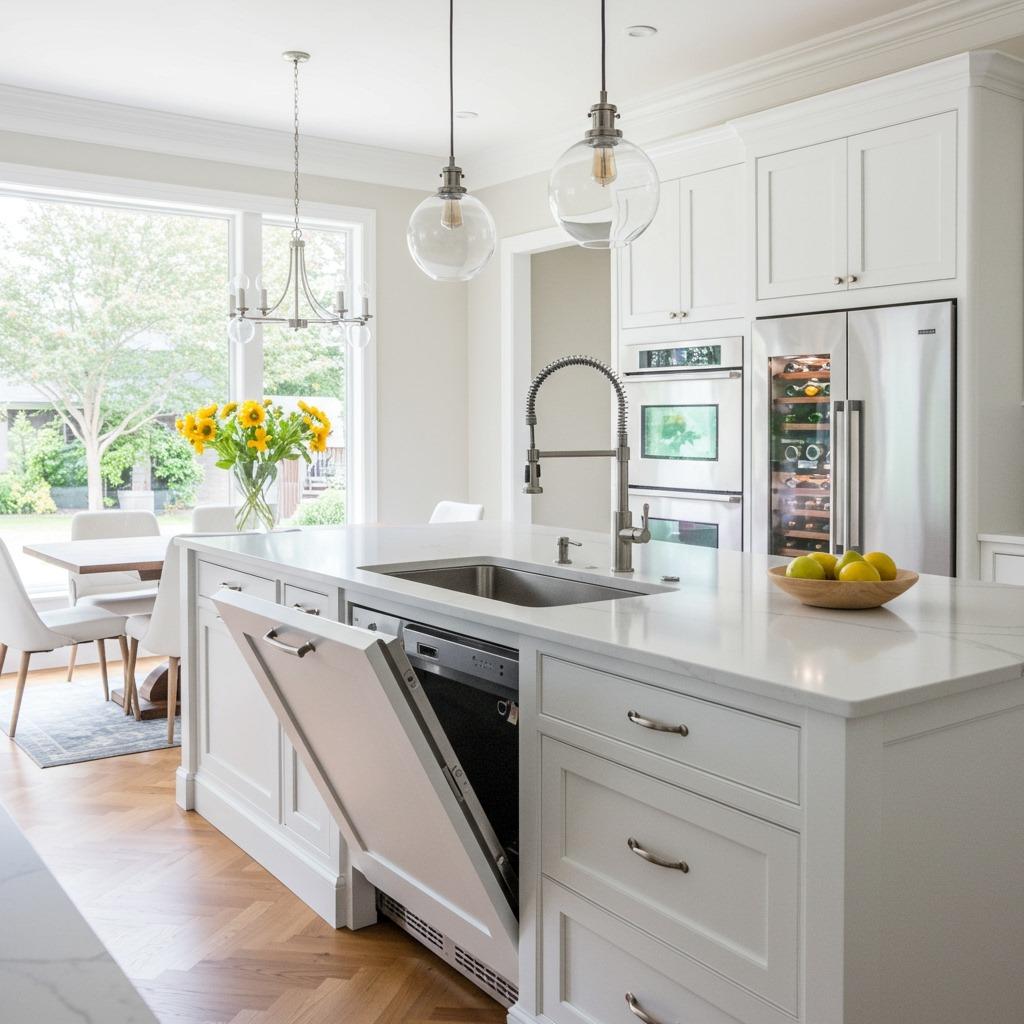
If your kitchen is short on counter space, consider building major appliances right into your island. A dishwasher, wine cooler, or even a secondary sink can transform your island into a seriously hardworking multi-functional kitchen island.
This setup creates an efficient work triangle and can be particularly useful when multiple people are cooking together. One person can prep at the island sink while another works at the main sink across the kitchen.
Just make sure your plumbing and electrical can accommodate the additions, and plan for adequate ventilation if you’re considering a cooktop installation.
8. Open Shelving for Display
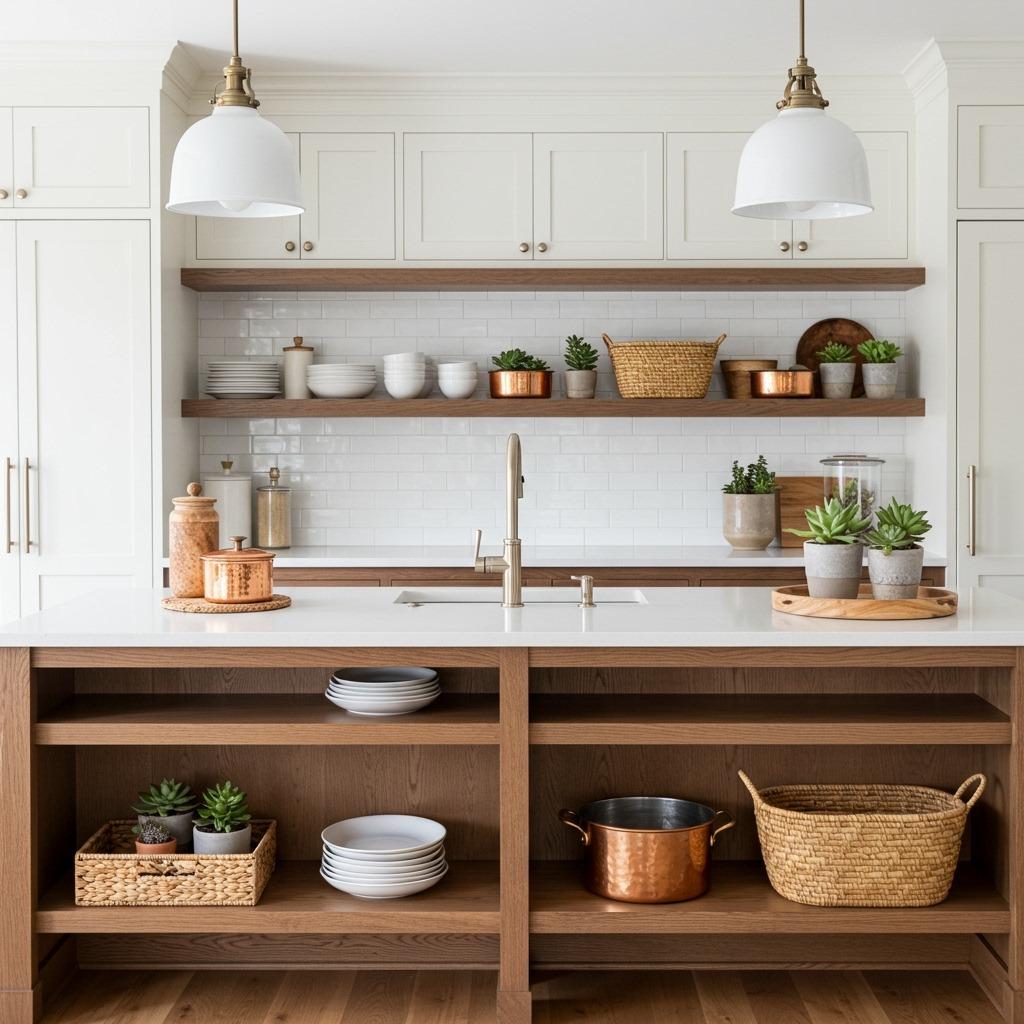
Swap some of those closed cabinets for open shelving on one or both sides of your island. This creates opportunities to display beautiful dishware, cookbooks, or decorative objects while keeping everyday items within easy reach.
Open shelving makes a kitchen feel more relaxed and lived-in compared to banks of closed cabinets. It’s also an excuse to invest in those gorgeous mixing bowls or vintage canisters you’ve been eyeing – when they’re on display, they become part of your decor.
The downside? You’ll need to keep those shelves relatively tidy since everything’s visible. But for many people, that built-in accountability actually helps maintain a more organized kitchen overall.
9. Contrasting Color Statement
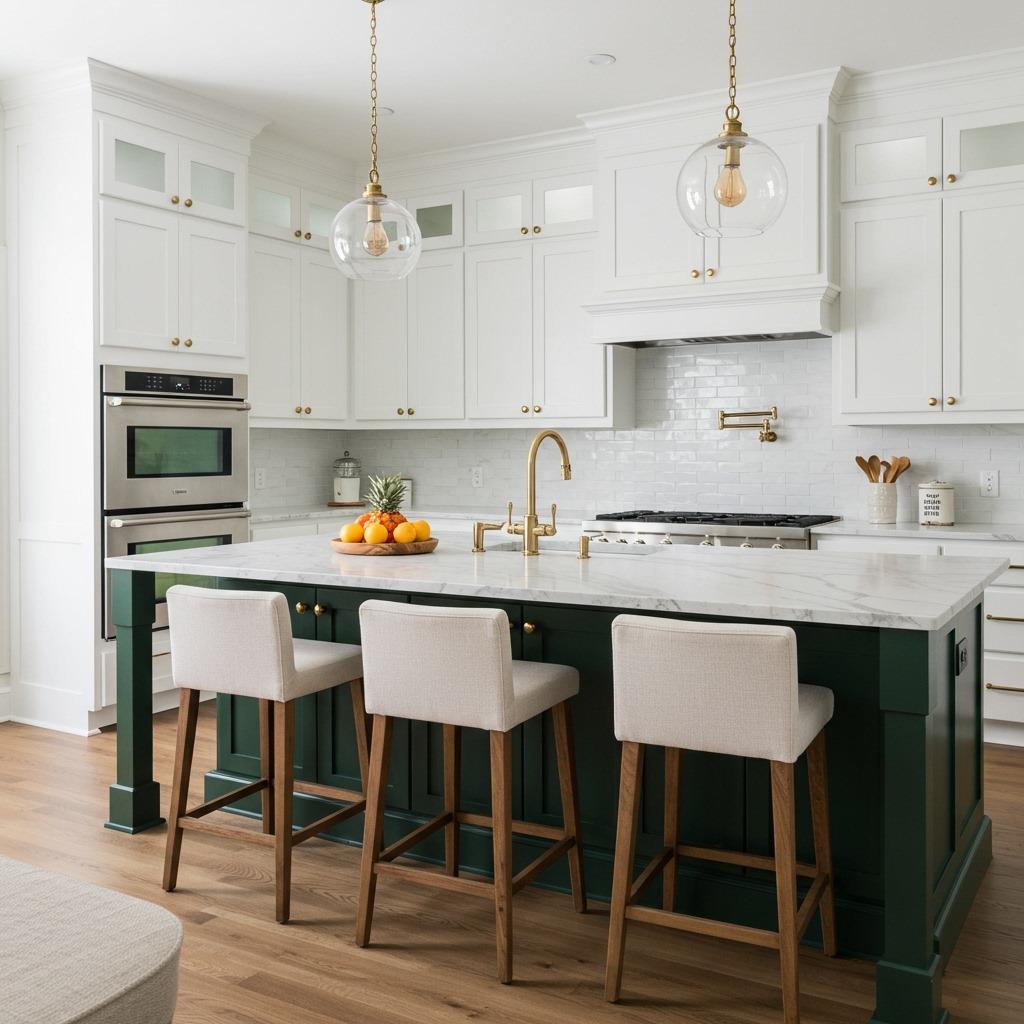
Who says your island needs to match your perimeter cabinets? A contrasting island color creates a focal point and adds visual interest without requiring a full kitchen remodel.
If your main cabinets are white or cream, consider a bold navy, forest green, or even black island. For darker kitchens, a light or brightly colored island can balance the space and prevent it from feeling too heavy.
This approach works beautifully with two-tone kitchen cabinet trends and lets you experiment with bolder colors in a more manageable dose than painting your entire kitchen.
10. Narrow Peninsula Alternative
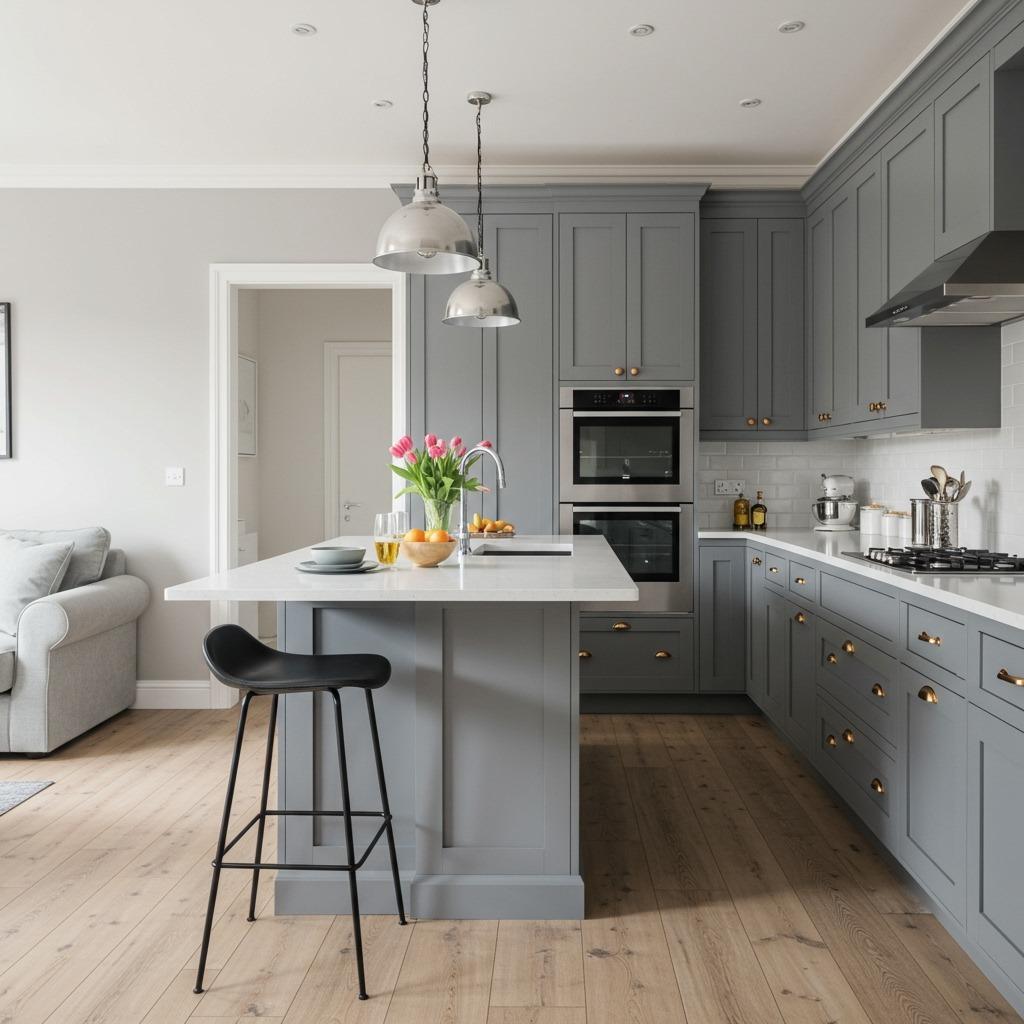
Don’t have room for a traditional island? A peninsula – an island that’s attached to a wall or existing cabinetry on one end – might be your answer. It provides many of the same benefits while taking up less floor space.
Peninsulas work particularly well in galley or L-shaped kitchens where a freestanding island would block traffic flow. You still get extra counter space and can add seating on the open side, but you maintain clear walkways throughout the kitchen.
Understanding these kitchen peninsula tips can help you make the most of awkward layouts or smaller footprints without sacrificing functionality.
11. Mixed Material Beauty
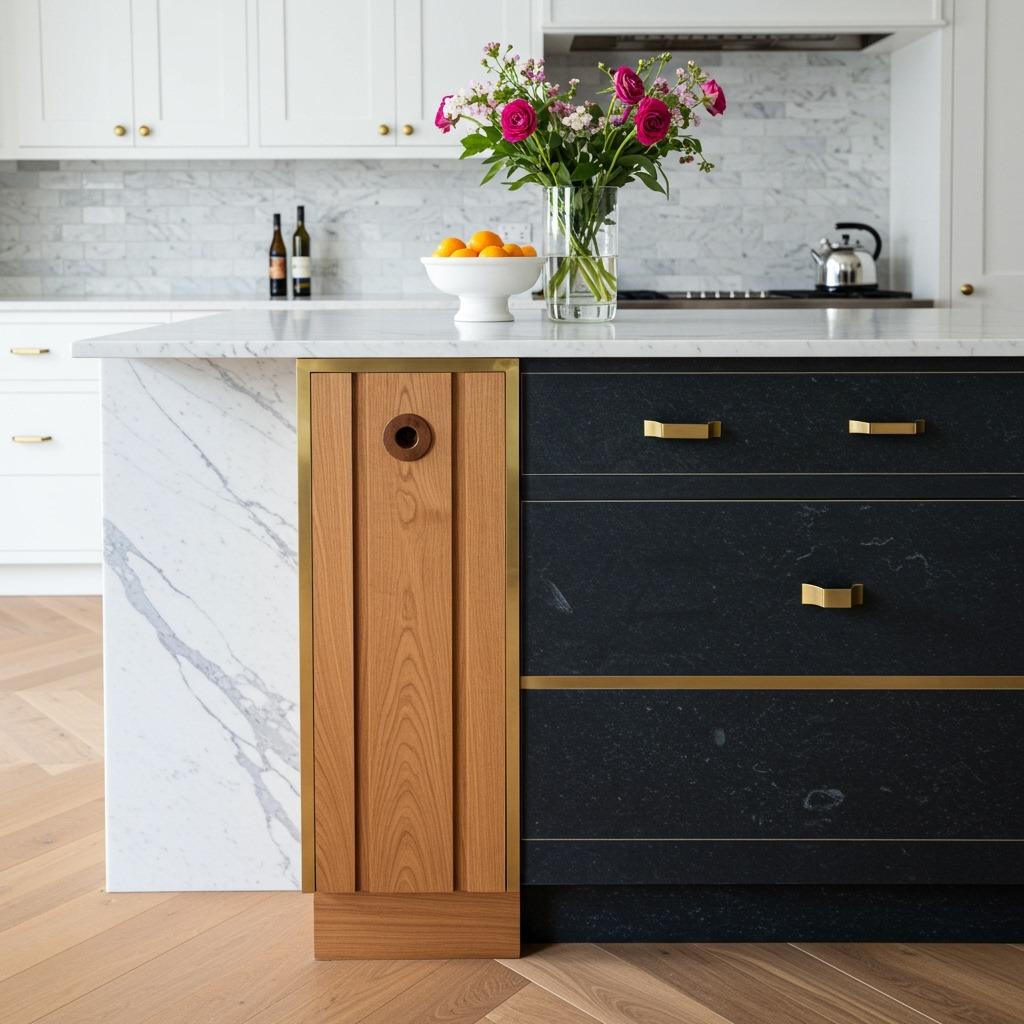
Why choose one material when you can have the best of both? Combining different surfaces – like pairing butcher block with marble, or concrete with stainless steel – gives you specialized work zones while creating visual interest.
You might use marble on one section for pastry work, butcher block in the middle for chopping, and a heat-resistant material near the stove for setting hot pots. Each surface does what it does best while contributing to an overall design that feels layered and intentional.
This approach requires careful planning to ensure the transitions look purposeful rather than piecemeal, but the functional payoff can be significant for serious home cooks.
12. Integrated Breakfast Bar
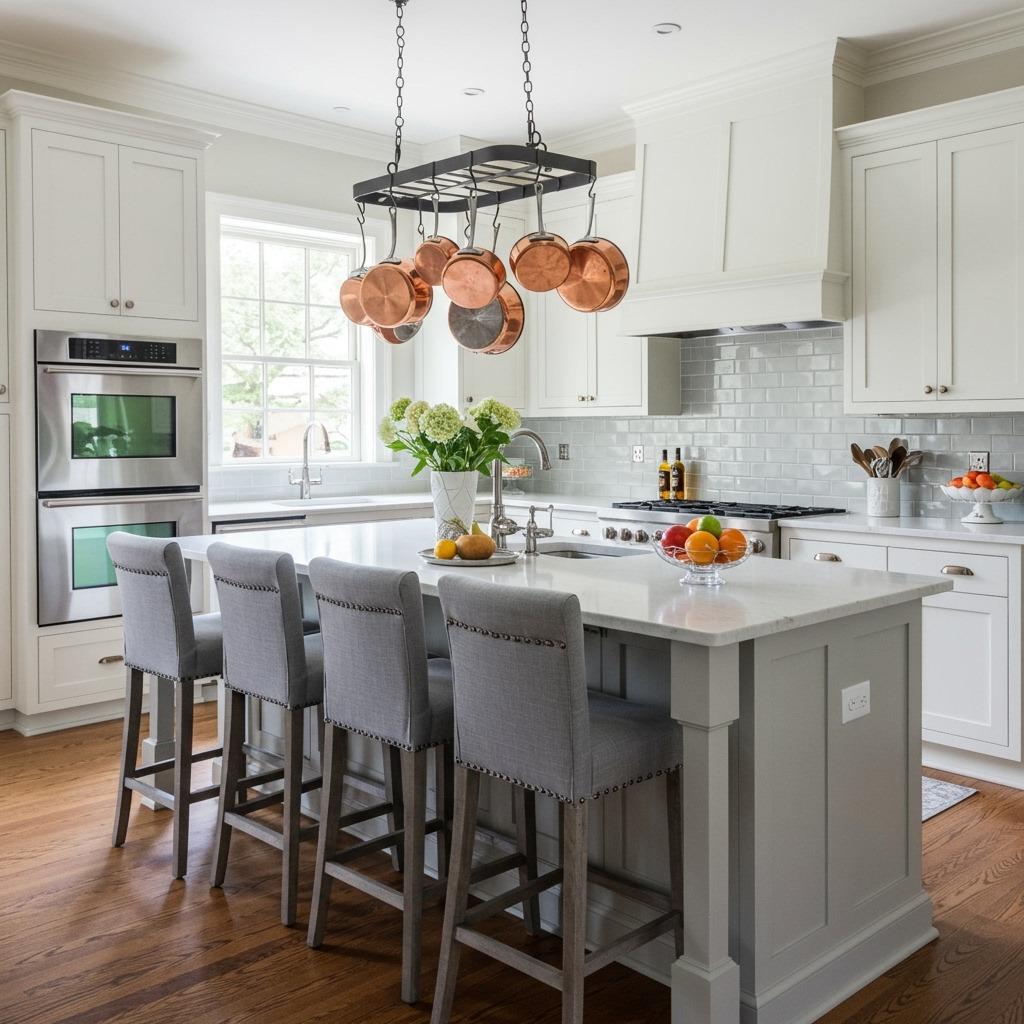
Turn your island into the go-to spot for quick meals by incorporating a dedicated breakfast bar overhang. A 12-15 inch overhang provides comfortable knee room for seated diners while keeping the main work surface separate.
This setup is perfect for busy families where everyone eats at different times. Kids can grab breakfast before school, someone can lunch while working from home, and it becomes extra seating when you’re entertaining.
The breakfast bar concept is one of those affordable home upgrades that significantly improves how you use your space without requiring major construction.
13. Industrial Pipe Base
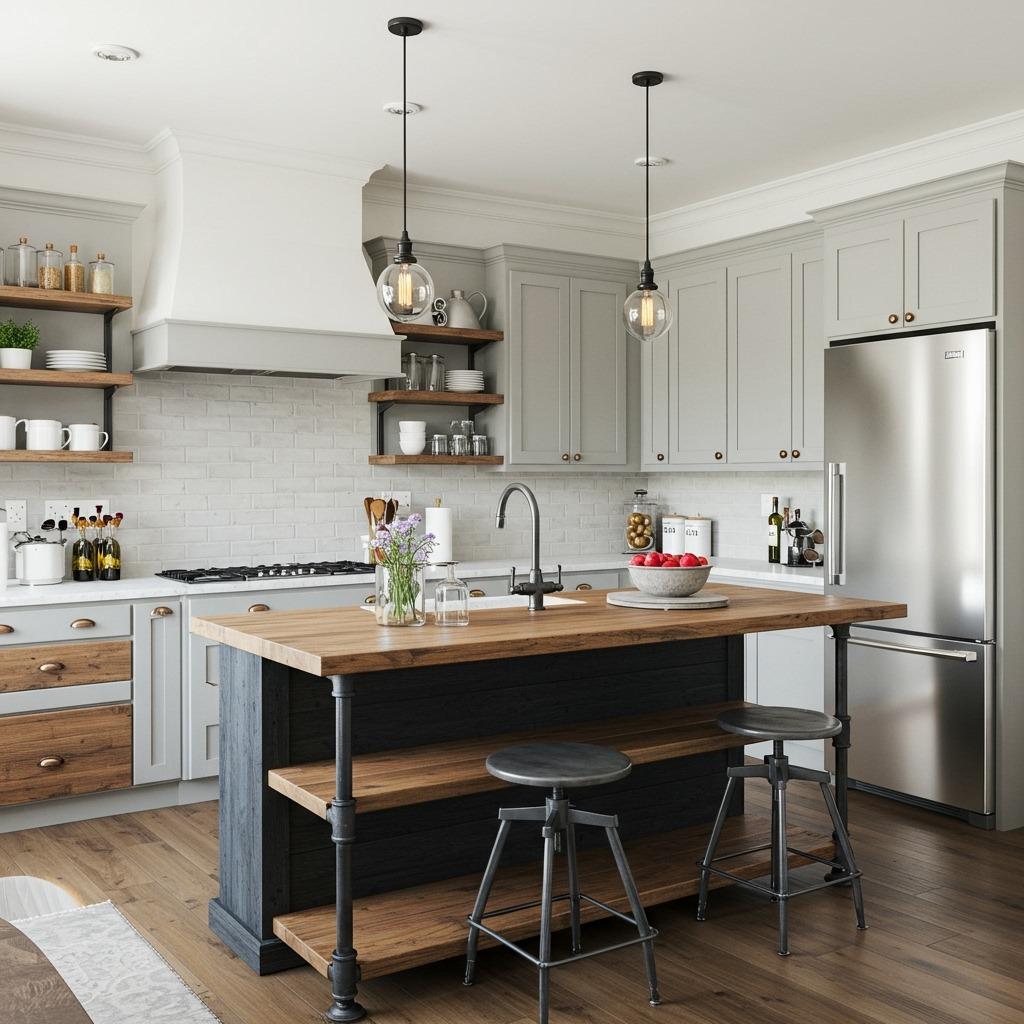
For an edgy, urban look, consider an island base made from black iron pipes or galvanized plumbing pipes. This industrial style brings raw, masculine energy to your kitchen while remaining surprisingly versatile.
The open pipe framework keeps sight lines clear, making your kitchen feel more spacious. You can add wooden shelves between the pipes for storage, or leave it completely open for a minimalist aesthetic.
This design pairs beautifully with concrete or reclaimed wood countertops and works well in loft-style apartments or modern minimalist spaces where a touch of industrial character adds warmth.
14. Hidden Storage Solutions
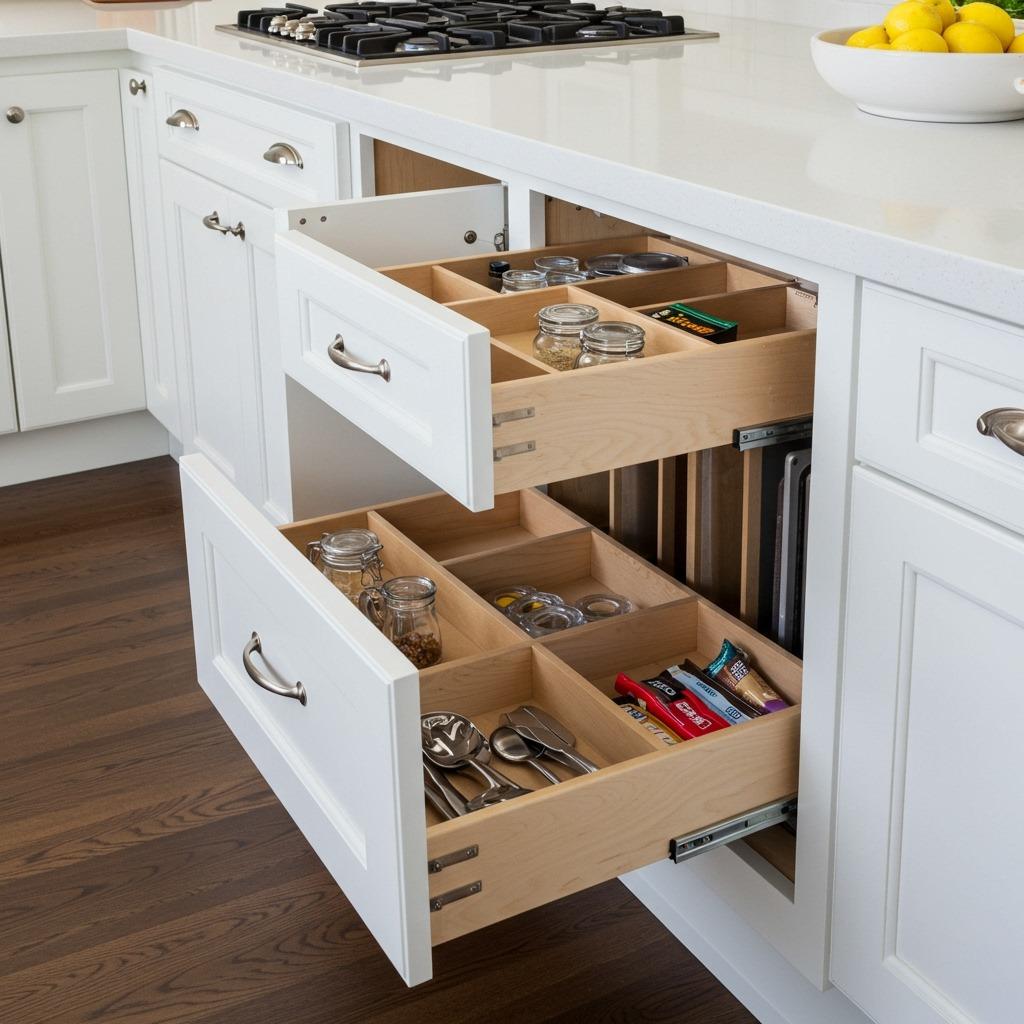
What if your island looked sleek and simple on the outside but held surprising amounts of organized storage within? Hidden storage features like pull-out spice racks, concealed trash bins, or charging drawers keep your island looking clean while maximizing functionality.
Consider vertical dividers for baking sheets, deep drawers with organizational inserts, or even a hidden compartment for small appliances that can be pulled up when needed and tucked away when you’re done.
Smart storage planning means your central kitchen decor stays beautiful and uncluttered, even in active, busy households where the island sees constant use.
15. L-Shaped Work Zone
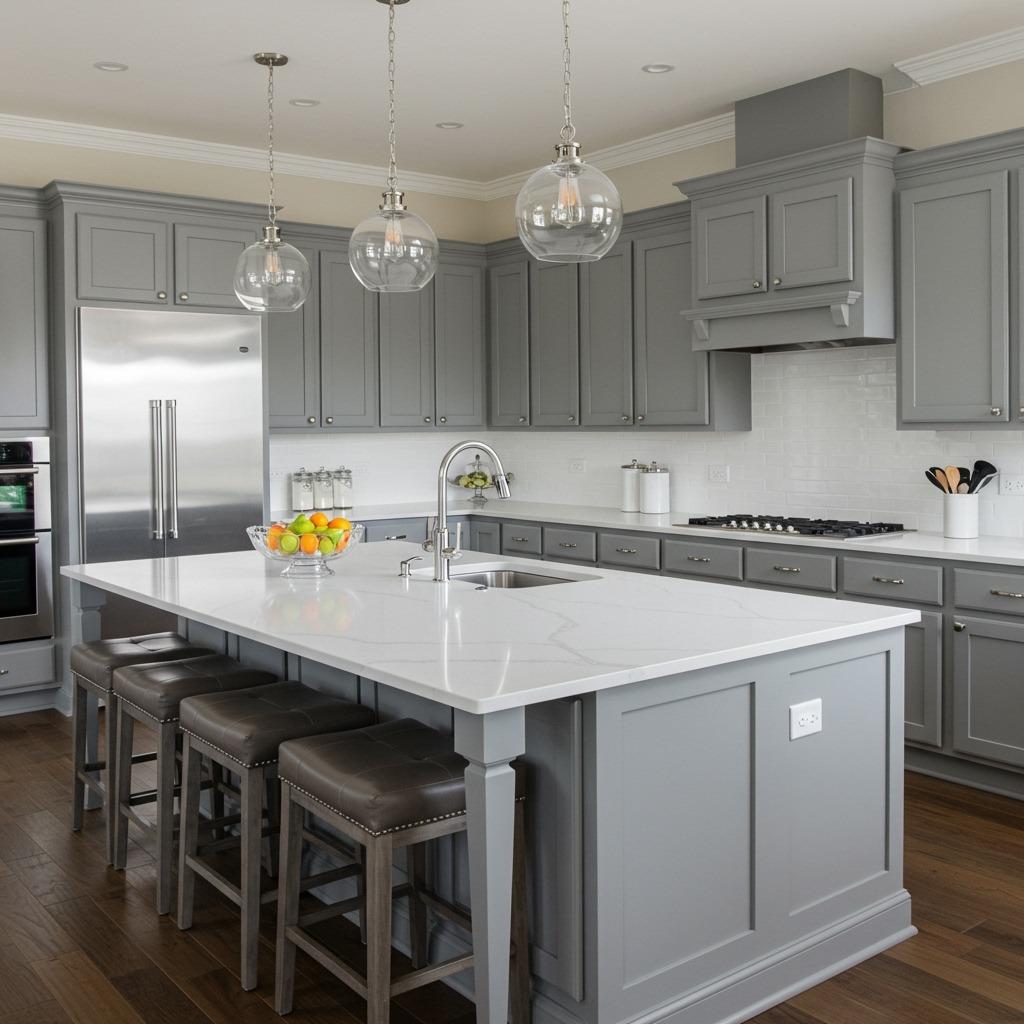
If you have the square footage, an L-shaped island creates distinct activity zones while maintaining an open feel. One leg might house the sink and prep area, while the other provides seating or serves as a baking station.
This configuration naturally directs traffic flow around the island rather than through it, reducing kitchen congestion during busy cooking times. It also creates a nice visual anchor in larger kitchens where a standard rectangular island might look lost.
The perpendicular sections can have different heights or purposes, giving you flexibility in how you design and use the space.
16. Compact Rolling Cart Style
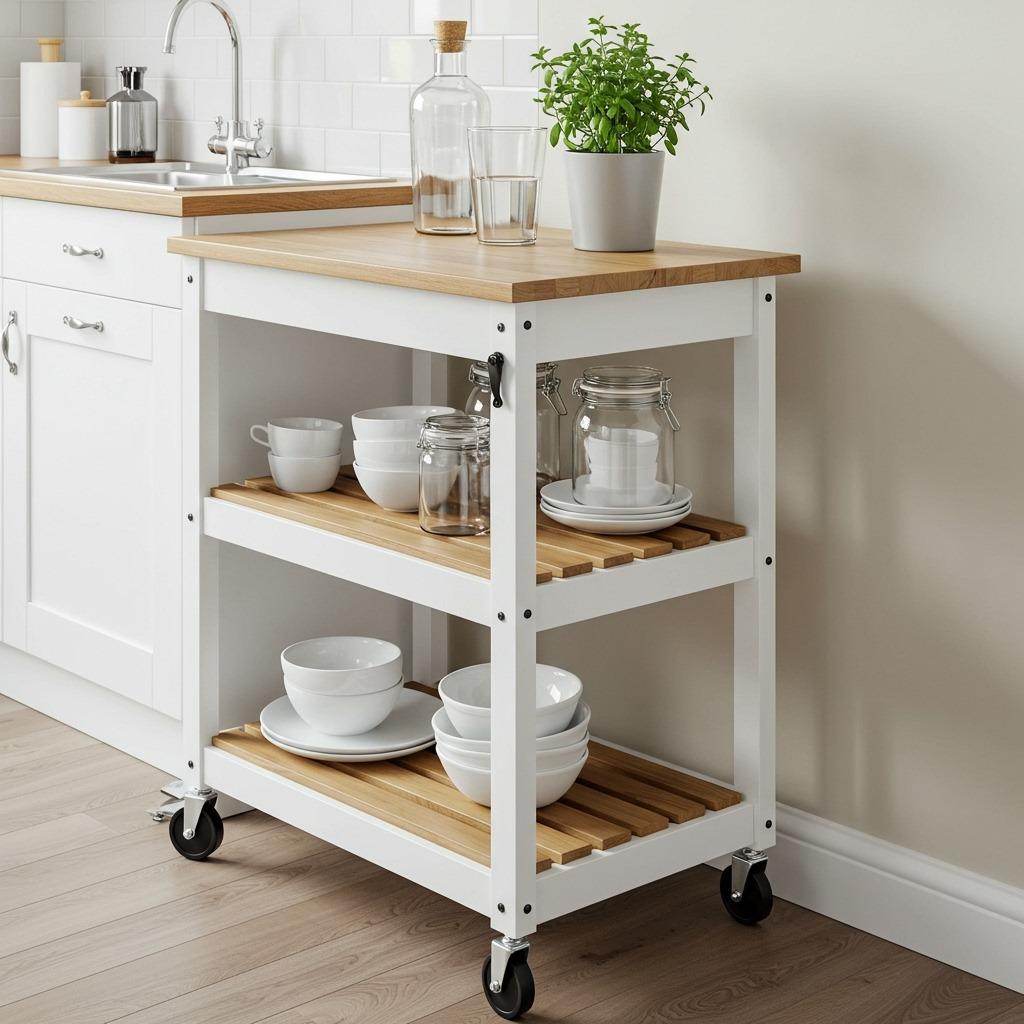
For small space renovation projects or kitchens with limited square footage, a slim rolling cart can provide the benefits of an island without overwhelming your room. These space-saving options tuck against a wall when not in use and roll out when you need the extra surface.
Look for carts with multiple shelves to maximize vertical storage. The top surface should be large enough for basic prep work, while lower shelves can hold everything from cookbooks to small appliances.
Some homeowners even keep multiple small carts that can be combined for big cooking projects and separated for everyday use – ultimate flexibility in a tiny footprint.
17. Statement Lighting Above
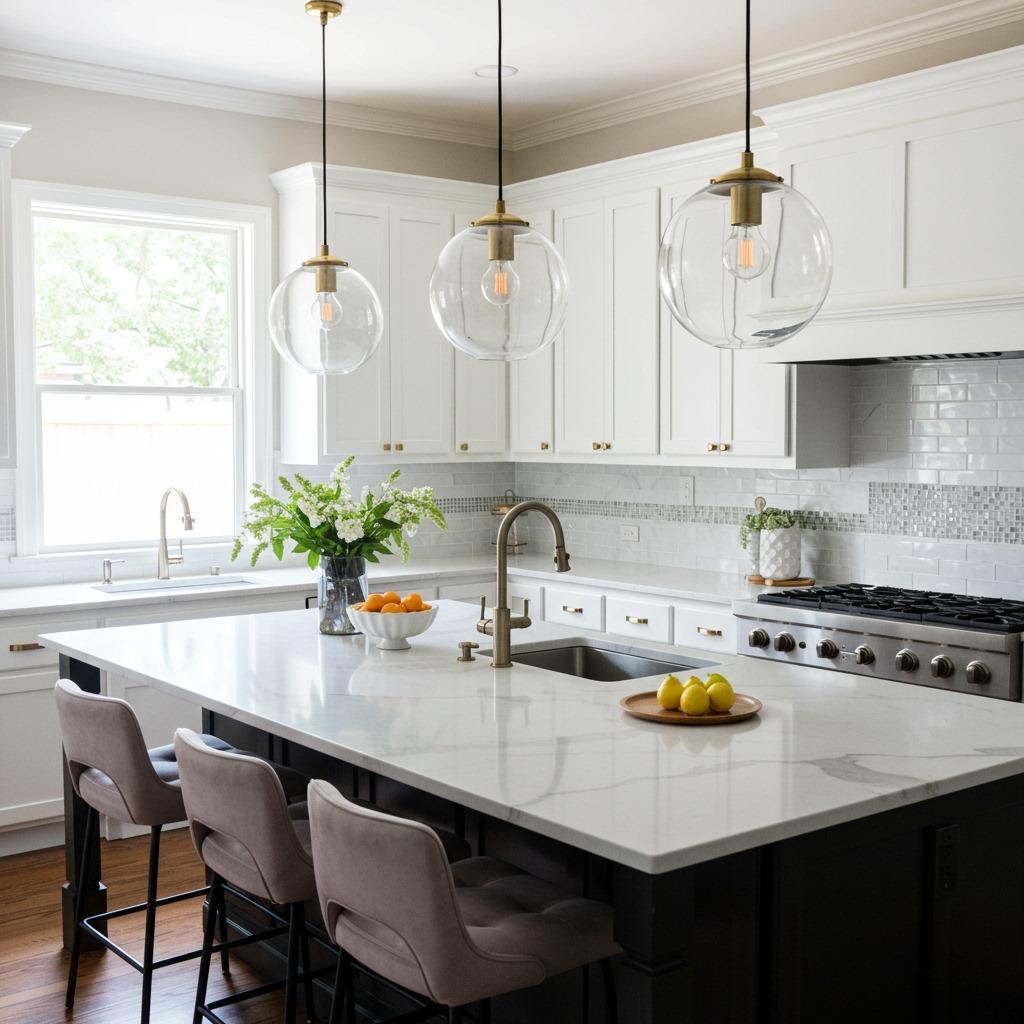
While not technically part of the island itself, the lighting you choose above it can make or break the entire look. Statement pendants or a dramatic chandelier transform a functional island into a true design moment.
The general rule is to hang lights 30-36 inches above your island surface, but don’t be afraid to adjust based on your ceiling height and personal preference. For an island with seating, make sure the fixtures don’t obstruct conversation or views.
Consider the style carefully – industrial pendants, geometric shapes, or classic glass globes all send different messages about your overall kitchen aesthetic. This is one area where you can really let your personality shine through.
Making Your Island Work for You
Choosing the right island design comes down to understanding how you actually use your kitchen. Do you need more storage, extra seating, or just a better workflow? Maybe you want all three, and that’s completely achievable with thoughtful planning.
Think about your cooking style, your family’s habits, and the overall vibe of your home improvement ideas. An island should feel like a natural extension of your space, not something awkwardly shoehorned in because everyone else has one.
And remember, the best kitchen island is one that makes your daily routines easier and brings you joy every time you walk into the room. Whether that’s a vintage dresser conversion or a sleek modern design, trust your instincts and create something that truly works for your life.
Which of these kitchen island ideas speaks to you? Whether you’re planning a full kitchen renovation or just dreaming about what could be, the right island can completely transform how your kitchen looks and functions. Start with what matters most to you – storage, seating, style, or some combination – and build from there. Your perfect island is waiting to anchor your kitchen and make it the gathering spot your home deserves.